Though not a hermit by nature, I do crave solitude, particularly in a canoe. One need look no further than the welter of solo canoe designs on offer to see I am not the only one. I easily counted three dozen different solo models from major brands in an online buyer’s guide. When you consider options for layups and laminations, seats, gunwales, thwarts and yokes, that means hundreds of variants. Perhaps it’s no wonder—lighter gear and digital tools have made going solo more accessible than ever before.
The quiet rise of solo canoe tripping
Bear Paulsen at Northstar Canoes in Minneapolis, Minnesota, says their solo models have increased to 12 over the last decade, even as solo canoe sales have remained consistent—about one-third of sales.
“Some of our customers,” says Paulsen, “turn to solo paddling because they’re getting older and maybe their partner has aged out.”Some crave an unfettered encounter with nature. Others, Paulsen says with a little smile in his voice, “just don’t want to deal with the headaches of paddling with someone else.”
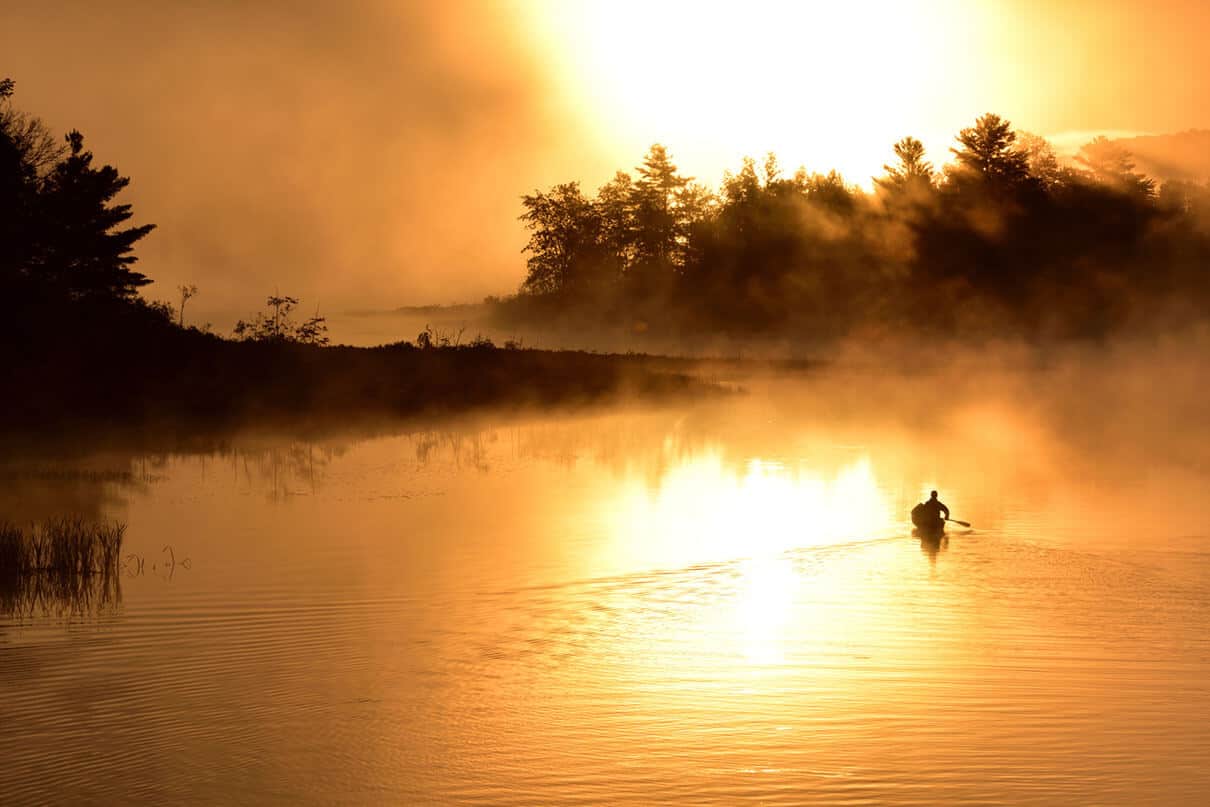
That wasn’t quite how it went for musician Jerry Vandiver. A Nashville-based songwriter by trade, Vandiver connected with the paddling community online and was drawn to the Boundary Waters Canoe Area Wilderness to hone his canoe tripping skills. Those experiences were tandem, but it was only a matter of time before scheduling conflicts in his paddling group led Vandiver to a solo trip.
“It was a bit of a disaster,” Vandiver says with a chuckle. “I was triple portaging. I had way too much gear. I was paddling in the stern seat and had much to learn. But I was intrigued by being uninhibited by anyone else, by not being responsible for anybody but me and, to my surprise, I like being by myself.”
Now, when Vandiver packs the truck for his annual visit to the Boundary Waters, he puts two canoes on the rack—one tandem, one solo. “What I try to do,” he says, “is plan two group trips and, in between those, I schedule a little solo trip, just to balance things out.”
Nova Craft Canoe’s introduction of the Prospector 14 canoe in 2024 was a response to the popularity of solo canoe tripping. Mike Prout, manager at the London Paddle Shop, the retail outlet of Nova Craft, is convinced soloing has been encouraged by the outdoor industry’s trend toward ultralight gear.
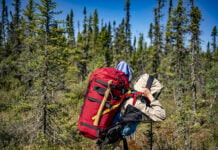
If you’ve got a one-kilogram tent and a complete kit weighing just a couple of kilos more, why not splurge on a lightweight canoe as well? With ultralight setups, solo canoe tripping is increasingly attractive to more paddlers.
When Becky Mason started teaching canoeing in 1986, most of her students wanted solo instruction. For 20 years, she says, that was about all she did, perhaps with people drawn into solo style paddling by the popularity of her dad Bill Mason’s Path of the Paddle books and films. If there is a move toward solo canoeing today, she adds, it might be that canoeing on your own, as her dad so famously did, “is a way to access the dream.”
And speaking of big dreamers, I was fascinated to hear from iconic solo canoe adventurer Adam Shoalts that his inspiration for solo paddling is also Mason.
“[Mason gets at] the real appeal of solo paddling, which is that it is relaxing, liberating without distractions,” says Shoalts. While he is known for his epic solo canoeing ventures, Shoalts initially found himself alone by default. In Shoalts’ book, Beyond the Trees, which outlines his epic Yukon to Baker Lake transit of the Northwest Territories and Nunavut and back, he describes lining up two of his paddling buddies to join him: one decided it was too physically ambitious (this friend was 30 years older than Shoalts) and the other landed his dream job in the months leading up to the big trip.
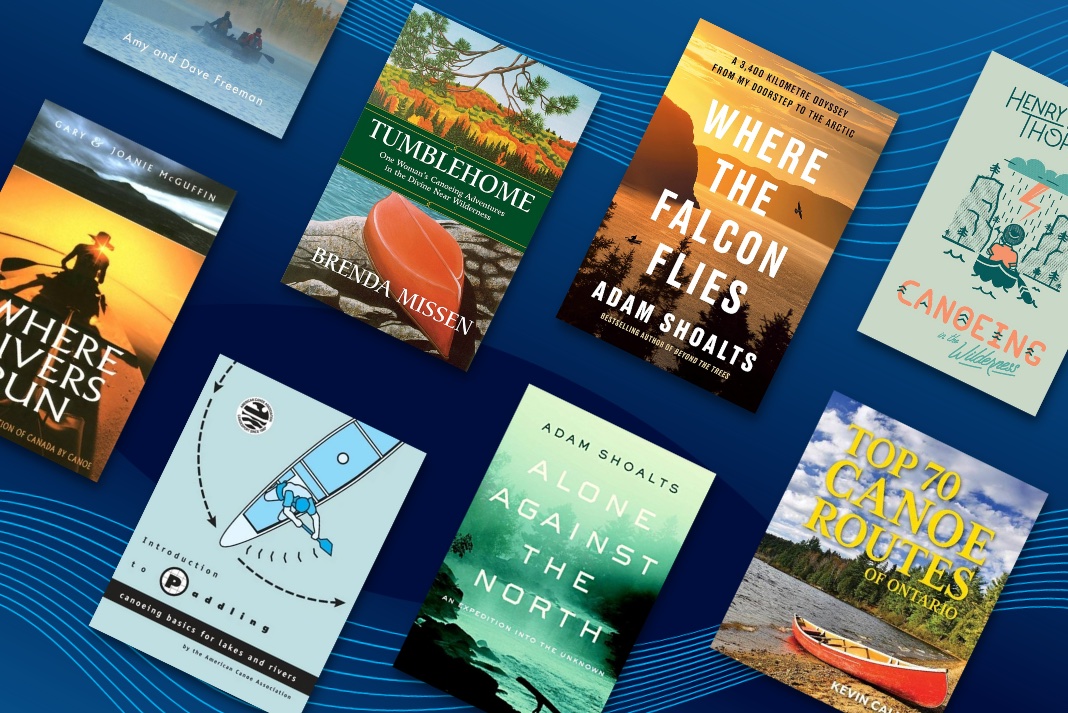
Despite many examples of iconic solo canoe trippers—like John MacGregor and George Washington Sears (aka Nessmuk), reaching back to the mid-19th century, tracking up in time through characters like Kate Rice, Archie Belaney, Robert Perkins and, yes, Bill Mason, all the way up to Kristin Gates and Camper Christina—my sense is today’s interest in solo canoeing is less about rugged individualism and isolation, and more about practicality. Many paddlers seem to go solo out of necessity, adapting to busy lives and schedules.
This shift has been made significantly easier by gear innovations—the advent of resins, fabrics, materials and manufacturing methods that enable the creation of ultralight gear and canoes—but other, larger technological shifts also drive it.
With reliable GPS systems and cellular and satellite phone service, solitude is more a state of mind and an illusion, given a paddler almost anywhere can reach out for advice, guidance, technical assistance or evacuation at any moment. Backcountry help may take a while to arrive, but there is no doubt electronic navigation and satellite communication systems have made solo venturing less intimidating.
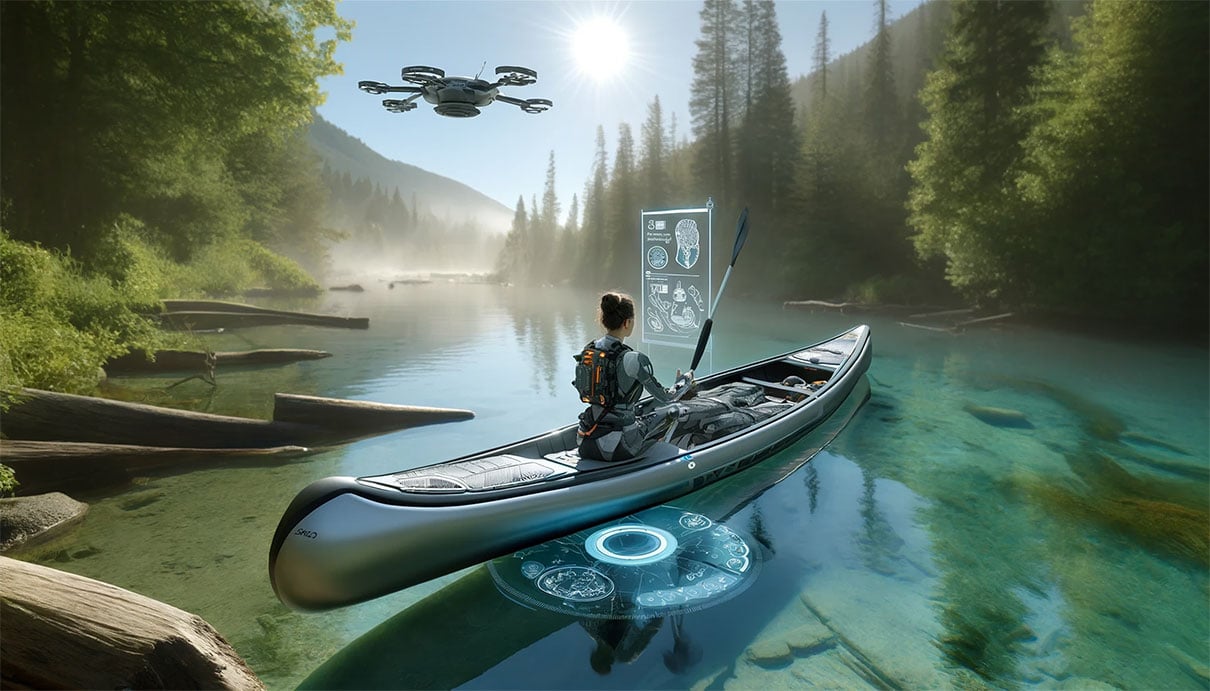
Secondly, back in 2002, cultural commentator Howard Rheingold published a book called Smart Mobs: The Next Social Revolution, which explored the ways electronic technology influences social connections and communities. Vandiver’s story is an example of how digital communication allowed him, despite being isolated in Nashville, to connect with his Boundary Waters paddling community, fostering a series of trips that nurtured his passion for canoeing.
Rheingold called these digitally connected social circles “communities of one,” which can both empower and isolate. The worry is when we find communities that resonate with our personal worldview, we risk disconnecting from local, face-to-face interactions, which are essential to the creation of functioning neighborhoods and communities.
Sound familiar?
The growth of solo canoeing may be a reflection, neither bad nor good in and of itself, of Western civilization’s move toward “communities of one.” My sense is, however, as long as we choose to express our love of paddling—solo, tandem, dragon boats, war canoes, whatever—and to share the joy as widely as possible with each other, with new friends, on the water, off the water, working always to keep the rivers clean and wildlands wild, the world will be a better place.
James Raffan is an author, explorer, occasional Zodiac driver and former executive director of The Canadian Canoe Museum.
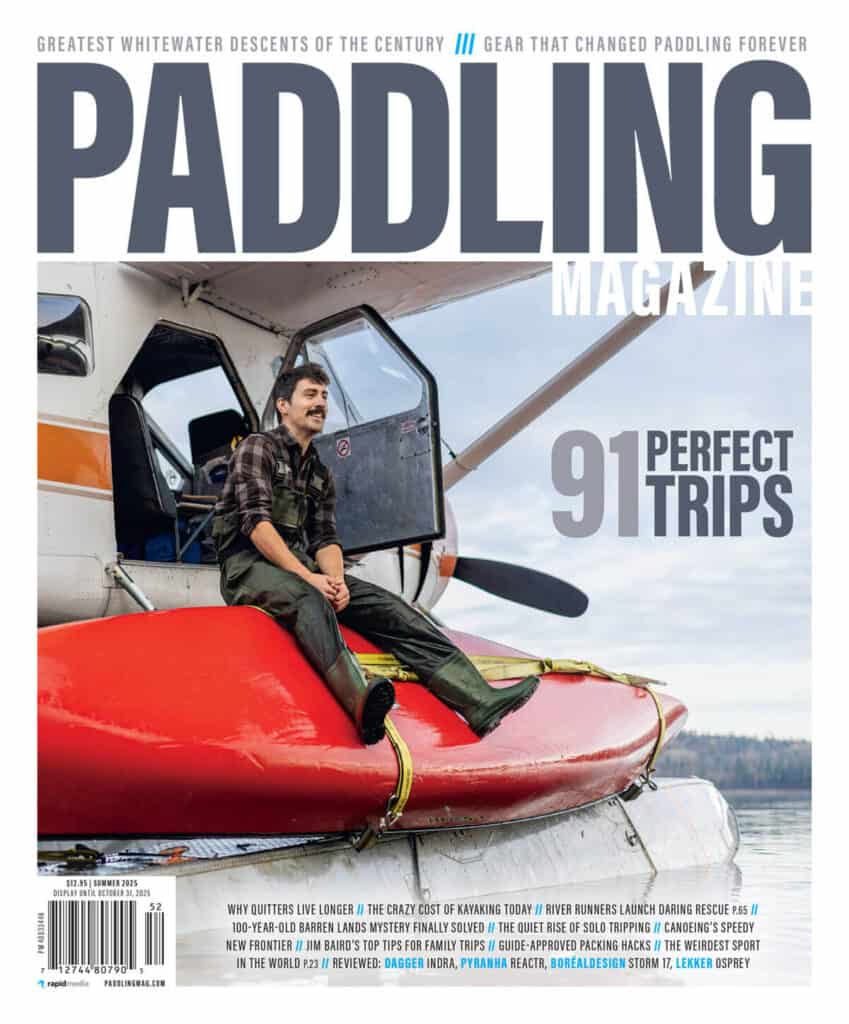 This article was published in Issue 74 of Paddling Magazine.
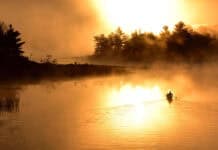
 Just me, myself and I. | Feature photo: Peter Bowers