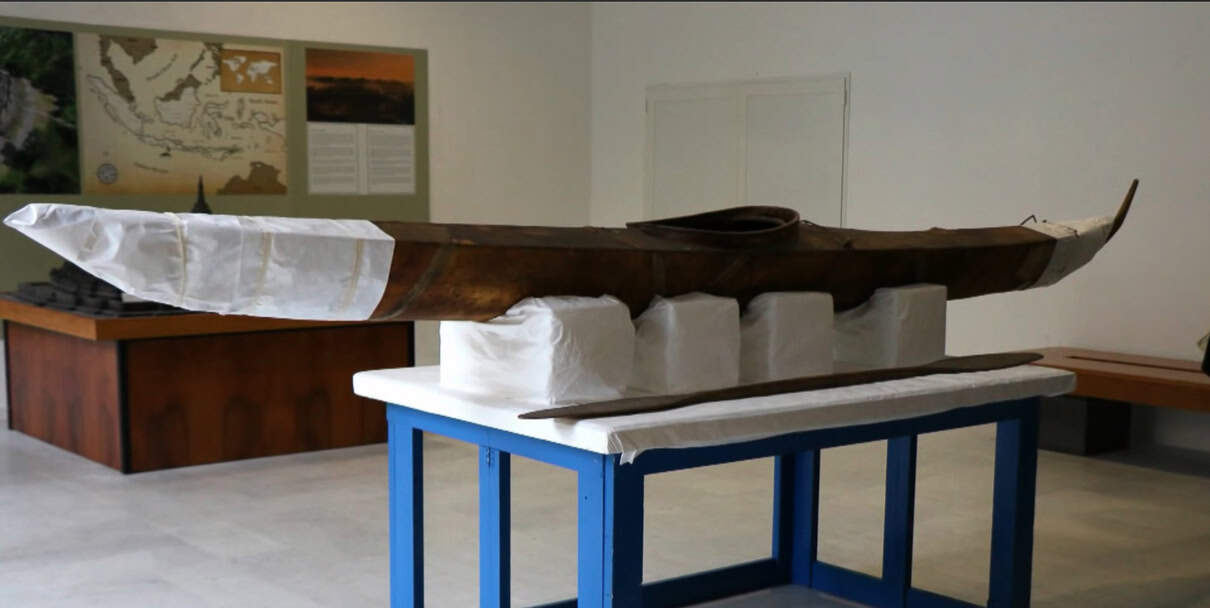
Held at the Vatican for 100 years, a traditional Inuvialuit kayak is now returning home along with more than 60 other Inuit, First Nations and Métis objects. The kayak was identified by Darrell Nasogaluak, who learned how to build kayaks from his grandfather, as originating in Nasogaluak’s region of the Western Arctic based on the unique horn at the bow and stern of the kayak.
Unclear if historic Indigenous kayak was gift to Vatican or stolen
Designed to be lightweight and fast but fragile, Nasogaluak shared that this style of kayak was used to hunt beluga whales in the Mackenzie Delta, specifically near Kitigaaryuit, in Canada’s Northwest Territories. Kitigaaryuit is recognized as a national historic site in Canada.
The kayak was sent by Roman Catholic Missionaries in 1925 for the Vatican Mission Exposition along with as many as 100,000 other objects; it’s unclear if these objects were gifts or stolen. The intent of the exhibition was to demonstrate that the church was open to all cultures and show what daily life looked like for Indigenous people and for missionaries, according to CBC News.
Chair of the Inuvialuit Regional Corporation (IRC) Duane Smith has been steering the repatriation efforts. Smith shared with CBC News that he found it unlikely that the kayak was given as a gift.
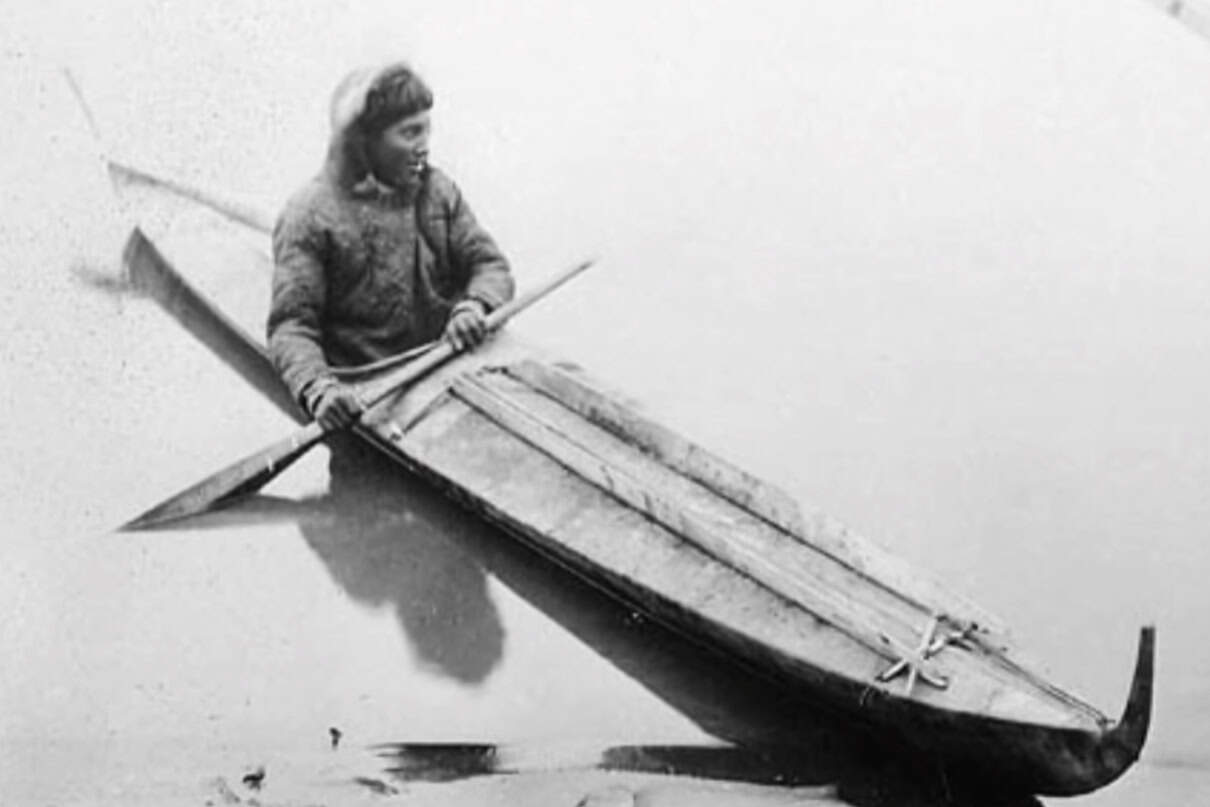
“To give your most valuable tool away during the most crucial time would not allow you to harvest your beluga to feed your family and community throughout the cold winter,” Smith told CBC News. Smith added that traditionally when a person passed away they’d be buried with their tools to use them in their next life. The kayak, harpoon and bow and arrow would all be placed on the ground above the hunter.
Traditional kayaks like this one were custom fit to the hunters body. The frame of the boat was made from driftwood with baleen, the keratin-based bristle-like filter feeding system used by baleen whales, for ties. The frame was then covered with sealskin and sewn together with sinew.
The IRC told CBC News that only a few Inuvialuit kayaks have survived, and many of the surviving kayaks sit in museums around the world.
“It’s a part of our history, our culture and what it means to be Inuvialuit,” said Smith.
Repatriated kayak is one of the few kayaks of its style left intact
The IRC has been working with the Canadian federal government, the Canadian Council of Catholic Bishops (CCCB) and the Inuit Tapiriit Kanatami (ITK), the national Inuit organization. The ITK shared that the conversations around bringing the kayak home began in 2022, when Indigenous delegates from Canada met with Pope Francis and toured the Vatican where they encountered the kayak on display.
“They’re trying to reconcile and together we have, under our discussions, we have come to this process as one form of reconciliation together,” Smith said.
While the initial negotiations included only the repatriation of the kayak, the Holy See wanted to include an additional 60 Inuit and First Nations cultural objects and the CCCB recommended the inclusion of a cultural object of Métis origin.
Nasogaluak told CBC News that he believes it isn’t necessarily a bad thing that the Vatican has had the kayak for the last century.
“Very few of them, other than in collections, none survived in the North,” said Nasogaluak. “I’ve seen fragments of them. And you know, the one that’s coming back is likely about the same age as the fragments I saw on the shore.”