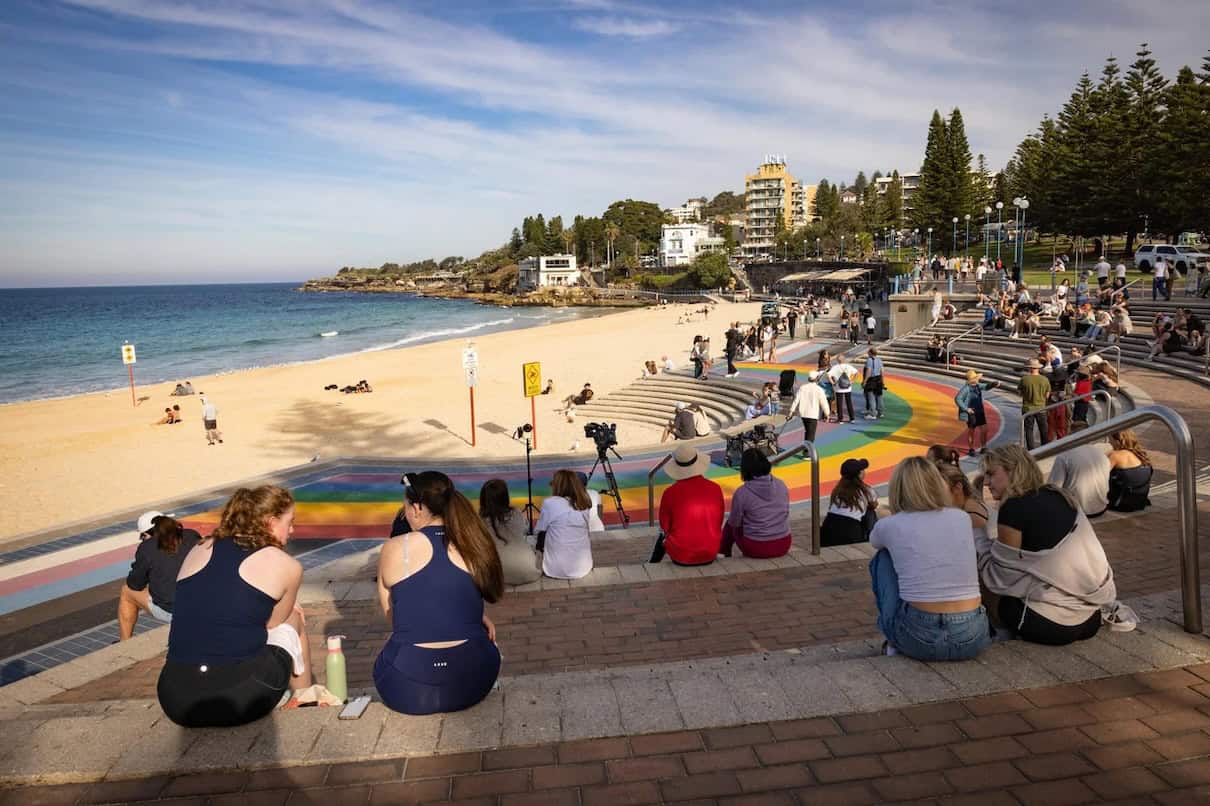
Competitive paddleboarder Charlie Verco was paddling past a popular beach in Sydney, Australia, on June 13 when he heard swimmers yell “shark.” Instead of fleeing to safety, Verco paddled toward the danger, hoping to help those in the water. As frantic swimmers attempted to climb onto his board, the shark attacked.
“But then another woman started screaming, and I could see she was being dragged around by something…there was a lot of blood in the water. It was quite shocking,” Verco shared in an interview after the incident.
Verco jumped into action to help rescue the woman and paddle her to the shore where she was transported to a hospital in critical condition.
“The size of it shocked me”
On the day of the attack, 25-year-old Verco was on a three-hour paddle, training for the Molokaʻi 2 Oʻahu Paddleboard World Championship. He says he normally feels safe in the Coogee Beach area because of the many people out in the water.
When Vecro heard the “shark” yell at the beach on June 13 and saw the animal in the water, he initially thought it was not moving aggressively.
“I thought that I was going to go over there, the shark was going to realize they’re not food, I would get them on my board, there’d be a little bit of panic and everyone would get to the beach just fine,” Verco shared in a podcast.
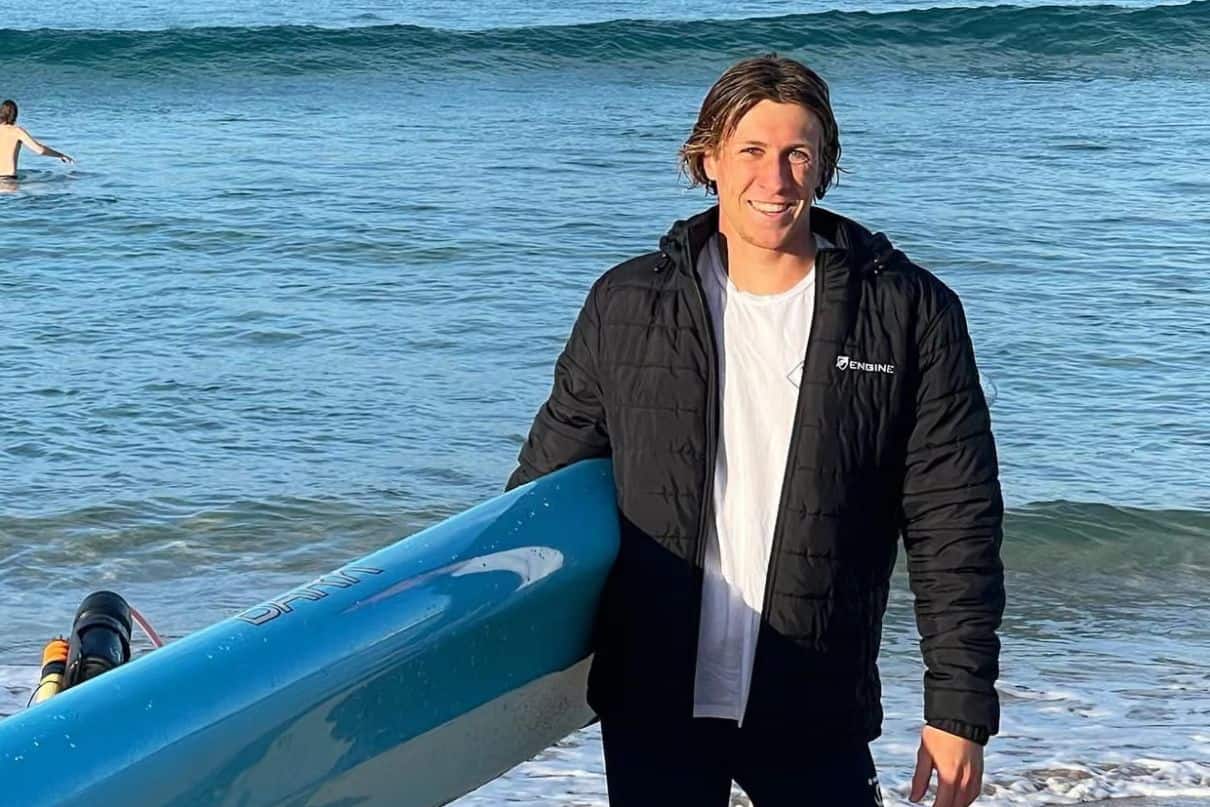
Verco, a trained lifeguard who spends much of his time out in the ocean, says he has always thought his 18-foot (5.5-meter) paddleboard would scare a shark away. However, as he neared the woman being circled by the shark, he began to feel more hesitant and helpless.
Speaking to CBS News after the incident, a Coogee Beach lifeguard said the white shark was roughly 11 feet (3.35 meters) long.
“I saw the shark come out of the water, and just the size of it shocked me,” Verco shared in the interview with CBS. “I kept paddling towards her, and the shark took her underwater, and I was going, ‘What do I do now?’”
The rescue
Verco attempted to signal the lifeguards on shore, hoping they would clear swimmers from the water and come to his aid. He watched from his board as the water filled with blood, feeling powerless.
“Hovering between that area of like, all I want to do is go to the beach, but I felt compelled and felt like I had a bit of responsibility. If I go into the beach, the only person on a board out here, she’s on her own. There’s nothing anyone can do,” Verco said in an interview.
Finally, Verco saw the woman resurface as the shark let her go. He paddled to her and told her to grab his board, but she soon lost consciousness. Verco struggled to tow her to the beach while keeping her head above water.
“I had to try and keep hold of her with one hand and keep paddling towards shore with the other,” he told The Guardian.
Once near the shore, bystanders helped pull the woman from the water. They applied tourniquets to the bites on her thigh and her arm, and she was transported to a hospital.
The woman, who has since been identified as 35-year-old Leah Stewart, is still recovering from multiple surgeries, including the amputation of her arm. Her family has set up a GoFundMe to support her recovery.
Balancing risk
Reflecting on the incident, Verco says he was balancing his own safety and his urge to help. He credits his surfing and lifeguard background for preparing him for the incident. Speaking about the Australian junior surf program Nippers, Verco shared he has never been more grateful to be a part of the surf lifesaving community.
“The first goal of that program is to teach you to have safety for yourself in the water so you can navigate surf, identify risks…and you also can’t help anyone else until you are confident enough in the water to look after yourself,” shared Verco.
The incident follows a handful of other shark attacks in Australia in recent months. However, data analyzed by the University of Florida’s International Shark Attack File shows that the number of shark attacks in any given year or region is highly influenced by the number of people entering the water. In other words, it is unlikely sharks are becoming more aggressive. Rather, people and sharks are likely simply interacting more often.
Instances of sharks attacking kayakers and paddlers are incredibly uncommon but not unheard of. Both paddlers and swimmers can practice these precautions to stay shark-safe: avoid blood in the water and areas being used by commercial fishers, swim or paddle with a buddy, stay away from large schools of fish and avoid excessive splashing.