Taking kids on a remote canoe trip is one of the most meaningful ways to introduce them to the wilderness. It’s a chance to build outdoor skills, confidence and family bonds far from screens and the noise of everyday life.
Some believe parenthood means the end of backcountry adventures, but that’s not true. Over the past six years, my family has completed numerous canoe trips—from Ontario’s French River to the mighty Stikine in Northern B.C. and Alaska, and the Teslin River in the Yukon.
I won’t pretend it’s easy. The stakes feel higher with kids, and you’ll worry more. But a bit of fear is healthy. It drives good preparation and awareness. Tripping with kids takes planning, patience and a sense of humor. But with the right approach, it’s unforgettable. Here are six tips to help make your family’s trips safe and enjoyable.
Jim Baird’s tips for remote canoe trips with young kids
1 Prioritize safety
Safety is the cornerstone of any successful trip, especially with kids. Start with properly fitted life jackets, and keep snacks accessible throughout the day to help dodge meltdowns. Customize a first-aid kit for children with items such as children’s ibuprofen, antihistamines and fun Band-Aids. Teach basic safety rules: no playing near the fire, stay within sight, and always wear your life jacket near the water. Establishing clear rules encourages independence while keeping everyone safe.
2 Pack smart
Overpack the essentials: extra clothing layers, quality rain gear, sun hats and lightweight sun shirts. Bring clamp-on umbrellas for sun and rain protection, and a satellite communicator like a Garmin InReach for emergencies beyond cell service and peace of mind. Bugs are almost guaranteed, so come prepared. A kid-sized bug shirt, family-sized bug shelter and repellants like Muskol Family & Kids (10 percent DEET) are helpful. A little 30 percent DEET behind the ears and along a kid’s hairline helps when bugs get particularly bad.
3 Choose a flexible route
Start small. Choose a route matching your child’s age, stamina and interests. You’ll cover far less ground than on an adult trip. Plan shorter paddling days with time to explore, and avoid campsites with hazards like cliffs or strong currents.
Know your exit strategies. Are there lodges, train tracks, ATV trails or motorboat access at any points along your route? Can a floatplane land if needed? Choose a route offering an exit strategy and store emergency contact numbers in your satellite communicator.
Emphasize the fun stuff—roasting marshmallows, spotting animals, exploring new places. Frame challenge as part of the adventure. If a portage is tough, celebrate the effort rather than the result.
Weather, water levels and kids’ moods can all shift unexpectedly, so build flexibility into your itinerary. Have buffer days and backup campsites mapped out so you can pull over early or take a day off if the weather is bad. On our Teslin River trip in the Yukon, it took four to five hours to break camp each morning with our three- and six-year-old along. We adjusted by waking up earlier and completing camp tasks before the kids woke up.
4 Set expectations
Kids thrive with structure and positive reinforcement. Before the trip, talk through what to expect, including paddling, portages, wildlife and camp chores. Emphasize the fun stuff—roasting marshmallows, spotting animals, exploring new places. Frame challenge as part of the adventure. If a portage is tough, celebrate the effort rather than the result.
5 Embrace the chaos
Staying upbeat and flexible goes a long way. Things will take longer than expected, and that’s okay. On our first trip with our eldest, we planned a multi-portage route in the backcountry. Two kilometers in, he had a full meltdown, so we stopped and camped at the first available spot. It wasn’t the trip we planned, but it was still magical. If everyone is warm, dry and safe, the memories will follow.
6 Know when to cut it short
Recognize when to pull the plug. If a child is sick or hurt, or if conditions turn dangerous, there’s no shame in cutting a trip short. You don’t need to push through the kind of adversity you tolerate on an adult expedition. When things go wrong, stay calm. Involve kids in age-appropriate problem-solving—it builds resilience and confidence. The point is to enjoy nature and each other, not to conquer the wilderness.

Jim Baird is a professional adventurer, and season four winner of the History Channel survival show Alone. His sons are three and six years old.
 This article was published in Issue 74 of Paddling Magazine.
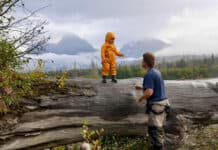
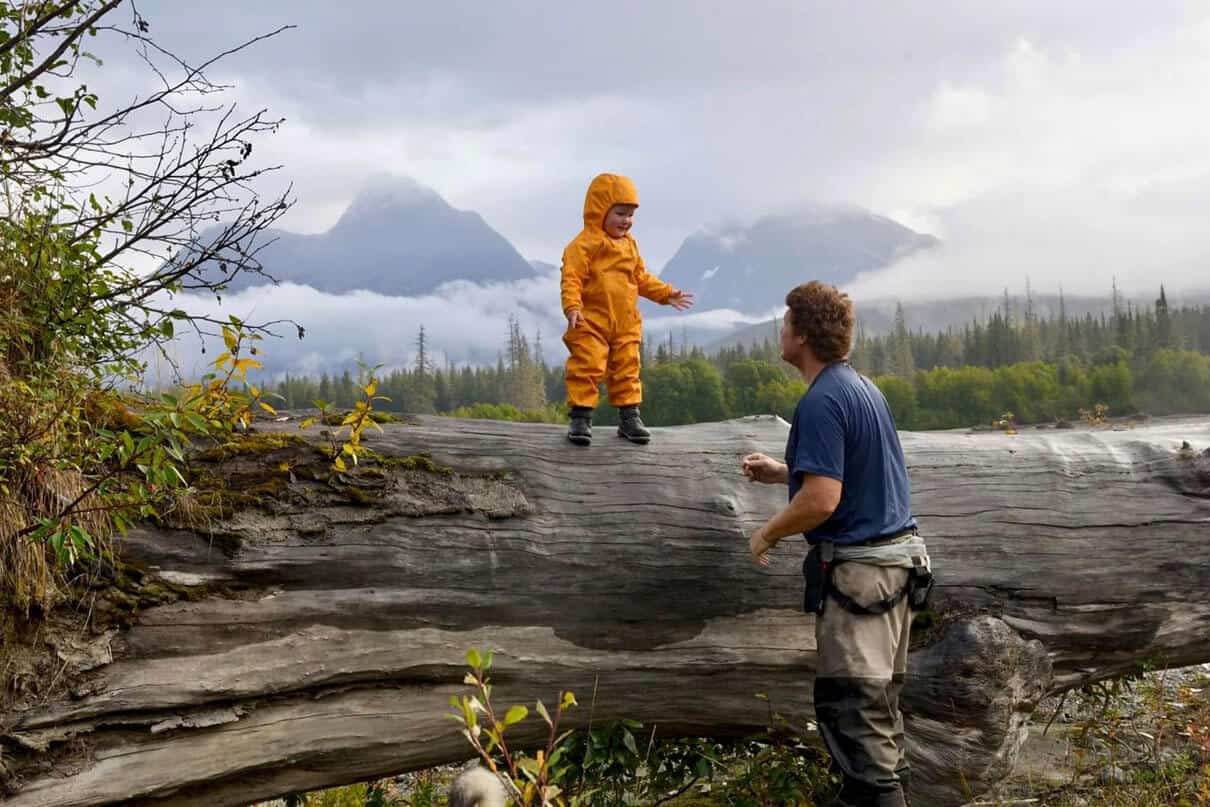
 Tripper in training on the Stikine River. | Feature photo: Jim Baird