I spent the first half of my life believing a cotton tee and flannel workshirt with a denim jacket thrown over top constituted all-weather “layering.” I also recall the result: being damp and cold on a regular basis. Then, I discovered technical outdoor clothing and the sorcery of layers that wick moisture, regulate temperature and repel rain. Merino, polypropylene, Capilene and fleece entered my vocabulary—and my closet. Now, the plaid shirts only come out at camp.
In the pantheon of outdoor apparel, base layers are arguably the least glamorous pieces of paddling kit. Let’s face it, we’re talking about long underwear. There’s a reason snazzy shells and cozy, stylish mid-layers get more press. But it’s the unsung undergarments that most profoundly impact comfort by transporting moisture away from your skin, minimizing friction, blocking harmful UV rays and keeping unpleasant odors at bay.
In the decades since my layering revelation, I’ve put countless base layer materials and styles to the test. Whether I’m shoulder-season canoe tripping, gearing up for spring whitewater, or slipping my sea kayak into the frigid waters of Lake Superior, these are my top-performing base layers for paddling in all waters and weather.
Best base layers: Our top picks
- Best overall: Icebreaker Merino Thermal Top & Oasis Leggings
- Most durable: Outdoor Research Vigor Grid Fleece Top & Bottom
- Best for sun protection: NRS Silkweight Hybrid Hoodie
- Best under drysuit: Mustang Survival Kazan Liner
- Most diverse sizing: Smartwool Classic Thermal Merino Crew Top & Bottom
- Best for cold weather: Kokatat Outercore Shirt & Pants
- Most affordable: Level Six Vulcan Uni-Suit
Best Base Layer Overall
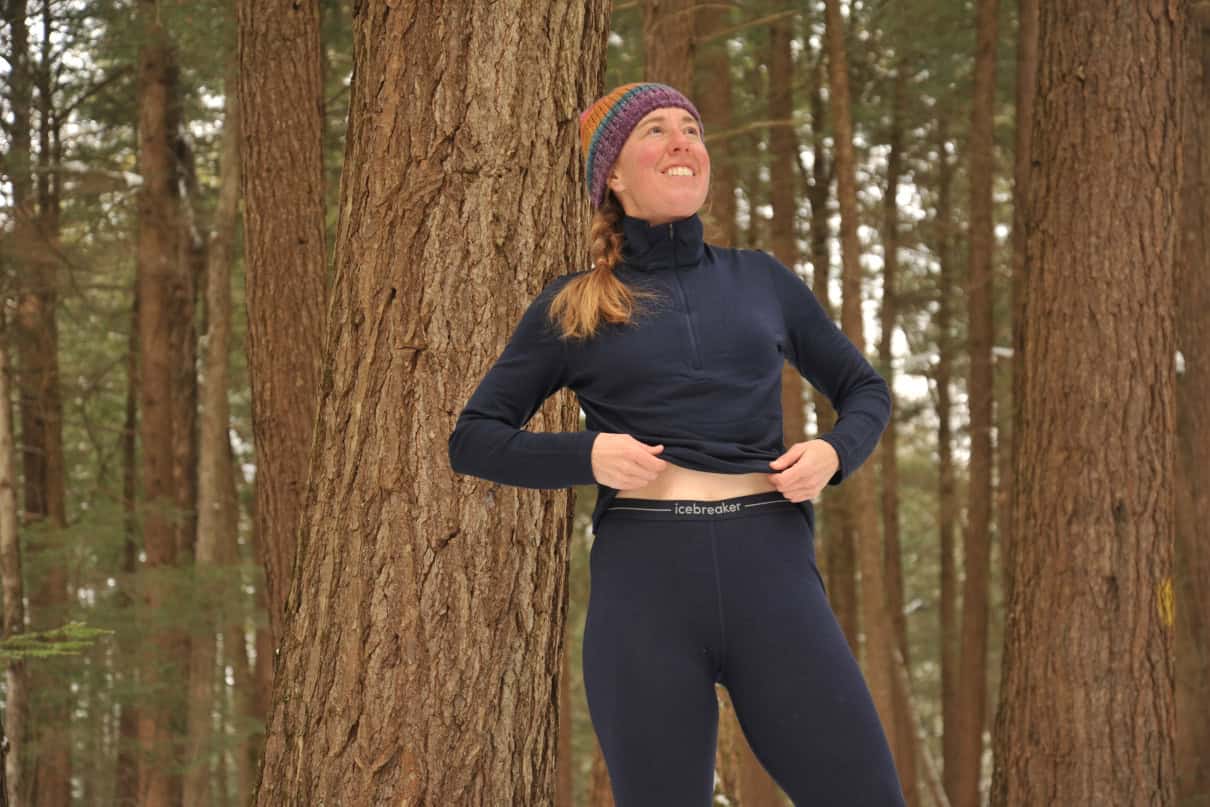
Icebreaker Merino 260 Half Zip Thermal Top & Merino 200 Oasis Leggings
Icebreaker Specs
Material: 100% merino wool
Sizing: W’s XS-XXL, M’s XS-XXL
Price: $135 US (top), $105 US (leggings)
Buy top from:
Buy bottoms from:
Why I love it
When it comes to paddling and living out of my dry bags, I’m always looking to escape for as long as possible. Multi-day trips are great, multi-week journeys are even better. That’s why my favorite base layer material is merino wool. Spun from the irresistibly plush fleece of Merino sheep—a breed known for its hardiness in the world’s most inhospitable climates—it offers superb warmth-to-weight, packs down smaller than synthetic fleece, and continues insulating even when wet. Unlike traditional wool, ultra-fine merino fibers are soft and non-itchy to wear next to your skin.
But the best part? Merino wool contains a wax called lanolin that is naturally water repellent and antimicrobial, meaning my base layers stay odor-free even after living in them for a week.
Founded in New Zealand (where sheep outnumber people 4.5:1), Icebreaker is the original pioneer of premium merino apparel for outdoor pursuits. The company offers a range of base layer weights from 175 to 300 for varying degrees of warmth. My go-to is pairing the versatile merino 200 Oasis leggings with a lightweight-yet-cozy 260 Tech Half Zip Thermal top for a season-stretching base layer that keeps me warm when it’s cold and cool when it’s warm.
Reasons to buy
- Excellent breathability and temperature regulation
- Naturally odor-resistant
- Warm when wet
- Slim fit promotes mobility and doesn’t bunch
- Offset and flatlock seams to reduce friction
Consider another if
- You’re on a budget—synthetic base layers offer a good alternative at a fraction of the price
- The words “wash cold, gentle cycle, line dry in shade” are not in your laundry vocabulary
Bottom Line
Top-notch performance, comfort and style in a material you’ll want to wear day and night.
Most Durable
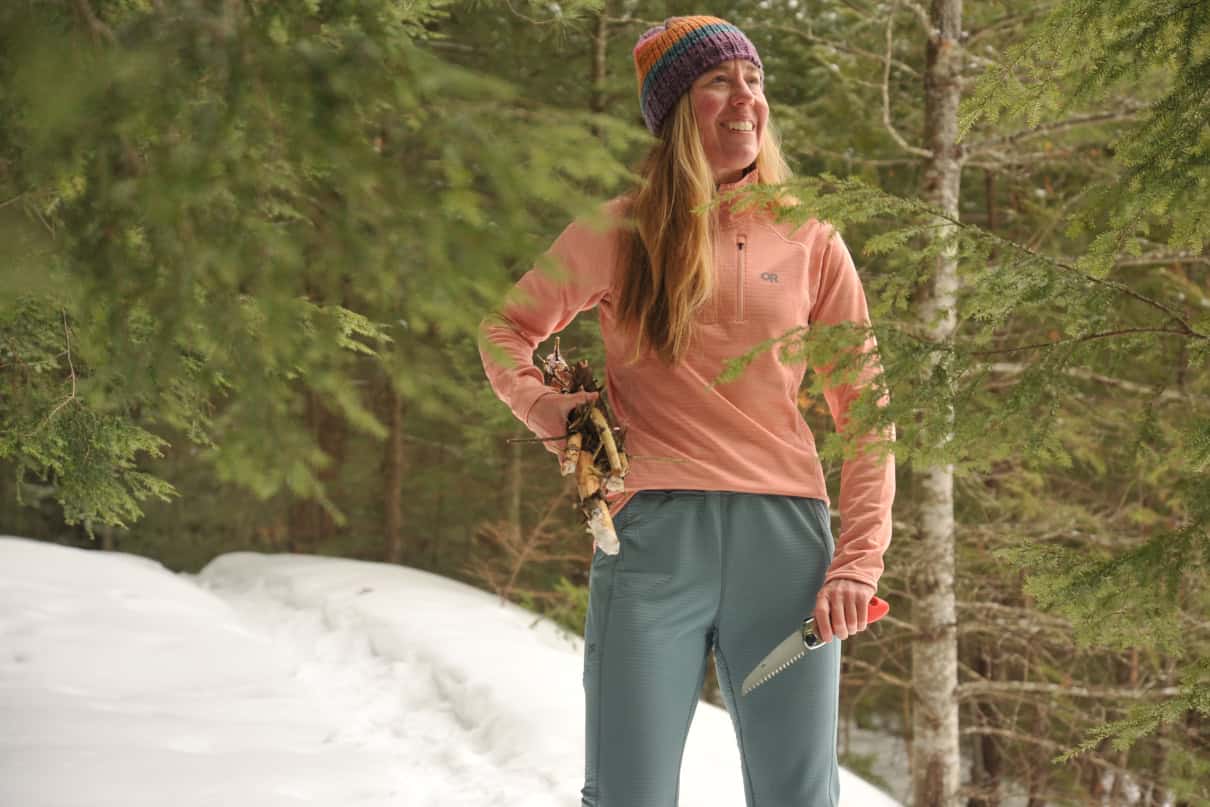
Outdoor Research Vigor Grid Fleece Quarter Zip Top & Bottom
Outdoor Research Specs
Material: 95% polyester, 5% spandex
Sizing: W’s XS-XXL, M’s S-XXL
Price: $110 US (top), $100 US (bottoms)
Buy top from:
BACKCOUNTRY REI OUTDOOR RESEARCH
Buy bottoms from:
BACKCOUNTRY AMAZON OUTDOOR RESEARCH
Why I love it
Some of my most well-loved base layers are hard-wearing synthetic fleece staples from Outdoor Research. Even after countless expeditions and laundromat wash and dry cycles, they still look great and perform like new. OR’s Vigor Grid tops and bottoms are crafted from lightweight fleece with a durable smooth face and waffle back for superior breathability and moisture transport away from your skin. Backed by the company’s lifetime guarantee, these are base layers designed for round-the-clock outdoor use—whether I’m kneeling in a canoe, shouldering a pack, or hauling firewood.
The quarter zip top makes it easy to vent on warm days or zip up when the temperature drops. The bottoms feature an internal elastic waistband with a drawcord to customize fit. The relaxed fit means these also work great as a mid-layer on the coldest paddling days.
Base layers aren’t known for their storage, which makes sense when you’re layering under other clothing, but I appreciate the inclusion of chest and hip zip pockets on the Vigor Grid top and bottoms for stashing my phone or a snack when I’m wearing just this layer on dry days.
Reasons to buy
- Lifetime guarantee
- Easy care; machine wash and dry
- Breathable and quick drying
- Flat seam, chafe-free fit for maximum range of motion
Consider another if
- You prefer natural fibers like wool for their natural odor- and fire-resistance
- You want a one-piece for under your paddling gear
Bottom Line
Unbeatable durability and worry-free maintenance backed by a lifetime guarantee.
Best For Sun Protection
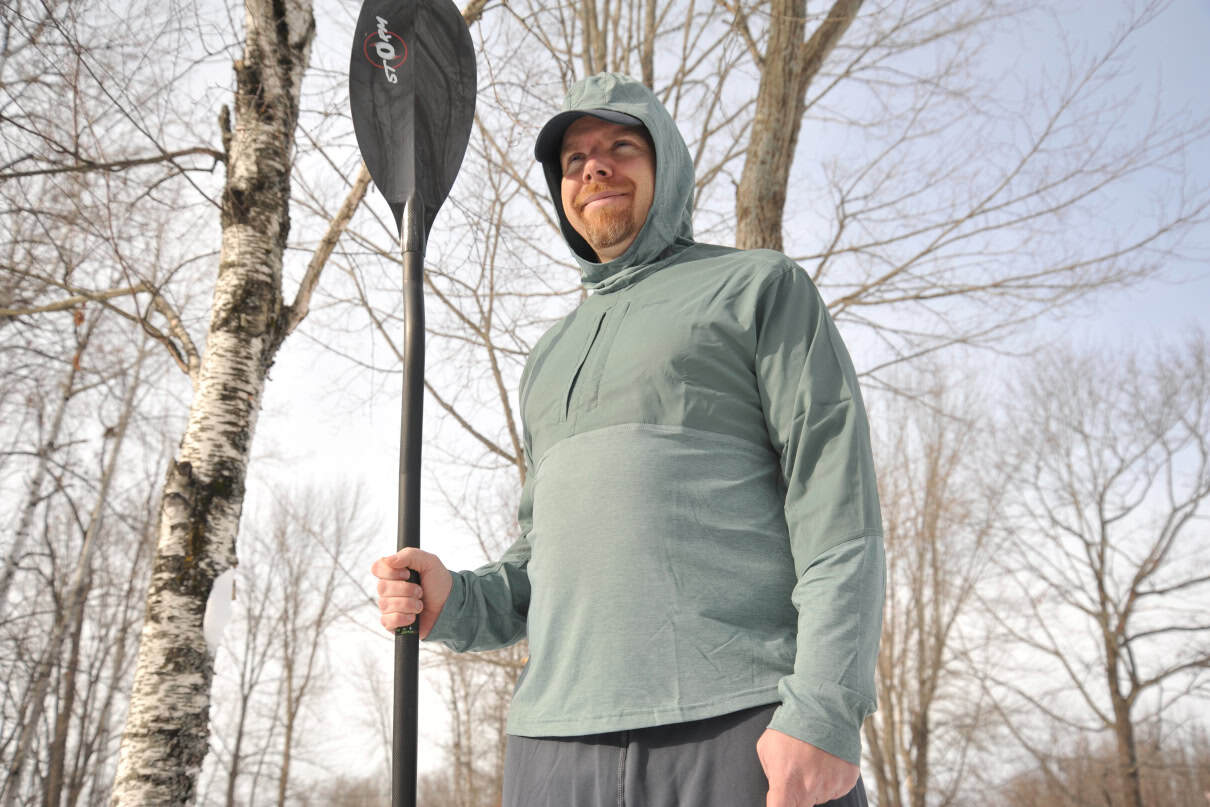
NRS Silkweight Hybrid Hoodie
NRS Specs
Material: 92% polyester, 8% spandex
Sizing: M’s S-XXL, W’s XS-XL
Price: $109.95 US
Buy from:
Why I love it
Crafted from ultralight synthetics with advanced wicking technology for cooling comfort, the NRS Silkweight Hybrid Hoodie promotes responsible choices on hot, steamy days. Instead of reaching for that faded t-shirt and a bottle of sunscreen, I grab this long-sleeve sun shirt for UPF 50+ protection and a face-shading hood. The Silkweight Hoodie’s breezy fit and four-way stretch keep you chill on the sweatiest days, while the woven shoulder and chest panels add abrasion resistance for wearing under a PFD. The sturdier material up top also works well to shield my shoulders, upper back and arms from dive-bombing deerflies. Two mesh-lined chest pockets offer a secure place to stash small essentials.
Reasons to buy
- Ultralight UPF 50+ sun protection
- Dries almost instantly
- Proprietary synthetic fabric keeps you cool on hot days
Consider another if
- You need an insulating base layer for cooler climates
- You don’t want a hooded shirt, in which case consider NRS’s similar Silkweight Baja or Long Sleeve shirts
Bottom Line
Less is more when it comes to sun shirts, and this airy top gets it right.
Best One-Piece
Mustang Survival Kazan Drysuit Liner
Mustang Survival Specs
Material: 93% polyester, 7% spandex (body) / 86% nylon, 14% spandex (cuffs)
Sizing: W’s S-XL, M’s S-XXL
Price: $184.99 US
Buy from:
BACKCOUNTRY AMAZON MUSTANG SURVIVAL
Why I love it
Few environments test a base layer’s capacity for managing moisture, chafing and thermo-regulation like the microclimate inside a drysuit. The Kazan liner impressed me right away with its body-mapped grid fleece and a clever, minimalist design that ticks all the boxes for under drysuit comfort.
One-piece thermals can be challenging to fit. After finally finding a drysuit that fits me well, the last thing I want is a bunchy base layer compromising my comfort. The Kazan’s slim tailoring, low collar, and 7/8-length sleeves maximize mobility while accommodating neck and wrist gaskets. Mustang finished the sleeve and leg cuffs with water-resistant stretch nylon, solving a common paddler complaint—soggy wrists and ankles from imperfect drysuit seals. The clincher for me, however, is the drysuit-compatible drop seat. It’s an elegant solution: a long shirt hem tucked into a high elastic waistband at the back of the liner. No zipper, no snaps, no added bulk.
Reasons to buy
- One-and-done layering
- Cozy waffle fleece is ideal for cooler conditions
- Breathable and quick drying
- Drop-seat compatible
Consider another if
- You mostly wear your drysuit in warmer temperatures, where a lighter base layer may be more comfortable
- You prefer the flexibility of layering separate tops and bottoms
Bottom Line
This smart, drysuit-specific design is the most comfortable union suit we tested.
Most Diverse Sizing
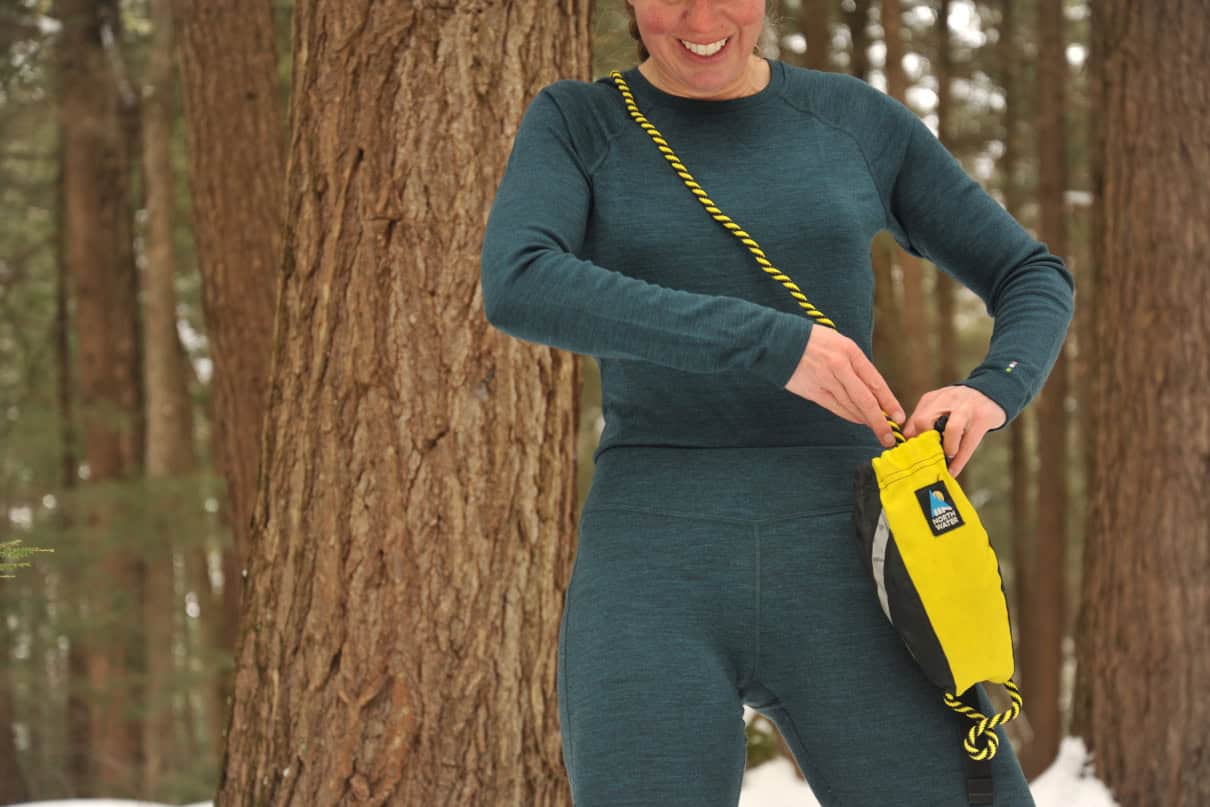
Smartwool Classic Merino Thermal Crew Top & Bottom
Smartwool Specs
Material: 100% merino wool
Sizing: W’s XS-4X, M’s XS-XXL
Price: $125 US (top), $125 US (leggings)
Buy top from:
Buy bottoms from:
Why I love it
Comfortable, colorful and easy to care for, Smartwool’s merino base layers are available in standard and plus sizes to fit all paddlers.
I like the brand’s 150-weight Classic All-Season base layers for warmer weather, while the mid-weight 250 Classic Thermal options are perfect for chilly shoulder-season paddling and camping.
I have broad shoulders for my frame, so I appreciate the crew top’s raglan sleeves which allow a greater range of motion while ensuring a comfortable fit for those with athletic builds or larger busts. Responding to user feedback, Smartwool updated their classic merino leggings to improve fit across a range of body shapes. I love the wide waistband but find the mid-rise still rides down a bit at the back when I’m sitting or kneeling in my boat.
Crafted from 100-percent merino wool, Smartwool base layers excel at moisture control and regulating body temperature. Even better, the natural fibers are odor-resistant; just air out your layers after wearing and they’ll feel (and smell) fresh for another day. When it’s time for laundering, the robust knit can be machine-washed and dried.
Reasons to buy
- Inclusive sizing
- Excellent breathability and temperature regulation
- Naturally odor-resistant
- Easy care; machine wash and dry
- Fun colors and prints
Consider another if
- You’re on a budget—synthetic base layers offer a good alternative at a fraction of the price
- You want the full coverage of high-rise bottoms
Bottom Line
Comfortable, stylish natural fiber base layers with standard and plus sizes to fit everyone.
Best For Cold Weather
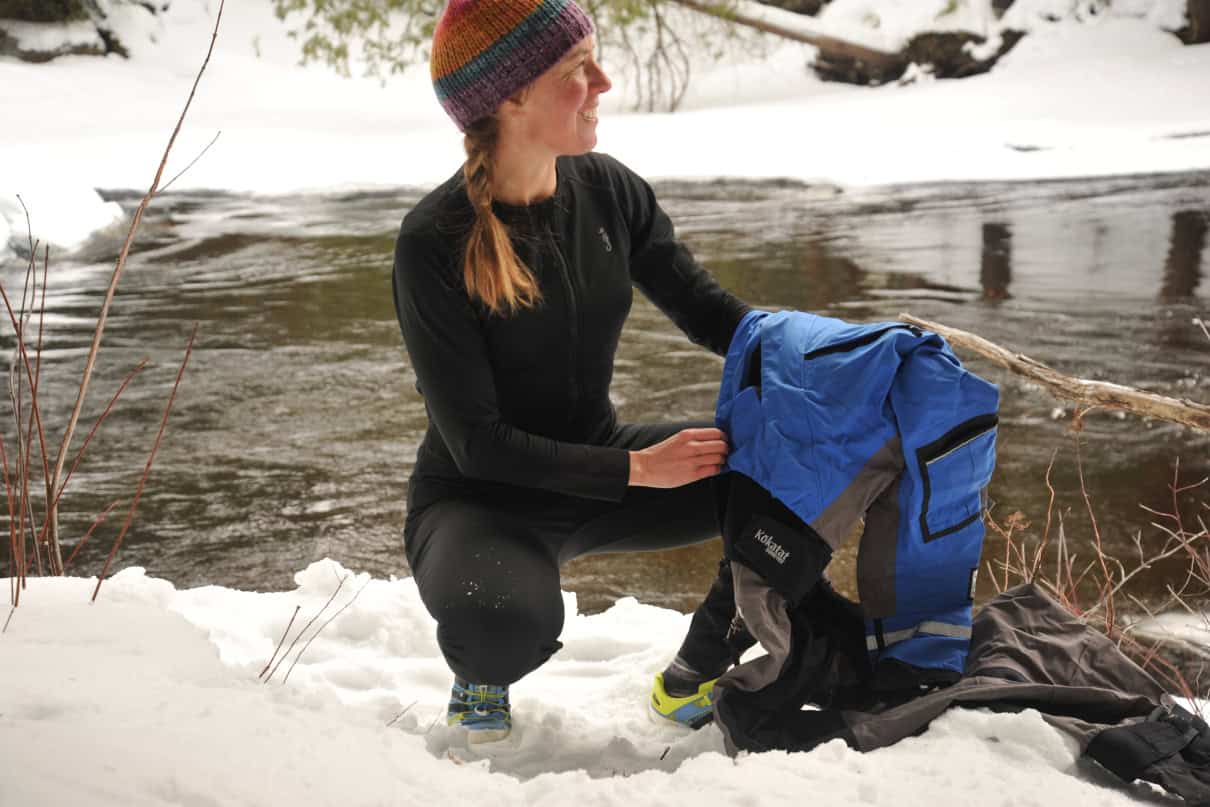
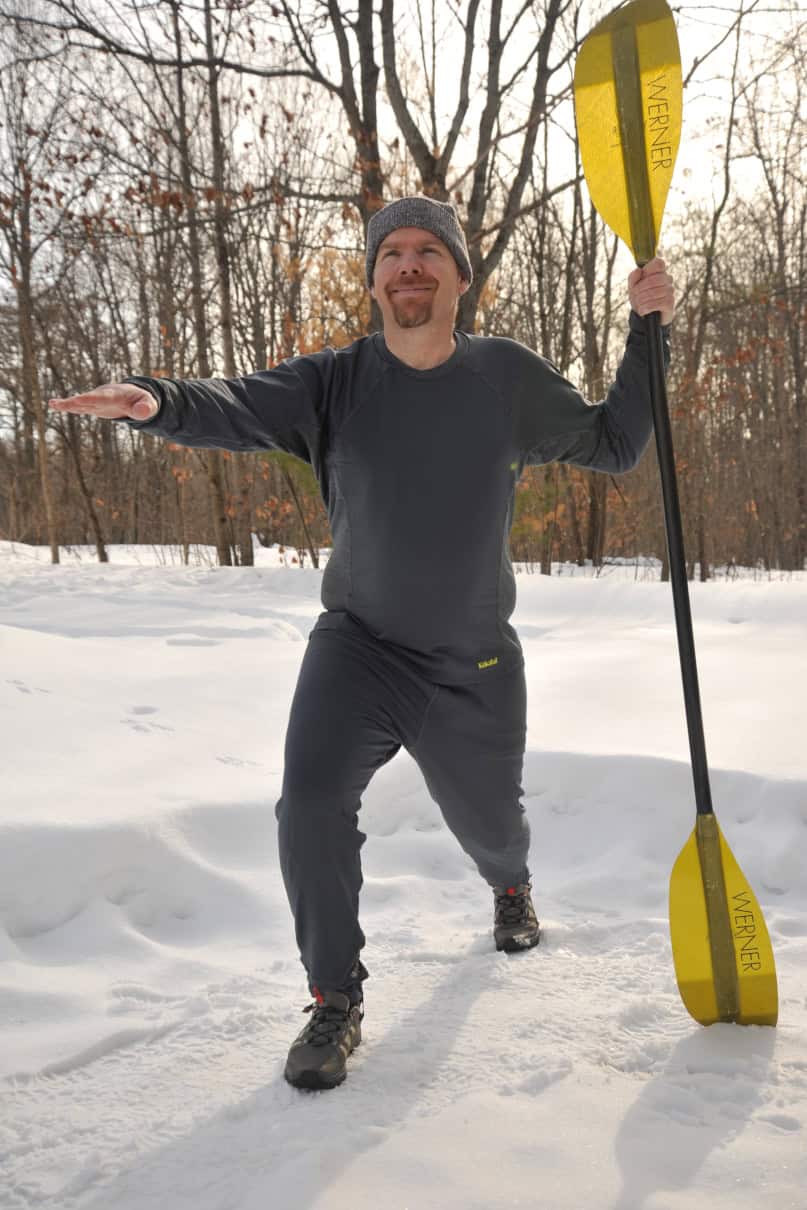
Kokatat Outercore Long Sleeve Shirt & Pant
Kokatat Specs
Material: 90% polyester, 10% spandex
Sizing: M’s S-XL, W’s S-XL
Price: $125 US (shirt), $125 US (pant)
Buy top from:
Buy bottoms from:
Why I love it
When I’m heading out for a November surf session or layering up to catch spring melt, Kokatat’s heavyweight Polartec Power Dry fabrics offer core cozying, confidence-inspiring insulation for cold-water environments. The plush velour inside is soft and warm against my skin, while the durable jersey face makes for worry-free layering under my dry wear.
Because Kokatat base layers are designed specifically for paddlers, they’re loaded with subtle-yet-welcome features like strategically placed flat-stitch seams to avoid irritation and hot spots. Another paddler-centric element is the Outercore shirt’s drop tail, eliminating cold spots when I’m sitting in my kayak. And, the lighter-weight Polartec grid fleece in the underarms, cuffs and neck prevents overheating and wicks perspiration when I’m sprinting for a wave.
Reasons to buy
- Plush Polartec fleece for maximum insulation
- Quick drying and breathable
- Paddler-specific body mapping improves in-boat comfort
Consider another if
- You want lighter layers for all-season paddling
- You’re looking for Outercore warmth in a one-piece design—check out Kokatat’s Habanero drysuit liner
Bottom Line
Uncompromising cold-weather performance in paddler-specific designs for all-day comfort.
Best Budget Base Layer
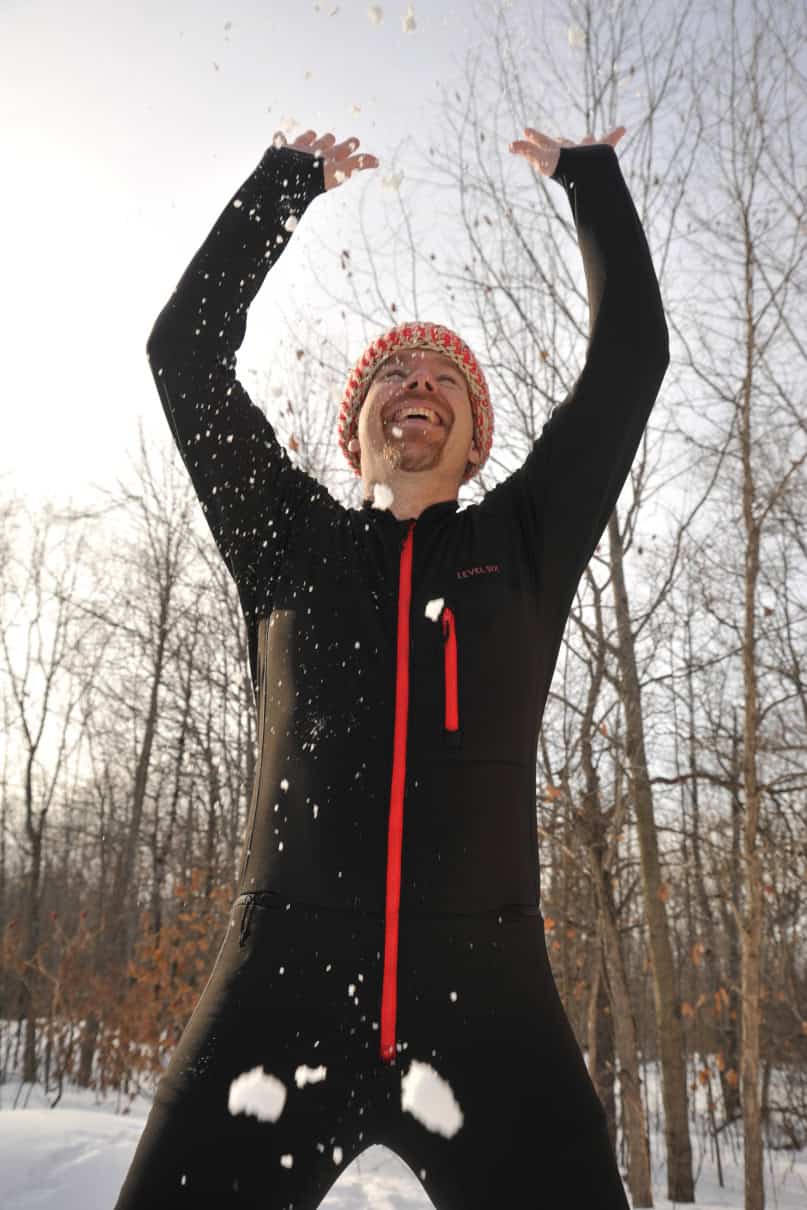
Level Six Vulcan Uni-Suit
Level Six Specs
Material: 50% nylon, 44% polyester, 6% spandex
Sizing: M’s S-XXL (Vulcan), W’s XS-XL (Vesta)
Price: $139.95 US
Buy from:
Why I love it
A quality base layer is a smart investment in your paddling future, but it can be hard to rationalize spending $300 on long underwear. I get it. For paddlers on a budget, Level Six makes river gear that looks great and performs well at a reasonable cost.
The Vulcan Uni-Suit is a midweight fleece base layer that kept our testers toasty warm in cold conditions. The suit is fully drysuit compatible with a long front zipper for venting and easy entry, flatlock seams to prevent chafing, and a rear zip drop seat. Level Six also offers a women’s version called the Vesta at the same price point.
Reasons to buy
- Head-to-toe layering for half the price
- Cozy fleece is best suited to cooler conditions
- Breathable and quick drying
- Drysuit compatible
Consider another if
- You want more premium one-piece features like body-mapped fabrics or a women’s relief zipper
- You prefer the flexibility of layering separate tops and bottoms
Bottom Line
A cozy onesie that offers great value for paddlers on a budget.
What to consider when buying base layers
Perhaps the biggest consideration when shopping for your next (or first) base layer is whether to choose a natural fiber like merino wool or go with a synthetic material. Both can offer versatile performance in a variety of paddling conditions, so the choice depends on personal preference, budget, and how you plan to use them.
Some important factors to consider include: what is the air and water temperature where you paddle? What is your anticipated level of exertion? For example, do you enjoy leisurely paddles in cooler weather, or high-output paddling in variable conditions? Both wool and synthetics are highly breathable, with different weights (measured in grams per square meter, or g/m) suited to different temperature ranges.
Which is warmer—wool or synthetic?
Both synthetic fleece and wool retain heat effectively in dry conditions, but wool insulates better when wet. Wool also contains lanolin, a natural water-repellent wax that makes it a good choice for wet environments. Fleece, on the other hand, becomes saturated more quickly than wool, but it dries out much faster once you’re off the water.
Moisture management—wool vs. synthetic
Base layers keep you feeling dry and warm by transporting moisture away from your skin. In warmer conditions, they can also help you feel cooler through evaporative cooling. The short fibers in synthetic fleece base layers create a capillary action that wicks sweat away from the skin. The crimped fibers of merino wool work in a similar way, with the added benefit of natural antimicrobial properties that keep your sweaty base layers from stinking. If your adventures take you off the grid for multiple days, you may prefer merino over synthetic fleece.
One piece or two?
Do you want separate tops and bottoms that you can switch up for greater versatility, or do you like the idea of a one-and-done layer to toss on underneath your dry wear? If you often paddle in a drysuit, one-piece liners produced by popular paddling brands are designed to work specifically with the features of your suit. Alternatively, individual pieces offer more options for wearing around camp, during other activities, or in your sleeping bag.
Pros and cons of wool vs. synthetic
Benefits of merino wool base layers: insulate when wet, naturally water repellent and flame retardant, breathable, compact, naturally antimicrobial and odor resistant. The downsides of wool are that it’s slow drying, more expensive, and can be damaged if washed and dried incorrectly.
Benefits of synthetic base layers: quick drying, easy maintenance, lightweight and soft. Some drawbacks include: low insulation value when wet, can melt near the fire, and even treated synthetics develop unpleasant odors over time.
Best base layer brands
- Icebreaker
- Smartwool
- Ibex
- NRS
- Outdoor Research
- Mustang Survival
- Kokatat
- Level Six
- Patagonia
- Mammut
- REI
- Backcountry
- Kenyon
- Stio
How we tested
We tested the base layers on this list on and off the water—paddling, portaging, camping and more. Each garment was selected for its fit, comfort, features and performance.
These picks reflect not only hands-on testing for this review, but also years of accumulated experience and the expertise of our seasoned editors through extensive paddling and product testing.
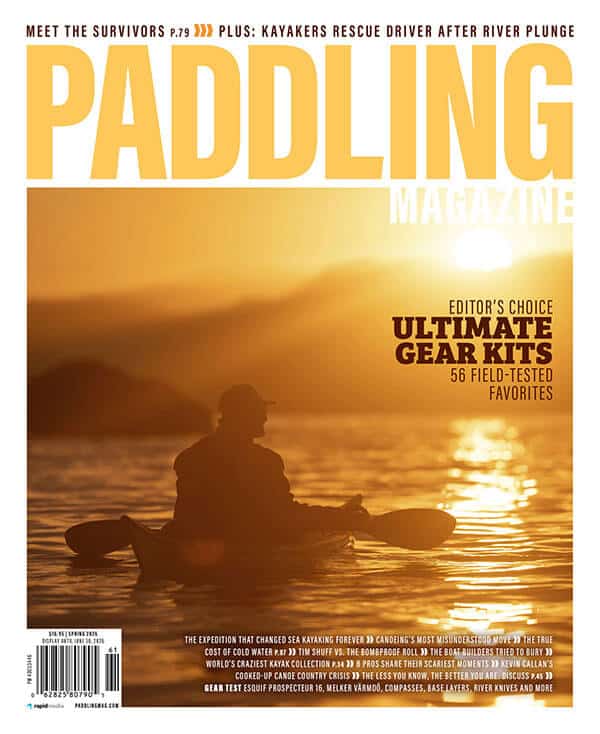 This article was published in Issue 75 of Paddling Magazine.
 No treble. | Feature photo: Virginia Marshall