Whitewater paddling is the bedrock of adventure tourism in East Tennessee, thanks to the Southern Appalachian Mountains.
Millions of years ago, massive tectonic collisions gave rise to the mountain range, stretching from Alabama into Canada. In the North, ancient glaciers smoothed the terrain, but in the South, the mountains remained rugged and steep. Rivers squeezed through boulder-strewn canyons, creating the whitewater meccas now found along Tennessee’s Pigeon, Nolichucky and Ocoee rivers.
But while these lush gorges share a geologic history, each offers a unique experience shaped by generations of paddlers and long-established outfitters. The world-class river running adventures offered within these three Tennessee river gorges are eons in the making.
Where Whitewater Runs Deep
Nolichucky River Gorge: Wild & Remote
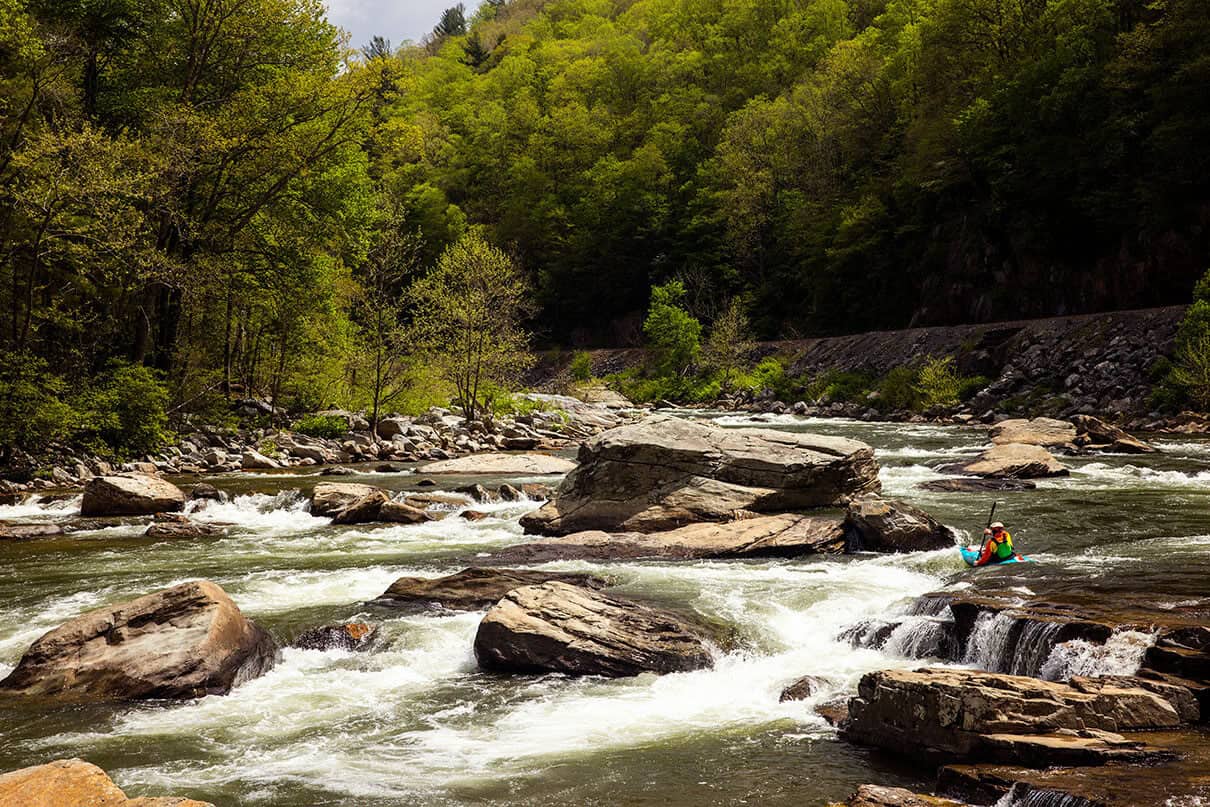
The fast-moving Nolichucky carves through the eastern edge of the Southern Appalachians, creating Tennessee’s deepest river gorge. The class IV run features a mix of technical lines, pushy boulder gardens and powerful wave trains. There is no cell service and few places to hike out—that’s part of the appeal.
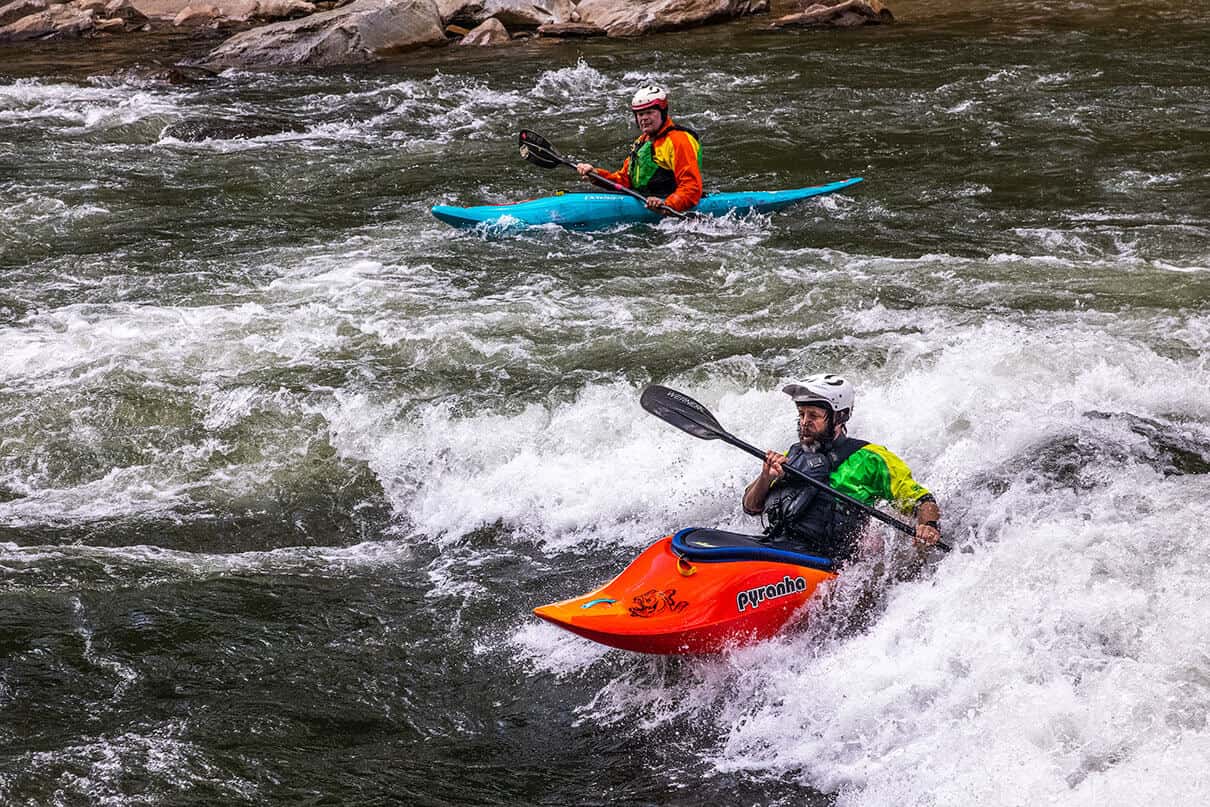
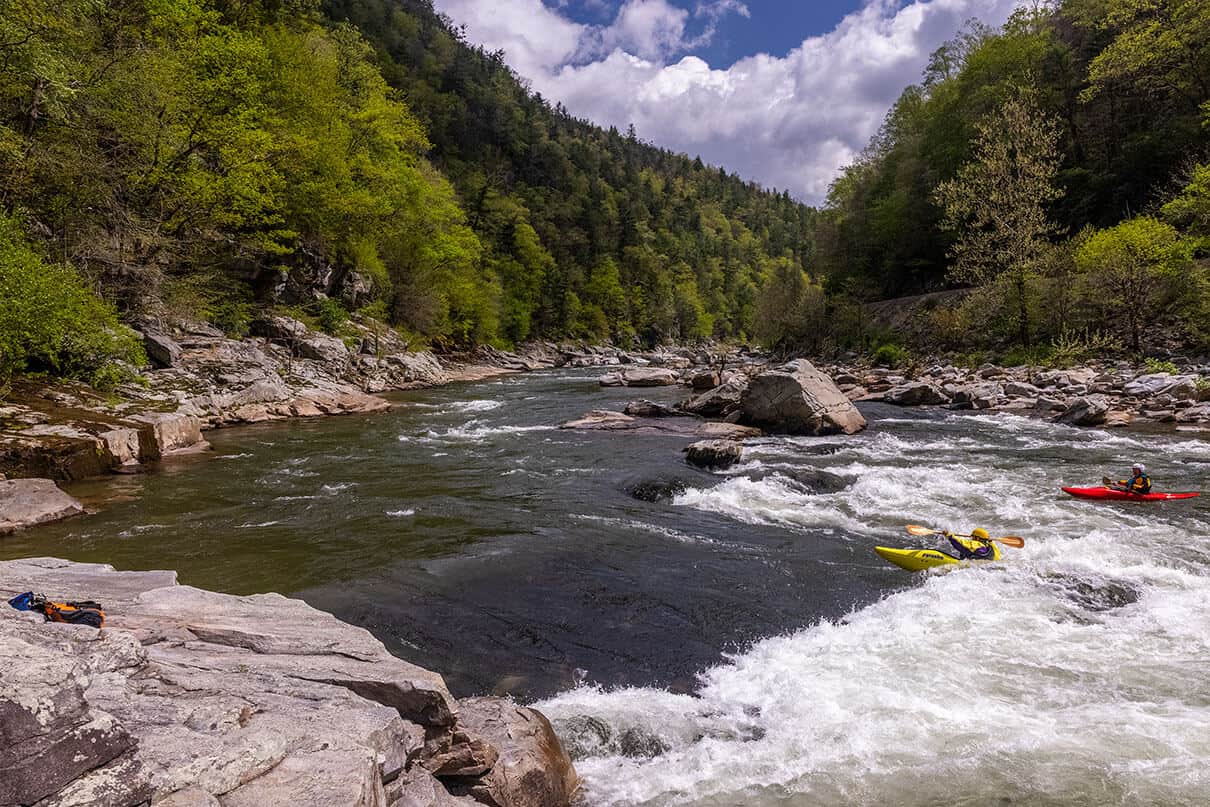
Paddlers who find their way to the Nolichucky Gorge are seeking a distinct experience, says Slayton Johnson, 33, owner of Wahoo’s Adventures raft outpost in Erwin, Tennessee. “They didn’t just Google ‘whitewater near me.’ They come for the Noli,” he says.
Paddling the gorge takes grit. The run is nine miles; the shuttle is long. Just an hour away, the class III French Broad River offers much easier access, says 55-year-old Brad Eldridge, president of the Appalachian Paddling Enthusiasts (APEs) club.
But the reward for those that put forth the effort, he says, is an immersive wilderness experience.
Bald eagles soar; river otters splash; the occasional bear lumbers along the forested banks. “Some days you’ll maybe see one or two other [paddling] groups,” says Eldridge, who’s been kayaking the Nolichucky for over a decade.
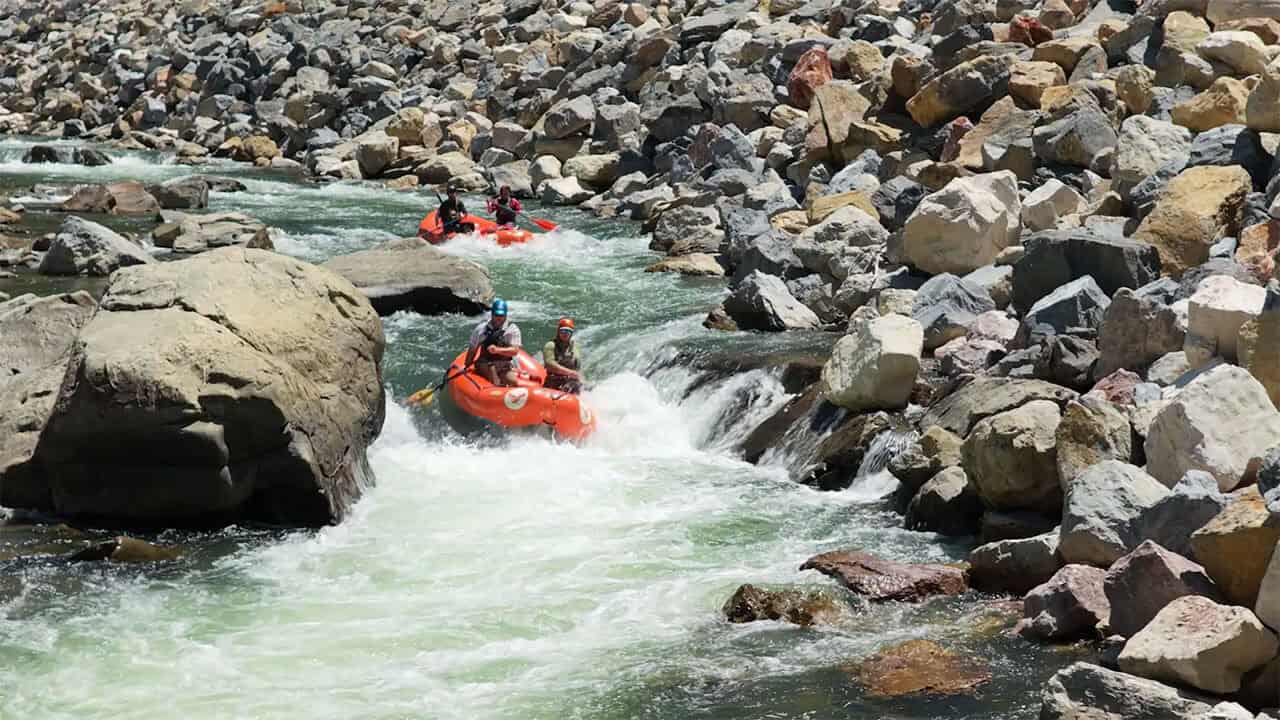
During commercial rafting season, typically April through October, Johnson says Wahoo’s guides at most 20 customers a day through the gorge—a stark difference from the summers he spent as a guide on the bustling Upper Pigeon where the short run allowed his company to take hundreds each day.
In 2024, the Nolichucky was hit with historic flooding followed by railway construction that temporarily shut down the river. Commercial paddling is still restricted while the forest service reconstructs the put-in (due to be completed in June), but private paddlers began to return within weeks of the storm.
Scott Fisher, founder of the Nolichucky Outdoor Learning Institute (NOLI), was among the first of them. Everything had changed, he says.
Holes were stickier, wave trains more technical. Within the long and bouldery “Quarter Mile” rapid there was a new four-foot drop, deemed “Helene Hole” after the hurricane that caused it. In spots where sediment had been scoured from the bed, the current channelized, creating pushier lines but also opening up the free-flowing river to lower flows.
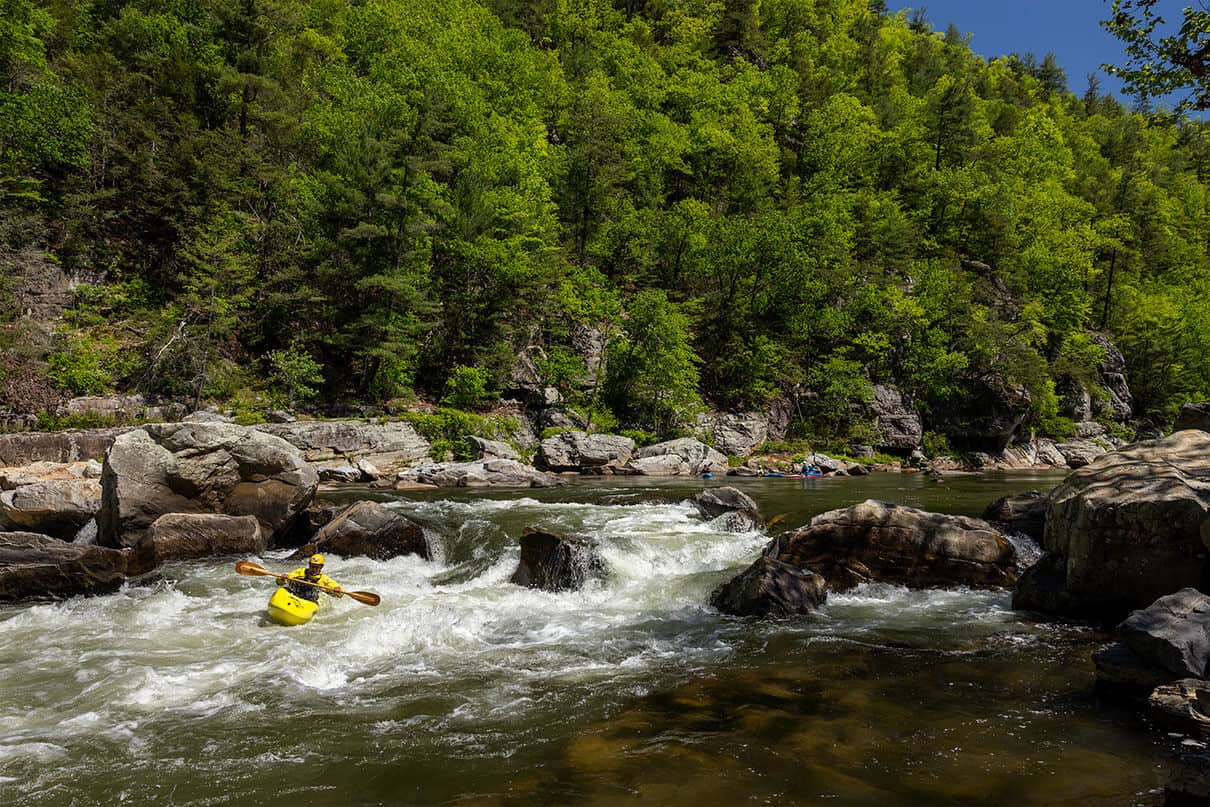
“It’s taken a while to admit—but the whitewater is better than it was before,” says Fisher.
The consensus, says Eldridge, is that the Nolichucky Gorge is now half a grade harder.
And while they wait for commercial rafting season to reopen this June, Johnson says he and his guides are relearning the river, taking every opportunity to train on what Fisher calls the “New-lichucky.”
More than grit, those who know the Nolichucky best bring a deep reverence for the ever-changing nature of a river.
“We watched a watershed be remade in 24 hours,” Eldridge says. “There’s a sense of loss but also a sense of wonder. The Nolichucky is wild and new again.”
If You Go: Nolichucky River Gorge
Location: Erwin, Tennessee
Rating: Class IV
Length: 9 miles
Flows: The Nolichucky is a rain-dependent, free-flowing river. Since the flooding, optimal flow rates are yet to be determined though outfitters say the river now goes at much lower levels than before.
Commercial Season: In typical years, the commercial season runs from April through October. At the time of publication, the season had not yet reopened following the forest service’s reconstruction of a commercial put-in—scheduled for completion in June 2026.
Pigeon River Gorge: Family-Friendly + Accessible
More than 200,000 paddlers visit the class II-III Pigeon River Gorge, also known as the Upper Pigeon, each year. A 2022 America Outdoors report ranks the stretch as the second most-visited whitewater river in the U.S., just behind Colorado’s Arkansas River.
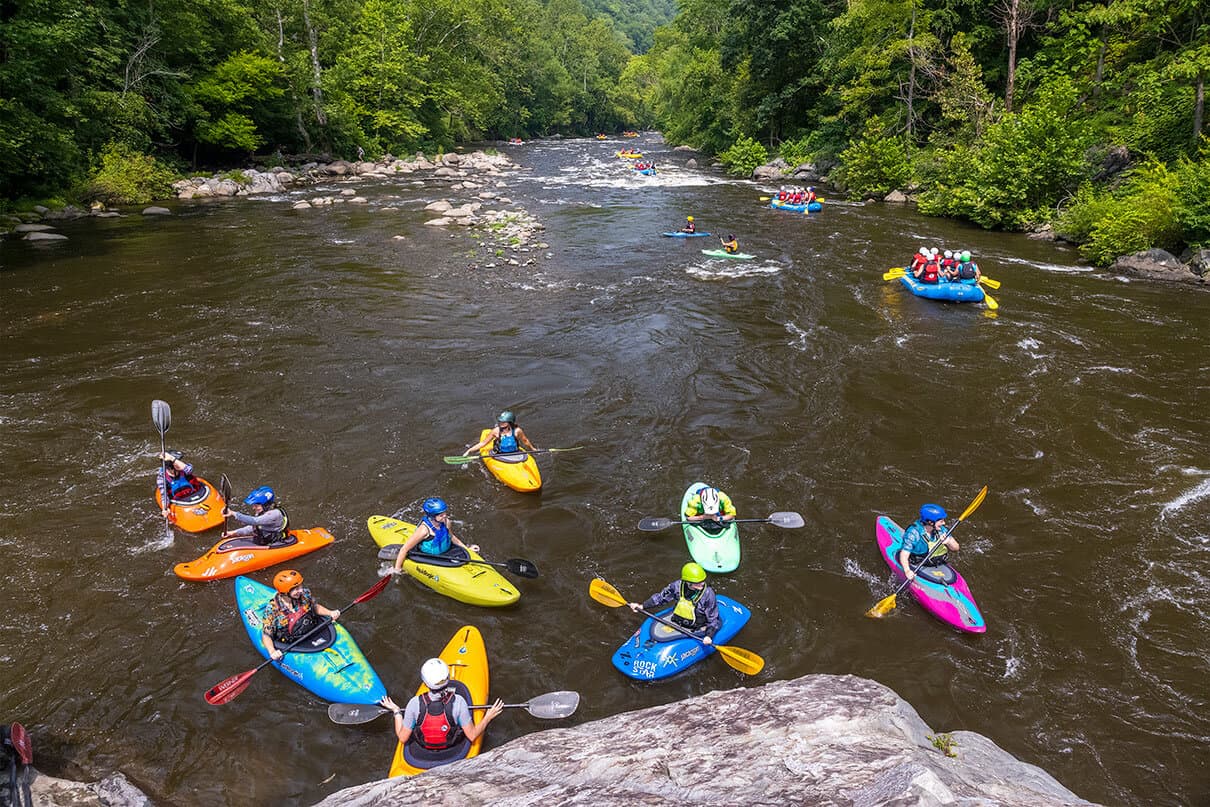
Located among some of the tallest peaks in the Southern Appalachians, the Pigeon’s proximity to Gatlinburg and Great Smoky Mountains National Park makes it a hub for vacationing families. Its whitewater—dynamic but not overwhelming—makes it a key river for paddlers progressing their way to harder runs.
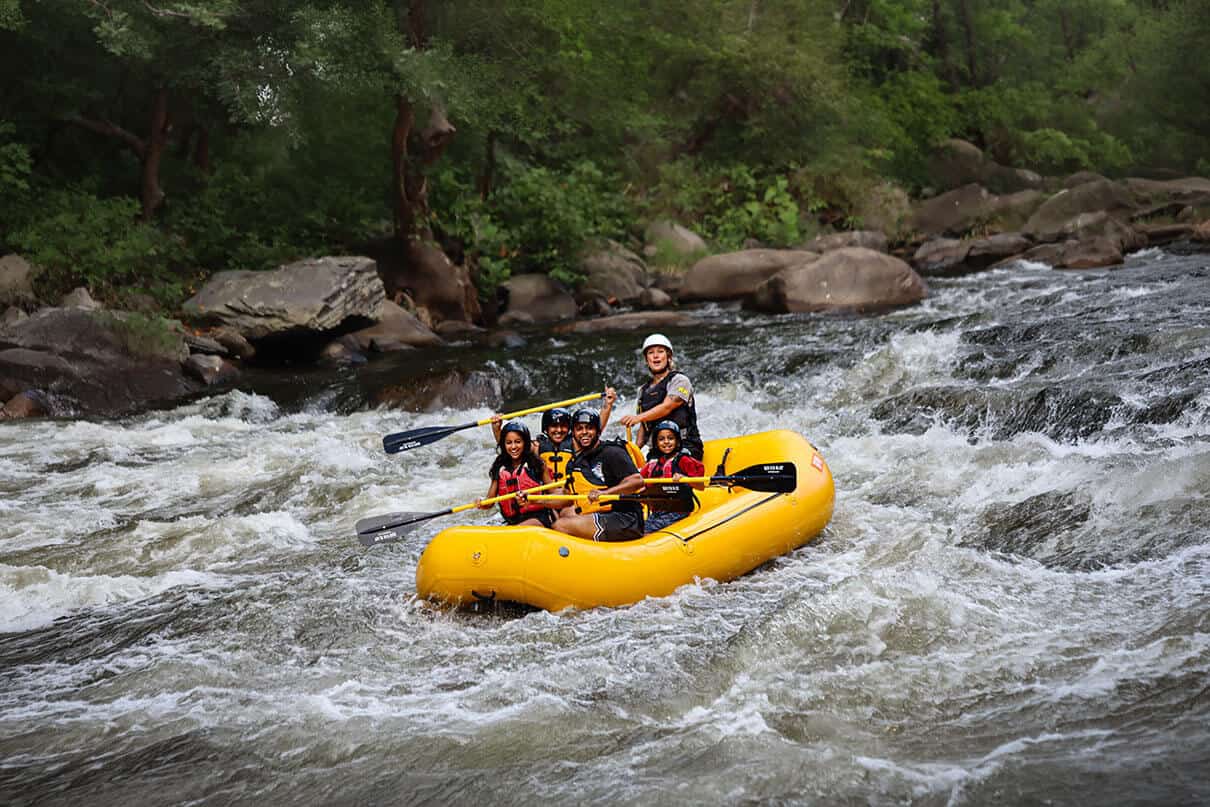
“It’s a friendly river. There isn’t a ton of consequence. That allows us to not be so serious,” says Lacy Bramlett, who worked as a Pigeon guide for 15 years before becoming director of operations for Smoky Mountain River Rat outfitter in Hartford, Tennessee.
The atmosphere in the gorge is fun-loving; the guides are spirited. The job is as much about entertaining as it is navigating the rapids, Bramlett says. “I love telling [customers] about the biodiversity and the history of the Pigeon. I love a good dad joke.”
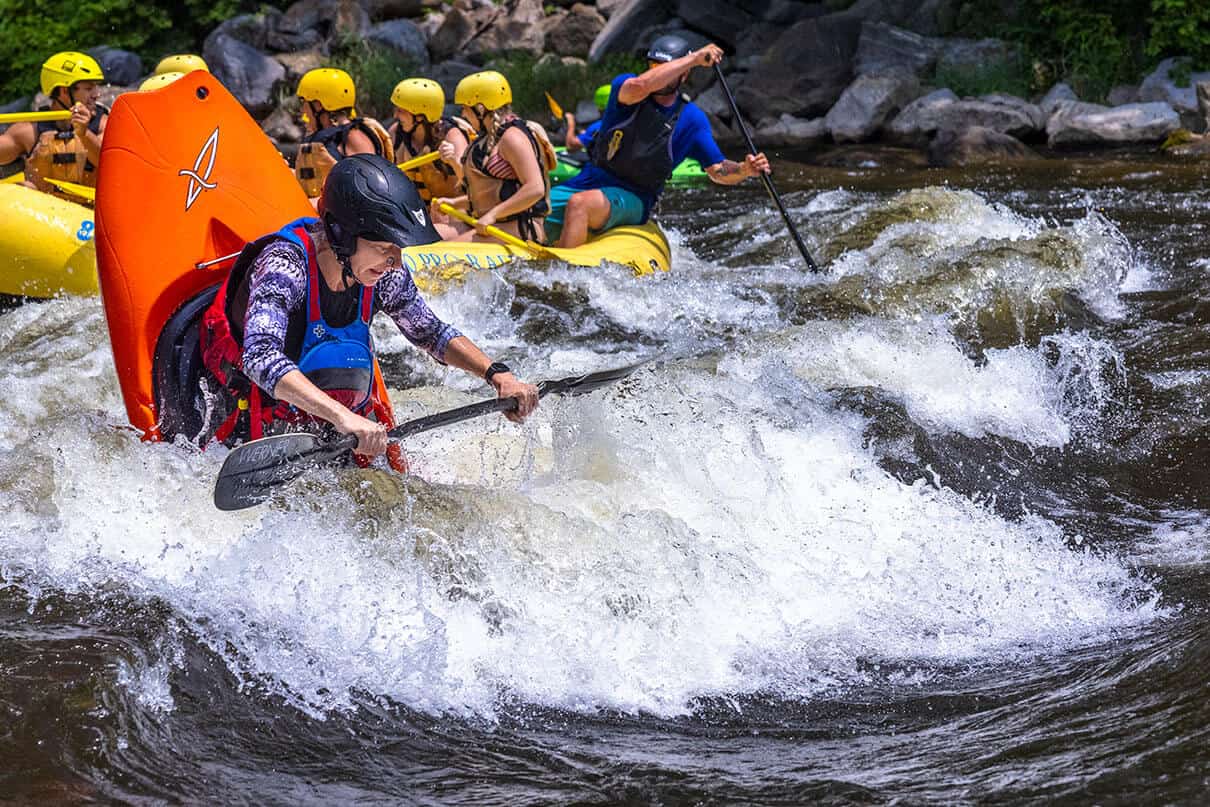
The small, riverside town of Hartford is built on whitewater tourism, home to outfitters, food trucks and not much else. Each summer, when the guides return, the town’s population of about 900 grows by nearly 50 percent.
In 2024, when Hurricane Helene brought unprecedented flooding to the area, it reshaped nearly every rapid on the river.
The fast and technical class III Accelerator is the only rapid that bears resemblance to what it used to be, says kayaker Mark Jaben, 71, who’s been paddling the Pigeon since the mid-1990s.
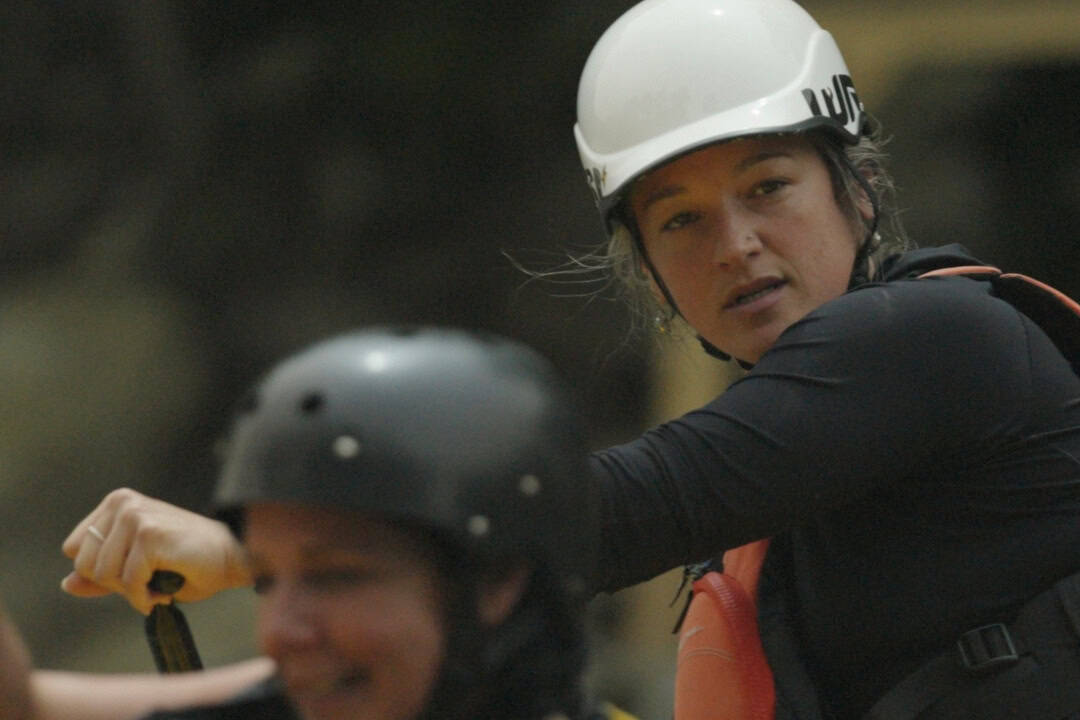
“The river gives and the river takes away,” he says. “I hear there are a few new surf waves that have emerged.”
But the storm also reshaped the community of Hartford.
“It unified us,” Bramlett says of the raft industry. “We’re competitors by day but friends by night. Once you find a love for whitewater, it’s hard to ever step away, but it’s the community that keeps me coming back. This place has magic in it.”
If You Go: Pigeon River Gorge
Location: Hartford, Tennessee
Rating: Class II-III
Length: ~4 miles
Flows: Dam-controlled commercial releases typically provide 1,300-1,400 cfs. For natural flows, the comfortable range is 700-2,500 cfs.
Commercial Season: March through October
Ocoee River Gorge: Iconic Olympic Hot Spot
On a hot summer day, the Middle Ocoee put-in buzzes with activity. Groups of kayakers and canoeists gear up. Throngs of rafters huddle for safety talks shouted over the roar of the spillway. At the bottom of the ramp, paddlers launch into instant action: the long and manky class III+ Grumpys rapid.
But those who want a gentler start can hike their boats a few hundred feet downstream and put in just beneath it.
“You can make the Ocoee as easy or as hard as you want,” says kayaker Ally Shaner, 29.
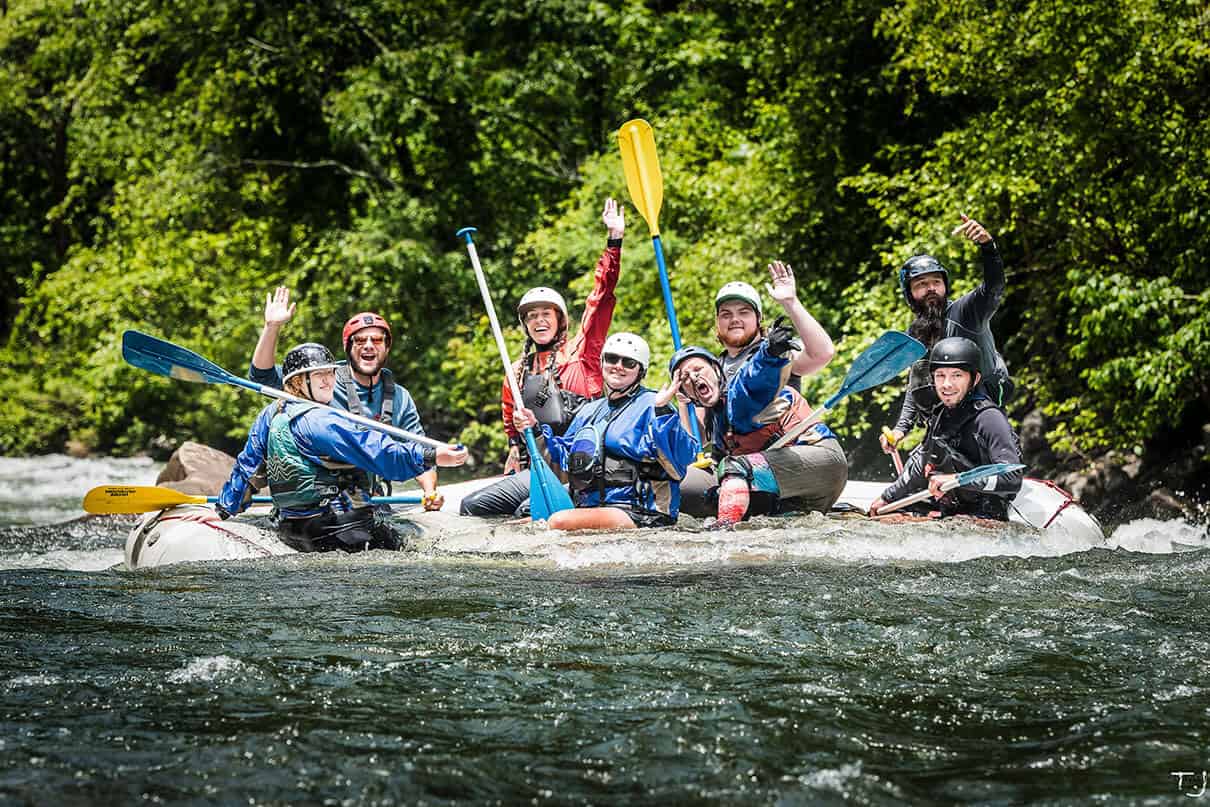
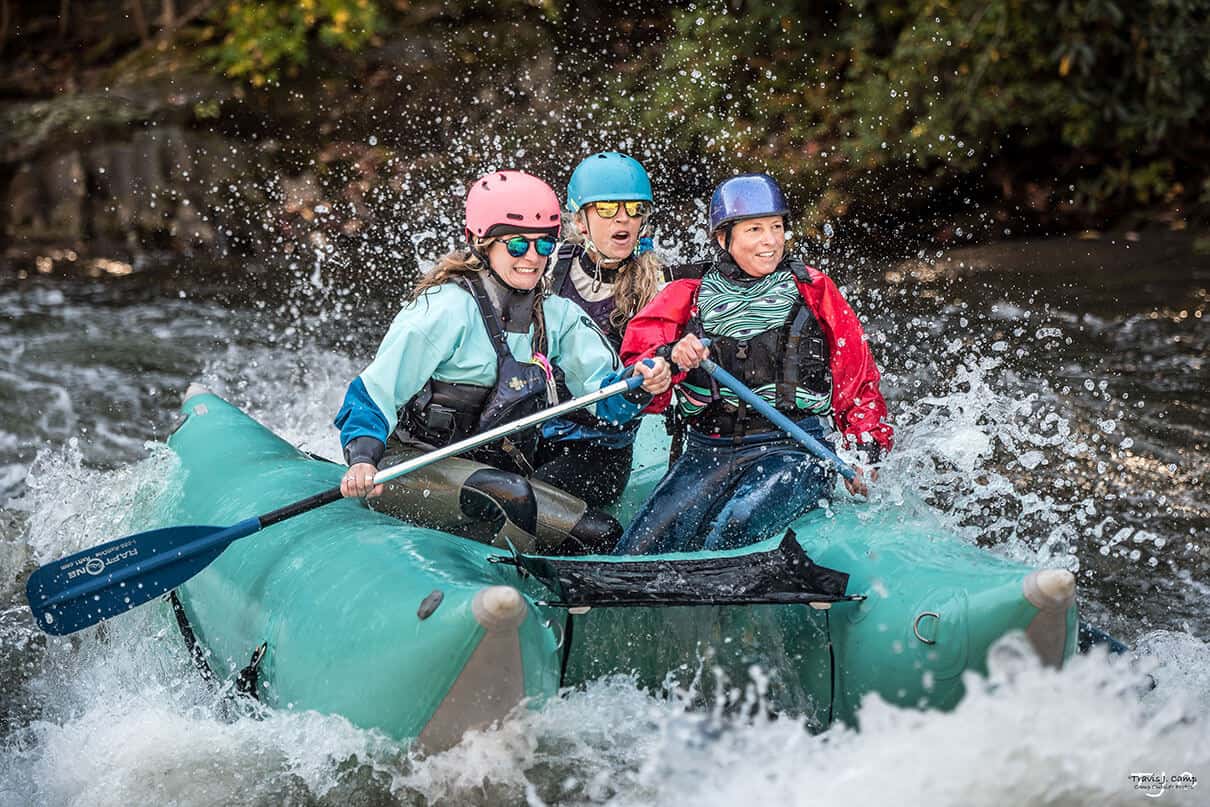

The 10-mile Ocoee River Gorge cuts through the southern edge of Cherokee National Forest and is split into two sections.
The five-mile class IV Upper is characterized by bigger, stronger rapids. It’s more secluded, framed by the lush forested gorge, until reaching the end where the riverbed was reconstructed to create the challenging 500-meter course used during the 1996 Olympic whitewater games.
Then, there’s the bustling class III+ Middle section, a social, roadside run featuring a continuous mix of waves, holes, drops and technical maneuvering.
Ally and her brother, Mason Shaner, 26, are third-generation Ocoee paddlers. Their mother, Tani Shaner, 63, first began kayaking the Ocoee, following her father’s lines, at age 12—several years before the start of commercial rafting in 1977.
Tani became a guide in 1982 and raised both of her children on the water.
“[The Ocoee] is an unusually perfect river to learn on,” says Mason. “The moves, the playspots—they’re just remarkably good.”
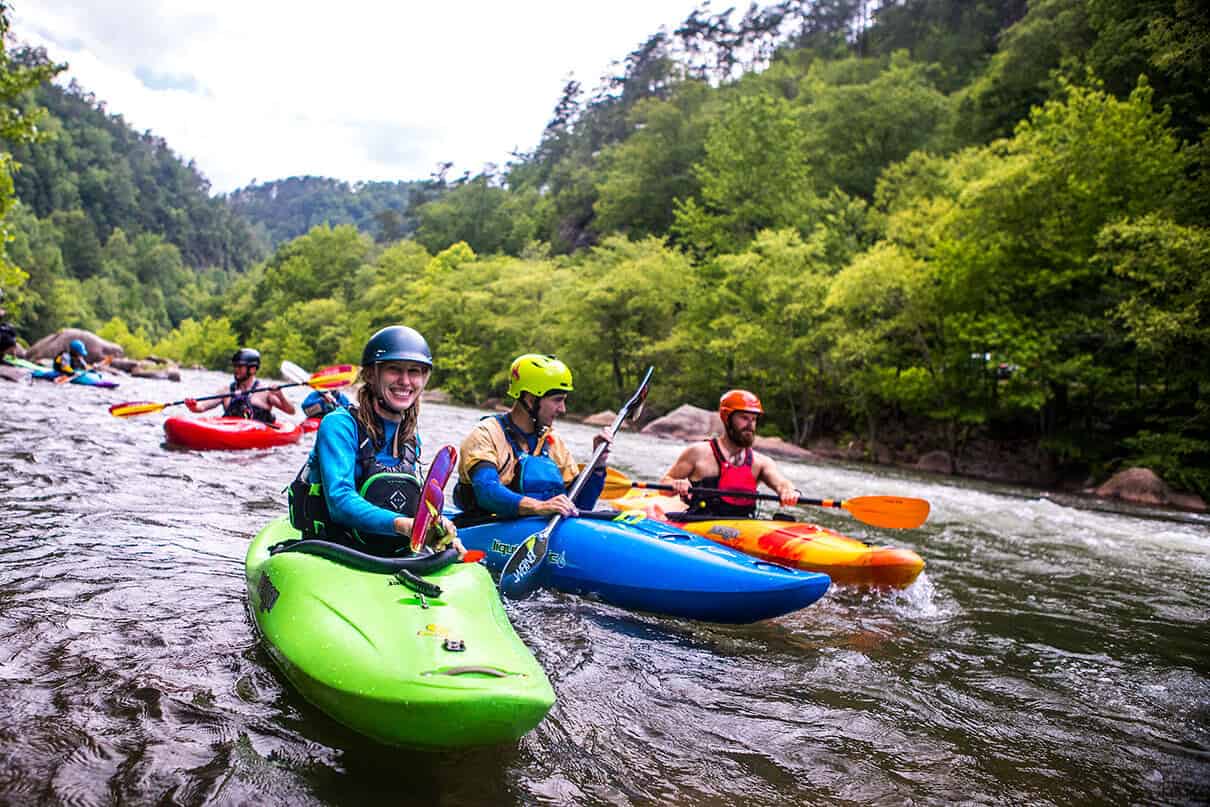
The Middle is a relatively friendly stretch, absent of dangerous hazards such as sieves and caves. It’s versatile—nearly every rapid boasts a sneak line, a traditional line and a challenging line, says Ally.
“You can always find a way to scare yourself—you can throw a kickflip right above Grumpys [ledge hole],” says Mason, who became a class V boater through training on the Ocoee.
While the Middle helps paddlers build technical creeking skills, the Upper, with its massive hydraulics, hones big-water abilities.
Each year, the dam-controlled Ocoee attracts more than 150,000 paddlers, making it one of the highest-use rivers in the Southeast, according to a 2024 America Outdoors report.
The sheer volume of commercial trips allows guides to learn the river exceptionally well—every rock, every whirlpool, says Sarah Beth Neal, 32, raft guide turned owner of Outdoor Adventure Rafting and Ocoee Outdoors outfitters.
The “level up” culture that permeates the gorge is a mindset Neal applies off water, too. In guide training, she includes lectures and exercises aimed at developing kindness, self-awareness and personal responsibility among her staff.
On the river, everyone looks out for everyone.
If a person needs help, “it doesn’t matter what boat you’re in—hard boat, raft. Everybody pitches in and works as a team,” Tani says of the community.
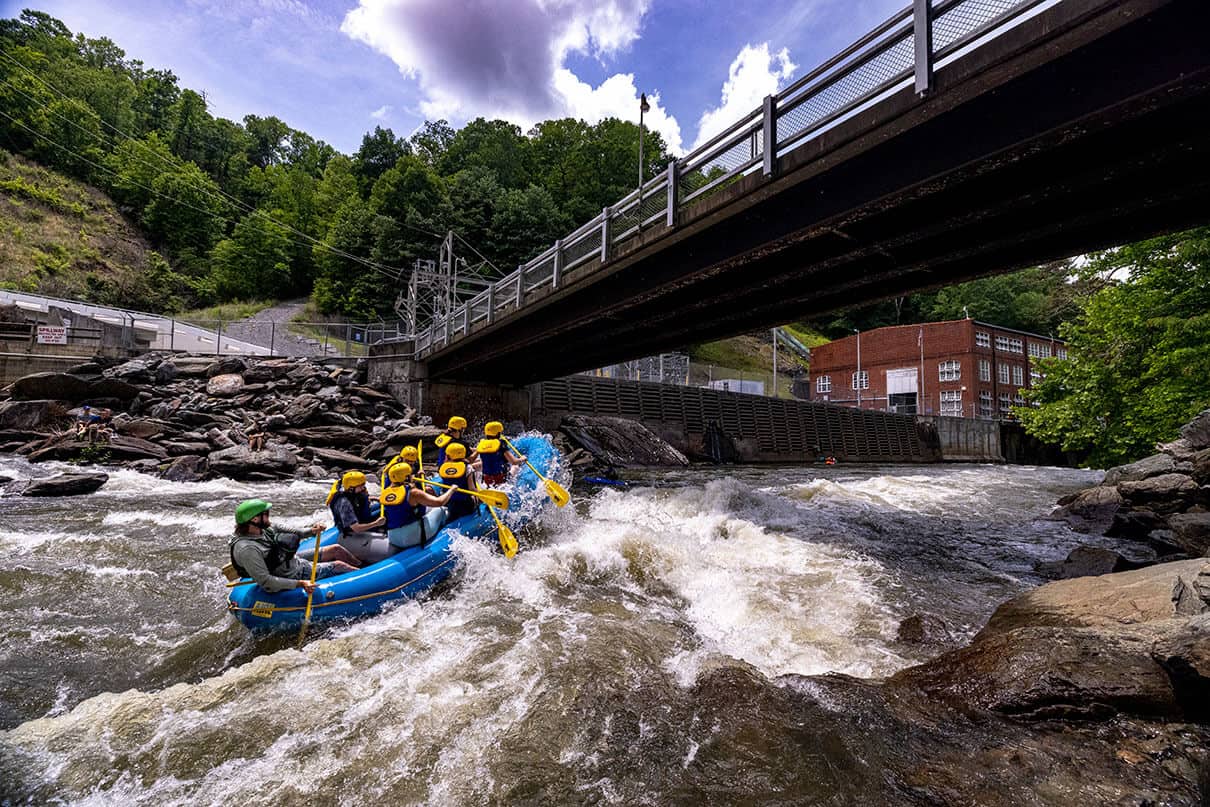
The wonder of whitewater, says Neal, is that it forces guides, customers and private boaters alike into the present moment, deepening their relationships with the river and with each other.
The character of Tennessee’s gorges may vary, but the primal connection they evoke feels as old as the mountains themselves.
If You Go: Ocoee River Gorge
Location: Ocoee, Tennessee
Rating: Middle Ocoee section, class III+ / Upper Ocoee section, class IV
Length: Middle Ocoee, 5 miles / Upper Ocoee, 5 miles
Flows: Dam-controlled commercial releases range between 1,200-1,600 cfs on the Middle and 1,600 cfs on the Upper. Commercial rafting operates up to 3,000 cfs.
Commercial Season: Commercial Season: Middle Ocoee releases run from March through October, with Upper releases from late May through early September.
Find local outfitters and plan your trip by visiting tnvacation.com/trip-inspiration/articles/tennessee-river-rafting
Sunny Montgomery is a freelance writer and open boater based in Ocoee, Tennessee. She shares a homestead with her husband, toddler and too many canoes to count.
 This article was published in Issue 76 of Paddling Magazine.
 Phoebe Lenhart at Tablesaw Rapid on the Ocoee River. | Feature photo: Rob Giersch