I got really frustrated the day I heard about Colin O’Brady. The guy obliterated the seemingly impossible Explorers Grand Slam World Record. The Explorers Grand Slam is the name given to a challenge so obscure that I never even knew it had a name: climbing the highest mountain on each of the seven continents and trekking to both poles. In 2016 O’Grady became the youngest and fastest ever to complete this ludicrous endeavor, all with the goal of raising a million bucks for his own charity. I mean, how utterly annoying can you get!
Or take the so-called Iron Cowboy, James Lawrence, who in 2015 completed the seemingly impossible goal of doing 50 Ironman-distance triathlons in 50 states in 50 consecutive days. Lawrence had already set two world records for the most triathlons completed in a year, but apparently this wasn’t challenging enough.
Record scratch: Why you shouldn’t reach for the impossible
What’s wrong with this? Well, on the face of it, nothing. How can you fault these guys? They overcame detractors and incredible adversity to accomplish something nobody else has ever dreamed possible, and they did it all for a good cause (both, weirdly, to combat obesity).
I’m not saying these guys shouldn’t do these things, although I do question the extent to which raising money for charity automatically gives an otherwise absurd act a gloss of irreproachability. When I read Lawrence’s story, the next news item was about a guy who climbed Kilimanjaro carrying a bathtub to raise money for children in the Amazon. But on some deeper level, in that inner voice that I don’t share with others for fear of being shunned, I just hate hearing about people who do incredible things.
It’s hard to explain why I feel this way. Partly it just makes me feel like my own life sucks. I mean talk about adventure inflation: what these guys did totally ups the ante for any feeling of outdoor accomplishment. If you ever thought you’d done something great—or at least had a decent excuse not to—forget about it!
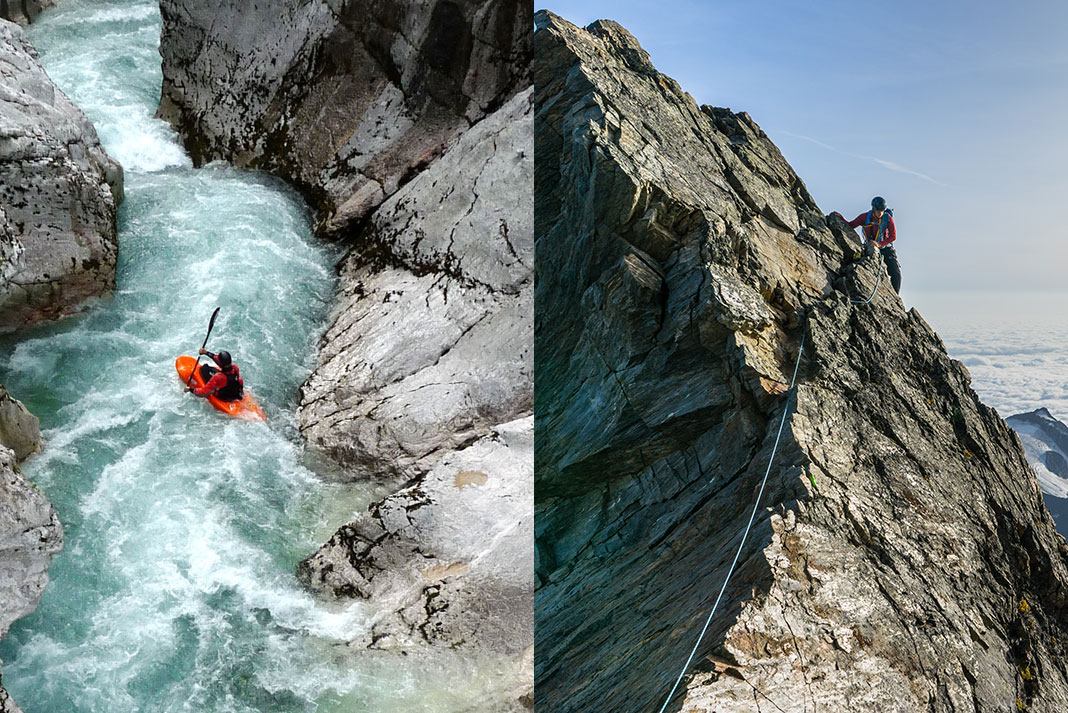
I’ve tried doing the impossible, and I wasn’t impressed with the result. I tried to climb one of the Seven Summits once—the easiest one. It was really cold, scary and it gave me a headache! I never made it to the top, but I used to think I was pretty cool for trying. Not anymore! Colin O’Grady climbed all seven, and then went to both poles in 139 days—all after surviving a horrible burn accident and being told by doctors that he might never walk again.
I also did one Ironman triathlon once. I trained for a whole year and it exhausted me and threatened to destroy my marriage, but I felt like I’d accomplished something big. Not anymore! James Lawrence banged off 50 Ironman races, while toting his five young children and his cheerful, supportive spouse in an RV. Why? “To accomplish the impossible.”
Recognizing the value of what’s possible
Screw the impossible. We need these people to stop cheapening the impossible by accomplishing it so much. From as far back as Jesus with his loaves and fishes, we’ve got plenty of evidence that miracles happen. World records fall daily. It’s old news. Besides, just because something’s impossible doesn’t make it worth doing. There are loads of totally possible things that don’t get done nearly enough.
I know my life doesn’t really suck. I have a decent thing going: a good job, a healthy family. By various global measures, I’m somewhere near the top 1 percent. I should be satisfied. But it’s very hard to feel satisfied with swashbucklers like O’Brady and Lawrence swaggering around the planet ballyhooing about how much more extraordinary we can all be. The purpose of O’Brady’s exploits, according to the podcast where I heard about him, is to “help you question your own internal limiters and confront you with the very real truth that we are all capable of so much more than we allow ourselves to believe.”
“Screw the impossible. We need these people to stop cheapening the impossible by accomplishing it so often. From as far back as Jesus with his loaves and fish, we’ve got plenty of evidence that miracles happen.”
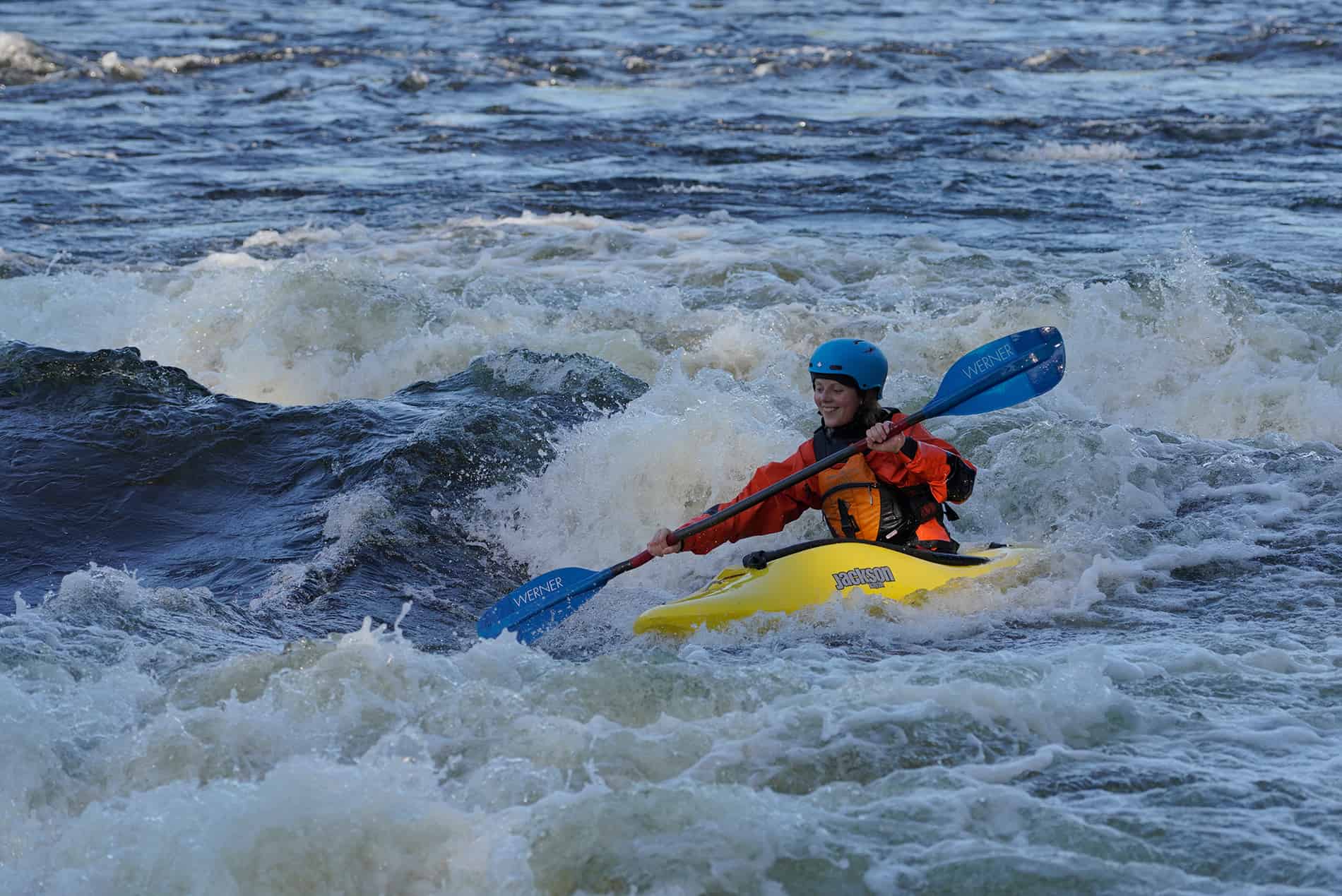
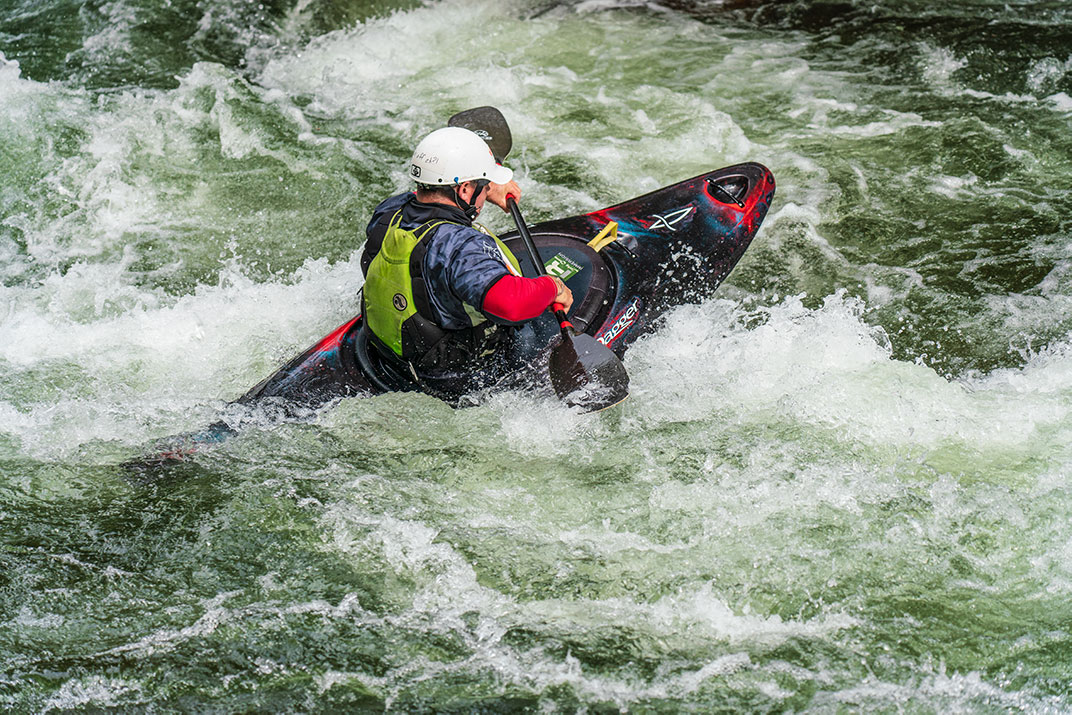
No thanks. I have the opposite problem. I know I am capable of a lot more than I’m currently doing, but I don’t want to blow up my life to accomplish the impossible. I’m plenty busy working on being grateful for what I already have. That’s part of why I kayak. It’s not just a hobby but more akin to something approaching a serious spiritual practice. Paddling connects me to the present moment and helps me overcome my dangerous tendency towards pessimism. It helps me want to get out of bed in the morning, to not discount my own humble life as worthless because it’s not superlative and glitteringly amazing in the way the rampant media makes it seem like everybody’s ought to be.
In other words, kayaking—and outdoor adventure in general—for me is not a means to prove that I can do the impossible; it’s a way of remembering that the possible is good enough. When I’m out kayaking, I’m persistently happy with the world as it is. I become a morning person, always the first one to jump in the lake buck naked and greet the day with a barbaric yawp. Being alive, being outdoors, on any kind of expedition, is an amazing gift.
The true heroes are the ones who celebrate the outdoors in ordinary, mundane ways purely for the love of it; the ones with duct-taped gear that they paid for themselves; the ones who do it when no one is watching.
Daily life is its own adventure
Hearing about these great conquistadors of the useless, with their underlying message of doing everything farther, faster, longer, and better has the opposite effect. It takes me out of the here and now into a dream world of wanting more, into a gnawing midlife frustration with what I haven’t been able to accomplish. The fact that they’re using my favorite medium of adventure to such cross-purposes, in some ubermensch-manifestation of western individualism, galls me. It’s worse than a distraction from the values these activities really have to teach us; it feels like blasphemy.
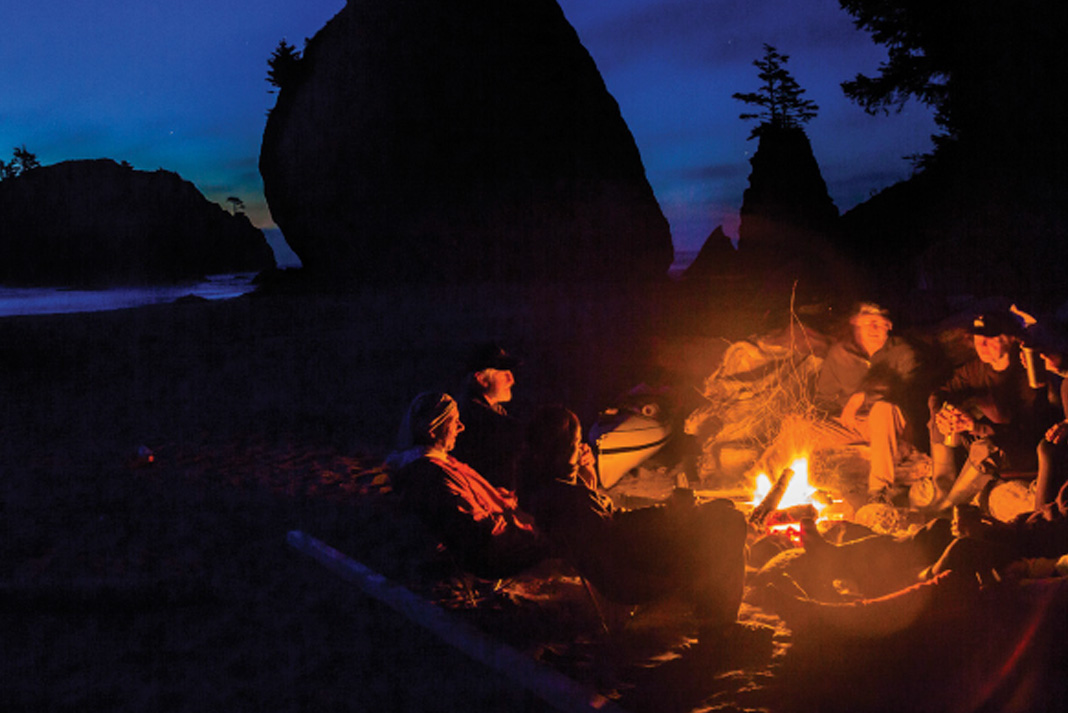
There’s also plain old jealousy at play. Because I love the outdoors so much, I have a hard time with privileged members of the leisure class seeking adulation for something that I’d kill to be doing myself. They want to go on an expedition and get paid and praised for it? Adventuring is something the rest of us pay to do on our vacations. It’s inherently fun and rewarding and not truly difficult in the way that commuting two hours to a full-time desk job is difficult or feeding a family on minimum wage is difficult—the sorts of soul-crushing grinds that are not only hard in and of themselves, but also garner no accolades.
If you want to go drag a claw foot tub to the summit of Kilimanjaro then you should damn well do it and shut up about it. And I’ll donate to charities for their own sake. Meanwhile, somebody should donate money in honor of all of us who can’t go on an amazing expedition because we’re too busy living our lives.
Tim Shuff is staying put for now. He hopes the views expressed in this article will not prevent you from supporting him on his next expedition.
 This article was first published in the Early Summer 2017 issue of Adventure Kayak Magazine.
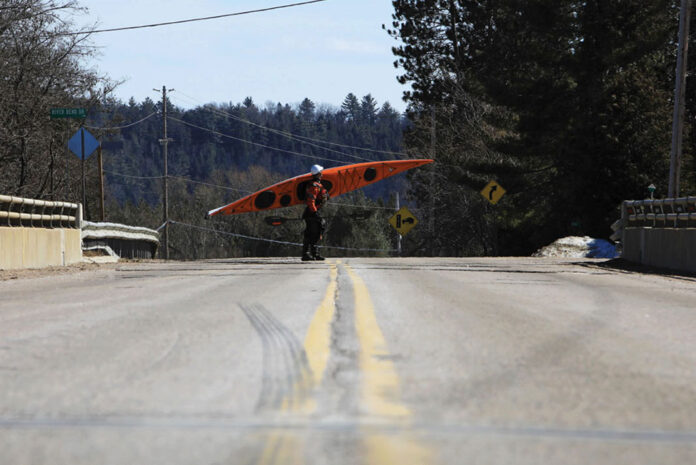
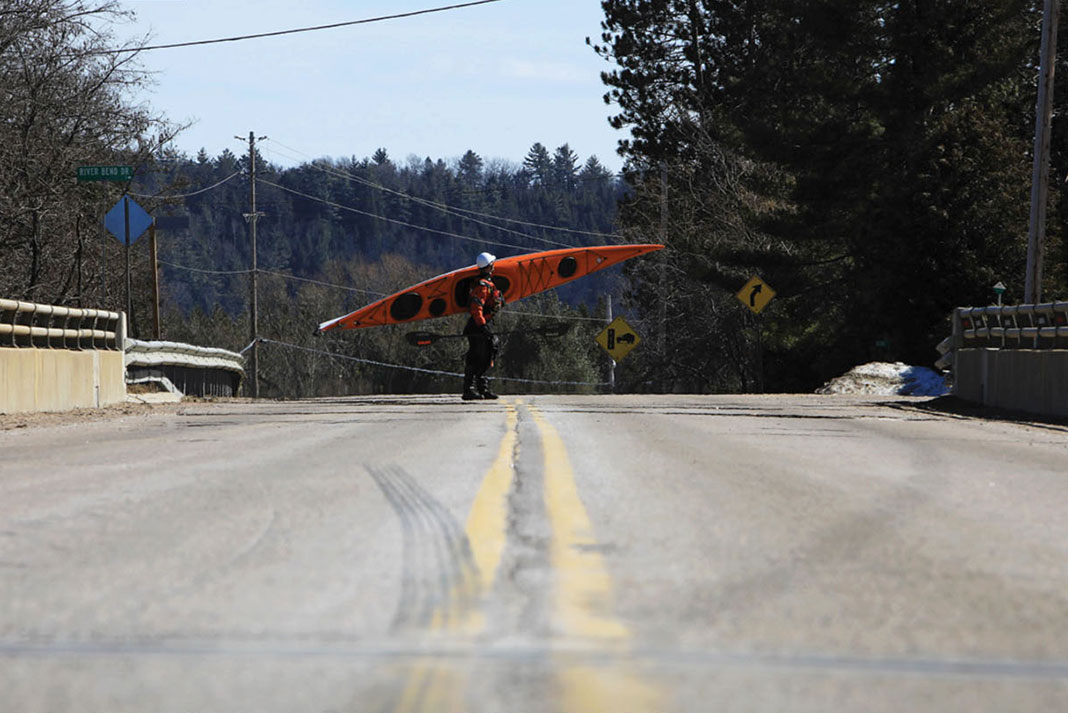
 These swashbucklers make breaking world records seem as easy as crossing the street. | Feature photo: Gabriel Rivett-Carnac