Home Blog Page 229

Why Whitewater Is Life’s Secret Ingredient

John Webster
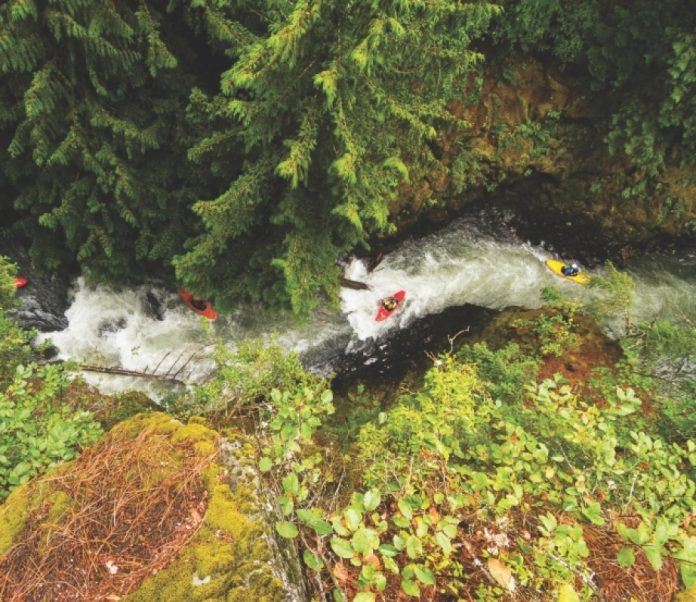
A group of kayakers paddle a skinny blue river, seen from above.

After finishing my master’s degree and a season in the mountains, I accepted my first journalism job.

I was posted to a community newspaper in a once thriving, now faded fishing town at the northern tip of Vancouver Island. I lived where the highway ended, truly the end of the road, in a converted garage apartment a few steps from a rugged, deserted beach. I went on weekend surf trips to the isolated west coast and dined on Dungeness crab I caught in my own crab trap. Romantic yes, but the intensity of the town’s serious and glaring social issues and lonely workdays as the sole reporter in a drafty, once bustling newsroom began to take its toll on me.

“Don’t worry,” a neighbor told me. “It only takes about two years to become part of the community here.” Well shy of that two-year mark, I moved back to the city and into the third floor of my parents’ home. I traded in coastal mountain views for those of the Tetris skyline, all in the hopes of landing a more fulfilling job. I told myself it would only be for a month—two at most.

I met for coffee with old friends and listened as they spoke of their never-ending job hunting sagas. I too spent the better part of the cold grey winter writing cover letters, compulsively refreshing my inbox, and rid- ing home in the dark on the subway after networking meetings. I hadn’t secured a single interview. To get by I was becoming highly skilled at making salt-rimmed beergaritas at a place called El Rincon. The restaurant’s Spanish moniker translates to “the corner” although it was curiously located in the middle of a traffic-snarled city block.

A friend happened to mention in passing a job posting at Rapid. It was journalism and whitewater together; a union I hadn’t known existed. Within weeks I was living and working at the river. I moved into a 100-year- old house between two buzzing and rumbling sawmills. I had a wood stove, a leaky tin roof and the river a throw bag toss off my front porch.

I was excited about this unexpected new chapter, but the lingering effects of a long winter of uncertainty left me with shaky confidence in this sleepy new town with only one general store. After a few weeks I’d met just a handful of the several hundred local residents.

As the last of the snow dripped from the eaves and the river finally broke itself into pieces, my workdays melted into evenings filled with after-work paddling sessions. Rolling, ferrying, eddy turns, surfing till dark. Not a single subways ride. Thursday nights began to mean packing my Subaru for a weekend festival or the now familiar 60 miles through freshly worked farmland to the walloping waves of the Ottawa River.

Spending my time running rivers, organizing shuttles, hanging wet gear and driving to paddle kept me so busy I didn’t realize that I was now part of something. I’d forgotten all about being new and unsure in an unfamiliar small town. Whitewater has given me more than just a job. It has given me focus, community, friends and balance—all the ingredients for a vibrant life.
Boat Review: Oru Kayak The Coast

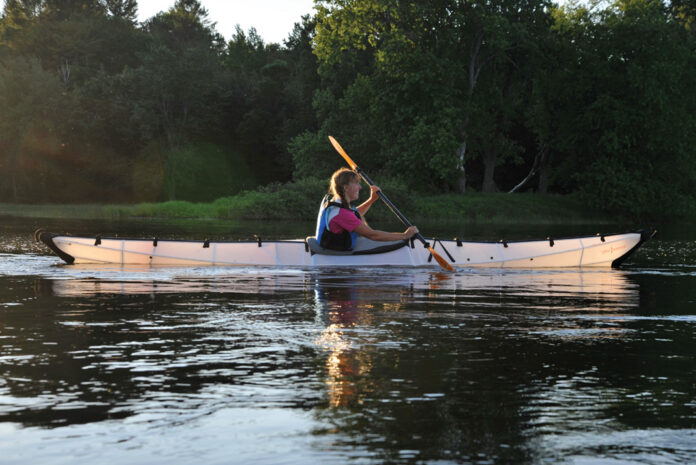
THE COAST By Oru Kayak | Photo: Grace Fisher

Two years ago, we reviewed the original Oru Kayak, an award-winning marvel of engineering from California architect, designer and paddler Anton Willis and partner Ardy Sobhani.

The name Oru comes from origami, the traditional Japanese art form that inspired this novel folding kayak’s design. Launched in 2012 through a wildly successful Kickstarter campaign, the Oru was funded in its first day on the popular crowdfunding site. The pair ultimately went on to pre-sell more than 500 boats, raising $444,000 towards their production facility near San Francisco Bay. Less than three years later, they were at it again with a new Kickstarter sensation: the Coast, a 16-foot model aimed at avid touring kayakers.

Like its predecessor, the Coast exceeded its $40,000 fundraising goal in the first eight hours, and garnered over $356,000 before the campaign closed. The new boat hit the water late last year, with its model upgrade, the Coast+, shipping early 2016. Together with the original, 12-foot Oru—rebranded as the Bay and premium Bay+—and the new Beach, a stable recreational kayak aimed at beginners, the Oru range now includes five distinct models.

The names are more than just savvy marketing; they suggest to users where these boats are best suited—by the beach, in sheltered bay waters, or exploring the open coast. Oru says the Coast is engineered for rough water and multi-day trips with greater speed, stability, storage and tracking than its little sister—a claim we were keen to put to the test.

We requested the premium Coast+ but after waiting impatiently for a hand-off from a Manhattan business magazine, we eagerly unboxed the boat and discovered our demo was a standard Coast model. What’s the difference? For an extra $500, the Coast+ features hardware upgrades including ratcheting buckles rather than webbing clips along the deck closure seams; a small day hatch behind the cockpit for little essentials; and a more deluxe seat and performance outfitting upgrades like perimeter decklines and adjustable thigh braces to assist with rescues, edging and rolling.

Early prototypes of the Coast+ also featured a folding hatch for easier access to gear storage, but after extensive testing and tweaking, Oru’s engineers had to concede defeat. Until an adequately waterproof hatch design emerges, access to the 180 liters of storage space is through unclipping the center deck seams.

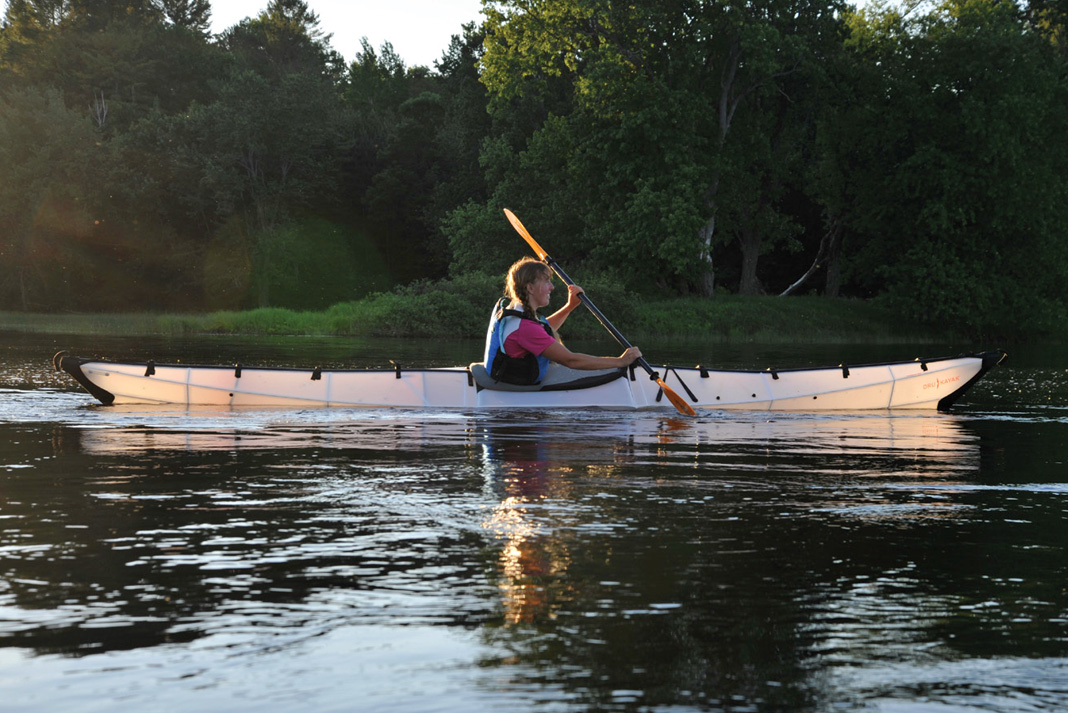
THE COAST By Oru Kayak | Photo: Grace Fisher

Performance-wise, the Coast and Coast+ share the same hard-chine hull and straight-tracking rocker profile. They also use the same basic construction: a single 5mm sheet of corrugated, double-walled polypropylene (reminiscent of signboard) that’s cut and creased just like origami to fold from a 30-inch-square suitcase into a full-size, hard-shell kayak. The material is lightweight yet strong, rated to 20,000 fold cycles—that’s a lot of day trips.

Fans of the original Oru will love the Coast. With four additional feet of waterline, it’s about 15 percent faster on the water—perfect for after-work or early morning fitness paddles. The extra length also translates to double the gear storage—impressive considering the Coast packs down to nearly the same size (just two inches wider when folded).

Paddled empty or loaded for a multi-day adventure, handling is predictable and edging feels stable and responsive. We also like the surprisingly stiff feeling of the hull. This makes the Coast an efficient choice for longer tours and reasonably agile for playing among currents and rocks.

There’s no denying the appeal of an expedition-ready kayak that can strap to your back or be checked onto a plane for anywhere-in-the-world adventures. Add to that the Coast’s speedy set-up, and those with limited storage space also have a great grab-and-go option for journeys closer to home. VIRGINIA MARSHALL

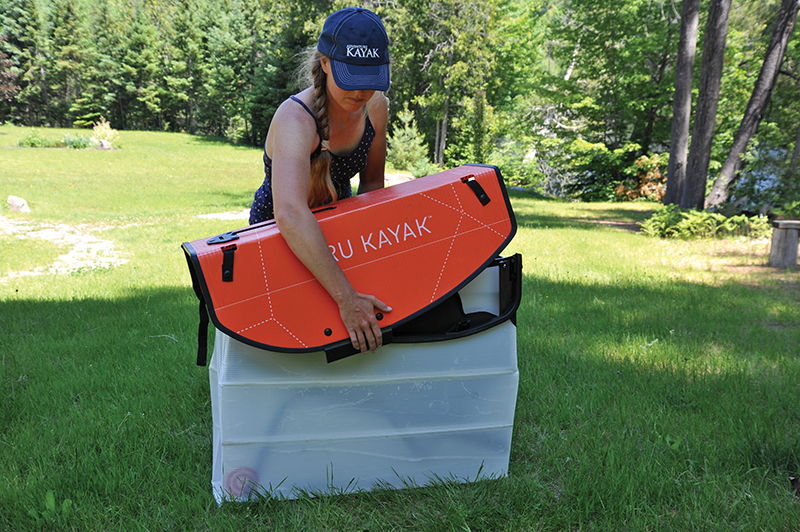
The Oru Kayak in its box.

Step 1

Practice assembly and disassembly at home before hitting the trail. Deciphering the origami can be confusing for first-timers and requires a specific sequence that penalizes missed steps with back-to-the-beginning frustrations.

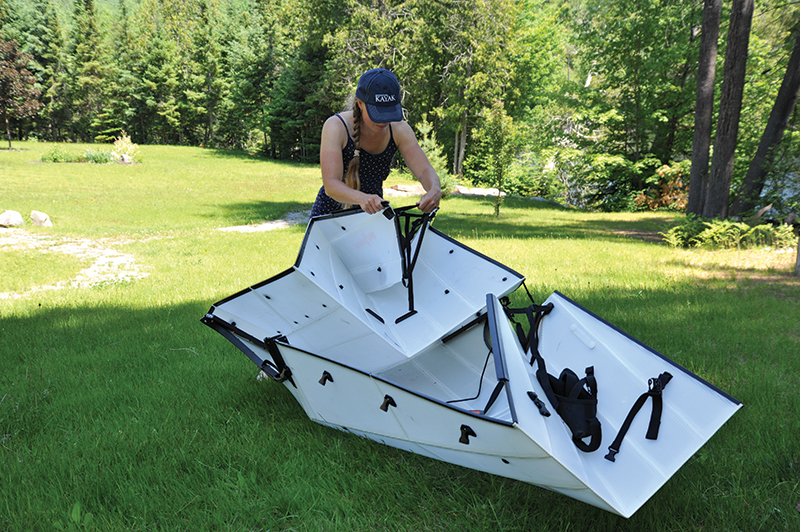
A woman assembles the Oru Kayak.

Step 2

After a few practice runs, we had assembly down to the advertised 10 minutes. This also helps wear in the creases—they develop memory from repeated folding, so set-up and teardown become easier with use.

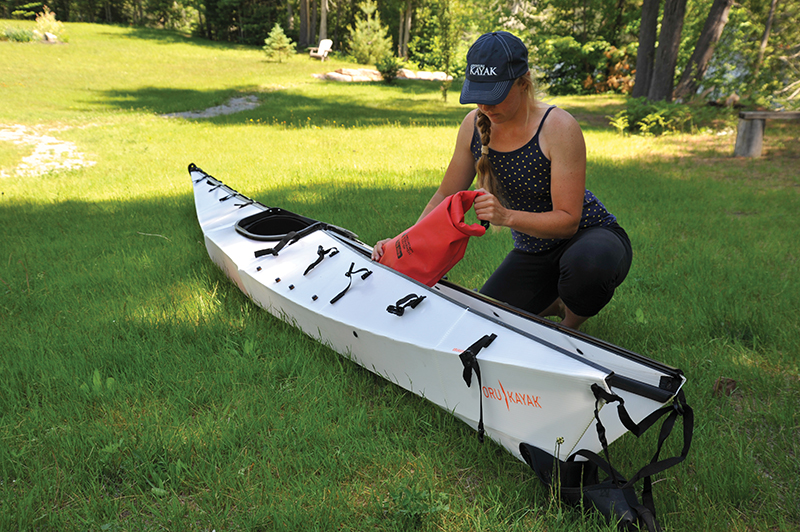
A woman finishes assembling the Oru Kayak.

Step 3

Use bow and stern flotation bags (or pack the ends with dry bags) when heading into open water. Oru’s bulkheads only provide rigidity to the hull, they don’t seal out water.

Coast

Length: 16 ft

Width: 25 in

Weight: 31 lbs

Max. Capacity: 400 lbs

Price: $1,975 www.orukayak.com


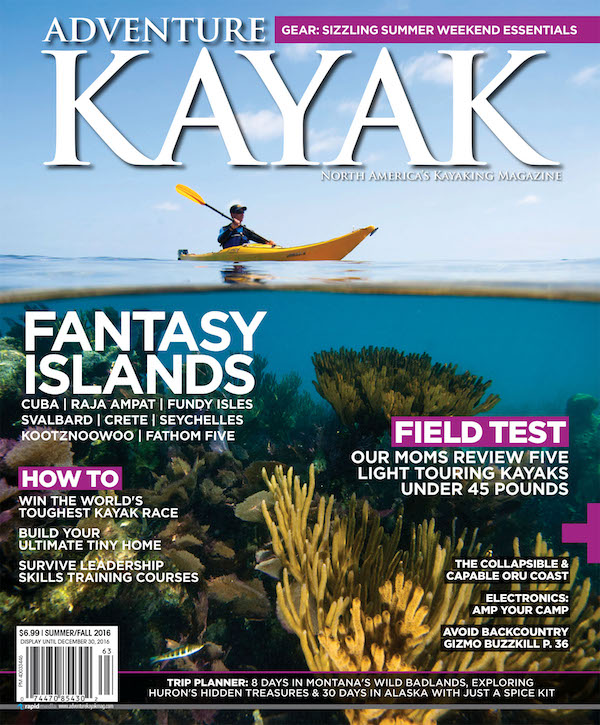
This article originally appeared in the Adventure Kayak
Summer/Fall 2016 issue.
Subscribe to Paddling Magazine and get 25 years of digital magazine archives including our legacy titles: Rapid, Adventure Kayak and Canoeroots.

10 Things To Know Before Paddling The Big Sur Coast

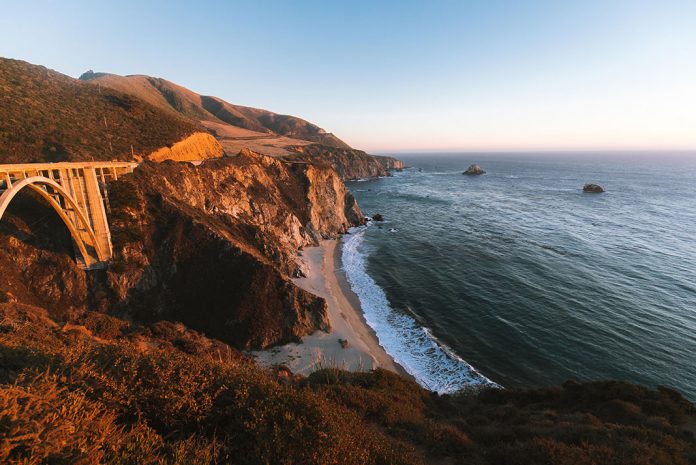
Coastline with bridge
The Big Sur Coastline is incredible, but you'll need to be prepared for all the hazards and difficult conditions you may encounter.

The rain had just started coming down, but fortunately we had just packed away our camping gear in our kayaks or strapped it to our standup paddleboards. The surf though picked up throughout the night and was dumping thick six-foot waves on a steep, gravelly beach along Central California’s Big Sur Coast.

Visibility wasn’t helping. There was a dense, low-hanging ceiling of soupy fog hovering just above the ocean, nullifying any line on the horizon. Mistiming our launch off that deserted beach could’ve been disastrous, possibly ending our trip, but launching successfully guaranteed us at least a chance to land on the next wave-battered beach.

Paddling the roughly 60 miles of Big Sur Coast will require a little planning, some early mornings and most of all some good timing depending on the unruly surf that thunders against those sheer, daunting cliffs the coast is known for. Here are 10 things to consider before doing a Big Sur kayaking trip along the coast.

1. When to go

The best time to paddle Big Sur is late summer into early fall. My friends and I paddled the Big Sur Coast in November and encountered a mixed bag of big, uneven surf, southerly headwinds and poor visibility. On the flip side, we also soaked in some sunshine and glassy, mirror-like paddling conditions. Winter endures more storms with huge surf. You can expect potential landslides and occasional rock fall. Spring is colorful, but northwest winds are at their most volatile. Summer sees south swells, winds and dense fog. Late summer into early fall brings the calmest paddling conditions.

2. Hazards

No matter what the surf reports say, be prepared for the worst. There are many offshore reefs, huge slabs of submerged rocks and craggy sea stacks. Mind tidal fluctuations and study channels between the coast and offshore reefs that might offer safe passage instead of the long paddle out and around.

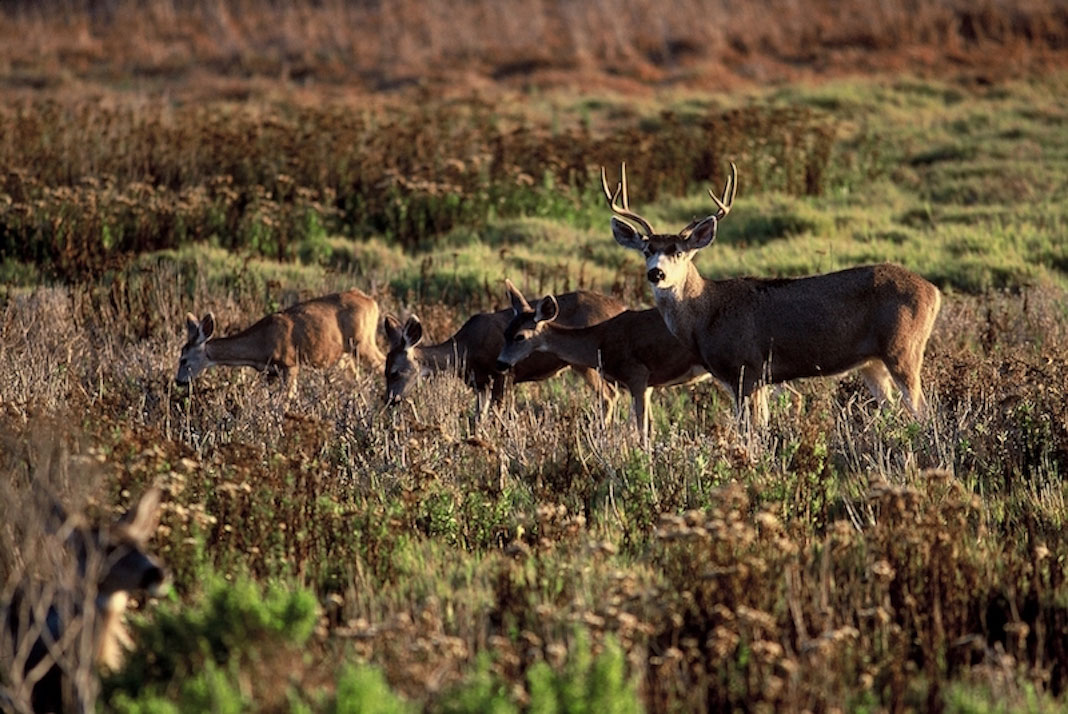
Mule deer
Mule deer along the coast. | Photo by: Chuck Graham

3. Winds

Winds predominantly blow out of the northwest, resulting in a nice tailwind paddle down the Big Sur Coast. However, be prepared for southerly winds blowing up the coast and offshore winds howling out of the canyons. We had southerly headwinds from McWay Falls to Sand Dollar Beach, about a 20-mile stretch.

4. Logistics

If you’re going solo, leave your car at Andrew Molera State Park and hitchhike back after finishing your paddle. It’s $10 per day to park. There are plenty of places to hide your kayak and gear before returning to pick it up. If you have paddling partners, leave one car in San Simeon, just south of Big Sur, or at one of the trailhead pullouts along Highway 1 in Big Sur.

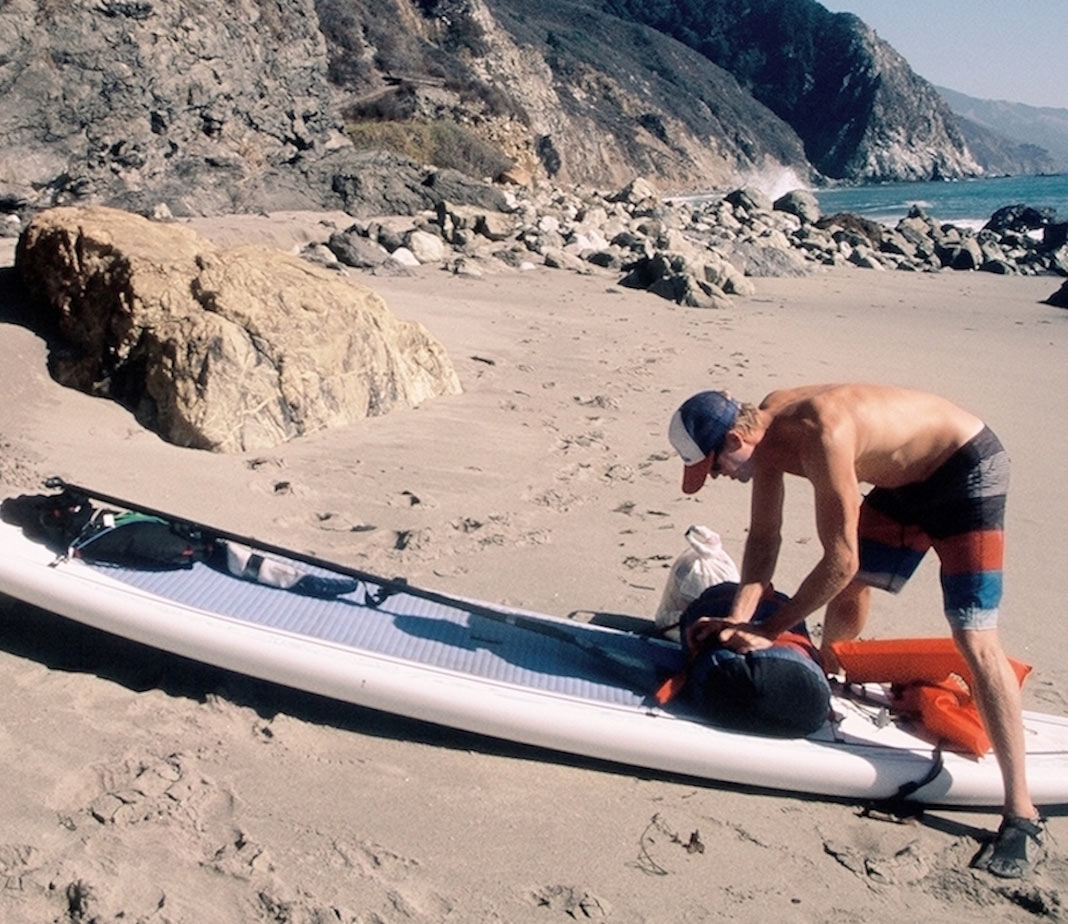
Man strapping things to his paddleboard on the beach
Whether you’re traveling by kayak or paddleboard, make sure you’re prepared. | Photo by: Chuck Graham

5. Where to camp

The best places to beach camp include Andrew Molera State Park, Julia Pfeiffer State Park, Rockland Landing, Limekiln State Park and Kirk Creek. Keep in mind that there are lots of hidden coves and beaches to camp on, but they’re tougher to locate when the surf is up and the tides are at their peak.

6. Be intentional about enjoying the paddle

Big Sur is beautiful and breathtaking. There are lots of Mordor-like sea grottos and archways to paddle through. There are waterfalls like McWay Falls that spill off the cliffs and into the ocean.

7. Drinking water

You should bring a gallon or two of water, but there’s lots of fresh drinking water along the Big Sur Coast. Creeks empty onto beaches and into the ocean, so pack a filter into your gear cache.

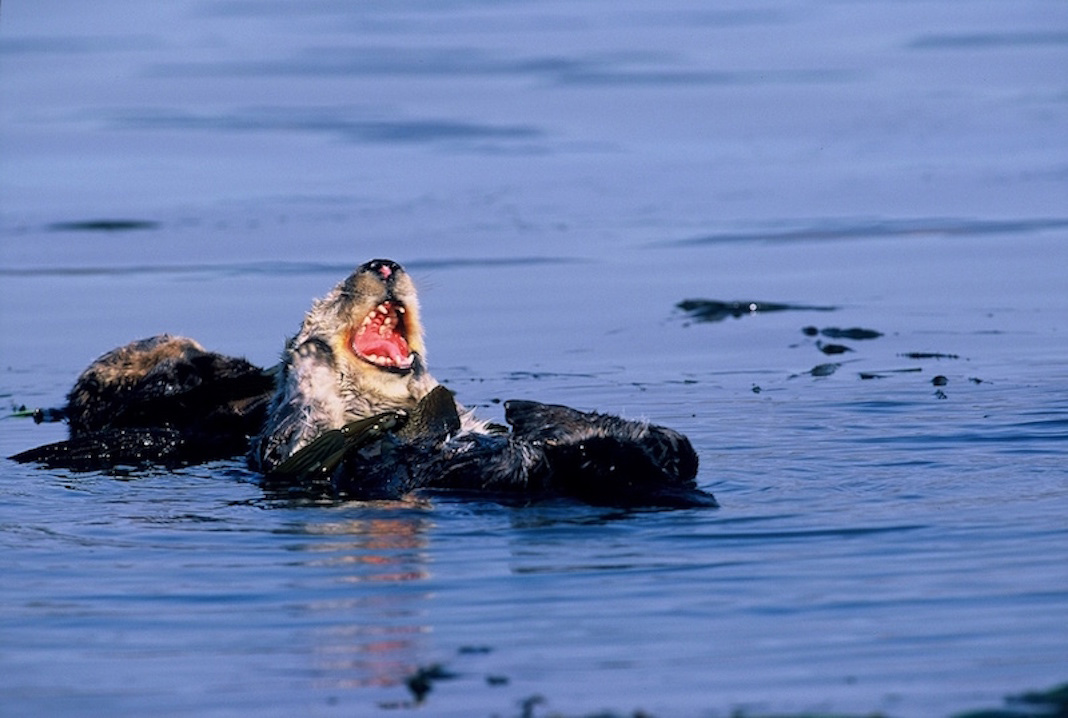
Otter yawning
Keep an eye out for southern sea otters while you’re paddling. | Photo by: Chuck Graham

8. Finding landing sites

Observe potential landing sites from the safety of a channel. Bring a pair of binoculars to scan beaches and coves for the best/safest landings, especially if you’re looking for a beach and dusk is approaching. There are more riptides on the lower tides and more passable channels on the fuller tides.

9. Partington Cove

There are lots of hidden gems along the Big Sur Coast. One of them is Partington Cove, once used as a loading point for tanbark around the turn of the 19th century. Some of the loading apparatus is still embedded in the barnacle-encrusted rocks. It was also rumoured to be a landing point for smuggling alcohol during prohibition. There’s a 60-foot-long tunnel that leads to and from the ocean to a fairy tale-like pygmy redwood forest, and a rushing creek that runs through it to the ocean.

10. Wildlife

Those binoculars will also come in handy for spotting wildlife. Whether on land or in the sea, there is plenty of wildlife in Big Sur. Mule deer are regularly seen along the coast, and endangered California condors are spotted along Highway 1, as they forage for marine mammal carcasses on deserted beaches. The Big Sur Coast lies within the Monterey Bay National Marine Sanctuary, and is part of the California Sea Otter State Game Refuge. Southern sea otters possess the densest fur of any mammal and are regularly seen on the canopy of dense kelp forests. Depending on the time of year, gray and humpback whales are seen off the coast, as well as orcas, dolphins, seals and sea lions.

Open Boat Surfing using the Rudder Stroke

[iframe width=”560″ height=”315″ src=”https://www.youtube.com/embed/OsERuOSpOxc” frameborder=”0″ allowfullscreen ]

Paddle Pointers’ Paul Mason recently released a great instructional video on the rudder stroke for use while open boat surfing. 

READ MORE: Open Boat Creek Technique 

Don’t let the intro fool you, it’s a perfectly suitable technique for this day and age. 


9 Things You Didn’t Know About Freya Hoffmeister

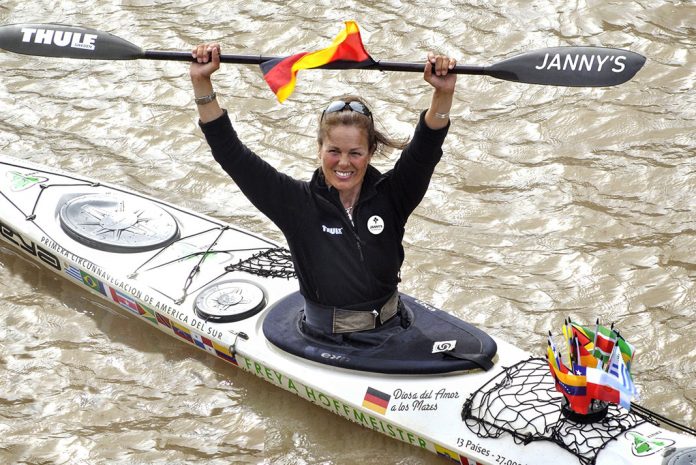
Woman in sea kayak raising paddle above her head.
Never start stopping; never stop starting. | Photo: courtesy of Freya Hoffmeister

Tackling enormous paddling expeditions is not new for Freya Hoffmeister. The German kayaker is well-known in the paddling world for circumnavigations of Iceland, Australia, South America and Ireland.

Hoffmeister has recently announced that she will attempt to circumnavigate North America, a 30,000 mile journey that she estimates will take eight to 10 years to complete. Hoffmeister plans to begin in March of this year, and the staggeringly long paddling trip will be attempted in two half loops, beginning twice in Seattle and finishing twice in New York City. She will kayak north half of the year and south the other half.

The unprecedented trip will be mostly paddled solo. We caught up with the inspiring adventurer whose motto is “never start stopping, never stop starting” from her home in Germany to learn a bit more about her.

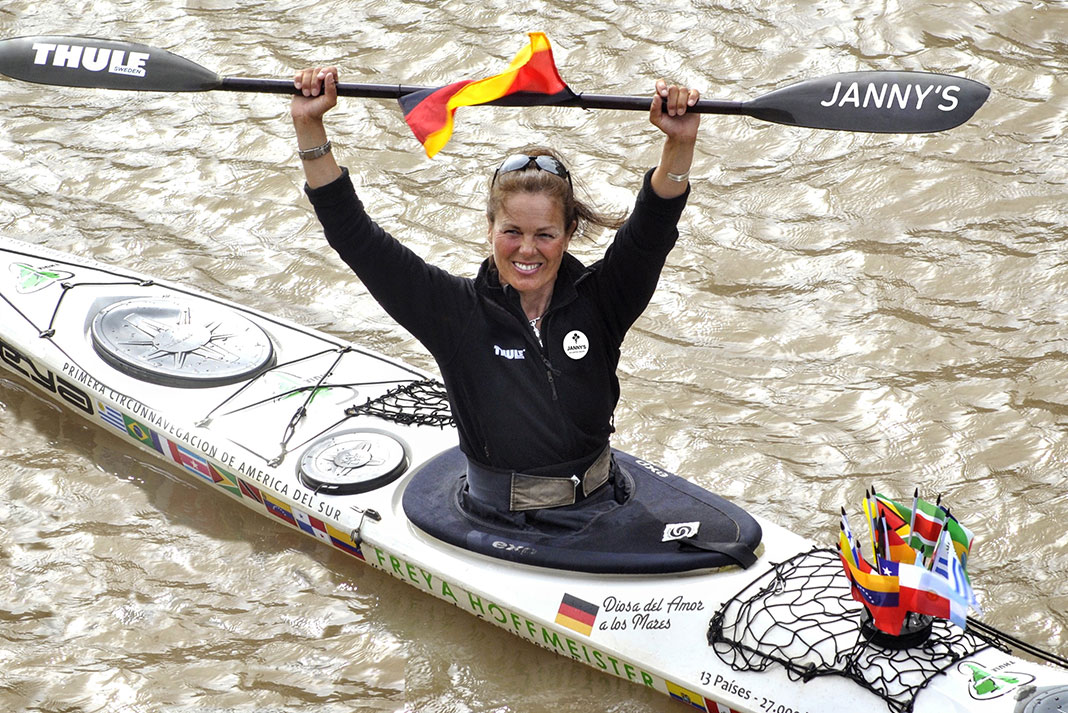
Woman in sea kayak raising paddle above her head.
Never start stopping; never stop starting. | Photo: courtesy of Freya Hoffmeister

9 Things You Didn’t Know About Freya Hoffmeister

1. Setting big goals keeps her focused and allows her to know where she is going to be in the future.

2. One of the hardest things about planning an epic journey? Sitting at a desk all day and not paddling.

3. She feels great on the first day of a huge journey, as if her last one is just continuing.

4. Transitions are par for the course. Hoffmeister slides easily back into her life at home.

5. Many long distance paddlers look to Hoffmeister as an inspiration. Who inspires her? She inspires herself every day.

6. She considers logistics, organization and mental strength to be the keys to a successful expedition.

7. Her e-reader is a crucial item she brings with her. What will be loaded on it for her North American circumnavigation? Adventure books, biographies and other pleasant reads that help her brain relax.

8. She advises those who want to plan big paddling adventures but are intimidated to start small, just like she did. Hoffmeister suggests paddling whatever is close you, choose great partners and then work up to solo missions.

[ Paddling Trip Guide: Plan your epic kayaking trip here ]

9. On her upcoming journey she is most looking forward to the unique landscapes and animals—and is a little apprehensive about bears.


Never start stopping; never stop starting. | Photo: courtesy of Freya Hoffmeister

Lightweight Touring Kayak Review: Hurricane Kayaks Sojourn 135

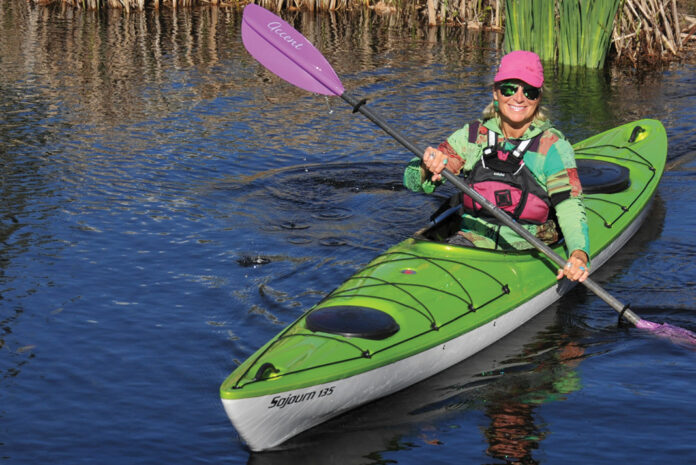
HURRICANE KAYAKS Sojourn 135 | Photo: Virginia Marshall

This article was part of a feature testing five compact touring kayaks while on a trip in Georgian Bay’s 30,000 Islands. The other boats in this roundup include the Stellar Kayaks S14-LV, the Current Designs Ignite, the Swift Saranac 14 and the Delta Kayaks 12S. Read the review of the Hurricane Sojourn 135 below.

[ Paddling Buyer’s Guide: View all touring kayaks under 45 lbs ]
Hurricane Kayaks Sojourn 135 Specs
Length: 13’5″
Width: 24.5″
Weight: 45 lbs.
Material Thermoform Abs
Price: $1,449

www.hurricaneaquasports.com

The spacious hatches on the Hurricane Kayaks Sojourn are very easy to pack—ideal for aspirational paddle-campers who don’t have teeny-tiny gear or pantries full of dehydrated meals.

The hull’s moderate V-shape and minimal rocker prioritize tracking and stability. Our testers had little difficulty holding course (a rudder is offered as an option), although we worked harder to keep pace with missiles like the S14-LV and Ignite.

Edging the super-stable Sojourn requires assertive weight transfer, but once seated on its hard chine it turns quickly and feels reassuringly stable.

This 13-foot-five-incher had the widest beam and largest cockpit of the group, which made it effortless to climb in and out of and added to the Sojourn’s appeal for novice paddlers.

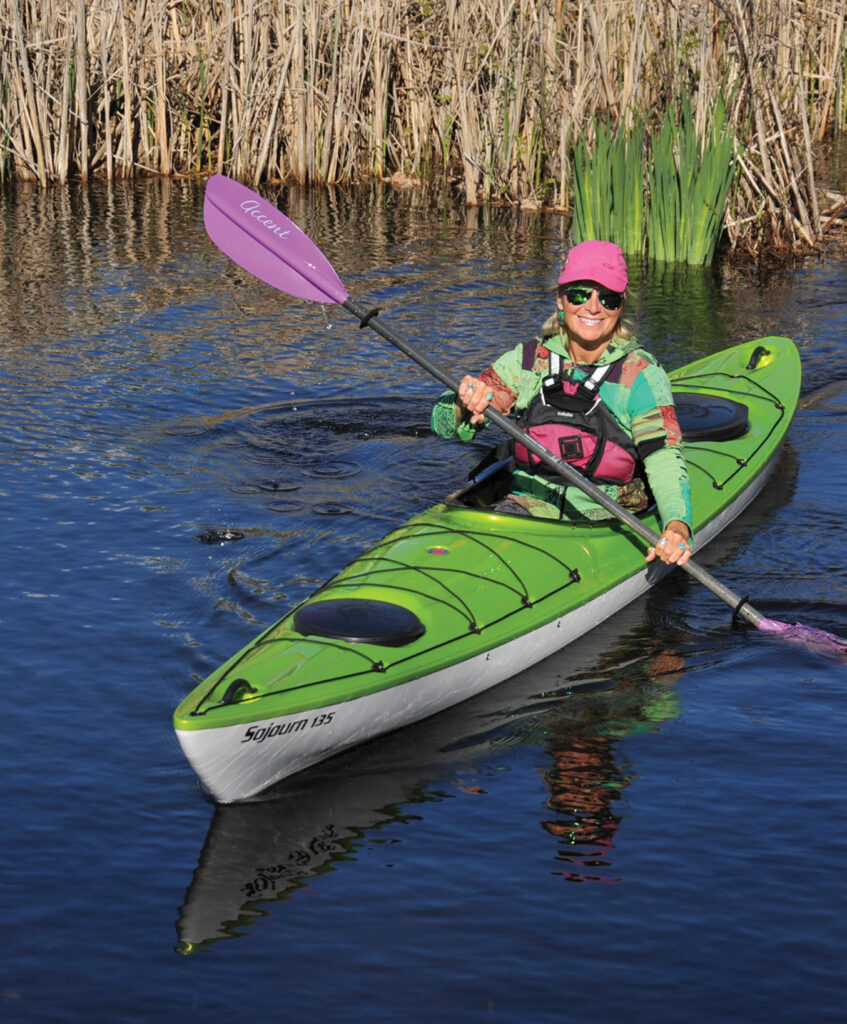
Photo: Virginia Marshall

The 24.5-inch width and roomy cockpit fit tied it with the Saranac 14 as the most challenging to roll sit-inside boat in the fleet. On the flip side (haha, see what we did there?) it was also the toughest to capsize.

The thermoformed ABS plastic construction has the sparkly luster of a composite boat. While the durable material makes the Sojourn among the most economical boats we tested, it didn’t do it any favours in terms of weight (nine pounds heavier than the similarly sized Saranac 14).

Hurricane’s AireStream seat system is all about comfort: the large, supportive backrest is well ventilated for hot days and the height can be quickly adjusted on the fly.


This article originally appeared in the Adventure Kayak
Summer/Fall 2016 issue.
Subscribe to Paddling Magazine and get 25 years of digital magazine archives including our legacy titles: Rapid, Adventure Kayak and Canoeroots.

How I Lost And Won My First Paddleboard Race

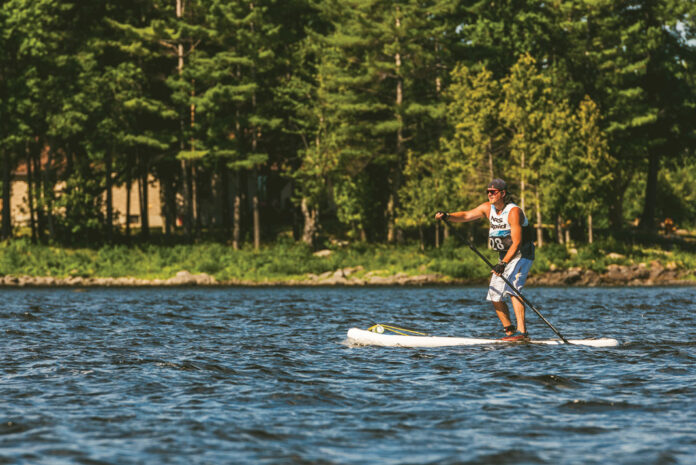
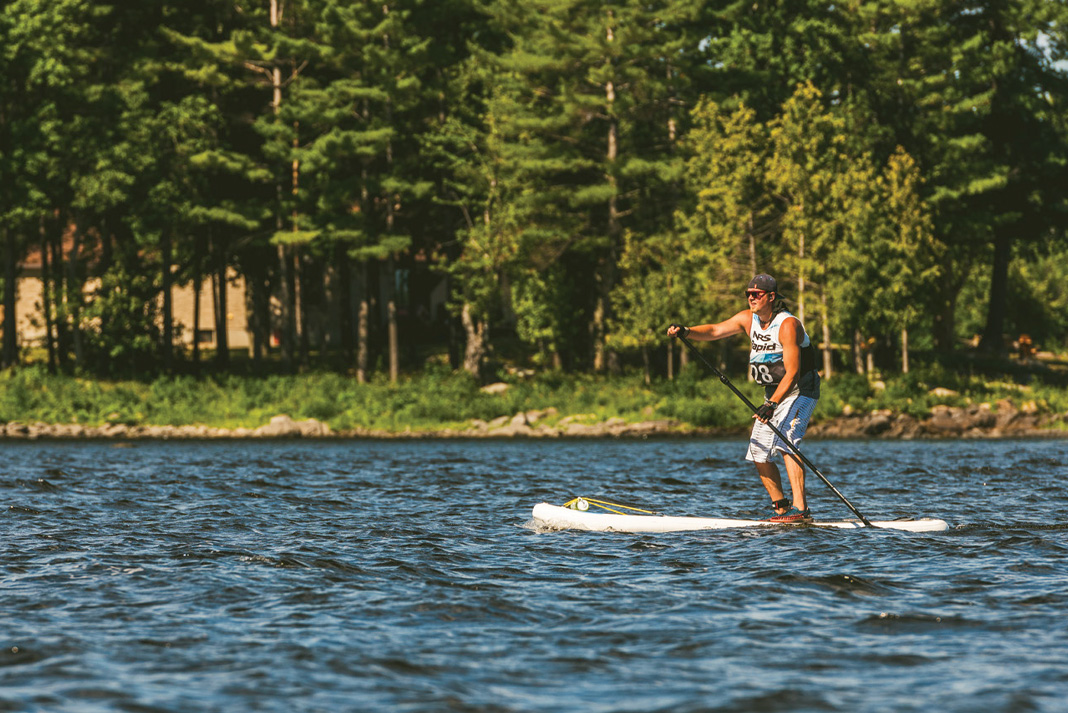
"I can see for miles and miles and miles, oh yeah." | PHOTO: RORY TOOP

Hot sand between my toes is usually a great feeling on a mid-summer Saturday morning. Except the sound of the air-horn blast indicated my toes should no longer be in the sand. They should be cool and wet and pointed downstream.

In the early spring, as the snow was melting and the entire summer lay out before me, I’d signed up for my first standup paddleboard race. For two months prior to this August day I’d told myself that I would train. Tomorrow. You know how that goes.

How I lost and won my first paddleboard race

As tomorrows came and went the tiny voice in my head worked hard to convince me I had nothing to worry about. I would be okay. A couple weeks before the race I panicked and called a buddy who agreed to loan me his spare race board. I would compensate for my complete neglect of physical training and skill development with better equipment.

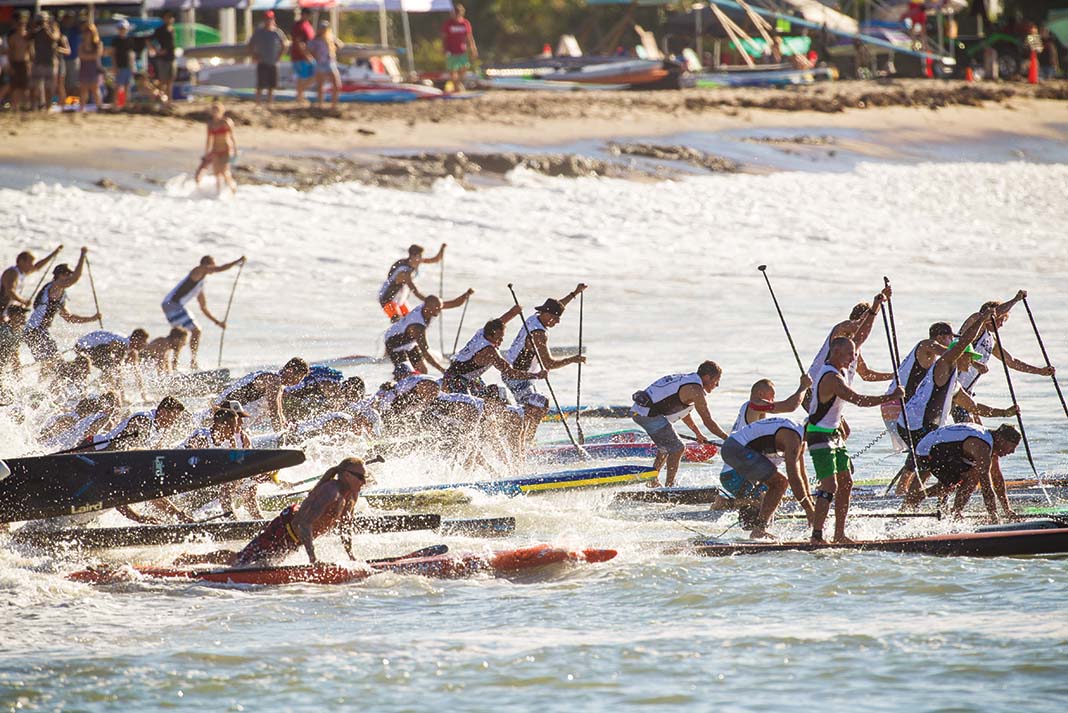
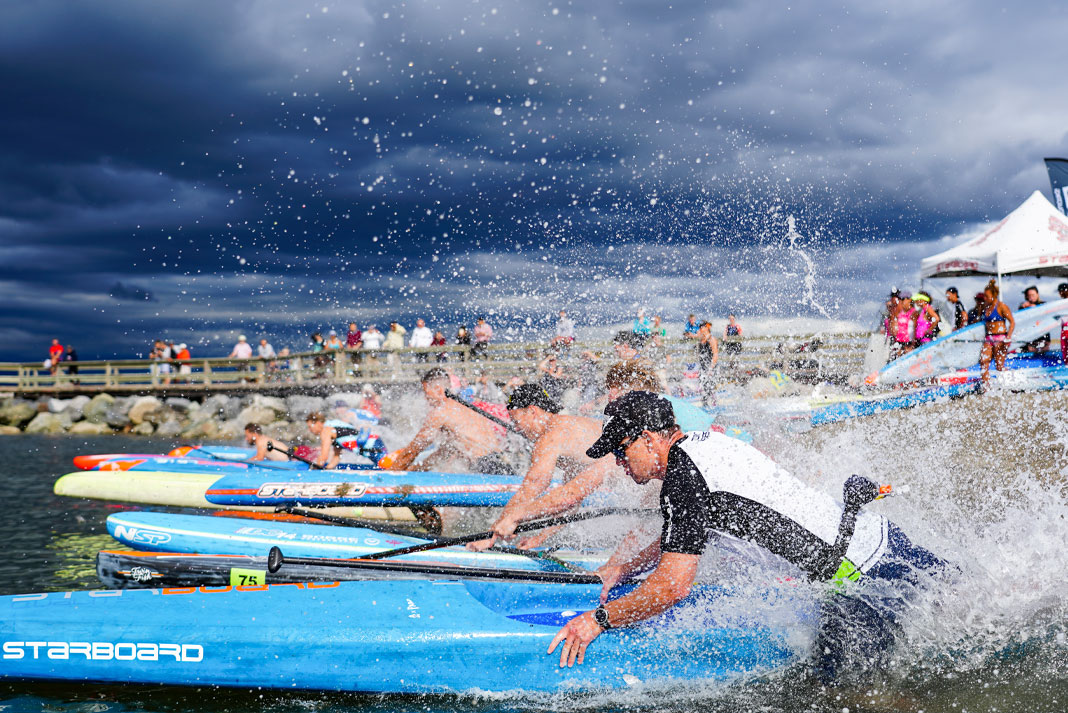
The second annual Upper Ottawa Race and Paddle Festival [now part of the Water and Dirt Festival] is a collaboration between two neighboring towns rich with paddling history on the Ottawa River right here in Rapid Media’s neck of the woods. The primetime headliner is the canoe, kayak and standup paddleboard race beginning at the beach in Petawawa and finishing 13 kilometers later at Riverside Park in Pembroke where there is camping, vendors and the after-party.

The search for a trusty steed

The morning of the race I arrived late and ran through my first prerace routine. Who am I kidding? My pre-race routine consisted of a free cup of specialty coffee and a frantic search for my buddy’s Toyota Matrix, upon which should have been tied my ticket to ride.

man standup paddleboard racing
“I can see for miles and miles and miles, oh yeah.” | Feature photo: Rory Toop

Standup paddleboards designed specifically for racing are sleek. They are light. They are long. They are jet fighters. They are constructed of space-age carbon fiber materials. A board like this should have been easy to spot on top of a car, especially when the rest of the racers were already on their boards on the water, warming up and lining up. By comparison, an inflatable whitewater paddleboard is more like a county fair jumpy castle than an F-4 Phantom II. When bounding down rocky rivers you don’t need to be fast. A whitewater board is tough, wide, stable and slow. And the only board I could find.

Having spent the better part of my adult life sitting in canoes and kayaks, I wasn’t as familiar with the special elements of standup paddleboarding. Kayak Angler magazine editor Ric Burnley tells me the elevated perspective of paddleboards offers anglers a better vantage point for sight fishing redfish in saltwater flats. By the time I gave up looking for my loaner race board, dug the inflatable board out of the back of my car, blew it up, and got on the water, all the higher vantage point offered me was perspective on how far ahead of me the rest of the paddling field was—the second to last paddler was just rounding the point and disappearing out of sight.

Going the distance

Arriving at the finish line dead last, I thanked the river gods the few remaining spectators didn’t know I worked for this publication.

It turned out the race organizers had a prize for last place. And last place was actually first place for my board class and size category. I was the only one out of more than 90 racers foolish enough to be on an inflatable sub-12-foot board.

I will paddle this race again. Between now and then I’m going to train and I’m going to find myself a real race board. I may not win next year, but I won’t lose.

Cover of the 2023 Paddling Trip GuideThis article was first published in the 2017 Paddling Buyer’s Guide and was republished in the 2023 Paddling Trip Guide. Subscribe to Paddling Magazine’s print and digital editions, or browse the archives.


“I can see for miles and miles and miles, oh yeah.” | Feature photo: Rory Toop


Stop Thinking, Buy The Kayak

I get by with a little help from my friends. | PHOTO: MICHAEL NEUMANN

My friend, Larry, pined over the purchase of a new kayak for more than two years. We spoke about it every Wednesday evening.

One night he’d rationalize it by telling himself he deserved it. We’d make mental lists of all the other things his neighbors had and he didn’t. We listed expensive things like metal flake bass fishing boats, RVs, paved driveways and Harley Davidson motorcycles. A new boat is only a fraction of the cost of those items.

Other weeks we’d swing the decision-making pendulum far off in the other direction. We divided the cost of a kayak by the actual number of hours he’d paddle. I don’t recommend this approach unless you plan on amortizing the purchase over a great number of years.

For example, a $3,000 kayak, canoe or board used for a couple of hours most Wednesday nights at club paddles for the better part of four summer months per year works out to be about $125 per hour. Yikes. However, keep the boat 10 years and now you’re down to only $12.50 per hour. Seems reasonable, doesn’t it? Cheaper than a movie.

One night I reminded Larry of an article that appeared in Adventure Kayak magazine. In it, writer Alex Matthews compared the rate of inflation to that of canoe and kayak depreciation. Matthews argued a well kept popular model would be worth the same amount in 10 years as you pay for it today.

Keep it longer and you’ll make money when you go to sell it. This handy math makes 10 years in the boat of your dreams virtually free, if not profitable. Unless, of course, you think of the opportunity cost of not investing the money into the dividend-paying blue-chip stock. We decided retirement without a life enjoyed along the way isn’t the goal.

Larry is a pharmacist. His wife is also a pharmacist. They live modestly. They drive boring vehicles and have a small mortgage left on a starter home in a small town. It’s not really about the money.

I get by with a little help from my friends. | Feature photo: Michael Neumann

Avoid buyer’s remorse, buy a kayak

Buyer’s remorse is a sensation of regret after a big purchase. It’s that tiny, relentless voice that says, “You shouldn’t have bought that,” or “You should have used that money for the repairs to the deck,” or “You should have bought the other kayak instead.” I’ve never had symptoms of anxiety, nausea and sweaty palms or regrets of any kind after purchasing paddling gear so long as I’ve done the research.

Larry, on the other hand, had done too much research. He suffered the overly prudent condition know as paralysis by analysis. He weighed the pros and cons, memorized the specifications and test paddled everything. He waited for two full production cycles and dog-eared two annual editions of our Paddling Buyer’s Guide to be sure nothing better was released. All his analysis was paralyzing him from making a decision.

One morning this fall I received the following text message: “I pulled the trigger. I had to stop thinking about it. It was consuming me. I was no longer present with my family.”

Larry finally bought himself a new kayak and did so for the sake of his family. I jotted that reason down for future use. I then messaged him back to see what he’d decided upon.

Do you know what he bought? He ordered the very same model he first considered two years before. He specced it out in the most expensive material lay-up complete with all the bells and whistles. Two weeks later I bought one too. Except I didn’t do it for my family. I did it for my friend, Larry. After all, he’s going to need someone on Wednesday nights to help justify his purchase.

Scott MacGregor is the founder and publisher of Rapid Media. Larry’s wife insists she loves her 2008 Mazda 6.


I get by with a little help from my friends. | Feature photo: Michael Neumann


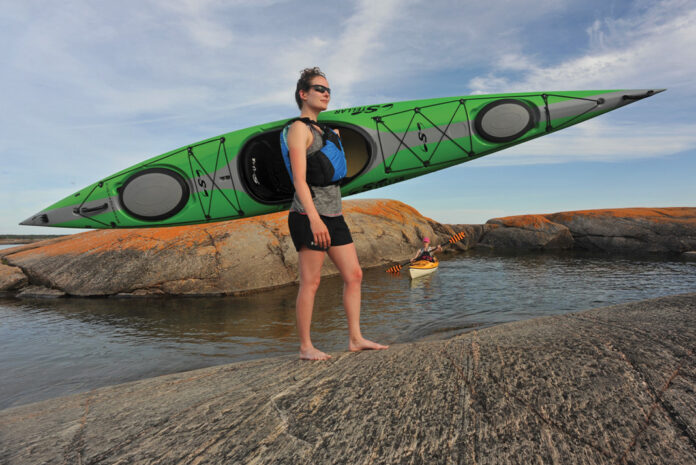
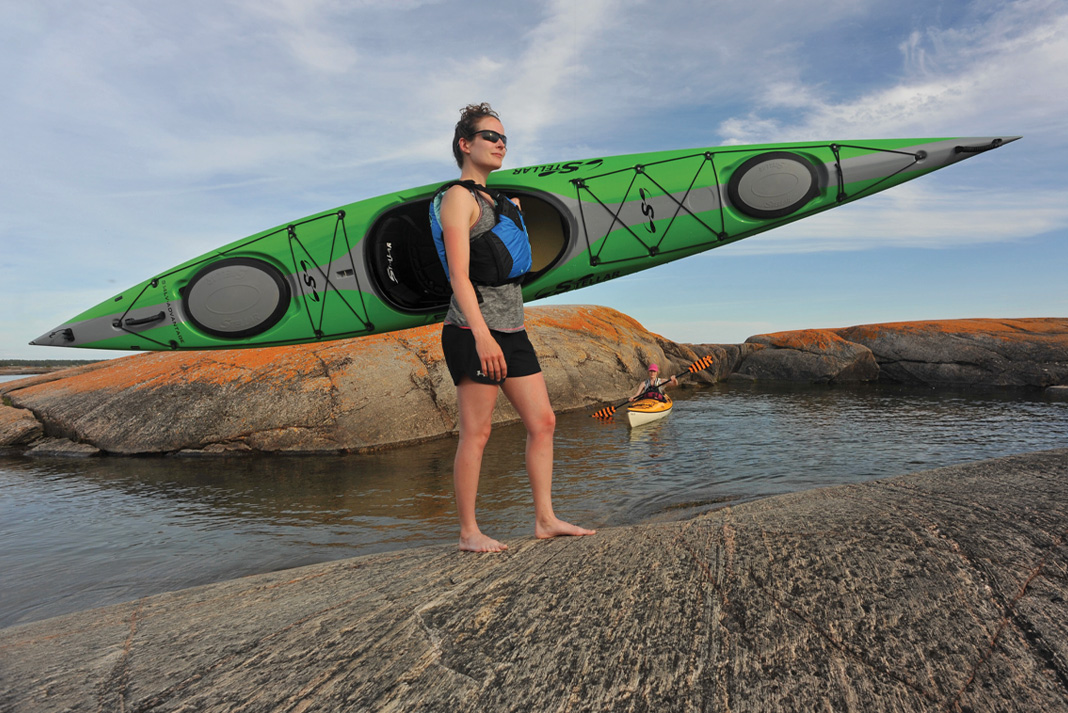
Lightweight Touring Kayak Review: Stellar Kayaks S14-LV

Photo: Virginia Marshall

This article was part of a feature testing five compact touring kayaks while on a trip in Georgian Bay’s 30,000 Islands. The other boats in this roundup include the Current Designs Ignite, the Hurricane Sojourn 135, the Swift Saranac 14, and the Delta Kayaks 12S. Read the review of the Stellar S14-LV below.

[ Paddling Buyer’s Guide: View all touring kayaks under 45 lbs ]

“This feels like a sports car!” marveled one happy tester, who enjoyed the S14-LV’s quickness in all types of water and playful maneuverability on edge.

Stellar S14-LV Specs
Length: 13’9″
Width: 22″
Weight: 37 lbs
Material: Kevlar/Fiberglass (advantage layup)
Price: $2,295

www.stellarkayaks.com

Stellar’s background in building rowing shells and surf skis is evident in the design—and speed—of the S14-LV. The 13-foot-nine-incher was the fastest of the sit-inside kayaks we tested, falling only slightly behind the Ignite on cruising speed and besting the ‘ski on acceleration.

The LV stands for low volume—the deck height in front of the cockpit is a thigh-spooning 11.4 inches, making this the snuggest fitting boat in the group. Our smaller testers loved the dialed in, performance feel; larger paddlers should try the standard S14.

With a svelte 22-inch width, the S14-LV is 1.5-to-two inches narrower than the rest of our fleet—making it our favorite for nimble turns. Add the low rear deck and unobtrusive backband and it was also by far the easiest to roll of all the boats.

Photo: Virginia Marshall

The shallow-V hull and soft chines provide smooth edging and solid tracking—dropping the S14-LV’s sturdy skeg deftly managed pesky crosswind on a bumpy, open-water crossing.

As expected, the S14-LV’s lower volume meant it was a tighter squeeze for our gear, but testers couldn’t complain about the dry contents and the easy on-and-off f the Tupperware-style hatch covers.

Available in four composite lay-ups, from tough fiberglass to ultra-stiff, uber-light Kevlar and carbon with a honeycomb core—there’s a great value option for any performance-minded paddler. And, yeah, we’re definitely digging the racing stripe.


This article originally appeared in the Adventure Kayak
Summer/Fall 2016 issue.
Subscribe to Paddling Magazine and get 25 years of digital magazine archives including our legacy titles: Rapid, Adventure Kayak and Canoeroots.

Paddling Friendships

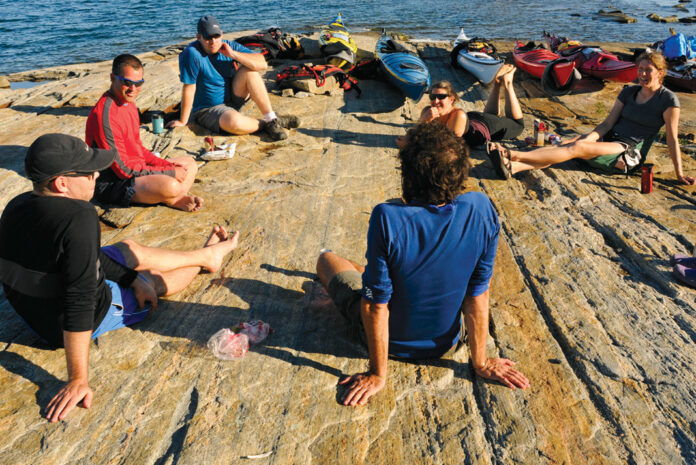
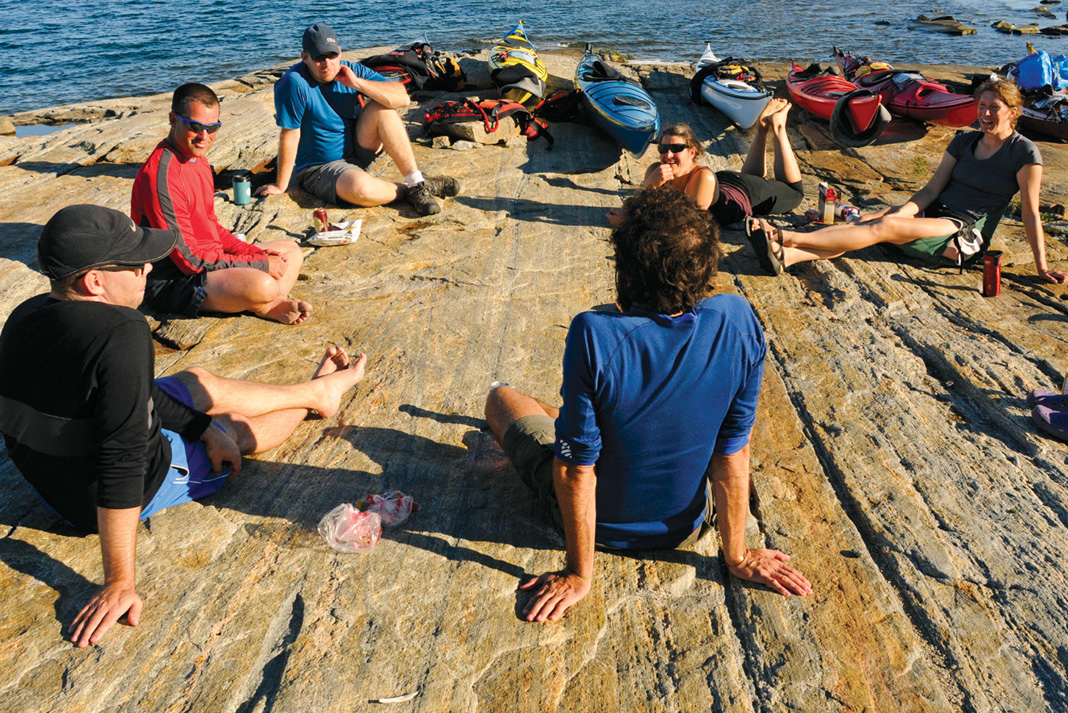
TRUE FRIENDS ARE HARD TO FIND, DIFFICULT TO LEAVE, AND IMPOSSIBLE TO FORGET. | PHOTO: VIRGINIA MARSHALL

“THANK YOU! SEE YOU!” The petite Japanese woman beamed, bouncing onto her tiptoes to give each of us a hug goodbye. Strangers just three days earlier, Maiko and I parted as friends.

When I look back at more than a decade of kayak tripping, guiding, traveling, writing and coaching, it’s the other paddlers I’ve met along the way who stay with me the most. Their stories, advice, questions, stumbling blocks, victories and, yes, hugs are woven into the rich tapestry of my own experiences.

Most of my closest friends, I met through kayaking. Much of what I know about paddling techniques and tools—not to mention coastal environments, weather, group dynamics, risk management and much else—I learned from them. Nearly everything else I absorbed through mentors and students. Our playgrounds may be vast and widespread, but the sea kayaking community is a relatively small one, and I’ve had the good fortune to paddle with many of its luminaries.

An offhand observation from Body Boat Blade coach Leon Sommé at a symposium my first year of kayaking transformed my roll from dubious to dependable. In an instructor workshop on navigation, SKILS coach Michael Pardy explored the history, art and science of mapmaking, adding fascinating depth and breadth to the standard angles-and-equations lesson plan.

TRUE FRIENDS ARE HARD TO FIND, DIFFICULT TO LEAVE, AND IMPOSSIBLE TO FORGET. | PHOTO: VIRGINIA MARSHALL

Most recently, I spent a day with Have Kayaks Will Travel coaches Sharon and Alec Bloyd-Peshkin, who demonstrated a simple, effective way to identify hazards and evaluate risk with your group before getting on the water. Their approach is now integrated into my own paddler’s tool kit, and packaged with it is a remembered scene—like the memory orbs in Disney’s Inside Out—of Alec and Sharon gathering their students in the shade around a graph constructed of sand, sticks and pebbles.

The most vivid memories are those I dust off and share often. For example, the lesson to test spray deck fit on the boat you are paddling that day—driven home on a dicey, 13-hour downwind run with a deck that required two sets of hands and a significant struggle to release. Another lesson: always double- check food quantities, or risk the wrath of eight hangry women for five interminable days. Then there’s the favorite story of the champion Greenland roller who learned his very first roll as a young intern, under the vague tutelage of the outfitter’s chef—seated comfortably on the dock with a beer in hand. No lesson there, just laughs.

If all of this seems like a strange introduction to an issue featuring places (“Fantasy Islands,” page 38) and gear (“Lose Weight, Feel Great,” page 56), I encourage you to think about who you’ll share that perfect island with, or who you’ll seek advice from when testing out those new boats. Then, pick up the phone and call them. Make a plan, set a date and go create your own memories.

I don’t recall the model of kayak Maiko was paddling that weekend, or the names of the islands we paddled around. What I do remember is the hot summer sun, the shared relief of dunking into the cold water to practice rescues, and the warmth of her hug.

Editor Virginia Marshall hopes to see all her friends, old and new, on the water this summer.


This article originally appeared in the Adventure Kayak
Summer/Fall 2016 issue.
Subscribe to Paddling Magazine and get 25 years of digital magazine archives including our legacy titles: Rapid, Adventure Kayak and Canoeroots.