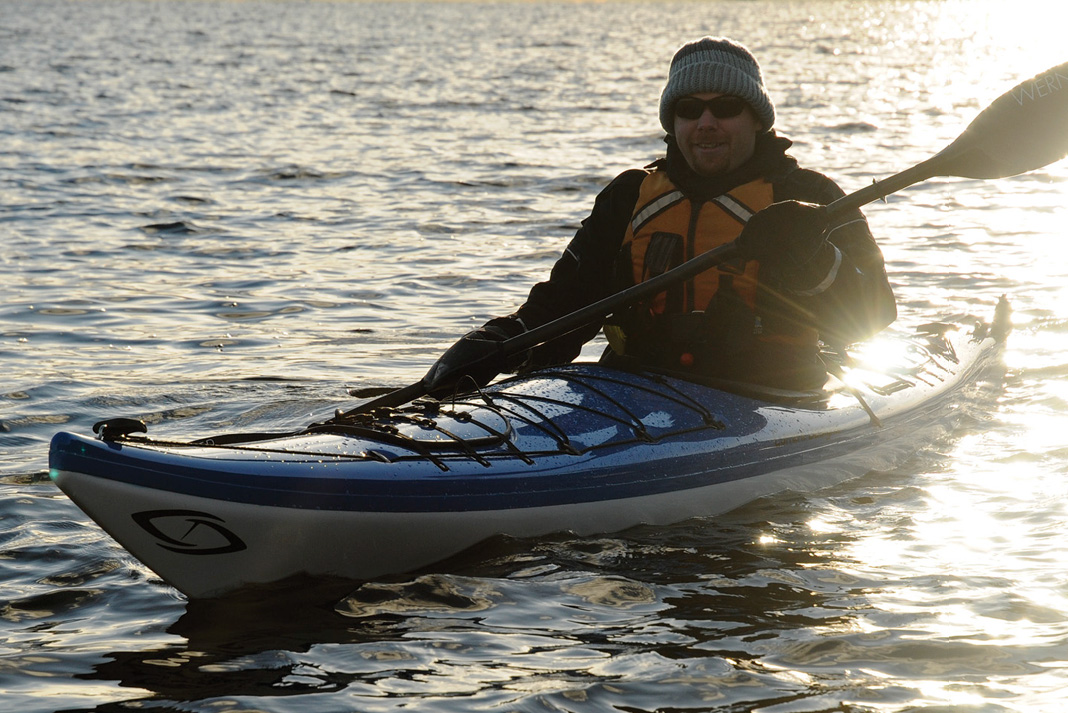
Current Designs Equinox GT | Photo: Virginia Marshall
My least favorite memory of a Current Designs Solstice GT is an image of a lime green boat rested against my own, both rising and falling in a stomach-churning morning swell, its occupant spewing eggs Benedict across my lap. My fondest memory is of that same boat and paddler three days later, charging skilfully through a sea of whitecaps.
[ Paddling Buyer’s Guide: View all sea and touring kayaks ]
I’ve met perhaps more paddlers in Solstices than any other kayak. From the quiet passages of the Discovery Islands, to the inland shores of the Great Lakes and beyond to the rugged Maine Coast, the Solstice GT is ubiquitous wherever touring kayakers are found.
First launched in 1984, its classic blend of stability, speed, reasonable maneuverability and gear-swallowing storage has made it one of the best-selling boats of all time.
For the growing numbers of paddlers who venture out for only a week or less, however, those ample hatches are often largely empty. Enter the Equinox GT.
Noticing the trend to shorter trips—and shorter boats—Current Designs recognized an opportunity. “We knew we had a winning hull and a winning design,” says vice president Bill Kueper, “so we just scaled it down.”
At nearly two feet shorter, the 16-foot Equinox GT has the same roomy 24-inch beam (a lower volume, 22-inch-wide GTS version offers a sportier fit), shallow-V hull and soft chines for rock-solid initial stability and smooth edging.
In a family hailed for superb acceleration and glide, the Equinox’s shorter waterline actually makes for even greater efficiency at a comfortably sustained touring pace of three to four knots. Tracking with or without the rudder is excellent, adding to the effortless feel of open-water cruising.
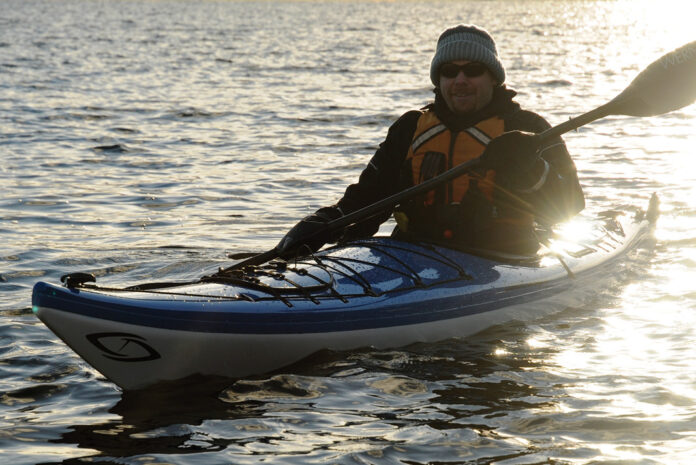
Above the water, the sleek and practical deck layout will also look familiar to Solstice paddlers. Color-matched, flush-mount hatch covers, recessed deck fittings and reflective decklines round out Current Designs’ flawless composite layup. Our Kevlar Equinox felt lighter than its listed 47 pounds and its impeccable regatta blue finish attracted admiring glances from gas station attendants and fellow paddlers.
Current Designs Equinox GT | PHOTO: VIRGINIA MARSHALL
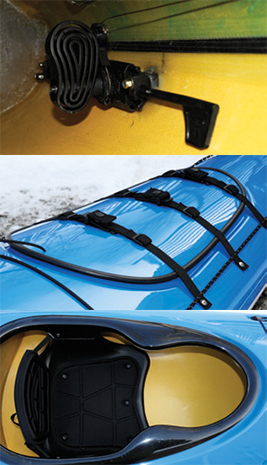
Larger boaters will find plenty of room in the keyhole cockpit for all-day comfort. Outfitting is classic West Coast influence, with a cushy padded seat, supportive backrest and high knee position. The rudder control lines are easy to reach and route below the back deck to prevent snags during rescues and transport.
Efficiently sized for today’s shorter trips, the Equinox GT rewards touring kayakers with the same user-friendly features that Solstice paddlers have been enjoying for three decades. In fact, the only real surprise is that it took Current Designs this long to build it.
The SEA-LECT Designs foot braces can be easily adjusted while seated, and use a pivoting pedal to control the rudder without compromising strong leg drive.
Photos: Virginia Marshall
Trip equipped
Although the Equinox GT is marketed for shorter trips, folks who’ve packed low-volume Brit or Greenland boats will find ample room in the voluminous bow and stern hatches for a week’s or more worth of supplies. Current Designs’ triple cam strap system takes a bit more time to secure, but our hatches were bone-dry.
Creature comforts
Integrated thigh braces, plenty of hip room and a slightly scooped seat are designed to optimize fit for a wide range of paddlers, and keep bottoms happy after a full day in the saddle.
This article first appeared in the Spring 2015 issue of Adventure Kayak magazine. Subscribe to Paddling Magazine and get 25 years of digital magazine archives including our legacy titles: Rapid, Adventure Kayak and Canoeroots.
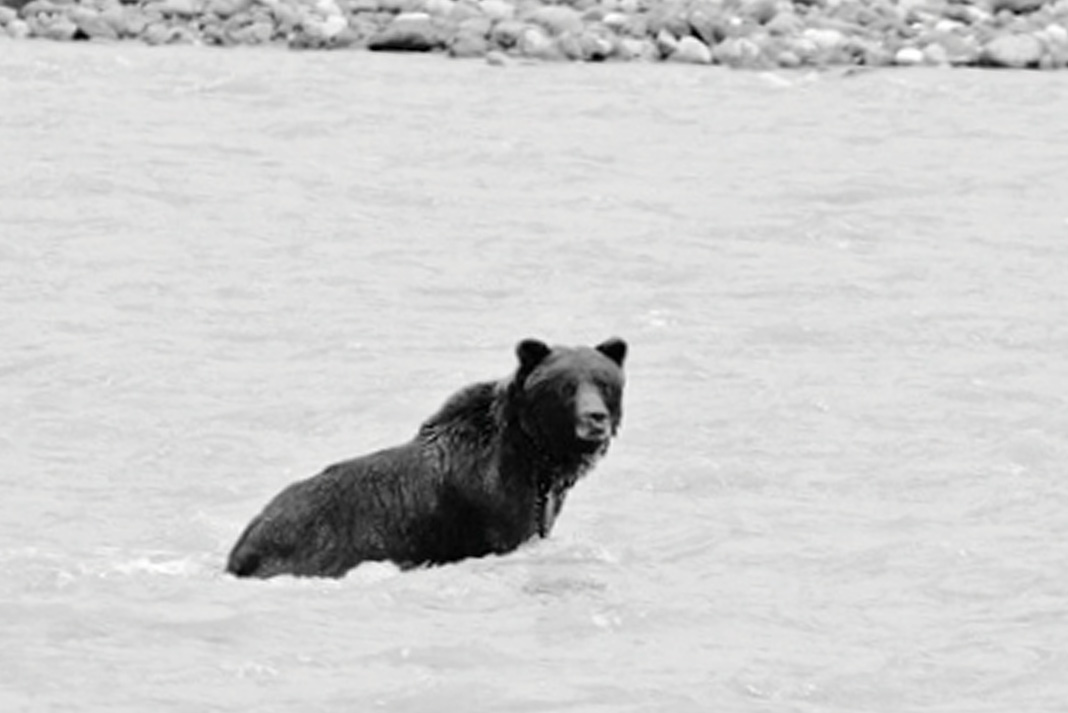
“HEY BEAR!!!” we hollered, lifting our boats to look bigger and banging pots together. The bear stopped. We sighed with relief. Then he stood on his hind legs for a better view, revealing his true, monstrous size. I swallowed hard. He dropped down and continued inching towards us, now less than 50 feet away.
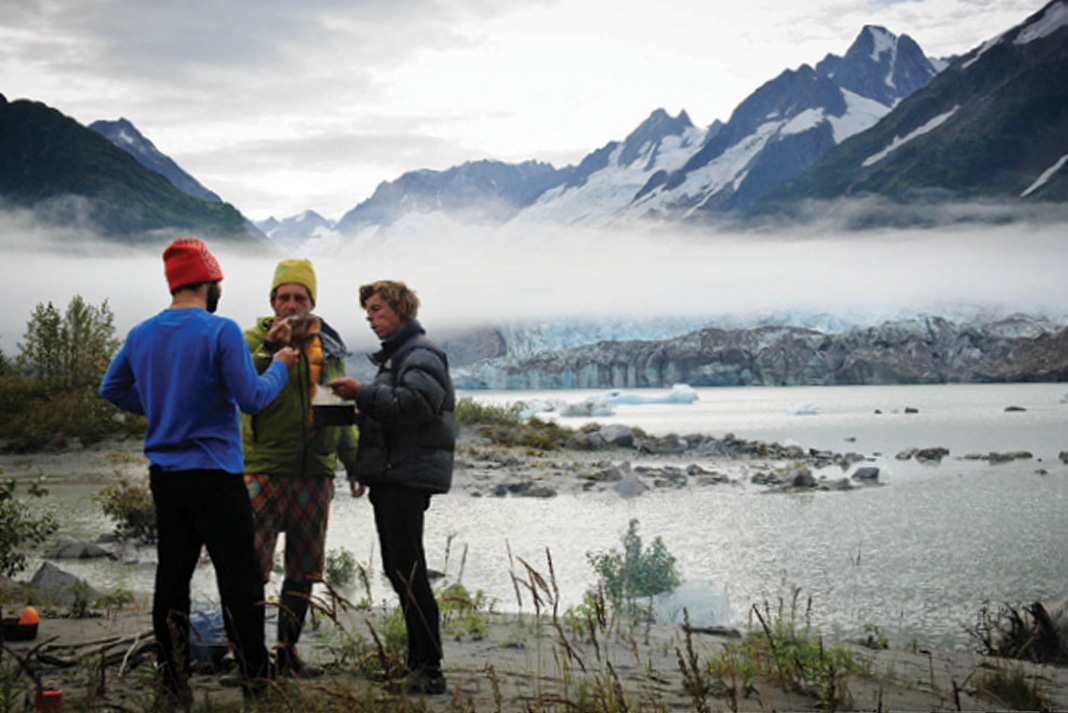
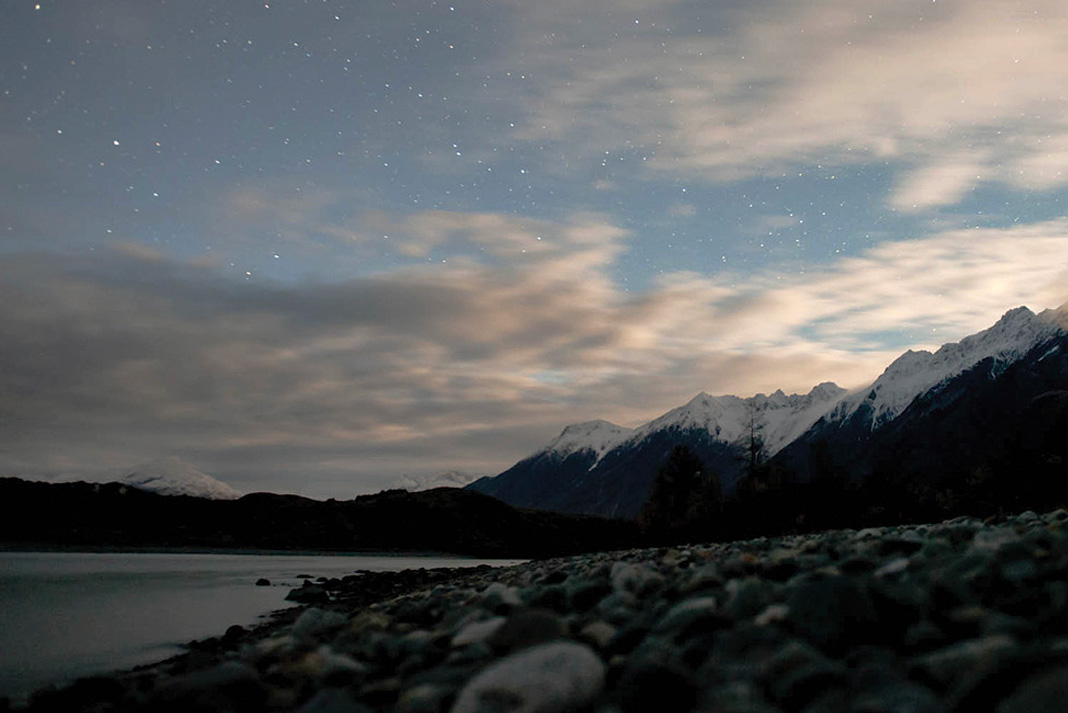
Protected by a cluster of national parks that make up one of the largest UNESCO World Heritage Sites on Earth, the Alsek River is home to one of the highest densities of grizzly bears anywhere. And the scenery is second to none.
From its source on the eastern part of Kluane National Park, the Alsek flows west and south, straight through the heart of the St. Elias Mountains, draining the largest non-polar ice fields and flowing through some of the biggest mountains—measured in relief and size of the massif—in the world.
A fast flowing glacial river, the Alsek’s class IV whitewater is interrupted by a six-mile chasm where the massive Tweedsmuir Glacier pushed bedrock into Blackadar Mountain resulting in the frothing and pulsing class V+ Turnback Canyon—first descended in 1971 in a daring high water solo by iconic paddler Walt Blackadar.
In his memoires of the trip Blackadar writes that Turnback should never be attempted again. Subsequent descents have taken place at much lower water but most parties opt to helicopter around it.
Labyrinths of icebergs and rugged, barren canyons appear to be of another planet altogether.
Locked in a staring match with the griz that was lasting far too long, we were all too aware of our remoteness.
Apparently deciding we weren’t worth the trouble, the bear finally dropped down, turned around and lumbered across the Alsek’s otherworldly terrain. We decided we didn’t need coffee with our breakfast that morning.
If you’re curious…
Take a guided raft trip on the Upper Alsek or on the Tatshenshini, a tributary that joins the Alsek 40 kilometers below Turnback Canyon (www.nahanni.com).
If you’re serious…
For self-supported kayak trips, you need a permit for Wrangell-St. Elias Park (search “Alsek Permit,” at www.nps.gov). Then get permits for Kluane National Park and B.C.’s Tatshenshini-Alsek Provincial Park.
The river crosses an international boarder—you have to go through customs beforehand. From the take-out at Dry Bay, the only way back to civilization is by plane (www.flydrake.com).
PHOTOS: MAXI KNIEWASSER
What To Bring
Bear spray. There are a lot of big, hungry grizzlies on the Alsek!
A good tent. Weather can be extremely harsh; be prepared for multi-day rain and snow.
Whisky and hot chocolate. See above re: extremely harsh weather.
Map of the Alsek and Tatshenshini Rivers. Hand-drawn to scale maps by Cloudburst Productions.
Never Turn Back by Walt Blackadar. The best book to read on this trip.
This article first appeared in the Early Summer 2015 issue of Rapid Magazine.
Subscribe to Paddling Magazine and get 25 years of digital magazine archives including our legacy titles: Rapid, Adventure Kayak and Canoeroots.
Shipwright Louis Sauzedde shows us a few ways to tie a bowline as well as the many different uses of this famous knot. Fast and versatile, the bowline could be the most useful knot you will ever learn for camping and paddling. It will not slip, and easily comes undone even after being tightened under load.
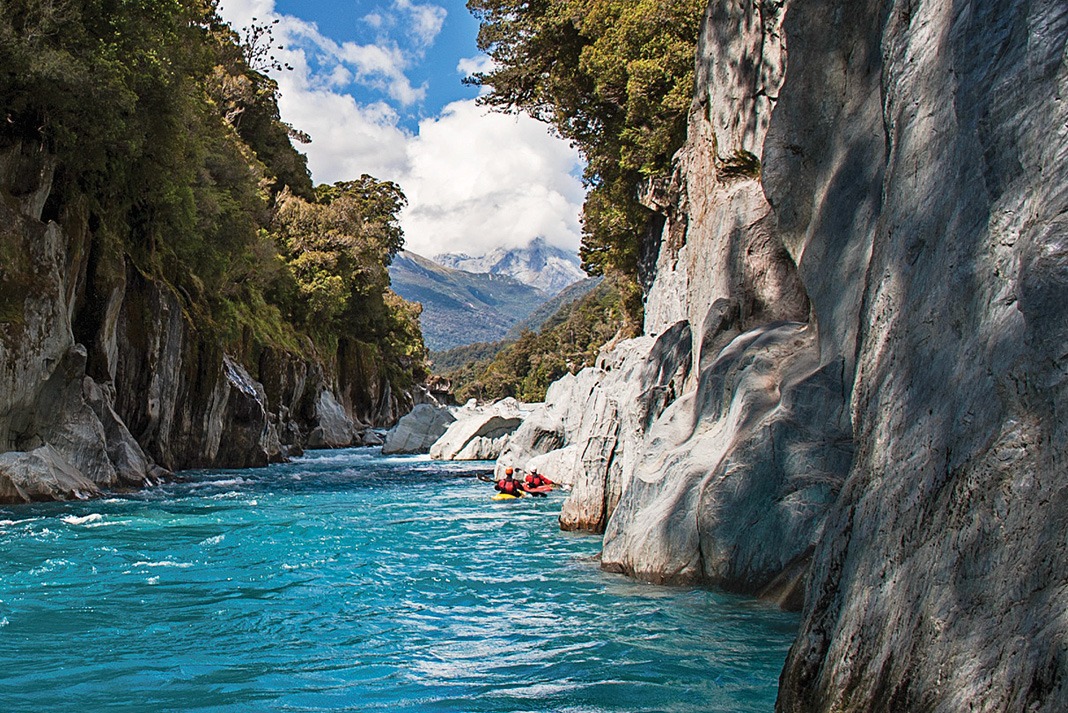
Soaring over azure water flowing through granite gorges from the Southern Alps to the Pacific Ocean, it’s hard to argue with the locals who claim this is the best place on earth.
The west coast of New Zealand’s strikingly scenic South Island is, in a word, pure.
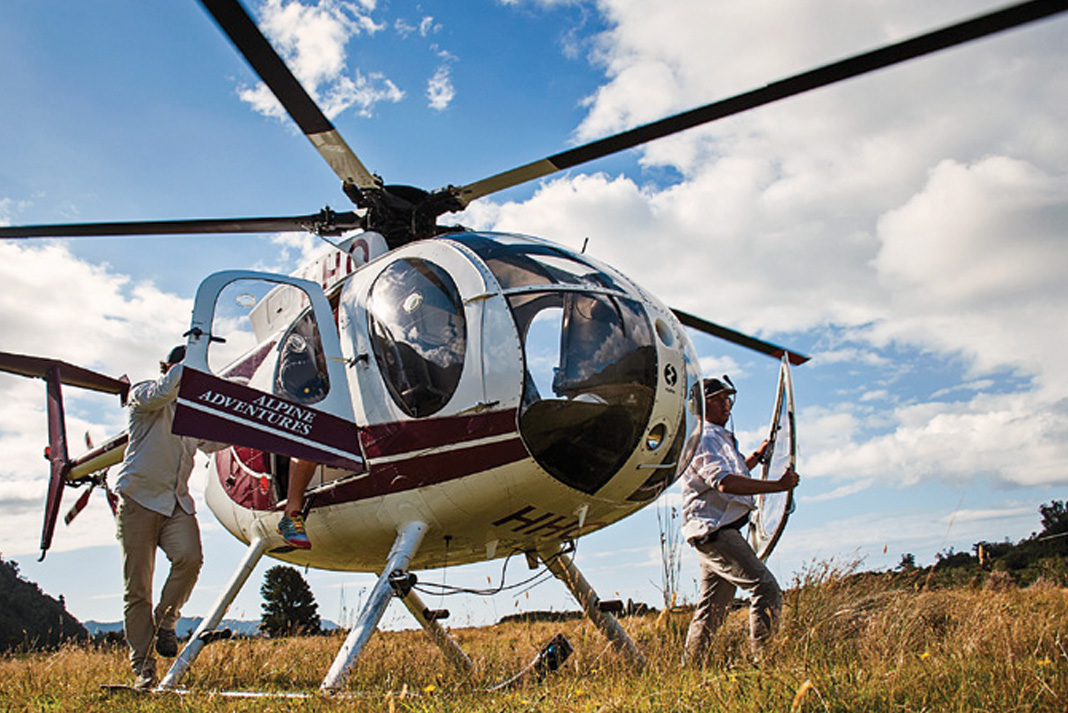
Unsullied rivers of drinkable water cut through a region characterized by rainfall, lush forest and sparse population. With much of the landscape unaltered by human touch, roads are often not an option for access. Instead, helicopters are a standard shuttle service.
It’s an experience Barny Young will never tire of. A North Island native who transplanted south to West Coast kayaking hub Hokitika, Young says heli shuttles are part of what makes the area bucket-list material.
After a drop off at the put-in, a pilot flies gear and food—cheeses, avocado, steak; no need to pack light—to the spot downstream where paddlers will end their day at a comfortable backcountry hut.
If you have 2 weeks…
Fly into Christchurch and drive three hours to Hokitika. Warm up on one-day walk-in trips like the Lower Kakapotahi (Class IV) before starting into a series of class IV and V, two-day-long adventures—the typical length of a river trip in a small country where it’s only a 40-kilometer trip from the Alps to the ocean.
If you have a month…
Fly into Nelson, rent a car and drive to Murchison, where class II and III whitewater serves as a warm up en route to the West Coast’s more difficult backcountry trips.
If you have 6 weeks or more…
Fly into Auckland to experience the North Island’s whitewater highlights before driving to Welland to catch a ferry to the South Island. From there, hit Murchison before heading to more committing class IV-V West Coast whitewater.
PHOTO: TEGAN OWENS
Transport
Rent a car on arrival. Insurance in NZ is easy and affordable—don’t risk it. For a the full New Zealand experience of a month or more, buy a van or station wagon to accommodate friends, kayaks and equipment. www.trademe.co.nz.
Shuttles
A pilot shuttles you and your kayaks to the put-in then drops gear at your evening’s destination. The average cost of a shuttle is between $150 and $250 NZD. Kokatahi Helicopters (03 755-7912); Alpine Adventures (www.scenic-flights.co.nz).
Backcountry huts
New Zealand’s Department of Conservation maintains backcountry huts scattered on the banks of West Coast rivers. They have a stove and four to six bunk beds, and cost $5 a night. Visit www.doc.govt.nz to browse huts by region.
Gear
If you’re travelling from the USA, Young recommends bringing your own equipment. For Canadian travellers, he’s seen the cost of flying with boats add up to more than the cost to buy used gear in NZ. Check with your airline before making the call. To buy, sell and swap, check www.rivers.org.nz.
Read Up
For stories and descriptions of over 180 kayaking runs, and to plan your route, shuttles, accommodations and more, pick up the bible of kiwi river trips, New Zealand Whitewater by Graham Charles.
PHOTO: TEGAN OWENS
Hit List Of West Coast Rivers:
“I know a lot of people are biased and like to act like where they’re from is the best,” says Young. In this case, he swears it’s true. Don’t argue before running his list of must-hit West Coast rivers:
1. Kokatahi River.
Steep one-day run with spectacular gorges and classic moves from top to bottom.
2. Upper Whitcombe River.
Two days of continuous whitewater and awesome huts.
3. Upper Perth River.
Two days with a glacier backdrop and less committing whitewater. Challenging whitewater for those who want to step it up. Day one can be short, so have plenty of food and wine waiting at Scone Hut.
4. Kakapotahi.
A half-day trip with drive-in access—best bang for your buck run on the West Coast. Quick and easy.
5. Mungo River and Hokitika.
Two days of committing and scary whitewater with beautiful gorges. The view from Serpentine hut is a highlight.
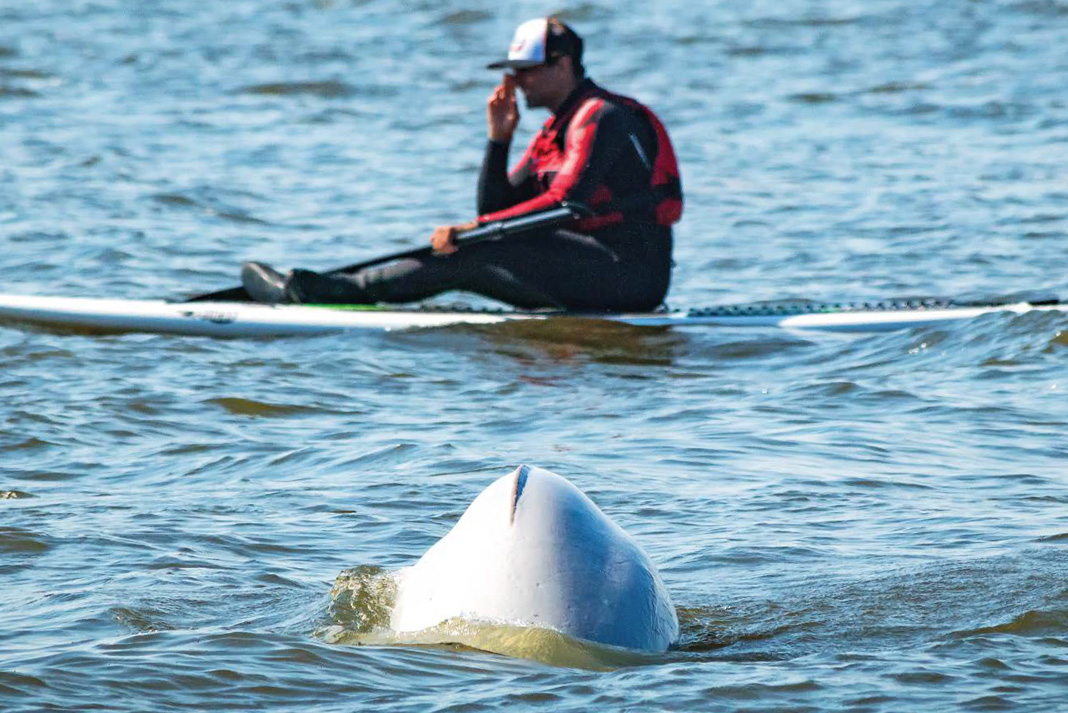
Beluga whales have a protrusion on their heads called a melon. | Feature photo: Daniel Raiti
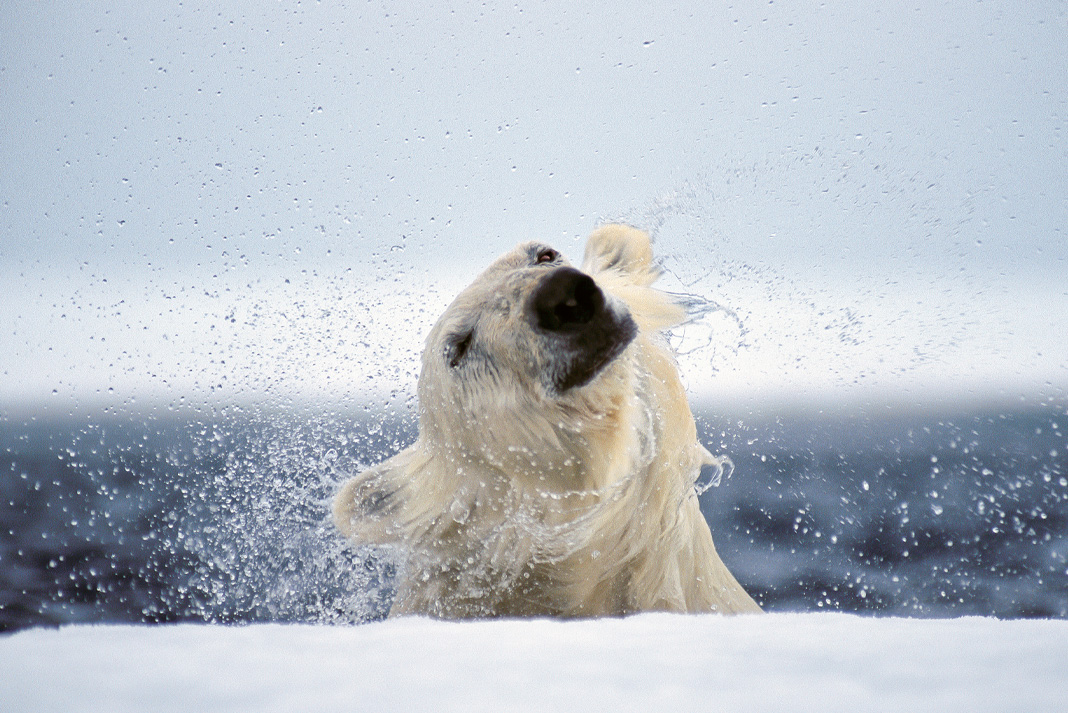
Churchill, Manitoba has been known as the Polar Bear Capital of the World since the 1980s. Each fall more than 12,000 tourists flock to the small frontier town (population: 899) to witness polar bears gathering, awaiting sea ice to form on Hudson Bay.
These ursine kings of the Arctic aren’t the only charismatic mega-fauna to inhabit the area. An estimated 10,0000 beluga whales migrate into Hudson Bay each summer, with approximately 3,000 congregating in the estuary where the Churchill River meets the Bay. The belugas make much friendlier paddling companions than the bears.
Paddleboard with beluga whales at the edge of Hudson Bay
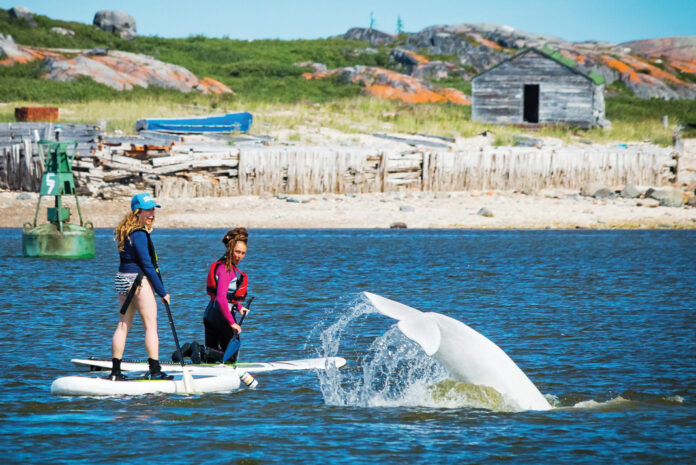
Kayak trips have been popular for tourists hoping to get on the water with the beautiful 1,000-pound cetaceans, however, standup paddleboarding is a new option for getting close to the playful belugas of Churchill.
Beluga whales have a protrusion on their heads called a melon. | Feature photo: Daniel Raiti
The melon aids in communication and changes size and shape during sound production. | Photo: Dustin Silvey
Belugas are attracted to disturbances in the water, including those created by a paddle. Incredibly curious, the whales often follow the boards, eyeing up at them from just under the surface. They’ve even been known to knock paddlers off their boards with boisterous flicks of their massive white tails. Don’t worry—the gentle beluga prefers a diet of crab and cod to stinky neoprene-wrapped paddlers.
Day trip
Paddleboard tours typically last two hours on the water. With gearing up and a safety briefing, the whole trip totals about three hours. The trips are run at low tide to give paddlers the best view of the belugas in the mouth of the warmer Churchill River, rather than out in cold Hudson Bay.
Whales, bears, bald eagles, moose and wolves are plentiful. Book a separate tour to visit the tundra hotspots where polar bears frequent.
Exposure
July and August are best for beluga watching. Visit in August for the best chance of seeing both belugas and polar bears. The weather is typically cool in summer—about 60°F—and it can change quickly. Dress accordingly.
Diversion
Tundra buggies are massive all-terrain vehicles hopped up on extra large tires. Frontiers North Adventures’ buggies take tourists and photographers out to the bears for closer viewing, while keeping them safe from becoming dinner.
Belugas aren’t the only breathtaking attraction in the area. | Photo: Dustin Silvey
Access
The town of Churchill is accessible only by rail and air. Or you could paddle there.
Snacks
The Tundra Inn Dining Room and Pub has the best food in town. Don’t miss trivia night and open mic night.
This article was first published in the 2015 Paddling Buyer’s Guide. Subscribe to Paddling Magazine’s print and digital editions, or browse the archives.
Beluga whales have a protrusion on their heads called a melon. | Feature photo: Daniel Raiti
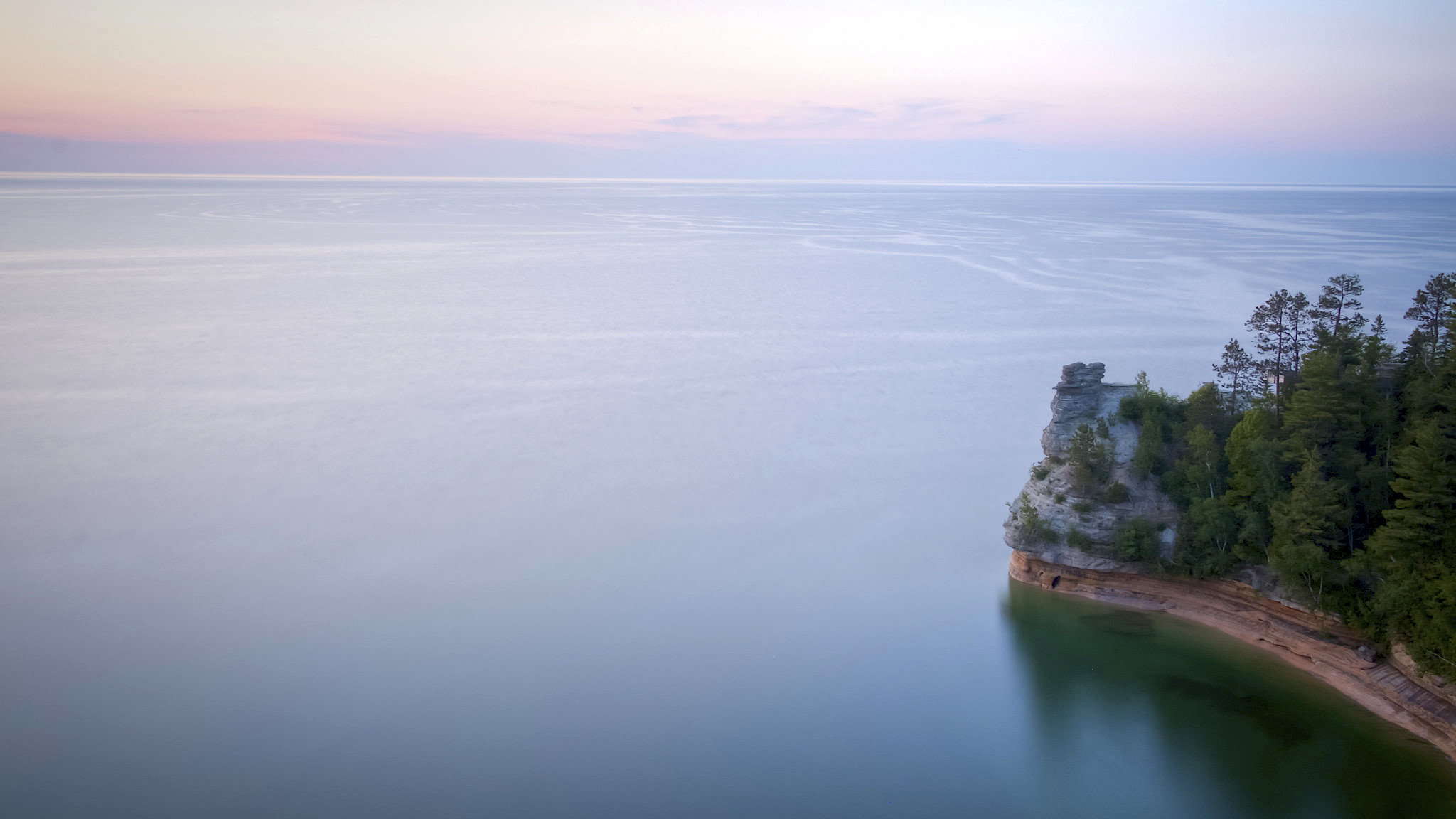
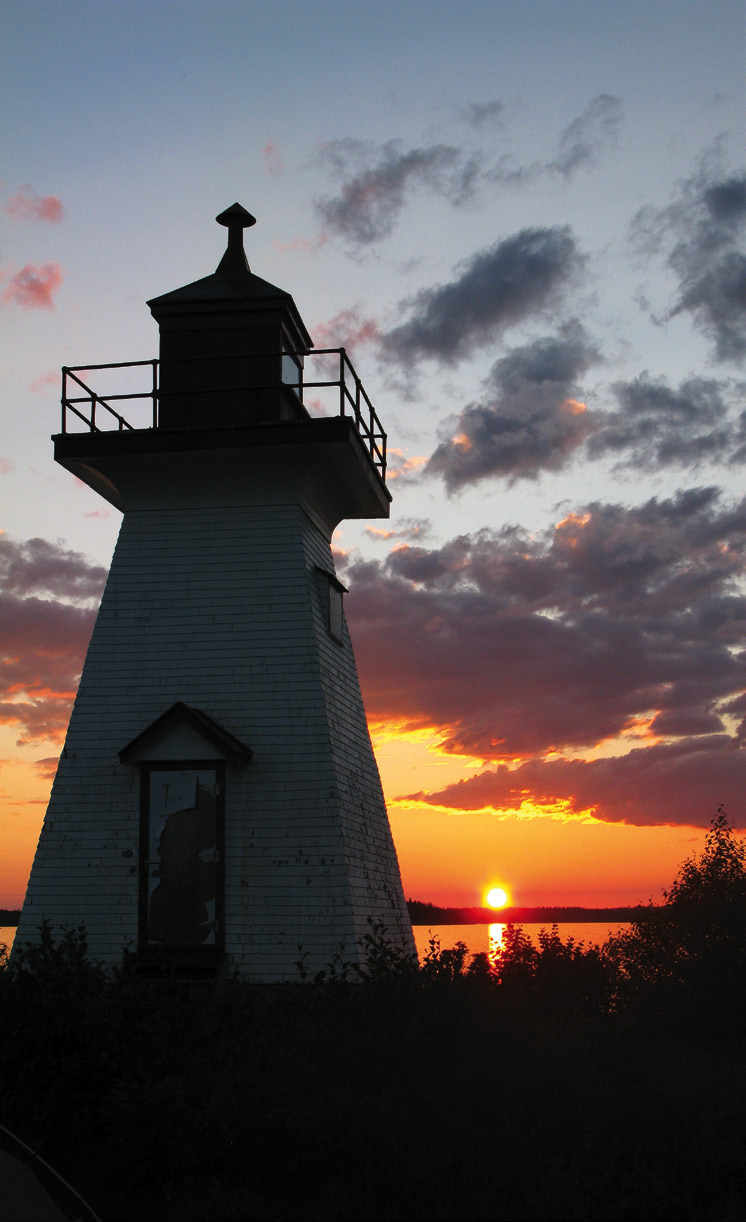
Battle Island lighthouse looks out over the misty waters of Lake Superior. | Feature photo: Susan Miller/Wikimedia Commons
Craig jiggles the handle and elbows the rickety, wood-paneled door. From my paddling buddy’s devious glance I know in a few moments we’ll be inside the cupola of the tallest, most remote lighthouse on the Great Lakes. I dig out a Swiss Army knife from my PFD pocket and with a few turns of a flat-head screwdriver, the hinges release from the rotten jamb and we step into the dark and musty Caribou Island tower.
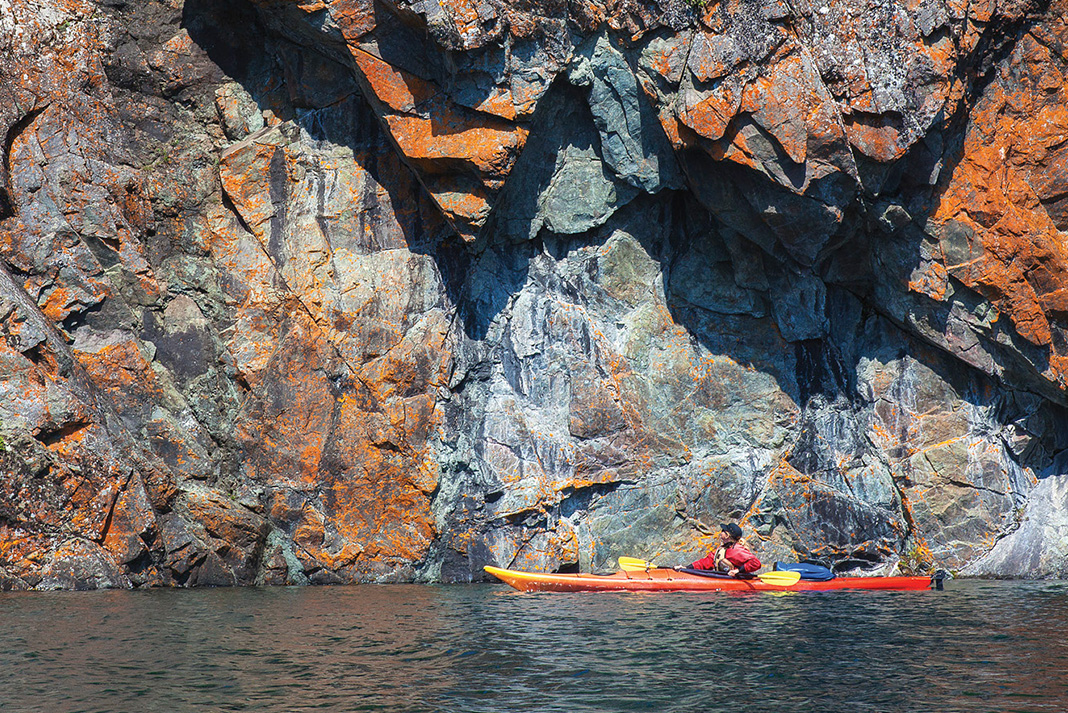
Red-enameled stairs switchback to a trapdoor; inside the glass room at the top it’s unbearably hot. Through windows caked with desiccated insects, the watery horizon of Lake Superior stretches in all directions, our sea kayaks yellow and white slivers on the rocks below.
[ Plan your next Great Lakes kayaking tour with the Paddling Trip Guide ]
I justify forced entry by a sense of entitlement: My great-great-grandfather worked here for 11 years in the late 1800s. This is the climax to a six-hour open-water crossing—a nerve-wracking affair Craig and I will repeat tomorrow as we begin our 150-kilometer journey back to civilization. But I’m disappointed to realize the signs of lightkeeper C.J. Pim’s Caribou Island tenure have long crumbled away, erased by time and technology. The only tangible evidence of my ancestor’s career is the photocopy of his life insurance policy—valued at $2,000 and dated 1896—stored at home in a desk drawer.
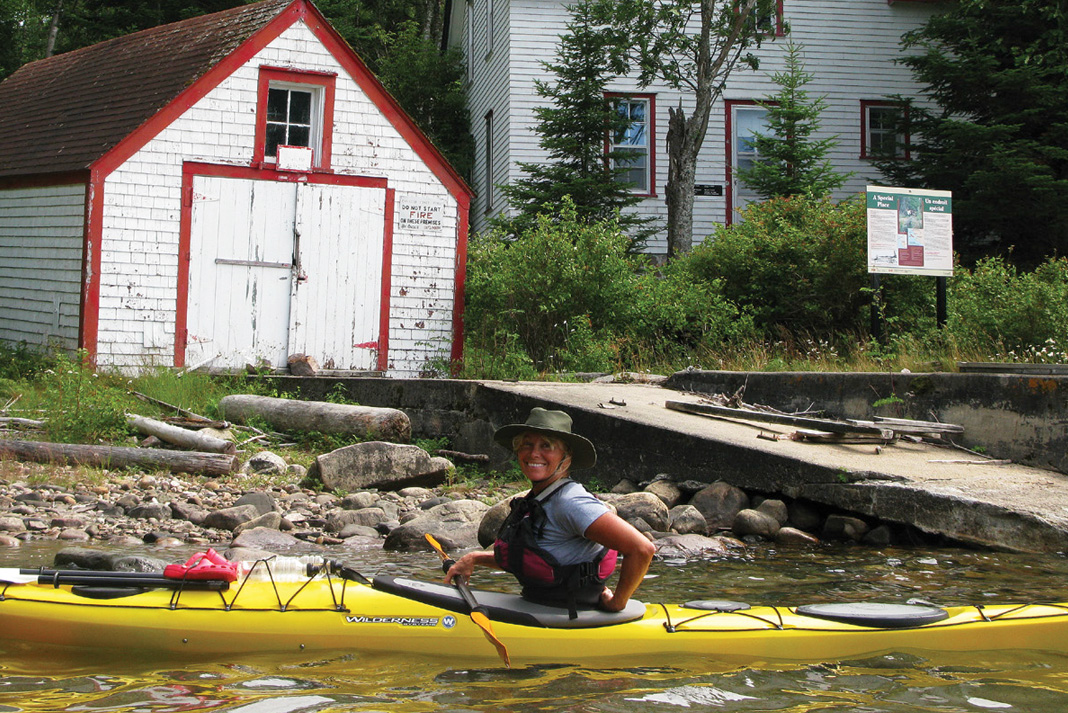
Photo: Virginia Marshall
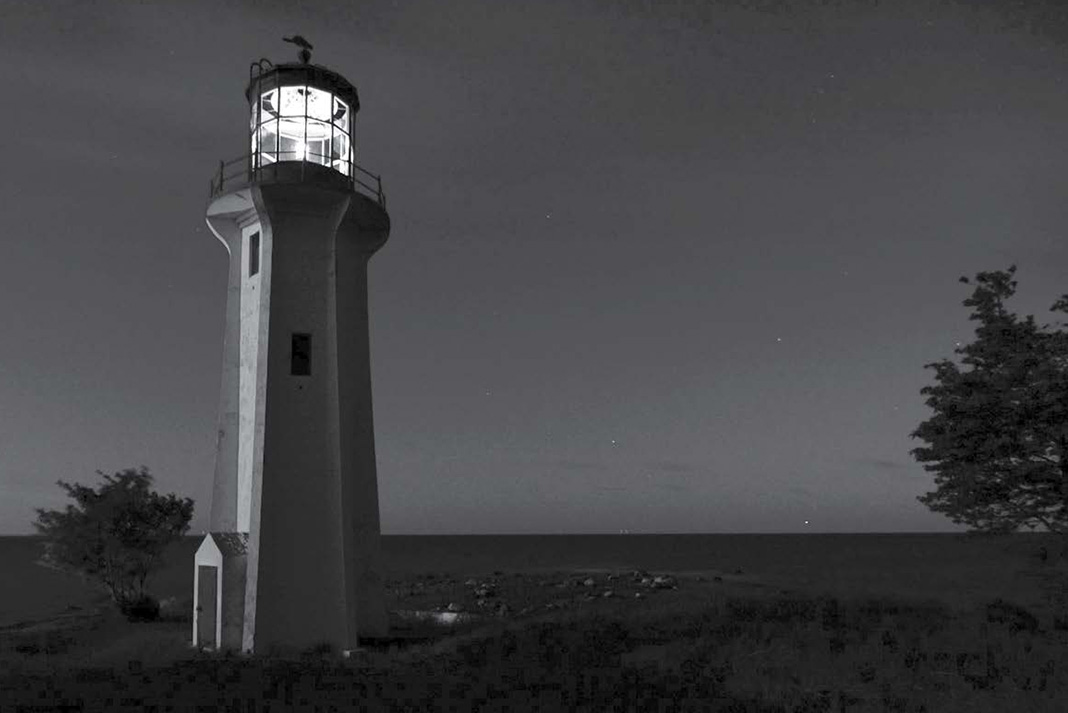
The 100-foot-tall cement structure we’ve broken into replaced Pim’s stone tower in 1911. Impressive Gothic-style flying buttresses, designed to anchor the tower in hurricane winds, symbolize the halcyon days of lightkeeping, when hardscrabble men and women and their families were integral to maritime safety—responsible for tending whale oil and kerosene lamps, operating foghorns, recording weather observations and bravely assisting mariners in distress.
A century ago, the Caribou Island lightkeeper was paid $1,260, from which he pulled a salary for an assistant. Since then, the occupation faded into obsolescence. With the advent of accurate charts, improved navigational tools and, finally, solar-electric power, the Canadian Coast Guard de-staffed the last light on Lake Superior in 1991.
Final abandonment came in 2010, when the government listed 986 lighthouses in Canada, including 12 on Lake Superior, as “surplus”—meaning they “could be replaced with simpler structures whose operation and maintenance would be more cost-effective.” Coast Guard lightkeepers still maintain beacons in a few isolated spots in the Pacific Northwest, but as the lights of Lake Superior wink toward an uncertain future, a handful of hopelessly anachronistic individuals have found their own creative approaches to reinventing this long-lost way of life.
It could be argued that once you’ve seen one lighthouse, you’ve seen them all. But the more you visit, the more you appreciate these marvels of engineering. Towers cling to the craggy bedrock of some of the most rugged headlands on Lake Superior. Tons of concrete, rebar, two-by-fours, aluminum roofing, oil drums, asbestos insulation, lead paint and more were hauled to the middle of nowhere where the buildings were erected largely by hand. So it makes sense the government favored cookie-cutter architecture. Structures were often duplicated from place to place—the keepers’ houses at Île Parisienne, at Lake Superior’s south end, mirror those at Michipicoten Harbour on the east shore; and the light towers at Battle and Davieaux islands are twins, as are those at Otter and Slate islands.
More importantly, though, the simple argument of design ignores the human aspect of the lights. Regrettably, I don’t know much about how Pim occupied his lightkeeping days. But many stories documented from other lights tell of an unpredictable existence—from uplifting tales of quaint family life to accounts of tragedy and suffering that make your blood run cold.
The assistant keeper’s house at Otter Island is located in Old Dave’s Harbour, a crescent-shaped nook three kilometers off the Pukaskwa mainland, midway along a 200-kilometer-long stretch of wilderness. It’s a haunting place: Native Ojibwa made mysterious, prehistoric stone structures here, believed by some to align with the setting sun on the June solstice. Trees grow to the water’s edge, muffling the sound of the swell on the outer coast and creating quietude that’s unsettling after days of wind and waves. Fog flows like gauze through the narrow channels, and a few remnant woodland caribou ghost into thick bush. The atmosphere is made spookier still by the decrepit two-storey Victorian, with its peeling paint, sagging eaves and creaking floors.
“I don’t want to stay here,” says Anne, a client I’m guiding on a sea kayak trip along the Pukaskwa coast. Relaxing on the cement pier in front of the eerie house, I’ve just told the story of assistant keeper John Moore, who slipped, cracked his head and died here on a cold night in November 1930. Main keeper Gilbert MacLachlan tended his colleague’s body for two weeks, until a Coast Guard vessel arrived to transport man and corpse home at the end of the shipping season.
Spectacular skies, remarkable geology, sheltered waters and dainty Arctic plants enchant visitors to the Slates archipelago. | Photo: theplanetd.com
I assure my guest we’re safe and show her the lighthouse logbook revealing the numerous times I’ve camped here before: Windbound again… Played lightkeeper for a few days… Nice here but hoping for calm… I’ve lost count how many times I’ve made the long walk to the lighthouse on Otter’s rocky tip, desperate to pull in fragments of the weather forecast through static on the marine radio. “So you’re saying we’re going to be stuck here awhile?” she asks. I don’t bother mentioning that even in good conditions, it’s a white-knuckle paddle to the north or south along a cliff-bound shore with few landings. Heebie-jeebies aside, Otter Island is a welcome refuge on a treacherous coast.
Oftentimes, the journey to and from beacons comprised the greatest risk of the lightkeeping profession. In the 1910s, the Coast Guard issued sailboats to lightkeepers for their commute to work—a short-lived policy that proved deadly for some unlucky workers.
In December 1919, Caribou Island keeper George Johnston survived an epic eight-day escape, piloting a tiny, open-decked boat through massive waves, ice chunks and freezing spray back to the mainland. A couple of years later, when the government decided to assign a Coast Guard boat for the job, the CGS Lambton disappeared in a winter storm without a trace. Twenty-two men died, including new Caribou lightkeeper George Penefold.
Lightkeepers suffered heart attacks, starved to death, fell through the ice, and drowned in various boating accidents. Lake Superior’s first Canadian light was built on Talbot Island, a knife-edge escarpment 100 kilometers east of Thunder Bay, in 1867. It was abandoned after three Talbot keepers perished on the job in just six seasons. One drowned and another died of exposure in separate end-of-season boating mishaps. Keeper Thomas Lamphier died suddenly while overwintering. After guarding his frozen corpse for months, Lamphier’s wife was discovered the following spring in a state of madness, her once-black hair turned pure white. The site, long since overgrown, became known as the “lighthouse of doom.”
Photo: Paul Steyn
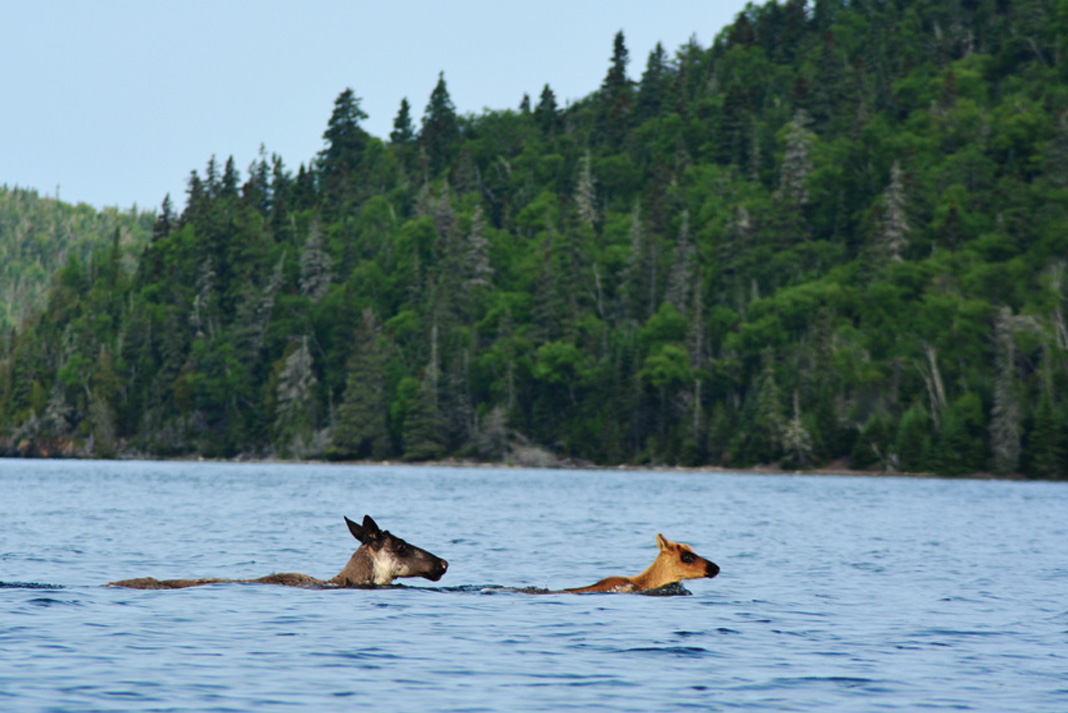
Woodland caribou ply the calm channels of the Slate Islands. | Photo: Brendan Kowtecky
Keeping the lightkeeper spirit alive
Viewed from the mainland on a calm day, the Slate Islands interrupt the southern horizon with a series of smooth hills. This doughnut-shaped, 10-kilometer-wide archipelago was created when the earth’s crust rebounded from a meteorite impact about 450 million years ago. Eons later, Mortimer and Patterson islands cradle an inner harbor and a cluster of smaller islands like a set of misshapen parentheses. It’s an exposed, 11-kilometer paddle from the mainland—risky enough that most kayakers employ a boat shuttle from the town of Terrace Bay.
Few places better capture the split personality of Lake Superior: On the outside, wave-washed cobble beaches, jagged, slate-blue volcanic rock formations and hardy Arctic plant communities; inside the harbor, verdant black spruce forests and a healthy population of woodland caribou, which are often seen swimming the glass-calm channels.
The Slate Islands lighthouse is perched on a 250-foot cliff on the south side of Patterson Island, where its flashing light once guided coal ships to the railway town of Jackfish. For three decades starting in 1948, the islands captivated late lightkeeper Jack Bryson. While Jack tended the light, the rocky shoreline with its protected wharf in Sunday Harbour, and the deep forests draped in wispy old man’s beard, were a playground for the four Bryson boys. When Jack retired in 1978, the Coast Guard let him continue to use the main keeper’s residence on the outer coast as a cottage; a tradition his wife—now in her nineties—and sons keep up to this day, sharing the experience with their own families.
For Rod Bryson and his brothers, maintaining the Coast Guard buildings on their own dime and time is a rewarding trade-off for the privilege of spending summers on the islands. After traveling the world with the Canadian Armed Forces, Rod was happy to return to Superior, explaining that the Slates feel like home—he sees no reason to be any other place.
Canadian Lighthouses of Lake Superior chair Paul Capon wings over the restored Porphyry Point light station. | Photo: courtesy Rob Patterson/CLLS
Amongst last-generation lightkeepers, the Brysons weren’t alone in their Peter Pan-like quest to stay in Neverland. Further west, in the group of islands offshore from the village of Rossport, Bert Saasto continued a lightkeeper’s life after the Coast Guard terminated his contract on Battle Island in 1991. For years, the diminutive Saasto—invariably clad in paint-stained dungarees—welcomed sea kayakers as a break from his self-imposed task of slapping red and white paint on structures around the property. Strolling across a golf green lawn from his immaculate farmhouse, a yellow lab at his heels, Saasto was at first taciturn, but quickly warmed up to visitors.
“The waves coming from the southwest were 50 feet high,” was Saasto’s familiar refrain, describing a wicked storm in 1977, his first year on the job. “When they hit the rocks, the spray shattered the glass in the lantern”—which stands 120 feet above the water.
More colorful still was Thunder Bay resident Maureen Robertson, who was compelled to rent lights at Porphyry Island and Trowbridge Island for 17 summers, despite declaring, “I never had a romantic interest in lighthouses.” On vacation from her job at a health clinic, Robertson made annual solo retreats to northern Ontario lakes, hiring a floatplane to access remote fishing and hunting camps. On one such vacation in 1993, the pilot took the scenic route home, buzzing the red and white keepers’ residences on Porphyry. “When I saw the lighthouse I thought, ‘Oh my gosh, would I ever love to have that,’” says Robertson. “It was like something out of Hansel and Gretel.”
Robertson sweet-talked the Coast Guard into giving her the keys to a place that lacked electricity, running water and indoor plumbing. “At first they said I could never live out there alone,” she says. “They said, ‘What’s an old woman like you going to do out at a lighthouse?’ Well, what’s so dangerous about an island with a nice house on it?”
She spent four years at Porphyry before moving to tiny, rockbound Trowbridge. There, she decorated each room of the lightkeepers’ two-story duplex with unique themes, including a recreated post office and a fur- and snowshoe-decked bedroom dedicated to the Royal Canadian Mounted Police. Nearly every room in the house had an old rotary telephone, despite a lack of phone service. All of her furniture and decorations were purchased at yard sales and thrift shops and hauled to the island by helicopter.
“If people are going to think I’m eccentric,” she says, “then I’m going to live up to it.”
Robertson was 76 years old when she left Trowbridge for good in 2010, the year the Coast Guard divested nearly a thousand lights. I felt fortunate to have encountered a woman whose simple lifestyle was likely analogous to my great-great grandfather C.J. Pim’s. Then, a few years later, I learned about a group of Lake Superior enthusiasts working just as hard to keep the lightkeeper spirit alive.
Retired keeper Bert Saasto surveys his beloved Battle Island from the light tower. | Photo: Virginia Marshall
Protecting Lake Superior’s heritage
Darrell Makin fell in love with lighthouses 20 years ago, when he kayaked from the Sibley Peninsula across the gaping mouth of Black Bay and landed in a grassy cove on the west side of Porphyry Island. After hiking a kilometer from the landing to the lighthouse grounds on the island’s tip, Makin had his first introduction to Maureen Robertson—two 1950s-vintage automobiles, sporting fresh pink and purple paint. The Coast Guard had issued the cars to the lightkeepers, ostensibly to make it easier for them to get around. Now, they were central to Robertson’s landscaping.
“The place was in great shape,” recalls Makin, an outdoor educator and author of a guidebook to paddling the Lake Superior National Marine Conservation Area. “Maureen made people welcome out there. It was an eye-opening encounter with a part of maritime history.”
The historic Island No. 10 light tower before its restoration by CLLS volunteers. | Photo: Virginia Marshall
After Robertson moved to Trowbridge, Makin witnessed the slow demise of the Porphyry Island lighthouse with sadness. Unkempt grasses overtook the grounds and vandals damaged both the main keeper’s two-story house and assistant keeper’s bungalow. “As a kayaker, I felt I had an additional responsibility to protect Lake Superior’s heritage,” says Makin. “Lighthouses are icons.”
The silver lining of the Coast Guard divestment is the Heritage Lighthouses Protection Act, which enables citizens like Makin and a handful of like-minded cottagers from the Thunder Bay area—who collectively formed a non-profit known as the Canadian Lighthouses of Lake Superior (CLLS)—to acquire lighthouse properties from the government. The organization received ownership of Porphyry and Island Number 10, a tiny outpost midway along the paddling route from Sibley to Rossport. In 2014, hundreds of volunteer hours were committed to drywalling, painting, replacing windows and tending the grounds at Porphyry, and sprucing up the light tower and installing a pit privy at Island Number 10, a popular campsite.
The overall goal, says Makin, is to keep Lake Superior lighthouses accessible to the public. Similar grassroots initiatives on the Great Lakes have saved lighthouses on Manitoulin Island and at Lake Erie’s Point Dover. This year, Makin anticipates operating Porphyry’s two-story residence as a bed-and-breakfast, with administration space and possibly hostel-style accommodations in the assistant keeper’s house. Meantime, the organization is pitching similar plans to the government for other lighthouses along the Sibley to Rossport corridor—ultimately creating a “lighthouse trail” for sea kayakers.
The original lightkeepers would, I think, approve of the resourceful characters who have stepped in as stewards for their lights. Relicts of an increasingly distant era, the lake’s historic sentinels may well have succumbed to senescence were it not for the efforts of these mariners, misfits, enthusiasts and adventurers—a motley band whose members I count myself among.
That evening at Caribou Island, I consider how sea kayak wanderlust is my own connection to C.J. Pim and the lightkeeper tribe. A 1914 obituary to my progenitor reveals the parallels between his life and mine: Pim “was very familiar with the coast for many miles on either side of the Sault,” reported the Sault Star. “Michipicoten Island, Gargantua, Dog River and other spots along the shore of Lake Superior saw him frequently.” These are some of my favorite haunts a century later.
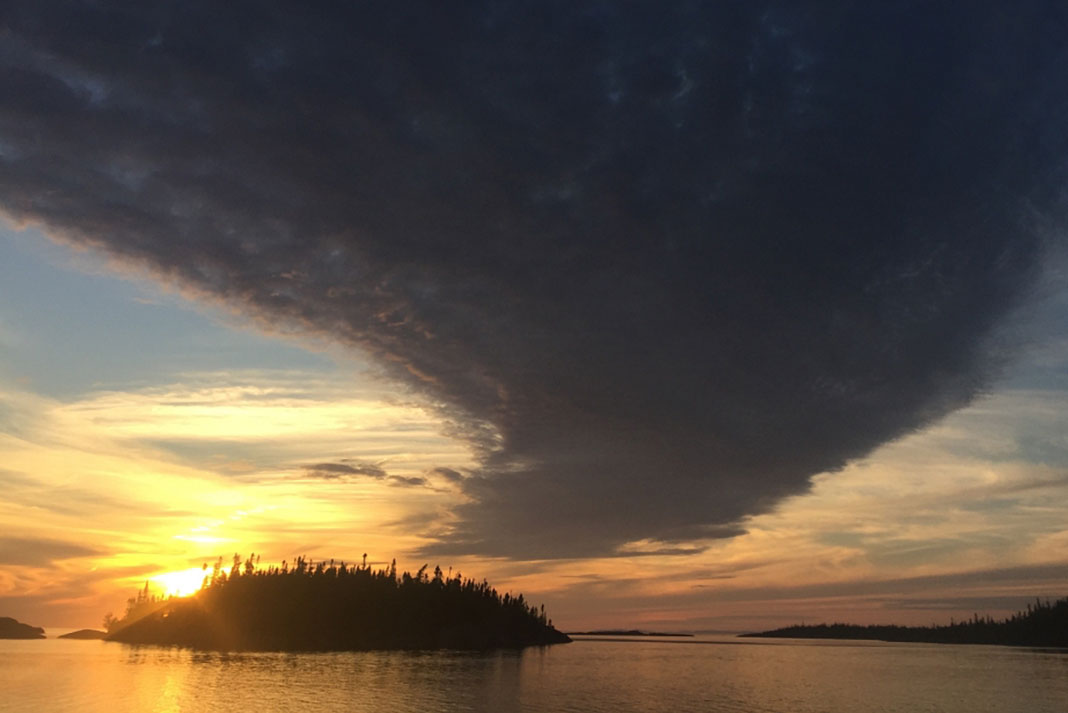
As the sun pulses on the horizon, the feeling of timelessness sparks a kinship with my great-great grandfather. The gulls become silent and the lake laps rhythmically on the gravel shore; the beacon stirs to life, casting its first beams into the twilight; and somewhere in the distance, the sound of a freighter’s engine drones across the water.
Plan your Lake Superior lighthouse tour
The Slate Islands were designated an Ontario provincial park in 1985, recognizing the archipelago’s unique geology, rare Arctic plants and woodland caribou. Though protected, it’s free to visit and registration isn’t required for overnight stays. The islands are the perfect destination for a base camp sea kayak trip. When the wind is blowing, stay inside the harbor and check out the abandoned mine shaft in Copper Harbour, troll for lake trout off of McColl Island and explore the century-old logging camp in Lawrence Bay, a caribou hotspot. In calm conditions, circumnavigate Patterson Island, visiting the lightstation, camping at Horace Cove and keeping your eyes peeled for shattercones—flaky, fractured rock formations created by meteorite impact.
The Slates mark the eastern boundary of the Lake Superior National Marine Conservation Area, the world’s first freshwater preserve, which stretches over 150 kilometers west to the mouth of Thunder Bay. Porphyry Island and tiny Island No. 10 are just two of the hundreds of isles in this sprawling archipelago. Contact the Canadian Lighthouses of Lake Superior on Facebook to learn more about the area’s paddling opportunities and staying at the restored lightkeeper’s residence on Porphyry.
Photo: theplanetd.com
Best season
Cold water, strong winds and fog are Lake Superior staples. Mid-summer offers the best chance of fair, sunny weather and moderate winds.
Access
The crossing to the Slate Islands is long and exposed to the brunt of Lake Superior’s wind and waves; paddlers without open water experience should contact Bluebird Charters for a boat shuttle. Journeying in the Lake Superior National Marine Conservation Area requires numerous open water crossings—including the seven-kilometer vault from the Sibley Peninsula to Porphyry Island—and is recommended for experienced paddlers only.
This article was first published in the Spring 2015 issue of Adventure Kayak Magazine. Subscribe to Paddling Magazine’s print and digital editions, or browse the archives.
Battle Island lighthouse looks out over the misty waters of Lake Superior. | Feature photo: Susan Miller/Wikimedia Commons
Offshore rocks are magnets for paddlers, but one mishap can mean a damaged kayak. If you are paddling where there are no suitable landings, the ability to repair your kayak on-water can be the difference between an epic and just a good story.
In this video, Leon Sommé and Shawna Franklin of Body Boat Blade show you some top tips for managing and repairing a kayak on-water, as well as some of the simple tools they use to fix a boat on the water. Practice on flatwater first, but realize these repairs can also be done in a good-sized sea state.
Being able to fix your kayak on the water is the must-have skill. | Photo Credit: Body Boat Blade
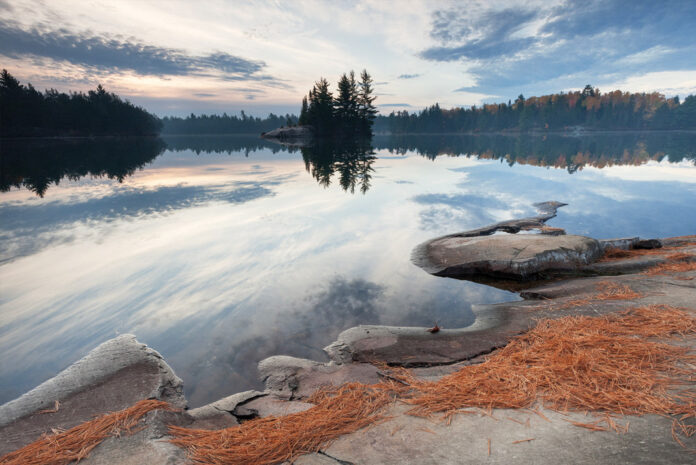
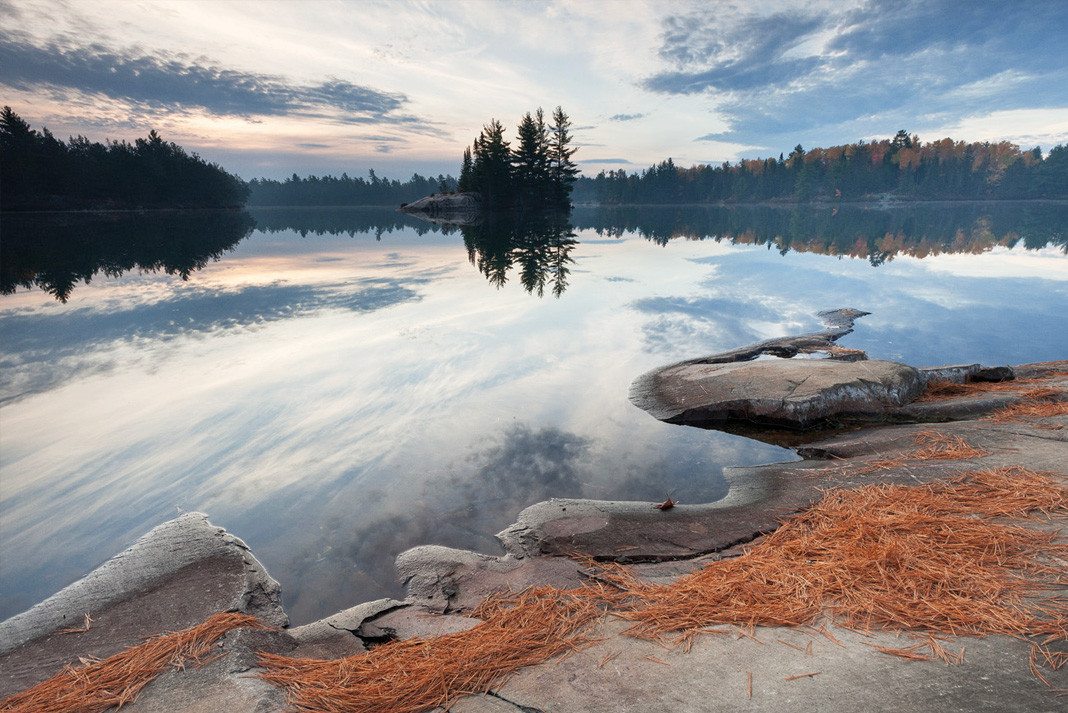
Killarney's Interior Paradise | PHOTO: MIKE MONAGHAN
Photographer Mike Monaghan has traveled far with his canoe but returns each year to Killarney Provincial Park on Georgian Bay, where he finds unparalleled paddling and artistic inspiration.
What sets Killarney apart from other accessible canoeing areas is its beauty. While I’ve paddled much further from home, and often in more remote wilderness, this paddler’s paradise embodies a combination of landscapes that can’t be found anywhere else.
It’s no wonder that members of the Group Of Seven, pioneering landscape painters, found inspiration in this area.
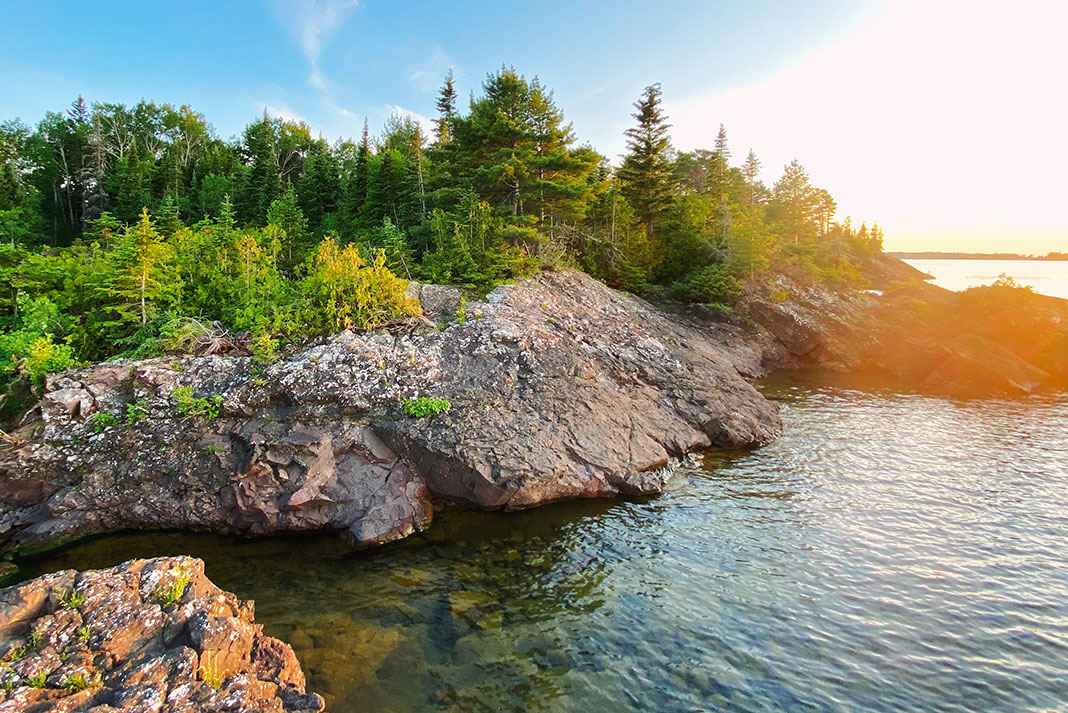
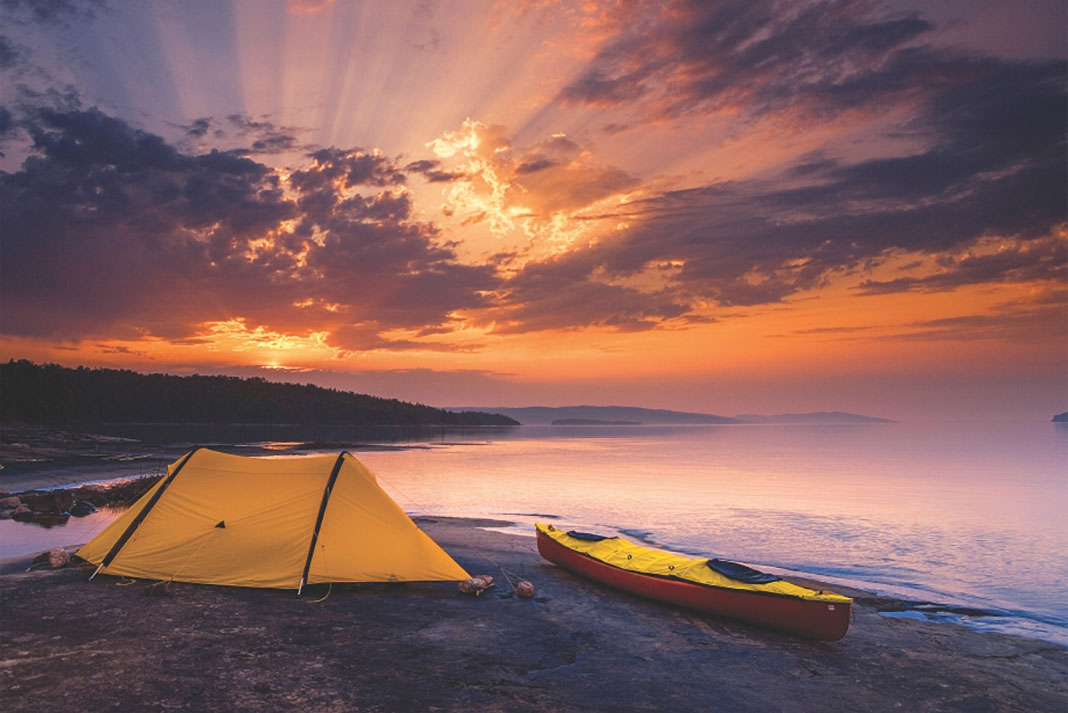
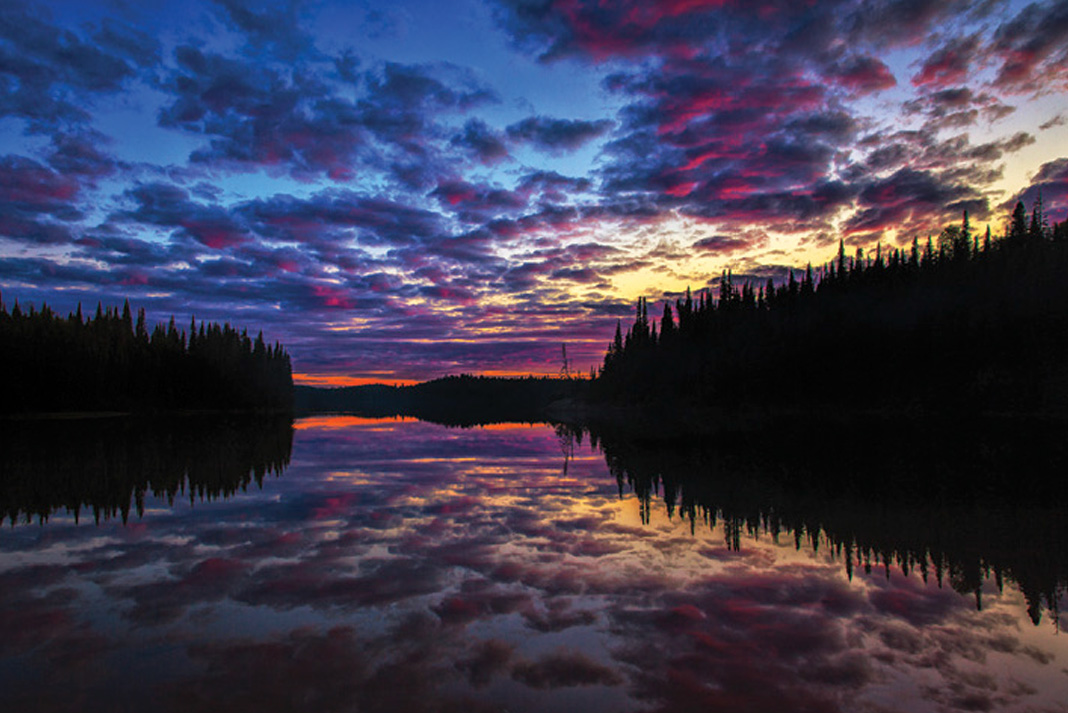
I love the park’s diversity, from the towering white quartzite ridges of the ancient La Cloche range, to quiet creeks and silent ponds, to the pink granite of the park’s southern border along the Georgian Bay coast. On dark nights, the Milky Way stretches overhead and looks so close I feel like I can almost touch it. Instead, I pick up my camera. In the 15 years since I first paddled here I’ve returned every season.
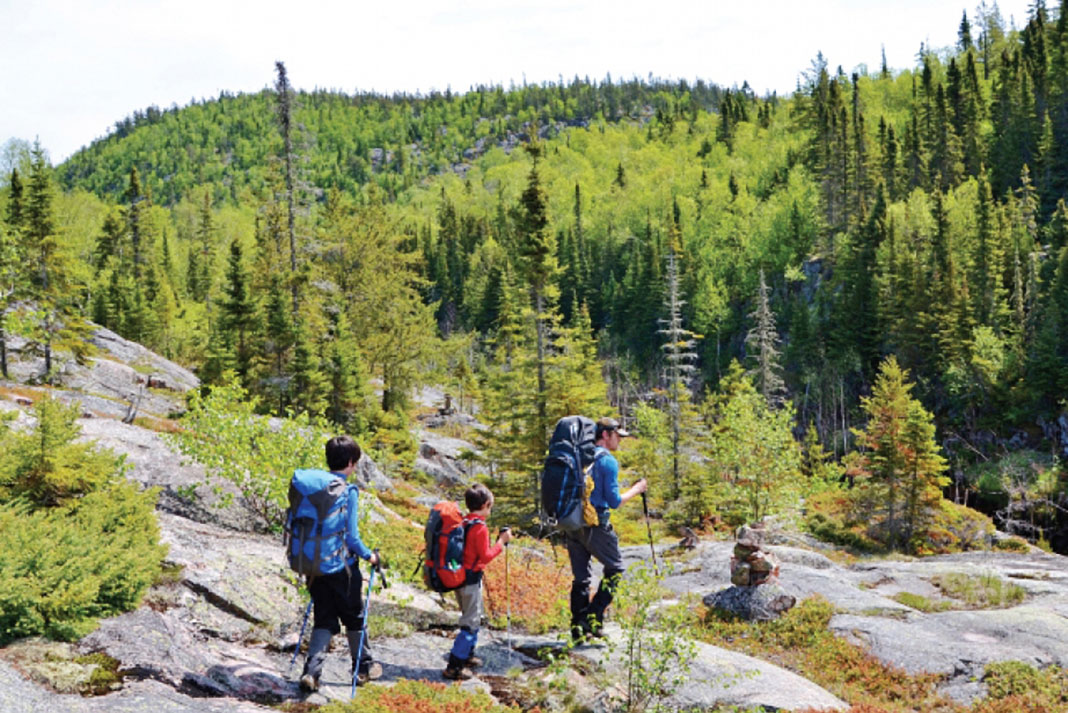
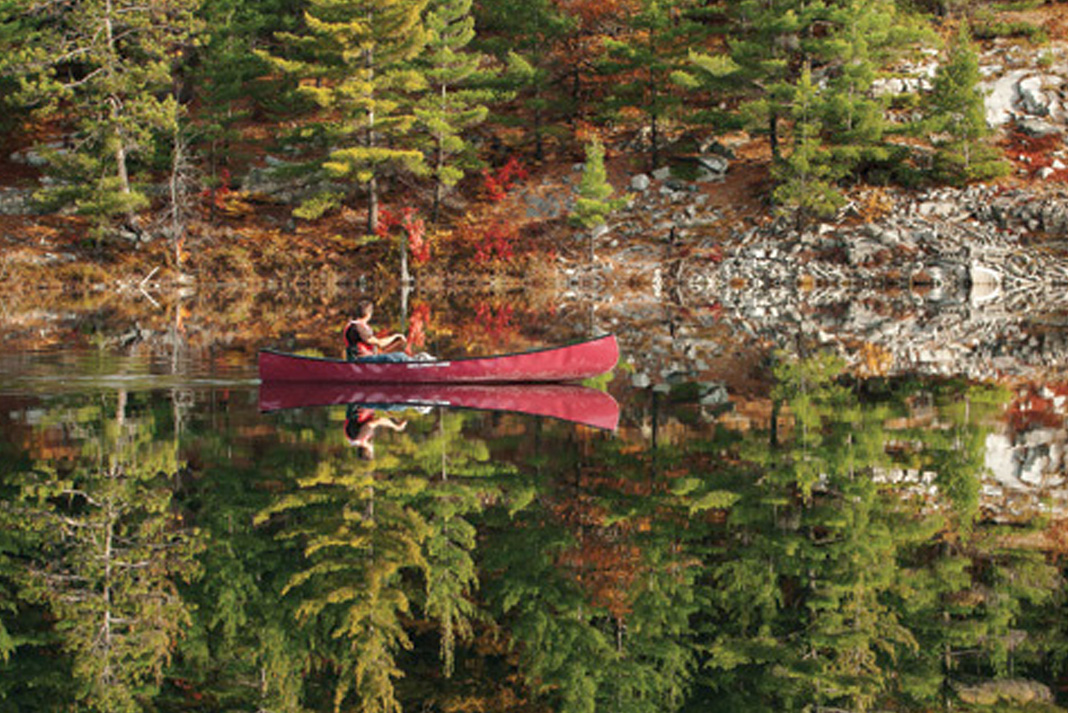
Large red and white pines co-exist with hardwoods, giving the park a unique look that changes spectacularly throughout the year. George Lake campground, situated in the park’s southwest, provides a jumping off place for day-trippers and family campers. For those who are looking for the backcountry experience, the network of portage routes, from simple to challenging, ensures that everyone will find a rewarding adventure.
Killarney’s Interior Paradise | PHOTO: MIKE MONAGHAN
TRIPS
If you have a half-day paddle the meandering Chikanishing River to its outlet on Georgian Bay and explore Killarney’s rugged coastline. Alternatively, paddle the perimeter of George Lake, the transition zone where sculpted granite shores give way to towering quartzite cliffs.
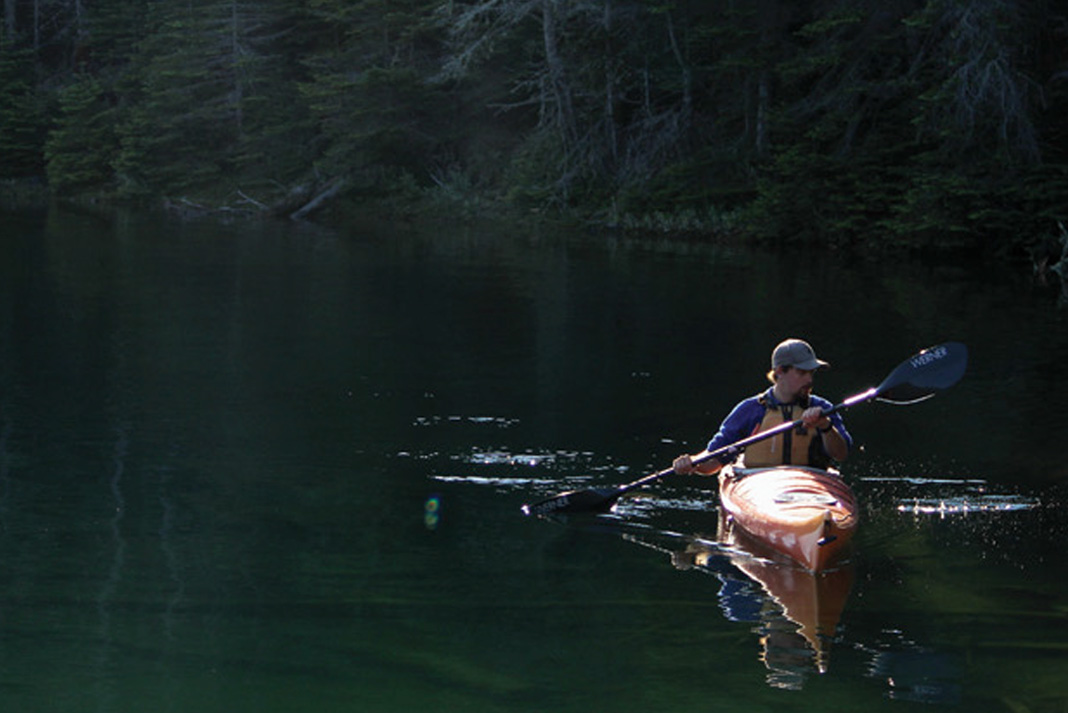
If you have a day pack a lunch and head east from George Lake over two easy, well-worn portages into Killarney Lake. The dramatic beauty of Killarney Lake, with its turquoise water and towering quartzite ridges, is a prime example of why this park continues to be a popular destination for artists throughout the year.
If you have a weekend a loop through Balsam Lake, into David, Silver, and back to Bell offers striking scenery, and an opportunity to camp out on one of the many beautiful backcountry campsites in the park’s interior. Hike to the top of Silver Peak; the views from the highest point in the park are breathtaking (and so is the strenuous hike). Be aware that a reservation system is in place for interior camping.
If you have a week the northwest portion of the park has it all—rugged beauty, physical challenge, and picturesque camping on granite outcroppings. Several loops are possible. Grace Lake (stunning scenery) and Nellie Lake (90 feet of visibility) are highlights of the park; try to include one or both of them on your route.
PHOTO: MIKE MONAGHAN
PHOTO: MIKE MONAGHAN
STATS
Population Density
0.8 people per square mile
Average Temperature
Winter: -13C; Summer: 19C
Wildlife
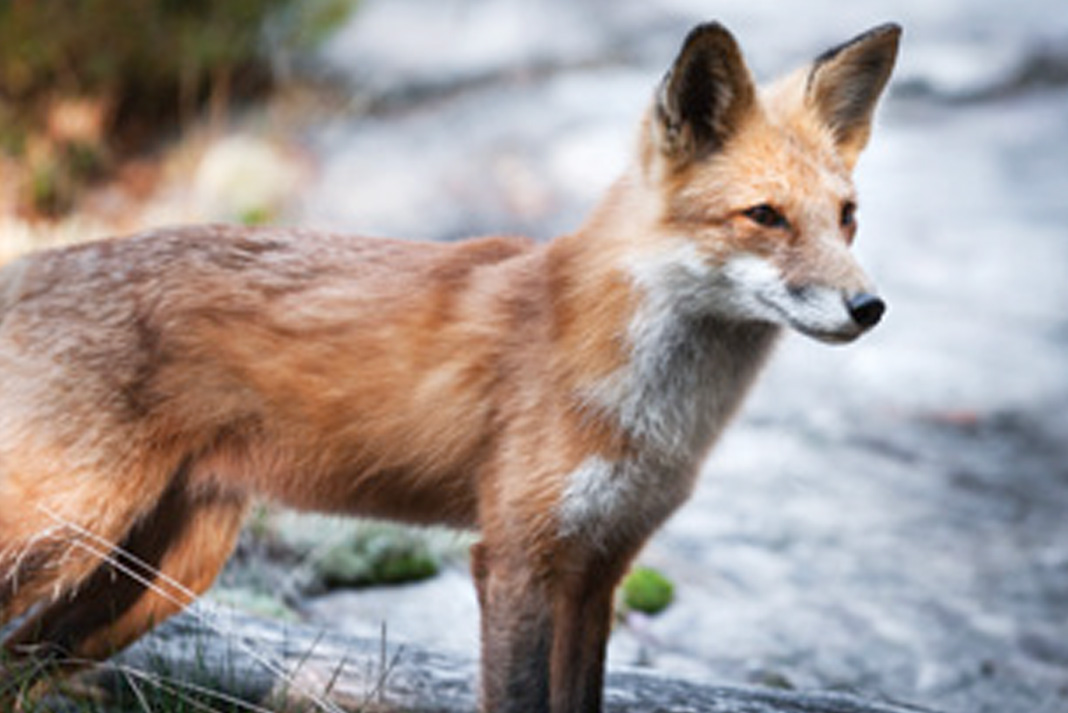
Moose, deer, black bear, wolf, coyote, fox, porcupine, hawks and eagles.
Access Point
George Lake campground
Campsites
Developed wilderness sites, with pit privy and fire ring
Best Eats
Herbert Fisheries, a local favorite offering freshly caught whitefish served dockside.
Outfitters
Killarney Outfitters (www.killarneyoutfitters.com) and Killarney Kanoes (www.killarneycanoes.com), as well as local wilderness lodges offering similar services.
Must-Have
Freestanding tent, boots with ankle support, camera with underwater housing
This article first appeared in the Spring 2015 issue of Canoeroots and Family Camping magazine.
Subscribe to Paddling Magazine and get 25 years of digital magazine archives including our legacy titles: Rapid, Adventure Kayak and Canoeroots.
SUP paddles can be purchased as single unit, or a two piece that has the utility to fit a range of paddler heights. SUP paddle size can be tricky. Whether you enjoy SUP touring, racing or surfing, there’s a blade that’s the perfect fit for you and figuring out how to size one is very simple.
SUP paddle size shouldn’t be too difficult if you ask the right questions. It is one of the most popular questions that gets asked at any paddlesports store and in this video, Standup Paddling expert Peter deMos from LivOutside: Gear + Adventures explains how to fit the correct size and length standup paddleboard paddle for you. Whether you prefer a wooden version or a fiberglass model these tips will make choosing a SUP paddle the easiest of any watersports blades.
When I started my first job as a river guide, I had no equipment of my own. Other than a couple short canoe trips at summer camp, I hadn’t spent much time on the water. So it was with confusion that I read this pre-season email, sent out to all first-year staff:
As you budget for the summer, bear in mind there is some gear you will want for your job. You WILL be in cold water. We can supply you with a paddle, PFD, helmet and wetsuit. Said gear will be entirely safe and functional, but be forewarned: you will look like a dork. You will have no sex appeal. All our staff inevitably invest in their own equipment.
More broke than fashion-conscious, I arrived ready to wear whatever they gave me.
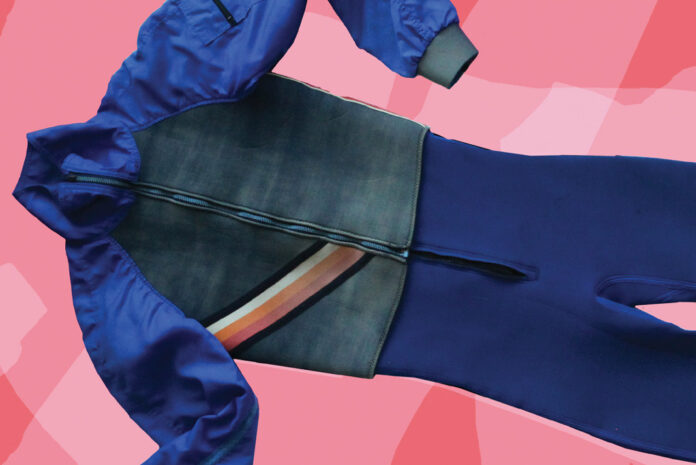
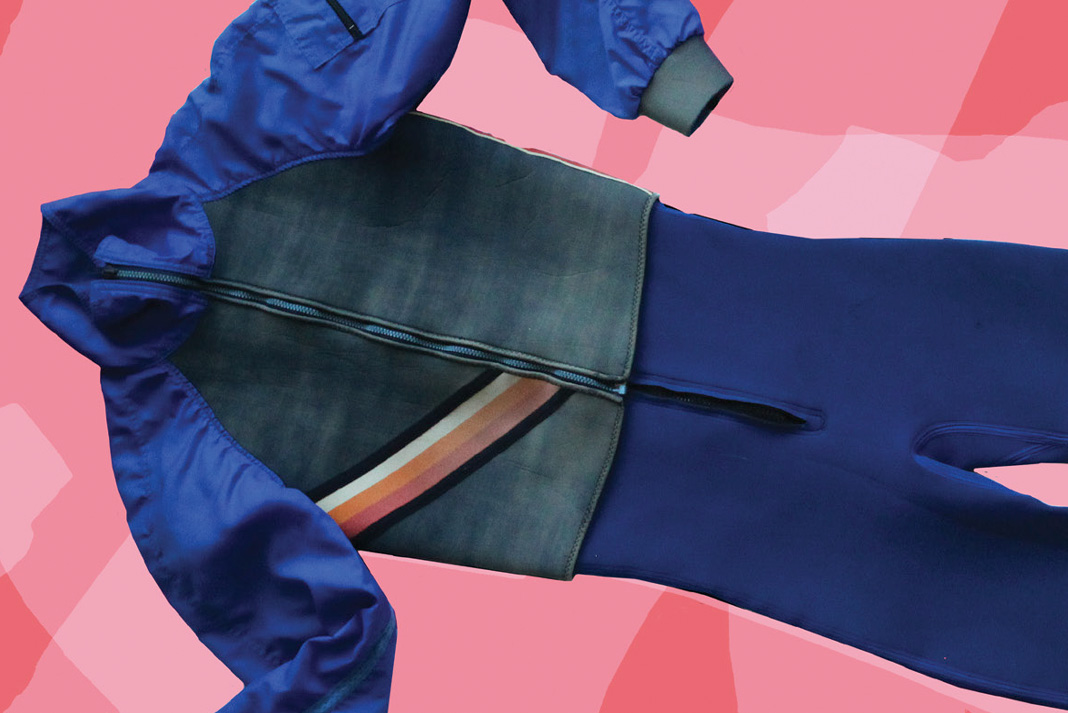
The first thing I noticed was the color. Angular pink patches cut through a blue body so faded it looked more like acid-wash grey. The stiff, thick neoprene made me walk with straighter-than-normal knees—the fabric pulling my joints back into alignment with the suit’s own curvature, a shape that, when dry, looked like it might actually be freestanding.
A few years later I blew my river guide salary on a hot new form of temperature control: a drysuit and technical layering system well worth breaking the bank.
Drysuit donned, I outfitted newbie interns in their own well-worn neoprene. I was cozy during an early-season rescue course. I stayed bone dry as I taught new staff how to swim effectively in whitewater. I was warm. I was comfortable. I looked like I knew what I was doing.
IN WITH THE OLD. | PHOTO: EMMA DRUDGE
There were good reasons I replaced ol’ faithful: too many consecutive river days resulted in an irritating itch. The faded fabric’s pores, rife with sun-dried urine the river never quite washed away caused an odor that ripened when wet despite years of valiant laundering attempts. I even tried a cocktail of every home cleaning product I could get my hands on—the only result was a rash.
But my blue and pink-polygon suit was never tossed to the curb.
Somewhere in the depths of a Rubbermaid storage bin, I hoard this relic of paddling days gone by. It gets pulled from retirement from time to time to enrobe a rightfully self-conscious first-time paddler friend; more often I just flip past it as I reach for my replacements. But like listening to an old song, seeing it there takes me back to another place and time.
I’ve never paddled as many days in a year as I did those first few summers. They were endless river days. Nights were spent under the stars on shore, around a campfire surrounded by friends with a similar lack of responsibility and urge to play, then falling asleep to the roar of rushing water. More than a piece of gear, it’s a memory of the places and people who helped shape the person I’ve become. And that’s something you don’t throw away.
Emma Drudge is the editor of Rapid magazine. She looks forward to letters from readers who still rock these suits.
This article first appeared in the Spring 2015 issue of Rapid magazine.
Subscribe to Paddling Magazine and get 25 years of digital magazine archives including our legacy titles: Rapid, Adventure Kayak and Canoeroots.


 This article first appeared in the Spring 2015 issue of Adventure Kayak magazine. Subscribe to Paddling Magazine and get 25 years of digital magazine archives including our legacy titles: Rapid, Adventure Kayak and Canoeroots.
 This article first appeared in the Early Summer 2015 issue of Rapid Magazine.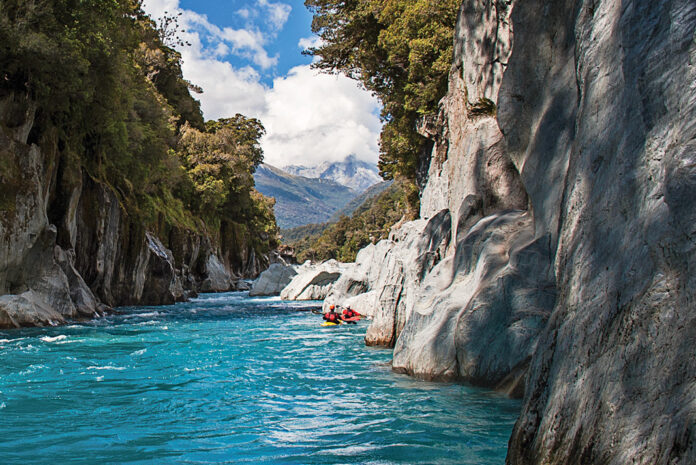


 This article was first published in the 2015 Paddling Buyer’s Guide.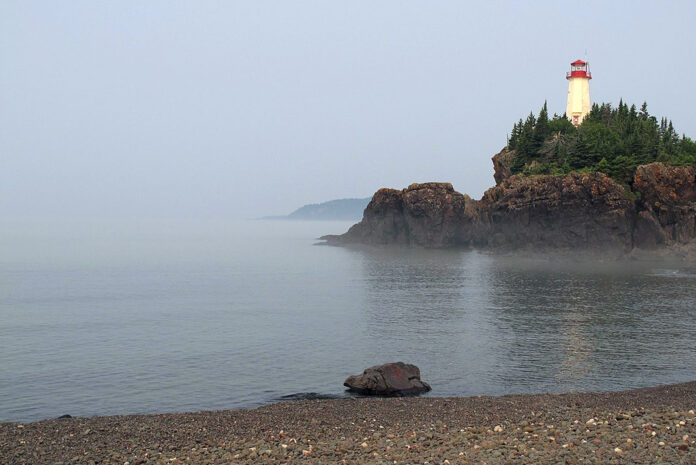
 This article first appeared in the Spring 2015 issue of Canoeroots and Family Camping magazine.