Home Blog Page 276

Overlooked Urban Waters Give An Unexpected Dose Of Joy

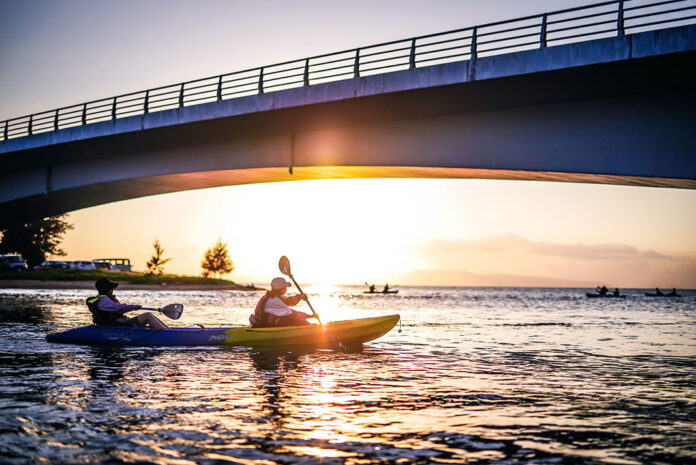
tandem kayakers pass under a bridge while paddling in urban waters
Feature photo: Takuya Sakamoto/Pexels

There’s a river that crosses beneath the freeway on my drive to work. On its journey through the city it appears from place to place, in parks and major road crossings, but then vanishes for a long stretch into a deep ravine behind tracts of monster suburban homes and the closeted greens of an exclusive golf club before emerging under my commute.

I pass over this waterway almost daily, giving me the notion that I might like to paddle it someday, but I didn’t approach the idea with sufficient determination to actually make it happen for several years.
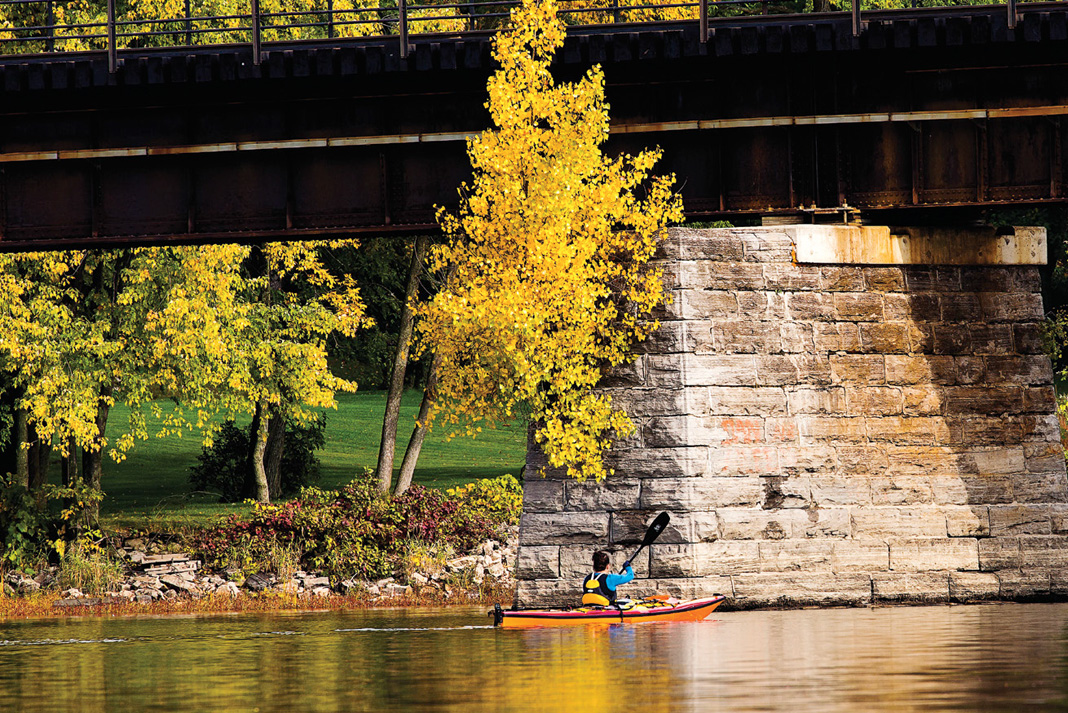
Overlooked urban waters give an unexpected dose of joy

Going outside means overcoming the inertia of being inside; attending to the dirty dishes in the kitchen, the dog that needs walking, the dust bunnies colonizing the stairs. There was never anything quite exciting enough about that muddy channel as seen from the highway—probably too polluted and boring, I told myself—to motivate me over the hurdle of actually getting there, to provide the inertia to cross the eddyline, as it were, out of the grind and into the unknown, where the water might be cold, or too shallow, or too swift, where something might waylay me and make me late for picking up the kids from daycare.

Strangely, more far-off wildernesses are easier to get to. They loom larger in the imagination, distant targets that you can build momentum towards by booking vacation, making lists and dehydrating food.

Then, one day, I finally did it. It was this article assignment that finally got me out the door. Sometimes all you need is an excuse. I set off alone on my usual traffic-clogged route to work, but this time with a kayak and a bike on board. I dropped off the car and took just 20 minutes to pedal back to where I’d conspicuously locked my kayak to a picnic table in a children’s playground.
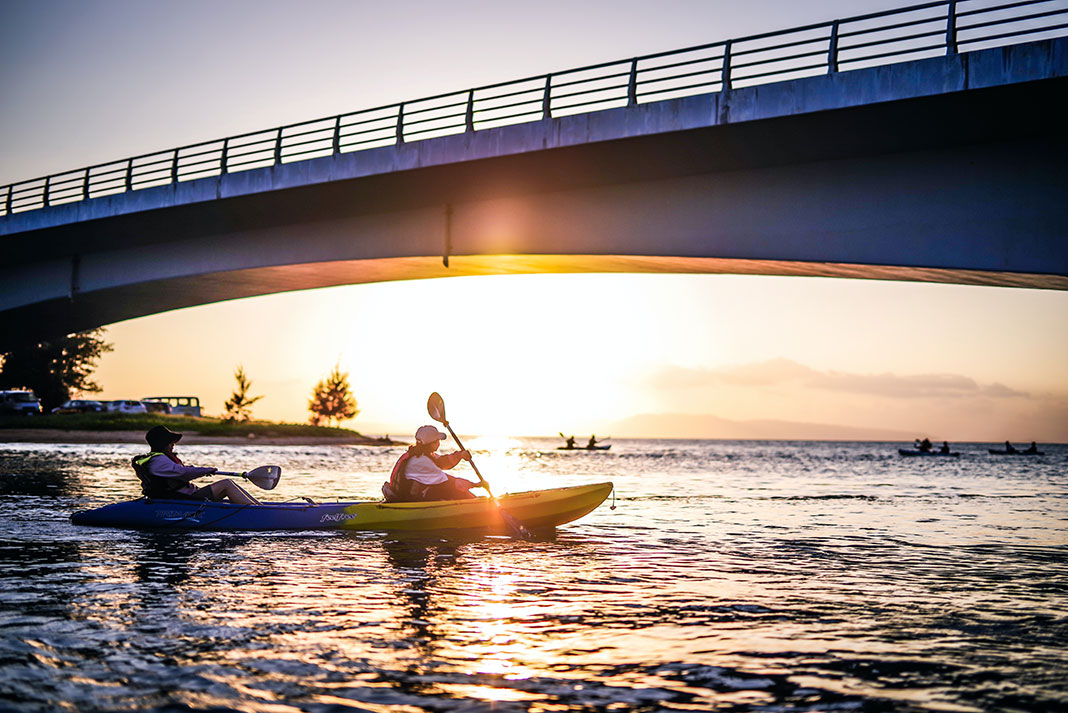
tandem kayakers pass under a bridge while paddling in urban waters
Turn the city upside down and find a place where everything is curved, dynamic, and easier on the mind. | Feature photo: Takuya Sakamoto/Pexels

Setting off on urban waterways

My heart surprises me by doing a little leap when I see the water, at the thought of the adventure the river has in store for me. What had seemed like a lot of work to get going really wasn’t, and now here I am, accelerating down a chute past three men casting fishing lines into the current, under a busy roadway, and around a bend where the river carves into a steep shale bank. I’m all on my own, surrounded by trees, not a house in sight. I could be anywhere.
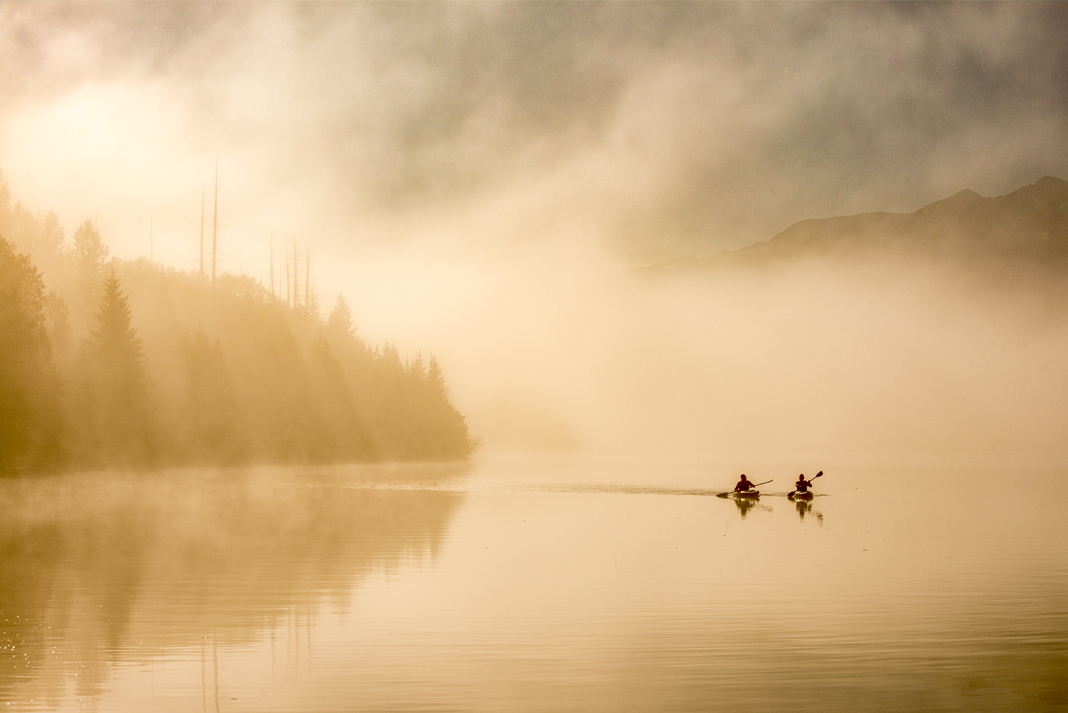
How easy and crucial it is to claim a little bit of happiness, just by going outside for whatever reason at all. This is something I discovered early in life but am not always good at remembering. Society screams at us that there are always more important things to do. But as I get older, I’m getting better at building these kinds of experiences into my routine. They keep me on an even keel. I’ve got greater happiness and peace of mind to show for it.

While designed for the ocean, my 15-foot touring kayak turns out to be the ideal river craft, fast enough paddling upwind on the flats, yet nimble enough for eddy turns and ferries in the class I rapids, its plastic hull bumping and sliding gamely over the shallows.

There’s inexorability to water, how rivers flow from A to B. Once you launch, you’ve entered a story, part of the order of things. Everything that occupied my mind before drops away, and I feel like I’m truly awake for the first time in weeks.

It’s like I’ve turned the city upside down and found a place where everything is curved, dynamic, and easier on the mind. The river is a place out of time, forgotten-feeling. Like many urban waterways it’s cleaner, quieter, wilder than any time in recent history. This river was once the center of a native civilization, and later an engine of 19th century industry. Today the many mills are shut down and dismantled, and roads have rendered it obsolete as a travel route. For most of us locals, whose lives revolve around the Starbucks and Walmarts tied together by asphalt, this feels as hidden as the creeks that flow through concrete tunnels under the city, a blank spot on our mental maps.

New perspective on a familiar place

The river is a new dimension, a time warp that turns my 20-minute bike shuttle into a two-hour adventure of wild sights, sounds and sensations. Shale riverbanks as high as buildings. Water sliding like molten glass over green-hued, slick rock-smooth shelves. Wildflower bursts of color. Kingfishers, hawks, geese, swans. Minnows. Great blue herons lifting off around every corner—or perhaps it’s the same one I’m lazily chasing.
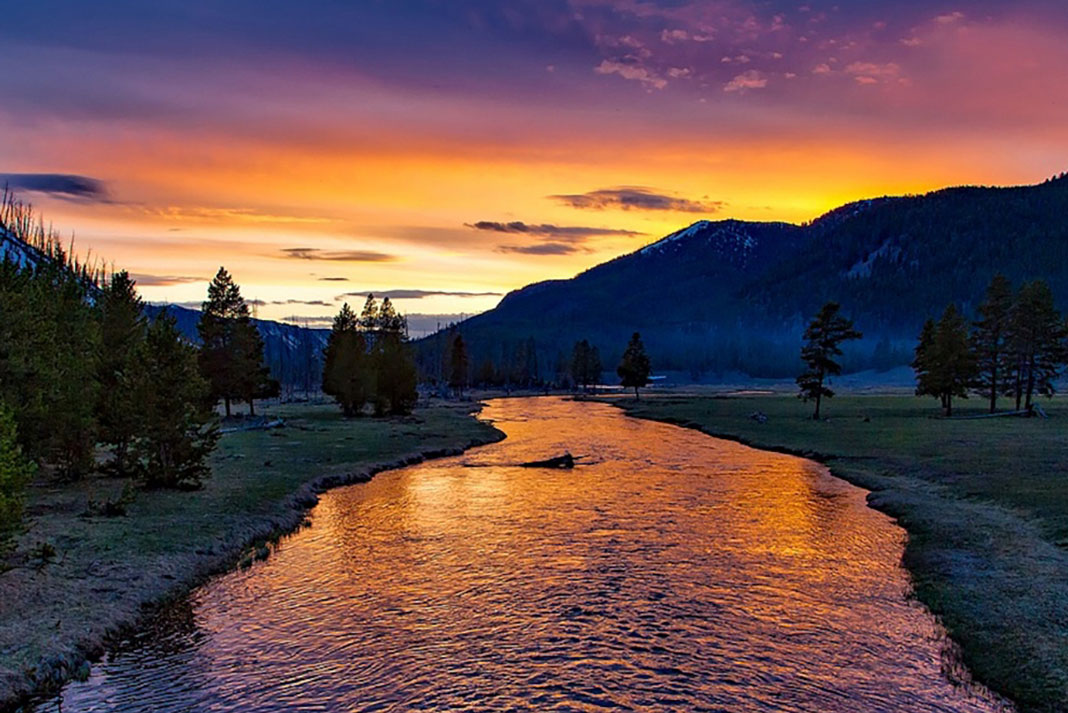
Last comes the highway bridge that I usually drive, appearing completely different from below, its arcing underbelly the perfect contrast to its business-flat topside and the roaring beeline of commuter traffic that I will soon rejoin—a different kind of flow.

The river eases me back into civilization, but not before transforming my perspective. Now every time I drive to work, I feel different crossing that bridge, reminded of all that lies beneath and around the bend. That pleasant little jolt is better than the hot coffee in my travel mug, a joy I earned simply by committing myself to one tiny adventure.

Former Adventure Kayak editor Tim Shuff lives in Toronto, where he spends his time working as a firefighter and making up excuses to go paddling.

Cover of 2015 Paddling Buyer's GuideThis article was first published in the 2015 Paddling Buyer’s Guide. Subscribe to Paddling Magazine’s print and digital editions, or browse the archives.


Turn the city upside down and find a place where everything is curved, dynamic, and easier on the mind. | Feature photo: Takuya Sakamoto/Pexels
 

How Your Fear Controls You And What You Can Do To Stop It

The Mental Game | Photo: Jens Klatt

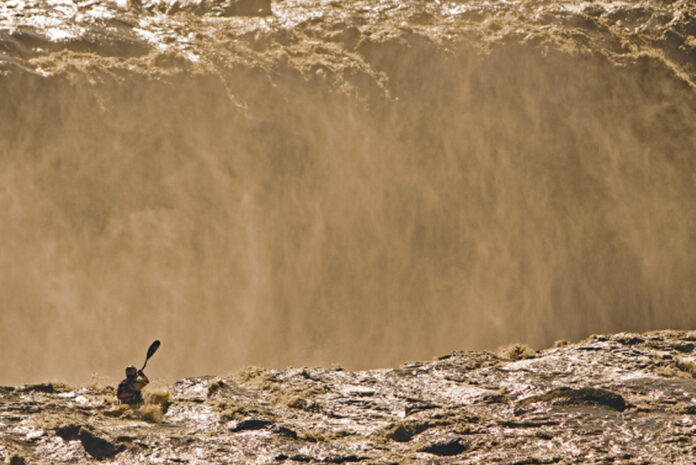
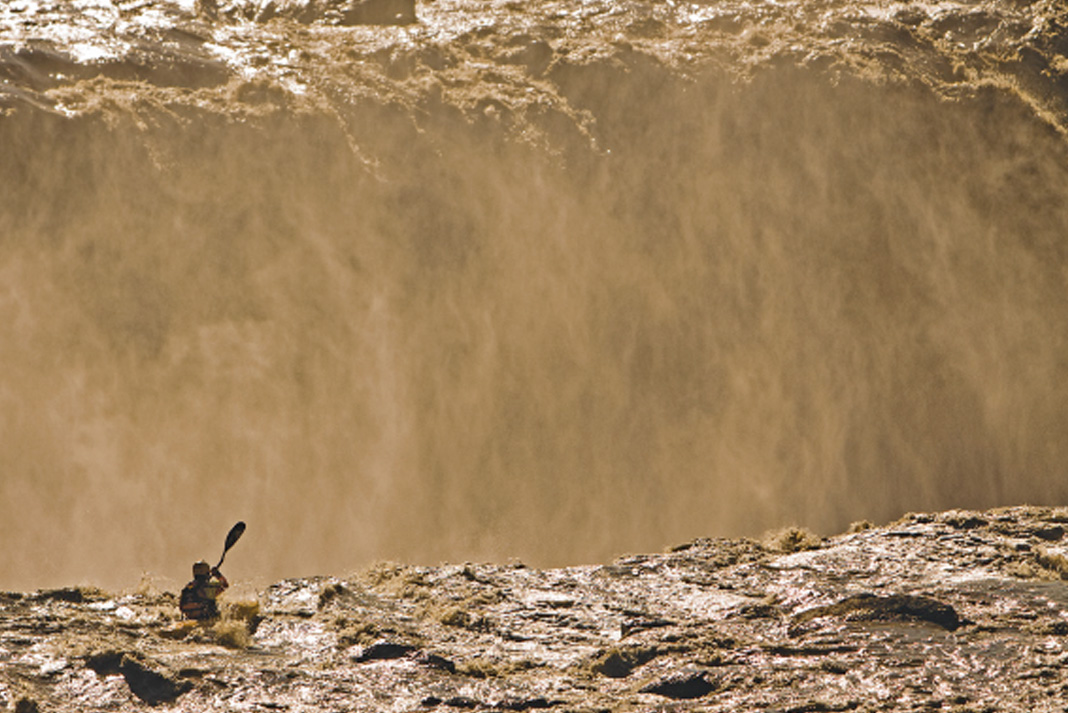
I’m sitting in an eddy with a pang of anxiety swimming around the bottom of my chest. My brain is working at hyper speed, playing over every possible scenario that could happen once I peel out. I know this feeling well. I know the moves, and I know the longer I sit here, the louder the noise clouding my mind and body will become.

No matter how much I’ve improved in my 15 years of kayaking, sometimes it feels the same as the first day I sat my butt down in a boat.

A lot of what we challenge ourselves to do on the river is the exact opposite of what millions of years of programming has taught us. The result is this feeling of fear, something all whitewater paddlers can relate to. The good news is there are things we can do to make sure it doesn’t impact our paddling performance.

There’s a little part of our brain called the amygdala, nicknamed the “lizard brain.” It’s the automated command center for our body, using chemical and electrical signals to tell our bodies what to do when presented with a fight or flight scenario, such as unexpectedly flipping over in a kayak. It also stores all of our emotional memories, or fears for future use.

Picture the difference between a skilled paddler, taking calm, well-placed strokes, and a panicked boater with fear in his eyes, pad- dling frantically without getting where he wants to go. The panicked boater is controlled by the lizard brain, reacting automatically to his surroundings.

The unconscious and subconscious part of the brain that deals with programmed survival response is incredibly powerful, firing off around 60,000 neural impulses a second. The conscious part, or ability

to reason, however, fires off only about 60 impulses each second.
To fight this uphill battle and tame the lizard brain, we need to break things down so we have more time to process what is happening. A rapid that seems intimidating at first is much more approachable once picked apart into individual moves. A major difference between the panicked boater and the pro is the mental shift from undertaking an entire rapid at once to stringing together a series of attainable maneu- vers. Going from eddy to eddy gives us pause, or the ability to process each move individually.

The Mental Game | Photo: Jens Klatt

This alone is only part of the equation since there can be consequences downstream when we fail to execute moves as planned. I account for this by thinking through potential outcomes. If, before entering a rapid, I imagine the good, the bad and the ugly, those outcomes are less frightening because they don’t catch me off guard. This willingness to accept less than desirable outcomes is another key difference between staying focused and reverting to survival mode.

By acknowledging our fear, naming it and discussing it, we can reflect on whether or not our fears are reasonable to maintain. This lays the foundation for our inevitable swims and screw-ups to be positive learning experiences instead of memories that instill anxiety. I liken learning as a kayaker to a baby learning to walk—it won’t come without its stumbles and falls.

Chris Wing is the founder and president of H2o Dreams, and has been teaching all levels of kayakers for more than a decade.


This article first appeared in the 2015 Paddling Buyer’s Guide. Subscribe to Paddling Magazine and get 25 years of digital magazine archives including our legacy titles: Rapid, Adventure Kayak and Canoeroots.

Video: How To Sea Kayak Sculling Brace

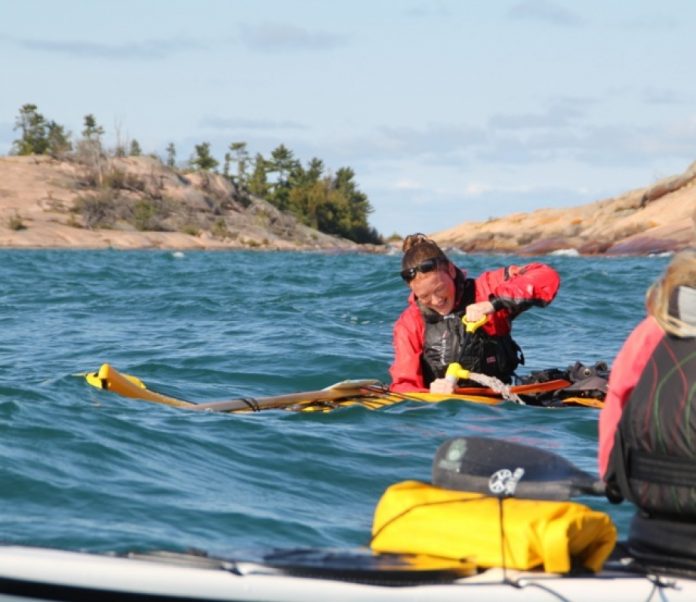
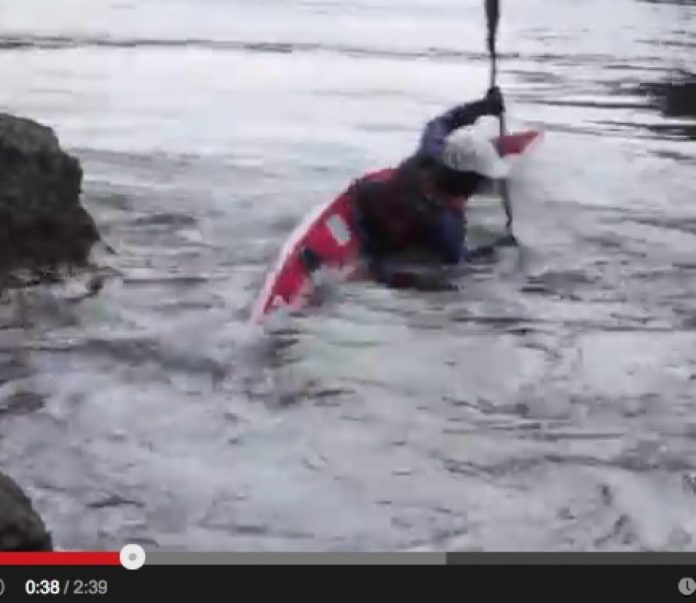
James Roberts from Ontario Sea Kayak Centre shows you how to do controlled, graceful sculling braces in your kayak. Sculling for support is a key sea kayak foundational skill. Sculling with your paddle gives you terrific blade awareness and is especially useful for gaining stability in rough water, recovering from a less-than-perfect roll, or preventing a capsize.


Stay tuned for more great paddling skill videos, including canoeing, kayaking and whitewater techniques, brought to you in partnership with Rapid Media and Ontario Tourism. 


Klepper’s Solar-Powered E-Kayak

Klepper's Solar-Powered E-Kayak

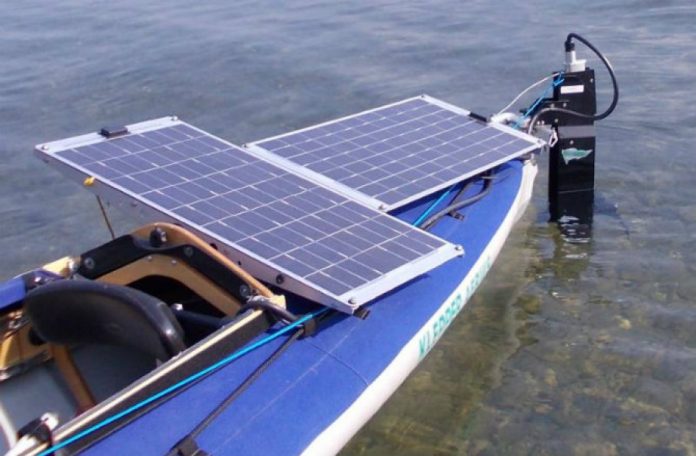
Klepper offers paddlers the benefit of a solar-powered electric drive in its E-Kayak kit. The paddler can kick back and let the small motor take over. The design adds a little modern-day technology and convenience to Klepper’s classic folding kayak.

The kit includes a high-efficiency electric motor with carbon propeller, an 18 Ah 12 V sealed lead acid battery and a cockpit-mounted digital control unit hardwired to the motor by a 7.5-foot (2.3-m) cable. The motor is integrated into the foot-operated rudder, which allows the kayaker to quickly and easily lower and lift it out of the water from inside the cockpit. The rudder also replaces the paddle in steering the boat while using the motor.

As with any type of electric vehicle, a battery-powered motor only runs for so long. That’s why Klepper also offers both rigid and folding solar panels that mount atop the deck and deliver enough battery power for up to an entire day on the water.

Klepper estimates that an E-Kayak can travel up to 32 miles (52 km) when operated in slow, battery-saving mode (2.5 mph/4 km/h) with eight hours of sunlight. Alternatively, it can travel at speeds up to 5 mph (8 km/h) in top speed mode, slicing total range down to about 9.3 miles (15 km).

Klepper offers a number of motor kits and options, starting with the €2,329 (US$2,600) motor kit with 18 Ah battery (solar panels extra).

Learm more and see additional photos at Gizmag.com.

Spring Sea Kayak Training

Photo: Ontario Sea Kayak Centre
Spring Sea Kayak Training

For many paddlers, the frigid waters and fickle weather of spring are ample excuse to stay on dry land until balmy summer days return. Pass on early season paddling, though, and you miss countless opportunities to refresh and refine skills before that big summer trip.

Across the country, kayak event organizers are welcoming the wet weather of spring. Think of it as the ultimate spring training—after all, if you can master wet exits and rescues in May, imagine how easy they’ll be in August.

“Spring is really the best time to get people excited about kayaking,” says James Roberts, co-owner of Ontario Sea Kayak Centre (OSKC) and, with partner Dympna Hayes, founder of the annual Paddlepalooza Kayak Festival, held in May on Georgian Bay.

Early season events provide an opportunity to engage participants at an accessible, grassroots level while months of paddling pleasure lie ahead—and spring fever is at its worst. For Roberts and Hayes, Paddlepalooza is a chance to reconnect and help paddlers brush up on rusty skills after a long winter off the water.

Further south, spring offers an idyllic alchemy of air and water temperatures, seemingly made just for paddlers. Traditional Inuit Paddlers of the Southeast organizer, Fern White, says participants at last year’s Summerton, South Carolina, event “enjoyed abundant sunshine, daytime temperatures in the ‘80s and water temperatures in the ‘70s.”

Wherever you paddle, check out these great spring paddling events near you.


Suwannee River Paddling Festival

April 3–5; Suwannee River State Park, Florida

http://paddleflorida.org/

Situated in a state park at the confluence of the scenic Suwannee and Withlacoochee Rivers, the festival features paddling trips on both rivers, Saturday night concert, camping, hiking and an evening ghost tour.


East Coast Paddlesports & Outdoor Festival

April 17–19; Charleston, South Carolina

www.ccprc.com

Kayaking, canoeing, standup paddling and more—enjoy beginner and master classes taught by leading instructors. Plus boat demos and more than 70 exhibitors showcasing the latest outdoor equipment.


Port Angeles Kayak and Film Festival

April 18–19; Port Angeles, Washington

http://portangeleskayakandfilm.com/

Open to all levels and ages, this community event celebrates all paddling, from sea and lake to river and surf. Learn about kayak fishing, take rolling and surf classes, get educated on tides and currents, and watch remarkable films of folks doing amazing feats.


Traditional Inuit Paddlers of the Southeast

May 15–17; Summerton, South Carolina

www.traditionalpaddlersretreat.org

This second annual weekend fosters friendships, skills, knowledge and gear all built around traditional and Greenland paddling techniques and culture.


Georgian Bay Paddlepalooza

May 22–24; Parry Sound, Ontario

www.ontarioseakayakcentre.com

Featuring top coaches, superb scenery, great camping and a Saturday night party with live music, the festival includes on-water clinics in strokes, rescues, rolling and more, plus dry land lessons on risk management, cooking, campcraft and navigation.


Women on Water

June 5–7; Parry Sound, Ontario

www.wildwomenexpeditions.com/wow/

This fun, all-women paddling festival is perfect for beginners to advanced paddlers, featuring kayak, canoe and standup paddling (SUP) skills sessions.


 PM March SKNewsThis article originally appeared in Paddling Magazine March 2015, read more great paddling stories here or download our free iPad/iPhone/iPod Touch App or Android App.


Wilderness Systems Introduces Ultralight Recreational Kayaks

Wilderness Systems Introduces Ultralight Recreational Kayaks

Wilderness Systems, industry leader in high performance recreational, touring, expedition and angling kayaks, introduces the Tarpon 120 Ultralite and Pungo 120 Ultralite kayaks.

Made with acrylonitrile butadiene styrene (ABS acrylic) material by the process of thermoforming, the boats are light, stiff and responsive like composite kayaks, but have the advantage of improved impact resistance. Compared to their rotomolded counterparts, the Ultralite models are 10-20% lighter. This significant weight reduction makes the transfer to and from the water more manageable and makes paddling it easier on the body.

“The Tarpon 120 and Pungo 120 are two of most versatile kayaks and offering them in Ultralite versions greatly expands the options for paddlers who want a high performance boat that’s easy to carry, effortless to paddle, and is great for everything from kayak angling to recreational paddling,” said Shane Steffen, director of product management for Wilderness Systems. “Wilderness Systems has always been a leader in performance and design, and the new Ultralite models are the best of both worlds – lightweight kayaks that are durable and as responsive as the rotomolded versions. We are excited to introduce more lightweight performance options to our consumers.”

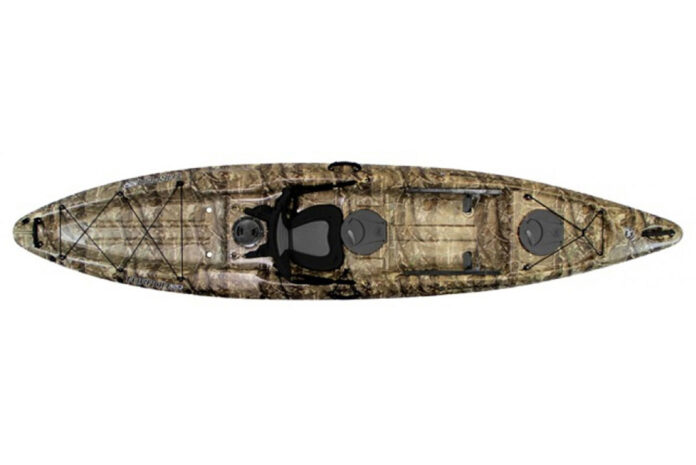
The Tarpon 120 Ultralite has all the features and performance that kayakers expect from the Tarpon series, including a comfortable Deluxe Sit-On-Top Seat, self-bailing scupper holes, two convenient Orbix hatches, mid-ship storage and plenty of bungees and rigging to keep all necessities close at hand. The 12’ long sit-on-top kayak weighs 43 lbs. with a capacity of 350 lbs. Available in four different colors, paddlers can choose from Lime, Tangelo, Turquoise and Realtree AP Camo. The Lime, Tangelo and Turquoise color options will be available at retailers after March 3, 2015, and the Realtree AP Camo color option will be available after March 30, 2015.

The versatile Pungo 120 Ultralite comes with the award-winning Phase 3 AirPro seat and thigh and knee padding, for hours of comfortable paddling. A large stern hatch and bungee deck rigging gives kayakers plenty of storage for an afternoon of the water. The 12’ long Pungo 120 Ultralite weighs just 40 lbs., with a capacity of 325 lbs. Color options are Lime, Tangelo, Turquoise and Realtree AP Camo. The Pungo 120 Ultralite will be available at retailers after March 16, 2015.

About Wilderness Systems

Innovative designs, premium outfitting, and an uncompromising attention to detail have made Wilderness Systems an industry leader since 1986. Today the brand continues to push the limits of technology, performance, comfort, responsiveness and aesthetics. Taking that same drive into the angling market with high quality fishing kayaks, Wilderness Systems now offers the ultimate on-the-water experience for everyone from passionate anglers to recreational boaters and expedition paddlers. Explore Wilderness Systems, part of the Confluence Outdoor family of Made in the USA brands, at www.wildernesssystems.com and join the Wildy Community.


Video: Learn the Fastest Turning Stroke

Photo: Screen Capture
A sea kayaker practices the technique of a sculling stroke for quick turning.
[iframe width=”560″ height=”315″ src=”https://www.youtube.com/embed/04zk817tbQI” frameborder=”0″ allowfullscreen ]

The Deep Diggity Dig is a great skill for sea kayakers who need to turn quickly and stay close to the eddyline as they head downstream. In this episode, presented by Adventure Kayak magazine, Leon Somme of Body Boat Blade teaches this effortless and fun new sea kayak turning stroke.

The Duffek stroke or bow rudder works fine for short boats or even long boats at slower current speeds, but the forces on long boats in fast ocean currents can compromise your shoulder and result in a slow, arcing turn. The best thing about this skill is how it feels when the boat spins. When done correctly it is both effortless and fun!

Stay tuned for more skills videos with Body Boat Blade International in this series, presented by Adventure Kayak, and watch more techniques on our YouTube channel.


Gear Trends: Rudder Revolution

Photo: Virginia Marshall
Gear Trends: Rudder Revolution

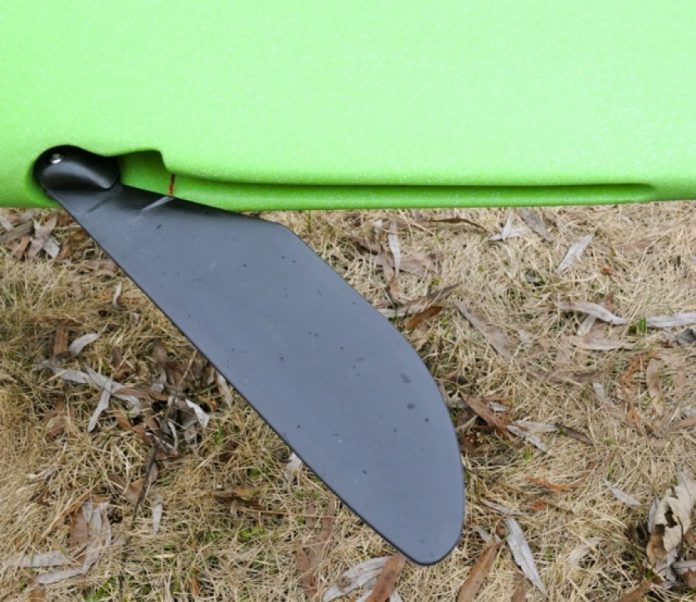
In 2014, British brand Venture Kayaks turned traditional steering systems on their head with the Skudder—an under-hull steering aid that deploys like a skeg, but can be turned like a rudder. Expect more innovation for 2015 with the debut of two new rudder systems. Lighter and more durable than its aluminum predecessor, West Coast-based Delta Kayaks’ new composite rudder also deploys faster and holds position better thanks to a single, spring-loaded control cable. Meanwhile, Kayak Distribution designer Felix Martin looked beneath the sea to create the unusual-looking rudder that will be available on all Boreal Design, Seaward and Riot kayaks. “It is bio-inspired from a humpback whale flipper,” says Martin. “They have the shortest turning radius for whales.” The plastic rudder tapers in thickness and is shaped to reduce drag in the water.

BG2015 trendsThis article originally appeared in the 2015 Paddling Buyer’s Guide.

 

Video: Packing for a Weekend Canoe Trip

Rich Swift from Algonquin Outfitters describes some of the essentials for packing for a three-day canoe trip and how best to carry them.


Stay tuned for more great paddling skill videos, including canoeing, kayaking and whitewater techniques, brought to you in partnership with Rapid Media and Ontario Tourism. 

Folding Sea Kayak Review: TRAK Seeker ST 16

Photo: Po Marshall
Video: Trak Seeker Kayak Review

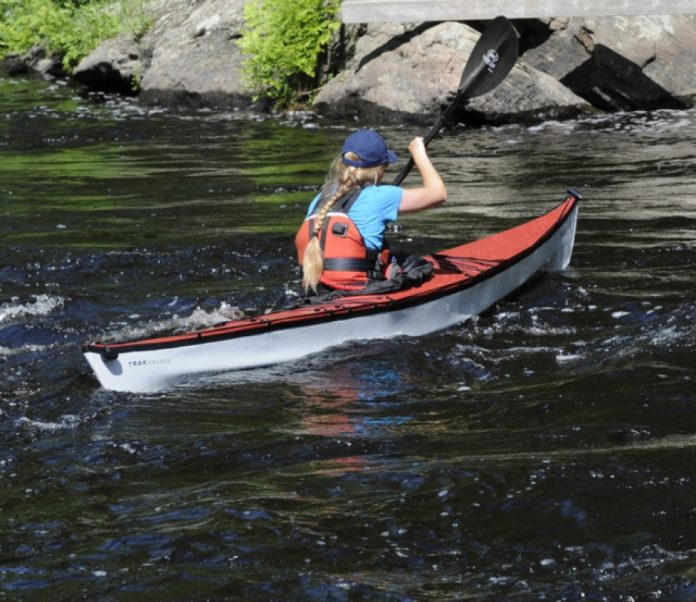
Are you bulls***ing me?” This is autobody mechanic—and TRAK Kayaks’ neighbor in Airdrie, Alberta—Dennis Paron’s reaction when he sees the kayak he ran over with a customer’s truck, twice, just days after the accident. TRAK Seeker, serial number 2535, suffered only a bent gunwale and cracked coaming—both easily replaced—in the Dodge dust-up.

A week later, #2535 arrives on my doorstep. I eagerly assemble the beleaguered boat. It looks brand new. I search the sleek red and white skin and find a faint tread mark on the hull.

When it comes to TRAKs, disbelief is a not uncommon response. How can a folding boat that assembles effortlessly in just 10 minutes look and paddle like a high-performance composite sea kayak?

The Seeker’s bow and stern frame sections use shock-corded aluminum poles and snap-in crossribs for intuitive assembly. These then slip into the polyurethane skin through a watertight sliding seam in the back deck. Every folding kayak requires some kind of clever trick for expanding the frame inside the skin, and TRAK’s slick hydraulic jacks are the easiest system we tested.

[ Paddling Buyer’s Guide: View all TRAK kayaks ]
Trak Seeker ST 16 Specs
Assembly time: 10 minutes or less
Length: 16’
Width: 22.5”
Material: Polyurethane skin/aluminum frame
Weight: 48 lbs
Price: $2,799 USD

TRAKkayaks.com

The hydraulics also allow you to change on-water performance on the fly: pump the keel lever to adjust rocker for playful maneuverability or straight tracking; use the gunwale levers to compensate for weathercocking by adding a slight side-to-side curve to the waterline.

Solid foot pegs, adjustable thigh braces and a padded seat with low-profile backrest combine to provide excellent contact and control for edging, bracing and rolling. With its drum-tight skin and full complement of deck bungees, perimeter lines and end toggles, the Seeker is all but indistinguishable from a hard-shell. Included dry bag-style bow and stern floats can be packed with tripping gear or inflated for buoyancy.

Mimicking Greenland-style kayaks, the Seeker’s graceful entry, hard chines and V hull reward intermediate and experienced paddlers with very quick hull speed and responsive carved turns. Initial stability will feel tippy for beginners, but super forgiving edges make this a great boat to grow with.

Composite performance and durability come with a price and weight to match. The Seeker’s robust, wheeled travel bag rolls easily over grassy lawns, international terminals and exotic ports, but it’s not a package you can simply throw over your shoulder when it suits. TRAK’s do-it-all design, however, means it’s truly the only boat you need.

Ideal for

Tripping, fitness paddling and surfing on all types of water; airline travel or out-of-trunk mini adventures.

This article originally appeared in Adventure Kayak‘s Summer 2014 issue. Subscribe to Paddling Magazine’s print and digital editions here, or browse the archives here.


Your next adventure awaits. | Photo by: Virginia Marshall and Vince Paquot