What Is Smoke?
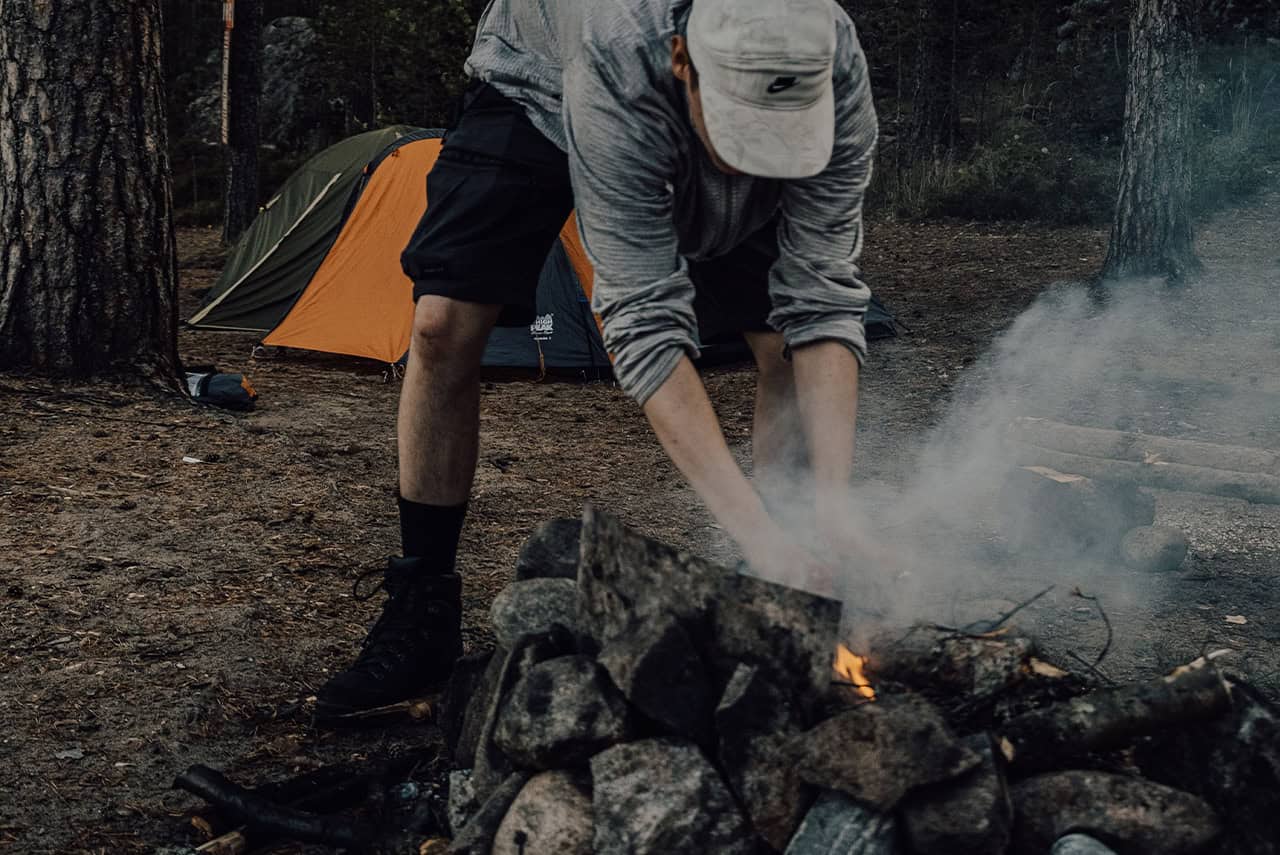
Hotter Fires Mean Less Smoke
The hotter a fire is burning, the less smoke it produces.
Smoke Preserves Food
Smoke may be used to preserve meat because it consists of particles of various chemicals such as carbolic acid. These chemicals coat the meat and prevent bacteria and mould from spoiling it.
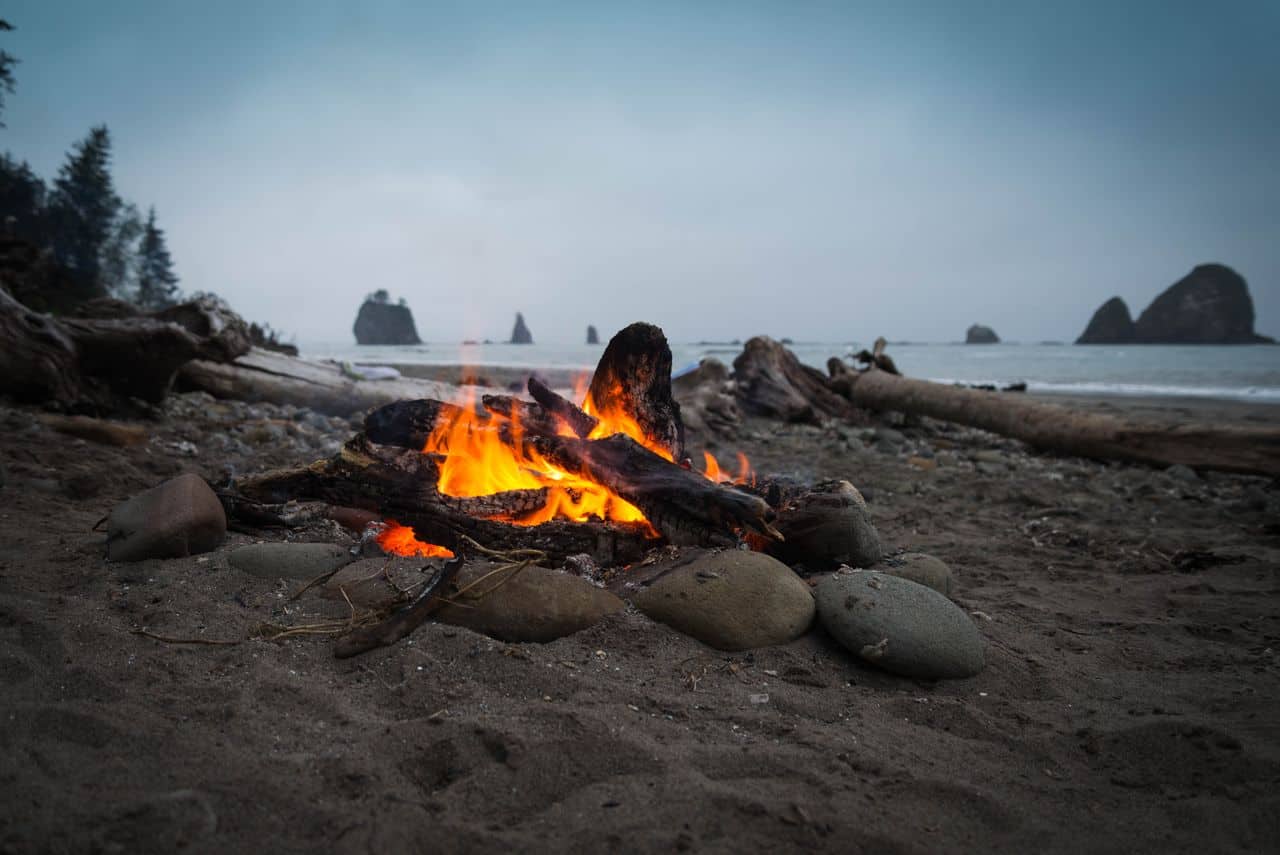
Why Green Wood Smokes More
Green or fresh wood produces more smoke because it contains about half its weight in water and therefore does not burn as completely.
Read the Weather in the Smoke
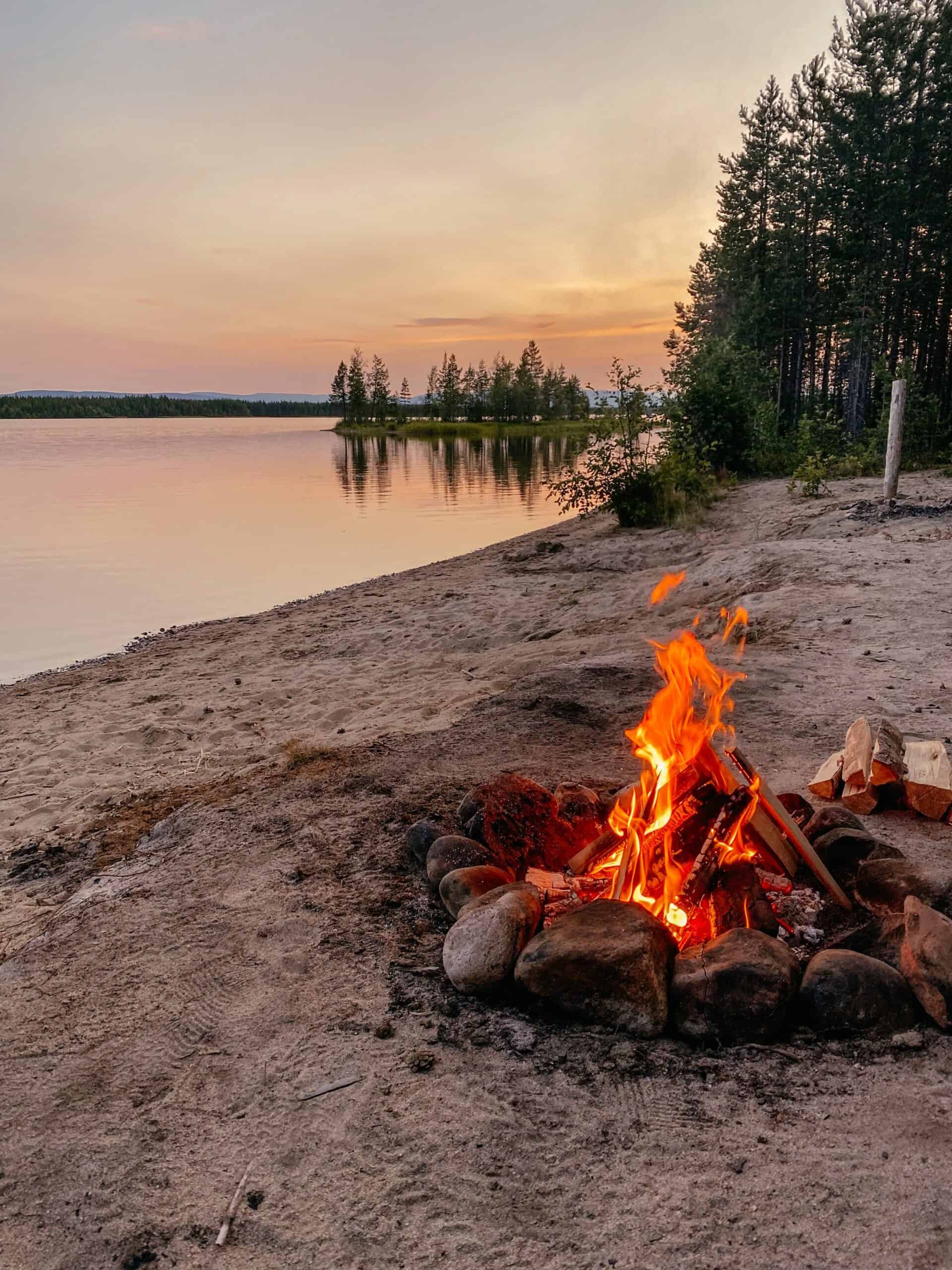
You can predict the weather by observing the behaviour of your campfire smoke. If it rises straight up you are in a system of high pressure and the weather will be fair. If the smoke hangs around the ground you are in a low pressure area and wet weather is likely.
Why Police Are Called “Smokey”
CB radio operators use the term “Smokey” to alert each other to the presence of police officers.
A Historic Smoking Warning
1984 Surgeon General’s Warning: “Smoking causes lung cancer, heart disease, emphysema, and may complicate pregnancy.”
Smoke Keeps Mosquitoes Away
Mosquitoes avoid the downwind side of campfires because many of the suspended particles in smoke are toxic.
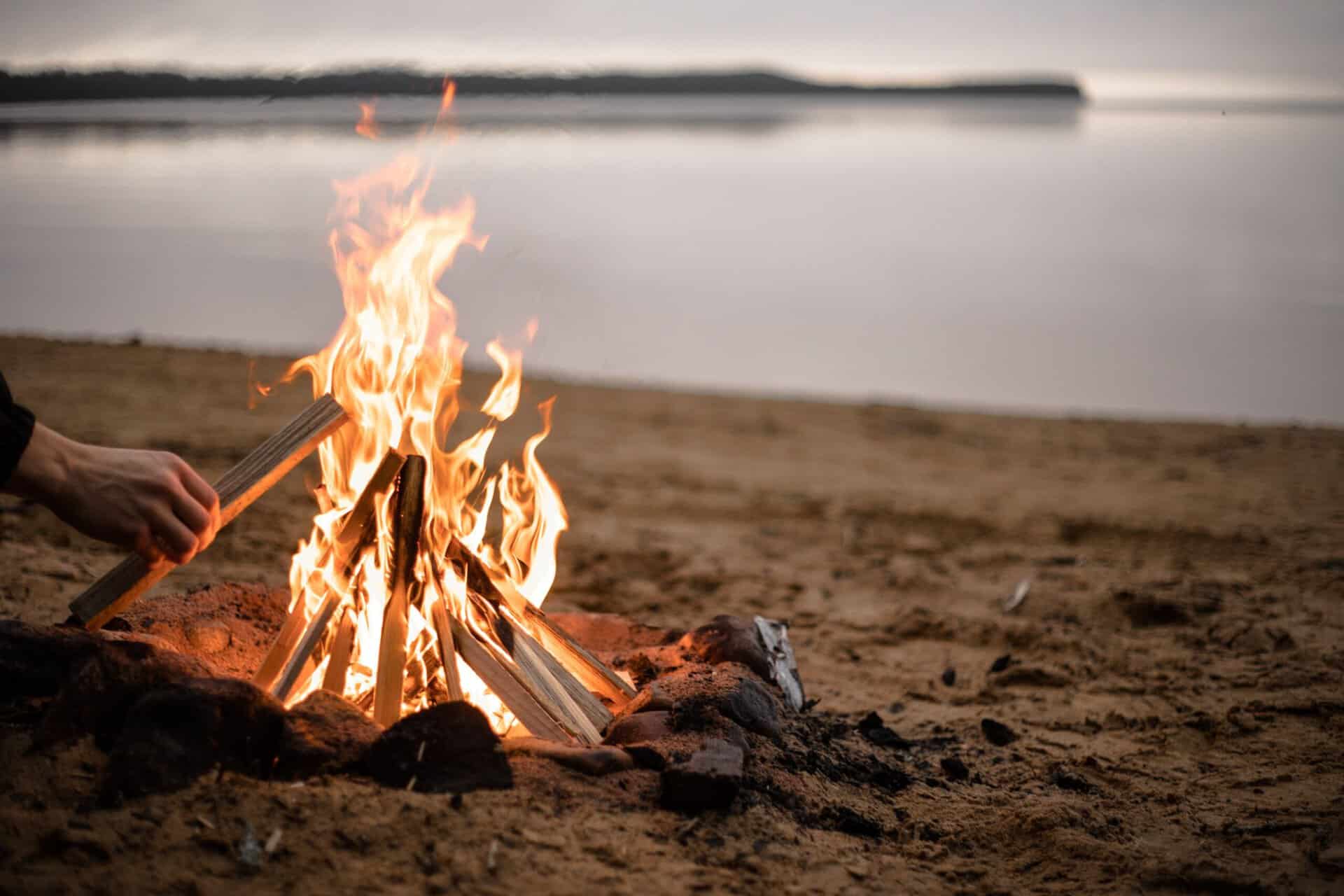
Photo courtesy of pexels
The Story Behind “Smoke on the Water”
Deep Purple’s song “Smoke on the Water” tells the story of a night in Montreaux, Switzerland, in 1971. Frank Zappa was playing a concert when a fan lit off a flare gun. The ensuing fire burned down the casino in which Deep Purple had planned to record Machine Head.
The White Rabbit Myth
No matter how many times you repeat it, the phrase “I hate white rabbits” has absolutely no repellent effect on campfire smoke blowing in your eyes.
 This article first appeared in the Spring 2007 issue of Canoeroots Magazine. For more great content, subscribe to Canoeroots’ print and digital editions here.