I read the prediction on a calm night two weeks into a trip tracing the Canadian shoreline of Lake Superior. We were sitting on a nameless cobble beach, watching the sunset and boiling water for tea. I pulled out a tea bag and read the tiny typed quote dangling at the end of the string: One thorn of experience is worth a whole wilderness of warning.
Why survival stories make us better paddlers
Unusually ominous for a brand called Nature’s Blessings, I thought. Typically, the fortunes were poetic lines about flowers and trees. I quickly forgot about it.
Two days later, we slipped onto the lake before a clear dawn. We were determined to make up miles after a day stuck windbound. But as the sun cleared the horizon, yesterday’s steamy tailwind returned, and the big friendly swells gained energy. Whitecaps appeared. The following sea was building fast, and we had to paddle farther and farther offshore to avoid waves crashing on hidden shoals. There was no turning back, and safe harbor was still miles away.
It wasn’t until we reached a sheltered bay—rattled, exhausted, jubilant—that I remembered the fortune-telling tea bag.

The thorn was an effective teacher about how quickly conditions can turn. Fortunately, it’s not the only way to learn. Humans have always relied on stories—whether around campfires or in magazines—to pass along lessons about risk, judgment and wild places. In his book The Storytelling Animal, Jonathan Gottschall calls stories flight simulators for the mind because they offer a safe rehearsal of danger and decision-making.
Neuroscientists have found that when we listen to a story, our brains begin to mirror the teller’s. Research by Princeton University’s Uri Hasson shows that, when listening to a story in an MRI, our brains light up in the same regions as if we were living the moment ourselves. Stories activate the listener’s sensory and motor cortexes, simulating that movement. When a paddler describes a swim after capsizing, the rising pitch of wind or the peace of a loon call at sunset, we do more than imagine it, our brains start to simulate it.
When we’re listening to a good story—emotive, relatable, detailed—we tend to imagine ourselves in the same situation. Maybe this explains why humans tell so many stories about hard things. These stories aren’t just entertainment. They’re simulating struggle, decision-making and perseverance. They warn us about what to avoid and, equally important, how to endure. If that’s true, stories don’t just entertain us; they are survival tools.
The pages ahead offer a whole collection of tools and firsthand experiences. You’ll find stories of close calls, courage and comebacks woven throughout the book, from kayakers who rescue a family after their car plunges into a river (page 63) to the revival of an almost-lost form of canoe building (page 23) to some of the most basic tools you need to stay safe on the water (page 101). And on page 78, you’ll meet four paddlers whose resilience brought them through their hardest moments. You’ll also notice a refreshed magazine structure designed to bring you more of what you love, while keeping the same even spread of canoe tripping, kayak touring and whitewater.
The thorn of experience may be worth a wilderness of warning. Stories, thankfully, let us borrow a few of those thorns from each other.
Kaydi Pyette is the editor-in-chief of Paddling Magazine.
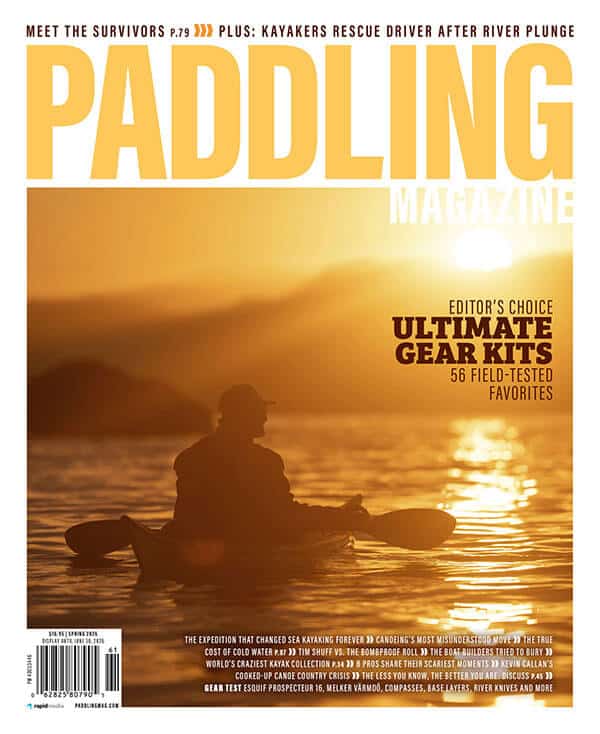 This article was published in Issue 75 of Paddling Magazine.
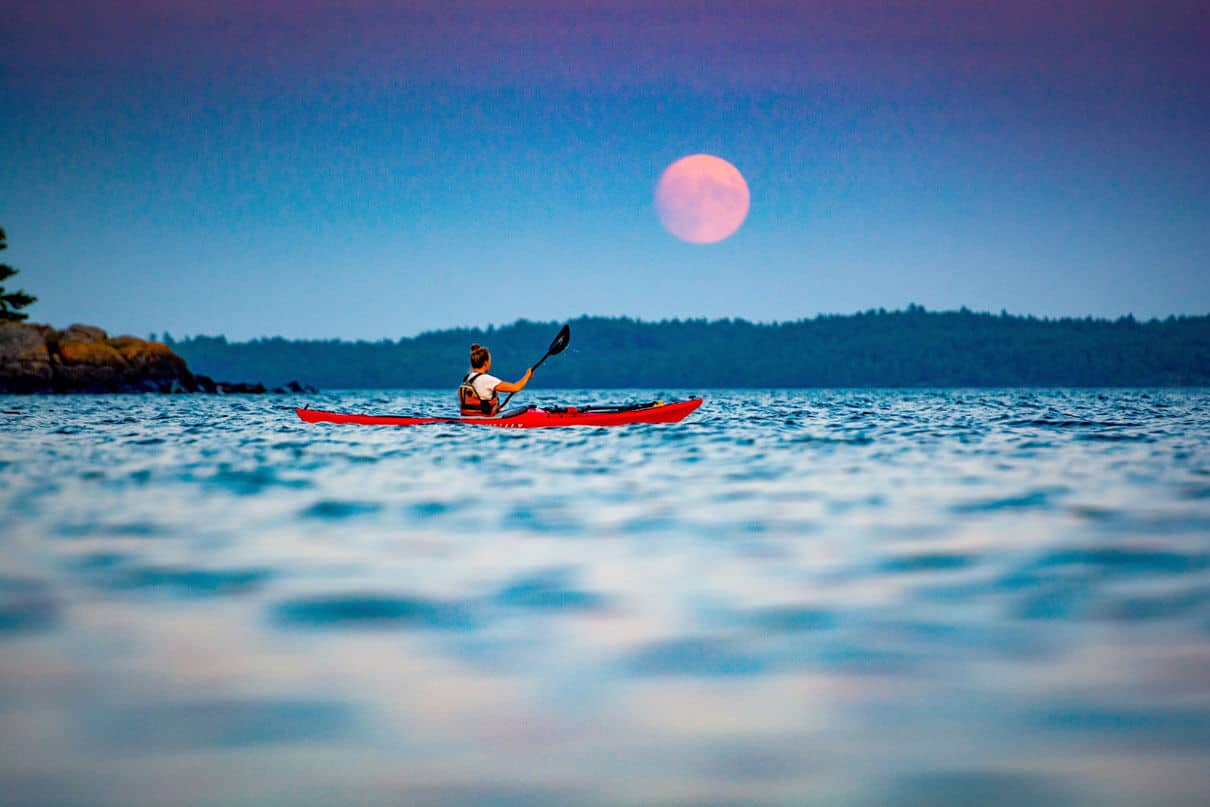
 Some lessons are sharp. | Feature photo: Mark Sundin