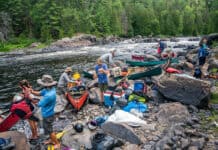
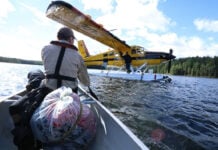
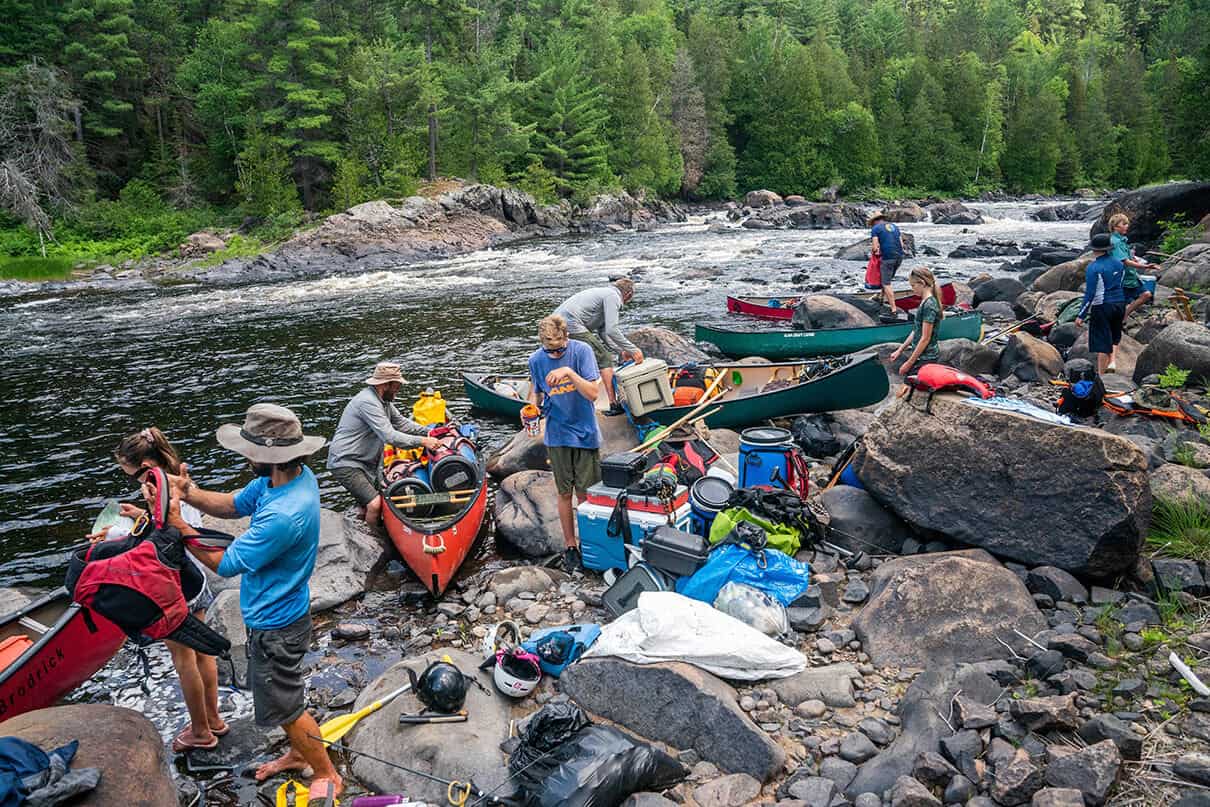
Should I have written all those canoe guidebooks? It’s a question that popped into my mind last summer, waiting for my turn to land at a busy portage, six canoes deep, on a route I used to have to myself.
Crowded canoe country isn’t a crisis
If you’ve been out in a popular park over the last few years, you’ve probably experienced something similar. Lately, many of my conversations with fellow campers start the same: Reserving months in advance. Busy put-ins. Lottery systems. Change.
It’s not our imaginations. More people are getting outside than ever before. Since the pandemic, parks visitation has hit record highs. In 2024, the U.S. National Park Service reported a record 331.9 million visits. North of the border where I am, more than 23 million people visited Parks Canada sites in 2024-2025, up from 16 million in 2018-2019.
Am I partly to blame? Writing canoeing guidebooks seemed innocent enough at the time. I figured if you get more people out into wilderness areas, then they’ll fall in love with it and want to protect it when it comes into peril. Over the last few years, it sometimes feels like the rising number of park users and backcountry paddlers is disrupting the pure essence of getting outside.
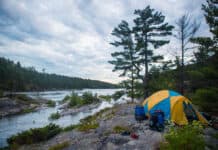
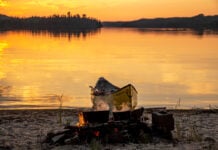
Clearly, increased use brings growing pains. These days, if you’re lucky enough to get a campsite in your preferred park on your preferred weekend, you’re likely to find the tent pad is worn thin from overuse, firewood scarce, and a fire ring littered with tinfoil and half-baked potatoes.
But here’s the thing: I also think the increase in park users reflects decades of advocacy and access efforts paying off, even if the growing pains are real. Last year, 82.4 million Americans went camping—a quarter of the population—including 2.6 million for the first time. This didn’t happen by accident. For decades, paddlers, writers, outfitters and conservationists pushed for access, protection and education. We taught Leave No Trace. We told people these places mattered.
Today, most backcountry paddlers arrive with maps, permits, PFDs and a basic understanding of how to behave in the backcountry. And if they don’t, everyone from outfitters to parks and social media to magazines like this one is helping reinforce those norms. This wasn’t the case 30 years ago. Neither were bear hangs, fire bans, proper cathole practices and prohibitions on feeding wildlife.
Whether old-timer or first-timer, most backcountry paddlers are trying to be good caretakers, even when they sometimes fall short. Most campers are kind, generous and ethical. I’ve met so many like-minded people out there and even praised them for packing out some other misguided camper’s garbage.
At the end of the day, would I have done anything different? Should I have kept all those awe-inspiring secret routes and wilderness escapes to myself rather than write them up for tens of thousands of paddlers to read about and explore for themselves? Definitely not. Busy parks don’t have to be broken parks. I look at crowded canoe country as an inconvenience that comes with the success of getting more people outside and in love with wild places. We asked more people to care about wild places. Hopefully, now they do.
So, am I partly to blame? I like to think so.
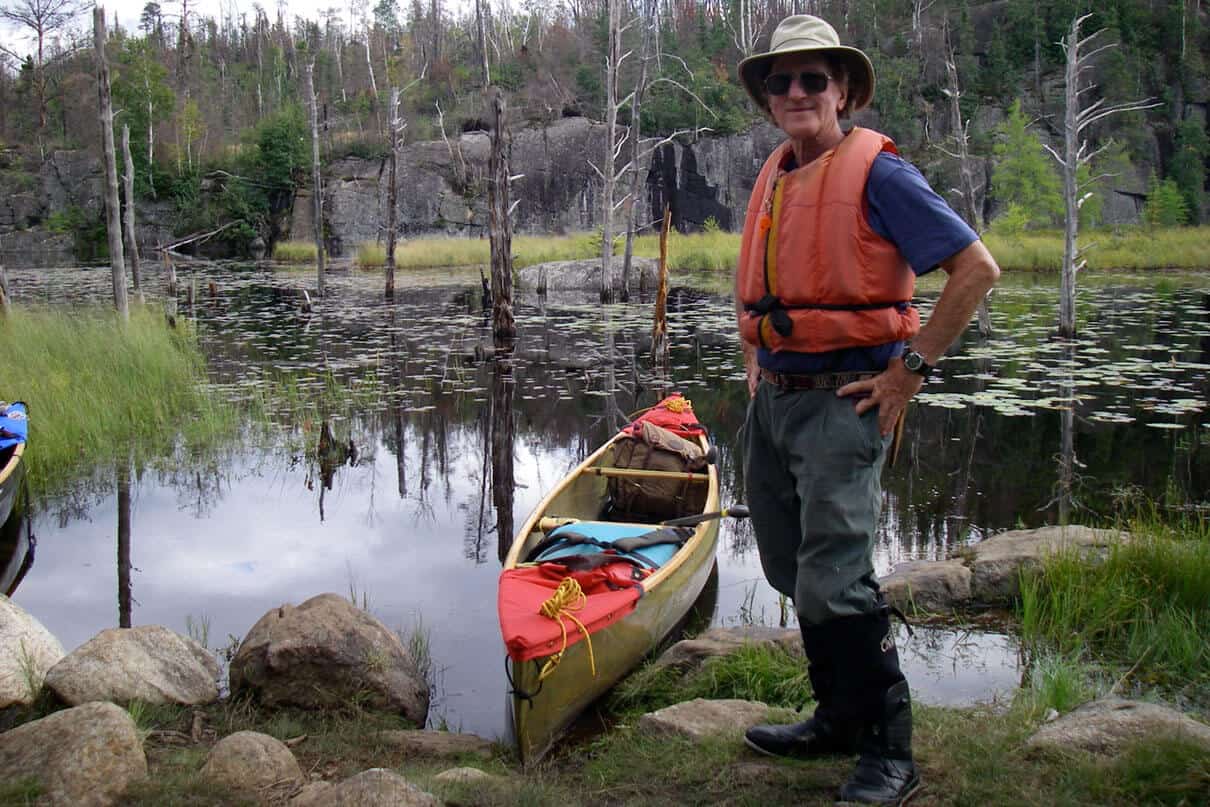
Kevin Callan is the author of 20 books, including the bestselling The Happy Camper and Wilderness Pleasures: A Practical Guide to Camping Bliss. His Butt End column explores the lighter side of canoeing and appears in every issue of Paddling Magazine.
 This article was published in Issue 75 of Paddling Magazine.
 Write about it and they will come. | Feature photo: Colin Field