

There’s a glaring statistic in recreational boating: According to the U.S. Coast Guard, in 87 percent of boating-related drownings in 2024, the victim wasn’t wearing a personal flotation device. That number has been consistent within one or two percentage points for decades. Each year, paddlers account for one-quarter to one-third of those drownings.
Even with these hard numbers, it remains an upstream battle for agencies to convince every paddler on the water to wear their PFD. Anecdotally, lack of wearing a PFD appears especially common for activities including standup paddleboarding, flatwater kayaking and kayak fishing, where freedom of movement and even the lifestyle image of these sports has led to cumbersome PFDs being tucked under a bungee. The U.S. Coast Guard and Transport Canada are wagering they can change bad safety habits and dangerous figures with the recent approval of a class of PFD called Level 50.
What are Level 50 life jackets?
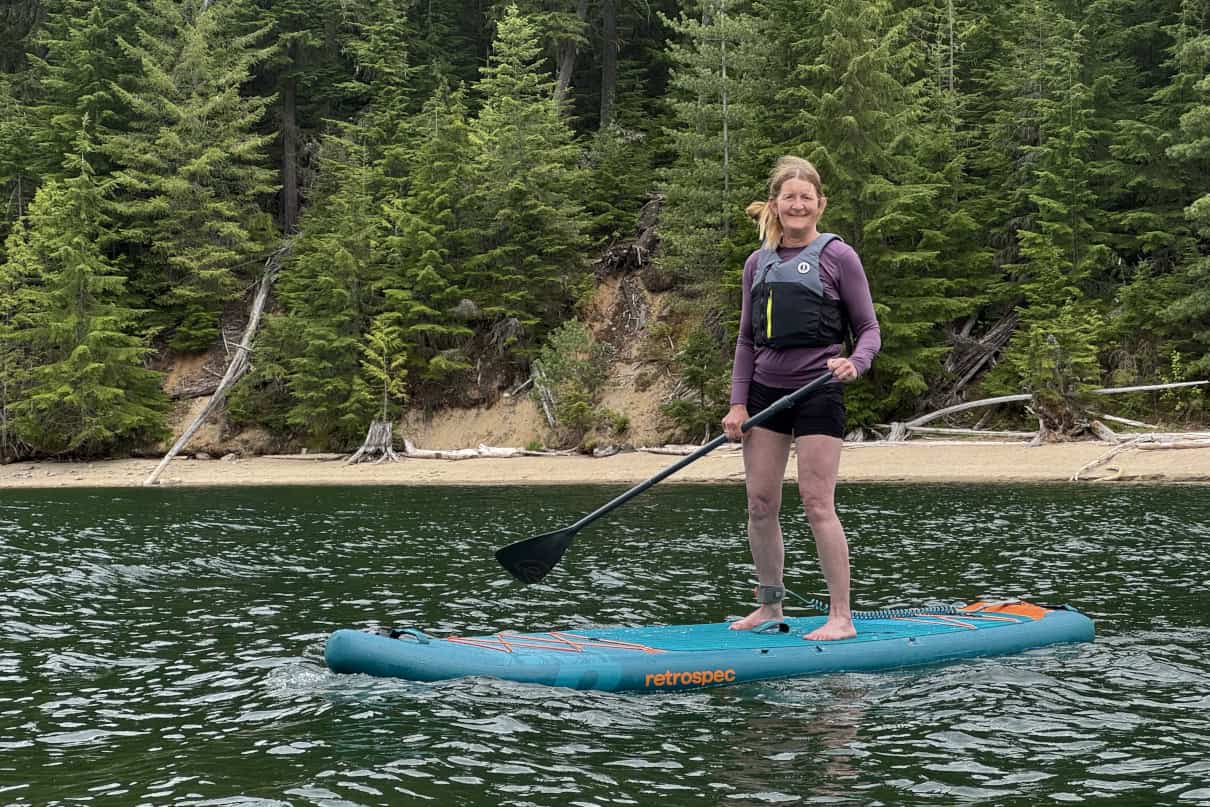
Level 50 buoyancy aids are just like your traditional PFD, the only major difference being they are meant to provide a lower profile to be more comfortable and entice more paddlers to wear them. That means they have less flotation than your traditional Level 70, Type III or Type V life jackets. These Level 50 PFDs are also already used internationally for specific applications and will now meet Coast Guard requirements for certain uses and conditions.
It’s also important to start a conversation around these devices by saying that while the term “life jacket” gets thrown around often, most of the buoyancy devices paddlers use are not technically life jackets, since they are not designed to turn a person face up, regardless of their physical condition. They are instead buoyancy aids, which, along with life jackets, are all forms of personal flotation devices.
As the name hints, Level 50 jackets are performance-rated personal flotation devices that provide at least 50 newtons of buoyancy, which is around 11 pounds of flotation. For comparison, most recreational PFDs for adults are currently rated at 70 newtons or around 16 pounds worth of flotation.
If you’re wondering where something called Level 50 fits into the traditional Coast Guard rating system of Type I, II, III, IV and V, that’s a great question. Whether you’ve noticed or not, the U.S. Coast Guard started integrating the performance-based newton system alongside the established “Type” system back in 2014. The idea is to make selecting a PFD more intuitive and to align U.S. standards with Canada and other countries.
The Level 50 standard was approved and added to the list in 2025. And now the rankings are standardized from a minimum newton performance to a high end in the order of: Level 50, 70, 100, 150, 275.
There is just one other catch with the usage of a Level 50 PFD: with the lower flotation amount built in, a paddler needs to be actively wearing the jacket for it to meet legal carriage requirements. That means if you buy a Level 50, you can’t just bungie it to the deck of your kayak or SUP. You have to wear it.
Where to find a Level 50 buoyancy aid
While Level 50 aids were approved as acceptable flotation by the U.S. Coast Guard back in 2025, no products have been manufactured or tested yet for approval in the U.S. or Canada. However, Level 50 PFDs have already been in production for international use by brands including Mustang Survival, allowing U.S. paddlers to catch a glimpse of what these buoyancy aids look like in use. The current Level 50 options are ISO-approved and meets the ISO12402-5 international standards. However, when using one of these current products in North America, boaters must also have a Transport Canada or U.S. Coast Guard approved device with them.
Who should wear a Level 50 PFD
If you’re deciding whether a Level 50 PFD is a good option for you, there are a few other factors to consider. First, Level 50 devices are an option recommended for active watersports near shore or in areas where you are comfortable and prepared to self-rescue quickly. For paddlers, this looks like kayaking and canoeing on sheltered waters, SUPing near shore or kayak fishing on similar waters to the previously mentioned.
Also, Level 50 PFDs are recommended only for good swimmers in protected waters, and are not recommended for poor swimmers, non-swimmers, or situations where help is far away.
Even with the approval of these new Level 50 PFDs, paddlers will still ultimately need to decide if these devices or higher flotation PFDs are the right fit for their abilities and the water conditions. The hope, though, from officials and water safety advocates is that with this new classification, more paddlers will find a device they feel comfortable actually wearing on the water.
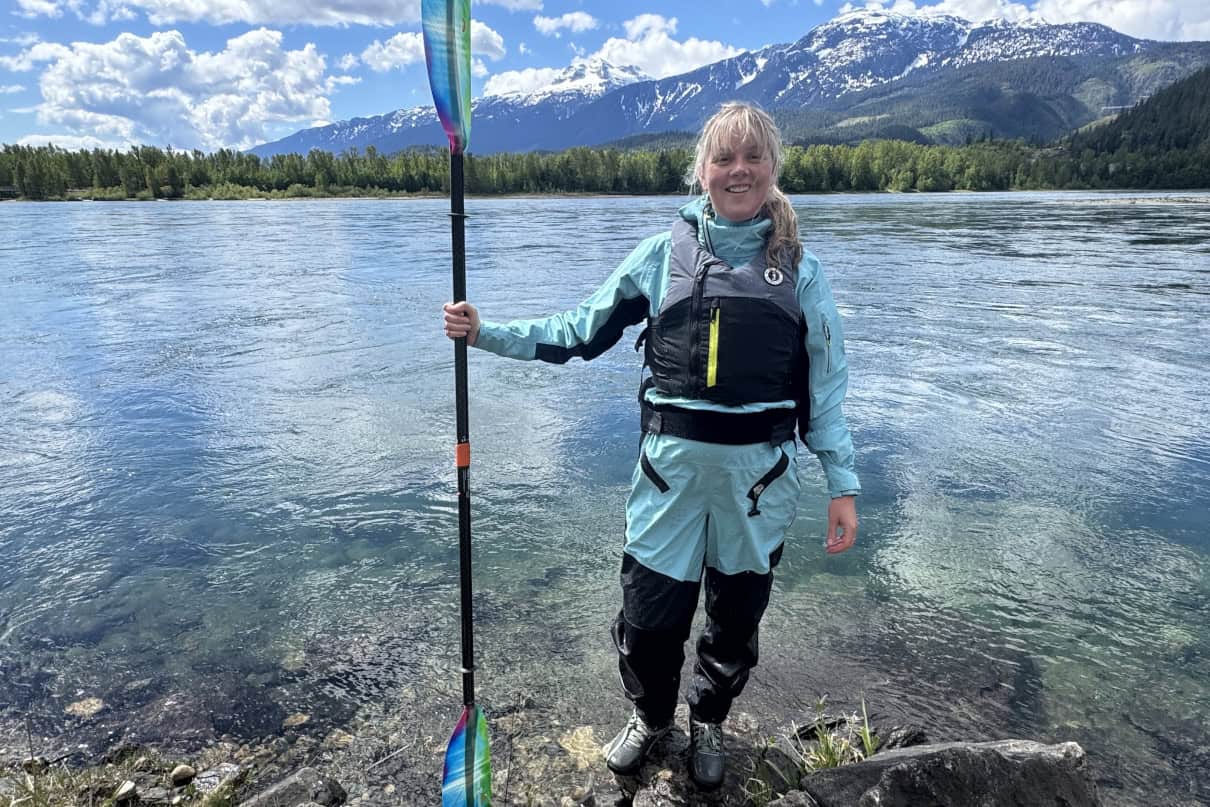
FAQ – Level 50 life jackets
With the approval of Level 50 PFDs, U.S. paddlers will soon have another option to keep themselves safe on the water. Here’s more info about the latest class of buoyancy aids.
What is a Level 50 life jacket?
A Level 50 buoyancy aid, sometimes called a Level 50 life jacket, is a lower-profile personal flotation device designed for comfort and freedom of movement for certain water activities that meets the U.S. Coast Guard’s new standards.
Do Level 50 PFDs count as my required flotation device on a boat or paddle craft?
Yes, but only if you’re wearing it.
Who are Level 50 PFDs for?
Level 50 PFDs are recommended for good swimmers taking part in paddling activities in protected waters where help is accessible.
Can kids wear Level 50 PFDs?
Yes, children can use Level 50 buoyancy aids, as long as they are also good swimmers and in protected waters.
Are Level 50 life jackets available now?
No Coast Guard-approved Level 50 PFDs are available yet in the United States. Level 50 buoyancy aids are expected to reach U.S. stores in 2027.
Why is it called a Level 50 buoyancy aid?
The name comes from the amount of flotation measured in newtons. A Level 50 PFD has 50 newtons or about 11 pounds of buoyancy. By contrast, many recreational PFDs available currently have 70 newtons or about 16 pounds of flotation.
Is a Level 50 buoyancy aid as safe as a Level 70 life jacket?
Any PFD is only safe if you wear it. A Level 70 has more buoyancy than a Level 50 buoyancy aid, but either provides adequate buoyancy for its intended use by good swimmers in protected waters.
I have a 50-newton life jacket from abroad. Do I need to replace it with a U.S. Coast Guard approved Level 50?
Yes. To comply with U.S. requirements, you must have a U.S. Coast Guard approved flotation device.
Do I need to replace my old Type III life jacket to meet the new Level standards?
If your current life jacket is U.S. Coast Guard approved and in good condition, there is no legal requirement to replace it.
Learn more about the new Level 50 life jacket U.S. Coast Guard standards by visiting the Water Sports Foundation.
Feature Image: Cristin Plaice









Has there ever been any kind of thorough discussion on the utter stupidity of the U.S. Coast Guard and Transport Canada allowing paddlers to have a life jacket with them but not actually have to wear one?
I realize that many of the small boating rules are merely derived from those of much larger boats where, for example, it’s perfectly reasonable to have life jackets stored underneath comfy seats or in a muster station closet, but, once a paddler has fallen into water, their life jacket is of little use.