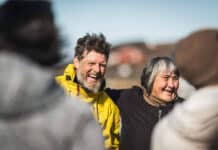
Bobbi Rose Koe grew up hearing one rule above all others: “If you look after the land, the land will look after you.”
Koe is Teetl’it Gwich’in—which means “People of the Headwaters”—and was raised by her grandparents in Fort McPherson, Northwest Territories. Much of her life has been spent on the land, learning from them. After becoming the first Gwich’in canoe guide, she turned her focus to building opportunities for others. Through her company, Dinjii Zhuh Adventures, she now mentors Indigenous youth to lead trips on their own homelands, helping reshape northern river tourism from the inside.
Bobbi Rose Koe is reshaping Northern river tourism
Koe’s leadership began early. At 16, while most teenagers were figuring out how to sneak out of the house to party, she was negotiating water rights and learning about the land. She recalls one pivotal moment that shaped her path. While attending a meeting about the future of the Peel Watershed with her grandfathers, Robert and Abraham, Koe was encouraged to speak up. Not just for herself, but for all the people who live on the land and generations to come. The encouragement stuck with her.
From that point on, advocacy wasn’t optional; it was responsibility.
The Wind River is one of the seven sacred rivers of the Peel Watershed, which flows through her grandparents’ homelands, an area that was once threatened by mining interests. Koe played a role in the campaign to protect it, helping secure the preservation of roughly 83 percent of the watershed. It was hard-won and deeply personal.
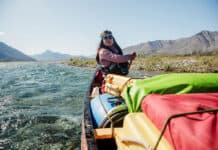
Her path to becoming a river guide began in 2015 on a trip down the Wind River. “On that trip, I realized my grandparents taught me a lot, and I was teaching a lot too,” she says.
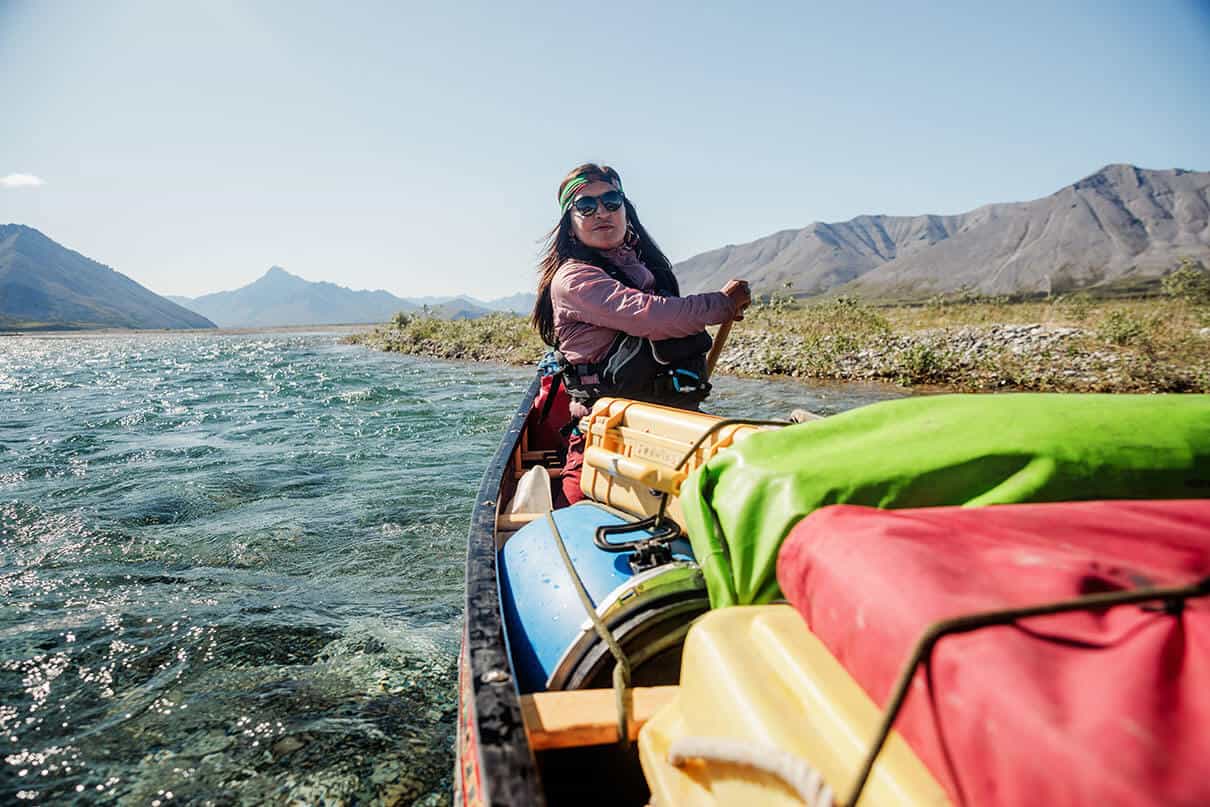
The journey was transformative, and it revealed something missing. Northern rivers were often paddled, photographed and shared with the world without Indigenous guides or narratives shaping them. Koe dreamed that one day, people would paddle these rivers alongside Indigenous guides, learning about the territory from those whose ancestors have lived there for thousands of years.
That dream became reality when she became the first Gwich’in canoe guide. She now works closely with Nahanni River Adventures and Canadian River Expeditions.
To make sure she wasn’t the only Indigenous trip leader, Koe founded Dinjii Zhuh Adventures in 2021, becoming one of the first Gwich’in women to launch an outdoor adventure company. The goal wasn’t just to guide trips, it was also to create pathways. Dinjii Zhuh Adventures trains Indigenous youth, inspiring the next generation, and creating a sense of belonging in spaces where Indigenous presence has often been overlooked.
“We’re not just training river guides,” Koe says. “We’re training the next leaders and elders.”
In 2025, Dinjii Zhuh Adventures celebrated its second cohort of river guides after a seven-week program followed by a river expedition.
“It feels good,” Koe says. “When I first started, there weren’t many Indigenous people known as river guides.” Today, her trainees paddle rivers across the Northwest Territories and Yukon, sometimes guiding on their own traditional territories.
At its core, Koe’s work is about connection, ensuring visitors, filmmakers and outfitters work in ways that benefit local communities. “These places are alive with memory, and we are part of them,” she says. There is still work to be done, but Koe has seen how change can happen when businesses are willing to listen, learn and find qualified Indigenous guides.
When she reflects on her mentors, one value stands out: commitment to being on the land. “The more Indigenous people on the land, the better the world will be,” she says, and the better the paddling stories too.
Pretty Frickin’ Deadly, a short documentary by Hangtime Productions profiling Bobbi Rose Koe, is set to premiere in April 2026.
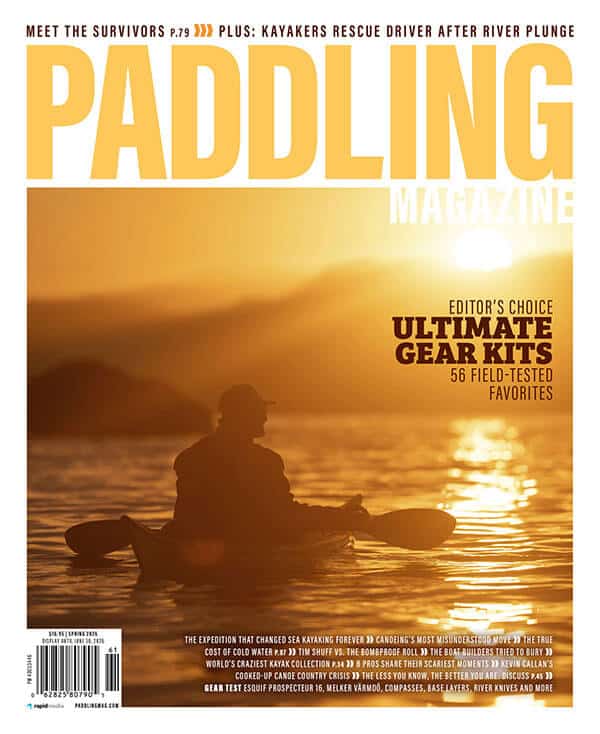 This article was published in Issue 75 of Paddling Magazine.
 A short documentary profiling Bobbi Rose Koe premieres in April 2026. | Feature photo: Taylor Burk