Home Blog Page 168

Karl Kruger On The Transcendental Nature Of Paddleboarding

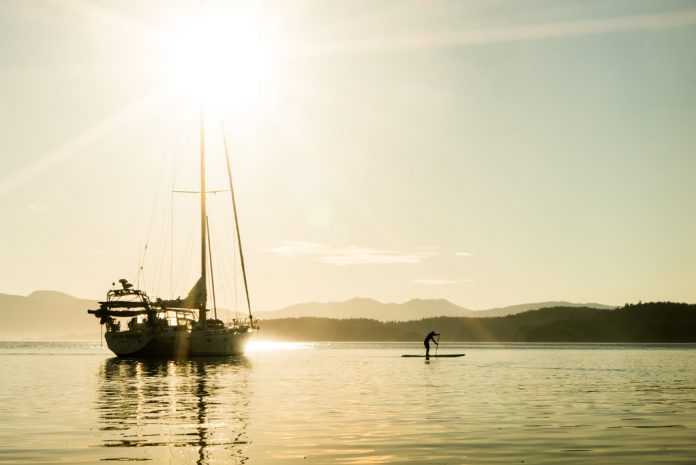
Sailboat and paddleboarder on the water
When not paddling, Karl Kruger is at home on his sailboat, Ocean Watch. | Photo by: Liv Von Oelreich

In June 2017, after a couple of days of paddling up the Strait of Georgia from Victoria, British Columbia, in the annual Race to Alaska, Karl Kruger pulled into Campbell River on his custom 17-foot, 4-inch standup paddleboard for a short resupply and rest stop. He ate a burger and bought a few rolls of athletic tape for his hands—both permitted within the rules of the unsupported, non-motorized 750-mile race from Port Townsend, Washington, to Ketchikan. Then, despite the gale warning issued by the weather service, and the fact most of the sailboats in port for pit stops were tying extra lines to wait out the approaching storm, Kruger put on his wetsuit and headed back onto the water.

He slipped through Seymour Narrows during the slack tide, bolted up the rest of Discovery Passage and angled into Johnstone Strait in time to catch the ripping southeast wind. With the gale at his tail, Kruger surfed the strait, riding waves and covering 72 miles in 13 and a half hours. He reached Ketchikan in a total of 14 days, becoming the first—and still the only—paddleboarder to complete a race billed as an oceanic Iditarod.

Onto the next challenge

This past July, Kruger drove 2,400 miles over four days from his home on Orcas Island, Washington, to Tuktoyaktuk, Northwest Territories, with a custom 18-foot, 4-inch board on top of his truck. He was planning to embark on a 1,900-nautical-mile solo paddleboard expedition through the Northwest Passage, a trip that would not be conceivable without the warming impacts of climate change. Kruger had trained and prepared for the journey for two years.

An experienced climber, skier and sailor, the 47-year-old waterman has spent countless hours pushing himself, often alone, in cold and wet places. With his skills and knowledge, bolstered by food and gear sponsors and months of punishment in the gym, paddleboarding through the storied Arctic sea route from Tuk to Pond Inlet, Nunavut, felt like a natural progression. An act of defiance against a rectilinear world in which we have become so detached from the wilderness and so dependent on technology we are rapidly, and perhaps irrevocably, losing touch with the physical and mental qualities making us human.

But as Kruger passed through Inuvik on the Dempster Highway and arrived in Tuk, doubts that had been bouncing around in his mind crystallized into grave concern.
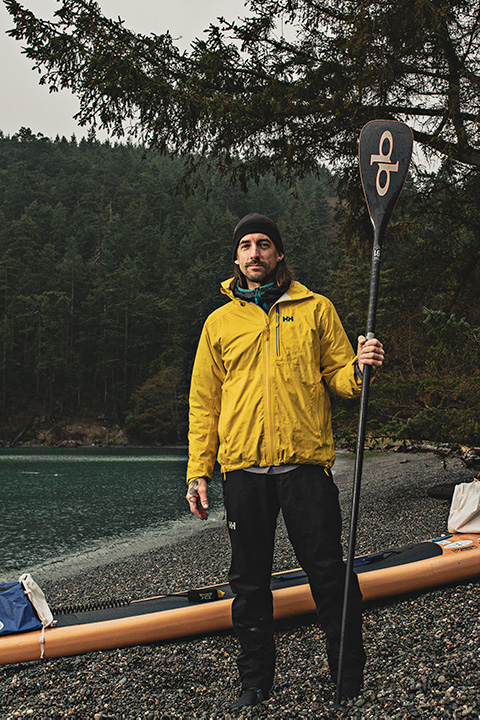
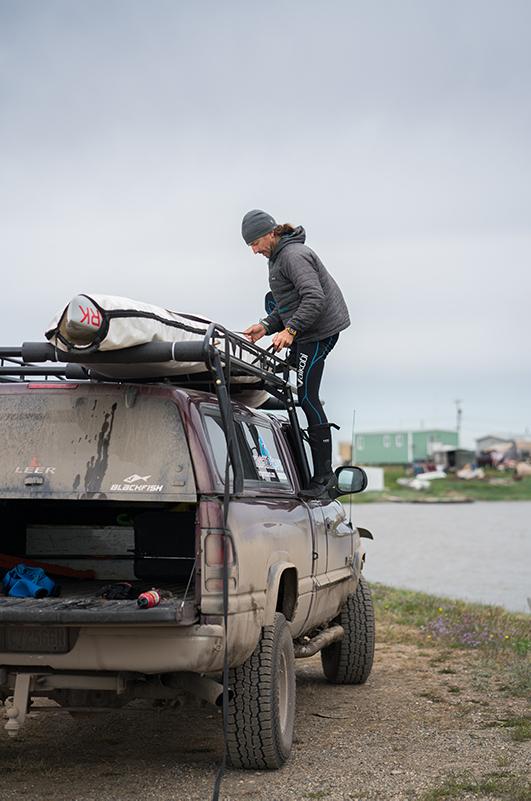
The cost and logistical puzzle of mailing food drops to Inuit communities along the coast meant he would have to pick a pair of resupply points and straight-line between them with a loaded-down SUP. The ice was opening up slower than predicted, which could leave him stranded somewhere for a couple weeks—a problem for someone with limited funding and limited time, considering the carpentry and sailing charter businesses he runs and had left on cruise control. Plus, he was meeting people in the Northwest Territories who he had tried but failed to connect with on the phone over the previous months. When they talked in person and started to understand Kruger’s mindset and motivation, they offered to organize invaluable support, such as stashing his food caches at fish camps throughout the passage. This would allow Kruger to travel light and spend time meeting with locals along the route. So, after a sleepless night in Tuk, Kruger made the gut-wrenching decision to postpone his paddle across the top of Canada until July 2020.

In Campbell River, he weighed the risks and opted to test and trust himself in the storm. But on the shore of the Arctic Ocean, overriding a burning urge to get started, he knew the right choice was to pack up his truck and drive south. When the water mediates your interactions with everybody and everything, you have no choice but to embrace the messiness of life and the healing power of ancient rhythms.

[ Paddling Trip Guide: View all paddleboarding adventures ]

The formation of an endurance paddleboarder

Kruger grew up with a paddle in his hands in New York’s Adirondack Mountains. His half-Austrian, half-Algonquin father, Carl Haischer, was a forester and hunting and fishing guide whose ancestors migrated south from Quebec in the mid-1800s. Orphaned and abused as a child, Haischer imparted both violence and a timeless connection to the outdoors. He pushed his young son brutally on marathon hikes and climbs, summiting high peaks without trails. He kicked the boy out of the car and forced him to walk barefoot for miles on a gravel road. He whipped him with a belt. Once, he took a sharpening stone and rubbed it against his son’s wrist until it was grinding into bone. He also beat his wife. During one awful attack, Kruger sat upstairs in his room listening to his father’s yelling and mother’s screaming, a shotgun across his knees, ready to shoot the old man. The police took Haischer away that night.

“My dad was a monster,” says Kruger, who, the day he turned 18, legally changed his name from Carl Haischer Jr. to Karl Kruger, swapping the C for a K and taking on his mother’s birth name.

“I hated him. But I also owe him a debt of gratitude because of what he taught me about being in the woods and being on the water. He showed me how to read the stars and how to paddle without making a sound. The first time I entered flow state, I was with my dad. But I had to pay a lot for what I learned. I was 10 when he ground that stone into my wrist. He told me to say when it hurt too much—and it came to me in a flash that I was never going to tell him it was too much.

“He gave me power that day. I just planted my feet and stared. I showed him that I was stronger than he was. I don’t remember being whipped after that.”

Outdoor pursuits were Kruger’s escape. Despite its link with his father, nature was a salve. Kruger left home at 15, sleeping in his car and teaching sailing while managing to finish high school. He then drifted to California, where he taught windsurfing and discovered surfing. But Kruger experienced culture shock on the west coast, so he moved back east and then followed skiing and climbing guiding gigs around the United States and up to Alaska. An itinerant dirtbagging existence was the only way he knew how to stay sane.

Eventually, he studied ecology at woodsy Paul Smith’s College in the Adirondacks, where students could borrow canoes outside the library. Then he transferred to Western Washington University, on the edge of the Pacific in Bellingham, where he majored in environmental science. At university, Kruger met a woman and fell in love. They settled on Orcas, had a baby and started a carpentry business to finance their sailing charter business. Both companies are successful; the marriage was not. When Kruger did the Race to Alaska in 2017, he was feeling increasingly drawn to a life at sea, while his now ex-wife, an intrepid sailor but also a dancer, was rooted on land.
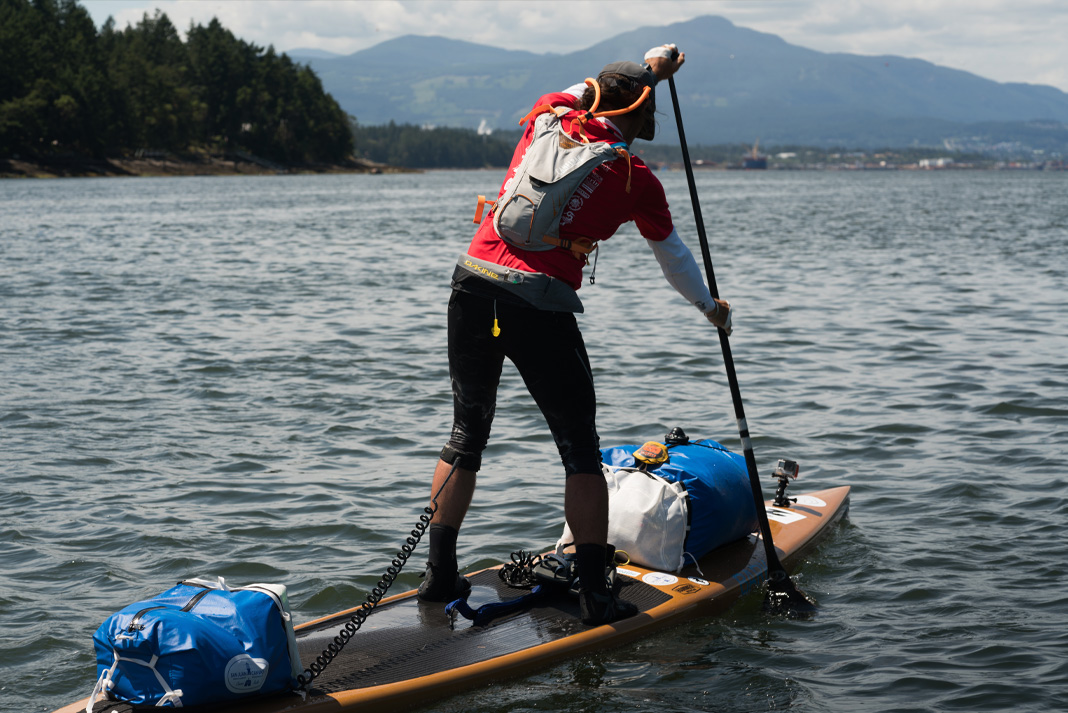
Man on paddleboard with gear strapped down
On course during the 750-mile Race to Alaska with SPOT satellite communicator front and center on his gear | Photo: Liv von Oelreich

Moving to the west coast expanded Kruger’s world. During a surf trip with friends on Washington’s Olympic Peninsula in 2010, he was introduced to paddleboarding. A friend hooked Kruger up with a board and he took it for a spin. He was gone for three hours and never looked back. Kruger experimented with different stroke techniques, skipping work to downwind whenever a system blew in. He entered races throughout the region and trained by circumnavigating Orcas and other islands in the San Juan archipelago. He was drawn to distance, not speed. Although Kruger had no idea how dramatically SUP would change his life, the connection to nature it bestowed was instant and intense.

“I love the fluidity of movement, the fact you’re using your whole body—right from your toes to your fingertips, every little thing is singing,” he says. “You’ve got this rhythm. Then there’s your breath. It’s meditative.

“We crawled out of the water a long time before we walked,” he adds. “It’s integral to who we are. I love looking into a fire as much as the next guy, but to me, the pattern of wavelets washing over the nose of my board is more primal than fire. It’s transcendental. I’ve done the 24-7 climbing thing, and I loved it, but water is different. It’s a living, breathing thing that spans the globe, with new conditions every minute. To be on a paddleboard in that unfiltered way, with so little between yourself and the environment, you’re so connected to it. To me, it’s the most satisfying form of being on the water. All my life, I’ve had to react quickly. On the water on a SUP, everything slows down.”

During the Race to Alaska, paddling up a coast he knew intimately from dozens of sailing trips, Kruger’s affinity for SUP grew even stronger. More than any other outdoor pursuit, it made him feel whole.

“When I’m out paddling, that is my heaven, that is when every fiber of my being feels at home,” he says. “There’s absolutely nothing to worry about, because it’s all out of my control. All I have to do is keep paddling. As painful and horrific and scary as all of the shit was with my dad when I was a kid, I wouldn’t trade it for anything, because it enabled me to fly higher. There’s nothing nature can do to me that will hurt as bad. When I paddled to Alaska, it was easy. All I did was go for a long paddle, like millennia of paddlers did on the coast before me.”

Nature as healer

When Kruger arrived in Ketchikan at the end of the 2017 Race To Alaska, he wanted to keep going. That’s where his plan to paddle the Northwest Passage was born. While he admires Chris Bertish, the South African adventurer who crossed the Atlantic Ocean on a modified SUP two years ago, Kruger loves traveling along coastlines and finding little nooks for making camp. The north’s midnight sun will allow him to paddle when conditions are decent, and to rest and eat when it’s too windy. Conversations with hunters in Tuktoyaktuk convinced him a small handgun should be enough to scare away polar bears. And fishers told him that a small net, set before going to sleep, should provide plenty of Arctic char when he wakes up.

The Northwest Passage appealed to Kruger because he prefers the cold to heat. It feels like the alpine even though you’re on the ocean. He’ll have to adjust to vastly different tidal conditions, but that dynamism is part of the draw, as is the prospect of being alone in the wilderness for days on end.

“Nature is the only home I’ve ever had,” says Kruger. “When I wake up and hear waves crashing, when I see a whale or weather patterns and currents work—it’s like I’ve surrounded myself with all these details in lieu of fitting in anywhere else.

Humans have been evolving for thousands of years to interact with nature, and in two short generations we’ve lost that. Now, we’re all stuck behind our computers and are messing with our phones. My joy while paddling to Alaska was slipping back into the skin of what it means to be a human being and moving through this environment happily and safely and comfortably. Not to survive but thrive.”

Kruger was profoundly disappointed when he postponed the expedition. However, he has come to see the extra year of waiting as a small wobble in the grand spin of his universe. It gives him more time to study ice conditions. To fine-tune his strength and stamina training. To line up more sponsors. To sort out the logistics of food drops. He speaks about “Kodak courage”—when athletes succumb to the pressure to perform and risk getting into dangerous situations.

Instead, he’s preparing painstakingly for a journey that can be seen not only as an act of personal healing, but also an attempt to inspire others to rekindle our fractured relationship with nature.

Ottawa, Ontario-based writer Dan Rubinstein has written for The Economist, the Globe and Mail, Cottage Life,  and Canadian Geographic, where he worked as the managing editor.
Self-Supported Tandem Canoe Mission Down The Grand Canyon

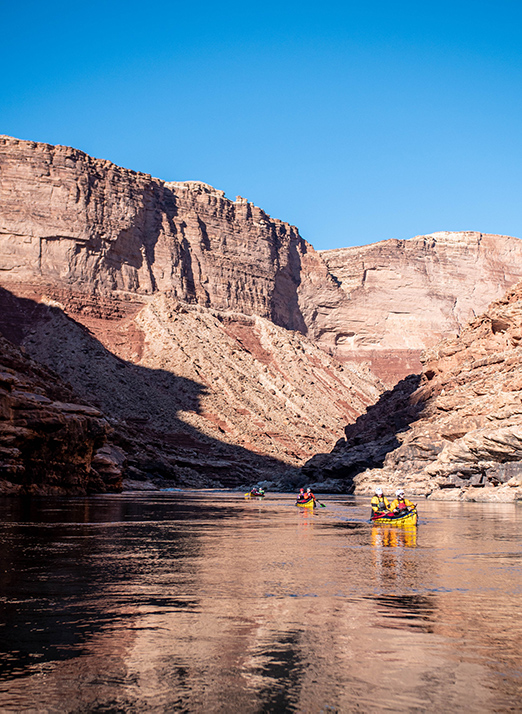
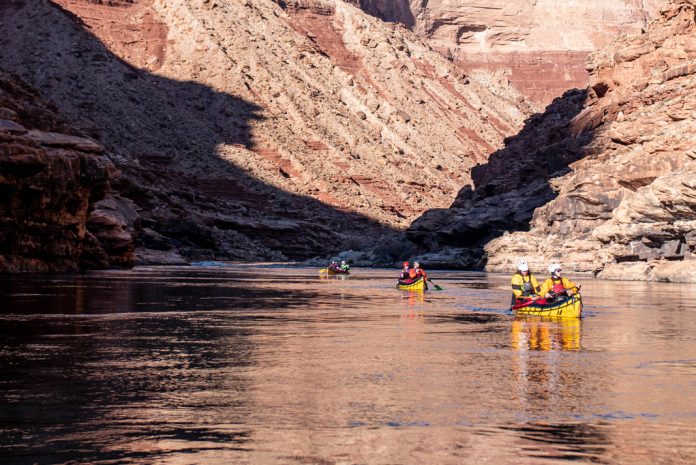
Canoes on river with canyon walls on either side
The search for the warm of the sun was constant as winter temperatures dropped close to freezing each night. | Photo: Caleb Roberts

I grimace, hold my breath and force the barrel
to close. “Shitter is full!” I call to the group.
It’s day 10 of our 26-day Grand Canyon tandem canoe trip. I just filled our second olive barrel to maximum capacity. Much to the glee of each paddler’s inner child, the most common question we were asked when planning the first-ever known self-support tandem canoe trip down the Grand Canyon was regarding the technicalities of pooping. As a national park with over 30,000 river users per year, Grand Canyon river trippers have to pack everything out.

Everything.

Eighteen months after the idea of a Grand Canyon trip landed in my imagination courtesy of my friend Caleb, I won a permit. The launch date was just two months away, on December 30, 2019. It was last minute, but we put down the deposit and started calling friends.

We gathered fellow Black Feather guides Rob and Margaret, as well as whitewater paddlers Ayden, Christian, Alex and Jérôme. Between us, the group had seven certified Wilderness First Responders, one emergency room nurse, two ski patrollers, two river rescue instructors, four canoe instructors and two whitewater kayakers. We all wanted to be paddling, not sitting on a raft. It was only when our research led to dead ends, we realized nobody seems to tandem canoe the Grand Canyon. We’d have to source the equipment and pack the food ourselves.

Canoes on river with canyon walls on either side
The search for the warm of the sun was constant as winter temperatures dropped close to freezing each night. | Photo: Caleb Roberts

A paddler herself, our boss at Black Feather generously offered to support us with canoes and equipment. With equipment secured, we cooked chili and curry after school well into the night and switched trays on the three dehydrators before work. We discovered despite the nay-sayers online, it was indeed possible to fit 26 days of food in four tandem canoes.

Setting out

After 43 hours of driving in cars so loaded the suspension was non-existent, we set off on the Colorado River in late afternoon. The sun sank behind the humble beginnings of canyon walls, and we turned our headlamps on for the 300-meter float down to our first campsite. Now on the river, the day felt like a success.

“Shotgun first on the toober,” Caleb calls. He disappears into the boulders, claiming the glory of being the first to test out our toilet.

Our system, which is similar to a raft trip’s groover but somewhat more tubular in shape and affectionately called the toober, consisted of eight olive barrels, 312 doggie bags, one PVC pipe and paper bags for toilet paper. The doggie bag gets wrapped over the lip of the pipe, for structure and ease of aim. When business is done, the bag gets removed, knotted tightly, placed into a communal Ziploc bag, and then stored in a garbage bag-lined olive barrel. His head popping up behind the rocks, Caleb declares the system approved and offers it up to the next in line.

Our first morning on the river, packing the canoes is a time-consuming task as each team learns how to balance their boat perfectly. We all fidget drifting in the current, tilting this way and that, getting a feel for the river ahead.

Rounding a bend, the early afternoon sun bounces off the surreal cream-colored water of the Little Colorado River, washing the entire scene in a halo. I tilt my head up, way up to the canyon rim. I squint—somewhere up there is the spot that nearly fed a gondola cable right across my vision.

Grand Canyon Escalade was an entertainment complex proposed on the eastern rim of the Grand Canyon. A gondola was to bring an estimated 10,000 people per day in and out of the canyon at this confluence. In three days, this would have delivered as many tourists to the confluence as an entire year’s worth of river travelers, but the project was canceled in its final stage of approval. As the ashy water shimmers in front of me, I imagine how a 10-minute gondola ride to the distant line of the canyon rim would have shattered this wilderness.

I’m overwhelmed by gratitude: gratitude for being here, and for the established system restricting the number of footprints left in the canyon. The weighted lottery system, put in place in 2006, prioritizes applicants who have not done the river recently. In the months after the main lottery, dates not spoken for are re-drawn in follow-up lotteries. It’s a system my friends and I cursed month after month as we applied more than 12 times.

Group of paddlers posed for picture with canyon wall in background
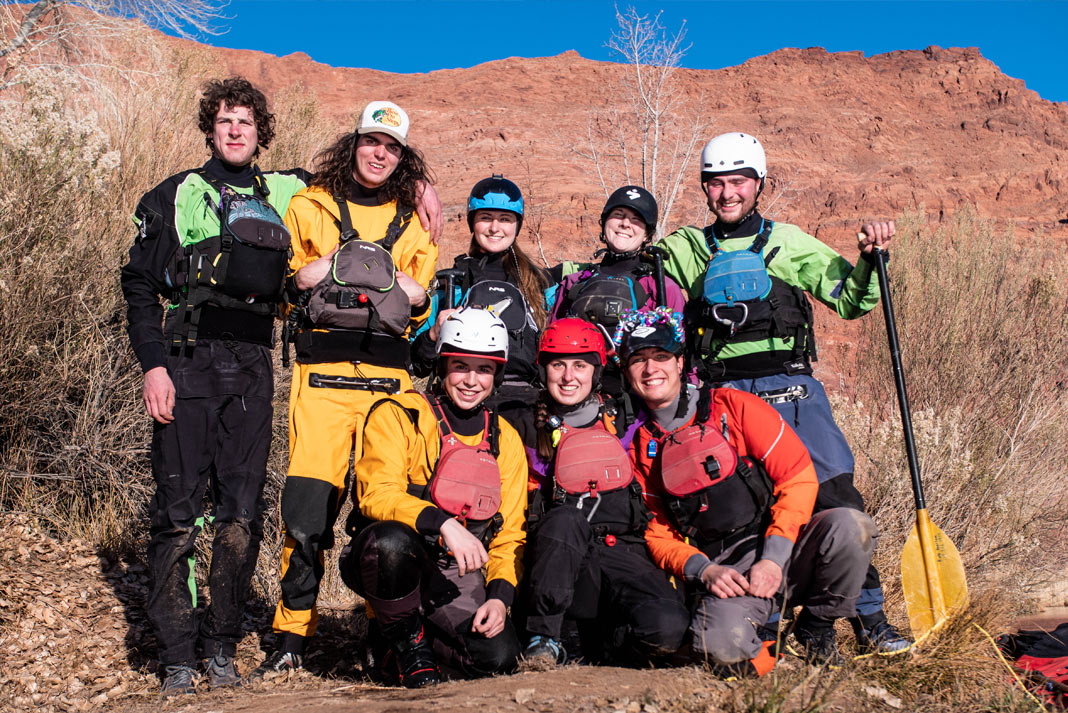
The crew at Lees Ferry—top row from the left is Caleb, Christian, Ayden, Margaret and Rob. Bottom row is Alex, Willa and Jérôme; Ayden and Jérôme on a classic right to left line through Horn Creek rapid. | Photo: Caleb Roberts

Yet, my feelings changed during our first week on the river. I am grateful for the strict regulations and difficulty of obtaining a permit. Standing with my toes touching the ethereal water of the Little Colorado, my mind wanders back to the past seven nights on the river. Each camp has been pristine. While sandy footprints leave hints of others’ river travels, there is not one fire ring, plastic wrapper or stray piece of toilet paper revealing the people who have gone before us.

Taking on the rapids

Downstream, we catch sight of a raft group breaking camp after breakfast. As we wave and cheer, they watch in confusion while our raft-less group disappears over the horizon of Unkar Rapid. Sunshine blinds me, revealing little other than sparkling waves bouncing off the cliff face. As we crest a wave, I feel the bow jerk out from beneath me. Thigh straps press against my legs, keeping paddler and canoe connected. I look up to see the bluebird sky replaced by a towering wall of frothing water looming over my head. I tuck my face towards my chest just as the wave flattens me to the deck of our canoe. I feel the impact of reconnecting with the seat, and then air on my face again. I scramble for an inhale, blow water out of my nose. We’re upright!

The boat shifts back to flat, and I turn around for a paddle high five and see Caleb’s grin matching mine. We meet the other paddlers in the eddy and help each other empty our loaded tripping canoes. This teamwork becomes the cornerstone of our trip: there is no space for ego on the Grand Canyon. The river and the weather keep us humble day after day.

Winter shade creeps into the canyon, and often we jump around to warm up after the splashes soak us. This is the reality of a winter Grand Canyon trip. Despite the perpetual chase for sunlight, a winter permit boasts the advantage of longer permit lengths, campfires and the river less traveled.

In 2019, more than 640 commercial trips launched between April and October, but winter months are reserved for noncommercial trips. Otherwise, paddlers have to share the river with loud motor rigs, not to mention poisonous critters, such as scorpions and snakes. For us Canadians, the thought of poisonous bugs is scarier than the cold whitewater and constant shade.

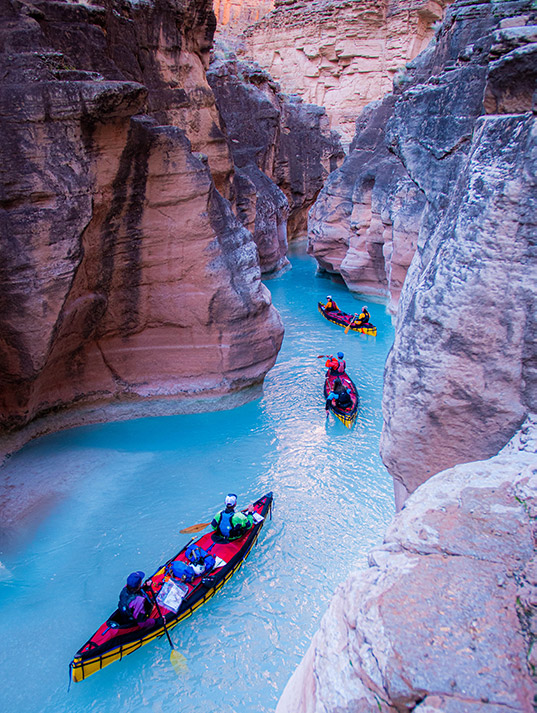
Canoes weaving through narrow canyon
Christian and Alex enjoy the morning light | Photo: Caleb Roberts

Unkar’s wave is foreshadowing of what’s to come. There’s a rapid waiting for us downstream, and it’s a famous one. Hance is an eight on the Grand Canyon’s 10-grade rapid classification scale. We scout from a goat path high up on a cliff. Christian reassures us it will “look small, feel big, and go well.”

Forty-five minutes later, Christian’s head is barely visible amongst the frothing, churning, white boils, as he floats beside his upside-down canoe. Indeed, Hance did look small and feel big—but could have gone better. After flipping following a mega stern tap in a huge wave, Christian and his paddling partner, Alex, climb on the overturned canoe, steering it through the remainder of the rapid. It’s not until they get to shore we notice the gash clean through the Royalex, from skid plate to gunwale. Two hours later, we’ve sewn it back up with wire and sealed it with gorilla tape, and we’re on our way again. There’s a lot of pride about the repair, but I feel a collective sense of dread—there are still 100 rapids to come in the next 17 days.

[ Paddling Trip Guide: View all canoeing trips in the United States ]

This feeling is hammered home by the six miles and the grade eight rapid remaining between us and the next campsite. With trepidation, we approach Sockdolager. It boasts the most foreboding horizon line we’ve ever seen, and one of the biggest waves any of us have ever hit in a tandem canoe. With two boats thoroughly swamped, everyone resurfaces downstream upright and full of relief. A few minutes later, we spot the small sandbar and land at our campsite and our home for a much-needed layover day.

With jubilation, we crack open celebratory brie and crackers, while the roar of our next rapid rings through our campsite. For the next 48 hours, the Mordor-like horizon line ominously frames the end of our sandbar. In the meantime, we pour celebratory whiskey and cheers to the epic day. We are, after all, on a personal trip.

A paddling guide’s vacation

“I’m not getting paid!” is a common exclamation. With half the group working as paddling guides, most of us would say we have our dream job. However, there is a certain amount of glee from bailing on hiking plans to drink another cup of coffee. Or watching the sun filter down the canyon walls without getting out of bed. On multiple occasions, I catch myself curling my toes into the sand near the fire, savoring the sinful feeling of bare feet in a campsite. For most of us, it was our first personal canoe trip in five or even 10 years. These are sacred moments.

Over the next two weeks, daily routines become familiar. Everyone is at home with each other and our systems. The wrinkles are ironed out through trial and error, confidence builds through day after day of whitewater, and we are used to having perpetually sore necks from staring up at mile after mile of red canyon walls.

We’ve celebrated Jérôme and Alex’s 21st birthdays, and I giggle internally every time I realize they had their first legal U.S. drink in the Grand Canyon. Nerves ease off, but nobody’s thinking about the end yet. It’s the golden age of any river trip—when living outdoors has become comfortable, and I’m no longer bothering to count how many more times I have to poop in a tube.

Some days we only catch a glimpse of a raptor flying high in the sky, and other days we admire big horned sheep scampering along the riverbank. A ranger said the sheep were here, but that we wouldn’t see them. We saw more than 30 and wonder if the absence of loud, often rowdy raft culture was responsible. Sometimes we cheer elatedly and sometimes we float in silence, a comfortable ebb and flow of moods.

We scout as we would on any river, each rapid a new puzzle. As I examine the angle of each wave, contemplating the push of the current, I find myself forgetting there are thousands of feet of canyon walls above us, hundreds of years of history under our feet, and one of the most sought-after river trips stretching ahead of us.

Despite puzzling over wave angles and current direction, impromptu line changes and fun-seeking improvisation cause two boats to go over in Crystal, bringing the capsize count up into the double digits, and the tally of self-rescues along with it. By now, our self-rescue technique is refined.

Nearing the end

On day 20, we paddle through the famed Lava Rapid. Its reputation precedes it by a hundred miles. Jabbering and cracking jokes nervously, all four boats have clean lines, although Christian and Alex gleefully smash through the meat of the largest waves. We speculate it might not have been an accident.

Soon after catching our breath, we steer the canoes towards a sandy beach. “I see a human!” I exclaim. Indeed, a day hiker is just getting ready to head back to the canyon rim, where he has been camping in his Jeep. This is only the second place since the put-in where day hikers can access the bottom of the canyon. He asks how our trip is going and we stumble over our words, blubbering about the famous rapid we had just navigated. His stoke levels don’t come close to matching ours.

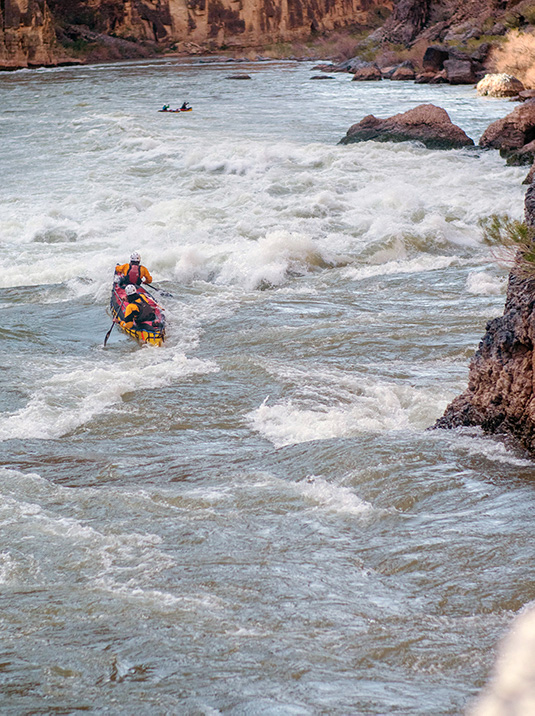
Canoes going through whitewater
Taking in the view from the Nankoweap Granaries—nearly 1,000 years ago, the Indigenous Puebloans moved grain from the river delta below to these “storage units” to keep it dry during floods | Photo: Caleb Roberts

“He just doesn’t get it,” I think to myself as he walks away. Looking around, I’m reminded these seven people get it. The rafters downstream, the kayakers upstream and the canoeists all across the country, they get it. These river people who put so much effort into obtaining permits, and the advocates who develop the regulations, they get it too. Candy wrappers scattered on the beach—the first piece of litter all trip—is a sign of people who don’t.

For 25 days, waves thundered off red cliffs. Paddlers and rafters cheered, firewood crackled and joyful whistles echoed off canyon walls. Now, an unfamiliar new sound.

The drone of the first helicopter is quickly followed by more. Little did we know from this point on the river until the silt flats, there would be at least seven helicopters in our field of vision at all times. We watch them touch down, shuffle tourists on and off a photography platform and take off, just as the next chopper comes in for a landing. It’s hard to believe these people will have a five-minute memory of what we had just experienced for nearly a month.

My mind shifts back to the strict regulations and 30,000 people who get to travel down the river each year. Maybe it’s a good thing helicopters allow these non-river people to experience this place without leaving footprints in the canyon, even if it’s only for an instant. While the idea of spending only five minutes here horrifies our group, maybe the sight of the red walls will help others feel the grandeur and humility of humans in nature. Maybe in their own way, they will get it. People protect the places they love.

[ Paddling Buyer’s Guide: Find all the gear for your next paddling trip ]

I look back to see the canyon walls fall away behind us. Our eyes struggle to take in the newfound expanse of sky. For more than three weeks, red cliffs have consistently framed the edges of our vision. Our necks all have matching knots in them, from staring up at the sandstone castles and amphitheaters cutting through the sky above us, tier after tier. We cross the last defined canyon ridge, and it reminds me of driving out of the mountains and into the prairies. The river begins to slow, and we enter the silt flats. Deposited by the flooded Lake Mead as a result of the Hoover Dam, it’s impossible not to stare upward, as 40-foot-tall silt banks tower over us, where rapids used to roar.

We float towards the take-out in the late afternoon sun, savoring the simple feeling of gentle current swirling underneath our canoe.

“As lovely as this is, could we start paddling toward the take-out? I have to poop!” Try as we may, toilet talk remains the overarching theme of the trip. Leave it to Margaret to give us closure and end the trip in such a fitting way.

Willa Mason is a Paddle Canada Instructor Trainer, and her tales of the canyon come to us from the home office of her minivan camper named Stan. You may have heard of her grandfather.

The Anatomy Of An Extreme Whitewater Racer

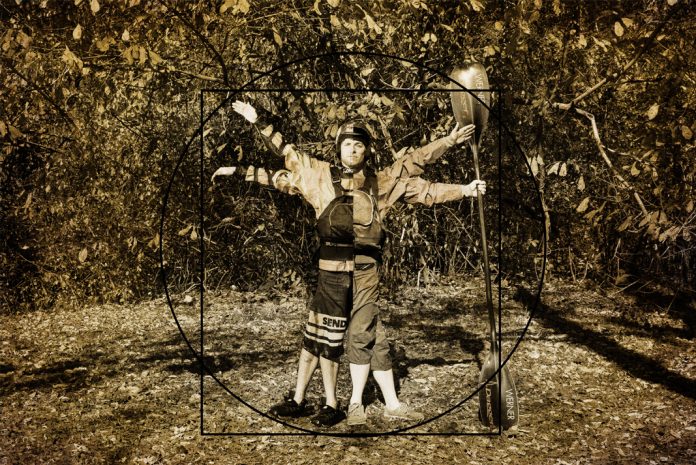
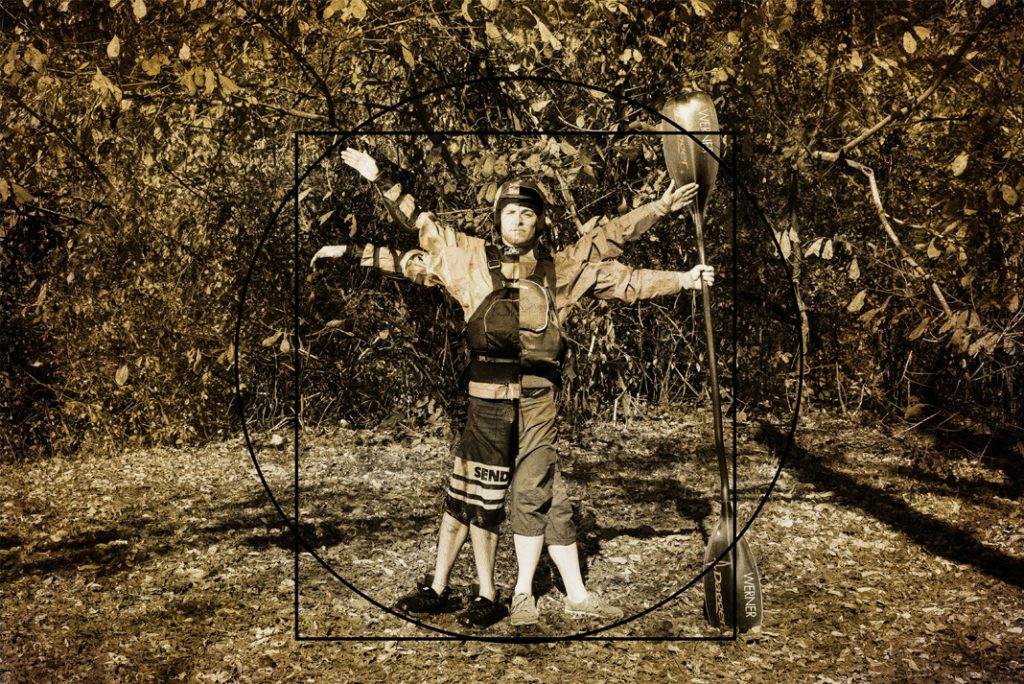
Man decked out in kayaking equipment with arms and legs in different positions.
Like the Vitruvian Man but with more smelly neoprene. | Photo: Regina Nicolardi

Last November, Dane Jackson won the Green River Narrows Race with a new course record of four minutes and four seconds. Dane is 5’7” wearing river shoes, with an arm span roughly one inch wider than his height, and weighs about 154 pounds. The 11-time women’s champion, Adriene Levknecht, is 5’2”, also has a wingspan around one inch wider than her height and weighs 130 pounds.

No matter the sport, spectator conversation inevitably drifts toward sizing up the players. In a boxing contest, it might be whether the challenger can slip inside the reach of the reigning champ. In a basketball game, it might be the height and reach of two opposing centers. Every sport has its element of advantage based on physical build of the players.

Can height, weight, arm span or some other attribute provide an edge when it comes to racing a plastic kayak through class V whitewater? Is there an archetype for an extreme whitewater racer?

Man decked out in kayaking equipment with arms and legs in different positions.
Like the Vitruvian Man but with more smelly neoprene. | Photo: Regina Nicolardi

Mainstream sports have studied this extensively. While body shape is, of course, not the defining factor in athleticism, researchers know elite swimmers are typically tall with long arms and big feet to move more water. The fastest marathon runners usually have light frames to go the distance. Similarly, Kentucky Derby jockeys are small in stature, while Olympic weightlifters tend to have relatively short arms and legs, which makes their bodies more effective levers.

Not surprisingly, there hasn’t been much research associated with the ideal physique for pounding Red Bull and careening down mountainside torrents as fast as lactic tolerance allows. But we can look to a similar paddling discipline for guidance—the Olympic slalom course.

The build of a slalom paddler

“Is there a suitable body profile for whitewater slalom specialization?” asks Jan Busta, a researcher of sports at Charles University in the Czech Republic. “Yes. Elite male canoe slalom paddlers and kayak paddlers have an average body weight of 165 pounds and height of 5’11”. We can characterize their somatotype as ectomorph-mesomorph.”

Busta published a research study in a 2018 edition of the Journal of Outdoor Activities titled, “Anthropometric, physiological and performance profiles of elite and sub-elite canoe slalom athletes.” He is a canoe slalom paddler himself and coach for the decorated Czech national team. He conducted the study using top male canoeists in the Czech Republic by taking a variety of body measurements and performing a battery of strength and fitness tests. The scientific phrase he refers to as somatotype means body shape. Ectomorph-mesomorph translates to lean and muscular.

The 10 finalists of the men’s kayak at the 2016 Olympics had an average height of 5’11” and a weight of 163 pounds, so Busta’s numbers are pretty spot on.

The build of an extreme whitewater racer

To gather some data specific to extreme racers, photographer Regina Nicolardi and I showed up at the take-out of the Green River Narrows to survey competitors before the 2019 Green Race in November.

Our survey included 28 racers across each class and included six of the top 10 overall finishers. We used a tape measure and a bathroom scale to measure height, arm span and weight. Paddlers wore their shoes and drysuits while the rain fell heavily in a typical autumn scene for the southeastern United States. Without a doubt, there is some margin for error in our work. But we hoped we might find at least a few figures that stood out.

Our findings: The mean height of a surveyed competitor regardless of boat class or gender was 5’9”, weight 172 pounds, arm span 71 inches. Those numbers changed some when we dialed it down to the six top 10 finishers: 5’11” and 172 pounds, with an arm span of 73 inches.

Busta’s paper also shows the average arm span is greater than height, but he doesn’t believe this is an advantage in a sport with such deft maneuvering as slalom, as it requires more energy to get the boat back to speed. Extreme races require maneuvering, but also provide longer periods of sustained downstream momentum.

What about weight? Is there a divergence between slalom and sprinting downstream in a plastic kayak?

“Slalom boats are quite small. To be heavy in a slalom boat has negative hydrodynamic consequences. There is bigger resistance of the boat in the water,” says Busta. “Extreme kayaks have a bigger load capacity, which means paddlers could be heavier, around 187 pounds, but they must still have the perfect relation between power and body weight.”

Different bodies in similar boats

Our bodies are not a lone operator in this sport. They fit within a watercraft, and our assets play a role in how the craft interacts with the river. Part of the draw to observing the Green Race to study these elite athletes is how the race hinges on the use of long boat design. The options are essentially limited to one model per manufacturer. No matter your size, you are racing in a similar boat on the same course as someone who may be of drastically different measurements. Are differences such as weight enough to play a role in the hydrodynamic interaction of our boats in the river?

As a four-time world freestyle champion and the former president of Jackson Kayak, Eric Jackson says he doesn’t believe there is one type of physique with an advantage in extreme racing. He claims long kayaks are designed to ergonomically fit a range of paddlers, from 120 to 240 pounds and heights from 5’2” to 6’3”.

“These boats tend to be a standard weight, so the lighter you are, the more mass you have to accelerate and control for your weight,” he adds, which would put lighter, shorter paddlers at a disadvantage.

Putting this theory to practice, perennial Green Race women’s champion, Adriene Levknecht, is well below the mean measurements of the top 10 finishers. She is accelerating a boat of equal mass to that of fellow Dagger paddlers such as Brad McMillan, who is 196 pounds and 6’1”, who finished ninth. Levknecht was 10 seconds slower, in 16th place. Both paddled the Dagger Vanguard, accelerating the same mass down Go Left, Gorilla and Rapid Transit.

Levknecht is well below the mean, McMillan is substantially above. Dane Jackson, a three-time Green Race winner himself, is shorter and lighter than the mean as well. So, is there scientifically a physical trait providing an advantage in racing class V whitewater?

With such a small pool of elite whitewater athletes to sample from, further analysis is required. In the meantime, the skills and willingness to descend a class V rapid may have to be edge enough.

Joe Potoczak is a freelance writer based in eastern Pennsylvania. His work has appeared in Canoe & Kayak, Blue Ridge Outdoors and Outside.

Like the Vitruvian Man but with more smelly neoprene. | Photo: Regina Nicolardi

Creek Boat Review: Pyranha 9R II

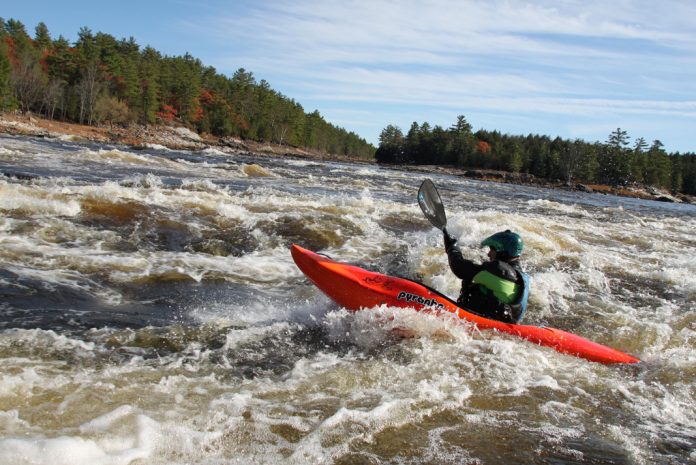
Person in red whitewater kayak
When the sequel is even better than the original. Like say, The Empire Strikes Back and Mad Max Beyond Thunderdome. | Photo: Jill McLellan

When Pyranha released the original 9R in 2014, they rewrote the rulebook on creek boats. At the time, creeks were dominated by boats like the Dagger Nomad, Wavesport Recon and Liquidlogic Jefe. These creek boats were designed with a monster truck philosophy. They were made to be as buoyant, stable and as forgiving as possible to ride up, over and through anything in their path.

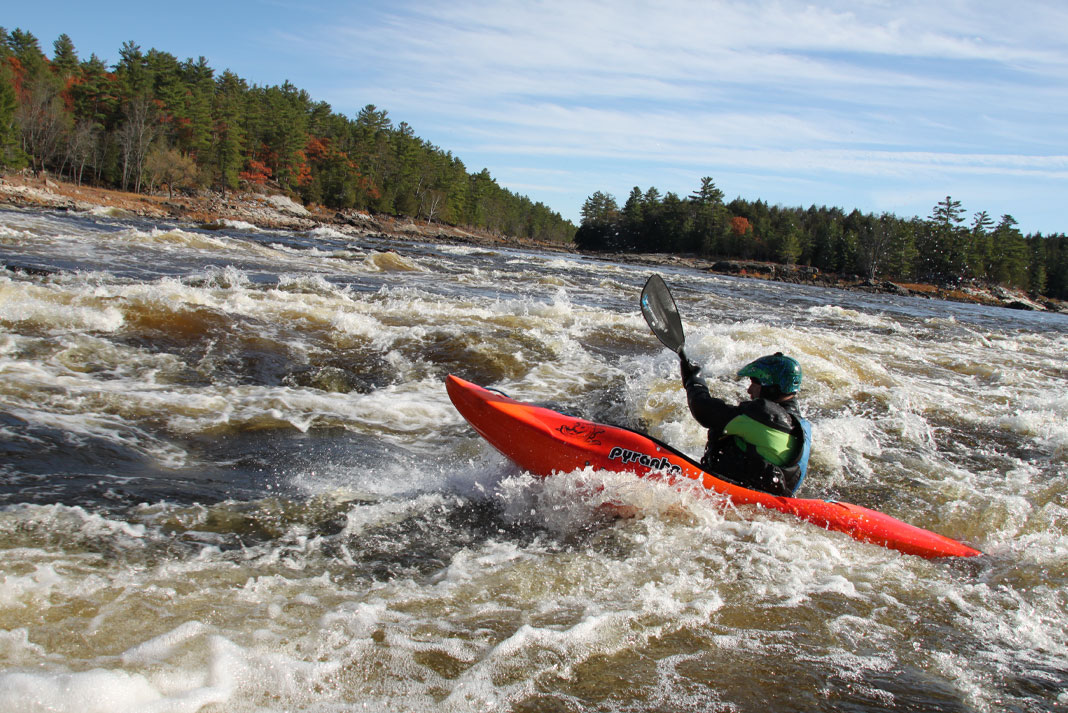
Person paddling red whitewater kayak
When the sequel is even better than the original. Like say, The Empire Strikes Back and Mad Max Beyond Thunderdome. | Photo: Jill McLellan
Pyranha 9R II
Length 8 ft 11 in
Width 25.5 in
Volume 82 gal
Weight  48 lbs
MSRP $1,339 USD

pyranha.com

Some creek boats had a reputation for being faster than others, but none on the market were really designed with speed being the primary goal. Not until Pyranha released a boat destined to dominate the Adidas Sickline race. Instead of a monster truck, Pyranha made a rally car with plenty of off-road capability and a whole lot more speed. Although the boat was to be fast, the initial acceptance was slow, as many paddlers asked themselves, “I don’t race, why would I want a race boat?”

That line of thinking disappears once you’re in the driver’s seat.

Today there is a whole category of nine-foot race boats with each of the major manufacturers taking a stab at producing their own version of a rally car kayak. Boats like the Dagger Phantom and Jackson Nirvana now share the market niche and compete with the 9R. So, it was only a matter of time until Pyranha updated their design and released a sequel.

The new 9R

One of the reasons I enjoy paddling Pyranha designs is the amount of time and resources the brand puts into developing, designing and testing their boats. Before launch, I saw numerous posts on social media about the “final” 9R II prototype being spotted somewhere for testing, only to hear it had gone back to R&D to tweak the design further.

I was lucky enough to demo the 9R II on the Lower Moose at pumping high flows during Moosefest in upstate New York. I’ve been window shopping for a new creeker and owning a 9R made the 9R II an obvious contender for its replacement. Unbeknownst to me at the time, Paddling Magazine would ask me to review the 9R II only a few days after I returned from my trip.

[ Paddling Magazine: View all Pyranha kayaks ]

Initially, I was a bit nervous about taking an unfamiliar boat on a flooded river I didn’t know very well, but after the first rapid I felt right at home. By the time I got to the take-out, I could tell the boat felt different from the original, but I couldn’t quite put my finger on what exactly was different about it.

Taking a peek at the stats on Pyranha’s website didn’t reveal substantial changes. The 9R II is just one centimeter longer, one centimeter wider, and has an extra 15 liters of volume compared to its older brother. Put the two boats side-by-side though and it’s apparent the 9R II has more rocker, softer edges and a fuller stern.

Once I got my hands on the loaner 9R II from Paddling Magazine, I set out for a bunch of back-to-back runs on my local river, the Petawawa, picking out the most challenging moves I could find. Switching back and forth between the 9R II and the original 9R, I wanted to dig into the differences between these two boats.

Pyranha 9R vs. 9R II

What I found is the 9R II is a bit easier to maneuver than the original. Sweep strokes are more effective at pivoting the boat and it is easier to switch from one edge to the other for changing direction mid-carve. This results in a boat that has less tendency to lock into a line or direction, making course corrections and fixing mistakes easier. Although, this comes at a small cost to the primary stability. There were a few occasions where I got tripped up by a cross-current and felt I was going to flip, only to be saved by the rock-solid secondary stability.

The 9R II is also quite a bit easier to boof than the original. Although I wasn’t able to get the boat out to run any waterfalls, I was better able to lift the bow up and over waves and holes, making for an overall drier ride. This is no surprise since the 9R II has more rocker, especially in the bow. The modifications to the so-called wave deflectors also help.

With the 9R II, Pyranha made the wave deflectors a bit smaller and softer. This works out fine as the ones on my original are pretty banged up from bouncing off rocks and I’d bet the newer style will stand up better to abuse.

Pyranha also added another feature on the bow, a small concave area following the bow profile further helps to deflect water and keep the bow dry. Surfing a wave confirmed these features really work. I was able to find a few waves I could surf in the 9R II, with water shooting out away from the bow, where the original would pearl and flush off the wave. The downside was on waves I could surf in either boat, where the 9R II felt twitchy, and I could feel a lot of pressure on the bow wanting to knock it side-to-side.

One of the few shortcomings of the original 9R I heard Pyranha was working on with the 9R II is the boat’s tendency to plane-out. This happens when you exceed the hull speed of a boat, usually resulting in a loss of control. Think of it like hitting a patch of black ice while driving down the freeway. This tends to happen when landing off a drop, skipping over a hole or eddying out of a fast-moving current. When the 9R planes out, the stern squats down into the water and takes away your edge control for a split second until it slows down. This is a tricky problem to solve, especially with increased rocker. The fix for this is the broader stern on the 9R II, which helps keep the stern from sinking, leaving the boat flatter and the paddler more in control.

The goal for the 9R II was to take what Pyranha has learned from the 9R, and produce something even faster, with more accessible performance, and greater control at top speed. They nailed it. The changes result in a kayak that is more forgiving to paddle, without losing any of the rally-car feel and the fast-is-fun soul of the original. I’ve been searching for my next boat and I think the 9R II may just be the ticket.

When the sequel is even better than the original. Like say, The Empire Strikes Back and Mad Max Beyond Thunderdome. | Photo: Jill McLellan

The Best Paddling & Camping Gear For Your Next Canyon River Trip

Collection of gear spread out around someone sitting on ground with map open in front of them.
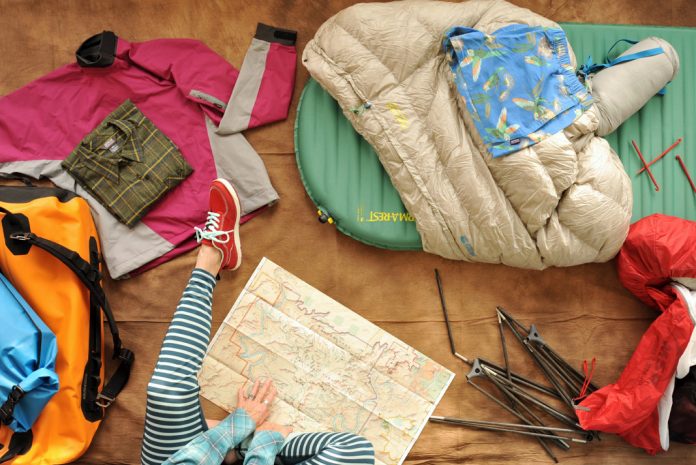
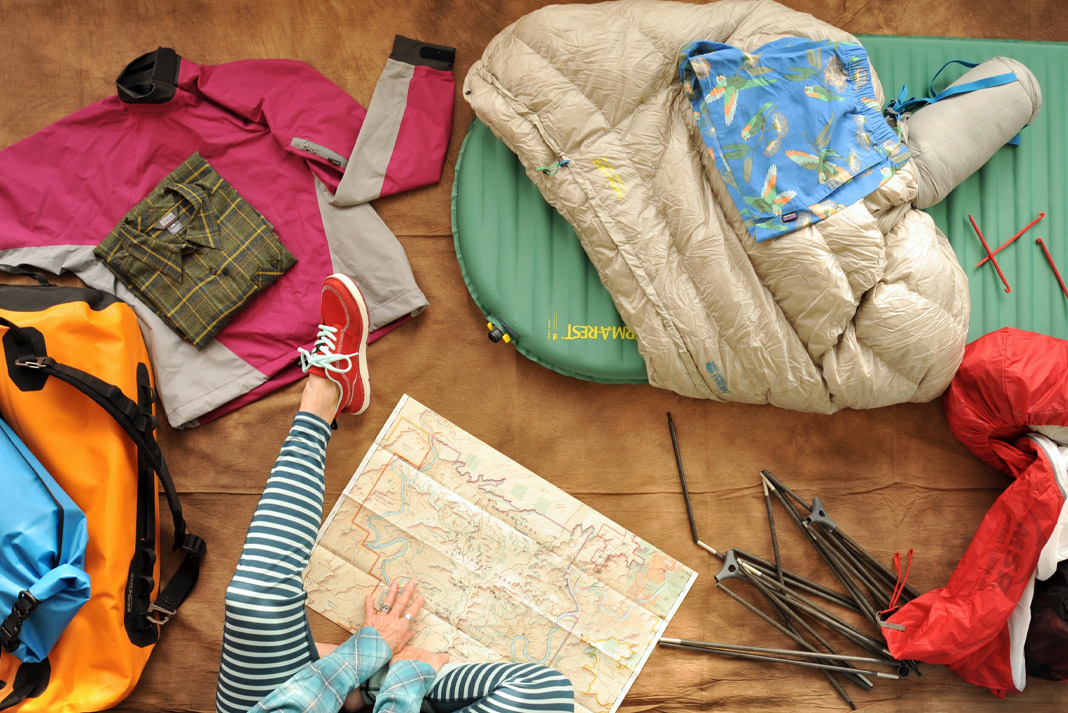
Let the adventure begin. | Photo: Virginia Marshall

River guides know all the secrets to staying comfortable while camping, chilling and tending to chores in canyon country. Managing temperature swings of 105-degree daytime highs to 35-degree overnight lows demands versatile apparel and an adaptable sleep system. Durability is also paramount—if it won’t withstand more than a season of heavy use, it’s not worth bringing downriver. We asked the pros for their personal packing lists, and put this gear to the test on a late-season float through 50 miles of high-desert canyons.

Gear spread out on ground around person sitting on ground with open map in front of them.
Let the adventure begin. | Photo: Virginia Marshall

Splash jacket

The Kokatat Gore-Tex Paddling Jacket does double duty—its simple, functional pullover design blocks waves and wind on the river, and performs equally well when afternoon downpours catch you at camp. Guides applaud the wearability and breathability of this jacket’s featherweight Gore-Tex Paclite construction, while we appreciate the flexible comfort of its adjustable Lycra splash cuffs, gusseted collar and drawcord waist.

$215 | kokatat.com

Get-cozy clothing

Synthetic leggings with the soft feel of merino—that’s the paradox of Outdoor Research’s new Enigma base layer bottoms ($69). Woven from recycled polyester with a touch of wool, they dry rapidly and hold their shape when wet. Casual style and technical performance make OR’s stretchy, UPF 30-rated Kulshan Flannel tunic ($90) the perfect plaid for pluviophiles.

For more options, read our guide to the best base layers available.

outdoorresearch.com

Gear bag

When it comes to hauling your gear, a sturdy zip closure duffel like SealLine’s Pro Zip is more user-friendly and fully submersible than standard roll-top packs, and removable shoulder straps plus four handles mean it’s more versatile as well. The full-length waterproof zipper opens easily, closes definitively and makes searching for dry socks oh-so-simple. Available in 40-, 70- and 100-liter sizes.

$199–$299 | seallinegear.com

Footwear

We’ve never met a river professional who doesn’t love Astral shoes. Always a top pick for best water shoe amongst our editors, the amphibious Brewess 2.0 shoes have all the same coveted features of the earlier Brewess/Brewers—think quick-drying fabrics, step-down heel and gecko-like grip on greasy rocks. Astral updated these versatile sneakers with a soft insole and integrated sock-liner around your heel, making them even more barefoot friendly.

$110 | astraldesigns.com

Sleeping pad

Therm-a-Rest takes snooze time seriously. The Seattle-based manufacturer employs a state-of-the-art cold room and a thermal mannequin named Hugh to ensure the best possible warmth-to-weight and hyper-accurate R-values (resistance to conductive heat loss) on all their mattresses. Our cozy crush is the revamped Trail Pro, a self-inflating sleeping pad with a soft knit top, three-inch thickness and continuous layer of thermal foam for a toasty 4.4 R-value. It also boasts Therm-a-Rest’s new, one-way WingLock valve for three times faster inflation and twice as quick deflation.

$119 | thermarest.com

Stay-cool apparel

After a long, hot day on the river, slipping into breezy natural fibers feels like liberation. Patagonia’s Western Snap shirt ($79) is made from a breathable hemp/polyester blend with a hint of spandex for ease of movement. Fast drying and hardwearing, their classic Baggies shorts ($55) are ubiquitous in canyon country.

patagonia.com

Camp quilt

Enthusiastic quilt sleepers point to the supreme versatility and packability of these über-engineered duvets. Take the new Vesper 20F/-6C, a 900-fill goose down quilt with side baffles, an insulated footbox, snap neck closure and integrated mattress connector to eliminate drafts and maximize warmth. The Vesper weighs just 19 ounces and packs down to the size of a Nalgene, but it’s the unrestricted fit side-sleepers and sprawlers will appreciate most. The downside: no hood means quilt users need a warm hat for those really chilly nights.

$369 | thermarest.com

Tent

My first-generation MSR Hubba Hubba NX tent has survived storms in the Southern Alps and bested blizzards in the Rockies. Six years later, it’s still going strong, and MSR is still finding ways to boost the durability of this best-selling design. The new NX tents feature MSR’s Xtreme Shield polyurethane coating, which the brand says will last up to three times longer than standard waterproof coatings. Another update is the composite Easton Syclone poles that flex 80 percent further than aluminum. Favorite Hubba Hubba features have stayed the same, including the well-protected double doors and vestibules, and airy 3.5-pound weight.

$449 | msrgear.com

Let the adventure begin. | Photo: Virginia Marshall

The Secret Life Of Raft Guides Is Contained In This One Essential, Overlooked Piece Of Kit

Guides near a river with gear lying around
Unassumingly dry and never out of reach, or out of fashion. | Photo: Rob Faubert

I’ve been immersed in the river guide world for more than 30 years. I can’t even start to count how many pairs of river shoes, PFDs, sun shirts, knives and tubes of sunscreen I’ve gone through. Probably almost 30 of each, pretty much one every year. No surprise then, that like most river guides, I’m not particularly sentimental about my gear—we’re a pretty utilitarian bunch.

Except for my ammo box.

I still have my original, hastily spray-painted behind the raft gear shed with just a single coat of purple. The color was not so much chosen as it was the only can of paint I could find lying around. I purchased the box for $5 in my third year of guiding, which was my first season as a multi-day raft guide. As a day guide, I had no use for one and, like most day guides, did not even know they existed. Heck, unless you shoot machine guns for a living or run heavy oar rigs, there is no need to know they exist.

Ammo boxes are military-grade metal boxes designed to store ammunition. Up until World War II, machine gun bullets were kept in wooden crates. They had the nasty trait of being flammable and the cause of many explosions. Whole warehouses would go up at once.

Enter the metal ammo box: fireproof, waterproof, indestructible and, for a long time, very cheap. Army surplus stores used to sell these things for a couple of bucks each. River guides were partial to the 50-caliber sized boxes—about the size of a lunch box—and also the larger 40-mil version, used to make portable toilets affectionately known as groovers, but that’s another story.

Ammo boxes have a hinged lid that snaps tight and a handle on top. Rigged into the raft properly, usually along the side rail of the rowing frame, they are easily accessible. A flip of the lid accesses sunglasses, binoculars, guidebooks, a toothbrush—whatever a guide might need to pull out during the day. Rafting clients are often fascinated by these boxes, given how guides rarely step off their boat without them in hand. They think they contain some kind of magic.

No magic here. Just the essentials. What they contain has always been pragmatic, but what the box represents is significant. This, I believe, is what clients sense. Sometimes the things we do or the things we own represent more than what they seem.

Guides by the river with gear spread out around them.
Unassumingly dry and never out of reach, or out of fashion. | Photo: Rob Faubert

A guide’s ammo box is private but also represents his or her identity and personality. It is not cool to go into another guide’s ammo box for any reason. If a guide wants something in your box, such as a river map, they should bring the box to you and ask for the map. The owner duly opens it and hands the map over. The same goes for sunscreen, a bird book, whatever.

Being indestructible, ammo boxes make ideal mini stools. As you can imagine, it is not okay to squat on someone else’s box. I never sit on mine. Sitting on it crushes the rubber gasket, compromising the waterproofness.

There was a time when ammo boxes were in decline. A move to plastic made them harder to get. Some guides also took issue with having sharp metal edges in their cockpit, although this concern is a bit moot in a loaded oar rig full of sharp metal edges and is a floating entrapment machine as it is.

Now ammo boxes are experiencing a bit of a resurgence. In this age of Alibaba, they are readily available again and cheap, if you are willing to order 500 at a time.

I think the metal ammo box is seen by new guides as a declaration of identity in a way plastic cases or drybags never will. The tradition it represents shows respect for the river guide lineage, present in the guides’ working world.

Metal ammo boxes have been on rafts since the beginning of rafting back in the ‘50s. As utilitarian as we are, we can imbue our few personal working tools with importance beyond their size. What’s inside a guide’s ammo box is less important than what it says.

Jeff Jackson is a professor at Algonquin College on the banks of the Ottawa River.


How Ottilie Robinson-Shaw Smashed The 1,000-Point Freestyle Barrier

Paddler in pink kayak on a wave
Ottilie Robinson-Shaw at Hurley Weir in the United Kingdom. | Photo: Peter Holcombe

Two weeks before Great Britain’s team selections for 2020, 17-year-old Ottilie Robinson-Shaw was lying in bed, sick and hopped up on antibiotics. The day before the event, she still didn’t know if she was well enough to compete. On the morning of October 13, 2019, the day of the competition, Ottie made the call to compete in team selections and, despite not feeling her best, ended up making history.

Freestyle kayaking has always shown a gender gap between men and women both in participation numbers and competition scores. Competitions often see twice as many male entries as female, with top scores in the men’s category often doubling or tripling the top scores in the women’s category. Until now.

Not only did Ottie win the Junior Women’s category at the Great Britain team selections last October, but she broke the world record for the highest ICF-scored freestyle ride executed by a woman. 1,225 points for Ottie, making her the very first woman to break 1,000 points in an ICF-scored freestyle ride, a goal women in the sport have been working toward for years.  

Ottie didn’t do it all by herself. Women like Tanya Faux, Tanya Shuman, Emily Jackson and Ruth Gordon Ebens have been pushing the sport and progressing the women’s division for decades. But even with these top women training and competing at the highest level, the evolution of women’s kayaking has been slower than that of the men’s.

Gordon Ebens, the winner of the 2007 Freestyle Kayaking World Championship and regarded as one of the top female kayakers in history, says strength-to-weight ratio favors men progressing in the sport faster than women. “Women have to learn more finesse to master a move, while men can often muscle it. Due to this difference, having sport-specific instruction has helped women make large gains,” says Gordon Ebens.

This sport-specific instruction has been instrumental in helping Ottie make her way to the top. Dennis Newton, the owner of Sweetwater Coaching, a freestyle-focused coaching service in the U.K., began coaching Ottie in 2015 and played a significant role in helping increase her physical and mental strength in the sport. “Den is amazing. He has allowed me to set goals, reach them, and enjoy kayaking and pushing the boundaries,” says Ottie. She isn’t Newton’s only protégé—he’s also coached 10-time world champion Claire O’Hara since 2009.

Paddler in pink kayak on a wave
Ottilie Robinson-Shaw at Hurley Weir in the United Kingdom. | Photo: Peter Holcombe

Den is a phenomenal coach. His understanding of the sport and his ability to individualize his coaching to his athletes is incredible. The time, energy and commitment he has given to me as an athlete is unbelievable and has been critical to our progression and success,” O’Hara says.

Through their achievements, both O’Hara and Ottie have proven that with sport-specific instruction focused on technique and finesse, women can progress in freestyle just as fast as men. For years, O’Hara has been throwing down moves most of her competitors can often only dream of. Now it’s Ottie who is leading the charge.

“What she has achieved is amazing and makes me so proud. Several years ago, I was the first woman to throw combos and hit complex tricks. Today, Ottie is putting them into competition routines,” says O’Hara.

[ Paddling Buyer’s Guide: View all freestyle kayaks ]

O’Hara attributes much of her success to Newton’s coaching. Ottie does the same, but also gives credit to her biggest role model in the sport. When asked who inspired her most to push boundaries within freestyle, Ottie doesn’t hesitate: “Claire O’Hara has always been a massive role model and inspiration for me. She is always prepared to take time out of her own training to help and encourage me and many other young paddlers.”

O’Hara isn’t done competing in freestyle, but if she were, she would be proud of the legacy she has left behind. “A few years ago, I was asked what I wanted my legacy to be, and to be honest, Ottie is it. I remember saying I wanted the next generation to see no boundaries, to push the limits further than we could imagine, and to be enjoying themselves every minute. Ottie is doing it every day, and I couldn’t be prouder.”

A big-wave freestyle kayaker, Brooke Hess is from Missoula, Montana and a member of the U.S. National Freestyle Team.

Ottilie Robinson-Shaw at Hurley Weir in the United Kingdom. | Photo: Peter Holcombe

How An Unconventional Beer Run Inspired Canada’s Most Exciting New Canoe Race

People paddling voyageur canoe
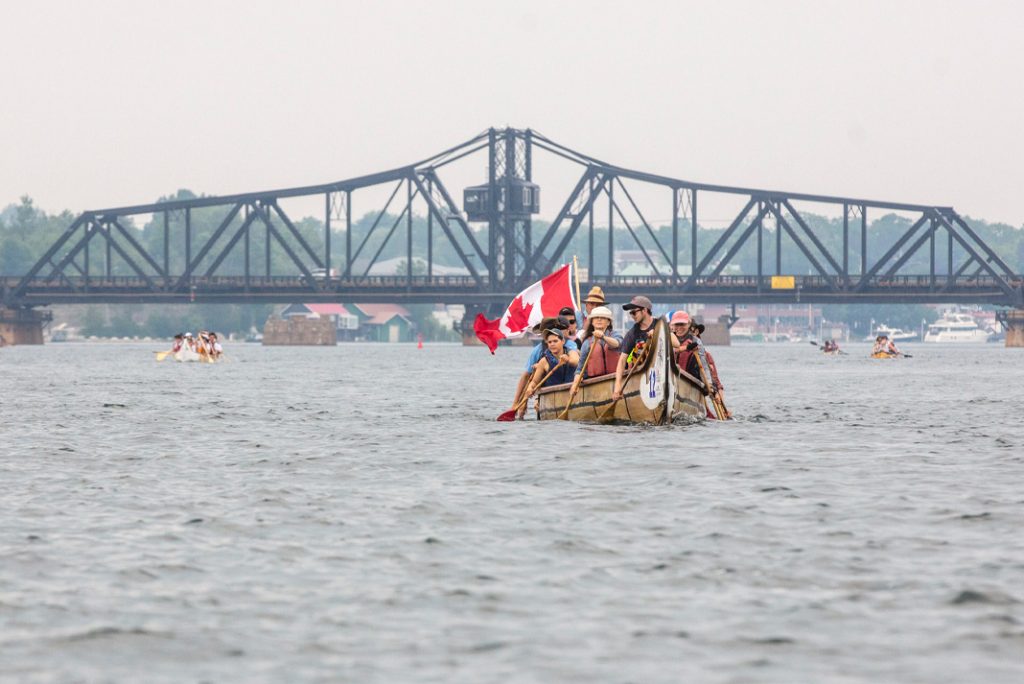
Many hands make light work and many strokes make fast travel. On the original Manitoulin Brewing Company beer run from Little Current to Killarney, pictured here, the paddlers donned their Algonquin dinner jackets over PFDs in the chilly weather. | Photo: David Jackson

Gently billowing in a light breeze, a Wikwemikong First Nation flag rises and falls as if dancing with the growing wind. Busying themselves in front of the Little Current marina on Manitoulin Island in northern Ontario, some 150 canoe racers check their gear, preparing for a race to the community of Killarney, 34 kilometers distant. Killarney was once referred to as Shabahonaning by Indigenous peoples, and then later French fur traders and voyageurs. It means safe passage for canoes. But today Georgian Bay is anything but hospitable.

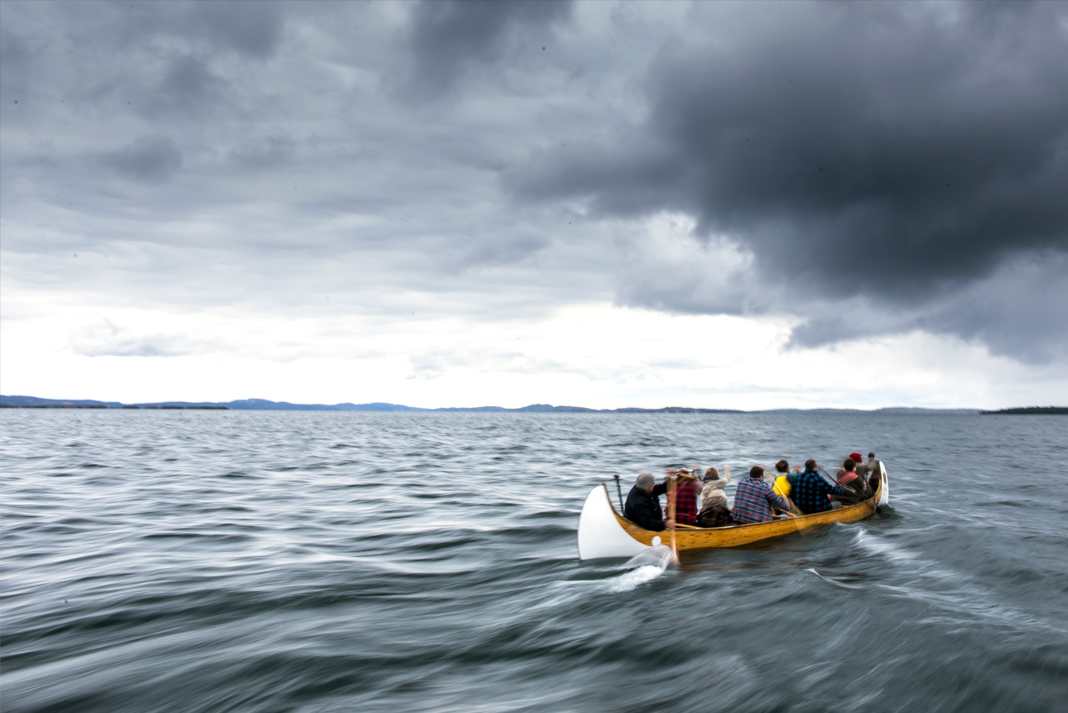
From the northwest, a steady wind grows and everyone casts nervous glances in the chilly, mid-summer blow’s direction. If this were any other canoe race on any other day, the word would have already spread, race canceled, but not today. The inaugural Current To Killarney Race is something different. Instead of tandem teams racing in sprint-style canoes, the race will be conducted predominately in 30-foot North canoes, commonly called voyageur canoes. Despite the building weather, the show will go on.

Modern day voyageur Mike Ranta [right] helped paddle the first batch of Killarney Cream Ale by Manitoulin Brewing Company from Little Current to the small community of Killarney, on Georgian Bay. This delivery inspired the Current To Killarney race. | Photo: David Jackson
Modern-day voyageur Mike Ranta [right] helped paddle the first batch of Killarney Cream Ale by Manitoulin Brewing Company from Little Current to the small community of Killarney, on Georgian Bay. This delivery inspired the Current To Killarney race. | Photo: David Jackson

Blair Hagman, co-founder of the Manitoulin Brewing Company (MBC) in Little Current, was serving up cold ones at the Killarney Music Festival in August 2018 when he caught sight of cross-Canada paddler Mike Ranta and his signature birchbark hat. The two got to chatting and dreamed up the idea of delivering the first batch of MBC’s soon-to-be-released Killarney Cream Ale to its namesake town. But they’d do it by paddle.

Two months later, in the chilly fall air, Hagman and a team of seven including the jovial Ranta along with his trusted canine, Spitzii, set off from Little Current in a 30-foot-long voyageur canoe with the beer stowed on board. They endured three-foot waves, rain, wind and even snow to cross the rough waters of Lake Huron. Fighting cold hands, rough seas and soggy butts, the team arrived almost a full day’s paddle later in Killarney, sporting smiles and sharing high fives as a token basket of Cream Ale was carried into the Killarney Mountain Lodge resort. It was later at the lodge, sitting fireside and enjoying a sip of this new brew, a race was born. 

Each voyaguer canoe weighs between 200 and 600 pounds. | Photo: David Jackson

Less than one year later, on July 6, 2019, paddlers descend on Little Current. A provincial police powerboat circles out front of the marina, deep hulled safety boats ready their kit, and Mike Ranta arrives, albeit a little late, with a coffee in hand and a smile on his face.

“A little choppy!” he announces while sipping his coffee and looking out over the rough passage. Racers are anxious to hear from brewer-turned-race-organizer Hagman. When he huddles the 150 racers together, it’s a calming word and steady voice paddlers receive—the race will go on, but in a slightly altered course to play to the wind’s strength. Everyone is relieved.

[ Paddling Trip Guide: View all canoe trips in Ontario ]

Racers huddle in close to Hagman to hear how they’ll start at Spider Bay Marina, paddle under the iconic Swing Bridge, head toward Strawberry Island Lighthouse then Heywood Island, and push south towards Landsdowne Channel leading to the quaint village of Killarney. As the address concludes, everyone hurries to a small beach in the lee of the wind and begins helping move a dozen voyageur canoes off the spit of sand where they are staged. In a race where there is no cash prize, no live updates, just good old-fashioned friendly competition and cold beers at the end, people are bursting with energy. 

By the time the race is underway, the channel departing Little Current is a sight to behold. Voyageur canoes travel under the swing bridge, each with seven to 12 paddlers, while a few tandem canoes bob in between, and one lone sea kayaker paddles alongside. Cheers are heard and smiles seen in every hull. There isn’t the typical call to hut from the stern paddlers or the aggravated grunts of hard physical work common amongst marathon racers, though certainly everyone is pushing themselves as they paddle headlong into the building waters.

Safety boats circle and keep a watchful eye on every team, and it isn’t long before a few saves are in order. With a three-foot chop and quartering wind, some teams are blown off course, veering away from the safe passage and instead heading straight for the wrath of Lake Huron beyond protective islands. A few teams are plucked from their canoes and ferried back to the start, but the race continues.

Some teams bail water from rogue waves, others chant and sing to the rhythm of their strokes, others just laugh at the adventure. Ranta can hardly wipe the smile from his face as he steers his team’s boat along. Initially, he had planned to paddle his own solo canoe but opted to join a team at the sight of the conditions. For the man who crossed Canada twice alone by canoe, this is a walk in the park, but this time with friends.

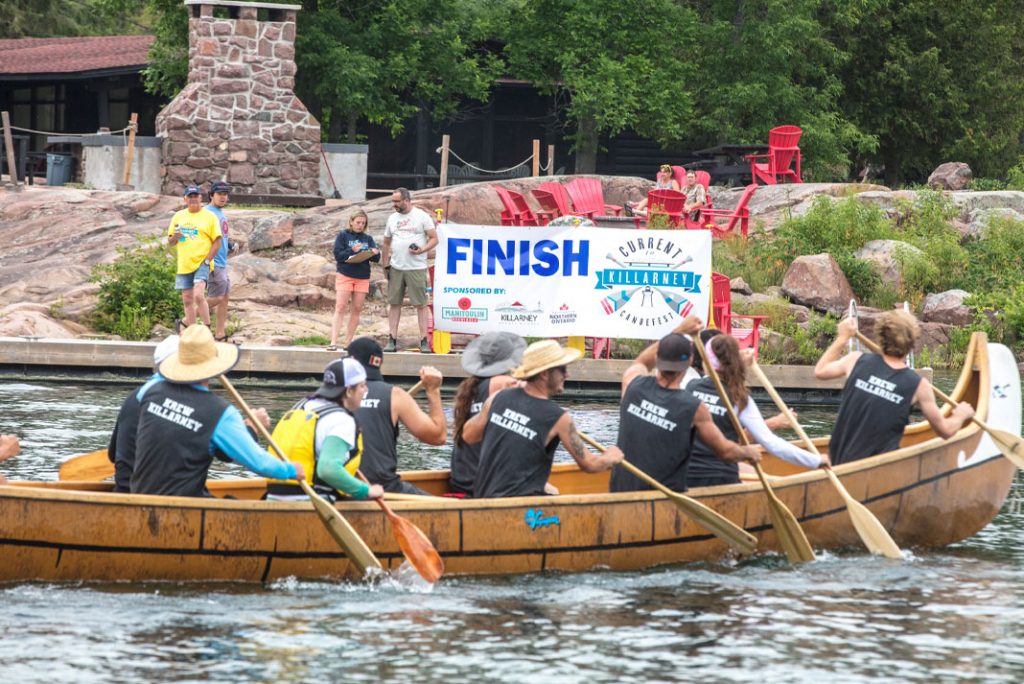
By the time everyone reaches the sheltered inlet leading into Killarney, they are protected from the blow. It is a sprint in the final hours to reach the town’s finish line. Racers battle tired arms and sore backs, their muscles weary from constant exertion in the stiff winds. As teams near the finish line, cheers from supporters and fellow racers greet them. There is no podium to look forward to, only bragging rights and shared experience to build bonds lasting a lifetime.

In a world where faster and lighter dominate the playing field and rule the competition scene, here was a race pushing back against the norms. People wanted to brave the big lake to celebrate a piece of history the nation was founded on. Canoes are the oldest form of travel in the northern wilds, and long before voyageurs busted their way from coast to coast in search of furs, there were moccasin trails that connected these very same waterways. The seas might have been challenging, but this group wasn’t the first to challenge them. Their muscles might have ached, but these aches are a time-honored tradition. For half of a cold summer’s day, every racer was a voyageur seeking Shabahonaning, and at race’s end, everyone laughed at their toils.

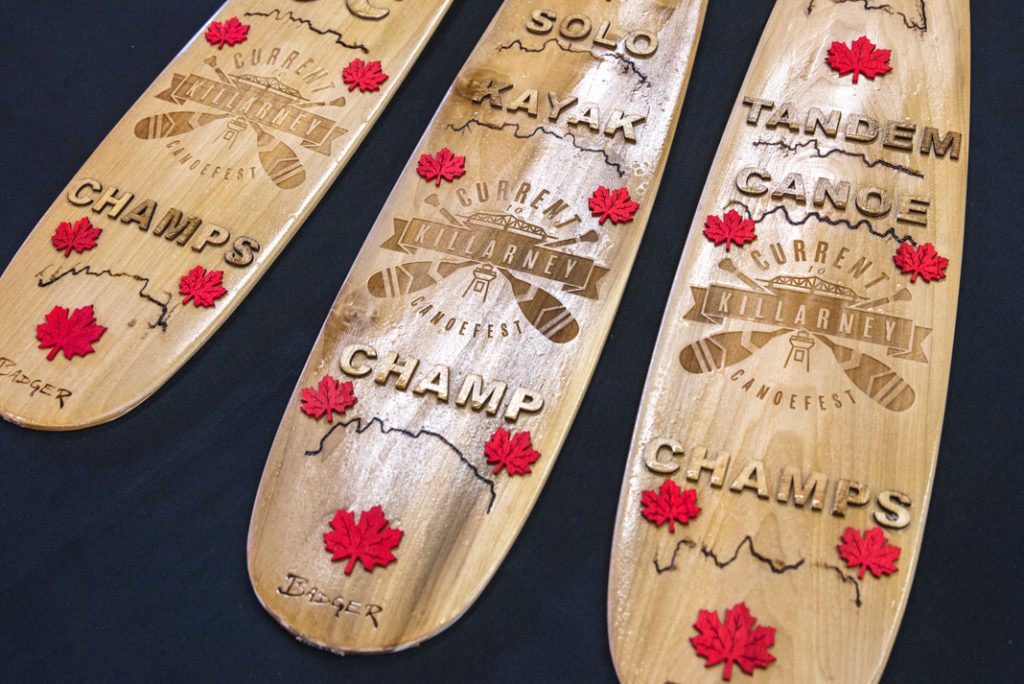
A canoe filled with Manitoulin Brewing Company beer awaits the weary racers, a dinner completes the evening, and hand-crafted wood canoe paddles are awarded to the winners.

Despite its humble beginnings as an unconventional beer run, the Current To Killarney race has blossomed into a three-day festival to celebrate canoe culture in one of Canada’s best paddling destinations. Bringing people together for the love of water and canoes along a route steeped in history is an exciting addition to the Canadian paddling race scene. Though for 2020, glassy conditions and hot sun would be a welcomed reward.

David Jackson is a photojournalist living in Thunder Bay, Ontario. The next Current to Killarney race is scheduled for July 2, 2022.

Canoeists in voyageur canoe
Many hands make light work and many strokes make fast travel. On the original Manitoulin Brewing Company beer run from Little Current to Killarney, pictured here, the paddlers donned their Algonquin dinner jackets over PFDs in the chilly weather. | Photo: David Jackson

Many hands make light work and many strokes make fast travel. On the original Manitoulin Brewing Company beer run from Little Current to Killarney, pictured here, the paddlers donned their Algonquin dinner jackets over PFDs in the chilly weather. | Photo: David Jackson

Nova Craft Celebrates 50 Years Of Making Tripping Dreams Come True

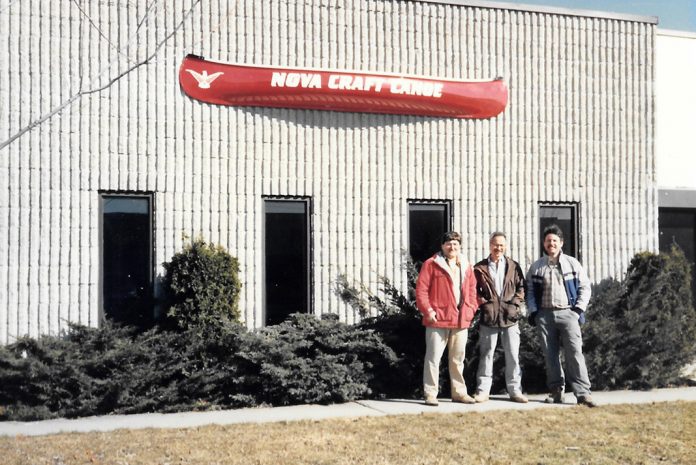
Three men standing outside building with canoe hanging above
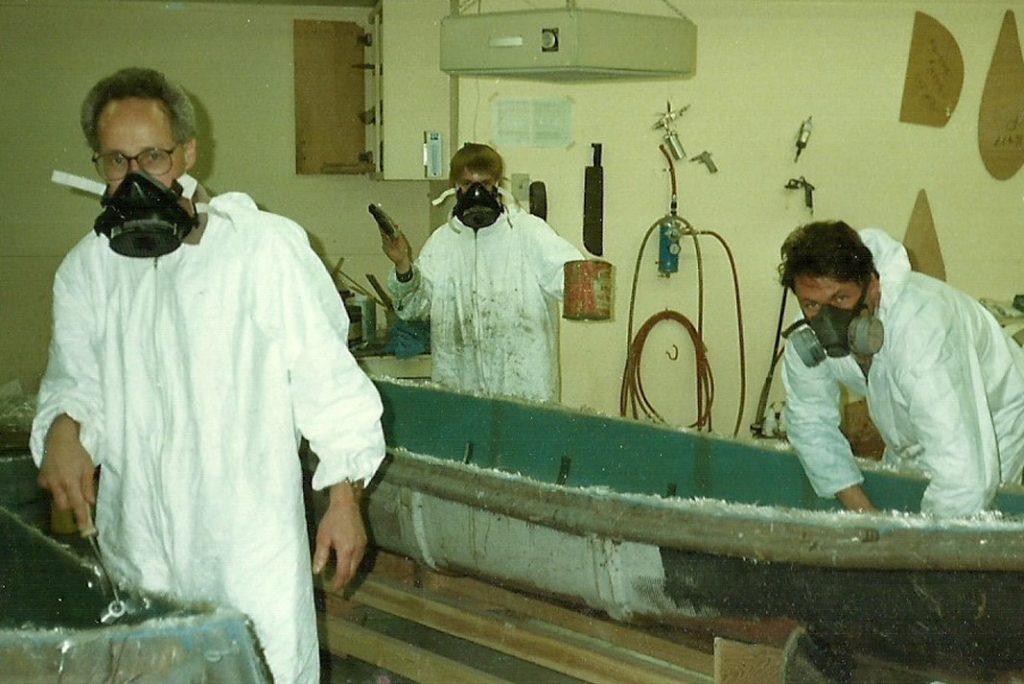
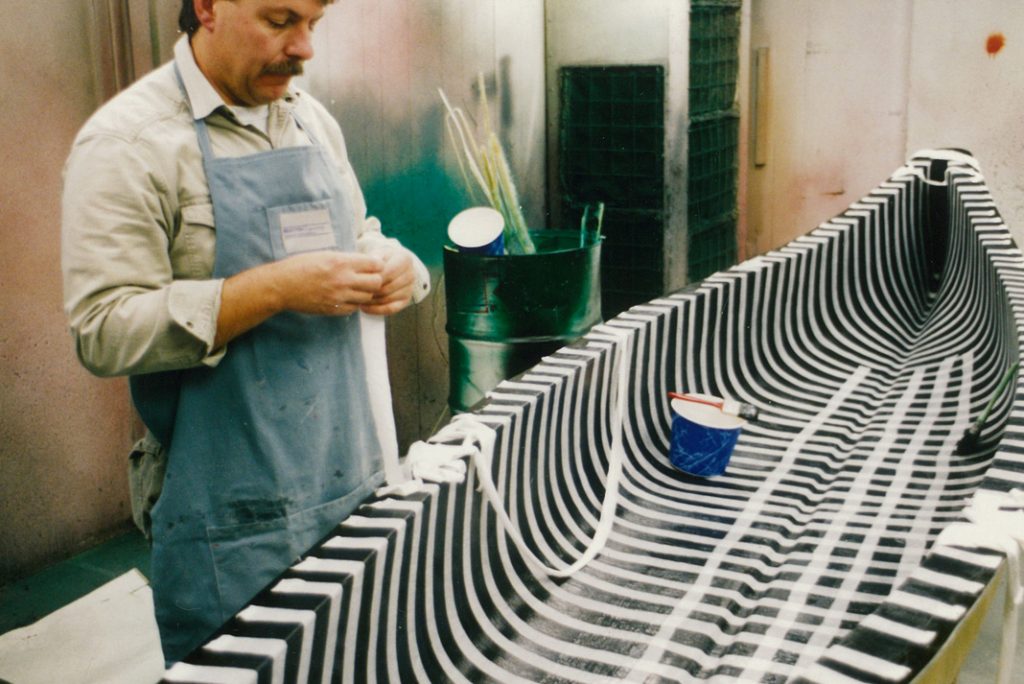
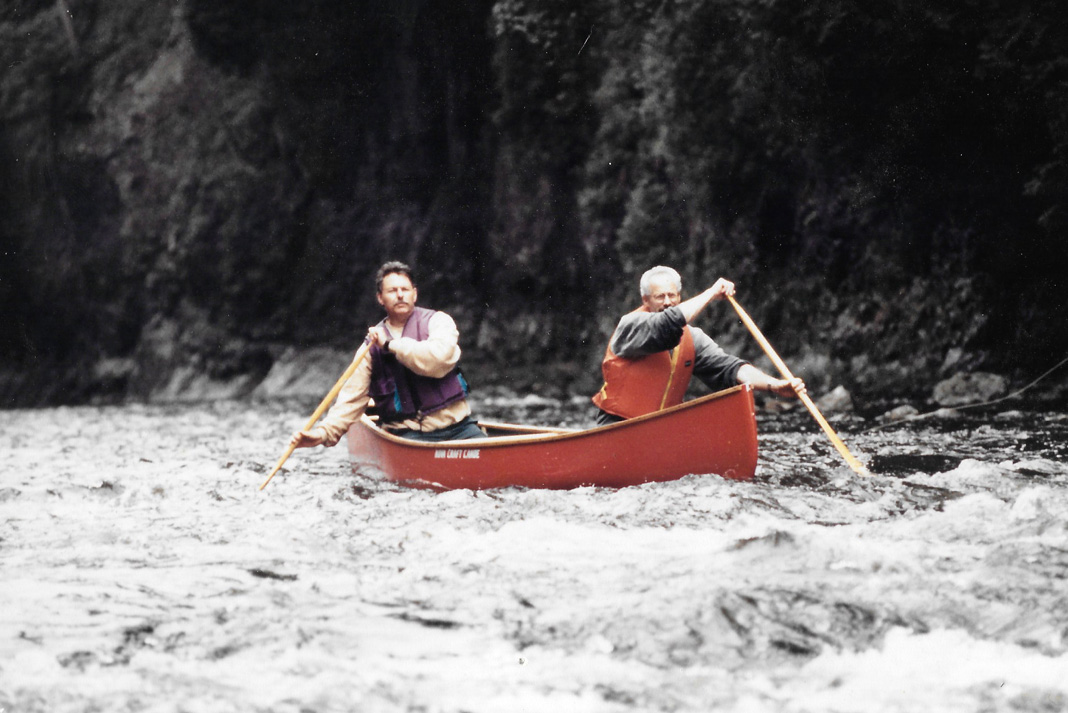
[Clockwise from top left] Tim, Pat and Zoltan at Nova Craft's original location; Working on an early layup; Tim working on a mold in the first London shop, circa 1988; original founder Ken Fisher; Tim and Pat paddling the Elora Gorge in southern Ontario. | Photos: Courtesy Nova Craft Canoe

In 1970, paddler Ken Fisher began building a limited selection of fiberglass canoes from his garage in Glanworth, a tiny hamlet outside of London, Ontario. Back in the 1960s, only two percent of North Americans were canoeing. But a decade later, eight percent of Baby Boomers were venturing into the backcountry in search of adventure and tranquility. Thanks in part to the popularity of the 1972 movie Deliverance, canoe tripping was suddenly cool. Grumman was manufacturing 50 canoes a day. As for Ken, well, he went along for the ride.

Ken was an electrician with a passion for canoe racing. His wife’s family worked for Munro Boats, makers of small motor crafts. To separate his business, Ken decided on the name Nova Craft—nova means new in Latin. Soon he expanded from building racing shells and flat-bottomed fishing scows to making one of the most beloved tripping canoes—the Chestnut Canoe Company’s Prospector. Not long after, he was the first builder to incorporate Kevlar and vinylester resin in canoe building.

[ Paddling Buyer’s Guide: View all Nova Craft canoes ]

Ken built Nova Craft boats from his garage until he sold the company to Tim Miller, Pat Malloy and Zoltan Balogh in 1986.

The trio hatched a plan to purchase the business while on a canoe trip down Ontario’s French River. Tim had just moved to London from Calgary, and a canoe trip seemed like an excellent way to start a new life in a new province. They camped at the infamous Blue Chute, where Bill Mason filmed his opening act for Path of the Paddle. As a bottle of whiskey made rounds around the fire, Zoltan mentioned a canoe company for sale. Tim hadn’t secured employment yet after his cross-country move and owning a canoe company seemed like a good idea at the time.

That settled it. The three men ponied up the cash, purchased the business and moved the operation from Ken’s garage to a warehouse. They kept the name and the company’s thunderbird logo but innovated Nova Craft’s offerings with new designs and materials. In the 34 years since, Nova Craft made more than 30 designs—17 are currently manufactured—and produced between 1,500 to 2,000 boats annually.

Two men paddling a red Nova Craft canoe
Tim and Pat paddling the Elora Gorge in southern Ontario. | Photo: Courtesy Nova Craft Canoe

Like other canoe manufacturers, the brand weathered the boom of recreational kayaking and then standup paddleboarding, as well as the rise and demise of Royalex. It’s seen the paddling demographic change from older and primarily male, to younger and much more diverse.

Everything changes eventually. After more than three decades at the helm, Tim Miller retired last year and sold Nova Craft to Chris Rath, who was a corporate accountant for much of his career. Tim told me one of the first things he wanted to do after handing the driver’s seat over to Chris was to go back and canoe the French River. There he’d sit around the fire with some old friends at the Blue Chute, pass a whiskey bottle around and dream of what’s next.

Kevin Callan is the author of the bestselling The Happy Camper series and paddling guidebooks.

[Clockwise from top left] Tim, Pat and Zoltan at Nova Craft’s original location. | Photo: Courtesy Nova Craft Canoe


Solo Canoe Review: Adirondack Canoe Company’s 14-Foot Boreas

Woman solo paddling canoe with double blade paddle
Go from lunchtime launch to weekend warrior with ease in the Boreas. | Photo: Wyatt Michalek

There’s a brief but particular full chassis shudder a 2003 Suburu Outback makes when its serpentine belt snaps. So, when the check engine light blinked on a moment later, I knew exactly what was up. My anniversary trip wasn’t going as planned. Then the rain started.

Adirondack Canoe Company’s Boreas
Length 14 ft
Width 26.5 in
Material  Carbon/Kevlar
Weight 24 lbs
Capacity 500 lbs
Price $1,600 USD

adirondackcanoecompany.com

A long weekend hiking trip with my partner in the High Peaks region of the Adirondacks in upstate New York sounded like the perfect romantic getaway. Google Maps promised a manageable drivetime under six hours. And I’d be able to connect with a local boat builder, whose canoes Paddling Magazine had been trying to get our hands on for years.

Geoff and I enjoyed one glorious hike and stunning sunrise on Cascade Mountain, the 36th tallest peak in the Adirondacks at 4,098 feet, until car trouble—and rain—put a damper on the weekend’s plans. 

After 36 hours knocking around the ice cream shops of Lake Placid awaiting a new belt, we plucked our precious cargo from a hotel parking lot as we were heading back north. It was a black carbon-Kevlar 14-foot solo canoe called the Boreas from Adirondack Canoe Company. Four hours later, the guys behind the counter at Canadian Border Services very apologetically turned us around and sent us back to America. I’d incorrectly filled out the paperwork to temporarily import the canoe. We drove to a distant UPS store to reprint a single black and white page. Ninety minutes after that, standing at the border control counter for the third time in as many days, Geoff asked me to promise not to import any more commercial goods on a vacation.

Woman solo paddling canoe with double blade paddle
Go from lunchtime launch to weekend warrior with ease in the Boreas. | Photo: Wyatt Michalek

After all the trouble to get the Boreas home—the return trip took 10 hours—I was really hoping this boat would be the bee’s knees. The anticipation to get it on the water was high.

Testing the waters

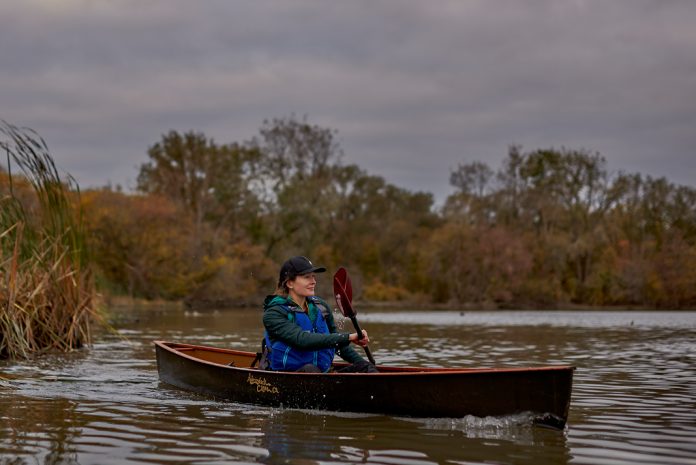
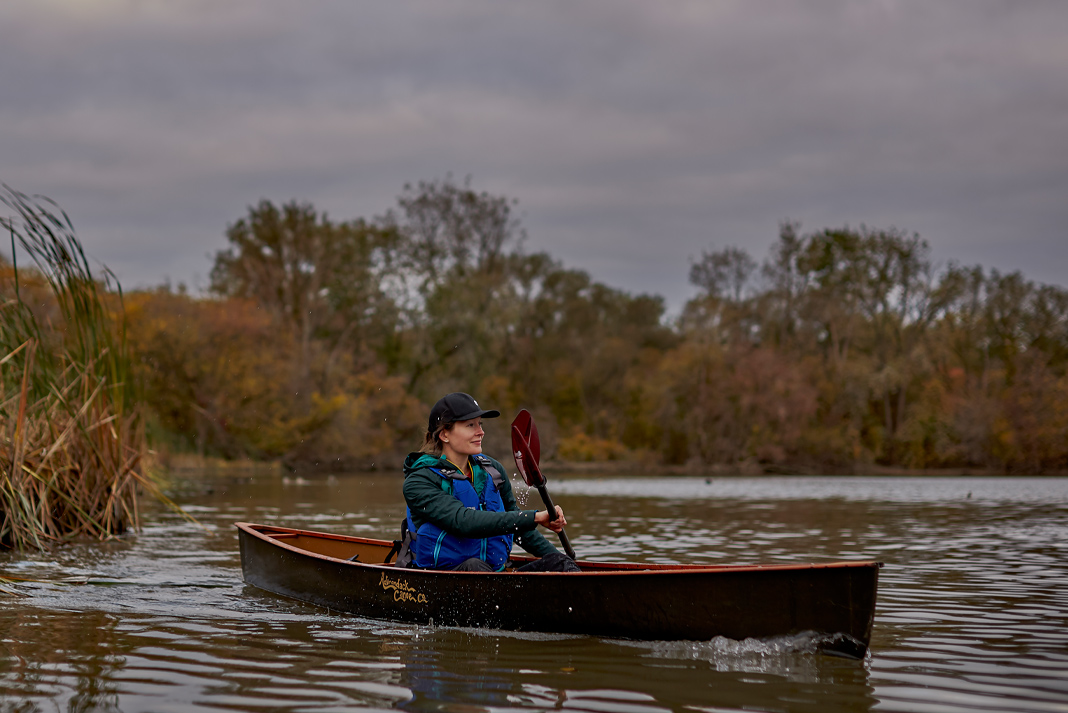
I was not disappointed. Lucky for me, this sweet little 14-footer was just the thing to have warming the canoe tree all fall. At only 24 pounds, it’s basically the weight of the five gallons of ice cream we ate in Lake Placid. My 85-year-old Nana could cartop it solo. I’d just pop it over my shoulder and walk down the street to the lakefront, seven minutes away.

The Boreas is made in the pack canoe tradition—light, low and lively. With its seat resting on the hull of the canoe, my center of gravity is right in the water and super stable. Solo on a big lake, I relish its shallow depth not being buffeted by the wind. It tracks well and keeps up a good speed for its length, but where I find a boat of this size shines is day trips toodling around on a local lazy river while watching for trumpeter swans and Mallards, and leaf-peeping photography as the mornings grew brisk and fall deepened.

[ Paddling Buyer’s Guide: View all Adirondack Canoe Company’s boats ]

Single or double blade customizations

The Boreas can be paddled with a single or double blade paddle. One of the benefits of a small and agile company like Adirondack Canoe Company is they can customize for you.

“If you prefer paddling with a single stick, we will keep the sides higher and mount a traditional seat,” says Adirondack Canoe Company co-founder Simon Gardner. “If your choice is a double blade, we trim the sidewalls, and mount a pack-canoe styled seat and foot braces.”

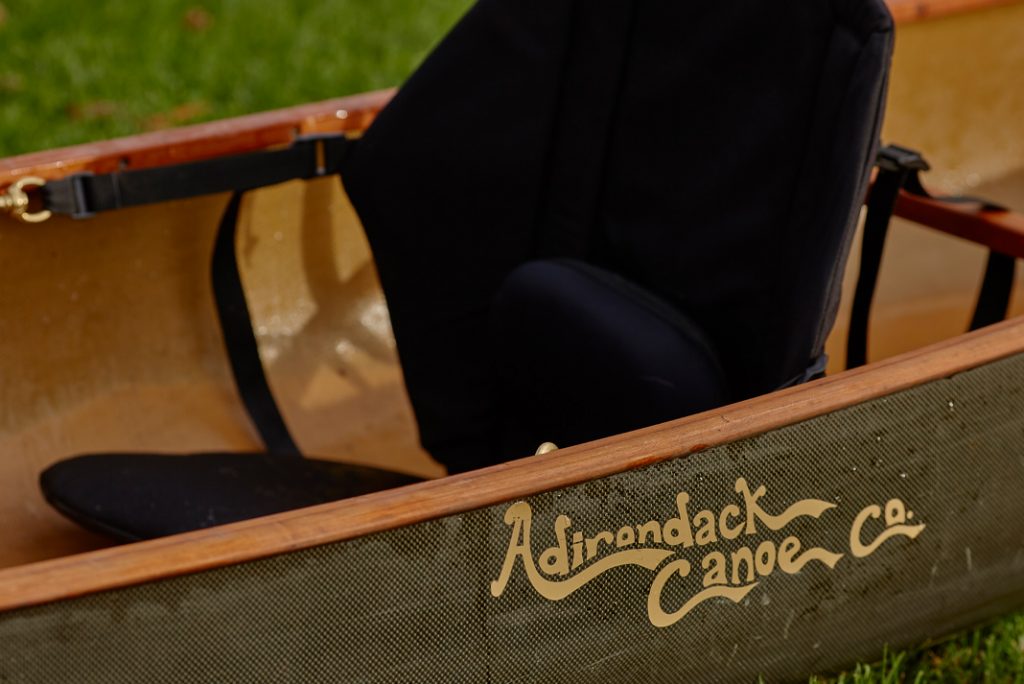
Gardner calls the two options the Upper Boreas and the Lower Boreas. The Upper Boreas is configured with a traditional canoe seat, caned or webbed, and is 13.5 inches deep, allowing a paddler the option of kneeling. The Lower Boreas is cut to 10.5 inches deep to accommodate sitting on the bottom of the canoe and comes with foot braces and the Seals seat.”The higher depth is too deep to comfortably paddle with a double bladed paddle for most folks,” adds Gardner.

Other specs and features

Released in 2018, the Boreas is Adirondack Canoe Company’s most recent design.

“We wanted to have something a little bit faster, with some asymmetrical rocker—one-and-a-half inches in the stern, a little bit more in the bow. It’s not sporty, but it’s easy to turn. And you can put a little bit more gear in for weekend trips,” says Gardner.

With a capacity of 500 pounds, the Boreas allows for a weekend’s worth of camping gear.

The Boreas joins Adirondack Canoe Company’s other offerings, which include a 16-foot tandem tripping canoe, and the 12-foot Skylight and 10.5-foot Haystack models, which are variations on the traditional Wee Lassie design.

Pack canoes have a proud heritage in the Adirondacks. Small, light, solo canoes are perennial favorites because paddlers often have to walk a quarter-mile or more to get to a shoreline, says Gardner.

“Having something easy to carry in the woods is a winner in the Adirondacks,” he adds. Paddlers will often go on group trips where everyone paddles their own solo canoe, which is slowly becoming a more common sight in other parts of North America too. 

The men behind the operation

If you haven’t heard of Adirondack Canoe Company, Gardner won’t blame you. The boutique boat-building operation was founded in 2013 by himself and co-owner Chad Smith. They make just a few dozen boats a year. Based in Minerva, New York, they’re about an hour south of Lake Placid, on the other side of Mount Marcy, New York state’s tallest mountain.

Smith and Gardner met at Hornbeck Boats, where they worked as boat builders making lightweight pack canoes. Gardner’s experience with Hornbeck’s pack boats goes back even farther. Back to third grade, when Hornbeck Boats’ founder, Pete Hornbeck, was Gardner’s third-grade schoolteacher.

“He knew I liked being outside,” says Gardner. “Even as a young kid, I was always bouncing around in the woods.”

For Gardner’s ninth birthday, Mr. Hornbeck gifted him a canoe. The boat was a nine-foot reproduction of John Henry Rushton’s Sairy Gamp design. The Sairy Gamp was designed in the late 1800s to be a perfect little boat for trips in the Adirondacks. And it was the perfect little boat for a boy to find his calling.

Still, when Gardner graduated from high school, he says he ended up boat building by chance—“I thought I would be a chef.” After spending a combined 25 years learning the craft of building lightweight boats at Hornbeck, Gardner and Smith felt ready to strike out on their own.

“We got to a point where we wanted to branch off and do our thing. It was a little nerve-wracking. We saw the opportunity and decided to go for it,” says Gardner. “We feel there’s still room in this market—and we wanted to make some changes to these little canoes.”

The pair have been slowly building up the business. Both men have day jobs to support their boat building habit—Gardner is a paramedic and Smith works in a fiberglass shop building set pieces.

“At this point, the boat building doesn’t support our two families, but that’s the goal—to be full-time boat builders again.” The duo started with just 10 or 12 boats in their first year and made close to 30 last year.

Most of Adirondack Canoe Company’s boats are made to order. It’s just Gardner and Smith building, and completing a canoe typically takes a couple of days. Orders are ready within two weeks. The standard layup is carbon-Kevlar composites featuring carbon exteriors and Kevlar interiors. The boats have a core material in the hull to add rigidity. Ash is standard for the gunwales, but cherry is an option. Custom colors and materials are of course available upon request, because they can.

The temporary import permit on our loaner Boreas is up this September, and I intend to enjoy this extended rendezvous until then.

Go from lunchtime launch to weekend warrior with ease in the Boreas. | Photo: Wyatt Michalek