

For beginner whitewater kayakers, learning how to properly exit the kayak is a key skill and a great building block. In this video from their beginner whitewater series, Aquabatics Calgary guides you through this skill.
10 Things Paddlers Do to Spice up Their Winter
Fat biking
Many parks across North America now offer specifically maintained trails to suit fat bikes, along with difficulty levels befitting their riders.
Fat biking has become a popular sport amongst outdoors enthusiasts of all varieties. There are those who do it as a recreational escape, and those who have a more utilitarian use, such as for hunting.
Hiking/Snowshoeing
If you have a favourite trail during the summer months, you’ll likely enjoy that trail just as much in the winter. Steep hills and deep snow be-damned, it’s hard to beat the glistening trees and utter silence winter holds in its deepest of sleeps.
Ice Skating
A winter tradition we couldn’t possibly discount. There are skating rinks in every city, small town, and hamlet across all continents that experience the brisk snap of Jack Frost. Perfect for individuals, families and couples, ice skating is a staple winter activity for all generations.
Cross Country Skiing
You don’t have to drive miles out of any given city to find recreational areas teeming with cross country skiing opportunities. If you think self-propelled skiing isn’t enough excitement, why not start training for a biathlon? Originating from military training, biathlon combines cross country skiing with rifle shooting, and since 1960 has been recognized as an Olympic Sport. A touch ambitious as just a hobby, but intriguing non the less.
Snowboarding/Downhill Skiing
I’m sure snowboarders and skiers alike are cringing at the fact we grouped the two downhill methods together. Purists aside, both activities have their own pros and cons, and there’s no better time than the wintertide to get out there, rent some gear and try whichever ones less expensive.
Get Gear Organized
While some paddlers are just itching for the next season, some use the present time to plan for the future. You leave home in the dark, you get home in the dark. What does this mean for you? Buy extra Dot-It lights to brighten up that dark gear room, and start straightening ship. Label makers are reserved for the very beginning of the shoulder season when you start getting desperate.
Trip Plan and Make New Paddling friends
You now have all of this time where you’re not shaming yourself if you aren’t paddling. That doesn’t mean you should ever stop thinking about paddling though. Have you thought about who you can drag on adventures this year? Why not reach out to locals where you’re planning your next paddling extravaganza, they may be willing to share spots, or hell, even join you.
Yoga
We’re all about staying limber. Check out our article “4 Awesome Yoga Poses Every Kayaker Should Know” — Yes it’s for kayakers, but your fluid paddling won’t be tainted by it. Have yoga poses you’d recommend for canoeists specifically? Share them with us!
Snowmobiling
Albeit a more expensive recreational choice, snowmobiling can lead to some pretty incredible places and experiences your car is not capable of, and distances your legs simply can’t take you.
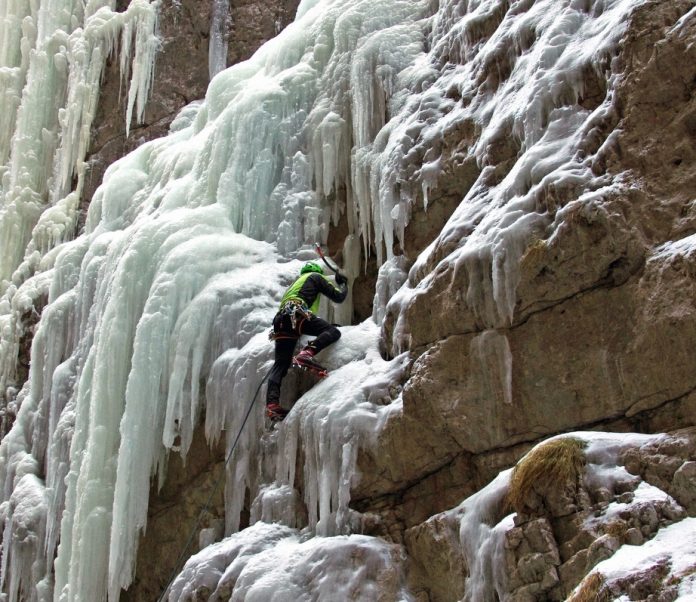
Ice climbing
A niche sport if there ever was one, but like most pastimes, ice climbing can be made to accomodate all skill levels. There are outfitters everywhere who tailor to your needs and limitations of the icy ascents. Plus, if you get addicted, you can transition to rock climbing to make your canoe trips that much more interesting.
What are some of your favorite past times during the short days of winter? Share with us on Facebook, Instagram and Twitter.
 Watch THE CANOE an award-winning film that tells the story of Canada’s connection to water and how paddling in Ontario is enriching the lives of those who paddle there. #PaddleON.
6 Amazing Paddling Trips Close To Cities
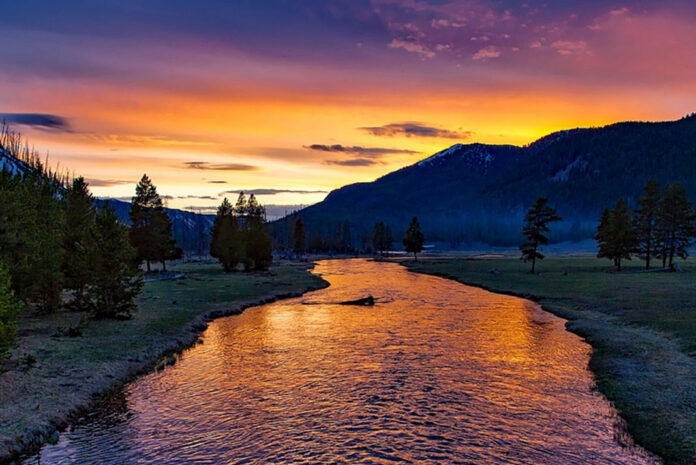
We know you’ve seen the photos. Sinewy canoeists navigating first descents down Arctic rivers. Paddlers loading into Beaver floatplanes for journeys over tundra. Folding canoes brought on flights and unpacked thousands of miles away from the paddler’s home.
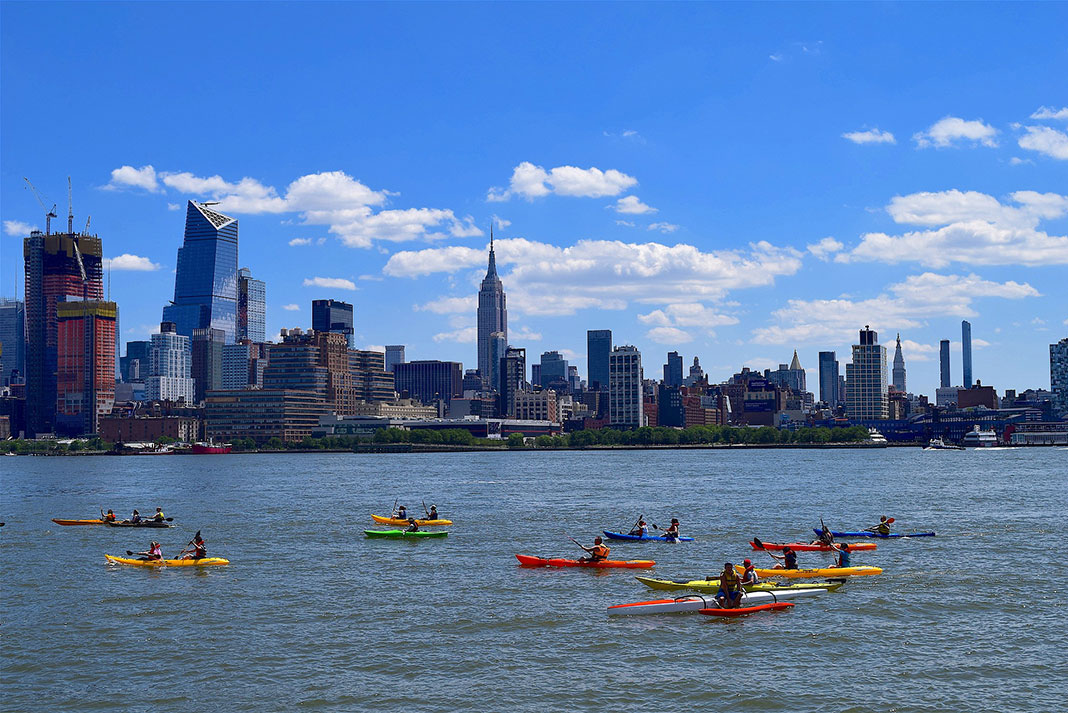
These once in a lifetime trips to remote destinations are amazing, but you can have equally as memorable paddling journeys just hours from where you live. If you reside in a major city and want to get on the water in a stunning place, read on to find the adventures that are closer than you think.
6 amazing paddling trips close to cities
1 Five-day whitewater course in Kananaskis, Alberta
Distance from Calgary: 1 hour
If you want to hone your whitewater skills, but aren’t quite sure where to start, a five day course with Aquabatics Calgary is a great option. You will polish existing skills, learn new ones, experience exciting new rivers and grow your passion for whitewater. Exposure to river safety techniques, communication and scouting skills will increase your confidence when paddling with a group. The best part? The five day course takes place in the gorgeous Kananaskis Country in the foothills and front ranges of the towering Rocky Mountains.
LEARN MORE EXPLORE ALL AQUABATICS TRIPS
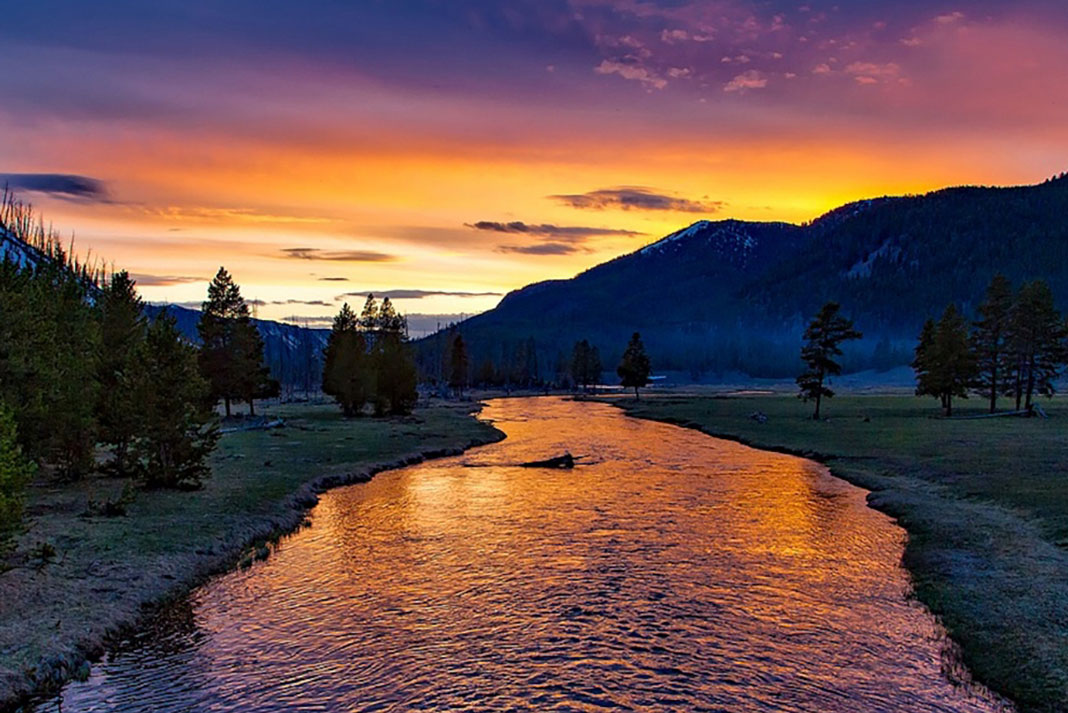
2 Five-day canoe course on the Madawaska River
Distance from Ottawa: 2 hours
The Madawaska River is home to amazing whitewater and a vibrant paddling community. Just a two hour drive from Ottawa, the Madawaska Kanu Centre offers a five day canoeing course to improve technical and river running skills in tandem or solo canoes. In addition, participants will learn the basics of river reading and river safety. The week comes complete with video analysis and gates. A bonus? The mid-week water releases at the front door of MKC mean a great variety of Class I–IV rapids.
LEARN MORE EXPLORE ALL MKC TRIPS
3 Canoeing Maine’s Flagstaff Lake
Distance from Portland: 3 hours
This canoe trip with Maine Huts & Trails offers a variety of settings, including two nights at their beautiful Flagstaff Hut and an overnight camp out. You will explore the points and coves of Flagstaff Lake with a Registered Maine Guide, delicious backcountry food and endless views.
4 Paddling the Yukon River from Whitehorse
Distance from Whitehorse: 0 hours
Paddling the Yukon River is a classic northern canoe trip, and for good reasons. Canoeing for 16 days with Up North Adventures, you will be in grizzly bear, wolf, moose, caribou and bald eagle territory. The scenery will be enhanced by famous landmarks and history, including old settler cabins, gold dredges and the relics of steamships. Starting in the city of Whitehorse, the journey is perfect for all levels of paddler and ends in historic Dawson City.
LEARN MORE EXPLORE ALL UP NORTH TRIPS
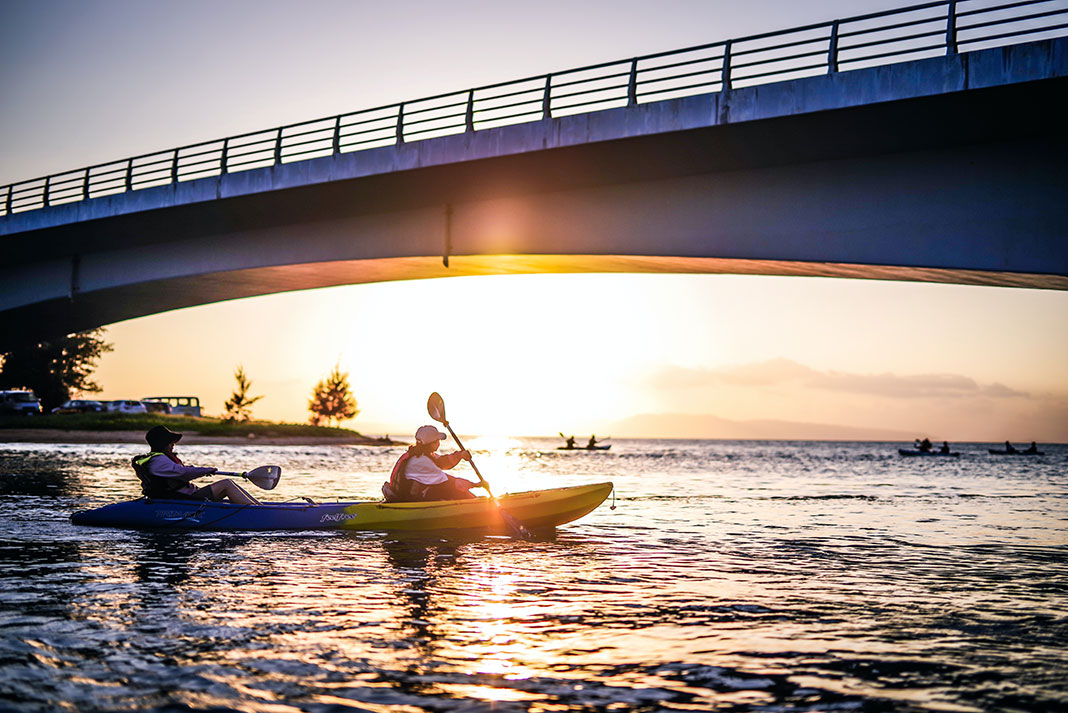
5 Canoeing Utah’s San Juan River
Distance from Albuquerque: 4 hours
Canoeing the San Juan River with Black Feather means an eight day adventure through dramatic red rock canyons. The San Juan twists and turns through convoluted goosenecks as it drains from southern Utah and flows into the Colorado River. The majority of the river is gentle current and simple rapids, but whitewater skills can be developed with a few more challenging sets. The trip is full of history of the ancient peoples who inhabited the area a thousand years ago, including cliff dwellings, rock art, ruins and stairways carved into the stone. Great days paddling are broken up with hiking to breathtaking lookouts and archeological sites.
LEARN MORE EXPLORE ALL BLACK FEATHER TRIPS
6 Kayaking British Columbia’s Desolation Sound
Distance from Vancouver: 5.5 hours
Desolation Sound is regarded as one of the most striking areas in British Columbia. The deep-water sound is a favorite for paddlers because of its spectacular fjords, mountains and wildlife. This trip with Spirit of the West Adventures is four to seven days in length, fully outfitted and will expose paddlers of all levels to spectacular vistas, warm water and accessible freshwater lakes for swimming.
LEARN MORE EXPLORE ALL SPIRIT OF THE WEST TRIPS
A great paddling getaway may be closer than you think. | Feature photo: David Mark/Pixabay
Torryd—The Next Big Thing In Whitewater Filmmaking

Once Rapid saw Torryd’s “Best Beatings” edit, we knew we had to find out a bit more about the whitewater filmmaking crew. Torryd was begun by Trent McCrerey and Knox Hammack with the purpose of creating high quality kayaking content. Along the way the crew grew to include paddlers Edward Muggridge, Evan Moore, Sofi Reinoso, Andrew Oxley, David Silk, Andrew Morrisey, Jeremy Norbury, Alec Voorhees, Liam Field and Liam Fournier.
Trent, Knox and Edward all met through kayaking high school World Class Academy, and bonded over a shared stoke for kayaking that has now taken them to some of the world’s best rivers. Everyone involved works collaboratively on content, and their series of Xenogenesis videos have racked up thousands of views on Vimeo. Here’s what you need to know about Torryd.
What came first—a love for kayaking or a love for filmmaking?
Kayaking for sure. I didn’t even own a DSLR until last year when I thought I might use it on some trips or something like that. It is always cool to be able to go back and look at the good times.—Trent
A love for watching kayak videos preceded my love for kayaking. Watching Bombflow and Substantial Episodes while I was learning to paddle drove me to get better so I could go to the places those guys went to. After I graduated from World Class, I got my first camera that wasn’t a GoPro and decided to start filming on my kayak trips.—Knox
Torryd- Xenogenesis from Torryd on Vimeo.
Is Torryd a full-time gig for each member or are there side gigs as well?
Everyone has their own thing to do. Everyone goes to school except for me so they are all busy most of the time. Many of us have sponsorships to take care of as well. We all just put in as much work as we can. Some aren’t able to put in as much time as others but we all have a pretty good system to keep stuff running smoothly. Special shout out to Trent for always putting in the biggest effort towards making Torryd what we want it to be.—Edward
I work construction on and off throughout the year, as well as other odd jobs while also studying as a full time business student at Montana State University. I also ski in the IFSA Collegiate Big Mountain tour in the winter.—Trent
I am currently enrolled as a full time psych student at Pennsylvania State University. I have gotten lucky and sold some of my past pictures and videos to make some extra money. During the summer I also teach kayaking in Confluence, Pennsylvania, for Riversport School of paddling, or in Trout Lake, Washington, for Cascadia.—Knox
What does kayaking add to each of your lives?
Mostly happiness and purpose. Right now it is my life. I honestly couldn’t say where I would be or what I would be doing without it.—Edward
Exploration, fun, friendship, trust, challenges, problem solving, endless stoke—basically everything.—Trent
Kayaking takes me to amazing places, I end up meeting amazing new people, and I have a ton of fun challenging myself on rapids and waterfalls.—Knox
Where is the coolest place you have kayaked together?
Ashlu Box Canyon, British Columbia . One of the sickest rivers in the world.—Edward
Every place I have been has something different and special about it that makes it cool in it’s own sense. For me, I think Mexico might take the cake just becuase of how different it is compared to everything I am used to. Thick jungle, big clean drops, cheap tequila.— Trent
If funds were no object, where would each of you want to paddle in 2017 and why?
I think I would probably do what I’m planning to do already. Maybe throw a small Norway or Iceland trip in early summer. As of right now the plan is finish up in Chile, then move on to the Pacific Northwest, California, British Columbia and probably end up in Chile again at the end of the year. Epic snowpack on the west coast will hopefully make for one of the best seasons we’ve seen since I began paddling. Maybe the best. I feel like I want to explore these places and progress as much as I can before moving to new locations. For me it is all I want and need at the moment.—Edward
The Carndogs: Best Beatings from Torryd on Vimeo.
What’s the weirdest thing that has happened on one of your paddling trips?
I almost got kidnapped twice in the same day when I was in Chiapas, Mexico. We were told we could lap the double drop section on river left where the Zapatistas were, I guess we didn’t have permission because a couple guys came up to us with machetes and talked to us for a long time.
Luckily Sofi Reinoso talked the Zapatistas out of kidnapping us and we decided it was time to head back to the hostel so we paddled back over to river right.
Right when we got out of our boats, another group of people came up to us holding machetes. I don’t speak Spanish but I got the impression they wanted to kidnap us because they saw us talking to the Zapatistas and thought that we were friends with them. Again, Sofi Reinoso came through and they let us go. After that we got permission from the Zapatistas to use their land and every time we lapped that section people carried our boats for us.—Knox
We loved your best beatings edit. What are the best beatings each of you have had this year?
My best beating of 2016 took place on the Golden Gate section of the American river in California. The first rapid is called Initiation, and at the bottom there lies a big riverwide hole. As I came around the corner, I was just in time to see the first person in our group swimming out of it. I paddled hard at the hole but not hard enough. I found myself stuck in the very first hole of the river getting beat down. Luckily Trent and Jeremy were able to boof over and around me so they didn’t join my surf session. Eventually I flushed out of the hole shaken and nervous for the rest of the run.—Knox
The day before the LW race, The Jerm and I tried to hit Wishbone, a 15-foot waterfall, at the same time. The overall goal was for him to boof over on the left, and I would run the middle and just go super deep and he would skip out before me. I actually ended up resurfacing right as Jerm stomped right into my chest and face. I was pretty rocked after that and ended up having to miss the race and set safety instead. Major beatering.—Trent
Torryd- Xenogenesis III from Torryd on Vimeo.
What is your ideal future for Torryd?
All of us pushing 50, getting loose, and still running shit together. We will see where we actually manage to take things but I just want to enjoy every minute of it. Right now, I believe the possibilities are endless, it just depends on what we do to make it all work.—Edward
We would love to get more exposure and make whitewater kayaking more of a known sport for people who don’t practice it. I find that when I tell people I kayak they think I only paddle on lakes and such. As long as we all get to keep kayaking in amazing places and having fun I am pretty happy.—Knox
Manky PFD? How To Know When It’s Time To Replace
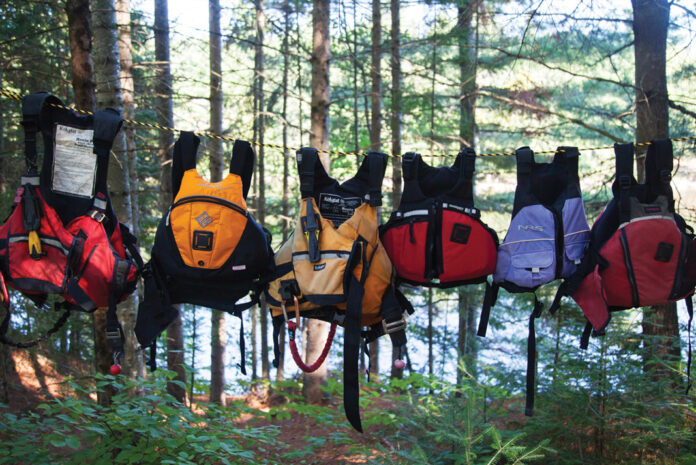
paddling Magazine staff spend a lot of time wearing and testing the best PFDs. Some of us are guilty of using the same manky PFDs on every single river outing for years on end. Some of us get sentimentally attached to our PFDs, holding onto them much longer than we should. We found ourselves debating when exactly we should be replacing them. Do PFDs have a best-before date? What are the red flags that warrant a replacement? We spoke with experts in the PFD industry to find the answers.
Loss of Buoyancy
Loss of buoyancy is the major concern for well-loved PFDs. Though the average person needs just seven to 12 pounds of buoyancy to stay afloat, most whitewater and sea kayaking vests offer a range from 15.5 to 22 pounds. At the beginning of each season get in the water while wearing your PFD to assess buoyancy. Tilt your head back while floating and pay attention to whether your chin stays above the water. If your mouth is underwater, your buoyancy is insufficient. Pretty simple.
Lauren McFarlane, customer service rep from Salus Marine Wear, explains that a PFD that has lost buoyancy will feel heavy in the water, almost like it’s full of rocks, while a buoyant one should make you feel like you are effortlessly floating. Once on land, a buoyant PFD should drain and dry quickly. Tired PFDs that should be retired may be heavy and retain water.
A key factor to watch out for on your PFD is the degradation of the foam. Kevin Mulligan from Astral Designs explains that foam is firm and stiff in a new PFD. Over time the foam breaks down, becoming softer and more pliable. You can feel the foam with your fingers and check for folds, lumpiness and malleability.
Kokatat’s product manager Matt Porter says that he often hears people who are trying on new PFDs mention that their current one is way more comfortable, as if they are barely wearing anything. He says that can be a sign the foam has shrunk and is potentially lacking adequate buoyancy.
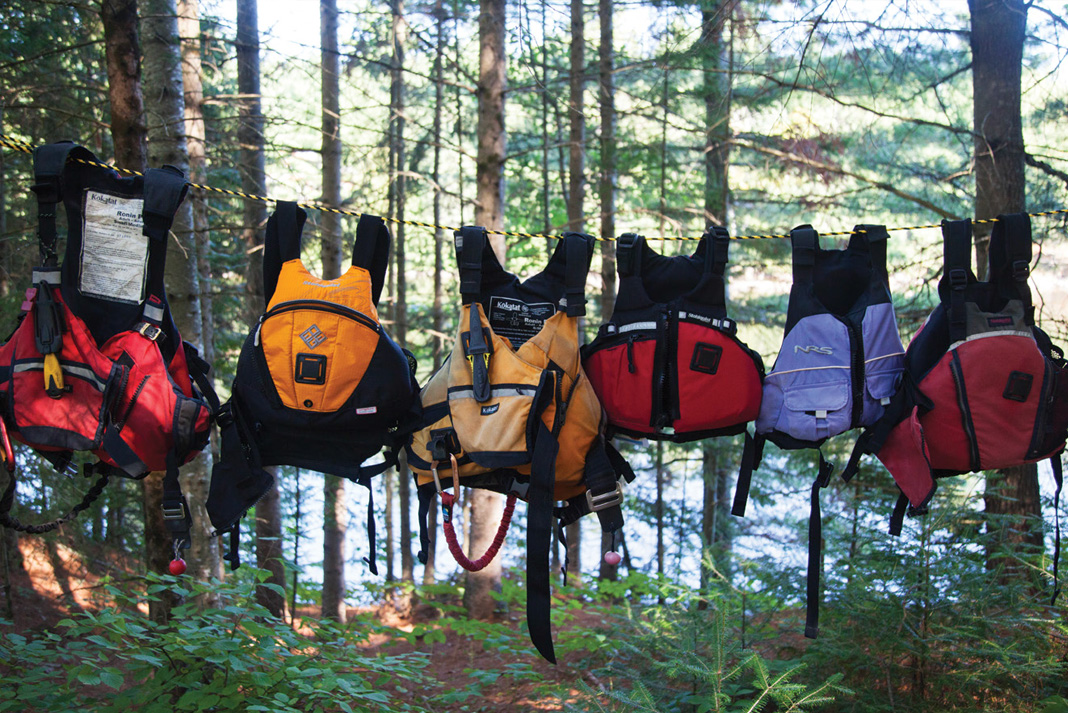
pass, questionable. | PHOTO: HANNAH GRIFFIN
Exposure to the Elements
Lili Colby, co-owner from MTI Adventurewear, explains that sun exposure can severely shorten the life of your PFD. UV exposure decreases structural strength and breaks down the fibers in the fabric. If your PFD shell fabric is significantly lighter in color than when you purchased it, it may not be as strong as it once was. Peak inside a pocket to compare against exposed, faded areas.
If you have been using your PFD in saltwater or sweating excessively without rinsing it after, corrosion of zippers and other metals will also likely occur. Porter adds that using PFDs as a changing mat or kneeling pad can ramp up abrasion and wear out the fabric more quickly. Overall, this is a bad idea.
Jim Stohlquist, founder of Stohlquist WaterWare, advises paddlers to replace their PFD if there is bagginess inside the foam envelope where the foam used to be, and if there are any rips, tears or holes that expose the underlying foam. Malfunctioning adjustment buckles and torn or frayed webbing attachment points are another obvious sign it’s time to look for a new vest.
The bottom line is that there isn’t a set expiry date for PFDs. Mulligan says the rule of thumb used at Astral is that a PFD should be replaced every five years or after 300 days of use.That guiding principle is “not set in stone,” he explains, and varies based on the user and care. A raft guide who spends all day, every day from May to September on the river will have significantly more wear and tear on her PFD than a weekend warrior over a comparative period of time.
7 River Safety Essentials To Take On The River
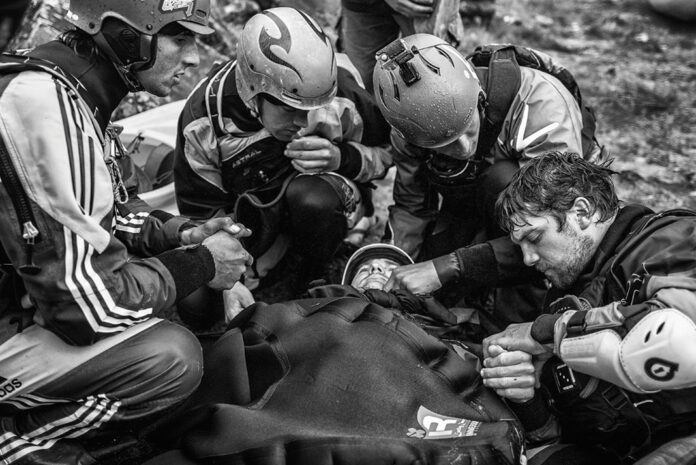
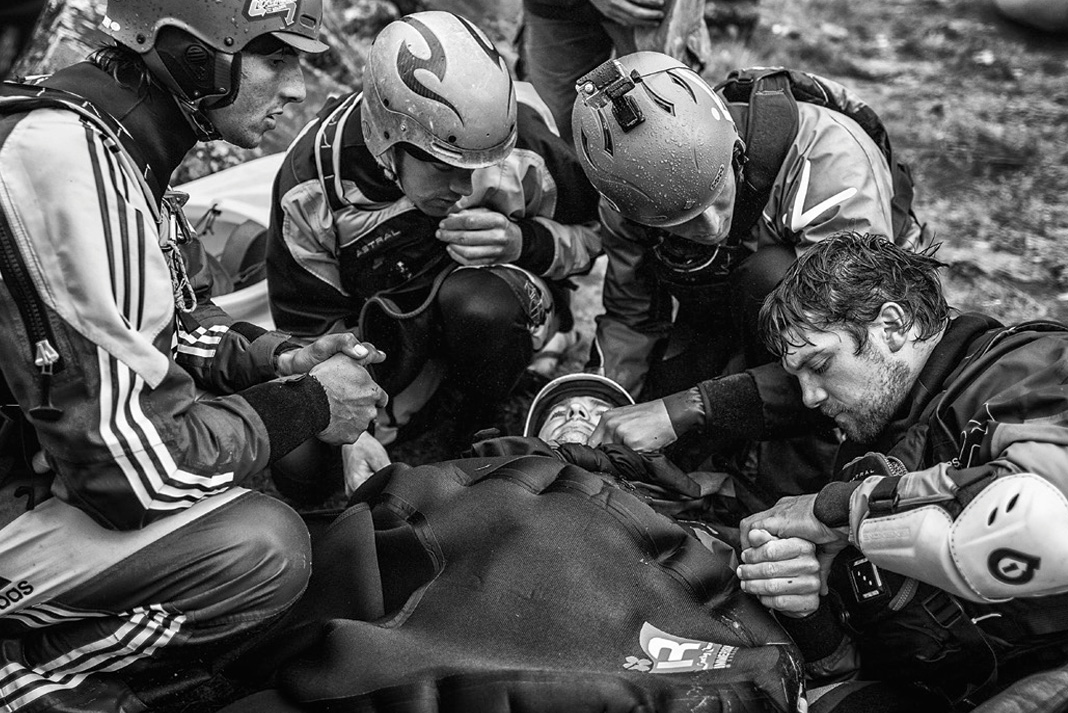
Responsible river runners usually take some formal swiftwater rescue training. At the end of the course they then purchase rescue gear to carry on the river. Most commonly, I see paddlers carrying around a pin kit for rescuing wrapped boats.
While this kit is valuable, it shouldn’t be the only emergency gear paddlers carry on the river. In addition to essentials like a PFD and spare paddle, there are a few other basic and often forgotten items every whitewater paddler should carry for safer boating.
1. Gloves and mask
In addition to a small first aid kit that may be carried in your dry bag, carrying barrier protection helps protect the rescuer if someone else gets hurt. Dealing with severe bleeding can quickly and safely be rectified with well-aimed direct pressure from a gloved hand.
2. Food
Having a snack to give you or your friends some extra energy may be just what you need to go the distance in your rescue efforts. It is particularly invaluable if you have a long walk out or get stuck overnight.
3. Watch
Paddlers need to be aware of time during a rescue effort. Critical timing includes: How long someone has been underwater, how long the group has been trying to evacuate the river, how long since we last saw them, how long since we called for help, and how long until it’s dark. All are best determined with a watch rather than guesstimating under pressure.
4. Glow stick
A glow stick gives you a better chance at being spotted by separated friends or rescuers.
good friends.| PHOTO: DEAN TREML
5. Phone
With the advent of reliable waterproof cases, there are few reasons to leave your phone at home. It may be used as a communication device, GPS, reference manual and camera.
6. Waterproofed lighter
You never know when your trip may be curtailed with a lost boat, a rise in water levels or an injury requiring a long walk or evacuation. If that walk out turns into an overnight mission, the ability to light a fire and keep warm could be the difference between adventure and disaster.
7. Duct tape
It’s often the difference between fixing a cracked boat and paddling out or taking a hike. Dry the surface, tape it and then hold a lighter to the tape while in place. Wrap a bunch of layers of duct tape around your water bottle to always have some with you.
Swiftwater rescue guru Jim Coffey has been guiding rivers for more than 30 years.
Like A Glove: How To Perfectly Fit A Kayak
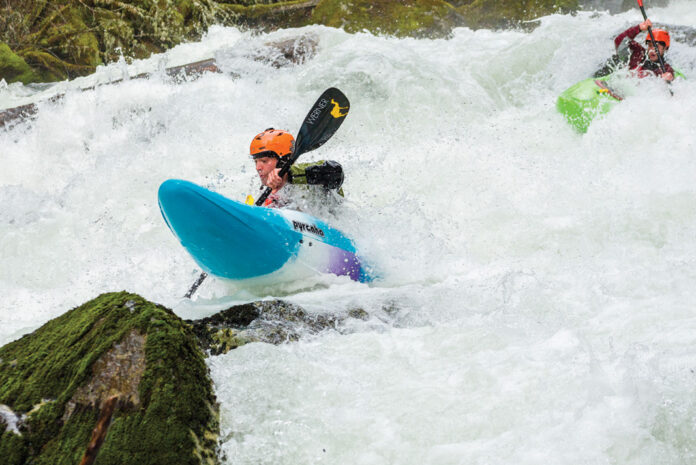
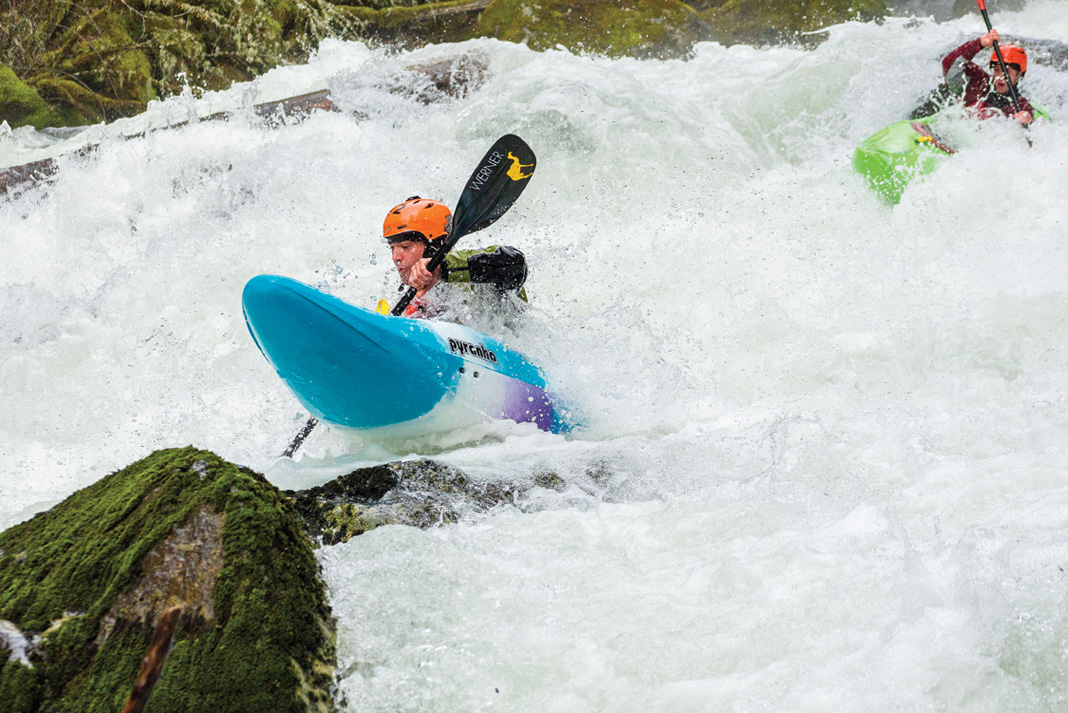
I don’t try clothes on before I buy them. If the waist and length measurements of a pair of jeans is in the ballpark with what I usually wear, I assume things will be fine. While sometimes this strategy works out, it’s also left me with catastrophic seam failure. Much to my wife’s annoyance, I don’t really care about clothes. When it comes to sizing a kayak however, I pay attention. Ensuring a paddler falls inside the manufacturer’s weight recommendations simply isn’t enough. After outfitting hundreds of kayak school students and 10 years of testing boats for Rapid, here is what I’ve learned you really need to know.
Weight
When sizing a new kayak, the manufacturer’s optimal paddler weight ranges are a good place to start, but few paddlers will fall right in the middle of this optimal range. I often have to choose between being on the heavy end of a medium size or the light end of a large size. It comes down to this: a smaller boat will be lighter, have less volume and sit lower in the water. For play this means easier vertical moves like cartwheels and squirts and an overall sense of being easy to throw around. The trade-off is that running rapids and sticking wave moves is trickier because more water grabs your boat. In river runners, a larger boat might give you more confidence by keeping you upright but a lower volume boat is sometimes nice—like when trying to get out of a sticky hole. Keep in mind that your weight will fluctuate based on layers, and the gear carried. Test paddle river running and creek boats with water bottles, throw bags, pin and first aid kits, and your lunch. It makes a difference.
Leg Room
At six feet tall with a 30-inch inseam (yes, I have a long back) I know a few things about issues with leg room. Often, I can’t move the seat far enough forward to trim the boat for best performance. Be sure to loosen and fiddle with thigh brace positions. Moving your knees even a little bit up or out can provide additional room at your feet. If you have really long legs the decision is often made for you—you have to opt for a larger size you can fit in.
Width
The width of boats between different sizes usually only changes a tiny bit but it could be a factor in the overall fit of a boat. Generally the larger boats are a bit wider, which means you might not reach the water as well or keep that nice vertical paddle shaft when pulling forward strokes. A wider boat will also require a bit more effort to edge. The advantage might be a more stable platform that glides down a green wave better than a narrower twin.
Cockpit Height
This doesn’t seem like such a big deal until you land a nice solid boof that is quickly followed by the pain of your elbow slamming on the cockpit (followed by swearing).While important on playboats too,it’s the creekers and river runners where you want to be especially sure you have lots of room between elbow and deck. If you find the sides of a boat are swallowing you up, try adding foam under your seat to boost you up—although this raises your center of gravity—or try a size down.
Overall Feel
Most modern boats have many options for tweaking the outfitting—hip shims, seats that slide front and back and sliding and rotating thigh braces. With a bit of time you can get any boat to feel pretty good. Something to consider though is your overall position. Do you have room for your feet to sit how you like? Can you bring your knees up in an aggressive position or do you like them straighter out in front? Can the back band go high or low enough for you? Some boats only need a little tweaking to feel just right, while others never seem to be a part of you regardless of how much fiddling you do.Test paddle your new kayak with care before you buy.
Dan Caldwell is a regular contributor to Rapid magazine. After one too many photo shoots during -25°C for spring release kayaks, he now mostly avoids our calls between December and March.
3 Whitewater Secrets Your Buddies Probably Forgot To Tell You
So many aspects of whitewater kayaking are counter to our natural instincts. Bring your head up last. Lean towards the rock. Don’t get in the back seat. These well-meaning words of advice are recited to nearly every single beginner kayaker; they’re our mantras to conquering our natural reactions. After 20 years of kayaking and 15 years of class V, I have seen a lot of teaching techniques, successes and failures. There is some advice that I have found tremendously helpful and powerful for early paddlers, yet it’s not as often repeated.
Stay positive at all times
Stay positive at all times. Look positive. Point positive. Speak positive. These maxims are not just for self-help gurus. When we are beginners, we are thrown into the new and dynamic world of the river. Our friends say that we will love the sport, but the raw power of nature is intimidating. As we paddle down the river, our first instinct is to stare right at the menacing rocks and hydraulics that we are trying to avoid. And what happens? Our boats go right to them.
Look where you want to go
The golden rule of kayaking—and nearly every sport—is to look where you want to go. This applies to skiing, mountain biking, gymnastics, car racing and everything in between. When we look at something on the river, our shoulders square up with our head, and then our body and boat naturally track toward what we’re looking at. So for beginner kayakers, a huge breakthrough occurs once we learn to look positive and focus on where we want to go. Ignoring the hazards.
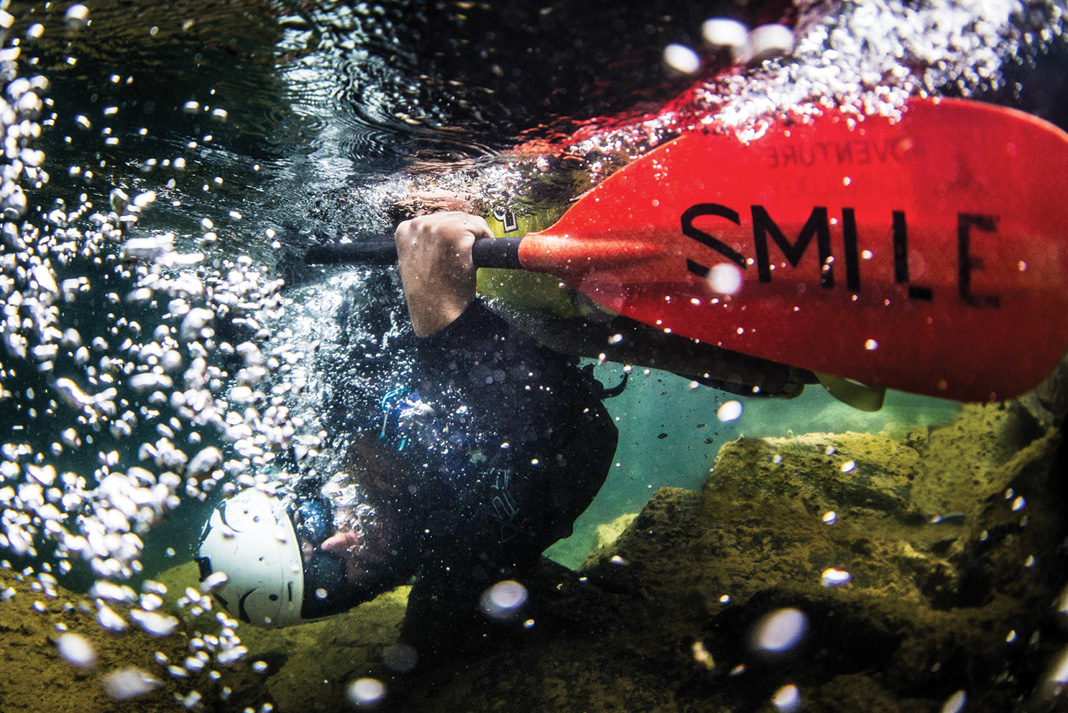
PHOTO: TYLER ROEMER
As paddlers develop more skills and move up to reading and running class II and III whitewater, they occasionally find themselves pointing out hazards to their friends as they paddle down the river. They are trying to be helpful, but what does pointing a particular direction mean in river language? “Go there!”
This is a common mistake at this stage in a kayaker’s development and one that is tremendously important to overcome. We carry the ultimate responsibility with us on the river—that of our friends’ safety. Pointing positive and learning how to communicate properly on the water is critical to a paddler’s development into and beyond the intermediate stage.
Once paddlers are comfortable in class III whitewater and are looking and pointing positive, we are ready to take the next step. It’s time to consider how far we want to take our kayaking, and double down on practicing every one of our skills so we can enter the class IV and maybe even class V realm. It is at this point that another mistake tends to rear its ugly head.
We all have that friend who starts directions for a difficult rapid by saying, “This is the one that ripped Bobby’s arm off,” or “Whatever you do, don’t go left!” What does this language create in our minds? Dread. This is absolutely the worst thing that we can tell a nervous paddler on their first time down a challenging river.
Speak positive
Instead of leading with the hazards, it’s far more effective to speak positive and mention only where we want to go as opposed to where we don’t want to go. The time to show the true severity of hazards is either during an on-land scout—that information is necessary to make a decision to run the rapid—or after running the rapid. Any other time is a disservice to the person being guided.
These three rules are so simple, yet so commonly missed by paddlers at a variety of different skill levels. Always look, point and think positive. It will change your game.
Chris Gragtmans is a champion kayak and standup paddleboard athlete, business owner and professional speaker.
Meet Canada’s C1 Slalom Pioneer
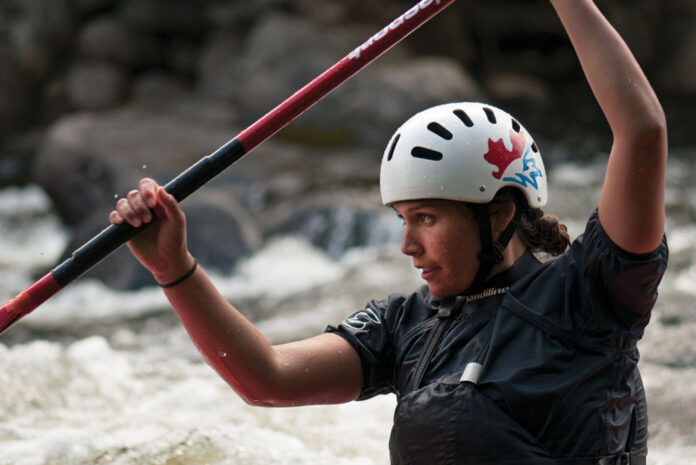
In 2009, Alexandra Machicado-McGee was the first and only woman who accepted the invitiation to the Canadian national team trials in whitewater C1 slalom racing. There she then completed the required number of gates to qualify for the national team.
The national team trials would not only change McGee’s life but the course of history for female C1 paddlers. At 17 years old, McGee came in third last in that national event. However from the moment she crossed the finish line, she was hooked and would go on to become an accomplished slalom competitor on the world stage.
McGee grew up near the whitewater mecca of the Ottawa River in Ontario, Canada. She began paddling at eight years old. It wasn’t long before she was soloing a hand-me-down Esquif Detonator. As her skills increased, she cut her on teeth at paddling festivals and open canoe slalom events on the Madawaska and Gull rivers.
McGee has represented Canada all over the world for the last six years. Her most memorable moment came at the 2011 International Canoe Federation (ICF) Worlds in Bratislava, where she placed sixth.
McGee took the last year off from the international competition circuit to complete an undergraduate degree in preparation for law school. She says she was ready to hang up her paddle professionally.
“There needs to be a life after you finish living the dream,”she says, adding that she was ready to focus her energies elsewhere.
However, her dream of competing in the Olympics came roaring back to life this past summer. As the 2016 Rio Olympics wrapped up, much of the buzz for the 2020 games in Tokyo centered on the new sports that will be included, such as climbing and surfing. Lost in the mainstream media hype was the news that for the first time ever, female C1 paddlers may get the chance to compete for Olympic gold.
The ICF has approved a new racing program that would bring equality to the men’s and women’s sprint and slalom disciplines, though this has yet to be ratified by the International Olympic Committee (IOC). To go from C1 pioneer to Olympian is a chance McGee dreams about.
“The future is promising with word that national funding could be coming from the federal government for female competitors for the first time,” says McGee. “Without women’s C1 being included in the Olympics, corporations have not been on board to provide funding or sponsorship because there is no media exposure.”
If women’s C1 slalom is included in the Tokyo Olympics, McGee will then be 28 years old—practically an old-timer by Olympic standards—and a 10-year veteran of the sport. Since first competing in 2009, the number of countries that boast female race training development has grown to 40. If women’s C1 slalom is accepted in the 2020 Olympics, McGee expects that number will only grow.
For a girl who chose the canoe because she could see the waterlines clearer, to a woman possibly representing her country in a first-ever Olympic event, the future is bright.
Gabriel Rivett-Carnac is an assistant editor at Rapid Media. Originally from Victoria, BC, Rivett-Carnac now calls the Madawaska Valley home.
Watch The Canoe, an award-winning film that tells the story of Canada’s connection to water and how paddling in Ontario is enriching the lives of those who paddle there. #PaddleON.
Alexandra Machicado-McGee paddling at the Madawaska Kanu Centre in Barry’s Bay, Ontario. | Feature photo: Gabriel Rivett-Carnac
How Krystle Wright Shoots Nighttime Waterfall Descents
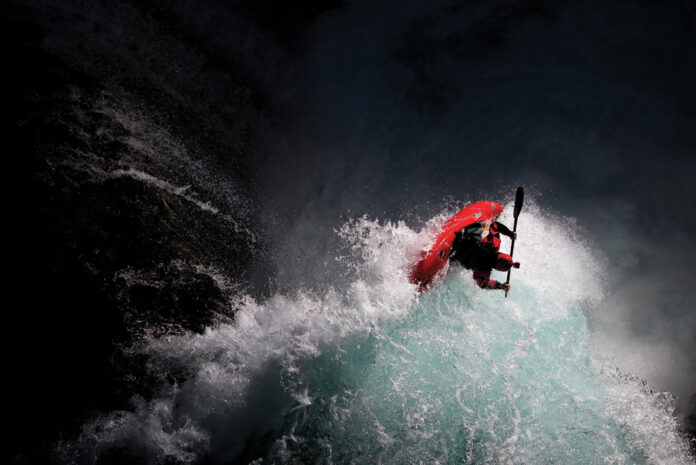
Unless they’re living in the wilderness, most people are exposed to almost 300 images a day. As a professional photographer, my challenge is to find a way to make my images stand out from the rest. I’ve always believed that becoming a great photographer requires going out on a limb to create something new. I was recently challenged to create a unique shoot that would test Canon’s newly released 1DX MII camera in difficult conditions. I reached out to Erik Boomer to start brainstorming ideas with whitewater kayaking in the blue hour.
We came up with the idea to rig a flash over a waterfall and shoot down as the paddler descended. Previously this angle has either been incredibly difficult or near impossible. Fortunately, drone technology has come a long way. With the help of drone operator Larkin Carey we were able to rig two 600EX flashes to a drone to light up Spirit Falls at dusk.
Originally the shoot was just with Boomer but by chance David Spiegel, Rafa Ortiz and Rush Sturges were in the area for an upcoming race down the White Salmon.
For the perfect bird’s eye view, I positioned myself in the tree above Spirit Falls and hung by a rope a few meters above the falls. I asked Carey to position the drone directly in front of the falls by about 10 meters and slightly lower so that the light wasn’t too focused on the lip.

The group of four paddled the falls twice, but in Sturges’ first run the image came together seamlessly. Each drop, I could only take one shot as I chose to have the flash at full power with a low ISO to keep the highest possible quality. It was nerve-racking to not rely on a high-speed shutter, but it was also an awesome challenge to have only one chance each round. After the second run, the sun had truly disappeared and we hiked out in the darkness.




