Home Blog Page 244

Little Explorers: Boarder Basics for Kids

Photo: Alex Cousins

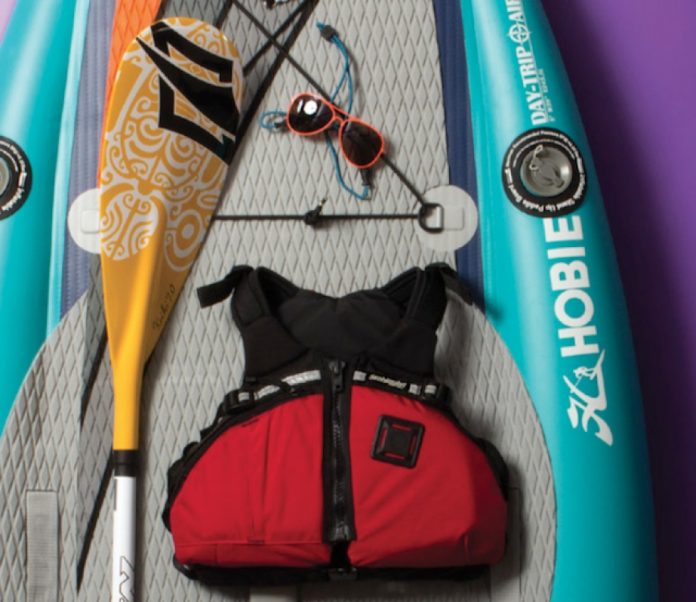
DAY-TRIP AIR BY HOBIE

One of the most stable inflatable paddleboards on the market, Hobie’s Day-Trip Air is perfect for kids who want to paddle out to fish, dive, chill or run down the river. This recreational board is eight feet long, 38 inches wide and 23 pounds. We love that it’s large enough that anyone under 180 pounds can paddle it, yet small and light so kids can easily maneuver it. Hobie’s super durable inflatable construction means youngsters can drag the board to and from the water without worry.

$1,299 | hobie.com

BUFF JUNIOR BY BUFF

Just like the original Buff, but made to fit kids between the ages of four and 12. The incredibly versatile Buff Junior can be used as sun, rain, wind or bug protection while paddleboarding and at camp. It’ll also double as a handy hanky, mask, hair scrunchie and bandana.

$18.75 | buffwear.com

KEIKI PADDLE BY NAISH

Just 540 grams, the lightweight and adjustable Keiki from Naish is a high- performance paddle designed specifically for kids. Its anti-twist Vario system makes lengthening and shortening the shaft easy, so it can adapt to kids of all sizes. The glass construction offers a flexible and durable blade that boarders of any age will appreciate. Plus, the blade boasts a scratchproof finish, so the slick design will continue to look top-notch for years to come.

$259 | naishsurfing.com

SUNNIES BY KIDSOLAIR

Kids’ developing eyes let in 70 percent more UV rays than adult eyes. That’s why it’s so important to cover young peepers with solid protection like these glasses from Kidsolair, which block all UVA and UVB rays. This grown-up style is a perfect fit for smaller faces, and offered in colors everyone will love. Paired with a reliable neck strap, kids are sure to keep these sunnies around.

$15 | suntechoptics.com

DRIFTER BY STOHLQUIST

This low-profile youth design offers the same features we love on our Stohlquist PFDs. The Drifter’s cross-chest cinch prevents ride-up so that mobility isn’t compromised—kids will forget they’re wearing it. The full draining front pocket is large enough to hold snacks and easily accessible to small hands. The Drifter is super adjustable and fits paddlers from 50 to 90 pounds.

$94.95 | stohlquist.com

AMPED SURF SHORTS BY LEVEL SIX

Looking for board shorts that offer easy movement and dry quickly? The Amped Surf Short from Level Six delivers on this promise, while embracing surf culture heritage with a traditional design in funky new colors. We love that kids look as at home on their boards as they do racing around the backyard in the Amped.

$44.99 | levelsix.com

RIO BY KEEN

Inspired by Keen’s adult technical sandals, the Rio features lightweight EVA injection molded construction and a comfortable, flexible fit for little feet. Parents will love the built-in arch support—perfect for underfoot stability for paddleboarders—and the secure fit lace system, which ensures shoes stay on during a swim. Kids will love the speed at which the Rio dries, and its fun style.

$50 | keenfootwear.com
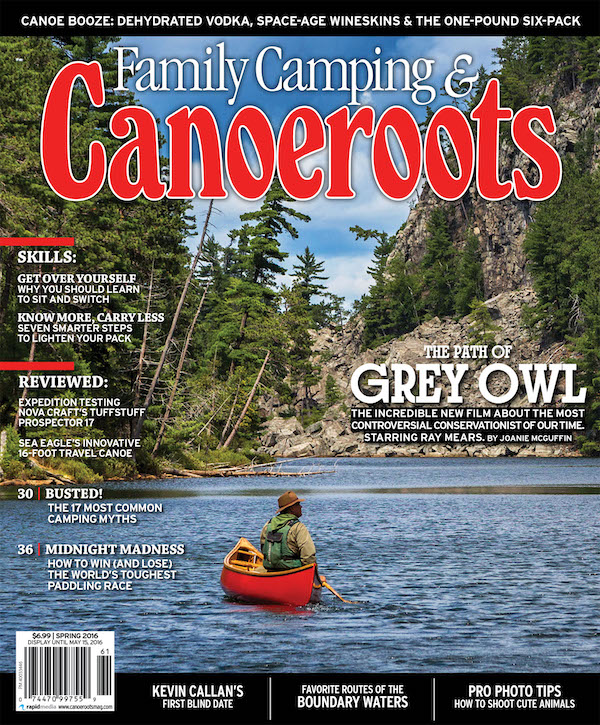


This article originally appeared in Canoeroots
Spring 2016 issue.

Subscribe to Paddling Magazine and get 25 years of digital magazine archives including our legacy titles: Rapid, Adventure Kayak and Canoeroots.
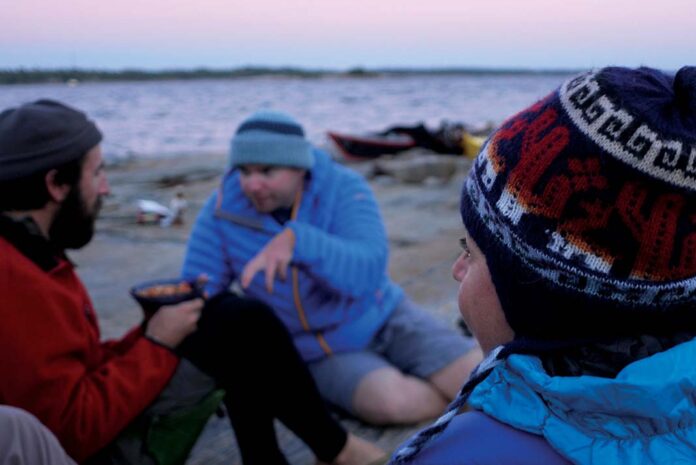
Catching The Late Show

REASON #23: STORY TIME | PHOTO: VIRGINIA MARSHALL

Few would argue that epic expeditions in Patagonia, tackling tidal rapids, exploring remote uncharted islands and mastering several dozen Greenland rolls before breakfast make riveting—even inspiring—subjects for outdoor film festivals and social media feeds. But while it’s great to dream about over-the-top adventures and Olympic-level technique, these aren’t the bread-and-butter of most paddlers’ experience.

The reality is, many paddlers settle for day trips or even an hour snatched on the water before or after work. If this sounds like you, then you are missing out, but probably not for the reasons you think.

An under-publicised but utterly fundamental fact is that one of the greatest things you can do with your kayak is to go backcountry camping. Day trips are certainly fun and beneficial, but camping out of your kayak exponentially magnifies all the joys of paddling and spending time in nature with friends.

Perhaps you are new to paddling or sleeping outdoors and the idea of kayak camping is a bit intimidating. Not to worry, camping equipment rental is increasingly common at popular parks and water trails, and experts at these places can also help you plan an easy, sheltered route that fits your schedule and ambitions.

Still not convinced? Let me explain why life is not complete without the simple yet soul-satisfying joys of an overnight kayak trip.

Extending your trip beyond the waking hours through a lingering evening, bewitching night and meditative calm of a new day opens the door to countless memorable experiences. Watching wildlife from your kayak at sunset, landing on your chosen beach after a challenging paddle, scrambling to hang a tarp in the rain, enjoying a rosy sunrise from your cozy sleeping bag, sharing stories around a campfire, cooking a satisfying dinner on camp stoves.

Kayak tripping reminds us of what is important by bringing life back to the essentials. Each day we consciously create food and shelter; make decisions and directly experience the consequences. Simple moments such as meal times adopt greater importance as we rediscover the value of fueling our bodies, caring for each other and sharing resources. Each day takes on a reassuring ritual of camp routines and human-powered travel guided by the natural rhythm of the sun, wind and tides. We are reminded that with care, skill and even the simplest gear, we can be warm, dry and happy in the stormiest conditions.

THE BENEFITS OF KAYAK CAMPING

Think you know your friends? Sure, maybe you met in kindergarten, did that cross-country road trip in college and have been out for more beers than you can count— but camping together is a sure-fire way to understand each other even more deeply. For better or worse, you don’t really know your friends until you’ve set up camp together in a downpour, helped each other pre-coffee on an early morning, lent each other dry clothes, watched meteor showers together, swatted mosquitoes and philosophized about life around the campfire, experienced each other’s cooking disasters (and successes) and shared emergency chocolate when the going was tough.

REASON #23: STORY TIME | PHOTO: VIRGINIA MARSHALL

Kayak camping doesn’t only teach us about others. Aristotle said: “Knowing yourself is the beginning of all wisdom.” Spending a few days (or weeks) outside in kayaks and tents can spark some interesting observations and reflections about ourselves, both profound and trivial. What is important to me in life? What are my strengths and weaknesses? What changes do I want to make in my life? Did I pack enough coffee? Why the heck did I bring a 20-litre dry bag? How do I deal with challenges and adversity? What brings me joy? How can I support those around me? Why am I here? Why are we here? Where are we going?

Kayak tripping reminds us of the beauty all around us and our responsibility to care for this planet. In his best-selling books Last Child in the Woods and The Nature Principle, author Richard Louv talks about the negative impacts of spending less time in natural spaces. Louv uses the term “nature deficit disorder” to describe how weakening connections to nature affect not only individual well-being but also how society interacts with the natural environment.

By going kayak camping, we strengthen our relationship with the natural world and thus make more informed, thoughtful choices regarding the environment.

“Wilderness trips remind us how little we really need to live well.”

Downtime in a quiet cove between paddling and sleeping is a lens through which we notice nature’s understated beauty—a heron among the reeds or a lone tree clinging to a cliff. These interactions with the natural world have further positive impacts. Spending time in nature has been shown to directly reduce stress and relieve depression.

Camping trips are empowering on many levels. They teach us self-reliance and inner strength, foster new perspectives and creativity. Wilderness trips also bring us freedom from material stuff—not only are they one of the few times in life when we aren’t bombarded by ads telling us to buy things, trips also remind us how little we need to live well. Poet T.S. Eliot said “the end of all our exploring will be to arrive where we started, and know the place for the first time.” I can think of many people who returned home from paddling journeys with new insight, courage and clarity to make changes in their life—whether in work, relationships, lifestyle choices or perhaps just deciding to finally get rid of all that junk in the garage.

No matter how large or small the trip, each journey has its unique experiences that teach us more about ourselves, the people in our lives, and the world around us. A weekend away will recharge your batteries and maybe even reveal solutions to a difficult problem. Spend a few weeks out and the distinctions between the “real world” and this new reality will blur and shift, sometimes permanently.

Overnighting at water’s edge is an accessible yet precious gift we can give to each other and ourselves. There are few fail-proof formulas in life, but one is certainly that spending time in beautiful places and boats with good people will make your life richer.


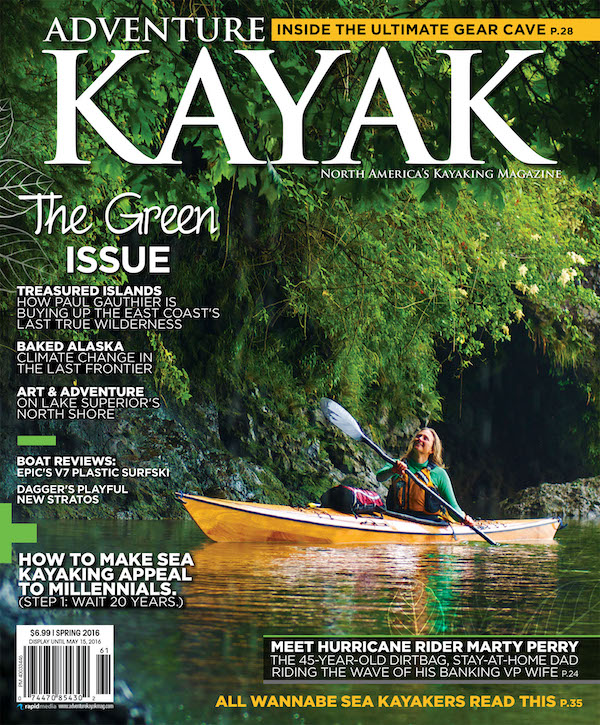
This article originally appeared in Adventure Kayak
Spring 2016 issue.

Subscribe to Paddling Magazine and get 25 years of digital magazine archives including our legacy titles: Rapid, Adventure Kayak and Canoeroots.
The Owl in the Pines: Ray Mears and His Childhood Hero

PHOTOGRAPHY BY GARY MCGUFFIN

It’s just an ordinary beaver lodge—a dome-shaped mass of sticks plastered with mud. It’s situated on a small pond, halfway down the Wakimika River in northern Ontario’s famed Temagami wilderness. Five of us, floating in three canoes, gather round with cameras at the ready, hoping for a shot. Here, in the oldest stand of red and white pine in the world, we’re searching for an echo.

My husband, Gary, and I are guiding a very special trip. Accompanying us is a small crew creating a film exploring the beginnings of Canada’s most famous and controversial conservationist.

During the early 20th century, Grey Owl helped to save the industrious beaver from the edge of extinction, becoming a bestselling author in the process. He wrote five books, dozens of articles, starred in National Film Board movies and gave hundreds of lectures. Shortly after his death he was exposed as a Brit pretending to be a First Nations man.

More than 75 years later, we’re paddling into the network of wilderness waterways he called home, following in the footsteps of this complex conservation giant to discover his beginnings.

Though Grey Owl is often associated with his final resting place in Prince Albert National Park in Saskatchewan, it was his years near canoe- culture mecca Temagami, where he learned bushcraft skills from seasoned trappers, guides and Ojibway elders.

PHOTO: LIBRARY AND ARCHIVES CANADA, E010792746

MAKING A MARK ON HISTORY

It’s a sunny July afternoon three days before we depart for the wilderness when I meet our group at the Temagami Canoe Festival. Water laps against the docks, boats come and go from the marina, music and traditional drumming emanate from the stage. People surround a birchbark canoe admiring the builder’s handiwork. The owner of the Temagami Canoe Company, the second oldest canoe manufacturer in the nation, offers demonstrations of traditional cedar canvas boat building techniques.

It’s here I meet the man who will narrate our film: BBC personality Ray Mears is famous for his Ray Mears’ Bushcraft and Ray Mears Goes Walkabout TV shows, as well as a for being a bushcraft expert. He’s also a Grey Owl admirer. Ray is here demonstrating his wilderness techniques for festival goers.

An enthusiast of Grey Owl’s writing and work, Ray has long dreamed of exploring the Temagami area that shaped Grey Owl. Though separated by decades, the two grew up in neighboring rural towns in the United Kingdom.

Their differences are vast, but it’s hard to ignore similarities between the two wilderness philosophers. There’s a shared appreciation of the traditional ways of the First Nations and both have passionately championed conservation.

“He grew up with nature on his doorstep; it just wasn’t big enough for him. I can relate to that,” says Ray.

The following afternoon Gary and I travel with our three companions, including videographer, Goh Iromoto, and Oliver Thring, a writer from the Sunday Times in London, to Bear Island on Lake Temagami. There’s no better place to begin Grey Owl’s story than right here. Our host, Virginia Mckenzie of the Teme-Augama First Nation, shares stories of when Grey Owl met her grandfather here in the summer of 1907.

Back then Grey Owl was a 19-year-old British immigrant by the name of Archibald Belaney.

Archie’s first trip to Bear Island involved a rigorous canoe trip from Temiskaming with his mentor, Bill Guppy, an experienced guide and trapper. It was a steep learning curve involving all aspects of canoe travel. Whitewater paddling, upstream poling and strenuous portaging—Archie learned it all.

As they journeyed from their winter trapping grounds in Quebec to the summer guiding opportunities on Lake Temagami, Archie passed the even more important test of maintaining perseverance, a positive outlook and a constant willingness to master skills in the face of exhaustion. He fell in love with the ways of the First Nations people—a way of life that was becoming increasingly fragile with industrialization.

Today, Virginia focuses on reviving her people’s culture through traditions and ceremonies that had at one time all but disappeared. As the community librarian, she proudly shows off a collection of photo albums and newspaper clippings depicting the early 20th century on Bear Island, including a lovely portrait of Grey Owl’s first wife, Angele.

“[Grey Owl] made a mark on history, he’s made a mark on the area, he’s made a mark all over the world,” says Virginia. That his story begins here is a source of pride.

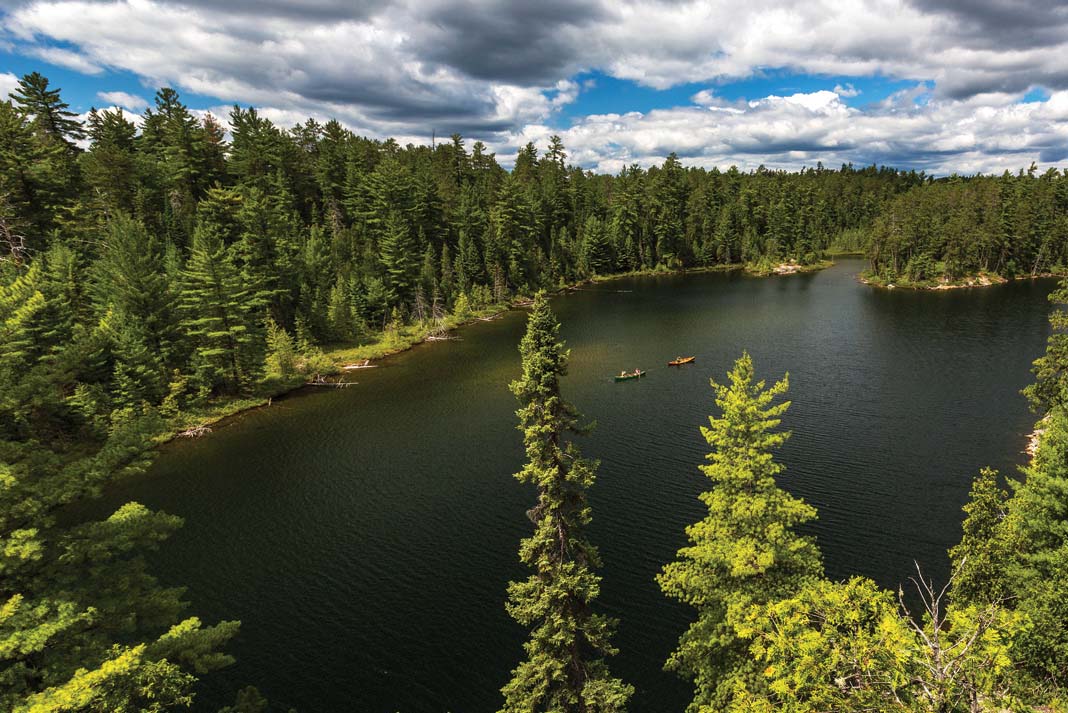
TEMAGAMI IS HOME TO THE WORLD’S LARGEST STAND OF OLD-GROWTH RED AND WHITE PINES. | PHOTO: GARY MCGUFFIN

AN IMPORTANT VOICE FOR THE COMMUNITY

That night, at Smoothwater Wilderness Outfitters Ecolodge (smoothwater.com), we look over maps.

Gary has laid out a route that Grey Owl would’ve paddled often. The Wakimika River offers a good chance of seeing beavers, as well as sites with significant spiritual, historical and ecological significance.

Although the topographic map indicates we’ll be paddling through Obabika River Provincial Park near the Lady Evelyn-Smoothwater Wilderness, we know this to be the traditional lands of the Misabi family. We hope to meet with Misabi Elder, Alex Mathias, who lives in a cabin near our route. Gary and I first met Alex on a canoe trip 18 years ago while on a personal quest to help save Ontario’s old growth.

Our daughter took her first steps at his camp three years later. Alex remains an important voice for his community and the wild, in ways similar to Grey Owl.

We leave the town of Temagami via de Havilland Beavers with a roar of engines. Grey Owl never saw the landscape from this perspective—I imagine the grandest views he ever had of the vast pine forests and the countless islands stretching out beneath us were from the fire towers on Maple Mountain, Caribou Mountain, Ishpatina Ridge and Obabika Lake.

The pilot brings the Beaver in a wide arc north of Obabika Lake over what is known by canoeists as the Wakimika Triangle. Of all Temagami’s vast network of interconnected nastawgan, this is one of the most beloved canoe routes. From our eye perspective, we can see the lakes and rivers of our entire route surrounded by the greatest red and white old growth pine forest in the world. The sky is dark and threatening rain when we suddenly swoop down over the treetops and the pontoons touch down on Wakimika Lake.

THE WAKIMIKA TRIANGLE ROUTE OFFERS CLEAR LAKES AND MAJESTIC PINES. | PHOTO: GARY MCGUFFIN

A SPECIES IN NEED OF A CHAMPION

A torrential downpour at first light makes me thankful Gary had rigged a large tarp over the kitchen area the night before. It passes quickly and soon everyone is out of the tents to film and photograph in the morning light. By the time I have hot cereal on and the smell of coffee wafts through the campsite, the west wind completely clears the skies.

We set off down the lake with the wind to our backs and enter the Wakimika River at Grassy Bay. A full day lies ahead as we meander to Obabika.

“Traveling down that river, knowing that he’d been here, is very special,” Ray says later. “I feel like I’m paddling in his wake.” Having spent three months in the summer of 1997 exploring this area by canoe and tracing Grey Owl’s explorations, the echo of his presence is a feeling I can relate to.

The river widens into a pond surrounded by cedar and black spruce. A channel through riverside grasses leads us to a beaver lodge. Somewhere beneath us is the underwater entrance to their snug abode. We sit quietly, paddles resting across the gunwales, hoping to catch a glimpse.

The beavers are a constant source of conversation for the group. During the fur trade years, beaver pelts were the most valuable natural resource in Canada. Their luxurious fur drove trade across the continent for two centuries, motivating much of the early exploration of North America. At its height, indiscriminate trapping sent 100,000 beaver pelts back to Europe every year.

In the way that it must have seemed inconceivable that such an abundant bird as the passenger pigeon would go extinct, so too was the story with the ubiquitous beaver. A flood of get-rich-quick entrepreneurs almost trapped the beaver into oblivion by the mid-1920s. The species was in need of a champion.

CONSERVATION THROUGH STORYTELLING

By the mid-1920s, Archie had long since adopted the identity of Grey Owl, claiming to be born to a Scottish father and Apache mother. He ran a trapline with an Iroquois girl, Gertrude. One spring, with the beaver all but gone, Archie unintentionally trapped a female. Feeling guilty, he rescued her pair of surviving kits, and named them McGinnis and McGinty. These two beavers and the two that followed, Jelly Roll and Rawhide, got up to all sorts of antics in Grey Owl’s life, including building a lodge inside his cabin.

Their endearing personalities became the catalyst for much of Grey Owl’s conservation ethic and decision to quit trapping. His first-hand descriptions of living with the beavers and other wilderness adventures enthralled people around the world. He was even invited to meet King George VI and the royal princesses when he visited Britain on a book tour. His ethos that the wilderness is more than a resource to be plundered was a new idea for many at the time.

Through his storytelling, “He made people aware of the plight of the beaver and was very significant in changing attitudes,” says Ray. “The work he did was incredibly important.”

Grey Owl’s true identity was exposed soon after his death in 1938. “I don’t think the world really knows how to talk about Grey Owl,” says Ray. “In one sense they’re moved by his success, yet, at the same time, commentators have to explain he wasn’t a First Nation person and ask whether he was a fraud.”

“I don’t think of him in those terms,” Ray continues. “What’s important are not the personal demons he brought with him, but his message of conservation, which was ahead of its time. It’s as important today as it ever was.”

RAY MEARS IS A CANOEIST, WILDERNESS ADVOCATE AND POPULAR TV HOST. |
PHOTO: GARY MCGUFFIN

WALKING IN GREY OWL’S FOOTSTEPS

Temagami has a history of making conservationists.

At the north end of Obabika Lake, we reach the infamous place where two huge rock-filled cribs flank the river. A logging road built here in the ‘80s was part of a plan to log the 300-year-old old growth forest.

Though it’s almost three decades later, no one has forgotten the bitter fight between the 300 protesters arrested and those who wanted the timber. As we paddle by, only the sounds of nature preside: A red squirrel’s scolding, the swish of our paddles and the rush of water flowing through the half- finished beaver dam spanning the stretch where the road once stood.

That night we pitch our tents beneath the pines. Two loons surface nearby, calling to one another. Around the campfire, under star-speckled skies, we plan the next day’s travels.

From the beach landing, the trail climbs straight up into the forest. With the canoe over my head, I focus on my footing. The forest floor is covered in a thick layer of pine needles. Tendrils of wintergreen and golden thread weave across the ground. Every so often I see small clumps of translucent white Indian pipes poking up through thick mats of sphagnum moss. Small birches, balsam and ferns line the path. Huge tree roots snaking across the path create a natural staircase up the steep parts. However, it’s the gigantic trunks of the ancient pine giving me the sensation I’m an ant beside an elephant that I love most about this trail.

Written in that deeply furrowed bark is a history as old as the Hudson’s Bay Company. These giants have seen the wanderings of nomadic people, the Europeans come and go and even Grey Owl himself.

I drop the canoe at a trail junction to signify to the others the proper route to follow to the lake. Returning for my pack, I meet Ray carrying the cedarstrip with ease. Not far behind is the crew’s writer, Oliver, red-faced, sweating and straining every muscle. It’s his very first portage. When I offer assistance, he declines with a grin. “I feel at last that I am really walking in Grey Owl’s footsteps,” Oliver tells me.

As we approach Kokomis-Shomis, the Grandparent Rocks, the cliff is in shade. The red ochre figures are faded but easy to spot on the east side of Lake Obabika. We speculate about what the long-ago artist was thinking. Of the paintings’ symbolic meaning, we can only surmise. I leave tobacco.

We beach the canoes at Fire Ranger Point, named for a long-gone wooden fire tower that once overlooked the lake. It is a beautiful spot with views in all directions. Near the lake where we camp, a circle of small stones marks the fire ring everyone uses. Ray takes the few dead branches we’ve collected and places them in a star shape.

Three longer pieces are joined to form a tripod, which he centers over the fireplace. Then he selects a birch branch and deftly slices it off with his knife. He twists and twists until it forms a hook onto which he hangs his kettle, which is suspended from the tripod.

“It’s more efficient, safer, cleaner and you use a lot less wood,” Ray says of the technique.

PHOTOGRAPHY BY GARY MCGUFFIN

In just a few short days with Ray, I’ve become a believer that teaching traditional bushcraft skills would go a long way to preserving campsites, conserving firewood, preventing forest fires and instilling a great deal more respect for the land. This is real no-trace camping.

On this final evening of our trip, Misabi Elder Alex Mathias pays a visit. He is wearing his traditional Anishinabe costume; a leather fringed coat with beadwork and an elaborate red and white headdress of eagle feathers. It’s wonderful to see my old friend. He and Ray get along famously.

Alex has brought old photographs and a fresh-caught lake trout to share, and he regales us with stories of his early life living on the land and traveling by canoe and dogsled, before his family moved to Bear Island.

Our small group speaks of the beavers, ancient pines and Temagami’s nastawgan. Alex’s visit is a reminder of all that could have been lost and all that has been saved by conservationists like Grey Owl.

“Grey Owl put his message out into the world, but to my mind he also handed out responsibility to the future,” says Ray. The day before, Ray had drawn out a dog-eared original of Grey Owl’s 1937 book, The Tree, and thumbed to a favorite passage.

“And the mountains looked on in stony calmness; for they knew that trees must die and so must men, but that they live on forever.”

“The message is simple,” concludes Ray. “Despite us, the land will survive. We have the choice to live in beauty or not. And that’s still the case today.”

Joanie McGuffin is the co-author of In The Footsteps of Grey Owl, a conservationist and explorer. Find her current projects at themcguffins.ca


This article originally appeared in Canoeroots
Spring 2016 issue.

Subscribe to Paddling Magazine and get 25 years of digital magazine archives including our legacy titles: Rapid, Adventure Kayak and Canoeroots.
Live Music for Year in the Wilderness Explorers

Photo: MPR/Nate Ryan
Musician Ben Weaver visits Dave and Amy Freeman in Boundary Waters Canoe Wilderness Area.
Musician Ben Weaver heads into the wilderness to deliver music and poetry to explorers Dave and Amy Freeman.
Video: MPR/Nate Ryan

Explorers and educators Dave and Amy Freeman have been living in the Boundary Waters Canoe Area Wilderness since September 2015 to raise awareness about proposed sulfide-ore copper mining just outside the Wilderness.

Dave and Amy have had visitors throughout their time in the Wilderness as resupply volunteers bring food and other essentials, but in March they received a unique treat: live music and poetry from Twin Cities musician Ben Weaver. Minnesota Public Radio’s The Current went along to document the extra-special delivery.

Follow Dave and Amy Freeman’s Year in the Wilderness

Newfoundland’s Great Northern Peninsula

Photos: Christopher Lockyer & Peter Bojanic

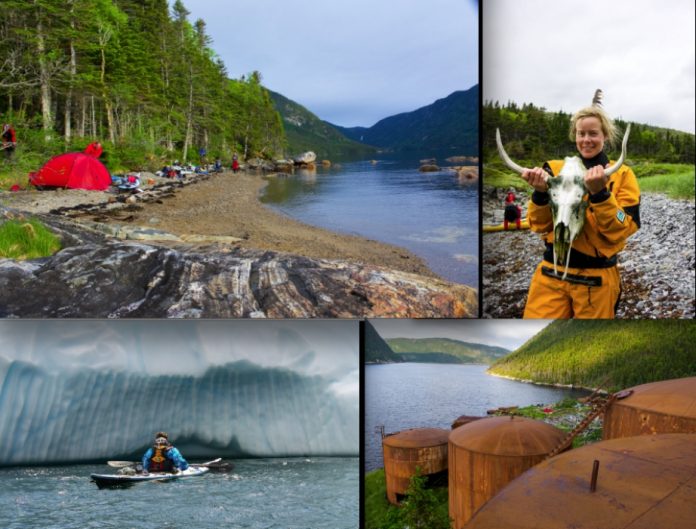
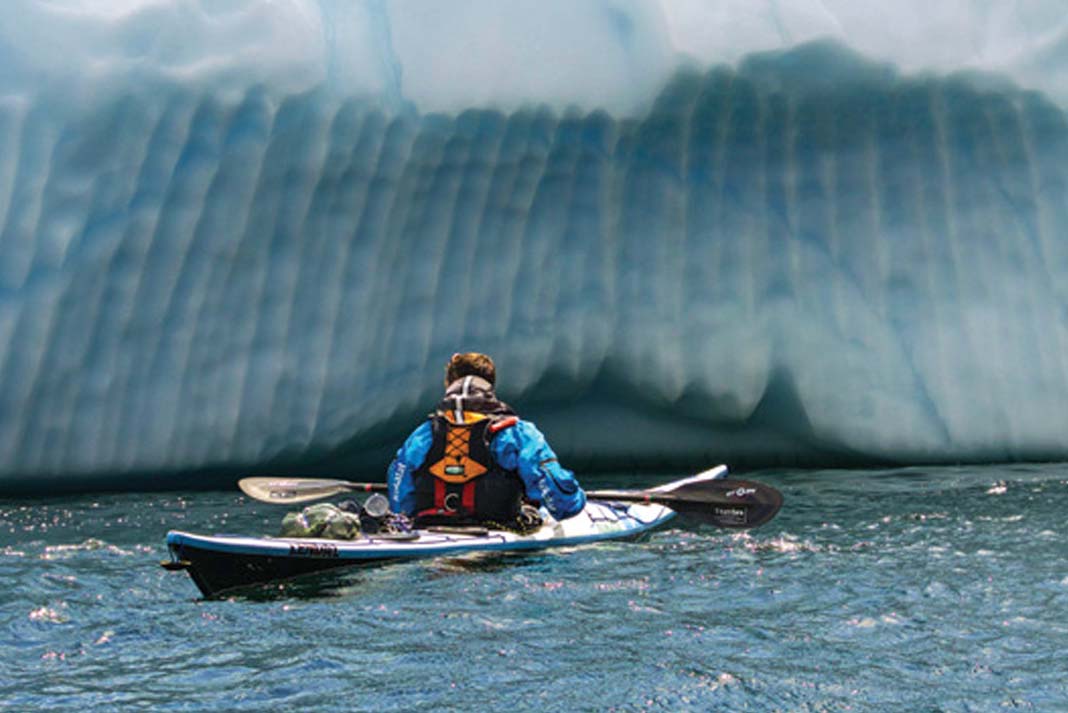
Williamsport appears like a scene out of a post-apocalyptic movie, contrasted by the stunning natural surroundings. Four days into a 120-mile exploration of the roadless eastern shore of Newfoundland’s Northern Peninsula, we are growing accustomed to encountering abandoned coastal communities. Along with the icebergs carried south on the Labrador Current and the worn bald-rock mountains brooding over the sea, these forgotten settlements form a paddling experience that’s distinctly Newfoundland.

Setting out from Jackson’s Arm, we had forged our way north along Whites Bay, traveling deeply in and out of the fiords of Great Cat Arm and Great Harbour Deep in order to make camp. Fourché Harbour is the third fiord of our journey and we now know to expect a hard slog at the end of a long day of paddling, as westerly winds sweep squalls in all directions from the high surrounding land. Passing through the half-mile-wide entrance, we are surrounded by steep rock walls reaching up more than 1000 feet. Penetrating three miles into the Long Range Mountains, the fiord is a dramatic gash in the ancient rock armor of this northernmost extension of the Appalachian chain.

LAND OF CONTRASTS. | PHOTOS: CHRISTOPHER LOCKYER/PETER BOJANIC

Williamsport emerges from the boreal forest on the north side of the fiord. The community was established at Northeast Cove for the dozens of families who worked at the whale processing plant, just a short row across the harbor. The ruins here make for a starkly different scene than the comparatively museum-like quality of the relocated community we’d toured at Great Harbour Deep. Eroding in silence, they illustrate the inevitable entropy awaiting all of Newfoundland’s coastal ghost towns.

As we round the final headland at Granite Point, the abandoned station materializes on the southern shore of the harbor. We make our camp on cracked concrete slabs amid the rusting remnants of the once bustling factory. After an evening meal of freshly caught cod—which, along with the whales, are returning to these waters after a long hiatus—we retire to our shelters.

Despite clear skies, the tents tremble under an unseen aerial assault. The community may be long gone, but Williamsport’s population of blackflies continues to thrive.

Christopher Lockyer and Peter Bojanic are returning this summer to paddle the rest of the Northern Peninsula’s eastern shore.

View an interactive route map with photos, video and information on paddling and camping the Great Northern Peninsula here.


This article originally appeared in Adventure Kayak
Early Summer 2016 issue.

Subscribe to Paddling Magazine and get 25 years of digital magazine archives including our legacy titles: Rapid, Adventure Kayak and Canoeroots.

5 Ws with the Most Interesting Man in Alaska

Photo: courtesy Bob Christensen

Sustainability visionary, brown bear whisperer, solo expedition paddler and Zen master of Lemesurier Island—where he’s lived alone for nearly two decades—Bob Christensen, 47, is a good candidate for the most interesting man in Southeast Alaska. Twenty-five years ago, Christensen built a traditional baidarka from modern materials and paddled it, alone, from Alaska’s Prince of Wales Island to Bellingham, Washington. The trip marked the first time he’d ever sat in a kayak. These days, Christensen can be found commuting by small boat to ports all over Southeast Alaska, helping develop more sustainable communities.

Who influenced your path to Southeast Alaska?

When I was 19, at my first year of college, I took a marine ecology course. There were jobs available in Alaska right after the [Exxon Valdez] oil spill, surveys on the beach of Prince William Sound. I met a guy named Steve Lewis—he’s a SEACC (Southeast Alaska Conservation Council) board member and a biologist. He was on the boat, basically a grunt worker, trying to make some money to finish his master’s on wolf and deer interactions out on Coronation Island. After our contract was done in Prince William Sound, he asked if I wanted to go to Southeast Alaska and participate in a cave exploration project. He took me there, to a special place on Prince of Wales Island at El Capitan Pass. It was a lot like what I grew up with as a kid in the Puget Sound, except it was wild.

What made you decide to live alone on an uninhabited island?

I did a whole bunch of kayak trips for five years in a row throughout Southeast Alaska where I went from one inholding to another. I was in awe in front of the Willoughby Cabin on Lemesurier Island jigging for a halibut. I ended up hooking a really big halibut right in front of the place. I broke my pole and started wrapping the line around my arm. The fish was dragging the boat around in the kelp forest. The people inside the cabin came out in their double Klepper and help land the fish. I ended up camping down the beach a little ways and we spent three days eating that fish. I visited them the next year and they offered me the job of caretaking. It was an ideal short-term solution to the challenge that was facing me as far as finding an inholding to develop into a sustainable community. My first season was the first time in my life I ever experienced solo time like that, which led to a lot of self-reflection and spiritual contemplation. This happened on those kayak trips too, because I almost 100 percent paddled solo and would be out two to three months each summer. When I planted myself on this island in the wintertime it was amplified tenfold. I started really focusing on how that kind of experience—that deep isolation, lots of time for reflection, limited distraction, juxtaposition to the sort of rat race—that somehow that was providing me with some kind of useful contribution to this collective effort of designing a sustainable community.

When did you get over your fear of bears?

When I was done with the caving expedition I paddled back to Bellingham, Washington. I had no experience in bear country and was pretty terrified. I can remember stupid things like after a couple of days of banging my pots and pans together in terror, finally figuring out the noise I was hearing in the shrubs was a winter wren. What that led me to do was really focus on trying to figure out where not to camp, which started teaching me how to read bear sign. That whole fear thing turned into a personal study figuring out how to read patterns of use you could see on the land by bears. I’ve had many experiences that could have gone bad but didn’t. One summer I was doing a project studying bear human interactions on Lake Eva. This bear basically walked right up to us on the trail and we had a wind blowing away from her. It was obvious she really wanted to smell us. She came up so we could have touched her face. We stayed there still and the bear went around us on the trail, got behind us and took a big sniff. She didn’t react at all. It was clear that she almost nodded her head like, “Oh, yeah that’s who I thought you were.” I’ve had a few experiences like that. I had a good one over on Chichagof where I had a migraine headache and was lying down and a bear came up and sniffed my face.

Where do you find your inspiration?

My first inspiration comes from the beauty of nature, not just the asthetic, like the color and shapes, but how eloquent the ecology, the interaction of life is. It also largely comes from the people I’m working with, who begin to see this community sustainability work in a way that sees human beings as a worthy species to exist. There’s a lot of angst in our culture right now about humanity. Whatever the nasty stuff is that we focus on in the news, it hurts our spirits. In general, people are super hungry for a story that gives them hope and frees them from the self loathing that is cultivated by our media culture. When I talk to people, I see them light up as they talk about their vision for sustainability; whether it’s jobs they can have in their community for their children, or grandchildren.

Why Focus on Community Sustainability?

The Sustainable Southeast Partnership is the culmination of my life’s work since I started becoming interested in human-nature interactions and the sustainability of community. When I first moved to Southeast Alaska that’s what I wanted to do. The vision was, my friends in college were sending me off to find a piece of property to buy and send a note back saying, “OK, let’s build it.” Of course that never happened.

I basically held that vision of wanting to work on community sustainability in Southeast Alaska the whole time I did a bunch of other jobs. I studied nature by hiring on to a variety of wildlife projects. 

Right about the time I did the Community Forest Project (CFP) in Hoonah, philanthropy was funding SEACC, the Wilderness Society and all these other entities trying to get a big wilderness bill passed. It wasn’t working. Investors wanted to do something different that basically addressed human well-being alongside conservation. The only thing that was going on like that was the CFP in Hoonah. We expanded on the CFP and started assembling a much more comprehensive vision which included food security, economic development, energy conservation and renewable sustainability as core elements. Now, there’s 14 of us working on it. It’s like finally getting my big break.


This article appears in the Early Summer 2016 issue of Adventure Kayak. Read more great stories, get the full issue here.

Nova Scotia’s Islands of Enchantment

Photo: Gregor Wilson

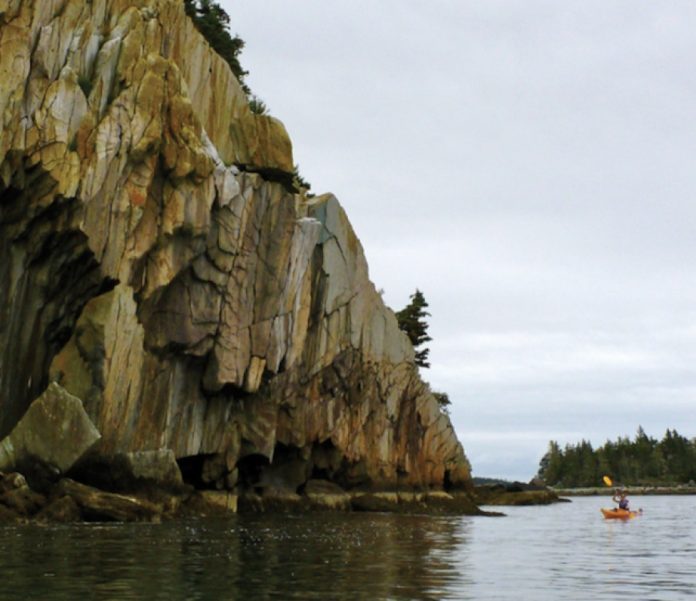
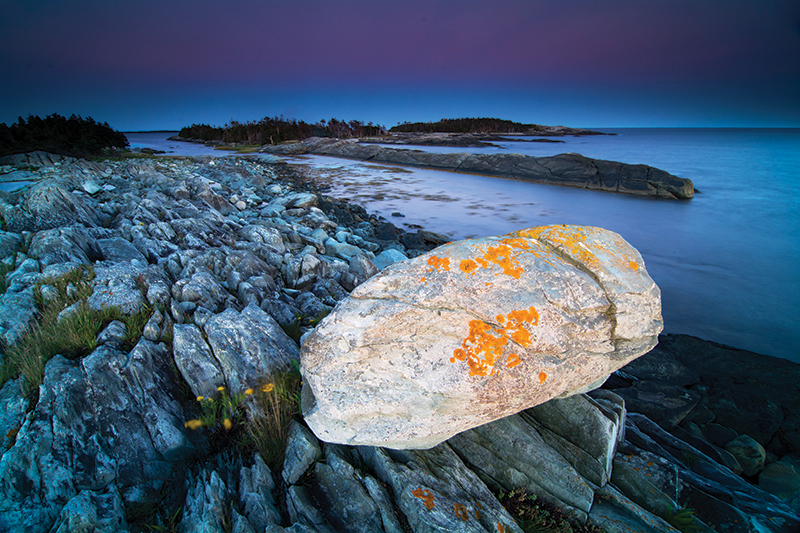
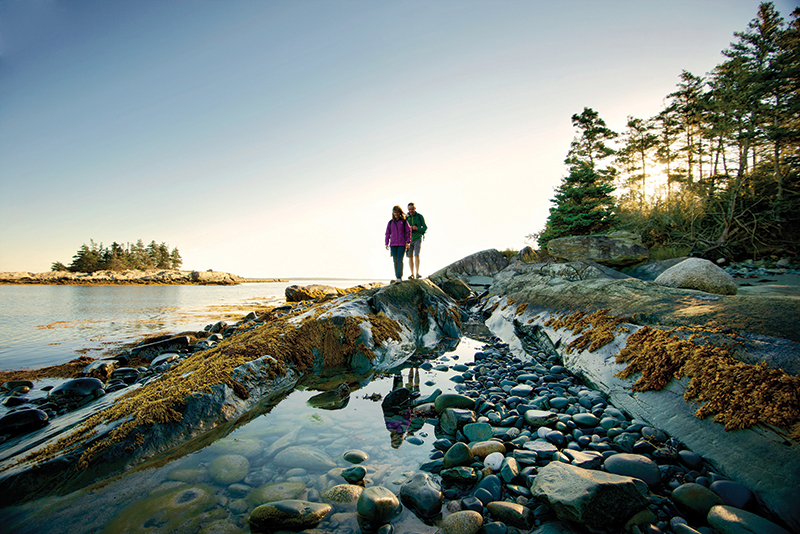
As paddlers, we are particularly moved by wild, coastal landscapes. One such special place exists on Nova Scotia’s Eastern Shore. Those in the know appreciate its surf-washed beaches, rugged cliffs, moss-cloaked forests and raw, natural beauty.

It’s called the 100 Wild Islands.

In the nearly 20 years I have paddled this area, which actually includes 282 islands and islets sprawling across 27 square kilometres—some 250 kilometres of shoreline stretching along 30 kilometres of mainland coast between Clam Harbour and Mushaboom, I’ve rarely seen other people on the water. Far more regular sightings are of eagles and ospreys wheeling overhead or tending young in their nests. Porpoises, seals, schools of fish, and deer are more commonly seen than other visitors.

NS.jpg

“It’s true wilderness on an amazing scale, a completely wild archipelago of islands and most of the habitat has been completely undisturbed since the last ice age,” says Bonnie Sutherland, executive director of the Nova Scotia Nature Trust. “These islands show us what nature is like if humans don’t interfere in any way, and that kind of land is shrinking in this world.”

Even more incredible is that this massive wilderness archipelago lies so close to a major urban centre—the provincial capital of Halifax is just an hour’s drive southwest along the coast. Inevitably, the islands caught the eye of developers.

Plans were drawn up for an exclusive golf resort and seaside mansions on 533-acre Borgles Island, smack in the middle of an interconnected and globally significant mosaic of coastal bogs, barrens, saltmarsh and freshwater wetlands—and one of the most beautiful double crescent, white sand beaches I have ever had the luxury of camping on.

[ View all Nova Scotia paddling adventures in the Paddling Trip Guide ]

The Nova Scotia Nature Trust

Currently, less than 5 per cent of Nova Scotia’s coast is protected. Over 85 per cent is privately owned and faces unprecedented pressures, threatening the integrity of coastal habitat and biodiversity, as well as public access and enjoyment. The 100 Wild Islands represent one of the last and best opportunities in North America, perhaps the world, to protect such a vast, untouched, ecologically rich and diverse coastal archipelago.

The islands’ significance has been recognized twice before. In the early 1970s, the federal government made moves to appropriate the privately owned islands—comprising some 40 per cent of the archipelago—to create a national park, but locals and landowners fought back the attempt to seize their land.

NS1.jpg

 The provincial government then looked at making a park in the area, but again the bid met with roadblocks. Ultimately, the province set aside only two small parks at Taylor Head and Clam Harbour Beach.

The stalemate between private owners, the Crown (which lays claim to 4,000 acres of the 7,000 acres of islands) and would-be conservationists turned on the interests of one man.

NS3.jpg

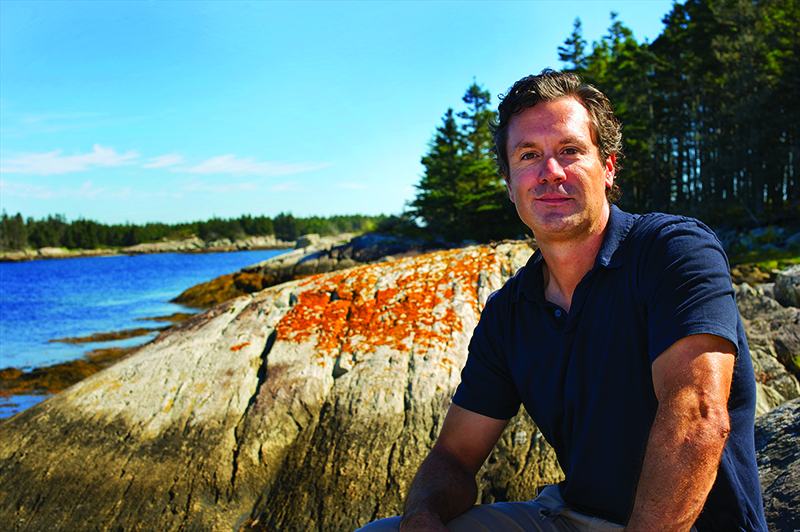
Paul Gauthier grew up on the Eastern Shore in Cole Harbour before moving to California to pursue a career in Silicon Valley. Now in his forties and a successful entrepreneur, he’s an avid adventurer who has traveled the world scaling some of its highest mountains and escaping into wild places on the water.

A decade ago, while looking at charts of the Eastern Shore, Gauthier noticed the massive, unprotected wilderness area in the backyard of his hometown. It compelled him to act. In 2007, he approached the Nature Trust with the vision of protecting the entire archipelago, and the dream of the 100 Wild Islands was born.

The Nova Scotia Nature Trust first started protecting private properties in the area in 1997. The Trust’s unique land trust approach works with each landowner to arrange land donations, negotiate purchases or forge conservation easements. By working to ensure locals and the general public continue to have access to recreate in the area, the Trust has won over residents and local businesses. By 2007, they had protected Ship Rock and Shelter Cove conservation lands, paddlers’ paradises that are home to beautiful beaches, dramatic cliffs and some of the oldest rocks on earth.

Still, it was Gauthier who gave the project the momentum it needed when he stepped up to match every dollar donated to the 100 Wild Islands campaign, which launched in 2011, eventually contributing half of the $7 million goal set by the Trust. For its part, the province agreed to designate all government-owned land within the archipelago as part of the Parks and Protected Areas Plan.

“It was big and ambitious,” admits Gauthier. “But taking this beautiful place and keeping it pristine and protected resonated with me. These islands will stay this way forever. They won’t get turned into golf resorts or cottage subdivisions.”

Long neglected islands

The scientific community knew little about the area and its offshore island ecology before Gauthier funded three summers of exploratory field studies. Research by Nature Trust scientists and ecologists revealed the 100 Wild Islands contain every type of coastal habitat found in Nova Scotia: wetlands, headlands, beaches, saltmarshes, sheltered coves, sea cliffs, eelgrass meadows, lagoons and even rare island lakes. Much of it is an intact, bio-diverse ecosystem that exists largely as it did 10,000 years ago.

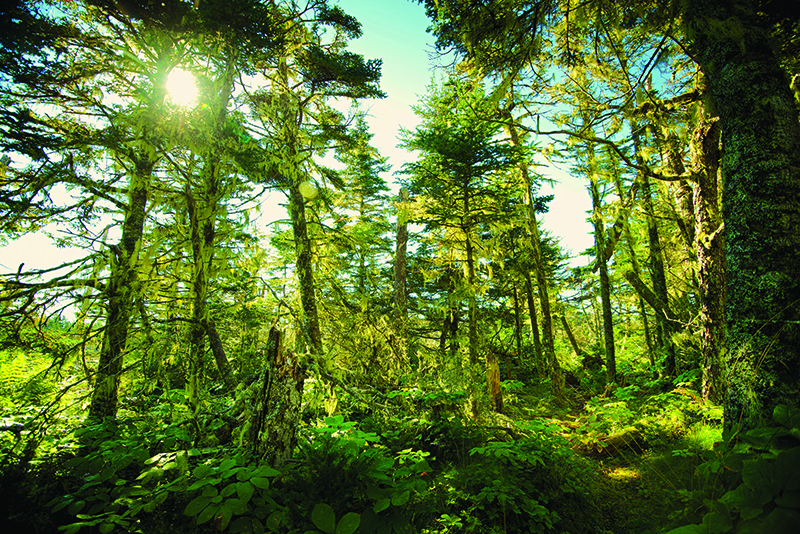
The potential scientific findings on these long neglected islands is staggering. Perhaps most surprising was the discovery of some of the East Coast’s only known temperate rainforest. The 100 Wild Islands are characterized by old-process forests. A shorter growing season with harsh winter storms off the North Atlantic does not allow for large, ancient trees like those found in milder West Coast rainforests, but the undisturbed windfall creates a unique and evolving habitat.

NS6.jpg

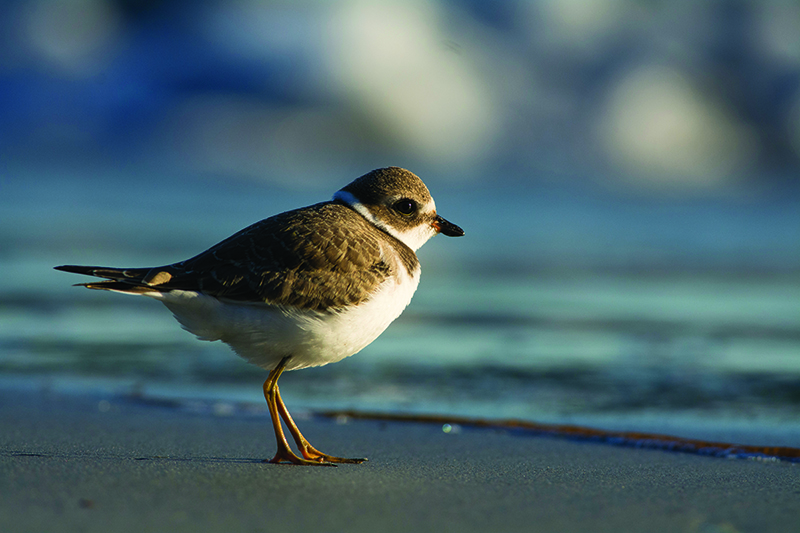
The area also provides refuge for more than 100 species of birds. It shelters and supports diverse seabirds, including imperiled species such as eiders and harlequin ducks. Shorebirds can often be seen cruising beaches for food. Various songbirds can be heard as you quietly ply the waters. You may catch the melodic whistling of a rare fox sparrow, boreal chickadee or a black warbler whose numbers are dwindling on the mainland.

On Borgles Island, researchers have found that near-pristine forest and coastal habitats support “globally significant ecology and biodiversity,” making it an integral piece of this benchmark ecosystem. Fortunately, Borgles is now protected, saved from the clutches of condos and 18-hole courses. But Borgles is just one island in this very special archipelago. As this story goes to press, more than 70 per cent of the 100 Wild Islands have been protected.

A success story

To witness local enthusiasm and support for the 100 Wild Islands campaign, a paddler should stay at Murphy’s Camping on the Ocean. The campground is in Murphy’s Cove, and owned by Brian Murphy. He has a strong appreciation for why visitors are drawn to the area, and why it’s been important to generations of Murphys.

“These are truly gorgeous islands,” Murphy gushed to a reporter for The Chronicle Herald. “When you fly over them, it looks like Bermuda—white sand, lots of marshes and seabirds—this has to always stay the way it has always been.”

NS5.jpg

 If you’re already familiar with the paddling potential of these crystal clear waters, you probably owe Dr. Scott Cunningham and Gayle Wilson a debt of gratitude. The couple started Coastal Adventures 35 years ago in Tangier, located in the heart of the 100 Wild Islands. They have been sharing their beloved waters with kayakers ever since.

Cunningham says the archipelago cast its spell the very first time he glided his kayak among its exposed headlands, idyllic coves and incredible beaches. He literally put the area on paddlers’ maps when he included the 100 Wild Islands in his guidebook, Sea Kayaking in Nova Scotia, first published in 2000. He writes:

“It is the island archipelago that distinguishes the Eastern Shore and makes the region such a pleasure for the paddler. Nowhere else in the province will you find the number and variety of shoals, islets and islands as along this neglected coast…You will be sharing them with only the seals and sea birds.”

It’s no exaggeration to say that the 100 Wild Islands rival many world-class kayaking destinations. The archipelago boasts a terrestrial wilderness twice the size of British Columbia’s Broken Group. It’s more intact than Washington’s San Juan Islands, Maine’s Casco Bay islands or the St. Lawrence River’s Thousand Islands National Park.

It’s also fair to say that the 100 Wild Islands represent one of North America’s most significant coastal conservation success stories in recent years.

“We’ve grown so used to seeing places that we call wild, but they are not really wild,” says well-known environmentalist, Yvon Chouinard. The owner of Patagonia outdoor clothing company became a major donor to the campaign after a recent visit to the 100 Wild Islands.

“I’ve been involved in conservation all across the planet, and these islands are truly unique, like no other place I’ve ever been,” Chouinard says. “That this archipelago could be so pristine, so close to a city, yet untouched—it just makes so much sense to protect it.”

Paddle the 100 Wild Islands

When: Most precipitation falls in winter and spring, with a fair amount arriving as fog. Rain and storm days are possible any month in Nova Scotia, but the finest paddling weather usually occurs from July to late September.

Where: Both Coastal Adventures and Murphy’s Cove offer good water access for kayakers. Additional public access can be found at Clam Harbour Provincial Park and Taylor Head Provincial Park, which conveniently lie at the west and east end of the 100 Wild Islands, respectively. Both are wonderful protected areas in their own right. The Nature Trust also plans to add visitor friendly facilities and water access from the mainland highway.

Stay: Pitch your tent at Murphy’s Camping on the Ocean before heading out. Great campsites can be found throughout the 100 Wild Islands, with Borgles Island, Shelter Cove and Wolfes Island offering some of the best.

Outfitter: Coastal Adventures in Tangier, Nova Scotia, offer three and five-day guided tours of the 100 Wild Islands throughout July and August 2016.

How To Help: The 100 Wild Islands Legacy Campaign is less than $300,000 from reaching its goal of $7 million. Learn more and help save this unique coastal legacy at 100wildislands.ca.

Gregor Wilson volunteers with the Nova Scotia Nature Trust and spent three seasons guiding kayaking on the Eastern Shore. He spends much of his free time skiing, paddling, hiking and trail building. 


This article originally appeared in Adventure Kayak
Spring 2016 issue.

Subscribe to Paddling Magazine and get 25 years of digital magazine archives including our legacy titles: Rapid, Adventure Kayak and Canoeroots.

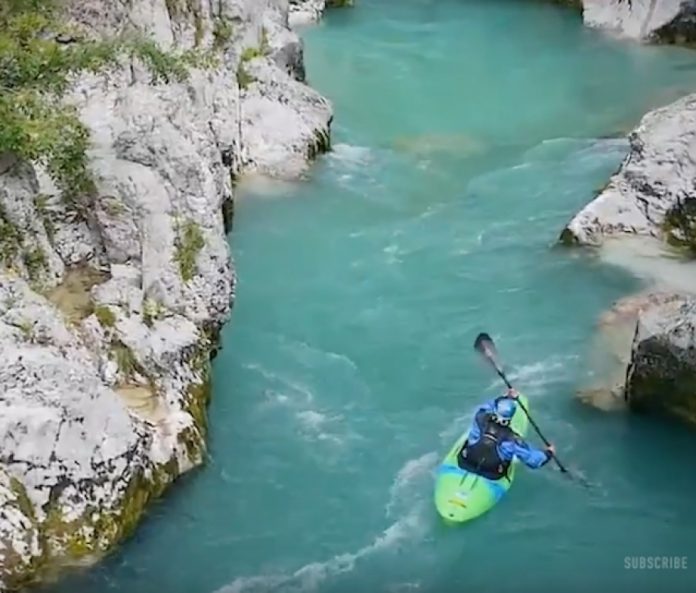
Video: Kayaking the Soča River

Photo: Aljaž Čuček
Algae Čuček's clip of kayaking the Soča River
The Soča River

http://www.youtube.com/watch?v=09MDNp7M42k

Video: Aljaž Čuček

Get excited for weekend paddling with this short, colorful clip from filmmaker Aljaž Čuček shot on the Soča River in Slovenia. 

One of the most stunning European rivers

Situated in the fertile western part of the country, the 136-kilometer long Soča River is known for its deep green colour and has a reputation as one of the most stunning rivers in Europe. The Soča flows past many small Slovenian municipalities and is fast becoming a popular destination for rafters, whitewater kayakers, fishers and those looking to explore the area’s canyons. 

3 Easy Campfire Dinners Perfect For Hungry Paddlers

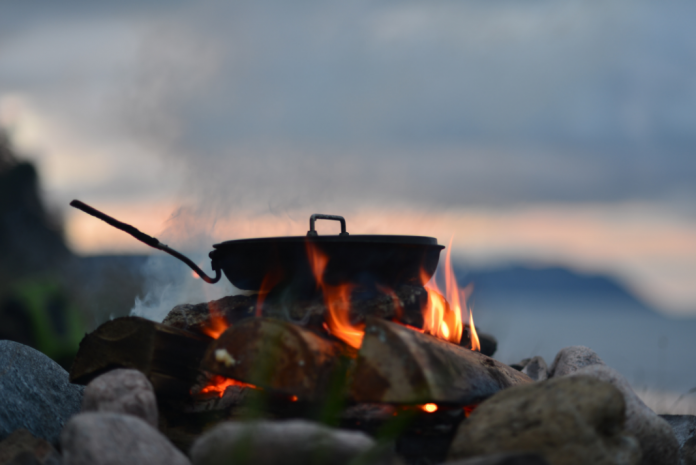
dinner cooking in a pot over an open fire outside
Save yourself from dehydrated dinners with these fun and easy campfire recipes.

When you’re paddling you need to fuel your fun. Campfire dinners don’t need to be an impossibly orange blob of dehydrated mac and cheese or a gloopy “just add water” mystery dinner. Enjoy these delicious campfire meals that make memories and taste so much better when enjoyed with friends.


Campfire Dinners For Hungry Paddlers

Easy Peasy Pizza

  • 3 cups all-purpose flour
  • 3 tsp baking powder
  • ½ tsp salt
  • 2 tbsp olive oil
  • 1 medium onion (chopped)
  • 1 pepperoni (sliced)
  • 4 cups cheese (grated)
  • 4 tsp dried oregano
  • Aluminum foil

Set aside about 2 tbsp of the flour. Then mix the remaining flour, baking powder, salt and olive oil with enough water to form a stiff dough.

Sprinkle the remaining 2 tbsp of flour on the outside of the dough and your hands so that you can knead it. After kneading, divide the dough in two and flatten it onto the foil.

[ Paddling Buyer’s Guide: Browse all camp kitchen accessories ]

Spread the pasta sauce over the dough. Add chopped onion and sliced pepperoni and top with grated cheese and oregano. Fold the foil up and tent it over the pizza so that the cheese doesn’t stick to it.

Bake on the coals for 15–20 minutes or until cheese is melted.

Easy_Peasy_Pizzafoil.jpg
Campfire pizza is a welcome treat for dinners in the bush. | Photo: Nikki Fotheringham

Easy Peasy Pizza Tips

  • Omit the pepperoni for a vegetarian option and add mushrooms, peppers, capers or any other vegetable you like on pizza.
  • You can substitute the tomato pasta sauce for sliced tomatoes or a pesto sauce.
  • If you are making pizza after day two on your trip, omit the cheese.
  • Don’t feel like making dough? Use flatbreads instead.
  • I put the pizza on a grill if I have it and put a pot over the top to get a crispy crust and melted cheese.

Sticky Pork Chops

  • 6 pork chops
  • ½ cup balsamic vinegar
  • ½ cup olive oil
  • 2 tsp chopped rosemary
  • 3 tsp honey
  • 3 tsp soya sauce
  • 2 tsp chutney

Combine ingredients in a sealable plastic bag and leave for a couple of hours. Place chops on the grill and cook over hot coals. Leave the marinade in the bag and drizzle it over the meat while it cooks.

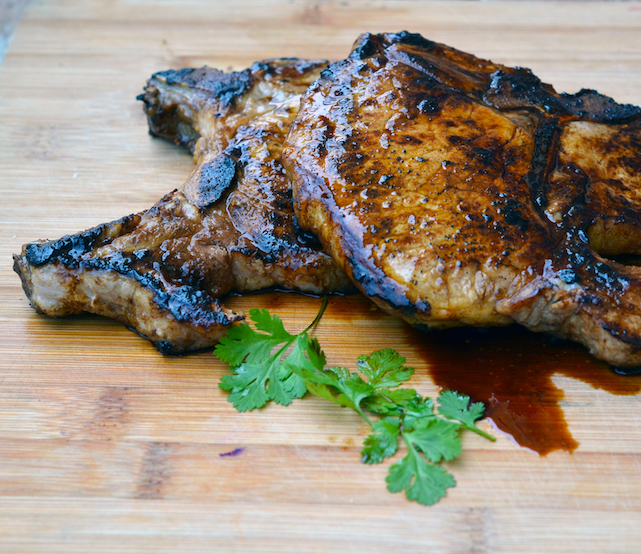
sticky pork chops campfire dinner recipe
Pork chops will stick with you after a long day of paddling. | Photo: Nikki Fotheringham

Sticky Pork Chop Tips

  • Use dried rosemary if you don’t have fresh.
  • Substitute apricot jam or maple syrup for the chutney.

Navajo Fry Bread

Fry bread is a different way to cook bannock that gives you, our intrepid happy camper, the perfect vehicle for just about anything. Fill them with leftovers or use them to make tacos, breakfast burritos, burgers or hot dogs. You can even eat them as dessert with a little cinnamon and sugar.

Mix the dry ingredients and keep it in a sealable bag. Just add the oil and water when you are ready for a campfire dinner feast.

Navajo_Fry_Bread.jpg
Fry bread is a fun and versatile vehicle for all sorts of toppings. | Photo: Nikki Fotheringham
  • 4 cups flour
  • 2 tsp baking powder
  • 2 tsp salt
  • 3 tbsp oil
  • 1 cup warm water
  • Oil for frying

Mix dry ingredients. Add oil and enough water to form a firm dough that doesn’t stick to the hands. Leave to rest for 30 minutes.

Divide into six portions and flatten with the palm of your hand to form discs. Poke a hole in the center to allow the oil to bubble through.

Heat the oil in a frying pan over a medium fire. Drop the fry bread in and cook for 2 minutes or until the edges turn brown. Turn over and fry for another two minutes.

Save yourself from dehydrated dinners with these fun and easy campfire recipes. | Feature photo: Nikki Fotheringham


Gear for Camping With Babies

Photo: Flickr.com/photos/tudor // Creative Commons License
Baby wilderness camping.

Want to take your infant camping? How about your toddler? There’s no best age to start taking your baby camping—you can start at any time. The younger the better. Use these tips below to discover the essential gear you need to take young kids camping, and how to modify your camp kit to keep the whole family happy and safe in the wilderness.

Camping Baby Carrier

A good quality baby carrier. Whether you are getting to your campsite on a raft, a kayak, a bike, on your back, or even your car, you’ll need a good quality baby carrier. Ergo makes a Performance model designed specifically for adventuring.

Kid-Friendly Tent

A three or four season tent. If you are going to spend money on one piece of gear, make it a good tent. It will keep you dry, warm and sheltered in any weather. High quality tents run about $400, and are worth every penny. Nothing is worse than waking up in a puddle in your tent.

Outdoor Snacks For Your Baby

Yummy food that kids will actually eat. Never skimp on food. Pack out meals that will power everyone on the trail and at the campsite. Plan to bring more food than you think you’ll need. Snacks are essential too.

Water Treatment for Kids

Safe water. You can’t take a chance on babies and toddlers getting waterborne illnesses. For a short one to two-night trip, consider bringing water from home. For longer trips, or when this isn’t practical, make sure you use a good water filter and take good care of it. Clean it thoroughly after each trip and regularly replace the filter.

Kids’ Camping Layers

Layered clothing. Just like adults, a layered approach to clothing works best to keep little ones warm even when they are wet. Avoid cotton—when wet it will lose any insulating properties. Start with a thin base layer of polypro, add an insulating layer of wool or fleece and top it off with a shell like a rain suit. You may not need all three layers all the time, but you’ll be glad you have them in case the weather turns wet or cold. And don’t forget a hat for chilly mornings.

Bring An Umbrella

This may seem silly, but it’s actually super practical and takes up little room or weight. It can make a nice shady spot for a sleepy babe on a hot day or keep you dry when the rains come.

What About Bugs and Kids?

Bug netting. Never leave for the backcountry without some. Unlike chemical insect repellants, bug netting has no risks and blocks all flying bugs including bees—not just mosquitoes. Buy the largest bug net you can—you can usually find it at any large baby store. Look in the stroller section or have someone sew some elastic along the edge of netting you purchased at a fabric store. Bug netting can be used over strollers, baby backpacks, camping chairs and cockpits of kayaks. For toddlers who like to run around, buy a bug shirt. Don’t worry if it is too big, it will still work. If you must use chemical repellants, be sure to wash them off nightly.

Extras

Bandanas. Simple and super functional, bandanas pull double and even triple duty while camping. They can be used at bath time as a washcloth or dipped in cool water and placed on your forehead on a hot afternoon. They love to do dishes and keep the dust off your face later on. Bring a few of these handy strips of fabric.

Most Important Piece of Gear For Parents

A positive, adventurous attitude. Backcountry travel with very young children is not without a few headaches. But let’s face it—parenting at home isn’t always easy either. With a smile and an occasional shrug you’ll have a fabulous time. So give your babies the best start—outside. Get out everyday.

Jennifer Aist is founder and director of Providence Alaska Medical Center’s parenting and childbirth education program. She teaches classes on everything from breastfeeding to backpacking and conducts her signature “Babes in the Woods,” “Babes in the Snow,” and “Babes on the Water” classes every year.