

Use this expert advice to run your first drop. Brendan Kowtecky with AO Boatwerks (boatwerks.com) in Ontario, offers series of tips to successfully boof a small waterfall.
Author: Paddling Magazine Staff
Use this expert advice to run your first drop. Brendan Kowtecky with AO Boatwerks (boatwerks.com) in Ontario, offers series of tips to successfully boof a small waterfall.
Author: Paddling Magazine Staff
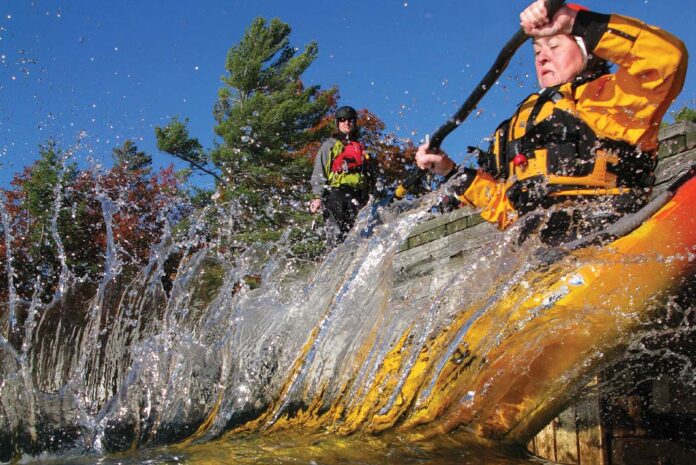
Butterflies make us brave.
A threat or challenge—a wave, a headland, a roll, a job interview—triggers this familiar physiological response. The pituitary and adrenal glands receive signals from our anxious brain and produces a hormonal cascade, pumping cortisol and adrenaline into the bloodstream, elevating heart rate and boosting blood sugar. Vessels constrict, amping pressure, and shunt oxygen-rich blood to the heart, lungs and legs, and away from non-vital places like our extremities and digestive system. Clammy hands, cold feet, dry mouth, flip-flopping stomach—classic fight or flight.
Instinct tells us to avoid this rabble in our guts, but the siren song of adventure beckons the butterflies to take flight. It can be a cathartic impulse.
“I had been vaguely bored with my life and its repetitions—the half-finished, half-hearted attempts at different jobs and various studies,” writes explorer Robyn Davidson in Tracks, an account of her 1,700-mile walk across the Australian desert, “…the most difficult thing had been the decision to act, the rest had been merely tenacity—and the fears were paper tigers.”
In mathematics, chaos theorists define the butterfly effect as the phenomenon in which a minute, localized change in a complex system can result in sweeping differences later. The theory applies to meteorology and, if Bradbury is to be believed, time travel, but it may also describe human behavior. The butterfly flaps its wings, and we may find ourselves racing NASCAR rather than commuting to the city.
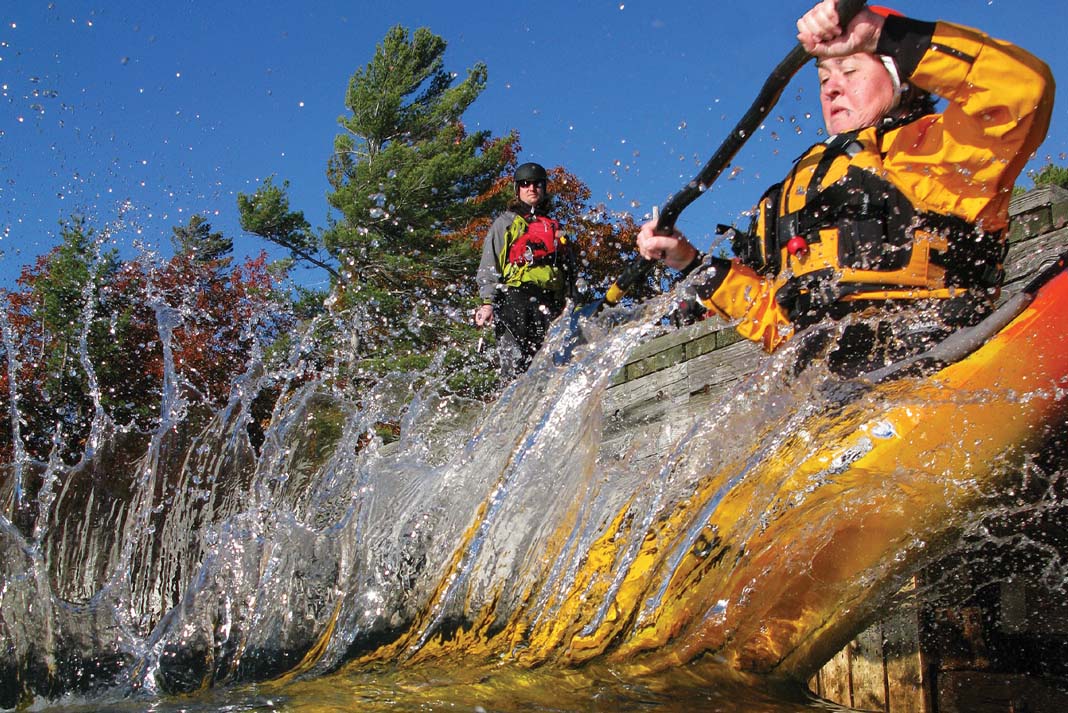
If small changes can have dramatic effects, imagine the consequences of a daunting act. “Do one thing every day that scares you”—this advice makes for a pithy pearl on fridge magnets, bookmarks and bumper stickers, but it’s been around much longer than Hallmark. Ralph Waldo Emerson popularized the idea of moving outside of one’s comfort zone to achieve personal growth way back in the mid-19th century. First Lady Eleanor Roosevelt spoke similarly about conquering fears. And in 1999, Baz Luhrmann included the nugget in his spoken-word radio hit, Everbody’s Free (To Wear Sunscreen). Emerson, Babs and Luhrmann knew about the benefits of butterflies.
As paddlers, we invite the butterflies more often than most. Oceans, rivers and lakes are dynamic environments, rife with novelty—always a reliable rabble-rouser. Facing these unknowns, developing the skills and experience to cope, even play, with them, allows us to confront greater challenges in the future. To be brave and smart when our stomach is storming.
Some of these thrills can be found time and again. A curling wave or a foggy crossing, for example. Others we may experience just once. The airy, silvered wooden pier that hosted the Snug Harbour Dock Launch is no more, replaced by a perfectly pragmatic, safe and box store-boring floating dock. Yet the butterflies remain.
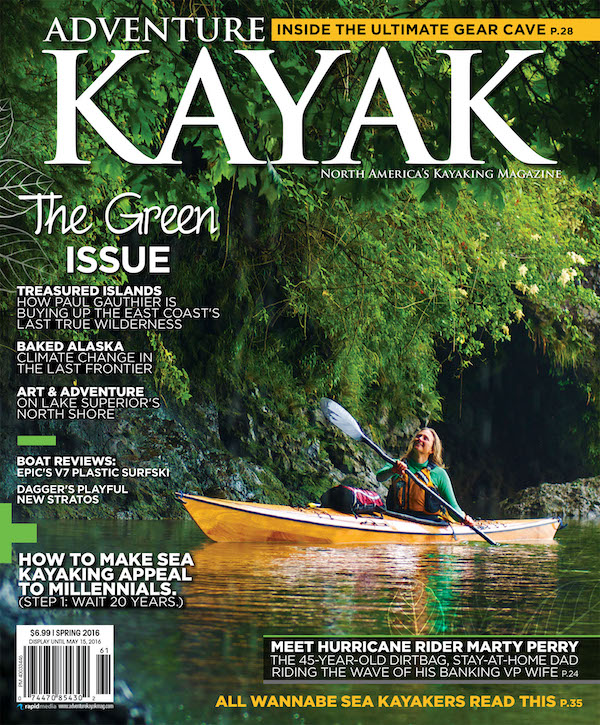 This article originally appeared in Adventure Kayak Spring 2016 issue.
Subscribe to Paddling Magazine and get 25 years of digital magazine archives including our legacy titles: Rapid, Adventure Kayak and Canoeroots.
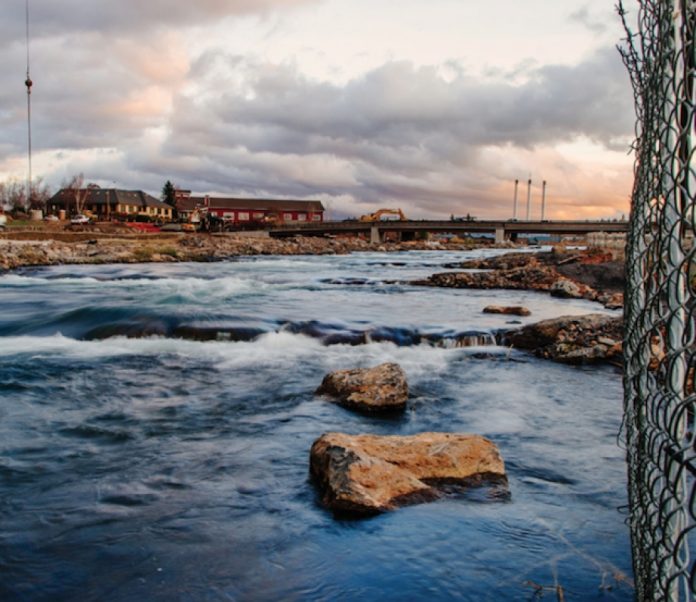
On a long-anticipated September day on the Deschutes River in Oregon, the ropes that cordoned off the long-awaited Bend Whitewater Park were hardly enough to contain the throngs of people with colorful tubes, kayaks and paddleboards waiting to get at the whitewater.
As the crowd grew so did Ryan Richard’s excitement as he paced the site back and forth like a security guard, making sure no one became too eager and jumped in before the 5 p.m. grand opening.
After years of pooling funds, exchanging ideas and designing a manmade riverbed around a former dam, the cranes were finally gone.
“It was a 10-year dream coming to fruition,” says Richard, the lead wave shaper for the park. He would now get a chance to see how their 470-foot-long underwater architectural masterpiece affected those floating above.
Finally the gathering of paddlers proved too much for Richard’s security efforts and they let the ropes down early, watching as the river became painted with color.
Prior to this day, that same stretch of the Deschutes River had been a site of tragedy. The park was originally conceived to be a floating detour around a dam that had been the cause of accidents for years, including several deaths. People would miss the take- out for the portage and get swept up in the riffraff under the Colorado Avenue Bridge.
“Up until last summer, there had been at least an incident per month,” says Chelsea Schneider, a landscape architect and acting project manager for the park.
Now the river has been divided into three channels, one designated for playboaters, one for swimmers in tubes, and one left as natural as possible to preserve the habitat and fish passage. The once eight-foot drop has been made into a series of drops including four features on the whitewater channel. The features, three of which were named for people who died on the river, range from novice to expert as you move upstream.
For the vibrant paddling community in Bend, opening day meant putting to test the designs that Richard and his team had spent countless hours creating over the course of many years.
One feature, Jason’s Wave, drew a crowd of paddlers cartwheeling and throwing loops and McNasties.
While the initial response to the park was positive, it quickly became clear more work was needed.
A series of harsh comments on the Bend Whitewater Park Facebook page indicated that the surfing community had been left out of the design.
“A whole contingent of the whitewater users basically came out of the woodwork after the project was already down the river,” says Schneider. “This project started 10 years ago so nobody had an inkling that [short board surfing] would be something to include.”
Open for only a month, the park was closed in order to redesign one of the features to be surf-dedicated, and to tweak a number of mechanical issues in the underwater pneumatic panel system used to form features.
So after 10 years of planning and a brief teaser, the cranes are now back on the Deschutes shifting rocks and rearranging the flash boards that help shape the flow.
“The thing with building adjustable whitewater parks,” says Richard, “is even for the smartest engineer who designs these things they really don’t know what’s going to happen until it’s full-sized and you’re running water through it.”
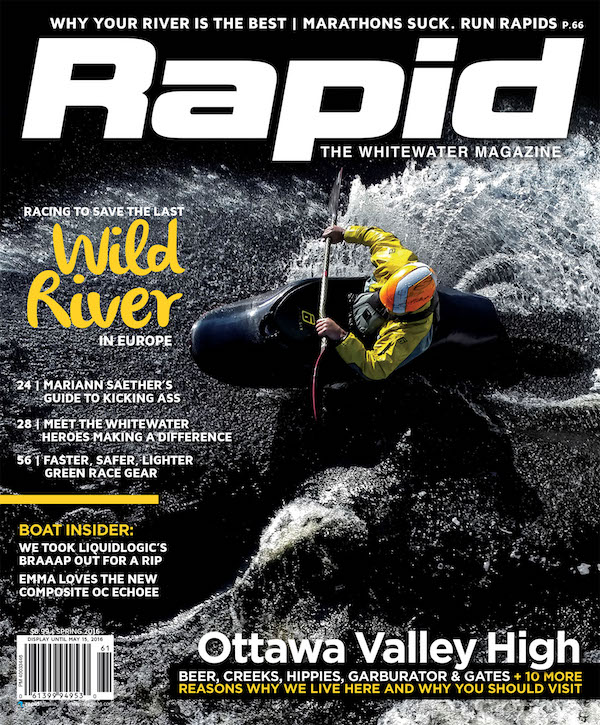 This article originally appeared in Rapid Spring 2016 issue.
Subscribe to Paddling Magazine and get 25 years of digital magazine archives including our legacy titles: Rapid, Adventure Kayak and Canoeroots.
A hundred years ago, in February of 1916, Ernest Shackleton and the crew of the Endurance were stranded on an ice floe drifting aimlessly around Antarctica’s Weddell Sea. This unfortunate event occurs after their expedition ship sank following 10 months trapped in sea ice. The Endurance men don’t know it but in April 1916, the floe they’re camped on will break up, necessitating that they take to three 20-foot-long rowboats and face the frigid sea. The 28 men will land on tiny and barren Elephant Island, from which Shackleton will launch a rescue mission, rowing 720 nautical miles across stormy open seas to reach South Georgia Island. He and his small rescue party will scale the mountainous shore with only 50 feet of rope and one carpenter’s adze between them to reach a whaling station and salvation on the island’s far side.
You probably know this story. Shackleton’s firsthand retelling, South, is one of the greatest survival stories of all time. The tale of suffering is a testament to the extremes of human endurance, and Shackleton’s leadership under pressure is legendary. Plus, it’s a story with a happy ending—it’s one of few polar misadventures in which everyone survives.
This past spring I reread South while preparing for my own epic, though far less impressive, feat of survival. My first canoe marathon. Shackleton’s stiff upper lip provided much needed perspective during training, when my body ached or I felt discouraged. “At least you’re not stranded on an ice floe in the Weddell Sea” became my strange, inspirational mantra.

Prior to June, I’d never entered a canoe race, or paddled a racing boat. Signing up for the Yukon River Quest, the longest annual canoe and kayak race in the world, felt a bit like signing up for an ultra-marathon before completing a five kilometer run. I didn’t know if I’d have the muscles, stamina and will to finish.
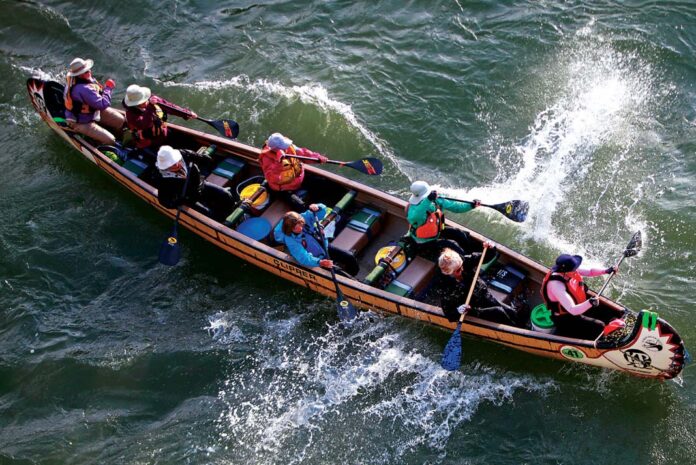
As it turns out, competition in the Yukon River Quest included Ironmen and former Olympians. To be expected. It also included grandfathers, teenagers and cancer survivors. Racers ranged in age from 17 to 71. Paddlers were from all walks of life. One voyageur canoe team consisted entirely of senior women—and they kicked my butt. The low-impact mechanics of canoeing allow for competitors to continue paddling (and win!) long after giving up more wearing sports.
Just like every other aspect of canoeing, I discovered marathons aren’t a battle of brawn. For the most part, it’s a head game. Armed with the necessary skills, all that’s needed is a willingness to face the next challenge and the next forward stroke. This seems to hold true whether tackling an intimidating race, a burly expedition or weekend trip with toddlers.
This year, resolve to do something outside your comfort zone on the water. Try something new. Surprise yourself. And if your endeavor goes south, put your misfortune into perspective by repeating the following: At least I’m not stranded on an ice floe in the Weddell Sea. I find it helps.
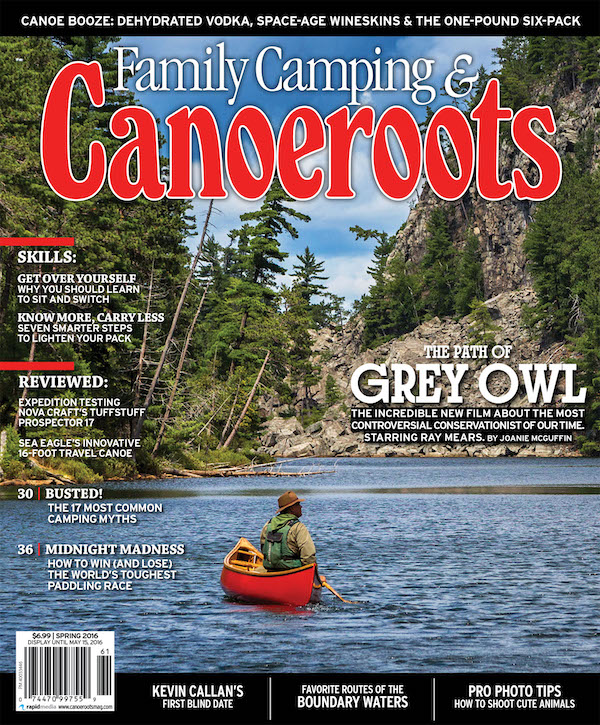 This article originally appeared in Canoeroots Spring 2016 issue.
Subscribe to Paddling Magazine and get 25 years of digital magazine archives including our legacy titles: Rapid, Adventure Kayak and Canoeroots.
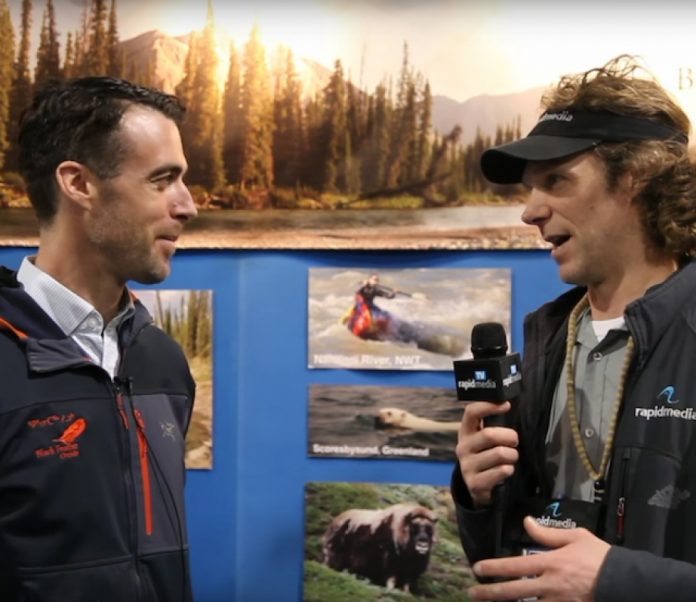
Scott MacGregor catches with with Black Feather head guide Steve Ruskay to discover what five items every paddler needs to bring to the river for a canoe trip.
Must-haves include: personal warm layers, good footwear, personal hygiene products and a water bottle. The rest Black Feather can supply!
But there are some other items that will make your trip even better. Find out what they are above.
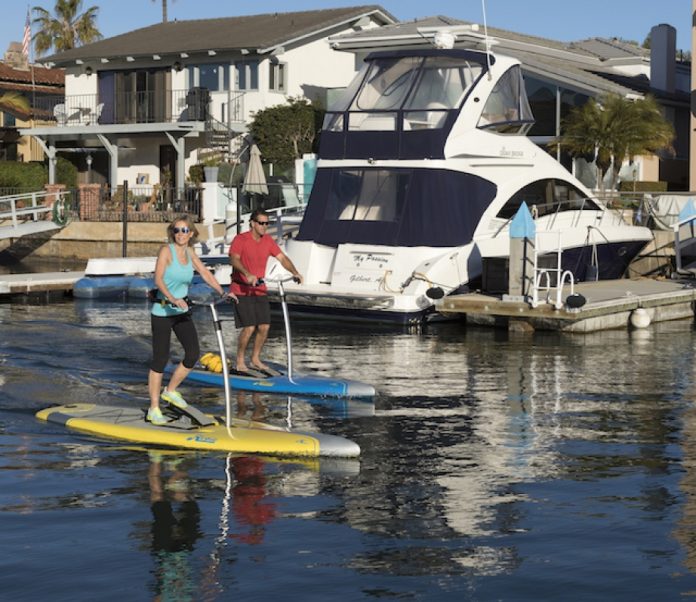
Introducing the world’s first Mirage stand up pedal boards: Hobie Mirage Eclipse 10.5 and Hobie Mirage Eclipse 12. It will now be just as easy for fun seekers to stand on the board and pedal with the new MirageDrive as it has been for Hobie kayakers to pedal the original MirageDrive. Using these boards is as intuitive and stable as walking. Step on and go– no seat, paddle or overboard splashes required. The audience? Anyone seeking a fun and easy way to play on the water, those who enjoy fitness outside the gym, and resort and tour operators who wish to offer their guests a great new experience. And – the Eclipse is sized right for storage and portability on cars, sailboats and powerboats.
Inventing new ways to enjoy the water is a way of life at Hobie. Company namesake Hobie Alter created the modern fiberglass foam core surfboard and the iconic Hobie Cat sailboat,” commented Doug Skidmore, president of Hobie. “His creative spirit inspired the MirageDrive hands-free pedal drive that revolutionized both recreational kayaking and kayak fishing. Now that same technology is launching a new category of Mirage Standup.
The engineering is simple. A natural stepping motion cycles the large topside pedals connected to powerful underwater fins that efficiently power the Eclipse as slow or fast as desired. The fins fold against the board for shallow water and beach landings.
The high strength advanced composite epoxy hull harnesses decades of Hobie boardsports heritage for its quick displacement design. The graceful bow pierces the water, enhancing speed and glide. The square tail and flat bottom add to the board’s quiet, stable ride. The steering controls on the graceful aluminum alloy handlebar could not be simpler.
Squeeze the right caliper, go right. Squeeze the left caliper, go left. The handlebar adjusts from 36 to 43 inches high to accommodate a range of rider statures from kids to tall adults. The rudder offers pinpoint stand up control unique to the Eclipse. It kicks up in shallow water and can also lock into place for improved tracking when the Eclipse is used as a traditional SUP – just one alternative way to enjoy this board for upper body fitness paddling.
There is plenty of room for extra gear or the family dog to perch on the stern. Cargo Bungees® on the aft deck secure gear. Eclipse accessories include a protective board bag and a cart that makes transportation to and from the water a breeze. A cup holder and universal phone mount are available to keep riders refreshed and ready to capture every memory.
MSRP: Hobie Mirage Eclipse 10.5, $2499; Hobie Mirage Eclipse 12, $2599. Each size comes in two colors: Solar (yellow) and Lunar (blue). They will be available later this spring at Hobie dealers around the world.
Since 1950, Hobie has been in the business of shaping a unique lifestyle based around fun, water, and innovative quality products. From their worldwide headquarters in Oceanside, California, Hobie Cat Company manufactures, distributes, and markets an impressive collection of eco-sensitive watercraft, with subsidiaries; Hobie Cat Australasia, in Huskisson, NSW, Australia and Hobie Cat Europe, in Toulon, France and independent distributors; Hobie Kayak Europe and Hobie Cat Brasil. These products include an ever-expanding line of recreation and racing sailboats, pedal-driven and paddle sit-on-top recreation and fishing kayaks, inflatable kayaks, fishing boats and stand-up paddleboards and a new category of Hobie Mirage Standup pedalboards, plus a complementary array of parts and accessories.
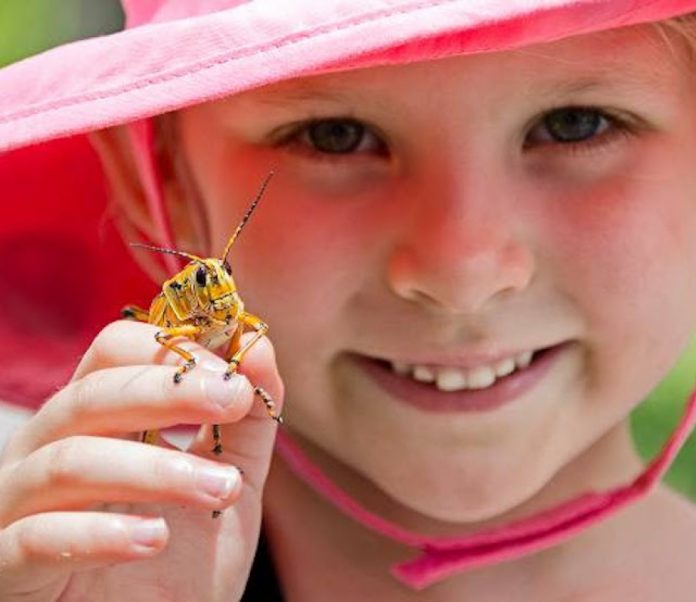
Environmental writer and photographer David FitzSimmons is on a mission to connect children with nature. “Starting local is the key,” says FitzSimmons. “Learn about what’s in your own backyard.” While many kids get excited about lions and tigers and giraffes and zebras, learning about what is right around your house is the best way to get kids to feel connected with their surroundings.
FitzSimmons offers his top 10 list of great things to do with kids in nature.
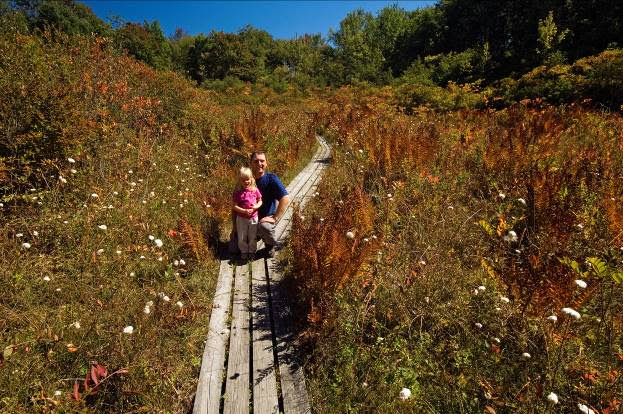
Getting out into nature can be as simple was walking in your own back yard, down the street, or in a local park. Nature is everywhere. Don’t think that you have to travel to a national park to see nature all around you. Look around you. Even if you live in the city, focus on nature components: weeds along the side of your garage, ants on the sidewalk, and cloud formations in the sky. If you do head out to a state ornational park, ask for a kid-friendly trail, one that is safe, not too long, and interesting. Look for exciting habitats, geology, and wildlife, such asponds, creeks, caves, herds of deer, or flocks of wild turkeys.
Birds are everywhere. If you have a pair or two of binoculars, great! Spot some feathered friends and enjoy their behavior. Nobinoculars, no problem! Put up a birdfeeder right outside your window and watch songbirds come to you. Local nature centers and gardening stores typically carry birdfeeders and birdseed, and they can offer advice on types of feeders, where to put them, and when to fill them. Knowing all the birds by name is not necessary for kids to have fun, but consider getting a bird book, such as The Young Birder’s Guide to Birds of North America, to help them (and you) learn names and more natural history.
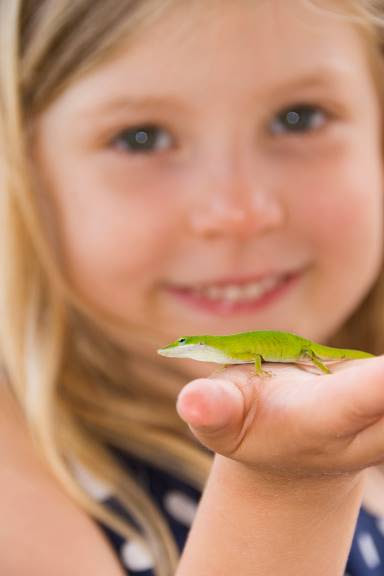
There are over well over 1,500 nature centers in the United States. Find one close to you and explore its various trails, wetlands, prairies, beaches, and more. Most nature centers have planned activities for children and families, and many give young ones opportunities to hold local animals. In addition to nature centers, visit zoos, aquariums, aviaries, botanical gardens, and arboretums.
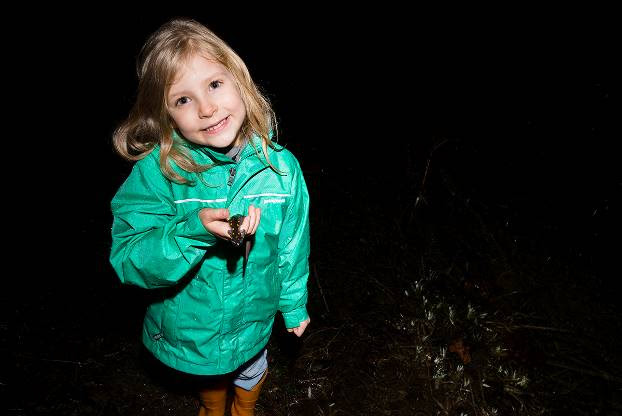
Kids love water, so take them exploring in a variety of wetlands, from ponds and creeks to marshes and swamps. In the springtime, explore vernal pools – temporary wetlands used by amphibians for egg-laying. And, if you live near the ocean, head for the beach. Wear waders in cooler weather or shorts and sandals when it?s warmer. Try catching little critters with dip nets, and study them closely with a magnifying glass.
Kids love to watch things grow. Buy a few seeds or seedlings, and you’re your kids get dirty planting. A window box is a great place to watch flowers unfurl up-close. Or find a spot in your backyard for a tree. Observe it throughout the seasons, measuring it yearly. If you have space for a garden, plant some vegetables. Let your kids choose some of the plants and plan where to plant them. Nothing beats a youngster pulling a carrot right out of the ground, washing it off, and chowing down!
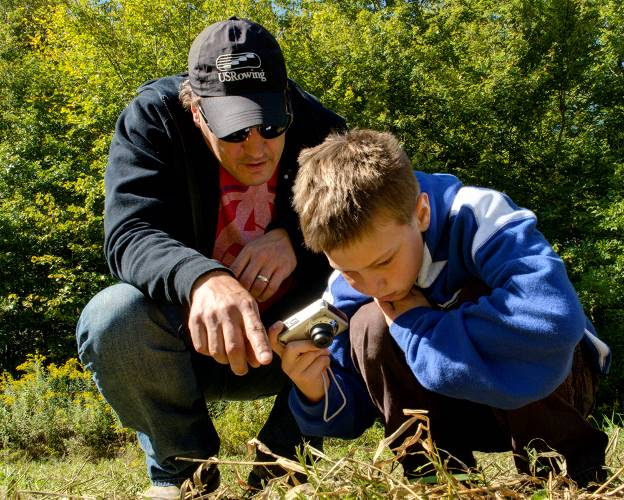
Parks are among kids favorite locations. From playground parks to county, state, and national parks, these places are synonymous with fun. Children and Nature guru Richard Louv, who coined the term ‘nature deficit disorder’, encourages free play, children experiencing nature without the structure ofactivities such as sports and schoolwork. When you visit a park, give your kids plenty of chances to explore and experience without lots of rules.
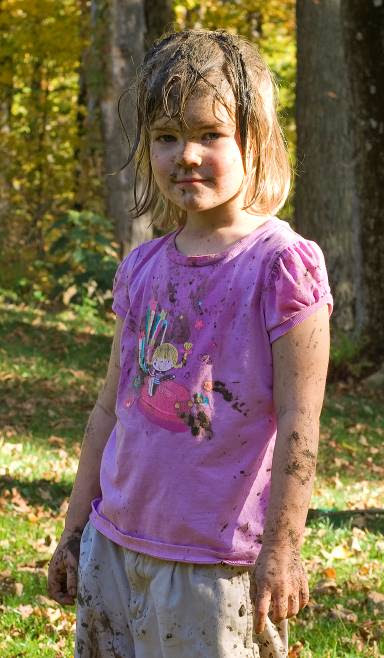
No kid can resist the chance to stomp in a puddle. Rather than bridle such enthusiasm, find a shallow creek in the summer and go creek stompin?. Wear bathing suits and old tennis shoes or sandals. Then get ’em wet! Turn over rocks, looking for crayfish and salamanders. And have a contest to see who can skip stones the best.
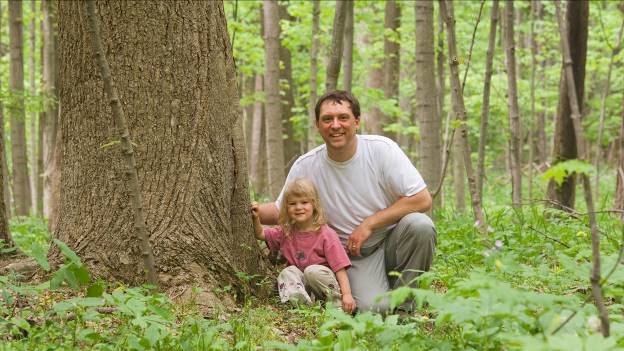
What isn’t to like about geocaching? Finding the cache often a small container hidden under a rock, around a tree, or in other cool locations requires a GPS device and a bit of skill, but, when you find the cache, typically there are mini-treasures that kids can swap. If you read about caches ahead of time, you can find many in spectacular locations, such as promontories or hilltops, and near natural treasures, such as giant trees or monoliths.
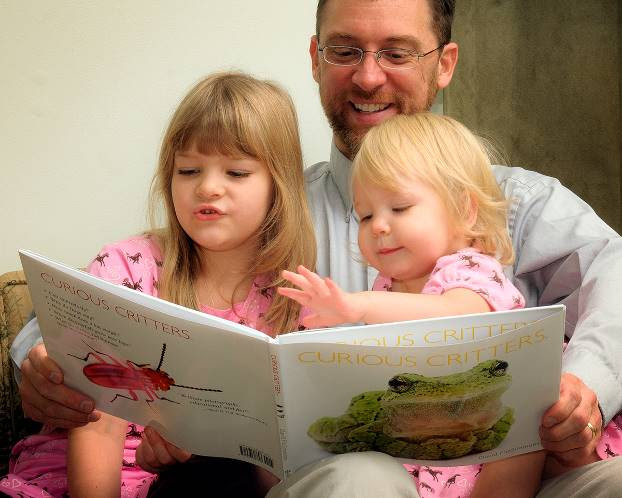
Eventually the kidshave to go to bed. Why not settle them down by reading a few pages about nature. Plenty of picture books tell tales of animals and their adventures in nature. In the past, such works of fiction dominated the shelves of bookstores and libraries. Today, excellent nonfiction books focused on nature are proliferating. Not sure which books are best? Ask a children’s librarian or a naturalist for suggestions.
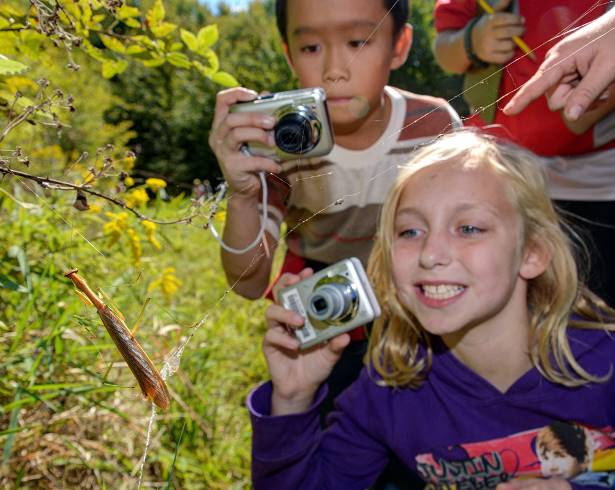
While out in nature, take lots of pictures. Use whatever you have, from cell phones to point-and-shoots to D-SLRs. Take pictures of the scenery and wildlife, sunrises and sunsets, habitats and geology, and try to include your children in many of the shots. But don?t stop there: when you get home, share your images. The more you post, the more you will encourage other families to get out and explore nature, too.
So, what are you waiting for? Take your kids outside to explore. And don’t forget to grab a few photos along the way. You’ll treasure how you captured their giant smiles as they got good and dirty and get well-connected with nature.
For more information, visit curious-critters.com.
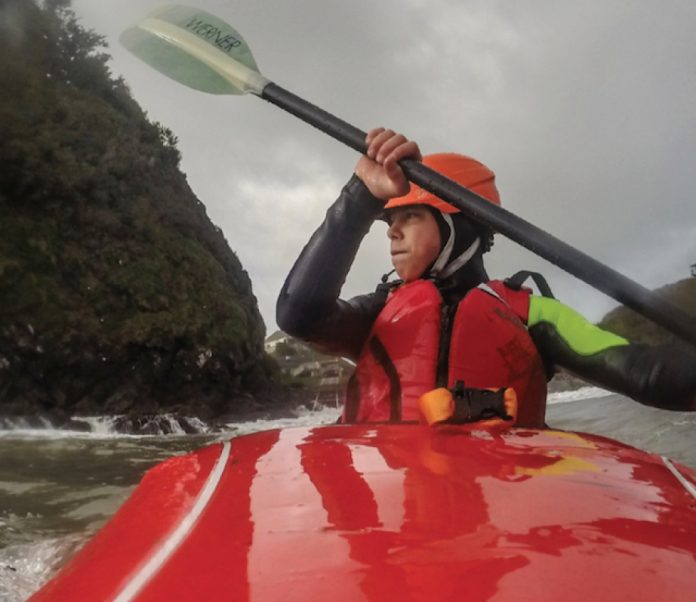
The quaint seaside village of Trinidad in northern California, population 367, has been described as a drinking town with a fishing problem. Situated at the gateway to California’s Coastal National Monument, 14 miles south of Redwood National Park, tourists visiting this hidden North Coast jewel can expect to see whales, porpoise, surfers and the largest commercial crab fleet on the U.S. West Coast.
Now there is another increasingly familiar sight at the numerous surf breaks and pocket beaches surrounding the area: kids shredding the waves in whitewater boats and surf kayaks. In the past, the nearly empty breaks behind the redwood curtain have hosted only small bands of hearty surf kayakers, including five-time U.S. surf kayak champion and wave ski/surf kayak designer Dick Wold of Wold Ski Custom. But in recent years, surf kayakers became a rare sight in the area. Now there seems to be a kind of surf kayak renaissance gaining momentum among local youth, and 14-year-old Cory Soll is leading the charge.
Like a lot of kids in his neighborhood, Cory is growing up playing in the ocean. Spending several years board surfing, boogie boarding, diving and spearfishing nearly every day, Cory developed an understanding of ocean dynamics and comfort on and in the water, before taking up kayaking in October 2015. His original goal when he picked up a kayak paddle was to find an easier way to get to and from spearfishing grounds than the boogie board he had been using.
It wasn’t until a serendipitous kayak fishing trip with Pacific Outfitters’ coach Jason Self that Cory realized the potential for kayak as surf craft. A north wind blew in and the decision was made to cancel offshore fishing for the day. Having time to kill and a mindset for playing in waves, Cory and his friends began trying to surf their sit-on-tops.
“I started out catching a few waves after kayak fishing and loved it,” Cory enthuses. “Then I tried a whitewater kayak in better surf and couldn’t get enough.”
A neighbor gave Cory a 20-year-old Perception Whiplash kayak and the focus of his coaching sessions with Self shifted from kayak fishing to kayak surfing.
“I’ve never seen someone take to kayaking as quickly as Cory,” marvels Self. “He rolled on his first attempt and then repeated it 10 times. In the few months that he’s been at it, I’ve seen his skill increase to levels that take most people a year or two or more to refine.” Cory so impressed his mentor that he is now training with Self for his first competition, the 30th annual Santa Cruz Paddlefest, in mid-March at California’s Steamer Lane. “We’ve got a high performance surf kayak coming for him before the comp,” says Self, “I can’t wait to see what he can do with it.”
Others have noticed Cory’s inherent abilities as well. Pacific Outfitters, Werner Paddles and Stohlquist Waterware have brought on Cory as an athlete ambassador, and paddlesports media have taken notice, too. When asked how he feels about being in the limelight, Cory says, “The attention is a fun bonus to the main attraction, which is learning, having fun and finding new ways to enjoy the ocean.”
Jason Self leads kayak instruction and guiding programs on California’s Redwood Coast.
 This article first appeared in the March issue of Paddling Magazine. To read the entire issue, click here.
Learn this recovery stroke to brace your kayak. With these fast and helpful tips and progressions from Dympna Hayes and James Roberts of the Ontario Sea Kayak Centre (ontarioseakayakcentre.com) in Parry Sound, Ontario, you’ll be bracing like a pro in no time.
Watch THE CANOE an award-winning film that tells the story of Canada’s connection to water and how paddling in Ontario is enriching the lives of those who paddle there. #PaddleON.
Author: Paddling Magazine Staff
The future is now. As October 21, 2015, appeared on our calendars last fall, I considered how the future Marty McFly visited in Back to the Future II compares with our own present.
Like McFly, we can wear auto-lace Nikes and ride hoverboards (although they’re not as slick as his). Even flying cars are now available for our air- and roadways. More mind-blowing than drinking Pepsi Perfect, however, are a new wave of virtual reality arenas that use omnidirectional treadmills to allow physical movement within a simulated world—not so far removed from the holodeck technology of Star Trek.
More and more, our imaginary is becoming our reality. And it worries me. Am I a neo-Luddite curmudgeon, balking at the glorious, golden future? Or is it simply the urge to escape the senseless embellishment of an already rich world?
I don’t consider myself anti-technology, unless we insist on staging every discussion and decision as Nature vs. Technology. Then, for me, nature wins.
After all, as Minnesota wilderness author Calvin Rutstrum wrote in 1975, “We are not aliens contemplating nature; we are nature. We might assume the urban role and remain there…but nature will walk through walls of concrete, glass and steel without opening a single door and still control our every function and our destiny.”
Outdoor equipment and apparel companies are particularly sensitive to this delicate balance. In Adventure Kayak‘s spring issue, we looked at some of the ways gear companies are making more eco-friendly, sustainable and socially responsible products. The R&D departments of these companies focus on reducing waste and environmental footprints, rather than boosting production at any cost. Now that’s something worth buying into.
It’s also worth remembering that the greenest gear is the gear you already own. My closet is full of patched pants, repaired tents, re-waterproofed jackets and threadbare fleeces (great for summer evenings). Aside from trail-proofed dependability, “old gear is full of memories—it’s comforting,” says Ontario Sea Kayak Centre’s Dympna Hayes.
Already far from the course set by a time-traveling DeLorean, my mind wanders from the wilds of Minnesota to the dustbowl of Oklahoma. In John Steinbeck’s seminal The Grapes of Wrath, he explored the disturbing transition from multi-gener- ation families working the land with their hands and horses, to diesel-guzzling tractors helmed by anonymous drivers in sealed wheelhouses. With such efficiency, “the wonder goes out of the land and the working of it, and with the wonder the deep understanding and the relation.”
A motor on a boat lets the boater cover more ground, but the powerboater who buzzes from point to point sees far less than a paddler moving at a tenth the speed, poking her bow into cracks and crannies. Like the Joad family in Steinbeck’s novel, I can’t escape the march of progress and technology. But I can question it.
If our virtual worlds are made more fantastic— think Avatar or Oculus Rift—than our real, blue- and-green, soil-and-water home, what reason will future generations raised in these virtual playgrounds have to explore our original playground? To care about it, or for it?
Dam the rivers, mine the mountains, fell the forests—just, for the love of latinum, keep the power on to the holodeck.
Editor Virginia Marshall is not a secret member of the Dark Mountain Project. Adventure Kayak is her manifesto.
This article originally appeared in Adventure Kayak Spring 2016 issue.
Subscribe to Paddling Magazine and get 25 years of digital magazine archives including our legacy titles: Rapid, Adventure Kayak and Canoeroots.

Inspiring paddlesports participation through quality coverage of the people, places, adventures, boats and gear, trends and events that make paddling something you’ll do for the rest of your life.




© 2026 RAPID MEDIA