Home Blog Page 263

Killarney’s Interior Paradise: Exploring the Group of Seven’s Mystical Muse

Killarney's Interior Paradise | PHOTO: MIKE MONAGHAN

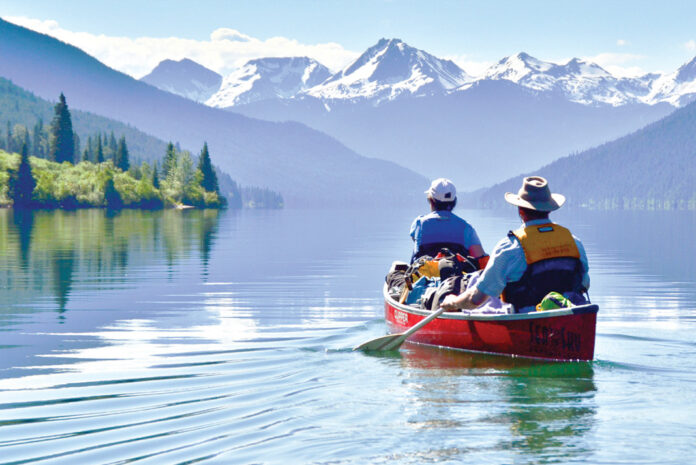
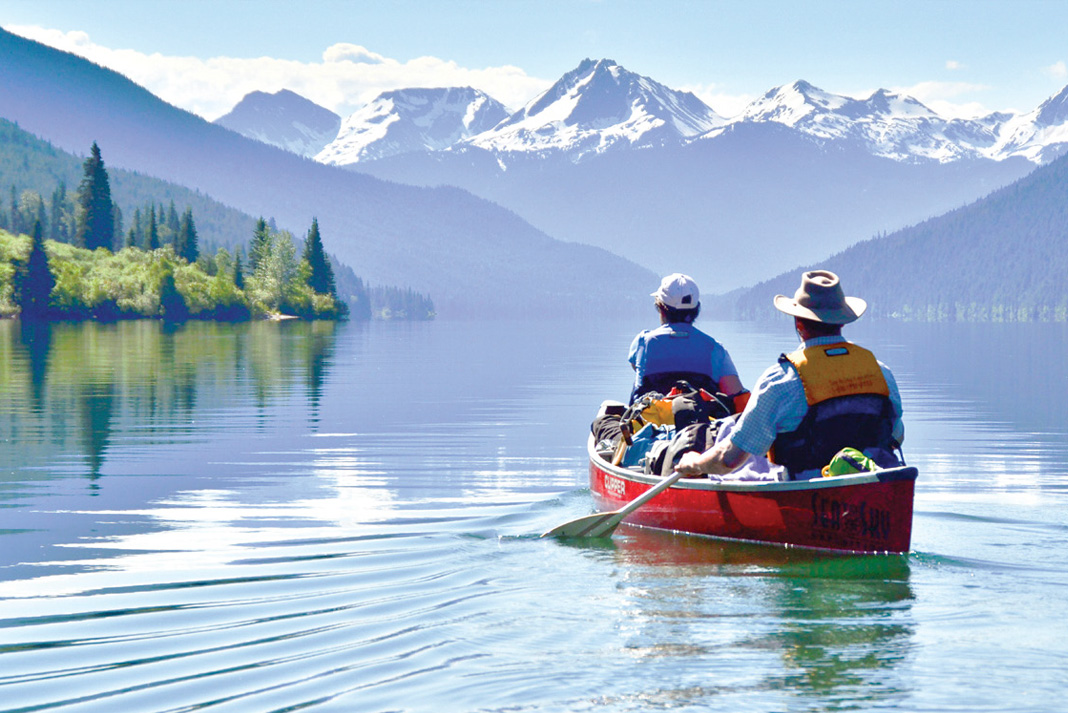
Photographer Mike Monaghan has traveled far with his canoe but returns each year to Killarney Provincial Park on Georgian Bay, where he finds unparalleled paddling and artistic inspiration.

What sets Killarney apart from other accessible canoeing areas is its beauty. While I’ve paddled much further from home, and often in more remote wilderness, this paddler’s paradise embodies a combination of landscapes that can’t be found anywhere else.

It’s no wonder that members of the Group Of Seven, pioneering landscape painters, found inspiration in this area.

I love the park’s diversity, from the towering white quartzite ridges of the ancient La Cloche range, to quiet creeks and silent ponds, to the pink granite of the park’s southern border along the Georgian Bay coast. On dark nights, the Milky Way stretches overhead and looks so close I feel like I can almost touch it. Instead, I pick up my camera. In the 15 years since I first paddled here I’ve returned every season.

Large red and white pines co-exist with hardwoods, giving the park a unique look that changes spectacularly throughout the year. George Lake campground, situated in the park’s southwest, provides a jumping off place for day-trippers and family campers. For those who are looking for the backcountry experience, the network of portage routes, from simple to challenging, ensures that everyone will find a rewarding adventure.

Killarney’s Interior Paradise | PHOTO: MIKE MONAGHAN

TRIPS

If you have a half-day paddle the meandering Chikanishing River to its outlet on Georgian Bay and explore Killarney’s rugged coastline. Alternatively, paddle the perimeter of George Lake, the transition zone where sculpted granite shores give way to towering quartzite cliffs.

If you have a day pack a lunch and head east from George Lake over two easy, well-worn portages into Killarney Lake. The dramatic beauty of Killarney Lake, with its turquoise water and towering quartzite ridges, is a prime example of why this park continues to be a popular destination for artists throughout the year.

If you have a weekend a loop through Balsam Lake, into David, Silver, and back to Bell offers striking scenery, and an opportunity to camp out on one of the many beautiful backcountry campsites in the park’s interior. Hike to the top of Silver Peak; the views from the highest point in the park are breathtaking (and so is the strenuous hike). Be aware that a reservation system is in place for interior camping.

If you have a week the northwest portion of the park has it all—rugged beauty, physical challenge, and picturesque camping on granite outcroppings. Several loops are possible. Grace Lake (stunning scenery) and Nellie Lake (90 feet of visibility) are highlights of the park; try to include one or both of them on your route.

STATS

Population Density
0.8 people per square mile
Average Temperature
Winter: -13C; Summer: 19C
Wildlife
Moose, deer, black bear, wolf, coyote, fox, porcupine, hawks and eagles.
Access Point
George Lake campground
Campsites
Developed wilderness sites, with pit privy and fire ring
Best Eats
Herbert Fisheries, a local favorite offering freshly caught whitefish served dockside.
Outfitters
Killarney Outfitters (www.killarneyoutfitters.com) and Killarney Kanoes (www.killarneycanoes.com), as well as local wilderness lodges offering similar services.
Must-Have
Freestanding tent, boots with ankle support, camera with underwater housing

Screen Shot 2015 03 18 at 10.45.19 AMThis article first appeared in the Spring 2015 issue of Canoeroots and Family Camping magazine.
Subscribe to Paddling Magazine and get 25 years of digital magazine archives including our legacy titles: Rapid, Adventure Kayak and Canoeroots.

SUP Paddle Size: How to Choose

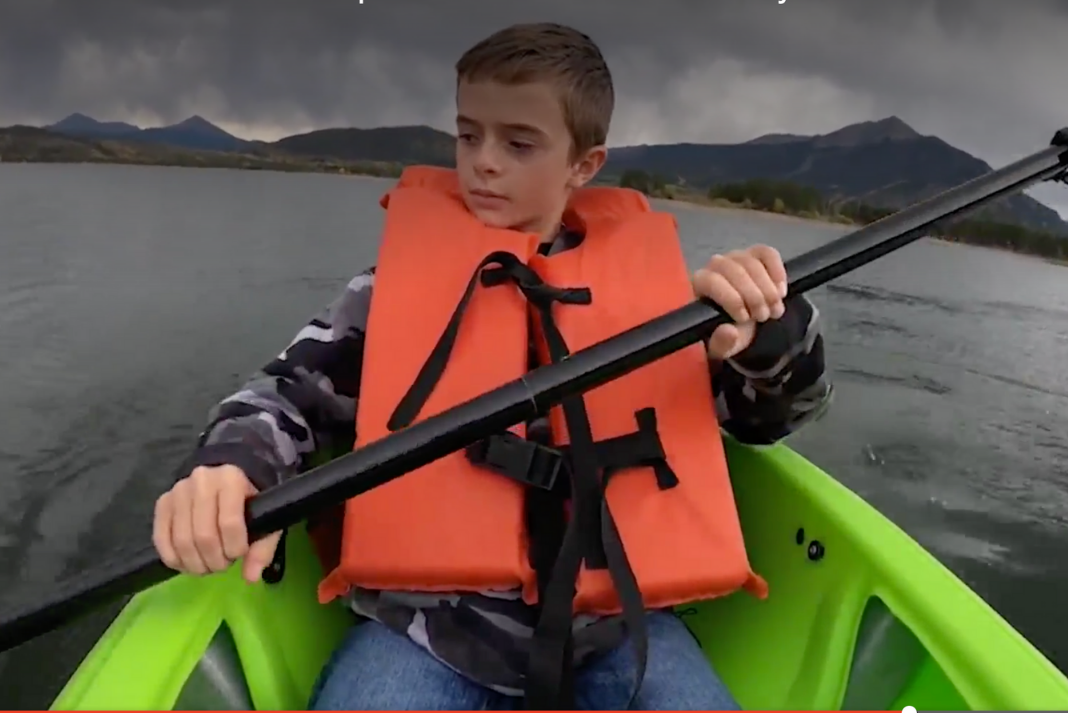
SUP paddles can be purchased as single unit, or a two piece that has the utility to fit a range of paddler heights. SUP paddle size can be tricky. Whether you enjoy SUP touring, racing or surfing, there’s a blade that’s the perfect fit for you and figuring out how to size one is very simple.

SUP paddle size shouldn’t be too difficult if you ask the right questions. It is one of the most popular questions that gets asked at any paddlesports store and in this video, Standup Paddling expert Peter deMos from LivOutside: Gear + Adventures explains how to fit the correct size and length standup paddleboard paddle for you. Whether you prefer a wooden version or a fiberglass model these tips will make choosing a SUP paddle the easiest of any watersports blades.


Why I Can’t Let Go Of My Crappy Old Gear

IN WITH THE OLD. | PHOTO: EMMA DRUDGE

When I started my first job as a river guide, I had no equipment of my own. Other than a couple short canoe trips at summer camp, I hadn’t spent much time on the water. So it was with confusion that I read this pre-season email, sent out to all first-year staff:

As you budget for the summer, bear in mind there is some gear you will want for your job. You WILL be in cold water. We can supply you with a paddle, PFD, helmet and wetsuit. Said gear will be entirely safe and functional, but be forewarned: you will look like a dork. You will have no sex appeal. All our staff inevitably invest in their own equipment.

More broke than fashion-conscious, I arrived ready to wear whatever they gave me.

The first thing I noticed was the color. Angular pink patches cut through a blue body so faded it looked more like acid-wash grey. The stiff, thick neoprene made me walk with straighter-than-normal knees—the fabric pulling my joints back into alignment with the suit’s own curvature, a shape that, when dry, looked like it might actually be freestanding.

A few years later I blew my river guide salary on a hot new form of temperature control: a drysuit and technical layering system well worth breaking the bank.

Drysuit donned, I outfitted newbie interns in their own well-worn neoprene. I was cozy during an early-season rescue course. I stayed bone dry as I taught new staff how to swim effectively in whitewater. I was warm. I was comfortable. I looked like I knew what I was doing.

IN WITH THE OLD. | PHOTO: EMMA DRUDGE

There were good reasons I replaced ol’ faithful: too many consecutive river days resulted in an irritating itch. The faded fabric’s pores, rife with sun-dried urine the river never quite washed away caused an odor that ripened when wet despite years of valiant laundering attempts. I even tried a cocktail of every home cleaning product I could get my hands on—the only result was a rash.

But my blue and pink-polygon suit was never tossed to the curb.

Somewhere in the depths of a Rubbermaid storage bin, I hoard this relic of paddling days gone by. It gets pulled from retirement from time to time to enrobe a rightfully self-conscious first-time paddler friend; more often I just flip past it as I reach for my replacements. But like listening to an old song, seeing it there takes me back to another place and time.

I’ve never paddled as many days in a year as I did those first few summers. They were endless river days. Nights were spent under the stars on shore, around a campfire surrounded by friends with a similar lack of responsibility and urge to play, then falling asleep to the roar of rushing water. More than a piece of gear, it’s a memory of the places and people who helped shape the person I’ve become. And that’s something you don’t throw away.

Emma Drudge is the editor of Rapid magazine. She looks forward to letters from readers who still rock these suits.


RPv17 rgb

This article first appeared in the Spring 2015 issue of Rapid magazine.

Subscribe to Paddling Magazine and get 25 years of digital magazine archives including our legacy titles: Rapid, Adventure Kayak and Canoeroots.

7 Things You Might Not Have Known About Blackflies

Photo: iStockphoto.com/DMAXX
Betcha Didn't Know About ... Blackflies
  • Blackflies are attracted to humans largely because of the carbon dioxide we exhale, but these bloodsuckers can also be attracted by dark colored clothing, perfumes and sweat.
  • In Maine, black flies are so numerous they’re referred to as the unofficial state bird.
  • The best defense against black flies is to cover up, including tucking trousers into socks and tightening wrist cuffs. Blackfly fever affects a sensitive minority following multiple bites, and causes short-term nausea and fever.
  • In 1995 pop star Alanis Morissette showed the world she didn’t understand the meaning of the word ironic through a release of a song by the same name. Some of the many things she listed that are not ironic, and merely unfortunate, include: rain on your wedding day, 10,000 spoons when all you need is a knife, and a blackfly in your chardonnay.
  • The good news is that blackflies are markers of the health of an aquatic ecosystem. Their larvae are only found in flowing, clean and well-oxygenated water—let this fact comfort you next time you’re being swarmed.
  • When numerous enough, blackflies have caused suffocation of farm animals by crawling into the nose and throat. There are also reports that black flies have to caused exsanguination (death due to blood loss) in livestock from extreme rates of biting.
  • “Always the black fly no matter where you go, 
I’ll die with the black fly picking my bones” is the chorus to folk songwriter Wade Hemsworth’s well-loved ode to the tiny terror.

Screen Shot 2015 03 18 at 10.45.19 AMThis article was first published in the Spring 2015 issue of Canoeroots and Family Camping magazine.
Devil In The Details

Devil In The Details | Photo: Rob Faubert

I got a good scare last fall on a late October multi-day trip when a loaded oar rig flipped and not everyone came out from underneath it.

Flipping a loaded oar rig is always bad news—something to be avoided at all cost. Once upside down, they become giant, heavy, out-of-control entrapment devices. So it was with this one.

I spent several years river guiding in the desert southwest, and days off were all about rock climbing. Big walls were my thing then—long, technical, gear-intensive and sometimes multi-day tests on a massive cliff face. I wasn’t athletic enough to climb the good sport routes, and there was something more appealing about the slow, methodical pace of aid climbing. A single pitch can take hours—hours of intense concentration and focus on the minute details. Aid climbing requires every movement to be planned, precise and methodical. Big wall climbing narrows the universe down to just gravity, arm’s-reach imperfections in the rock face, your belay partner and whatever goes on in your head. The saying ‘don’t sweat the small stuff’ doesn’t apply to big wall climbing. Nor to running stiff whitewater in oar rigs.

Social psychologists tell us certain people are better at details than others—it’s accounted for in our personality traits, which science has narrowed down to the Five Factor Model of Personality. As the anchor of the ‘big five’ traits, conscientiousness measures one’s tendency towards detail, organization and diligence. (The other factors are agreeableness, neuroticism, openness and extraversion). There are reams of research on this, and it all points towards conscientiousness as a reliable predictor of almost any form of human performance—more predictive than any other of the big five traits. The more that details matter to an activity, the more predictive conscientiousness is. I often pull out this quote when teaching my outdoor students: “Show me a person who cannot bother to do little things, and I’ll show you a person who cannot be trusted to do big things.”

Devil In The Details | Photo: Rob Faubert

Aspects of conscientiousness are learned skills—one can improve their ability to take care of details. Here I hope I am stating the obvious: safety critical activities like rock climbing and running oar rigs are detail intensive.

This brings us back to the upside down entrapment device, the one out from under which too few helmets emerged.

Standing on the river left shore, I watched the 15-foot oar rig line up for the steep, shallow rapid. We’d taken our time setting up the run, taking care of all the potential details, and settled on the most conservative plan given our options.

The first raft patiently drifted through the shallow entry and locked into the crux slot just a raft-width wide. That the second raft scrubbed a rock on entry and turned a little sideways was not unexpected—nor when it did one of those slow slide-up-the-edge of-the-slot-and-tip-over moves—but when one helmet did not emerge it was rescue 911 mode.

“Show me a person who cannot bother to do little things, and I’ll show you a person who cannot be trusted to do big things.”

Two guides were in the water with their hands on the boat in a flash, slowing it down and getting it out of the current. I bashed my way through the bush to get downstream of it where we corralled the raft to shore—30 seconds passed. Just as we got control of it, the trapped guide-in-training emerged, knife in hand, having successfully cut himself free.

Too close for comfort.

The bow line, which in this case was a clipped throwbag, had trailed out after the flip even though the bag itself stayed in place. The rope found its way around the passenger’s ankle.

A tightly coiled bowline or slip knotted throwbag are just one of a hundred details it takes to put together an efficient oar rig. Getting behind the oars and adding moving water introduces hundreds more. Add some clients and multiply the details by a thousand.

How does one decide which details matter and which ones are less important? The answer is simple: they all matter. In this whitewater gig, whether rigging a half ton oar rig or just wedging your feet into a playboat, every little detail matters. Our safety critical environment means that the detail overlooked or left undone may be the one that makes all the difference.

Jeff Jackson is a professor with Algonquin College’s Outdoor Adventure guide training diploma and is the co-author of Managing Risk: Systems Planning for Outdoor Adventure Programs.


RPv17 rgb

This article first appeared in the Spring 2015 issue of Rapid magazine.

Subscribe to Paddling Magazine and get 25 years of digital magazine archives including our legacy titles: Rapid, Adventure Kayak and Canoeroots.

One Week In Wabakimi’s Boreal Forest With Ray Mears

Ray Mears sits cross-legged in front of a smoking cook pot at a campsite in Wabakimi Provincial Park
Ray Mears & Me | Photo: Goh Iromoto / Ontario Tourism

“If I were to paddle with a carbon fiber blade I think I’d develop a palsy,” Ray Mears tells me as he carefully axes another chuck from a six-foot tall cedar board.

We’re camped by the shore along the southern edge of Wabakimi Provincial Park’s sprawling 3,440 square miles of boreal forest in northwestern Ontario. There’s drizzle in the chill September air. I’m hunched under a forest green sil-nylon tarp watching the almost lost art of carving using only axe and crooked knife come alive before me.

Thunk.

“I want a wooden paddle because it’s not perfect,” continues Mears, surrounded by increasingly large pile of wood chips. “The grain will lift when it gets wet, and one day I will have to throw it away.” Thunk. Thunk. “But when that time comes, I can throw it back into the forest, where it came from and nature will reclaim it without any further intervention from me. The canoe leaves no trace and neither does the paddle if it’s made of wood.”

He stops to consider the shape he’s made—what was a section of tree just an hour ago has been transformed in his skilled hands. I can see the shape of the blade Mears will use to paddle out of here.

Allenwater Bridge hijinks. | Photo: Goh Iromoto

One week in Wabakimi’s boreal forest with Ray Mears

More well known than Survivorman, and far more reputable than Bear Grylls, Mears is celebrity and bushcraft master rolled in one. For seven days we’ll be paddling through Wabakimi Provincial Park—a canoeist’s paradise and one the largest Boreal forest preserves in the world. The park has more than 2,000 kilometers of lake and river routes, which are made sweeter by being accessible only via canoe, float plane or train.

In addition to the world’s foremost bushcraft expert, I’m traveling with Wabakimi Outfitters’ owner Bruce Hyer, who helped created the park in 1983, his son and trip guide Michael, famed canoeist Becky Mason, and a few media types.

Mears is here as part of a deal to promote the park in the U.K. and as recon for a future trip, but I’m here with a question on my mind. As modern life becomes increasingly disconnected from wild spaces and wilderness gear becomes ever-more high tech, what place does bushcraft have in the twenty-first century?

I decide not to ask this question on the first day.

“Bushcraft is a joy.”

Forever clad in New Zealand-made Swazi clothing and under the brim of his ubiquitous Tilley hat, 50-year-old Mears exudes a boyish enthusiasm. “Bushcraft is a joy,” he tells me multiple times—and he means it.

Despite being thousands of kilometers from home, Mears is at ease in the Boreal forest. | Photo: Goh Iromoto

His is a household name in the U.K., famous for sharing the love of his craft on BBC shows such as Ray Mears’ Bushcraft Survival and Ray Mears Goes Walkabout. When he’s not working on a television project, Mears runs wilderness skills courses through his school, Woodlore.

“At its core, bushcraft is a love and understanding of nature,” says Mears. “It’s a knowledge that enables you to travel safely, and to rely on nature to some extent for your safety and welfare.” It is not just rubbing two sticks together to make fire; it’s the familiarity with the resources your environment offers so you can live comfortably.

Despite being thousands of kilometers from home, Mears is at ease in the Boreal forest.

Local flora and fauna are referred to fondly. His knowledge of the landscape is intimate, whether he’s turning an alder branch into a toothbrush, or describing the uses of birch polypore—good for making a bandage and dried it settles the stomach, I learn.

In conversation, Mears downplays his most tabloid-worthy tales—assisting U.K. police in tracking killer Raoul Moat, and helping the wounded after a helicopter crash. But on the subject of the wilderness, and especially canoe tripping, he opens up.

“The canoe epitomizes bushcraft—it is knowledge combined with natural resources that enables us to float on water. It’s a miracle really,” he says. Mears has made two birch bark canoes. “I don’t see canoeing as a sport, it’s a way of life, it’s something more. When you come to remote places, it has a cleansing effect spiritually.”

“At its core, bushcraft is a love and understanding of nature.”

Into the Wabakimi wilderness

Our bush flight entry into the park reveals 360 degrees of near pristine wilderness. Jack pine, black spruce and water everywhere. We’re dropped at a remote fishing cabin under a blue sky and set off into the wind to find our first campsite with gear loaded into our four canoes.

Despite volunteer efforts, Wabakimi remains a mostly unserviced park. Its campsites and portages are unmarked and unmaintained. It’s not uncommon to reach a map-marked site or portage and find it strewn with blow down.

We luck out today, however. After a speedy setup at our first site—I’m thrilled to be bunking with Becky Mason—we gather around to watch Mears erect a hearth with a Voyageur-style tripod and start fire with flint and steel. Later we enjoy a delicious demonstration in making bannock using hand-carved utensils.

Mears’ camp kit is a hybrid of old and new. Wooden utensils nestle in well-used canvas canoe packs, next to a modern Hilleberg tent and lightweight tarp. Though he adopts new technology where he feels it’s appropriate, “The old way is the better way” will be a common phrase throughout the trip.

Perhaps it’s because he’s not leading this trip—the Hyers are officially our guides—but Mears is pretty laid back except on one subject. Don’t call what he does survival.

“I don’t like that term. It makes me think of people who stockpile tins of beans and toilet paper in case the world ends,” he says. The fire crackles and gentle waves lap the rocky shore beside us. “What we’re doing out here isn’t survival, this is a joy.”

Mears at the co-pilot seat in our Turbine Otter seaplane. | Photo: Goh Iromoto

While we explore the area by canoe, our group gets to know each other. I discover Mears has a soft spot for Cohen brothers movies and the ‘80s Brit comedy show, Blackadder. Though he says he’s not afraid of any animal, he admits a deep respect for crocodiles over four meters long (“That’s one animal I have very serious views on,” he says). His real fear is industry destroying wilderness spaces for short-term gains.

Mears’ encyclopedic memory and impromptu historic tale-telling delight our group. Whether describing Samuel Hearne’s travels to the Arctic—complete with dates and source references—or Grey Owl’s environmentalism, his tales often end with the phrase, “It was absolutely fantastic.” Fascinated by his storytelling as much as the stories themselves, we can’t help but agree.

Ray Mears walks down remote train track in Wabakimi Provincial Park
Photo: Goh Iromoto

Hitching a ride on the rails

A frosty morning a few days later finds us waiting near the Allenwater Bridge on the CN rail line. The tracks cut a corridor through Wabakimi and across the nation. The occasional freighter screams by while we wait for the VIA Rail passenger service. I wonder if it will really stop in the middle of the forest at mile marker 54 to pick us up with all our gear. This is the train that will take us back to the village of Armstrong Station (population: 220) where we’ll re-supply before leaving on the next leg of our journey.

Our group wanders up and down the tracks as we wait. I see how far I can walk balancing on a single rail, Mason naps in a Prospector and our young guide Michael picks a bluesy riff on his guitar. I show the group how to mimic the mournful cry of the common loon and there’s much huffing and puffing into cupped palms. I’m excited to have found the one thing I can teach Mears.

When our train rumbles to a halt, we load canoes and packs in a freight car with the help of a few burly train hands. A young woman in a business suit jumps down from the passenger car, planting her sensible leather shoes amongst a sea of camera bags, Gore-Tex and fleece. “Tickets, please,” she trills.

Next thing I know, I’m sitting with a beer in hand in the observation car, Boreal forest whipping by at 80 kilometers an hour, thinking I’ve certainly never ended a canoe trip like this before.

Down south to the Kopka River

Our return to civilization is brief. We resupply, and within a day, we’re back in the air, this time spiraling down towards the deep, dark water on the Kopka River system, located along Wabakimi’s southern border.

On this route, large open lakes meet shallow narrows. Paddling with Mason in a Prospector, we scout and run everything. I resist my impulse to turn around and watch her graceful stokes.

Mears—never short for words—sums up Mason’s ability succinctly. “Becky,” he tells her, “when it comes to canoe strokes, you write the alphabet while the rest of us are mere journalists.”

I’m definitely cramping her style.

Mears met Mason while filming a documentary and later had her teach his wife to paddle. Mears and Mason speak with a reverential respect about each other.

Writer in the mist. | Photo: Goh Iromoto

“She always knows how to make herself comfortable in any situation,” Mears adds a short while later. I turn around to find Mason perched on a rock in the pouring rain, cozily clad in layers and rain gear, happily eating her oatmeal.

A few days later Mears is demonstrating how to make a paddle with only axe and crooked knife under a steely sky. I’m explaining pop culture’s current zombie obsession, putting into context several years of off-the-wall questions from the press.

As he gets to work shaping the shaft with the crooked knife, I finally ask him what I’ve been pondering for days: is bushcraft still relevant? He offers a very practical example for wilderness trippers.

“I have a GPS with me, but the first thing that goes into my pocket is my compass. And before that is the knowledge of the environment,” says Mears. “When you can understand a map and compass you can understand the value of a GPS. But if you start with a GPS you are half blind.”

Of course, I agree, navigation skills seem like the foundation for any wilderness adventure. Maybe my question is more abstract—are we losing anything when we don’t use bushcraft?

“The wilderness is a place where you become insightful and alert to nuances in the world. You learn to trust your inner voice and that’s something that very few of us have an opportunity to do today,” says Mears.

While Mears’ connection to the land may seem like magic to me, he in turn admires the connection the First Nations have. “This is their place, they know it in a way we never will,” he says. Though Wabakimi looks untraveled, the rich cultural heritage here of the Anishinabe people is thousands of years old.

Canoeing the Kopka River. | Photo: Goh Iromoto

Mears has traveled around the world to learn traditional skills from First Nations elders and speaks sadly about the old ways dying with each generation.

“Once that knowledge is lost, an interface with the landscape is lost,” he adds.

For indigenous groups, the consequences of losing traditional skills and ways of life can be catastrophic. “Part of their magic is their connection to their landscape,” he says.

But does the loss of bushcraft knowledge affect the average city-dwelling canoe tripper?

“It means we fear where we needn’t have to,” says Mears. Lost or broken gear can either be an emergency or an adventure.

“Becky,” Ray tells her, “when it comes to canoe strokes, you write the alphabet while the rest of us are mere journalists.”

We meet a pickup truck along a skinny gravel swath that carves through the Boreal just outside of Wabakimi’s reach. Saplings stretch into the road seeking sunlight, making it feel like the forest is quickly reclaiming this brief human diversion.

A few in our group jump into the bed of the pickup and the rest of us squish into the cabin. We’re sardined four abreast in the back seat when Mears confides in a posh British accent, “Well, I’m rather more used to traveling in first class.” His chuckle means he’s joking, I think.

Our return to the world of 24-hour news networks stirs political conversation, a newspaper is brought out, and iPhones chirp and sing.

We reluctantly catch up on bad news we were privileged enough to forget for a week. Technology already chips away at the peace the forest has cultivated. Bouncing around on that gravel road, something Mears said earlier in the trip comes back to me.

“We’re all on this planet on a journey through the universe together. Whatever our differences, we need to work together to take care of it,” he warned. “Of course, I don’t push that view. Once people start to learn the skills, nature does the rest.”

Ray Mears sits cross-legged in front of a smoking cook pot at a campsite in Wabakimi Provincial Park
“The wilderness is a place where you become insightful and alert to nuances in the world,” says Ray Mears. | Feature photo: Goh Iromoto/Ontario Tourism

If you go to Wabakimi

In the vast Wabakimi interior trip possibilities are endless. Contact Wabakimi Wilderness Outfitters for trip planning advice. Wildlife enthusiasts may be delighted with sightings of moose, woodland caribou, bears and wolves, while bird watchers will find raven, grey jay, osprey, bald eagle and loons. Historians will be fascinated by the enduring legacy of the local First Nations.

Trip launching point, Armstrong Station, is three hours by car north of Thunder Bay. Those coming from the United States can expect several hours of beautiful scenery traveling from Minnesota. For a more direct route, Thunder Bay is a short 90-minute flight from travel hub Toronto.

Cover of Canoeroots Magazine Spring 2015 issueThis article was first published in the Spring 2015 issue of Canoeroots Magazine. Subscribe to Paddling Magazine’s print and digital editions, or browse the archives.


“The wilderness is a place where you become insightful and alert to nuances in the world,” says Ray Mears. | Feature photo: Goh Iromoto/Ontario Tourism


The Age of Convenience is Destroying Wild Places

THE ROAD TO REGRET IS FOUR LANES WIDE. | PHOTO: ROWAN GLOAG

Some say Berners Bay and Lynn Canal are haunted, that on certain days when the ocean is quiet you can hear the ghosts of those lost at sea. There are stories of shamans buried on rocky points jutting into the ocean and ancient Tlingit villages swallowed by hungry rainforest and voracious brown bears.

In the early spring of 2014, I kayaked through eerie mist and across the still waters of the bay, hairs prickling on the back of my neck. It wasn’t the threat of tormented spirits, bruins or the restless ocean that filled me with trepidation. The pall that hung over my route was more mundane and far more devastating: the threat of myopic greed and industrialism masquerading as progress.

An 80-kilometer road is planned through this wild land. My trip paralleled the route the road would take along the coastline. Sea lions, land otters, harbor seals and a host of newly arrived waterfowl and shore birds parted before my kayak. Hidden in the forest, a granite boulder etched with ancient images of anthropomorphs, salmon and geometric shapes by Tlingit slaves lay in the shadows. In certain angles of light, it’s said the figures came alive. Seeing this place in its raw grandeur,I had the feeling I was experiencing the eulogy of a wilderness I knew and loved.

I grew up just south of Berners Bay and Lynn Canal in Juneau, Alaska’s capital. There’s no road in or out of this small outpost of 30,000—it is surrounded by ocean, mountains, glaciers and the largest remaining temperate rainforest in the world. Most who live there are happy to reside in close proximity to roadless, wild country. After all, there’s no shortage of freeways, billboards and gas stations nearly everywhere else we turn. To be able to experience creation untrammeled, where we bow to the Earth instead of trample it, is invaluable.

Some people, however, don’t see the inherent worth in keeping Southeast Alaska from following in the footsteps of the industrialized Lower 48. Governor Sean Parnell and Alaska Department of Transportation (ADOT), despite astronomical costs, are set on bulldozing the road extension. It will charge through Berners Bay to the Kensington Mine—and open up other privately owned mining claims for development—before piercing the east side of Lynn Canal to the Katzehin River Delta, where a new ferry terminal is to be constructed.

I paddled to where four large salmon rivers drained into a sprawling estuary. Wolf, moose and brown bear tracks wended along sandy beaches. Flocks of waterfowl fed on the expansive flats as bald eagles and northern harriers turned lazy circles on the breeze. In a few weeks eulachon would come to the river delta to spawn in the millions—along with thousands of sea gulls, eagles, seals, sea lions, humpback whales and other species converging to feast.

Meter-high waves greeted me as I entered Lynn Canal, one of the longest and deepest fjords in the world. It’s considered among the most treacherous waterways in the Inside Passage. I pushed aside thoughts of shipwrecks and icy water, focusing instead on a raft of sea lions blocking my way. One, bobbing contentedly in a wave, almost bumped into my kayak as I slid past.

THE ROAD TO REGRET IS FOUR LANES WIDE. | PHOTO: ROWAN GLOAG

The coastline here is impenetrable, broken only by 43 massive avalanche paths for the next 40 kilometers. Beaches dissolved into sheer mountains jutting more than 2,000 meters straight up from the ocean. Glaciers embraced all but the most vertical summits. At dusk, I made camp at the edge of an avalanche run-out. Fresh tracks from a wolf pack imprinted a sandy section. Nearby, orange surveyor’s tape, marking the route of the proposed road, disappeared into a huge outflow of avalanche debris.

It’s not just environmentalists who question the rationality of the project. Besides marking the loss of one more wild place, the road also seems like an economic disaster.

A respected avalanche forecaster testified to a state representative that the road would be a deathtrap for motorists for much of the year unless ADOT budgeted millions more on infrastructure, maintenance and avalanche control programs. His warning fell on deaf ears. A local ultra-adventurer and builder asked an ADOT representative how they were planning to construct the road through a gigantic rock glacier. He didn’t get an answer. Proponents initially claimed that ferries (the method of transportation most Southeast Alaska residents depend upon to travel from community to community) were too expensive and that the road would save the state money. In the most recent study ADOT released, however, the state admitted the road would actually cost millions more to maintain each year than the current ferry schedule.

Late in the afternoon the following day, I drifted into the Katzehin River Delta, the end of the proposed road. Six kilometers away, across the fjord, the town of Haines crowded the shore. I tried imagining building, utilizing and maintaining a highway along the last 40 kilometers of cliffs and avalanche paths. More than a gratuitous invasion of a wilderness or an impracticable attempt to boost the state’s economy, it seemed nearly impossible.

I paddled towards the west side of the fjord, where the peaks, rainforest and glaciers of the Chilkat Mountains were aflame with alpenglow. Beer, pizza and a ferry back to Juneau awaited me in Haines. Or, I could turn the kayak south and see the coast as it had been since the Pleistocene.

It’s not just environmentalists who question the rationality of the project. The road is an economic disaster.

Civilization and convenience, or raw vitality undiminished by ease and development. The same decision lies at the core of the Wilderness Act, which celebrated its 50th anniversary even as the gavel fell on Berners Bay and Lynn Canal. The landmark act represents the belief that some places should be left free from human influence, that there’s inherent worth in wilderness. But it’s not a victory that sustains itself. It’s a choice we must make—with courage and care—every day.

I choose wilderness and solitude. Accustomed to expeditions in Southeast Alaska being existential odysseys that leave me battered and trembling, I am shaken instead by the evening’s dreamlike calm. Marbled murrelets, loons and grebes, ghostly white in their winter plumage, float tranquilly. Flocks of white-wing and surf scoters wing along the ocean’s mirrored surface. A pod of Dall porpoises swim nearby and sea lions snort and splash. Thousands upon thousands of green sea urchins cling to the rocky shore and a mesmerizing play of light illuminates the shimmering ocean, glaciers and mountains.

As I write, construction of the road is scheduled to begin this spring. There’s still some hope litigation or a lack of federal funding may stop the project, but it’s against the tide of the current political atmosphere in Alaska.

In the gathering twilight, I study the eastern shore across Lynn Canal, feeling humbled by the cold, honest expanse between—the serrated peaks and rugged coastline seem almost untouchable.

Bjorn Dihle is a writer, guide and fisherman based out of Juneau.


This article first appeared in the Spring 2015 issue of Adventure Kayak magazine. Subscribe to Paddling Magazine and get 25 years of digital magazine archives including our legacy titles: Rapid, Adventure Kayak and Canoeroots.

What’s In: Adventure Kayak Editor’s DIY Camper Van

DIY Camper Van | PHOTO: VIRGINIA MARSHALL

No, this isn’t a scene from a Jerry Seinfeld spin-off series titled Kayakers in Cars Getting Comfy. It’s AK editor Virginia Marshall’s plywood-and-propane van conversion. The seed for her inconspicuous motor home was planted on a no frills family roadtrip somewhere between Minnesota and Moab—or somewhere between “Sleeping with the Past” and “Blue Avenue” on the Elton John cassette still scratching through the speakers. It wasn’t until a stint in New Zealand, however, that she devised a blueprint for living comfortably on four wheels.

1. I call it the Spruce Moose. It’s a ’99 Toyota Sienna minivan or, as friends who’ve tried to carpool dub it, the Coupé. What makes a minivan ideal for peripatetic paddlers is that no one will ever suspect you’re comfortably nestled inside. I’ve slept everywhere from parking lots and put-ins to side streets in upscale neighborhoods. Plus, since it’s also my daily driver, I’m fully equipped if I ever need to spend an unexpected night on the road. Choosing the right van is a mix of practicality and preference. Where size, economy, reliability and budget meet, you’ve found your match.

2.  I like to think of the odometer like a résumé: too little experience and you’ve got something fresh but unproven. You want something that’s been around the block and shaken all the major kinks out. The Moose has roamed 212,899 nauticalmiles.

3. A functional conversion means making room for living space and storage. To maximize both, build accessible storage into your bed platform. This design required just three 4×8 sheets of plywood—one for a slide-in floor, the others for five adjoining bins with fitted lids. You can shape and assemble it in a few hours with just a circular saw and drill. Make your bins deep enough to store camping and paddling gear, but leave enough clearance that you can sit up comfortably in bed.

DIY Camper Van | PHOTO: VIRGINIA MARSHALL

4. Just like camping in a tent, a good sleep system is everything. IKEA is a great place to find budget-friendly essentials like this down duvet and high-density foam mattress. I carved the mattress into sections that match the size of the storage bins for easier access.

5. Why is a biker jacket-wearing gorilla my roadtrip mascot? Why not?

6. Install screens on rear windows using Velcro tape, otherwise you’ll be sweltering on warm nights and fogged up on cool mornings. Nothing attracts the attention of humorless security guards like steamy windows.

7. Car campers have long loved the classic Coleman double-burner stove for tabletop picnics, but it really shines as an integrated cooking platform. The inspiration for this pivoting design came from the ubiquitous rental conversion vans I saw in New Zealand. I used plumbing hardware for the support arm—if you know how to weld, this could be a lot slicker. The stove swings out so spills go on the ground, not the bed, and the raised tailgate shelters the kitchen from rain. Just don’t forget to turn the propane off before you go to sleep.

8. Billy Ocean, Mariah Carey, Michael Jackson—the ‘80s and early ‘90s were the heyday of pop, and cassettes. Since the van still rocks an analog deck, I pick up any tapes I can find; beggars can’t be choosers. If you have a Dire Straits tape, let me know.

9. Whoever invented magnetic Scrabble must have been a van dweller.


This article first appeared in the Spring 2015 issue of Adventure Kayak magazine. Subscribe to Paddling Magazine and get 25 years of digital magazine archives including our legacy titles: Rapid, Adventure Kayak and Canoeroots.

Discovering Sitka’s Tongass Treasures

Skip to main contentSkip to toolbar About WordPress Paddling Magazine 1515 updates available 132132 Comments in moderation New View Post SEOEnter a focus keyphrase to calculate the SEO score Theme support Howdy, Jennifer Quade Log Out Screen OptionsHelp Edit Post Add New Add title Discovering Sitka’s Tongass Treasures Permalink: https://paddlingmag.com/trips/local-launch-alaskas-outer-coast/ ‎Edit Add Media Add OptinMonster Insert shortcodeVisualText Paragraph Shortcodes Formats DIV » P Word count: 503 Draft saved at 3:17:11 pm. Last edited by Jeff Priest on May 2, 2022 at 9:07 am Move upMove downToggle panel: Publish Preview Changes(opens in a new tab)Preview changes in AMP (opens in new window) Status: Published EditEdit status Visibility: Public EditEdit visibility Revisions: 2 BrowseBrowse revisions Published on: May 13, 2015 at 04:00 EditEdit date and time Duplicate This SEO: Not available Readability: Needs improvement AMP: Enabled EditEdit Status Move to Trash Move upMove downToggle panel: Tags Add New Tag Separate tags with commas Choose from the most used tags Move upMove downToggle panel: Categories All Categories Most Used TripsMake primary Admin Alabama Scenic River Trail BrandStream Aquabatics Calgary BrandStream Boats Canoes Kayaks Paddleboards Rafts Canadian Canoe Culture BrandStream Canadian Canoe Museum BrandStream Careers Featured Gear Accessories Bags, Boxes, Cases & Packs Camp Kitchen Camping Gear Coolers Electronics Fishing Tools Fitness & Training Food & Drink Helmets Motors & Pedal Drives Mounts, Tracks & Accessories Pumps, Maintenance & Repair Rigging & Outfitting Safety & Rescue Sprayskirts & Cockpit Covers Transport, Storage & Launching Apparel Footwear Handwear Layering Lifestyle Technical Outerwear Wetsuits & Neoprene Paddles Canoe Paddles Kayak Paddles Paddleboard Paddles Raft Paddles & Oars PFDs Gear Giveaway Learn NRS BrandStream Paddling Business Pyranha BrandStream Safer Paddling BrandStream Skills Buying Advice Boats & Boards Campcraft DIY Projects Family Camping Food & Drink Health & Fitness Navigation Photography Safety & Rescue Strokes & Techniques Trip Planning Stories Columns 5 Ws Alchemy Betcha Didn't Know Bow Lines Bubble Street Butt End Camp Kit Canvas Checkout Dream Departures Expert Tip Fathom Flushed Gear Bag In Focus Launch Off the Tongue Profile Put-In Recirc Reflections River Booty Rock the Boat Scene Slide Still The List Tumblehome Tumpline Waterlines Wavelength What's In Conservation Culture Family Features Industry & Trends News & Events People Sweepstakes Sweepstakes Ended Test The Great Canadian Kayak Challenge BrandStream Trak BrandStream Uncategorized Videos Close Encounters DIY & Hacks Fails & Mishaps Rescues Skills whitewater Adventures Destinations(Primary Category)Primary Trip Reports + Add New Category Move upMove downToggle panel: Featured image Photo: Adam Andis Click the image to edit or update Remove featured image Move upMove downToggle panel: Format Post Formats Standard Video Audio Move upMove downToggle panel: Featured Video Paste a video link from Youtube, Vimeo, Dailymotion or Twitter it will be embedded in the post and the thumb used as the featured image of this post. You need to choose Video Format from above to use Featured Video. Notice: Use only with those post templates: Post style default Post style 1 Post style 2 Post style 9 Post style 10 Post style 11 Find more about this feature Move upMove downToggle panel: Editor Switch to block editor Move upMove downToggle panel: Inline Ads Show Inline Ads Hide Inline Ads Move upMove downToggle panel: Featured Audio Paste an audio link from SoundCloud it will be embedded in the post and the thumb used as the featured image of this post. You need to choose Audio Format from above to use Featured Audio. Move upMove downToggle panel: Authors Click on an author to change them. Drag to change their order. Click on Remove to remove them. Adam AndisAdam Andis Search for an author Move upMove downToggle panel: Post Settings General Smart List Reviews Post template:? Single Post BG Template – Short Header Single Post Template 25 font Single Post Template 25 New Video Template Single Post Template 56 - Video News PRO Single Post BG Template - Background Position Bottom Single Post BG Template - Background Position Center Single Post BG Template - Background Position Top Single Post Template 41 Primary category:? - Destinations - [ id: 62 ] If the posts has multiple categories, the one selected here will be used for settings and it appears in the category labels. Sidebar position:? Custom sidebar:? Default Sidebar Subtitle: Four spectacular kayak routes, from day trips to weeklong adventures, in Alaska's Tongass National Forest This text will appear under the title Quote on blocks: Show a quote (only when this article shows up in blocks that support quote and only on blocks that are on one column) Source name: This name will appear at the end of the article in the "source" spot on single posts Source url: Full url to the source Via name: Via (your source) name, this will appear at the end of the article in the "via" spot Via url: Full url for via Custom Label: Custom Category Label name, this will appear on flex modules/blocks like a category tag Custom Label url: Full url for Custom Label Move upMove downToggle panel: Excerpt Excerpt Excerpts are optional hand-crafted summaries of your content that can be used in your theme. Learn more about manual excerpts. Move upMove downToggle panel: Yoast SEO Premium SEO Readability Schema Social Focus keyphraseHelp on choosing the perfect focus keyphrase(Opens in a new browser tab) Get related keyphrases Google preview Preview as: Mobile resultDesktop result Url preview: Paddling Magazine paddlingmag.com › trips › local-launch-alaskas-outer-coast SEO title preview: Discovering Sitka’s Tongass Treasures - Paddling Magazine Meta description preview: May 13, 2015 - Please provide a meta description by editing the snippet below. If you don’t, Google will try to find a relevant part of your post to show in the search results. SEO title Insert variable Title Page Separator Site title Slug local-launch-alaskas-outer-coast Meta description Insert variable Premium SEO analysisEnter a focus keyphrase to calculate the SEO score Add related keyphrase Track SEO performance Internal linking suggestions Cornerstone content Advanced Insights Move upMove downToggle panel: Revisions Jeff Priest, 11 months ago (May 2, 2022 @ 09:07:01) Jeff Priest, 11 months ago (May 2, 2022 @ 09:07:00) [Autosave] Move upMove downToggle panel: Comments Add Comment No comments yet. Thank you for creating with WordPress.Version 6.1.1 NotificationsThe file URL has been copied to your clipboard Close dialog Featured image Upload filesMedia Library Filter mediaFilter by type Images Filter by date All dates Smush: All images Search Media list Showing 82 of 15299 media items Load more ATTACHMENT DETAILS Saved. ALASKAS-OUTER-COAST.jpg March 13, 2023 278 KB 1068 by 713 pixels Delete permanently Alt Text Learn how to describe the purpose of the image(opens in a new tab). Leave empty if the image is purely decorative.Title ALASKA’S OUTER COAST Caption PHOTOS: ADAM ANDIS Description PHOTOS: ADAM ANDIS File URL: https://paddlingmag.com/wp-content/uploads/2015/05/ALASKAS-OUTER-COAST.jpg Copy URL to clipboard Smush File processing is in progress. Required fields are marked * Slide link Shortcodes Ultimate Use this field to add custom links to slides used with Slider, Carousel and Custom Gallery shortcodes Selected media actionsSet featured image | PHOTOS: ADAM ANDIS

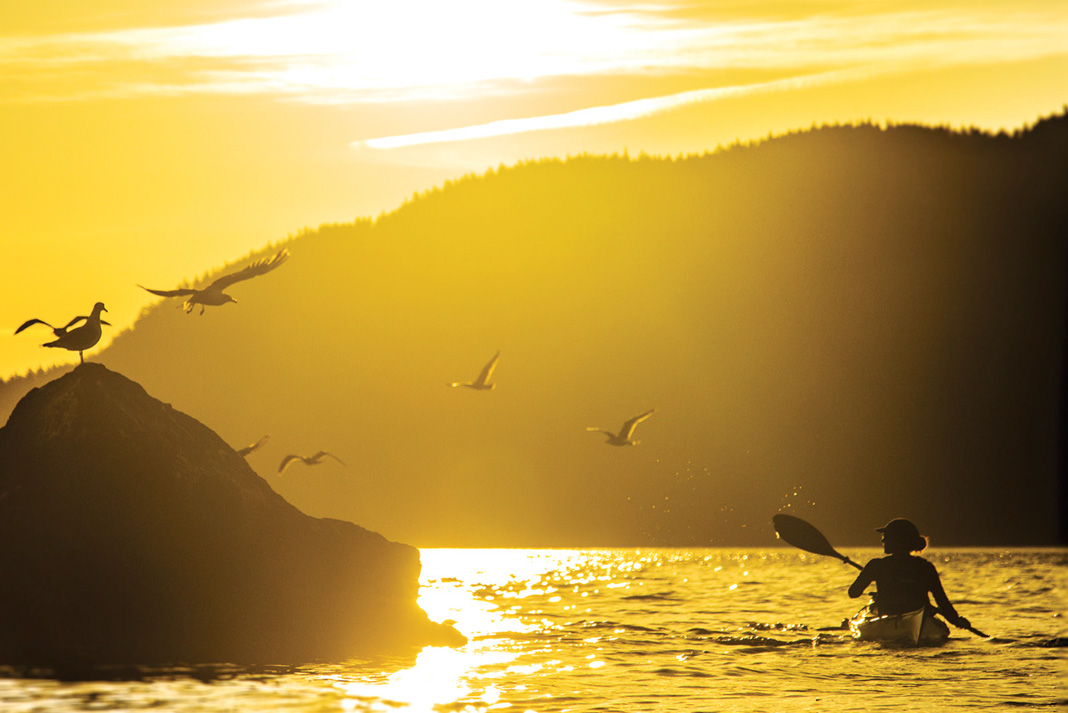
The operative word for Sitka is REMOTE. Just a couple hours of paddling from town will find you in true wilderness. Keep paddling in any direction and it will be weeks before you encounter another town.

I made my first visit to Sitka by kayak, paddling for two weeks through some of the most beautiful, ancient country imaginable. I shared the water with innumerable humpback whales, sea lions, sea birds, otters and occasional orca. I shared my campsites with one of the world’s densest populations of brown bear under the canopy of one of the last remaining old-growth temperate rainforests. The best part about paddling in Southeast Alaska—a region roughly the size of Maine—is that it is nearly all uninhabited public land, mostly within the country’s largest national forest: the Tongass.

Once I reached Sitka, I fell deeply in love with this tiny fishing town that perches on the western shore of 100-mile-long Baranof Island, overlooking the Gulf of Alaska and the cratered summit of Mount Edgecumbe. After years working to explore and protect this place, I still feel like I’ve only scratched the surface.

Adam Andis is a photographer, conservationist and kayak instructor in Sitka, where he works to protect his adopted home as communications director and wilderness stewardship coordinator for the Sitka Conservation Society (www.sitkawild.org). 

TRIPS

If you have a day explore Sitka Sound right from downtown. Float over kelp forests, watch bald eagles, sea otters and sea lions, and search for whale spouts as you weave through the network of islands.

If you have a weekend tour 17 miles south to Goddard Hot Springs, soak in the relaxing waters and explore Baranof Island’s wild outer coast.

If you have a week paddle to Kruzof Island and reserve one of the many public Forest Service cabins. Hike to the top of the dormant Mt. Edgecumbe volcano for breathtaking views, walk the black sand beaches, or paddle out to St. Lazaria Wildlife Refuge to see nesting seabirds.

If you have two weeks kayak the outer coast of West Chichagof Island Wilderness. Follow the route of historic rumrunners through a maze of untouched islands and hidden bays full of spawning salmon and brown bears.

ALASKA’S OUTER COAST | PHOTOS: ADAM ANDIS

STATS

Population 8,909

Average Summer High 62°F (July)

Annual Precipitation 132 inches, falling on 252 days

Wildlife Whales, sea lions, sea otter, seal, brown bear, wolves, marten, bald eagle, Pacific salmon.

Terra Cozy USFS cabins, undeveloped wilderness camping on beaches and in old-growth forest.

Tides Tidal exchange reaches 20 feet with currents up to eight knots in channels.

Diversion See traditional Native paddle craft at Sheldon Jackson Museum.

Local Wisdom File a float plan with Sitka Mountain Rescue (907-747-3233) before you head out.

Outfitters Latitude Adventures—day trips, expeditions, rentals, instruction; www.latitude-adventures.com. The Kayak Shed—half-day and day trips, rentals, sales; www.thekayakshed.com.

Must-have Bomber rain gear, rubber boots and bear spray.


This article first appeared in the Spring 2015 issue of Adventure Kayak magazine. Subscribe to Paddling Magazine and get 25 years of digital magazine archives including our legacy titles: Rapid, Adventure Kayak and Canoeroots.

5Ws Interview With Greenland Champ James Roberts

MAD ABOUT TRAD. | PHOTO: VIRGINIA MARSHALL

For Ontario Greenland Camp founder James Roberts, competing at the 2014 Greenland National Kayak Championship was both a personal and professional pilgrimage. “I wanted to get back to the roots of what I do,” says Roberts, who—along with fellow Canuck, James Manke—enjoyed representing the first Canadian team since the event opened to international competitors in 2000. Between twisting his way through 35 traditional rolls and “getting schooled” on the ropes, Roberts captured footage for their documentary, Greenland Bound. Virginia Marshall

Who can compete at the Greenland games?

Anyone who is passionate about paddling—you don’t need to be a hotshot. Even if you can’t roll, you can try the rope gymnastics, racing or harpoon throwing. The Greenlanders encourage international competitors, but you can’t go with a super competitive attitude. It’s not about medals and winning or losing. You need to know that you can’t go to win. John Pederson, a mentor at Qajaq Ilulissat, summed it up nicely. He told us, ‘This is the Greenland national kayak championships, not the worldchampionships.’ Go for the festivities and the people, or as a way to have a great paddling vacation.

What was the most captivating part of the experience?

I look at the actual competing as an excuse to be right in the middle of this definitive cultural experience. The number on your chest gets you gold pass access to the event; if you’re a paddler, you’re one of them. To sit and chat with these warm and generous locals for five days, to know the names of the kids, to joke and dance with them—that’s more captivating for me than competing well. It’s much more a celebration—an annual get-together of friends from up and down the coast—and a passing on of history and culture to the youngsters than it is a competition to see who’s the best.

When did you lose your pants?

Anytime you asked an organizer about the timing or location of an event, they would say ‘I don’t know yet.’ The morning of the harpoon throwing competition, I’d been told that I wouldn’t be on the water until afternoon. An hour later, I spotted all the guys in my heat warming up. We sprinted over to the club to grab my kayak. I didn’t want to get my town clothes wet, so I took off my pants, kicked off my boots, and jumped into the kayak in my boxer shorts and a rain jacket. Afterwards, every competitor except one was disqualified. Apparently, we had all missed an obscure rule about how to hold your paddle while throwing the harpoon.

MAD ABOUT TRAD. | PHOTO: VIRGINIA MARSHALL

Where did your competition kayak come from?

I’m a joiner by trade, so for me the handmade equipment is a very appealing aspect of traditional kayaking. For the competition, I built both my paddle and a skin-on-frame kayak that’s copied from Harvey Golden’s drawings of a replica in the Danish National Museum. The design is called Nanortalik after the town it was found near. Nanortalik is in South Greenland and so is Qaqortaq, where this year’s championship was held, so it was a very appropriate design for the area. After the event, James Manke and I donated our kayaks to the local club, as a thank you for hosting us.

Why are traditional skills relevant to modern kayakers?

All kayaking, whether it’s river kayaking or sea kayaking, is descended from the Inuit hunters of the Arctic. It was their means of survival that became our recreation. There are only 56,000 people in Greenland. It’s a tiny population, so keeping that knowledge and heritage alive is every paddler’s responsibility. I also think it’s important to respect traditional equipment. A lot of modern kayakers look at it as ‘yeah, that’s a nice little novelty paddle you have, one of those old school Inuit things, that’s cute, now go grab a real paddle.’ More than disrespectful, it’s not true at all. Sprinting, surfing, rough water—you can do anything with a Greenland paddle that you can with a modern blade, and then some.


This article first appeared in the Spring 2015 issue of Adventure Kayak magazine. Subscribe to Paddling Magazine and get 25 years of digital magazine archives including our legacy titles: Rapid, Adventure Kayak and Canoeroots.