Home Blog Page 276

Lessons in Humility

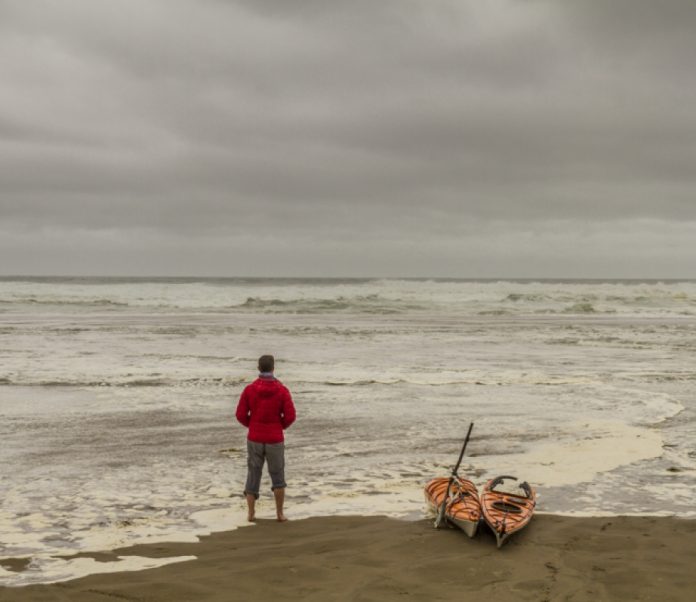
“The kayak snapped in half like a dry twig.” Photo: Daniel Fox
Lessons in Humility

A conversation with Daniel Fox of the Wild Image Project about his spectacular crash landing and plans for next year.


For Daniel Fox, like the poets and philosophers he quotes on his Wild Image Project Pinterest page, journeying into the wilderness forges connections, shapes character and brings life into sharper focus. The same elements that inspire Fox make the Quebec native’s photographs and Minute of Nature video series compelling viewing for armchair adventurers. “I try to bring a certain sense of humility to human’s relationship with nature, and I think that’s something that’s been lost and people are struggling to find that balance,” he says.

Earlier this year, Fox launched his most ambitious expedition to date, a 1,000-mile paddle from Victoria, British Columbia, to San Francisco, raising funds to send underprivileged youths on a NOLS Alaska sea kayaking course. After 30 days successfully navigating the Washington coast, Fox found himself soaked, shivering and trapped after dark beyond the breakers just south of the Columbia River. Three months after washing ashore on an Oregon beach, Fox shares the details of that harrowing night. —Virginia Marshall


The Oregon coast has many long stretches with nowhere to land. Once you start paddling, you just have to keep going.

If I had to do it again, I would postpone my departure from Astoria. I knew before setting out that the paddling conditions were not the best.

It started as a beautiful evening; the plankton bloom was going crazy. But at my scheduled safe takeout at Indian Bay, the swell was wrapping around and hitting the beach with full force. The bioluminescence lit up the breakers in the night. Even though it was totally dark, I thought I’d be able to manage.

Just as I go for it, I hear this massive roar behind me. That’s the most frightening thing. It sounded like a monster rising above me.

It totally took me by surprise. I capsized, my paddle broke in two. I rolled up with half the paddle, got knocked over again. Between waves, I managed to self-rescue and grab my spare paddle.

The capsize hit me harder than I had anticipated. I was wearing a drysuit; I thought I could spend the night on the ocean. Thirty minutes later, the wind started to blow hard and I began to shiver. That changed everything.

Being so close to civilization was a bizarre experience. I could see the houses just 200 meters away, but between us were these huge waves.

The water was just a silhouette. I watched the breakers, then picked my time and went for it.

The second wave fell on top of me—that’s when the kayak broke in two.

My biggest worry was that I was floating right in the middle of these two heavy, gear-filled pieces of kayak. If the pieces collided, they would crush me. The skirt was attached to the broken cockpit coaming—I had to play with it for a while to remove it.

Worst-case scenario, I knew I could swim to shore. Because the wind and the current were not pushing me offshore, I never thought about calling for rescue.

I held onto the kayak and waited to get pushed to shore. After 15 minutes, I felt the sand under my feet. I pulled out my sleeping bag and fell asleep on the sand. 

It was a really humbling experience. It was a beautiful day and then everything turned upside down. That’s nature, that’s life. You have to be grateful for what you have. I still have my life, my legs. It reinforced everything I believe in.

I’m going back next summer to finish the trip to San Francisco.

If I had succeeded in one shot, it would have been too easy. I think we lose sight of that. It’s the Pacific coast, it’s supposed to be hard.

PM Jan15 cover

This article first appeared in the December/January 2015 issue of Paddling Magazine.
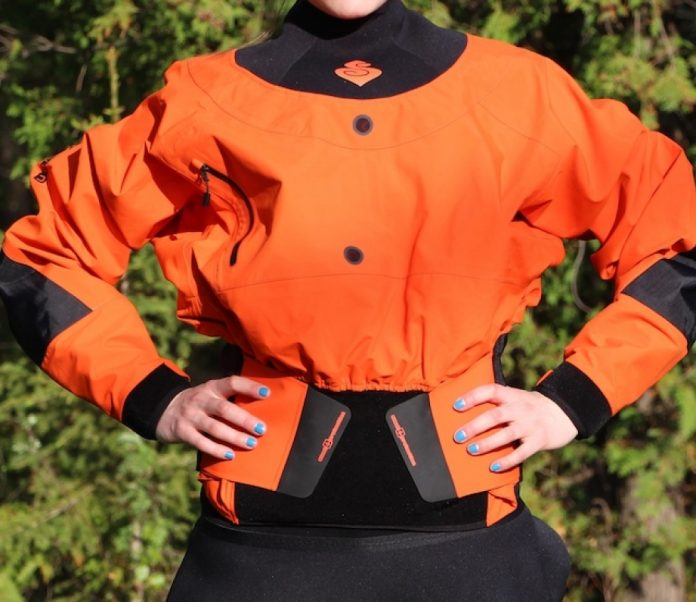
 

Sweet Protection Supernova Dry Top

Photo: Greg Okimi
Sweet Protection Supernova Dry Top

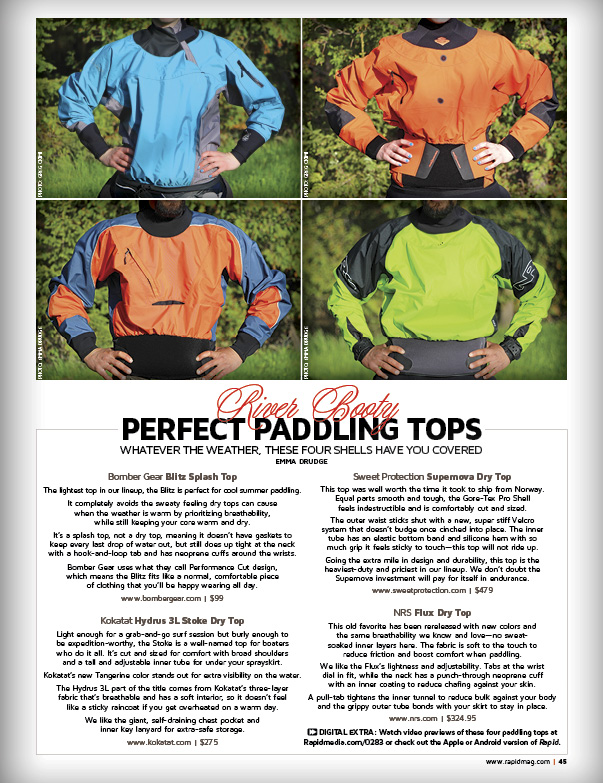
Equal parts smooth and tough, the Gore-Tex Pro Shell Supernova Dry Top feels indestructible and is comfortably cut and sized.

The outer waist sticks shut with a new, super stiff Velcro system that doesn’t budge once cinched into place. The inner tube has an elastic bottom band and silicone hem with so much grip it feels sticky to touch—this top will not ride up.

Going the extra mile in design and durability, this top is the heaviest-duty and priciest in our lineup. We don’t doubt the Supernova investment will pay for itself in endurance.

www.sweetprotection.com | $479

Click here for more dry top reviews in the free online edition of Rapid, Summer/Fall 2014.


RPv16i3-45

This article originally appeared in Rapid, Early Summer 2014. Read the entire issue on your desktopApple or Android device.  


Expedition Essential: Shelter

Photo: Emma Drudge
Expedition Essential: Shelter

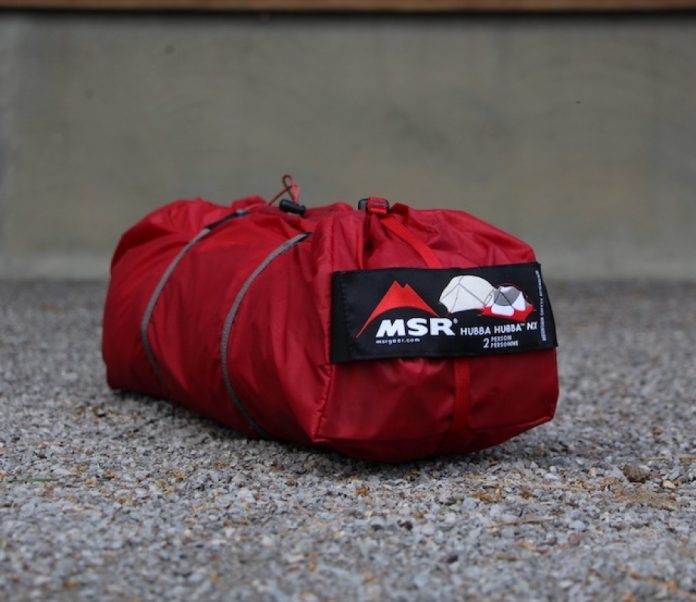
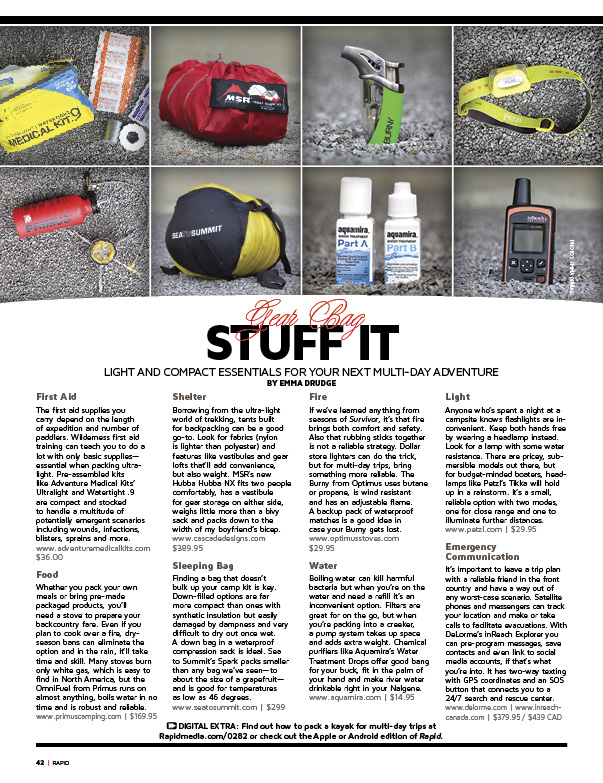
Borrowing from the ultra-light world of trekking, tents built for backpacking can be a good go-to. Watch out for fabrics (nylon is lighter than polyester) and features like vestibules and gear lofts that’ll add convenience but also add weight. MSR’s new Hubba Hubba NX fits two people comfortably, has a vestibule for gear storage on either side, weighs little more than a bivy sack and packs down to the width of a well-built bicep.

www.cascadedesigns.com | $389.95

Click here for more expedition essentials in the free online edition of Rapid, Summer/Fall 2014.


RPv16i3-42

This article originally appeared in Rapid, Early Summer 2014. Read the entire issue on your desktopApple or Android device.  


Dip & Rise

Photo: John Bryant
Dip & Rise

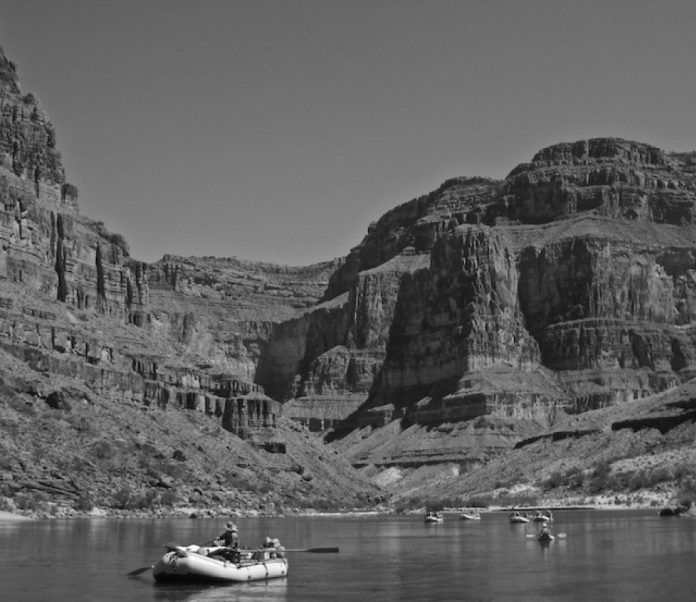
The day’s first light graces the highest point on the canyon wall and slowly begins to work its way down towards the river, illuminating layers of rock and time in the process. Shadows bend and morph by the minute, revealing unnoticed pockets and dimensions, a single sandstone wall becoming many as I drift by and gaze upon its array of intricacies. Droplets of water fall off the outstretched oars as they methodically dip and rise, dip and rise, dip and rise. 

The rhythm of lapping water is my morning music, my mantra, my prayer. Like holy words repeated over and over again, it stills my mind and centers my soul. 

Birds flutter and chirp, and in between spans of tranquility, the river narrows, tumbling over rocks and boulders. Waves build and break. Currents swirl and boil in a seemingly chaotic mess of froth and white.

We float along, listening to this language, reading the water. Treading only along currents that invite us, we are careful to heed the warnings of other paths. The river speaks to us, and by listening we are connected to it and to the beginning. We travel deeper into the heart of this place, and in doing so travel deeper into ourselves. In side canyons we rediscover the awe and wonder of childhood, exploring and laughing and loosing ourselves, existing only in the moment at hand. In others, we find ourselves overwhelmed by emotions we had stored in our own narrow, deep, hidden place. The language of water is now written on us as tears make their way down our face.

We sketch images. We write words. We take photos. We sit and stare and breathe deeply. We do whatever we can to hold on to this place. Though some of us shall return and others never again, we all know there will be times we will long to look back and to remember vividly in hopes of resurrecting these feelings again.  There were moments we felt strong, when we pushed ourselves, and others when we simply faced the challenge we had no control over. 

Staring up at moonlit canyon walls and a sliver of stars overhead, we realized our smallness and became comfortable in it. We shared stories and laughter. We celebrated the days of our birth, and professed our commitment and our love. We listened and looked each other in the eyes. We connected. And maybe in the end, that is the greatest gift of this canyon. It inspires and encourages connection, with each other, with ourselves, with the waters and the world around us. 

Here, we awake expectantly. We look forward to that first morning light, excited for the places it shall reveal. We listen for the soothing rhythm of oars as they kiss the water’s cheek, whispering holy words as they dip and rise, dip and rise, dip and rise.

Expedition Essential: Fire

Photo: Emma Drudge
Expedition Essential: Fire

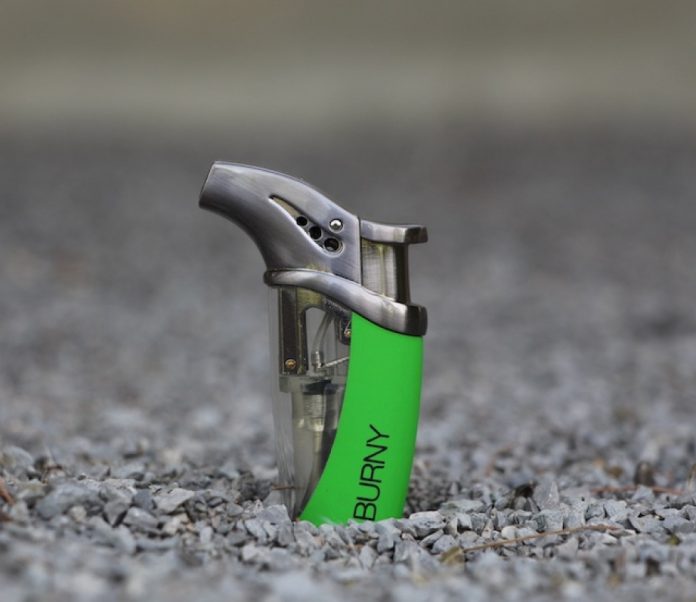
If we’ve learned anything from infinite seasons of Survivor, it’s that fire brings both comfort and safety. Also that rubbing sticks together is not a good option. Dollar store lighters can do the trick, but for multi-day trips, bring something more reliable. The Burny from Optimus uses butane or propane, is wind resistant and has an adjustable flame. A backup pack of waterproof matches is a good idea in case your little fire starter gets lost.

www.optimusstoves.com | $29.95

Click here for more expedition essentials in the free online edition of Rapid, Summer/Fall 2014.


RPv16i3-42

This article originally appeared in Rapid, Early Summer 2014. Read the entire issue on your desktopApple or Android device.  


Beyond The Drop

Photo: Screen Capture Beyond The Drop
Beyond The Drop
[iframe width=”560″ height=”315″ src=”//www.youtube.com/embed/mZRGAkMMCBk” frameborder=”0″ allowfullscreen ]

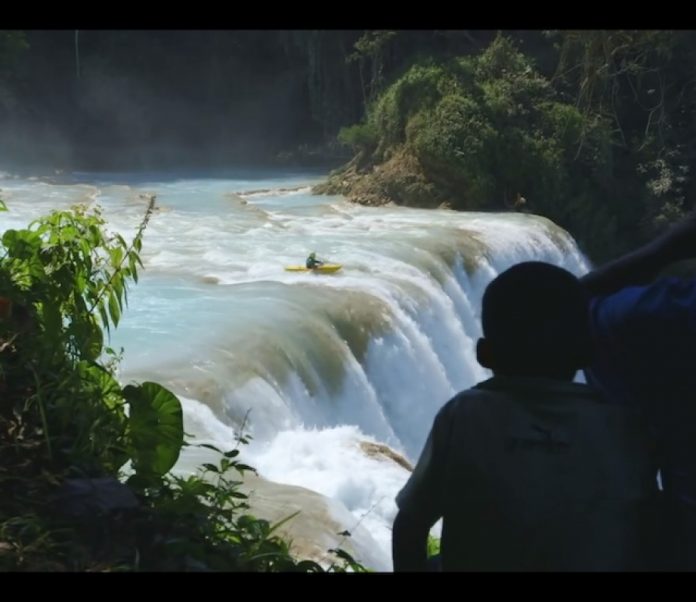
“Six pro kayakers from around the world meet up in the rainforests of Southern Mexico to run the Rio Tulijá. Also known as the Agua Azul, the river features impossibly blue water and a series of five large waterfalls. Led by Rafa Ortiz, the kayak team, including Rush Sturges, Evan Garcia, Aniol Serrasolses, Martina Wegman and Casper Van Kalmthout, have fun exploring the river and the local culture, showing us that when it comes to running waterfalls there’s a lot more to it than just the drop.”

From Teva.

Nova Craft Drops Canoe 100 Feet. Paddles Away.

Nova Craft Drops Canoe 100 Feet. Paddles Away.
[iframe width=”560″ height=”315″ src=”//www.youtube.com/embed/e47frGNaVfg” frameborder=”0″ allowfullscreen ]

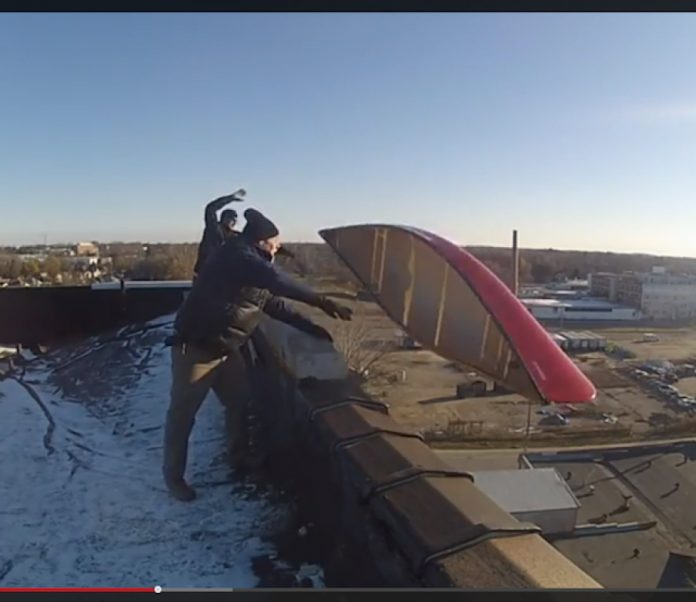
To further test the strength of Nova Craft’s newest composite canoe material, TuffStuff Expedition, Nova Craft dropped a canoe from the roof of their warehouse. The canoe fell 100 feet and survived! While it sustained some damage, the hull was still strong and the team took it for a paddle right after the drop. 

Expedition Essential: First Aid

Photo: Emma Drudge
Expedition Essential: First Aid

The first aid supplies you carry depend on the length of expedition and number of paddlers. Wilderness first aid training can teach you to do a lot with only basic supplies—essential when packing ultra-light. Pre-assembled kits like Adventure Medical Kits’ Ultralight and Watertight .9 are compact and stocked to handle a multitude of potentially emergent scenarios including wounds, infections, blisters, sprains and more.

www.adventuremedicalkits.com | $36.00

Click here for more expedition essentials in the free online edition of Rapid, Summer/Fall 2014.


RPv16i3-42

This article originally appeared in Rapid, Early Summer 2014. Read the entire issue on your desktopApple or Android device.  


Three Lessons

Photo: Virginia Marshall
Three Lessons

BEEP! BEEP! BEEP! I drag myself out of bed and stumble into the car, towards freedom. When I step out hours later, I have left my house but arrived at my home. I quickly dance my way into a wetsuit, squeeze into a neoprene skirt, and suction a helmet to my head. I jump into my whitewater kayak, slide down the rocks and into the icy chaos of the rapids. Whitewater bubbles around me as I dodge a jagged rock, contouring my body to avoid the impending collision. The paddle’s blade slides into the foamy current and I twirl into a surf. Like a surfboard in the ocean, I can play with the wave’s energy in my little boat. Water rushes under me as I carve right and left, slicing the bow of my kayak into the river’s fleshy current. My edge catches the current and the mighty river throws me into the air.

Kayaking is a way to reconnect, to explore and to revere Mother Earth. Modern life rarely leaves me time to admire the world in which we live. On the water I don’t worry about writing college essays, getting my homework done, what people think of me, or the girl I like. On the water I am free.

Another day, I dip my hat into the salty water, dumping the ocean onto my head. Ahhhhhhh, that’s nice. I turn in the seat of my ocean kayak. Looking around I see nothing and I see everything. There is no land, not even an island, yet the horizon is filled with activity. Seagulls swirl overhead, occasionally diving for their supper. The sun dances off of the asymmetric waves. Wind rushes through the salt-encrusted curls of my hair. The ocean allows me to be alone, even as I turn to smile at my dad.

Paddling is a family birthright. I remember my dad teaching me to steer a canoe on our first overnight when I was eight. I remember family trips to New Hampshire to canoe along one of its magnificent rivers. I remember my dad dragging my brother and I out of bed before sunrise to drive to a river hours away and play in its powerful currents and serene eddies. Now my brother and I drag my dad out of bed to drive to the river.

I pull my rugged Grumman canoe onto the muddy shore of the pastel-painted marshes and dragonfly filled bends of the Ipswich River. I am in Monet’s head; colors blur, only an impression remains, an impression of serenity and freedom, an impression of paddling. As night falls I rub the blisters the wooden paddle has tattooed onto my palms. The sun has set but the river continues its lazy course, water trickling over the derelict beaver dam.

Paddling sets me free; it is my freedom, my temple, my serenity.


When Adventure Kayaker reader Koby Michaels had to write an essay explaining his interests for his university applications, he composed this short piece. The 18-year-old is now enjoying his first semester at the University of British Columbia. Follow a twitter feed of Koby’s writing and video editing @kobymichaels.


Inflatable Kayak Review: Hobie Mirage i9S

Man sits on yellow inflatable pedal-drive kayak
The all-around rec kayak. | Photo: Virginia Marshall

I want the yellow one!” the little boy declared, flopping onto the sit-on-top kayak’s thick, inflated floor and confirming my suspicions that lifting out the seat and Mirage Drive pedals would transform the nine-foot Hobie i9S into a peerless post-paddle air mattress. While the boy acted out imagined adventures on the manicured green seas of the city park’s grass, his patient stroller-pushing dad diverted from the bike path for a closer look.

[ Paddling Buyer’s Guide: View all Hobie inflatable kayaks ]

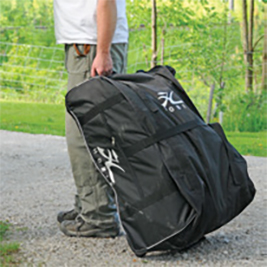
Three air chambers in the Hobie’s heavy-duty PVC-vinyl hull inflate in just a couple of minutes with a supplied hand pump. The result is so firm and slick, Dad is surprised to learn it’s an inflatable. I show him the rolling travel duffle that I had pulled the kayak from just 10 minutes earlier, after easily wheeling the 70-pound package from my trunk to the shore.

Hobie Mirage i9S Specs
Length: 9′
Width: 36″
Weight: 66 lbs
Price: $1,749 USD

www.hobiecat.com

The i9S features Hobie’s trademark pedal drive to propel two penguin-like flippers under the bow hull.

Reclining into the comfortable high-back seat and kicking your legs is faster than using the included four-piece paddle, although the inflatable’s beamy width and shorter waterline means acceleration and cruising speed aren’t as quick as Hobie’s hard-shell Mirage sit-on-tops.

An available sail kit adds to your propulsion options.

With the compact rudder deployed, the i9S tracks well and responds quickly to inputs from the hand-controlled steering disk on the left gunwale.

Rudder cables are routed inside welded channels on the gunwale to protect them from snags and damage.



The pumpkin seed-shaped i9S is a super stable platform for fishing, photography or family adventures.

A bungee-secured storage area behind the seat accommodates a large dry bag or crate, so you can bring along the essentials for a full day on the water.

Ideal for: All-around rec use; day trips on harbors, lakes and rivers.

Assembly Time: 10 minutes or less

This article originally appeared in Adventure Kayak’s Summer 2014 issue. Subscribe to Paddling Magazine’s print and digital editions here, or browse the archives here.