Home Blog Page 349

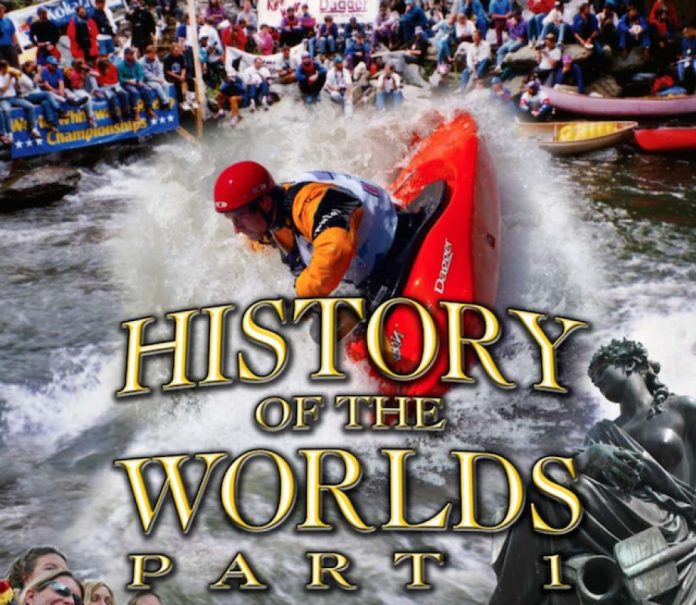
History of the Worlds

Photo: Rapid Staff
History of the Worlds

1991: Bitches Tidal Bore, Wales, England

Conception: The first World Rodeo Championship is the brainchild of Andy Middleton, who sketches out the event on a road trip across Northern Europe to paddle in the first Fast Water Festival on the Sweden-Finland border.

The Bitches: The Bitches are well known to playboaters and sea kayakers as some of the best whitewater in Britain. At high tide the water is channelled between Ramsey Island and the Welsh mainland and rushes over a shallow reef in the channel. They are called The Bitches because of the shipwrecks they have caused.The Bitches are a half-mile off shore and difficult to predict accurately, so paddlers camp on the island and paddle in the morning and evening to catch The Bitches at their best.

RSVP: There were two selection events held in the UK but most other competitors, including paddlers from Germany, USA, Finland and New Zealand, arrive as invitees. 

All in the Same Boat: Competition includes whitewater sprint, rodeo, squirt, wave and extreme slalom complete with committing seal launch. Competitors all used the same model of boat for each discipline. Scores are weighted and totalled.

An Offer He Can’t Refuse: Germany’s Jan Kellner, nicknamed the “Godfather of Rodeo” becomes the first world freestyle champion and is still considered the most successful rodeo paddler in Europe. Kellner goes on to design the revolutionary Diablo for Eskimo. 

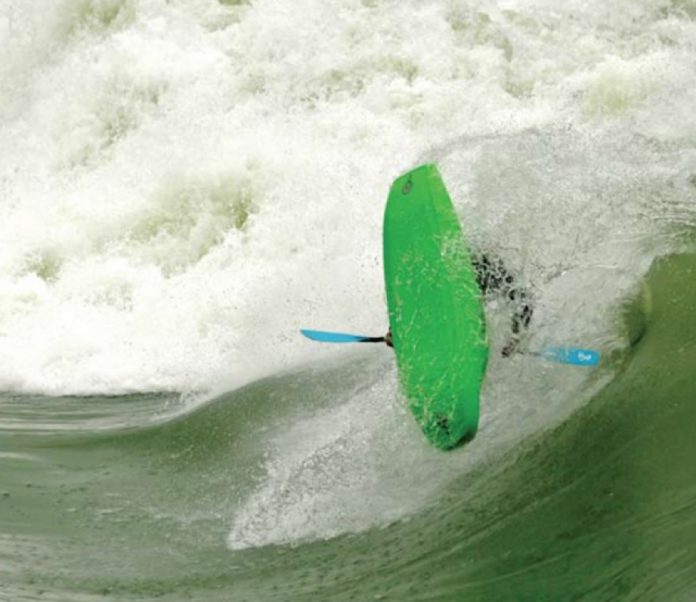
Stunt Boating: The event was called the World Stunt Boat Championships. “We’d been calling events ‘rodeos,’ and figured that it would confuse anyone who wasn’t familiar with kayaking,” says Middleton. One of stunt boating’s big moves is to stand up and sit down while front surfing. 

While You Were Sleeping: Although billed as the first international freestyle event, many still don’t consider The Bitches to be the first Worlds, mostly because the world didn’t hear about it until it was over.

Tequila: The Bitches event continues for seven years, culminating in a Jose Curervo party at which 140 boaters drink 10 cases of tequila in two days. 

1993: Hell Hole, Ocoee River, Tennessee USA

This is the Tail of the Hurricane: In 1993, the Prijon Hurricane is the boat to beat. The Perception Super Sport and Dagger Transition are designed and built in composite and revealed just days before for this event, marking the first time in history kayakers design boats for freestyle…and manufacturers build them.

Now That’s Funny: The 10-foot, 62-gallon Transition is considered by many to be too close to a squirt boat and is almost banned from the competition. 

Technically Speaking: A meeting with international paddlers results in a technical score being added to the style score just before the event. Totally vertical ends are worth three points, elevated ends are worth two and flat spins worth one.

Combined Event: Competition includes both hole riding in Hell Hole and freestyle through a rapid at Entrance Rapids. Freestyle through a rapid requires that competitors establish surfs and do various other rock moves and tricks while moving down the river. Only a few competitors complete the entire course; slalom paddlers excel in this event. 

You’re Cut Off: Moments before finals, using river knives, open canoeists hack deck plates off their MohawkViper 11s to achieve bigger enders and pirouettes, the winning OC moves.

Splitting Heirs: Eric Jackson says he created the split wheel two days before the event and uses it to beat American slalom paddler Scott Shipley in the hole-riding event taking gold overall. The split wheel scored the same technical score as cartwheels but more style. Scott Shipley comes second and Shane Benedict third.

Birth: The very first Ocoee rodeos were held at Double Trouble, then by ’83 they were held at Second Helping. The Hell Hole and the ’93 World Championships are considered the birth of whitewater freestyle as we know it. 

1995: Augsburg, Germany

Lucky Lederhosen: Augsburg’s Eiskanal was the slalom course for the 1972 Munich Olympics, is Germany’s only artificial whitewater course and is home of the play hole, Washing Machine. The event is sponsored by Mercedes and the most organized to date. The opening ceremonies involve a guy in lederhosen cracking huge whips. Cool.

Hometown Favourite: Linking a cartwheel has become the norm. Ollie Grau of Germany wins with a 10-pointer in a Dagger Blast. Corran Addison is second in a prototype Fury, a boat he says is the first planing hull design, and Donald Calder from New Zealand is third. 

Less Style: The style score is lowered to lessen the subjective aspect of the score; so now based more on objective scoring.

No Kidding: The 9.5-foot Blast is the first in a long line of kids’ or small paddlers’ boats used by big adults to win freestyle events. Recommended paddler weight range: 50–135 lbs; high performance rodeo use range: 50–200 lbs. 

Sisterhood Falls: A group of American women try to make a pact that no female shall try cartwheels, because they consider it a “power thing and really only for men.” Jamie Simon tells them to shove it and throws a cartwheel to win gold.

Cut Down Ocoees: The art of cutting open canoes in half begins. Uwe Fischer lands the first open boat cartwheel in a world competition in a cut down Ocoee to win the event. 

1997: Horseshoe, Ottawa River, Ontario Canada

Bling-Bling: Height of pro team support. Team Perception rolls up in a pimped-out white stretched limo complete with RV support/party vehicle.

Local Hero: Ken Whiting walks out the front door of his rented cabin at McCoy’s Rapid and wins the Worlds in a Perception 3-D with 35 vertical ends, beating Eric Jackson’s 34 ends. Kenny Mutton takes third paddling very differently—everyone else is throwing ends from the top of the foam pile, Mutton hucks from everywhere.

Rules Overruled: There are three features to use, including two holes and a wave. The event organizers Mark Scriver and Corran Addison propose rule changes that would double the scoring for moves done on a wave, for example, a spin would score one in a hole but two points on a wave. Team leaders meet and vote down the proposed changes only a week before the event. 

In Protest: Instead of competing when his big number is called, Corran Addison floats into the current holding a banner high overhead protesting the decision to not change the rules. He announces to television cameras that until the International Freestyle Committee reverses its rule-change decision, he will never again compete in another IFC-sanctioned rodeo.

New Groove: Paul Danks, paddling a revolutionary Massive Groove C1, allegedly doubles the score of kayakers but was banned from competing.Turns out he hadn’t qualified to compete in C1 only OC1 and the bit about score is true if the IFC had accepted the proposed rule changes. 

Juniors Debut: Brad Ludden wins junior men’s division. First time juniors competed at the Worlds; no junior women competed until 2001 in Sort, Spain.

No Bull: Soon after the 1997 World Rodeo Championships an international paddling event in Switzerland sees a vendor selling western wear, hats and boots, complete with a mechanical bull. Event organizers agree that rodeo is the wrong term and begin switching to freestyle that they also feel reflects the current state of the sport – less hanging on for dear life and more controlled tricks. 

1999: Full James, Waikato River, New Zealand

The Little Prince: Eric Southwick was the sleeper that scraped into each round and just kept plugging away until his last ride, in which he wins with the best variety, including aerial blunts in his Wave Sport ForePlay.

Back to the Hole: The water levels fluctuate, dropping so low for semi-finals that the foam pile almost disappears catching many competitors off guard. This was the first time the Worlds is on a wave. The IFC votes to return to a hole competition site next year in Spain while North American pro freestyle athletes keep searching for larger and larger waves.

Wave Hogs: When officials discover the river will run at the right level for 24 hours, they set up lights to allow for night training.Teams are allotted one-and-a-half hours of training time.The Swiss team files a formal complaint against the U.S. team, who it claims stayed on the wave 10 minutes past their deadline.

Half Baked: At the 1998 Pre-Worlds, paddlers are heating boats with camp stoves then parking trucks on the ends to squash them for more slice.

Multiplier Effect: Introduced at the Pre-Worlds in ’98, the new scoring system includes a multiplier encouraging different moves while still getting technical points for spins and cartwheels.

XXX Controversy: Not what you might think, the Wave Sport XXX controversy is that Dan Gavere enters his plastic planing hull boat in the squirt boat competition. He is able to throw huge moves on top of the wave that no one else can in squirts, but is unable to mystery move. Normally this would rule out the XXX as a contender, except at the ’99 site most people feel the huge eddylines and whirlpools are too deep and scary to mystery move after Clay Wright is held under for 35 seconds. Gavere places fifth.

Sacred River: Twenty-four-year-old Irish team member Niamh Tomkins disappears between the semi-finals and finals on Sunday while swimming without a PFD in the underestimated boils of Full James. Tomkins dies that afternoon on the banks of the Waikato River. Maori tradition says if a person dies on a river it is considered sacred until blessed and deemed safe again. Had they had chosen to not bless the river, the event would have been stopped and the semi-final results would stand. The Irish team says the event should continue in memory of their fallen comrade. Finals are held over until Monday. 

2001: Rio Roguera, Sort, Spain

Spanish Beauty: Rio Noguera flows out of the Pyrenees Mountains directly under the main street and then over a metre-high ledge fixed up with heavy machinery, creating the most spectator and media-friendly freestyle event ever.

I Need More Cowbell: The men’s semi-final is held at 11 o’clock under the lights as fans hammer cowbells and blow air horns. The venue and energy of the competitors and crowd in Sort is credited as the bestWorlds event to date.

Liquidlogic Debuts: Liquidlogic debuts at the Worlds with their first boats, the Session and Session Plus. 

Trophy Moves: New policy develops that new moves added to the scoring system need to be demonstrated for judges and competitors before the event. And the trophy move concept is introduced to the scoring system for spectacular and new moves not on the score sheet. 

Say What?: Hot moves are loops, air loops, space Godzillas, tricky woos, and the matrix. 

Real-Time Score: A Spanish IT company introduces a new score-keeping system. Scribes use Palm Pilots to record scores that feed wirelessly to a database and a large digital scoreboard. For the first time ever there is immediate feedback for the crowd and athletes about the score of the last ride.

Economics: Meanwhile the Canadian dollar sinks to new low, driving popular Dagger Ego and Super Ego manufacturer’s suggested retail price to all-time high of $1,595. 

2003: River Mur, Graz, Austria

I’ll Be Back: Terminator III on the River Mur in Graz is the nastiest, munchiest hole the Worlds has ever seen. Websites post daily swim counts. 

Inner-City Youth: The downtown venue adds to the festive feel of this year’s Worlds. Everyone stays downtown within a portage of the hole. The most popular mode of transportation for athletes is the children’s folding scooter.

Sudden Death: The men’s finals are a sudden-death shootout between five paddlers. They wait above the hole to see who had the lowest scoring ride and who is being dropped. He then floats down into the hole for one last go and a wave to the roaring crowd. Jay Kincaid, Andrew Holcombe and Steve Fisher take home the medals.

American Revolution: The stars and stripes are raised and lowered 13 times as the U.S. team sweeps more than half of the 24 medals. The winning rides are shown on giant TV screens above the award ceremonies in the city square. 

Choose Your Poison: With all athletes living within walking or scooter distance of the pubs and bistros in downtown Graz, the athlete parties are insane. Athletes blame the bacteria-filled river water for their need for beer and stiff drinks. Without mandatory drug testing, officials are unable to determine if it is the water or the medicine making paddlers sick. 

Winger Winner: Brooke Winger, 25, wins gold and becomes the paddler with more medals than anyone in the history of freestyle kayaking. The top three women are all paddling Wave Sport Transformer T1s. 

2005: Main Wave, Penrith Whitewater Stadium, Australia

Going Up: Penrith’s Olympic Stadium is a completely man-made river—essentially a concrete ditch with movable pylons to direct the water. Athletes didn’t have to get out of their boats; a conveyor belt carries them up to the top of the run.

More C1: After outstanding performances by C1 paddlers, the International Freestyle Committee decides to increase the class from two paddlers per country to three for the next Worlds.

Spice of Life: USA and Canada have eliminated technical points and go with a 100 per cent variety scoring to encourage athletes to do more difficult and different moves. Europeans refuse to vote for the rule change, so the technical scores are used one more time.

Six Pack: At the final party Billy Harris mistakenly challenges Tanya Faux to an “ab-off ” (flexing their six packs). Tanya wins and Billy loses his eyebrows as part of the bet. 

Jackson Kayaks: Eric Jackson debuts Jackson Kayak’s AllStar at its first Worlds and nudges out Billy Harris to win his third World Championship in 12 years.

Open Boats, Open Minds: In the final rounds, Paul Danks set a new OC1 record score of 65 points, almost doubling previous Worlds scores—beating out the likes of Mark Scriver (1997 World Champion), Eli Helbert (1999/2001 World Champion), Stefan Patsch (2003 World Champion) and James Weir, a finalist at the last four World Championships.

Bueller? Bueller? Bueller? The travel time to Australia, a disappointing feature and reduced industry support for athletes is blamed for dismal attendance. Only 23 countries and 200 athletes participate, down from Sort with 35 countries and capped registration of 300.

Olympic Hopeful: To be considered for the Olympics as early as 2012, the International Freestyle Committee votes to create a World Cup series to replace its biannual Pre-Worlds. The IFC—formed sometime after the first World Championships in 1991—dissolves and becomes a technical subcommittee of the International Canoe Federation and will continue as their source of recommendations for event locations and rule updates. This move is another step toward IFC’s Olympic dream. 

2007: Mini-Bus, Ottawa River, Canada

Welcome Back: Ten years after the first World Freestyle Championships were held at McCoy’s Rapid on the Ottawa River, the Worlds return, this time downriver at the Lorne Rapids in the Bus Eater—a huge river-wide hole that 10 years ago was the scariest thing anyone had ever seen.Wilderness Tours and the Ottawa Kayak School are the hosts of the event, which will see the Ottawa River become the first river to host the Worlds more than once.

Taking the Worlds By Storm: There is much debate among Ottawa River locals as to whether there will be water for the ideal wave for the Worlds. Event organizers are optimistic, they say that water levels are about 70-80 per cent certain—record rain and warm temperatures well into January have left upstream res- ervoirs full of water.

Idyllic Thinking: The preferred location is Mini-Bus, the river left wave in Bus Eater. Higher water will see the event move to the right for Big Bus or further downstream to a wave known as Gladiator.With co-operation from Mother Nature, Quebec Hydro and Ontario Hydro, athletes hope this to be the best Worlds ever.

I’ve Got My Mini-Bus: The river left side of Bus Eater is Mini-Bus.This is considered the perfect location for the Worlds for a number of reasons. Entry into Mini-Bus is a stationary ski towrope, which enables paddlers to get back in without getting out of their boats.

Too Much Big Bus: When Mini-Bus floods out, Big Bus loses some of its violence and offers great big wave boating. The drawback for boaters is a carry back up the riverbank to get back in. Spectators are further from the action. 

Not on Board: Canada’s national airline, Air Canada, has denied Worlds’ organizers petitions to allow kayaks as checked baggage. Air Canada allows skis, surfboards, snowboards and golf clubs but not kayaks. Some paddlers report success in trying to fly in with kayaks—depending on check-in staff. Kayak shopping tip: For great deals, hang out at the Ottawa Airport check-in counter on May 6 with a wad of cash.

The Peanut Gallery: The construction of the judges’ stand and grandstand seating on the island river left of the Lorne was completed last fall. Spectators will be shuttled by motorized raft across the river to the island.More grandstands are scheduled to be built on river right this spring once the final location is determined.

Athlete Village: The 2007 Worlds will have a paddlers’ village featuring an open-air dining pavilion, hot showers, campfire amphitheatre, beautiful beach and cozy cabins. There is no official word if the standard Olympic-sized quantity of 50 condoms will be issued upon arrival. 

Cost of Living: Competitor camping rate is $5 per night; fancy and dry cedar cabins are $50 per night; meal plan is $25 per day; shuttle from the Ottawa Airport is $75 each way; competitor registration, $195; awards banquet dinner, $20 per person; receiving the gold medal that night—priceless. 
Screen Shot 2015 12 22 at 11.54.35 AMThis article first appeared in the Early Summer 2007 issue of Rapid Magazine. For more great content, subscribe to Rapid’s print and digital editions here

Open Canoe Technique: Take the Free Ride

Photo: Rick Matthews
Open Canoe Technique: Take the Free Ride

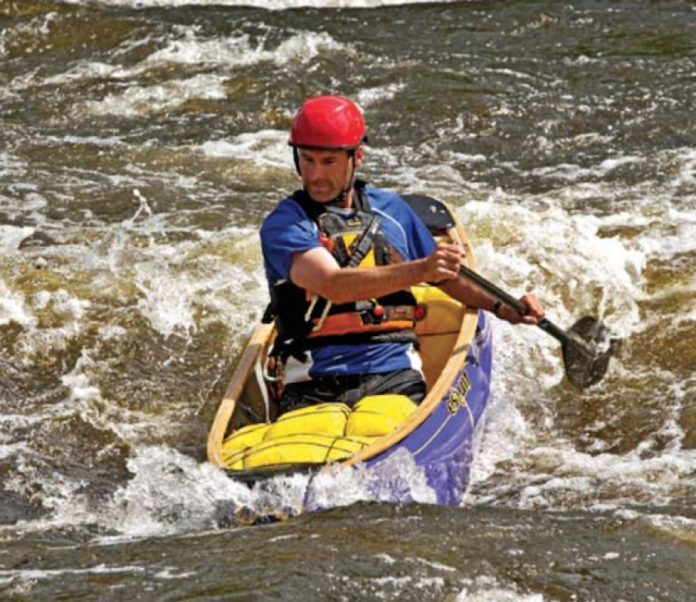
I think most canoeists would agree that what makes a day on the water a day to remember is an extended and controlled front surf with great side-to-side and back-and-forth movement. you can improve your odds of capturing these prized memorable moments of the big ride with a better understanding of the surf wave and how to control your movement up and down and side to side on its face. 

when sizing up the perfect wave from the shore or eddy pool, the physical features of the wave appear deceptively static and unchanging. the position of the trough does not move; the depth remains the same; even the crest—though perhaps break- ing—appears to change very little. the problem is that once you ferry onto the wave, the weight of the canoe changes its shape. the wave flattens out and the canoe leaves a deep crease trailing downstream weakening the wave’s grip on your canoe. 

For really good surfs you may need to keep actively moving the boat around to keep pace with the altering wave. Forget about finding a wave that lets you just sit passively in the current; it’s a rarity and besides, those snoozey surfs are not the ones memories are made of. 

holding your position on the face of the wave between crest and trough can be tricky. Often on large, steep waves, gravity combined with a fast canoe hull will rocket you down to the trough and pearl and pin your bow in the upstream water and cause your canoe to fill with water. If this happens, simply drag your paddle blade or use a braking backstroke to create enough friction to pull you up the wave and back onto the wave face. too much friction, however, may drag you over the crest and off the wave. 

If the wave is wide enough, you can avoid pearl- ing by surfing side to side across the wave face. by changing your angle to travel across the wave face instead of travelling straight down, you lessen the slope on which you are surfing, therefore slowing your descent down the face of the wave. Carving back and forth keeps your canoe on the best portion of the wave, avoids sinking the bow in the trough and makes your surfing more dynamic and fun. 

to carve left and right on the wave, try using a floating rudder stroke—keeping your paddle away from the gunwale. A floating rudder allows the canoe and paddle to work independently so you can tilt the boat to ferry one way while initiating a new turn with a pry or draw in the opposite direction to carve back across the wave. A floating rudder is a must to maintain the ideal boat tilt through the transition from carving to your onside and to your offside. 

the secret to great surfing is to work with the wave as it changes beneath you. by adjusting your position up and down, and side to side, you can stay on the wave face and out of the trough. the next time you come across the perfect surf wave, get on it, and stay on it for a ride to remember. 

Andrew Westwood is a frequent contributor to Rapid. He’s an open canoe instructor at the Madawaska Kanu Centre and member of Team Esquif. 

Screen Shot 2015 12 22 at 11.54.35 AMThis article first appeared in the Early Summer 2007 issue of Rapid Magazine. For more great content, subscribe to Rapid’s print and digital editions here

Succession Planning: Guides of the Future

Photo: Trailhead Archives
Succession Planning: Guides of the Future

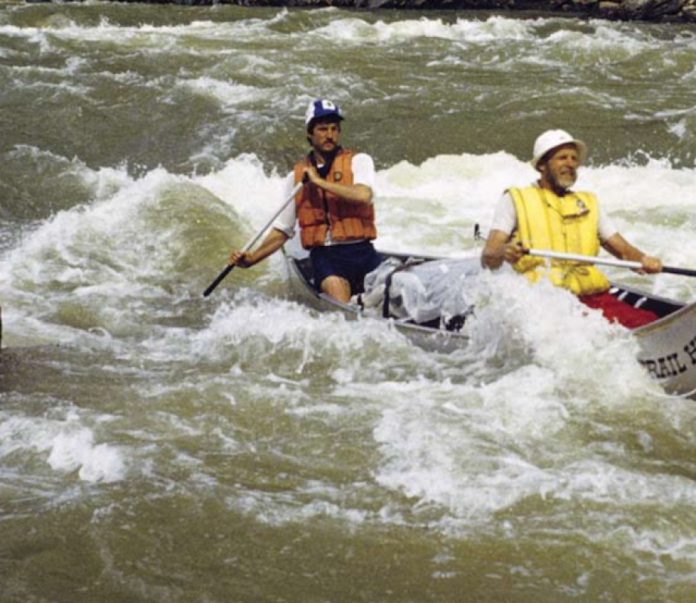
The generation that created the river industry, and much of paddling as we know it today, is greying. After 30 some years and the switch from canvas packs to barrels, retirement is just around the next bend. As the paddling guide industry faces the end of an era, I thought we should look back—something we’re just too young to have done before.

Mountaineers can point to 1899 when the Canadian Pacific Railroad hired two Swiss mountain guides to operate out of its glacier house hotel, starting a long and distinguished tradition of recreational mountain travel. Rivers, on the other hand, have been travelled since the beginning.

For several hundred years first nation guides were the cornerstone of European exploration of the continent. Voyageur guides picked up where they left off by driving the fur trade up and down the waterways, to be replaced by logging’s river drive foremen. guides yes, but the purpose was cartography, furs and lumber, not recreation as we know commercial river guiding today.

Rather than being born, recreational river guiding spawned and hatched slowly. sometime in the 1800s fishing guides, relying on the canoe, began tak- ing paying clients into the wilderness. At the same time, summer canoe camps came into existence, building their programs around canoe tripping and skilled trip leaders. simultaneously the opening of the west’s rivers, such as the colora- do, created an enamoured public and capable boatmen looking for post-exploration employment. Across the continent scruffily bearded, young adventurers started scratching out a living by guiding others down rivers.

By the late 1960s and early ’70s, buoyed by summer canoe camp graduates, advancing gear, huge numbers of then-young baby boomers and an emerging environmental awareness, canoe outfitters and whitewater rafting businesses sprang up everywhere. they grew from backyard sheds into what is now substantial business—adventure tourism.

Operating Black Feather out of his mother’s basement, in 1971 wally schaber was on the leading edge of river-based adventure tourism. Then, $700 would get you several weeks on the nahanni, where schaber was the first licensed canoe guide. “We were cheap and there were a lot of young boomers with some skills. we offered them adventure. At the time, running whitewater was considered pretty extreme,” remembers schaber with a chuckle. Now that same Nahanni trip costs $5,500.

In retrospect the baby boom makes everything sound easy. but really, the intervening 35 years—between basements and big business—the pioneer guide services had to literally create paddling in the minds of the public. The Nahanni and Colorado rivers, if heard of at all, sounded mysterious and dangerous. whitewater rafts and kayaks were unheard of. Spending good money on a river trip as a vacation was a new idea and not an easy sell. 

To survive, river guides were forced to become marketers and salesmen. It was an uncomfortable transition and many of them packed it in or went broke. Trip plans gathered dust while business plans were patched together. Trade shows replaced exploring new rivers. Getting down the rivers was the easy part, getting deposits for summer trips was the real challenge.

The business of guiding grew beyond its cottage industry roots, and with it came mainstream recognition, laws, permits, insurance and regulations. Now in their 50s and 60s the founders of the industry have seen it all develop before their very eyes—indeed driving this development, whether they liked it or not.

Although their tenure may nearly be over, many who created river guiding are still standing at trade shows signing up new clients. After all, the industry is quite literally their life’s work.

Every paddler I know is a paddler because of this history. The rivers we paddle, we can paddle because these greying pioneers and their thousands of paying clients lobbied for river conservation and preservation. The question we have to ask is, with the Baby Boomer heyday gone and the number of regulatory hoops, will anyone step up and guide us for the next 30 years?

I hope so.

Jeff Jackson is a professor of outdoor adventure at Algonquin College in Pembroke, Ontario. 

Screen Shot 2015 12 22 at 11.54.35 AMThis article first appeared in the Early Summer 2007 issue of Rapid Magazine. For more great content, subscribe to Rapid’s print and digital editions here

Editorial: The Olympic Dream

Photo: Tanya Shuman
Editorial: The Olympic Dream

Whitewater rodeo became freestyle about the same time paddlers starting calling themselves athletes. Which was about the same time paddlers like me stopped giving a shit about rodeo—we didn’t know we were supposed to call it freestyle—mostly because we didn’t have a snowball’s chance in hell of making our national team. There was a time when I and a hundred other average-Joe paddlers had a chance. We could spin, cartwheel, split, clean and blunt, and in 1999 if you could link a bunch of them together, it was all the tricks you needed to win at rodeo. for the record I can still spin, cartwheel, split, clean and blunt: too bad for me, I suppose, that my local river doesn’t have a behemoth wave to train on. The Worlds have passed me by.

The buzz coming out of the last World Freestyle Championships in Australia was the changes in the scoring system and the structure of the event made with an eye to freestyle becoming an olympic sport. Rules were changed to encourage more variety of moves and a World Cup series now replaces an off year Pre-Worlds event. According to the International freestyle committee, freestyle kayaking could be in the olympics as early as 2012 and they say, a large step in the right direction.

I just checked the website of London’s Olympic Delivery Authority. It is moving forward with plans for a new whitewater canoe slalom course at broxbourne, which will serve as the host venue for the london 2012 Olympic Games. There was, however, no mention of freestyle kayaking on the list of demonstration sports for 2012, nor was there mention of the slalom course including a monster-sized wave most North American athletes say is the real future of freestyle.

Even with whitewater freestyle now under the wing of the International paddling events—I doubt they have deep enough pockets in their train- ing shells to bribe the Ioc into accepting our fringe sport into their olympic Games. And even if the IFC was drop-shipping kayaks full of greenbacks, does anyone really think that host cities like London are going to build a Bus Eater wave? Not a chance.

If whitewater freestyle does make it to the Olympics, athletes would surely be competing in manmade pour-overs or flushy little waves at the bottom of concrete slalom courses, like main Wave at the Penrith Olympic Stadium, home to the poorly attended Worlds in 2005 and the target of much criticism.

So, you have freestyle athletes and boat designers driving the sport toward bigger, more awesome waves they say best showcases the sport. meanwhile, the competitive organizing committee is setting the groundwork for freestyle to qualify for the Olympics, something that would surely set the sport back in the hole by 10 years.

Either no one has noticed this crazy contradiction or the olympic dream is really about pro athletes accessing funds from national sport associations and government agencies, not about moving the sport forward at all. Which is fine with me, but with every other olympic athlete making public statements about their under-funded national sports programs, I can’t help but wonder if it’s worth it.

Personally, I’m all for whitewater freestyle in the Olympics. I’d buy back my Wave Sport XXX and practice my spins, cartwheels, splits, cleans and blunts on my local river. If I link them all together on the right day I may find myself on a plane to London to make my country proud. 

Screen Shot 2015 12 22 at 11.54.35 AMThis article first appeared in the Early Summer 2007 issue of Rapid Magazine. For more great content, subscribe to Rapid’s print and digital editions here

Ready, Set, Trip! Why Real Canoe Tripping Can’t Be Rushed

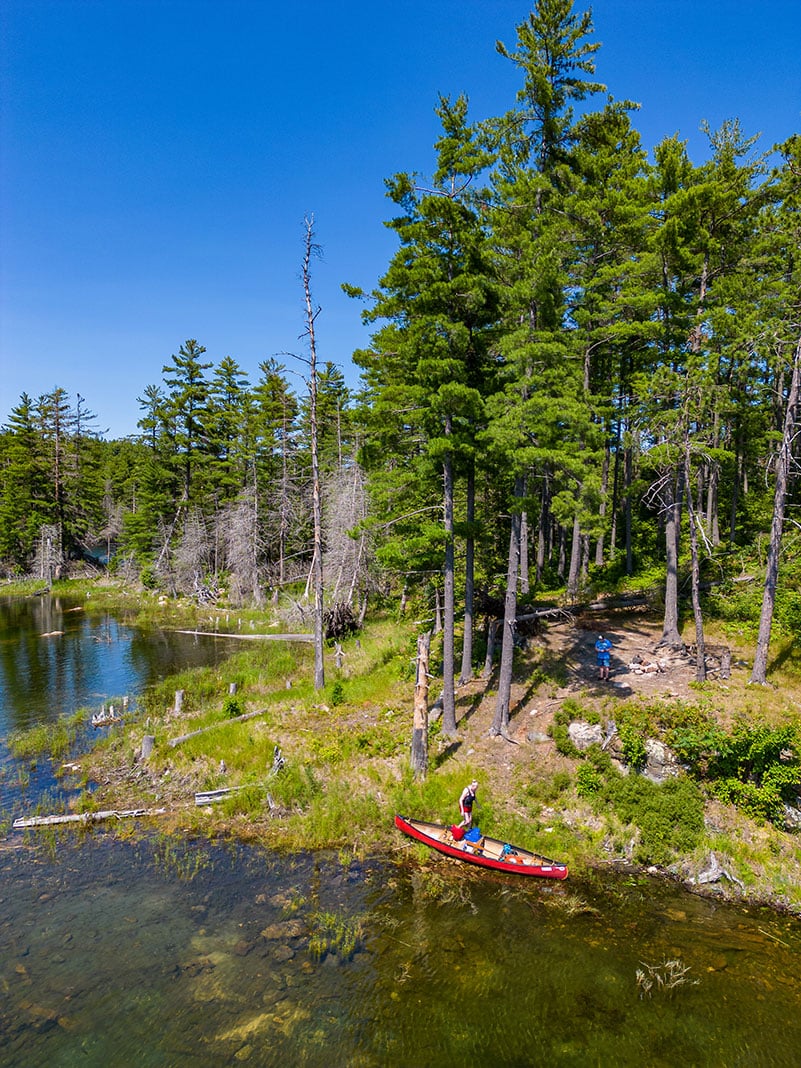
people at a lakeside campsite with a red canoe
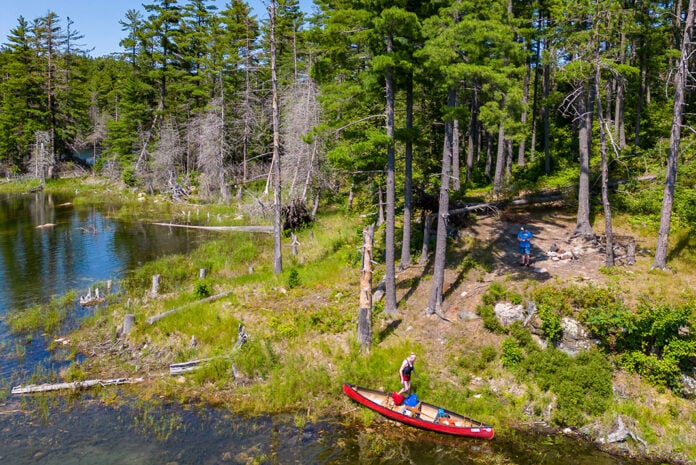
First order of business upon arriving at camp: press play on the loon soundtrack and light the campfire scented candle. | Feature photo: Rob Faubert

Any tripping partner of mine has to understand that, no matter what schedule we are on, sometimes I like to take the time to have a quiet morning paddle before breaking camp.

Ready, set, trip! Why real canoe tripping can’t be rushed

people at a lakeside campsite with a red canoe
First order of business upon arriving at camp: press play on the loon soundtrack and light the campfire scented candle. | Feature photo: Rob Faubert

It was on one of these paddles one morning that my deep breathing was interrupted by the sound of a studio-recorded wilderness soundtrack. I rounded a point and saw the source: a middle-aged couple sitting on folding lawn chairs and listening to a cacophony of loon calls and orchestral melodies bellowing out of a waterproof boom box.

My curiosity got the better of me. Rather than pass their camp as quickly as possible, I paddled toward shore and called out the standard opener: “How long ya out for?”

“Seven hours, maybe eight if we’re lucky,” was the response.

Apparently it was a weekend outing. They had fled the city Saturday morning, got caught up in traffic and arrived at the launch just before dusk. They made camp at the first available site and had gotten up early, planning to get back on the highway before the traffic got bad.

I guess the boom box was just some insurance, in case they didn’t have time to hear a full complement of loons, wolves and white-throated sparrows during such a short trip.

I paddled away knowing canoe tripping had entered a new era.

The ever-shrinking average trip

In North America, we work too hard and too long, and it’s at the expense of time spent paddling. For proof, look at the history of paddling guidebooks. Editions in my collection from the 1930s have routes averaging a month in length. In the 1970s they featured seven- to 10-day trips. In the 1980s they were reduced to five. Now, the average trip promoted is two to three days.

[ Plan your next canoe trip of eight days or more in length with the Paddling Trip Guide ]

The problem, as any tripper knows, is that you’re not even into a good rhythm until the fourth day. Your urges for television and fast food fixes don’t begin to dissipate until day five. It’s not until the ninth day you’re actually at ease with your surroundings.

I say, cases of constipation aside, if the trip isn’t long enough to require the use of a toilet trowel, it’s not a real trip.

Later that afternoon I heard flute-like wailings come from down the lake. I couldn’t tell if it was a wood thrush, or the latest release in the Sounds of Nature oeuvre. I like to think it was the latter and that the couple had decided to wait until after the late-afternoon rush to get back to the city.

Fun fact: although Kevin Callan is known for his longtime Butt End column in Canoeroots, his debut article was published in the second issue of Rapid in the spring of 1999. His Butt End column kicked off in the Spring 2006 issue of Canoeroots.

Cover of the 2023 Paddling Trip GuideThis article was first published in the Early Summer 2007 issue of Canoeroots Magazine and was republished in the 2023 Paddling Trip Guide. Subscribe to Paddling Magazine’s print and digital editions, or browse the archives.


First order of business upon arriving at camp: press play on the loon soundtrack and light the campfire scented candle. | Feature photo: Rob Faubert


Canoe Racing: Tactical Attack

Photo: Ian Merringer
Canoe Racing: Tactical Attack

Halfway through a month-long, 1,300-kilometre canoe race from Chicago to New York, I was locked in a grim struggle with a father and son team I had dubbed the Fighting Fitzgeralds. Fitzy Senior had gone to the Olympic trials in sprint kayaking but his bullish 20-year-old son in the bow didn’t believe father always knew best. Deep into a gruelling stage on the Erie Canal, we eyed our final portage and the pace quickened. Junior wanted to hammer ahead and take out first. Pops told him they would chill on my wash and pass me on terra firma. While they bickered over what to do, I hustled out and start- ed running. I glanced over my shoulder to see Senior whack Junior upside the head with his carbon fibre bent-shaft.

That was 14 years ago, my first year as a marathon paddler. The Fitzgerald’s deliberations were my introduction to tactical thinking. Non-racers often figure the fittest, fastest teams finish first. Not so. The sport is so tactical, the strategy so subtle, that guts and guile often triumph over speed and strength.

Here are the key elements governing canoe racing’s tactical manoeuvres.

LINING UP: With amped, anxious paddlers going berserk off the line, you’re guaranteed large, confused waves. In races that begin against the current or into the wind, cagey squads jockey for position along the bank. Peter Heed, co-author of Canoe Racing: The Competitor’s Guide to Marathon and Downriver Canoe Racing says your position will depend on your strengths and weaknesses. “If you don’t have good acceleration or are unstable in big waves, don’t put yourself in the centre of the storm. If you have good speed and boat handling skills, line up near the fastest boat in the field.” That way, you can latch onto the wave of the speedier boat and be guaranteed a great start. 

WASH RIDING: Riding the wash—surfing the stern or side wave of the boat in front of you— may be the most essential skill in the sport; it’s nearly as important as drafting in a bicycle race. “Finding the sweet spot on a wave can save you an enormous amount of energy and pay huge dividends over the course of a race,” says heed. generally, your bow should be sniffing distance—as close as you can get without rear-ending your competitor—behind the canoe in front of you. But, heed warns, “You have to keep adjusting because the wave lengths change according to the water depth.”

UNEASY ALLIANCES: A marathon is far less a steady grind than a series of sprints linked by periods of recuperation. during these recuperative stages, race management is a large part of the game. This means you’ll need to work with your fellow racers. heed says: “You want to be aggressive without being a pain in the ass. if you’re an irritant they’ll try to get rid of you.” Preferred tactics for getting rid of unwanted canoes include sprinting ahead or forcing teams into the bank or a bridge abutment. “If you pull your weight by taking turns in pulling and letting others ride wash, then the stronger team will work with you. It’s a constantly changing and uneasy alliance.”

USING THE WATER: Reading the river means being able to seek out the fastest water and is a skill born of experience. heading around a tight downstream turn, you’ll find the fastest water on the outside of the turn. Carving a smooth turn is a skill that requires seamless teamwork, which is why bends are another spot where teams often try to break away. Expect the pace to quicken as you approach a tight turn on an upstream leg. Because you’ll be single file along the bank where the current is most favourable, it’s imperative to keep your bow glued to the stern of the boat ahead of you. Approaching a shallow section, savvy teams inevitably sprint just before the river changes depth so they can “pop”the boat, a skill which allows a team to ride their own wash as their canoe slows and their stern wave steepens in response to the shallow bottom. get caught off guard and you can get dropped faster than you can say Mark Twain.

THE END GAME: “Heading into the finish the question comes down to who sprints first and where,” says Heed. “If the other team has a faster sprint, you must try and drop them earlier, say in the shallows or on a corner. If you’re zippier, you should wait until the last minute.” 

At the end of the race, the team that stands highest on the podium is the team that can both suffer greatly and think clearly at the same time.

Joe Glickman is a two-time member of the U.S. Marathon Kayak Team and has competed in scores of pro canoe races. He is the author of The Kayak Companion and To The Top. 

This article on canoe racing was published in the Early Summer 2007 issue of Canoeroots magazine.This article first appeared in the Early Summer 2007 issue of Canoeroots Magazine. For more great content, subscribe to Canoeroots’ print and digital editions here.
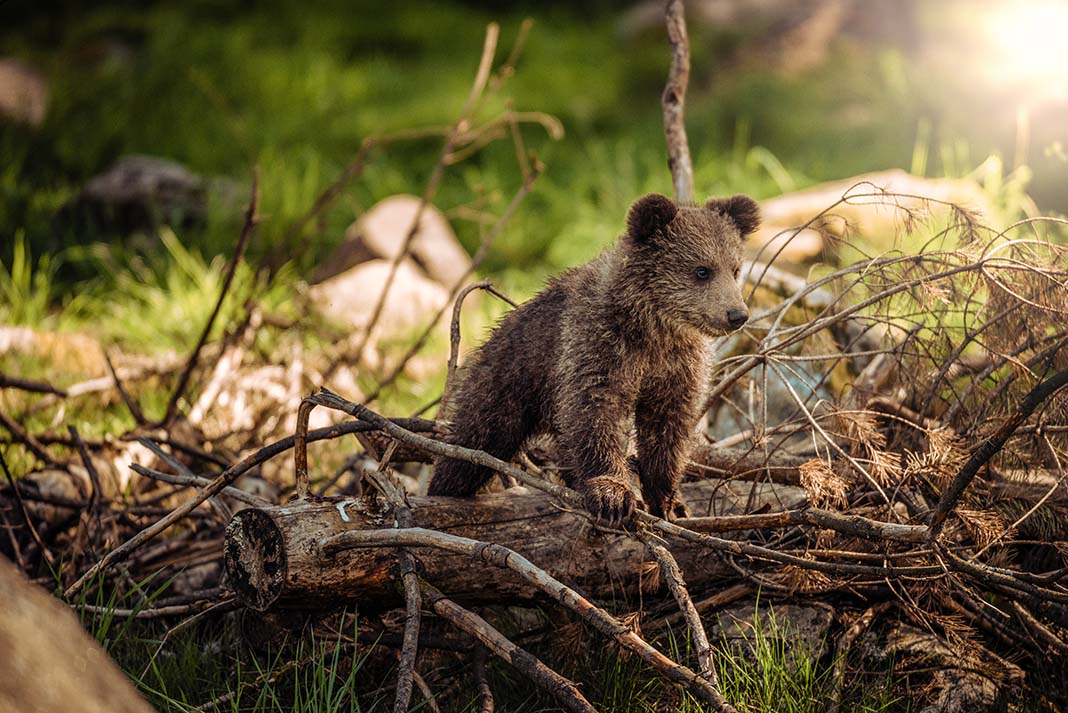
Canoe Fishing: Over the Hills and Far Away

Photo: Scott MacGregor
Canoe Fishing: Over the Hills and Far Away

Thirty kilometres as the crow flies from my front porch is a blue hardcover notebook on a worn pine kitchen table, in the middle of a mossy log cabin overlooking a small lake. On the first page of the notebook it reads: “Welcome to our fishing camp. You may use our camp and you are welcome here. Please leave the camp as it was and treat it like it’s yours. Please leave your name, the date and how your fishing went. Good luck fishing! P.S. The toilet paper is in the fridge.”

The lake is well known in my area for its speckled trout. For two summers my neighbour Bobby and I have been planning a trip in to try our luck.

I’m more of a hump-my-gear-through-the-woods canoe- ist and Bobby is more of a tow-his-motorboat-to-the-lake fisherman, but our sense of adventure and our craving for speckles (not to mention his beer fridge) brought us together in his workshop on winter nights to dream about our fishing trip.

Finally, on the last Saturday of trout season we loaded Jellybean—an old, heavy and stable fibreglass square- stern canoe—and a borrowed electric trolling motor onto Bobby’s Yamaha Rhino ATV. In a cloud of dust I’ve never before kicked up on a portage, we tore off in the direction of the lake. 

The ride to our trout lake is much further by logging road, snowmobile route and bouldery four-wheeler trail than it is for the straight-flying crow. A journal entry in the cabin’s notebook describes the trip quite well, “Broke one beer on the way. Shook the shit out of the rest.”

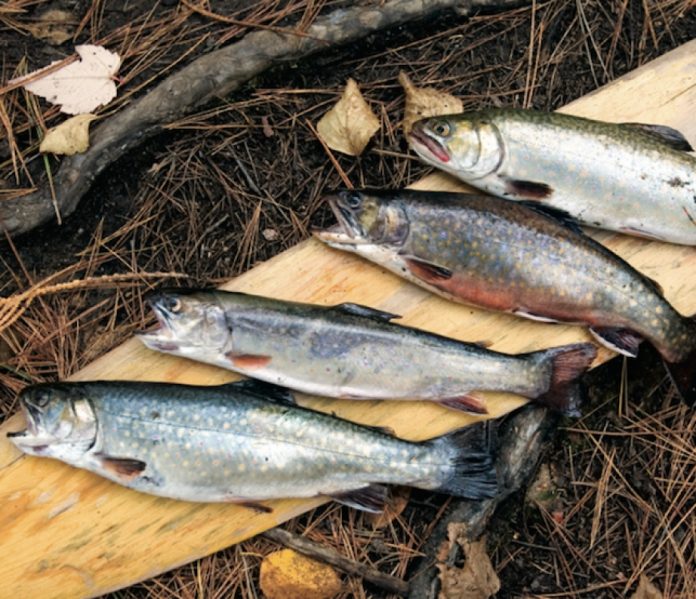
Finding our way back to the lake turned out to be as much fun as the fishing. With the help of a topographic map, GPS and directions sketched on the back of a Coors Light label we rolled up to the cabin around noon. Bobby bagged two partridge on the way (we had a shotgun along in case the fish weren’t biting). Once we found the lake, it wasn’t long before we had Jellybean in eight feet of water and we were marking trout on our sonar.

In our district, it is Darwin Rosien’s job to release 16- month-old trout in 123 lakes as part of the Ontario Min- istry of Natural Resources’ fish-stocking program. In early May, when the water temperature is just right, Darwin bajas into the lakes he can in a five-ton truck balancing a highly specialized fish bowl on the back. Some lakes, like ours, are just too remote to get to by truck so the lucky fingerlings are chauffeured by helicopter to their new homes.

Lakes that are too inaccessible to stock by truck are often too far away to portage a canoe or too remote to tow a fishing boat into. These are just the kind of fishing destinations perfect for old Jellybean, Bobby and me.

DECORATED BY THREE GENERATIONS OF MEN’S MEN

With enough speckles for dinner, Bobby loaded our gear back into the Rhino and I wandered up to explore the little log cabin. There are hundreds of these rustic fish and hunt camps on Crown land and many you’ll find—if you find them at all—are left unlocked and well-stocked, like the lakes they’re built on.

This cabin is a tidy two-room affair, furnished and decorated by no less than three generations of men’s men.

The liquor cabinet is a rusty and dented breadbox, stocked with an uncracked bottle of Crown Royal and a six-pack of Bud in cans with two empty rings.

Old fishing rods and broken cross-cut saws hang on the walls and a transistor radio on the windowsill is tuned to the local country music station. In the cupboards there are bags of potato chips, cans of coffee, whitener, sugar, decks of cards and two cribbage boards with toothpicks for pegs.

In the kitchen, 10 frying pans—yes 10—hang on the wall. And above the propane stove rests a box of Red Bird matches and the largest roll of aluminum foil I’ve ever seen. This is the type of kitchen where fresh fish is always on the menu.

There was a battery in the deer clock. Tick. Tick. Tick. It was 4:30. Meaghen, Miss June 2004, watched me sit down at the kitchen table and log our trip in the notebook:

September 23, 2006. Scott and Bobby were here. They were really biting well; we kept four nice ones. I write for a canoeing magazine and I’m going to write about our ATV trip into your camp. I’ll bring a couple of copies when we come back in the spring. It’s gracious of you to leave your camp open for others to enjoy.

P.S. Don’t worry. I won’t mention where it is. 

Scott MacGregor is the publisher of Canoeroots & Family Camping. Look for his latest project, Kayak Angler magazine, in fishing and paddling shops. and in case you’re wondering, the toilet paper is kept in the fridge so the mice can’t get at it. 

This article on fishing was published in the Early Summer 2007 issue of Canoeroots magazine.This article first appeared in the Early Summer 2007 issue of Canoeroots Magazine. For more great content, subscribe to Canoeroots’ print and digital editions here.
The Longest Journey: Linking the Past and Future

Photo: Amman Jordan
The Longest Journey: Linking the Past and Future

“Don’t paddle the canoe. Pull it, long and deep, in rhythm with the pacer. And one more thing, don’t call it a boat. Ever.” Rudy stares at me, before his thin lips turn into a smile and he introduces himself, listing a little on a spine wilted from fetal alcohol syndrome. We have gathered for the Tribal Journey. We leave tomorrow.

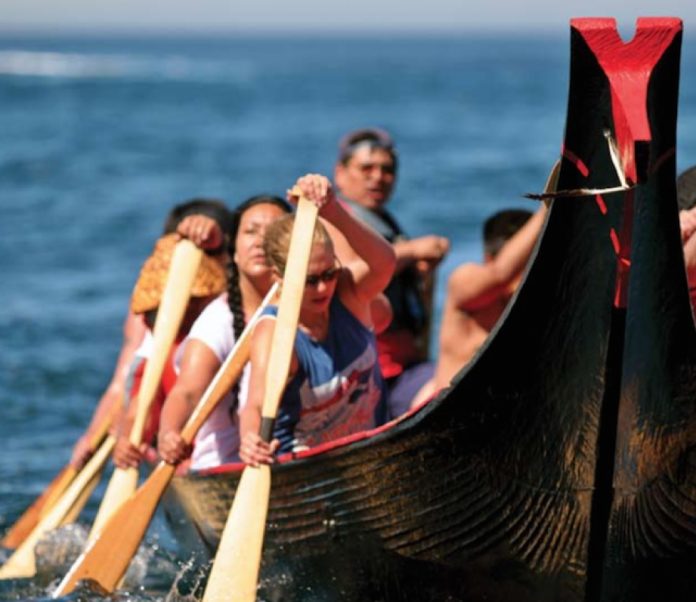
Every summer the Quinault Indian Nation sponsors its youth to take part in the Tribal Journey. Native tribes from Oregon to Alaska send paddlers in dugout canoes to honour centuries-old traditions of transport, festivities, and trade.

This year, 70 canoes, weighing up to 1,400 pounds and powered by 11 paddlers, will average 56 kilometres a day for three weeks as they make their way north along the Olympic Peninsula then east into the Strait of Juan de Fuca to Seattle and north to Sand Point.

This year I will join them. Though I was never actually invited to take part. It just seemed to be assumed I would participate.

I had recently moved to Quinault with my partner Steph who was working in the community health centre. The Quinault’s acceptance of non-natives is confused. In truth, much about the Quinault is confused—or worse. Many children are born to young, disadvantaged parents, too many babies nurse on Pepsi instead of breast milk, adolescents play with meth addiction and adults struggle with diabetes.

But there is also hope. You can see it in the eyes of the proud, many of whom have been busy for the last several weeks refurbishing Quinault’s new dugout canoes.

The last of Quinault’s traditional dugouts had disappeared early last century, under the watchful eye of the Bureau of Indian Affairs. Folklore kept a faint ember of memory glowing and in 1998 a Quinault elder and his son decided to act on the stories of his childhood and gathered from the elders what they could about shaping the ancient cedars.

They used deer antlers to carry glowing pumice from a nearby fire to reduce the tree’s 700-year-old belly to smouldering embers. Then they chipped it away with sharpened rock and steel until a canoe took shape—and a community began to remember.

Now four dugout canoes sit on the banks of the Quinault River waiting for their crews and high tide, both of which will come early the next morning.

“Circle up pullers!” our skipper Ritchie belts as excited kids crowd around, shaking off the damp cold in the dawn’s faint shadows.

Ritchie tells Don he will be sitting behind the pacers. He has known Don his whole life and knows that Don will put his head down and pull with all his strength all the way to Sand Point. In the last year Don has educated himself about nutrition and exercise. This is Don’s first journey, and I suspect not his last.

SEPERATE CANOES, SEPERATE TRIBES ON THE SAME JOURNEY

Ritchie chooses me as a thruster and I sit in the rear of the canoe. Ritchie knows from the silence we have shared while carving paddles in the boathouse that I am determined and strong. When we push off I pull as hard as I can as the canoe leaves the steady flow of the river and pushes into the waves of the Pacific.

Ancient songs echo off sea walls while grey whales breach and sea otters play. When each sun sets we take shelter with the other tribes.

As the days pass we fight against the current and the swell. Then, two days into the eastern leg a summer storm whips up two-metre waves that capsize a Makah canoe, killing a Nuu-chah-nulth chief named Jerry Jacks and hospitalizing three of his crew.

We were from separate tribes, in separate canoes, but we were all on the same journey.

That evening, I walk into the community centre where the paddlers have gathered. To look into their eyes is to see fear and confusion. These nations are rediscovering pride and the death of a chief of the most intact tribe during this symbolic journey is crushing. All mouths are wondering, “Do we stop for three days to show respect? Or do we continue with renewed inspiration?”

The children continue to play, the police continue to patrol, the adults continue to speculate, and the elders chant and pray. The prayer tonight is for clarity, and confidence in whatever guidance we are offered.

We take the evening to mourn, and then we continue. We are determined to let Jacks’ passing inspire us. Determined to make it to Sand Point. Determined to show the world that it can take away the Quinault’s past but it cannot take away its future. 

Amman Jordan is a professional filmmaker.

This article on canoes was published in the Early Summer 2007 issue of Canoeroots magazine.This article first appeared in the Early Summer 2007 issue of Canoeroots Magazine. For more great content, subscribe to Canoeroots’ print and digital editions here.
Who Said That?: Mentally Unravelling on the Solo Trip

Photo: James Smedley
Who Said That?: Mentally Unravelling on the Solo Trip

Solo canoe tripping evokes noble images of earnest trippers reaching the height of outdoor purity. We can all picture it: mountains rise on the horizon, trees flood the foreground, and into this pristine wilderness paddles a lone canoeist across a lake so calm it resembles a sheet of glass.

There’s something to be said for this ideal. When you are alone you don’t scare away the wildlife with incessant chit chat (more on that later), so it’s easier to connect with nature (I love you Mr. Squirrel) and, yes, connect with yourself (Hello Ben, it’s me, Ben).

A closer inspection, one that includes psychological analyses of first-time solo trippers, exposes the solo canoe trip to be not the soothing emotional balm we think, but an inevitable step by stop process of slow mental unravelling.

STEP 1: BOLD STEPS INTO THE BEYOND

You paddle away from the put-in. You’re bold and you’re prepared. You’ve triple-checked everything but you still feel like you’re forgetting something. And you are, it’s your sanity. Self-doubt wraps its cold arms around you as you set off, thinking to yourself “What was I thinking? I like company. I like the whole safety-in-numbers thing.” But you remind yourself you are prepared. You shrug off that shroud of worry and paddle onward. 

STEP 2: THE ILLUSION OF CONFIDENCE

Once you round the first point the trip begins to go swimmingly. This is when the solo paddler shines. You make great time because you’re never waiting for anyone. When you finish your portage you just get in your boat and go, when you’re tired of paddling you break, when you’re thirsty you drink. There’s no outward debate, at least not this early in the trip. But little by little you begin to question your purpose—and yourself. The possibility that you are tripping alone not because you wanted to, but because no on else wanted to come with you begins to bob around in the back of your head. Like a shadow unzip- ping your ego, doubt slips in. 

STEP 3: THE UNRAVELLING

Its not until the noises of your paddle being pulled through the water, the splash of the bow against the waves and the wind blowing over your ears stops that you notice that it’s actually not quiet out there. Not in your head, at least. Your thoughts echo uncomfortably against the quiet of the woods. You need to break the deafening silence, so you say something out loud, some- thing like “Where do I want to put my tent?” No one answers, but feeling more alone than ever you wish someone would. So you keep talking. 

STEP 4: DARKNESS FALLS

Nervously, you busy yourself with tasks to distract yourself from yourself. You pitch the tent, make dinner, clean dishes. With nothing left to do you settle on a rock overlooking the sun setting across the lake. You feel you are finally flirting with the solo tripping ideal. But that gorgeous sunset segues into night—the crucible of the solo trip. You crawl into the tent quickly, before it gets dark, well before it gets dark. You’ve emptied your bladder, several times, because no ones wants to wander in the woods at night to take a leak—that’s when they’ll getcha! And then the blackness creeps in. Sounds are amplified. Something crunches nearby your tent, you click on your flashlight, spastically waving it back and forth through the mesh door searching for that bear you just know is out there. Seeing nothing you crawl deeper into your sleep- ing bag and wish there was someone snoring like a chainsaw beside you. With eyes wide open staring into darkness, you begin to pray for the first time in a long while. 

STEP 5: DEFENSE MECHANISMS

As you become familiar with this pattern over the first few days you begin to master the techniques of solo travel sanity: bringing the axe with you into the tent to sleep, the art of peeing in your canoe cup at night so you don’t have to leave the tent. You’ve learned that if you are going to ask yourself a question out loud you’d better have an answer so you don’t appear dumb. Sometimes you give yourself an accent to make your compulsive conversations seem like a joke. I prefer British ones (‘Ello Ben. Fancy a cuppa?). 

STEP 6: FALSE SECURITY

But of course, when you spot the take-out, the fear that has been pecking at you flies off to find another lost soul looking for some peace in the wilderness. You feel cleansed, empowered. You feel like you have overcome a great obstacle. You are sure people will respect you more as a tripper. In fact, they probably want to trip with you now.

You make a mental note to ask them earlier next season. 

Ben Aylsworth is unsure if he travels solo because no one likes him (except bugs, bugs love him) or because he’s mad about the empowerment, freedom and strength it brings him. 

This article on tripping solo was published in the Early Summer 2007 issue of Canoeroots magazine.This article first appeared in the Early Summer 2007 issue of Canoeroots Magazine. For more great content, subscribe to Canoeroots’ print and digital editions here.
The Love Boat

Photo: Tim Shuff
The Love Boat

Six years ago, I met a girl who wanted to go canoeing.

That our first real date was going to be a canoe trip seemed like a very good sign. Being a graduate of many years of summer camp, I thought I was very good at canoeing. It seemed like the best chance I could ever hope for to impress a woman. We had both moved from Ontario to British Columbia for university. The date came about because we had learned that we were both canoeists. She knew someone in Victoria who owned a canoe, so we drove my truck to the house where the canoe was stored, free for the taking, beside the garage.

My heart sank.


Here was a canoe of the type I had always disdained. Underneath a veneer of moss—it had been sitting out in the West Coast rain for that many years—was a disturbing sight to a canoe snob from the land of the silver birch and the cedar canvas Prospector. The keel looked like it had been moulded by laying a broom handle the length of the hull and casting it in a bloated, white, fiberglass ooze. The potbellied hull had the squat lines of a craft I imagined was designed for uncoordinated, pear- shaped people who knew nothing about canoeing.

And then there were the paddles. Ouch. At summer camp I had learned that equipment mattered. Every year, a paddle carver used to visit our camp and lecture us about the importance of carefully chosen wood, a delicately shaped handle that fit the palm of the hand just so, a butt end so gently sanded and oiled and protected from touching the ground that it would always feel like satin in your palm.

These paddles were not like that.

When we got to the lake, the object of my desires asked which of us would stern.

“I will, because I’m the man,” I said. I meant it as a joke.

She had been to summer camp for many years too. Except her summer camp was an all-girl camp. And at girls’ camps they teach young women that they can do anything, including a J-stroke, better than most men. At girls’ camps it’s not funny to joke that women belong in the bow. Nope, not funny at all.

“Before we touched land, we were in love.”

We decided to take turns in the stern in the spirit of equality. She showed me her J-stroke and then I showed her mine. Both were very sexy. I became grinningly pleased that I could put my head down in the bow and trust that she could keep that canoe going straight no matter how hard I paddled. When I was in the stern she said, “With you, I don’t mind paddling in the bow, and I can’t say that to very many people.” Bliss.

We pulled up on the shore for lunch and continued our mutual admiration. She commended me on how organized I was with the food. I observed how impressed I was that she knew not to wash our dishes in the lake. Here, I realized, was a woman who really knows how to trip.

We paddled to the end of the lake and fought a headwind back to the car. Our homely canoe was stable and true in the chop. We kept saying things like, “It sure feels good to be out canoeing again.” The cheap paddles with their frayed and waterlogged ends burned our city-softened palms and made our arms feel like we’d paddled together a hundred miles. Before we touched land, we were in love.

Three years later, we went camping together again and got engaged. In the spirit of equality, it was she who proposed.


What I learned on that first date—besides the fact that sexist jokes aren’t always funny—is that equipment doesn’t matter so much. Now I will say, to anyone who asks, buy the canoe you can afford. Buy a canoe with gunwales that will never rot and a hull that will last forever. Buy a canoe that you can keep by the lake, on the roof of the car, on the dock at the cottage or at the side of the garage—wherever it will be seen and be paddled and inspire, where it will be kept unlocked for friends and acquaintances and would-be lovers to borrow and paddle together. And I would wish for their sakes that its little hull tracks straight enough to make any paddler look good in the stern, that its short length be conducive to easy conversation, and that its initial stability be sufficient for making love.

Tim Shuff and his partner are going on a canoe trip for their honeymoon. They will be taking turns in the stern. 

This article on canoeing was published in the Early Summer 2007 issue of Canoeroots magazine.This article first appeared in the Early Summer 2007 issue of Canoeroots Magazine. For more great content, subscribe to Canoeroots’ print and digital editions here.