Home Blog Page 359

Canadian Heritage Rivers System: Preserving A Nation Of Rivers

Photo: J. David Andrews
Feature photo: J. David Andrews

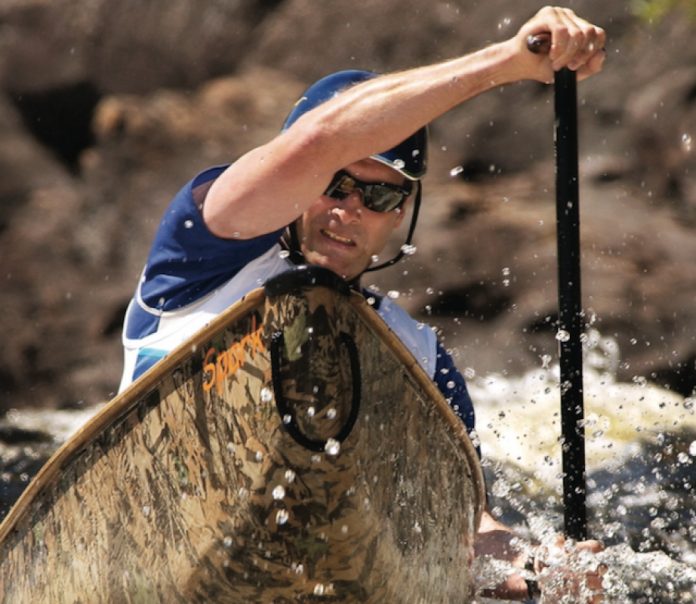
With more than 20,000 river-kilometres behind his paddle, Max Finkelstein is the perfect poster boy for the Canadian Heritage Rivers System. He’s travelled most of the 34 Heritage Rivers, explored hundreds of other waterways and written a book, Canoeing a Continent, about his trip retracing Alexander Mackenzie’s famous 18th century canoe route across Canada. He even paddles to work.

Work in this case is in the Gatineau, Quebec, offices of the Canadian Heritage Rivers System (CHRS), Canada’s federal program for river conservation. A six-kilometre paddle down the Ottawa River from his home lands him at his desk where, along with manager Don Gibson and planner Brian Grimsey, he promotes the Heritage Rivers System.

Canadian Heritage Rivers System: Preserving a nation of rivers

“I was a planner for Parks Canada in 1988 when I took my first northern trip to the Thelon River,” remembers the 52-year-old Finkelstein. “The Heritage Rivers guy in the office next to mine asked if I would submit a report on the ‘heritage resources’ I saw,” he recalls with a laugh. Finkelstein wasn’t really sure what he was supposed to report on, but he figured he had done a good job when he was offered a job.

Photo: J. David Andrews
Feature photo: J. David Andrews

Now the marketing and communications officer at CHRS, Finkelstein’s job is to make sure Canadians know about the program celebrating the river heritage of their country. Finkelstein’s 10-foot by 10-foot, standard-issue cubicle—overflowing with maps, books, photographs and files—is one place all significant rivers in this country pass through. He spends most of his time in the office on the web or the phone but he’s a frequent guest at conferences where he ambles up to the podium with his tanned, craggy face and ruffled hair, looking like he’s just pulled into a campsite.

Canoeing A Continent by Max Finkelstein

He also spends a lot of time fielding questions from canoeists looking for information on the rivers.

“Sometimes I feel like a travel agent,” Finkelstein laughs. He’s happy to steer people toward information on canoeing the rivers, but he never tells them his favourite campsites.

Finkelstein finds a pair of glasses he didn’t need in the 1980s and pulls his original report on the Thelon River off his shelf. He thumbs through the 65 pages he wrote about the river’s archaeological sights, more recent history, plentiful wildlife, recreational opportunities and pristine, unspoiled state.

The Thelon River, in what has since become Nunavut, was added to the list of Heritage Rivers in 1990, joining rivers that had also been recognized as important for some combination of their natural assets, cultural history and recreational value. Once designated, the rivers benefit from management plans designed to preserve that which makes them so special.

Origins of the CHRS

The origin of the CHRS is legendary among wilderness paddlers. It goes back to the fabled Canadian Wild River Surveys of 1971 to 1974 when the Trudeau government hired students for the summer—no doubt clad in cut-off jeans with their long hair kept back by blue bandanas—and sent them out across the country in 17-foot Grummans to survey significant rivers. Those surveys—part of a National Parks planning initiative submitted to a young cabinet minister named Jean Chrétien—were the basis for a 1978 conference in Jasper National Park. It was the first time a national river conservation program had been contemplated by the senior levels of government. Six years later the CHRS was born.

“The whole CHRS process is now driven by concerned citizens who nominate their local river,” Finkelstein explains. “They are idealists and visionaries who involve themselves when they see their river becoming threatened, whether by something obvious like a dam proposal or something incremental like pollution.”

Once a river has been nominated the CHRS Board assesses whether it will meet their criteria. If the board supports the nomination it still has to be approved by the relevant provincial ministry.

The final step toward designation is the creation of a river management plan that will “conserve the river’s outstanding natural, cultural or recreational values.” This plan can spend years wending through government office corridors given the number of different agencies, departments, citizen groups, businesses and land owners that have an interest in a river and therefore have to lend support to any plan before the board will accept it. Ontario’s Missinaibi River languished as a nominated river for 19 years before lumber companies operating in the area were brought on board, allowing the river to gain status last year.

[ Browse the widest selection of boats and gear in the Paddling Buyer’s Guide ]

Even when full Heritage River status is granted, it carries with it no actual legislative weight.

“Heritage status means what the communities make it mean,” Finkelstein explains. A CHRS management plan co-ordinates conservation efforts and encourages cooperation, but unless governments extend additional protected status to the river, the fate of the river ultimately rests on the community’s resolve to stay true to the plan.

people tubing down Ontario's Grand River
After being designated in 1994, the area adopted the Grand River as the focal point of its tourism pitch. | Photo: Courtesy Destination Ontario

How heritage designation helped the Grand

Finkelstein points to southwestern Ontario’s Grand River. The Grand was so polluted in the 1970s that local communities did their best to ignore it. After being designated in 1994, the area adopted the river as the focal point of its tourism pitch. Different groups along the river cleaned the waterfront, reduced pollution, restored buildings and re-stocked fish populations, and in 2000 the Grand River won the Thiess International Riverprize for “excellence in river management.”

Finkelstein’s low, rumbling voice becomes livelier when talk turns to rivers now working their way through the nomination process.

“Some really important rivers are finally getting attention,” he explains. “The Mackenzie, the Ottawa, the St. John and the Red are all in the works—truly major river systems of national importance.”

What has Finkelstein excited is the “cross jurisdictional” nature of these rivers. Early CHRS rivers, such as the Yukon’s Alsek River or Alberta’s Athabasca River, were often located within a national or provincial park. Full government support allowed for easy management planning. It wasn’t until some more urbanized nominees—such as the Grand River and New Brunswick’s St. Croix River—were proposed that the more difficult community-driven process was tested. The newest nominees involve numerous communities, various stakeholders and multiple levels of government. That the CHRS can be successful in these confused waters indicates a real maturing of the program.

Now just two years away from retirement, Finkelstein looks back on two decades of the Heritage River System with satisfaction at seeing how general attitudes toward conservation have shifted.

“An economic impact study was done years ago on the benefits of a river receiving Heritage River status. It was based on tourism dollars. It is not of much use, really,” Finkelstein admits, shuffling through papers in a file trying to find the forgotten study. “Really, how do we value a functioning ecosystem? How do we value a good place to live?”

Just because there is no easy answer to the question doesn’t mean it is unimportant, and Finkelstein has seen more Canadians realize that every year. The study stays missing as he packs up and walks down to the river where he’ll launch his canoe and head home.

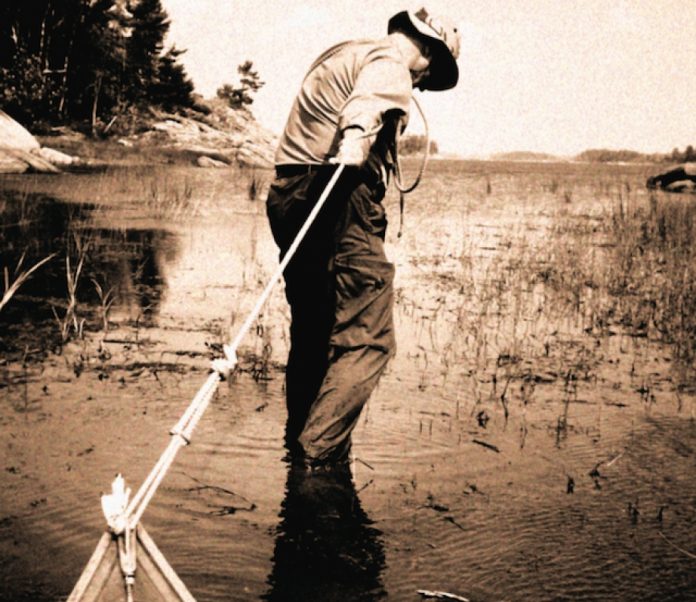
It’s an upstream paddle on the way home; in low water he has to pole his way up the shallow swifts. Some would think it’s a tough way to get through the daily commute, but Finkelstein doesn’t think there’s any better way to get around his nation of rivers.

Jeff Jackson met Max Finkelstein in 1997 on the Ottawa River during Finkelstein’s cross-Canada paddle.

Cover of the Spring 2006 issue of Canoeroots MagazineThis article was first published in the Spring 2006 issue of Canoeroots Magazine. Subscribe to Paddling Magazine’s print and digital editions, or browse the archives.


Feature photo: J. David Andrews


Tips for Family Tent Buyers

Photo by Kampus Production pexels.com

Buying a new tent is somewhat like buying your first house. It is a major investment that will shelter your family for a long time. To avoid costly mistakes it is important to consider your needs, do your research and check to see what’s on the local market. At the base of the pyramid-of-needs is shelter. First and foremost, your tent must protect you from elements like wind, rain, sun, snow, neighbours or bugs. Other features of modern family tents are more about lifestyle and convenience, frills you might say, but frills that will affect the happiness of everyone living inside.

Tent Size

Like a one-bedroom apartment, a low-profile two-person tent may have been adequate before the children arrived—but families need more space. Ensure that you have enough growing room and don’t forget about storage space. To live comfortably consider a tent designed for at least two more than the actual number of people sleeping inside—a family of four should look at six-person tents.

Floor plan

Just like a home, tents with the same amount of living area will feel larger or smaller depending on how the space is laid out. Young children may feel more secure sleeping near mom and dad while older ones may appreciate their own room. In- stead of having everyone under one roof, consider buying two smaller tents. This of- fers greater privacy, more set-up options at small campsites and a smaller tent for romantic weekends without the kids.

Photo by Kampus Production pexels.com

Shape and Season

If your family camping involves hiking to mountain summits, winter camping or camping in Kansas you’ll need a tent that can cope with a wide variety of temperatures and wind conditions. Low-profile dome tents and expedition-grade four-season tents can weather strong winds and snow loads and are warmer than traditional designs. For everyday summer camping look for good ventilation, higher ceilings and fine mesh coverings to keep insects on the outside looking in.

Materials

Traditional canvas tents are very robust and breathable, but also heavy and sus- ceptible to leaking in very wet weather. Most modern tents use man-made nylon fabrics that are very light and waterproof. These synthetic materials can be delicate and prone to condensation—look for plenty of vents if you’re headed for a hot climate. Inquire about what maintenance is required for the materials and if spraying, sealing seams or the use of a ground sheet are necessary.

Assembly

Some family tents are gigantic, others are complicated to set up and take down. Before you buy a castle think about how many skilled minions will be needed to erect your fortress. If you are base-camping and not breaking camp each morning you can get away with a more elaborate structure. A practice set-up at the store with experienced staff is good training for rainy arrivals and allows you to check the tent bag for all the parts.

Transport

Will you be backpacking with your tent or carrying it in your canoe? Will it fit in the trunk of your car or will you need a roof rack or trailer? How you will transport the tent to your campsite will affect the weight and size you are willing to carry. There are tents that try to be both big and light, but often you’re better off with two tents—one for the backpacking trips and one for car camping.

Storage

You will need a dry place to store your camping equipment. This may be in the van, under your canoe or in your tent. Where you store your stuff may determine the size and design of the tent you will choose. Storage options range from cute vestibules just big enough to hide a pair of boots to tents with separate rooms you can park a car inside.

Bells and Whistles

Take into account all of the extras. Tents can be very elaborate shelters with room dividers, canopies, windows, skylights, pockets and complicated zipper systems. Knowing what you really need before shopping will save you paying for and carrying things you won’t use.

Open House

Shop around and look at as many tents as you can. Check out the tents of your friends and ask them what they like or don’t like about them. Don’t rely on photos on the Internet; go to stores and ask questions. Good camping stores with trained staff will help you set up a number of models. Pile the entire family inside and listen to their opinions. If there is going to be complaining you want to hear it now. Remember, buying a tent is like buying a house. You wouldn’t buy a house without walking though it. The same should be true for your home away from home.

Putting in the Offer

All of the above considerations influence the price of a tent. Make a list of what you really need, then what you really want and then spend all the money in your purse. Camping is relatively inexpensive but there is an initial outlay and your shelter is never a place to scrimp. Remember to include in your budget essential items like ground sheets, sleeping bags and sleeping pads—all of which make sleeping in whatever tent you buy that much better.

This article on tents was published in the Spring 2006 issue of Canoeroots.This article first appeared in the Spring 2006 issue of Canoeroots Magazine. For more great content, subscribe to Canoeroots’ print and digital editions here.

Safe Eating: Avoiding Food Poisoning in the Great Outdoors

Photo: Canoeroots Staff
Safe Eating: Avoiding Food Poisoning in the Great Outdoors

There are few things I enjoy more than a cookout over an open fire or barbecue. It’s a great way to relax and have a good time, but if it isn’t done right it can lead to serious illness. Food poisoning is one of the most common and widespread ailments in human history, not to mention a surefire way to ruin a camping weekend or picnic.

According to the United States Department of Agriculture, food-related illnesses increase 150 per cent during the summer months.

Many people are unaware of the symptoms of food poisoning and never consider their storage or preparation of foods or drinks to be the cause of an illness.

The symptoms of food poisoning can vary depending on the type of bacteria causing the illness and the amount of food eaten. They include severe diarrhea, nausea, chills, fever, gas pains and vomiting—pretty similar to the flu or heat stroke. The incubation period of food poisoning can range from hours to weeks.

Most food-related illnesses can be easily prevented. Foods should be kept in a cooler in sealed containers—plastic tubs with snap-on lids work fine— and not wrapped in plastic wrap or aluminum foil. As the temperature in your cooler goes up, frozen foods will start to thaw and possibly leak. You don’t want your sticky buns sponging up the blood from your steak. When packing your food learn to live by the motto: Separate, don’t contaminate.

KEEPING THINGS CLEAN

Another big concern is keeping everything clean. Wash your hands, utensils and any food preparation surfaces before cooking and after handling any raw foods. Have a pot of warm, soapy water on hand for quick washes during meal prep. Good hygiene while cooking can greatly reduce the risk of food poisoning.

Every campground chef has theories about what makes the perfect burger or steak, but no matter the seasonings or goofy aprons, the rule of thumb is to keep them cold and cook them hot.

When using a charcoal grill ensure that the charcoal is glowing red and has a gray powder on the surface—this is a good idea when cooking over a campfire as well. Electric grills or gas grills should be cleaned or pre-heated to kill any bacteria on the cooking surface. 

Some of you may laugh, but I use a meat thermometer to ensure my meats are cooked properly to kill all bacteria. Cook steak to 150 degrees, hamburger to 160 degrees, chicken to 180 degrees and fresh fish until you are certain it is cooked thoroughly. Hot dogs sold in stores are precooked but they should still be heated until they are piping hot throughout. Not all spots on your grill are as hot as others so move meat around so it cooks evenly.

Most cases of food poisoning from outdoor cooking can be prevented by proper storage, good hygiene and proper cooking. Food poisoning is a huge downer on any trip.

If you are staring into your icebox wondering whether you should eat it or not, I say: If in doubt, throw it out.

This article on keeping food safe was published in the Spring 2006 issue of Canoeroots.This article first appeared in the Spring 2006 issue of Canoeroots Magazine. For more great content, subscribe to Canoeroots’ print and digital editions here.

Editorial: Life’s Best Adventure

Photo: Canoeroots Staff
Editorial: Life's Best Adventure

Two years ago I would have laughed at the thought of saying that. Now I just see it as wonderfully ironic.

When my wife Tanya decided it was time for us to have children, I panicked. I’d run from any conversation about kids. I avoided any dealings with children that would encourage notions that I’d be a good dad. I experienced mysteriously well-timed debilitating headaches. That summer I rode 1,000 kilometres of rough trails on my mountain bike and drank gallons of coffee, two things I’d read might reduce a man’s chances of having offspring.

Now of course I know what all fathers know: kids don’t ruin an active outdoor lifestyle, they are the reason to have one. A friend of mine sat me down in his garage, looked around for our wives and whispered, “You don’t get it yet, do you? Kids are the ultimate excuse to buy more gear. Kids are the guilt-free card every time. ‘It’s not for me,’ you tell her, ‘it’s for the kid.’ And with all that new gear you’re obliged to use it.”

So I bought a fancy Chariot stroller rig complete with running, ski, bike and hiking accessories. I bought an inflatable canoe so we could float in the lily pads. I started eyeing up tent trailers. I ordered a 14-foot whitewater raft so we can still do whitewater river trips. Rafts, I figure, are floating playpens and the perfect gear boat for family-sized tents, two-burner stoves and massive cooler boxes.

Life is no longer about going light and fast. Camping with kids involves more planning and naps. We’ve applied for a permit to raft the Grand Canyon in the summer of 2016. By then my son will be 10, but he and I have already begun preparing.

His bathtub is full of my childhood Fisher Price canoes and kayaks, with paddles and a fishing rod complete with magnetic fish. At eight months, we swam together through rapids. He loved it. Set up in our living room is a kid-sized tent. Inside, or as inside as I can get, I read him bedtime stories in front of the fireplace. He turns the pages. This summer he’ll be one and half years old when we do our first father–son overnight camping trip. I’ve never been more excited about a ca- noe trip.

As a new dad, family camping for me has just begun. As the new publisher I’m very pleased that with Family Camping magazine comes the experience of founding editor Jennifer Birkby, her gang of regular contributors and seven years’ worth of dedicated readers. Together we will produce the best magazine about the best adventure in life, family camping.

This article on family camping was published in the Spring 2006 issue of Canoeroots.This article first appeared in the Spring 2006 issue of Canoeroots Magazine. For more great content, subscribe to Canoeroots’ print and digital editions here.

Skills: Tandom Onside Eddy Turn

Photo: Gary & Joanie McGuffin
Skills: Tandom Onside Eddy Turn

Eddies are sanctuaries of calm water formed behind obstacles that disrupt the flow of fast-moving water. When water hits an obstacle, such as a constricted shoreline or mid-river rock, it must move around it before continuing downstream. This leaves an area behind the obstruction where the water recirculates back upriver.

For canoeists, eddies provide a safe place to stop, rest and scout—or take to the portage—amid even the wildest whitewater. But first you have to break through the eddyline, the dividing line between current moving downstream and the eddy water recirculating behind the obstacle.

With practice it is easy to identify the boundary between the fast-moving and aerated downstream flow and the calmer, slower water of the eddy. It is important to cross this eddyline with an acute angle of approach. You should carry momentum across the eddyline and time your turn so the contrasting currents help to spin your canoe upstream as you enter the eddy.

The three components of an eddy turn are: angle—entering the eddy at an angle of between 45 and 90 degrees to the eddyline; motion—carrying speed and momentum into the eddy; and tilt—leaning the canoe into the turn. 

Screen_Shot_2015-11-19_at_2.49.24_PM.png

Screen_Shot_2015-11-19_at_2.49.46_PM.png

Screen_Shot_2015-11-19_at_2.49.54_PM.png

Screen_Shot_2015-11-19_at_2.49.32_PM.png

This article on whitewater canoe skills was published in the Spring 2006 issue of Canoeroots.This article first appeared in the Spring 2006 issue of Canoeroots Magazine. For more great content, subscribe to Canoeroots’ print and digital editions here.

Whitewater River Conservation: Horror Movies With Happy Endings

Photo: Rob Faubert
Whitewater River Conservation: Horror Movies With Happy Endings

At the Kendal Mountain Film Festival, held in England each fall for the last 25 years, there used to be one night in a week of climbing films dedicated to paddling and muddy bikes. Such has been the growth of interest in these two topics over the years, however, that last fall organizers decided to separate the boats and the bikes and offer whole evenings of each.

I’m not sure how the muddy bike evening sold, but the paddling program played to a packed house. It included presentations by two conventional open canoeists; Paul Grogan told of his odyssey down the Amur River along the Mongolian-Siberian border and yours truly talked about “Bugs, Blogs and Broken Canoes” in Canada. These live offerings were intermixed with a bevy of the latest whitewater paddling films.

Paul Grogan’s story was both funny (ridiculous hassles with the Chinese and Russian bureaucracies) and heart warming (generous people along the way took them in without hesitation) and sent the audience running to buy his book, Barbed Wire and Babushkas. My Canadian canoeing stories went over fine too. But the real story was the whitewater films, which ranged from beautiful to totally obscene.

A five-minute short called Falling was a masterwork of light play and creative camera pans on a kayaker shooting and re-shooting a medium-sized falls. No one was injured in the film and, as far as I know, there were no puddles under anyone’s seat when the credits rolled. The other films however, amounted to an orgy of total insanity.

TWO APPROACHES TO FALLING WATER

These films were little more than segments of footage strung together without narrative glue. They bombarded the audience with scene after scene of colourful kayaks falling over cliffs and crashing down waterfalls of increasing height and complexity, all to the nasty incantations of in-your-face neo-punk

music. Boof, bang, splash. Bang, bash and bang again—the act repeated ad infinitum, with the group divvying up the gear of any rag dolls and continuing on downstream after leaving their fallen on shore (not really … they actually airlifted out the guy with the broken back). How these people survive is beyond me, but I’m glad they do.

Since then, I’ve been thinking about the two approaches to falling water. On the one hand, you have the traditional canoeist who would paddle to the ends of the earth to experience a sight like the Nahanni River’s numinous Virginia Falls, just to sit there and reflect on its beauty before heading home. And on the other, you have the whitewater kayakers who would go to such places just to see if there was anything worth “hucking” themselves off.

On the basis of an unofficial poll, and in spite of what’s projected in some of their films, there is another difference between these two groups—and it’s not what you’d think. It’s the hucksters, not the silently reverential ones, you’re more likely to find at rallies and as members of groups trying to preserve these wild places. They’re the politically active ones, or so it seems.

Waterfalls transform the potential energy of calm water into plummeting kinetic energy, stasis into motion, complacency into action. I think some of the wild-hearted souls who get pum- meled by waterfalls have a better appreciation of their transformative essence than those who sit in quiet reflection and then float passively home. Sitting at home, full of appreciation—and potential—is not good enough.

The future of our rivers is being negotiated right now. There’s no bet- ter time to find out about groups like CPAWS and the Canadian Heritage Rivers System. With more participation these groups might become as powerful as American Whitewater is in the United States. AW marshals its 6,700 members in defence of 80 to 100 rivers at any one time. They do the grunt work of forcing their way into decision-making processes to give rivers a voice.

And regardless of what you think of their films, the next time you have the chance (at a conservation rally for a nearby river perhaps), buy a huckster a beer because a) they’re likely flat broke; b) they probably have something interesting to say; and c) it may be the last time you see them.

James Raffan monitors www.cpaws.org and www.chrs.ca to stay informed and active as a paddling conservationist. 

This article on river conservation was published in the Spring 2006 issue of Canoeroots.This article first appeared in the Spring 2006 issue of Canoeroots Magazine. For more great content, subscribe to Canoeroots’ print and digital editions here.

Betcha Didn’t Know About Shooting Stars

Photo: flickr.com/rarvesen
Betcha Didn't Know About Shooting Stars
  • The astronomical name for a shooting star is a meteor. It is the flash of light you see in the sky when a meteoroid or a meteorite burns up as it enters the atmosphere.
  • Meteorites are pieces of space rock that make it through the atmosphere and strike the Earth’s surface without completely vapouri zing. About 5,800 hit the Earth each year. Meteoroids vapourize before hitting Earth.
  • The custom of wishing on a shooting star originated in England in the Middle Ages, when peasants believed meteors were heavenly souls coming to Earth to mark the birth of a new person.
  • The odds of being killed by a meteorite are 10 trillion to one. You are roughly 1,000 times more likely to win a lottery.
  • The Sudbury basin is thought to be the impact site of a meteorite with a diameter of more than 200 kilometres, possibly the largest to have ever struck Earth.
  • In Islamic folklore, meteors were missiles launched at evil-doers (to use the current terminology) attempting to slip into the gates of heaven.
  • To the Ojibwa, shooting stars were gifts sent to someone on Earth by the Great Spirit.
  • Comets are pieces of rock less than two kilometres in diameter that orbit the sun. As a comet travels through space, material is blown away and forms a debris trail.
  • Annual meteor showers occur when the Earth’s orbit passes through the trail of a comet. Shooting-star gazers can see more than 50 meteors per hour in mid-August during the Perseid meteor shower when the Earth crosses the path of the Swift-Tuttle comet.
  • Bad Company’s 1975 song “Shooting Star” tells of the hazards of stardom and excess facing billboard-topping rockers. Their album burned up after hitting number three on the charts and they never reached such heights again.

This article on shooting stars was published in the Spring 2006 issue of Canoeroots.This article first appeared in the Spring 2006 issue of Canoeroots Magazine. For more great content, subscribe to Canoeroots’ print and digital editions here.

Spirit Moose Sightings

Photo: Bill Roth/Anchorage Daily News
Spirit Moose Sightings | Photo: Bill Roth/Anchorage Daily News

If your camping partner returns from gathering firewood in a hysterical panic, gibbering about having seen a “ghost moose,” don’t necessarily initiate an emergency evacuation on the grounds of failing mental health.

Sightings of white-coloured moose have been reported in British Columbia, Saskatchewan, Manitoba, Ontario, Newfoundland, Alaska and Idaho. Last fall, the Ontario Ministry of Natural Resources (MNR) joined Newfoundland and Labrador in officially recognizing their existence and putting them off limits to hunters in some areas.

As far as MNR biologists know, white-coloured moose are neither a separate species nor albinos. Mike Bernier of the MNR’s Chapleau District says the white coat occurs naturally but is extremely rare—the result of a recessive gene controlling hair colour. If two carriers of the gene reproduce, there is a 25 per cent chance the calf will be white (and a 50 per cent chance the calf will be a carrier of the gene). Of the roughly 4,200 moose in the area surrounding Foleyet in northeastern Ontario, Bernier estimates that only six are white.

Photo: Bill Roth/Anchorage Daily News
Spirit Moose Sightings | Photo: Bill Roth/Anchorage Daily News

Ontario’s new regulations outlaw the hunting of “predominantly white-coloured moose” in a parcel of Crown land between Chapleau and Timmins. Newfoundland and Labrador passed similar legislation for a small portion of southwestern Newfoundland in 2002. But for the bulk of both provinces—and the rest of North America—white-coloured moose are fair game and a prized trophy.

Joel Theriault, a bush pilot from Foleyet, lobbied for the protection of white-coloured moose in Ontario. Theriault hopes that the new regulations will pave the way for moose-watching tourism in his area. He compares white moose to the famous white-coated kermode “spirit bear” of British Columbia, and pre- dicts similar success for local guides.

“White moose are worth a lot more alive than mounted above someone’s fireplace,” said Theriault.

This article on white moose was published in the Spring 2006 issue of Canoeroots.This article first appeared in the Spring 2006 issue of Canoeroots Magazine. For more great content, subscribe to Canoeroots’ print and digital editions here.

In Parting: The Paddling Impulse

Photo: Jacqueline Windh
In Parting: The Paddling Impulse

For one year while I went to university I lived by the ocean. All I had to do to launch my kayak was walk across the road. That’s when I learned I have a paddling impulse that’s triggered by light. If the afternoon turned out calm, and the light had a certain quality, a warm colour and softness just before sunset, my internal light meter would command me to “ctrl+S” whatever document I was hammering on in my basement apartment, grab the rubbermaid with the duct tape label that says “paddling” and make for the garage. It was a luxury to be able to respond whenever the impulse struck.

More often, this happens on a trip. Tents are set up, sleeping bags laid out, dishes are washed and the food put away. Then somebody gets the crazy urge to drag a boat back down to the water. It’s a sort of frenzy to capture what remains of the day, like the mania that grips photographers during the afternoon’s terminal moments. We become like teenagers driving the strip, loving our rides so much that we’ll just cruise when there’s no place to go. With stomachs full of pasta and muscles so tired that paddling should be the last thing on our minds, we go out anyway be- cause life’s that short.

One time on the west coast there was a strong, warm wind coming in off the water; we put in on the sheltered side of the islands and paddled around to where we could just sit in the lee of the rocks and ride the swell. We faced the west wind and floated there until the big ball of the sun dropped into the sea. If we could only understand why this feels so good, put it in a bottle and sell it; we’d be rich. Then again, we can put it in a kayak; and we are. 

akv6i2cover.jpgThis article first appeared in the Early Summer 2006 issue of Adventure Kayak Magazine. For more great content, subscribe to Adventure Kayak’s print and digital editions here.
Greenland: Hunting For A Future

Photo: Dave Quinn
Greenland: Hunting for a Future

For the people of northwest Greenland, culture and nature are deeply linked. A rule that requires hunting to be done from kayaks is helping to preserve both.

The Inuk’s patience and focus are awesome. Pauloos Simigaq has been floating on the mercurial, iceberg-choked waters of Inglefield Fjord for hours with only the unbroken water and the occasional Marlboro to pass the cramped time in his homemade, canvas-covered kayak.

He is nestled against one of the countless bits of fractured ice pan in the fjord—the white underbelly of his kayak blending in with the ice when viewed from below. The boat, his paddle and harpoon, his seat made of a skinned polar bear head, and his sealskin boots all resemble those his father wore, and those worn by countless preceding generations of Inughuit hunters.

Without warning the silence is split by a wet, hollow “pfew…pfew” of exhaled breath and the still surface of the fjord is broken by the watermelon-like heads of a small pod of narwhal. Their wake leaves a jagged arrow on the silver sky-reflection of the sea, as they rise from their deep-water halibut feasting to fill their black blood with oxygen.

Pauloos, alert, hurriedly pinches off the embers of his cigarette with his calloused fingers and slips the butt into the front pocket of his white cotton anorak. His wife, Inge, has been watching with our group of southern tourists on the lookout—a grassy prow of land that affords a 180-degree view of the fjord, and warns Pauloos of the approach of the narwhal with a tiny handheld radio. Such is the paradoxical situation of the Greenland Inuit—with one weathered hand Pauloos stows his thin-bladed hand-carved paddle and adjusts his ivory-tipped harpoon, and with the other he holds the portable radio to his mouth, asking Inge where the narwhal are in relation to him, which way they are heading.

Soon he sees the rounded heads moving through the ice floes toward him. Slicing the water ahead of the pod are the sharp points of the males’ spiral horns—the unique teeth from which sprang the legend of the unicorn when the first narwhal tusks appeared in mainland Europe in the Middle Ages. These mysterious horns were said to have magical cure-all properties and were bought and sold for small fortunes. 

Pauloos pulls away from his iceberg port and sprints after the pod. From a comfortable perch amid the poppies, avens, grasses and blueberries that give this icy land its name, we watch with the same held breath that permeates the entire fjord.

Pauloos’ thin-bladed paddle allows him to fly silently toward the rearguard of the narwhal pod. As he closes in, with one swift motion he stows his paddle, hefts his harpoon and draws his arm back for the throw.

Our group of foreign ecotourists has ostensibly travelled here to observe the wonder of Arctic wildlife, not to watch wildlife be killed. But the long-forgotten hunter in us somehow wills the harpoon point toward flesh—a hope that we can no more make sense of than we can fight. 

Pauloos Simigaq is a hunter in a way few modern people would comprehend. He is not out here to bond with his buddies or to prove his prowess. He is not even out here with the typical southern excuse that he needs to “get away from the wife”—inge simigaq and their three young children, Mikael, Nialianguaq, and Utuuniaq, are along for the hunt as well. Pauloos and his family are out here hunting because they know no other life, and because it is truly their identity. They are inughuit—a word that means “the real people.” Pauloos simply is a hunter. Period.

Even his home, Qaanaaq (dubbed “the world’s most northerly palindrome” by the Lonely Planet guidebook), is a modern version of a traditional camp. it boasts 860 Danish and inughuit inhabit- ants, and an estimated 3,000 sled dogs; days in qaanaaq are eight parts arctic quiet and two parts howling cacophony.

The traditional hunting in this part of the High Arctic has earned the inughuit a reputation as some of the few remaining true hunters on the planet. Food gathering here is as much ritual as it is necessity, and even the methods are echoes from what would be termed a “long forgotten” past in any other part of the world.

Here, little is forgotten.

Most narwhals in Greenland and the Canadian Arctic are hunted with high-powered rifles fired from modern boats with outboard motors—a tough sell as a “traditional hunt.” little is known of even the basic life history of the narwhal, including its reproductive rate and natural mortality rate, and this has raised concerns about the sustainability of these modern hunts which often fail to retrieve as many as 50 per cent of the animals that are wounded or killed by the hunters’ bullets.

Only in the Thule District of northwest Greenland are narwhals hunted from traditional kayaks using harpoons and sealskin float bags. These are the rules here—motor boats can be used to transport a family or hunting party to the hunting grounds and to bring the meat and muktuq back to the village, but the actual hunt and capture of the animal must be done from a traditional kayak.

This true traditional hunt fulfills two purposes. First, it anchors the people’s ties to their cultural past with an unforgiving certainty, requiring a commitment unheard of in most modern cultures. Without these Thule hunting laws, the ancient kayak techniques and the inughuit culture would have been lost or forever changed years ago, as it has been in much of the modern Arctic.

There is also a perception, communicated with laughter and curious inspection of our bright red rotomoulded plastic kayaks, that the traditional technology is far superior to the modern.

The canvas-covered boats are lighter by far than our tandems, and are relatively easy to build and re- pair with the materials at hand; the time-tested hull design allows for a critical mix of speed and stability ideally suited to hunting large marine mammals.

The second purpose of the traditional hunt is that it both limits the number of narwhal killed and the number that are mortally wounded and lost. Not many hunters are dedicated enough to spend weeks building their own kayak, harpoons, and paddle, and then spend cramped, dangerous hours float- ing amongst the icebergs of Inglefield Fjord waiting for their narwhal. The fact that every year at least one hunter either has a very close call or simply vanishes into the icy seas adds a further deterrent.

Those who are patient and brave enough to hunt, however, are almost guaranteed to bring home the muktuq from any narwhal they successfully harpoon and kill, barring the unpredictable intervention of arctic ice and weather. Attached to the hunter’s harpoon tether is an inflated sealskin bag, like a giant bagpipe bag with claws. A successful harpoon strike anchors the harpoon head to the narwhal. The float tires the animal out to hasten the kill and keeps the animal afloat once it is killed, ensuring that most har- pooned animals are retrieved.

In a way this is true conservation, not only of human experience and culture, but of wildlife as well—an answer to sustainable harvest of our large marine mam- mals that was discerned centuries ago by the forebears of Pauloos and the Inughuit—a people wise enough to recognize and live by the concept of “enough.”

As I watch Pauloos’ spear sail over the water, the biologist in me wonders for the future of the mythical narwhal—a creature that is listed as “of special concern” in Canada and whose numbers have been dwindling throughout the animals’ range. But the romantic in me senses the pure resonance of the his- tory, courage and power of what we are witnessing, and I inwardly cheer when the arc of Pauloos’ throw climaxes with a bloody spray and frenzied splashing as the entire herd senses the danger and dives for the shelter of the frigid water.

This is the most dangerous time for the hunter, as with one hand he sculls his paddle to balance in the wake and mad splash of several tonnes of terrified whale flesh, and with the other he rapidly and deftly pays out the cord attached to the harpoon buried deep in the narwhal’s side.

Finally Pauloos pulls the sealskin float safely from the stern deck of his kayak and watches it speed away across the fjord to disappear with a sudden “plop” into the black depths, leaving only ripples to recall the drama of the moment.

The held breath of everyone watching seems to re- lease as Pauloos calmly paddles over to retrieve his harpoon shaft where it now floats. he stows the re- trieved shaft and his paddle, calmly lights a cigarette, and watches for his sealskin float to return its prize to the still surface of Inglefield Fjord.

Dave Quinn is a freelance writer, photographer and guide based in Kimberley, BC. He has visited the Thule District of Greenland three times in the past two years. 

akv6i2cover.jpgThis article first appeared in the Early Summer 2006 issue of Adventure Kayak Magazine. For more great content, subscribe to Adventure Kayak’s print and digital editions here.