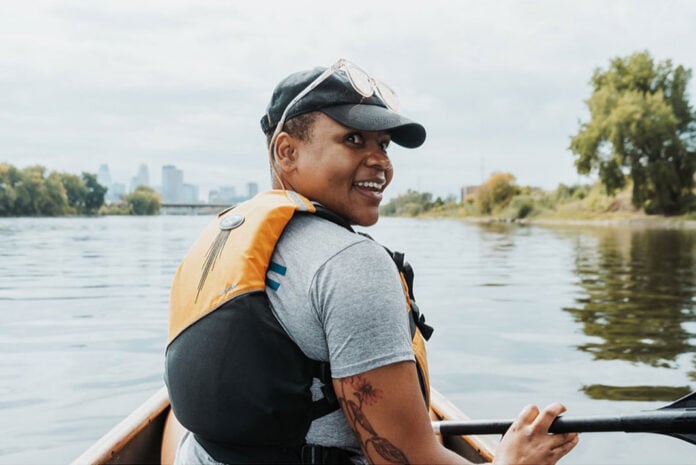
Minneapolis-based kayaker Devin Brown firmly believes “there’s a portal, a version of me that I’m supposed to meet.” She hopes to discover that person on a source to sea expedition down the Mississippi River, starting May 28.
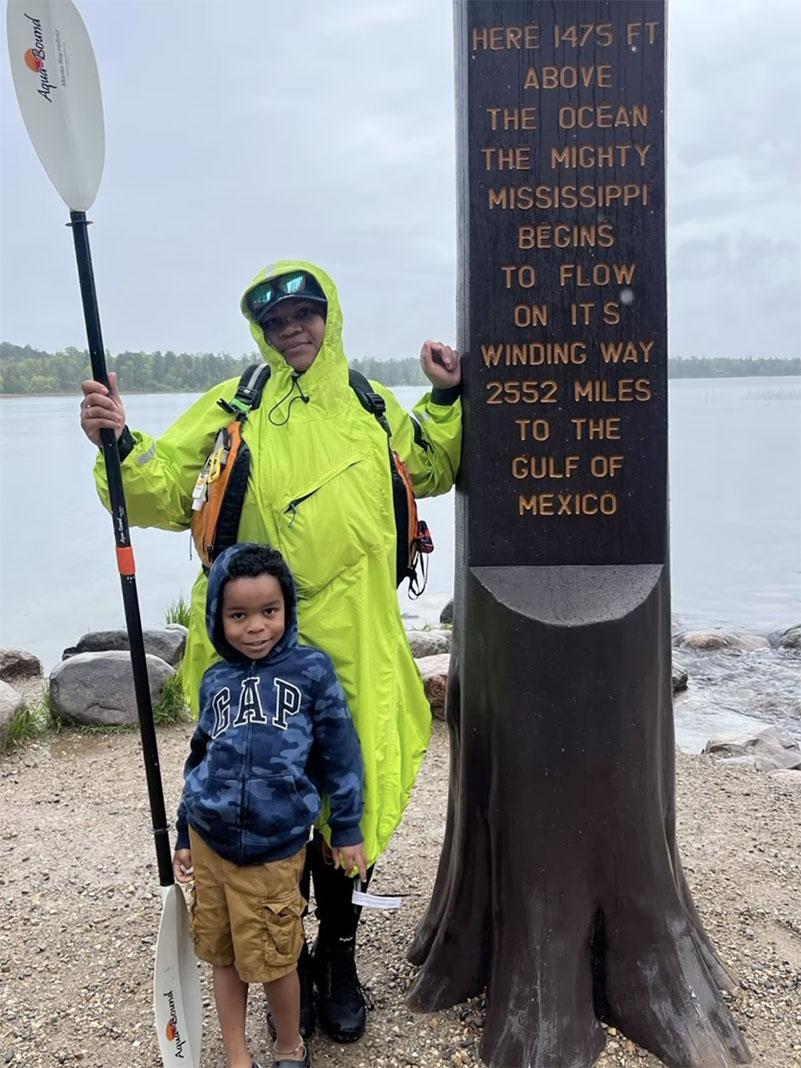
Brown, 38, is setting out to be the first Black woman on record to paddle what she calls the “Nile of North America,” from Lake Itasca in Minnesota to the Gulf of Mexico. She’s making the journey to help her grow as a person, but also to encourage other Black, Indigenous and People of Color to discover the outdoors.
“It takes people seeing people that look like them out there doing these things for them to take interest,” Brown says.
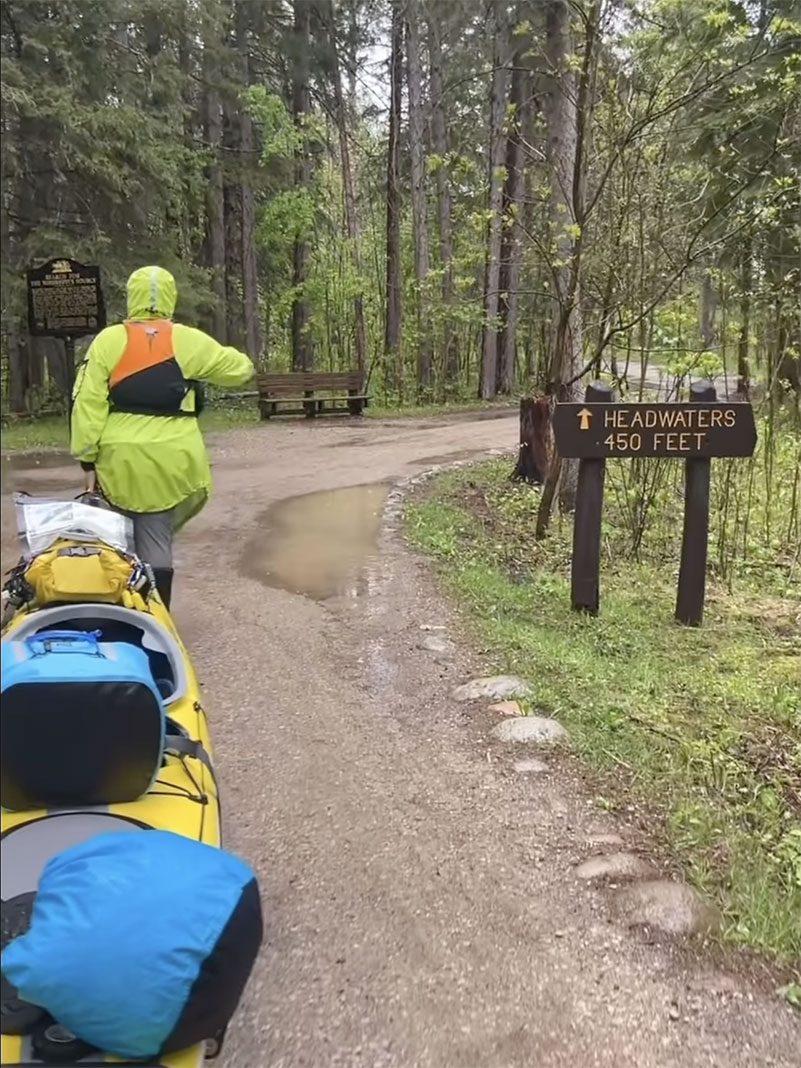
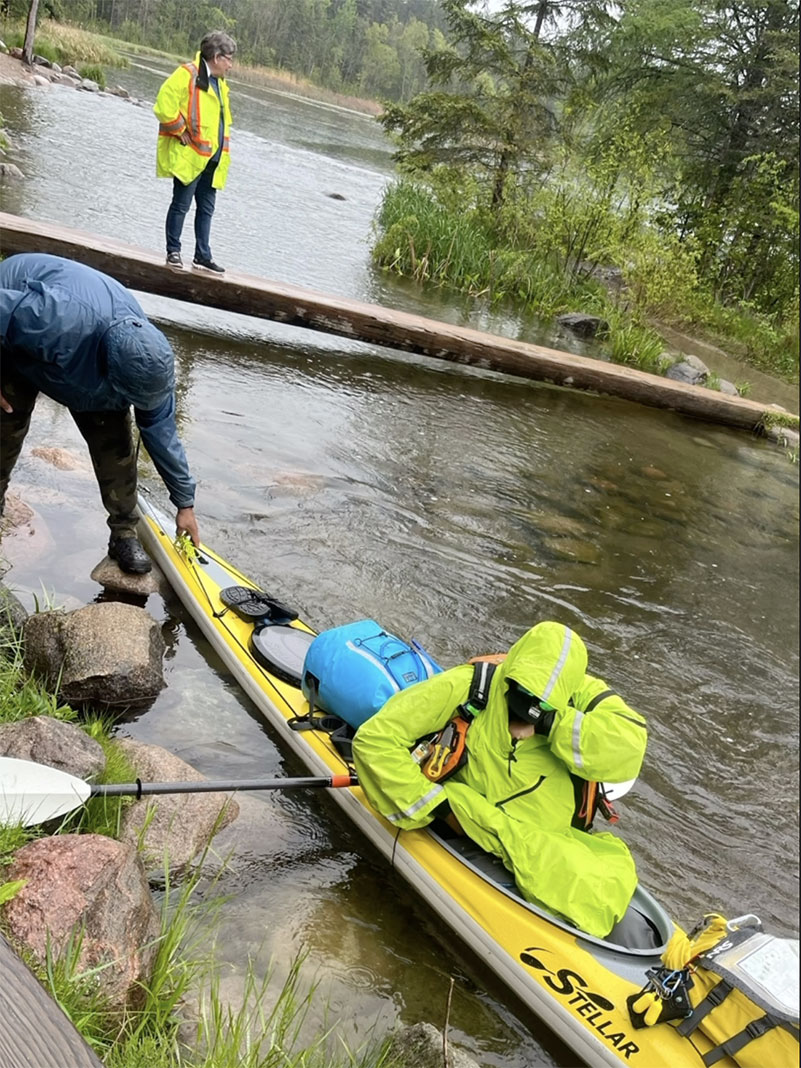
Devin Brown beginning her journey in the rain. | Photos: Courtesy Devin Brown
A quintessential American waterway
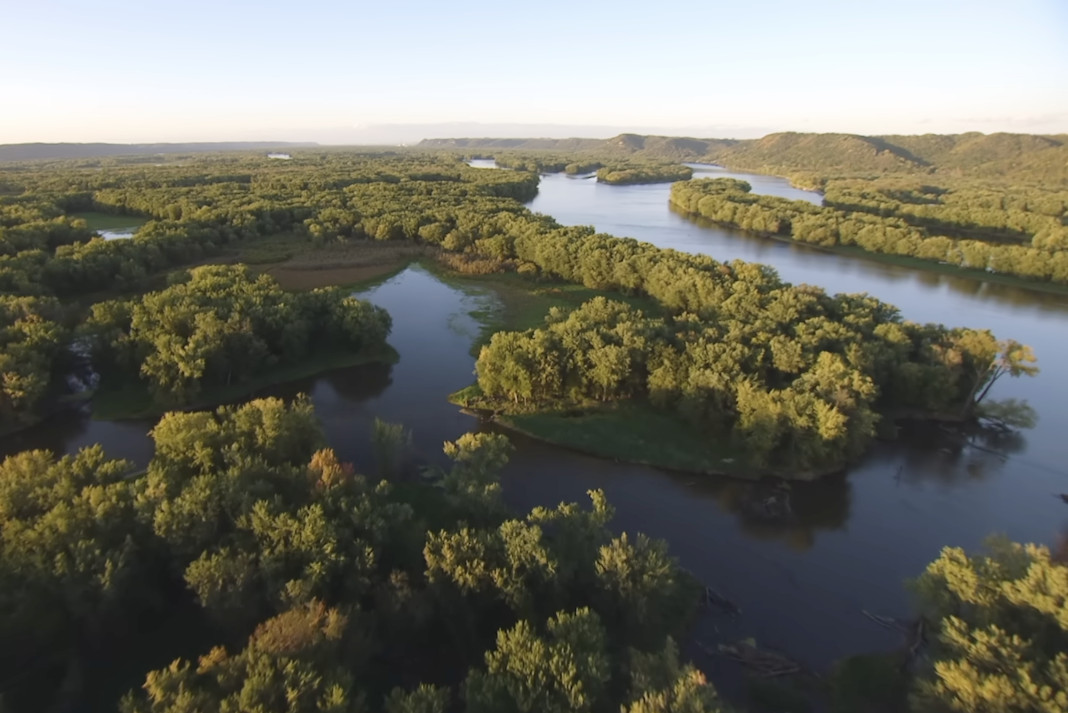
The Mississippi River flows 2,320 miles across 10 states. It doesn’t escape Brown that the Big Muddy is a watery corridor spanning vast landforms, ecosystems, communities and histories. The Mississippi carves a path through the heart of the continent and plays a central role in American culture—for better or worse.
“Civilizations have consistently established themselves along rivers for survival and the Mississippi is no different,” Brown notes. “Indigenous peoples navigated the river, created ceremonies around the river, birthed and died on this river. Enslaved peoples used the river as a source of economy in the back channels, collecting Spanish moss to fill mattresses. They also used the river to escape to the North, knowing that once they hit the Ohio River tributary, they were free.
“And then you have the colonizers who have recreated her banks, sold goods and people up and down the river, installed locks and dams, and polluted her at some times beyond recognition in certain areas.”
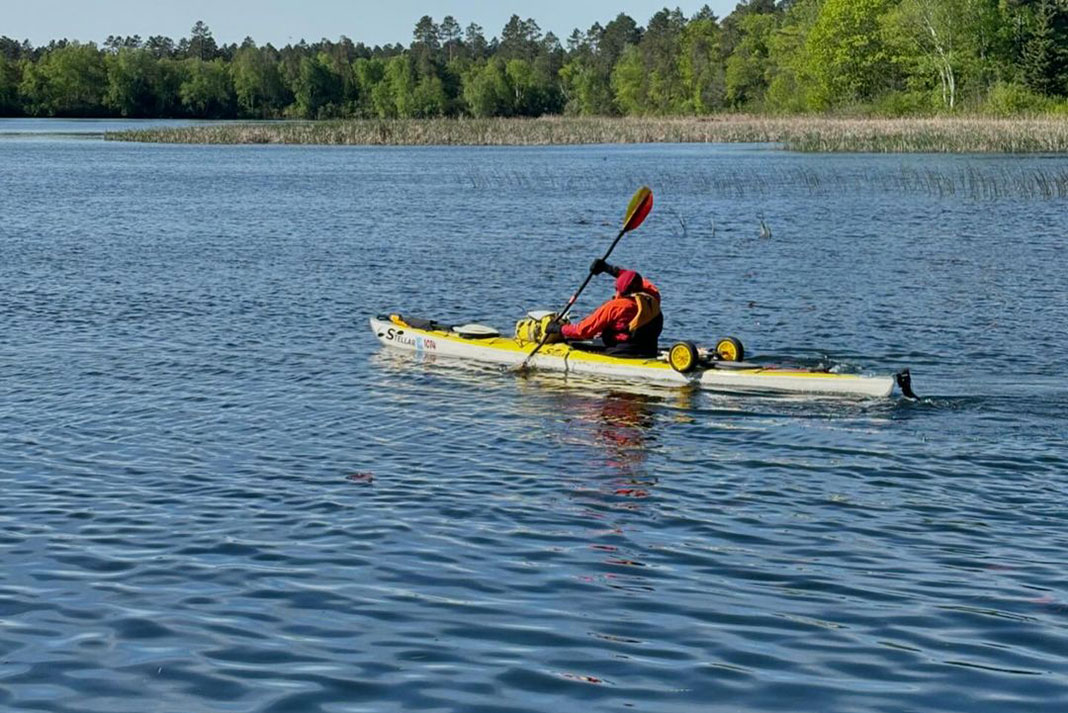
Brown embarking on some open water portions of the trip early on. | Photo: Courtesy Devin Brown
Brown crossed Lake Winnibigoshish on day five. | Photo: Courtesy Devin Brown
Finding meaning on the Mississippi
Brown was born in New Jersey and she considers herself lucky to have discovered kayaking and the outdoors as a youth at the Frost Valley YMCA camp in New York’s Catskill Mountains. She spent 12 summers at the camp. Years later, she returned as an adult to lead sea kayak trips for campers on the Gulf of Maine. The opportunity to leave a stressful career and reconnect with nature was “the time of my life,” Brown says.
[ Plan your next kayak expedition with the Paddling Trip Guide ]
Brown relocated to Minneapolis in 2014, drawn by the “graceful power” of the Mississippi River. She says she’s faced plenty of barriers—including 80-hour work weeks, the cost of outdoor gear and a car accident last April—to get a chance to paddle its entire length.
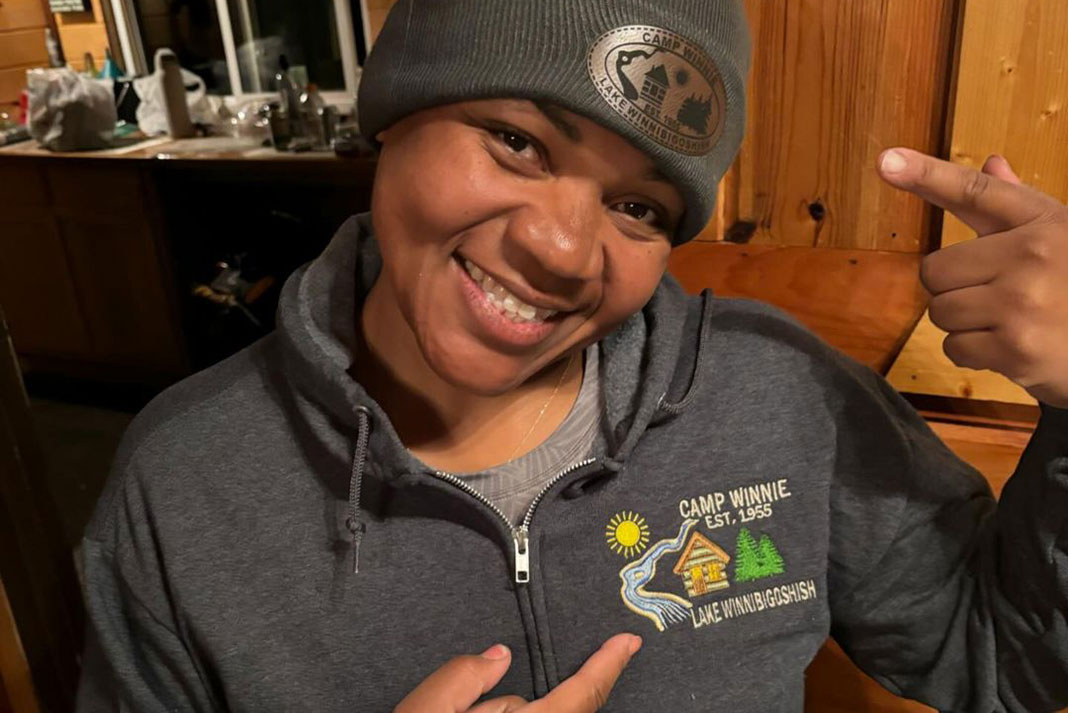
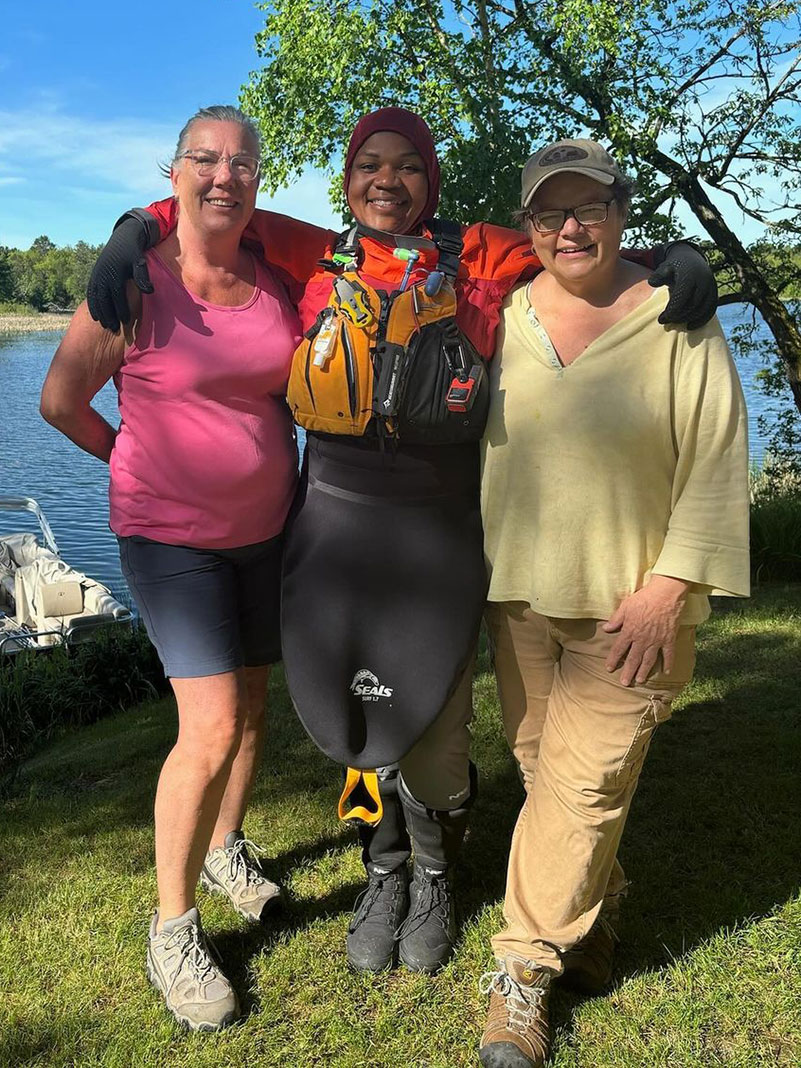
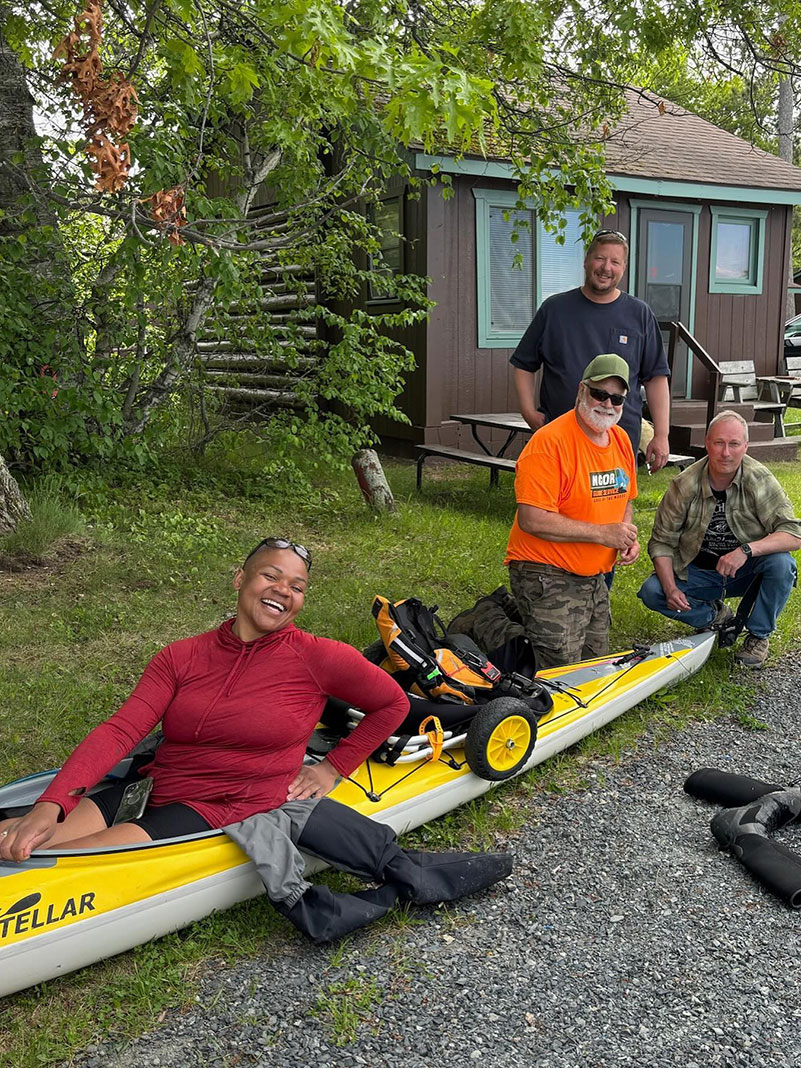
Brown has already received plenty of help along the way. | Photos: Courtesy Devin Brown
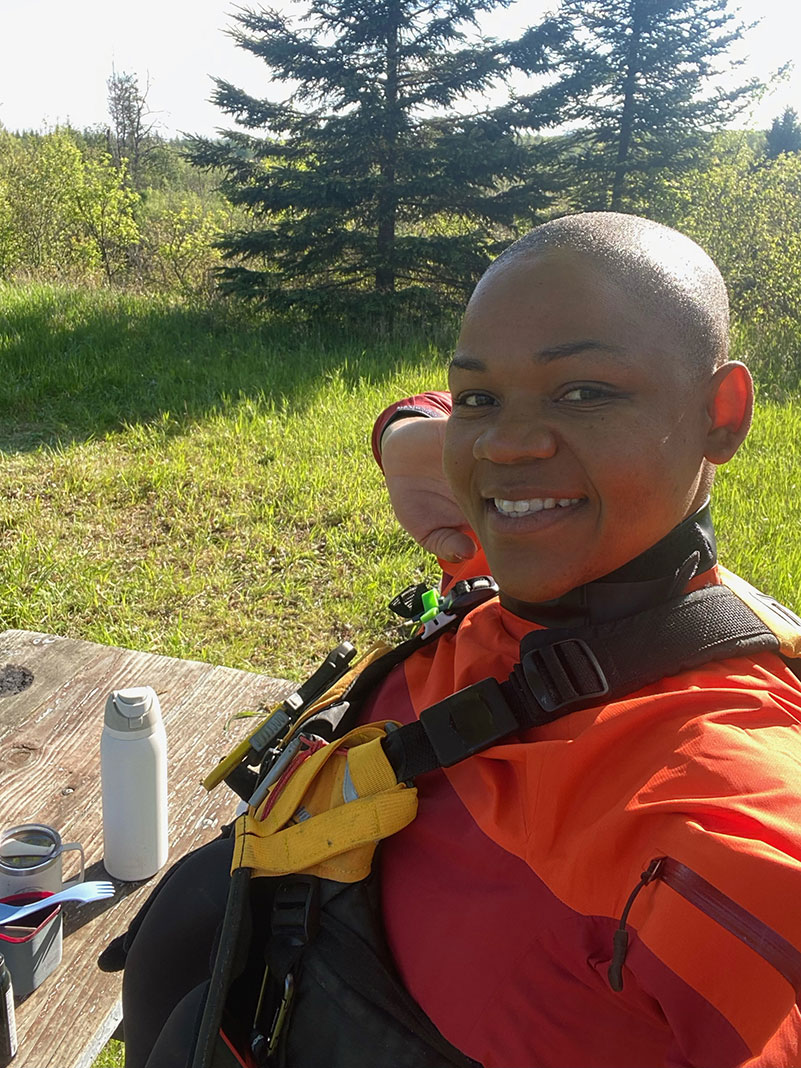
Brown doing a temperature check of Lake Bemidji the day before setting out. | Photo: Courtesy Devin Brown
What’s more, as the mother of a six-year-old son, Brown says she “doesn’t have the luxury of taking 100 days to paddle down the river.” So she’s also decided to take a crack at the speed record for paddling the Mississippi, which currently stands at 55 days. Plenty of precipitation this spring has increased her odds of accomplishing this goal.
Ultimately, the journey is an expression of someone who has “fallen hopelessly in love with the Mississippi River,” Brown says. “Life is short. We try so hard to find purpose, meaning and joy in life. Kayaking is something that gives me joy and this trip just seems right.”
Rafters on the Hells Canyon section of the Upper Klamath River. | Feature photo: Noah’s River Adventures
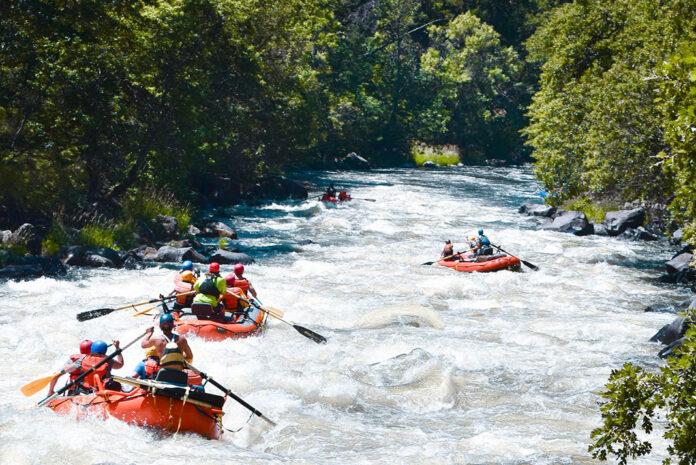
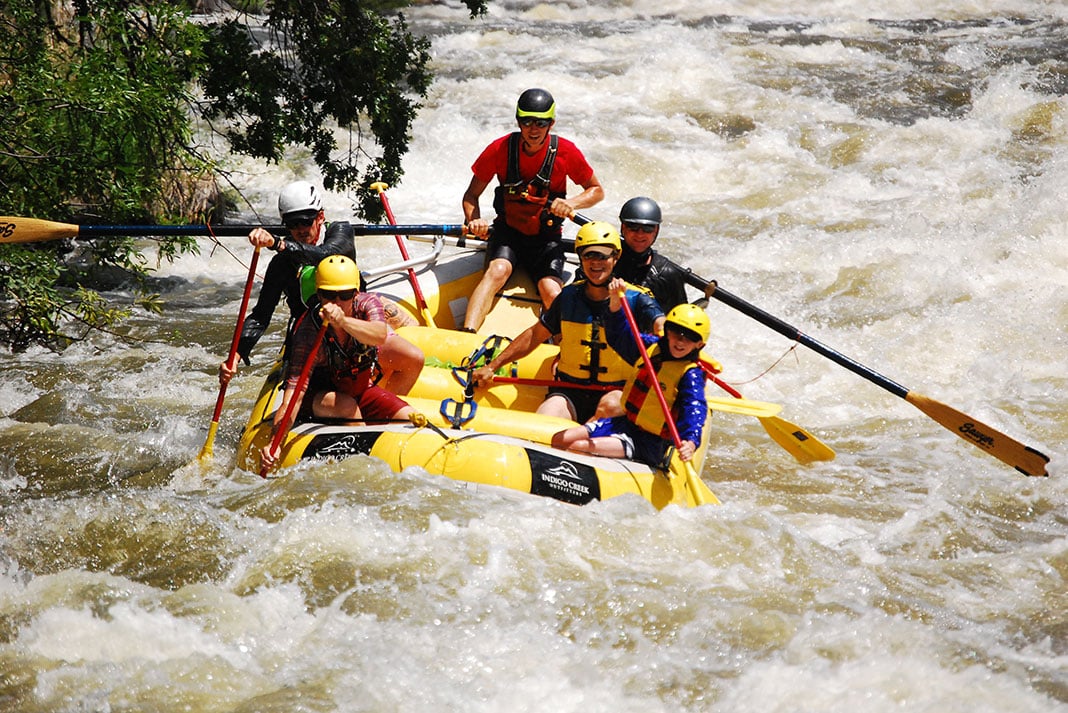
“It’s a five-eagle day,” exclaimed rafting guide Katie Duffie as we glided into a calm eddy to admire a young bald eagle perched above our heads. It was summer 2023, and we were catching our breath on a remote stretch of the Upper Klamath River in Oregon. As the bald eagle winged its way overhead and upriver in search of lunch, I couldn’t help but think its hunting was about to get a whole lot better. It was a fleeting thought as Duffie prepared us for the next rapid.
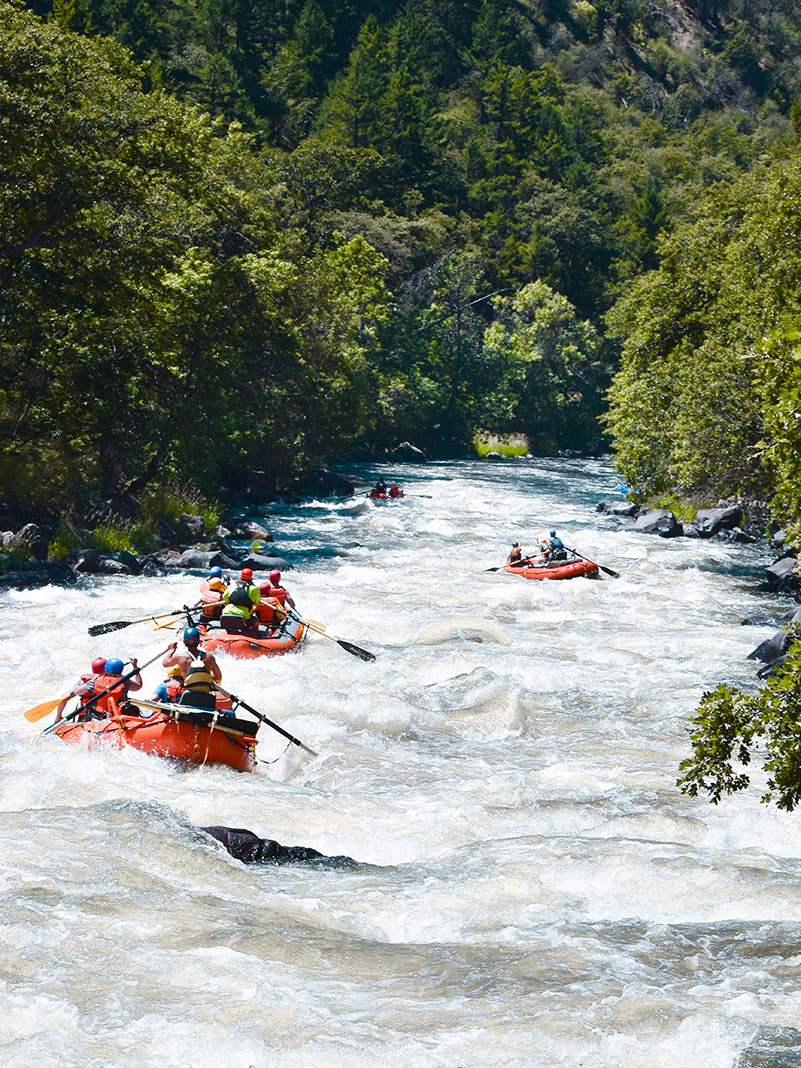
Dragon was one of six named class IV rapids with a steep drop followed by two jagged submerged rocks—dragon’s teeth—and a set of drenching waves at the end. It was on a heart-pounding five-mile section of the Upper Klamath, known as Hells Corner, part of a longer 13-mile stretch of exhilarating big water. Even in drought years, when other rivers were too low to raft, the Upper Klamath had a reputation as one of the best summer whitewater rivers in the West. Its flow depended on a combination of geography—a steep, narrow canyon constricting the river—and hydrology, a water flow of 1,000-3,000 cubic feet per second. Its flows wouldn’t have existed without an assist from a hydropower dam just upriver, the John C. Boyle. And they don’t exist now.
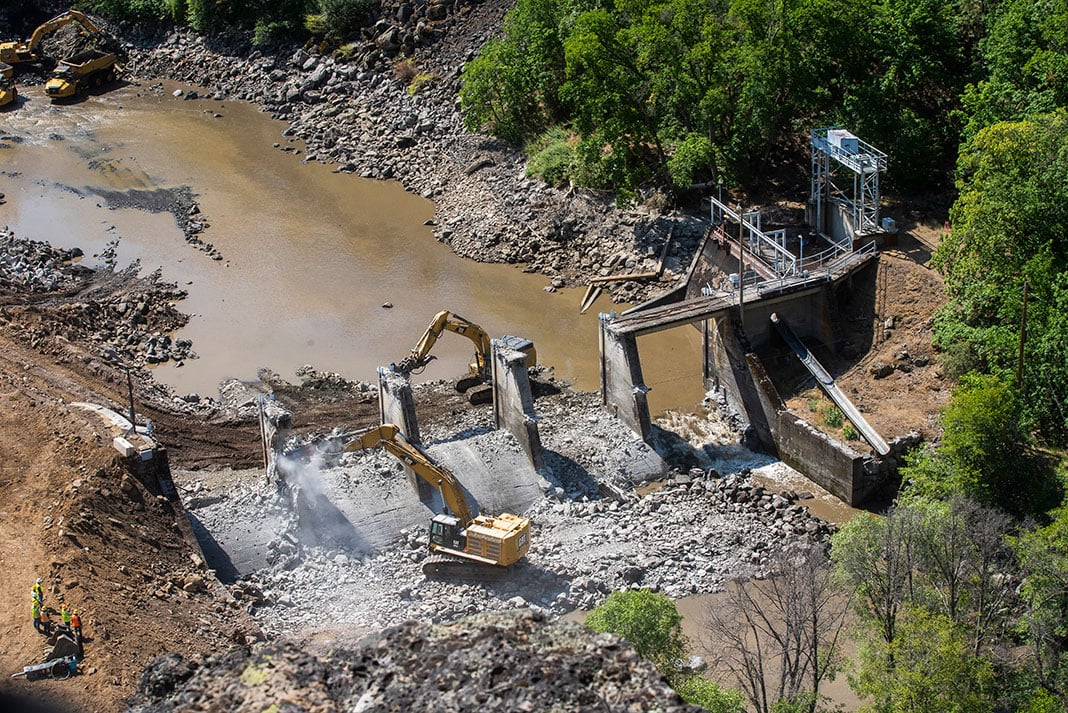
My day trip was one of the last guided rafting trips on the Upper Klamath, taken on the cusp of its historic transformation. Construction has begun to demolish four aging dams on the Klamath, including the John C. Boyle. It’s the world’s largest dam removal project and aims to return historic salmon runs to the Klamath—once the second-largest in the lower 48 states—and free 400 river miles on one of the most culturally important rivers in the western United States. The implications for river enthusiasts will ripple for years to come.
Last call on the Klamath River
Rafters on the Hells Canyon section of the Upper Klamath River. | Feature photo: Noah’s River Adventures
What’s the dam problem?
The Klamath’s restoration is part of a national reevaluation of dams on America’s rivers. According to river conservation nonprofit American Whitewater, there are 50,813 miles of whitewater rivers in the U.S. If you superimpose a map of major rivers with the locations of the 92,075 dams inventoried by the U.S. Army Corps of Engineers, you’ll discover only a handful of rivers flow freely—California’s Smith River, Montana’s Yellowstone, Idaho’s Salmon and Alaska’s Yukon all flow hundreds to thousands of miles undammed. The actual number of river-blocking dams in the U.S. far exceeds the official inventory, according to American Rivers, since the Army Corps inventory only includes dams higher than 25 feet or ones posing significant flood risk downstream.
“What makes a river attractive for whitewater boaters, a high gradient with lots of flow, also makes a good site for a hydropower dam,” says Dr. Thomas O’Keefe, a river ecologist and Pacific Northwest Stewardship Director for American Whitewater. Where dams and whitewater boating opportunities overlap, American Whitewater advocates for protecting navigable rapids and the interests and safety of those who enjoy running them.
While controlled water releases at some dams benefit outfitters and boaters by providing reliable flows, the ecological toll is undeniable. Dams block fish migration, alter natural river flows, and can significantly degrade water quality through impoundment and pollution concentration.
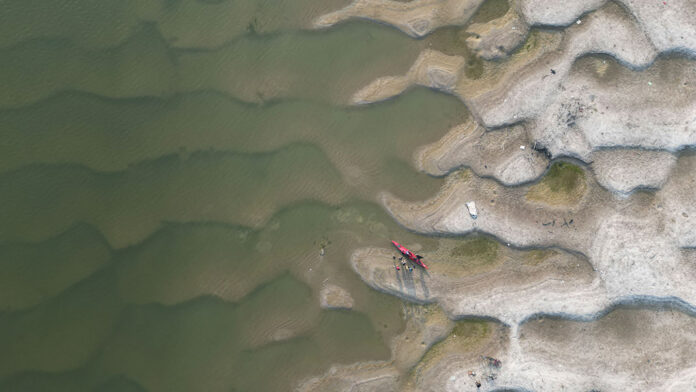
The Copco Reservoir on the Klamath was frequently overrun in summer by a bright-green toxic algae bloom, which can cause liver damage and poses risks for fish, wildlife and communities downriver, including the Hoopa and Yurok tribes. Poor water quality from the Copco Reservoir contributed to a massive fish kill in 2002, prompting renewed calls to undam the Klamath. It took another 20 years of advocacy to reach an agreement with the dam owners and transfer ownership to the non-profit Klamath River Renewal Corporation, beginning the process of removing the dams and restoring the river.
Certainly, dams have their utility. They provide flood control and hydropower electricity, and the reservoirs they impound can store water for farmers and cities, and create recreational opportunities and barge transportation. For those reasons, the U.S. was on a tear to build dams in the last century, at the rate of four a day from 1930 to 1970. But if the 20th century was the era of dam building, the 21st century is looking to be the era of selective unbuilding.
Many of these older dams, which have a design life of 50 to 100 years, are becoming unsafe and at risk of failure, overrun by silt and crumbling concrete structures. Dam operators have also run afoul of the Endangered Species Act, which requires building fish passages or replenishing stocks to prevent severe decline or extinction of endangered salmon and other species. In many cases, the profits from hydroelectric generation, which can be replaced by renewable wind and solar, aren’t enough to offset the costs for repair and for protecting fish, leading to the designation of a deadbeat dam.
Restoration’s ripple effects
Dam removal, deadbeat or otherwise, can’t come soon enough for the Indigenous communities whose identities and ways of life are deeply intertwined with impacted rivers. A study published in Environmental Research Letters in 2023 estimated more than a million acres of tribal land in the U.S. have been flooded by dams, adding to centuries of land seizures and forced displacement.
New coalitions between tribes, government, scientists, outfitters, nonprofits, whitewater enthusiasts, anglers and farmers are finding opportunities to remove dams that have outlived their usefulness and to restore rivers and fisheries. In 1999, the federal government determined for the first time the benefits of a hydroelectric dam were outweighed by the harm it caused to aquatic habitats and fisheries, leading to the removal of Edwards Dam on Maine’s Kennebec River.
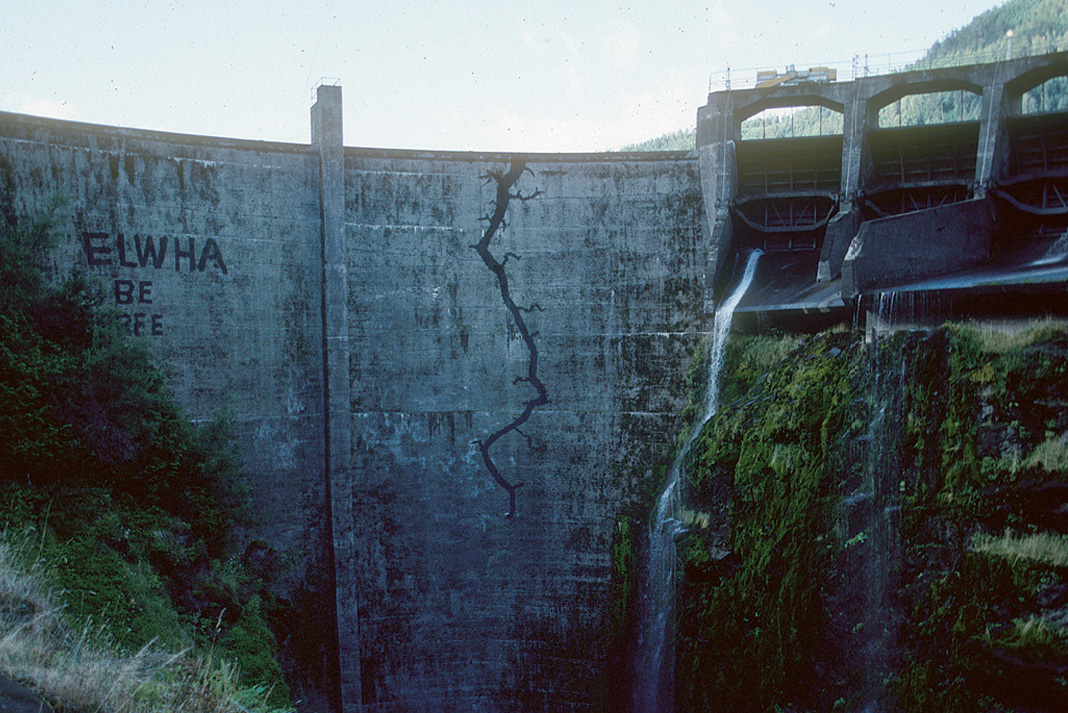
For big hydro dams, unbuilding is not an easy or quick process. Removing two dams on the Elwha River in 2011, the largest dam removal project in the country at the time, required an act of Congress and took three years to complete. For over a century, these dams blocked salmon from accessing 90 percent of the watershed and caused a population crash. The subsequent restoration led to a resurgence in Chinook salmon numbers, allowing the Lower Elwha Klallam Tribe to resume limited fishing in 2019. Boaters also returned to explore the restored Elwha Canyon, once blocked by a dam, through a class IV section paddlers cheekily call That Dam Rapid.
Another success for boaters was the tear-down of Condit Dam on Washington’s White Salmon River. On October 26, 2011, a hole was blasted through the bottom of the 125-foot-tall dam, releasing an enormous plume of charcoal-gray water down the river and draining the reservoir in hours. A year after removal, kayakers and rafters were running class III to class V rapids on the White Salmon, past the nearly invisible former dam site and extending the paddle for an additional five miles through the former reservoir to the Columbia River. Salmon and steelhead also found their way back to historic spawning grounds above the former dam, though not in full force as they still have to negotiate the gigantic Bonneville dam downstream.
Crews deconstruct Copco 2, one of the four Klamath dams slated for removal. | Photo: Shane Anderson // Swiftwater Films
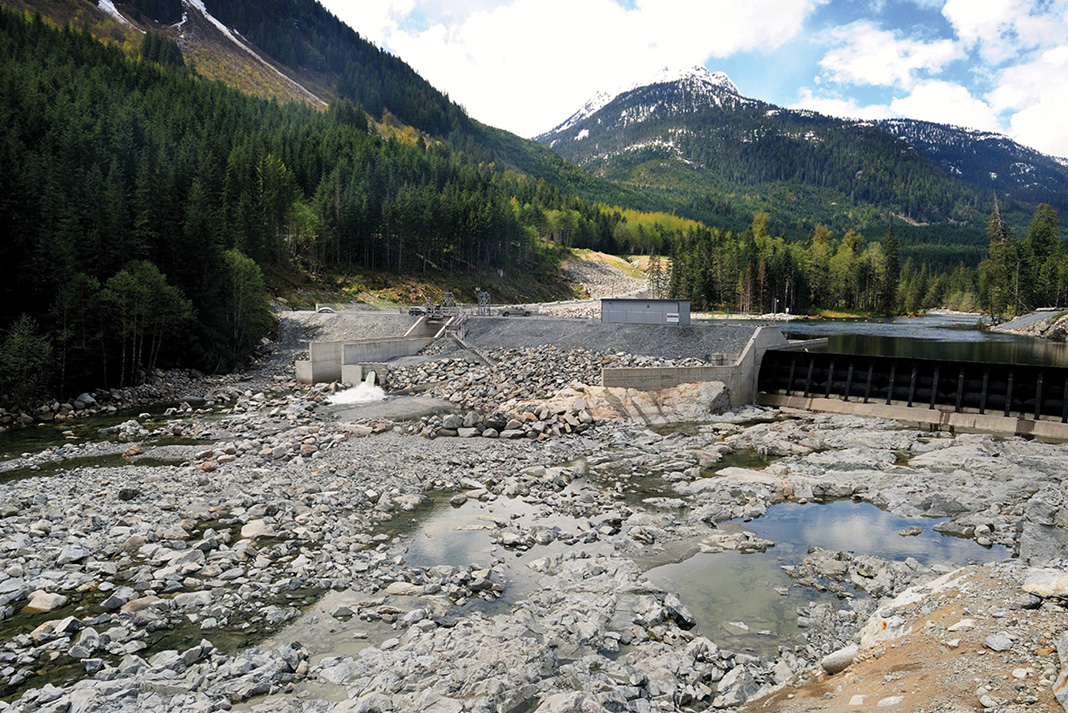
Whether the Klamath dam removals will be as successful remains to be seen, but work has ratcheted up. The first of the four dams, Copco 2, was torn down in fall 2023, opening a section of river called Ward’s Canyon, which had been dewatered since 1925. In January 2024, tunnels were opened at the bottom of the three remaining dams to drain the reservoirs behind them. Construction crews will work simultaneously beginning in March, dynamiting and tearing down the structures with heavy equipment and hauling away debris.
The Klamath River Renewal Corporation (KRRC) expects the dams on the Klamath will be gone by year’s end. During reservoir drawdown, mudflats emerged from the former footprint. Restoration crews, including members of the Yurok tribe, will plant millions of native seeds to restore and stabilize soils along the riverbank. Crews will also connect tributaries and restore salmon spawning grounds to create more habitat on the free-flowing river. The removal of four dams in such a short timeframe is a feat of planning and engineering and is considered the best way to clear the river of reservoir sediment quickly, as too much turbidity depletes oxygen and harms fish.
Dam removal can be a paradoxical topic for boaters and outfitters who care about both river health and reliable whitewater. While removing the John C. Boyle dam marks a significant win for river restoration, it also ushers in a new era for whitewater rafting on the Klamath, necessitating adjustments from both outfitters and enthusiasts.
Water releases from the John C. Boyle had been a mainstay for a handful of southern Oregon rafting companies for four decades. Despite the hit to business, “We strongly believe dam removal will lead to a healthier Klamath River system and, if done correctly, would also be good for surrounding communities and local economies,” the Upper Klamath Outfitters Association stated.
But transformation isn’t without growing pains.
“It hurts,” said Bart Baldwin, owner of Noah’s River Adventures, which has run trips on the Upper Klamath since the 1980s. The Hells Corner trip made up between 40 and 60 percent of business. “It’s one of—if not the best—whitewater trip west of the Rockies. You have warmer water, beautiful scenery, and mile after mile of rapids.”
The Hells Canyon section on the Upper Klamath River had a reputation as one of the best summer rafting experiences in the West. | Photo: Indigo Creek Outfitters
In 2023, Noah’s and other Upper Klamath River outfitters offered big water summer trips for the last time, serving an estimated 4,000 clients and generating more than $500,000.
“It’s bittersweet, like saying goodbye to an old friend,” added raft guide Duffie, who guided my trip last year through Hells Corner below the John C. Boyle dam. “I’m sad to lose big exhilarating whitewater all summer. But I’ll be happy to see the river free and wild again and excited to see what new stretches of whitewater open up.”
[ Plan your next Western whitewater river trip with the Paddling Trip Guide ]
Before work began, KRRC commissioned a group of hydrologists and whitewater boaters to evaluate potential changes to river flow and impacts on boating after dam removal. While acknowledging summer flows will be lower through Hells Canyon and require higher technical skill to navigate, the newly opened Ward’s Canyon will provide “exciting new whitewater boating opportunities,” according to the commissioned report.
Thanks partly to American Whitewater advocacy and commercial outfitter requests, the restored Klamath River should offer easier access with more put-in and take-out locations. Previously, more than 90 percent of boating was commercial due to the difficult logistics and rapids. The trickiest part for outfitters in the future will be timing.
“Flows will be more variable,” said Duffie. “It will be weather dependent, and we’ll watch snowfall and rain closely.” The best whitewater opportunities in Hells Corner will shift to spring, between March and May, rather than summer and fall, when dam releases artificially boosted the flow from less than 1,000 cfs to 1,500-2,000 cfs.
Noah’s River Adventures owner Baldwin is considering how to pivot his business once the river opens again in 2025. “I have to be open-minded; our guests have to be open-minded,” he said. Baldwin will run spring trips but said it will be a different experience with wetsuits rather than shorts and sandals. “It might be sleeting at the put-in. They’re still going to have a good time and remember the experience for a long time, but on a 100-degree day, they’re not worried about water splashes because it feels so good,” he added.
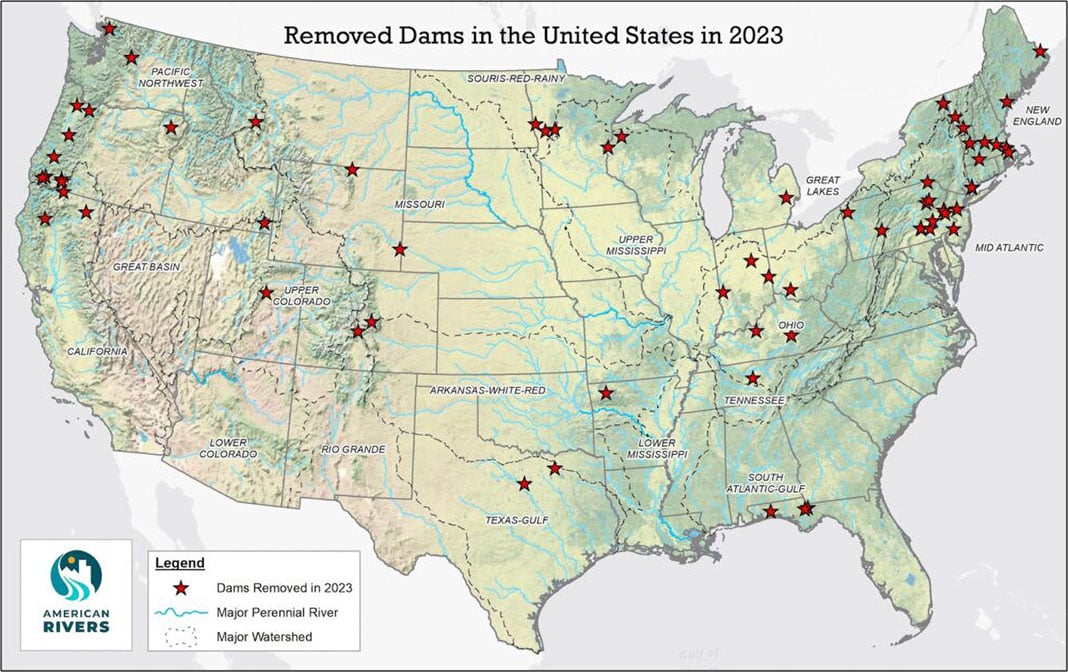
Baldwin might offer fishing trips or multiday floats through parts of the river previously off-limits or flooded by reservoirs. He’s testing smaller, lighter boats to get through rapids with lower flows. The readjustment the Upper Klamath River outfitters face is unique but also increasingly common as more dams are dismantled and rivers freed. Eighty dams were removed in the U.S. in 2023, according to America Rivers. The organization predicts another 90 to 100 will be removed this year, with the number of dam removals growing at 10 percent per year.
Now that removal is underway, Baldwin looks forward to seeing how the river sorts itself out. “I’ve always thought, ‘This sucks this has been taken away from us,’” he said. “But I’ve been down to see the river flowing again with no artificial peaking; it affected me more than I thought it would.”
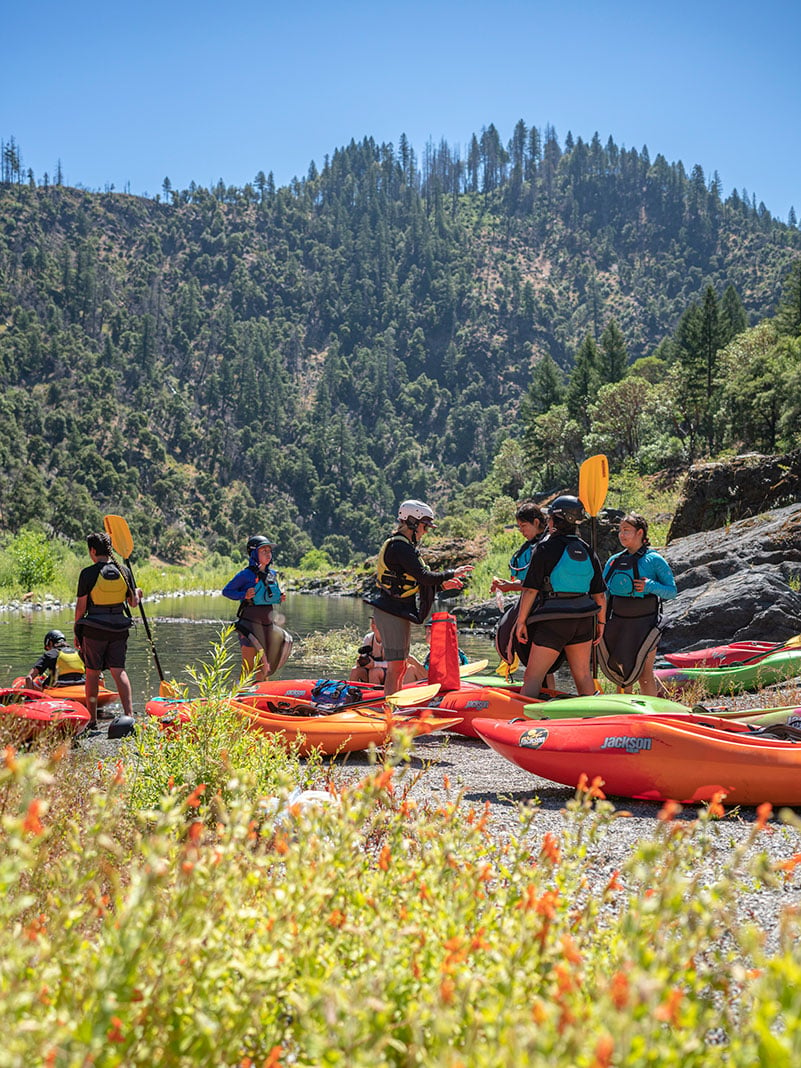
As part of the Paddle Tribal Water program, a group of Indigenous youth is learning to whitewater kayak to become the first people to paddle the restored river from source to sea. | Photo: Paul Robert Wolf Wilson
First call on the Klamath
Everyone will have to wait until 2025 to boat the undammed Klamath, but the rights for first descent belong to a special group of Tribal youth organized by Rios to Rivers. For two years, Indigenous youth from the Yurok, Hoopa, Karuk and other local tribes have been learning whitewater kayaking skills in preparation for a 400-mile journey from source to the sea. Whitewater is a new experience for some intertribal youth; others have a deeper relationship with rivers.
“I grew up on the Trinity and Klamath rivers, knowing those are our home places and our sacred places, where all of our food came from and a lot of who we are in our culture,” said Danielle Frank, a Hoopa tribal member and the developmental coordinator for Rios to Rivers’ Paddle Tribal Water program. She was born right after the 2002 fish kill on the Klamath and was submersed in the climate movement from a young age. Her father was a frontline activist who fought to remove the Klamath dams.
“We’ve been hearing about this for a long time, and it’s finally here,” she said. “It’s a pretty momentous occasion, and celebrating it with these kids is pretty special.” Frank is currently studying environmental science and hopes to become a fisheries biologist so she can continue spending time on the water.
While learning to whitewater kayak is essential to Rios to Rivers, the training program is more than a recreational pursuit. It’s also about healing and reconnecting to a culture that once navigated these waters in canoes.
“Technically, this is not a first descent,” Frank said. “Our people have been in this river on canoes since time immemorial.”
Frank and the other Rios to Rivers leaders are planning the weeks-long trip next summer with 28 Indigenous youth, primarily from the Klamath River basin. In the process, they traveled to the deconstruction sites and learned how the river and its salmon populations will be restored. They’ve met with elders and members of the Shasta tribe to discuss the tribe’s sacred connection to Ward’s Canyon. Part of being responsible for the first descent, she points out, will be modeling ways to show respect and honor the river’s sacred places. Along the way, she wants participants to develop their leadership skills and reflect on how the river and their futures are intertwined.
“I hope we can teach these kids there’s a reason to stay home and build a life around the river. With a restored river, I hope it’s another avenue for them, rather than leaving the reservation.”
Mary K. Miller is a journalist from the San Francisco Bay Area. A grant from the Society of Environmental Journalists supported her reporting on this story.
This article was first published in the Spring 2024 issue of Paddling Magazine. Subscribe to Paddling Magazine’s print and digital editions, or browse the archives.
Rafters on the Hells Canyon section of the Upper Klamath River. | Feature photo: Noah’s River Adventures
On May 6, Jackson Kayak announced the purchase of Werner Paddles, forming an alliance between two powerhouse paddlesports brands that have been in operation since 2004 and 1965, respectively.
The acquisition was eight months in the making, but according to Emily Jackson, marketing director at Jackson Kayak, the company had been looking for acquisition opportunities for the last year and a half.
“Basically we have a very large factory and there’s only so much we can produce out of that factory as far as kayaks go,” she explains. “So we’d been looking to find a company we aligned with to potentially bring in production in Sparta, Tennessee.”
[ Paddling Buyer’s Guide: View Jackson kayaks ]
The priority was to find a company representing similar synergies as Jackson, such as offering higher end products and working with dealers. Then came word that Werner Paddles was facing challenges manufacturing paddles at their factory in Washington.
Feature photo: Peter Holcombe
“We recognized we had the solution for that in a sense of manufacturing in Tennessee is just a great state,” says Jackson. “It’s a lot more affordable. And it’s a very easy state to manufacture goods in in comparison to the Pacific Northwest.”
Conversations between the two companies began. According to Jackson, Bruce Furrer, owner of Werner Paddles, was deciding between moving the company or selling. At the end of the day, selling Werner made the most sense.
“Anyone that’s manufacturing on the West Coast right now is definitely struggling with the rising cost,” says Jackson. “Paddlesports as a whole doesn’t match the levels of inflation with how much it requires for us to actually produce these goods.”
It was a “perfect storm,” continues Jackson, for Jackson Kayak to have space for Werner Paddles in their factory and to be able to help them continue their legacy.
What’s in store for Werner
For the time being, paddles will continue to ship from Washington, while Jackson Kayak and Werner work to set up production in Tennessee. The goal is to begin manufacturing all Werner paddles in Tennessee in August.
[ Paddling Buyer’s Guide: View Werner paddles ]
Another component of the acquisition has been working to bring the Werner team to the Southeast. All employees at Werner were extended an invitation to make the move.
“The moving of the product, the moving of the machinery, all that is one thing,” says Jackson. “But then it’s also getting the right people in our factory for a period of time to ensure that the paddles are made to at least the same level of quality, if not even better eventually.”
For the meantime, Jackson Kayak will be maintaining the product lineup at Werner, with a plan of using the rest of the year to assess what’s being offered and ensure the lineup is sustainable. In other areas, changes have happened right away, such as bringing reps back onto the Werner team—positions that were eliminated during the pandemic.
Jackson says the company is grateful to Furrer for trusting them with Werner.
“With the resources we have, the space we have, the factory in Tennessee, the team we have, the reps we have—I’m really excited because I think it’s going to reinvigorate even more energy back into Werner.”
Orton went missing on May 16 while paddling with a group on the lower Melezza River in the Ticino Region of Switzerland. Community pages shared that Orton had become trapped in a recirculating feature and had not resurfaced.
Following the event, the British news outlet the Mirror published a statement from a spokesperson from Ticino Police: “Shortly before 2:45 p.m. in the area of Palagnedra, a man who was previously in a kayak was reported missing in the Melezza River. The searches—currently unsuccessful and still ongoing—began immediately and involve agents from the cantonal police and, in support, from the Ascona police as well as rescuers from the Locarnese and Valli Ambulance Service.”
The Daily Mail reported that following Orton’s disappearance, a group of 15 kayakers continuously conducted search efforts within the river corridor.
On May 30, 2024, the Ticino Police stated, “Shortly before 1 p.m. in Locarno, the lifeless body of the man who disappeared on May 16 while kayaking in the Melezza was found in the waters of Lake Maggiore. The alarm was triggered by a sailor who found the body in the water and immediately notified the emergency services.”
Remembering Bren Orton
Orton was one of the most gifted paddlers of his time. He was known for aerial freestyle displays on high-volume river waves and descending demanding sections of river around the world, including one of the tallest waterfalls ever run—128-foot Big Banana Falls.
More so though, Orton will be remembered as an ambassador of the sport, bringing a grinning ear-to-ear stoke both on and off the water. He was a person who provided encouragement to paddlers of all abilities he encountered. And through the authentic and welcoming persona he displayed on his online platforms, including the Senders YouTube channel, he fostered a connection with countless others.
In the weeks since Orton was first reported missing, the evidence of his impact on the sport has continued with outpourings of admiration and tributes from across the whitewater community.
Dane Jackson: “13 years, 17 countries, and not a single second together was time wasted. I look back on some of the best times of my life and so little of it I didn’t have you with me. As long as we were together, it didn’t matter where or what we were doing, it was going to be the best time. […] You were the best on and off the water, your creativity and motivation inspired me and so many others, and will continue to do so. I am grateful for the joy you brought to my life, and everyone else around you.”
Shane Simoneaux: “I’ll never forget the feeling I had when I listened to this voice message from Bren. I was still just about a year into kayaking and sending him videos to review and give me tips. He made me feel like I had a chance to be a really good kayaker (even though I was probably still a mega beater). I’m sure I’m not the only person he made feel this way either. To have someone you respect so much speak to you this way propels the human spirit to do more, and to really believe in yourself.”
Laura Hofberger: “I hope you knew what a positive effect you had on people. You were not only a good friend but also an idol for me. You always inspired me to try to be my best version, to be more like you. You were an even better person than a kayaker. And that says bloody a lot. You were kind to everyone, did everything with all your heart, celebrated life and chased your dreams. You truly lived.”
Huw Butterworth: “I can’t explain the influence you had on me, and saying that I would not be where I am right now if it wasn’t for you is not an overstatement. You helped me with little things like making sure my camera was set to the right settings, and bigger things like pushing me to make the right moves in my paddling career. I will always aspire to have high levels of stoke and kindness like you!”
Zack Mutton: “I’m grateful for the friendship I shared with Bren. In the last 3 years he was with me for some pivotable life moments on the water and was there for me when I needed it most off the water. It goes without saying he was one of the best well rounded paddlers in the world and invaluable to the kayaking community as a whole. He loved sharing his stoke for kayaking and took time for people that looked up to him. Bren helped me to mature as a paddler both skill wise and mentally. He wasn’t afraid to be harsh and tell me how it was sometimes, and he stood for what he knew was true & right. I came to hold a lot of respect for him and he will continue to influence my life. As life goes on I will try to live my life as Bren did: courageously and bravely approaching life’s adventures head first, one at a time.”
Emily Jackson: “I remind myself of the difference between Living and Being Alive- and the blessing of being surrounded by individuals that know the difference. If you take time to listen to Bren’s videos, interviews, podcast you’ll notice he was incredibly self aware of this truth and pursued living life to the fullest […] May we use Bren’s energy to prioritize the passions and people that make us feel the most alive.”
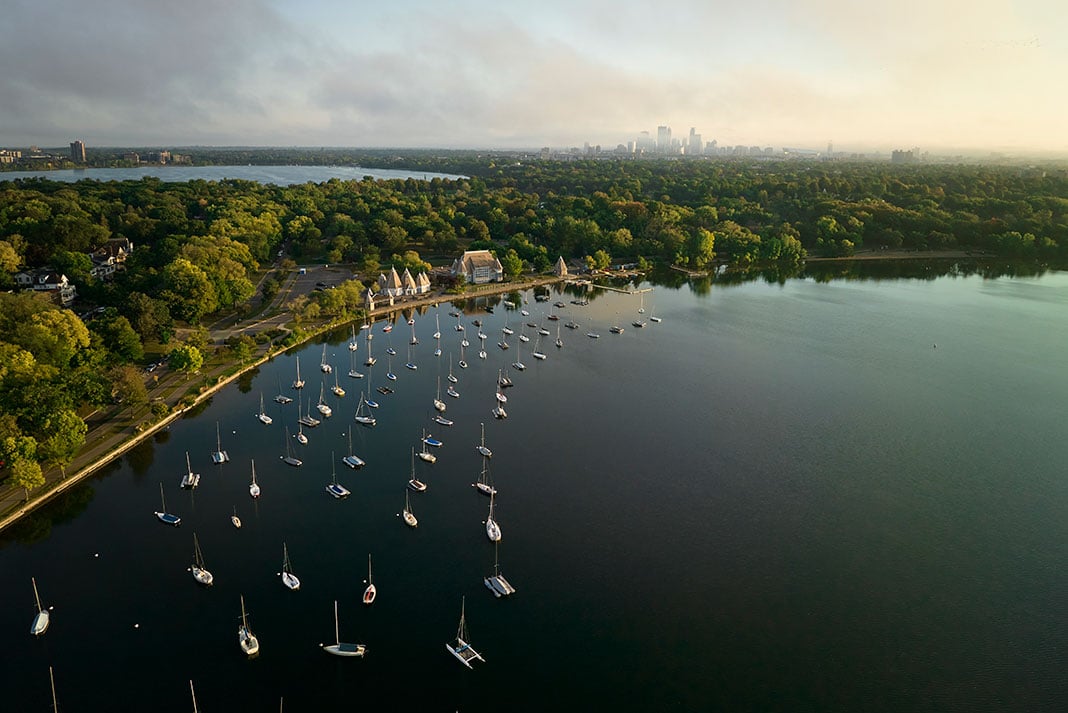
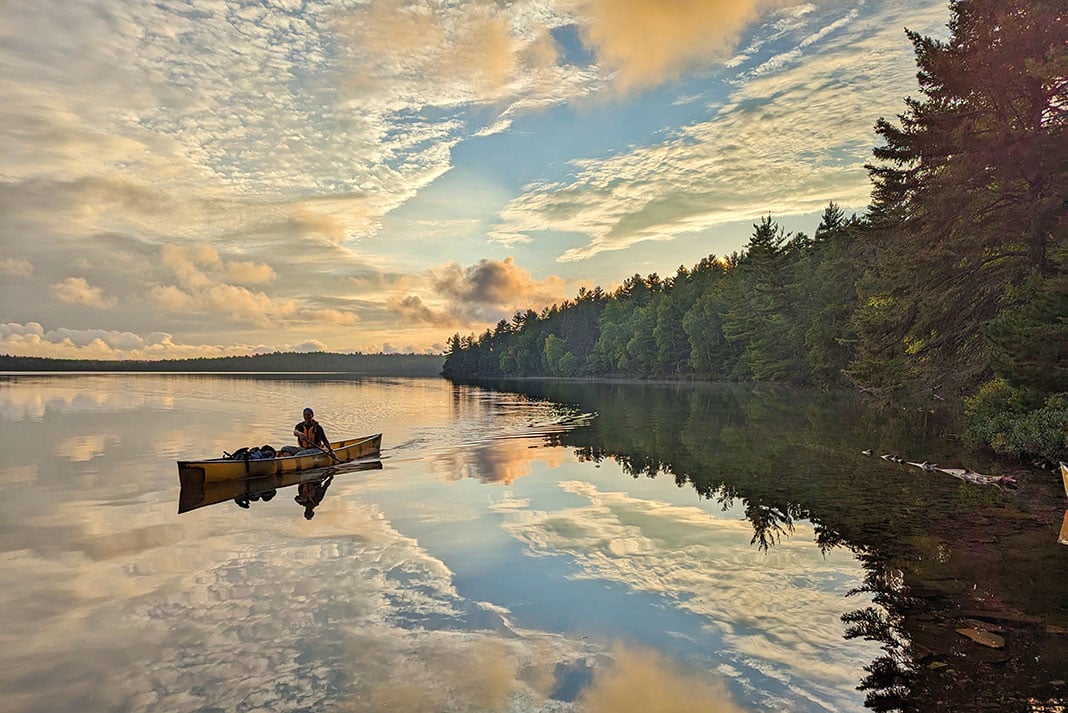
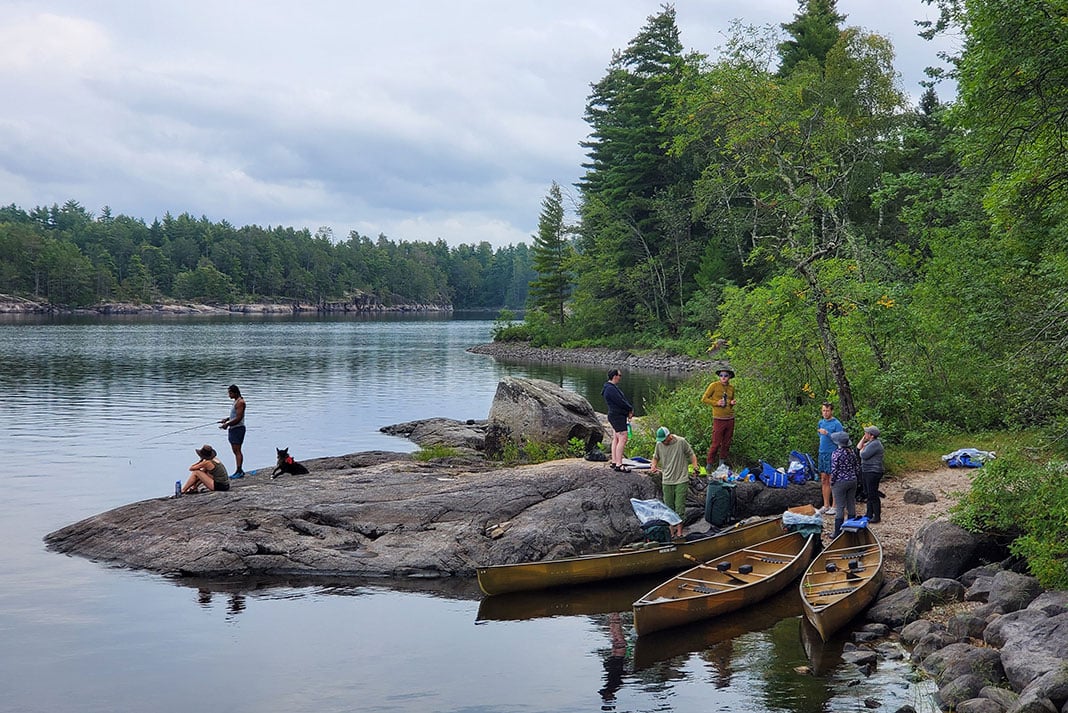
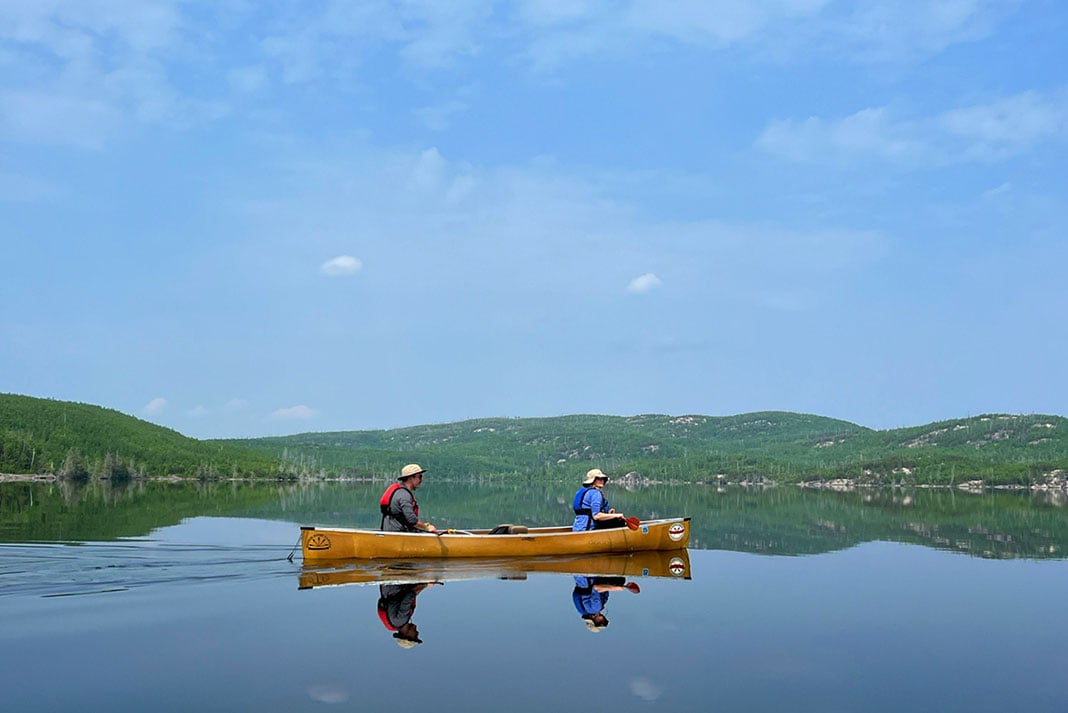
Minnesota’s more than 10,000 beautiful lakes and abundance of wild rivers make this a place seemingly purpose-built for canoe tripping. With so many tempting options to choose from, it can be challenging to know where to start. Thankfully, the state is also home to plenty of professional outfitters offering expertly guided trips to turn your paddling dreams into reality.
Guided trips are perfect for novices, families and individuals looking to join a group. But these all-inclusive getaways also offer a pampered alternative to roughing it for more seasoned canoe trippers. Say goodbye to freeze-dried meals; treat yourself to the luxury of being wined and dined on a fully outfitted trip.
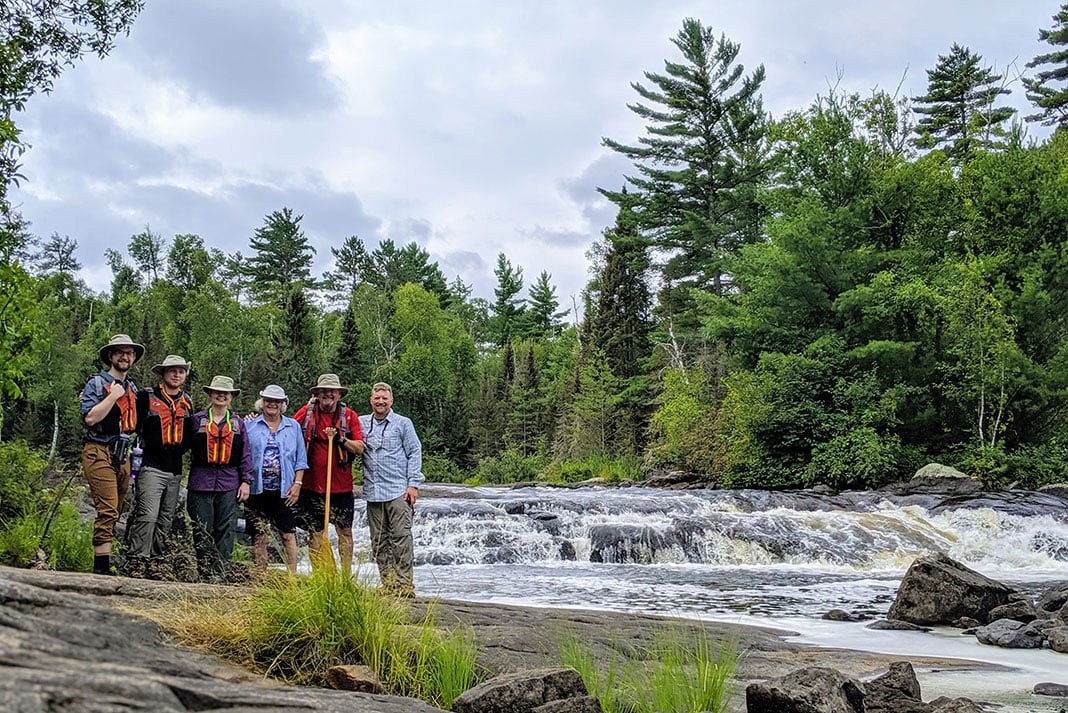
Beyond convenience and amazing food, you can trust these local experts to take care of all the complex logistics, including permits and shuttles, providing top-notch paddling equipment, and planning the best itineraries to take in all the highlights. Whatever your canoeing skill level, your guides can help you brush up on technique, as well as keep you safe and offer interpretation to enhance your experience.
We’ve explored Minnesota’s top canoe tripping destinations to assemble a list of the best all-inclusive paddling escapes, including relaxing family getaways, challenging backcountry adventures and everything in between.
The trip: Boundary Waters Base Camp: Potlikker and Smoke with Chef Lachelle
If you enjoy exploring and eating locavore, join this four-day culinary wilderness adventure in the Boundary Waters Canoe Area Wilderness (BWCA). Guests will spend their days paddling, portaging and foraging in Minnesota’s acclaimed canoe area, and their evenings learning, cooking and eating with Minneapolis-St. Paul chef Lachelle Cunningham.
The outfitter
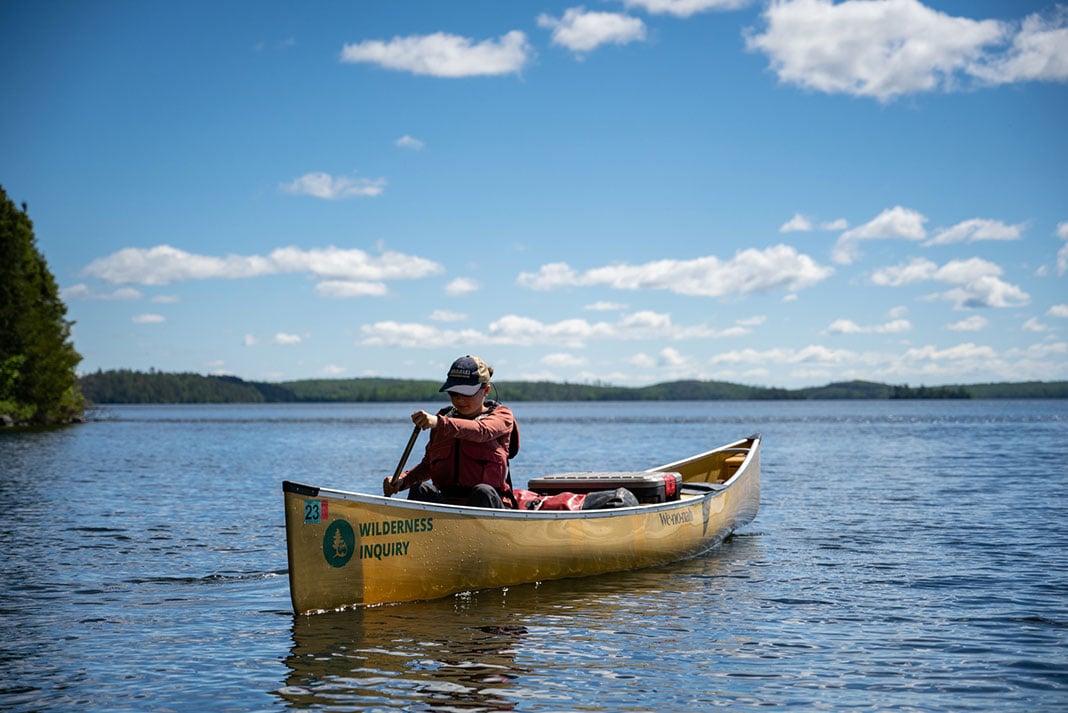
Minneapolis-based Wilderness Inquiry has been leading canoe trips in the Boundary Waters’ million-acre wilderness since the 1970s. Their BWCA guided trips combine decades of intimate experience with top-notch food and gear. Trip options include a quintessential five-day canoe trip on Sawbill and Kelso lakes, a challenging seven-day expedition, or a relaxed five-day base camp and family canoe and hike adventures. For a more luxurious experience, choose their four-day lodge-based adventure centered out of stunning Wintergreen Lodge on White Iron Lake.
Best for
Adults seeking an introductory BWCA adventure and a meaningful exploration of natural foods.
Bonus perk you can’t resist
Themes of wellness and relaxation continue with guided movement exercises on the beach, yoga, breathwork, a sound-healing experience and forest bathing.
Travel the world-renowned Boundary Waters Canoe Area Wilderness during the quiet season and see the boreal forest in all its fall color splendor. A late September departure ensures this six-day guided canoe trip takes in the best of the North Woods’ vibrant autumn displays, including showy aspen and golden birch. Wildlife is also on the move in the fall, increasing your chances of seeing moose, bear, otter and beaver—or even hearing the howl of wolves as you enjoy a crackling campfire.
The outfitter
Long-standing Ely-based outfitter, Piragis Northwoods Company, provides custom trips as well as scheduled guided canoe trips for groups with unique themes, including fishing trips, a women’s-only canoe trip, and a Boundary Waters stargazing canoe trip. Piragis also offers a practical “Jump Start” guide service, which includes a one-day primer with a professional guide to set you off on a successful trip. Boundary Waters gear rentals and partial and complete outfitting are also available.
Best for
Photographers, wildlife enthusiasts, those looking for relaxed-to-moderate daily distances.
Bonus perk you can’t resist
Don’t miss the impressive bookstore, featuring many outdoor titles, at Piragis Northwoods’ central location in downtown Ely.
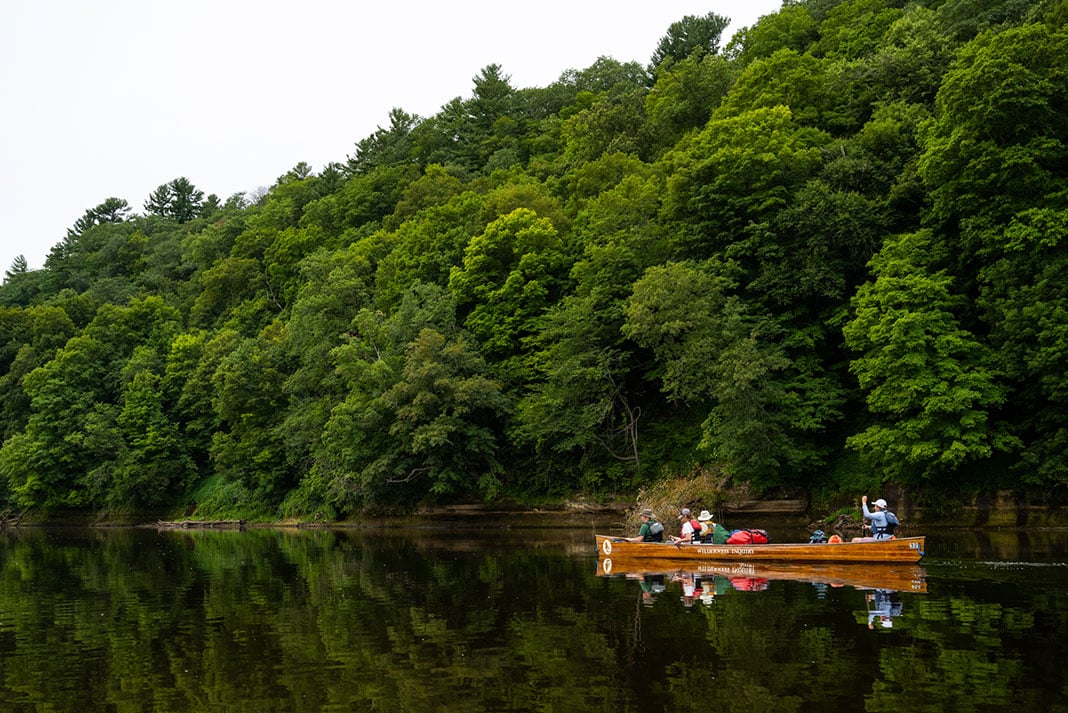
This three-day adventure promises a fun-filled family camping experience along the beautiful and historic St. Croix River between Minnesota and Wisconsin. Marvel at a 200-foot gorge, Ice Age potholes and scenic rock formations sculpted by this National Scenic Riverway—widely considered one of the best canoeing rivers in the country. You’ll paddle spacious and stable 24-foot North canoes down the easy-flowing water, enjoying scenic campsites along the way.
The outfitter
A Minneapolis-based nonprofit specializing in equitable access to the outdoors, Wilderness Inquiry creates memorable journeys for families and youth. They’ll handle all the equipment, logistics and meals on this relaxing weekend escape—just bring your sense of adventure.
Best for
Families—easy paddling makes this a great option for all ages and abilities.
Bonus perk you can’t resist
Superb swimming in the clean, clear water of the St. Croix River.
Experience the magic of the Boundary Waters with others who identify as LGBTQ+ on this four-day, all-inclusive canoe camping trip. You’ll be geared up with the best canoeing and camping equipment, feast on mouthwatering meals, and enjoy days of both travel and base camping. This trip is queer-guided and focused on building community and learning with one another in a safe and supportive environment.
The outfitter
Ely Outfitting Company is a gay-owned business that supports diversity and inclusion in outdoor spaces. They offer personalized guided canoe trips for groups of up to eight, ranging from two to eight days, with longer expeditions available. Or choose from women’s-only, beginner or photography group trips in the Boundary Waters. Guides will teach you the camping and paddling skills you’ll need for future trips, while providing insight into the local history and your natural surroundings.
Best for
Friends and individuals who identify as LGBTQ+.
Bonus perk you can’t resist
Discovering waterfalls and wildlife while traveling in the wilderness with other bold members of the LGBTQ+ community.
Departing from Minnesota Highway 61, this three-day trip travels the remote eastern section of the famed canoe area. Explore a scenic region filled with spectacular bluffs, remote waterfalls and crystal clear waters, making this the perfect introduction to the Boundary Waters for beginners.
The outfitter
Border Lakes Tour Company is a Grand Marais-based outfitter that offers a range of Boundary Waters day and multiday guided trips. Scheduled group tours and custom private trips are available.
Best for
Solo travelers, couples, friends and families with all levels of experience.
Bonus perk you can’t resist
Dinner specialties include steak fajitas and Korean rice bowls.
Travel the historic Voyageur Highway through the Boundary Waters Canoe Area Wilderness on this six-day paddle-and-portage adventure. Expect a challenging route where you’ll pitch your tent in a new campsite every night, view captivating Indigenous pictographs and witness spectacular Basswood and Curtain falls. Rugged portages and deep wilderness round out this classic BWCA experience.
The outfitter
Piragis Northwoods Company is one of the vibrant businesses that makes downtown Ely such a great place to visit. From its Central Avenue location, Piragis offers rentals, outfitting and sales—along with a variety of popular theme-based guided canoe trips, including fishing, women’s and stargazing trips.
Best for
Adult canoeists looking for a challenge—this is a moving trip with many miles and many portages.
Bonus perk you can’t resist
Searching the sheer cliffs of Picture Rock for images of animals, birds and spiritual figures painted centuries ago by Indigenous paddlers.
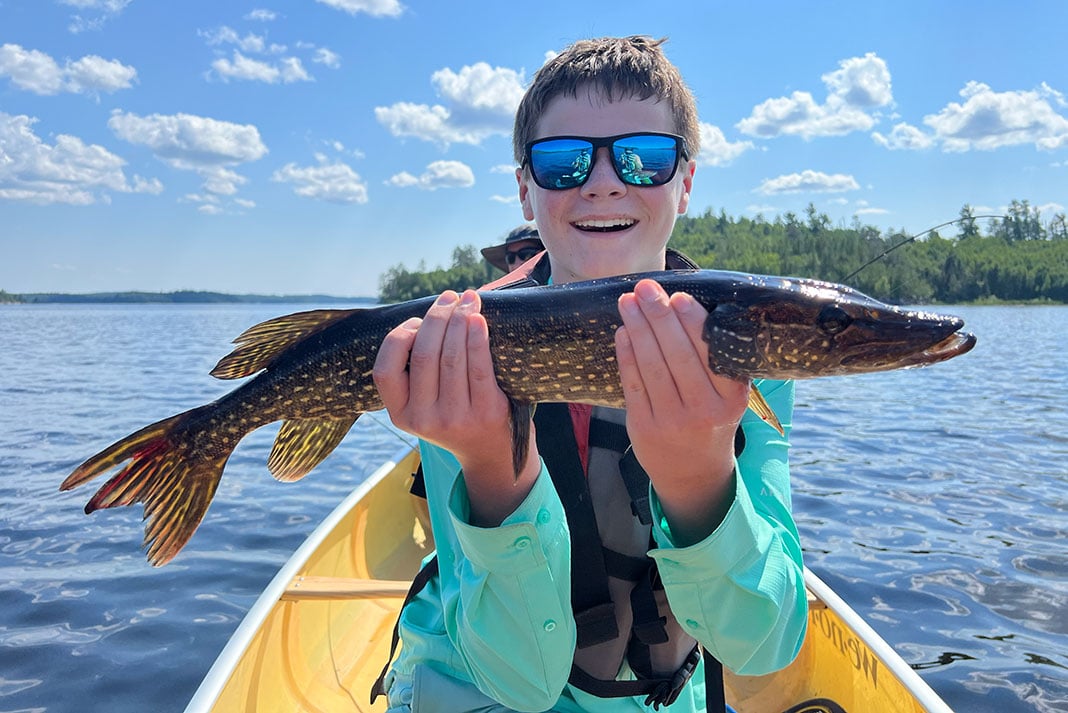
From feisty smallmouth bass and northern pike to elusive lake trout and the tastiest walleye, the Boundary Waters is an angler’s paradise. Expertly tailored for die-hard anglers, Moose Track Adventures’ custom canoe trips offer an all-inclusive, guided Boundary Waters getaway with lots of great fishing and an insider scoop. Routes are selected based on your interests, desired intensity and skill level, as well as scenery and trip length.
With direct access to the BWCA near Ely, Moose Track Adventures’ experienced canoe and fishing guides specialize in helping anglers make the most of the Boundary Waters’ outstanding sportfishing. Enjoy a stay in the outfitters’ lakefront housekeeping cabins before or after your canoe trip.
Best for
Angling enthusiasts.
Bonus perk you can’t resist
Savoring your fresh catch, prepared gourmet by your guide.
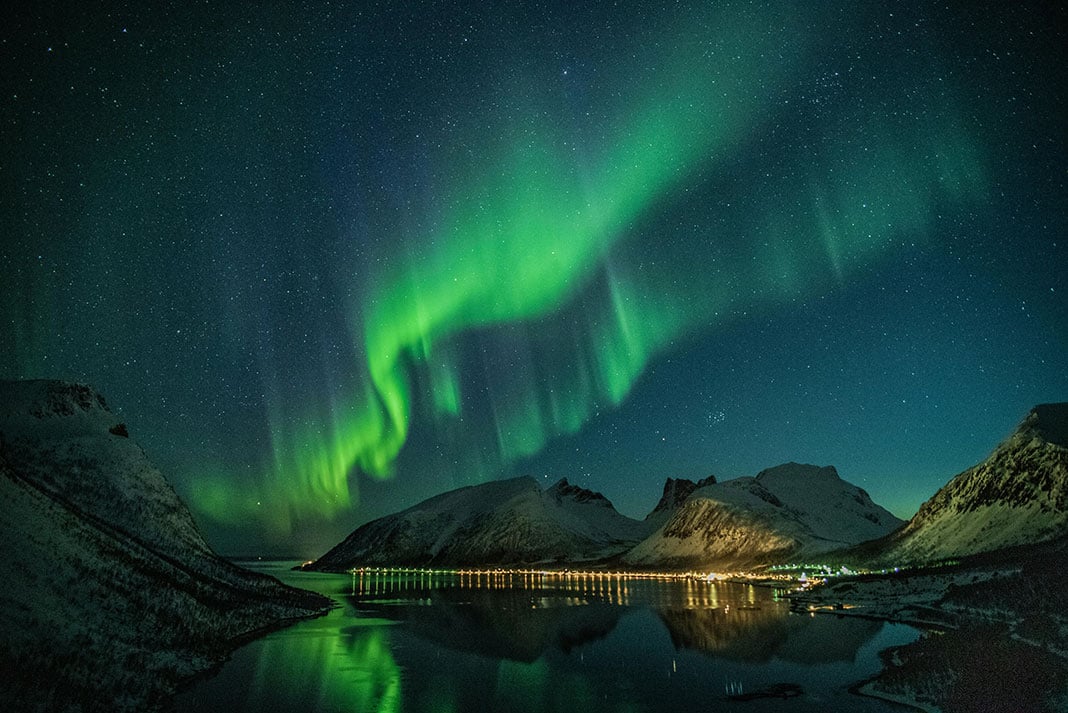
According to Expedia, 71 percent of Canadians haven’t seen the northern lights—but they definitely want to. In fact, the travel hub’s survey indicated that a growing desire to witness the amazing kaleidoscope of colors that lights up the night sky, particularly in high-latitude locations, is the greatest travel trend of 2024. What better way to see the northern lights than on a paddling trip?
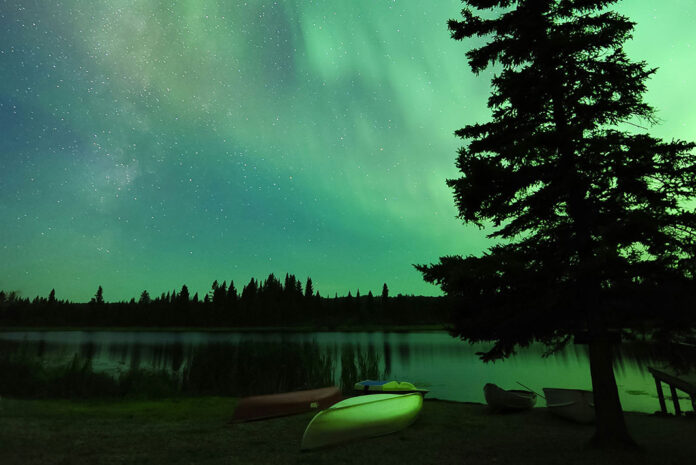
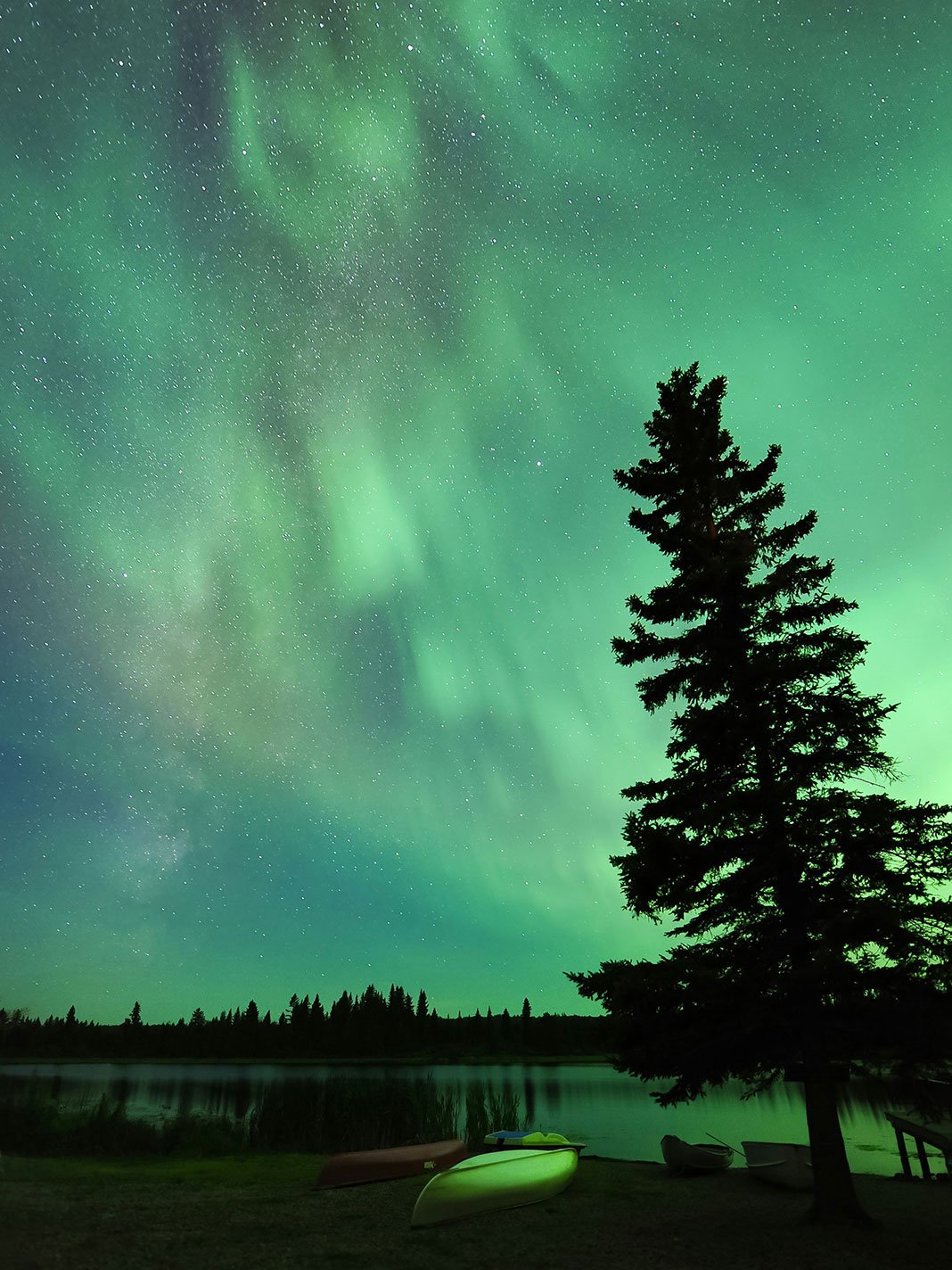
Aurora borealis, familiarly known as the northern lights, occur when strong solar storms pummel the Earth’s magnetic fields with charged particles. Just as meteorologists predict the weather, experts can also forecast the likelihood of northern lights. The National Oceanic and Atmospheric Administration (NOAA) is predicting that northern lights will peak in the summer of 2025, as the sun’s magnetic field shifts and solar storms become stronger (don’t worry, this is a normal cycle). Short-term space weather forecasts are also available.
It is a special treat to see the northern lights dancing over your campsite on a canoe or kayak trip. It makes sense that northern, subarctic and polar destinations are the best places to paddle and see the northern lights, along with similar latitudes in the southern hemisphere. The best times to view typically coincide with later in the paddling season; not only is solar activity more pronounced as summer turns to autumn, shorter daylight hours as the seasons turn also makes for better viewing. Regardless of your position in the northern hemisphere, aurora borealis is most frequently observed in the northern skies. The opposite holds true for aurora australis south of the equator.
Expedia identified Finland and Churchill, Manitoba as the world’s top northern lights destinations. Our article showcases the best places to see the northern lights on a paddling trip. You may be surprised to learn you don’t have to travel to the ends of the Earth to witness shimmering night skies. Sea kayakers on the Great Lakes and in the Pacific Northwest stand a solid chance of observing the aurora on August trips, just as canoeists in the Boundary Waters, Algonquin and Killarney may be amazed by curtains of color radiating from the heavens on crisp, moonless nights.
VIEW ALL TRIPS
Alaska
1 Prince William Sound
Given its northern latitude, it’s no surprise Alaska abounds with opportunities to see the northern lights—as long as you plan your trip away from the long daylight hours of the solstice. Coastal Alaska, including Prince William Sound, is a sea kayaker’s dream, with remote yet mostly sheltered waters, glaciers and bucket-list wildlife, as well as good odds of seeing the northern lights in August. Guided sea kayak trips make this Alaskan destination doable for families and paddlers of all skill levels.
2 Wild Rivers: Alsek, Noatak and more
There’s no shortage of whitewater rivers in Alaska for paddlers to drool over. Guided raft expeditions on iconic waterways like the Tatshenshini and Alsek, which cross the panhandle from Canada’s Yukon Territory and Alaska, are truly adventures of a lifetime. Wild river canoeists can experience the immensity of Alaska’s interior on the Noatak and Koyukuk rivers, where the northern lights dance over Gates of the Arctic National Park. Don’t discount the lesser-known waterways like Birch Creek and the Gulkana River, where novice whitewater kayakers can experience the Last Frontier on guided trips.
VIEW ALL RIVER TRIPS IN ALASKA
Photo: Stein Egil Liland/Pexels
Canada’s Far North
3 Yukon
Robert Service immortalized the northern lights-viewing potential of the Yukon in “The Cremation of Sam McGee.” The Yukon is truly larger than life, living up to the legends of Service and Jack London for its incredible wilderness, fascinating wildlife and immense rivers. The Yukon River is a classic, with the same backdrop that set the stage for the gold rush well over a century ago and generally flat water suitable for canoeists and kayakers. If you’re looking for mountain scenery and whitewater, check out the rivers cascading into the Peel River watershed, including the Snake, Bonnet Plume and Natla-Keele. Farther north, several Yukon Rivers are great for rafting and canoe trips to the Arctic Ocean. As with any subarctic paddling destination, the trick to catch the northern lights is to time your trip later in the summer, when darkness returns in the lands of the midnight sun.
VIEW ALL RIVER TRIPS IN THE YUKON
4 Northwest Territories
There’s no better place for sky-watching than the treeless Barrenlands of Canada’s subarctic, including large chunks of the Northwest Territories. Classic Barrenlands rivers include the historic Coppermine. Farther west, the NWT shoulders into the Northern Rockies, giving rise to the South Nahanni River—with deep canyons and a massive waterfall ranking it amongst the planet’s most scenic waterways. Don’t discount sea kayaking trips here, too: a mid-August expedition on Great Slave Lake affords a solid chance to see the northern lights and to experience paddling the wilderness shores of a northern inland sea.
VIEW ALL TRIPS IN THE NORTHWEST TERRITORIES
5 Nunavut
Nunavut is immense, spanning the subarctic Barrenlands to Hudson Bay and north to Canada’s Arctic archipelago. Latitude dictates northern lights-viewing potential: the odds are best if you come later in the summer, once darkness has returned. Nunavut is home to countless wilderness canoe trips and signing up for a guided trip opens this territory to all levels of paddlers. The Thelon River boasts incredible wildlife and minimal whitewater challenges, making it suitable for novices. At the other end of the spectrum, the Hood River features amazing waterfalls and some of the best whitewater canoeing in the North. Paddling the Soper River on Baffin Island, home to caribou, muskox and Arctic wolves, is truly an experience of a lifetime.
VIEW ALL TRIPS IN NUNAVUT
Feature photo: Greg Johnson/Unsplash
Ontario
6 Missinaibi River
An expedition on Northern Ontario’s Missinaibi River is a trip all canoeists should experience—and makes for a tempting teaser for future canoe routes across the Canadian subarctic. The Missinaibi (and Moose River) flows across over 300 miles of boreal wilderness, serving as an aquatic highway between Lake Superior and the Arctic Ocean at James Bay. The river features spectacular waterfalls and good rapids to practice whitewater canoeing, and its northerly latitudes make it a good destination to watch for northern lights. You don’t have to paddle the entire river at once: guided trips isolate the Missinaibi’s greatest highlights and provide the unique option of accessing the river by floatplane.
7 Killarney Provincial Park
By day, Killarney Provincial Park is celebrated as the “crown jewel” of Ontario parks for its austere quartzite hills and lush mixed forests. By night, this wilderness park in Northeastern Ontario is recognized as an International Dark Sky Preserve. Like other popular canoe destinations, Killarney really shines when the crowds thin in the shoulder seasons. The longer nights of September and October make for the best opportunities for stargazing and watching for the telltale colors of northern lights. Several local outfitters make it easy to plan a trip and secure tried-and-true canoes and gear.
8 Lake Superior
Lake Superior is a world-class sea kayaking destination with incredible wilderness coastlines offering a diversity of paddling experiences. Pukaskwa National Park, located north of Wawa, is a highlight of the Greatest Lake, with over 100 miles of roadless shoreline beckoning advanced paddlers to explore. North-facing campsites may offer glimpses of the aurora in July and early August, which is also the best time to paddle on Lake Superior. A local outfitter is an asset in handling the logistics of vehicle shuttles and rental gear. Guided trips are also available for intermediate paddlers.
Michigan & Minnesota
9 Isle Royale National Park
Lake Superior is truly an inland sea, especially for paddlers exploring the wild coastline of Isle Royale National Park, accessible by ferry from Northern Michigan or Minnesota. Uninterrupted views across miles of open water set the perfect backdrop to view colorful aurora on August sea kayak trips. Isle Royale is the least-visited national park in the Lower 48 and its shoreline is rugged and exposed, making it a good destination for intermediate and advanced sea kayakers. Many options for guided trips are available.
10 Boundary Waters Canoe Area
The crowds thin come autumn in the world’s most popular canoe country, making September an ideal time to find solitude in Northern Minnesota’s Boundary Waters Canoe Area Wilderness. This vast mosaic of lakes and rivers spreads across over one million acres of north woods, making for plenty of options for experienced canoe trippers to plan a trip. Regional outfitters are great resources for trip planning, rentals and vehicle shuttles and guided trips are available for novices. Later in the paddling season, Boundary Waters’ night skies often deliver remarkable curtains of yellow and green northern lights for lucky paddlers to observe, making this one of the most reliable places to view the aurora in the Lower 48.
VIEW ALL BOUNDARY WATERS TRIPS
Pacific Northwest
11 San Juan Islands
Washington’s San Juan Islands feel bucolic, set in the rain shadow of the Cascade Mountains and defined by sheltered channels and quaint communities. But this popular sea kayaking destination is also one of the northernmost points in the continental U.S., contributing to its potential as a northern lights destination for paddlers. Plenty of options are available for guided trips, outfitting packages and rentals from local businesses.
12 Haida Gwaii
The magical islands of Haida Gwaii, far offshore mainland British Columbia, are a bucket-list sea kayaking destination for their great marine and terrestrial wildlife, dreamy hot springs and rich Indigenous culture. You can add northern lights to that list, too—with the possibility of viewing shimmering auroras over the watery horizon of Hecate Strait. Outfitters are available to help experienced sea kayakers plan their own Haida Gwaii adventure, and novice to intermediate paddlers can sign up for guided trips throughout the summer months.
Photo: Tobias Bjørkli/Pexels
Scandinavia
13 Norway
Norway’s fjords and crenulated coastline are a dreamscape for sea kayakers. A paddling trip in a place like Tromsø reveals Norway’s immense potential for adventure. You’ll find deep, rockbound fjords and secluded gravel beaches leading to awesome hiking opportunities. The colorful homes of small fishing communities make for great cultural experiences, too. Visit a bit later in the summer to round out the trip of a lifetime with northern lights.
VIEW ALL TRIPS IN NORWAY
14 Finland
In many ways, Finland is the Scandinavian analog to Canada: the country boasts fantastic canoe tripping opportunities in several national parks as well as the Finnish Lake District, a boreal paradise of interconnected waterways. Farther north, the boreal forest gives way to subarctic taiga in Lapland, home to reindeer and rocky shorelines closely resembling North American canoe country.
Regardless of where you’re from, you’ve probably heard of India’s Ganges River: It is one of the world’s longest rivers at nearly 2,700 kilometers. Tracing the border of India and Bangladesh, the Ganges basin is home to more than half of India’s population, and it’s considered holy to people of Hindu, Buddhist and Jainism faiths.
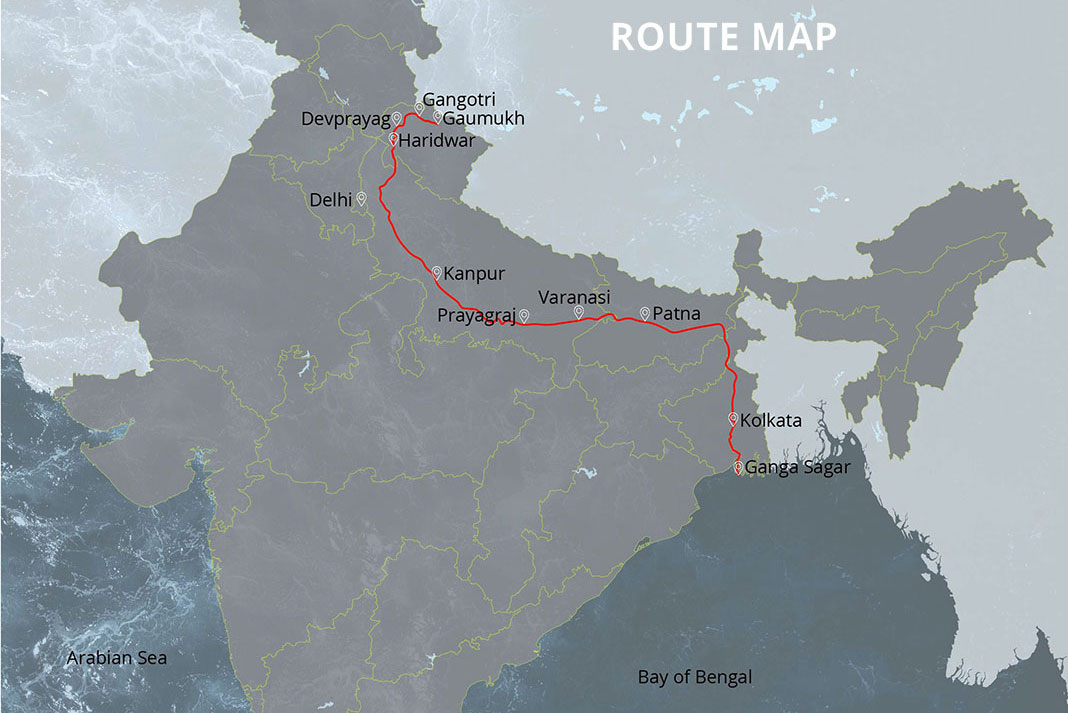
Click for a larger view of Rency Thomas’ route map.
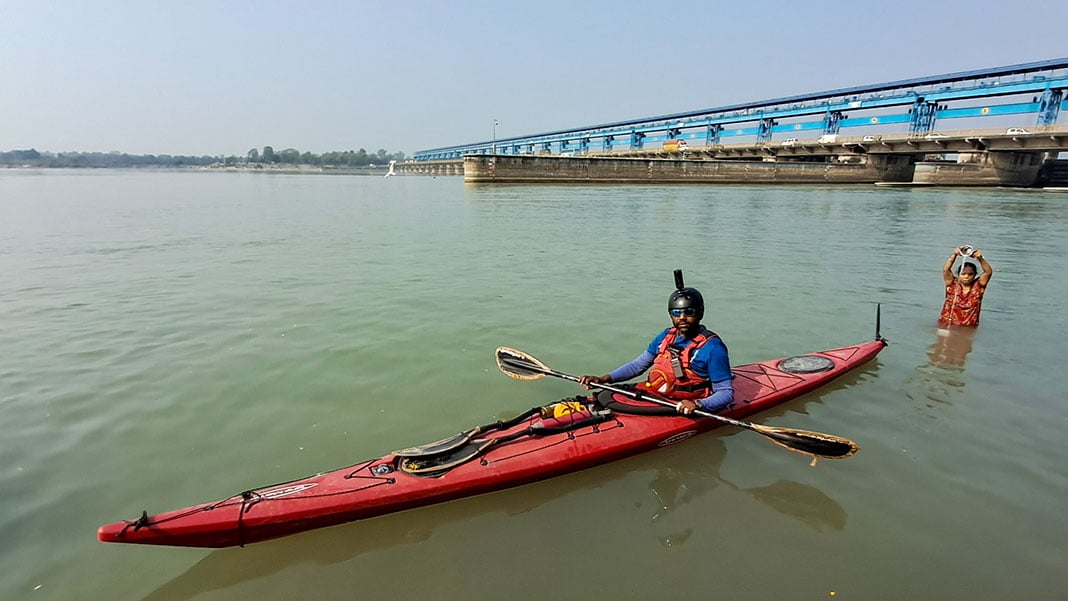
Expedition paddler and raft guide Rency Thomas grew up knowing that the Ganges River is central to his Indian culture and national identity.
“In India, rivers are considered very sacred and holy,” says the 36-year-old resident of Manali, part of the state of Himachal Pradesh, in India’s Himalayas. “The River Ganga is the most sacred river of all. It is believed that by bathing in the holy waters of Ganga one can purify the soul from all sins and attain salvation.”
The Ganges has another important meaning to Thomas: It’s where he discovered paddling.
“Born and raised in India, the River Ganga was part of our lives in stories, in scriptures, in academics like geography and history,” he says. “Somehow, the river has always fascinated me.”
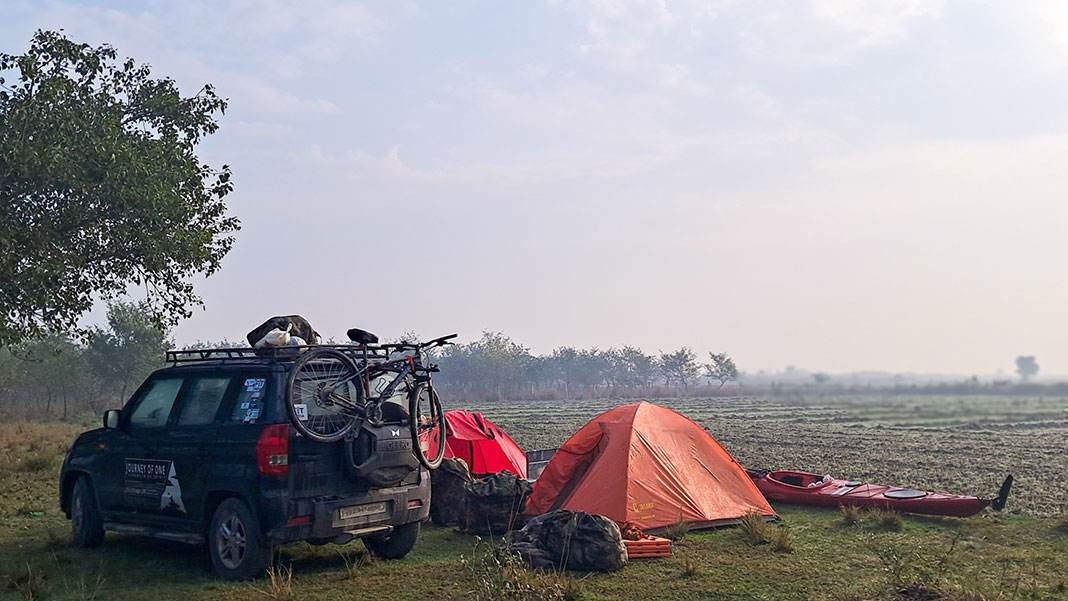
One of the many remote campsites Rency stayed at along the journey. | Photo: Ponni M. Nath
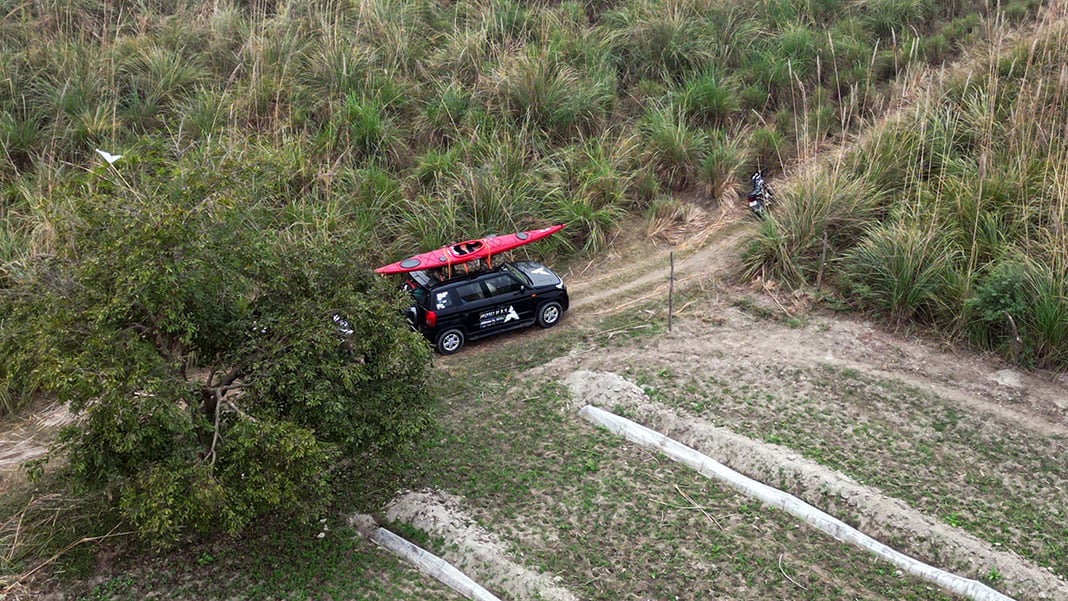
Rency’s support vehicle following tractor tracks through remote farmlands to reach the riverside. | Photo: Ponni M. Nath
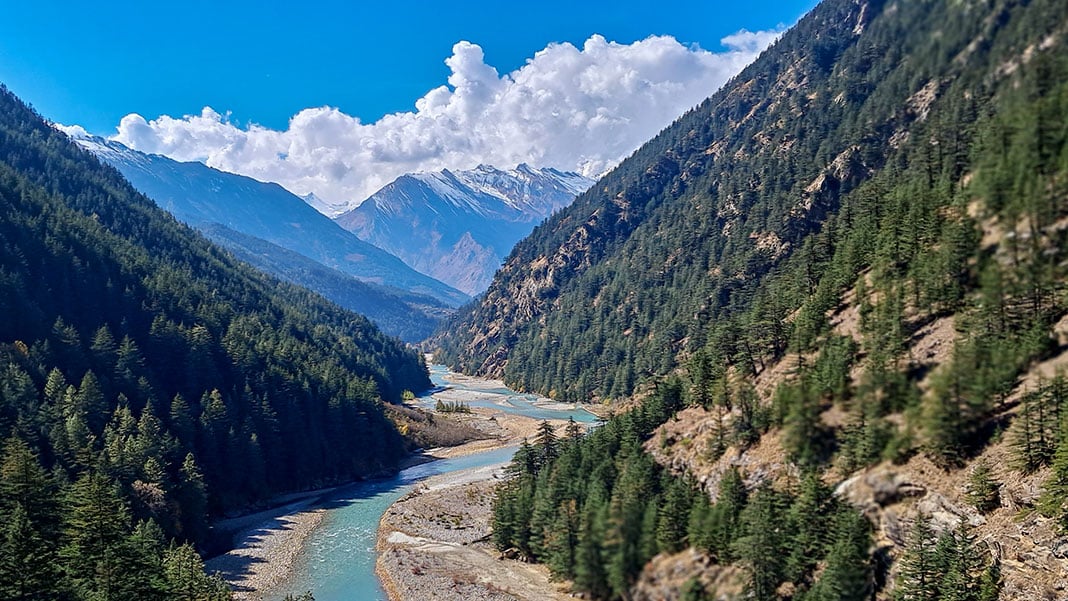
Beautiful Gangotri National Park. | Photo: Ponni M. Nath
The expedition team after crossing the last barrage of the journey: Farakka. | Photo: Ponni M. Nath
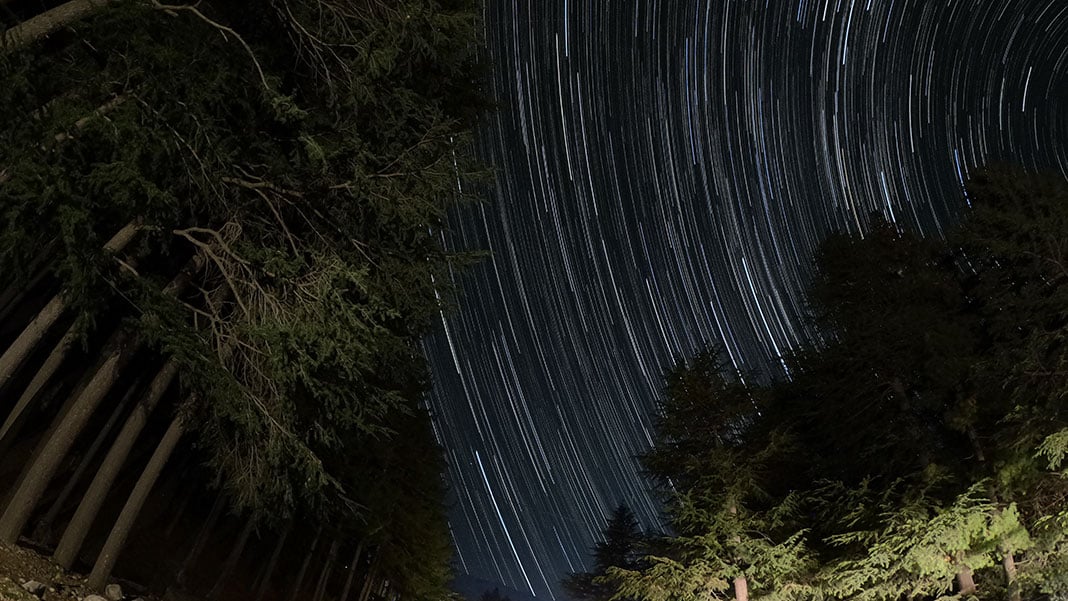
Star trails on the banks of the Ganges in Uttarakhand. | Photo: Ponni M. Nath
An exploration of the Ganges
A self-propelled source to sea expedition was the ultimate way for Thomas to pay tribute to this sacred waterway and satisfy his own desires to know it more intimately. He knew portions of the Ganges were remote with difficult access, and the river is also impeded by six dams. Thomas also faced the challenge of dealing with his own chronic arthritis, which makes it difficult for him to sit in place for long periods of time.
“I have been a chronic arthritis patient since the age of 20,” he says. “Many of my joints are affected and have limited mobility. Last year I had a very severe flare-up and was bedridden for almost two months. Two of my fingers on my right hand were deformed with limited mobility. This scared me and made me want to finish my dream project as soon as possible.”
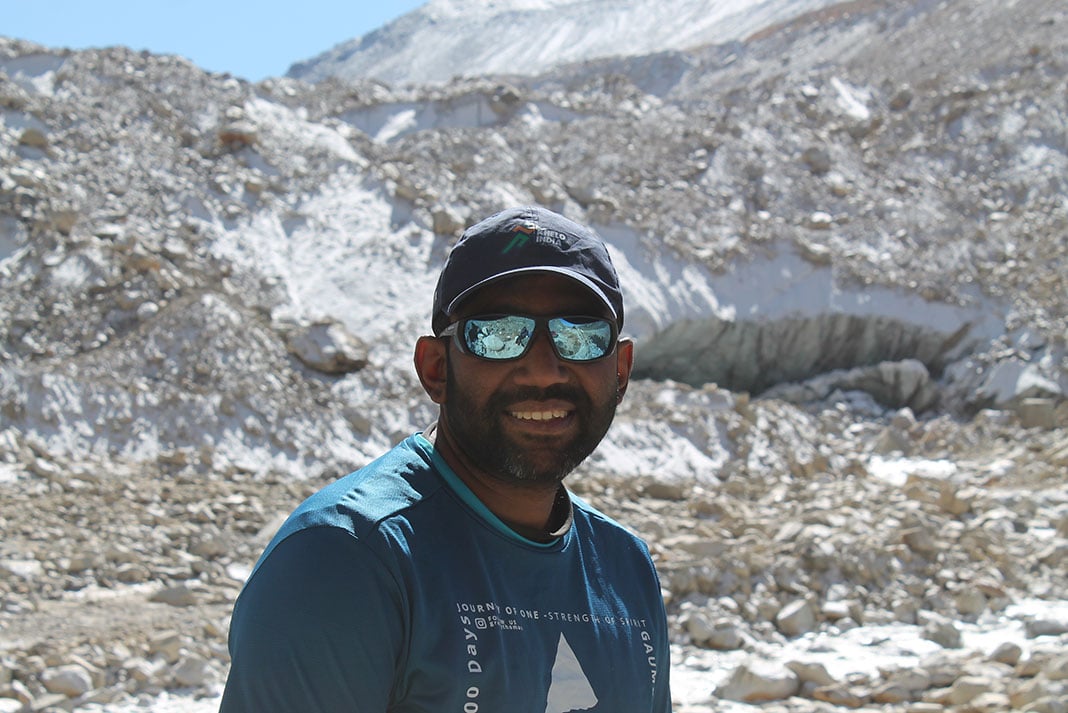
Rency at the Gaumukh Glacier, day one of the expedition. | Photo: Ponni M. Nath
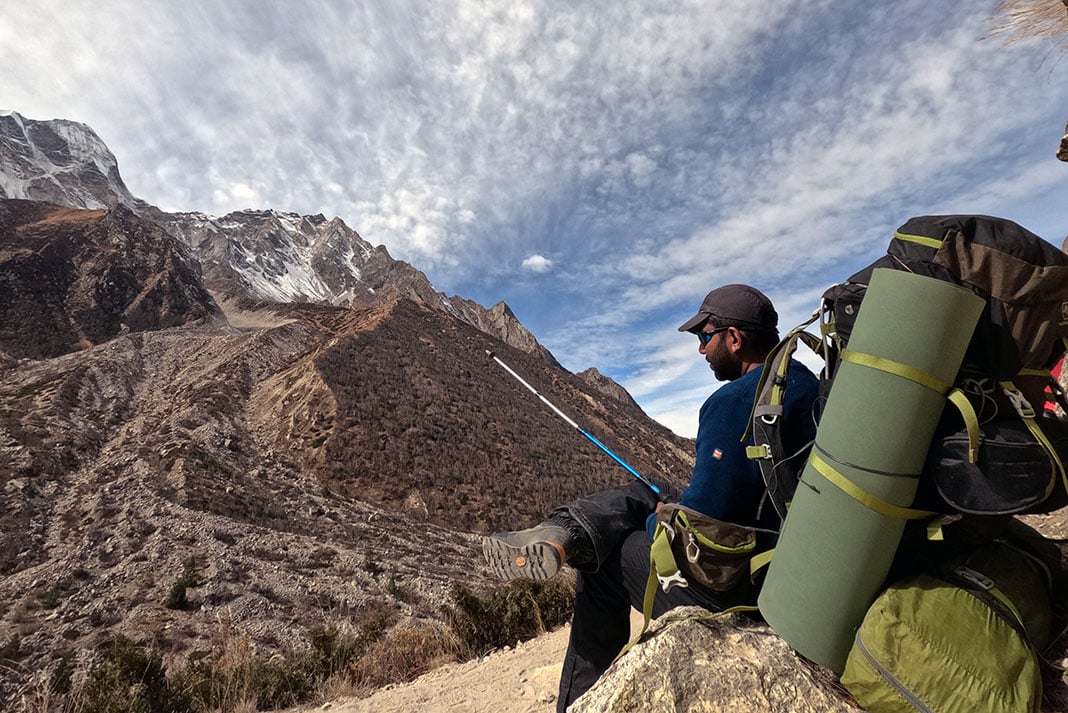
Rency resting on the way back to Gangotri. | Photo: Ponni M. Nath
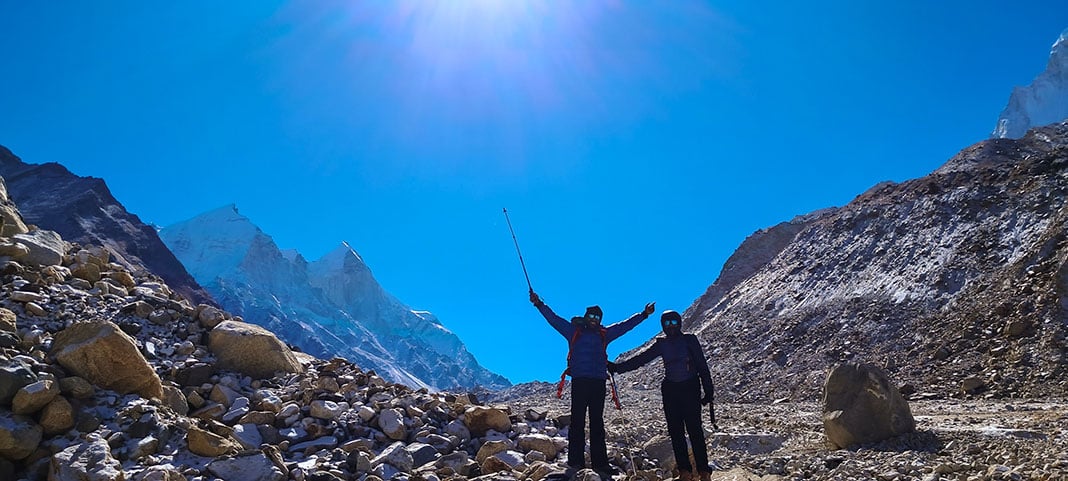
Rency and his wife, Ponni, on a rocky moraine during the the trek portion of the journey. The Gangotri group of peaks are visible behind them. | Photo: Ponni M. Nath
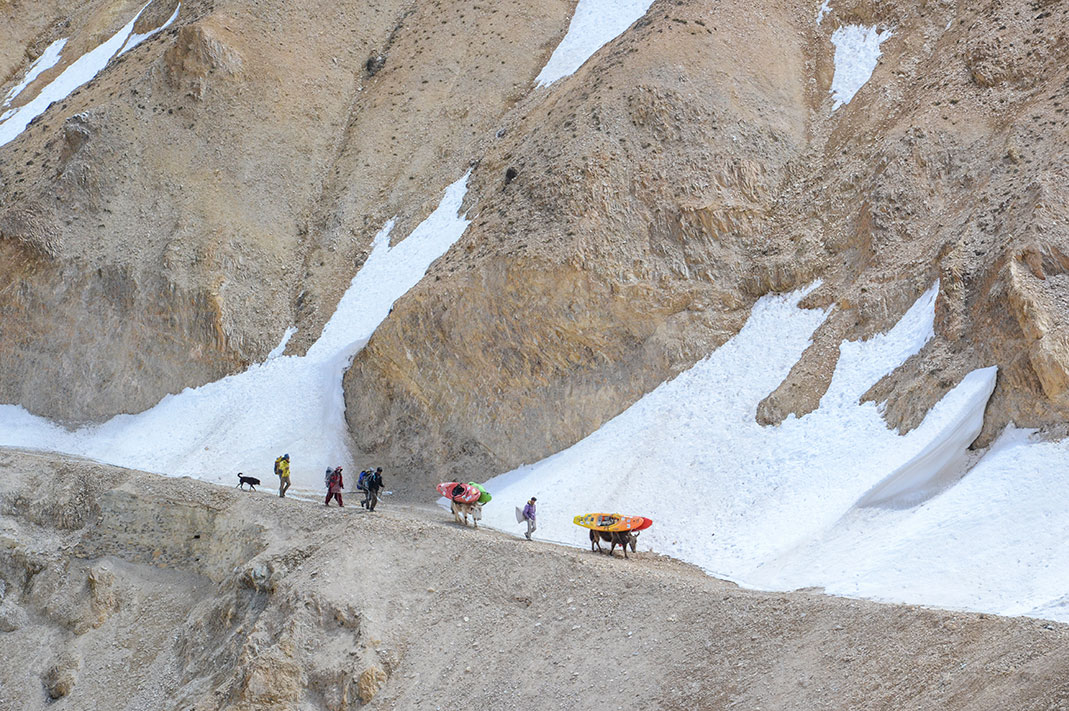
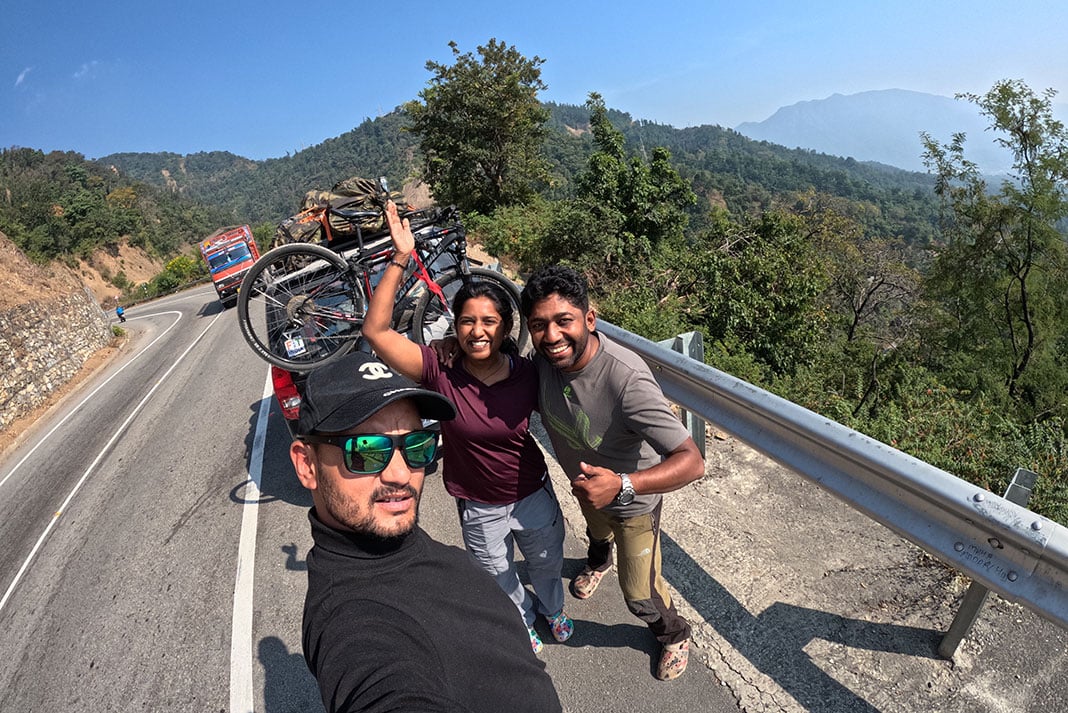
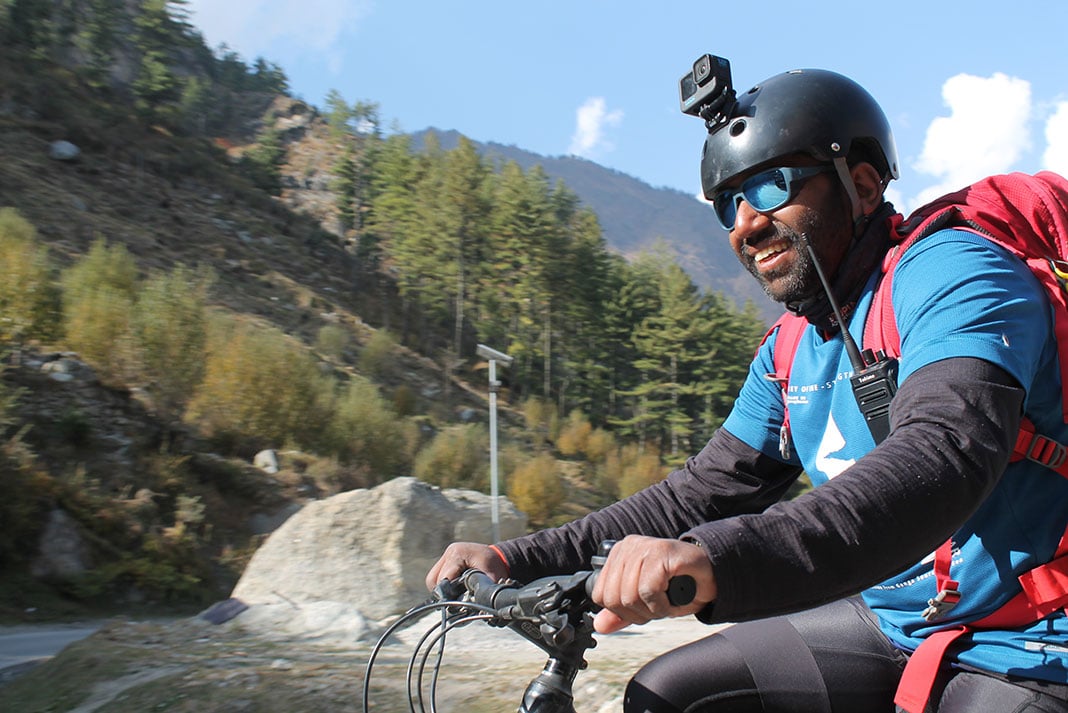
To convince himself that his body was up to the task, he spent a month putting in eight-hour days in his kayak, discovering his personal limits on the water. Last fall, feeling prepared, Thomas set out on foot on the Gaumukh Glacier at 4,023 meters of elevation in the Himalayas, the source of the Bhagirathi River which in turn feeds the Ganges. After 23 kilometers of trekking, Thomas paddled 60 kilometers in a whitewater kayak on the Bhagirathi, and then switched to a sea kayak on the Ganges River itself. Along the way, he also put in about 800 kilometers of mountain biking to avoid obstructions or other difficulties on the river.
“It was pretty much a pure exploration in the river as there are no navigation charts or earlier data,” Thomas says. “The river changes its course every year. Even the satellite imagery is not reliable as it’s been recorded before monsoon.”
The expedition team heading to the Gomukh Glacier to begin the trek. | Photo: Ponni M. Nath
Rency cycling along the non-navigable headwaters of the Bhagirathi River. | Photo: Ponni M. Nath
One of the many remote villages Rency cycled through in the Himalayas. | Photo: Ponni M. Nath
Tracing the lifeline of India
The Ganges River is home to incredible wildlife and Thomas encountered millions of migrating birds, elephants, golden mahseer (an endangered species of carp), freshwater turtles and gharials (a critically endangered, fish-eating crocodile). The greatest highlight for Thomas was seeing Gangetic dolphins, a unique freshwater dolphin that’s elusive and difficult to observe, swimming alongside his kayak.
[ Plan your next river run with the Paddling Trip Guide ]
The characteristics of the Ganges changed considerably over the course of Thomas’ 95-day expedition from the Himalayas to the Bengal Sea. The waterway passes through five different Indian states, and Thomas notes that for just about every 100 kilometers of river there’s a distinct culture and dialect. Just as Thomas sought to explore the river as a means of challenging his body and getting to know his home country, he discovered the Ganges River is truly “a lifeline for the people” of India.
“The culture and life around this huge river is so overwhelming.”
A local roadside vendor preparing local breakfast near Narora Barrage. | Photo: Ponni M. Nath
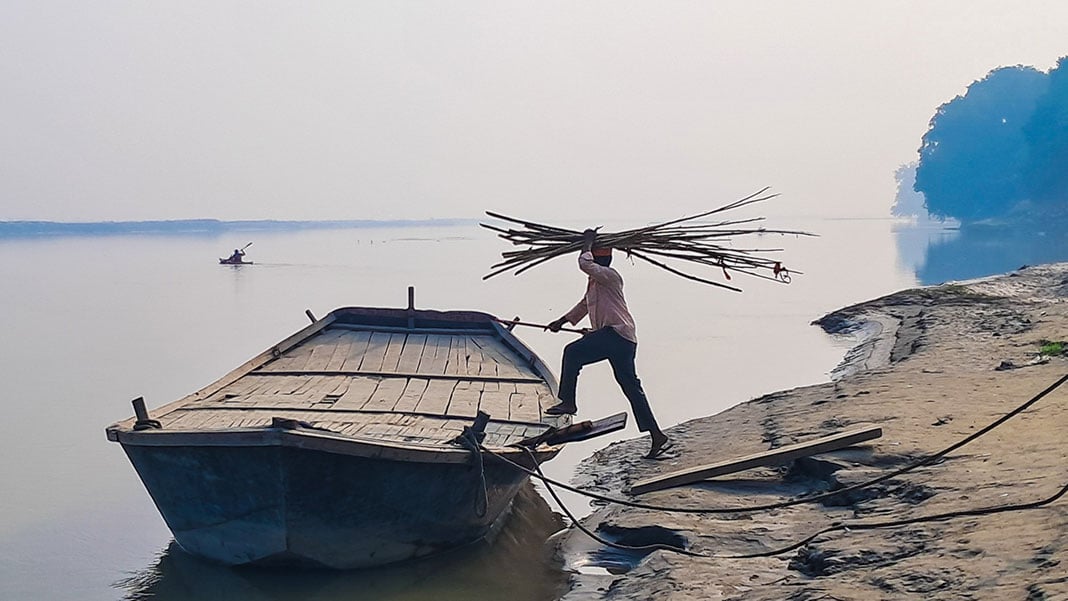
Local farmer transporting wooden twigs for farming. | Photo: Ponni M. Nath
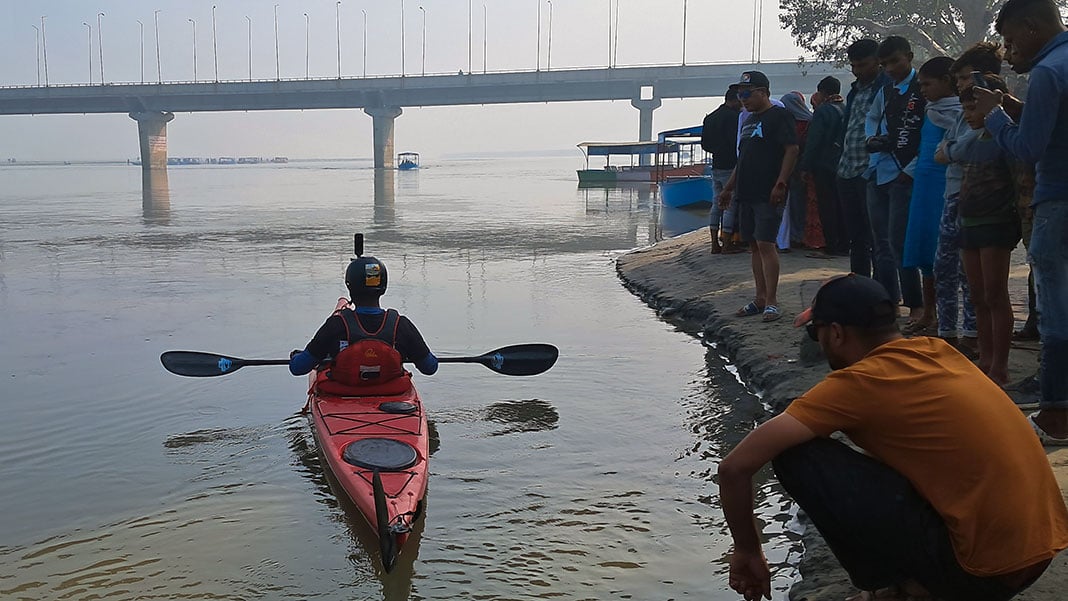
Curious villagers watch Rency take off for the day. | Photo: Ponni M. Nath
Pilgrim doing the Ganga Puja in the holy river. | Photo: Ponni M. Nath
As he neared the end of his 2,600-kilometer sojourn, Thomas was left with a firm feeling of resolve that’s gaining momentum across India as local environmentalists battle to leverage legal “personhood” status to protect the Ganges River.
“The river needs to be safeguarded,” Thomas asserts. “Any destruction to this river in terms of pollution and building dams can be very devastating to the rich wildlife and people. The people living around this river are dependent on it for drinking water, fishing, irrigation—even the industries around rely on the water from Ganga. Any developments in and around Ganga must be sustainable and special focus and awareness should be given in keeping the river clean.”
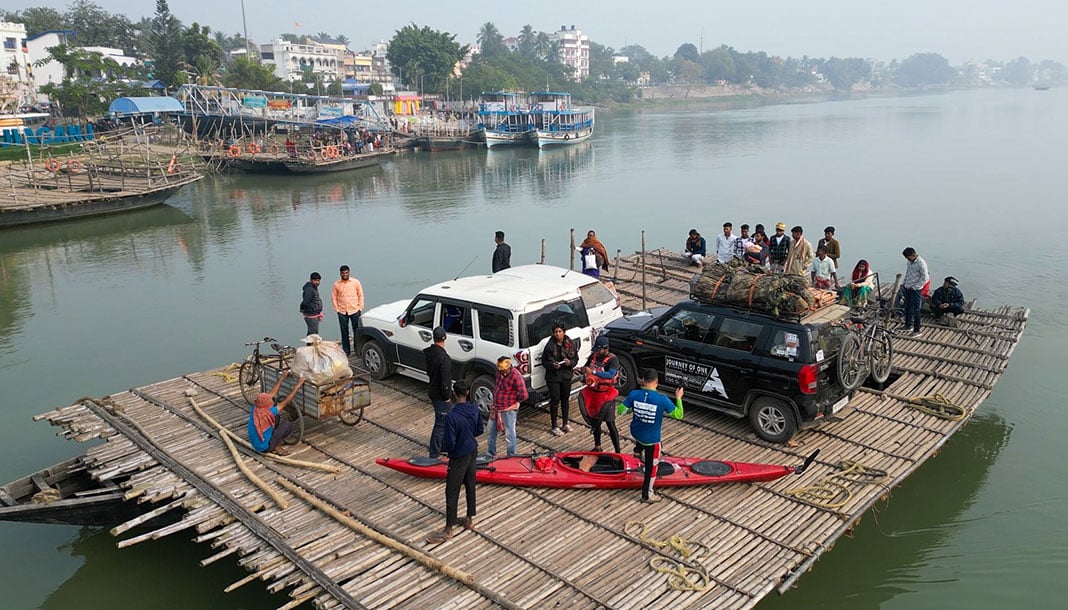
Rency’s kayak along with backup vehicle crossing the Ganges on a bamboo barge. | Photo: Ponni M. Nath
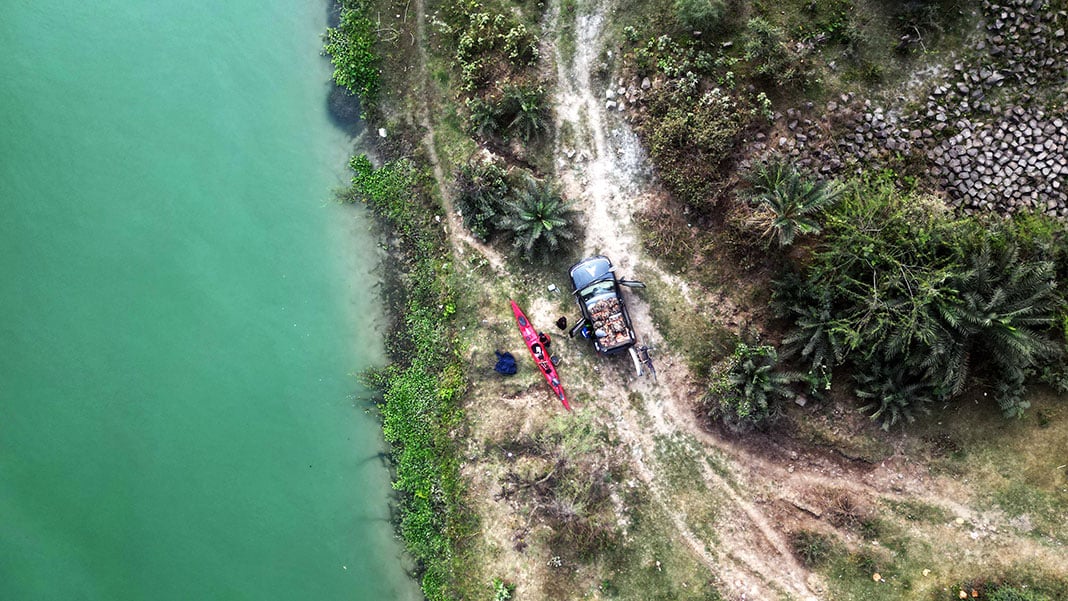
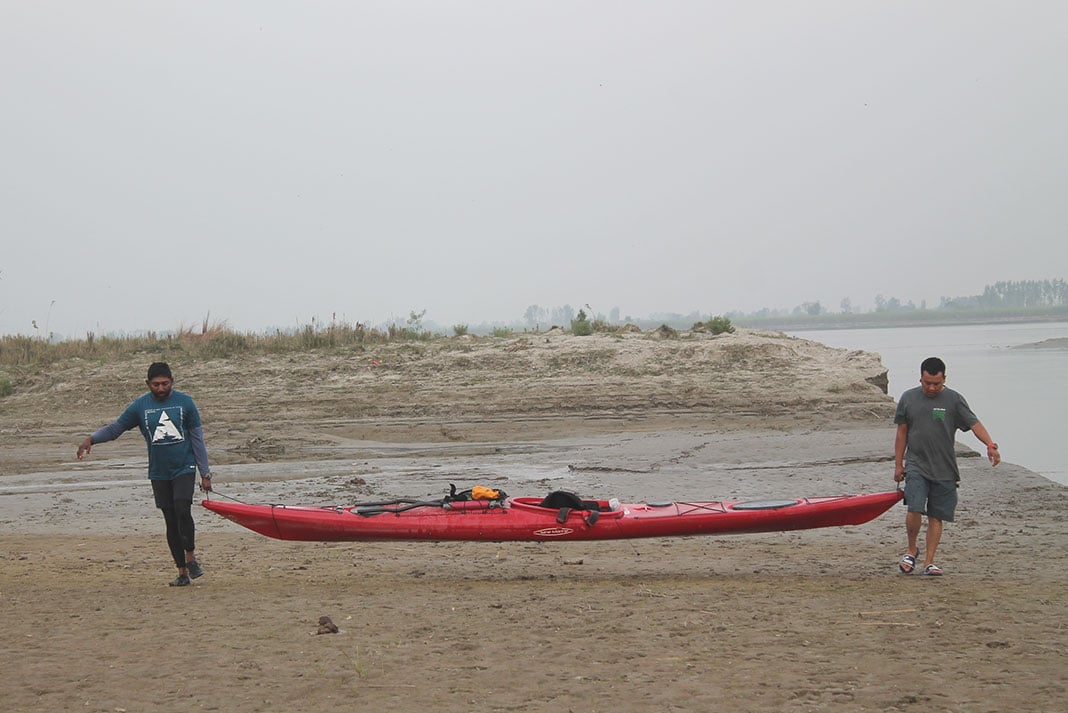
Taking out the kayak on a sandy beach in Uttar Pradesh and beginning the carry to a campsite one-kilometer away. | Photo: Ponni M. Nath
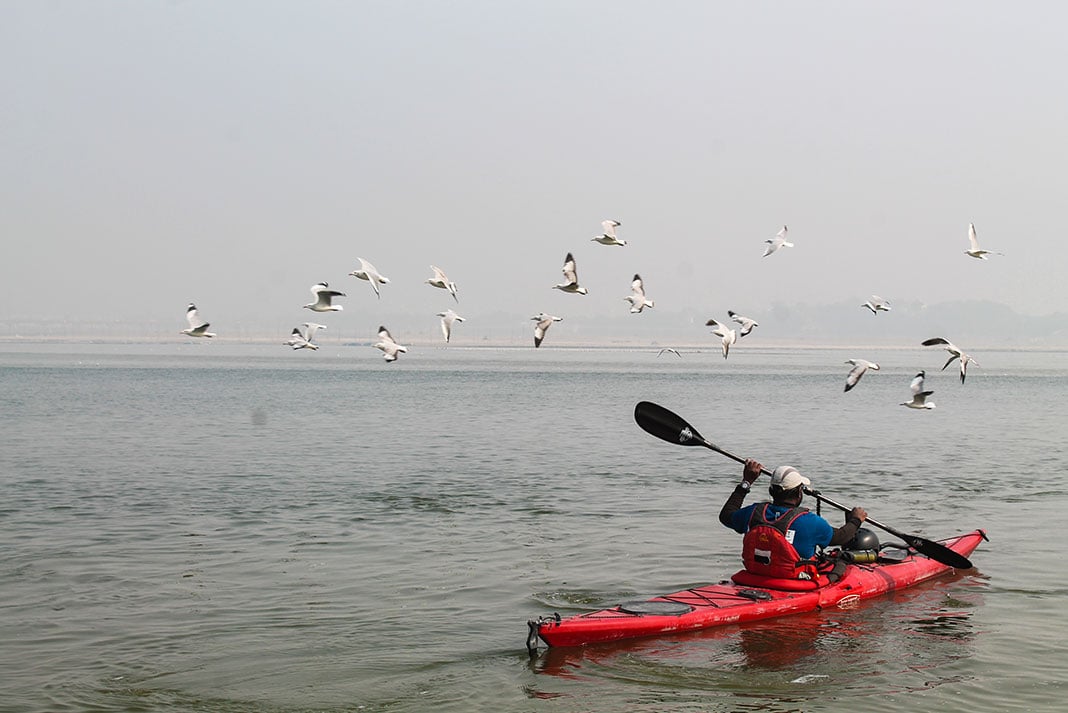
Paddling with migratory birds in Triveni. | Photo: Ponni M. Nath
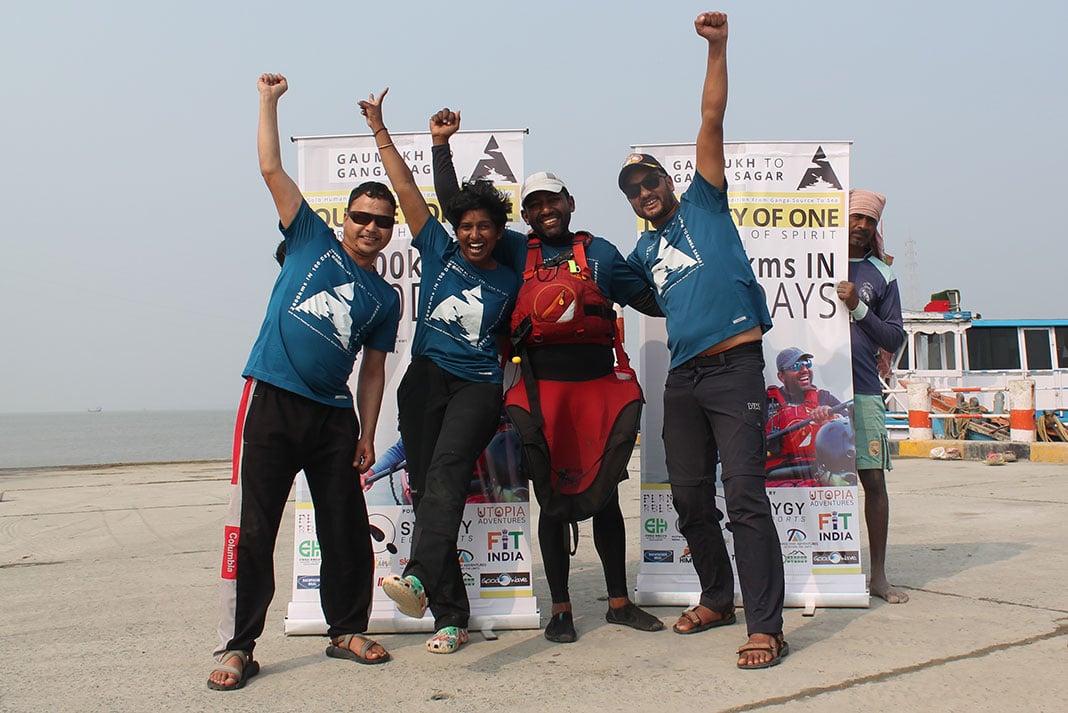
The expedition team along with Rency celebrating the final day reaching Gangasagar. | Photo: Ponni M. Nath
Completing his journey felt like “a dream come true.”
“I find solace in outdoor sports,” Thomas says. “I love high-altitude trekking and mountaineering, but it’s on the water where I feel most at home. I feel so proud of my accomplishments but at the same time, so humble and thankful to River Ganga for keeping me safe.”
Electric paddleboards can increase range, safety and accessibility—watt a time to be alive. | Feature photo: Andy Zeltkalns
Ten years ago, electric bikes were still considered quirky, and the people who pedalled them lesser cyclists—at least by their more purist peers. Today, electric-assist has become mainstream in every realm of cycling, from mountain biking to urban commuting and recreational riding.
Rapid technological advances, especially rechargeable batteries, mean e-bikes are no longer clunkier than conventional bicycles. They’re cool, functional, affordable—and here to stay. Today, e-bike sales are the fastest-growing sector in the bicycle industry. According to the National Bike Dealers Association, e-bikes are rapidly approaching 40 percent of all bicycles sold across U.S. and European markets.
Standup paddleboarding may be poised to follow suit. In just a few short years, a growing selection of compact, competitively priced and high-performing electric propulsion options have emerged. Just like e-bikes, proponents of e-SUPs say electric propulsion doesn’t diminish the standup paddling experience in the least. Instead, it can enhance it—increasing range, safety and accessibility.
Everything you wanted to know about electric SUPs
The cycling industry has watched electric-assist lure a broader and more diverse population into the saddle. Electric propulsion SUPs have the potential to do the same.
“People have different physical capabilities and paddling can be a different experience for a child, an adult or an elderly person,” says Sebastjan Sitar, founder of SipaBoards, an electric SUP manufacturer based in Slovenia.
“Whenever you’re surprised by a tide, current or wind, the motor is there to help you back,” Sitar continues. “It’s safer. And it’s more fun because you can go faster, farther and discover more.”
Electric paddleboards can increase range, safety and accessibility—watt a time to be alive. | Feature photo: Andy Zeltkalns
Today, there’s a variety of designs and propulsion options for e-SUPs. Many are available as aftermarket conversion kits that can be easily installed on your favorite board using a simple fin box attachment. Others are complete, fully integrated board, battery and electric motor packages. Here’s a closer look at what you’ll find if you explore electric.
The case for going electric
Standup paddleboarding is a silent, self-powered sport that provides a complete workout by strengthening your core and working on your balance. So, for some avid paddleboarders, electric propulsion sounds like cheating or simply unnecessary. But while it’s true that ever-improving battery life means you could zip around for hours without ever lifting your paddle, most e-SUP paddlers are seeking more of a hybrid experience.
For starters, consider range. With an electric SUP, you can go farther and get there faster, increasing options on where to paddle and how far you can explore. Compact electric propulsion systems allow you to paddle your board just as you usually would, then engage the electric motor to assist or take over if you become tired.
Electric propulsion can also enhance safety, making getting back to the launch easier if you get caught out by wind, changing tides or challenging currents. Even die-hard paddlers can appreciate the security of knowing they won’t be blown backward or offshore if they stop paddling.
“We came up with the idea after getting into standup paddleboarding and every time we would go out, we’d be fighting headwinds or strong currents,” confirms Mike Radenbaugh, cofounder of Seattle-based ElectraFin, one of the very first SUP electric conversion kits.
Paddlers can also use a low-speed electric motor to provide a little boost while paddling a fully loaded board. This is a great option for bringing kids, dogs or a friend with less effort. And just like their kayak counterparts, SUP anglers will quickly see the benefits of electric-assist for fishing.
Wear The Appropriate Leash When Stand Up Paddleboarding
Always wear a leash on open bodies of water like lakes, bays, and oceans. Due to the risk of snags and entrapment, leashes should only be worn on rivers if they include a quick release attached to your life jacket.
Finally, electric SUPs can make paddleboarding more inclusive. “E-SUPs provide access for people with more limited mobility,” says Tom Watson, president of ePropulsion USA, “they allow people to get on the water easily, anywhere.”
With the global megatrend toward electric mobility, demand for e-SUPs is growing steadily, claims Sitar.
Advocates say electric paddleboards can enhance accessibility, enabling individuals with varying physical abilities to enjoy the sport. | Photo: Cory Leis
It’s electric: Current propulsion options
The first dedicated standup paddleboard electric conversion kits hit the water in 2013, with integrated jet drive electric paddleboards emerging just a couple of years later. Since then, advances in rechargeable batteries and electric motors have increased run time and range while decreasing size and weight.
Like e-bikes, electric SUPs transfer power from a battery to an electric motor. And similar to e-bike engineers, e-SUP designers have invented a few nifty ways to propel that motor. Today’s e-SUPs use three main electric propulsion options. Each system offers different benefits and trade-offs when it comes to features and performance.
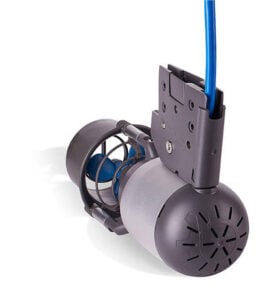
Bixpy K1 Motor. | Photo: Courtesy Bixpy
1 Electric propeller drive
These systems use a submerged propeller with a built-in electric motor, usually installed in place of the center fin using a universal adapter. Installation is quick and easy, so you can share the drive between multiple boards. The chief advantage of these electric conversion kits is they can be mounted to just about any paddleboard, instantly converting your favorite board into an e-SUP.
Propeller drives are quiet, efficient and can provide good range and speed—up to 11 km/hr for some models. They’re also the most affordable electric conversion option, retailing for as little as $400 for a complete kit.
Some propeller systems replace the center fin, significantly reducing tracking when the motor is off. They also create more paddling resistance than other electric options—two important considerations if you mostly enjoy paddling your SUP and only plan to use the motor occasionally. The propeller is also more susceptible to damage or entanglement from underwater obstacles and seaweed. Another option is to mount the prop system on an adjustable adapter arm, raising and lowering as necessary.
You’ll need to store the battery pack somewhere on your board. Fortunately, e-SUP batteries are increasingly low profile, and most paddlers slip the waterproof case under the rear deck bungees. Expect the combined battery and motor weight to add up to 11 pounds to your board.
Electric propeller kit manufacturers include Bixpy, ePropulsion (makers of the Vaquita) and Aqua Marina.
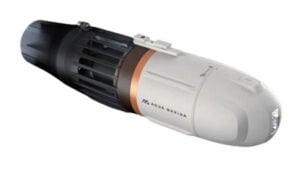
Aqua Marina Bluedrive X. | Photo: Courtesy Aqua Marina
2 Electric fin propulsion
These conversion kits are installed similarly to electric propeller drives, using a motorized fan mounted in the board’s fin system. However, instead of an external battery, electric fins use an all-in-one design with integrated batteries. The tube-shaped design allows for a versatile propulsion system that can be used on your SUP or handheld for underwater propulsion when snorkeling or diving.
Electric fins use either a compact turbine or a powerful water jet system to provide propulsion. The streamlined designs leave your board’s deck free of battery packs and cable connections. Turbine fins can provide up to a 7 km/hr boost, while jet fins are capable of speeds up to 11 km/hr.
Know The Local Hazards
Check navigation charts before you launch.
Check with those who have local knowledge of man-made and natural hazards, e.g. low-head dams; sweepers, strainers and undercuts; tides and currents; and rocks and shoals.
The major drawback to an all-in-one electric fin is the smaller batteries provide limited range. Depending on the model, you can expect a maximum of 60 to 120 minutes of run time at easy cruising speed. These systems are also a more expensive option than conventional electric propeller conversion kits.
Current electric fin options include the Scubajet and Aqua Marina Bluedrive X.
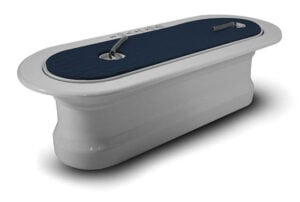
Jobe E-Duna Electric Drive. | Photo: Courtesy Jobe
3 Integrated electric jet propulsion
Fully integrated electric jet drive SUPs work similarly to jet skis, with a water intake and jet nozzle for propulsion driven by an electric motor. These systems are available as complete board packages with various inflatable, travel-friendly designs, including touring, all-round and angler models.
The slick, all-in-one design is what makes these self-inflating e-SUPs so appealing. A waterproof pod housing the jet propulsion motor, compact air compressor and rechargeable battery inserts seamlessly into the center of the paddleboard. The built-in paddleboard pump inflates the board in minutes with the push of a button, using its own power supply.
Jet propulsion systems are powerful and can boast impressive speeds—7–11 km/hr, depending on the board—with up to six hours of battery life. “People just go all-in on these boards,” confirms SipaBoards founder Sitar. “We have users reporting 30- to 40-kilometer rides on a single tour.”
They’re also reasonably lightweight, with the jet drive weighing about 11 pounds and an overall weight of around 30 pounds for a 12-foot-long board.
Another major advantage of these systems is their paddle-friendly functionality. Integrated jet propulsion offers true electric-assist, enhancing your paddle stroke just like pedal-assist on an e-bike. Since the drive doesn’t compromise the fin system, the SUP feels and tracks just like a regular paddleboard. And if you choose to paddle the board completely unassisted, the drive creates zero resistance.
There are a couple drawbacks to an integrated jet drive board. If you enjoy the tranquility of gliding along silently in nature, the noise of a jet propulsion drive can detract from the experience. At top speed, the motor produces around 64 decibels—about the same volume as a dishwasher or household vacuum. It’s what audio experts consider an intrusive level of sound.
Outfitters are experimenting with electric paddleboards to allow clients to explore farther with less effort. | Photo: Casey Marshall
Also, if you already have a SUP you enjoy paddling, an electric conversion kit offers a more affordable alternative to investing $2,000-$2,500 in a new inflatable electric board.
SipaBoards, Jobe and Torque offer top-quality inflatable boards with integrated electric jet propulsion.
Electric paddleboards: How they work & safety
Whichever propulsion system you choose, all e-SUPs include an easy-to-use remote for controlling the motor. The most common controller is a wireless remote that attaches to your paddle and allows you to adjust speed with the touch of a button. Some manufacturers also offer a wristwatch controller or an app for your smartphone.
The systems also have sensors and safeties to ensure the motor stops should you fall off the board or drop the control. Even so, you should always wear a leash when paddling an e-SUP. Wider, more stable boards or drop stitch inflatable SUPs are good choices for electric conversion kits, says ePropulsion’s Watson.
Dress For Immersion, Not Air Temperature
Your body loses heat much faster when immersed in cold water than it does when dry.
Avoid cotton clothing like t-shirts and jeans; they retain water and accelerate cooling when wet. Synthetic fabrics, or wool, are generally a better choice. If the water is very cold (60° fahrenheit or less), you should wear a wetsuit or drysuit.
Keep in mind electric motors are designed to power through wind and mild chop while tracking straight. To steer and turn the board, you’ll still need to use your paddle. Using a nose rudder—steering with the blade placed beside the nose of the board—is the most effective way to maneuver your e-SUP. Moving your weight back on the board will also enable faster, tighter turns.
When it comes to safety, it’s important to remember electric SUP users must still develop and consider their paddling abilities. Yes, e-SUPs have the potential to increase speed and range, but you should only ever go as far as you’re able to physically paddle back.
Finally, nothing will harsh your mellow on a peaceful paddleboarding jaunt like range anxiety. Test your electric propulsion system in various conditions and speeds to accurately assess battery life. On a longer tour, save the electric-assist for the return journey. Electric propulsion only enhances safety if you conserve enough juice to get home.
This article was first published in the Spring 2024 issue of Paddling Magazine. Subscribe to Paddling Magazine’s print and digital editions, or browse the archives.
Electric paddleboards can increase range, safety and accessibility—watt a time to be alive. | Feature photo: Andy Zeltkalns
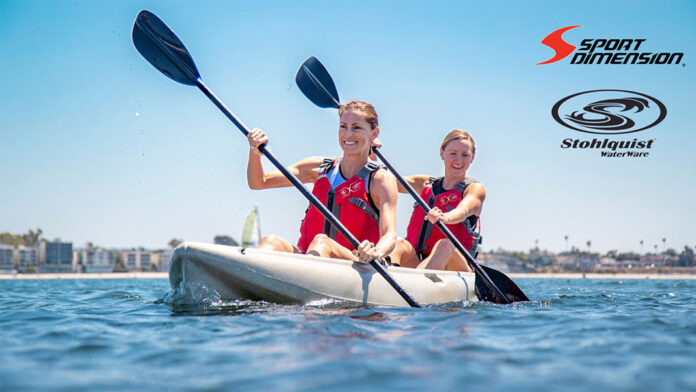
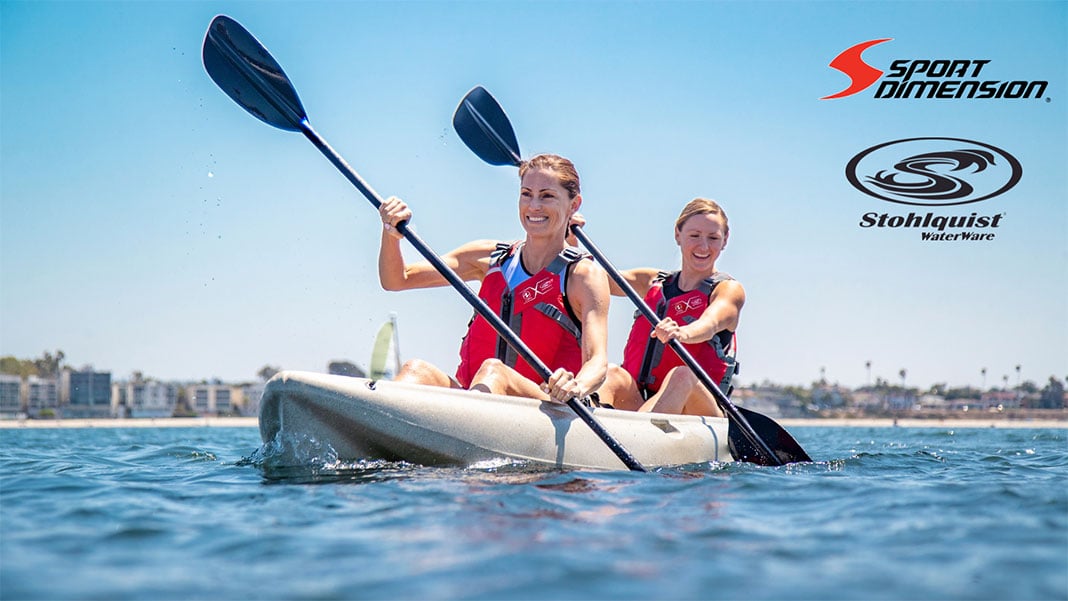
After a mere two and a half months out of production, Stohlquist is making a comeback, thanks to being acquired by the watersports company, Sport Dimension Inc.
Back in December, Stohlquist’s parent company, Aqualung Group, was acquired by the investment banking firm, Barings. Soon after, it was announced Stohlquist would cease operations, as Aqualung would no longer be pursuing sporting goods within North America. Stohqulist had been manufacturing paddlesports equipment—most notably PFDs—for 46 years. Word at the time was that there were several parties interested in purchasing Stohlquist, but it was unclear what Barings and Aqualung’s plans for the brand were going forward.
On April 25, Aqualung announced the sale of Stohlquist to Sport Dimension Inc., a company that’s been around since 1992 and is responsible for familiar names like Body Glove, JetPilot and Nautica. The acquisition happened quickly, with discussions between the two companies starting just over two months ago and a deal reached within three weeks of negotiations.
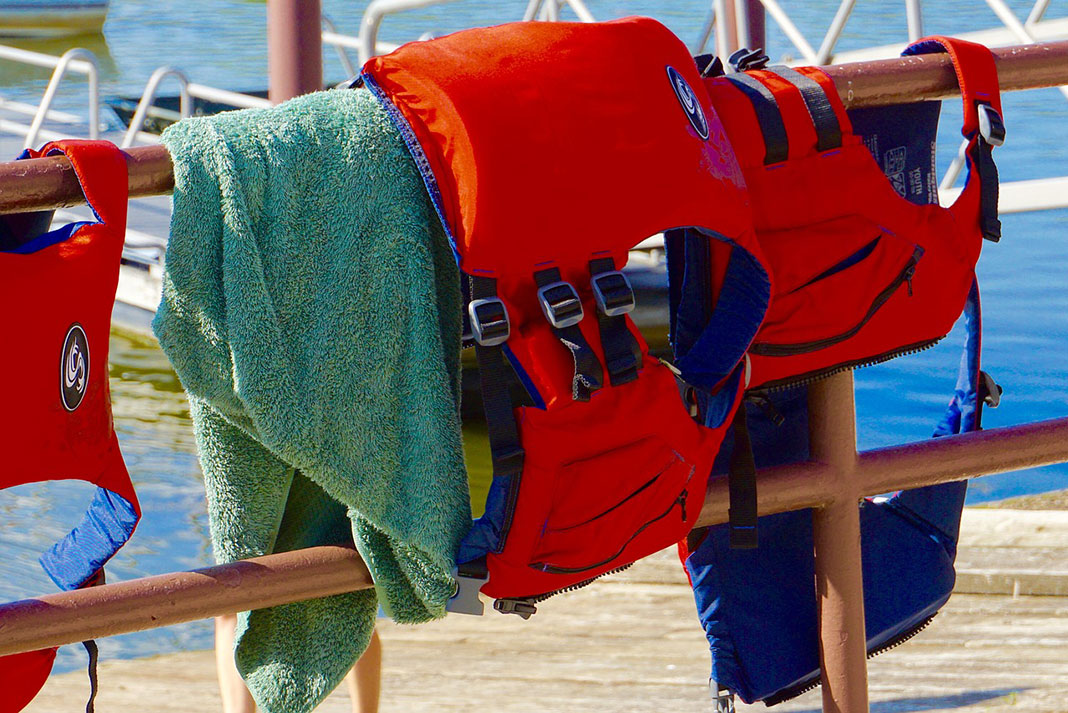
“It’s been a process, but we already cover a lot of the PFD life vest category in terms of general boating PFDs, wakeboarding PFDs,” explains Terrence Lin, director of marketing and communications at Sport Dimension. “I think the one category we didn’t cover is kayak and canoeing PFDs. So it was really a no-brainer for us to acquire Stohlquist, being that it’s been around for so long.”
Sport Dimension’s plans for the brand
Paddlers can expect to continue to see Stohlquist PFDs lining the shelves of retail stores and available for order online—the last orders were fulfilled by Aqualung in March and Sport Dimension started shipping orders May 1. Product offerings will remain much the same through 2025, with possibly the addition of lower price-point items.
Feature photo: Courtesy Sport Dimension/Stohlquist
“I think that’s one thing we started to struggle with at Stohlquist under the Aqualung leadership, was that our prices started to go up and out of the price range that key accounts can be successful with,” comments Nick Rogers, Stohlquist brand manager. “So we’re looking to provide a little more differentiation there.”
Come 2026, they’ll start to change up the playbook, refreshing colors and styles.
“And then definitely come to market with as many new products as my product team has time for,” Rogers continues. “But we’re also going to be very intentional, we’re not just going to make changes to make changes.”
According to Rogers, thanks to Sport Dimension owning its own factories, Stohlquist will be able to get new products to market very quickly. The brand will also be able to leverage the capitalization its new parent company brings to the table.
“The Aqualung Group was highly challenged from that point of view,” says Rogers. “So in the customer’s previous mind of all the deficiencies they experienced with Aqualung—not getting the product, not getting it on time, being invoiced incorrectly—I think Sport Dimension has a high level of operational excellence that the customers are going to be very happy with.”
[ Paddling Buyer’s Guide: View Stohlquist PFDs ]
And while paddlers shouldn’t expect to see drywear added back into Stohlquist’s product lineup any time soon, the brand will be using its new connection to the neoprene experts at Body Glove to potentially introduce a neoprene line. Spitballing, Rogers mentions reintroducing John and Jane wetsuits, expanding booties and footwear, and bringing back the Seaboard watershoe and cold-weather paddling gloves.
Stohlquist seeks to build paddling partnerships
Meanwhile, Lin has big plans for marketing Stohlquist.
“I think in terms of marketing, Stohlquist wasn’t really doing much in investing in paddlers or people who were authentically tied to the community,” he says. “We want to invest in people who are able to represent the brand well and are able to create authentic storytelling for us. That lends more credibility to our products as a whole.”
This will largely take the form of working with paddlers and anglers who can become brand ambassadors.
Rogers explains his guiding principle going forward is to maintain the legacy of Jim Stohlquist, the brand’s founder—namely “making sure Stohlquist maintains that premium, best-in-class product.” Next on the agenda is making Stohlquist PFDs the top PFDs on the market.
“I’m excited for the challenge, but I’m very optimistic,” says Rogers. “Being surrounded by the excellent people at Sport Dimension and just seeing how well things operate—it’s empowering. I feel like we have a very, very good shot at achieving the goals we set forth.”
Feature image: Courtesy Sport Dimension/Stohlquist
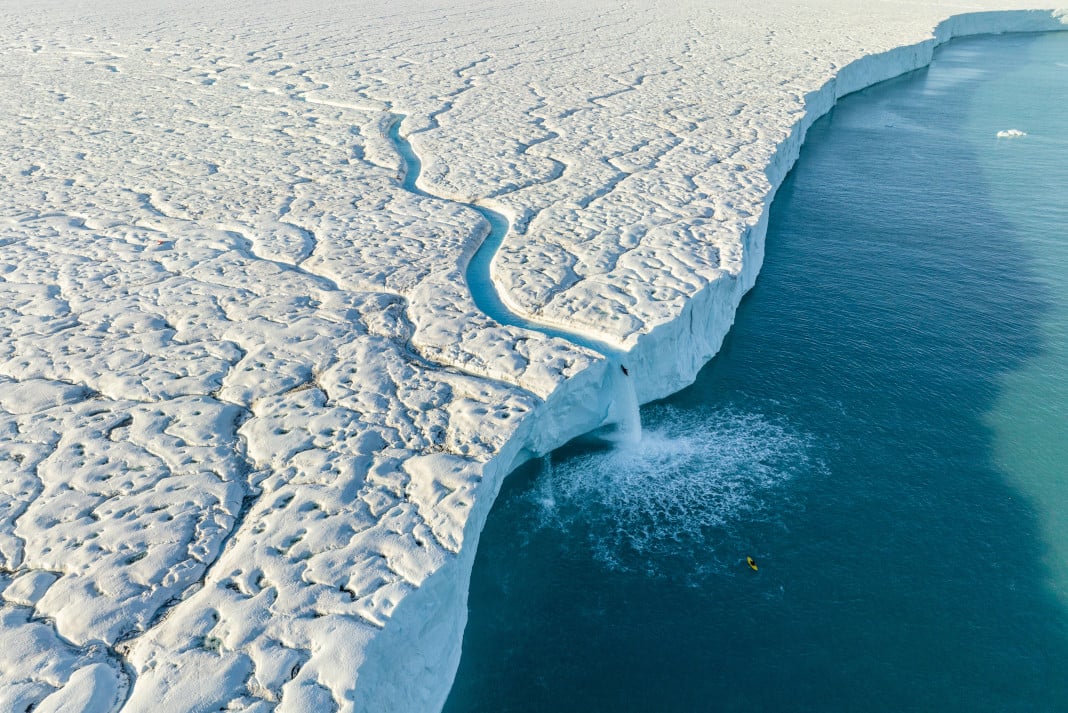
In November of 2023, footage emerged of whitewater kayaker Aniol Serrasolses taking a plunge unlike anything we’d ever seen. Deep in the Arctic, Serrasolses descended a 65-foot waterfall cascading off a shelf of ice. Of course, in the back of our minds, we could calculate running the waterfall was just one element to pull off this unique expedition.
In the short Red Bull documentary Kayaking down the Ice Wall, we now have the full story behind Serrasolses’s glacial waterfall mission.
Behind the Mission to Run a 65-Foot Glacial Waterfall
To reach the waterfall created by melting ice, Serrasolses and his team traveled within the Arctic Circle to the Norwegian archipelago of Svalbard. From the most northerly settlement on the globe, Longyearbyen, they boarded a research vessel and sailed for the Bråsvellbreen glacier.
Hoisting Serrasolses’s kayak atop Bråsvellbreen. Image: Red Bull / YouTube
When the team arrived, they were met with a towering, 100-mile-long frozen wall. Serrasolses and the crew watched in astonishment as calving ice fell into the ocean to produce tsunami-like waves. They cruised the perimeter of the escarpment, scouting for Serrasolses’s waterfall. The critical ingredients were volume and enough aeration in the pool to produce a soft landing for the five-story free fall.
The team found what Serrasolses called, “the most beautiful waterfall I had ever seen,” and had to figure their way, kayaks and all, up the ice wall. To do so, the research vessel pulled right along the edge, extending a series of ladders for expedition members to climb, and set up belays for the rest of the team.
Setting the ladder across one of more than 30 stream crossings. Image: Red Bull / YouTube
Where the expedition crew landed atop Bråsvellbreen was far from the waterfall Serrasolses would run. To reach it, they traveled across the glacier by foot. With a look more mountaineer than paddler, they employed crampons and ice axes. Serrasolses towed his boat while his support crew member Philip towed a ladder, which they utilized to cross some 30 glacial melt streams.
[ Find wild guided adventures in the Paddling Trip Guide ]
After seven hours of arctic trekking, the team arrived at the waterfall Serrasolses dubbed “Philip’s Ladder,” in gratitude for his team member’s effort. The rest, business as usual for Serrasolses.



 This article was first published in the Spring 2024 issue of Paddling Magazine.