Experienced river runner Aaron Benjamin was the last of his group to pass through Hance Rapid on the Colorado River on February 19 when he was thrown from his raft. With both Benjamin and his raft caught in a hole for as long as a minute, the rafter’s party went on to perform life-saving care measures when he emerged from the rapids unconscious.
Experienced rafter who died in Grand Canyon accident cared deeply about waterways
Benjamin was with a ten person group with a non-commercial permit provided by the Parks Service. Joe Dana, a journalist with 12 News, had personally met Benjamin the previous year on the Colorado River, crossing paths with his group several times and sharing campsites.
“Aaron was a very kind and respectful person,” said Dana. “And really respected the canyon… he cared deeply about waterways. He actually worked as a water technician in his hometown.”
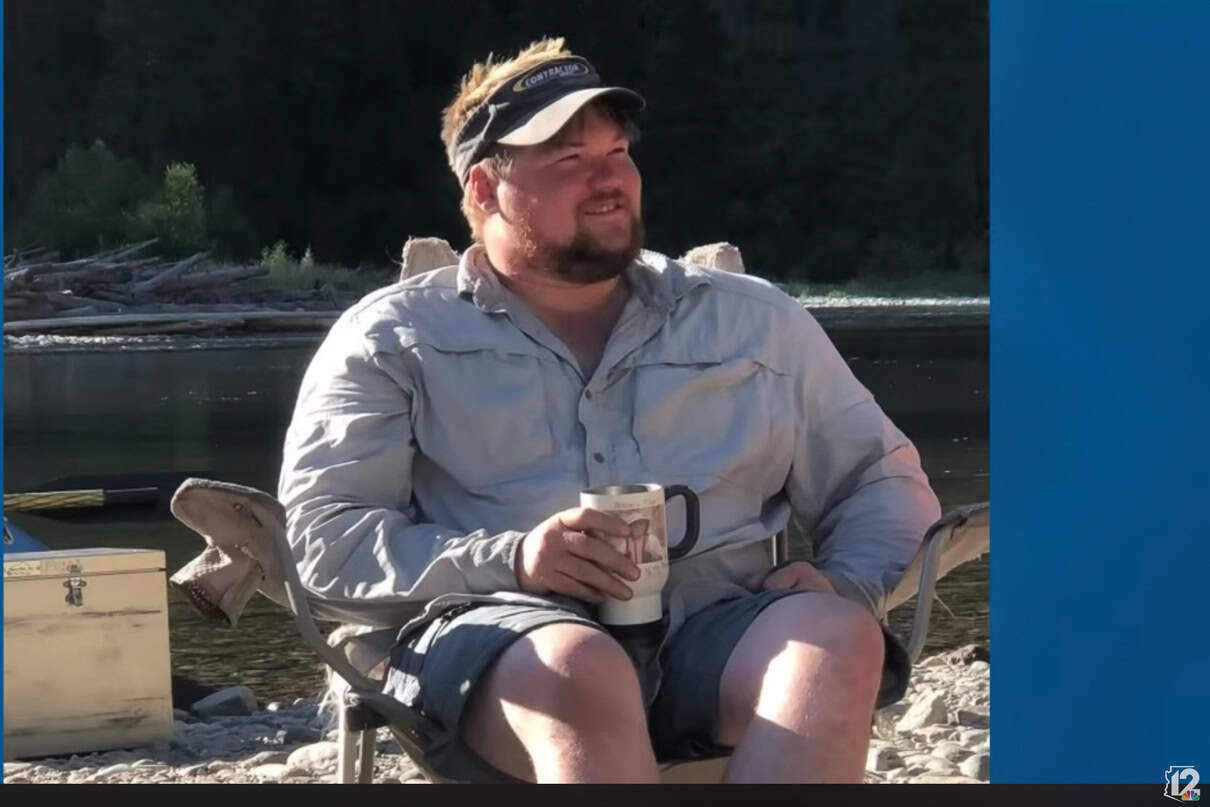
Beyond the interview with 12 News, Dana went on to write a tribute to Benjamin’s life and breakdown of the incident. In this article, Alan DeKalb, one of the ten members of Benjamin’s party, shared that the group had scouted Hance Rapid from a higher elevation both the day before and morning of the incident, discussing hazards and obstacles. DeKalb told Dana that Benjamin was the last boat to go, the sweeper, because of his years of experience.
DeKalb also shared with Dana that he believes the hole, a powerful hydraulic feature known to trap boaters and paddlers, Benjamin found himself stuck in was Emilio’s Hole, named after Emilio Solares who died there in 1994. Out of respect for Benjamin’s family DeKalb declined to discuss further lessons learned at the moment.
Parents of victim of rafting accident want paddlers to know there is inherent risk in everything
Dana emphasized that Benjamin was an experienced rafter, wearing a PFD, a helmet, and a drysuit.
“Aaron’s parents tell me he truly was doing what he loved,” added Dana. “And was always more comfortable in nature than anyone else.”
Dana also shared that overall deaths in the Grand Canyon are rare compared to the amount of visitors. The Grand Canyon sees an average 12 deaths a year, with airplane crashes being the leading cause followed by falling and environmental concerns including heat-related illness and dehydration. Drowning accounts for approximately 100 of the 900 Grand Canyon deaths between the 1800s and 2017 according to Hastings and Hastings Grand Canyon Deaths Analysis.
“Aaron’s parents want the biggest takeaway to be that there are risks inherent in everything,” said Dana. “They’re confident that Aaron did not do anything reckless. He was careful and confident in everything he did.”
Dana went on to encourage paddlers to dress for the water temperature rather than the air temperature even in the heat of summer, and to wear a drysuit when necessary. In February, average temperatures at the bottom of the canyon range from the low-40s to mid-60s (F) and water temperatures on the Colorado River in the canyon hover around a chilly 50 degrees year-round.
“Sometimes people who die in these accidents, they actually die of a heart attack,” explained Dana, describing cold shock response, which can occur when a body comes into sudden contact with cold water, triggering dramatic changes in breathing, heart rate and blood pressure.
One common outcome of cold shock response is a gasp reflex is triggered. A life jacket (PFD) and proper immersion gear including a drysuit or wetsuit can help mitigate the impacts of cold shock, but, as emphasized by Benjamin’s parents, there are inherent risks to paddlesports.
The National Parks Service shared in a press release that Grand Canyon National Park received an emergency alert at 11:15 a.m. on February 19 near Hance Rapid on the Colorado River followed by a report that CPR was in progress. Park rangers were then flown to the location by helicopter and all resuscitation efforts were unsuccessful.
The National Park Service stated that they, along with the Coconino County Medical Examiner, are investigating the incident and no further information is available at this time. Investigating a fatality within park boundaries is National Park Service protocol.