When NASA’s Artemis II mission splashed down on Friday, April 10 off the coast of San Diego, a set of striking bright orange rafts were used in the recovery process. These mission-ready rafts were built by none other than Jack’s Plastic Welding from Aztec, New Mexico.
Perhaps best known for the Paco Pad, many a raft guide’s sleeping pad of choice, Jack’s Plastic Welding also makes dry bags, inflatable rafts and now, recovery rafts for astronauts.
Behind the high-tech ‘front porch’ rafts used by NASA
The Orion capsule, transporting astronauts Reid Wiseman, Victor Glover, Christina Koch and Jeremy Hansen, re-entered the Earth’s atmosphere at over 24,000 miles per hour before splashing down in the Pacific Ocean off the coast of San Diego on Friday.
The recovery operation was dependent on weather conditions including waves, wind and visibility, all of which fell in line for a successful splash down and recovery on Friday evening. As the astronauts emerged, a raft can be seen supporting both the capsule itself and a second raft can be seen supporting the recovery crew and eventually, as the astronauts stepped out of the capsule and onto the raft, the team of astronauts freshly returned from a trip around the moon.
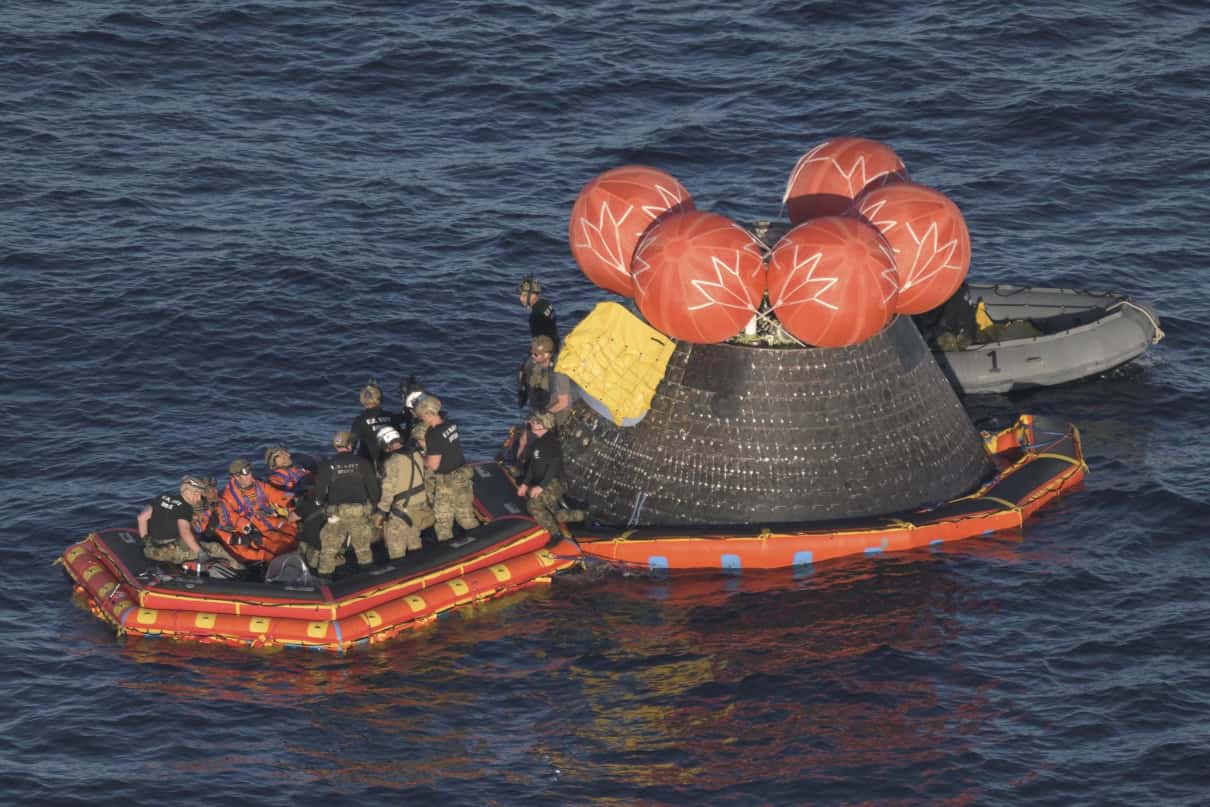
“Everybody is surprised that we’re making stuff for NASA here,” TJ Garcia, the CEO of Jack’s Plastic Welding, told KOAT 7 Action News. “It’s honestly one of the things we brag about.”
KOAT also reported that the rafts took 528 hours to construct a piece and were designed in collaboration with NASA engineers. Garcia also shared that the rafts have been in the works for several years. The rafts, nicknamed “the front porch” by NASA, are double-walled and were put through extensive testing.
After splashdown on April 10, the capsule was assessed by divers before the astronauts were guided off the capsule and onto the rafts.
“The Artemis II crew is home. The entry, descent, and landing systems performed as designed and the final test was completed as intended. This moment belongs to the thousands of people across fourteen countries who built, tested, and trusted this vehicle,” said NASA Associate Administrator Amit Kshatriya in a news release.
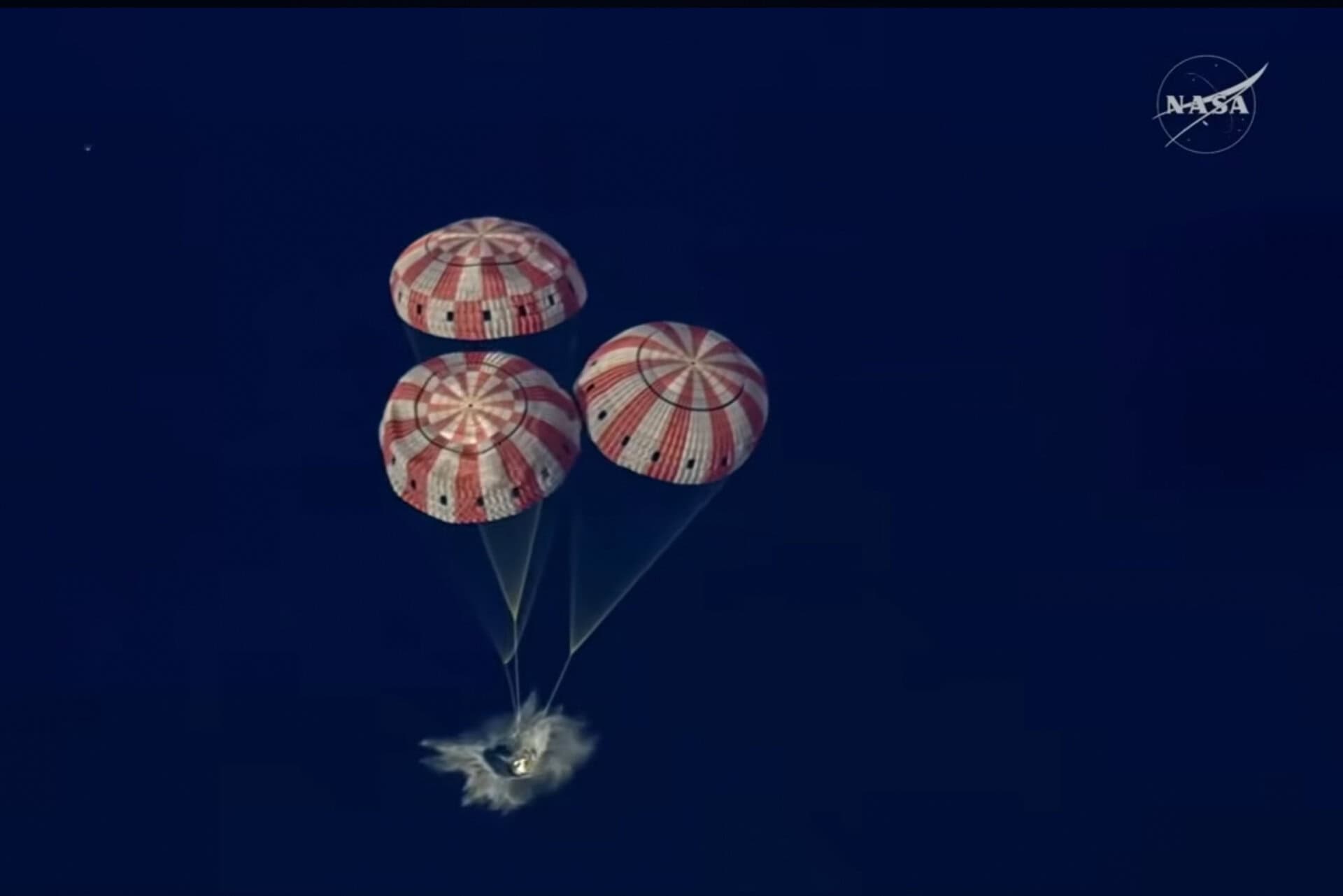
During the Artemis II’s April 6 lunar flyby, the team of astronauts captured over 7,000 images of the moon’s surges and a solar eclipse. NASA has now begun preparations for 2027’s Artemis III mission.