


Framed by the Northern Rockies and skyscraping mountain peaks, Montana is home to countless lakes—and that’s not an exaggeration. There are more than 3,223 officially named lakes and reservoirs across the Treasure State, and hundreds, if not thousands, of uncharted subalpine lakes carved by glaciers and weather over time.
Although Montana is technically landlocked, as a local, I can tell you that our massive water footprint ensures you never feel lacking in water. Water is central to our lifestyle. On any given weekend, you will find me out on the water, whether that’s rowing through technical whitewater or paddleboarding the soothing, clear lake waters of our western valleys.
Living here means having a lifetime of water access right in your backyard. In fact, under the Montana constitution, all water belongs to the state for the use of its people, meaning that public access is a guaranteed right. No wonder we’re so keen on paddling here, eh?
Drawing from years of navigating these waters, here is a curated guide to a handful of my favorite Montana lakes for canoeing, SUPing, and flatwater kayaking.
Flathead Lake
Best all-day adventure
You can’t talk about lakes in Montana without first discussing Flathead Lake. Tucked away in the northwestern corner of the state and measuring over 2,000 square miles of water, Flathead is the largest natural freshwater lake west of the Mississippi found in the Lower 48.
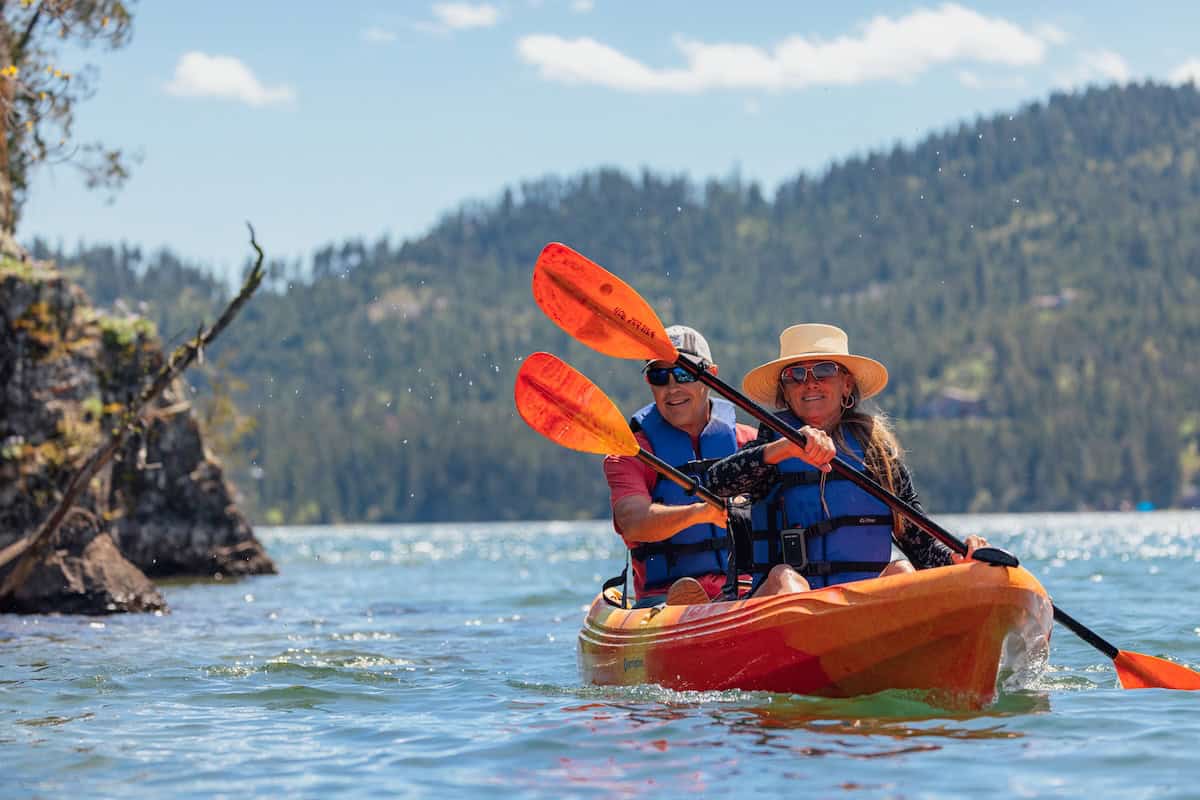
With 185 miles of shoreline, Flathead offers prime wildlife viewing, all-day kayak or canoe trips, and ample paddleboarding during the calm morning and evening hours. There are thousands of waterfront properties riddled along the coastline—my family cabin included—so expect motorized and sailboat activity, plus the occasional floatplane landing. The lake is generally split up into the east shore, which is framed by the Mission Mountains and cherry orchards. Here, the shade of the mountains keeps the water relatively cooler and offers more shade from the summer sun.
The west side offers panoramic views of the mountain range with rolling hills as your backyard. Found along the entire lake are various islands and coves, perfect for paddling through when the conditions are right. Weather in Montana can change within minutes, and Flathead is known for the occasional high wind and choppy waves.
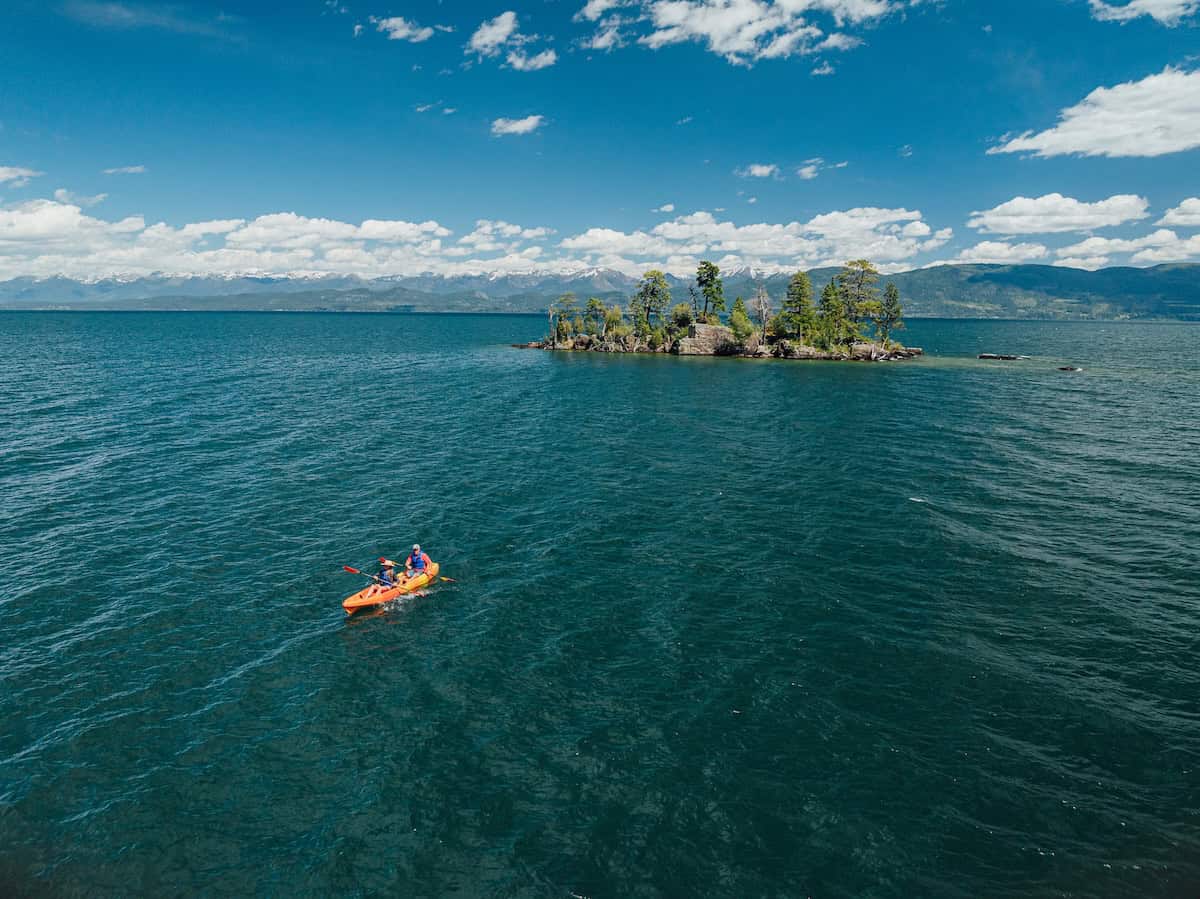
My all-time favorite day trek is a paddle to Wild Horse Island, a unit of Flathead Lake State Park. This 2,164-acre nature preserve once served as a pasture for the Kootenai and Salish tribes who swam their horses across the lake to pasture and protect them. True to its name, the island today is a sanctuary for a handful of wild horses, bighorn sheep and other animals like mule deer, bald eagles, osprey and falcons.
Know before you go: Somers Beach State Park and Flathead Lake State Park, which comprises a mix of island and mainland units, are situated directly on the shoreline of Flathead Lake and, depending on location, offer day-use access, swimming and boat ramps for launching. The southern half of Flathead Lake is within the boundary of the Confederated Salish and Kootenai Tribes Flathead Reservation. Recreationists may be required to purchase a tribal recreation permit when visiting parts of the reservation.
Lake McDonald
Best National Park Paddle
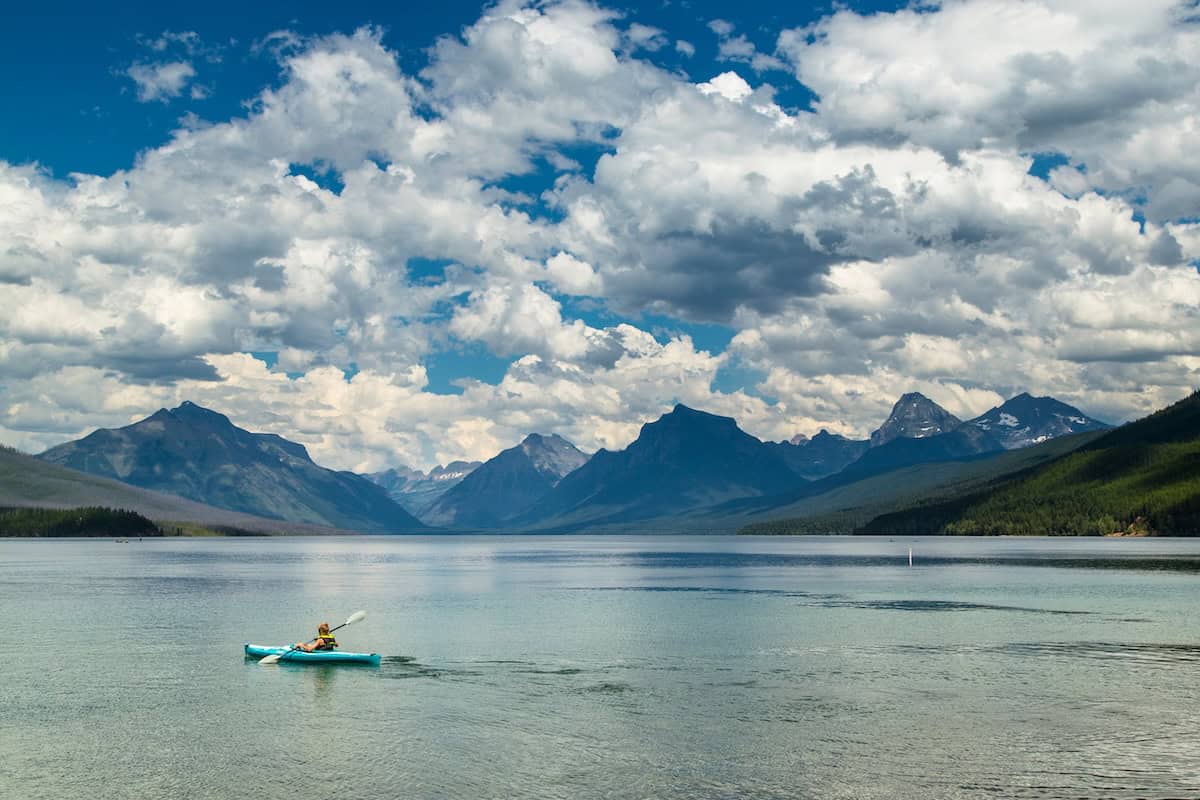
When I think of home, I think of the picturesque clear waters of Lake McDonald dotted with rainbow rocks. Because the icy cold waters are fed by glacial runoff and snowmelt, the lake is incredibly clear—visibility can reach up to 80 feet in some areas. Nestled below the surface are smooth argillite pebbles spanning various shades of green, blue, red and purple. Located within the boundaries of Glacier National Park, the mountains snuggle the lake and on a calm day are reflected in its mirror-like waters.
Lake McDonald plunges to a depth of over 470 feet and stretches across 10 miles of shoreline, making it the largest lake in the park. Over millennia, it was carved by the same glaciers that chiseled out the surrounding valley and waterfalls.
You can rent kayaks or paddleboards from the nearby Apgar Village or Lake McDonald Lodge, a 1913 hotel built along the eastern shore in the style of traditional Swiss chalets. You can also bring your own vessels, but be sure to have them inspected at one of the free Montana boat check stations along the way into the park.
Lake McDonald is an iconic experience in the park, and is best for paddling peaceful, pristine waters offering a once-in-a-lifetime view. Like Flathead and Whitefish lakes, early morning offers smoother water, and also more opportunities to see wildlife like bighorn sheep and the occasional bear.
Know before you go: Lake McDonald is located right next to the West Glacier entrance and is one of the busiest areas in the park. Weekday visits in the early morning or off-season visits in the fall mean you may avoid heavy crowds. Purchase a park pass before your visit, and pay attention to parking restrictions in the area.
Whitefish Lake
Best for beginners
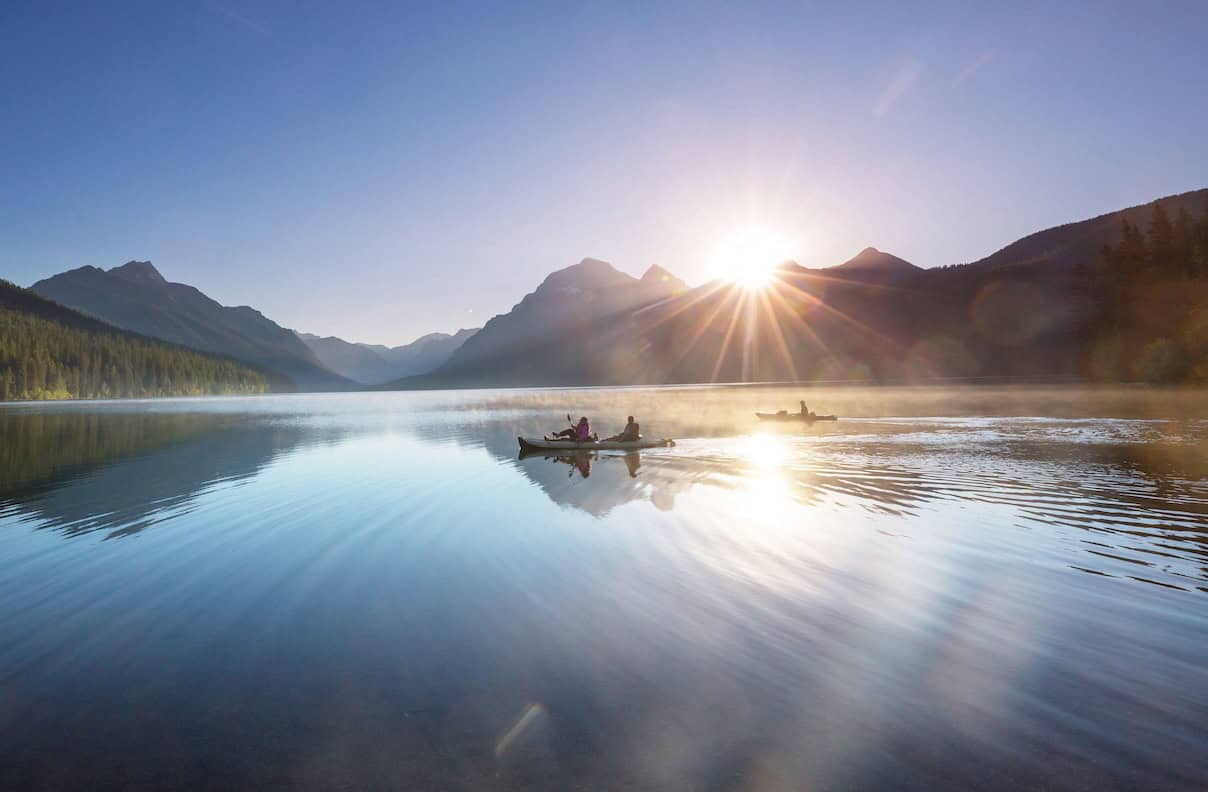
A quick 40-minute drive north will bring you to Flathead’s little sister, Whitefish Lake. Tucked at the base of Whitefish Mountain Resort, the small, clear lake is one of hundreds of remote alpine lakes found across this corner of the state. Whitefish Lake is smaller than Flathead, but is surrounded by steep mountains that block the wind and keep the calm, cozy conditions more consistent. Although there is less shoreline than Flathead, the lake feeds into the Whitefish River, a lazy river that winds for 2.5 miles through the town of Whitefish.
I prefer to paddle across Whitefish Lake in the early morning before boat traffic picks up. Because the lake is generally smaller and more calm, it’s ideal for beginners and those seeking a relaxed outing.
Know before you go: Between October and April, the boat ramps are locked. If you want to fish and launch before regular staffed hours during the summer, you must apply for an Early Angler Permit to display on your dashboard. It is mandatory to have all motorized and non-motorized watercraft inspected prior to launching in Whitefish Lake. The lake is located about 30 miles from Glacier National Park, making it a perfect addition to a planned park outing.
Earthquake or Quake Lake
Best for history buffs
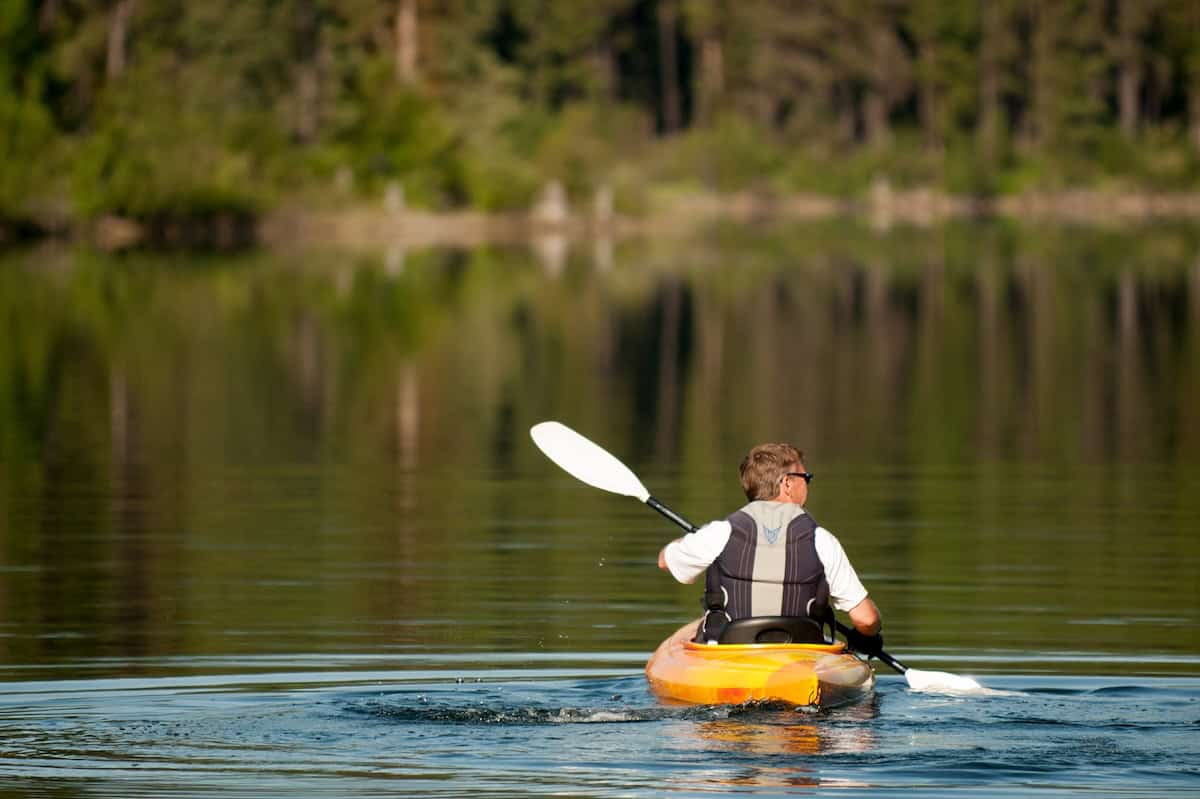
If you’re a history buff like me, don’t skip out on Earthquake Lake. Also known as Quake Lake, this naturally dammed lake is one of my all-time favorite places in southwestern Montana. Its location is a bit off the beaten path, so put on your adventure hat and make sure your vessels are primed for skirting through a ghost forest.
Located along the Madison River, Quake Lake was created after a 7.3-magnitude earthquake struck the area in 1959. The quake killed 28 people and triggered a massive landslide of 80 million tons of rock and debris that moved at over 100 miles per hour, blocking the river. This created a natural dam that filled the canyon within weeks, with newly formed lakewaters submerging part of the river valley.
The result? A “ghost forest” of dead trees that you can paddle through today. At 6 miles long and 125 feet deep in parts, paddlers here must keep their heads on a swivel—submerged timber and sharp skeletal tree remains can easily catch rudders and fins or snag on inflatable vessels. Like most lakes in Montana, Quake Lake is known for strong and unpredictable winds in the afternoon. Check the weather and consider an early morning paddle.
If you love history, the Earthquake Lake Visitor Center gives information about the lake and its formation. The center also serves as a natural laboratory to learn more about the impacts of seismic events.
Know before you go: Access the lake by driving along highway 287 and following the shoreline. Montana visitors will need a $10 permit for all non-motorized watercraft, including kayaks and SUPs. For photographers, the ghost trees are most striking on foggy days or in the late afternoon shadows.
Hyalite Reservoir
Best for surrounding trails
Located 10 miles up the beautiful Hyalite Canyon, the drive to Hyalite Reservoir is scenic in itself. This 206-acre lake near Bozeman was constructed in the 1940s and later enlarged in 1993. Today, the reservoir is surrounded by dramatic peaks and, with limited motorized boats, is perfect for paddleboards, canoes, kayaks and SUPing. The lake is also a no-wake zone, and the peaceful waters make it a great spot to fish for cutthroat trout and Arctic grayling.
While you’re here, tag on a hike. There are many scenic trails in the area, like the easy 1.1-mile out-and-back Palisade Falls trail, which takes you to a cascading waterfall nestled in the Gallatin Mountain Range.
Know before you go: There’s a day-use area with a large parking lot and picnic sites that you can launch from. Some fish species are catch-and-release only, so be sure to check local regulations before dropping a line.
Hebgen Lake
Best for fly-fishing access
Located 10 miles northwest of West Yellowstone, Hebgen Lake is another great body of water for kayakers who love to cast a fly. This man-made lake measures 16 miles long and 4 miles wide—it’s also just 15 minutes from West Yellowstone, making it a great place to camp and regroup after visiting the national park.
Hebgen Lake is known for its large rainbow and brown trout. It’s best to visit between July and September when the temperatures are warm, but late May through mid-July brings the chironomid hatch, driving big trout to the surface of the lake.
There are campgrounds nearby and around the lake, like Rainbow Point or Bakers Hole, most of which can be accessed through the online government reservation website, Recreation.gov.
Know before you go: Motorboats are allowed on Hebgen Lake, so practice good manners on the water. As with many waterways in Montana, mosquitoes can be a real nuisance.
Always wear a properly fitted life jacket and dress both for the weather and water temperature. Nonresidents of Montana must have their watercraft inspected before entering or launching in the state. For more information visit cleandraindry.com.
Sunrise paddle in Glacier National Park. | Feature photo: Galyna Andrushko





