Just before midnight on August 18, the U.S. Coast Guard rescued two paddlers whose kayak had overturned half a mile from land off the Southern California coast. They had been floating adrift and taking on water in the dark for about four hours. Officials say the pair was lucky to have enough cell service to call for help.
“I mean, let’s say they didn’t have cell service,” said Coast Guard aircraft commander Jason Condon, who participated in the rescue. “It was midnight, and I think they had started paddling in the morning. If they didn’t have cell service, they would be floating in the water until who knows? Until a boat saw them or they get to shore.”
Helicopter rescue in the darkness
The Los Angeles-Long Beach Coast Guard received the call from the kayakers at 11:17 p.m. By midnight, a helicopter crew was on scene, about a half-mile off Arch Rock near Anacapa Island.
In a press release, the Coast Guard shared that the kayakers “were wearing wetsuits and life jackets and did not have a radio onboard.” However, they did have a light, which Condon says was crucial in helping the crew locate the pair quickly.

“It was dark, so a thing that really helped them was having a signaling device. We were looking for them, again it is hard to spot just a head in the water, but they used a light. We have night vision goggles, so once they turn on that light, we instantly see them,” said Condon.
The helicopter crew lowered a basket to lift the kayakers to safety one at a time. They were then flown to Ventura County emergency medical services. The Coast Guard reports they were both in stable condition. Condon says he does not know what caused the pair to capsize, and the Coast Guard did not share any further information on the events leading up to the rescue.
Captain Carson Shevitz with TowBoatUS Ventura, a commercial company that recovered the paddlers’ kayak and belongings, told the Santa Barbara Independent that the pair was planning to camp on one of the Channel Islands for a few days. Shevitz was also unsure why they called for help so late, but he suggested they may have been searching for cell service, which is spotty around the Channel Islands.
“But for a kayak to be underway at night in that area is very unusual. It’s a weird location to be doing it,” Shevitz said in an interview.
Communication is key
Coast Guard officials say the rescue highlights the importance of carrying multiple reliable means of communication while on the water. A phone is a great option but only if you have cell service, so it should not be your only means of calling for help. Condon says the pair likely wouldn’t have been able to make a call if they’d been just one island over.
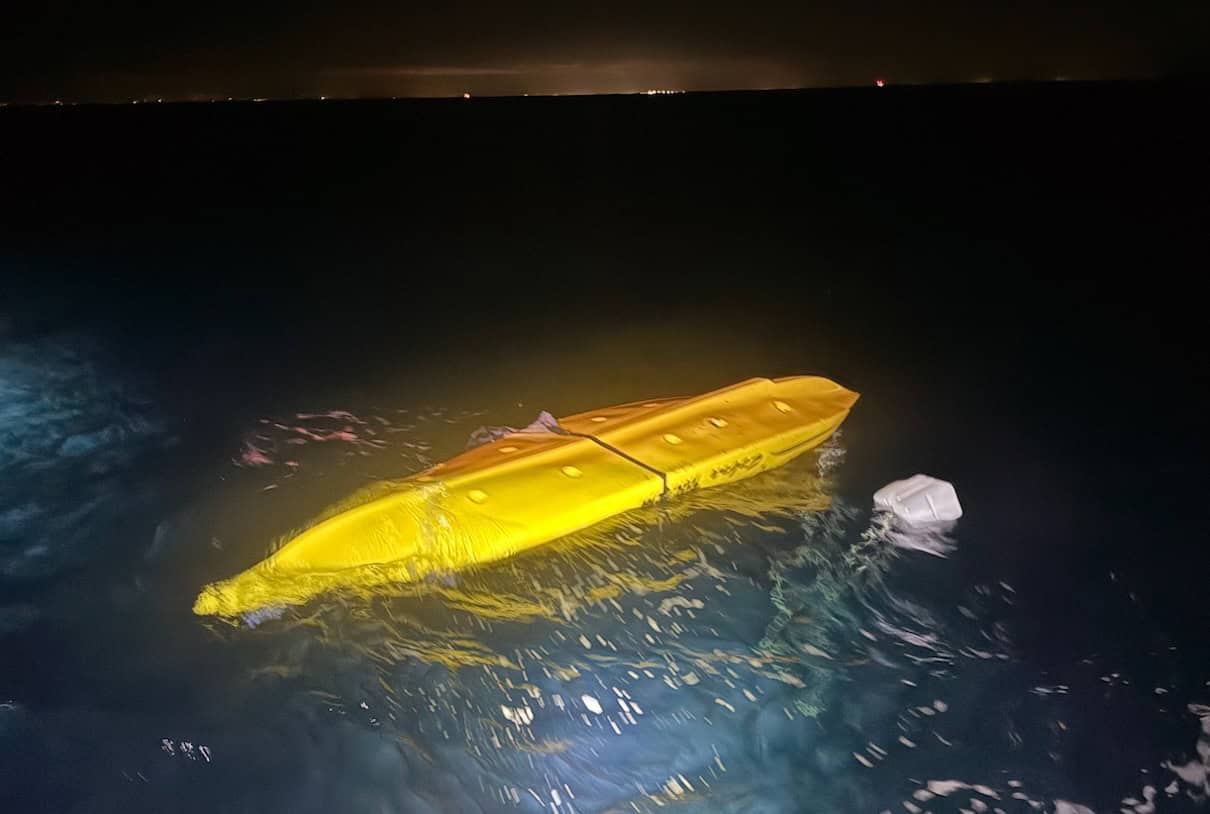
“Thankfully, the kayakers were in cellphone range, which allowed them to reach the Coast Guard,” said search and rescue mission coordinator Lt. Cmdr. Jason Caprioli. “However, we strongly urge all mariners to have a signaling device and VHF-FM marine radio when on the water to communicate with the Coast Guard or nearby mariners because this safety gear can make a critical difference during an emergency.”
Still, Condon points out there are some situations in which a satellite device, like a Garmin inReach, might be a better option for paddlers. He says it all comes down to planning ahead and researching the conditions and location of your paddle.
“Know the limitations of your safety gear. Like will your VHF radio work in the places you’re going? Have you tested it?” said Condon. “You never know when stuff like this is going to happen, and it’s better to be over prepared.”
While the kayakers got lucky with the cell service, Condon praises their preparation in other areas. He highlights their PFDs and wetsuits, as the gear allowed them to safely prolong their exposure time in the water while they waited for help.
“It was worth it to be over prepared, and they’re very thankful that they did. If they didn’t have [wetsuits], they could have been in a worse situation, and it probably would be a lot more scary for them,” said Condon.
The Coast Guard recommends paddlers wear a wetsuit or drysuit if water is 60°F/15°C or colder. Bodies lose heat much faster in cold water than when dry, so paddlers should always dress for immersion.