Home Blog Page 11

America’s Most Unexpected Kayaking Mecca

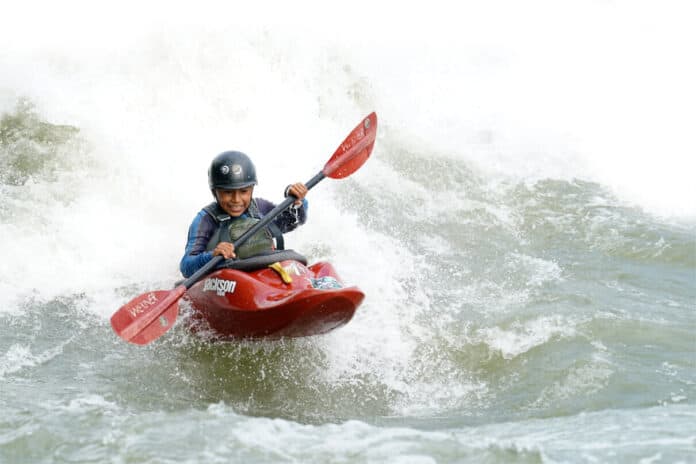
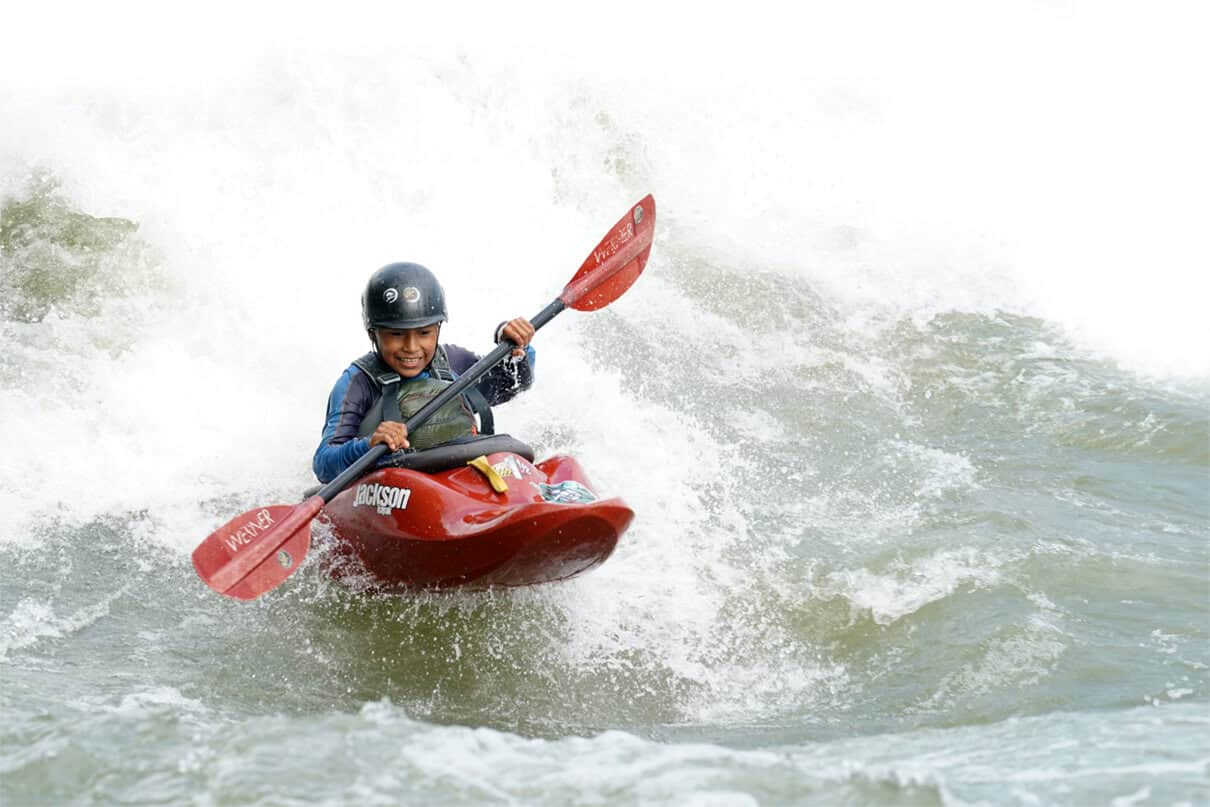
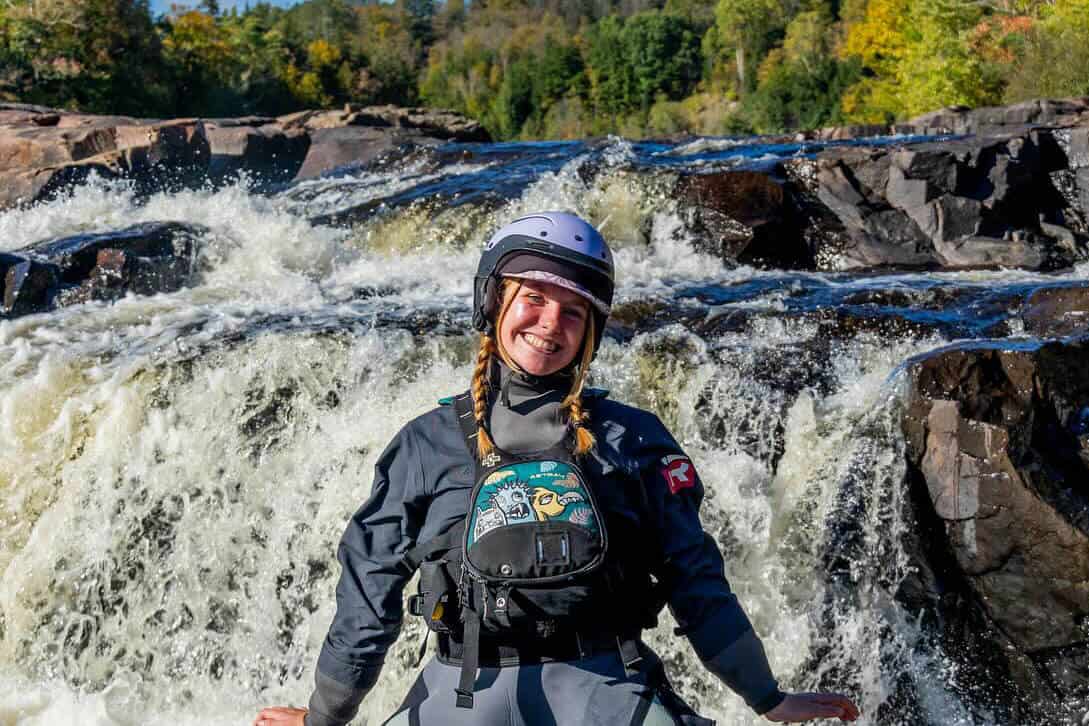
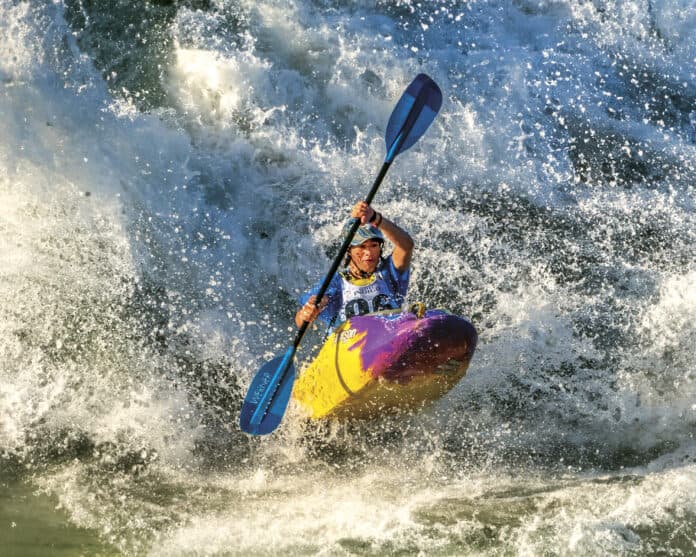
Woman whitewater kayaking
Photo: Courtesy Uptown Columbus

Whitewater was the last thing on my mind when I first heard of Columbus, Georgia. The southeastern United States isn’t typically known for its whitewater. The first day I paddled the Chattahoochee River, I was blown away by the quality of the kayaking. Big waves, warm water and friendly people defined the Columbus experience for me, and I’ve been yearning to go back ever since.

In 2025, Columbus was recognized as the world’s first Center of Excellence for canoe freestyle by the International Canoe Federation. The city hosted the 2023 ICF Freestyle Kayak World Championship and will host it again in 2029. The Chattahoochee flows right through downtown, with 22 miles of parks and paths paralleling its banks. At 2.5 miles long, RushSouth Whitewater Park is the longest urban whitewater park in the world and home to several world-famous whitewater features, including Good Wave and Ambush.
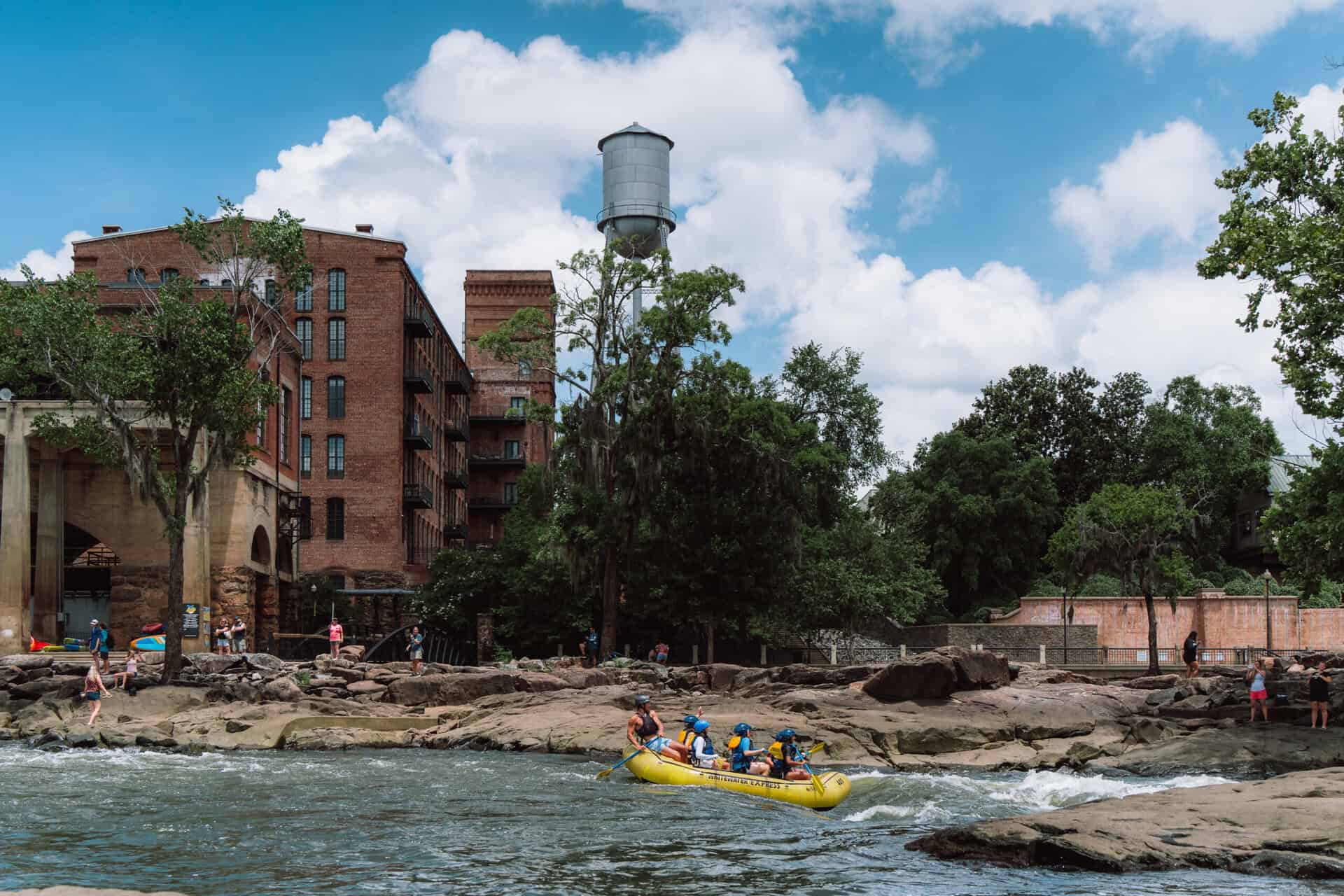
Rafting Chattahoochee River
A river runs through downtown.

More than 50,000 visitors travel to Columbus each year for whitewater sports, but it wasn’t always this way. In 2012, the city removed two large dams and worked with hydrologists to launch a major river revitalization project. Today, the Chattahoochee offers five class IV+ rapids, 10 smaller rapids, warm water, dam-controlled releases 365 days a year, and flows of up to 13,000 cubic feet per second (the highest-volume rapids east of the Mississippi and south of Canada). All this makes the Chattahoochee a whitewater kayaker’s paradise. Each winter, freestyle kayakers flock from all over North America to train on Columbus’s warm waters and big waves. They even have a name for it: the Wintering Grounds.

Head south for winter whitewater

Professional kayakers and multiple-time freestyle world champions, Emily Jackson and Nick Troutman, bought a house in Columbus to spend more time paddling the Chattahoochee.

“One of the biggest draws to Columbus is the consistency and access to great river features. Between Ambush, Monkey Wrench, Good Wave, Great Wave, and the super high-water features, it has a ton to offer. Not to mention it is one of the warmest places to paddle year-round,” says Jackson.
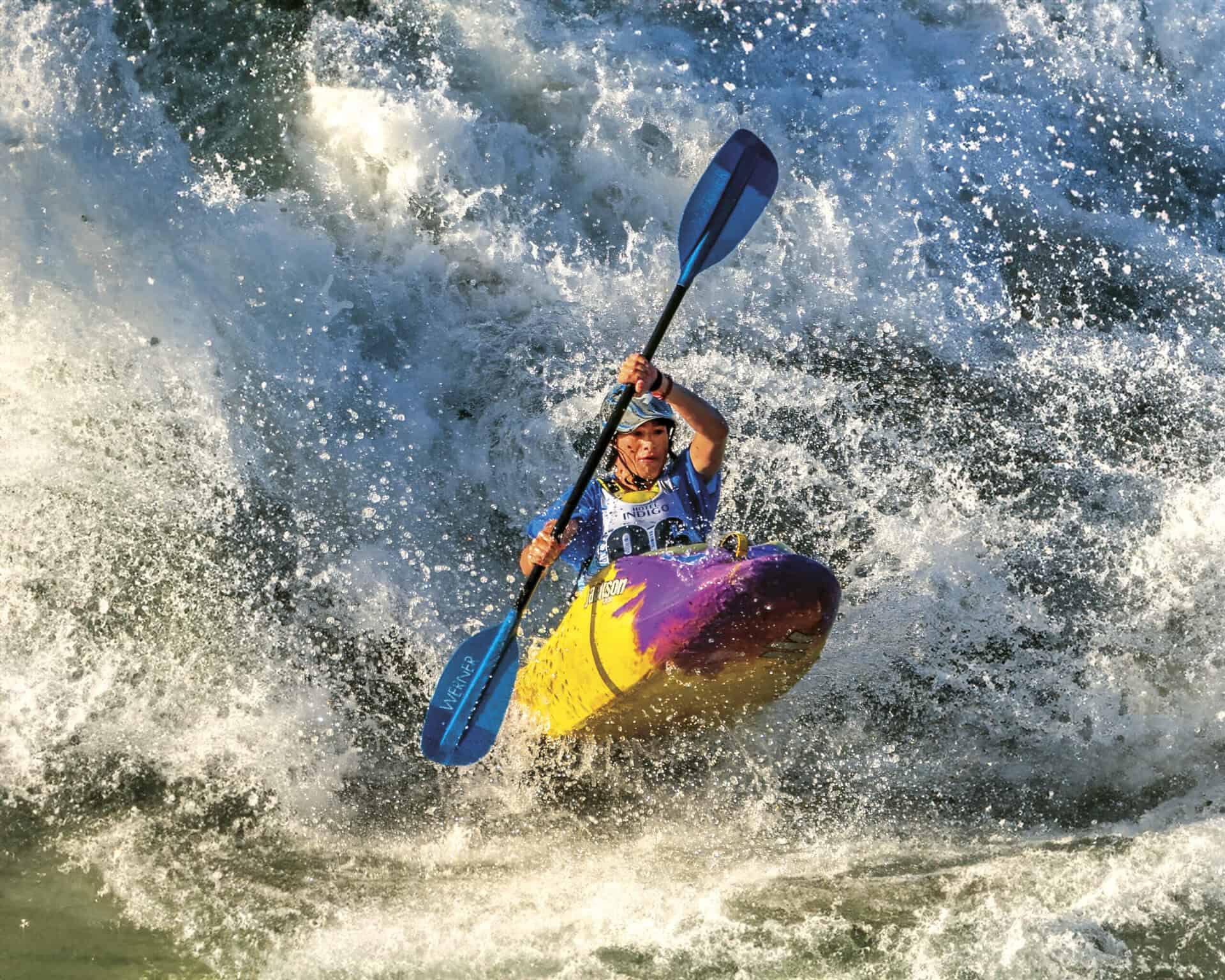
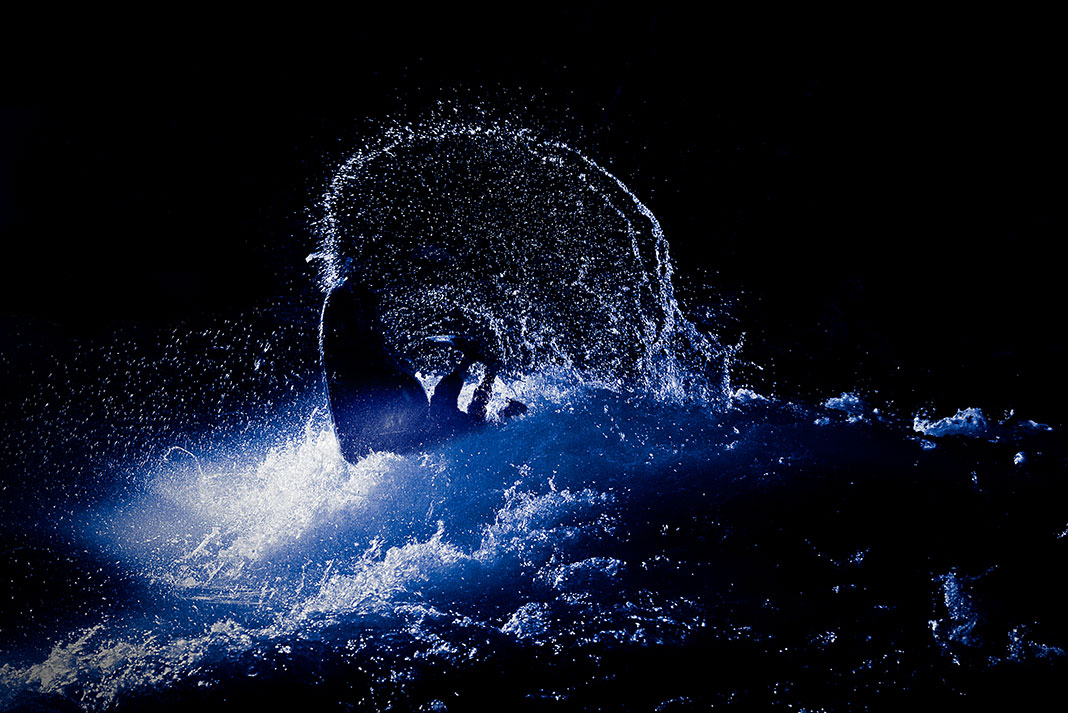
Woman whitewater kayaking
High volume on the Chattahoochee River in Columbus, Georgia.

The whitewater is the main draw, but Jackson says the best part about paddling in Columbus is actually the community. “The community is what makes Columbus so great. You have a kayak shop, Whitewater Express, that has committed a ton of energy and resources to supporting the paddlers, then you have individuals like Melissa Hargrove, who organizes dozens of get-togethers for people of all skill levels and kids to enjoy the river,” she explains.

The warm water, deep whitewater and variety of rapid difficulty, from class I to class IV+, also make the Chattahoochee ideal for beginners and families. And there’s something extra special here: a community that goes out of its way to welcome new paddlers.

Why paddling pros make Columbus home

The Hargrove family has been a pillar of the Columbus paddling scene for over 20 years. Two of their kids, Makinley-Kate and Mason, are each world champions, while their younger siblings are not far behind.

“Kayaking is so much more than a sport. It has turned into an epic adventure, full of travel and meeting amazing people. Kayaking gives us opportunities for unplugged family time on the river, creating an enjoyment that we have not been able to duplicate with any other activity. This all started on the banks of the Chattahoochee River, thanks to a community that welcomed us with open arms,” says Hargrove.
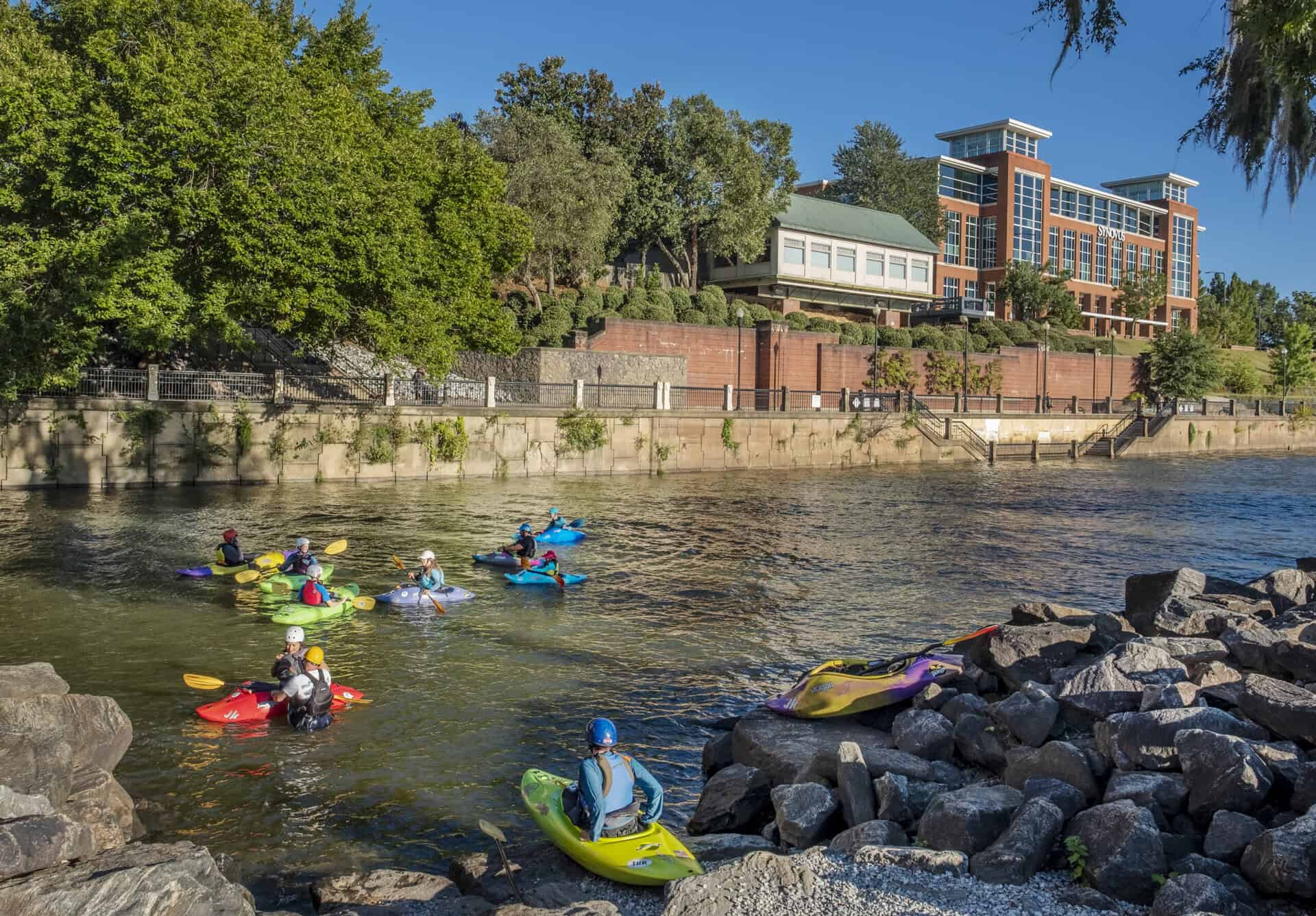
Flatwater kayakers on river
The Chattahoochee is the perfect learning ground for young paddlers.

The Hargrove family now gives back to the Columbus community by hosting kids’ kayaking camps, camps for underprivileged children, river cleanups, weekly paddling meetups, and volunteering for Team River Runner, a nonprofit organization providing adventure and adaptive sports programs for active-duty military personnel and veterans.

“The community is what makes it such a great space for my kids to push themselves in their kayaks because this group is dedicated to simply having fun on the water. Last week, all the kids ended the day at sunset, jumping in and swimming the rapids. To me, that’s what kayaking is all about: a place to connect with nature, push yourself, and have fun,” says Jackson.

“You can be a brand new kayaker through Team River Runner, or take a lesson through Whitewater Express and work your way up to surfing Good Wave or running our amazing river. The Chattahoochee River in Columbus has something to offer for everyone. I think it is one of the most inclusive pieces of whitewater in the United States,” says Mason Hargrove, 22, who learned to paddle on the Chattahoochee, and has worked his way up to become one of the best freestyle kayakers in the world.
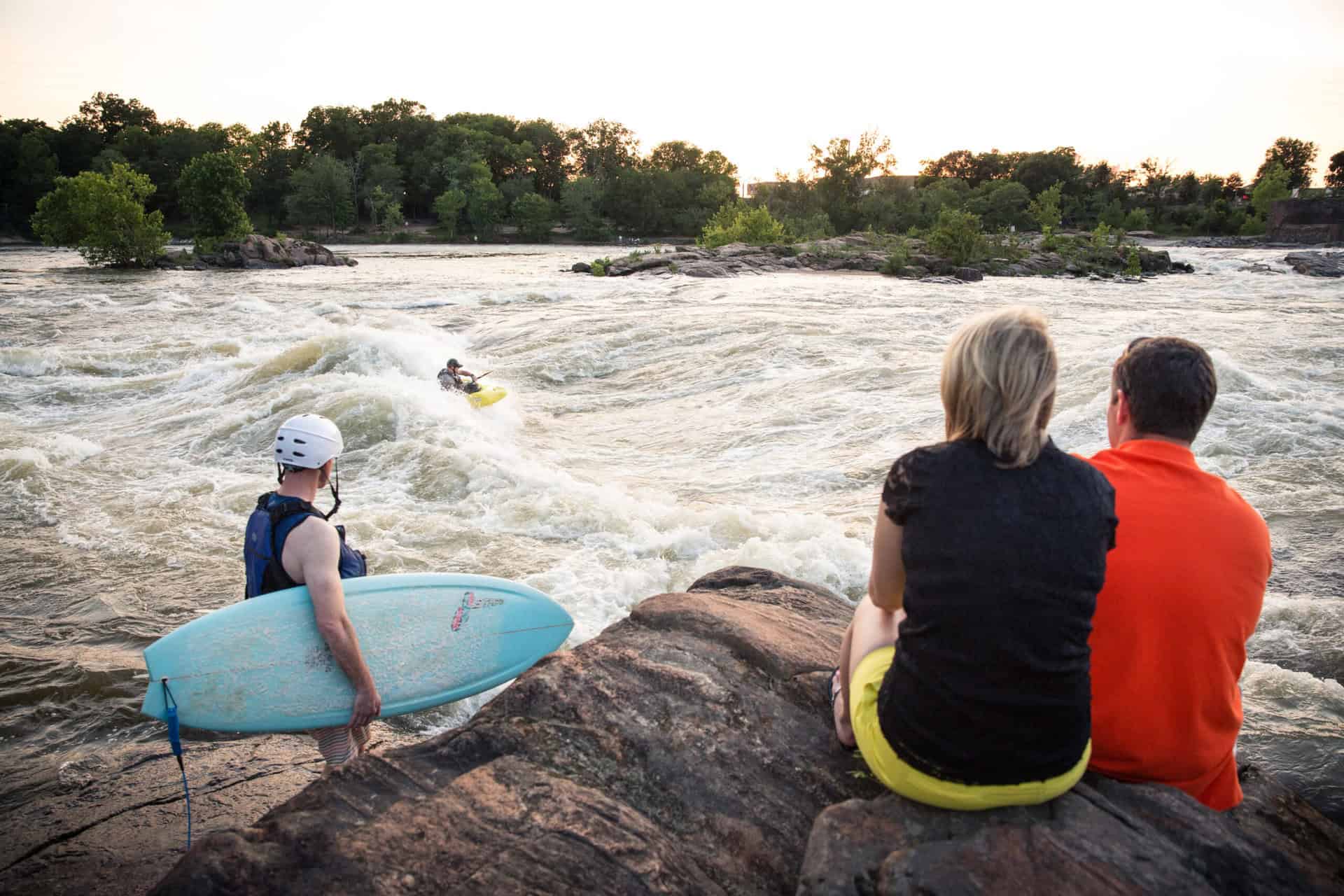
Columbus Georgia Kayaker
Spectators watch the action.

A river town made for adventure

Located just 1.5 hours from Atlanta, you don’t have to be a freestyle athlete to kayak in Columbus. Local outfitters run rafting trips all year. The river’s flow changes with releases from the dam upstream, offering low-flow morning floats for families, while afternoon releases crank the volume. And there are plenty of other things to do in Columbus, too. RushSouth hosts guided fly fishing and ziplining, and Whitewater Express installed an 18-hole disc golf course along the riverbank.

Downtown Columbus has maintained its historic brick mill town character. I loved wandering the streets and exploring the coffee shops and restaurants within walking distance of Good Wave. I spent many mornings at Iron Bank, working on my computer before walking a few blocks to the river to paddle. For non-paddlers, the RiverWalk is a 22-mile park with paved walking trails right next to the river. There is also a farmers market on Saturdays, as well as art studios and live music throughout the city.

What’s next for the Chattahoochee

Columbus is one of the best freestyle destinations in North America, and the city is continuing to develop the river as one of the bucket list whitewater destinations in the country. The city is even planning another multi-million dollar investment in the whitewater park with a new low-water feature that will be accessible to both river surfers and freestyle kayakers. I hope to test out the new wave on my next visit to this unexpected kayaking mecca.
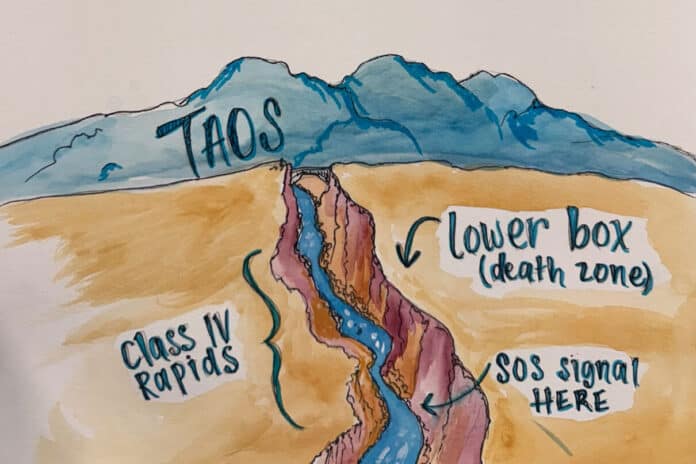
 

Inside The Daring Night Rescue Mission To Save Two Paddlers In New Mexico’s Taos Box

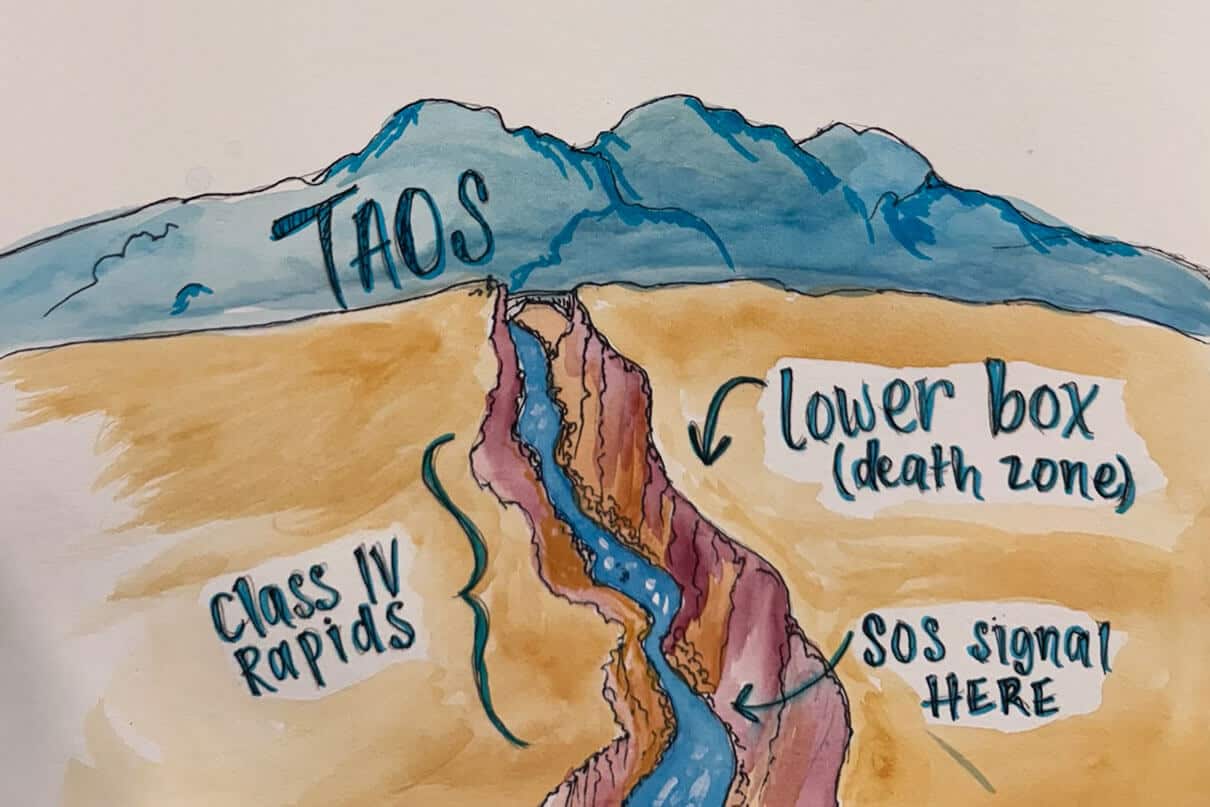
illustration of Taos Box showing river hazards and SOS signal location from the night rescue mission
Feature illustration: Sydnie Keeter

John Fullbright got the call just as his family was walking in the door. He’d been in the kitchen all afternoon, preparing homemade chicken soup for his wife and daughters, who had spent the day in Denver.

Fullbright hung up the phone and told his family he was going on a rescue in the heart of the Lower Taos Box. Now, in the dead of night.

He poured some dinner into thermoses, loaded his Jackson Nirvana and 80 pounds of piñon firewood, along with sleeping bags, warm clothes and lights—plenty of lights. Fullbright took all the headlamps he could find, plus a 3,200-lumen Ridgid job site light and every tool battery in his shed. Then he left to meet his river partner, John “Copper John” Nettles.

Inside the daring night rescue mission to save two paddlers in New Mexico’s Taos Box

In their years doing river work for Taos County, New Mexico, Fullbright and Copper John have recovered the bodies of 22 people, all but one of whom had jumped from the Rio Grande Gorge Bridge, which spans the canyon some 650 feet above the river. Fullbright had known many of the jumpers. Some were good friends, one a 14-year-old boy he’d mentored. Hell, Fullbright had been to the bridge himself, years ago, intent on ending his life.

Sheriff Steve Miera stopped him that time. Parked his cruiser in the middle of the span and asked Fulbright if he was okay. He wasn’t, not by a long shot, but he didn’t jump that day. “I realized the only way out of this pain is through,” he says. He went home to his family, fought through the fog of Lyme disease, and ran the Lower Box again and again. More than anyone, he reckons, except Copper John.

When the sheriff called, they agreed the rescue couldn’t wait for morning. They’d have to go that night.


Sydnie Keeter and Jeremy “Daisy” Norris met through Trailmate Connections, an Instagram community for outdoorsy people. Daisy was new to Taos and Syd had just started grad school at Texas Tech. Daisy invited her to Taos and she drove out the next weekend.

“I guess I’m a bit reckless that way,” she says. “If you tempt me with an adventure, I’ll show up.”

Daisy wanted to explore the Rio Grande and Syd had a pair of inflatable paddleboards. Daisy raved about the river, which led Syd to believe Daisy knew something about it. Daisy made the same assumption about Syd, who, after all, owned two paddleboards.

“It was like the blind leading the blind,” Syd says.

illustration of Taos Box showing river hazards and SOS signal location from the night rescue mission
Feature illustration: Sydnie Keeter

October 26 was a gorgeous fall day, the temperature climbing toward the high 60s when they put on about 10 a.m. Syd wore a Mountain Hardwear sun shirt, leggings and river shoes, Daisy a sun hoody under a windbreaker and sandals. Neither brought a life jacket.

Syd started downstream seated on her inflatable board with a double-bladed paddle. Daisy followed, also seated, using a SUP paddle. It was Daisy’s first time on a standup paddleboard, and it showed.

The first riffles come where the canyon narrows just below the high bridge. Daisy flipped in that rapid and nearly every one that followed. The Lower Taos Box is about 15 miles long with dozens of class III and class IV rapids, its sheer red walls towering some 800 feet above the river.

Syd and Daisy didn’t know how far they’d gone or how much farther they still had to go, but they saw the sun sinking toward the canyon’s southwest rim and felt the afternoon’s warmth leaving the air. About a mile below the bridge they came to the biggest rapid yet.

Later, Daisy wrote about their decision to run it. “Syd turns with her teeth clenched and eyes going a little wide, probably mirroring mine, and asks what I think. I think we’ve just got to get to the bottom of the Box before we’re really in trouble. All these words make it sound considered, understood. But I do not understand shit.”

The rapid was Yellowbank, “where the bodies get stuck when they jump the bridge,” Fullbright says. “It’s super sievey.”

Daisy went first over the horizon line, clutching the board until it nosedived, broached momentarily on a broad-shouldered rock, and disappeared. Syd scanned in vain for Daisy, who recalls being sucked down fast, the water “whipping me through a mess of rock and white and incredible icy force.” When Daisy surfaced 50 feet downstream, Syd was already in the water.

They came up on opposite sides of the river. Both boards were gone, never to be seen again. So were Daisy’s sandals. Somehow, Syd had managed to hold onto her water bottle and a small dry bag containing a few bites of bread, some Basque cheese, and their cell phones.

That was it. No dry clothes or matches. Neither Syd nor Daisy had told anyone where they were going.

“Daisy’s barefoot. We’re both soaked to the bone, and we’re trying to strategize by yelling over the sound of the rapids,” Syd says. “And I said I’m going to send an SOS.” Both had iPhone 15s, which can make satellite SOS calls when out of cell service.

Syd began to climb, clambering over rough red boulders and jumbled scree until, finally, the phone showed a satellite in range. Following the phone’s instructions, she sent a distress message that reached Taos Central Dispatch. Within minutes, the message was relayed to Sheriff Miera, then to Fullbright and Copper John.

It was 7 p.m. The race was on.


The sun was below the canyon rim and the air temperature fell fast. Syd and Daisy continued downstream on opposite sides of the river, thinking perhaps they could reach a trail before it was too dark to continue. Finally, Syd called across the river in the twilight. They would have to spend the night in the canyon, and they needed to be together to have any chance of surviving. Daisy, feet bleeding and shaking with cold, dove into the frigid black water and swam furiously.

Beyond the rim, the rescue operation was already taking shape. As Fullbright and Copper John prepped for a night run of the Box, the Taos County Sheriff’s Department used an infrared-seeking drone to locate Syd and Daisy in the canyon, then sent a helicopter to confirm their location. The chopper hovered low, raising spray from the river and bathing the pair in its powerful spotlight. Daisy thought the helicopter would drop a basket to whisk them both to safety. Instead, it flew away.

They would have to spend the night in the canyon, and they needed to be together to have any chance of surviving. Daisy, feet bleeding and shaking with cold, dove into the frigid black water and swam furiously.

The paddleboarders huddled together, sitting back-to-front, one damp sun shirt pulled over two shivering bodies. The temperature was dropping fast, toward an overnight low of 33°F.


Loading their boats at the put-in, Fullbright marveled at the depth of the darkness of the new moon. He and Copper John had each run the Lower Box hundreds of times, usually together, frequently at levels others deem too low. Still, neither man had run the Lower Box at night, let alone a night so dark as this, and Fullbright hadn’t been in a boat since rupturing his bicep tendon three months before.

When the sound of approaching whitewater became too much to ignore, Fullbright stopped to tape his job site light to his helmet, then blazed ahead. Copper John followed in his heavily loaded ducky. Every so often Fullbright rolled in and out of an eddy, sweeping the big light’s beam downstream to give Copper John a snapshot of what lay ahead. In this way they made their way through Yellowbanks and a dozen lesser rapids.

Daisy saw the lights first, playing on the sheer canyon walls. They watched for a minute, then shouted as the boaters came into full view. As the kayaks touched the bank at about 1:30 a.m., Syd braced for a reprimand. She and Daisy both knew they had made a long series of critical mistakes.

Despite their almost incomprehensible lack of preparation, neither was new to the outdoors. Daisy had thru-hiked the Pacific Crest Trail twice, and Syd is an avid hiker who enjoys podcasts about search and rescue. They knew they had messed up and that Fullbright and Copper John had put their own lives at risk to get to them in the middle of this moonless night. But instead of a lecture, Fullbright bounded up the beach, hollering “What’s uuup!”

They soon had a fire blazing. Syd and Daisy pulled in close, eating Fullbright’s homemade chicken and rice soup chased with hot chocolate, down sleeping bags tucked to their chins. Fullbright kept the fire going all night, telling stories like only a true river guide can.

“He’s a bullshitter in the best way,” Daisy would write later. Still, Fullbright’s tone was serious when he told them about Mountain Man, who had driven up from Alabama with a lake canoe, paddled class II every day for a week, and decided he was ready for the Box. He pushed off alone on an October day and wrapped the canoe in Power Line. He came ashore soaking wet. The temperature that night bottomed out at 10°F. The next day Fullbright and Copper John found him where he’d frozen to death, within shouting distance of where they were sitting now. That was six years ago, almost to the day. Fullbright and Copper John had been waiting for live bait ever since.

At first light, BLM river rangers started downstream in a 12-foot paddle raft. By the time they arrived, Syd and Daisy’s body temperatures had recovered. They could paddle out on the raft, walking around a few rapids, which became bigger and more complex as they neared the take-out.

At the last rapid the river pours over a shelf of boulders and plunges 10 feet. “There is no way we would have made it through this,” Daisy recalled thinking. “I can’t wrap my mind around how fortunate we are.”

Fullbright was feeling lucky too. After all the body recoveries, the chance to save two lives felt like pulling a winning lottery ticket. He’s hopeful the notoriety of the rescue will add momentum to efforts to improve swiftwater rescue training for Taos County first responders, place permanent belay anchors to make body recoveries safer, and add signage at the John Dunn put-in warning of the perils downstream.

That’s all it would have taken, he says. “Just go upstream. It’s all flatwater, and it’s beautiful.”

Jeff Moag is the former editor of Canoe & Kayak magazine. Debrief deconstructs paddling accidents and the lessons we learn from them, and celebrates those who save the day.

Cover of Issue 74 of Paddling MagazineThis article was published in Issue 74 of Paddling Magazine. Subscribe to Paddling Magazine’s print and digital editions, or browse the archives.
Feature illustration: Sydnie Keeter


2026 Paddling Magazine Industry Awards: Winners Announced

2026 Paddling Magazine Industry Awards
Rapid Media is pleased to announce the winners of the seventh annual Paddling Magazine Industry Awards. These awards recognize significant and innovative achievements in the development of products introduced to the paddlesports market this year. The Paddling Magazine Industry Awards categories represent every aspect of the sport across all disciplines. The awards present brands with the outstanding opportunity to introduce new products to the largest audience of paddling enthusiasts and the industry. Congratulations to this year’s winners, chosen by over 17,500 voters who cast their support for the best in paddlesports innovation and excellence.

  • Best Sea/Touring Kayak: Kaholo 125 by NRS
  • Best Recreational Kayak: Ace by Mocean Kayaks and Canoes
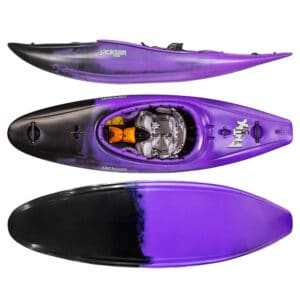
  • Best Whitewater Boat: Antix 3.0 by Jackson Kayak
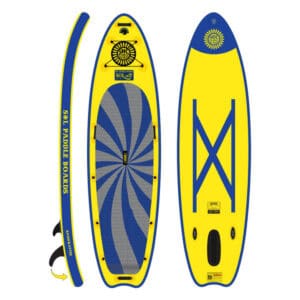
  • Best SUP: SOLrey With Switchblade Retractable Fin System by SOL Paddle Boards
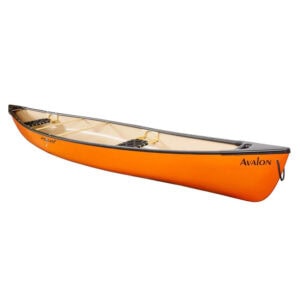
  • Best Canoe: Avalon by Esquif
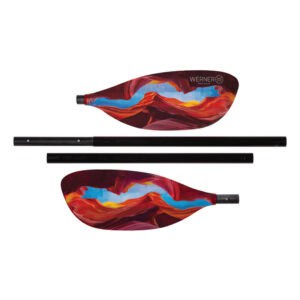
  • Best Paddle: Pack-Tour M by Werner Paddles
  • Best Paddling Gear/Accessory: SlackSeat by SlackSeat
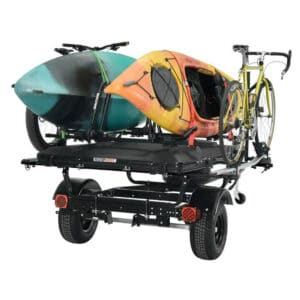
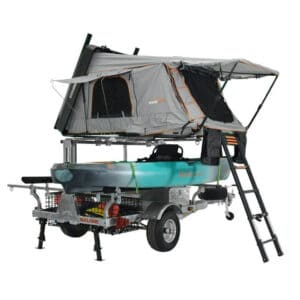
  • Best Paddling Transport/Storage: MicroSport Overland Trailer by Malone Auto Racks
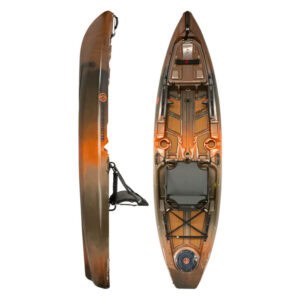
  • Best Fishing Kayak: Smallie by Crescent Kayaks
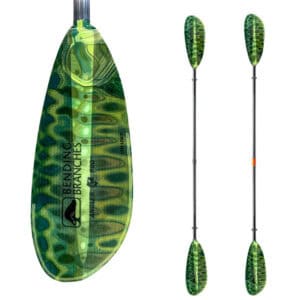
  • Best Fishing Gear/Accessory: Angler Pro Posi-Lok by Bending Branches
  • Best Fishing Transport/Storage: Overland Angler Trailer by Malone Auto Racks

NRS Kaholo

Best Sea/Touring Kayak

Kaholo 125 by NRS

Set course for open-water freedom. Explore the distant shoreline, weave through island chains or claim that elusive paddle-in campsite with the Kaholo 125. Ample storage space and a customizable cockpit give paddlers versatility, whether loading up for an overnight epic or simply cruising the lake. Wherever the current takes you, the Kaholo is an efficient, comfortable inflatable touring kayak that’s as durable as it is lightweight. Available in three sizes: 110, 125 and the tandem 145.


Ace by Mocean Kayaks and Canoes

Best Recreational Kayak

Ace by Mocean Kayaks and Canoes

Adventure starts with the 12-foot Mocean Ace. Lightweight at just 42 pounds, it’s easy to carry yet built tough for any water. Stable without sacrificing speed, the Ace is perfect for beginners and seasoned paddlers alike. Enjoy all-day comfort with adjustable foot pedals and a custom-formed seat, plus space for gear in two large hatches, deck bungees, gear tracks and a paddle clip. Wherever you’re headed, the Ace is ready to launch your adventure.


Antix 3.0 by Jackson Kayak

Best Whitewater Boat

Antix 3.0 by Jackson Kayak

The Antix 3.0 revolutionizes half-slice design with higher-floating bow geometry, integrated Rockstar V double rails, and optimized planing surfaces. Strategic volume distribution enables effortless vertical moves while enhanced buoyancy provides confident downriver performance. From beginner surfs to expert playboating, this “one boat to rule them all” delivers versatility across all whitewater disciplines through precision-engineered innovation.


SOLrey With Switchblade Retractable Fin System by SOL Paddle Boards

Best SUP

SOLrey With Switchblade Retractable Fin System by SOL Paddle Boards

The SOLrey is the most versatile all-around paddleboard on the market. Whether you’re charging through whitewater rapids or cruising on serene flat water, the SOLrey is ready to take on any adventure you throw its way. Equipped with SOL’s Switchblade Retractable Fin System, the fin naturally rests in a fully extended position by gravity, then retracts when it hits any obstacle. It’s built to carry paddlers of all sizes and has plenty of room for extra passengers or your four-legged friend.

Avalon by Esquif

Best Canoe

Avalon by Esquif

A perfect canoe for the cottage, the Avalon is extremely quick, light and easy to maneuver. It is built for those paddlers who occasionally face rapids. Its design ensures straight tracking and allows for excellent glide between paddle strokes. Features two standard web seats and comfortable contoured yoke. Now available in T-Formex Lite and weighs just 55 pounds.


Pack-Tour M by Werner Paddles

Best Paddle

Pack-Tour M by Werner Paddles

Werner’s breakthrough Canyon graphic captures the stunning perspective of floating through narrow canyons, gazing skyward. This four-piece packraft paddle breaks down for easy stowage when transitioning from river to foot. The field-adjustable shaft adapts to conditions on-the-go. Handcrafted in Tennessee, combining bold artistry with innovative function, setting the standard for packraft paddles.


SlackSeat by SlackSeat

Best Paddling Gear/Accessory

SlackSeat by SlackSeat

SlackSeat is a fresh solution to the age-old challenge of kneeling in a canoe: it hurts. SlackSeat allows the solo paddler to comfortably kneel in the canoe while maintaining a low center of gravity. The adjustable cam buckle system provides natural shifts in paddling positions, so you can paddle the way you want, without sacrificing your knees and ankles. A portable solution for style paddlers and trippers who want to vary their paddling positions, SlackSeat doubles as a center seat.

MicroSport Overland Trailer by Malone Auto Racks

Best Paddling Transport/Storage

MicroSport Overland Trailer by Malone Auto Racks

Malone is introducing a series of trailers that allow you to carry your rooftop tent, along with other gear like kayaks and bikes on the trailer platform. Key advantages of the trailer versus the cartop are the ability to use your vehicle without breaking camp and ease of entry and exit as you are closer to the ground. Perfect for solo or family camping.


Smallie by Crescent Kayaks

Best Fishing Kayak

Smallie by Crescent Kayaks

Crescent returns to the origin of kayak fishing while integrating next-gen features. The Smallie combines portability with exceptional performance. Built for anglers, it features motor-ready platforms, plus smart management systems for rods, tackle and electronics, which bring innovation to this lightweight class. This modern day throw-and-go kayak is lightweight enough to easily access all waterways and performs brilliantly whether paddling or powering.


Angler Pro Posi-Lok by Bending Branches

Best Fishing Gear/Accessory

Angler Pro Posi-Lok by Bending Branches

The Angler Pro, now with Lam-Lok edge protection in the Bruiser pattern and new Posi-Lok ferrule, is an ultimate kayak fishing paddle. Compression-molded fiberglass blades deliver smooth, flutter-free strokes with long-haul durability. At just 30 ounces, it’s lightweight yet powerful—built for big water, wide kayaks and serious anglers. Handcrafted in Osceola, Wisconsin, by paddlers and for paddlers.


Overland Angler Trailer by Malone Auto Racks

Best Fishing Storage/Transport

Overland Angler Trailer by Malone Auto Racks

Malone is introducing a series of trailers that allow you to carry your rooftop tent, along with kayaks and fishing gear on the trailer platform. Key advantages of the trailer versus the cartop are the ability to use your vehicle without breaking camp and ease of entry and exit as you are closer to the ground. This trailer is configured with two bunk kits, a diamond plate storage drawer, and a wet storage gear basket. Tent not included.


Congratulations to all the 2026 Paddling Magazine & Kayak Angler Industry Award winners!


About Paddling Magazine

Paddling Magazine is the flagship title of Rapid Media, the world’s largest paddlesports media company. Rapid Media’s mission is to inspire and empower paddlers by leading as the sport’s definitive advocate and resource. Alongside Paddling Magazine, the brand produces Kayak Angler, Paddling Business, the Paddling Magazine & Kayak Angler Industry Awards and the Paddling Film Festival. Rapid Media celebrated its 26th anniversary in 2025.


The Best Places To Paddleboard In Arizona

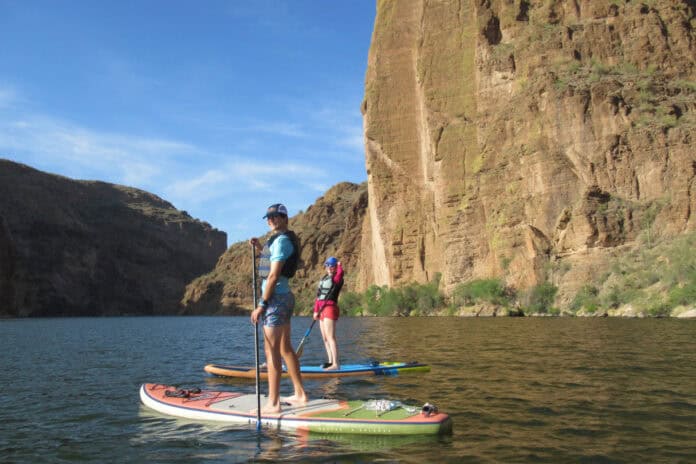
Two people on standup paddleboards in Arizona.
Image: James Murren

Arizona may conjure images of cacti and vast desert, but then I remember the Grand Canyon of the mighty Colorado River courses through it. Arizona is hot and dry, no doubt, but there are rivers and lakes that are great for standup paddleboarding throughout the state. Not only are there plenty of destinations, but with proper preparation for both the extreme heat of summer and chillier winter days, paddling is available year-round. And, in between, the spring and fall seasons are close to perfect.

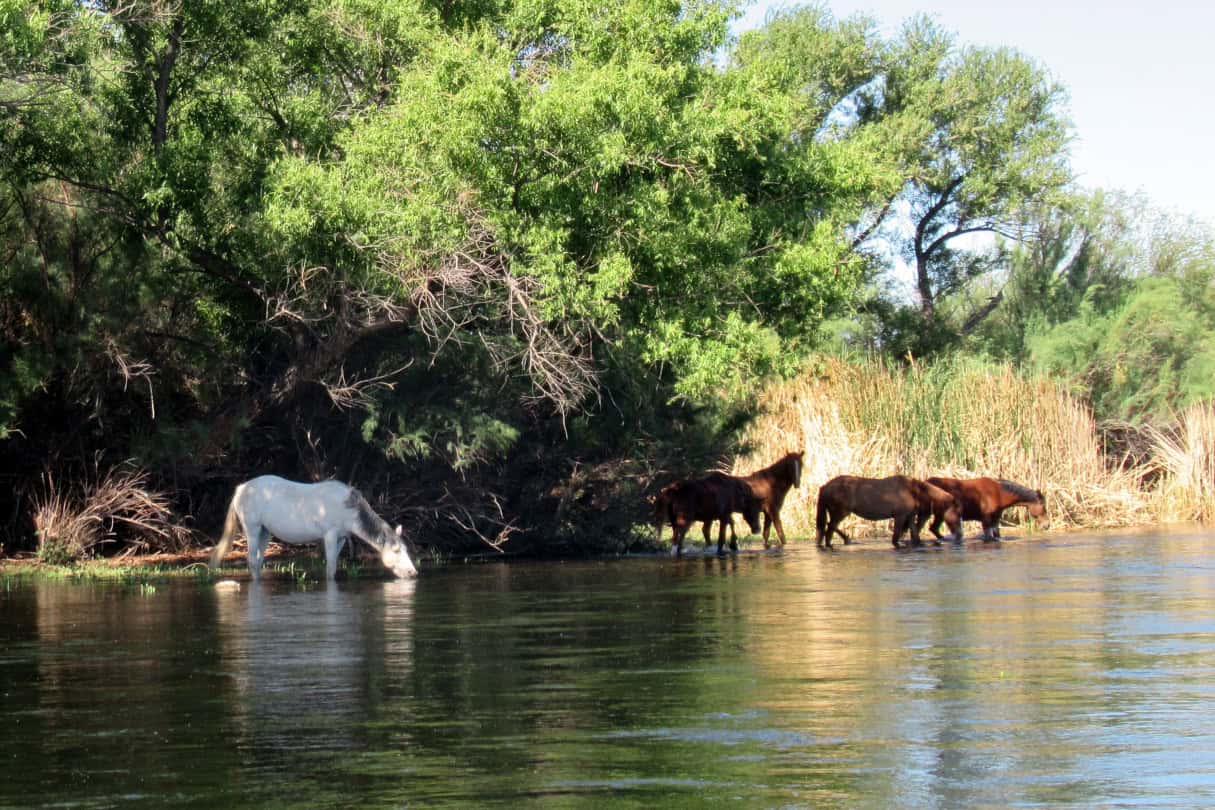
From the Sonoran Desert down south to the pine-forested mountains in the north, the topography is visually stunning. Flora and fauna abound. Saguaro cactus and coyote yips, mountain lions and black bears, towering pines and wildflowers, and if you are really lucky, wild horses coming to the Salt River for a drink while you are paddling, are all possible encounters while navigating the waters of the locales highlighted here: the Phoenix area with Tonto National Forest and Prescott and its surrounding lakes.

The Best Places To Standup Paddleboard In Arizona

Tonto National Forest And Phoenix Area

Tonto National Forest is on the east side of Phoenix. It’s a rocky land with classic Sonoran Desert flora and fauna, where coyotes and wild horses roam and the iconic saguaro cactus reaches for the blazing sun. The Salt River runs through the Superstition Mountains out there, a hardscrabble terrain inhabited by humans going back thousands of years. For paddleboarding, two lakes serve as reservoirs on the river, and there is the Salt River itself. All three provide ample opportunities for paddling in the rugged landscape.

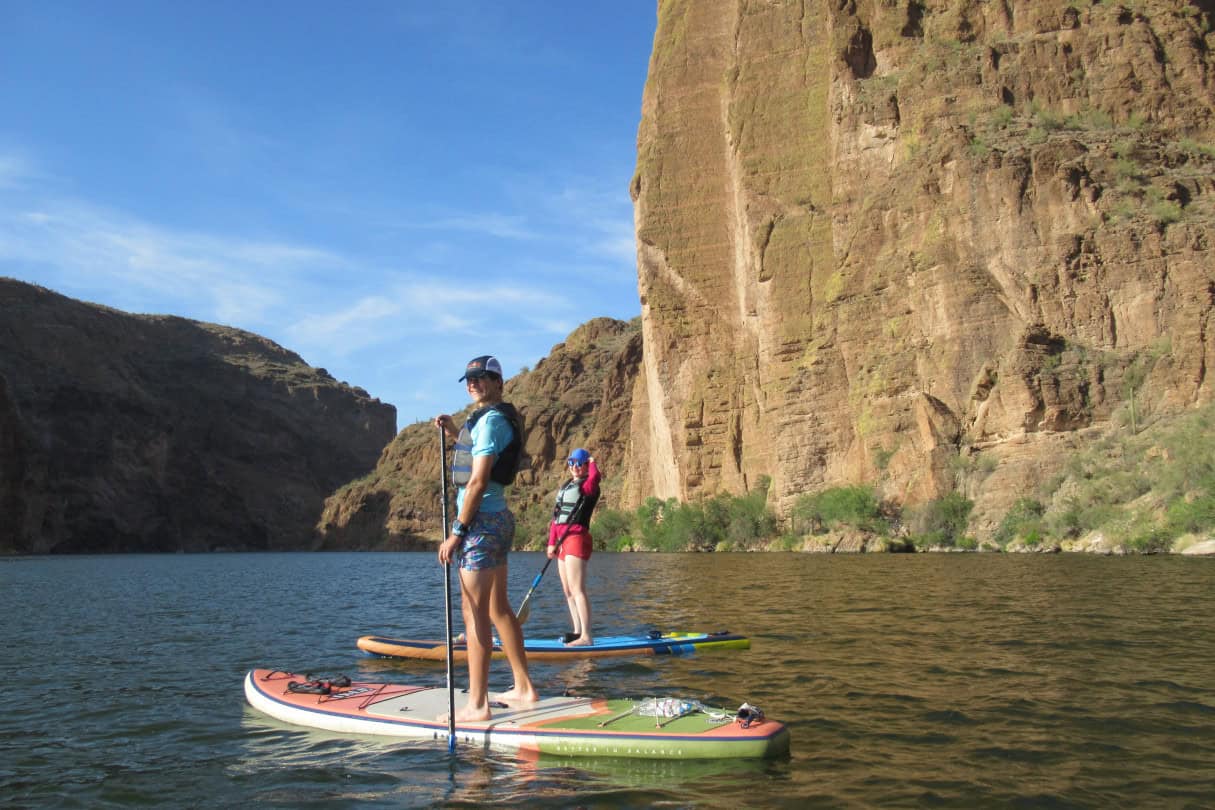
Two people on standup paddleboards in Arizona.
Image: James Murren

Canyon Lake

The dramatic red rock walls are the reason to paddle Canyon Lake, which technically sits in the Superstition Wilderness. It’s less than an hour from Phoenix, with access points right off of State Route 88.

Opposite the shoreline where I put in, the walls seemed to pull me in their direction like a magnet. While beneath the walls, I scanned above them for big horn sheep. I did not see any, but herons and hawks flew by and soared. With 950 surface acres of flat water, I had plenty of water ahead of me to open up the stroke count, though I did have to keep a watchful eye out for motorboats and water skiers.

More to Know

To access Canyon Lake, you’ll need a daily or annual U.S. National Forest recreation pass.

If you don’t have a board, SUPs and kayaks are available to rent at Yak N SUP, which is located right at the marina on the lake. They also offer guided trips.

When you finish paddling, the Tortilla Flat Saloon is up the road a few minutes’ drive, and worth the quick detour for a bite to eat.

Saguaro Lake

Butcher Jones Recreation Site is a flurry of activity. During my trip there, I arrived at the parking lot at six in the morning, and countless paddleboarders were already there. There is a small beach that is the access point, and, nearby, there are massive rock walls. But, instead of Canyon Lake’s red rock, they are black and shades of brown.

Willow Springs Canyon is across the lake from the launch at Butcher Jones, and it is the highlight. At that point, the lake is technically the Salt River. I paddled up it in the direction of a landmark called Ship Rock. Perhaps more great blue herons than I’d witnessed in one place in my lifetime fluttered by. Boaters powered by too, and two female endurance swimmers with buoys and a kayak support team were out for an eight-mile morning. At Saguaro, just about every type of water enthusiast you can imagine enjoys the scene.

More to know

If you are looking for an après SUP session, the Saguaro Lake Grill is just around the corner from the public boat ramp. Order some grog and grub and head to the expansive patio overlooking the lake. Sit back, relax and enjoy.

Salt River

Putting in at Saguaro Lake Guest Ranch, the Wild and Scenic Salt River gently flows beneath dramatic cliffs. Just after I launched there, an otter appeared and fished along the shoreline. In the first ten minutes of paddling, I accepted that if I didn’t see the wild horses claimed to roam along the river, the unexpected otter sighting was plenty satisfying, and I paddled on.

The mostly languid river is popular for paddleboarders and tubers, as well as kayakers. The Lower Salt has multiple launch points, and you can take a trip that is just a couple of miles or more than 10. Given the river’s popularity and its proximity to Phoenix, there are also shuttle services readily available.

I was told that a rapid called Pinball was a class II, and that some SUP paddlers navigate it fine and others fall in. Between my launch at the Guest Ranch and Pinball, open flatter sections of river pockmarked the descent. I could hear Pinball before I saw it. Entering it, I crouched down a little, feet slightly wider apart than normal. Paddle stroke here, paddle stroke there, and surprisingly, it was over quick.

In another small rapid I wasn’t as fortunate. After passing a bridge near the Blue Point Recreation Area, a small corner of whitewater makes a somewhat sharp left turn. To avoid a fly fisherman in an eddy, I took a shot for the swift water side of the rapid. As I came out of it, I paddled hard to the right, and the next thing I knew, I was in the river.

At the bottom, as I gathered myself and my gear, a woman seated on a SUP who volunteers with the forest service came by and said, “The Devil’s Elbow gets everyone at some point. It’s why I sit through it now.” I laughed and thanked her for her service.

After the Elbow, it was easy paddling. A few hundred feet before I finished, I had the encounter I’d hoped for. A group of wild horses came to the water’s edge to quench their thirst.

More to know

If you have your own SUP, Saguaro Lake Guest Ranch is your best shuttle option. They also have equipment rental options.

Prescott And Surrounding Lakes

In northern Arizona, the small city of Prescott is an outdoor recreation enthusiast’s playground. From hiking to mountain biking to trail running, Prescott is the place to be. I’ll add that SUPing is another option to mix in some paddling while you’re there.

Watson Lake

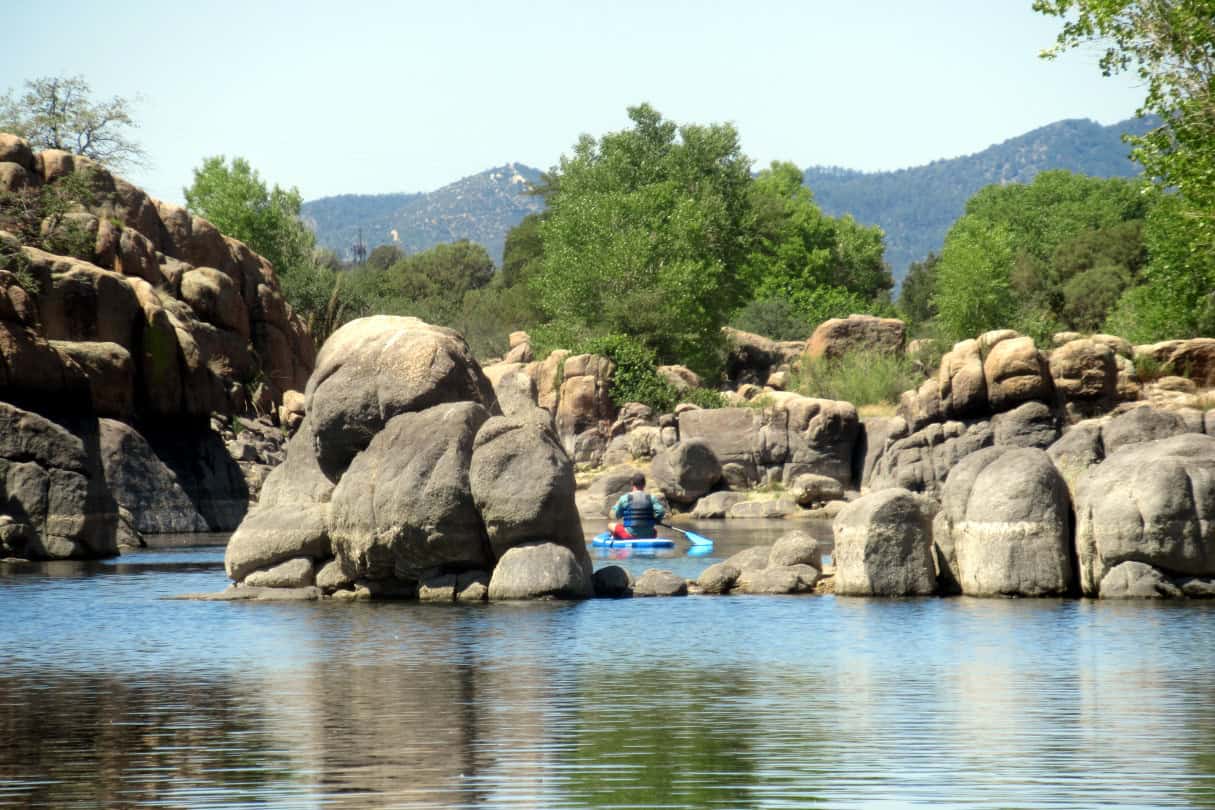
Watson Lake is a stunning place to paddle. Below and around the lake are boulders the color of camels, and few trees dotting the viewscape. The boulders are the Granite Dells the area is known for, and in places, they rise like camel humps out of the water to paddle around and through. Along the shoreline there is plenty of bird life to observe, and especially, great blue herons abound.

For nearly two hours, I SUPed nearly the entire shoreline of Watson Lake and the pathways between the boulder “fields” that were out in the water, cutting off the far southern end away from the put-in at the north boat ramp. It was a SUP experience I’d recommend to everyone.

Person sits on paddleboard behind granite rocks in an Arizona lake.
Granite dells. | Image: James Murren

Granite Basin

A beautiful bowl of shimmering water nestled in the Prescott National Forest, this is a perfect spot in the pines for kids to paddle. In fact, it is idyllic. It is very small. A place for teaching and learning. Pack a picnic lunch and make a day of it, enjoying the tiny beach area with your family.

Upper and Lower Goldwater Lakes

Upper Goldwater Lake is a gem. Surrounded by hiking and mountain biking trails, you can have an adventurous day in the Goldwater Lakes area. People fish along the shoreline, and Standup paddleboarders and kayakers enjoy the placid water. Whether you want to have a relaxing paddle or make the perimeter a sustained training session, the scene is serene. If you’re an advanced paddler, you might finish an outing in less than an hour. Like Granite Basin, it is a great spot for beginners.

Note that Lower Goldwater Lake is no-contact, so you cannot paddle it.

Lynx Lake

Lynx Lake has 55 acres of surface water surrounded by picturesque pine forest, and I heard numerous outstanding things about its natural beauty. Alas, I was not able to enjoy it. The lake was drained early in the year for dam repair, and the local paddling community said it may take years for the lake to completely refill; however, as of late 2025, the lake is at a lower level but still has enough water that is possible to paddle there. Just how much water is there? To put it into perspective, when Lynx Lake is full it is nearly four times the size of Upper Goldwater. According to local outfitter Prescott Outdoors, even at its current level, Lynx has more area to paddle than Goldwater.

Prescott Outdoors is located right at Lynx Lake and they are one of the best sources of information about the lake’s current status. They also provide paddleboard rentals onsite.

More to Know

If you don’t have your own paddleboard, rentals in the Prescott area are available from Born to be Wild Adventures.

All of Prescott’s lakes incur a nominal day-use fee of $3.00.

While in Prescott, be sure to walk downtown. Its historic buildings, restaurants and bars are make for a nice evening stroll of people watching, gallery peeping, and foot tapping to live music. Raven’s Café has it all: delicious food, beverages for youth and adults, and a very welcoming spirit. El Gato Azul is a wonderful spot for dinner. Sit outside on the side patio under the trees. It’s delightful.


Kayaker’s Consecutive Capsizes Alone At Sea Caught On Camera

On a dark and stormy morning off the coast of Pompano, Florida, Sean Lawless was kayak fishing in a tournament when the weather turned, sending him into the water. What followed was one of the most harrowing kayaking close calls caught on camera.

A kayak fishing tournament off to a stormy start in Pompano, Florida

Before the kayakers launched, each competitor’s kayak was examined by the Coast Guard for PFDs (lifejackets), signalling devices and visual distress symbols. Lawless opted for an inflatable PFD which can be seen secured around his waist.

“It’s looking pretty sporty out there right now,” said Lawless in the video before the surf launch at 6:45 a.m.

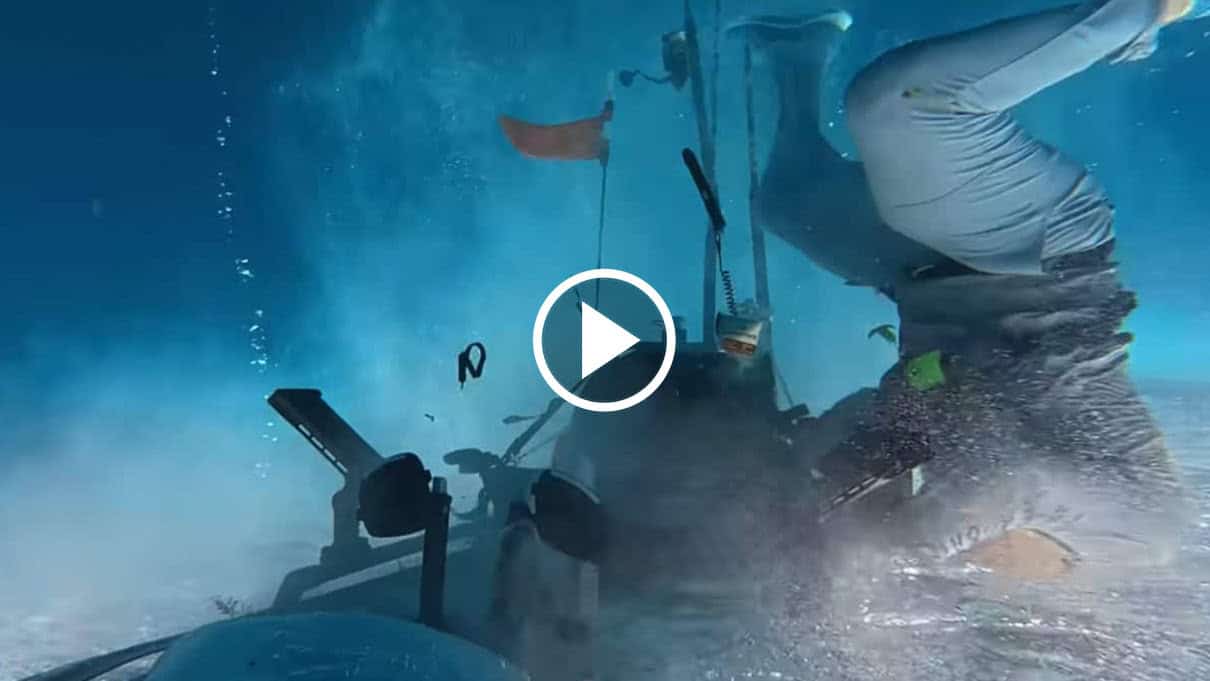
Kayakers Consecutive Capsizes video screenshot with play button to view the YouTube video
Caught in a storm near Pompano, Florida Lawless capsizes and finds himself in the water next to his boat. | Feature image: Sean Lawless/YouTube

Lawless initially caught two fish within his first two hours of kayak fishing and kept a close eye on the radar, reporting that though the weather continued to appear threatening, the forecast had predicted the storm cell building to the south would dissipate. Despite the promise of the forecast, no such thing occurred and it wasn’t long before Lawless found himself in worsening conditions.

“Well, it didn’t dissipate,” narrated Lawless in the video. “It just got bigger and stronger. Looking at the radar now I decided it’s time to pack up and head in.”

Just as Lawless made the choice to head into shore, still about two miles from the beach and safety, conditions on the water began to deteriorate. Initially, Lawless planned to make a slow return to shore, trolling along the way.

“All that changed when I felt this big swell come up from behind, and I decided no more trolling, let’s get in,” narrated Lawless as in the video a large wave swept beneath his fishing kayak.

Caught in a worsening storm at sea

The conditions on the water worsened within minutes, with the waves and sky escalating from somewhat threatening to downright scary with whitecaps, foaming waves, wind and large rollers. Lawless estimated he had made it about a quarter-mile closer to shore – still well over a mile from the nearest landing point.

“This is where everything started to unravel,” said Lawless.

As Lawless was hit with a large wave, his kayak came down on the surface of the water with enough force that it broke one side of his seat. With the seat now broken, Lawless could no longer sit up straight and balance easily.

“In case you were wondering, I am wearing a lifejacket,” Lawless explained in the video. “It’s an auto-inflate around my waist.”

From behind Lawless, large swells built clashing with cross swells from the wind. All thoughts of trolling and placing in the competition had abandoned Lawless. Now, his goal was to make it back to shore unscathed.

“You really get an idea of the wind speed here when you see the spray from the kayak go completely sideways through the air,” narrated Lawless.

Moments later, a muffled voice sounded over the VHF marine radio: “Get your butt in”.

The first capsize

With the message from the radio hanging in the air and Lawless’s center of gravity compromised by his broken seat, a wave hit Lawless. With a slight lean Lawless found himself in the water clinging to his overturned kayak.

Drawing on his significant self-rescue practice in a variety of conditions, Lawless successfully and quickly recovered, crawling back into the kayak and keeping his center of gravity low to the boat. In the capsize, Lawless lost two important things. The first was his bag of fish, leaving him with no chance of competing in the tournament. The second was Lawless VHF marine radio, for which he had removed the tether earlier to make a call after finding it too short to reach his mouth.

Still over a mile from shore, the waves and wind continued to build and Lawless continued to lean into the swells to keep from capsizing.

“It just felt like every thirty seconds the swells were getting bigger and the wind was getting stronger,” narrated Lawless.

It wasn’t long before another swell from the side upset Lawless’ balance and threw him back into the ocean.

A second capsize and second self-rescue

Fortunately for Lawless, his self-rescue practice paid off and he was able to successfully recover back into his kayak a second time. Now back in his kayak, Lawless realized he had lost his VHF radio leaving him with no way to contact other vessels in the area for assistance.
“This is the first time that I’ve been on the water and I’ve actually been scared and worried that I wasn’t going to make it back to shore,” shared Lawless.

Back upright in his kayak for the second time, visibility began to decrease as wind and waves continued to rise. After two self-rescues and fighting the wind and waves, Lawless was exhausted.

“My stamina was waning,” explained Lawless. “The only thought in my head was ‘please don’t flip again,’ but it was inevitable.”

Lawless leaned his weight into a wave hoping to prevent the next capsize, but ultimately he went over a third time. Lawless had a paddle on board his kayak, which can provide additional stability and help brace into the waves in conditions like these, but he did not use it and opted to pedal instead. Now in the ocean water a third time, Lawless began his third self-rescue.

A third and fourth self-rescue attempt after capsize at sea

Lawless’s third attempt was initially successful, but before he could regain his balance another wave sent him back into the water.

“I was just about to the point that I was going to activate my inflatable life vest,” said Lawless.

Lawless did not activate the inflatable PFD and began his four self-rescue, this time successful. before his fourth self-rescue. From his kayak, Lawless watched as a motorized fishing boat passed in front of him—Lawless waved, trying to contact the boat, but went unseen.

“In my extreme state of exhaustion I forgot about my airhorn that I had to signal them,” shared Lawless. “At this point it became clear to me that it was going to be 100% up to me to get back to shore.”

Eventually, Lawless made it back to the beach. He was the second to last kayak angler in the tournament to return.

“I learned several lessons that day,” Lawless shared in the conclusion of the video. “I should have never untethered my radio. Those portable radios, when they get water and splashed you gotta hold them right up next to your mouth to talk so anybody can hear you… So I need to get a longer tether.”


Caught in a storm near Pompano, Florida Lawless capsizes and finds himself in the water next to his boat. | Feature image: Sean Lawless/YouTube


Humbled On The Great Lakes

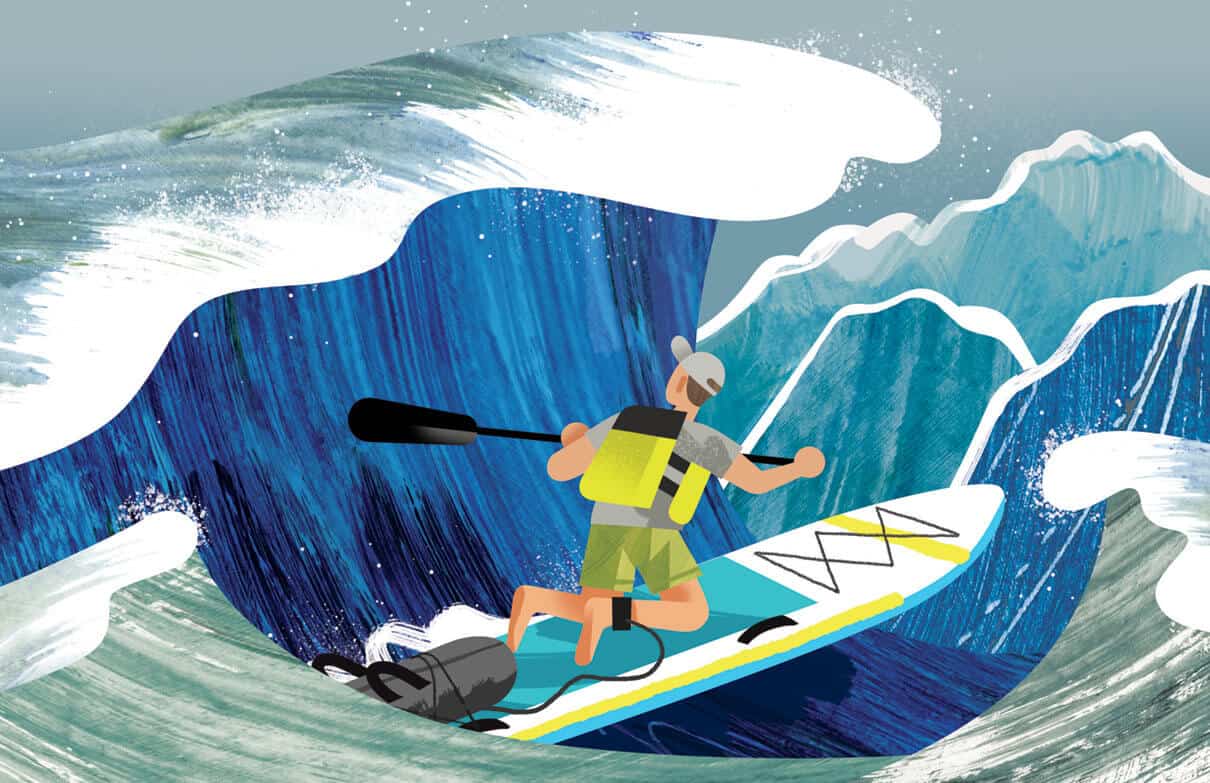
illustration of a person kneeling on a paddleboard with a large wave breaking over top of them
Feature illustration: Karolina Ficek

Within a couple of hours, the wind picks up and shifts to my right side. The waves, which have nearly all of Lake Ontario’s 200-mile fetch to develop, grow to three and then four and then five feet. Like the apocryphal frog that gets boiled alive, I don’t notice the gradual increases and am ensnared in a tempestuous cauldron.

Humbled on the Great Lakes

Staying far enough from shore to avoid getting slammed into the rocks by breaking waves, yet close enough to remind myself I’m not in the middle of an ocean, I paddle hard on my left side. For the first time since leaving home 1,000 miles ago, I drop to my knees frequently for extra stability. And then, also for the first time since leaving home, even with my center of gravity low, a sneaky steep wave pitches me sideways off the SUP.

I hoist myself back onto the board, relieved I kept my head above the surface and my sunglasses are still atop my hat, relieved it’s early August when Lake Ontario’s often-frigid water temperature climbs above 70°F (21°C), and relieved there’s nobody nearby to witness my chagrin.

Then, another wave sends me tumbling right back into the drink. Only this time, the paddleboard flips over upside down—a possibility I had not once considered with all the weight on its deck.

illustration of a person kneeling on a paddleboard with a large wave breaking over top of them
Feature illustration: Karolina Ficek

Bobbing beside my overturned SUP amid the swells, I take stock of the situation. I’m leashed to the board and wearing my PFD and was mindful enough before setting out to clip my dry bags to the elastic tie-down straps with carabiners, so there’s no risk of anything getting lost, present company included. Worst-case scenario, I wash up on shore somewhere, maybe with a few bumps and bruises.

I swim to the SUP, put my hands beneath the near side and push skyward—a maneuver I have only attempted on an unburdened surfboard, but one that proves mercifully easy. The board is right side up, and it’s a snap to shove my bags back into place. Had it been more challenging to reconstitute my kit, I would probably have turned toward land and called it a day. The likelihood of capsizing again is high. But I don’t think there’s any real danger—yet—and I am determined to keep going.

Back up on my feet, I have to focus on each wave as it crests, digging in with my paddle and keeping my core coiled low to remain upright and keep the SUP’s nose pointed in the right direction. I don’t know whether my legs are shaking because I’m frazzled or because I’m pooped or because I’m scared. These are the roughest waters I’ve ever paddled, the redline of my abilities, and I don’t know what might happen next.

It’s too undulant to eat or drink while paddling, my usual procedure on a long day. But luckily, earlier I had spied two places for pit stops on the mostly rocky, privately owned shoreline: a picnic area in a protected inlet and a yacht club behind a breakwater. By late afternoon, after nearly eight hours of left-side paddling and another three or four accidental plunges, I’ve made nearly 25 miles and am alongside a sprawling park on the sandbar. A short canal halfway up the sandbar leads to my goal: the sheltered water of a marina a few minutes from my friend Alan’s house.

Deciding to rest and refuel and give my faltering nerves a break, I turn left and aim for the beach. It’s a holiday weekend, and though overcast and very windy, the sand is packed with families admiring the crashing waves. Shuffling toward the front of the SUP, I catch a swell as it peaks and rocket down the face, enjoying the ride… and then wipe out near the shore as the board flips over.

Once unclipped, I drag my dry bags from the surf so they don’t get washed away. I look out at the waves pounding the beach—rather than at all the people looking at me—and see a police boat hovering just offshore.

Realizing I can’t get back onto the lake—it’d be impossible to reload my board in the shallows, let alone get past the breakers—I begin to shuttle my gear away from the water. When I finally muster everything beside a bench, I’m trembling with exhaustion and adrenaline and a small, nascent taste of trauma.

That’s when the police officer approaches.

“Do you know that boat is out there because of you?” he asks. “People called about you. They saw you fall in a couple of times.”

I explain falling in wasn’t a big deal but concede conditions are indeed dodgy.

“Should you be out there today?” he asks.

“I’m not sure.”

“What’s the plan now?”

“Call a friend.”

“Good idea.”

My decision to head to the beach nags at me for the rest of the evening. I could have continued onward to the channel. I could have reached the bay behind the sandbar. Yet it had been the toughest paddle of my life, more difficult than any session on the Pacific or Atlantic; my body and brain needed a break.

If I hadn’t stopped, something bad could have happened. Granted, I wasn’t in a remote wilderness. The people who had phoned the police were likely among the hundreds I saw barbecuing and lounging outside gorgeous lakefront homes. There were eyes on me all day, and even a rescue boat nearby. Still, was I putting them at risk needlessly? Should I have been out there at all?

My wise friend Alan suggests, after he and his wife Suzanna fed me dinner, that it was a good thing I had been pummeled. Yet another reminder we’re not really in control. Which is one of the reasons paddlers and other outdoorsy types do all sorts of dangerous things for no apparent reason.

We want to be humbled and awed and remember the universe doesn’t care about what we want. My two-and-a-half-month journey into the densely populated heart of a continent isn’t particularly dicey. But it scratches the itch for adventure. And it shows me that the water, amid all of the danger and destruction that it can unleash, is also still a place where people watch out for one another.

Even for hapless knuckleheads like me.

Dan Rubinstein paddled 1,200 miles across Ontario, Quebec and New York, exploring the restorative power of water. This excerpt is from his new book, Water Borne: A 1,200-Mile Paddleboarding Pilgrimage, released in June 2025 by ECW Press.

Cover of Issue 74 of Paddling MagazineThis article was published in Issue 74 of Paddling Magazine. Subscribe to Paddling Magazine’s print and digital editions, or browse the archives.

Feature illustration: Karolina Ficek


Top Five Up-And-Coming Whitewater Athletes You Should Be Watching

Tupac Andi whitewater kayaking
Tupac Andi in action. | Feature photo: Diego Robles

The pace of progression for young kayakers is skyrocketing. Thanks to programs like Keeners, Yaku Churi, World Class Kayak Academy and Paddle Tribal Waters, a new generation of whitewater athletes is emerging with next-level skills. Keep an eye on these five up-and-coming whitewater kayakers, 18 years old and under, as they continue to hone their skills.

Top five up-and-coming whitewater athletes you should be watching

Tupac Andi whitewater kayaking
Tupac Andi in action. | Feature photo: Diego Robles

Tupac Andi

Age: 12 | Hometown: Ichiurku, Ecuador

Hailing from a small village in Ecuador, Tupac is only 12 years old and has already competed in the class V Jondachi Race—the first kid to ever do so. He kayaks with the Yaku Churi program, which is a free kayak school for Indigenous youth located on the banks of the Upper Rio Napo. Yaku Churi means “children of the river” in the native Kichwa language, and the school goes well beyond teaching kayaking. Run by legendary Ecuadorian paddler Diego Robles, the Yaku Churi program also provides the students with lessons in conservation, carpentry, raft guiding, reading and writing. Tupac has been kayaking for just over a year and is already “a solid class V paddler,” according to coach Diego. Support the Yaku Churi program here.

“He wants to become a professional kayaker. He is taking the advocacy seriously to become a leader in river conservation,” says Diego.

Makinley Kate Hargrove poses in paddling gear on a bridge above a river
Photo: Mary Claire Hargove

Makinley Kate Hargrove

Age: 17 | @makinleykate | Hometown: Phenix City, Alabama

Makinley Kate is already one of the best freestyle kayakers of all time. She was the 2023 Junior World Champion, the 2022 2x Junior World Cup Champion, and the 2022 Junior World Championship bronze medalist, and she holds the world record for the highest score ever recorded by a junior woman in the sport of freestyle kayaking. She surfs waves taller than a bus and consistently throws airscrews and pan-ams big enough to be spotted from space.

“One of my goals for the future is to hopefully inspire more younger women to get into the sport I truly love.”

Jude Franczyk
Photo: Aiden Urbine

Jude Franczyk

Age: 16 | @judefranczykHometown: Missoula, Montana

It feels weird to label Jude as up-and-coming, considering he has already run some of the world’s most challenging whitewater. At 14, he paddled the Little White Salmon and the Box Canyon of the Clark’s Fork of the Yellowstone. At 15, he traveled with his kayak to Chile and ran the 50-foot Demshitz waterfall and the entire Futaleufú River. And just this past spring, at age 16, he had a perfect line off the 80-foot Toketee Falls, then took the win at the Bigfork Whitewater Festival in the pro men’s division, besting many of his idols.

“I think being on a beautiful river surrounded by good people is really the only time where I feel complete.”

Ruby Rain Williams
Photo: Courtesy Ruby Rain Williams

Ruby Rain Williams

Age: 18 | @rubyrainwilliams | Hometown: Happy Camp, California

Ayukii– (Hello), Nanithvuy uum (my name is) Ruby Williams.” Ruby is a Quartz Valley tribal member and a Karuk person. She grew up on the banks of the Klamath River, which, up until this past year, had multiple dams impeding the river’s flow and the salmon’s migration path. Ruby kayaks with Paddle Tribal Waters, a program that teaches Indigenous youth to whitewater kayak. On June 12, she and the other youth members began a 310-mile, monthlong descent of the newly free-flowing Klamath River, with the aim of becoming the first to paddle the restored river from source to sea.

“One of my biggest goals is to earn my instructor certification so I can teach more kids who look like me how to kayak.”

Jackie Kimmel
Photo: Kalob Grady

Jackie Kimmel

Age: 17 | @jackie_kimmel_ | Hometown: Cabin John, Maryland

Coming from an impressive family of whitewater kayakers, Jackie has paddled more rivers than most 30-year-olds who have dedicated their lives to the sport. She grew up spending her summers on the Ottawa River, kayaking with the Ottawa Kayak School’s Keeners program while her parents surfed Garb and Minibus. She then spent three years traveling the world with World Class Kayak Academy. She has paddled in Ecuador, Chile, Zambia, Zimbabwe, Canada, Austria, Slovenia, Italy, Switzerland and all over the United States, and her strength on the water is a clear mark of her experience.

“My favorite and proudest memories from kayaking aren’t even from my achievements—they’re from watching my friends hit a milestone in their journey.”

Cover of Issue 74 of Paddling MagazineThis article was published in Issue 74 of Paddling Magazine. Subscribe to Paddling Magazine’s print and digital editions, or browse the archives.
Tupac Andi in action. | Feature photo: Diego Robles


Best Camping Gifts

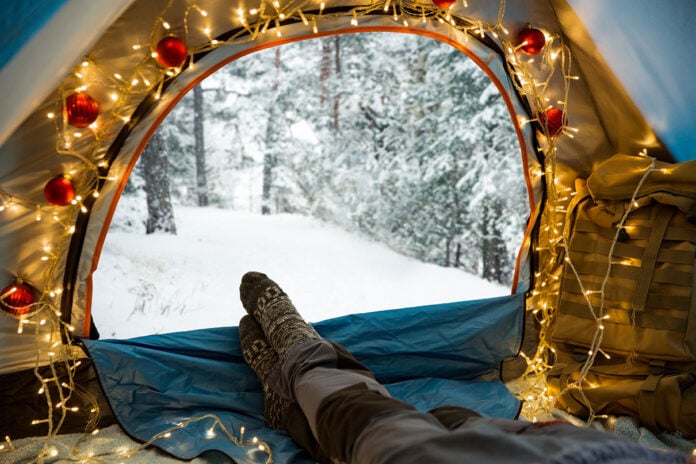
a person lays in a cozy tent decorated with Christmas lights in winter
Feature photo: iStock

Whether you’re shopping for a seasoned adventurer or someone just discovering the joys of the great outdoors, finding the best camping gifts can be tricky. That’s why we’ve done the hard part for you. Drawing on years of experience and real-world testing, we’ve rounded up our top picks, so you can skip the gimmicks and choose something truly useful.

We aimed to include a range of products, including essential camping gear like sleeping bags and mattresses to camping accessories we consider essential. Spanning from budget-friendly to splurge-worthy, this list has tried and true recommendations for every camper. So whether you’re searching for a holiday gift or an upcoming birthday, dive in below.


Best camping gifts: Our top picks

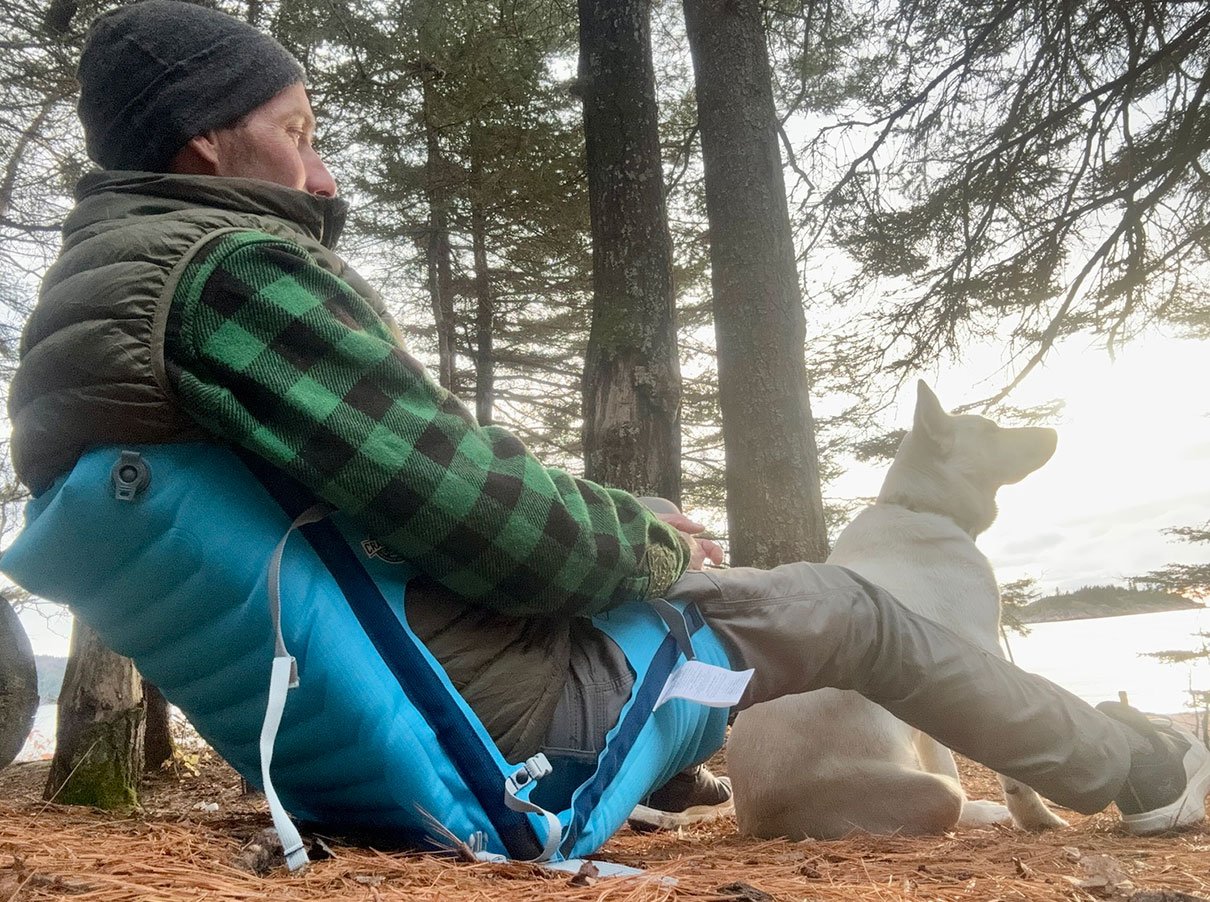
Crazy Creek AirLounger
Photo: Conor Mihell

Crazy Creek AirLounger

$200 | crazycreek.com

Buy from:

CRAZY CREEK AMAZON REI SCHEELS

The Crazy Creek AirLounger is an ideal camping gift for those who prefer (and have the flexibility) to sit on the ground. As its name implies, the AirLounger is a new take on the classic Crazy Creek ground chair, which gets rigidity from an inflatable frame. Compared to the increasingly popular legged chairs, the AirLounger is more versatile: it’s a great choice for uneven ground and even using it inside a tent.


canoe in winter
Photo: Trustin Timber / Agawa Gear

Agawa Canyon Boreal 21

$82 | agawa.com

Buy from:

AGAWA

I’ve had my Agawa Boreal 21 saw for close to five years now, and it’s become my go-to saw. It chews through dead fall with ease, which is handy especially on winter hot-tenting trips when we process a lot of wood to stay warm. Sturdy and lightweight, the Boreal’s folding frame packs flat and slips easily into a bag. After years of use, I understand why this saw has earned such a loyal cult following among backcountry campers.


MPOWERD Luci Outdoor 2.0 lantern
Photo: Conor Mihell

Biolite Luci Original lantern

$40 | biolite.com

Buy from:

BIOLITE AMAZON BACKCOUNTRY REI

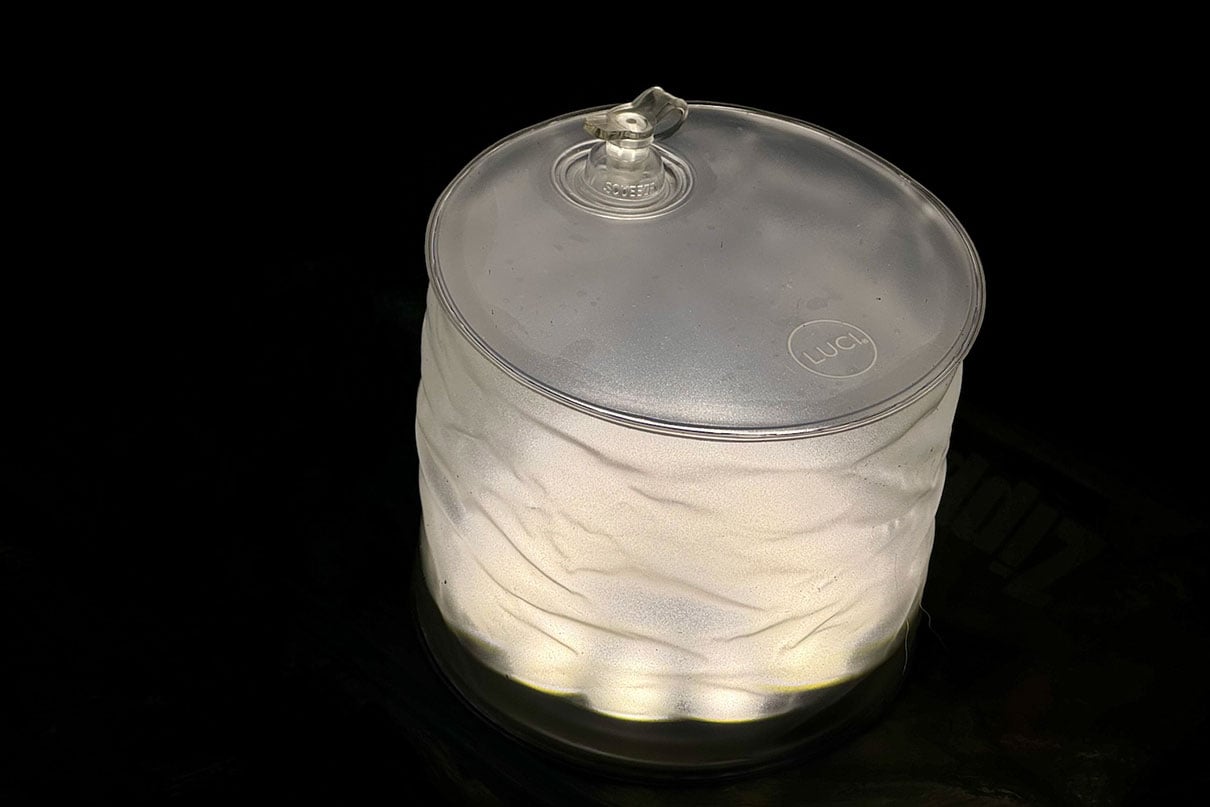
I received a solar-powered Luci lantern nearly 10 years ago, and it’s still going strong. It is a welcome companion to brighten the mood in my tent on late-season kayak trips. The updated Luci lantern still makes a great gift for kayakers. It lasts up to 24 hours on a charge and can be topped up with a USB cable, along with the original solar panel. The disk-shaped lantern inflates to create a pleasant glow for reading or playing cards in the tent, and takes up no space in the hatch when deflated.


Thermarest NeoLoft
Photo: Conor Mihell

Thermarest NeoLoft

$239 | thermarest.com

Buy from:

THERMAREST REI

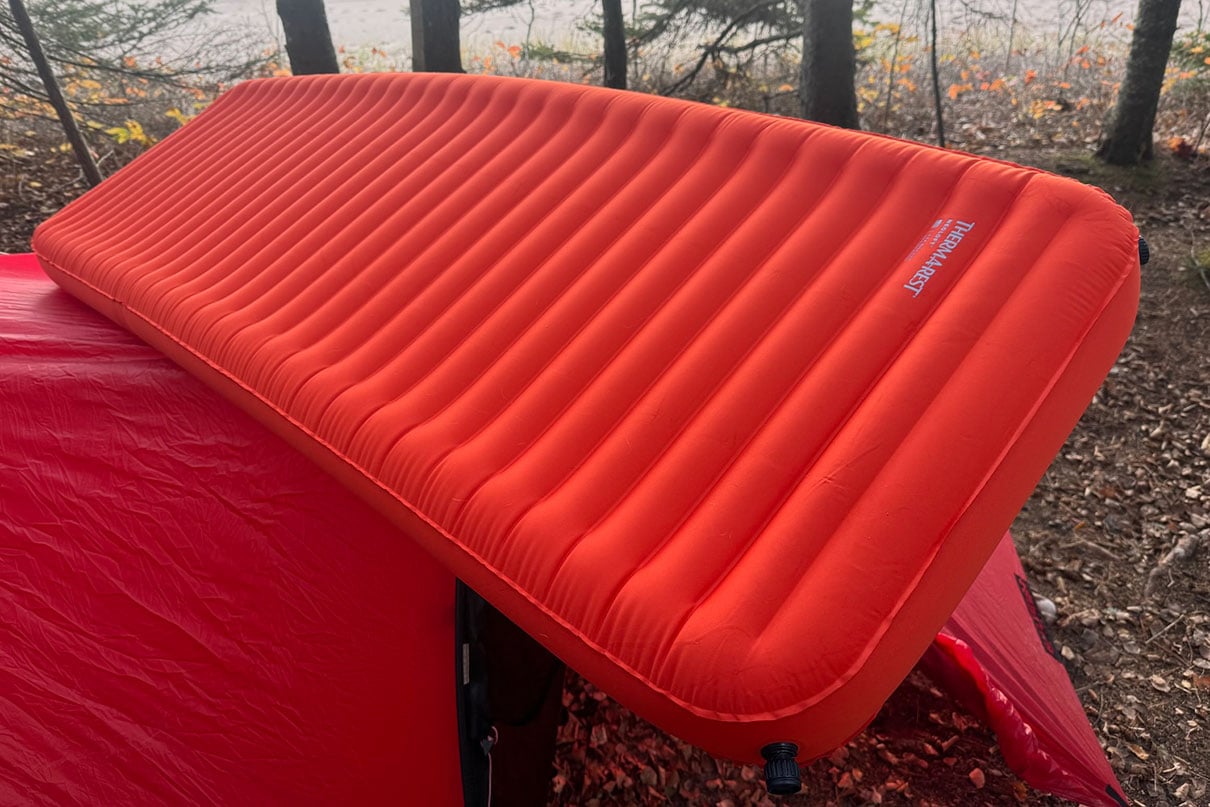
The original manufacturer of the self-inflating camping mattress keeps refining what it means to sleep comfortably outdoors. The Thermarest NeoLoft is a 4.6-inch-thick, all-season air mattress with unique features that rival your bed at home. The pad features a unique matrix of internal air chambers to cradle your body without the awkward rigidity of a typical air-filled mattress. I especially like the addition of side rails, which—combined with a new, grippier surface fabric—kept me from rolling off the pad. Several sizes are available, all tipping the scales at under two pounds.


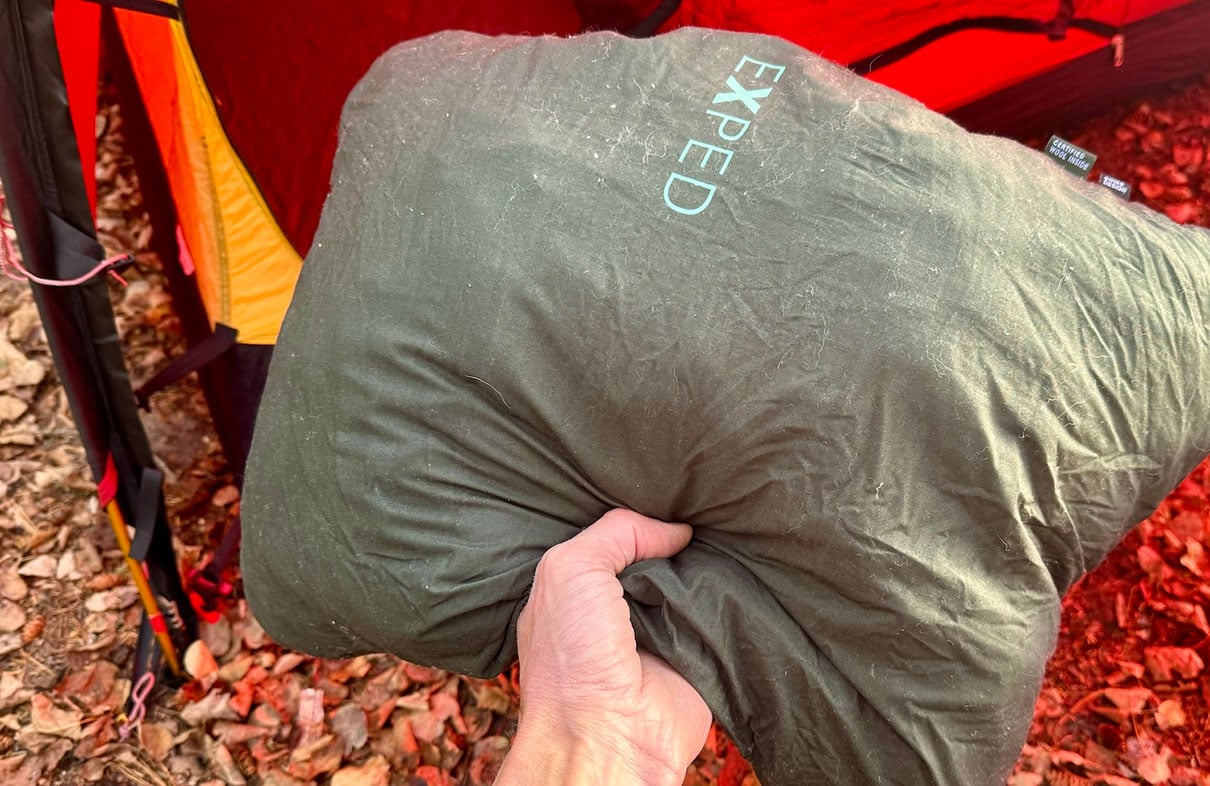
Exped Luxewool Pillow
Photo: Conor Mihell

Exped LuxeWool Pillow

$49.95 | exped.com

Buy from:

EXPED

Looking for a deluxe camping gift? Check out the wonderfully comfortable Exped LuxeWool pillow. It features a soft cotton fabric and cozy wool insulation, with foam chip filling that’s just the right firmness for a great night’s sleep. Meant for base campers, the full-size LuxeWool manages to compress to the size of a loaf of bread.


Best-value camping gifts

coffee brewing
Photo: Igor Kyryliuk

Areopress Go

$50 | aeropress.com

Buy from:

AREOPRESS AMAZON REI

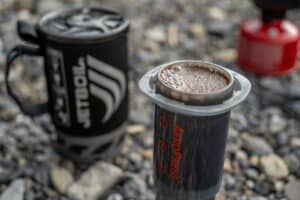
I was skeptical of the Aeropress Go at first and didn’t expect to love it as much as I do. What’s wrong with cowboy coffee, I remember thinking. Then I bought the Go for a car camping trip as an upgrade from instant for our group. Now I bring it on backcountry paddling trips too. It’s compact, lightweight and brews a great cup in just about a minute. Everything fits inside the mug it comes with for easy packing. Filters included and cleanup is a quick rinse.


LifeStraw Sip
Photo: Conor Mihell

Lifestraw Sip

$50 | lifestraw.com

Buy from:

LIFESTRAW BASS PRO SHOP REI

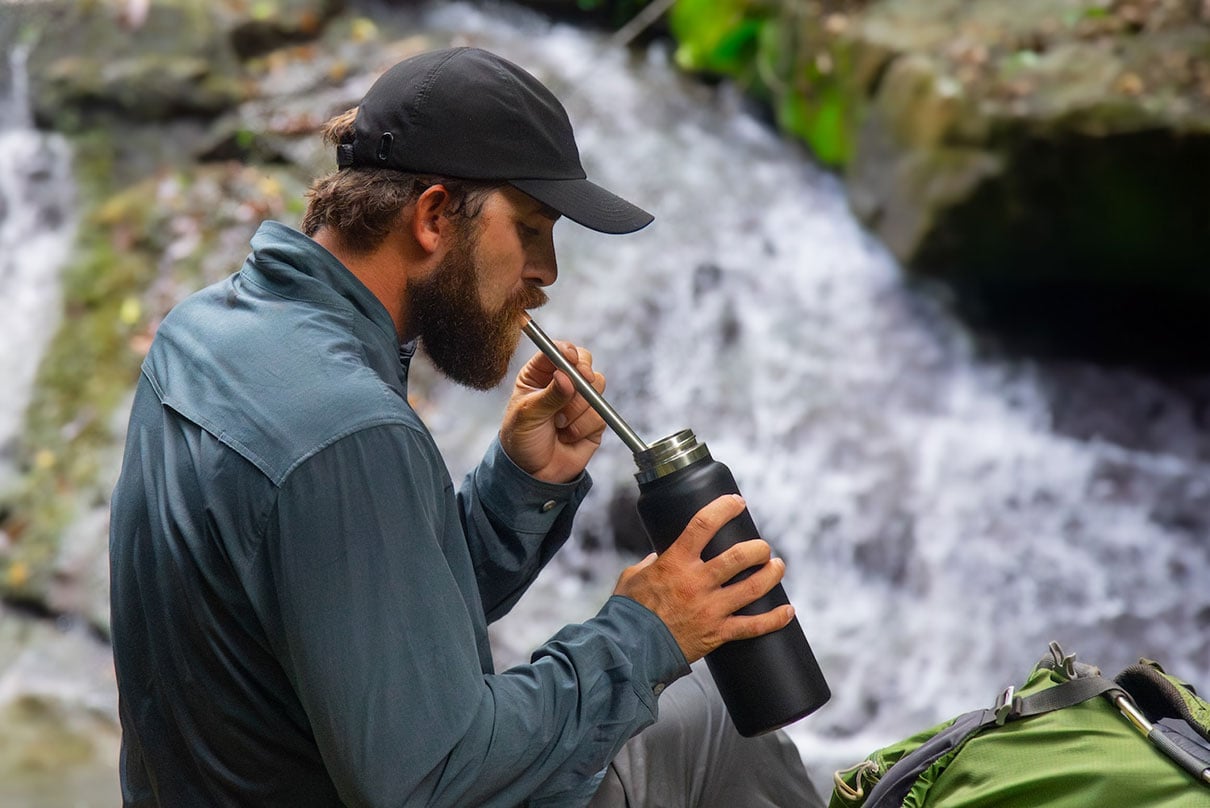
The Lifestraw Sip is billed as a “reusable stainless steel filter straw” that removes microplastics, bacteria and parasites from water. About the size of a penny whistle and weighing less than 100 grams, this new product slips easily into a pack or into a stocking as a thoughtful holiday gift. The filter is rated to last at 1,000 liters. Using it is easy – no pumping, batteries or filling – it works just like a straw.


NestOut 2-Panel Solar Charger
Photo: Conor Mihell

NestOut two-panel solar charger

$79.99 | nestout.com

Buy from:

NESTOUT AMAZON

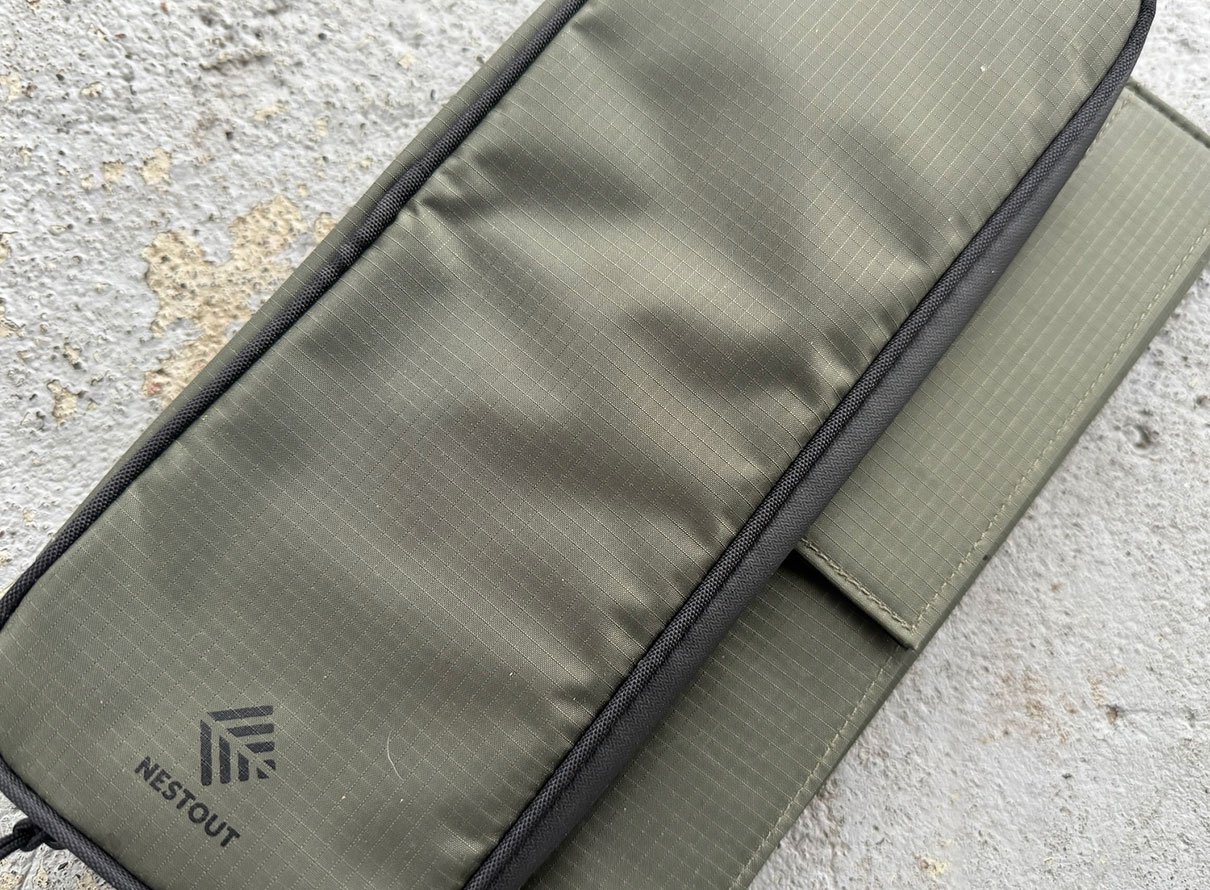
A great deal on portable power, the NestOut two-panel solar charger puts out 14 watts of power in full sun, which is plenty to quickly charge mobile phones, tablets and battery storage banks. Two USB outlets allow you to charge multiple devices at the same time, and a storage pocket allows you to carry a compact battery pack (or two) together with the panels. The panels fold into a durable, slim package that weighs barely a pound.


Camping gifts for her

woman in tent
Photo: Kaydi Pyette

Sierra Designs Backcountry Bed sleeping bag

$299.95 | sierradesigns.com

Buy from:

SIERRA DESIGNS WARMING STORE

A sleeping bag so luxurious it feels like a real treat every time I pack it out. Especially ideal for those who find mummy bags confining, the roomy, three-season Backcountry Bed features a zipperless design and an integrated comforter that’s ultra warm and cozy. A sleeping pad sleeve keeps your bag in place all night, while a foot vent, insulated shoulder pockets, and a cinchable hood let you fine tune comfort, no matter the outdoor temps.


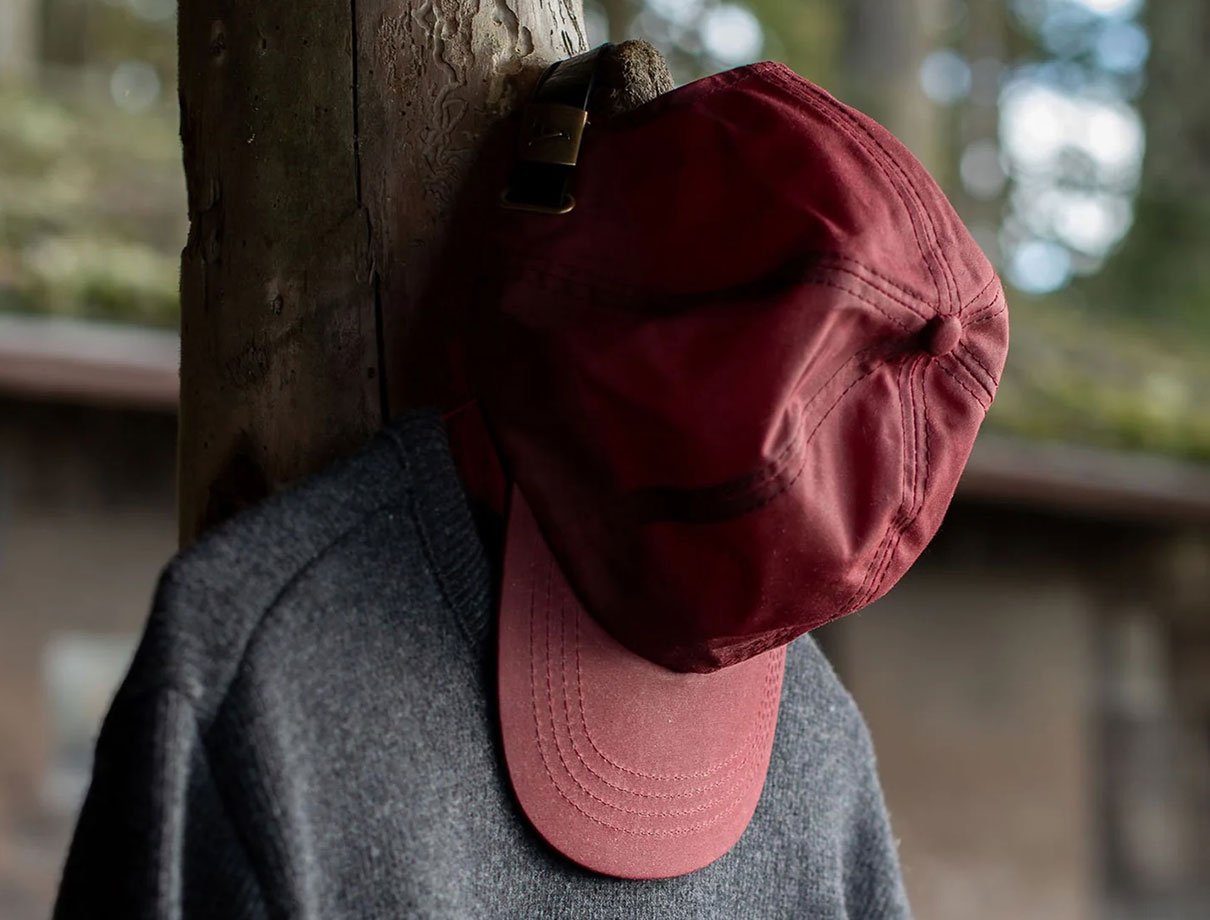
Anian Tin Cloth Cap
Photo: Conor Mihell

Anian Tin Cloth Cap

$30 | anianmfg.com

Buy from:

ANIAN

Made by a small Canadian manufacturer that promotes sustainable textiles, the Anian Tin Cloth Cap is stylish backcountry headwear that makes a great stocking stuffer for campers. As its name implies, the Tin Cloth Cap is tough as nails and sheds precipitation like a metal roof. The sizes run a little small; this slim fit, combined with vibrant colors, makes it an excellent camping gift for women.


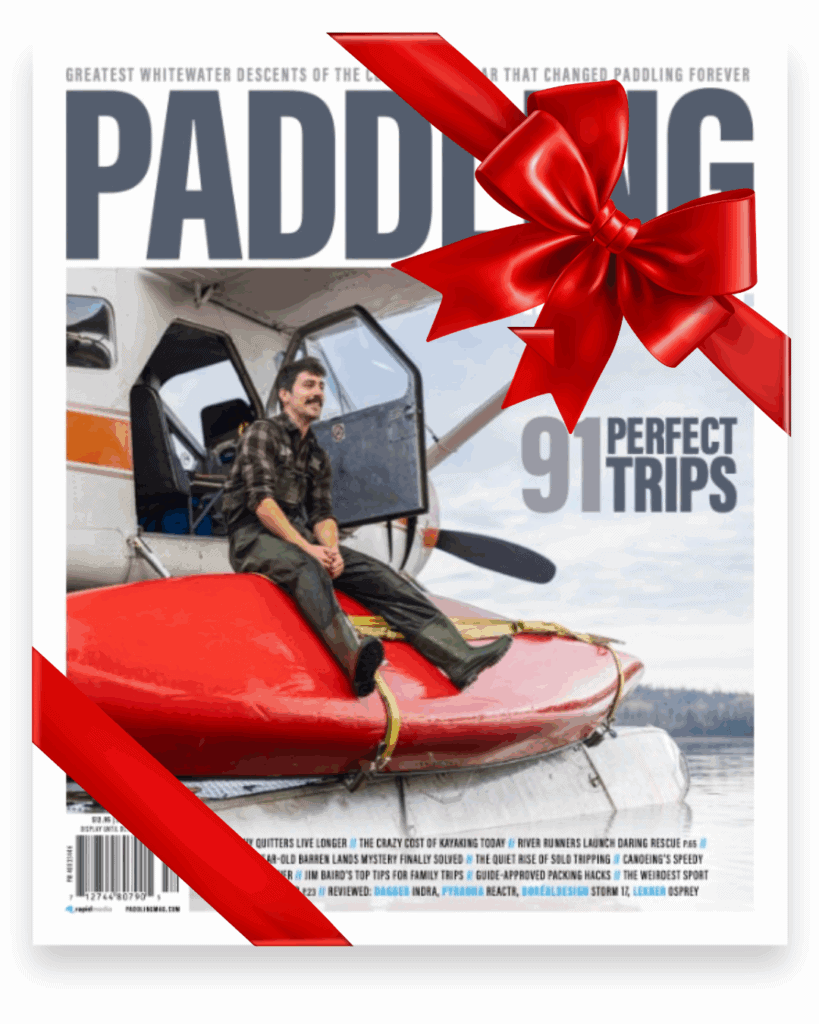
Paddling Magazine print subscription

SUBSCRIBE GIVE A GIFT SUBSCRIPTION

Each issue of Paddling Magazine is packed with essential skills, expert tips, unforgettable expeditions and trusted gear reviews. If your loved one is passionate about paddling adventures and values top-notch storytelling, it’s the perfect gift for the holidays! Get a subscription for yourself or give it as a gift.


Camping gifts for him

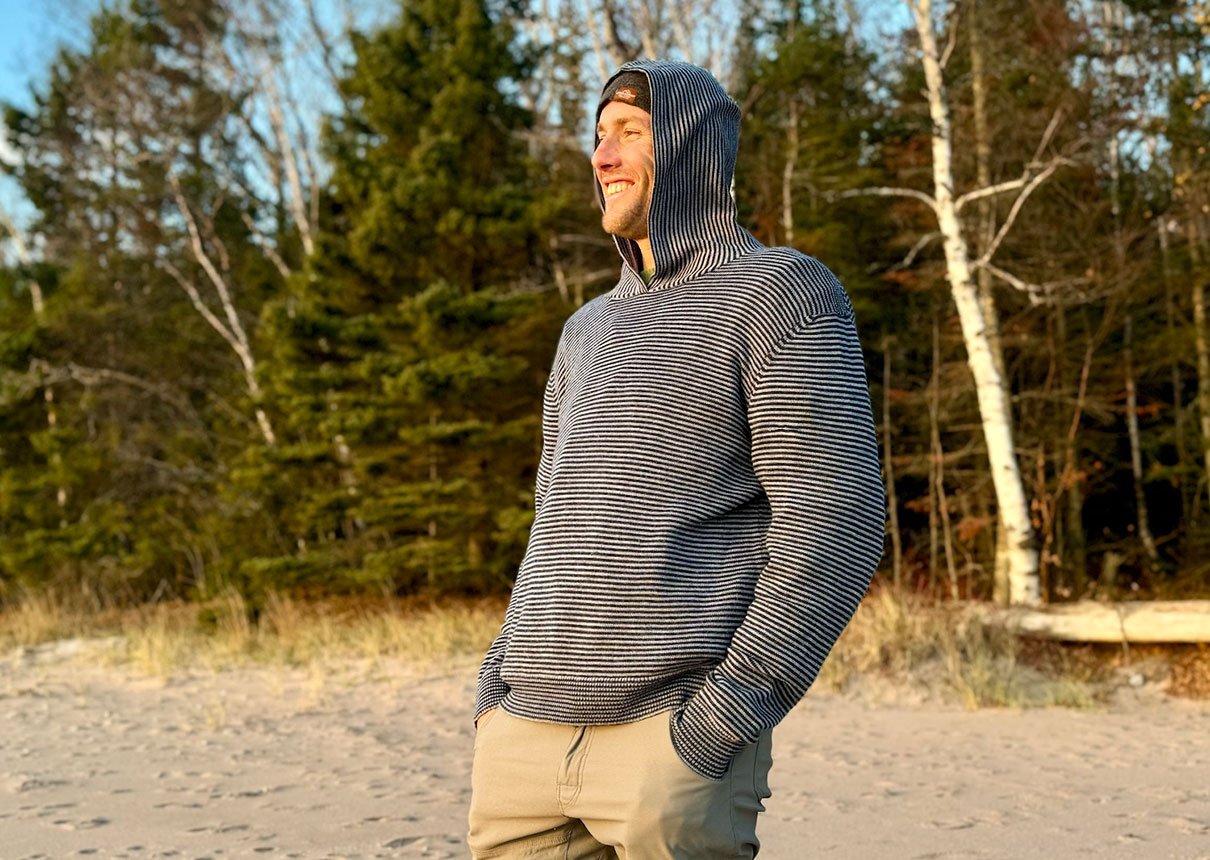
Alex Crane Campo Crewneck sweater
Photo: Conor Mihell

Alex Crane Campo sweater

$255 | alexcrane.co

Buy from:

ALEX CRANE

The Alex Crane Campo crewneck sweater is a long-term investment in coziness that makes an easy transition from shoulder-season use in the backcountry to casual Friday at work—or Christmas dinner, as the case may be. Made of impeccable Italian merino wool, it’s available in nine colors. The fit is athletic and trim.


12 South sunglasses

Bajio 12 South sunglasses

$259 | bajiosunglasses.com

Buy from:

BAJIO SUNGLASSES AMAZON

If you haven’t experienced the crispness and clarity of premium glass lenses on a sunny day on the water, the Bajio 12 South sunglasses are a good place to start. Larger, aviator-style frames fit most men’s faces nicely and offer great protection from the sun’s rays. With polarized lenses and a stylish, surf-inspired look, they’re a good all-around choice for road-tripping and travel, camping and doing anything around the water. The 12 South can also be customized with prescription lenses.


Camping gifts for kids

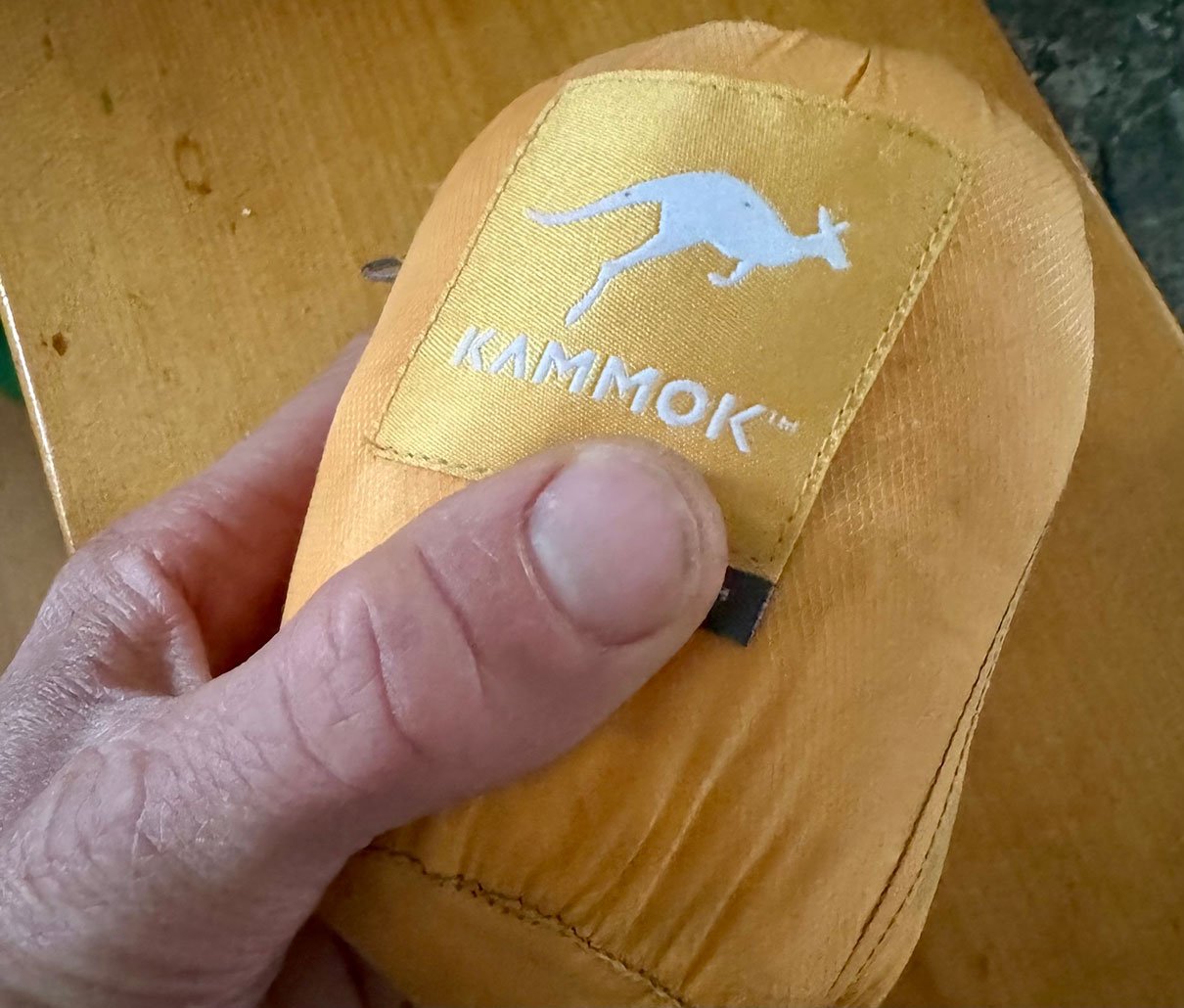
Kammok Roo double hammock
Photo: Conor Mihell

Kammok Roo double hammock

$84.95 | kammock.com

Buy from:

KAMMOK AMAZON REI

A hammock is great fun around the campsite for kids and adults alike, perfect for reading, relaxing and expending excess energy. The Kammok Roo double hammock packs down the size of a jar of peanut butter and weighs barely a pound, yet is spacious enough for two adults, with a weight capacity of 500 pounds. The soft fabric is cool and comfortable and sourced from recycled, pre-consumer waste.


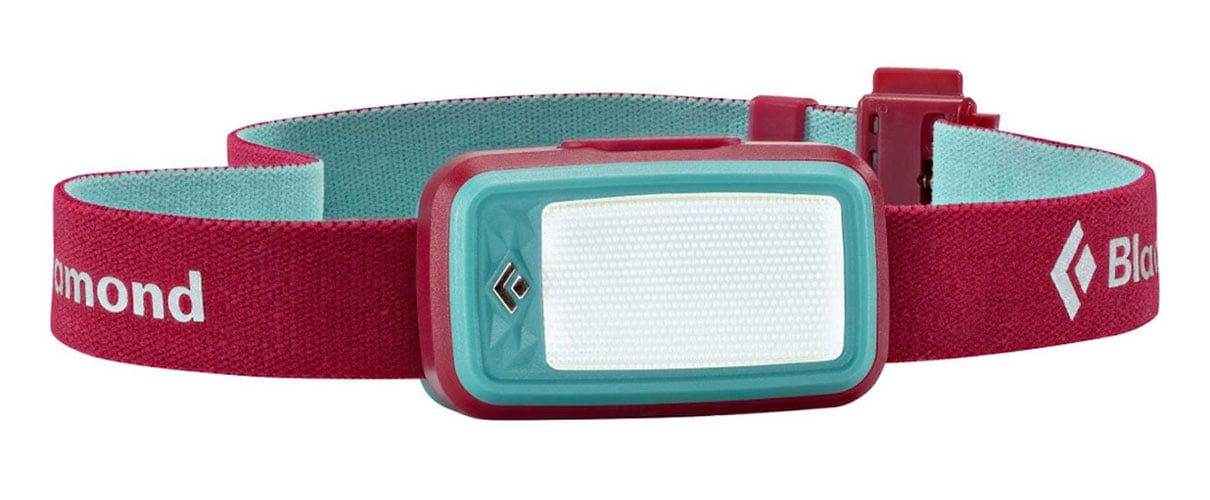
Black Diamond Wiz headlamp
Image: Courtesy Black Diamond

Black Diamond Wiz headlamp

$29.95 | blackdiamond.com

Buy from:

BLACK DIAMOND AMAZON REI

Here’s a great gift for the young camper on your list: the Black Diamond Wiz headlamp has all the features you would expect in a great headlamp, as well as a kid-proof design that works right-side up or upside down, an automatic shutoff that prevents the batteries from draining and a breakaway safety strap. The twin-LED design puts out 30 lumens of light, which is plenty for nocturnal missions around the campsite and reading in the tent.


Feature photo: iStock

Fastest Known Paddle Could Be The New Frontier In Paddlesports

Scott Miller, creator of the Fastest Known Paddle website, is seen in the stern during 2023’s record-setting Mississippi speed run
Full tilt: Scott Miller, creator of the Fastest Known Paddle website, is seen in the stern during 2023’s record-setting Mississippi speed run. Watch a documentary about the journey at wildernessmindset.com. | Feature photo: Courtesy Wilderness Mindset

In March 2025, Emily Broderson started her Garmin watch and pushed out into the Withlacoochee River, west of Orlando, Florida. Over the next two days, she paddled the length of the waterway’s navigable 100 miles. When she finished, she submitted her GPX track and photos to claim her spot as the holder of the Fastest Known Paddle, or FKP, for the Withlacoochee.

Fastest Known Paddle could be the new frontier in paddlesports

At the time, the Fastest Known Paddle website (fastestknownpaddle.org) had only been up for a couple of months. It was launched in January of 2025 by Scott Miller, coholder of the Guinness World Record for paddling down the Mississippi River. Miller knew there was a need for a clearinghouse besides Guinness to record paddling records.

Scott Miller, creator of the Fastest Known Paddle website, is seen in the stern during 2023’s record-setting Mississippi speed run
Full tilt: Scott Miller, creator of the Fastest Known Paddle website, is seen in the stern during 2023’s record-setting Mississippi speed run. Watch a documentary about the journey at wildernessmindset.com. | Feature photo: Courtesy Wilderness Mindset

Taking a page from the a Known Time website launched in 2018 by ultrarunners Buzz Burrell and Peter Bakwin, he launched Fastest Known Paddle. Burrell and Bakwin’s site helped drive a massive trend, and it now has more than 6,000 FKT running routes logged across the world. Miller hopes FKP can do the same for paddling.

Famous Speed Records

Missouri River: In 1980, Verlen Kruger and Steve Landick paddled 2,341 miles in 33 days, 18 hours, 45 minutes.

Wisconsin River: In 1995, Mike Schnitzka and Bill Perdzock paddled 424 miles in 4 days, 2 hours, 22 minutes.

Red River, Manitoba: In 2023, Sean Stoesz paddled 128 miles in 1 day, 4 hours, 48 minutes.

Mississippi River: In 2023, Judson Steinback, Paul Cox, Wally Werderich and Scott Miller paddled 2,320 miles in 16 days, 20 hours, 16 minutes.

Before he set up the site, Miller contacted Burrell, who advised him to make things clear and impartial, and helped him distinguish between supported and unsupported FKP attempts. After he got the site up, Miller filled in some preexisting FKPs, like Sean Stoesz’s 2023 Red River 200 in Manitoba, Mike Schnitzka and Bill Perdzock’s 1995 Wisconsin River FKP, and Verlen Kruger and Steve Landick’s 1980 Missouri River record.

At the time of writing, there were a total of 23 FKPs on the site. But with a quarter million rivers in North America alone, there’s room for more.

“I think it’s fantastic,” says Broderson, who is also president of the Minnesota Canoe Association. “I’m super excited about it. The site is well done, and Scott brings a ton of organizing energy. I hope it inspires people to go out and do something a little competitive.”

Some paddlers will certainly do that. Others, like Wally Werderich and Mike Kies, who set an FKP on the 187-mile Fox River in Wisconsin and Illinois, used their 43-hour attempt to raise awareness and money along the way for the Illinois Park & Recreation Foundation.

There are three things you need to do to establish an FKP. First, unless the route has been established, you must complete a route proposal form. Next, you fill out a pre-FKP form. Lastly, after you’ve finished, you need to fill out a post-FKP form. To confirm an FKP, you’ll need photos, a GPX track and a trip report. The GPS data can be taken from a Garmin inReach or SPOT tracker, or from your phone using a navigation app like Strava, Footpath or Navionics. You can also use a GPS watch and download your GPX data from Strava. Miller said some paddlers use two devices, charging one while the other records data. You can submit multiple tracks, as long as they line up to account for the route. He urges people to practice data collection before starting an actual FKP attempt.

“I’ve been pleased to have people making submissions,” says Miller. “It’s growing organically. But really, I just wanted to do this as a community service. It’s like a choose-your-own-adventure thing. It’s a way to inject a little adventure into your life on your own timeline.”

In June 2026, Scott Miller will lead a team across seven states while attempting to break Verlen Kruger and Steve Landick’s 45-year-old speed record on the Missouri River. Learn more at missouririverspeedrecord.com.

Cover of Issue 74 of Paddling MagazineThis article was published in Issue 74 of Paddling Magazine. Subscribe to Paddling Magazine’s print and digital editions, or browse the archives.
Full tilt: Scott Miller, creator of the Fastest Known Paddle website, is seen in the stern during 2023’s record-setting Mississippi speed run. Watch a documentary about the journey at wildernessmindset.com. | Feature photo: Courtesy Wilderness Mindset


The Best Places To Go Paddleboarding On Lake Tahoe

Man standing on SUP.
Image: Anthony Cupaiuolo

No matter from which direction you approach it, when you catch your first glimpse of dáɁaw (dah-ow), the deep blue is always stunning. Lake Tahoe sits at 6,225 feet in elevation. It’s a massive alpine bowl of freshwater straddling the California and Nevada state line that is more than 190 square miles in size and reaches depths of more than 1,500 feet. These geographic feats sum up to the fact Lake Tahoe offers vast opportunities for standup paddleboarding, but this can also be a bit intimidating for figuring out where to paddle upon arrival.

Fortunately, there is the Lake Tahoe Water Trail, a 72-mile route around the lake’s perimeter with access points, signage, and a comprehensive online resource. What follows here is streamlined insight into the water trail and some of the best places to SUP on Lake Tahoe.

Standup Paddleboarding Lake Tahoe

South Lake Tahoe

South Lake Tahoe is the more developed side of the lake, with no shortage of waterfront access or off-water amenities. This side of the lake also offers access to a popular sheltered bay and smaller neighboring lakes.

If you’re staying in South Lake Tahoe, however, you should expect to deal with traffic during the peak summer season. The later shoulder season, when air and water temperatures are still warm, begins in mid-August, when kids are back in school. Go during the week and you might find it to be less hectic throughout later summer into the fall season.

Man paddleboarding on Lake Tahoe with mountain in the background.
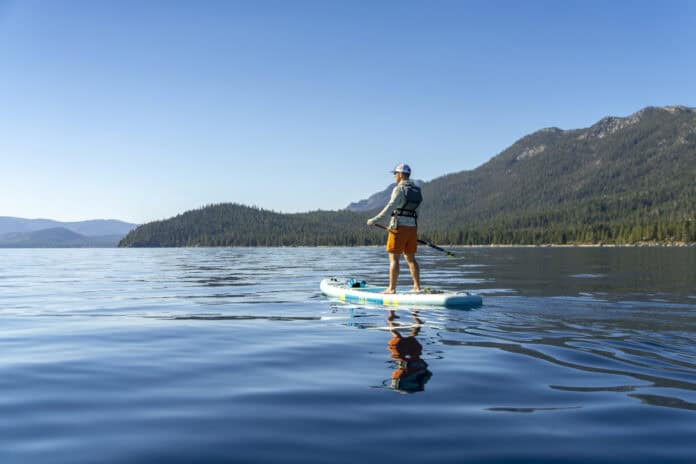
The author cruising along the coastline of South Lake Tahoe. | Image: Anthony Cupaiuolo

Lakeside and Eldorado Beach

There are beachfronts (Lakeside Beach and El Dorado Beach being popular) that have Paddleboard rentals available for quick, easy outings. Relaxing on the beach with a book or watching the kiddos enjoy a summer day is a nice après between SUP sessions.

Cave Rock

To get away from the bigger crowds and have a bit more of an adventurous outing, consider Cave Rock on the Nevada side of the lake, or paddling round trip from Baldwin Beach to Emerald Bay, or venturing up to Fallen Leaf Lake. For all 3 of them, the earlier you can get on the water, the less people there will be.

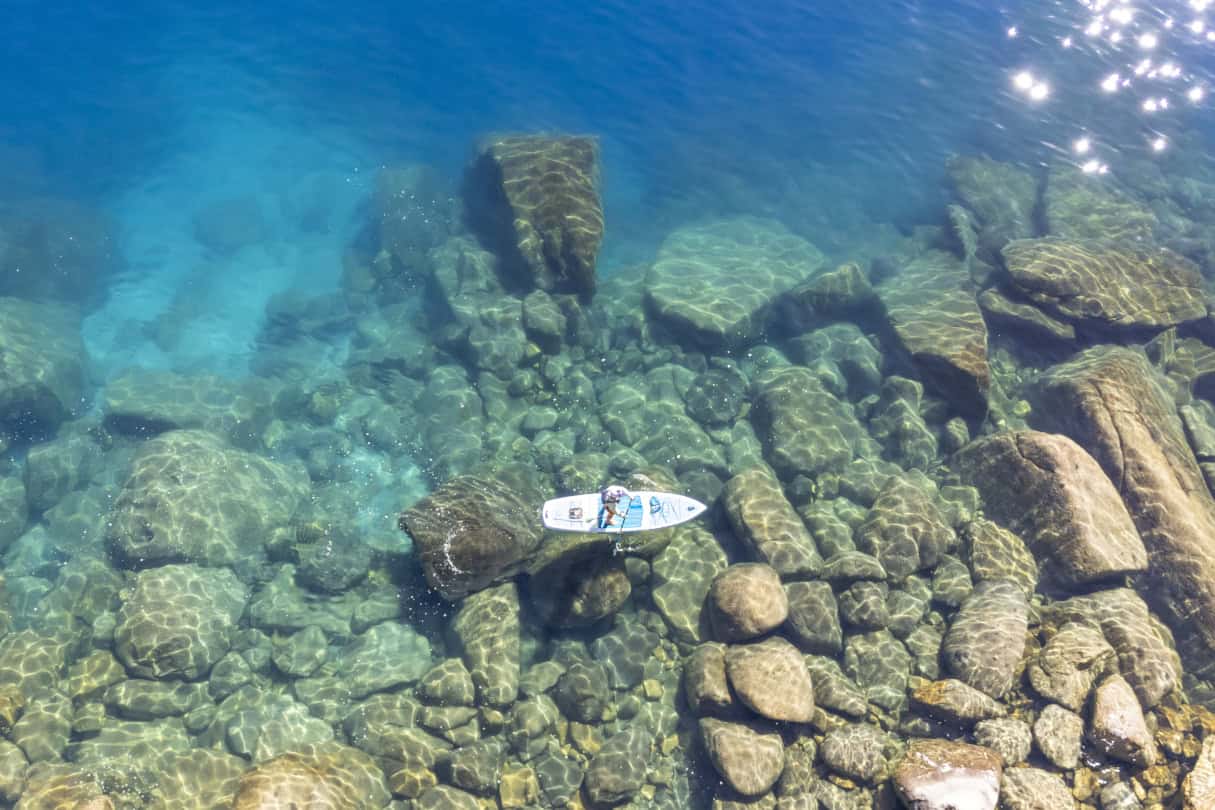
The Cave Rock unit in Lake Tahoe Nevada State Park incurs a $15 entrance fee for vehicles with out-of-state license plates and $10 for in-state. The parking area isn’t all that large, but at the far end of it, there is a beautiful little beach to put in. If you go north from this put-in, you’ll get great views of Cave Rock and the craggy outcroppings, along with glassy water filled with jumbled rocks and boulders visible below your SUP. Going south in the direction of Zephyr Cove offers more spectacular water, with visibility in the tens of feet to the lake bottom. Looking across the lake to the southwest shore and then scanning up to the ridgeline, you’ll see Mount Tallac, Phipps Peak and Dick’s Peak.

A bonus for paddleboarding at Cave Rock is that the spot offers arguably the best sunset view on the lake.

A group of mergansers sitting on a log.
Image: Anthony Cupaiuolo

Baldwin Beach to Emerald Bay

Emerald Bay is a gem. Everyone going to Lake Tahoe wants to get a picture of it. Yes, you do, too. One way to experience it and not be elbow-to-elbow while doing so is by paddling from Baldwin Beach over to Emerald Bay. To access the parking area at Baldwin, you’ll go through the entrance that is staffed by the National Forest Service. There is a $12 fee and you will be asked about proper cleaning, draining and drying of your paddleboard. If you don’t have your own board there are rentals at Baldwin Beach.

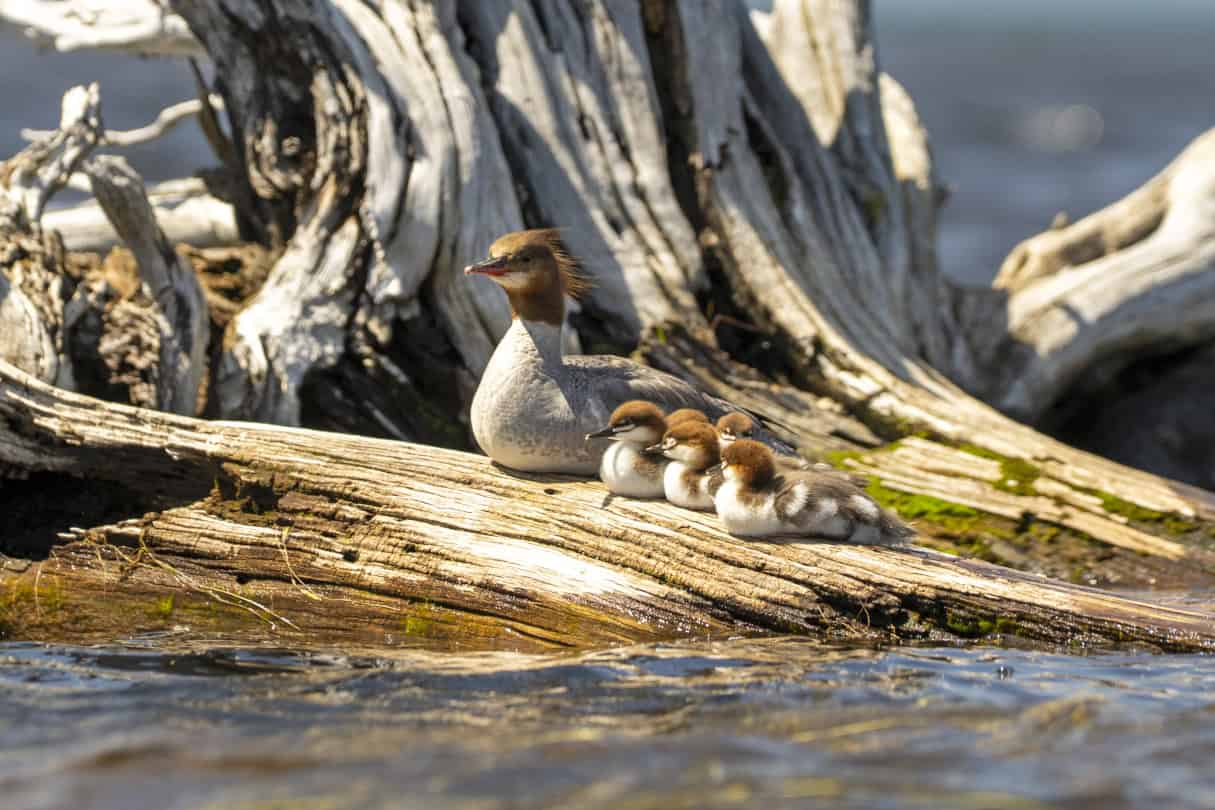
From the beach, head left in a northwesterly direction towards Emerald Bay. Be mindful of boat traffic as the morning hours pass towards noon. When coming up on the bay, at that point, look up and you’ll usually find ospreys and their nest perched around a treetop. Back at water level, you’ll probably also see mergansers swimming and fishing along the shoreline.
The water hues change as you enter the bay, the emerald green water living up to its name. There is little doubt that you will be in awe of the bay and the surrounding peaks. Natural beauty is defined there. Maybe go farther into the bay and check out the only island in Lake Tahoe and its tea house. Again, watch for boat traffic. Another option would be to paddle over to the other side of the bay, the north shore of it, and find a secluded beach for having a bite to eat or simply taking in the moment.

Fallen Leaf Lake

Fallen Leaf Lake is a smaller neighbor to Tahoe. Heading to the water, the drive to the boat launch area requires patience. The road is narrow and fellow drivers all have to be considerate of each other so that everyone can navigate it. Go slow. Once at the boat launch, which is also a cafe, store and rental area, you will have to pay a $5 fee to get on the lake. They will wash down your SUP for you, if you bring your own, which is included in the fee.

Fallen Leaf is a great place for families, with paddleboard and kayak rentals and a little beach area for having a nice time amidst a gorgeous lake setting. If you’re looking to get away from the larger lake scene of Tahoe that’s fifteen minutes away, check out Fallen Leaf for what might feel like a little bit of solitude.

North Lake Tahoe

North Lake Tahoe is not far from Interstate 80 and it is an easy drive from Reno-Tahoe International Airport. There will be the usual peak summer traffic to deal with, but with views of the surrounding mountain peaks and the cobalt blue water, think of it as a sightseeing car cruise to the various paddleboarding launch spots on Lake Tahoe.

Commons Beach and Sand Harbor

Commons Beach in Tahoe City and Kings Beach in the town with the same name offer easy access to paddling, with parking available at the beaches, as well as rental equipment. The green space/park at Commons Beach is the perfect place to hang and toss a Frisbee when the kiddos have decided they are done paddling.

If you are planning to go to Sand Harbor, there is a new reservation system facilitated by the state of Nevada. You can get in after 10:30 AM without a reservation, but it’s a bit confusing as to how it is opened up at that time, which seemingly has to do with the availability of parking spots. As a heads-up, cars still line up on the road to get in. The boat launch area seemed not to be part of the reservation system, but apparently paddleboards are not permitted there.

Blue water and rocks of Lake Tahoe
Image: Anthony Cupaiuolo

Meeks Bay

On the west shore, south of Tahoe City, sits Meeks Bay. You access it by going to Meeks Bay Resort and Campground and paying the $12 day-use fee. There is ample parking but like all of Lake Tahoe, it’s best to get there early. There’s a store with food and a rental center that is open to everyone. The beach, and the water just beyond it, will have you thinking you’re in the Caribbean if it weren’t for the pine trees and snowcapped mountains. The glistening green-turquoise-blue water, with varying shades in between, provides all the reminder one needs to keep Lake Tahoe clean.
From Meeks Bay, you can paddle south towards Rubicon Point or north towards Sugar Pine Point. Either way, you cannot go wrong. Rubicon Point is on the list of many when going to Tahoe, but the park there has been closed for construction and upgrades.

Being on the water affords the opportunity to see the rugged cliffs and crystal-clear water of Rubicon Point from the vantage point of a SUP. Paddle away from the shore, out towards the middle of the lake and you’ll be surrounded by deep blue water, offering a feeling of being in an abyss.

Paddling north towards Sugar Pine Point, as you come to the first point, you’ll begin to feel a sense of remoteness. Boulders plopped here and there, jutting partly out of the water and sitting below the water, as well as what looks like a lesser-traveled shoreline reminded me that I was in the ancestral home of the Washoe people. The lake, dáɁaw (dah-ow), is their beginning. Origin stories exist there. Fishing and hunting stories are passed on. It is a place of community. It is home. Paddle respectfully. As you near Sugar Pine Point, you are entering into a water-land place where trees rise to the sky, some of them being the tallest of their kind on the planet.
More to know before you go

Weather

Lake Tahoe is generally a sunny place to paddleboard in summer, but always check the forecast for the day before you launch. Storms do pop up, with the possibility of turning the lake into a frothy churning bowl. The winds typically pick up on the lake by late morning and into the afternoon. Check wind forecasts in addition to the weather forecasts.

Water Temperature

The water is cold. Lake Tahoe’s summer water temperature is impacted by the winter snowpack. If it was a heavy winter and snow is melting up in the mountains during the summer months, the water temperature will be colder. Generally speaking, the water temperatures don’t peak until around August, when the lake may reach from the mid-60s to the low-70s Fahrenheit. You should always wear a PFD, do not have it just attached to your board. With water this cold, if you fall in cold water shock is a serious factor.

Keep Tahoe Clean

Cleaning your SUP is essential before arriving at Lake Tahoe. This helps avoid invasive species from entering one of the most treasured lakes in North America. It is important to clean, drain and dry your board. There are also online resources to educate yourself about the importance of having a clean SUP and how to do it.

Lake Tahoe Paddleboard Outfitters And Rentals

Food, Drink and Lodging

On the south side

If you’re hankering for delicious Mexican food, head to Verde Mexican Rotisserie.

For a special beer find, go to Coldwater Brewery and Grill and order the Saison. The style is hard to come by in the USA and theirs is an excellent one.

Lodging options are endless. To stay beachside, The Landing has rooms with great views of the lake.

On the north side

Sylva in Tahoe City is quite unique on the dining scene. It’s not inexpensive. The food offerings are impeccably prepared, and the menu is ever-evolving based on what can be sourced locally, as much as is possible.

Grab a beer at Bear Belly Brewing in King’s Beach. It’s a vibe, for sure, and a true Tahoe community space set in a park-like setting where you can also buy Tahoe-artisan works and get a bite to eat at a food truck.

If you’re looking for an outdoorsy feel for lodging, complete with a coffee/full bar, plus a bike rental shop, and a cold plunge experience, evo Hotel Tahoe City is the place to stay. The artwork was curated by snowboarding legend Jeremy Jones. Sierra Surf Club at the hotel is their restaurant. The wild mushroom lettuce wraps are delicious.