Home Blog Page 135

13 Algonquin Park Canoe Routes Full Of Pure Canadian WOW

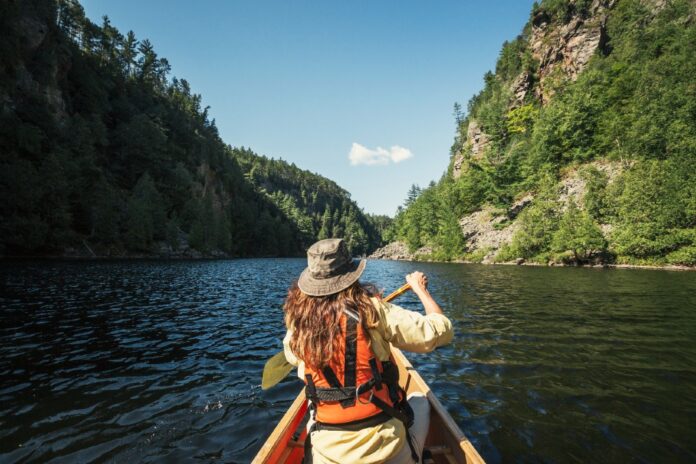
woman paddles a canoe through Barron Canyon in Algonquin Park
Put Barron Canyon on your Algonquin Park bucket list. | Photo courtesy of: Destination Ontario

Algonquin Park’s vast landscape of unspoiled lakes, rivers and rugged hills is home to more than 2,000 kilometres of canoe routes. To narrow that down to just 13 bucket-list canoe trips, our experts combined hours of poring over Algonquin canoe route maps with weeks of travelling the park’s backcountry by paddle and portage.

No matter what you’re looking for, you’re sure to find a trip to your liking amongst these routes cherry-picked for their breathtaking scenery, abundant wildlife, superb camping and wonderful diversity. The longer your trip and the more portages you cross, the fewer other park visitors you’ll see. First time in Algonquin Park? We have you covered—many of the best Algonquin Park canoe routes are also offered as guided 1, 2, 3, 4 or 5 day canoe tours by experienced local outfitters.

Read on to discover the ultimate Algonquin Park canoe trips for paddlers of every ability and appetite.

[This article is part of the Ultimate Algonquin Park Travel Guide 2021. Find all the resources you need to plan an adventure-filled trip to Algonquin Park.]


Best Algonquin Park canoe routes

Hailstorm Creek via Lake Opeongo water taxi | 1 day

The action-packed journey across the vast waters of Algonquin’s mightiest lake to the moose-filled marshlands of Hailstorm Creek is, without a doubt, one of the park’s most rewarding 1-day canoe trips. Offered as a self-guided or guided excursion by Algonquin Outfitters, your day begins at their store on Lake Opeongo where you’ll board a water taxi for the scenic, 20-minute ride to the lake’s North Arm. Here, you’ll switch to canoes to explore Hailstorm Creek Nature Reserve and enjoy some of the park’s best chances to see beavers, herons, loons and Algonquin’s long-legged mascot lurking amongst the lily pads. 

This 1-day canoe tour is suitable for paddlers of all skill levels. Contact Algonquin Outfitters for reservations.

RESERVE / CHECK RATES

Rock Lake to Whitney | 1 day

Visit two of Algonquin Park’s most stunning lakes on this day trip in the park’s quieter east side. This linear route ends at Algonquin Access Point #13 in the village of Whitney, so your day begins with a vehicle shuttle to Rock Lake (Access Point #9) to start your trip. Get an early start—this route requires a full day and rewards with some of the park’s finest scenery. Don’t miss canoeing beneath the steep cliffs of Rock Lake, listening as Echo Bay returns your best loon call, and lingering on the sun-warmed rock points of Galeairy Lake. Even better, there’s only one short portage (100 meters), so you don’t have to worry about packing light.

This 1-day canoe route can be enjoyed by novice and experienced paddlers alike. Contact Opeongo Outfitters to reserve a canoe rental and shuttle package for this linear (one-way) canoe trip.

RESERVE / CHECK RATES 


View this post on Instagram


A post shared by Kristina Canaj (@krisnaturepics)

Oxtongue Lake to Ragged Falls | 1 day

The leisurely paddle from Oxtongue Lake to spectacular Ragged Falls is one of the most popular canoe day trips in Algonquin Park—although, technically, this tour is just outside the park’s western boundary. Combining easy lake and river paddling, most paddlers can make the return journey in 3–4 hours, but we recommend allowing a full day to savour these magnificent falls. Park your canoe (or kayak) at the base of the falls and hike the Ragged Falls Trail to the top of the cataract for a breathtaking view downriver, especially stunning in autumn when the hardwood forest explodes with colour. 

This 1-day canoe or kayak trip is suitable for paddlers of all skill levels. Rent canoes from Algonquin Outfitters and depart right from their dock on Oxtongue Lake.

RESERVE / CHECK RATES


View this post on Instagram


A post shared by . (@salman.gsamar)

Barron Canyon | 1 day

Much of Algonquin Park’s beauty is subtle, but Barron Canyon is the opposite of understated. For a brief period after the end of the last ice age, the Barron River carried the entire outflow from Lake Aggasiz (the precursor of today’s Great Lakes) and a spectacular canyon was cut by this tremendous flow of water. 

This day trip on the park’s east side leaves from Squirrel Rapids Access Point, just past the Sand Lake Gate, and travels up the dark waters of the Barron River into the canyon. As you paddle upstream, sheer cliffs rise from the river until you find yourself embraced by 100-meter-high (330-foot) canyon walls. Towering white pines on the gorge’s rim appear like toy trees from this vantage point. Retrace your paddle strokes back to your vehicle, then hike the easy 1.5-km Barron Canyon Trail to catch an equally breathtaking view from the top.

This 1-day canoe trip requires two short portages and is suitable for both novice and expert paddlers. Canoe rental and delivery is available from Algonquin Portage and Algonquin Bound. Guided Barron Canyon trips are also available upon request from Algonquin Bound.
RESERVE / CHECK RATES

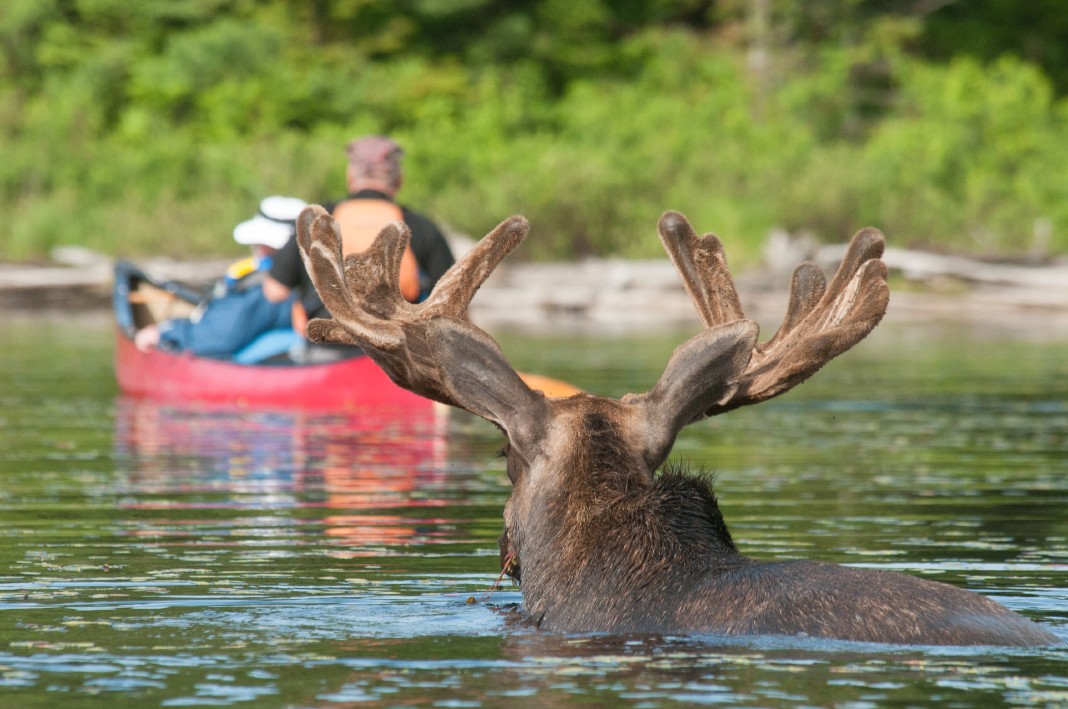
Meeting a moose while paddling in Algonquin Park
Be sure to take your camera. | Photo courtesy of: Destination Ontario

Shall Lake to Booth Lake | 2 days

Travelling up the Opeongo River through a series of small lakes and short portages, this easy overnight canoe trip reaches scenic Booth Lake. The lake features an excellent beach area on its eastern shore, and 18 west-facing campsites where you can settle in to watch the sunset. Wake up early or head out after dinner to paddle up McCarthy Creek for prime moose-viewing.

This 2-day Algonquin Park canoe tour departs from and returns to Shall Lake Access Point (#17) on the park’s east side, making it a less busy option than routes beginning on the park’s main Highway 60 corridor. Canoe rental and delivery is available from Algonquin Bound in the nearby village of Madawaska.

RESERVE / CHECK RATES


View this post on Instagram


A post shared by Paddlenaut (@paddlenaut)

Tim River to Rosebary Lake | 2 days

The Rosebary Lake canoe route is an easy 2-day trip on Algonquin Park’s west side with a beautifully unspoiled lake as its reward. After crossing Tim Lake, canoeists enjoy a slow, relaxing paddle down the meandering Tim River with only one easy portage (120m) around a set of falls. The hills surrounding Rosebary Lake comprise a Nature Reserve zone within the park, meaning these mature hardwood forests have a special natural significance to the region and are protected from logging. This lake makes for a particularly stunning autumn canoe trip destination. Rosebary’s six well-spaced campsites include sand beaches and one of the oldest known Indigenous campsites in Algonquin Park.

This 2-day canoe trip begins at the Tim River Access Point (#2) and returns the same way. Canoe rental and delivery is available from Algonquin Basecamp or Canoe Algonquin in the Town of Kearney.

RESERVE / CHECK RATES


View this post on Instagram


A post shared by Nicolas Marion (@nicmarion7)

Kingscote Lake to York River | 2 days

For intermediate canoeists with some moving water experience, the York River route offers a more challenging option for an adventurous overnight in the park. Located in Algonquin’s southern panhandle, the river is best known for its spectacular High Falls, which you’ll visit on the second day of this trip. From Kingscote Lake, two portages and a short lake crossing bring paddlers to Byers Lake and the entrance to the York River. Stay at the secluded campsites on Byers Lake to get an early start on the river, which includes five short portages around dams, rapids and the magnificent High Falls.

Although this 2-day canoe route is a one-way trip, the start and finish are just a short drive apart. Begin at Kingscote Lake Access Point (#15) and take out at Pine Grove Point Resort on Benoir Lake. The resort offers parking, shuttle service and canoe rental.

RESERVE / CHECK RATES


View this post on Instagram


A post shared by Adam Romano (@adamromanoexplores)

Canoe Lake to Burnt Island Lake | 3 days

The cultural heart of Algonquin Park, Canoe Lake has been a centre of residence, recreation and industry since the park’s inception in 1893. Observant paddlers on this easy 3-day loop can discover a wealth of fascinating history—from ruins of a century-old town site, to possibly the most debated gravesite in Canada. In 1917, celebrated landscape artist and Algonquin Park guide, Tom Thomson, died under mysterious circumstances while paddling on Canoe Lake. Today, a memorial cairn and totem pole mark one of his favourite campsites on the lake.

Continuing north from Canoe Lake, this route travels through Teepee and Littledoe lakes to Tom Thomson Lake, where 18 scenic campsites make for an ideal first night’s pitch. The second day of this loop involves eight short portages over hilly terrain to reach Burnt Island Lake. The 50-plus, well-spaced campsites on this large lake attest to its popularity as a last night’s stop. From here, it’s an easy paddle through the string of Joe Lakes back to Canoe Lake.

Algonquin Outfitters at Canoe Lake Access Point (#5) is a convenient spot to rent canoes and equipment for this 3-day trip. A word of caution: Canoe Lake is the most popular access into Algonquin Park’s interior—if you’re looking for solitude, avoid this route during busy summer and fall colour weekends.

RESERVE / CHECK RATES


View this post on Instagram


A post shared by Paige (@paigedeas)

Smoke Lake to Big Porcupine Lake | 3 days

For a scenic basecamp canoe route with a taste of Algonquin Park’s more challenging portage trails, try this 3-day “lollipop loop” from Smoke Lake. Paddlers travel south through Ragged Lake before tackling the Devil’s Staircase, a very steep 590-meter portage that climbs to Big Porcupine Lake and a smattering of secluded campsites. Basecamp here for two nights, and on your second day pack a picnic lunch and make a loop through Little Coon, McGarvey and Bonnechere lakes. There’s plenty of beautiful scenery and several more shoulder-burning portages—but at least you’ll be travelling light.  

Access for this 3-day canoe route is at Algonquin Park’s Smoke Lake Access Point (#6). Rent canoes and equipment from Algonquin Outfitters across Highway 60 at Canoe Lake.

RESERVE / CHECK RATES

Rock Lake to Lake Louisa | 3 days

This 3-day loop makes for an action-packed weekend itinerary, although solitude-seekers should plan to visit this popular area during mid-week or in the fall. Three lengthy portages make this a challenging route for novice paddlers. Rent an ultralight canoe and travel the loop clockwise to save the longest carry for your final day when your food pack is lighter. Camp on Welcome or Harry lakes your first night, then snag a gorgeous rock point or island campsite on lovely Lake Louisa for your last night out. Wake up refreshed to tackle the 3,000-meter portage back to Rock Lake.

This 3-day canoe trip begins and ends at Algonquin Park’s Rock Lake Access Point (#9). Algonquin Outfitters and Opeongo Outfitters offer canoe rentals and delivery to Rock Lake.

RESERVE / CHECK RATES


View this post on Instagram


A post shared by Voyageur Quest (@voyageurquest)

Kawawaymog Lake to Kioshkokwi Lake | 4 days

The northwest corner of Algonquin Park is famous for its rolling hills, great trout fishing and beautiful lakes. This laid-back 4-day canoe trip travels one-way, west to east, through some of the more remote sections of the park. Canoeists will enjoy diverse paddling on large lakes and narrow, wildlife-filled rivers, with only a couple very manageable portages each day (the longest is 1,355 meters). Rock point campsites on North Tea, Manitou and Kioshkokwi lakes feature outstanding swimming and spectacular sunsets.

Begin this 4-day canoe route at Kawawaymog Lake Access Point (#1). Contact Voyageur Quest or Northern Wilderness Outfitters for canoe rental, outfitting and a return shuttle from your finish at Kiosk Access Point (#29). Voyageur Quest also offers this route as an all-inclusive, guided 5-day trip that is perfect for first-time canoe trippers.

RESERVE / CHECK RATES


View this post on Instagram


A post shared by Adam Romano (@adamromanoexplores)

Lake Opeongo to Big Trout Lake | 5 days

Looping off the North Arm of Lake Opeongo, this moderate interior canoe trip visits some of Algonquin Park’s most scenic large lakes and is a great choice for intermediate canoe trippers who enjoy a stout paddle between portages. The route can be completed in 5 days if you take a Lake Opeongo water taxi to the Proulx Lake portage, eliminating a substantial paddle up the park’s largest lake on your first day. 

Sandy beaches, old-growth white pine and a stunning cliff-top overlook await campers on Big Crow Lake. From here, you’ll spend the next three days looping back to Opeongo through Hogan Lake, Lake La Muir, Big Trout Lake (plan to overnight on one of the stunning island campsites here), Merchant Lake and Happy Isle Lake. En route, expect nearly 11 kilometres of demanding portages (packing for a single-carry is strongly advised), abundant moose-spotting opportunities and a splendid sense of isolation. Make your final camp on Lake Opeongo, allowing time to explore wildlife-rich Hailstorm Creek before paddling south on the big lake.

[ Paddling Trip Guide: View all paddling trips in Algonquin ]

Lake Opeongo Access Point (#11) is the start and finish for this 5-day canoe trip. Arrange water taxi service and canoe/equipment rental through Algonquin Outfitters or Opeongo Outfitters.

RESERVE / CHECK RATES

Petawawa River whitewater adventure | 7 days

Perhaps the best-known—and certainly the most thrilling—river in Algonquin Park, the Petawawa travels from one side of the park to the other, gathering volume and taking on a different character with every kilometre. From its marshy and meandering beginnings in the west to the rushing rapids of the east, the “Pet” is a dynamic and breathtaking river for adventurous paddlers. 

Unless you’re an expert whitewater canoeist, the rigorous class II-IV whitewater between Cedar Lake and Lake McManus is best experienced on a guided trip. Voyageur Quest offers this route as a 7-day trip lead by highly skilled guides who will ensure you navigate the river safely, as well as prepare fabulous meals, share their knowledge of Algonquin Park history and ecology, and handle the daunting logistics of a cross-Algonquin canoe trip.

This all-inclusive, 7-day canoe trip is offered in late August when water levels on the Petawawa River are optimal. Paddlers should be comfortable steering a canoe, but no whitewater experience is necessary. Contact Voyageur Quest for reservations or more information. 

RESERVE / CHECK RATES 


How does canoe rental and delivery in Algonquin work?

Can you rent canoes in Algonquin Park and have them delivered right to your vehicle campsite or access point? Yes, in fact it is very easy and affordable to do so! Most of the outfitters mentioned above offer delivery with your canoe rental reservation, to either the access point of your choice or to select Algonquin Park campgrounds (either to your campsite or to the campground beach). 

Generally, expect the cheapest delivery fees ($15–$20) for locations along the Highway 60 corridor, with some outfitters offering free delivery to the park’s most popular access points and campgrounds. In peak summer season, outfitters pick up and drop off twice daily from busy access points/campgrounds. Simply let your outfitter know when you are booking your canoe rental where you’d like to pick it up, and they can provide you with a quote.


How much will it cost?

The cost of an Algonquin Park canoe or kayak rental depends on two factors: 1) How many days you are renting (outfitters offer a lower per day rate for longer rentals), and 2) The material and style of the rental canoe or kayak. Remember to ask whether your rental package includes essentials like paddles, lifejackets/PFDs, safety kit, etc. 

Rental rates vary from $30/day for a durable, heavier plastic canoe to $45-$50/day for a featherweight Kevlar canoe, specialized whitewater tripping canoe or 3-person canoe. Kayak rentals range from $25-$30/day for a solo recreational kayak to around $40/day for a solo touring kayak or tandem kayak. When it comes to rental period, expect a 15 percent discount for canoe and kayak rentals of 5 days or more, 25 percent for more than 7 days. 

Most outfitters also offer complete outfitting (including backcountry meals) or individual camping equipment rental for reasonable rates. Tents, sleeping pads, cooking gear, canoe barrels, packs and more are available for a modest daily fee.


Backcountry reservations and bookings 

Backcountry campsites in Algonquin Park can fill up quickly, especially during summer and fall colours season—reservations are strongly recommended to avoid disappointment. Reservations can be made up to five months prior to your arrival date (for example, you can book February 1st if you plan to arrive July 1st). Note that backcountry campsite reservations are for a particular lake area or river section, not a specific campsite. 

Before making your reservation, you’ll need to know your intended Algonquin Park access point and have a good idea of your route, including daily mileage that’s reasonable for your group. Keep a backcountry canoe routes map handy while making your reservation, in case modifications have to be made to your trip.

Backcountry camping fees are charged per person: around $12 for each adult, $6 each for those under 18. A maximum of nine campers is allowed per backcountry campsite.

Campsite reservations for your backcountry trip can be booked online at www.ontarioparks.com, or by calling 1-888-ONT-PARK (1-888-668-7275).


Put Barron Canyon on your Algonquin Park bucket list. | Photo courtesy of: Destination Ontario
19 Rustic To Classic Lodges And Resorts Near Algonquin Park

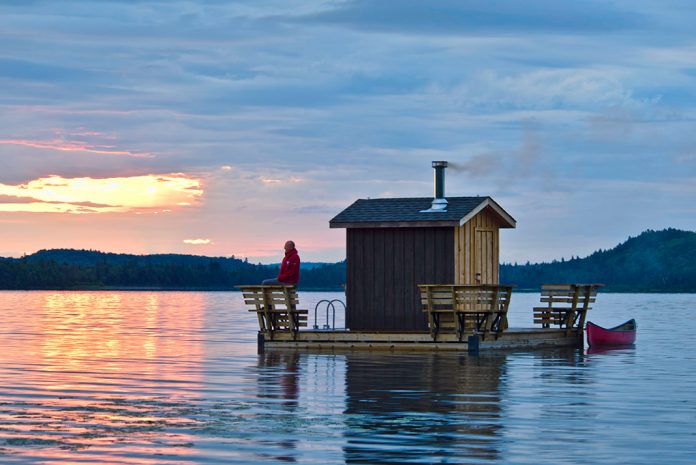
People on a floating sauna boat on the water
Paddle and steam in Voyageur Quest’s floating sauna. | Photo courtesy of: Ontario Tourism

Think of your perfect vacation—fresh air, serene lakes, pine-scented forest and a cozy, ‘gram-worthy sanctuary to end each adventure-filled day. Now think Algonquin Park. The park is practically in the backyard of Ontario’s large urban centres, yet this staycation destination feels worlds away from the gridlock of Toronto and Ottawa. At nearly 2 million acres (7,653 square km) in size, it would take a lifetime of vacations in the park just to scratch the surface of Algonquin’s stunning natural beauty.

You don’t have to be a fan of camp food and sleeping in tents to experience this iconic park—there are plenty of lodges and resorts located within Algonquin or on the park’s periphery. Base yourself at an Algonquin lodge or resort for a true holiday feel with a comfortable cocktail of rustic luxury and wilderness vibes.

[This article is part of the Ultimate Algonquin Park Travel Guide 2021. Find all the resources you need to plan an adventure-filled trip to Algonquin Park.]


Algonquin Park lodges

An Algonquin lodge stay offers flexibility for couples, friends, families and solo travellers. Book an all-inclusive package where every detail of your experience is exquisitely crafted. Or go independent—taking guided day trips in Algonquin or exploring the scores of trails, lakes and attractions just a short drive from your doorstep, and then returning to your peaceful refuge to recharge for the next adventure.

[ Paddling Trip Guide: View all paddling trips in Algonquin ]

Fancy more of an off-grid vacation? Get back to nature at an Algonquin eco-lodge, where you can step right from your backcountry bolthole into a leafy world of birdsong and lapping waves. Four of the lodges listed below are located within the park’s boundaries, tucked beneath towering pines and beside beautiful lakes where wilderness is just a few paddle strokes away.


View this post on Instagram


A post shared by Caroline Topperman (@styleontheside)

Killarney Lodge

Nestled on a pine-clad peninsula in the heart of Algonquin Park, Killarney Lodge boasts both a fabulous lakeside location and an elegant, rustic ambience. Each of the lodge’s secluded log and pine cabins includes a personal canoe and a waterfront porch with intimate views of Lake of Two Rivers. Explore paddle-and-portage routes, cycle the Old Railway Bike Trail and enjoy casual or ambitious hikes—all right from your cabin door. Or simply settle in to listen to loon calls, stargaze from your deck and savor three delicious daily meals and famous home baking in the lodge’s old-timey dining room.

Learn more | Reserve your stay


View this post on Instagram


A post shared by Bartlett Lodge (@bartlett_lodge)

Bartlett Lodge

An Algonquin Park landmark since 1917, Bartlett Lodge is an oasis of luxury and fascinating history set amid the wild beauty of Algonquin’s Cache Lake. Whether your idea of the perfect vacation is a lakeside deck and a comfy reading chair, or an ambitious paddle-and-portage adventure to a remote lake, Bartlett’s log cabins, glamping tents and artist studio suites ensure you’ll end each day in total comfort. And the lodge’s gourmet, five-star meal plan guarantees you’ll be well fuelled for each new experience. Located near the mid-point of the Highway 60 corridor, the magic begins the moment guests park their vehicles at Cache Lake and board Bartlett’s freighter canoe for the short ride to the lodge.

Learn more | Reserve your stay

Algonquin Eco-Lodge

Located on the southern border of the park, Algonquin Eco-Lodge is a wilderness enthusiast’s paradise. Entirely self-sufficient and off-grid, this award-winning Eco-Lodge creates its own alternative energy from an onsite waterfall so guests can enjoy all the finer comforts, including a carbon-neutral hot tub. This is one of the most secluded places you can stay in Algonquin—walk, cycle, horseback ride or ski a 2.3 km trail to reach the lodge (don’t worry, they’ll transfer your luggage). The eco-lodge has the feel and atmosphere of a European mountain lodge, with 17 private bedrooms, communal dining and social areas and an extensive trail network (over 40 km) right out the door. Canoe to secluded beaver lodges and meandering creeks, then relax in the eco-lodge’s lakeside sauna.

Learn more | Reserve your stay

Adventure Lodge Algonquin

The nine cozy log cabins and cottages at Adventure Lodge Algonquin create a romantic setting for this couples-only, pet-friendly retreat on the eastern edge of the park. Guests enjoy a jacuzzi and wood-burning fireplace in each cabin, with all-inclusive gourmet breakfasts and dinners served right to your door. The Adventure Lodge is just a 10-minute walk from the town of Whitney, and an even quicker drive to the East Gate of Algonquin Park. Use of canoes and kayaks to explore the adjacent Madawaska River and Galeairy Lake is included with your stay.

Learn more | Reserve your stay

Wolf Den Nature Retreat

The Wolf Den Nature Retreat is a beautiful log cabin lodge situated on the Oxtongue River, just a few minutes’ paddle from Oxtongue Lake. Conveniently located 9 km from Algonquin’s West Gate, the Wolf Den offers something for every budget with two distinct types of accommodation. Their independent, fully equipped eco-cabins are perfect for private getaways, with one to three bedrooms and gorgeous square-log construction. Across Highway 60, the Wolf Den’s family hostel-style bunkhouses, cabins and bedrooms share kitchen and lounge facilities in the main lodge. These are ideal for solo travellers and shoestring vacations—as well as being a fun, unique way to meet other outdoor enthusiasts and share stories about your experiences in the park.

Learn more | Reserve your stay


View this post on Instagram


A post shared by Arowhon Pines (@arowhonpines)

Arowhon Pines in Algonquin

Hidden in the heart of Algonquin Park’s backcountry, yet accessible by dirt road from the Highway 60 corridor, Arowhon Pines offers luxury without compromising on location. Experience Algonquin’s world-famous lakes, trails, wildlife and tranquility while “un-roughing” it with a king-size bed and chef-prepared meals at Arowhon Pines’ heritage lodge overlooking Little Joe Lake. From your lakefront log cabin, grab a canoe, kayak or paddleboard off the beach and paddle the portage-free chain of lakes north through Teepee, Littledoe and Tom Thomson lakes. Spend a morning hiking the lodge’s trail system, try your hand at sailing on Little Joe Lake or simply sit back in a Muskoka chair and take in the resplendent fall colors.

Learn more | Reserve your stay


View this post on Instagram


A post shared by Voyageur Quest (@voyageurquest)

Algonquin Log Cabin at Voyageur Quest

Voyageur Quest combines unique off-grid accommodations, exceptional outdoor guides and outstanding local cuisine to create award-winning Algonquin Park experiences from their location on Kawawaymog Lake at the park’s northwest corner. In addition to lodge-based adventure packages and independent cabin rentals—including a canoe-in, private island retreat—they offer guided canoe trips and park activities in all four seasons.

Book a stay at their Algonquin Log Cabin to enjoy rustic charm, delicious gourmet meals and a peaceful wilderness setting with daily guided excursions on foot and by canoe. Perfect for family gatherings or groups of friends, their Algonquin Cottages offer modern lakefront comfort, a stunning floating sauna and use of canoes, kayaks and SUPs for independent paddling adventures.

Learn more | Reserve your stay

Northern Edge Algonquin

Another fantastic option for a one-of-a-kind Algonquin lodge vacation on Kawawaymog Lake is this acclaimed Ontario Retreat Center. Participants in Northern Edge Algonquin’s all-inclusive, unplugged retreats sleep comfortably in cozy accommodations nestled in the woods, enjoy organic and locally-sourced meals, and participate in a variety of tailored experiences which make use of their lakeside studio, indoor and outdoor workshop spaces, gorgeous cedar sauna and lovingly restored log cabin. Paddleboards, canoes and kayaks encourage exploration of the island-studded lake and nearby Amable du Fond River, while the center’s forest trails inspire quiet contemplation and nature appreciation.

Learn more | Reserve your stay

Algonquin Basecamp

Situated in the village of Kearney, Algonquin Basecamp is a convenient stopover for those beginning a canoe trip on the west side of Algonquin Park at Tim Lake (Access #2), Magnetawan Lake (Access #3) or Rain Lake (Access #4). This friendly, family-run outfitter offers simple, comfortable rooms and hostel-style communal kitchen and lounge areas in their Basecamp Lodge for paddlers utilizing their complete outfitting services. Staying at Algonquin Basecamp before your canoe trip gives you a chance to prepare and relax before heading into the backcountry, as well as an opportunity to review your route and gear with the outfitter.

Learn more | Reserve your stay

Northern Wilderness Outfitters

Located on Kawawaymog Lake at the northwest corner of Algonquin Park, Northern Wilderness Outfitters offers rustic chalet accommodation and canoe rentals for paddlers on a budget. For less than $40/person/night, guests receive accommodation and use of canoes and lakefront sauna. Explore the moose-filled meanders of the Amable du Fond River or make a longer day trip into the West Arm of Algonquin’s lovely North Tea Lake.

Learn more | Reserve your stay


View this post on Instagram


A post shared by Algonquin Portage (@algonquinportage)

Algonquin Portage

Planning a canoe trip to the breathtaking Barron Canyon, mighty Petawawa River or Grand Lake area on the east side of Algonquin Park? Algonquin Portage is located right on your route into the park, just 15 minutes from Sand Lake Gate, making this comprehensive outfitting service and lodge a convenient one-stop shop. Book one their simple, cozy rooms and get an early start on your Algonquin Park adventures. Additional services include: canoe, kayak and SUP rentals, equipment rental, trip planning, vehicle shuttles, canoe delivery/pick-up and a camper’s store.

Learn more | Reserve your stay


Algonquin Park resorts

Perfect for families, couples and friends, Algonquin resorts deliver on all the amenities you could desire during a stay on the edge of the park. Take a guided paddling day trip or rent a canoe from a nearby Algonquin outfitters.

From romantic packages with just-for-adults perks to family resorts that kids and parents will love, these are great choices if your dream vacation features a mix of mini adventures and stay-and-play. Also included in this selection are classic cottage resorts, which offer a comfy, low-key “home away from home” in a peaceful setting.


View this post on Instagram


A post shared by Couplesresort (@couplesresort)

Couples Resort

This couples-only, five-star luxury resort is situated on the shores of Galeairy Lake and the Madawaska River with direct access to the east side of Algonquin Park. Both the lake (most of which lies within the park) and river offer superb canoeing and kayaking, but it’s the Couples Resort’s opulent rooms—all of which feature an outdoor hot tub and in-room jacuzzi next to a wood-burning fireplace—and gourmet dining experiences that make a stay here truly one-of-a-kind. This all-season resort is also home to an organic spa so you can pamper weary muscles after a day of paddling, hiking, biking, snowshoeing or cross-country skiing the nearby trails.

Learn more | Reserve your stay


View this post on Instagram


A post shared by Tim And Michelle Pagett (@aeresort)

Algonquin’s Edge Resort

This classic cottage resort near the village of Madawaska is just a 20-minute drive from Algonquin Park’s East Gate, and equally close to the park’s quieter Shall Lake access point, popular with canoeists and anglers. Algonquin’s Edge Resort offers accommodation in private, self-contained cottages on the banks of the meandering Madawaska River. Rent a canoe and paddle to scenic waterfalls right from the resort docks, or get equipped at nearby Algonquin Bound or Opeongo Outfitters for paddling adventures in the park.

Learn more | Reserve your stay


View this post on Instagram


A post shared by Danielle Vann (@dvann)

Little Hawk Resort and Marina

Kids and adults love the family-oriented atmosphere and sandy swimming beach at Little Hawk Resort and Marina. Set on five wooded acres on the shores of Halls Lake, this all-season resort offers suites and cottage accommodation as well as complimentary canoes, water trampoline, playground, hot tub and an on-site restaurant. Situated in the Haliburton area of the Algonquin Highlands, the resort is a convenient option if you’re looking to explore both the park’s West Gate area and southern panhandle. Little Hawk is also on the doorstep of the Haliburton Forest, a year-round destination for paddling, hiking, wildlife viewing and winter activities.

Learn more | Reserve your stay

Blue Spruce Resort

Just minutes from Algonquin’s West Gate, this fully equipped housekeeping resort boasts comfortable lakeside cottages and a superb, on-site trail network for hiking or cross-country skiing/snowshoeing. With cozy, wood-burning fireplaces and lake views, the cottages here are perfect for a couples getaway or a family vacation. Situated on Oxtongue Lake, Blue Spruce Resort guests enjoy use of the resort’s canoes, kayaks and paddleboards to tour the lake or make the half-day trip to spectacular Ragged Falls on the Oxtongue River. Algonquin Outfitters is just next-door if you’re planning a longer paddling adventure in the park.

Learn more | Reserve your stay

Cloverleaf Cottages Resort

Another option on Oxtongue Lake, Cloverleaf Cottages offers a traditional, family-oriented Algonquin resort experience with 13 beachfront and lake-view cottages to choose from. Enjoy a 450-foot sand beach, paddle to Ragged Falls or head into the park along Highway 60. Canoe and Smoke lakes access points, as well as the Whiskey Rapids and Hardwood Lookout trails, are nearby.

Learn more | Reserve your stay


View this post on Instagram


A post shared by Garth (@garthvhunt)

Spring Lake Resort

Located in the village of Dwight and just 15 minutes from Algonquin’s West Gate, Spring Lake Resort offers a convenient home base with easy on-site amenities including a restaurant, complimentary canoes and kayaks for exploring tranquil Spring Lake and 52 wooded acres with hiking trails. The resort’s tidy, motel-style rooms feature lake views and are steps to a sandy beach and canoe dock.

Learn more | Reserve your stay


View this post on Instagram


A post shared by RSCornish (@bintherephotography)

Algonquin Lakeside Inn

Choose from comfortable rooms, romantic suites or cozy cottages on the shores of Oxtongue Lake at this resort near the park’s West Gate. Enjoy hot breakfast and dinner with Algonquin Lakeside Inn’s lodge-and-dine packages, and then head down to the resort’s sandy beach and borrow a canoe or kayak to paddle Oxtongue Lake or journey to Ragged Falls.

Learn more | Reserve your stay


View this post on Instagram


A post shared by Pine Grove Point (@pgpcampground)

Pine Grove Point

Situated on the shores of Benoir Lake at the southern tip of Algonquin Park, Pine Grove Point cottage resort and campground is just five minutes from the park’s Kingscote Lake access, and a perfect departure point for day trips to the spectacular natural water slides at High Falls. Guests can launch canoes right from Pine Grove Point’s dock and paddle up the scenic York River to the falls. Pine Grove Point offers a family-oriented camping and cottage resort experience, including four self-catering cottages, a sandy swimming beach, children’s playground, canoe and kayak rentals, restaurant, ice cream bar and camper’s store.

Learn more | Reserve your stay


Paddle to then steam in Voyageur Quest’s floating sauna. | Photo courtesy of: Ontario Tourism

Algonquin Park Canoe Rentals: 11 Best Outfitters 2021

A paddler solo canoes across a lake in Algonquin Park
Escape the shore. | Photo courtesy of: Ontario Tourism

Whether you are planning your first visit to Algonquin Park, or you are an experienced tripper looking to rent an ultralight canoe for an ambitious backcountry adventure, these Algonquin Park outfitters make the journey from parking lot to paddling route simple and affordable.

Some Algonquin outfitters canoe rentals are located at popular backcountry access points so you can leave directly from their dock. Many outfitters also offer delivery to other access points or even right to your Algonquin Park campsite. Kayak rentals are also available in some locations.

[This article is part of the Ultimate Algonquin Park Travel Guide 2021. Find all the resources you need to plan an adventure-filled trip to Algonquin Park.]


Algonquin Park canoe rentals

Algonquin Outfitters

From featherweight Kevlar canoe rentals to SUP and kayak rentals, as well as a full line of camping gear for hire, Algonquin Outfitters has everything you need to head out into the park for two days or two weeks. Their well-stocked retail shops are excellent places to pick up last-minute camping essentials.

Established in 1961, Algonquin Outfitters also offer guided day trips and overnight canoe trips in Algonquin Park, and their local experts can help you plan your own canoe trip from start to finish. When you’ve decided on a destination for your paddling adventure, choose from one of Algonquin Outfitters’ convenient rental locations in or near Algonquin Park.

The Algonquin Outfitters stores at Oxtongue Lake (near the West Gate) and Lake Opeongo (in the Park at Access Point #11) both offer access point delivery along Algonquin Park’s popular Highway 60 corridor. The Opeongo base also provides free campsite delivery to select campgrounds.

New in 2023, Algonquin Outfitters will be running the store at Canoe Lake (Access Point #5). For canoe and kayak rentals on the Park’s west side, check out Algonquin Outiftters’ downtown Huntsville store. The outfitters’ in-the-park Brent location (at Cedar Lake Access Point #27) is perfect for canoe trips originating on Algonquin’s north side.

Finally, if you’re looking to rent canoes or kayaks to explore the south side of Algonquin Park, visit Algonquin Outfitters’ Haliburton or Minden stores.

Oxtongue Lake location

1035 Algonquin Outfitters Rd., Dwight, ON, P0A 1H0

Phone: 800-469-4948 / 705-635-2243

Lake Opeongo location

Lake Opeongo, Hwy 60, Algonquin Park Access Point #11

Phone: 888-280-8886 / 613-637-2075

Canoe Lake location

Canoe Lake, Hwy 60, Algonquin Park Access Point #5

Phone: 705-633-5235

Huntsville location

86 Main St. East, Huntsville, ON, P1H 2C7

Phone: 800-469-4948 / 705-787-0262

Haliburton location

218 Highland St., Haliburton, ON, K0M 1S0

Phone: 866-KAYAKS-0 / 705-457-3737

Minden location

12667 Hwy 35, Minden, ON, K0M 2K0

Phone: 866-KAYAKS-0 / 705-286-1492

Brent location

Cedar Lake, Algonquin Park Access Point #27

Phone: 800-469-4948 / 705-635-2243

RESERVE / CHECK RATES

Algonquin Bound

With three convenient locations, Algonquin Bound provides all of the canoe, kayak, camping and fishing equipment and expertise you need to explore Algonquin Park. The outfitter offers contactless canoe, kayak and gear rentals for quick, easy pick-up.

Algonquin Bound also specializes in access point and campsite delivery/pick-up to over 30 locations throughout Algonquin Park, as well as vehicle shuttle service to every access point in the park for those planning a linear (one-way) trip. Once you’ve decided where you want to paddle, contact the outfitters’ nearest location for assistance: Algonquin Bound stores are based in Dwight (West Gate), Madawaska (East Gate) and Pembroke (Barron Canyon/Achray access points).

New to Algonquin Park? Algonquin Bound’s introductory course in canoeing and interior camping is designed to enable those who have little or no experience with canoe tripping to enjoy a safer, more enjoyable adventure in the park. Self-guided and guided trip packages from one to five days are also available.

West Gate location

5280 Hwy 60, Dwight, ON, P0A 1H0

Phone: 800-704-4537 / 613-637-5508

Madawaska location

Hwy 60 and Major Lake Rd., Madawaska, ON, K0J 2C0

Phone: 800-704-4537 / 613-637-5508

Barron Canyon location

525 Barron Canyon Rd., Pembroke, ON, K8A 6W7

Phone: 800-704-4537 / 613-637-5508

RESERVE / CHECK RATES

The Portage Outpost

Formerly known as The Portage Store, which operated the store on Canoe Lake, The Portage Outpost is “the last stop before the Park,” just outside the West Gate on Hwy 60. The outfitter offers canoe rentals, gear rentals and complete outfitting.

They also offer shuttle services, campground and access point delivery, and guided day trips.

[ Paddling Trip Guide: View all paddling trips in Algonquin ]

Location

5280 Hwy 60, Oxtongue Lake near the West Gate

Phone: 705-635-3277

RESERVE / CHECK RATES


View this post on Instagram


A post shared by Voyageur Quest (@voyageurquest)

Voyageur Quest Outfitting

If you are looking to explore the northwest corner of Algonquin Park and the large, lightly traveled lakes of the Park’s north side, Voyageur Quest Outfitting makes for an easy, full service departure point. Situated on Kawawaymog Lake at Algonquin Access Point #1, this Algonquin Park canoe trip outfitter offers canoe, SUP and kayak rentals, overnight cabins, shuttle service, meals and accommodation, and guided canoe trips led by Algonquin wilderness guides and naturalists.

Along with providing your Algonquin canoe rentals, Voyageur Quest Outfitting is also a one-stop shop for arranging permits, parking and complete outfitting packages. First-time canoe trippers should ask about Voyageur Quest’s Algonquin Starter Package. This quick yet comprehensive package includes trip planning guidance and an on-water lesson when you arrive, so beginners enjoy a safe and rewarding trip.

Location

Kawawaymog Lake, Algonquin Park Access Point #1

Phone: 647-478-2959 (May–September) / 416-486-3605 (October–April)

RESERVE / CHECK RATES

Opeongo Outfitters

This third-generation Algonquin Park canoe outfitter has been helping visitors experience the park since 1936. Based near the East Gate on Highway 60, Opeongo Outfitters is a convenient rental location for those approaching Algonquin from the east, or for any trips beginning on the Park’s east side. They are a full service outfitter, providing canoe rentals and sales, complete outfitting packages, canoe delivery to park campgrounds and access points, shuttle service, guided day trips and a well-stocked campers’ store for last-minute essentials.

Opeongo Outfitters also operate a water taxi service on Lake Opeongo, shuttling canoes and trippers across this vast lake in beautiful, traditional wooden boats. The water taxi service is perfect for inexperienced paddlers and anyone short on time, reducing your travel on Opeongo’s sometimes windy and rough waters from several hours to just a few minutes.

Location

29902 Hwy 60, Whitney, ON, K0J 2M0

Phone: 800-790-1864 / 613-637-5470

RESERVE / CHECK RATES

Algonquin Basecamp

Situated in the village of Kearney, Algonquin Basecamp is a convenient one-stop shop for those beginning their canoe trip on the west side of Algonquin Park at Access Points #2, #3 or #4. This friendly, family-run outfitter provides canoe and kayak rentals, gear rentals, complete outfitting, canoe delivery, trip planning, shuttle service, a retail shop and accommodations for canoe trippers.

Algonquin Basecamp is located across from the park permit office in Kearney, directly en route to Tim Lake (Access #2), Magnetawan Lake (Access #3) and Rain Lake (Access #4). The owners are passionate about the park’s less-traveled “wild west” side and eager to assist with making your dream canoe trip a reality.

Location

15 Main St., Kearney, ON, P0A 1M0

Phone: 705-636-1616 (May–October) / 705-783-2005 (off-season)

RESERVE / CHECK RATES


View this post on Instagram


A post shared by Canoe Algonquin (@canoe_algonquin)

Canoe Algonquin

Just up the road in Kearney, Canoe Algonquin is another great option for those heading to Algonquin’s Tim Lake (Access #2), Magnetawan Lake (Access #3) and Rain Lake (Access #4). With over 35 years of experience outfitting Algonquin backcountry adventures, Canoe Algonquin offers competitive canoe, kayak and SUP rentals and sales, gear rental, trip planning assistance and rental delivery to the above access points.

Location

1914 Hwy 518 E, Kearney, ON, P0A 1M0

Phone: 705-636-5956

RESERVE / CHECK RATES

Northern Wilderness Outfitters

Situated on Kawawaymog Lake at Algonquin Access Point #1, Northern Wilderness Outfitters is a convenient departure point for journeys into the northwest corner of Algonquin Park. This is the nearest outfitter for canoe trips to lovely North Tea Lake, with on-site parking and canoe rentals that leave right from their dock. Founded in 1968, Northern Wilderness Outfitters also offers equipment rentals, guided weekend trips and complete outfitting packages with chalet accommodation.

Location

Kawawaymog Lake, Algonquin Park Access Point #1

Phone: 705-825-0466

RESERVE / CHECK RATES 

Algonquin Portage Store & Outfitters

Planning a canoe trip to the breathtaking Barron Canyon, mighty Petawawa River, High Falls or Grand Lake area on the east side of Algonquin Park? Algonquin Portage Store & Outfitters is located right on your route into the park, just 15 minutes from Sand Lake Gate, making this comprehensive outfitting service a convenient one-stop shop. Services include: canoe, kayak and SUP rentals, equipment rental and sales, trip planning, vehicle shuttles, canoe delivery/pick-up, camping supplies, on-site hot showers and lodging.

Location

1352 Barron Canyon Rd., Pembroke, ON, K8A 6W7

Phone: 613-735-1795

RESERVE / CHECK RATES

Swift Canoe & Kayak

Known for their exceptionally light and beautifully crafted composite canoes and kayaks, Swift Canoe & Kayak offers canoe, kayak and paddleboard rentals from their South River location near Algonquin Access Point #1 (Kawawaymog Lake). Known as Swift Canoe & Kayak’s “Factory Outlet”, you can also purchase canoes and kayaks from this store.

Location

281 Hwy 124, South River, ON, P0A 1X0

Phone: 705-386-0440

RESERVE / CHECK RATES 

Deep Roots Adventure

Deep Roots Adventure‘s Kingscote Outpost provides equipment rentals at Algonquin’s south gate. Outfitting includes canoe, kayak, paddleboard and camping equipment rentals. They also have a retail shop where you can pick up last-minute items before your trip. Delivery and shuttles are also available.

Location

4071 Elephant Lake Road, Harcourt, ON, K0L 1M1

Phone: 705-306-0631

RESERVE / CHECK RATES


How does canoe delivery in Algonquin work?

Can you rent canoes in Algonquin Park and have them delivered right to your campsite or access point? Yes, in fact it is very easy and affordable to do so! Most of the outfitters listed above offer delivery with your canoe rental reservation, to either the access point of your choice or to select Algonquin Park campgrounds (either to your campsite or to the campground beach).

Generally, expect the cheapest delivery fees ($15–$20) for locations along the Highway 60 corridor, with some outfitters offering free delivery to the park’s most popular access points and campgrounds. In peak summer season, outfitters pick up and drop off twice daily from busy access points/campgrounds. Simply let your outfitter know when you are booking your canoe rental where you’d like to pick it up, and they can provide you with a quote.


How much will it cost?

The cost of an Algonquin Park canoe or kayak rental depends on two factors: 1) How many days you are renting (outfitters offer a lower per day rate for longer rentals), and 2) The material and style of the rental canoe, kayak or paddleboard. Remember to ask whether your rental package includes essentials like paddles, lifejackets/PFDs, safety kit, etc.

Rental rates vary from $30/day for a durable, heavier plastic canoe to $45-$50/day for a featherweight Kevlar canoe, specialized whitewater tripping canoe or 3-person canoe. Kayak rentals range from $25-$30/day for a solo recreational kayak to around $40/day for a solo touring kayak or tandem kayak. For a standup paddleboard (SUP) rental, you’ll pay $30/day for a plastic beginner board and $40/day for a deluxe fibreglass SUP. When it comes to rental period, expect a 15 percent discount for canoe and kayak rentals of 5 days or more, 25 percent for more than 7 days.


Backcountry camping & canoe campsites

Experience Algonquin Park at its most rugged and wild: a vast landscape of maple hills, rocky ridges, spruce bogs and thousands of lakes, ponds and streams. Now that you know where to rent canoes in Algonquin Park, you can enter the backcountry by paddle and portage to sample more than 2,000 kilometres of canoe routes and over 1,900 canoe campsites. Discover some of our favourite Algonquin backcountry sites here: Plan Your Dream Algonquin Park Backcountry Camping Trip Now.


Escape the shore. | Photo courtesy of: Ontario Tourism

Plan Your Dream Algonquin Park Backcountry Camping Trip Now

People sit by a campfire at a backcountry campsite in Algonquin Park
*Contains only natural ingredients. | Photo: Ontario Tourism

Experience Algonquin Park at its most rugged and wild: a vast landscape of maple hills, rocky ridges, spruce bogs and thousands of lakes, ponds and streams. Enter the backcountry by paddle and portage to sample more than 2,000 kilometres of canoe routes and over 1,900 canoe camping sites. Additionally, Algonquin has three backpacking trails that await those seeking seclusion in the park on foot. As there are no backcountry campgrounds, Algonquin offers excellent solitude at individual backcountry campsites. Read on for 13 of our favourite Algonquin Park backcountry camping areas for paddlers and hikers.

[This article is part of the Ultimate Algonquin Park Travel Guide 2021. Find all the resources you need to plan an adventure-filled trip to Algonquin Park.]


Backcountry campsites

Canoeists paddle across a misty lake in the Algonquin Park backcountry
Joe Lake is justifiably popular with first-time canoe trippers. | Photo: Ontario Tourism

Joe Lake backcountry campsites

There are plenty of good reasons that an overnight at Joe Lake is a milestone for many first-time Algonquin Park backcountry campers. For starters, the lake is an easy paddle and even easier portage from popular Canoe Lake. Add to that a liberal selection of spacious campsites, diverse scenery and fascinating park history scattered around the lakeshore and along the neighbouring Arowhon Pines Trails.

[ Paddling Trip Guide: View all paddling trips in Algonquin ]

Choose from 20 backcountry campsites on Joe Lake and the lake’s East Arm. Launch from Algonquin’s Canoe Lake Access Point #5, located on the north side of Highway 60 near KM 14. Rent canoes and equipment from The Portage Store, and depart right from their docks.

View map

RESERVE / CHECK RATES


View this post on Instagram


A post shared by Henry Liu (@henrylw)

Parkside Bay backcountry campsites

The best part about canoe camping at Parkside Bay is how remote it feels, yet paddlers only have to traverse a single, short portage (240 metres) to reach here. Parkside Bay is actually an out-of-the-way offshoot of Ragged Lake; paddlers must navigate a series of narrow twists and turns to find the entrance to the bay. Once there, choose from 16 backcountry campsites peppered around the bay and perched on its islands. Wherever you decide to nestle in, the night sky here is simply magical.

Launch from Algonquin’s Smoke Lake Access Point #6, located on the south side of Highway 60 near KM 14. Canoe and equipment rentals are available across the highway at The Portage Store.

View map

RESERVE / CHECK RATES


View this post on Instagram


A post shared by Sophie Newton (@sophiejnewt)

Rock Lake backcountry campsites

Spend a couple of nights on this gorgeous lake and you’ll quickly see why many Algonquin Park regulars return to Rock Lake year after year. From the launch on a narrow bend in the Madawaska River, campers paddle directly out onto the open waters of Rock Lake—no portaging required. Eighteen backcountry campsites are scattered around the lake’s southeastern shore and central islands. Choose your view: dramatic cliffs, spectacular sunset or serene bay—there’s a site to suit every taste.

Algonquin’s Rock Lake Access Point #9 is located south of Highway 60 near KM 40.

View map

RESERVE / CHECK RATES

Lake Opeongo north arm backcountry campsites

Out of the more than 1,500 lakes in Algonquin Park, Lake Opeongo is the largest and among the most beautiful. These are vast waters—there’s plenty of diverse shoreline here for a week or more of canoe (or kayak) tripping. Because of its size, when booking backcountry campsites on Lake Opeongo, paddlers will need to specify on which part of the lake they’ll be staying: the South Arm, North Arm, East Arm or Annie’s Bay. Camping at one or more of the 30 sites spread around the North Arm, paddlers can choose from island or mainland campsites and make early morning and evening wildlife-watching forays into the wetlands of Hailstorm Creek—moose sightings here are common.

Algonquin’s Lake Opeongo Access Point #11 is located several kilometres north of Highway 60 past KM 47. The launch is at the south end of the South Arm, making for a long and potentially treacherous paddle to the North Arm if it’s windy out on the lake. A water taxi service is available to shuttle paddlers to any point on Lake Opeongo in just 15 minutes—contact Algonquin Outfitters  or Opeongo Outfitters. Both outfitters also offer canoe and equipment rentals.

View map

RESERVE / CHECK RATES


View this post on Instagram


A post shared by Lindsay Cole (@ironveganrmt)

North Tea Lake backcountry campsites

In the northwest corner of Algonquin Park, North Tea Lake boasts a rare combination of breathtaking sandy beaches, loads of portage-free paddling and picturesque islands, and tons of gorgeous backcountry campsites. With two distinct arms and nearly 70 campsites to choose from, it’s possible to find privacy and seclusion even on busy summer weekends. Enjoy stunning sunsets and swimming, and stay alert for wildlife along the Amable du Fond River—this winding waterway is a moose-watching hotspot.

Use Algonquin’s Lake Kawawaymog Access Point #1, accessible from Highway 11 at South River. There are only two short, easy portages en route from here to the West Arm of North Tea Lake.

View map

RESERVE / CHECK RATES

Provoking Lake backcountry campsites

For adventurous hikers seeking an overnight route through challenging terrain and superlative scenery, Algonquin Park’s Highland Backpacking Trail is an absolute gem. Spend a weekend hiking the shorter of the trail’s two loops: a 19-kilometre circuit of Provoking Lake. There’s ample camping—and no other traffic aside from your fellow backpackers—at this lovely backcountry lake cradled by pine-clad ridges.

The Highland Backpacking Trailhead is located near Mew Lake Campground, east of KM 29 on Highway 60. Hikers reach Provoking Lake—and the first backcountry campsites—after about 4 kilometres. Sixteen hiking campsites are scattered along the north and west sides of this rugged lake.

View map

RESERVE / CHECK RATES


View this post on Instagram


A post shared by Mike Markov (@mikemarkov)

Harness Lake backcountry campsites

For a truly remote backpacking experience that will test your mettle while simultaneously elevating your spirit, extend your hike on the Highland Backpacking Trail past Provoking Lake to complete the longer 35-kilometre loop. Lofty lookouts, deep wilderness and your choice of five secluded backcountry campsites on Harness Lake are your reward.

Travelling from Provoking Lake, hikers will reach Harness Lake after about 11 strenuous kilometres. Five hiking campsites are situated on rocky points along the lake’s east side.

View map

RESERVE / CHECK RATES


View this post on Instagram


A post shared by Dr. Erin Wiley ND (@drerinwiley)

Lake Louisa backcountry campsites

Even if you don’t subscribe to the notion that a bit of straining and suffering makes your backcountry campsite all the sweeter, Lake Louisa’s stunning natural beauty and isolation makes it worth the effort to get here. Before you can settle into one of the 23 canoe camping sites nestled amid the lake’s windswept pines and panoramic rock points, you’ll need to carry canoes and packs an arduous 3,000 metres across the portage from Rock Lake. To get back to your vehicle, either retrace your steps or carry on paddling and portaging through Welcome and Pen lakes to loop back to Rock Lake.

Launch from Rock Lake Access Point #9, located south of Highway 60 near KM 40.

View map

RESERVE / CHECK RATES

Rosebary Lake backcountry campsites

In late September and early October, the hardwood forest hillsides cradling Rosebary Lake are ablaze with breathtaking fall colour. Situated on the west side of Algonquin Park, the lake has fewer visitors than routes accessible from Highway 60—late-season campers may find they have Rosebary’s six backcountry campsites all to themselves. Choose a site with southeast exposure for early morning sunshine to warm up after a chilly night, or pick one of the lake’s west-facing points for stunning sunsets. The paddle down the meandering Tim River to Rosebary Lake often rewards with intimate moose sightings, especially during autumn when these iconic ungulates are particularly active.

On the west side of Algonquin Park, launch from Tim River Access Point #2 near the hamlet of Kearney.

View map

RESERVE / CHECK RATES

Shirley Lake backcountry campsites

Shirley Lake is a beautiful and easy-to-reach weekend canoe camping destination that is not too far from Algonquin Park’s well-travelled Highway 60 corridor, yet sees far less traffic. There are just eight backcountry campsites sprinkled around this mid-sized lake, including a few with picnic tables (a rare luxury in the Algonquin backcountry!). Choose from spacious pine-rock points, or a private island site.

Use Algonquin’s Shall Lake Access Point #17, located north from the village of Madawaska. There is just one well-maintained portage en route from here to Shirley Lake.

View map

RESERVE / CHECK RATES


View this post on Instagram


A post shared by Linh T (@areyouforrealzies)

Burntroot Lake backcountry campsites

Lying in the heart of the Algonquin backcountry, Burntroot Lake takes several days’ travel by paddle and portage to reach. But its isolation is what makes this large, island-studded lake so special. All 25 campsites on Burntroot remind paddlers why Algonquin Park backcountry camping is world-renowned. And, if you’re a fan of pitching your tent offshore, this lake has no fewer than 11 island campsites. Explore the varied shoreline for artefacts of Algonquin’s early homesteading, farming and logging eras.

Burntroot Lake can be reached from access points on Algonquin Park’s north and west sides, as well as from the Highway 60 corridor. For a somewhat shorter trip, consider taking a Lake Opeongo water taxi from Access Point #11 to the North Arm, and then travelling through Happy Isle, Merchant and Big Trout lakes.

View map

RESERVE / CHECK RATES

Maggie Lake backcountry campsites

Comprising a series of stacked loops ranging from 32 to 88 kilometres in length, the Western Uplands Backpacking Trail is the longest developed hiking trail network in Algonquin Park. Most hikers are content to trek as far as Maggie Lake (11.3 km), and then spend a couple nights here circling this pretty lake before returning the same way.

Maggie Lake has 15 backcountry campsites available for hikers, spaced at private intervals along 8.4 kilometres of trail looping around the lake. Access to the Western Uplands Backpacking Trailhead is at KM 3 on Highway 60, across a footbridge over the Oxtongue River.

View map

RESERVE / CHECK RATES

High Falls backcountry campsites

Algonquin Park is home to a number of cascades named High Falls, but this particular cataract is located on the park’s east side along the Eastern Pines Backpacking Trail. The four backcountry campsites tucked on Stratton Lake’s High Falls Bay are the farthest from the trailhead—making for an 18- to 20-kilometre loop. To get here, hikers will skirt several small lakes and a peat bog, whilst scrambling over and around huge boulders deposited by glaciers during the last ice age. The best part? Cooling off in High Falls’ natural swimming holes and waterslides.

The Eastern Pines Backpacking Trail is accessed from Algonquin’s Grand Lake – Achray Access Point. Note that the road beyond Sand Lake Gate is unpaved and can be rough; total travel time to this access point from the Toronto area is nearly 7 hours.

View map

RESERVE / CHECK RATES


Backcountry cabins

Unique to Algonquin Park, paddlers can choose to stay in one of the nine Ranger Cabins  scattered throughout the park’s backcountry. These are rustic, wooden structures equipped with a woodstove but no electricity or running water. Ranger Cabins were built by early park rangers, and have been carefully restored to offer visitors a fascinating heritage experience—and a cozy place to escape bad weather. For history buffs, each cabin’s story is detailed inside. For example, fire rangers used the Ranger Cabin on Big Crow Lake until the 1970s—hike up to the panoramic fire tower lookout behind the cabin. For an authentic log cabin stay with another scenic lake view, the Kitty Lake Ranger Cabin is nestled among mature white pines and was built in 1935 with materials salvaged from abandoned pioneer lumber camps.

Cabins are available to rent from late April to October; reservations can be made online at www.ontarioparks.com or by calling 1-888-ONT-PARK (1-888-668-7275).


Car & RV campgrounds

Algonquin Provincial Park’s beautiful, fully serviced vehicle campgrounds make it easy to enjoy a few nights in the park without backcountry camping. Eight of the park’s developed campgrounds are centrally located along Algonquin’s Highway 60 corridor, while three more campgrounds service visitors to the park’s northern and eastern access points. Discover car and RV camping in the park here: Camping in Algonquin Park: 9 Breathtaking Campgrounds.


Fees

Ontario Parks charges fees for all developed and backcountry camping in Algonquin Park. Expect to pay around $42–$48 per night for a vehicle campsite, or $54 for an RV site with electric hook-up. This covers one vehicle and a maximum of six people per campsite. Backcountry camping fees are charged per person: around $12 for each adult, $6 each for those under 18. A maximum number of nine campers is allowed per backcountry campsite.


Backcountry reservations and bookings

Backcountry campsites in Algonquin Park can fill up quickly, especially during summer and fall colours season—reservations are strongly recommended to avoid disappointment. Reservations can be made up to five months prior to your arrival date (for example, you can book February 1st if you plan to arrive July 1st). Note that backcountry canoe and hiking campsite reservations are for a particular lake area or river section, not a specific campsite.

Before making your reservation, you’ll need to know your intended Algonquin Park access point and have a good idea of your route, including daily mileage that’s reasonable for your group. Keep a backcountry canoe routes or backpacking trails map handy while making your reservation, in case modifications have to be made to your trip.

Campsite reservations for your backcountry trip can be booked online at www.ontarioparks.com, or by calling 1-888-ONT-PARK (1-888-668-7275).


Campground and campsite maps

Purchase the official Canoe Routes Map or Backpacking Trails Map  from The Friends of Algonquin Park. For even more maps of the park, visit Don’t Get Lost In The Woods: A Guide To Algonquin Park Maps.


*Contains only natural ingredients Photo: Ontario Tourism

Sadat Kawawa Joins Kokatat’s Global Team

Sadat Kawawa joins Kokatat’s Global Team | Photo Courtesy: Kokatat

ARCATA, CA – Kokatat announced that it has signed Uganda National Team paddler Sadat Kawawa to its Global Team. The paddler from Jinja, Uganda, who grew up on the banks of the Nile, has become one of the words top paddlers.

“Sadat is a great addition to our team as he inspires other young paddlers to follow their dreams through his accomplishments,” said Lisa Kincaid, Kokatat’s Promotional Marketing Manager.

Kawawa was first introduced to the sport by paddlers visiting his hometown to take on the local rapids. He was quickly enamored by the sport and in exchange for carrying boats for tourists he earned paddling lessons and used gear. He quickly progressed in the sport, entered local competitions and went on to international events including multiple World Championships. Last year he won the 2020 King of the Nile.

“I’m proud to be a part of the Kokatat Global Ambassador Team and hope other Black men and boys around the world will see me and know that paddlesports are possible for them too,” said Kawawa.

Kokatat was first introduced to Kawawa through the Red Bull film The Way of the Wildcard.

“Sadat had been on our radar for a while, but thanks to our partners at Diversify Whitewater we learned he was in the market for partnerships and we moved quickly,” added Kincaid.

Diversify Whitewater cofounder Antionette Lee Toscano recently profiled Kawawa for her XOTV channel Whitewater TV and connected Kokatat with him. Diversify Whitewater’s mission is to promote diversity, equity, and inclusion in whitewater paddlesports for Black, Indigenous, People of Color (BIPOC) + Allies to enter and excel at whitewater kayaking, rafting, and stand up paddleboarding.

As part of the partnership Kawawa will paddle exclusively in Kokatat dry tops, dry suits, and life jackets.

To learn more about Sadat and Kokatat’s team of paddlers visit kokatat.com.

Sadat Kawawa joins Kokatat’s Global Team | Photo Courtesy: Kokatat

About Kokatat Inc.

Kokatat has been manufacturing paddling gear in Arcata, California for 50 years. At a time when many technical apparel brands were moving manufacturing offshore, Kokatat continued to invest in infrastructure in the United States. Kokatat founder Steve O’Meara was committed to the development of the finest and driest paddling apparel in the world and recognized the need to control and continually evolve the development of our dry wear. In the early days, Kokatat worked closely with W.L. Gore & Associates, makers of GORE-TEX®, to refine the sewing and sealing techniques required for full immersion suits and tops. Today, our hands-on approach to manufacturing continues to set the standard in paddling apparel. Into the water with Kokatat! Learn more at kokatat.com

Don’t Get Lost: A Guide To Algonquin Park Maps

Two people paddling a red canoe on a calm lake
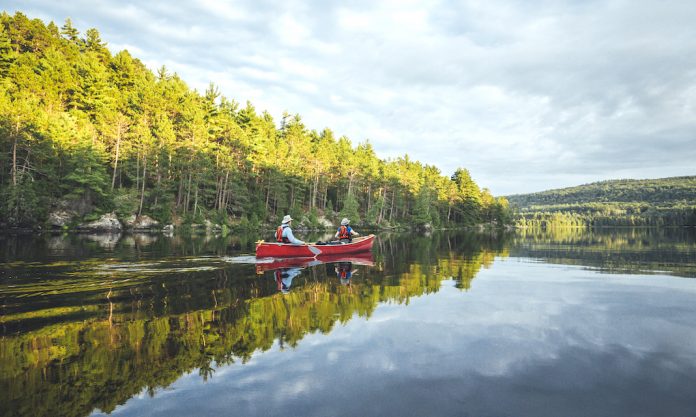
You'll enjoy the peace and serenity on a well-planned canoe trip. | Photo courtesy of: Destination Ontario
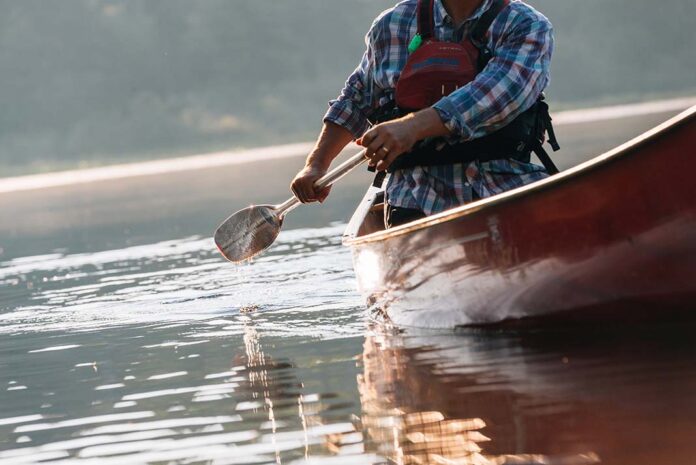
Every Algonquin Park visitor wants to experience the park’s iconic lakes, trails and campgrounds, but Algonquin’s sprawling geography makes it challenging to know where to start. Add to its immense size the fact that only a small fraction of the park is accessible from the main Highway 60 corridor, a detailed, easy-to-use Algonquin map becomes just as essential as a good pair of hiking boots.

Two people paddling a red canoe on a calm lake
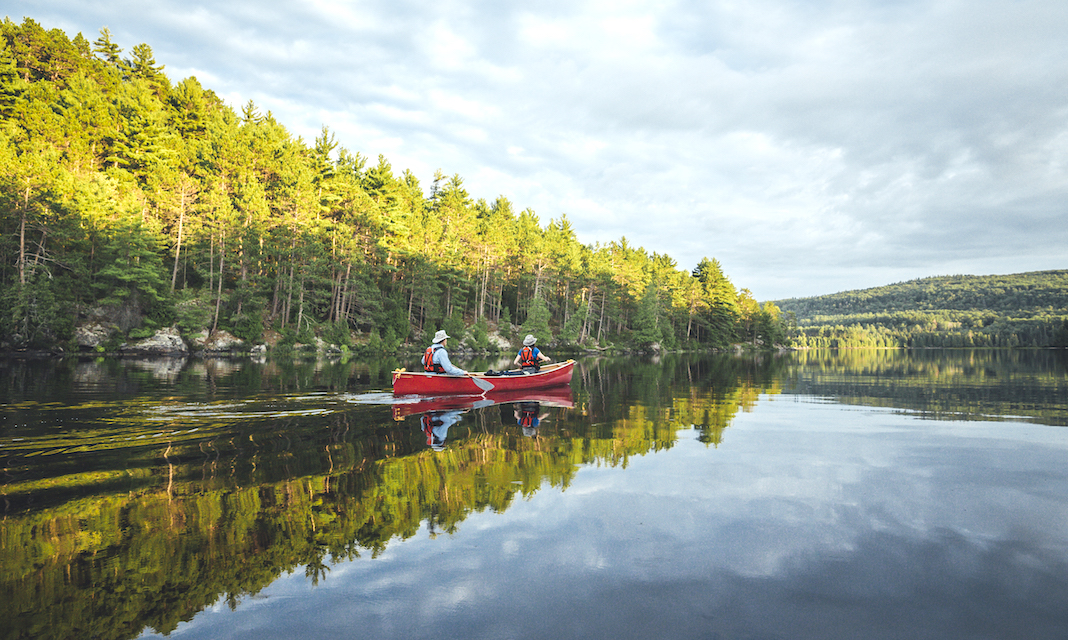
You’ll enjoy peace and serenity on a well-planned canoe trip. | Photo courtesy of: Destination Ontario
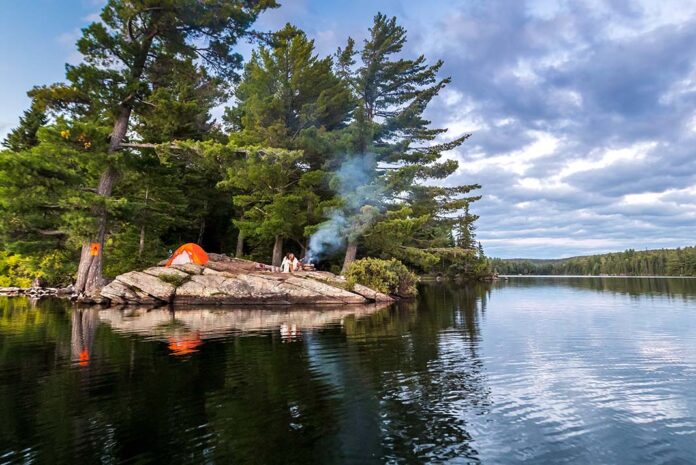
Google Maps and other mapping apps can give you a general idea of where to find Algonquin Park access points and specific attractions, but aren’t suitable for navigating in the backcountry. To explore the park’s vast interior of maple hills, rocky ridges and thousands of lakes, ponds and streams, you’ll need an Algonquin Park trails map or Algonquin canoe routes map. Read on to discover our picks for the best Algonquin Park interior map, Algonquin backcountry map and Algonquin Park lakes map.

[This article is part of the Ultimate Algonquin Park Travel Guide. Find all the resources you need to plan an adventure-filled trip to Algonquin Park.]


Algonquin Park maps for canoe trips

The backcountry of Algonquin Park doesn’t really have specific canoe routes—instead, there is a vast, interconnected canoe route network so you can plan an almost infinite number of possible trips. Planning an enjoyable trip for your group starts with a good Algonquin Park map of lakes and routes.

Official Algonquin Park canoe routes map

The official Canoe Routes of Algonquin Park Map contains all the basic information required by Algonquin Park’s backcountry canoeists. The map illustrates canoe routes, campsites, portages, lakes, access points and more. The reverse side of the map provides detailed information about planning your Algonquin Park adventure including safety information and equipment requirements. This official map receives annual updates by park staff working in Algonquin’s backcountry who are responsible for maintaining the canoe routes network, making it indispensable for park visitors planning an interior canoe trip.

Browse a virtual version of the backcountry canoe tripping map for Algonquin Park here. Purchase a full-sized printed copy to take with you on your trip—the official paper map is available from the Friends of Algonquin Park for $4.95, with 100 percent of proceeds supporting Algonquin Park.

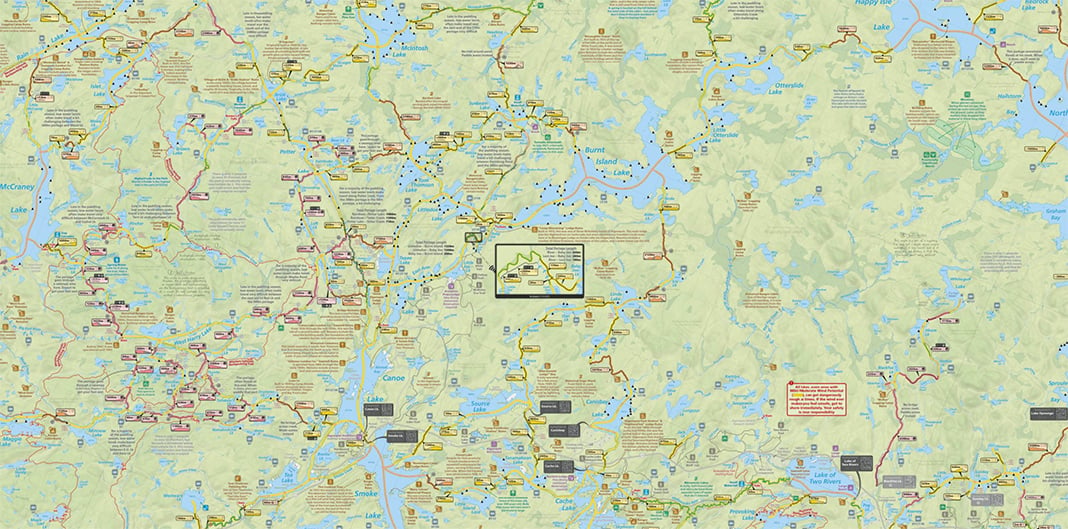
Map showing canoe routes in Algonquin Park
Plan the ultimate canoe trip with this highly detailed map. | Photo: Courtesy of Maps by Jeff

Maps by Jeff’s Algonquin Park Paddling Maps

A lifelong paddler-turned-mapmaking entrepreneur, Jeff McMurtrie parlayed over 600 days exploring and mapping Ontario’s canoe routes into a collection of park maps that have become the gold standard for Algonquin canoe trippers. Jeff’s Algonquin Park Paddling Maps go beyond need-to-know details like access points, lakes, campsites and portages—adding super helpful features like travel times for canoe routes and backpacking trails, outfitter information, fish species for each lake, tons of natural and historical hidden gems, unofficial start points, portage elevation and more. These maps are also relentlessly accurate; frustrated by playing “find the missing campsite” one too many times, McMurtrie mined historical records and combed online canoeing resources to meticulously fill in any details he didn’t ground-truth himself.

[ Paddling Trip Guide: View all paddling trips in Algonquin ]

Algonquin Park is a big place, so there are five double-sided maps with overlapping sections to give trippers a detailed 1:50,000 scale while keeping the map sheet a manageable size for unfolding on the trail or in your canoe. If your map does end up in the lake, not to worry—Jeff’s maps are waterproof, tearproof and float! $25 each with discounts for each additional map you buy.

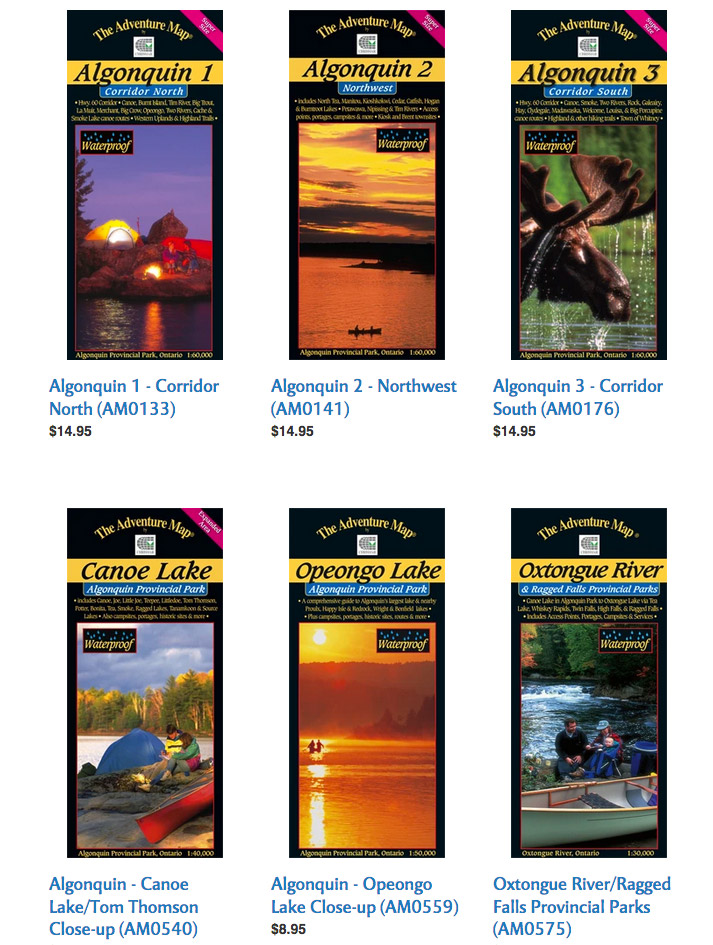
The Adventure Map – Algonquin Park Map Series

The Adventure Map – Algonquin Park map series

If you’re looking for an Algonquin backcountry map with terrific detail of a specific area of the park, Chrismar’s Adventure Map Algonquin Series is a great choice. Offered at close-up scales of 1:30,000 or 1:40,000, as well as broader overview scales of 1:50,000 or 1:60,000, each Algonquin Park interior map features excellent terrain, vegetation and contour detail making for easy-on-the-eyes navigation. Adventure Maps include campsites, portages, access points, hiking trails, historic sites and other attractions. The back side of each map is perfect for campfire reading with extensive text, photos and graphics describing the area’s natural and human history, route suggestions, safety tips and more.

The Adventure Map Algonquin Series features eight waterproof print maps, including close-up maps of popular areas like Canoe Lake, Opeongo Lake, Oxtongue River and Barron/Achray. $9.95-$16.95 each.

Algonquin Park whitewater guides

For experienced canoe trippers planning a downriver journey on one of Algonquin Park’s whitewater rivers, these spiral-bound guidebooks are indispensable. Detailed maps outline the route, rapids, portages and river conditions. The Petawawa River Whitewater Guide and Madawaska Opeongo Whitewater Guide are available from the Friends of Algonquin Park for $5.95 and $9.95 respectively.

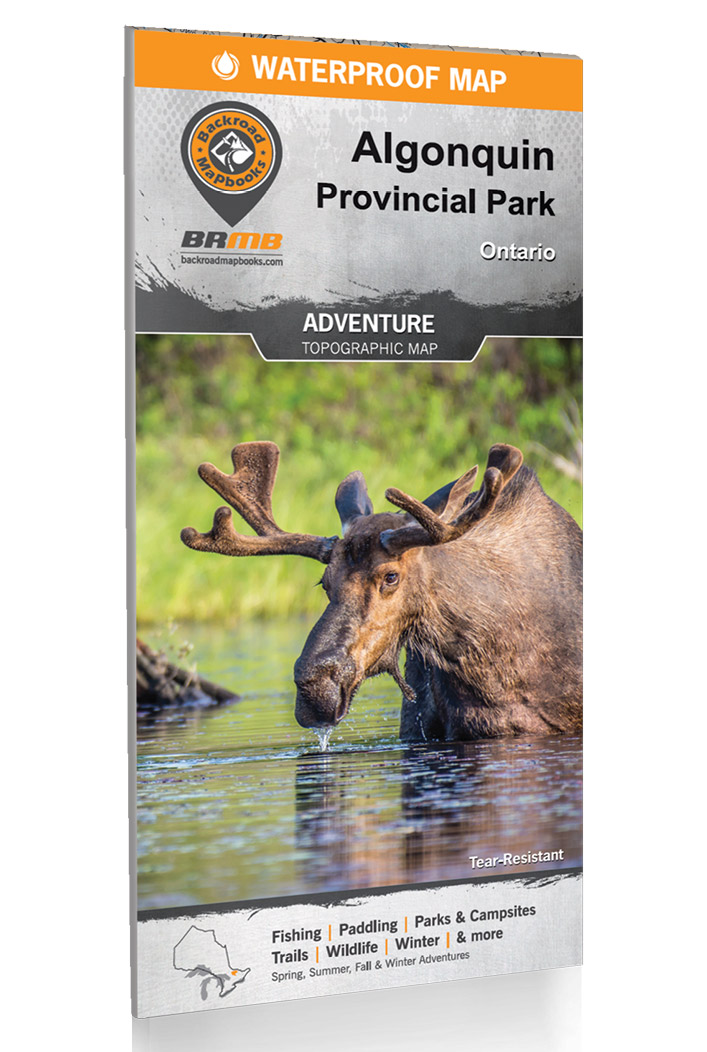
Algonquin Park Ontario Adventure Topographic Map

More Algonquin backcountry maps

A handy companion to any Algonquin route map is Backroad Mapbooks’ Algonquin Park Topographic Adventure Map. Updated for 2021, this waterproof topographic map features a 1:75,000 scale map of the Highway 60 corridor on one side and a 1:140,000 scale map of the entire park on the other. The Algonquin topographic map includes suggested paddling routes, campsites, trails, outfitters, wildlife and fishing information, and details winter adventures so you can use it year-round.

Once you have a sense of where you want to paddle, Ontario Parks’ online reservation for Algonquin backcountry campsites provides a basic Algonquin Park lakes map with campsite availability in the vicinity of each interior access point. Before making your reservation, you’ll need to know your intended Algonquin Park access point and have a good idea of your route, including daily mileage that’s reasonable for your group. Keep a backcountry canoe routes map or backpacking trails map handy while making your reservation, in case modifications have to be made to your trip.


Algonquin Park maps for hiking and backpacking trails

Want to hike the popular Lookout Trail or tackle a three-day loop on the Highland Backpacking Trail? Many of the Algonquin Park interior maps used by canoe trippers are also suitable for navigating the park’s three backpacking trails and 20 interpretive hiking trails. Maps by Jeff’s Algonquin maps, Chrismar’s Adventure Map Algonquin Park series and Backroad Mapbooks’ Algonquin Topographic Map (see above) are excellent choices for visitors exploring the park on foot.

An official Algonquin Park Backpacking Trails Map is published by the Friends of Algonquin Park. Each of the park’s three backpacking trails is detailed with its own scale and map displaying designated campsites, and the “Planning Your Trip” section offers helpful hints to ensure an enjoyable trip. Updated for 2022/2023, $2.95.

You can also download Jeffrey McMurtrie’s free Backpacking Map of Algonquin Park from Algonquin Outfitters. Like all of Jeff’s maps, this set of three, close-up topographic maps shows Algonquin’s backpacking trails in vivid, user-friendly detail. Each map includes hiking times, campsites and historical and scenic anecdotes.


Algonquin Park campground maps

Algonquin Provincial Park’s beautiful, fully serviced vehicle campgrounds make it easy to enjoy a few nights in the park without backcountry camping. Eight of the park’s developed campgrounds are centrally located along Algonquin’s Highway 60 corridor, while three more campgrounds service visitors to the park’s northern and eastern access points. View Algonquin campground maps and learn more about car and RV camping in the park here: Camping in Algonquin Park: 9 Breathtaking Campgrounds.


Where can you buy an Algonquin Park map?

Purchase Algonquin Park canoe route maps, Algonquin Park trail maps and other Algonquin Park backcountry maps and trail guides from the Algonquin Park Visitor Centre in-person or online from the Friends of Algonquin Park map store.

You can also buy Algonquin Park maps from many park outfitters, an especially convenient option if you’re already renting canoes or equipment from these outfitters. With multiple locations in and around the park—and a comprehensive map shop that sells nearly every Algonquin Park map mentioned in this article—it’s hard to beat Algonquin Outfitters for convenience and selection.

Find more outfitters here: Algonquin Park Canoe Rentals: 11 Best Outfitters.


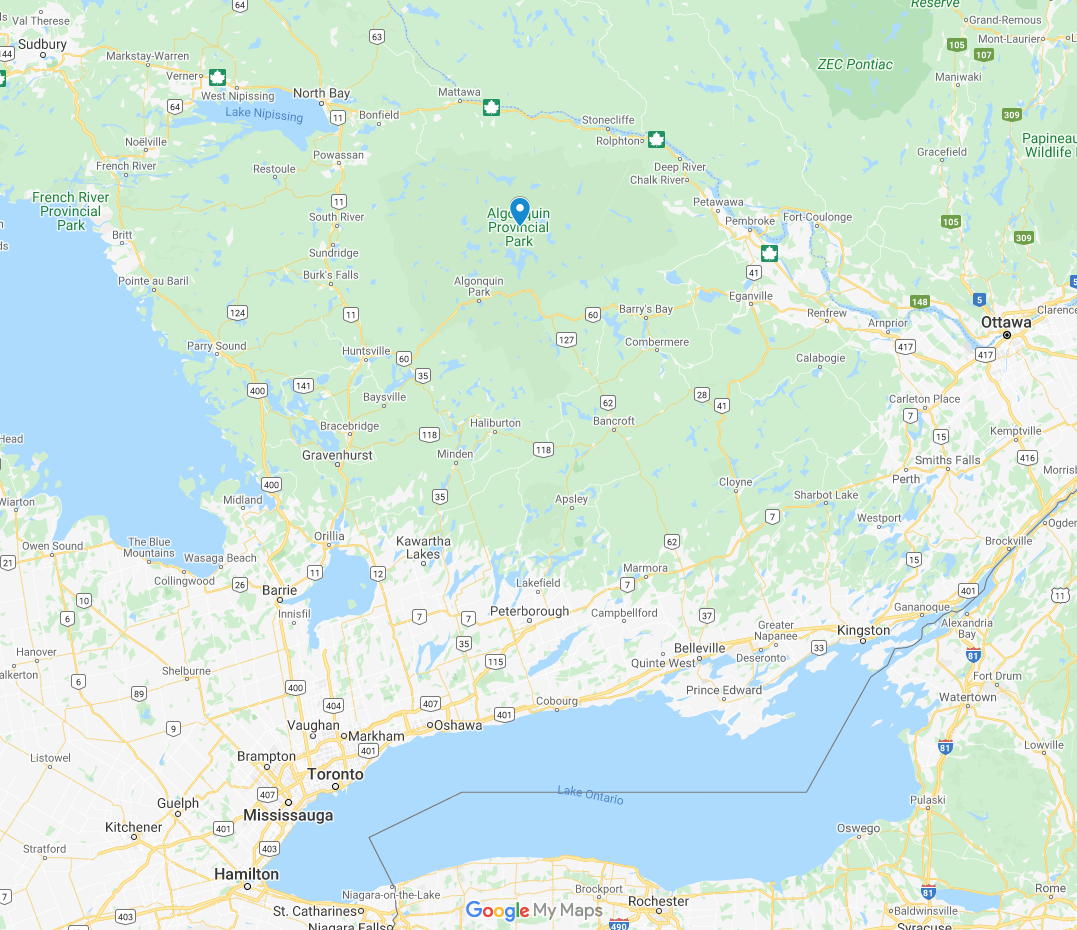
Google map showing location of Algonquin Par
Algonquin Provincial Park is easy to access. | Photo courtesy of: Google Maps

Where is Algonquin Park on a map?

Situated in central Ontario, accessible to Toronto and Ottawa, Algonquin Park encompasses a vast area of more than 7,500 square kilometres. View a map of where to find Algonquin Park here.


There are so many ways to explore Algonquin Park. | Photo courtesy of: Destination Ontario 
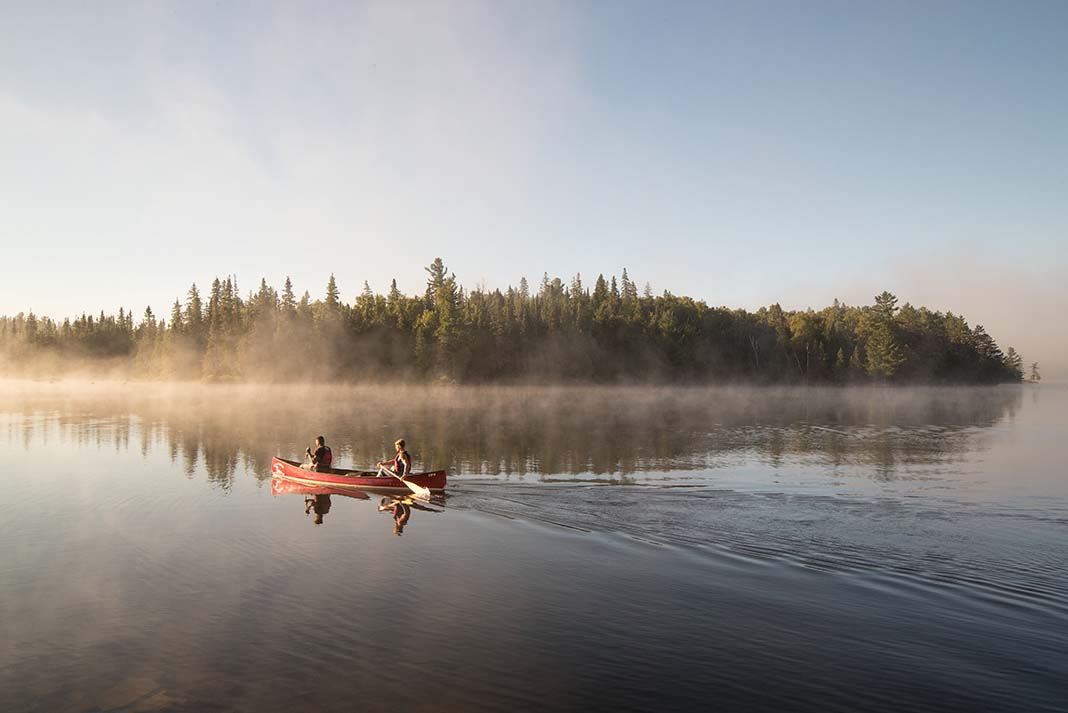
Registration Opens For 22nd Yukon River Quest

Registration opens Feb. 14 for 22nd Yukon River Quest

Registrations will be accepted beginning February 14, 2021 for the 22nd Yukon River Quest (YRQ), which will be held June 23 to June 26, 2021. The event was cancelled in 2020 but will go forward this summer under COVID-19 health and travel mandates. As such, race registration will initially be limited to Yukon and Canadian teams only. Yukon teams currently on hold from the cancelled 2020 event will be registered first.

All international teams that were previously registered from 2020 will be withdrawn but will have the option of getting on a wait list for entry if travel restrictions are lifted before the race. They will not lose their spots in the queue.

The 715-kilometer (444-mile) marathon paddling race is run on the Yukon River from Whitehorse to Dawson City in Canada’s Yukon Territory during the last week of June. The race passes through the traditional lands of five Yukon First Nations and honours the cultures of those who have lived off the river and nurtured it for centuries.

The “Race to the Midnight Sun” for many years was the world’s longest annual paddling race and remains unique because teams race round-the-clock on a wilderness river and under a sky that never gets dark.

The allure of the Yukon River has made the YRQ a huge success. In the two years preceding the COVID pandemic, more than 100 teams registered, prompting race officials to adjust the team registration limit to 125 teams. During the last race in 2019, a record 117 teams were at the start line, and 86 of them finished.

The 2021 race may be limited in numbers due to health mandates, and several COVID-prevention procedures are in the process of being adopted in order to have a safe event on the river and in our communities.

For example, Canadian teams outside of the Yukon and any support crew members in their bubble currently would have to quarantine in the territory for 14 days prior to the event. It is hoped some restrictions will be modified as we move into summer, but the health of our territory’s residents, along with our volunteers and paddlers, is top priority. For current Yukon and Canada health and travel mandates visit:
Yukon: https://yukon.ca/en/covid-19-information

Canada: https://www.canada.ca/en/public-health/services/diseases/coronavirus-disease-covid-19.html

Despite anticipated restrictions, the race will go on. Peter Coates, president of the Yukon River Marathon Paddlers Association (YRMPA), explained the board’s reasoning for moving forward with a race in 2021:

“The race will happen, come hell or high water, preferably high water.”

“The race will happen, come hell or high water, preferably high water. People need something to look forward to, and even if it is just a local race it keeps the name alive,” Coates said.

Online entry forms are available starting at 14:00 (2 PM) Mountain Standard Time on February 14 via a link under the Register tab on the race website https://www.yukonriverquest.com. Entry fees for the full YRQ are: $650 per solo team (C1, K1, SUP); $950 per tandem team (C2, K2); and $1550 for a C4 team, $2150 for a 6-person voyageur canoe (VC) team, and $2750 for an 8-person VC. Payment is required at time of registration to secure a spot.

While the overall limit of 125 teams likely will be reduced, there also is a voyageur canoe limit of 15 teams, and a solo team limit of 50 teams. Solo paddlers who have not completed a YRQ must provide a satisfactory paddling resume prior to registration to demonstrate that they have sufficient marathon racing or wilderness paddling experience. Paddling resumes should be e-mailed to the race office at info@yukonriverquest.com. See the registration page for more details.

New this year for teams that want to get a feel for the race but not commit to the full YRQ experience is the Half Quest, which will end in Carmacks. A separate set of rules including entry fees is now posted on the website. It is hope that a lot of local Yukon teams will take advantage of this opportunity to race on the river.

Regardless of which race you choose, you need to be prepared.

“Prospective paddlers thinking about entering need to be aware that this is a race that is tough mentally and physically,” Coates said. “Be prepared to be cold and sore, mentally and physically exhausted, out in the middle of nowhere. A very beautiful but unforgiving nowhere. Do not enter on a whim, but only if you are up to the challenge.”

All paddlers should become familiar with details in the 2021 YRQ COVID Rules, which are posted in English on the website, along with several preparation tips.

Each team is required to have a SPOT, IN REACH, or similar tracking device mounted on top of their vessel and activated for tracking before the team is officially allowed to race. This requirement allows teams to be able to be tracked during the race from links on the Yukon River Quest website. Following the actual race live online has been hugely popular with spectators all over the world. During recent races, the reach exceeded more than 30,000 via the event’s Facebook and Instagram pages.

Total possible prize money for the full YRQ remains at $42,830, based on 100 teams registered by June 1. The purse is adjusted upward or downward by a percentage point based on the final number of teams registered above or below 100. The top three male, female and mixed teams per class receive prize money as long as they beat another team in its class and finish within 25% of the top team in the class. Bonus prize money also will be given in several areas to: the top 10 teams overall; any team that breaks a record in its class; the top All-Indigenous team; the top Yukon male, female and mixed teams; the top senior team (age 55 and over), and the top young adult team (age 19-24). Several special awards are also donated by Yukon sponsors. A complete prize breakdown can be found in the race rules on the website.

There will be no prize money for the Half Quest in this experimental year. However, many do the race for the personal satisfaction of staking their claim to a

coveted YRQ Finisher Pin (there also will be Half Quest pins). Paddlers who have finished multiple YRQs also now covet entrance into the “Great River Club” which was

unveiled for the 20th anniversary. Racers who have logged 5,000 and 10,000 kilometers are members of that club and receive special pins. For more information visit the Great River Club page https://www.yukonriverquest.com/great-river-club/

The full race is all about endurance. Aside from two mandatory layovers at Coal Mine Campground in Carmacks and Minto Resorts (new this year), teams paddle non- stop to reach Dawson City. Teams in the full YRQ will have the option of choosing their rest times at the two layover locations, as long as they add up to 10 hours.

The YRQ course record still belongs to Canadian voyageur Team Kisseynew’s winning time of 39 hours, 32 minutes, 43 seconds in 2008. The 2019 overall winning time was 44:59:10 by the C2 team #wepaddletogether (Mike Vincent and Ivan English) of Saskatchewan, Canada.

The race’s continued success depends on hundreds of dedicated volunteers, who are greatly appreciated by our racers and have a good time helping out during the last week of June. Various volunteer opportunities are listed under the Volunteer page on the website, where you can see the various jobs and shifts and sign up online.

Watch for a schedule and more news about YRQ events as we move into spring. YRMPA also welcomes new members.

The Yukon River Quest is the premier paddling event in Canada’s North and is widely recognized throughout the paddling and adventure racing world. It has been featured in numerous publications, online, and in shows on NBC-TV, the BBC, and the CBC. The YRQ was named one of the ten toughest races in the world by renowned adventure racer and “Boundless” TV star Simon Donato. The race typically draws an international field, which we hope will be back in 2022. In 2019, 13 countries were represented.

The race was beautifully featured a decade ago in the National Film Board of Canada’s critically acclaimed “River of Life” about Paddlers Abreast, a voyageur team of Yukon breast cancer survivors that races every year. In 2021, they will be celebrating their 20th anniversary. Many other worthy causes have been represented as well.

Major logo-level sponsors are: Yukon 1000 Race Timing Software, Gold Trail Jewellers, Paddel Jumper, CKRW-The RUSH, Air North, Kanoe People, Whitehorse Star, PR Services-yukoninfo.com, Pepsi–Aquafina, City of Whitehorse, Up North Adventures, Superior Roofing YT, Total North Communications, Yukon Civil Air Search & Rescue (CASARA), Yukon Wide Adventures, The Coal Mine Campground, Minto Resorts, Fireweed Helicopters, North 60 Petro, and Make IT Solutions.

Many small businesses also have supported the race by sponsoring paddler bibs – see details on the website or contact the race office at 867-333-5628.

For more information, view the pre-registration instructions, rules, and numerous paddler preparation links at www.yukonriverquest.com and watch for updates on Facebook.

Island Of Enchantment: Guide To Kayaking In Puerto Rico

Girls kayaking on a bioluminescent bay under a cloudy night sky
Bioluminescent kayaking is an otherworldly experience. | Photo courtesy of: Discover Puerto Rico

Nestled between the Dominican Republic and the British Virgin Islands, the archipelago of Puerto Rico is a premier paddling destination for many reasons—but only one of these reasons is almost entirely unique to Puerto Rico. There are only a handful of bioluminescent bays in the world—and Puerto Rico is home to three of the best.

The rare glow-in-the-dark effect is caused when single-celled organisms (dinoflagellates) are stimulated by movement, including paddles moving through the water. During night kayaking in Puerto Rico, the water of these bays lights up with swirling neon blue-green trails, like something out of the movie Avatar.

During the daytime, you can find family-friendly and beginner-level excursions to the territory’s colorful coral reefs, mangroves and white-sand beaches. Puerto Rico is an easy five-hour direct flight from Toronto, and its waters make for some of the most pleasurable paddling in the Caribbean.

Two tandem kayaks being paddled on the ocean
So much beauty you won’t know where to look. | Photo: Courtesy Discover Puerto Rico

Best places to kayak in Puerto Rico

Even though the mainland is relatively small—it’s only 180 km across at its longest point—it can be hard to narrow down exactly where to go kayaking in Puerto Rico. Here are our favorite spots for snorkeling, swimming, standup paddleboarding and, of course, kayaking.

San Juan

In San Juan, the capital of Puerto Rico, cruise ships dock near Old San Juan. Since we suspect your watercraft of choice is a wee bit smaller, we’d recommend heading farther away from the main city area and toward the tourist-friendly resort strips of Condado and Isla Verde.

At Condado, you’ll find “the lagoon.” Known as Laguna del Condado, this popular snorkeling spot is well-maintained. You have a good chance of spotting fish, turtles and even manatees in the waters below. Kayak and SUP rentals are available seven days a week from San Juan Paddleboarding at Parque Benitez on the edge of the lagoon.

If the lagoon feels a bit too touristy, head 20 minutes east to the laidback Piñones Beach instead. Here, you’ll find the Torrecilla Lagoon, which has mangrove forests and islands to explore. It’s also a bargain; the COPI Cultural Center offers hourly kayak rentals for a donation of $10.

Laguna Grande in Fajardo

If you want to kayak among the blue-green bioluminescence in Puerto Rico, Laguna Grand is the closest spot to San Juan to do so; it’s only an hour drive east near the town of Fajardo. But if you’re dreaming of living that dreamy bioluminescence scene from Leonardo DiCaprio’s The Beach, think again. In order to protect the lagoon’s unique ecology, swimming isn’t allowed. (Pyrodinium bahamense requires clear waters to complete the process of photosynthesis. Entering the water can stir up the bottom and make it murky, and adds pollutants like insect repellents, sunscreens and deodorant in the process.)

Three highly regarded operators in the area run a “bio bay” tour: Kayaking Puerto Rico, Eco Adventures and Island Kayaking Adventure. All offer a similar two-hour evening excursion for around $50 USD.

Kayak and some gear pulled up on a beach
Paddle out to secluded beaches—the rest is up to you. | Photo courtesy of: Discover Puerto Rico

Vieques Island’s Mosquito Bay

Located less than 10 km from the main island of Puerto Rico, Vieques Island’s Mosquito Bay may be more difficult to get to than some of the other spots on this list (you can catch a small plane for under $100 USD or take a ferry from the town of Ceiba, which takes about 40 minutes). But it’s one of the best places to kayak in Puerto Rico for good reason—this is where you’ll find the world’s brightest bioluminescent bay.

Like Laguna Grand, swimming isn’t permitted in Mosquito Bay, but the stroke of your paddle will be more than enough to create glowing trails in the water. During the daytime, this destination also has numerous reefs teeming with colorful fish that you can kayak out to.

With a focus on social responsibility and supporting the surrounding community, Black Beard Sports runs daily tours of the area, including to small islands and pristine beaches, through mangrove tunnels, and to the bio bay at night in tandem, clear-bottom kayaks.

Culebra Island

About 27 km east of the mainland is where you’ll find Celubra, an island oasis of secluded beaches, reefs and cayos (sandy islands surrounded by coral reefs). Since it attracts many species of sea turtles, it is also one of the best places to snorkel and kayak in Puerto Rico.

The best way to experience both activities is with Kayaking Puerto Rico’s two-hour “aquafari.” After kayaking to Flamenco Beach, you’ll have the opportunity to snorkel among the rich sea life in the Luis Peña Marine Reserve.

La Parguera in Lajas

The southern coast of Puerto Rico is where you’ll find some of the territory’s best beaches and mangroves, along with countless kayaking tour operators. But we’re kind of burying the lead here—this is also where you’ll find the only bio bay in Puerto Rico you’re allowed to swim in. The blue effect will coat your body, but consider this fair warning: there may also be jellyfish in the water.

La Parguera is located a two-hour drive southeast of San Juan in Lajas. Kayaking Parguera offers rentals, including hands-free (pedal-drive) kayaks, as well as tours of the mangrove tunnels and the bioluminescent bay.

Kayaks on the beachy shore
When you’re vacationing on an island, there’s no excuse to not get out on the water. | Photo courtesy of: Discover Puerto Rico

Isla Ratones

On Puerto Rico’s eastern coast near Cabo Rojo, you’ll find the boat-access-only Isla de Ratones reserve. A family-friendly excursion, the island has white sand, mangroves, coral reefs and clear waters, making it perfect for all ages of paddlers. Pack for a full day: you won’t find much here, but there are picnic shelters (complete with barbecue pits) and washrooms.

In addition to shuttling tourists back and forth to the little island and running sightseeing tours of the wider area, Adventures Tourmarine offers kayak gear rentals.

Interior

In a Caribbean country, straying far from the coast might seem like an unusual choice—but those who do so will be rewarded with uncrowded waterways (including some 50 rivers) and more immersive cultural experiences.

To get started, head 45 minutes south of San Juan to Lago Carraizo. This is where you’ll find kayak and standup paddleboard rentals with Paddle Paradise.


When to kayak in Puerto Rico

With balmy weather and crystal-clear waters year-round, there’s arguably no bad season to go kayaking in Puerto Rico. There is, however, a bad time to kayak on a bio bay.

While bioluminescence isn’t seasonal—it can technically be seen at any time of year, on any night—tides, water temperatures and storms all have an effect on its brightness. But the factor that matters most is how dark the night’s sky is. Plan your visit to coincide with the darkest nights of the month, which are typically on either side of a new moon.

Night kayakers paddle in a bioluminescent bay
Puerto Rico is one of the only places in the world you can kayak on a bioluminescent bay. | Photo courtesy of: Discover Puerto Rico

What to wear kayaking in Puerto Rico

Trying to figure out what to wear? As with any kayaking trip, be prepared to get wet—wear a bathing suit and, if available, water shoes. Water-repellent layers will also be key. If you’re kayaking during the daytime, sun protection is a must.

If you’re night kayaking and plan on swimming in a bio bay (La Parguera being the only bay where this is officially allowed), avoid wearing sunscreen, insect repellent or any other personal care products; they can harm the organisms and dim their magical blue qualities.


Bioluminescent kayaking is an otherworldly experience. | Feature photo: Courtesy Discover Puerto Rico


The Last Frontier: Guide To Kayaking In Alaska

Sunset over the mountains and water of Denali National Park
Photo courtesy of: State of Alaska // Jocelyn Pride

Considered one of the world’s greatest paddling destinations, there’s no end to Alaska sea kayak adventures. It’s one of the few places in the world where you can paddle past towering icebergs, watch orcas and humpback whales at play and explore the glacial blue depths of ice caves—all in one day.

The northern state is perhaps best-known for its sea kayaking, although it offers whitewater of all classes for more experienced paddlers deep in its remote wilderness. Whatever route you choose to take—whether it’s the calm waters of a glacial lagoon or down fast-moving river rapids—you’ve come to the right place.

From afternoon excursions for beginners to multi-day expert adventures, here are the best places to kayak in Alaska.

The Northern Lights over the mountains
Natural beauty is everywhere you look in Alaska. | Photo courtesy of: State of Alaska // Chris McLennan

Best places to kayak in Alaska

Alaska has a long and rich history of kayaking; qayats, made of animal skins sketched over wooden frames, have been used here by the Indigenous people to hunt marine animals for thousands of years.

It also has plenty of coastline to explore—54,563 km of it, to be precise. But if you’re trying to figure out exactly where to go kayaking in Alaska, it’s best to narrow your search to the southernmost part of the state in the Gulf of Alaska. This is where you’ll find some of the best places to kayak, including:

  • Seward’s Resurrection Bay and the nearby Kenai Fjords National Park
  • Prince William Sound, which can be accessed from Whittier or Valdez
  • Spencer Glacier near Anchorage
  • Kachemak Bay outside of Homer
  • The Inside Passage, with day trips departing from Sitka and Ketchikan

Kayaking in Seward, Alaska

Located about 2.5 hours south of Anchorage, the city of Seward is tiny (pop. 2,700) but its kayak tours and adventures are a massive operation, extending into nearby Kenai Fjords National Park.

From the edges of Resurrection Bay—considered one of the most reliable places in the world to see marine wildlife—you’ll be well-placed to explore the fjords and valleys of the park, nearly 51% of which is covered with ice. This is where you’ll find tidewater glaciers, icebergs floating on glacial lagoons, towering waterfalls, and plenty of tour operators to take you there.

[ Paddling Trip Guide: View all kayak trips in Alaska ]

Best Seward kayak rentals and tours

  • The only outdoor adventure company that’s open year-round in the region, Adventure Sixty North offers kayak, camping gear and fishing gear rentals, as well as guided tours to Bridal Veil Falls, Bear Glacier and Aialik Bay.
  • A one-stop shop, Miller’s Landing is a secluded fishing camp and adventure outfitter just outside Seward. From accommodations and rentals, to lessons and tours, they’ve got you covered.
  • A bit farther afield (one hour north of Seward) is Cooper Landing’s Kenai Kayak Company. A women-led and -owned outfitter, the company rents out kayaks for use on Kenai Lake as well as runs a three-hour tour of the lake, which is ideal for families or beginners.
Tandem sea kayak on the water
Set out for the adventure of a lifetime in Alaska. | Photo courtesy of: State of Alaska // Jocelyn Pride

Kayaking in Homer, Alaska

Homer’s claim to fame may be that it’s the “halibut fishing capital of the world,” but we promise it’s worth the trip for more than the fresh fish. The small city is located near the Alaska Maritime National Wildlife Refuge (translation: the waters are plentiful with more than just halibut), Kachemak Bay State Park and multiple fjords.

Some of the most popular trips include paddling around Yukon Island’s Elephant Rock, and kayaking among the icebergs of Glacier Lake. Then again, if you’re really keen on the fish thing, there’s also nearby Halibut Cove.

Best Homer kayak rentals and tours

  • Whether you’re looking for remote lodging in Kachemak Bay, a Homer kayak rental or one of the best Homer kayak tours, you’ve come to the right place. Based on Yukon Island, True North Kayak Adventures are experts in the Kachemak Bay area, with itineraries that include Elephant Rock, Eagles Nest and Halibut Cove.
  • With Three Moose Kayak Adventures’ full-day Glacier Lake tour, you’ll get close to the face of the 19,000-acre Grewingk Glacier. You can extend your stay at the operator’s lodge, which is located right on the edge of the lake.

Kayaking in Anchorage, Alaska

Anchorage is Alaska’s largest city—but this is a situation where biggest doesn’t necessarily mean best. Unfortunately, there are only a handful of Anchorage kayak tours departing directly from the city’s shores.

Instead, this is the place to get your feet (literally) wet before heading out on an adventure north of 60. One place to do this is on Cook Inlet, with its city skyline views and small population of beluga whales. Then there’s Eklutna Lake, which is about an hour northeast of the city limits. Finally, it’s also the best point from which to access the Spencer Glacier, which we mention in more detail below.

Best Anchorage kayak rentals and tours

  • Alaska Outdoor Gear is an outfitter in the truest sense of the word. Regardless of whether you’re looking for an Alaska-grade parka to wear, a sleeping bag for subzero temperatures or an Anchorage kayak rental, this is the place.
  • At Eklutna Lake, you can rent a kayak from Lifetime Adventure. Paddle the length of the lake (13 km) and when you reach the other end, switch it up by riding a rental bike back.
  • Located outside Anchorage in Chugiak, the family-owned AK Paddlesports hires out kayaks and offers relaxed and family-friendly two-hour guided tours of Beach Lake.
Vibrant iceberg in the lake with low-lying clouds
Paddle amid icebergs. | Photo courtesy of: State of Alaska // Jocelyn Pride

More can’t-miss kayaking tours in Alaska

Best glacier kayaking in Alaska

With an estimated 100,000 glaciers covering a mind-boggling 75,109 km sq, it’s not hard to cool down in America’s 49th state. But finding accessible and safe spots to launch and kayak around icebergs as they calf off glaciers is another matter altogether.

If you’re looking for the best glacier kayaking in Alaska, we recommend visiting Prince William Sound or Seward.

Prince William Sound

On the east side of the Kenai Peninsula is Prince William Sound, a body of water surrounded by the glaciated Chugach Mountains and the United States’ second-largest national forest. The area is renowned for having over 100 named glaciers and flatwater paddling conditions.

The two main departure points from which to explore the Sound and its glaciers are Whittier—about 1.5 hours southeast of Anchorage on the Sound’s western shores—and Valdez, in the Sound’s northeast.

Seward: Aialik Bay & Bear Glacier

Located on the Kenai Peninsula, the city of Seward is the main access point to Kenai Fjords National Park, where the ice-capped mountains rise 2,100 m above the sea. The area is home to the Sargent and Harding icefields; this is where you’ll find tidewater glaciers, which actively calf off icebergs that eventually make their way out to sea.

Two of the most popular spots to paddle are Aialik Bay and Bear Glacier, the latter of which is a remote lagoon that can only be accessed by helicopter or jetboat.

Choosing between the two is a tough decision, but we’ll try to break it down. Aialik has more wildlife viewing opportunities (you’ll spend more time on the water), including bears, orcas, humpbacks and eagles. Bear Glacier, however, has calmer conditions, larger-than-life icebergs and the largest glacier in the national park area. The only real solution? Do both.

Kayakers in front of a glacier at Kenai Fjords National Park
Confront glaciers and icebergs at Kenai Fjords National Park. | Photo courtesy of: State of Alaska // Brian Adams

Kayak with glaciers tours

  • Based out of Whittier, the family-owned Lazy Otter Charters has year-round tours and kayak rentals. Their full-day guided kayaking expedition takes paddlers through the iceberg-strewn Blackstone Bay and around Blackstone Glacier.
  • Alaska Sea Kayakers is also based out of Whittier. Their best-selling backcountry destination is Blackstone Bay, where you paddle through ice floe surrounded by seals, otters and eagles.
  • If you’d prefer to paddle Prince William Sound from Valdez, contact Pangaea Adventures. They offer beginner-level day trips to both the Columbia Glacier—the largest tidewater glacier in Prince William Sound—and the beautiful Shoup Glacier.
  • Working on a limited budget and can’t afford the helicopter ride to Bear Glacier? Seward’s family-owned Liquid Adventures has the perfect solution—it delivers kayakers up the glacial river to the lagoon by a high-speed jetboat.

Where to kayak in ice caves in Alaska

There’s a reason people get so excited when they talk about the surreal blue interior of Alaska’s ice caves. It’s an ethereal experience that will leave you with chills, of both the literal and figurative variety.

Kayaking by a glacier
Each experience in Alaska humbles you. | Photo courtesy of: State of Alaska // Reinhard Pantke

Found beneath or beside glaciers, these caverns are usually formed when flowing water creates a channel or pathway and then refreezes. That’s also why seeing them isn’t a guaranteed experience—glaciers are dynamic and continually moving. With that in mind, here are some of the best opportunities to see them:

Mendenhall Ice Caves

One of the most famed places to walk inside these cerulean blue caves is just outside Juneau, the state’s capital, at the Mendenhall Ice Caves. The kicker is that the best way to get to them is by kayaking—and we don’t say that by way of a complaint. (Just to be clear though, you’re not paddling into the caves; you’re kayaking to a point near the glacier and then continuing your journey on foot.)

Spencer Glacier

Located about 100 km from Anchorage in Chugach National Forest, the Spencer Glacier is only accessible by taking a train ride and then kayaking to the glacier’s crevasses and ice caves.

Kayak in ice cave tours

  • Whether Chugach Adventures uses kayaks or rafts to access Spencer Glacier depends on the seasonal access point—but either way, you’re in for an epic adventure with its small group glacier trek tours.
  • Ascending Path works in partnership with the Alaska railroad to operate a half-day kayak tour of Spencer Lake, where you’ll touch icebergs and hike to the face of Spencer Glacier.
  • Above and Beyond Alaska is perhaps best known for its canoe trips to the Mendenhall Ice Caves, where after paddling across the water you’re guided into the deep, blue wells of moulins and ice caves. However, if a kayak is your watercraft of choice, you can arrange an exclusive tour into the blue.

Kayak with whales in Alaska

During the summer, Alaskan waters and marine parks are a fertile feeding ground for a population of thousands of humpback whales that breed in Hawaii during the winter months—and there’s no better way to see them than from the water. And that’s not even making mention of the orcas, fin whales, grey whales, sea lions, puffins and otters that also make the Alaskan coastline their home.

Whale breaching the water
Alaska is one of the top places to whale-watch. | Photo courtesy of: State of Alaska // Jocelyn Pride

Kodiak

According to Alaska.org, this commercial fishing town on an island south of Cook Inlet “may be the state’s best kept whale-watching secret.” Yes, it has the brown bears and salmon you’ve come to expect from Kodiak, but it also has grey, humpback and fin whales.

Resurrection Bay

Considered one of the most reliable spots for whale-watching, including for spotting orcas, Seward’s Resurrection Bay is protected, making for a rich marine ecosystem. If fins aren’t your thing, it’s also home to otters, sea lions and puffins.

Kayak with whales tours

  • Kodiaks Wild Side offers some of the Kodiak area’s best whale-watching. Long-time local and wildlife photographer Wendy Eskew is renowned for delivering marine mammals to her guests, including orcas, fin whales, humpback whales, bears, mountain goats, puffins, seals, otters and more.
  • Winner of the 2020 TripAdvisor Travelers’ Choice Awards, Kayak Adventures Worldwide is committed to sustainability and ethical wildlife interactions. It has several Seward kayak tours, but its most popular day trip combines a wildlife-watching tour by boat with seeing a glacier up close by kayak.
Whales breaching the surface with birds flying around them
Join a whale-watching tour for once-in-a-lifetime experiences. | Photo courtesy of: State of Alaska // Reinhard Pantke

Bucket list trips for sea kayakers in Alaska

Kayaking the Kenai Peninsula

If you have one takeaway after reading this article, it’s likely that the Kenai Peninsula—with its massive tidewater glaciers, 2,100-m mountain peaks and rushing rivers—is where you’ll get your fix of both wildlife and icebergs.

If you’re having difficulty narrowing it down to one tour, though, we don’t blame you. That’s where Expedition Engineering’s Kenai Peninsula Kayak Expedition comes in. This greatest hits tour packs paddling past feeding bears, touring ice caves and arches, and exploring remote wilderness locations all in 16 days.

Kayaking the Inside Passage

Kayaking the Inside Passage—the 1,600-km route between Skagway, Alaska and Puget Sound, Washington—is a bucket list trip for many paddlers. Couple its calm waters with thousands of islands, coves and bays to explore, and you have the trip of a lifetime. Unfortunately, it’s only for those with experience under their belt and time to spare—the whole journey typically takes somewhere between 60 and 80 days to complete.

If you don’t have months to spare but want a taste of what the Passage has to offer, Sitka Sound Ocean Adventures operates custom multi-day expeditions, half-day and full-day tours in the area.

Sunset over the mountains and water of Denali National Park
Venture into the wilds. | Photo courtesy of: State of Alaska // Jocelyn Pride

When to kayak in Alaska

High season in Alaska—when campsites book out and it’s harder to experience true wilderness on the busy waterways—falls during the summer school holiday months of July and August.

Mid-May until mid-June is the best time to avoid the crowds—and the mosquitoes. Late August or September is another good option, but keep in mind that weather conditions grow more unpredictable as autumn approaches. Heading out later in the season requires keeping a close eye on the weather forecast.


What to wear kayaking in Alaska

Even in the summer months, the temperature can range from an average low of 3º Celsius (37º F) to an average high of 22º C (71º F). You’ll want to exercise all the basic principles of dressing for the elements (we outline these more fully in our article What To Wear Kayaking).

Layers—including a high-quality top waterproof layer—are key, and as you likely already know, “cotton kills.” Instead, choose fabrics with natural water-repelling qualities such as wool. Dress for the temperature of the water (about 10º C) not the air. Finally, don’t let the cool climate fool you—sun protection is a must even in the Arctic. After all, the sun stays up a lot longer in the northern latitudes.


Kayaking in Alaska provides experiences that few other places on Earth offer. | Photo: State of Alaska // Brian Adams

Way-Too-Close Encounter With Orca (Video)

Yikes! This clip was captured and submitted to the GoPro Awards by Lukas Reilly after his close encounter with an orca.

Reilly told ABC News: He was paddling off Kuaotunu Beach in New Zealand when a few orcas began diving for stingrays underneath his board. Reilly, a 27-year-old restaurant owner, told 3News he had a GoPro camera in his pocket and pulled it out to capture the moment that one of the orcas came over to check out his board.

“I was a bit nervous thinking, ‘What’s this guy going to do?,’” Reilly said. “Then he slowly crept up and grabbed the back of my board and I yelled, ‘What are you doing!'”

Reilly told another local news station, TVNZ, that the orca “had a chew” on his board but described the close-up with the orca as a “friendly encounter.”

“It was quite freaky but so amazing at the same time,” Reilly told TVNZ.