Home Blog Page 174

20 industry experts on predictions, consolidation, trade wars and the near future of everything

The Waves of Change
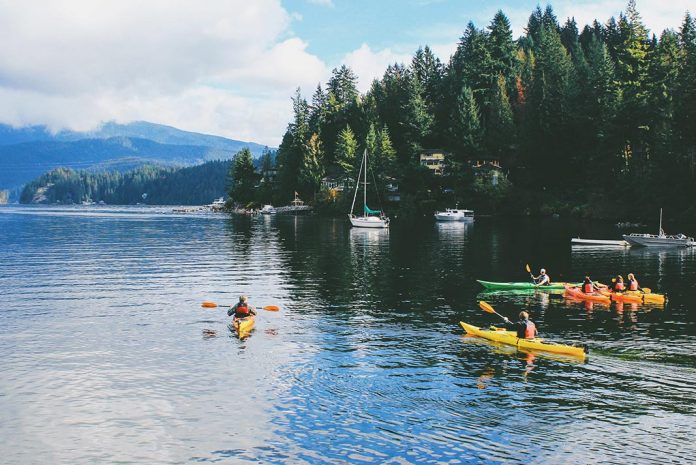
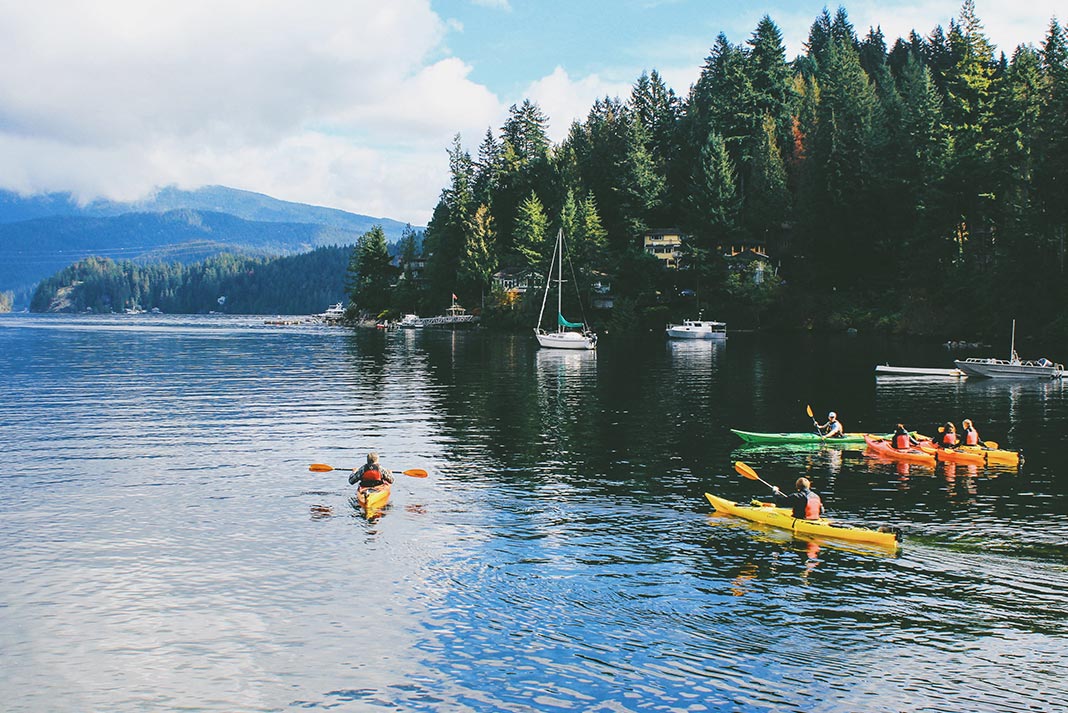
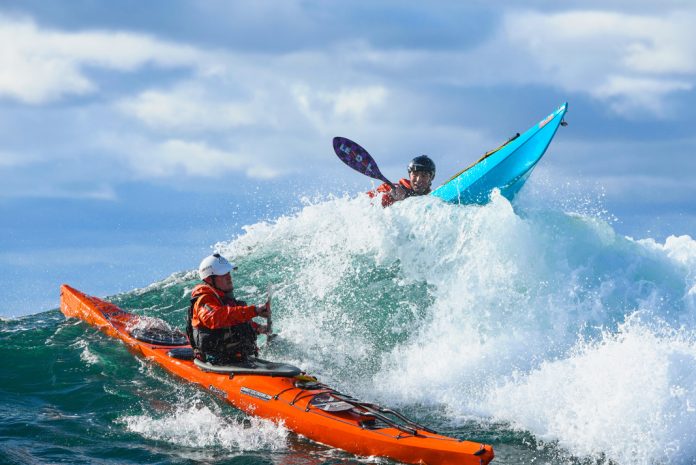
What's beyond the next wave might surprise you. Photo: Rob MacQuarrie

What will the 2010s be remembered for?

The meteoric rise of SUP. MTI’s first booth at Surf Expo was in 2010. Most buyers had no idea life jackets were a United States Coast Guard regulation if you were paddling outside of the surf zone. Most buyers are now much better informed and educate customers about PFD use.
—Lili Colby, Co-founder, MTI Adventurewear

The gadgetization of paddling has skyrocketed. Time was, you needed a boat, life jacket and a paddle to get on the water. Now, you need the helmet, the drysuit, the GPS unit (so you know exactly where you are when you die), the neoprene gloves, the GoreTex socks, the waterproof phone cover and lanyard, the this and the that, in all the right shades and colors, made from the latest materials and manufactured by the groovy brand-de-jour. It’s like you can’t go paddling if you don’t have all the multi-colored shit.
—James Raffan, Explorer and Author

Disruption. Heraclitus once said, “The only constant in life is change,” and boy, was he right. There were more shifts in the past decade than the previous three. Kayak fishing went from a new sport to the fastest growing paddlesport and then to a new level of maturity and saturation we’ve never seen. Standup paddling went from prosperity to cessation faster than a shooting star. With the discontinuation of Royalex boats, canoeing went from an industry of sheer disquietude to a sport embraced by hipsters and retirees alike. Kayaking has experienced recession from longboats to short boats, putting strain on everyone from big conglomerate organizations to mom-and-pop shops looking to differentiate from Bass Pro and Walmart.
—Andrew Stern, Marketing Manager, Bending Branches

Stagnation, little innovation, and 80 percent of whitewater dealers closing their doors as companies—dealers and manufacturers—struggle to stay afloat as they sell into a market that demands that kayaks sell for less than it costs to make them.
—Corran Addison, Owner, Soul Waterman

What issue should all paddlers be paying attention to?

Paddler as consumer, driving the engines of commerce and environmental destruction. There seems to be a huge constituency—and the size of the group may be inflated by a skewed presence on social media—who are more interested in hedonistic river bagging and whitewater porn selfies than environmental philanthropy.
—James Raffan, Explorer and Author

In addition to ensuring access to quality education for all paddlers, we have to turn our attention to the 2020 elections and the state of our environment. Many individuals paddle to be in nature and get away from the hustle and bustle of their daily lives. As with every political cycle, the representatives we elect can have a profound impact on our ability to access pristine areas or limit and destroy our natural resources. We have to be an active participant and the voice of nature.
—Joshua Hall , Outdoor Program Manager, Charleston County Park and Recreation Commission

The “Amazon effect” is hurting specialty retailers, who are the core and heartbeat of the paddlesports industry. Many of our dealers are not hitting sales targets and are overstocked. With unstable weather conditions and more online shopping, many stores are struggling. Therefore, fewer paddlers are learning and engaging in paddlesports, creating uncertainty for everyone’s future.
—Andrew Stern, Marketing Manager, Bending Branches

What are you most excited about in paddlesports in 2020?

Paddlesports, particularly kayak angling, has reached an innovate-or-die stage. Kayak anglers are a passionate, tech-forward group. Anglers demand a product that makes fishing easier, so if you’re a paddlesports business that isn’t innovating within this space, you’re not growing. As the top fishing kayak brands compete and innovate, the consumer benefits. As a passionate angler myself, this excites me.
—Ryan Lilly, Brand & Product Manager, Johnson Outdoors Watercraft Division

Innovation and design exploration are still thriving. The new wave of creek boats with big bow rocker with playful edges and shapes make for fun sporty rides, and the reimagination of slice is a great trend. It’s always been a fun way to play the river, but now the hulls are better and they are way more comfortable.
—Shane Benedict, Co-Founder, Liquidlogic Kayaks

The way video producers portray wilderness canoeing. Folks like Chris Prouse, Northern Scavengers and the venerable Kevin Callan. For years I wondered how to attract more paddlers—particularly younger paddlers—and YouTube and other online video platforms are allowing our passion to reach a broader audience at their convenience.
—Simon Gardner, Co-founder, Adirondack Canoe Company

I am still excited about the sheer joy people have for being on the water. On the West Coast, we see a lot of retired paddlers out sea kayaking and living life to the fullest, and clubs seem to be thriving and are bringing folks together. We see these folks building their skills with ongoing courses and even coaching tours. We also find many people, living in smaller spaces and working and living downtown, are not buying gear but choose to rent.
—Brian Henry, Co-owner, Ocean River Sports

I’m excited about kayaking used for travel in combination with other multisport disciplines. Weight, size and packability of products are becoming ever more important as people take on multisport adventures. Making sure products keep pace with how athletes and adventurers of all calibers are trying to push boundaries is exciting as a designer.
—Mark “Snowy” Robertson, Designer

What is the biggest industry challenge in 2020? 

Honestly, I think the industry’s biggest challenge isn’t cheap price point boats. I think our bigger challenge is adapting to consumer trends. As consumer groups shift to Gen X and Millennials, we’re seeing consumers with distinctly different expectations and motivations. If we can’t figure out how to meet the needs of the ever-evolving consumer, we’ll continue to be a challenged industry.
—Ryan Lilly, Brand & Product Manager, Johnson Outdoors Watercraft Division

It seems planned obsolescence has become a business model with many manufacturers.
—Tom Remsing, Co-Owner, Eddyline Kayaks

The average selling price has come way down on paddleboards over the past five years. This is a good thing, but buyer beware! There are good options at fair prices, but also plenty of crappy products attempting to reach the lowest price while sacrificing quality and performance.
—Jimmy Blakeney, Sales, Marketing & Digital Commerce Manager, BIC Sport

Import tariffs.  This was a hot topic as it hit the industry in 2018 with very little warning. As an industry, everyone did well to step up to the challenge with short notice. Moving forward, the industry is still uneasy if import tariffs will increase, maintain, or even disappear.
—Shaun Allumbaugh, Whitewater Division Sale Manager, AIRE

Big box retailers are often where people buy their first boats because they’re cheap. Unfortunately, the chain stores often do not have staff who understand the boats and gear and cannot give good advice. It is so important for anyone paddling on the ocean or big bodies of water to have a safe boat built for the conditions, and for the paddler to get the training to be safe out there.
—Brian Henry, Co-Owner, Ocean River Sports


What tough issues are affecting paddlers?

The most controversial issue [in SUP] seems to be an accepted and efficient governing body. The fight between the International Canoe Federation and International Surf Association over who will take SUP to the Olympics frustrates the pro level while simultaneously alienating the enthusiast and feeder paddler streams.
—John Beausang, Publisher, Distressed Mullet

The best news for the industry is the demise of Sun Dolphin, the largest maker of kayak-shaped objects in the U.S. If you had a pulse and a storefront you could sell them, and most of the kayaking deaths in our region over the past few years were people who bought a kayak from a hardware store or gas station, took it out when the air was warm but the water was freezing, and capsized. Kayak-shaped objects do nothing to advance the sport but do a lot to hurt it. I may be putting a target on my back, but good riddance.
—Darren Bush, Owner, Rutabaga Paddlesports

Social media brings out some of the very worst in whitewater kayaking. Once the priority becomes posting rather than paddling, it brings artificial, low-quality content. People tend to show only what they think will make them look better or what will generate more likes. The audience often takes the images they see for absolute reality, but it is only a projection… I hate social media, but I also find it fascinating. And as a girl from France doing a niche, male, North American-dominated sport, it’s the most efficient way to get exposure and opportunities. It’s complex.
—Nouria Newman, Pro Whitewater Kayaker

Double blade paddling a canoe rather than single blade. Yes, I’ve used a double blade to help solo me across a big lake. It works, especially if you’re in a low-lying canoe design. But to use solely for an extended wilderness trip with a mix of rivers, streams, ponds and lakes makes little sense to me. I’ve joked double-bladed canoeists don’t know how to paddle. It’s meant in good fun—or is it?
—Kevin Callan, The Happy Camper


What does the future of paddling hold?

We are going into the “Age of Amazon” and the method of purchasing is online. This requires kayaks to be sent with UPS or FedEx, not big trucks… Kayaks shipped directly and quickly is the future of paddlesports.
—Tim Niemier, Owner, OnWater Designs

The explosion of cheap, down-market kayaks is disturbing. Many of these crafts do not address adequate safety and at the same time, teach new paddlers an unrealistic entry price. American manufacturers still face a significantly restricted market in the European Union due to tariffs. Additionally, the U.S. dollar is very strong against nearly all export markets. Taken together, our global sales have slowed.
—Bill Kueper, Vice-President, Wenonah Canoe and Current Designs Kayaks

There’s a good deal of uncertainty in the industry right now due to mergers and acquisitions, and I think that will be the driving story in paddlesports as the industry realigns and settles back into the new normal. At Pyranha, we are grateful not to be part of that story and we’ll be celebrating 50 years of business next year. Whitewater participation is in a really good position right now, which is exciting for us. Lots of young kids are getting in the sport, and tomorrow’s Dane Jackson is somewhere in that demographic.
—Chris Hipgrave, Pyranha Kayaks

As SUP matures, interesting trends are emerging. I never saw foil becoming a thing, especially given how it targets a very small subset of the sport. Nevertheless, foil keeps gaining popularity and becoming a regular feature in many lineups. I predict it will remain a small subset of SUP, but a growing one. On the race front, it’s also worth keeping an eye on the resurgence of the One Class series. SIC Maui and the WPA, together with other possible racing endorsing groups, are creating races with more accessible boards and formats, with the ability for brands to participate.
—Andre Niemeyer, SUP Connect

Canoe tripping is gaining popularity, especially with couples in their late twenties to early thirties, and especially with new immigrants. We’re not just a bunch of Bill Mason look-alikes anymore, with grey beards and stained Tilley hats. We’re a blend of young and old and multicultured.
—Kevin Callan, The Happy Camper

How do we translate recreational boaters into the enthusiasts? The sport needs people who see value in a $500 paddle. People aren’t going to stop paddling, because it’s fantastic, but how do you get people to buy into the lifestyle and gain more demand for premium products? It boils down to the people who you do it with—everyone likes kayaking, but getting people connected with family and friends or a club and on the water gets them hooked.
—Simon Coward, Owner, Aquabatics


What’s beyond the next wave might surprise you. Photo: Rob MacQuarrie
 

The tools to living the good life have been in your garage all along

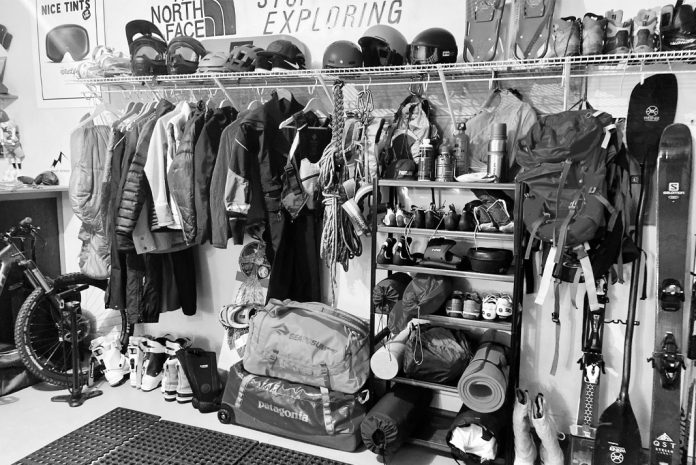
Gear is like a gas—it will expand to fit the available space. | Photo: Cristin Plaice

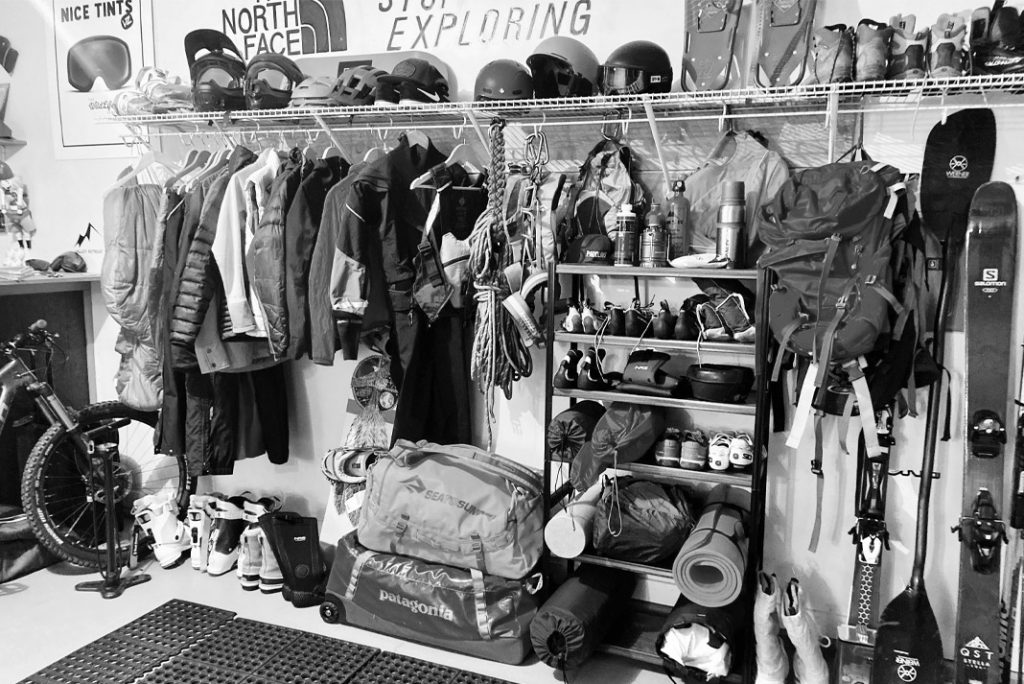
I know the river running season is drawing to a close when I can see my garage floor. To some, this would sound like good news, but it always comes with a tinge of sadness. It’s the same kind of sadness that comes while marveling at the beauty of October falling leaves. It marks the end of a season. There is satisfaction, some sense of relief, and a little feeling of loss for what is gone. But there is also contentment in knowing my time was well spent.

From mid-May to early October, my garage floor is ground zero for repeated packing and unpacking for guiding trips or my private adventures. The back wall is all bikes; the left side fly fishing rods, nets, waders of all sizes, and rain jackets; the right side is a drying line for wet kayak gear, paddles and throw bags. Meanwhile the middle is a disorganized stack of tents, sleeping pads, various sized kitchen boxes and drybags.

Out front the trailer holds my raft with the rowing frame that goes on or off depending on the day, plus a jumble of kayaks, both plastic and inflatable, and two canoes. And then there is the stuff that stays in the truck for the full six months. Satellite communicator, power packs, a cooler I had to mortgage my house for, sunscreen and bug spray, river shoes, and assorted hats and sunglasses. All told, everything it takes to guide a fly fishing trip, teach kayaking and take a family on a multi-day. All told, the tools of my craft and a way to make a living. All told, a small mountain of gear I cannot do without.

English designer and poet William Morris is a giant when looking back on Victorian-era history, at the close of the first industrial revolution. Morris was a founding figure in the Arts and Crafts movement of this era, a design style that emerged in response to the grime of the industrial revolution masked by what he perceived to be gaudy, ornate and useless fashion of the day.

Gear is like a gas—it will expand to fit the available space. | Photo: Cristin Plaice

Arts and Crafts grew beyond style to become a social movement, focused on craftsmanship, simplicity and anti-industrialization. Morris believed in neither luxury nor cheap trash. This movement was influential, inspiring architecture and design for half a century, until replaced by Modernism in the 1930s.

Morris’ most enduring legacy is perhaps this line, supposedly quoted from a public lecture in 1880: “Have nothing in your houses that you do not know to be useful, or believe to be beautiful.” This line has been abused by many over the ages, used to justify consumerism and an attachment to stuff. This could not be further from Morris’ intent.

[ Find your next adventure in the Paddling Trip Guide ]

For Morris, beautiful was equated with simple, refined, useful and living art. Our things were meant to be used. Our things were meant to contribute to a way of life that in itself builds the beauty of which he spoke. Our things are supposed to be the tools to live a good life. You can see, I expect, where I am going with this.

Much of the great gear pile in my garage, and now being put away for winter, would qualify under Morris’ definition of useful and beautiful. Our outdoor gear tends not towards ornamentation but simplicity and functionality. The best of it, the items we go-to year after year, likely have some innate crafted beauty to them. My canoe paddle, my 20-year-old fold-up backpacking stove, the machined pulleys in my pin kit, and the reels on my fly rods make me marvel.

They are graceful in design, undeniably utilitarian, yet a joy to use, hold and look at. As an end in and of themselves, they are useful. But more importantly, as a means to an end, they enable us to spend time on rivers. They enable our recreation and an opportunity to create. They are beautiful tools; tools building a type of life valuable and worth living.

Jeff Jackson is a professor at Algonquin College on the banks of the Ottawa River.

Gear is like a gas—it will expand to fit the available space. | Photo: Cristin Plaice

The ultimate beginner’s guide to practicing yoga on your paddleboard

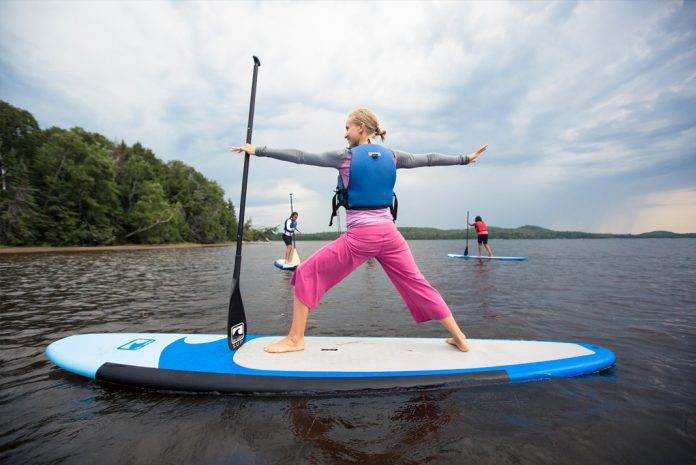
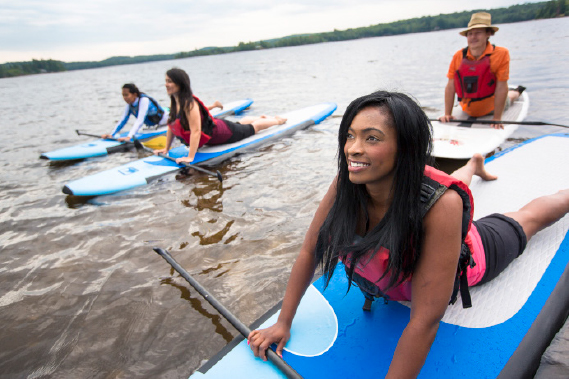
Get on board with the SUP yoga trend. | Photo: Ontario Tourism

Feeling stressed, disconnected and running on empty? SUP yoga can help. Laying with your fingertips dangling in the water, the warmth of the sun on your skin and the water gently rocking your board promotes deep relaxation. SUP yoga also builds core power, strength and confidence.

Already getting bendy on the regular? No problem. Poses you find easy on land will make you sweat on a board. New to yoga? That’s okay, too—you don’t have to be experienced in yoga or paddleboarding to start. Just bring an adventurous spirit and willingness to learn. Here’s what you need to know before getting on the water.

The right paddleboard for yoga

While some brands manufacture yoga-specific SUPs, the truth is most all-around boards will work fine for practicing yoga. Most SUP yoga classes will offer a rental board included in the price of the class. However, if you’re looking to purchase your own board, look for a SUP in the 33- or 34-inch-width range. Width increases balance, which will help your budding practice, but too much width will affect paddleability. Both hard boards and inflatables are appropriate for yoga. If you’re using an inflatable SUP, just be sure to top it off to its full PSI so it’s super stiff. It’s no fun practicing on—or paddling—a soft board.

When it comes to board features, buyers will want to opt for a full deck pad, so you can use the entire surface of the board for your practice without slipping. Also, choose a design with a leash plug at the nose so you can cast an anchor. This keeps the board steady, especially in wind and gentle current. Be sure your new board has bungee attachments for storing loose items like a water bottle, layers and shoes, as well as a nine- to 10-inch fin, which will further aid stability and keep your board steadier when anchored into the wind or current.

Essential Accessories

Once you’ve selected an appropriate board, it’s time to choose accessories. Most importantly, you’ll need a paddle and a PFD. Always wear a PFD to paddle out to your yoga location. Inflatable belt-pack PFDs tend to be the most comfortable to wear during your practice, just slide the pack to your front or back as needed.

Yogis will also need an anchor to hold the board in place. This will allow you to relax without being blown around by the wind, or moved by gentle currents. I’ve found the best anchors are three- to five-pound mushroom anchors because their round shape won’t scratch your board like grapnel anchors. To put together your anchor, you’ll need 15 to 20 feet of floating line, a small buoy and a carabiner. Clip your anchor into your bungee while you’re paddling. It’s essential to have a small buoy on your anchor so you can see it if you need to detach yourself for some reason.

Another vital piece of safety equipment is the leash, which keeps you attached to your board in case of capsize while paddling. Once anchored, take the leash off your ankle, wrap it tightly around the shaft of your paddle and then place the paddle in the water. This way, you maintain maximum deck space, and your paddle is tethered to your board, so you don’t have to think about it until the end of your practice.

Also carry a water bottle for hydration, as well as sun protection and sunglasses—just put them on a lanyard so you don’t lose them overboard during downward dog.

Photo: Ontario Tourism

4 Expert Tips for SUP Yoga

Once you have the essential gear, it’s time to get your flow on. These are my top five tips to optimize your floating practice.

1. Set Your Anchor Wisely

Set your anchor in a place free of obstacles and debris in at least four feet of water. Make sure your anchor reaches the bottom of the lake or river. If it’s suspended, you’ll drift. When you float around, you can’t relax as deeply, and if you’re trying to participate in a SUP yoga class without anchors, your class will soon get dispersed by the wind to different corners of the lake.

2. Ditch the Bikini

Contrary to what you might see on social media, SUP yoga in a bikini isn’t comfortable. Your butt will appreciate more coverage and less flossing. Your knees will thank you for wearing swim tights for poses where you’re on all fours. Light layers are beneficial both for sun protection and warmth. I’ve had students not be able to complete a class because they were wearing a bikini, fell in and then started shivering once they were back on their boards due to the breeze. And that was in the middle of the summer. There’s nothing wrong with wearing a bikini if that’s your preference, just know it’s not always the most practical choice. Swim tights, shorts, tankinis and quick-dry shirts are all great options.

3. Check Your Ego

If you don’t practice headstands on land, don’t think you’ll miraculously be able to do it on a board. The board is not a stable surface and your head and neck are important. Don’t let your ego get in the way and mess them up. Start with seated poses or on all fours until you build the balance and confidence to try standing poses.

4. Don’t Lean Back

At least, not while performing side poses like side plank, triangle and side angle stretch. Pay attention to how you shift your weight and what muscles are working extra hard to balance. Practicing on a board is an effective way to bring greater awareness to imbalances in your body alignment. On land, it may be easy for you to lean back in poses like triangle, but if you do that when practicing on a board you’ll end up in the water fast.

5. Take Extra Time

Stress is a factor in the cause of disease and health issues. Taking time to relax is good for your mental and physical health. In my experience practicing and teaching SUP yoga, there is something about floating that makes dropping into relaxation easy. Allow yourself to experience the benefits of letting go for 10 to 15 minutes. If that seems too long for you, then start with five minutes. Cover your face with a shirt or a hat, so you stay comfortable and don’t overheat in the sun.


4 Beginner-Friendly Paddleboarding Yoga Poses

Seated Twist

Sit in a comfortable cross-legged seated position in the middle of your board. Inhale to press sit bones down into the board and extend out the crown of your head. Exhale and twist to the right, placing your left hand on your right knee and your right hand behind you on the board. Exhale, use your hands to help you twist a little deeper. Hold for three to five deep and easy breaths. Release the pose and switch sides.

Table Top

Come to your hands and knees with your navel over the handle of your board. Press your palms into the board to press your back low ribs toward the sky and engage your core. Keeping the core engaged, inhale to lift your left leg back behind you. Stay here or reach forward with your right arm. Hold for three to five deep and easy breaths. Switch sides.

Side Plank Variation

Come to your hands and knees with your navel over the handle of your board. Keep your left knee where it is and take your left toes out to the side and dangle them over the left rail. Your shin will be acting as a kickstand. Extend the right leg toward the tail of your board and place the entire right foot on the board. Extend the left arm up toward the sky. Keep your vision straight ahead. Hold for three to five breaths. Switch sides.
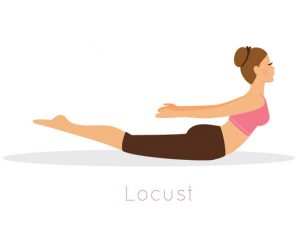
Modified Locust

Lie flat on your board with your navel over the handle of the board. Reach your hands behind your back and clasp them. Inhale, lift your chest by drawing the arms back, and lift the legs. Hold for three to five deep and easy breaths.

Anna Levesque is the author of Yoga for Paddling and has a passion for creating empowering experiences. To learn more, visit Mindbodypaddle.com.


Get on board with the SUP yoga trend. | Feature Photo: Ontario Tourism


Best Whitewater Rafting Trips On The New & Gauley Rivers In West Virginia

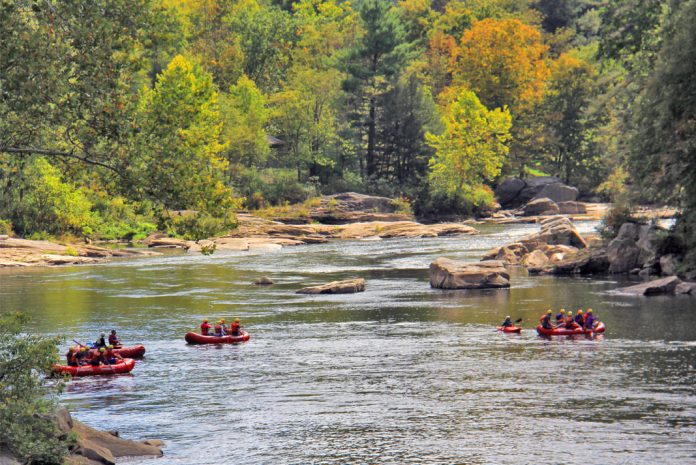
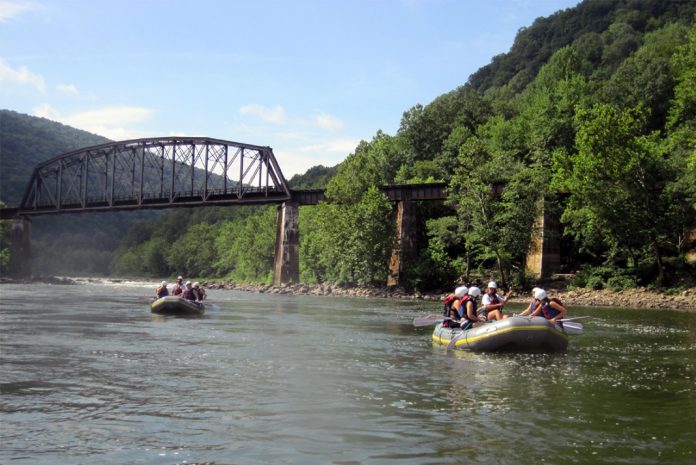
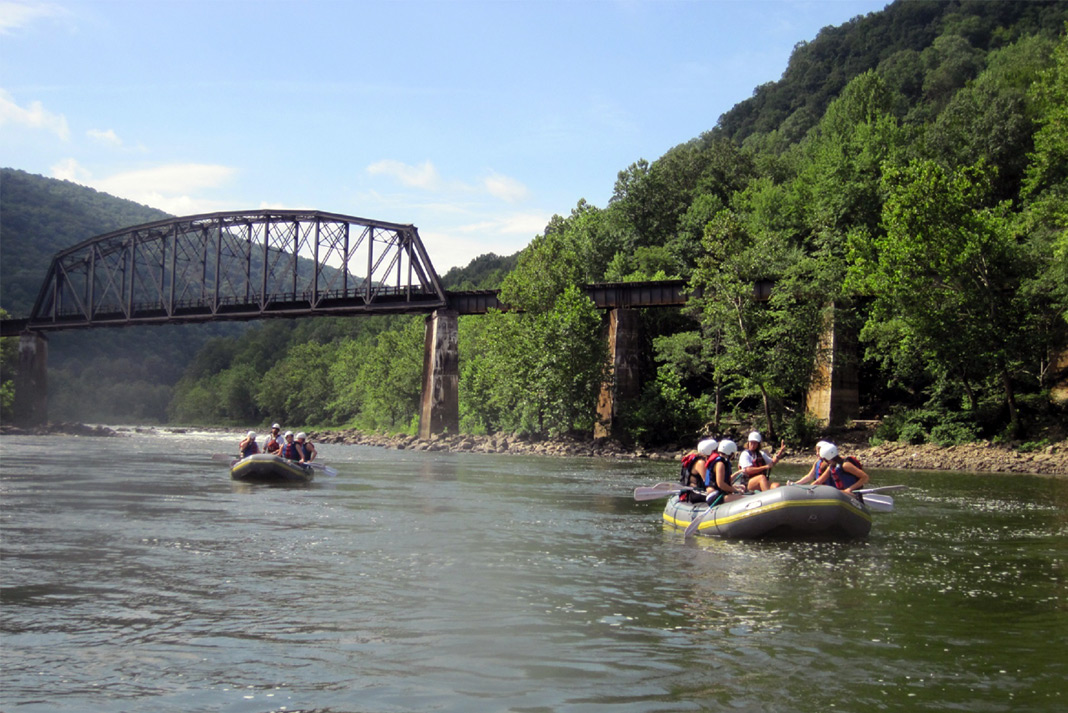
Two rafts on river with rail bridge in background
The New River offers different levels of thrills for everyone.

West Virginia is a whitewater rafting haven. Calmer waters for families and beginner paddling trips, along with adrenaline-pumping class V rapids that require tight turns and technical maneuvering make West Virginia the place to be for whitewater rafting.

A mere 1.5-hour drive from Charleston, West Virginia’s capital city, the whitewater scene is energetic and robust. You’ll find locals who have grown up on the water, and visitors from around the world who are excited to see the renowned rapids of the area’s rivers.

Where can I go whitewater rafting in West Virginia?

New River

The New River is a gem for whitewater rafting in West Virginia. Towering gorge walls channel rushing river water into rapids that are sure to get your heart pounding. If you’re looking for the big waves, you’ll want to check out the Lower New. With class I-IV rapids, the Lower New River provides some of the best whitewater rafting in West Virginia.

Two rafts on river with rail bridge in background
The New River offers different levels of thrills for everyone.

Don’t worry, you’re not out of luck on the New River if you’re looking for a more laid-back or family-friendly day. The Upper New has class I to III rapids and makes for a great day on the water for kids and families. There are long flat stretches and calm pools, and several local tour companies include lunch in their day trips, making for a very relaxing day on the river.

Lansing is a good central location for trips on the New River, and has several tour companies in town or close by that will make sure your experience on the New River is a memorable one.

Raft Companies

Gauley River

The Gauley River is known for its world-class whitewater, and it doesn’t disappoint. Dropping more than 650 feet in 25 miles, the Gauley is a paddler’s dream. Split into two sections, Upper and Lower, the Gauley’s class III to V rapids provide an unforgettable whitewater experience for all types of paddlers. Most rental companies along the Gauley are about a 30-minute drive from the town of Summersville.

For the biggest waves, book a trip for the fall when the scheduled Summersville Dam releases occur.

Upper Gauley

According to local tour company River Expeditions, the Upper Gauley is “ranked as one of the most uniquely challenging single day whitewater runs in the world.” It’s intense, stunningly beautiful, and a serious stretch of river that will challenge and thrill even the most seasoned paddlers.

The Upper Gauley features 50+ rapids, many in the class IV to V range. This is serious whitewater and is not for beginners or children under 15. The guides in the area that run tours on this section of river are seasoned and talented paddlers. If your skill level is more on the advanced side and you’re looking for a challenge, check out this stretch of whitewater!

Lower Gauley

The Lower Gauley stretch of river in West Virginia is a treat for your eyes, and your paddle! The whitewater is plentiful on this 13-mile stretch of class III to V rapids, and with 50 rapids to run, you’ll see why this area is a favorite of expert paddlers the world over. With charismatic names like Chainsaw, Junkyard and Rooster Tail, the waves on Lower Gauley are whitewater legends that are a must-experience if you’re in for some adventure!

Raft Companies


What do you wear whitewater rafting in West Virginia?

Whitewater rafting doesn’t require you to bring any specialized gear with you. Your guiding company will have all the technical gear covered; you’ll just need to make sure you’re dressed for adventure!

Generally, any athletic clothing that’s comfortable and allows for a good range of movement will be great for your day on the river. What you’ll need to pay the most attention to is the weather. There is a long season for whitewater rafting in West Virginia and the temperatures can vary dramatically, both morning to night and season to season. Spring can be crisp, especially in the morning, and summer days are sunny and humid.

If you’re heading out on a spring adventure in West Virginia, make sure you pack layers! A quick drying and warm base layer (like merino wool) will be essential on chilly May mornings. Pack a mid-layer that provides some good warmth as well—a down hoodie or fleece jacket will be good here. For bottoms, try to stick with durable, non-cotton fabrics. Cotton is heavy and cold when it’s wet, and it takes a long time to dry out in comparison with synthetics. Long pants or shorts are fine, depending on the time of year. Keep in mind that whitewater rafting isn’t the gentlest of activities, so if you’re conscious of getting scrapes or bruises on your knees, pants or tights will be your best bet.

Shoes are one of the most important parts of your whitewater rafting attire. Always, always, always wear closed-toe shoes! You can opt for a neoprene water shoe or covered sandal if you like, or a full running shoe or day hiker—as long as they buckle or tie onto your feet and have a covered toe, you’re good to go.


Whitewater rafting season West Virginia

Whitewater rafting season in West Virginia generally runs May to September, with a couple of exceptions. Springtime tends to be more relaxed with lower flow rates overall, while in certain spots fall is the biggest water of the year.

If you’re looking for a whitewater rafting adventure on the New River, April to October will be your best bet. For the Gauley, Memorial Day to Labor Day is the high season. The biggest water on the Gauley will be found in the fall due to scheduled dam releases from September to October each year. Many of the guide companies will offer trips on scheduled dam release days.


Whitewater rafting West Virginia prices

At first glance, there is a fairly large range in pricing options for whitewater rafting trips in West Virginia. Whitewater in West Virginia is a big business, and there are both larger tour companies and smaller establishments. Price differences between trips can be substantial and are a result of a few factors.

Many tour companies only run trips on the Gauley on scheduled dam release days. These tour companies charge a premium for fall tours, especially on weekends, because there are only six weekends per year with scheduled dam releases. Other companies on both the New and Gauley Rivers will run the same stretch all season, but there is a premium for dam release days when the water flow is guaranteed.

When you’re booking your trip, keep an eye on the length of the days. There are less expensive trips that run shorter sections of river—like this one from River Expeditions—and longer runs—like this double run from ACE Rafting—that will keep you on the river for a very full day. The time is important for price as well as the level of experience in your group—a half-day on the river is lots of time for little ones and beginners to get a taste for whitewater!

It’s very common in this area for tour companies to offer packages. This can include anything from a meal to a full overnight camping experience. Make sure you look closely at what’s included in each package. This tour on the New River from the guiding company River Expeditions includes breakfast, lunch and snacks. ACE Rafting offers many of their tours with lunch, or speedier versions with no lunch that are less expensive. Hospitality in West Virginia is renowned, so expect that your hosts will want to provide you with everything to make your trip as memorable as possible!

Paddle Pittsburgh: Tips For Kayaking The Mon, Ohio & Allegheny Rivers

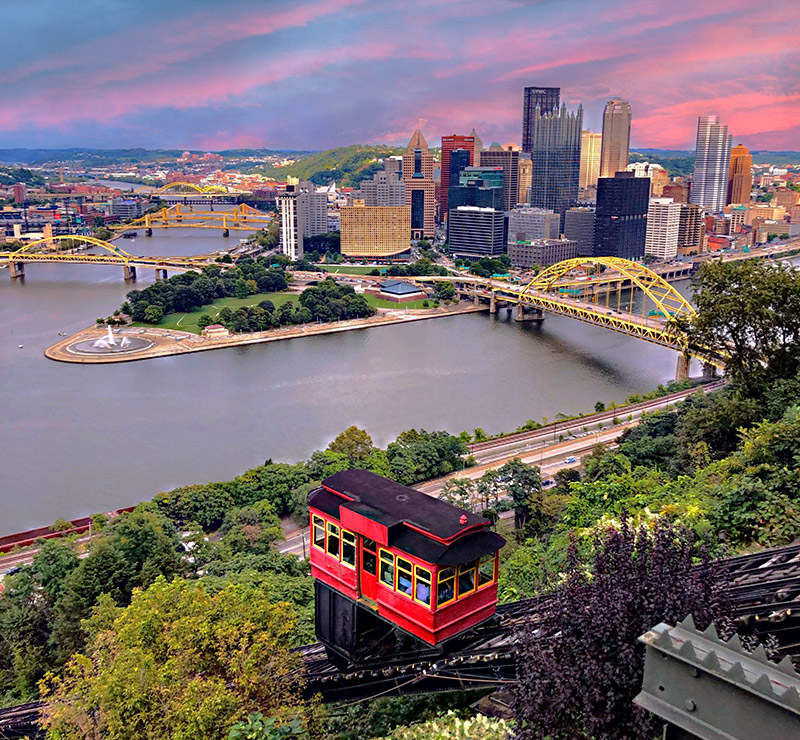
Shot of river running through downtown Pittsburgh
Launch your kayak right in downtown Pittsburgh and get paddling.

Pittsburgh, Pennsylvania, might not be the first place that comes to mind for kayaking in the United States. But ask a Pittsburgh native, “Can you kayak in Pittsburgh?” and you’ll likely hear a resounding, “Yes, you can!” followed by a history lesson on the three rivers that run through the city. Pittsburgh is home to three river systems: the Allegheny, Monongahela and Ohio. The Monongahela River is pronounced “mə-NONG-gə-HEE-lə,” but don’t worry—this tongue twister of a river is referred to locally as “The Mon.”

Kayaking in Pittsburgh is a unique experience. Urban kayaking has a different vibe than a remote wilderness adventure, but it offers paddlers an array of options for a day on the river. In Pittsburgh, you’ll find that the city is set up to welcome river traffic with waterfront restaurants, brew pubs, parks and plenty of activities to keep your day interesting. If urban kayaking isn’t your thing, check out some of the beautiful nearby state parks for a more traditional kayaking adventure.

Shot of river running through downtown Pittsburgh
Launch your kayak right in downtown Pittsburgh and get paddling.

Best kayaking in Pittsburgh

Kayaking is a popular activity in Pittsburgh in the spring, summer and fall seasons. The city boasts a number of great places to launch from, and there are rental and tour companies that are convenient whether you’re looking for a day in the city, or to get out of town. The Pittsburgh area isn’t where you’ll find roaring whitewater, but you will find very unique urban experiences, and easy access to calm lakes that set this spot apart.

Pittsburgh’s three rivers converge in the centre of the city at Point State Park. You’ll find the Ohio River to the west, Allegheny to the east, and the Mon to the south. There are official and unofficial boat launches on all three rivers, and you can easily paddle parts of all three in a day.

Launching at the North Shore gives paddlers access to all of Pittsburgh’s waterfront activities. This is definitely a more urban landscape, so expect to see lots of bustling city scenes including glassy skyscrapers, city parks, PNC Park (home to the Pittsburgh Pirates baseball team) and waterfront restaurants with easy river access. Pop into local hotspots like The Foundry for local eats and craft beer, or Burgatory for a classic American hamburgers and milkshakes menu with a polished feel.

South Shore Riverfront Park is another beautiful option to kayak out from on the Mon. Kayak through the south section of the city for views of Mount Washington and the Pittsburgh cityscape.

North Park gets you away from the urban landscape and into a more serene, pastoral setting with plenty of history and nature to see as you kayak the North Park Lake.

[ Paddling Trip Guide: View all kayaking trips in the United States ]


Where can I launch my kayak in Pittsburgh?

The rivers of Pittsburgh provide paddlers with many options for places to launch a kayak from. There are dedicated boat launches—popular ones are located in North Shore, North Park, Aspinwall and South Shore Riverfront Park. There are more access points, some boat launches, and others unofficial spots that make good put-in locations. Keystone Edge is a blog written by a Pittsburgh local, and provides some good tips on launches that are a bit off the beaten path.

Keep in mind that if you’re not an experienced kayaker, it’s best to stay safe and stick to the established boat launches. Local spots are often hidden gems that enhance a paddling experience, but directions aren’t necessarily clear and safety hazards may not be taken into account.


Kayak rentals in Pittsburgh

Kayak Pittsburgh – North Shore

Weekdays

  • Single kayaks: $16 per day
  • Tandem kayaks: $23.50 per day

Weekends and holidays

  • Single kayaks: $19 per day
  • Tandem kayaks: $26.50 per day

Kayak Pittsburgh – North Park

Weekdays

  • Single kayaks: $16 per day
  • Tandem kayaks: $23.50 per day

Weekends and holidays

  • Single kayaks: $19 per day
  • Tandem kayaks: $26.50 per day

Kayak Pittsburgh – Aspinwall Riverfront Park

Weekends and holidays only

  • Single kayaks: $19 per day
  • Tandem kayaks: $26.50 per day

Crescent Bay Marina – Moraine State Park

  • Single kayaks: $15 for one hour, $13 for second hour, $12 for third hour, $52 total for four hours, $12 for every additional hour
  • Tandem kayaks: $20 for one hour, $18 for second hour, $16 for third hour, $70 total for four hours, $16 for every additional hour


Pittsburgh kayaking rules

Kayaking the state parks in the Pittsburgh area is pretty straightforward—you need to wear a PFD and have a vessel license sticker on your boat. If you’re renting, this is something rental companies will have covered for you already. All boats must have bow and stern lights if you’re out in the evening.

In the city, be aware of motorized boat traffic and paddle closer to the banks wherever you can so you’re not in the navigational channel for larger vessels. If you’re on the Allegheny River between Pittsburgh and neighbouring Highland Park you’ll find the Allegheny Lock and Dam No. 2. Locking through has a specific protocol and should only be done by experienced kayakers. Rivers of Steel has a step guide for this process that explains the procedure for navigating the lock. Similarly, on the Ohio River is the Dashields Lock and Dam. All areas with these features require prior knowledge and experience to navigate. They are not always easy to see, so be sure you know the river hazards before setting out.

Safety

River safety is always critical, even on slower-moving rivers like the Ohio, Mon and Allegheny in Pittsburgh. There have been tragic accidents on the rivers here, and although not common, incidents generally involve the dams in the area and paddlers who are not wearing PFDs. Have respect for the river and practice good river safety, and you’ll have a one-of-a-kind adventure kayaking in Pittsburgh!


Find Equal Parts Beauty & Adventure When Whitewater Rafting In Pennsylvania

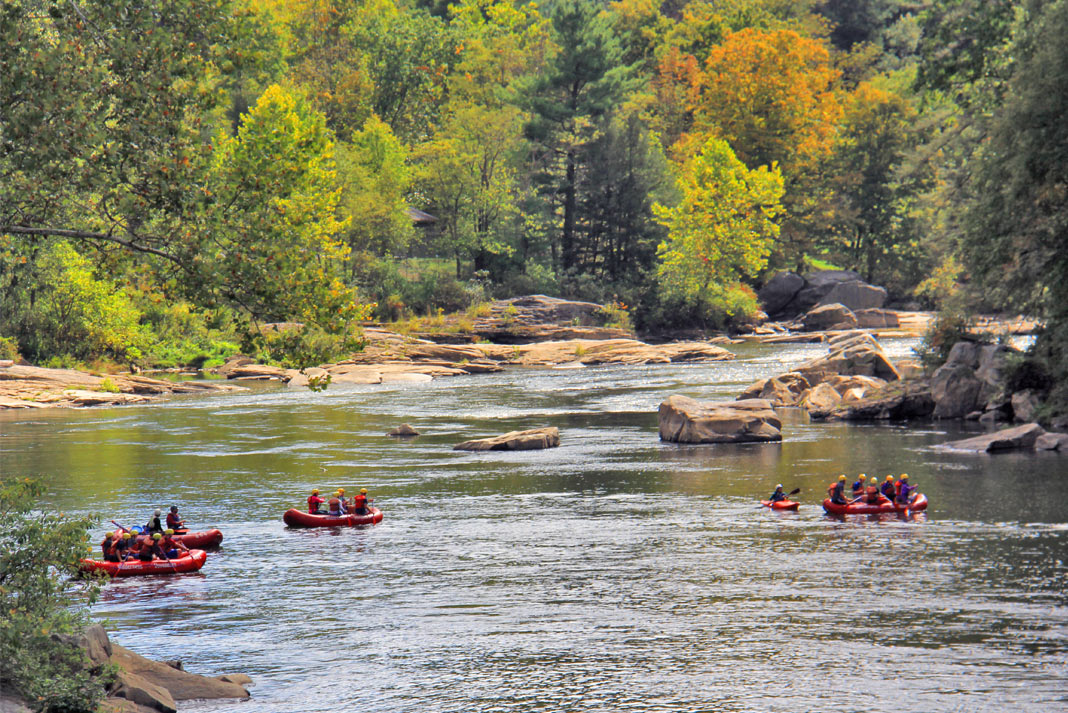
Red rafts floating down a river
Take a rafting trip in Ohiopyle State Park.

Officially named the Commonwealth of Pennsylvania, this beautiful state includes the Appalachian, Great Lakes, Northeastern and Mid-Atlantic regions of the United States—but, thankfully, it’s normally referred to as just “PA” for short.

Whitewater rafting in PA is found on the Lehigh, Youghiogheny, Delaware and Susquehanna rivers, as well as Pine Creek. Wherever you choose to visit, rafting in PA is a picturesque and exciting adventure.

Red rafts on a river
Take a rafting trip in Ohiopyle State Park.

Where to go whitewater rafting in Pennsylvania

Ohiopyle State Park / Youghiogheny River

The Youghiogheny River is the gem of Ohiopyle State Park, which is found in Southeastern PA and is a beautiful spot with a variety of activities to do. Whitewater rafting in this part of PA is generally split into the Lower, Middle and Upper Yough. Middle Yough contains class I to II rapids, and trips down this section are great for little ones or those who are just discovering the thrilling world of whitewater rafting and want something exciting but easier.

Lower Yough is the intermediate section, with class II to IV rapids that will pump up your adrenaline. The Upper Yough is one of the best spots for serious whitewater rafting in PA. Class V rapids, heart-stopping drops and narrow twists in the river make this section an amazing adventure for experienced paddlers.

American Whitewater has a super detailed and informative site with descriptions of all of the rapids found in Ohiopyle, any warnings in the area, etc. They’re a great resource to use when you’re planning your whitewater rafting trip in PA.

Whitewater Adventures

  • Lower Yough: $52 per person
  • Middle Yough: $42 per person
  • Upper Yough: $125 per person

Laurel Highlands

  • Lower Yough: $52 to $125 per person
  • Middle Yough: $37 to $72 per person
  • Upper Yough: $125 to 170 per person

Prices vary based on desired level of oversight from guides.

Pittsburgh

Good news if you’re in the Pittsburgh area—you’re also less than 1.5 hours from Ohiopyle and whitewater rafting trips down some of PA’s best rapids on the Youghiogheny River. From Pittsburgh, you’ll wind your way southeast through Murrysville, New Stanton and Mill Run. Ohiopyle is close enough to Pittsburgh that you should have no problem fitting in a full day of whitewater rafting at the various outfitters outlined above.

Delaware River

The Delaware River is an important waterway, its watershed providing drinking water to 6% of the U.S. population. In PA, rafting on the Delaware is a calmer experience than the Yough or Lehigh rivers. The Delaware is wider and slower moving, perfect for a more relaxed day on the river. Because the river is the border between New York and Pennsylvania, rental and tour companies operate on either side of the river.

The stretch of the Delaware near Point Pleasant, PA isn’t heart-pounding like other spots, but it’s a fun and memorable option for families and those looking for a quieter day. Check out Bucks County River Country for rentals. They’re a local company that can provide you with rafts for a quiet, calm water day floating on the Delaware. Similarly, Indian Head, PA is a popular put-in for group-friendly rafting expeditions, both single-day and overnight, that are relaxing, fun and great group adventures.

Buck’s River Country

  • $25 to $35 per person

Lander’s River Trips

  • $43 to $49 per person

Indian Head Canoes

  • $44 to $49 per person (kids go free!)

Poconos

The Pennsylvania Poconos boast exciting and challenging whitewater rafting adventures with a variety of rapids to suit most skill levels. Jim Thorpe River Adventures offers three levels of whitewater trips ranging from laid-back and family-friendly to adrenaline-filled, heart-pounding big water. In this area you’ll be on the Susquehanna or Lehigh, depending on your pick of whitewater trip.

Jim Thorpe River Adventures

  • $32.95 to $62.95 per person (Prices vary based on the difficulty of the trip.)

Pocono Whitewater

  • $39.99 to $69.99 per person

Whitewater Challengers

  • $34.95 to $64.95 per person

Pine Creek

Pine Creek Gorge is home to truly breathtaking scenery and exciting whitewater rafting. This gem of a spot is sometimes called the “Grand Canyon of Pennsylvania,” and that moniker doesn’t disappoint. Found in the gorgeous Tioga State Park, if you can plan a trip here in the fall you’ll be treated to a riot of oranges, reds, and yellows in the surrounding woods. Whitewater rafting trips on Pine Creek are run by one tour company, so they are a bit more expensive than some of the other trips on the Lehigh or Susquehanna Rivers—but this unique experience is worth it!

Pine Creek Outfitters

  • $74 to $89 per person

When to go

While PA is icy and snowy during the winter months from November to February, the whitewater season still runs for seven to eight months of the year. April generally marks the beginning of the season because the rivers are high due to the runoff from snowmelt. Most rivers are at their highest during the spring months. There are some exceptions, mainly the Lehigh River, that are reliable from April to November due to scheduled dam releases.


What to wear

PA enjoys a humid climate, with warm spring months and summers that can be very hot. The time of year that you plan your whitewater rafting trip in PA will dictate what your best clothing choices will be. In the spring months, bring layers for the mornings and be prepared to wear a wetsuit—they are required by PA State Parks until the end of April. You’re welcome to bring your own, but most tour companies that require them also provide rental options.

Non-cotton athletic clothing will suit well for this type of trip. Synthetic fabrics dry more quickly, which will keep you more comfortable during your whitewater rafting day. Long pants made of a durable fabric will be your best bet in the late-spring and fall seasons.

Footwear is important for any type of river trip—the last thing you need to worry about is injuring your feet or toes on loose rocks or debris in the water. Wear a shoe that will stay on your foot and cover your toes—no flip flops! Outdoor apparel companies sell water shoes made from neoprene or hydrophobic materials that are designed for the river.

Neoprene shoes are comfortable and will keep your feet warm; if you’re purchasing shoes specifically for this trip, this type of shoe will be the most economical option. Neoprene shoes generally run $25+. More technical water shoes are generally in the $100+ range and are very useful if you’re going to be using them more regularly.


3 Of The Best Rivers For Whitewater Rafting In Georgia

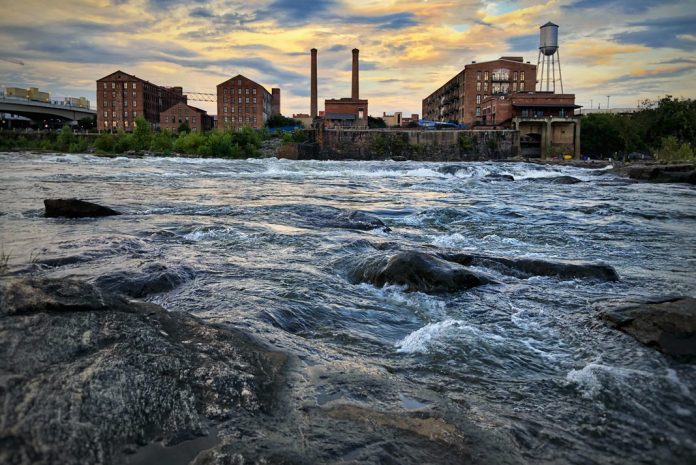
River with factory buildings in background
For whitewater close to the city, check out the Chattahoochee River, Columbus GA. | Photo: Shelby L. Bell

The state of Georgia is as rich in its natural diversity as it is in historical significance. From its highest elevation, found at 4,784 feet in Brasstown Bald, to the sea-level coastline, the state of Georgia is full of sights to see.

Whitewater rafting in Georgia can be found in several locations in the north and central regions of the state. From Atlanta, head north on highway 985 to Helen, where you’ll enter into the beautiful Chattahoochee National Forest. From Helen, a short drive either east or west will find you near Blue Ridge or Hiawassee, respectively. If you want to drive south of Atlanta, take the I-85 to Columbus, Georgia, where you’ll find some beautiful whitewater on the Chattahoochee River.


Best whitewater rafting in Georgia

Helen

If you’re driving from Atlanta, Helen is your gateway into the Chattahoochee Forest. Whitewater rafting in this area is on the Chattooga River. There are two sections of river that offer exciting and engaging rafting in this area: Section III and Section IV (note that these are the names of the sections, not the class of rapids on each section).

Section III is suitable for families and beginner whitewater paddlers with class II to III rapids and one class IV at the end, making for a beautiful day trip on the river for paddlers ages eight and up. Section IV is more intense, with class IV sections and the famed Five Falls, where the river descends 75 feet through a quarter-mile flume through five named rapids. 12 is the minimum age for Section IV trips, although tour companies and guides reserve the right to read the river each day and decide when it is safe for minors.

Day trips are popular in this area, and there are also guided overnight trips that allow paddlers to get the best of the whitewater rafting in this area of Georgia on both Section III and IV of the Chattooga River. Overnight trips make a great weekend getaway for groups of friends or families looking for adventure, and are fully geared up by the tour companies—no camping equipment required!

Rafting Companies

Columbus

Columbus, Georgia is under a two-hour drive from Central Atlanta and is directly across the Chattahoochee River from Phenix City, Alabama. Columbus boasts the longest urban whitewater stretch in the world. Run some of the best whitewater in the United States when you kayak Columbus, Georgia, on class II to class IV rapids—both on the same 2.5-mile stretch of river, thanks to the dam-controlled water levels that rise in the afternoons.

In the mornings, when rapids are class I to III, whitewater trips are suitable for anyone over age seven, while the bigger afternoon runs are best for age 12 and up.

Rafting Companies

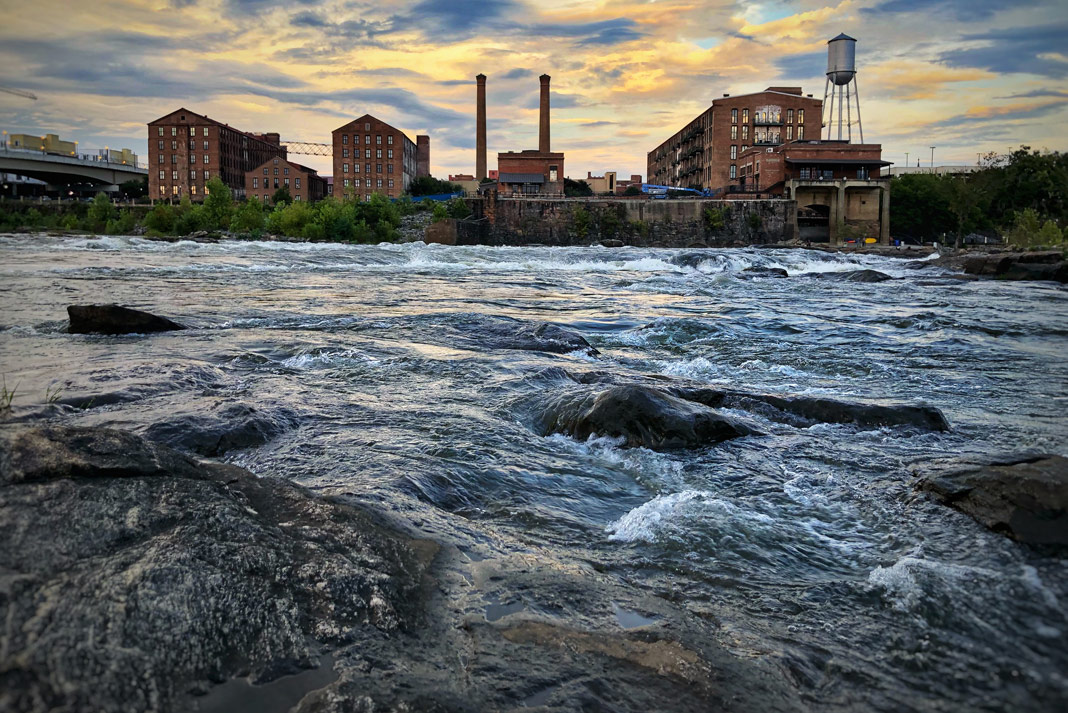
River with factory buildings in background
For whitewater close to the city, check out the Chattahoochee River, Columbus GA. | Photo: Shelby L. Bell

Atlanta

Atlanta is a historic city and worth visiting for the scenery, but it also provides great access to two rivers: the Chattooga and the Ocoee. Within two hours of Atlanta, some of the Southeast’s best whitewater rafting awaits. The Chattooga has great whitewater centered around Clayton (close to Helen), while rafting on the Ocoee can be found in neighboring Tennessee, beginning in Ducktown.

If you want to stay in the metro Atlanta area, your best bet for a day trip will be kayak, tube or SUP on the Chattahoochee.

Rafting Companies


What to wear whitewater rafting in Georgia

Georgia falls within the humid subtropical climate classification, which means its summers are normally hot and humid, and winters are generally above freezing. For whitewater rafting in Georgia, this means that you can pack lighter clothes for spring and summer—while mornings are cooler than midday, you won’t normally find a frosty morning in July here!

The best type of clothing for whitewater rafting in Georgia will be athletic clothing made with non-cotton fabrics. Typical gym clothing will do great in this setting; just try to stick to synthetic fabrics as they’ll dry out faster and keep you more comfortable. If your hair is longer, make sure to tie it back before you hit the river so it doesn’t get in your eyes while you’re navigating rapids.

As always when you’re paddling on a river, closed-toe shoes are a must-have. You don’t necessarily need to have water shoes specifically, but ensure you’re wearing a sport sandal or running shoe that will stay securely on your feet and cover your toes. The last thing you want to worry about is losing a shoe downriver, or catching your toes on debris under the surface.


When does whitewater rafting run?

Head to Georgia for the unforgettable whitewater rafting scene from April to October each year. Explore Georgia is a great resource for trip planning and provides visitors with seasonal information about each area.


Antonio de la Rosa’s 77-day paddle to Hawaii on a custom, peanut-shaped SUP

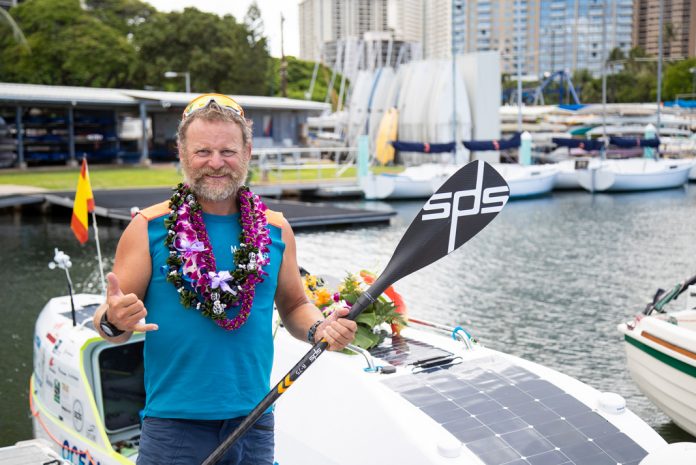
Antonio de la Rosa arrives in Waikiki after more than two months at sea on his paddleboard, Ocean Defender.
Antonio de la Rosa arrives in Waikiki after more than two months at sea on his paddleboard, Ocean Defender. | Photo: Tony Heff

Antonio de la Rosa had no clue he was attempting to retrace one of the greatest paddling voyages of all time when he arrived in San Francisco last June. He was preparing to paddle a custom-built, 24-foot standup paddleboard across the Pacific Ocean to Hawaii.

Only two days before his departure did de la Rosa, a Spanish adventure athlete, learn about Ed Gillet’s legendary 1987 sea kayak journey. Gillet was battered by storm waves and pushed off course by currents, before an extended period of calm dashed his hopes for making up distance by sailing. Long before the advent of satellite messengers, the San Diego-based Gillet was all but given up for dead. Then, miraculously, he touched down in Maui, fueled only by toothpaste after his provisions ran out. Even with the benefit of seriously modified equipment and modern communication technology, all recent attempts to match Gillet’s mythic 64-day crossing have failed—some more spectacularly than others.

Enter de la Rosa, 50, who got the idea of paddleboarding to Hawaii after winning the 2014 Rames Guyane, a grueling solo, unsupported trans-Atlantic rowing race, which marked the Spaniard’s first taste of open ocean travel.

To tackle the Pacific, he commissioned the construction of a 24-foot-long, 154-pound carbon-composite board—shaped like a peanut to facilitate paddling—yet with watertight storage and sleeping compartments fore and aft, respectively. The oversized SUP was equipped with a 65-pound daggerboard, a locking rudder and three solar panels, which were primarily used for charging a water desalinator. De la Rosa called it Ocean Defender—referencing his overarching expedition goal of documenting and raising awareness about ocean pollution.

A powerful ebb tide pulled de la Rosa seaward on his departure day, June 4, 2019. Launching in Marin, California, he was whisked by four-knot currents through the imposing gauntlet of the Golden Gate. De la Rosa, who completed a circumnavigation of the Arctic Circle by inflatable SUP in 2016, admits most of his efforts in preparing for the 2019 Pacific crossing went into the construction of his custom SUP.

“The technical preparation on this occasion was more important, along with the psychological gifts I was lucky to be born with,” de la Rosa says with a chuckle. He packed hundreds of pounds of freeze-dried and canned foods and trained his mental resolve for “absolute loneliness and self-sufficiency.”

Early on, de la Rosa was stifled by the California Current. He recalls several days of “great problems,” making incremental gains only to be pushed backward and off-course by the relentless southbound current. Once he escaped to the calmer waters of the open ocean, de la Rosa’s journey became easier. He was thrilled by the comfort of his custom board. “It was a 10,” he enthuses. “Without a doubt, it was the best design and construction we could do.”

[ See the largest selection of paddleboard in the Paddling Buyer’s Guide ]

As days turned to weeks and weeks turned to months, de la Rosa cleaned barnacles off the underside of his SUP three times. He admits he found “too much plastic”—sighting fishing nets and gear and other flotsam and jetsam every day. Finally, after 10 weeks at sea, de la Rosa glimpsed the mountains of Hawaii. It was a milestone signifying more challenges as the paddler was forced to endure sleepless nights maneuvering his board in high winds and waves towards an unforgiving coast.

Gillet was mistaken for a bedraggled bum when he limped ashore in Maui in 1987. De la Rosa, who regularly updated his Instagram feed with videos taken at sea, landed at Oahu’s Waikiki on his 77th day with much more fanfare.

His 2,950-mile crossing is second only to South African Chris Bertish’s 93-day, 4,050-mile SUP transit of the Atlantic Ocean in 2017. “I am feeling so good after 76 days in the middle of the ocean,” de la Rosa told a CNN reporter in Hawaii. Then he revealed his immediate plans to his 6,000 Instagram followers: burgers and beer.

Antonio de la Rosa arrives in Waikiki after more than two months at sea on his paddleboard, Ocean Defender. |  Featured Photo: Tony Heff

Guide to Kayaking Vancouver: How To Make The Most Of Paddling The Coast

Sea kayakers paddling down the coast with sailboats
The coast of Vancouver offers some truly spectacular paddling. | Photo by: Wallpaper Flare

Vancouver is one of Canada’s most popular destinations to visit in the summer months, for good reason. Just a 45-minute drive from the U.S. border with Washington state, Vancouver sits in one of the most temperate locations in Canada. This is a city that’s easy on the eyes in addition to being a cultural center with an urban feel.

The lifestyle in Vancouver is centered around the outdoors, and the locals here are exuberant about their beautiful city. Much of the shoreline that hugs the city and wraps around the famous Stanley Park is accessible by beach path, with excellent access to the water for paddlers from almost any public beach. If you happen to be here in late June, keep your eye out for the Dragon Boat Festival—it’s a unique sight that locals and visitors alike gather to watch.

Vancouver is a port city, and provides an entrance for international cargo ships, many of which travel from Asia and spend days sitting in Burrard Inlet, patiently waiting for their turn to unload and chug away. Aside from adding to the trade and commerce in Vancouver, these ships also make great photos facing west, especially in the evenings! If you’re looking for activities during your time off the water, check out Daily Hive Vancouver—there’s always something happening!

Dip your paddle in the salty west coast waters at Granville Island, Jericho Beach, False Creek, Yaletown, Stanley Park, or Deep Cove. There’s a place to kayak in Vancouver everywhere you turn.

[This article is part of the The Outdoor Adventurer’s Guide To VancouverFind all the resources you need to plan an adventure-filled trip to the city of Vancouver.]


Kayaking Vancouver

You might have to make some tough choices if you’re not visiting Vancouver for long as kayaking opportunities here are bountiful—it’s a good problem to have! Vancouver has an extensive coastline on the Pacific Ocean and, as such, nearly all kayaking from Vancouver proper is sea kayaking.

[ Paddling Trip Guide: View all paddling trips in British Columbia ]

Deep Cove

Kayaking Deep Cove is a Vancouver classic; ask any local and it’ll be on the top of their must-do list. Day trips meander along the coast with views of Stanley Park, Vancouver Harbour, and North Vancouver, and overnight trips will take you up Indian Arm.

Coastal Vancouver is home to an incredible array of biodiversity; it fascinates nearly everyone who has the chance to experience its charm and intrigue, and is the location of countless scientific studies and explorations. From marine life like seals and sea lions that are nearly always visible lounging on rocks, bellowing calls, and sunning themselves, to more elusive dolphins and whales, to land-dwelling creatures like eagles, bears, deer, wolves, and sea birds, the ecology of this area is vast and majestic.

Deep Cove Kayak

  • Single kayaks: $39 per two hours; $99 per day; $139 per two days
  • Double kayaks: $59 per two hours; $135 per day; $189 per two days

Sunset kayaking

Almost any beach in Vancouver provides paddlers with stunning sunset views. Head out from Jericho or Granville Island for the best views in Vancouver while you play among the sailboats, cargo ships, and plenty of other paddlers out for an evening tour.

If you’re staying downtown, there are a couple of rental companies that operate out of the Yaletown area as well. While this is less popular than the other side of the bay for outfitters, it’s a quick jaunt (safely obeying navigational rules) across the bay or up the shoreline toward Sunset Beach and Stanley Park. Once you get out into the channel, facing west the only thing between you and Japan is Vancouver Island!

Jericho Beach Kayak

  • Single kayak: $39 to $85
  • Double kayak: $59 to $115

Vancouver Water Adventures

  • Single kayak: $25 per hour
  • Double kayak: $35 per hour

Kayak Vancouver

  • Single kayak: $20 per hour
  • Double kayak: $30 per hour

Creekside Kayaks

  • Single kayak: $20 per hour
  • Double kayak: $30 per hour

Glacier kayaking

Glacier kayaking is next-level in all respects—price included. Trips are customizable and vary by season according to permits to access British Columbia’s crown land, but generally are in the $5,000-range. You’ll fly out of YVR Airport in Vancouver or nearby Abbotsford, BC and into the Coast Mountains where you’ll kayak in channels of aquamarine glacial meltwater. This is a truly once-in-a-lifetime experience!

Compass Heli-Tours

  • Prices TBD for the 2020 season

Night kayaking

Kayaking at night will give you the opportunity to see the ocean in an entirely different way—watch the kelp sway, paddle through the green glow from your kayak lights, and watch the Pacific Ocean sunset give way to inky indigo skies as you take in the quieter city from the water.

Breakaway Experiences Light the Night Kayak Tour

  • Single kayak: $85
  • Double kayak: $105

Kayaking Vancouver Island

Kayaking on Vancouver Island is a special experience. You’ll be in awe of the cliffside scenery and coastal islands as you dip your paddle in the Pacific Ocean by Victoria, or paddle the rugged coast further north from Tofino or Ucluelet. Sea kayaking is peaceful, meditative and beginner-friendly, but be prepared to battle some choppy waves, current and wind if need be— this is nearly open ocean, so conditions can vary quickly and drastically. It’s true what they say about island life; the pace of things is slower here, so get ready to relax!

Victoria Kayak

  • Single kayak: $43 per two hours
  • Double kayak: $64 per two hours

A Paddle in the Park

  • $40 to $90 per day

Tofino Sea Kayaking

  • $60 to $100 per day
  • Multi-day rates available

Kayaking with whales

If all of the natural wonders of the Vancouver area already mentioned weren’t enough to draw you in, kayaking with orcas and other whales should do it! Few things give you perspective on your size and place in the animal kingdom like seeing a marine creature the size of a whale from atop your kayak. Vancouver Island is a great spot for these tours; while you may happen upon a pod of orcas or a humpback whale on your own, guiding companies use radios to communicate the location of whales in the area, so they’ll have the best scoop on where you’re most likely to see these giants of the sea.

Most whale-watching sea kayak tours are multi-day because it’s tough for guiding companies to guarantee a sighting by kayak. Even motorized whale watching tours aren’t 100% guaranteed, but most companies will give you a discount, or a free trip if yours is a complete bust.

North Island Kayak

  • Three-day tour: $500 to $560 per person

River kayaking

Sea kayaking dominates in this area due to the availability of coastline and the abundance of marine wildlife, but if river kayaking is what you’re after, they have that, too!

The Chilliwack River is home to incredible kayaking and fishing. While the water levels get high in the winter due to rainfall, you can kayak here year-round given the right conditions.

Vancouver Island river kayaking is a bit more temperamental. Most rivers in this spot are flash rivers—great whitewater kayaking opportunities, but only right after heavy rainfall. The Cowichan River is a local favorite.

If you head to Vancouver Island for the river kayaking and the weather doesn’t cooperate, there’s always the very adventurous option of tidal kayaking! This is a very niche activity, and not for the inexperienced or faint of heart, so only head out onto tidal surf waves if you’re a very experienced whitewater paddler and are familiar with tidal waters, or if you are with a local guide.


What to wear

Vancouver has a temperate climate; if you’re coming from the United States, it’s akin to the weather in Seattle or Portland. It can be wet, so pack trusty rain gear and wear layers no matter the time of year. Go with a base layer, insulating mid-layer, and waterproof outer layer, and you’ll be happy no matter the weather!

Sturdy shoes that keep your feet safe from rocks, barnacles, shells and other potential hazards on the ocean floor are a must. There are some incredible sandy beaches in the Vancouver area to launch your kayak from, but there are also lots of rocky spots that will quickly scrape up your feet.


When to go

There are endless opportunities for exploring in Vancouver and you’ll see paddlers out year-round. Visitors, however, would be best sticking to sunnier summer months, as the winters can see rain nearly every day. Pack for warm rain during the summer months as well; while there are plenty of sunny stretches, it can get damp in July and August.

Bring your rain gear, learn your umbrella etiquette (just in case), prepare to meet relentlessly outdoorsy locals on your adventures, make sure your phone and camera are charged—you can’t miss with a paddling trip in this dazzling city!

How To Have An Instagram-Worthy Experience Paddling On Lake Louise

Red canoe on the waters of Lake Louise
Paddling across the turquoise water in the shadow of the Rocky Mountains is an unforgettable experience.

Lake Louise, Alberta is a major tourism destination, for good reason. Lake Louise is a tiny hamlet in the Canadian Rockies, located about an hour drive west of Banff on the Trans-Canada Highway. The village is not on the lake itself, but is well worth a separate stop for its unique coffee shops and local businesses.

The majestic expanse of Lake Louise sits perfectly tucked between famous Rocky Mountain peaks. Local legends aside, the stunning turquoise color of Lake Louise that entices so many visitors to this magical spot is a product of light reflecting off of tiny rock particles that are carried into the lake by the glacial melt from the peaks high above.

The Fairmont Chateau Lake Louise is a gem of Canadian history where you can take in stories of the past, enjoy a hot chocolate while gazing out the massive windows that frame the lake, or get fancy and book a reservation for high tea in the elegantly decorated dining room. While in winter you can walk and skate on the frozen lake, take horse-drawn sleigh rides, and ski at the nearby resort, summer hosts perhaps the most entrancing activity of all: canoeing.

Canoeing on Lake Louise provides a wholly unforgettable experience. If this place is stunning from the shore, it’s awe-inspiring from the water. Canoeing Lake Louise is entirely worthy of your bucket list! Here’s what you need to know to experience it for yourself.

[This article is part of our Ultimate Outdoor Adventurer’s Guide To Banff. Find all the resources you need to plan an adventurous trip to Banff National Park.]

Red canoe on the waters of Lake Louise
Paddling across the turquoise water in the shadow of the Rocky Mountains is an unforgettable experience.

Lake Louise canoe rental

The Fairmont Chateau Lake Louise is the only game in town for renting a canoe to paddle the lake. The Fairmont runs a boathouse on the west shore of the lake where you can rent canoes by the hour, or choose a guided tour.

Canoe times

Lake Louise is high in the Alberta Rocky Mountains, and that means the lake stays frozen longer into the spring. Canoe season depends on when the ice thaws on the lake, which can be variable each year depending on the winter season and spring temperatures. Mid-June is normally a safe time to start planning your trip. Likewise, the close of the season will depend on fall temperatures and the amount of snowfall. October might provide paddlers with a beautiful and crisp fall paddling experience, or perhaps be a bit too snowy and icy for an enjoyable time on the lake.

Summer in Alberta is reliably warm and sunny, with summer thunderstorms sometimes rolling in through the mountains in the late afternoons. Boat staff at the Fairmont are very aware of the weather conditions each day and will make sure you’re not on the water if it isn’t safe.

The Fairmont does not currently have Summer 2020 hours posted, however in past years the boathouse has been open 11 a.m. to 7 p.m.

Canoe cost

Again, the Fairmont does not currently have rates for Summer 2020 posted, but in past years the cost for non-hotel guests has been $125 plus tax per hour and $115 plus tax per half-hour. For hotel guests, the rates are $85 plus tax per hour and $75 plus tax per half hour. Please keep in mind that these are likely to change for the 2020 season, and check back with the Fairmont’s website for updates as we move closer to the opening of the season.


Lake Louise canoe tours

In addition to hourly canoe rentals, the Fairmont also offers three tour options. The guides who operate these tours are passionate and knowledgeable paddlers and will fill you in on all kinds of fun facts and history as you canoe Lake Louise.

Sunrise Canoe Experience

If you’re a morning person, or willing to be a one-time morning person for this incredible experience, you’re in for a treat. This is the best time to avoid crowds on the lake as you watch the purple and pink sunrise hit the peaks around you, and sink down toward the calm surface of Lake Louise. After your adventure, enjoy your well-earned breakfast as the rest of the world slowly wakes.

Summer 2020 prices are not posted yet, please check back soon for rates.

Voyageur Canoe Experience

Voyageur canoes are an incredibly unique way to experience Lake Louise. These crafts are steeped in Canadian history. The Fairmont describes the experience as follows: “As you journey across the lake, your guide will share local stories about the wildlife, the indigenous people and the early explorers.”

  • Adults $55, Children (8-12 years) $30

Evening Canoe Experience

Evening Canoe Experience tours leave the boathouse at 8 p.m. and provide guests with an hour of calm, crowd-free time canoeing Lake Louise. Evening in this spot is a special time. Not dark yet at this time of year, the light is fading into sunset and the air is softly colored and warm around you.

Summer 2020 prices are not posted yet, please check back soon for rates.

[ Paddling Trip Guide: Browse all canoe trips and rental services in Alberta ]


Rules

You can paddle your own canoe on Lake Louise and on all lakes in Banff National Park. The catch is that there are no public boat launches available on Lake Louise, so you’ll have to find your own spot to launch from the shore.

Can you swim in Lake Louise?

Temperatures in Lake Louise are normally no warmer than 10 degrees Celsius (50 degrees Fahrenheit), but can be much colder than that! Lake Louise is fed directly from Victoria Glacier, so at all times of year the lake is, quite literally, glacially cold. Most lakes in the Canadian Rockies are glacier-fed, so be careful dipping your toes in!


Lake Louise canoe trips

While canoeing on Lake Louise itself is the main paddling experience people associate with the town, there are other paddling opportunities in the town and nearby. Check out the Parks Canada paddling site when you’re trip-planning.

Lake Louise to Castle Junction/Banff

If you’re looking for more of a whitewater canoeing or kayaking experience in Lake Louise, the Bow River from Lake Louise to Castle Junction is a great half-day section, followed by Castle Junction to Banff. If you do these two sections together, be ready for a very full day on the river.

The Bow River is a favorite for local paddlers due to its challenging watercourse and dynamic characteristics. If you’re an experienced paddler, this is absolutely worth a trip! This is not a trip for beginner paddlers.

There are many factors to keep in mind when paddling The Bow; hazards pop up quickly and can change day to day. There are high numbers of sweepers, strainers, logjams, and submerged boulders. In addition, tight corners make river hazards hard for less experienced paddlers to see and avoid, and water flow can change quickly.

If you’re paddling the Castle Junction to Banff section, you will encounter Redearth Rapids. If you’re not prepared to run the rapids, this is an area that must be portaged around, and there is no set portage area. Preparation is key for this stretch of river. Parks Canada has a comprehensive guide to make sure you stay safe while enjoying one of Alberta’s favorite rivers!