Photo by Josh Sorenson: https://www.pexels.com/photo/quadcopter-flying-on-the-skey-1034812/
With equal passion for finding lines on the river and in the sky, Raphael Boudreault-Simard transformed hobby into a living more than two years ago when he opened photography business, Flow Motion Aerials.
Based in Whistler, British Columbia, the 26-year has flown his drones above kayakers in exotic destinations like Greenland, West Papua and Pakistan in the last year alone.
Raphael started kayaking and taking photos 10 years ago with the Quebec Connection crew, a loose group of Quebecois paddlers who made a name for themselves exploring little-documented wild river runs. His passion for aerial photography was hatched following a shoulder injury while guiding in New Zealand. He learned to fly on small, cheap units, crashing often.
“Whitewater rivers are one of the most challenging environments to fly a drone because of all the branches,” he says.
After a decade of river life, it’s no surprise Raphael talks about flight lines the same way he talks about river lines. “You are rewarded for being a bit bold,” he says. “Even if a line is risky and hard, when there is good experience, preparation and judgement, you can execute with style.”
For those looking to get serious about aerial photography, Raphael offers a peek into the professional kit helping him make a living 300 feet above the river.
Drone. | Photo: Kaydi Pyette
1. Dual-Operated DJI Inspire 2 + X5S Camera (x2)
“These drones are the best bang for your buck,” says Raphael. “You can get better quality with a bigger drone, but then you have to dismantle it for travel. That’s a mess.”
The X5S camera offers DSLR quality in a small, light package, and is specifically designed for use with the Inspire 2 drone. The camera comes with gimbal and stabilization motor, which is why it’s so pricey.
“I have two aircraft units just in case something goes wrong on a commercial project—it could be a crash or a technical difficulty,” says Raphael. “Insurance is also a must.”
Drone operators need big, bright monitors to see as much detail as possible. Bigger monitors also typically have faster processors, which is especially important in river environments where lag time can result in a crash. At Flow Motion, Raphael uses an iPad Pro and the DJI CrystalSky, which is four times brighter.
The Inspires require two batteries to operate. A pair offers 18 to 22 minutes of flight time. “It doesn’t sound like a lot but for drones, it’s a good amount of airtime,” says Raphael. Each battery uses 97 watts per hour, which is just below the threshold for which most airlines have regulations. Raphael has 14 batteries to avoid the hassle of charging in the field.
The four lenses in this kit—7.5mm, 12mm, 25mm and 45mm—are made for a Micro Four Third camera system, which means each lens’ aperture width is equivalent to double the size in standard cameras. Wide-angle lenses create a sense of speedy flight because the viewer sees a lot of movement on the edges of the frame, while narrower lenses can create parallaxing—when different layers of depth are sliding against each other.
“The most classic example of parallaxing is when climbers are at the top of a peak, and a helicopter is rotating around them making the background shift very fast behind the subject. It has a very cinematic feel,” says Raphael.
“Filters are very important because we don’t want too much light coming into the camera. Slowing down the shutter speed creates motion blur in the image which is how our eyes see, and so it’s more natural. Polarized filters are good to keep handy to mute the sun’s reflection and get more details on the water’s surface.”
During river shoots, Raphael gives a radio to the trip leader or river guide for communication, “We might need to catch the kayaks on a certain corner, and usually we lose visual on boats in the river environment,” says Raphael.
While it doesn’t compare in image quality to the Inspires, portability makes the Mavic Pro a great tool. There’s no interchangeable lens option, but its 20mm-equivalent lens offers a mid-wide view. “It packs up to the size of a Nalgene—it’s lightweight and I can stuff it in my kayak, or use it as a backup on commercial shoots,” says Raphael.
“It’s difficult to be a single operator and consistently land hard shots. Having a second solid operator makes all the difference,” says Raphael. Single operators are tasked with set-up, timing, flying and safety of the drone, while framing and nailing an excellent shot.
Using the dual hand-controller system of the Inspire, Raphael can split duties—while he controls flight, a partner frames the shot and communicates where they want the drone next. “It’s synergistic, more dynamic and the possibilities are significantly increased for the client,” he adds. Not to mention, it’s someone with whom to share the burden of schlepping 60 pounds of camera gear.
This article was originally published in Issue 53 of Paddling Magazine. Subscribe to Paddling Magazine’s print and digital editions here, or browse the archives here.
Enough content to keep your ears busy for years. | Photo by: Ryan Creary
Sure, you’d rather be outside actually having the adventure yourself, but downtime is unavoidable—even for the full-time explorer. Whether you’re a paddler staring wistfully at the river waiting for the ice to melt (or a skier scouring the sky for snow clouds on a July afternoon), a mountain biker nursing an injury, a runner making the daily commute to work, or that full-time explorer just on your way to your next adventure, there’s a podcast out there that’ll make the time in-between worthwhile.
We’ve rounded up the best outdoor podcasts that will shake up your training regimen, keep you updated on the latest gear, inspire your next adventure, or, at the very least, keep you thoroughly entertained.
1. The Pursuit Zone
In an era of podcasts making the host the star (we’re looking at you, Tim Ferris), The Pursuit Zone’s Paul Schmid’s hands-off Q&A style is a breath of fresh air. Schmid’s less-is-more interview technique lets adventurers and athletes take centre stage.
The 150-plus episodes are focused on dreamers pushing outside of comfort zones into the so-called pursuit zone. With a multi-sport focus, there are Atlantic Ocean rowers, round-the-world cyclists and record-breaking hikers featured, plus many episodes specific to paddlers, including rafting the Amazon River and packrafting Alaska’s Brooks Range.
2. The Dirtbag Diaries
With 12 years and over 10 million downloads, The Dirtbag Diaries probably needs no introduction. Likely the most well-known podcast on adventure, it’s a staple in outdoor circles and on road trips.
No other podcast has captured the adventurous lifestyle so poignantly, spinning campfire tales into often humorous lessons on life and human nature.
Each week on the Hammer Factor, Immersion Research’s John Weld, North Fork champ Louis Geltman and Green Race director John Grace discuss the biggest news of the week in the whitewater world. Industry buffs will love the immersion in gear, expeditions, athletes and gossip.
We love the banter and feeling like we’re right there in the room.
Top-notch research and compelling storytelling is brought to us by the editors of Outside magazine. Each episode is inspired by the archives or a theme Outside has explored.
Whether mental mastery in sport, the science of survival, or the story of how one celebrated journalist ended up at the bottom of the Grand Canyon captaining a boat full of poop called Jackass, the Outside Podcast has something for everyone.
5. Zero To Travel
Whether you’re dreaming of quitting your job and chasing flow full-time or saving for the next big river trip, Zero to Travel offers top-notch tips and hacks to make travel dreams a reality.
Host Jason Moore interviews a slew of seasoned adventurers and travellers to talk budget tips, airline hacks, aspirational travel and digital nomadism. By far, Zero To Travel offers the most actionable advice to take listeners from daydreamers to doers.
6. Wild Ideas Worth Living
Wild Ideas Worth Living’s host and journalist Shelby Stanger interviews world-class explorers, scientists, authors, athletes and entrepreneurs about how they’ve taken a wild idea and made it a reality.
Stranger’s goal is to empower others to take a break from the mundane and live their dream. Perfectly suited for the river runners with an entrepreneurial bent and those looking to shake things up, don’t miss the episode with photographer Chris Burkhard’s advice on getting your work noticed.
7. Outside/In
A Radiolab-esque podcast for the outdoors. Host Sam Evans-Brown weaves stories about nature with solid reporting and long-form narrative storytelling on topics as varied as the complexities of rescues, why humans will never outwit beavers, and the lasting effects of French-Canada’s hydro revolution.
You don’t have to be a science buff or hardcore river ecologist to love Outside/In—its intelligence and humour will win over even your non-outdoorsy family members.
8. Horizon Line
A podcast about history’s most intrepid explorers pushing the limits of what was believed to be possible at the time. Created by editors of strange-travel-destination-compendium Atlas Obscura, the bold innovators featured in Horizon Line will have you questioning whether anything is truly impossible.
There’s only a handful of episodes in Season 1, bookended by a story about smokejumpers in peril and an ill-fated hot air balloon expedition across the Arctic.
9. Paddling Adventures Radio
This podcast hosted by Sean Rowley and Derek Specht features news, events, stories, and reviews from the world of paddlesports. Whether you are into canoes, kayaks, standup paddleboards or rafts, Paddling Adventures Radio brings you information from the paddling community.
10. Under The Yoke
Under the Yoke showcases the paddlers and organizations helping to inspire and enable adventure. With a focus on all things backcountry, Under the Yoke is a go-to podcast for trip planning, advice, and entertainment. Join the weekly campfire, where industry experts discuss new trends, gear, and share their favourite wilderness stories.
11. In Between Swims
We can’t forget the daddy of whitewater and river conservation podcasts. So what if In Between Swims hasn’t had a new episode since December 2016? Go way back with some playback from 2007. The lessons imparted by paddling greats such as Doug Ammons, Steve Fisher and Tao Berman are as relevant today as they ever were. The gotta-have gear news is arguably less so.
12. Adventure Sports Podcast
From guides and long-time instructors to misfits and average enthusiasts, Jolandie Rust brings you stories from all over the world, from all different outdoor adventure activities. Whether you dream of micro-adventures or news-making expeditions, you will find like-minded stories from the Adventure Sports Podcast.
13. The Paul Kirtley Podcast
As an extension of his survival blog, The Paul Kirtley Podcast takes you on a journey through the popularized world of bushcraft and wilderness travel skills. The topics covered through casual conversations and expert interviews include urban foraging, source to sea river descents and adventuring by canoe.
Are you planning for a last-minute getaway or looking a year in advance to book your next adventure? Podcaster and travel blogger Craig Zabransky produces a monthly audio recap of destinations he has visited and provides his thoughts on where to travel in the future. The Stay Adventurous Podcast brings you stories, tips and hidden gems from tourism operators and local residents to get you off the actual beaten track and not just as a marketing ploy.
15. The Wild With Chris Morgan
The Wild podcast host Chris Morgan knows his stuff when it comes to animals, having spent time tagging black bears in New Hampshire, studying bears and wolves in Spain, researching grizzly bears, wolves and muskox in the Northwest Territories, collaring and tracking grizzlies in the Canadian Rockies and more. He takes listeners around the world to learn first-hand about different animals and the complex ecosystems they inhabit.
16. CanoeRaceWorld
Take a deep dive into the world of marathon canoe racing with the CanoeRaceWorld podcast. Whether you want to stay up to date on the professional side of the sport—from race results to recaps to interviews with athletes—or value discussions about improving training and techniques, this podcast is for you.
Main Squeeze (Noun): The person with whom you have your primary romantic/sexual relationship with, although you also see others casually. Source: Urban Dictionary | Photo: David Jackson
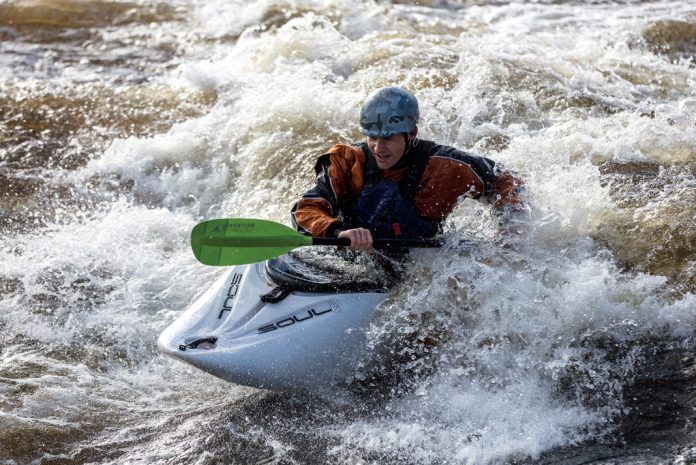
Chances are if you didn’t know the term main squeeze refers to your number one guy or gal, you may have missed out on this slicey little number. A model inspired by the what’s-old-school-is-cool-again design trend, Soul Waterman’s Main Squeeze is a great option for those looking for a nostalgic ride down the river in a modern package.
Soul Waterman is legendary paddler and designer Corran Addison’s newest venture. Credited with designing some of the most innovative playboat designs, including Riot’s Glide and Disco, Addison has continued to look for ways to improve the paddling experience in whitewater since starting another brand.
Soul Waterman boasts a varied line up; everything from river runners, playboats, whitewater paddleboards, slalom designs, sit-on-tops and tandems, and offers plastic and composite layups.
There’s something for almost everyone to enjoy. The Main Squeeze straddles the line between river runner and playboat, performing both equally well.
Testing the Main Squeeze
The test boat I paddled is a prototype but features the main components of the final main squeeze design, including what Soul calls the Skeletor Extreme 2 outfitting system.
This includes a rigid bar running along the center line of the hull to increase stiffness, an easy-to-adjust back band with cam straps, and quick-adjust foot pegs. I found the foot pegs too small—it keeps the weight down but I found my feet slipping off them. If this was my boat, I would replace them with foam blocks.
Knowing every paddler is different, customization is actually the intention, according to Addison.
“Anything [in any kayak] can be removed, but most of the time once it’s removed the surfaces remaining are not conducive to you doing your own thing,” the Soul website reads. “Our goal was to bring to market boats and boards with all the adjustment you could possibly need, so off-the-shelf you can take the boat paddling and love it as is, but if you have your own ideas of how a boat should feel, or want to reduce our already lightweight boats even more, we make it possible for you to glue in foam and carve this out to your personal liking.”
Different Main Squeeze layups
The Main Squeeze is offered in two plastic layups. If you are looking at spending most of your time on deeper, more play-oriented runs you can choose the 33-pound version. If you bash your way down the river using rocks to help get around, opt for the slightly more rugged layup which uses an additional four pounds of plastic pellets.
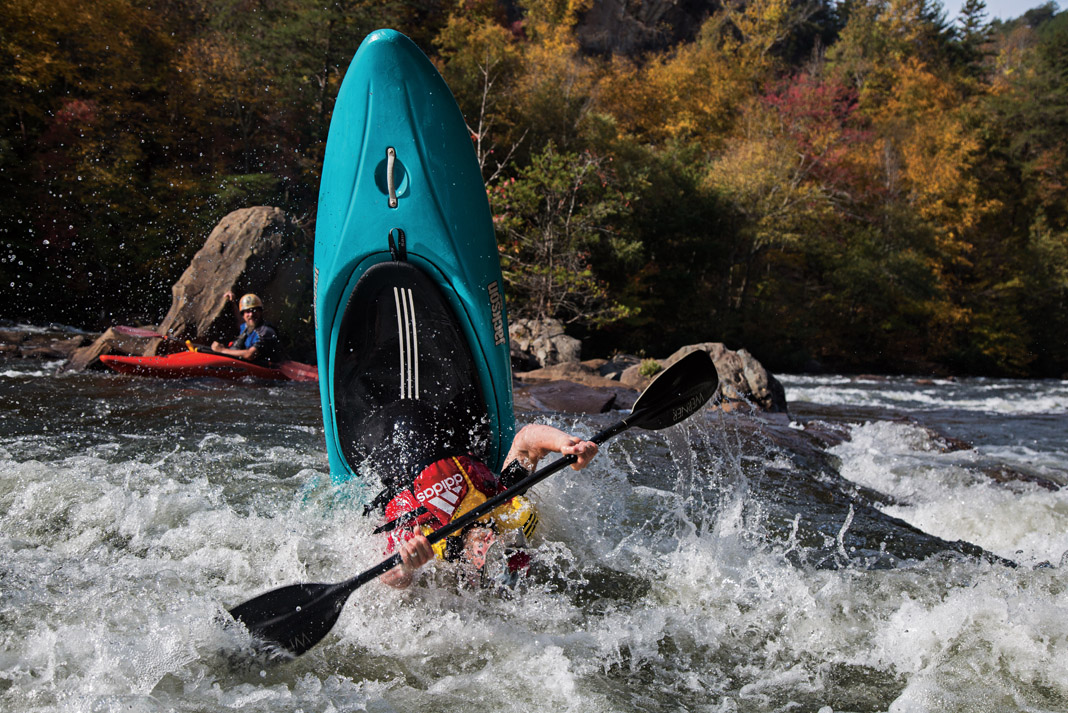
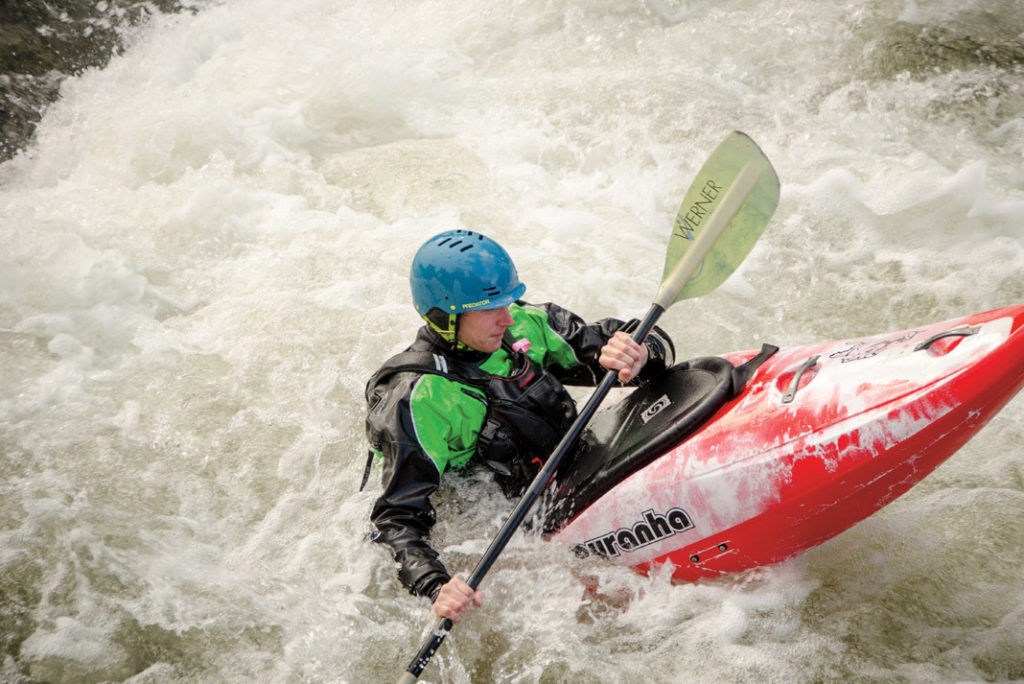
Getting on the river, the first thing I noticed is the Main Squeeze is fast. Waves I wouldn’t be able to catch in my medium-sized Jackson Rockstar were no problem in the Main Squeeze. Zipping around the river is the name of the game. Using even the smallest of waves I was able to ferry back and forth without losing very much ground against a fast-flowing Ottawa River.
The pointy, narrow bow cruises through holes with ease but don’t expect to come out the other side dry. Anticipate the same when cruising down waves trains. The Main Squeeze doesn’t ride up and over waves, instead cutting through them. I found I could ease up on the face shots by edging on my way up the wave. This actually works quite nicely, as it sets you up to throw a huge wave wheel or kickflip from the top. Which I did on pretty much every wave.
The Main Squeeze feels most stable on edge, which is important because I found the boils and eddylines of the Ottawa River to by very grabby when I kept the boat flat.
More than a few times I was doing unintentional mystery moves. The Main Squeeze made me pay attention. I couldn’t just sit back and let the river take me—if I did, I would probably be upside down.
After a few minutes of figuring it out, I started using those edges to tap into fun and forgotten river moves. Stern squirts, splats and bow stalls were the name of the game. I started looking for every eddyline or rock to get vertical, spin and turn into fun. All of a sudden the options on the river had increased, again.
Moving downstream I grabbed a few green waves and was instantly caught up in some nice, long Soul surfs. Carving back and forth while speeding down the face of a green wave is one of my favorite things and the Main Squeeze excels at it. Deftly switching edges and planting a back sweep will send a pleasing arc of water into the sky as the slicey stern flies through the air before landing in a controlled back surf. If you’ve ever thrown a blunt in a longer and slicer boat you know the feeling. It’s back.
Cartwheels are also more controlled when compared to the six-foot and shorter playboats, giving me more time to stay ahead of the boat and spot a sweet spot to throw down. While I didn’t go as big as I could in my shorter and stubbier playboat, similar moves feel somehow smoother in a longer design.
If you are used to a dedicated creek boat or playboat, it might take a bit of time to get used to the intricacies of the Main Squeeze.
It wouldn’t be my first choice if I was a beginner, but if you remember the slicey playboat days or are looking to open up new possibilities on your local river runs, this is a boat you should try.
I don’t think I’ll ever be just a one boat kind of guy, but after a few more dates I could see this design becoming my main squeeze. For more top picks and expert reviews, check out Paddling Magazine’s guide to the best whitewater kayaks here.
Main Squeeze (Noun): The person with whom you have your primary romantic/sexual relationship with, although you also see others casually. Source: Urban Dictionary | Featured Photo: David Jackson
Paddleboarding in Norway | Photo: Jean-Luc Grossman
It all started with a daydream in the shower. A standup paddleboarding expedition in the wilderness. The location would need to be remote and physically challenging, with just a touch of danger.
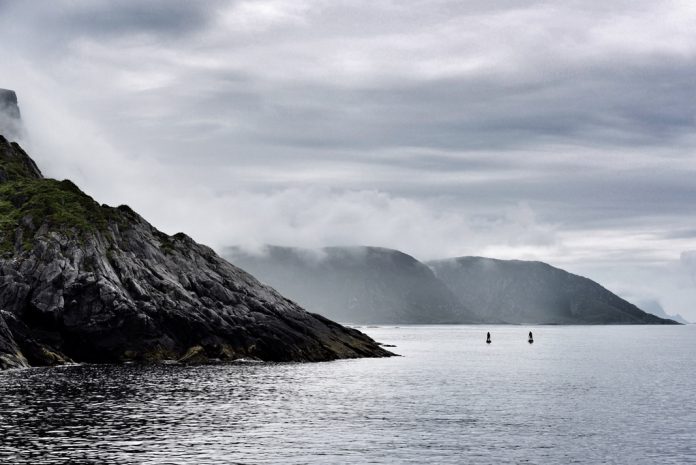
I pulled out a map. Finger hovering over my home city of Zurich, Switzerland, I traced a line northwest, stopping north of the Norwegian city of Tromsø, well within the Arctic Circle. There I spied some outlying islands. No cruise liners plying nearby waters, no road connections and no wellness retreats serving smashed avocado on toast. Just unpredictable weather and isolation. Perfect.
Along with my paddling mates, Justin and Pascal, we spent six months planning the two-week expedition, making checklists, training in freezing rain and testing equipment.
At the end of it we were ready to face the ocean and taste the beauty and wilderness surrounding the rocky and rugged islands of Rebbenesøya, Grøtøya and Nordkvaløya. We would camp wild, fish for food and explore some of the regions beautiful mountains and lakes on our 13-foot-long inflatable boards.
Day one dawned perfectly. The tension built up in our bodies over six months of listmaking and fretting disappeared as we readied our boards under the bright sunshine.
As soon as we stood on our paddleboards, we felt in harmony with the Norwegian Sea. Our paddle blades cut through the calm, crimson blue water silently. Action erased our uncertainties. The landscape smiled at us and we breathed the wind of freedom.
Slowly we got used to the midnight sun and the 24-hour summer days. After setting camp, we would go fishing. In this peaceful environment, fishing is a kind of meditation. Eating mussels and fish curry became a culinary highlight. And at the end of each day the three of us would often just sit and admire the surroundings. Whether its sunny or stormy, Norway always puts on a show.
Each morning is the start of a new adventure. We packed up our camping gear, food, water, clothing and photography equipment and strapped everything down to the boards in waterproof bags. We paddled between five to 10 hours each day.
Most impressive of the islands is Sørfugeløya. Its dark, vertical walls rising from the depths held us spellbound. When the sun shone, the cliff’s texture was exposed—scars from years of heavy winter winds. Images of King Kong and Skull Island fueled the mystery, and it was hard to imagine that Merian C. Cooper wouldn’t have been instantly inspired.
Norway brings a mixed bag of weather conditions but we covered good distance. Away from the rush of human civilization, we had all the time in the world to observe the spectacle of nature. Small beneath dramatic towering cliffs, we experienced much wind and rain and were rewarded with seemingly mystical light shows when the sun shone through the clouds.
This is what we live for. Life is good.
Working as a photographer in northern Norway is a gratifying experience. The landscape is a photographer’s playground, lit by the giant spotlight of the midnight sun. With 24 hours of daylight, surrounded by these sumptuous sceneries it is easy to forget the time. Each evening, after a long and intensive day, as our cameras returned to their safe haven inside their Pelican cases, we would say to ourselves, “This is what we live for. Life is good.”
Jean-Luc Grossman is part of PlanetVisible, a collaboration between three photographers with a passion for storytelling. Together they seek to explore and document beautiful and remote locations around the world. www.planetvisible.com. Featured Photo: Jean-Luc Grossman
Jonas Letieri’s life changed on the most routine of days. One Sunday, while volunteering at church, the Brazilian climbed to the third floor to help install a sign when it unexpectedly made contact with the power lines above.
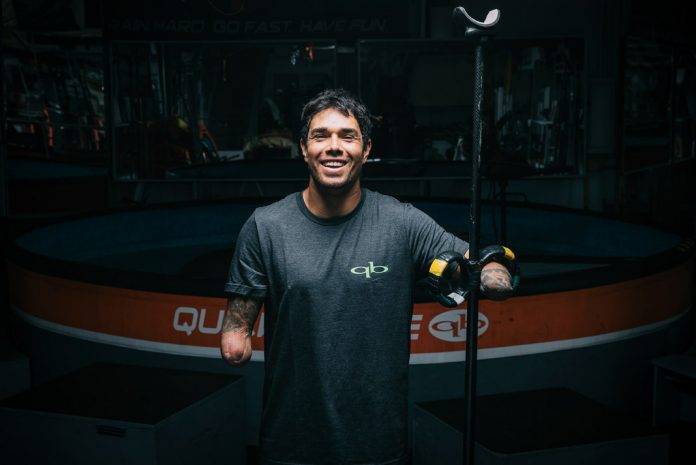
Letieri’s good deed resulted in 13,800 volts of electricity ripping through his body. His legs were badly burnt and both of his arms had to be amputated below the elbows. Just 26, he had to relearn every mundane task. In addition to his hands, the graphic designer had also lost his livelihood.
It is the kind of accident that could cause anyone to sink into an unshakeable depression. Yet, for Letieri, it only took three months before he started channeling his energy back into sports. “I realized I was wasting time,” he says.
Baby strides came first: cycling, swimming and competing in running events. The one thing he couldn’t do was the thing he wanted to do most—surf.
“It was really frustrating because I love the ocean—surfing was my identity,” says Letieri, who grew up catching waves alongside his dad. Balance wasn’t the issue. The problem was he couldn’t pop up. For an entire year, he tried to relearn the sport, troubleshooting with different boards. “I never made it, not even one wave,” he says.
Maybe the solution, he realized, wasn’t in the board, but in the sport.
Cue standup paddleboarding. Using a board bought with money borrowed from a friend and a modified paddle fashioned by his dad, it wasn’t long before he started entering races. He was new to the sport, but he had an advantage against his able-bodied competitors. At least that’s the way he sees it.
Since Letieri can’t rely on his hands or arms for power—a mistake many new paddlers make—he has to use proper form. “It’s about core movement. All my energy comes from my body,” he explains. “I can do the perfect stroke.”
The perfect stoke is what led him to place second at Brazil’s Battle of the Paddle in 2014, win a heat at the 2015 Payette River Games in Idaho, where he was the only competitor who remained standing in class III whitewater, cross Hawaii’s Kaiwi Channel, and paddle 220 kilometers in the Netherland’s SUP 11 City Tour in 2016.
[ Paddling Buyer’s Guide: See all paddleboards ]
It’s also what led to his sponsorship and a custom paddle designed by Quickblade Paddles founder Jim Terrell.
The heavy steel rings of his homemade version have been replaced by carbon fiber, while a curved butt-end allows Letieri to transfer more of his energy into the water.
Now living in California, where he works as a freelance graphic designer—another skill relearned— Letieri is preparing for his next race. He is training for the 2018 Yukon River Quest, a 715-kilometer race from Whitehorse to Dawson City.
As he trains daily with his coach, Anthony Vela, it’s not the currents or even the sheer physical exertion of the task that worries him. He predicts his biggest challenge in the sleepless wilderness race will be the mental aspect. It’s here Letieri arguably has the advantage—he’s no stranger to the mindset needed to overcome massive obstacles and succeed.
“Every painful day I think about my goals, my friends and my family. I try to use everything and make it become energy to move forward,” he says. “We always think we are weak or we are slow. But we can always go faster, longer and farther. My biggest advice is to never give up. Face yourself—you have only yourself to beat.”
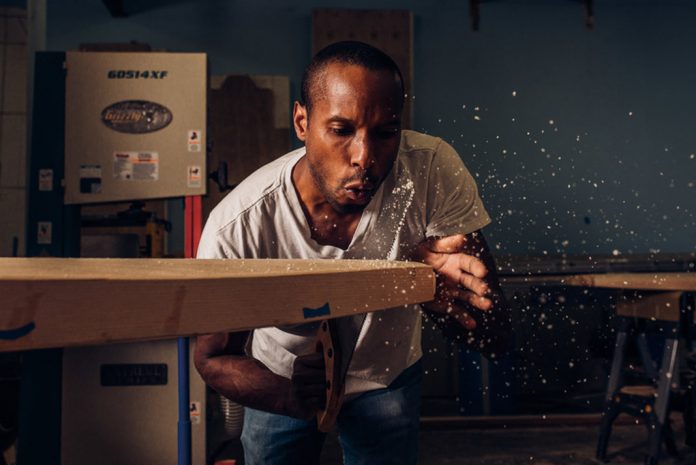
Tony Smith of Jarvis Boards hard at work shaping an eco-friendly wood design. | Photo: courtesy Jarvis Boards
The paddleboard industry is embracing environmental stewardship and the proof is in the paddling. In addition to growing grassroots sustainability initiatives, such as clean-up days and expeditions to fight plastic pollution, a growing sense of environmental responsibility has been influencing the creation of green products from manufacturers.
The modern board and paddle manufacturing process is typically full of toxic chemicals and resins. Foam, epoxy, plastic and composite cloths, such as carbon and Kevlar, all consist of synthetic materials. Many of these materials take generations to break down in a landfill, and release harmful emissions in their creation process.
Yet, as more forward-thinking companies adopt an Earth-first mentality, consumers are seeing an increasing number of eco-friendly alternatives going mainstream at reasonable prices.
Based in Austin, Texas, Jarvis Boards founder Tony Smith creates handcrafted wooden paddleboards, incorporating reclaimed lumber, sustainably harvested wood, leather and recycled foam cores in small batch production. These paddleboards also use recycled biowaste resins, as opposed to the more common petroleum-based options.
Eco-friendly initiatives are not just the domain of idealist hippies and boutique board makers anymore.
For Smith, the driving philosophy behind creating green boards is personal. “I have a 3-year-old son and I think about the consequences of our actions on the planet and how they will affect him and his kids, and so on,” says Smith. “It just doesn’t seem fair we can cause irreversible damage future generations will have to deal with. I think about designing products which will get as many people out and enjoying nature now, while minimizing impacts on the future.”
Eco-friendly initiatives are not just the domain of idealist hippies and boutique board makers anymore. A sea change is slowly occurring in larger companies.
“The majority of paddleboards are made in Asia and don’t have very strict regulations or requirements to protect the environment. BIC Sport has one of the world’s most sustainable manufacturing factories for boardsports in Vannes, France,” says Jimmy Blankeney, marketing manager at BIC Sport. The factory boasts low-energy consumption, no gas emissions and no solvents in the manufacturing process. BIC was one of the first SUP companies to embrace environmental awareness. The brand’s wooden Earth Surf & SUP boards are made from bio-sourced renewable and recycled materials, such as flax fiber, fast-growing paulownia trees and cork.
Cork is an increasingly common material in eco-friendly boards, as it can be harvested without negatively affecting the tree. Cork also has excellent water-resistant properties and is visually appealing, removing reliance on harmful dyes. It’s also durable and long-lasting, and may be recycled and reused at the end of a product’s life.
“Any sport with a close tie to our water playground tends to have enthusiasts who are more aware of our environment and develop a conscious effort to take care of it,” says Rich Price, founder of Solace SUP Boards, which uses cork deck pads in its board designs. “SUP had fast growth as a sport, which is a good thing as more people are getting out on the water having fun and connecting with nature and helping to leave it better than they found it.”
Solace SUP has also created a green board bag of hemp—a sustainable resource with a short growing cycle and a water requirement significantly less than cotton. Hemp has low environmental impact, doesn’t require pesticides to grow and yields two times more fiber than cotton in the same sized plot of land. Opting for new materials is a mentality shift for some manufacturers, for whom not so long ago, cost-effective and eco-friendly were mutually exclusive terms. Not anymore.
The creation of new green products for paddleboards is often challenging for manufacturers on a micro-level, according to Price. “Mainly because it takes more time, logistics and money to bring together the raw materials we use,” he adds. “We are in it for the long term, and as we grow I believe we can get more costs down and more people will be aware of their options.”
The hope is not so far in the future, eco-friendly manufacturing isn’t just a niche in the market, but an essential part of a board’s origin consumers have come to expect.
Eco-friendly accessories are also hitting the market in a big way. Plant-based board bags are a boon for many manufacturers, helping reduce unnecessary packaging for shipping. Board bags can reduce packaging by up to 85 percent, according to Naish, creator of the Eco Board Bag.
Starboard is another big name brand pledging a green conscious. Starboard encourages customers to become stewards of waterways by selling all of their paddles with a removable garbage picker. All Starboard’s composite boards and fins were being made with non-toxic, plant-based resins in 2017.
Whether big or small, these innovations show the cumulative efforts of the SUP industry and community can add up to significant positive impact for the environment.
“People have a hard time caring about and protecting what they don’t see. The more people out in nature, the more people will care about protecting nature. I think this is the biggest effect of the SUP industry in general,” says Smith.
Tony Smith of Jarvis Boards hard at work shaping an eco-friendly wood design. | Photo: courtesy Jarvis Boards
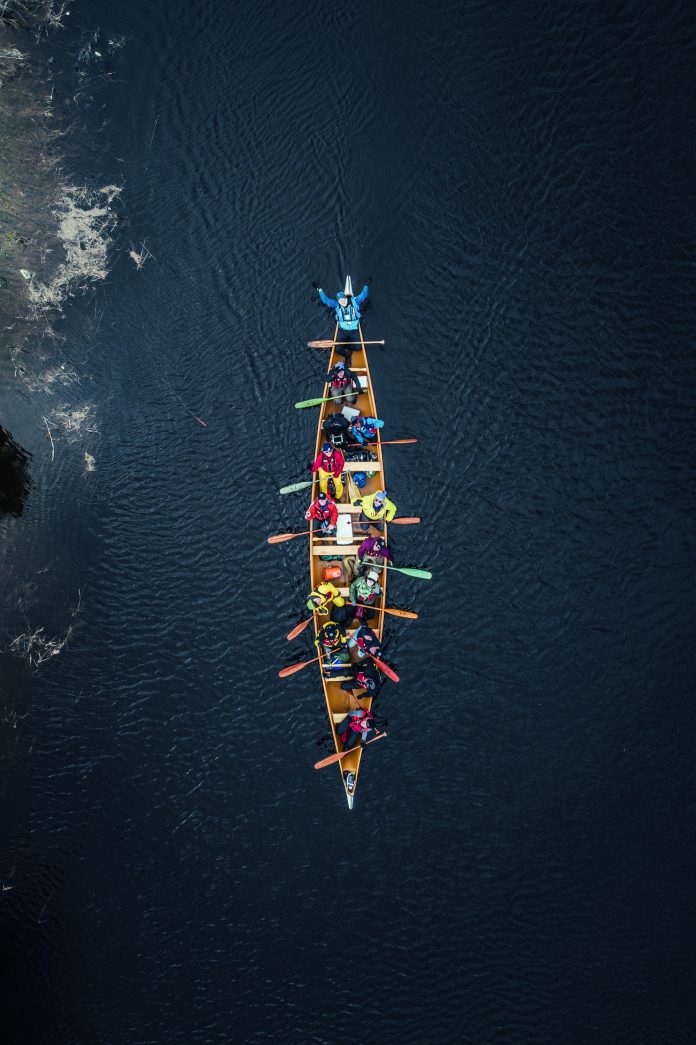
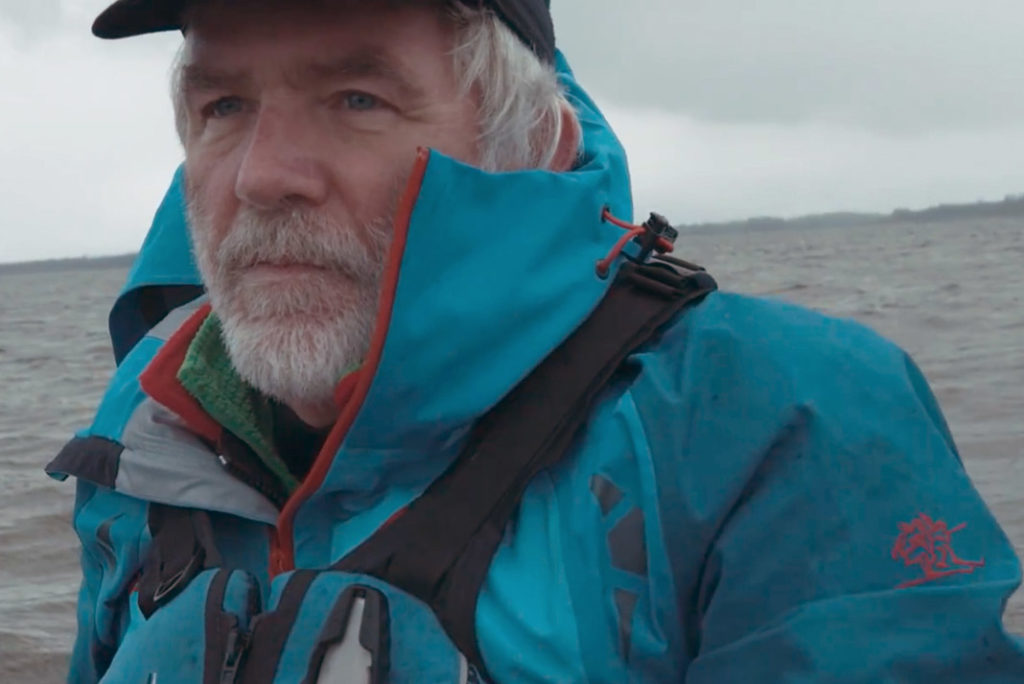
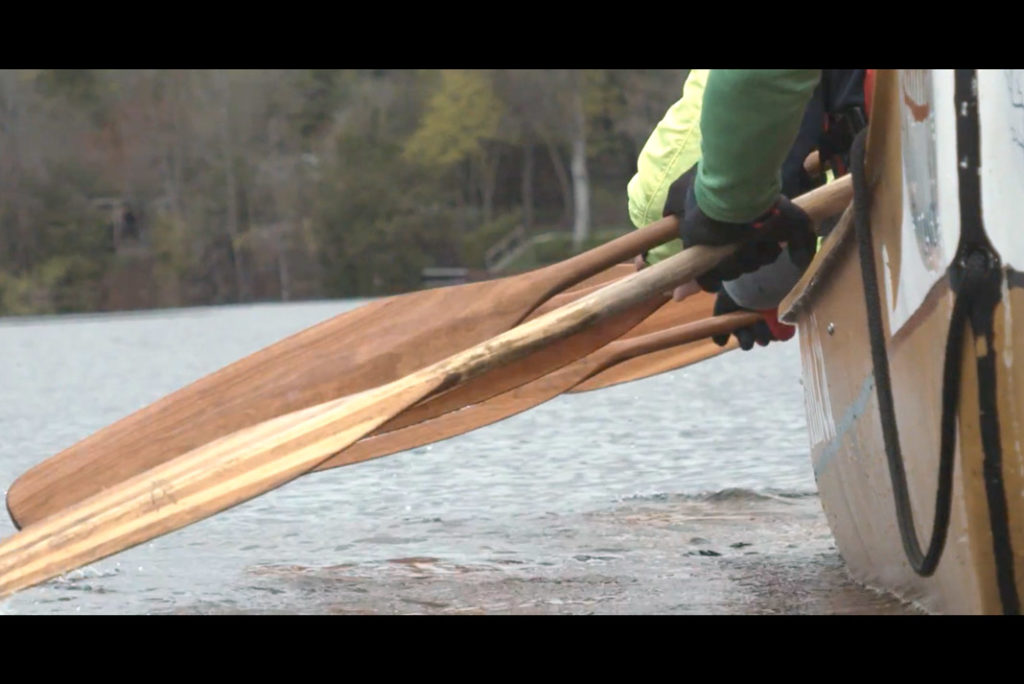
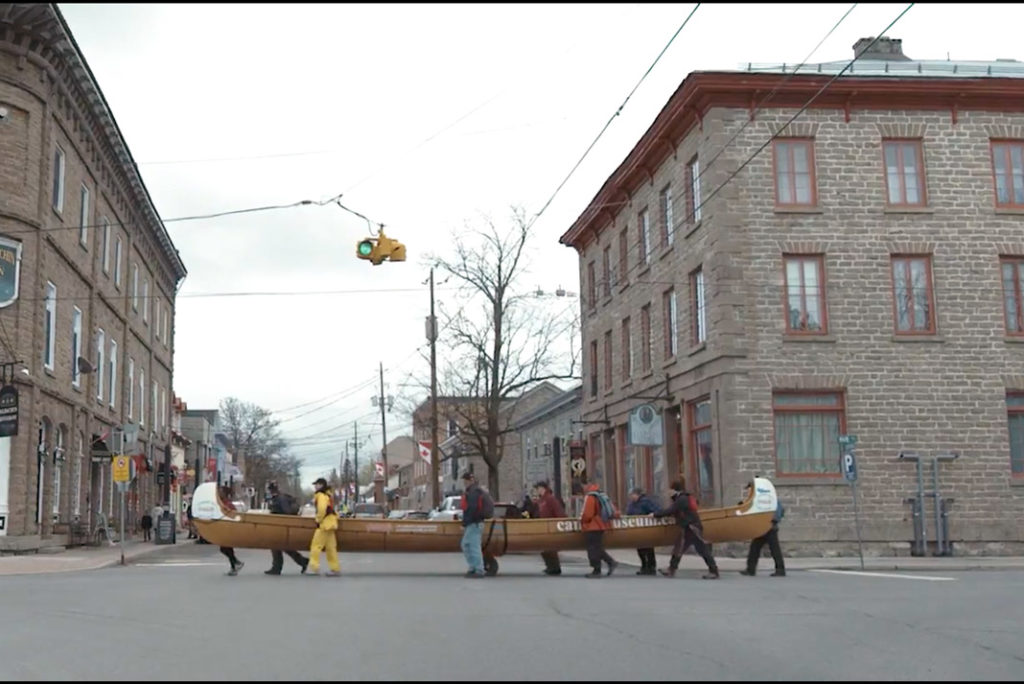
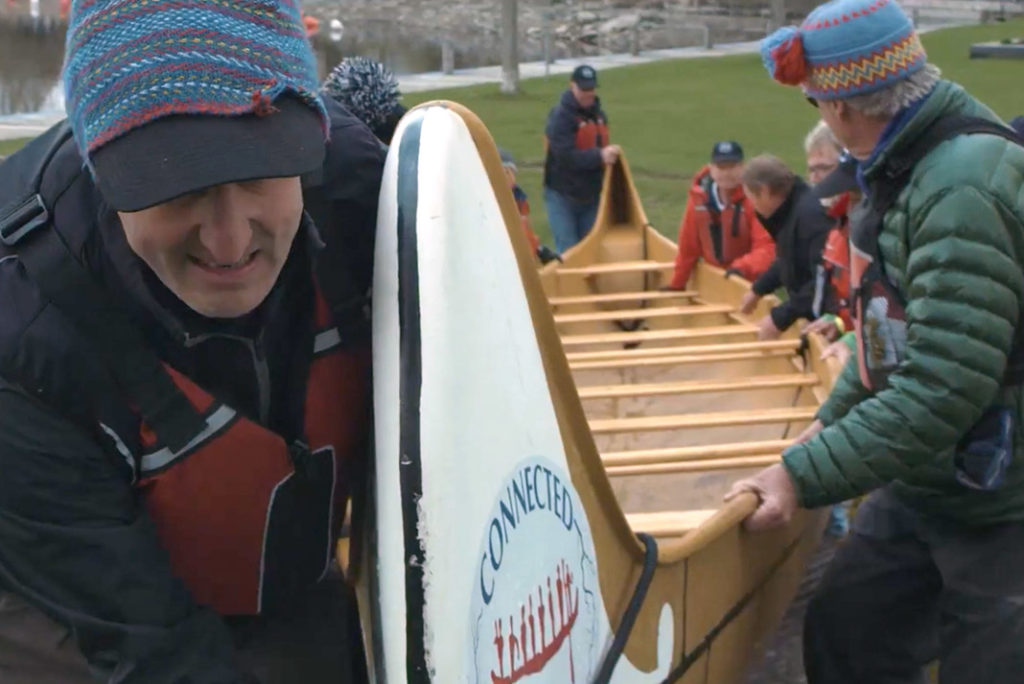
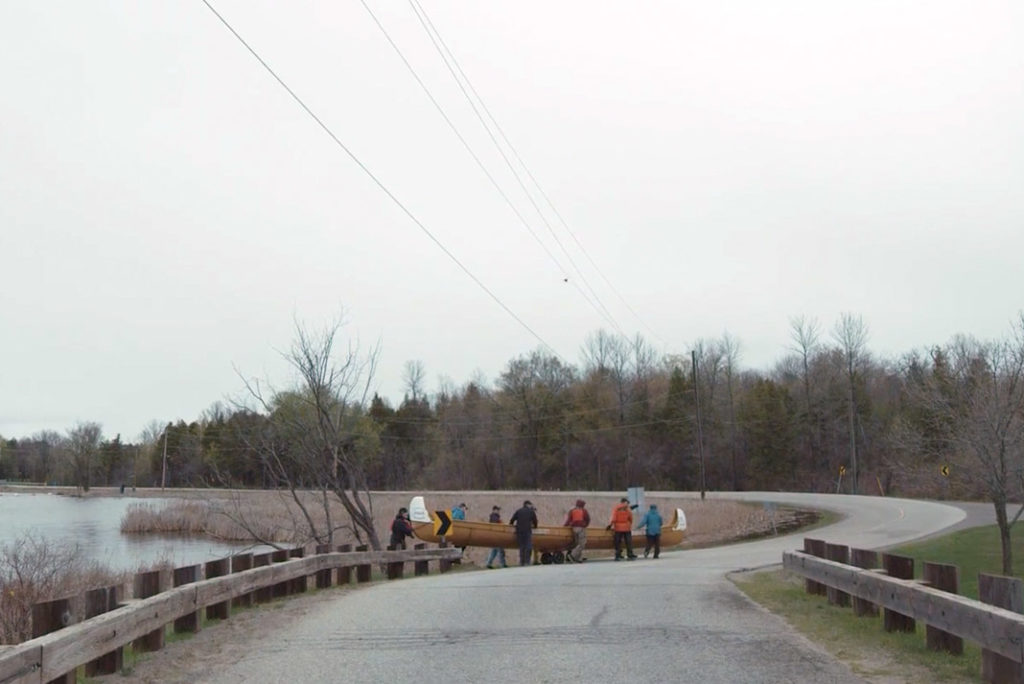
Powered by 16 strong backs, the 36-foot-long Montreal Canoe practically charged down the river towards the nation’s capital.
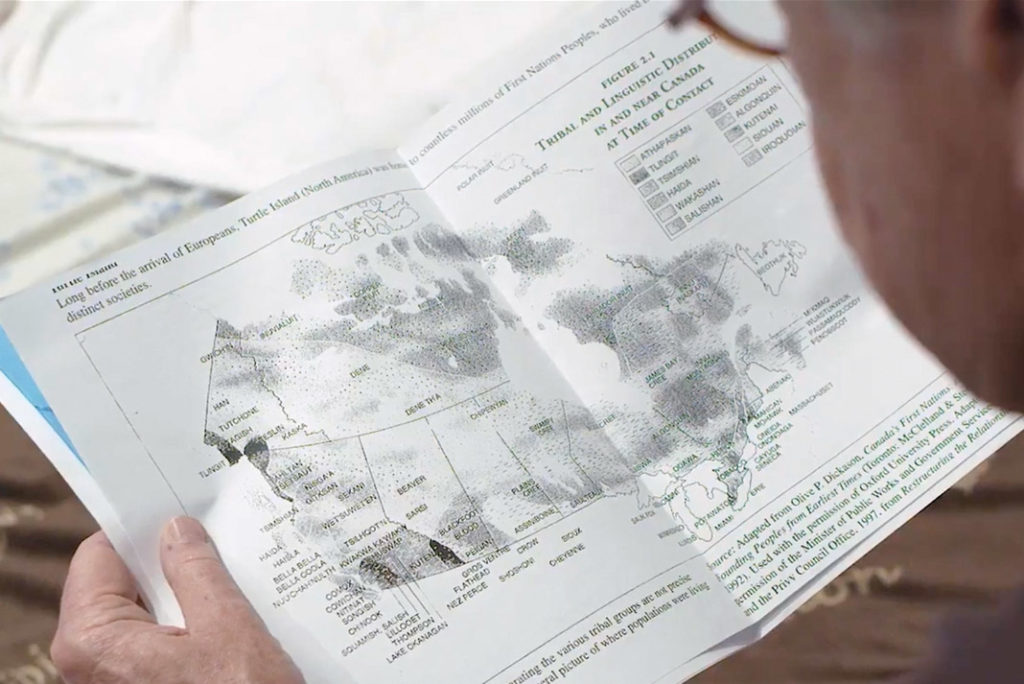
Weighing 275 pounds, it was a remarkable sight on Ontario’s Rideau Canal, but even more remarkable for the difficult questions being asked within. What does a reconciled Canada look like? How do we mend the gaps between Indigenous and non-Indigenous Canadians?
Heavy questions. The kind of conversation conventional wisdom says isn’t fit to be had in the company of strangers. Yet, it’s this precise lack of public discussion 16 Canadians set out to tackle. Calling the 10-day journey Connected By Canoe, in-boat discussions about reconciliation with Canada’s First Nations were at the heart of this Canadian Canoe Museum-sponsored initiative. The team traveled 211 kilometers on the Rideau Waterway, from Kingston to the nation’s capital, Ottawa.
Their timing celebrated Canada’s sesquicentennial of Confederation, while coinciding their arrival with the opening day of the Community Foundations of Canada conference. The diverse group represented Canadians of many backgrounds, including several First Nations people and new immigrants. And in the way journeys of distance and heart open people up then bind them together, soon it seemed entirely normal to discuss thorny issues with new friends who were mere strangers days ago. No one doubts the integral role the canoe played in Canada’s past.
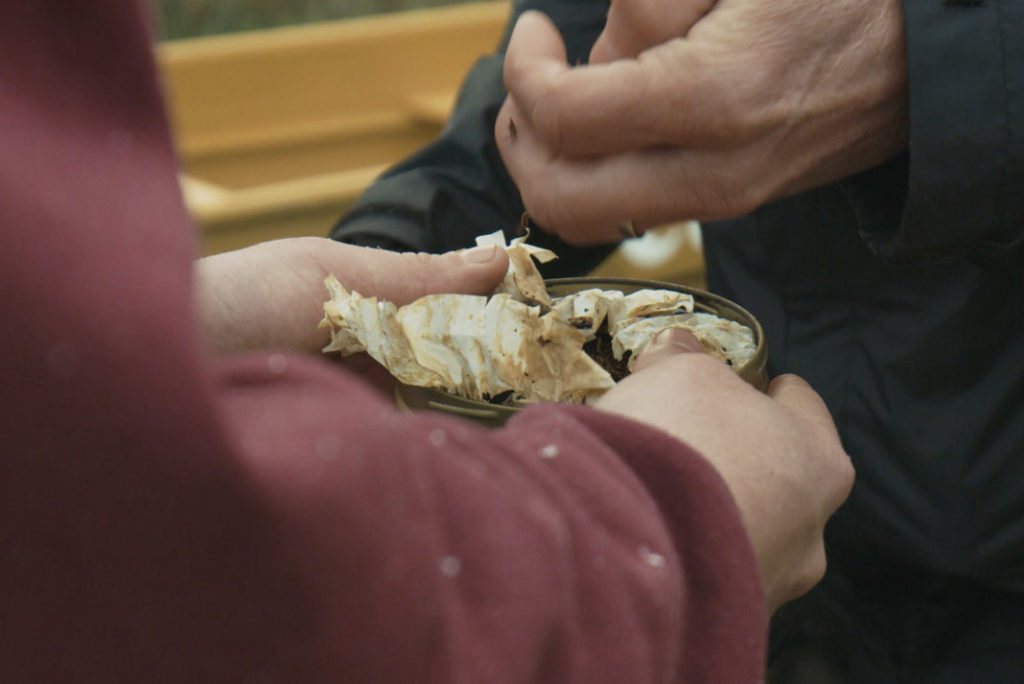
Paddlers shared stories and traditions during a tobacco offering.|Photo: Got Iromoto and Courtney Boyd
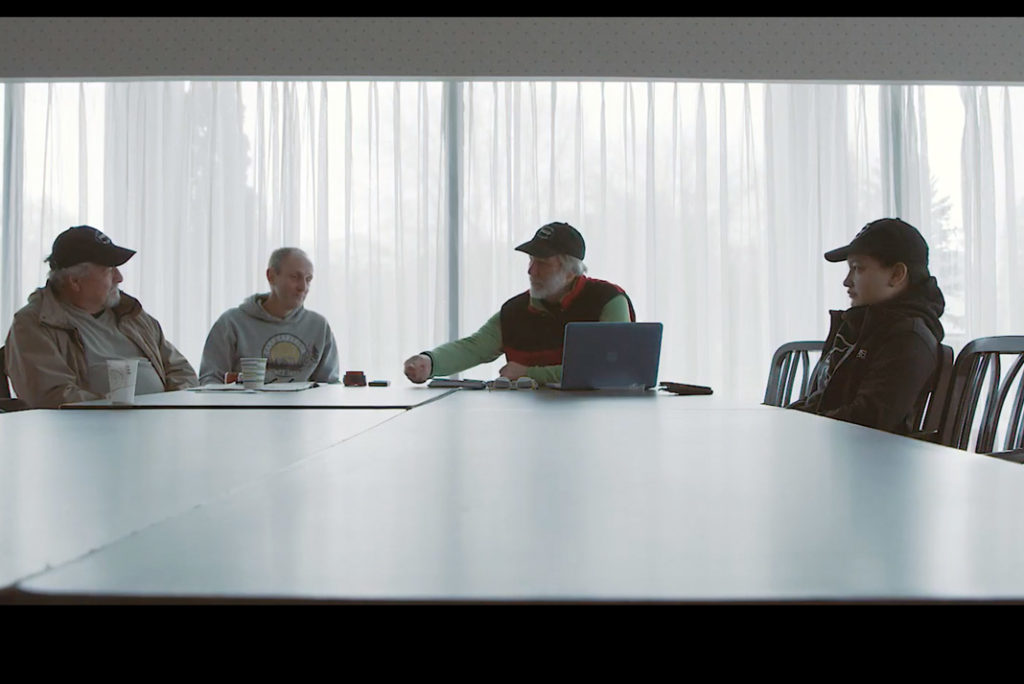
In the board room.|Photo: Got Iromoto and Courtney Boyd
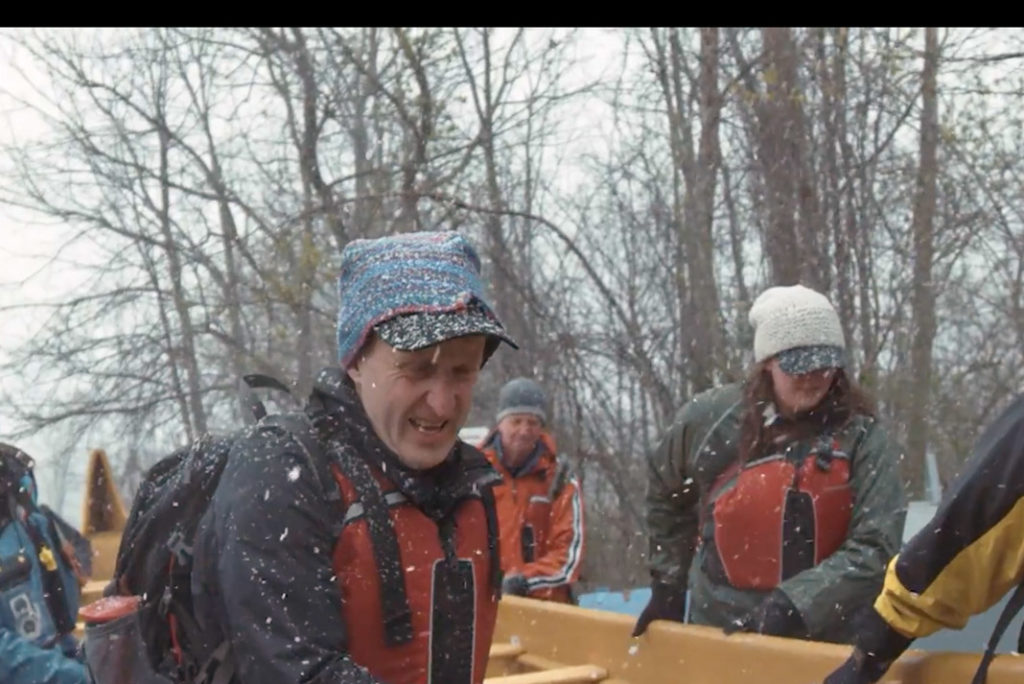
On the portage trail. |Photo: Got Iromoto and Courtney Boyd
The Question The Connected By Canoe Journey-Makers Asked Is, Can The Canoe Now Guide The Country To A More Unified Future?
Ten days later, when they arrived in Ottawa, they had a lot to say. On the following pages, five participants from the voyage reflect on the journey and share their ideas on what a reconciled Canada really looks like, and how the canoe can help get us there.
James Raffan
Former executive director, Canadian Canoe Museum // Seeley’s Bay, Ontario
Connected By Canoe started with the idea the canoe can be as relevant to the future of Canada as it is undeniably relevant to its past. It was fun, but also a really effective way to bring people together to discuss things hard to talk about.
Many of the stories we hear of the intergenerational effects of conquest are just horrific. The information is out there, but to be sharing a meal or portage carry with someone with a personal story is very different than reading about it in a newspaper. One memorable revelation was from one of the First Nations paddlers on the journey. He said, “I thought you guys”—meaning white, European Canadians—“I thought you guys knew and didn’t care, and it turns out you don’t know, and now that you do, I see the angst on your face.” It’s a breakthrough.
The term reconciliation is a loaded and fraught bit of language in the sense reconciliation at its core is between Indigenous people and the federal government, which hasn’t honored treaties.
Connected By Canoe Is Absolutely No Substitute, It’s Simply One Idea—The Intensity Of A Canoe Journey Can Bring People Together
My hope is people will pick up the idea and use it.
Connected By Canoe was an intentional effort to show how the canoe can be relevant as a leadership force in a country needing to do some soul-searching. We can’t undo the wrongs of the past, but we can create a path forward.
When you put people in an isolated social setting with the common goal of getting from A to B, sharing food, sharing helplessness in the face of the weather, camaraderie grows. These social interactions occuring in the canoe fundamentally changed how people relate with each other.
What Does A Reconciled Canada Look Like?
Escaping our assumptions. The only way you can get an inkling of what those are is to take a risk; talk and listen to different people. And a canoe trip is a wonderful place to do this.
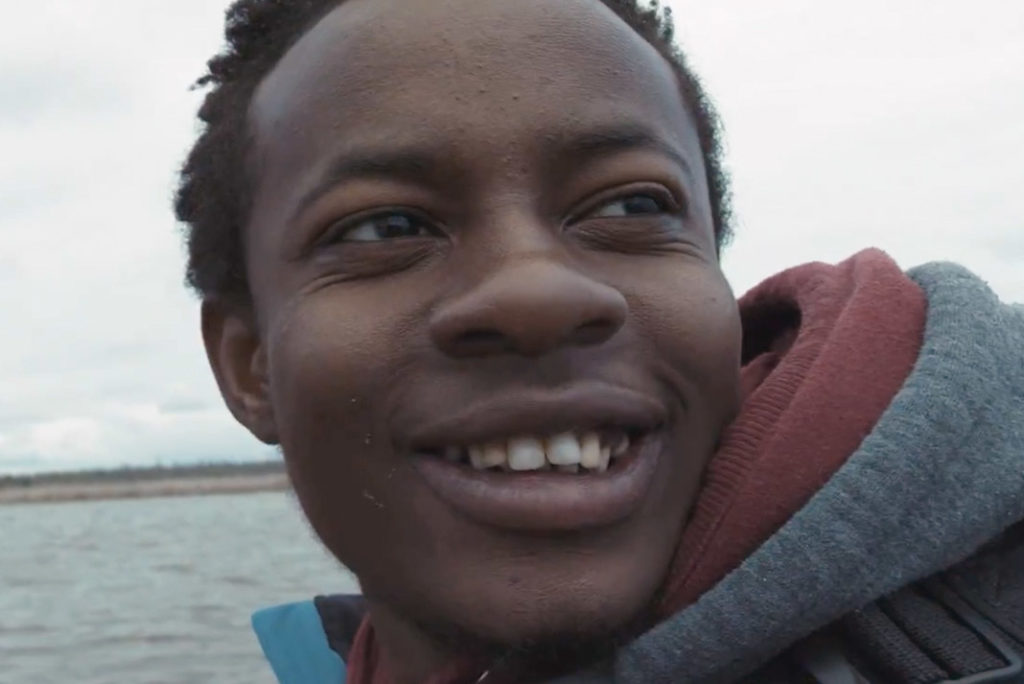
Erick Mugisha
Nursing student, Loyalist College // Peterborough, Ontario
I went on a five-day canoe trip the summer prior to Connected By Canoe. I had been living in Canada for only a couple months then. I just loved the clean water—it made me feel so good and I felt a responsibility to keep it healthy. Many people in Canada get in a canoe for fun, but you are really missing something if fun is all you feel.
After the first canoe trip, I wanted to share what I felt. I feel like the Earth is like our mother who raised us and provided us with everything. What’s the point of being disrespectful? It’s like we are troubled children—we’ve given her so much trouble, but she takes it as a challenge and keeps on giving us what we need.
As Individual People, Pollution Is Often Not Our Own Fault
Pollution is something someone else did. You don’t have to be like the people who misused the environment, but you do have to take responsibility for the way the environment is now and make it better.
Reconciliation for Canada and First Nations is maybe similar. We can’t blame one another if we want to progress, we have to accept what happened and find something to bring us together to go forward.
As One Of The Youngest People On The Connected By Canoe Trip, I Enjoyed Hearing From Experienced Paddlers And The First Nations
A floating conversation.|Photo: Got Iromoto and Courtney Boyd
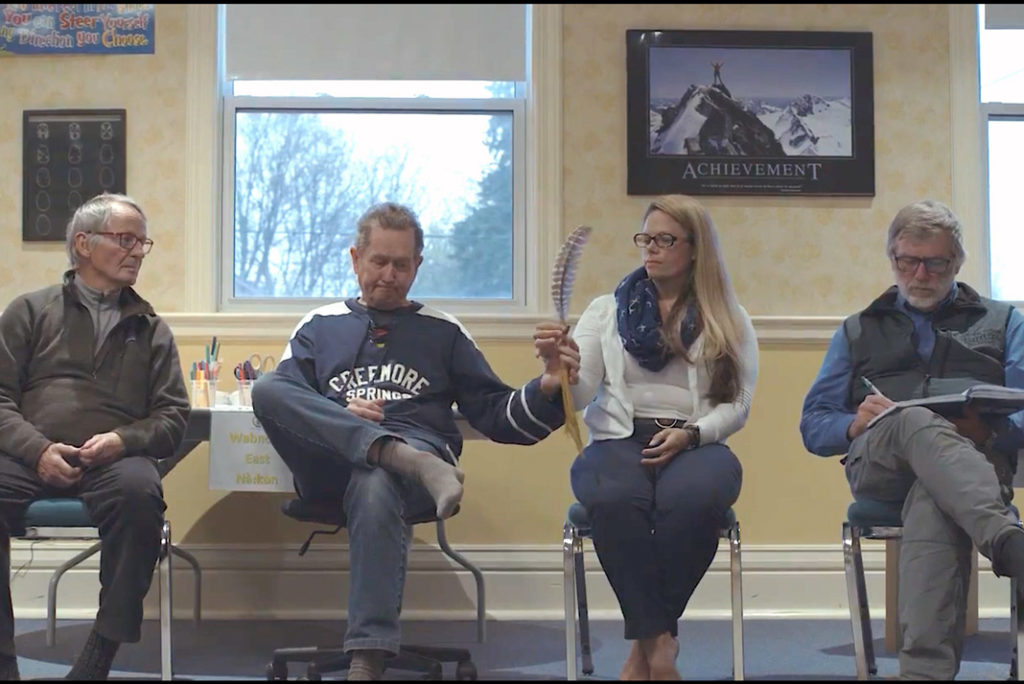
Discussions moved indoors for sharing circles and interactive exercises. |Photo: Got Iromoto and Courtney Boyd
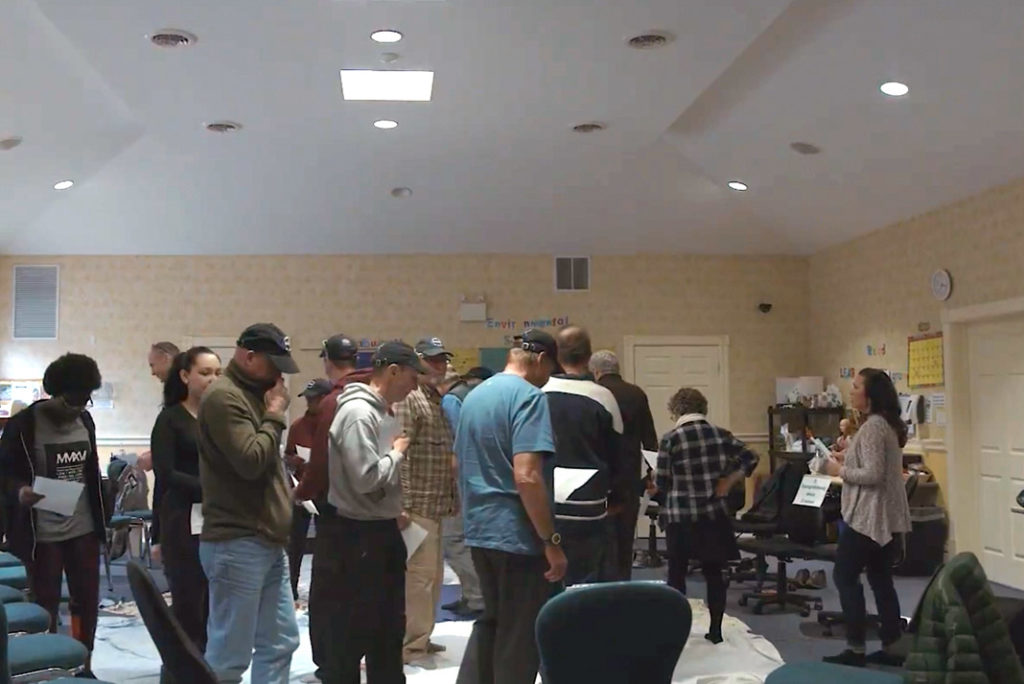
The blanket exercise, to introduce indigenous history most Canadians are never taught.|Photo: Got Iromoto and Courtney Boyd
I was inspired by their way of thinking—cherishing so many living things in this world. Canadians should have this knowledge of the Native perspective—it opens minds. Protecting the health of the environment could be what brings people together.
Kristen Ungungai-Kownak
Student, Carleton University // Ottawa, Ontario
The question I brought to Connected By Canoe was how to better connect the northern parts of Canada with the southern parts.
My heritage is Inuk. I grew up in Rankin Inlet until I was nine, then we moved to Iqaluit, the capital of Nunavut. Now living in Ottawa, I see a disconnect. Not everyone has the opportunity to travel to the North, or vice versa, so I try to share what it’s like up north.
To Me, Reconciliation Looks Like Granting Everyone Access To Education
The real history of Canada isn’t taught everywhere and not offered to everyone. Only once it’s known, can there be a real conversation.
There’s a history behind why we need reconciliation, and why we need it now. My history program at university touches on Indigenous people, colonization and the effect settlers had on our culture, but had I not gone to this program I would not have had this perspective on my own history.
When I first learned, I’d felt betrayed. I thought about my family members and my friends’ families, how they were affected by residential schools. My parents never had this discussion with me, and my friends’ parents who went to residential schools were very closed off. For me, it was the first time learning why.
Through The Connected By Canoe Trip I Felt Uplifted And Inspired—It’s Not That Canadians Ignore The North Or Don’t Care, Many Just Need An Opportunity To Connect
On the trip, I presented throat singing to some communities. Traditionally its done by two women, but I split the group into two, with people on either side and taught them to throat sing together.
Sharing one aspect opens up conversation and curiosity, and people started asking questions about traditional gender roles and contemporary issues for First Nations today. It opened my mind to the communities in southern Canada—they are interested, and just need a chance to connect.
Gary Running
Retired // Seeley’s bay, Ontario
James Raffan knew I paddled the Rideau Canal every year during National Paddling Week in June. The Connected By Canoe group needed someone who knew the Rideau system well and could drive a van.
So, I became the roadie for the trip.
I Didn’t Know Much About Reconciliation, But James Was Stuck And Needed Help
As we went along, I realized what the whole thing was about; how the Canadian government treated its Indigenous people. It was a real eyeopener. I listened a lot. Growing up, I didn’t really know these things.
While they were paddling, I drove a bus and a big, long trailer. I had no experience at all—the whole thing was about 60 feet long. That was a rude awakening too. The Rideau Canal waterway is beautiful, with lots of fur trade history. I was happy to share my knowledge.
You know, we do a lot of talking, but we don’t always practise but we preach. I know so many people who know the commandments on the way in the church door, but forget them on the way out.
It Took This Trip To Show Me What Was Done To Canada’s Indigenous People
At one point we were going around a circle sharing stories, and when it came to my turn to speak I said I used to be a proud Canadian, but I’m not so proud anymore.
This history should be taught in the schools. I think maybe it’s a step towards reconciliation. I was never taught what went down. Schools and teachers don’t speak about it and they don’t teach about it and I would not have known if it wasn’t for this trip. I’m 64 years old. Many other people don’t know too.
There’s a real commonality once you get into a canoe. If you don’t work together in a 16-person canoe you’re not going anywhere. A lot was said on the Connected By Canoe journey about the canoe in general—cheemun to the Algonquin people. It’s iconic to us, indicative of everything we are. It was also a tool used to colonize the country. Imagine trying to use rowboats to navigate west.
The Canoe Was Integral To The New People In Terms Of Getting Into This Country, Mapping It And Colonizing It
Idioms such as “pulling together” and “we’re in the same boat” took on real meaning during the 211-kilometer journey to Ottawa, Ontario.|Photo: Got Iromoto and Courtney Boyd
Mapping their trail.|Photo: Got Iromoto and Courtney Boyd
It was great we did this journey, but it was a long time coming. There were lots of tears on the trip as people opened themselves up and talked about their personal stories.
The conversation needs to continue in order to heal some of the pain of the Indian Act and I think we’re on track. I have hope—not for me, but for my great-great-grandkids—this country is going to be a great place for them.
What Can Readers Do?
They can love the guy next door. Care about the person who lives down the street. Step out of the bubble you live in.
There’s no letsgetengaged.com or official engagement center. There are friendship centers and pow-wows and Indigenous tourism associations and many ways to engage with Indigenous communities. In terms of building a stronger community though, the answer lies inside the reflection in the mirror.
To have a full appreciation, you really need to reach out to the guy next door, listen to his story and share your own story. Doing this, like we did in the canoe, creates stronger streets, communities, cities and provinces. Caring about the guy next door is a lost art, and it’s one we need to revive. It’s so damn simple to me.
I See Reconciliation As A Continued Willingness To Engage With First Nations People
Portaging.|Photo: Got Iromoto and Courtney Boyd
On the portage.|Photo: Got Iromoto and Courtney Boyd
And an openness to adopting some of our values, and lending them to modern issues and problems.
For a long time, the system set out to break us apart and to separate us from each other. As we move forward, I believe you’ll see us come together as First Nations people, with our traditions and the profound respect we share for community. And by community I mean this great Earth—this Mother—we live on.
Community is in our animals and birds, our flora and fauna, and this connection we all share but many have forgotten. Reconciliation looks like a world of respect for each other, and all living things.
If you’ve ever run shuttle with someone over 40 you’ve heard this before, but listen up, because it’s important. Modern kayaking began on the day in 1973 when the first plastic boat hit the market. Until then, you made your own boat out of fibreglass, usually on a borrowed mold, always in an unventilated basement.
Your boat was 13 feet, two inches long because the slalom rulebook said it should be, and the first thing you learned was to miss all the rocks because if you hit one you’d be back in the basement, huffing resin and sanding patches.
Then the Hollowform River Chaser came out, and suddenly it was okay to run into things.
Slowly at first, boaters discovered it could be fun to bounce off obstacles. The boof became a core river running technique. Splats became a thing, and shallow wave holes went from places to be avoided to the most popular play spots on the river.
A whole new style of kayaking was taking hold, and it set off an explosion of innovation in the 1990s
Rodeo was king, with athlete designers like Eric Jackson and Corran Addison driving the progression both in the shaping room and on the newly ascendant freestyle circuit.
At the start of this creative spasm, the Perception Pirouette, heralded as “the ultimate playboat” in the company’s 1993 catalog, was 11 feet, two inches long. Less than a decade later, somewhere around the time Popular Science declared the Dagger UFO the “most agile kayak yet,” which was never released but became the Dagger G-Force 5.9. In fairness, no kayaker today would call the Pirouette a playboat, and the unremarkable UFO lasted about as long as the bunions it ground into the tortured toe knuckles of its owners. But the trend towards ever-smaller boats had finally approached its logical limit.
The only place left to go was back to the future.
The 7’9 Jackson Kayak Antix is one of the shorter kayaks in the new category of river runners. | Photo: courtesy Jackson Kayak
Full circle
The design explosion of the 1990s gave us a number of iconic boats like the Prijon Rocket and the quintessential slicey playboat, the WaveSport X. But no boat has had a more lasting impact than the Dagger RPM, a squash-tailed eight-foot, 11-inch revelation debuting in 1995.
Eric Jackson won the 1993 World Freestyle Kayak Championship in a ‘glass prototype, but the production version took two more years to reach the market because Dagger boss Joe Pulliam thought it was too radical for mainstream success. The market proved him wrong.
The RPM would become the best-selling whitewater kayak ever, and 23 years later is enjoying a resurgence
“People still gravitate towards it,” says Dagger designer Mark ‘Snowy’ Robertson. “It’s kind of a soul-boating thing. The grace of the way the boat flows downriver is what attracts people.”
The same could be said of the new generation of playful river runners following in its footsteps, including Dagger’s own Axiom, Jackson Kayak’s Antix, Pyranha’s Ripper and Soul Waterman’s Funky Monkey.
Liquidlogic joined the party in 2015 with two variations on the theme, the eight-foot, 11-inch Braaap, and the aptly named nine-foot Mullet. The moniker perfectly describes the boat’s design parameters—business up front, party in the back, with a not-so-subtle nod to its mid-90s inspiration. True to their old-school roots, the Braaap and Mullet both have displacement hulls, with tapered low-volume sterns making every eddyline a playground.
The resemblance to the RPM and other old-school classics like the New Wave Sleek and Perception Whip-It is no coincidence, says Liquidlogic head of design Shane Benedict. The lineage is direct, and like many trends in whitewater paddling its roots drink deeply from the Green River.
The iconic North Carolina Run is home to the Green Race and some of the most influential designers in the sport…
…including Dagger’s Robertson, Pyranha’s Robert Peerson and Benedict, who even as a self-professed “old guy” still logs upwards of 70 Green laps a year.
There may be no better routine in boating than daily Green laps, but it’s still a routine. So a few years ago Green regulars began pulling all sorts of old boats out of barns and backyard sheds to keep it fresh.
“There are a lot of old boats floating around, and somebody would get ahold of one of them and just have the best day out on the river,” Peerson says.
In their heyday, few would have dreamed of piloting those boats down a class V creek, but for today’s skilled boaters they’re the perfect craft to wring just a little more fun out of a familiar run. The manufacturers took note, and soon the re-evolution of the downriver playboat is in full swing.
“People are rediscovering the things we were doing a long time ago, figuring out stern squirting and cartwheeling and the flatwater stuff,” Benedict says. “The old boat revival was hot and heavy on the Green so it was pretty easy for us to see it and say, ‘Let’s see if we can make a new squirty boat that can get them out of those $300 used boats.’”
That’s exactly what happened.
Pyranha’s new playful river runner, the Ripper, hits retailers early 2018. | Photo: Sarah Ruhlen
Pat Keller in a new slice prototype from Liquidlogic, which has yet to be named. | Photo: courtesy Liquidlogic Kayaks
The slicey river runners have taken the kayaking world by storm
They’re especially suited to class III-IV standards—backyard runs boaters know well, with both challenging rapids and plenty of opportunities for play. More advanced paddlers are using them to spice up bread-and-butter class V runs.
Nearly every company now has one on offer, and judging by the eddy chatter and general excitement it’s hard to go wrong with any of them.
Dagger’s eight-foot, six-inch Axiom and Jackson’s seven-foot, nine-inch Antix are among the shorter boats in the class, with planing hulls that surf well and snap in and out of eddys. They’re on the playful end of the spectrum, designed to extract the maximum amount of fun from every seam, pillow and wave on the river.
Soul Waterman’s Funky Monkey is a rangy nine feet, nine inches, built for speed with a flat-bottomed hull and a little less bow volume than other boats in the class. Pyranha’s nine-foot Ripper takes the pronounced bow rocker and fast-is-fun approach of its acclaimed 9R creeker and mates it to a playful stern. The Mullet is the harder-partying of Liquidlogic’s two slice-tails, while the Braaap is more of a river-runner, with a narrower hull profile (24 inches wide compared to the Mullet’s 26 inches) and more balanced volume distribution. Both draw on slalom influences and in the right hands will make race-inspired eddy carves and stern pivots into things of beauty.
The Party Braaap straddles the gnar-play divide thanks to a slicier stern than the original. Liquidlogic spins it in the same mold as the standard Braaap, then uses a template to squash the stern into a more playful profile while the plastic is still warm. The result is more predictable than rolling over it with a truck, and just as strong as a fully molded boat.
But wait, there’s more
The slicey re-evolution started in the tail, but it’s not going to end back there. New playboats coming to market this spring take the logical next step, extending low-volume slice to the bow with shapes reminiscent of such revolutionary designs as the WaveSport XXX.
Jackson’s squirty double-ender, the MixMaster, began shipping in February. “The type of paddling you do in it is different than a modern freestyle kayak,” says JK president Eric Jackson. The combination of length, low volume and narrow ends engaging the water—Jackson calls them wings—is the key to a toy box most kids today didn’t even know existed. Factor in the freestyle progression of the last decade and a half, and it will be interesting to see what the new generation of boaters does with these slicey playboats, Jackson says.
Even the old dog has learned some new tricks
“I have already been able to do some new moves in it nobody was doing in the 1990s and 2000s in that style boat, because I’m applying what I have learned in my modern freestyle kayaks,” Jackson says.
Liquidlogic also has a slicey playboat on tap. The company has been testing prototypes since Gauley Fest last September, with the much-anticipated design set to ship in April. At press time Benedict told us the shape was dialled in, with a seven-foot, eight-inch planing hull and 55 gallons of volume centred around the cockpit, though the name was still a work in progress. Homeslice has been bandied about, as has Obsession—a nod to Liquidlogic’s influential original playboat, the Session.
“It’s slicey on both ends, so it’s very much like the older playboats,” Benedict says. “There’s definitely some history of the Session in this boat, as well as one of my earliest designs, the Mr. Clean from back in the Perception days.”
Ironically, the segment pushing kayak design to the bleeding edge in the 1990s and early 2000s has seen the least innovation in the last few years.
Sub six-foot freestyle designs like Jackson’s Star series have evolved incrementally, with the bulbous hull profile and squared-off stern surviving to reproduce again and again. These boats bounce, loop and spin like tops, so perhaps they’re so well adapted to their park-and-play habitat that, like sharks, they have no more need to evolve. More likely, the creative attention has just been focused on other aspects of the sport and will turn back to freestyle in time.
One thing is certain. The athletic progression has continued across the board.
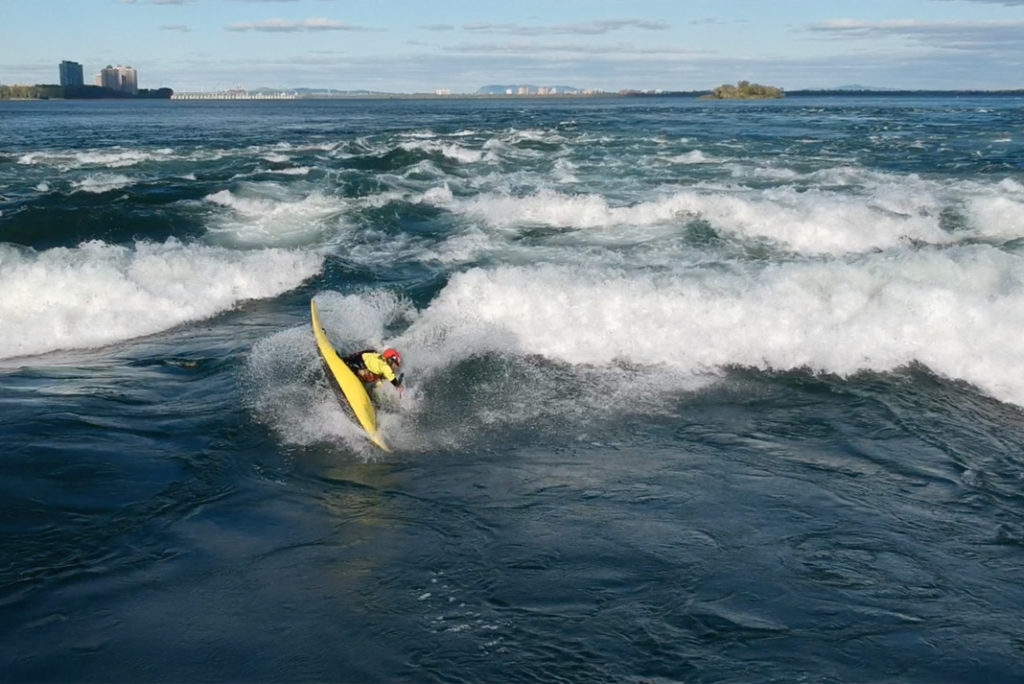
Corran Addison surfs the 303 on the Lachine Rapids on the St. Lawrence river, Montreal, Canada. | Photo: Corran Addison
During the last decade, innovation has been driven by athletes challenging their skills on bigger and bolder runs. | Photo: Ciaran Heauteau
“There’s been little design progression from about 2005 to 2015, but the techniques, the skills, the tricks, the creeks, the drops—what people were doing with these boats—increased exponentially,” says Corran Addison, who was the poster boy of new school innovation until the mid-2000s, when he found a new focus for his manic energy in paddle surfing.
Now back in the kayak game after an eight-year hiatus, (see the Soul Waterman Main Squeeze review) Addison sees parallels with surfing’s so-called shortboard revolution. In the 1970s, surfing progressed rapidly from longboards, which are nine feet or longer, to shortboards which are often less than six feet. The new shapes were harder to ride and required faster, more critical waves. As a result, surfers either got really good or they stopped surfing altogether. Then in the 1990s longboards made a comeback—with a difference.
“The longboards from the ‘90s were not the same as in the ‘70s because the shapers incorporated what they learned with shortboards,” Addison says. A similar dynamic is playing out now in kayak design.
Designers simply have more experience and more data to work with
They have a better understanding of how inputs like rocker and hull profile interact, and this means better boats for everyone.
As an example, Addison offers his new Soul Waterman 303. “It’s a 10-foot high-performance playboat inspired by a 27-year-old Riot Scorpion,” he says. “You hear this and you say what? But I’d just spent a week paddling through the Namib Desert on the Orange River and left my Main Squeeze, a six-foot, 10-inch all-around freestyle boat, on the oar raft. I paddled all but one day in the Scorpion, because it’s fast and I was squirting and splatting every rock in sight and surfing every wave.”
Addison says the only thing the Scorpion couldn’t do is spin and blunt, so when he got home to Montreal, Quebec, he grafted a high-performance hull and modern outfitting onto a deck inspired by designs like the Scorpion and its old-school stable mate, the Sabre. The result is a 10-foot playboat which spins and blunts, at least with Addison at the controls.
Is this the future?
It remains to be seen, but as Benedict says, “It’s nice to see what Corran is up to.”
Dagger’s Nomad, revamped in 2015 and featuring more rocker in the bow, a longer waterline and more volume continues to be one of the most popular creek boat designs of all time. | Photo: David Jackson
Made for steep creeks, European manufacturer Exo’s T-Rex design is fast, with continuous rocker. It was a popular choice at Adidas Sickline. | Photo: Jens Klatt
The need for speed
While downriver boats have been all about slicey sterns of late, the creek boat evolution has been all about speed, with designs like Pyranha’s 9R and Waka Kayak’s Tuna ushering in a new generation of fast, highly rockered, planing-hull creekboats.
“Speed and bow design are two things critical in creekboat design in the past five years. Add user-friendliness and you have a winner in the market,” Jackson says, citing as an example his company’s Nirvana, which debuted in 2017 featuring pronounced bow rocker and a speedy nine-foot planing hull.
More new creekers are recently arrived or in shops this season
Dagger’s new Phantom was designed with extensive input from the company’s pro team. It features a highly rockered bow combined with low stern rocker and a defined parting line—a combination Dagger’s Chris Gragtman’s says will “go over everything and anything you put in its way,” and accelerate out of drops “like a Jet Ski.”
Liquidlogic’s new Delta V 88 creeker is the brainchild of Pat Keller. The eight-foot, six-inch design features a soft-edged displacement hull and rocker profile devotees of the Braaap will find reassuringly familiar. The boat also features “Turbo Booster” pockets on the stern, which Keller says help the boat accelerate away when loaded after a drop. The creeker’s name is a play on the quick acceleration: Delta V is science-talk for change in velocity.
Looking back, to look to the future.
Pyranha’s latest creekboat also has a name needing explaining
The Machno has nothing to do with spicy corn chips or Latin masculinity—it’s a shoutout to the Afon Machno, a tributary of the Fairy Glenn run where the Pyrahna U.K. crew put the prototypes through their paces. The Machno’s lines are reminiscent of the company’s trend-setting 9R, with a semi-planing hull and plenty of rocker in bow and stern.
Waka Kayaks, the small New Zealand-based company making an outsized contribution to the latest generation of creekboats, also has a new model, the OG. “It has loads of rocker and rides over everything,” designer Kenny Mutton says of the eight-foot, seven-inch planing-hull creeker. “We made it for full-on creeking—basically something you could just fall down the river in—but we were surprised how nimble it is in and out of eddys. It’s really fun on class III too.”
The future
Kayaking has a long history of niche designs, from squirtboats and longboats to kid crafts. Paddlers like to pass themselves off as free spirits, but when it comes to running rivers they can be an obsessive lot. Take Dagger’s original Green Boat, which enlisted an entire company in a mad conspiracy to win the Green Race. It worked, and then Dagger found a market for it, prompting other companies to debut their own 12-footers—Jackson with the Karma UL and Liquidlogic with the Stinger.
Though built purely for speed, boaters soon found these longboats make great self-support kayaks as well. Expedition paddler Ben Stookesberry used a Karma UL on long expeditions in Arctic Labrador and Colombia, both of which combined several hundred miles of flatwater punctuated with sections of class V whitewater.
Ordinary boaters can look to the more attainable example of Liquidlogic co-founder Woody Callaway, who uses longboats for Grand Canyon self-support trips. This last winter he logged back-to-back trips, living out of his Stinger XP for almost a month.
This sort of trip gives rise to so-called crossover boats such as the Dagger Katana and Remix XP. These boats are ideal for multi-day trips on moderate whitewater, with hatches for gear and drop skegs to improve tracking on long flatwater sections. Whitewater is full of such niches just waiting for boats to fill them.
“There’s so many designs I want to do. The hard part is finding enough people who want to buy them,” Benedict says.
It’s a good point. Almost all whitewater kayaks are made of rotomolded plastic, which comes with some serious upfront costs, starting with the cost of the mold. Companies need to sell boats in volume to cover those costs, so they look to design boats appealing to a wide enough cross section of boaters.
There’s a theme here
Companies design boats to meet market demand, but some of the most iconic boats, now and throughout the history of kayaking, have come about because someone wanted a boat no one else had asked for. We got the Green Boat because Dagger got behind Pat Keller’s mission to win. We got the Remix because Benedict and Callaway wanted to paddle fast boats again. Addison designed one of his best-selling boats, the Terrible Two, because he wanted a toddler tandem to take his 18-month-old son on the river.
This is where technology comes in. It can bridge the demand gap.
For years, some of the U.S.-based Pyranha crew wanted to make a longboat based on the 9R, but they couldn’t convince owner Graham Mackereth to invest the cost of a mold for such a niche market. Finally, they took it to Kickstarter. “Chris Hipgrave put it together and the first day 60 people signed up,” Peerson says. “When we got to 100 pre-orders we got an email from Graham: ‘Well played, boys.’” The boat—called the 12R naturally—should be ready in time for the Green Race this November.
That’s one way to do it.
Another is to create one-off custom kayaks, using composites and computer-assisted design
Addison has staked his young company’s future on the concept, which he got to know well during his time in the surf industry. Almost all surfboards are custom, shaped in foam either by hand or CNC machining, then hand-glassed. Addison is doing the same with kayaks right now. He already sells more composite boats than plastic ones.
Addison is known for big, out-of-the-box ideas, but he’s not the only one buzzing about composites. In a world where a top-of-the-line road or mountain bike costs upwards of $5,000, surely there are whitewater boaters who will pay $2,000 for a custom kayak, says Dagger’s Robertson. There’s already a proven market for composite boats in freestyle, where big water and big air are driving factors. And while Mutton thinks today’s composites are too brittle for creekboats, plastics are getting better all the time. Waka is trialing a promising new polyethylene now.
There’s no telling exactly what the future will bring, but with designers brimming with ideas and plenty of old concepts still waiting to be reimagined, there are already more good designs than ever before. You don’t need to be over 40 to know boaters have never had it so good.
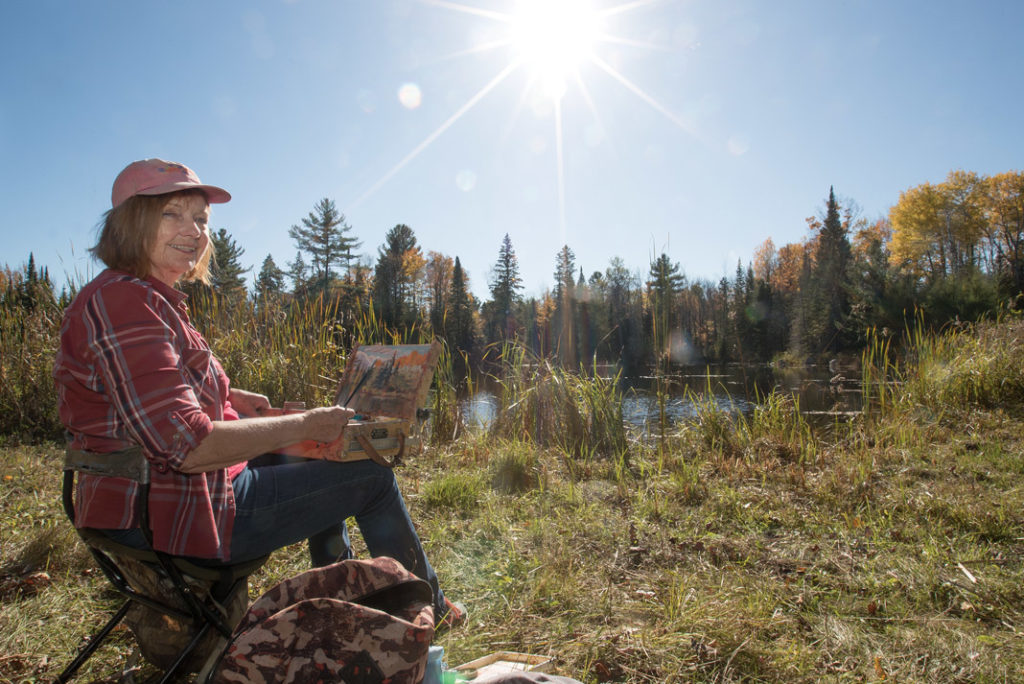
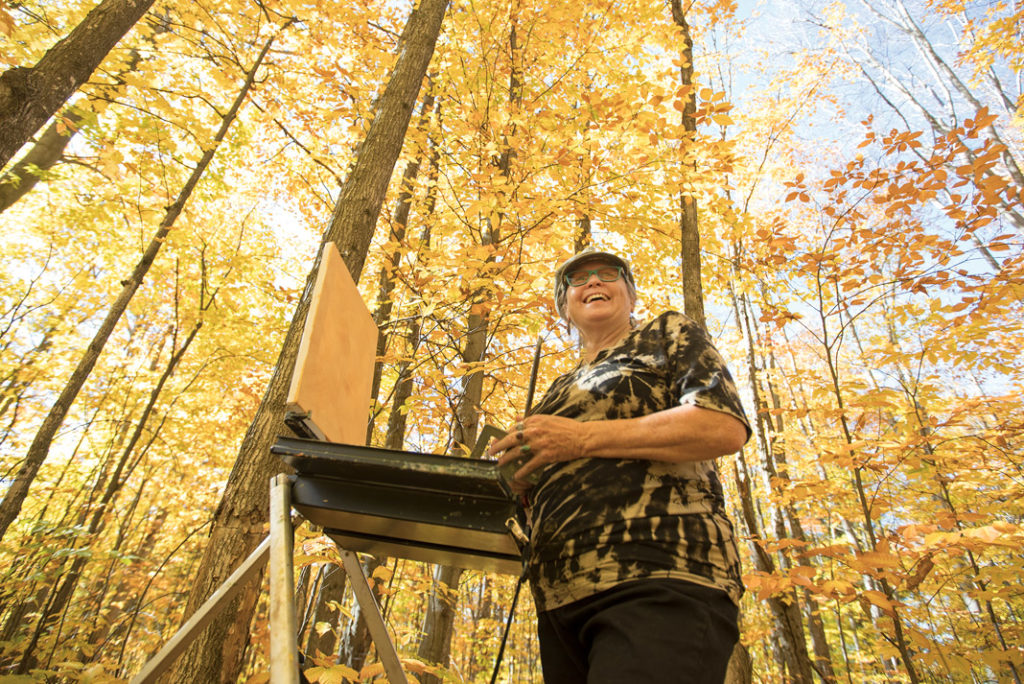
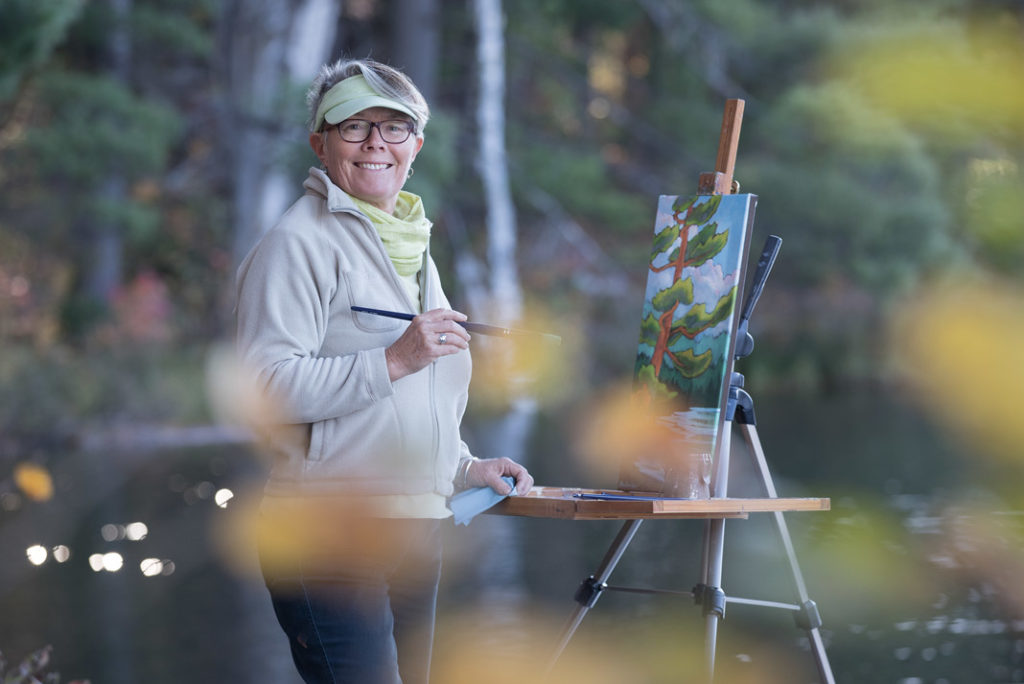
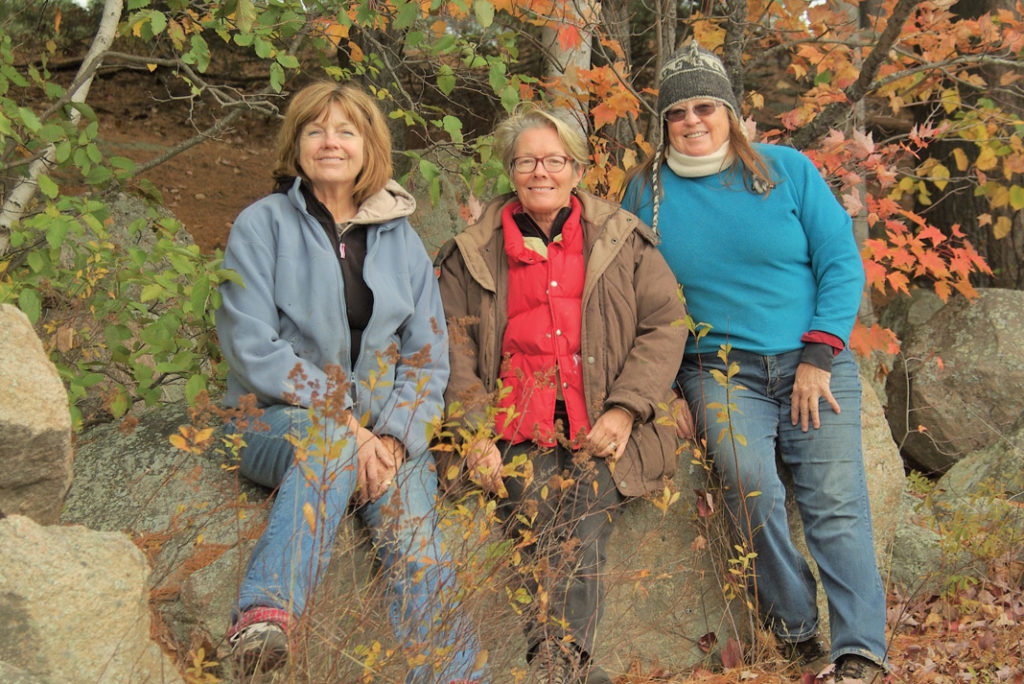
At least once a year for the last 10 years, artists Kathy Haycock, Linda Sorensen and Joyce Burkholder have loaded up canoes or their backpacks and embarked on a painting adventure somewhere in the wilderness of Algonquin Provincial Park.
There they pitch tents, hook up a trailer or rent a cabin and venture out on their own for hours at a time. In this wilderness cherished by backcountry canoeists, they commune with nature and paint in solitude, reconvening each evening to share and critique each other’s work over a cold beer and some good food.
The excursions are an annual highlight for the Wild Women of Renfrew County, Ontario, a three-hour drive west of the nation’s capital, Ottawa.
The threesome meet often, taking day trips into the wilds closer to home. They snowshoe in winter and hike and paddle in summer, setting up their easels alongside the lakes and marshes, rivers and streams, in the forests, on the hilltops, and along the shorelines of the Canadian Shield.
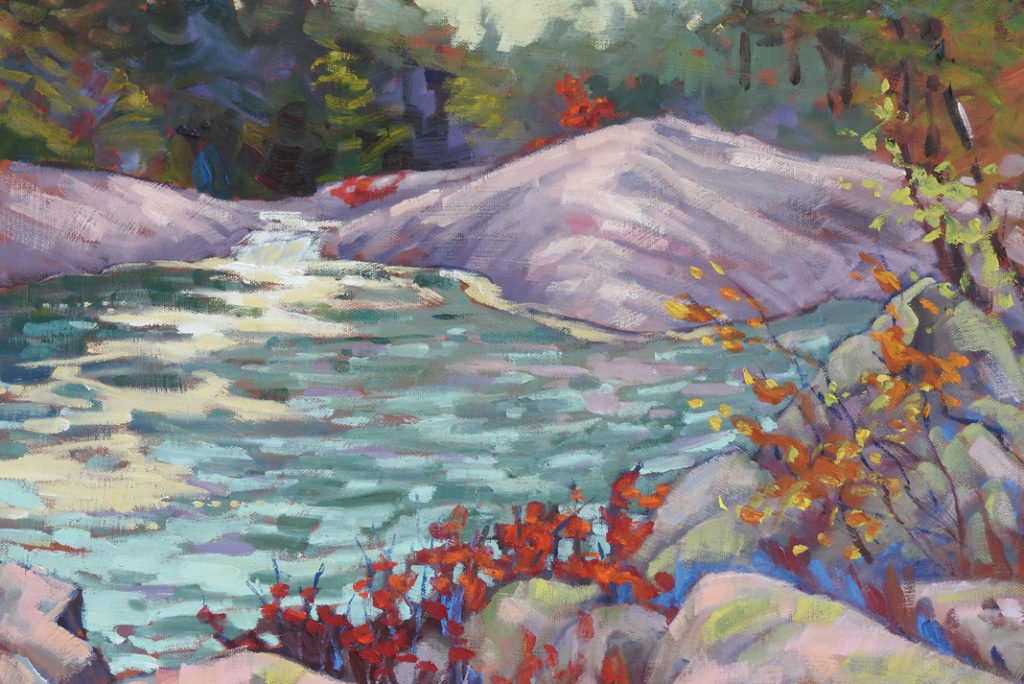
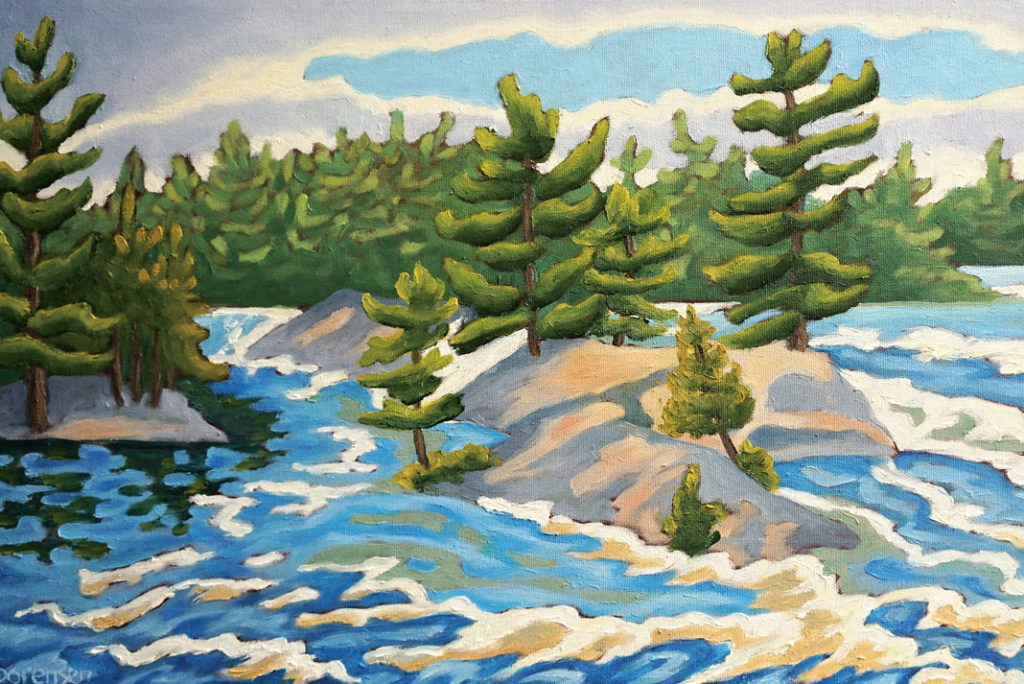
They Paint The Distinct Landscape—Its Trees And Waters, Rocks And Vistas—In All Its Seasons, Hues And Moods
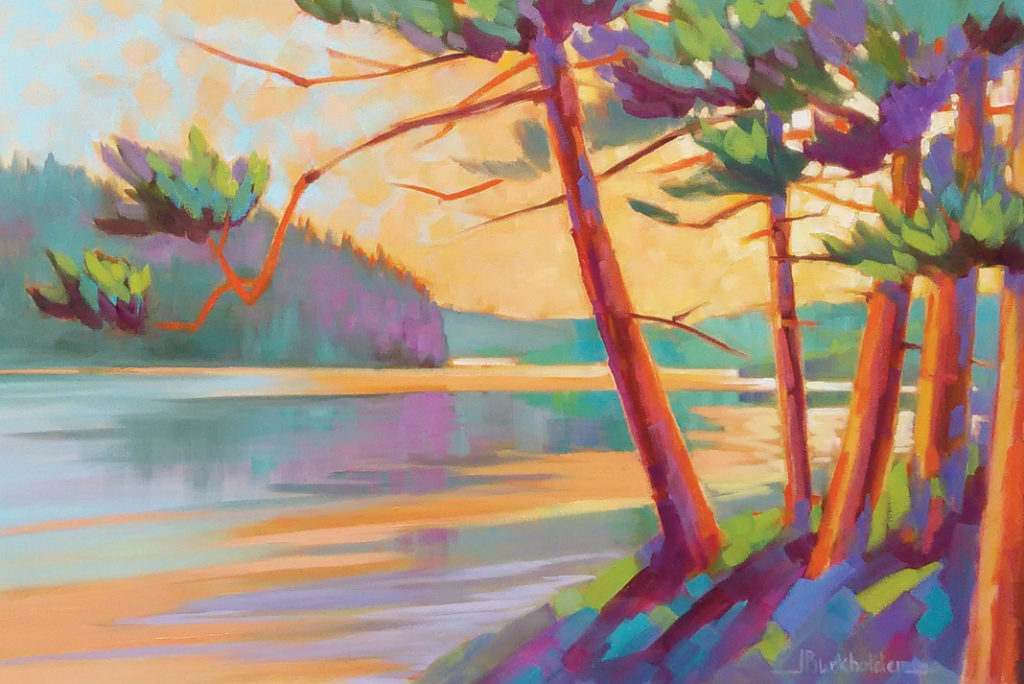
The subject matter, its ruggedness, the windswept white pines, silvery blue waters and rocky shores, draws inevitable comparisons to the Group of Seven, but their varying styles differ greatly from the likes of Franklin Carmichael or A.Y. Jackson. It’s brighter, warmer, less desolate, and more whimsical and welcoming.
Along the way, the three earthy women have carved their own niche and cemented their reputations both as a group and as individual artists thanks, in part, to their well-received book, Wild Women: Painters of the Wilderness.
Published three years ago and now in its second printing, the volume was a labor of love. More than just a story of three female artists and their burgeoning success, Burkholder says the book is “largely about the wilderness—painting the wilderness, preserving the wilderness, celebrating the wilderness, and sharing with people there is still wilderness out there in all its glory and beauty.”
In her forward to the book, Carol Heppenstall, director of arts and culture at Adventure Canada, says the three have followed in the footsteps of Emily Carr and Doris McCarthy, immersing themselves in the natural world, “searching for its essence and the emotional pull of the wild.”
“En Plein Air [Outdoor Or On-Site] Painting Requires An Adventurous Spirit Present In All Three Women,” Heppenstall Writes
Unbeknownst to one another at the time, the three painters came from diverse backgrounds to become self-described hippies on 1970s-era communes around Renfrew County, living for years off the land without electricity or running water.
There were communes scattered all over the region then. The rural setting was ideal for the counter-culture growing out of youthful idealism and discontent with the materialism of urban life, a shift in North American values and the violence of the Vietnam era.
It was a time, says Burkholder, when “you could make almost anything by hand and sell it.”
To one degree or another, all at some point in their creative lives were fabric artists. Now in their mid-60s, each came to painting by a different route. They met years after their hippie lives had faded into the past, though not from memory.
Burkholder and Haycock began painting together 12 years ago
Sorensen, until then primarily a studio artist, joined them two years later. For these three women, strength came in numbers.
“Each of us brought something to the group. It might have been places we knew, connections we had. The sharing has been invaluable. We’ve all grown as artists as a result,” says Sorensen.
All live well off the beaten path, yet scores of collectors manage to find them at all times of year and during the twice-annual studio tours organized by 20 to 25 area artists and tourism associations.
“It’s not easy for artists to co-operate,” says Burkholder. “I think out there in the art world, it’s competitive. There are a lot of people painting—a lot of good painters. And it’s not easy to retail your work.”
But we have all hugely gained from being mutually supportive and sharing the promotion and the work of putting on exhibitions, hauling things around, and the cost. We all have had to put our egos aside and realized we’re greater if we work together,” she adds.
For all their time together and the similarities in the subject matter they paint, their evolving styles, colors and mediums have always differed. Even when they paint side-by-side, they are each in their “own little world in the wilderness,” says Haycock.
Kathy Haycock’s roots in art are deep
Her father was Maurice Haycock, an Ottawa-based geologist-turned-celebrated artist of the North. Yet Kathy didn’t turn to painting in a serious way until later in life, 10 years after her father died in 1988.
Her earliest memories are of him returning home from extended trips to the Arctic, crates of paintings in tow and a headful of spellbinding bedtime stories to tell. The walls of their home were lined with paintings from a variety of artists.
“He was always gone every summer when I was growing up and he’d bring home all these paintings of faraway places. It’s not pictures I saw, I saw paintings—his interpretation of these places. I was just entranced there was this incredible, friendly world out there that was so vast.”
Haycock en plien air near her home in Renfrew County. |Photo: Stephen J. Thorne
Kathy Haycock’s ‘High Falls’ oil on canvas 16×20. |Photo: Stephen J. Thorne
Haycock Is The Only One Of The Wild Women Without Formal Training As An Artist
She painted with her father once, but didn’t take it up again until after his death when her sister arrived on her doorstep with some of his equipment.
Until then, she’d been a weaver, making tapestries and selling through a now-defunct Ottawa gallery. She’d moved to Renfrew County, taken up the hippie life and eventually began building log homes with her husband.
After her first painting, “I couldn’t think about anything else,” she says. “I felt so elated. This glow lasted a couple of days, and then it started to recede until I went and painted another one. And then I felt that way again. I think it must be like an addiction. It still is.”
A biker who’s owned everything from a Honda to a Harley, Haycock has painted all over the North, the West and the American Southwest, but the Algonquin region is the place she has felt most at home since she moved here decades ago.
For her, the challenge and the satisfaction lies largely in capturing the character and the feeling of the country. She’s found her own way in what she calls canoe painting, a form of landscape artistry she first experimented with on an Arctic cruise, then refined while exploring Alberta’s Kananaskis country.
She doesn’t paint canoes—the only one of the Wild Women who doesn’t.
She paints from canoes as she and her husband leisurely putter along a river or a lake, powered by a small trolling motor and a five-hour battery.
“The scene moves by slowly as I paint it,” she explains. “The angle changes, yes. But I’m painting the character of the country. In painting, it doesn’t have to be a picture-perfect rendition of a thing. You don’t get obsessed with the stupid little details.”
Linda Sorensen Was Born In London, England, And Came To Burlington, Ontario, At Age Two
She received her baptism in art from none other than famous wildlife painter Robert Bateman, who was her art teacher at Lord Elgin—now Robert Bateman—High School.
“He was fabulous,” she says. “He was just very passionate about what he was doing, teaching art. At the time, he was not famous, but he was an advocate for the environment, so he passed on his values about it. He’d been all over the world.”
The stories he told, the art he discussed, the passion he exuded—it was all his own. And it made him all the more inspiring, Sorensen says. She took four hours—half her curriculum—of Robert Bateman a day: painting, drawing, pottery and art history. She took textiles from Birgit Freybe, who would later become Bateman’s wife. Freybe even wrote an endorsement for the Wild Women book.
“Bateman was instrumental in my development,” said Sorensen. “He believed in me as a young, creative person. He kind of took me under his wing and nurtured my ability and my interest.” The two remain friends and correspond.
Except for “some dabblings in different mediums,” Sorensen would eventually drift away from the traditional arts, for 25 years devoting her creative energies instead to raising three children.
“It became my art,” she says. “We did the pioneer thing. We built a log cabin. We renovated an old horse stable. We grew gardens, fed the family, raised chickens and ducks. I was very much into the self-sufficient thing. I had a friend who used to say ‘art in everyday living.’ I adopted this as my philosophy. I was just totally enchanted by the lifestyle.”
“We’ve all grown as a result of working together,” says Sorensen. |Photo: Stephen J. Thorne
‘Madawaska River Rapids’, oil on canvas. |Photo: Stephen J. Thorne
She returned to painting the same year Haycock took it up, 1998
Ensconced in her home, now studio, deep in the woods south of Renfrew, she was determined to make a living at it.
Her work is diverse and popular. She branched into wilderness cards, now her bread and butter, and established a base of clientele all over the region, from the Canadian Canoe Museum in Peterborough, Ontario, to a gift store in Algonquin Park, along with galleries and shops scattered across the region.
She paints in water-mixable oils—smaller works en plein air; larger, more detailed stuff in-studio.
It’s taken 10 years to learn how to feel comfortable and be happy with the outdoor work,” she says. “Painting outside has a much more organic feel to it.
Comfort is reflected in the popularity of her work. Like the others, she has, for all intents and purposes, “made it” as an artist, though she’s reluctant to say so. “How do you define ‘make it?’ Is it money? Is it how you personally feel? I think I’m approaching that place, in that I’m making a better living. If money reflects success, I would say I’m starting to feel successful at what I’m doing.”
There was a time when Joyce Burkholder had a gallery in the nearby village of Wilno
Famous for its tavern, and showed her work at least 10 times a year at exhibitions across Southern Ontario and beyond.
She has long since moved her paintings into the forested backcountry south of Wilno (population: 300) where, like her two colleagues, she has her own home studio and gallery. She brings her pieces out only once a year to exhibit with the other Wild Women. The rest of the time, art enthusiasts flock to her door.
Educated at the Ontario College of Art, the Toronto-born Burkholder knew from an early age what she wanted to do and her dream never died. She moved to a commune in 1970, where she was “totally happy” for 20 years living on her own in a 16- by 16-foot cabin, selling art and living off the land. “The whole deal, I did it, big-time,” she says.
“Every painting is possibly a different approach. I’m always changing,” says Burkholder. |Photo: Stephen J. Thorne
Joyce Burkholder’s ‘Colors of Summer’, oil on canvas, 30×36. |Photo: Stephen J. Thorne
She was a weaver, then started painting on silk, moving on to watercolors, then acrylics
Now she paints in oils on canvas almost exclusively, though she teaches the gamut.
She attended workshops, admired other painters, and studied with many of them.
“But I think I’m mostly enthralled and ecstatic about just being in nature,” she says. “It’s so mind-blowing. There’s always something to see—some effect of the light, some phenomenon like mist. There’s always something, and it’s inspiring.”
After 35 years, the changes remain subtle; the excitement is anything but. “Whenever I arrive somewhere and set up to paint, I’m shaking. I’m just ecstatic. It’s a rush,” she says.
Burkholder was painting outdoors with various groups before she was introduced to Haycock. She loved the supportive, inspiring aspect of sharing the work and experiences of other artists.
She doesn’t remember how the two met “as painters,” but Haycock says they likely first set eyes on one another three decades ago when she and a friend rode their motorcycles over to Burkholder’s neighbouring commune in Maynooth, Ontario.
Burkholder remembers two tall girls arriving one day on bikes. They had no way of knowing at the time how their lives would ultimately intertwine.
They formalized their artistic relationship two years after getting together when they brought Sorensen into the fold, deciding on the name Wild Women: Painters of the Wilderness, along with a plan to exhibit together and support each other
“People remember the name, I’ll tell you. They’ve all got a joke about it, too. But that’s okay.”
Their collective and individual popularity alike soared after the book’s publication.
Burkholder’s work is constantly in evolution. “I feel like I have a whole bunch of styles and like every painting is possibly a different approach. So I’m always changing. I strive to change; I want to change.”
The Wild Women’s art has seen them through good times and bad. It has been their sanctuary and their outlet, their support and their sustenance—both spiritual and material. It is at the center of their souls, never far from their consciousness. And neither are they, from one another.
Time goes by and the emails will inevitably start. Scattered, at first. Then the pace picks up, and pretty soon an excursion is on the books. A day trip. It may be into Algonquin Park, by a lake someplace, or out to a cottage. They’ll meet there, bringing their hiking boots, snowshoes or a canoe.
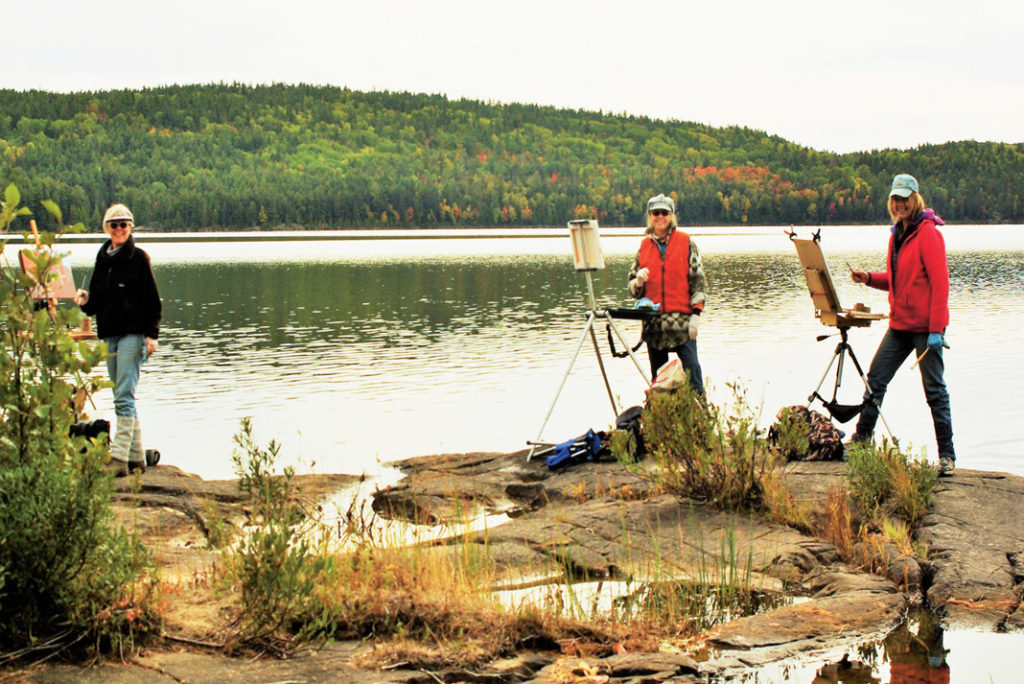
The Wild Women trio painting on location in Algonquin Provincial Park on the shore of Grand Lake. |Photo: Stephen J. Thorne
The Wild Women trio painting on location in Algonquin Provincial Park on the shore of Grand Lake. |Photo: Stephen J. Thorne
The Wild Women are on the move
They’re more confident now, and less anxious to forego their hard-earned creature comforts as they venture into the unknown.
Still, they go. The anticipation is more than they can bear. Art is about to happen.
Stephen Thorne has been telling stories for more than three decades. In his work as an award-winning journalist, Stephen has lunched with Taliban warlords, dove in a mini-submarine to a previously undiscovered WWII shipwreck, and rode the train with Pierre Trudeau’s casket as the former prime minister traveled home for the last time. Stephen now enjoys exploring the lighter side of life from Ottawa, Ontario.
Canoe Outfitters Have To Be Truly Patient, Knowledgeable, And Sometimes Even Psychic To Answer Their Clients’ Quirky Questions.
Here are some of the oddest inquiries fielded by businesses in Ontario’s Algonquin Provincial Park last year.
While enroute in the interior of Algonquin, should we assume we will not be able to
buy food at any snack bars along the way?
2. Would it be useful to have wheels for the canoe, or are the trails to rugged for a wheeled canoe?
3. Is there a way we could get lost or go into a whitewater river by mistake?
4. Is it OK if I email you for a blackfly update May 5 in the evening, for a May 6 response? I am allergic to blackflies and my coming depends on your thoughtful and kind prediction for their emergence.
5. How far is Algonquin from Ontario? Is there a train from Toronto to Ontario and then a bus to Algonquin?
6. I’m wondering if you can suggest a secluded lake that’s not hard to get to, has lots of fish, and no portaging is necessary. Does this exist?
7. I am heading on the Western Uplands Backpacking Trail and need to know how much is it to rent a light two-person canoe for seven days?
8. How far do we have to canoe from the base in order to reach scenic surroundings?
9. We’re interested in a place that “someone” told us about. Perhaps you could tell me a little more about it. The only thing I know is that it’s an island, and to get to it or near it, we will have to pass under either a bridge or a culvert.
10. Would you be able to transport me to and from the lakes I would be canoeing on?
11. We like nature and we want to keep it pretty. Is there anything we need to know about that?
12. I live in Ottawa and want to visit, but I have no idea how to get there or what to expect at this time of year. Would you please write back?
13. I purchased longjohns at your store on January 5. To my dismay, I found out while trying to urinate they do not have a fly. I was not told when I bought them there was no fly. The salesperson was a female so perhaps it’s understandable the omission of a fly would be of no consequence to her. I do not want these longjohns for which I paid $44.95 plus tax. Can I return them for a refund?
This story originally appeared in the 2004 issue of Canoeroots. Recirc is a new column sharing some of our favorite stories from the first 20 years of Rapid, Canoeroots and Adventure Kayak.


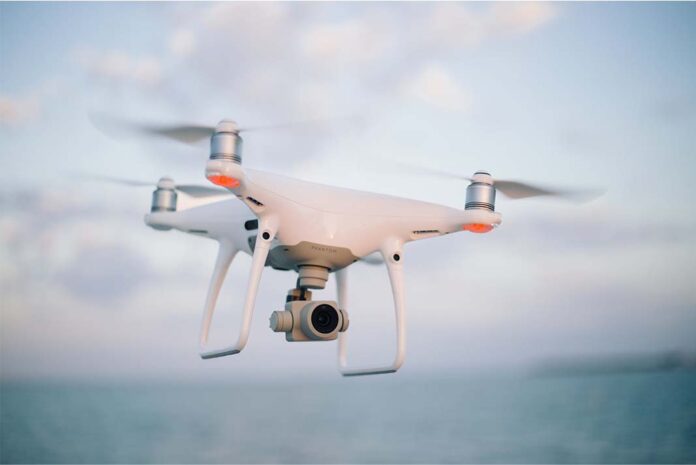
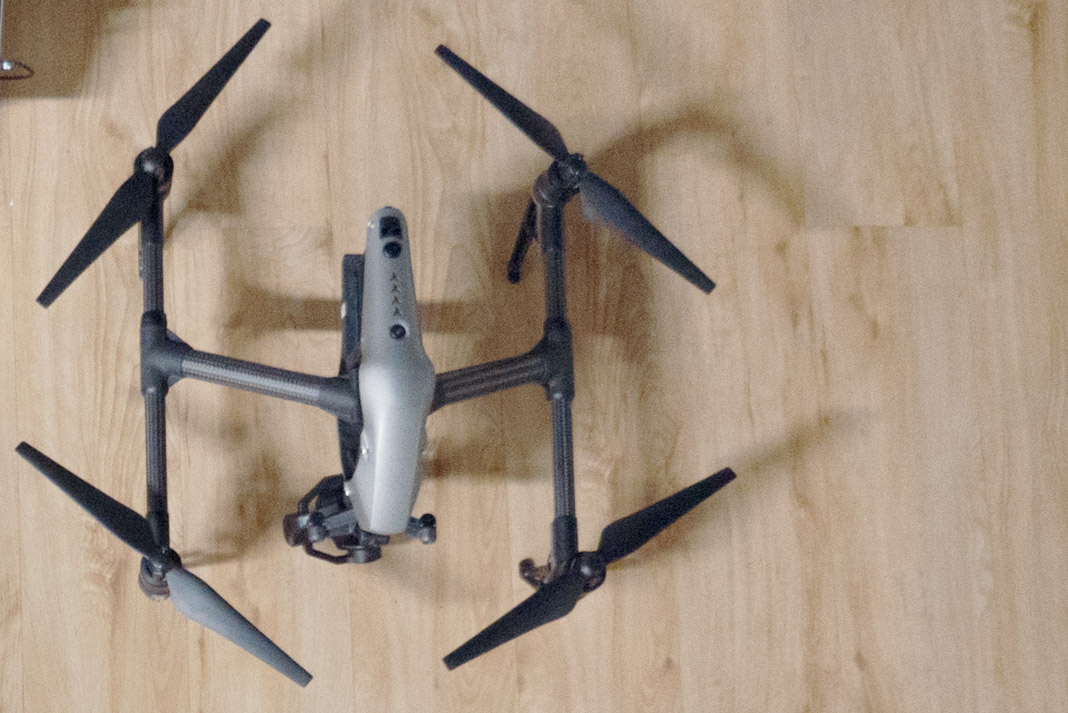
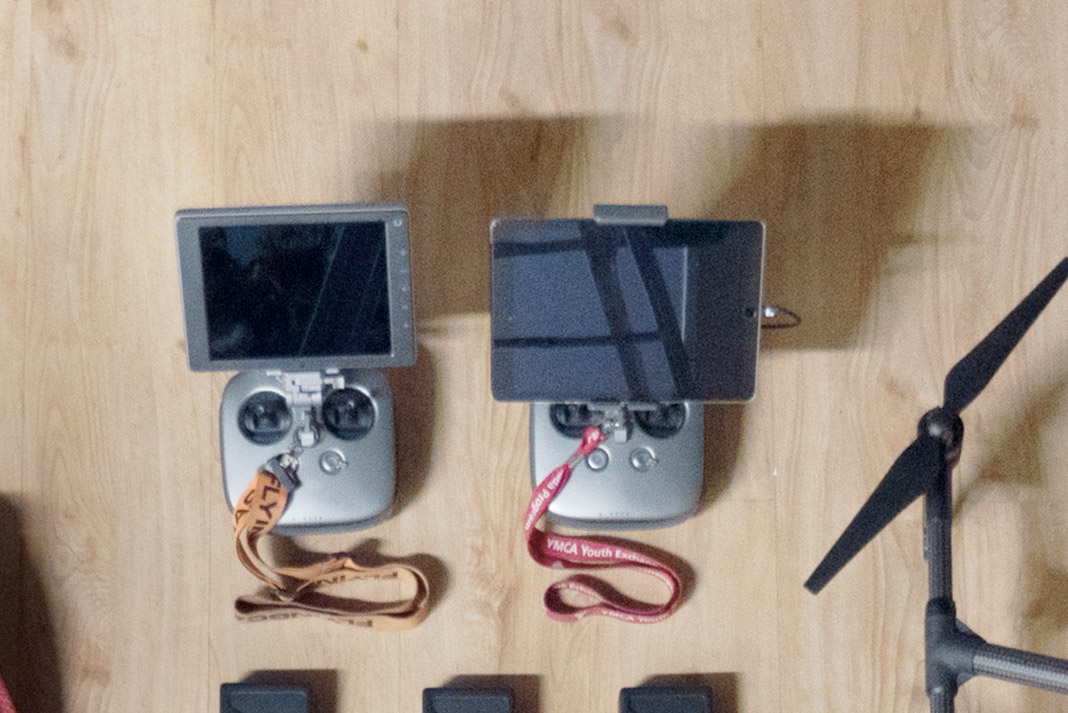
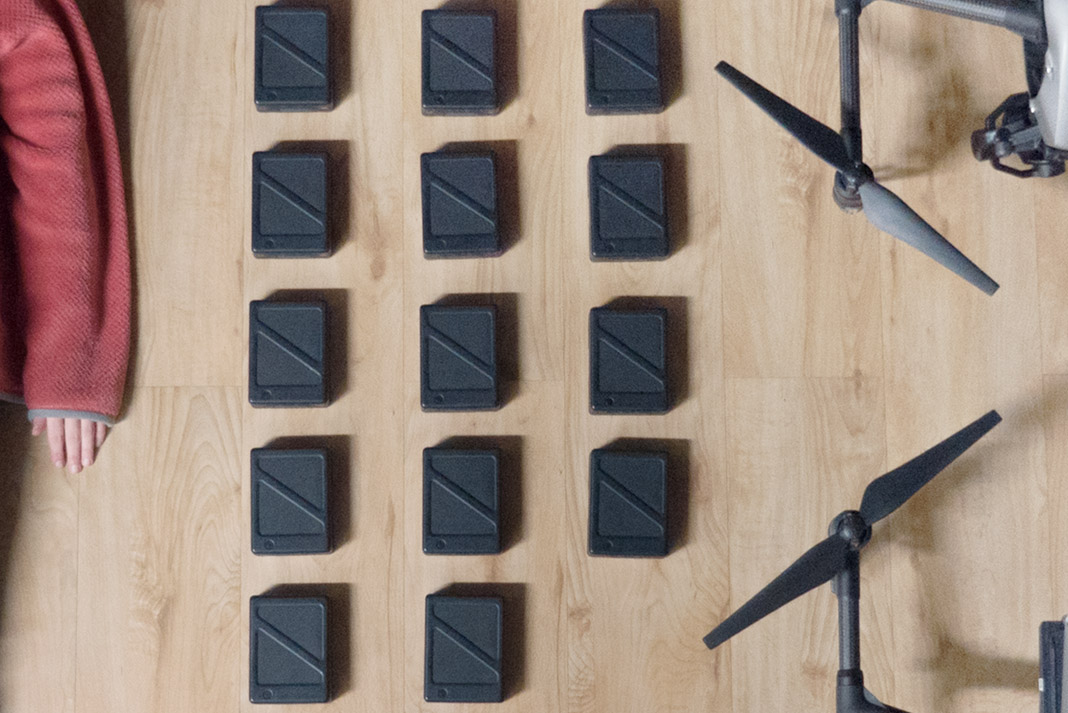
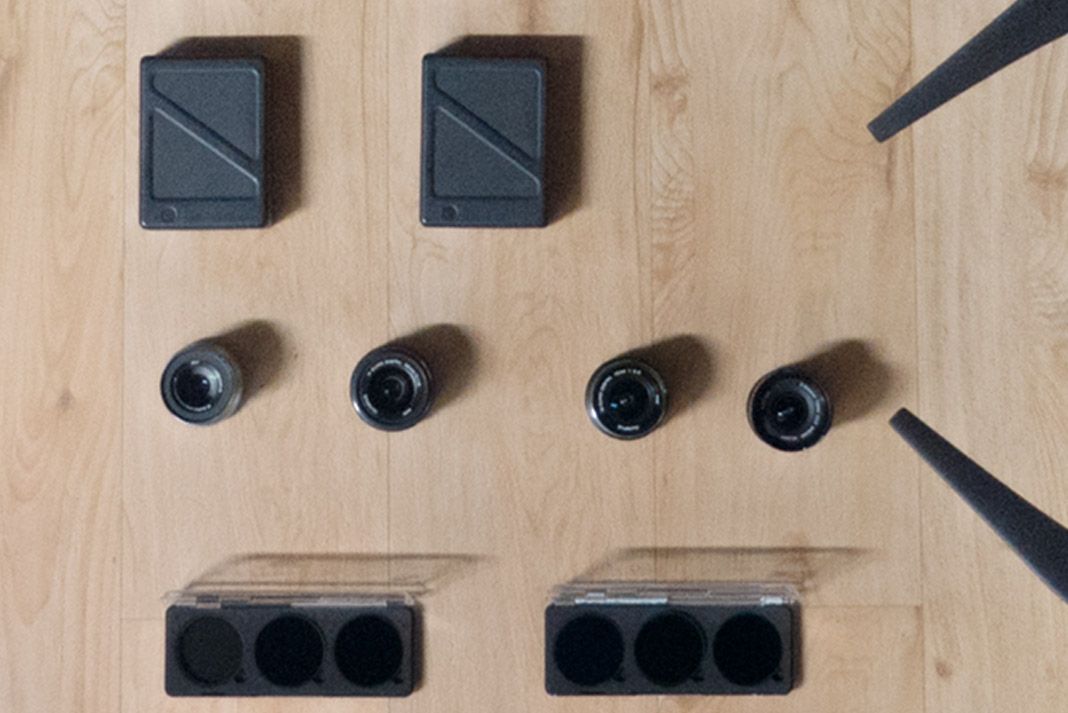
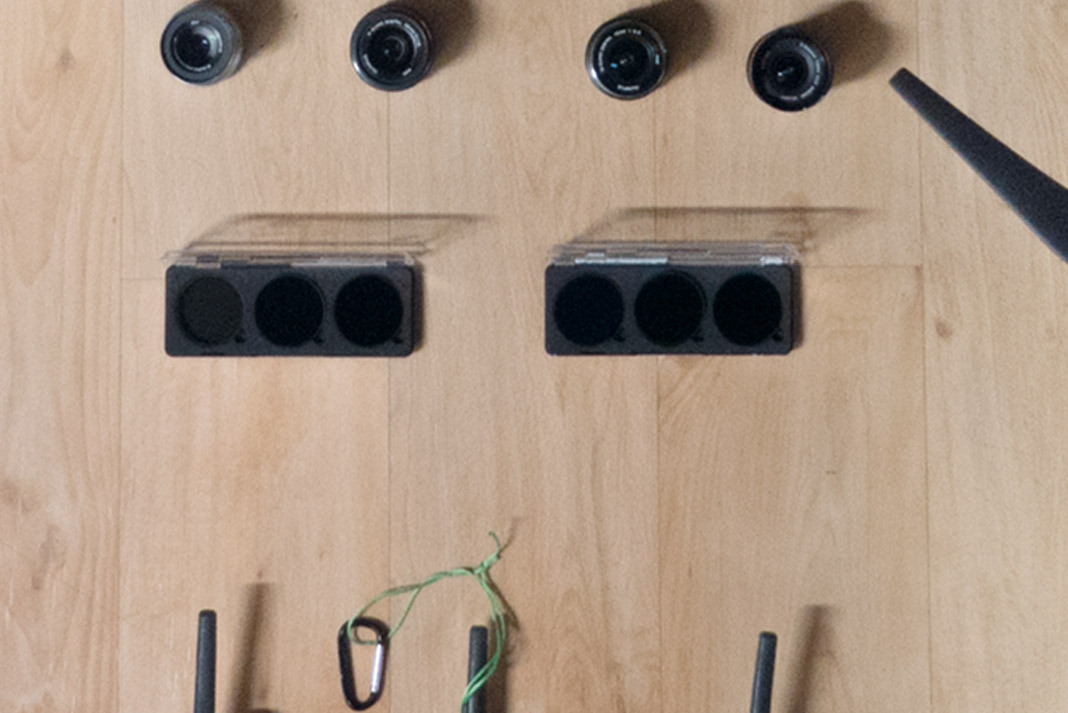
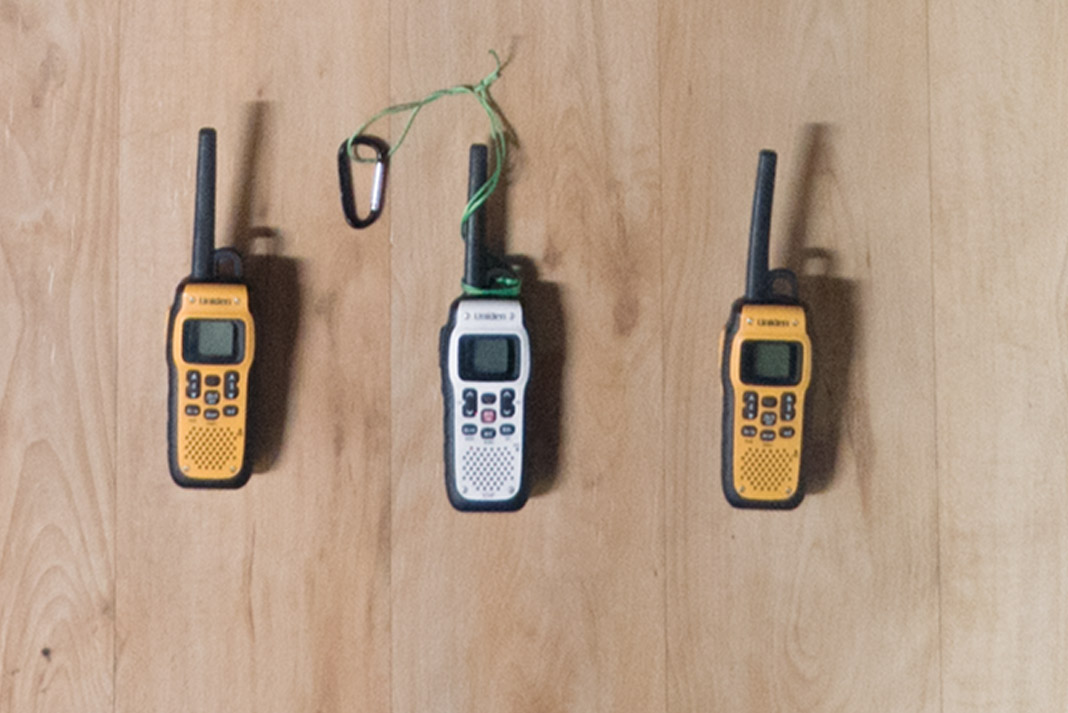
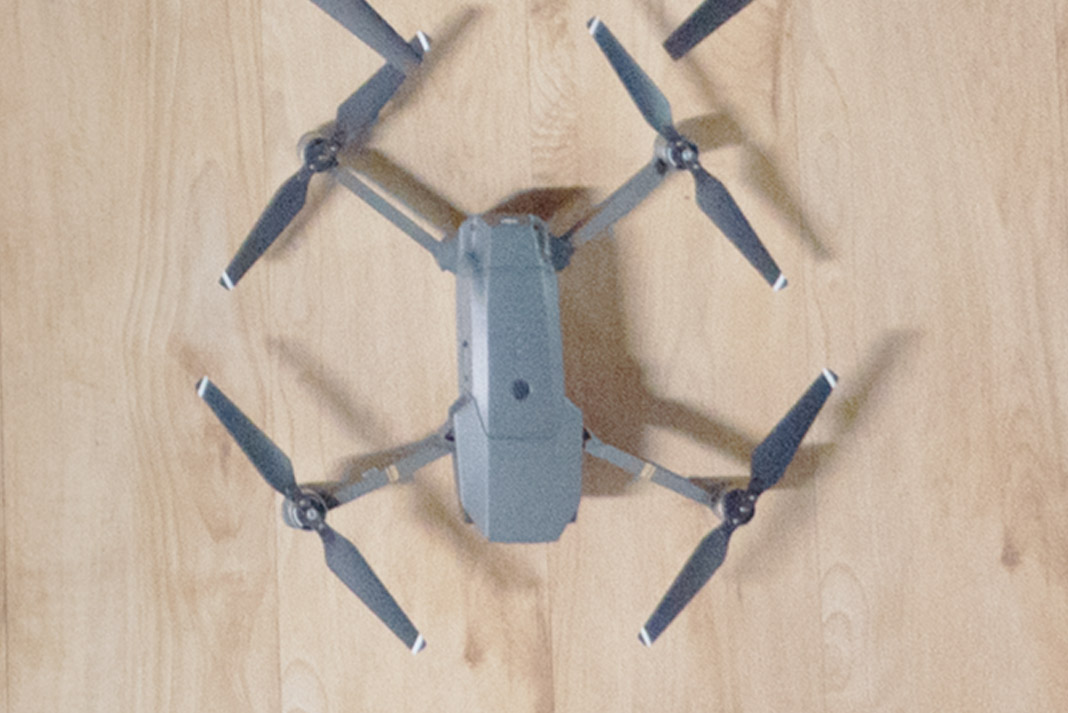
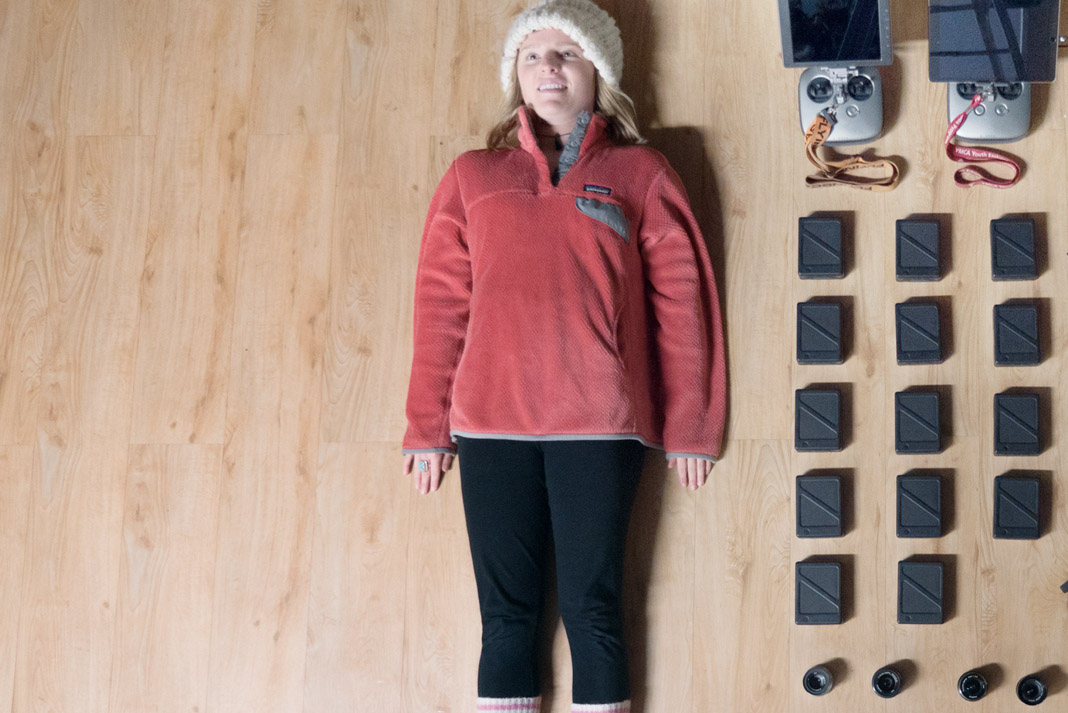
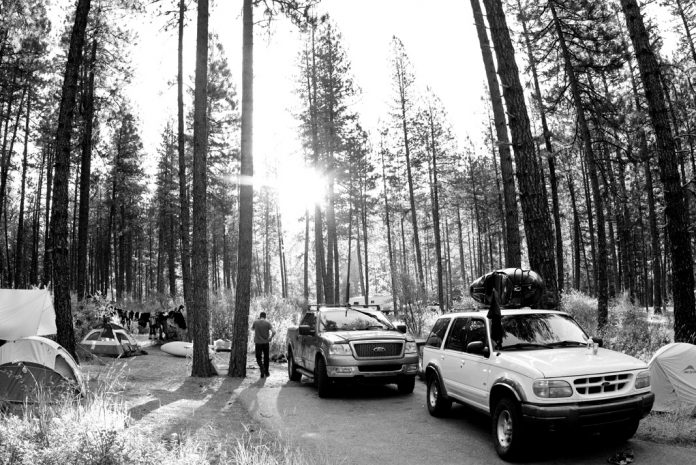
 1. The Pursuit Zone
 2. The Dirtbag Diaries
 3. Hammer Factor
 4. Outside Podcast
 5. Zero To Travel
 6. Wild Ideas Worth Living
 10. Under The Yoke
 11. In Between Swims
 12. Adventure Sports Podcast
 13. The Paul Kirtley Podcast
 14. The Stay Adventurous Podcast
 15. The Wild With Chris Morgan