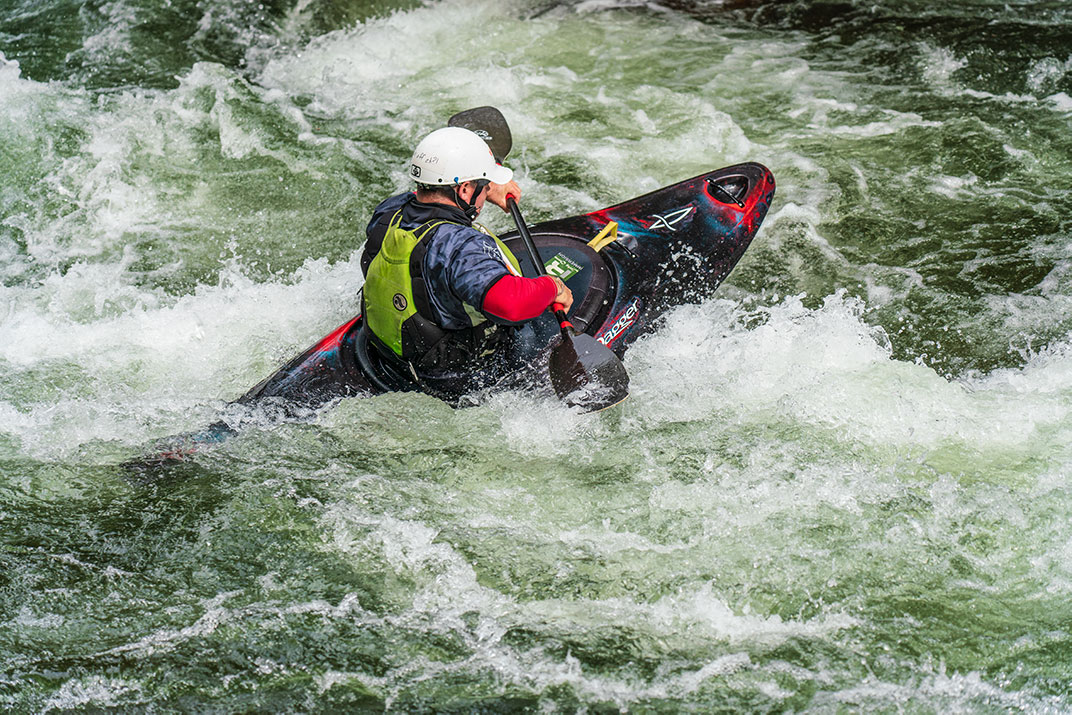
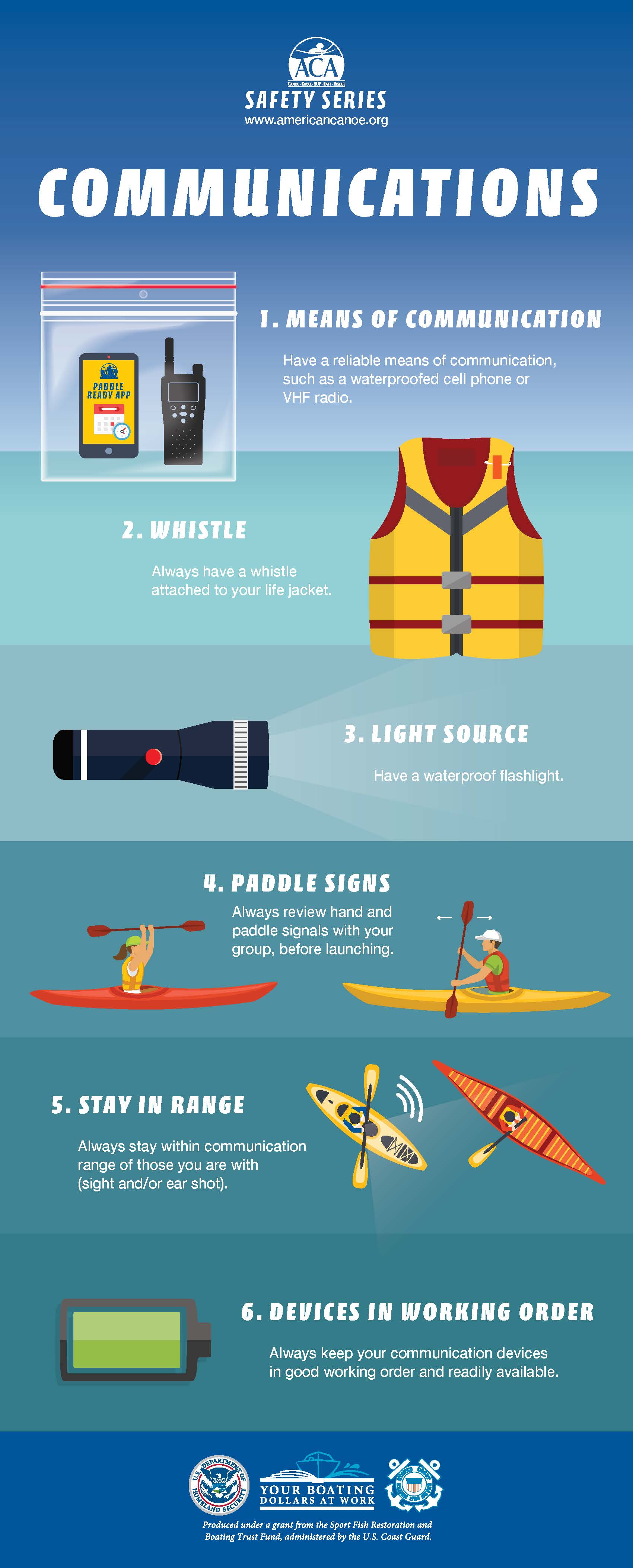
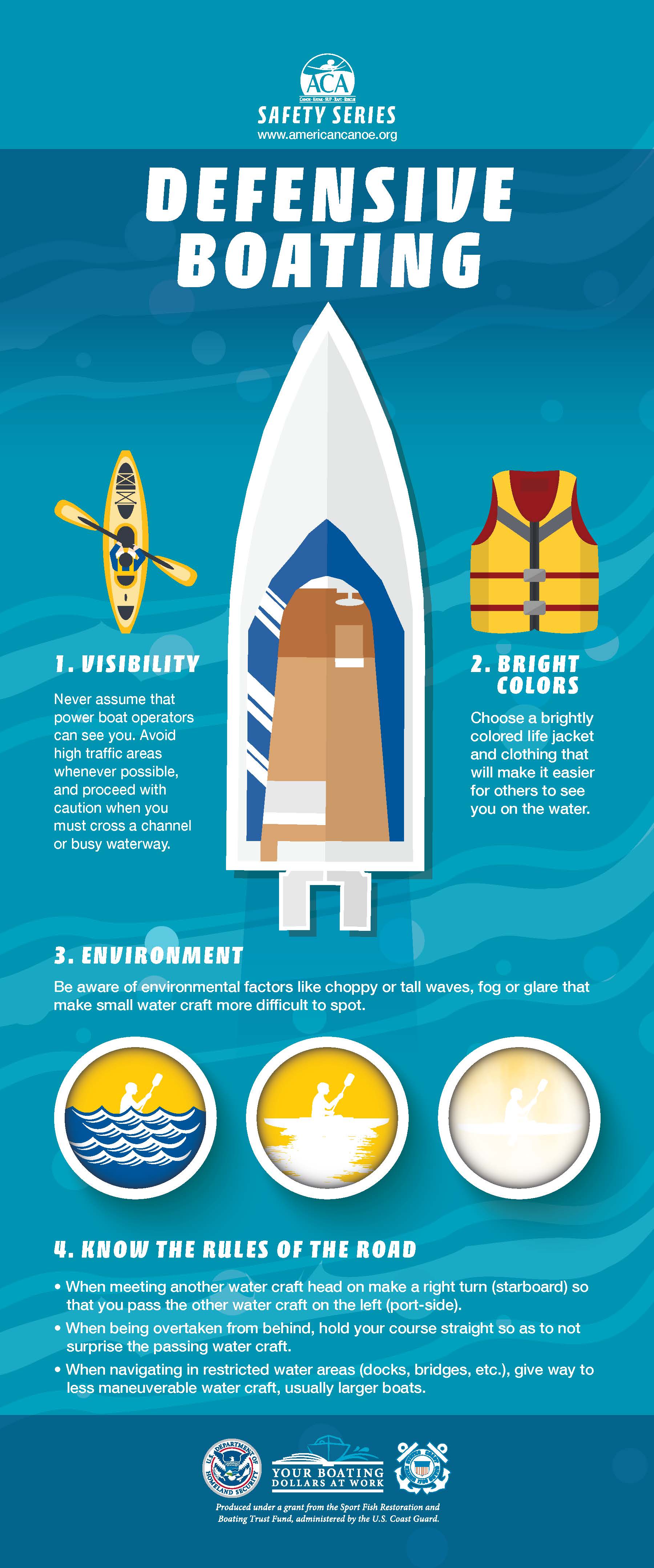
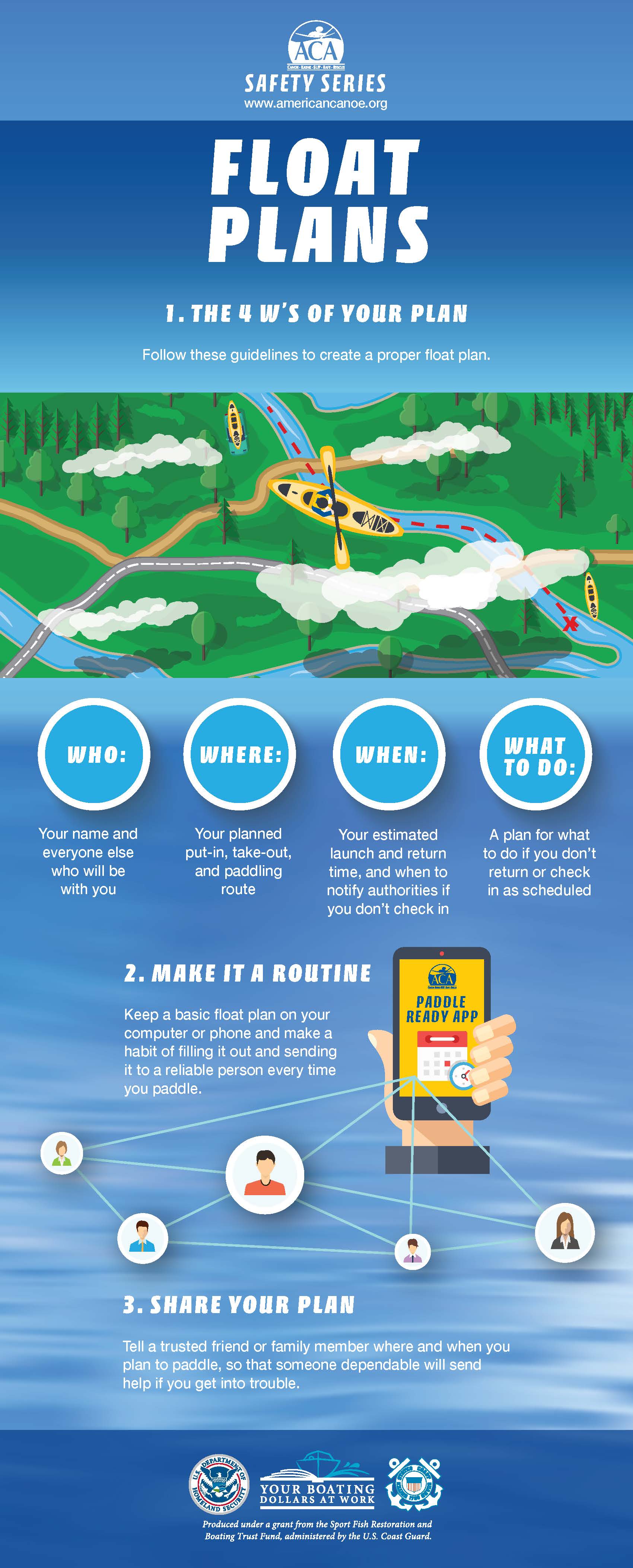
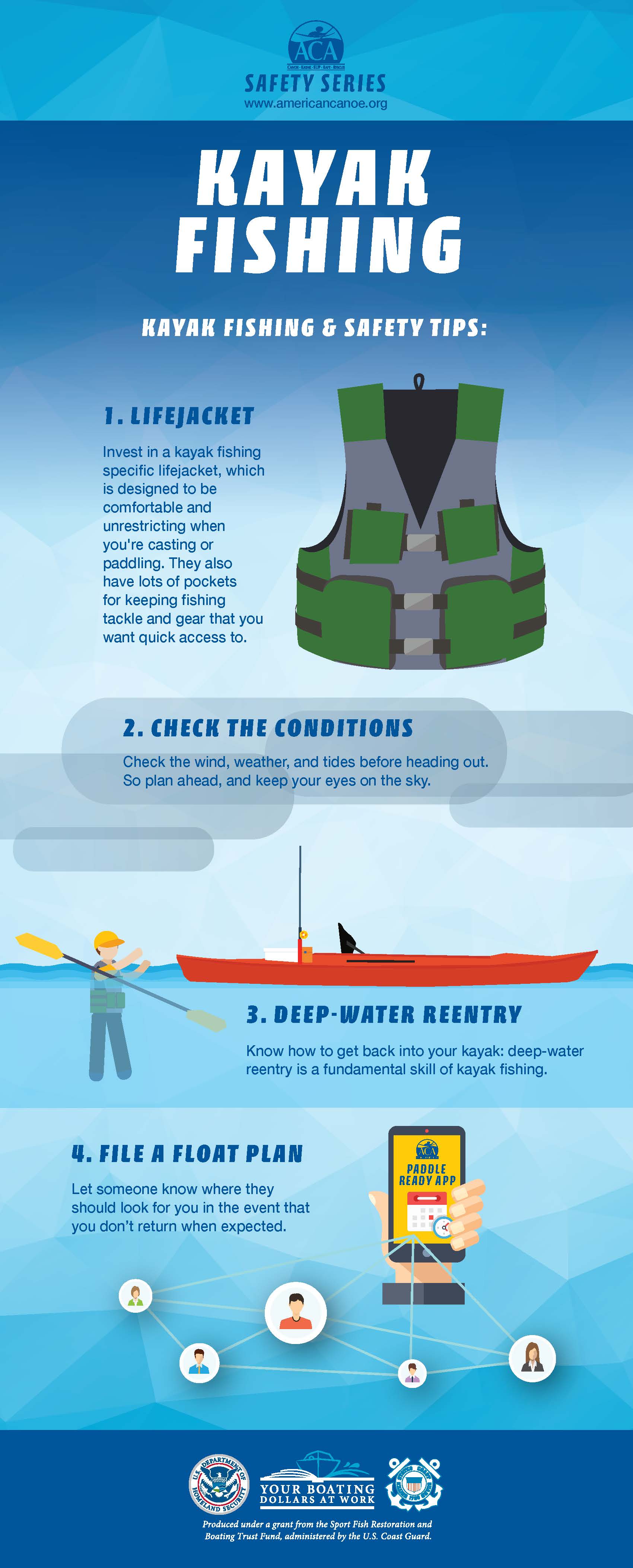
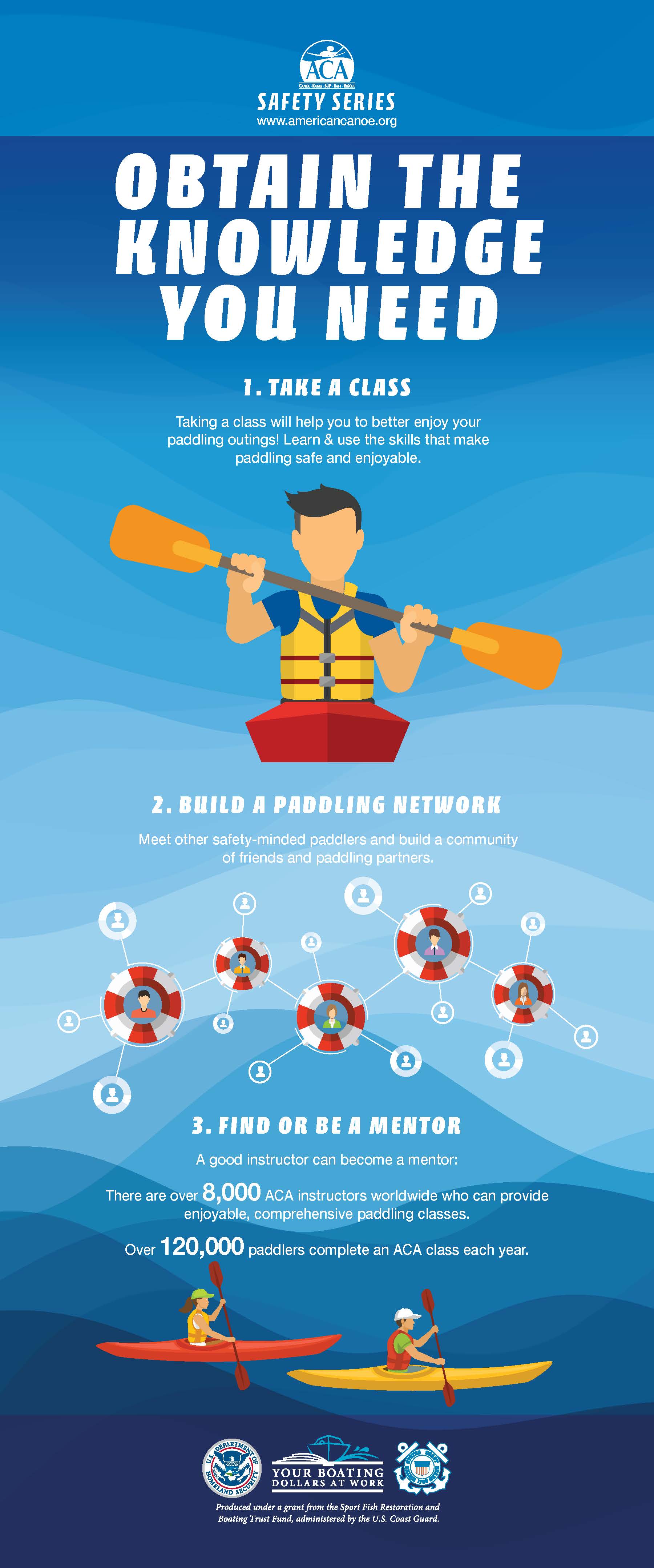
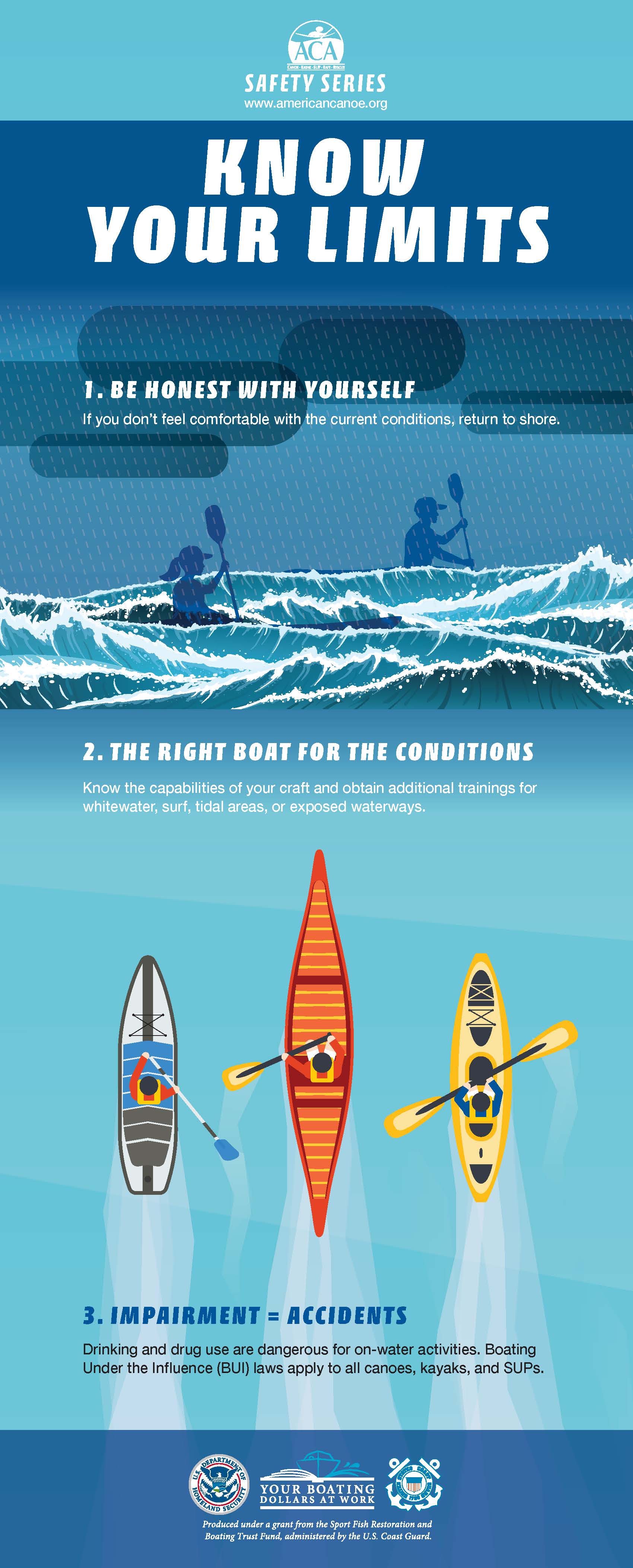
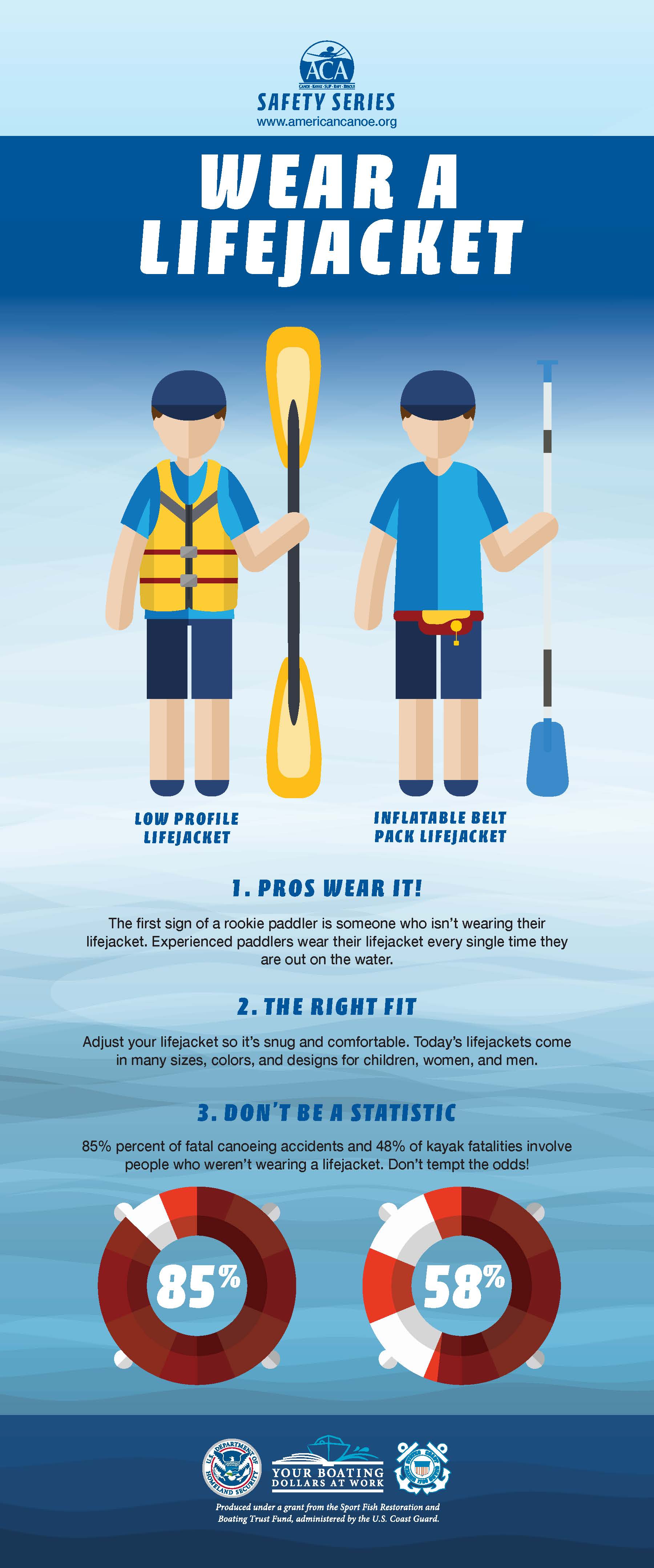
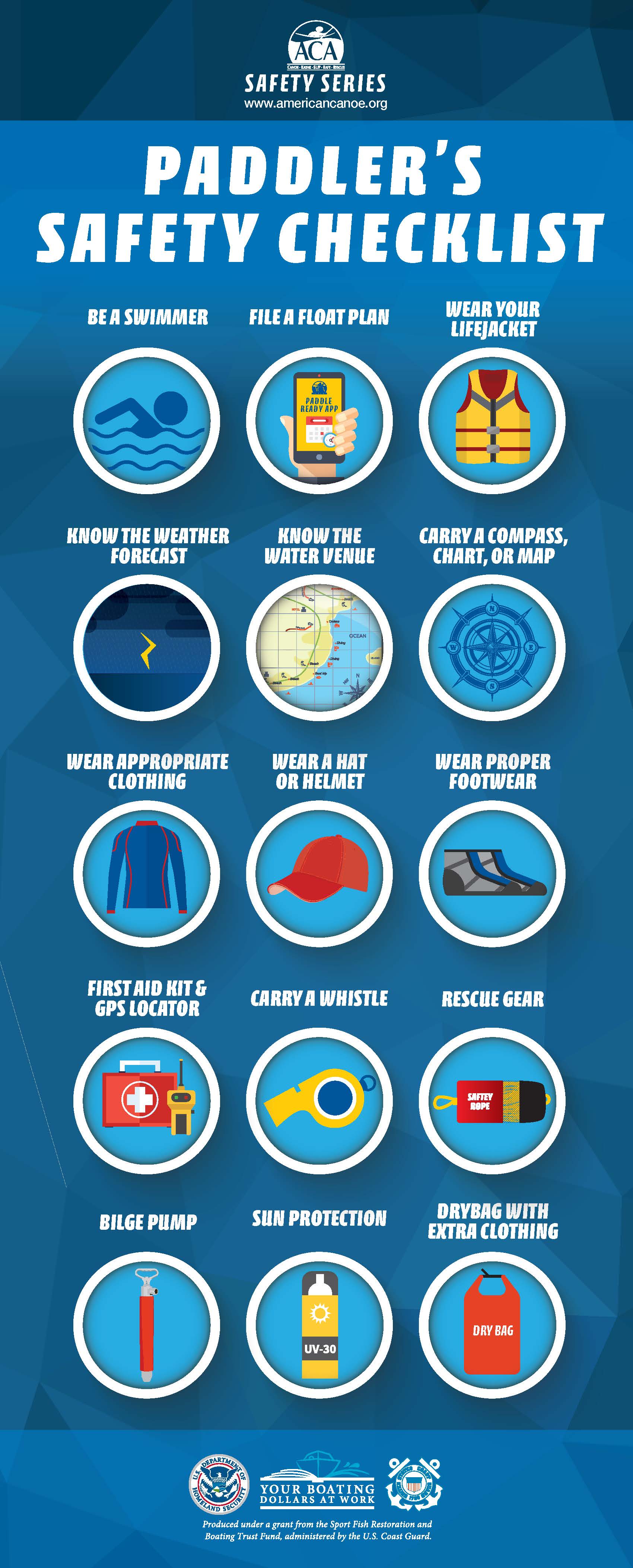
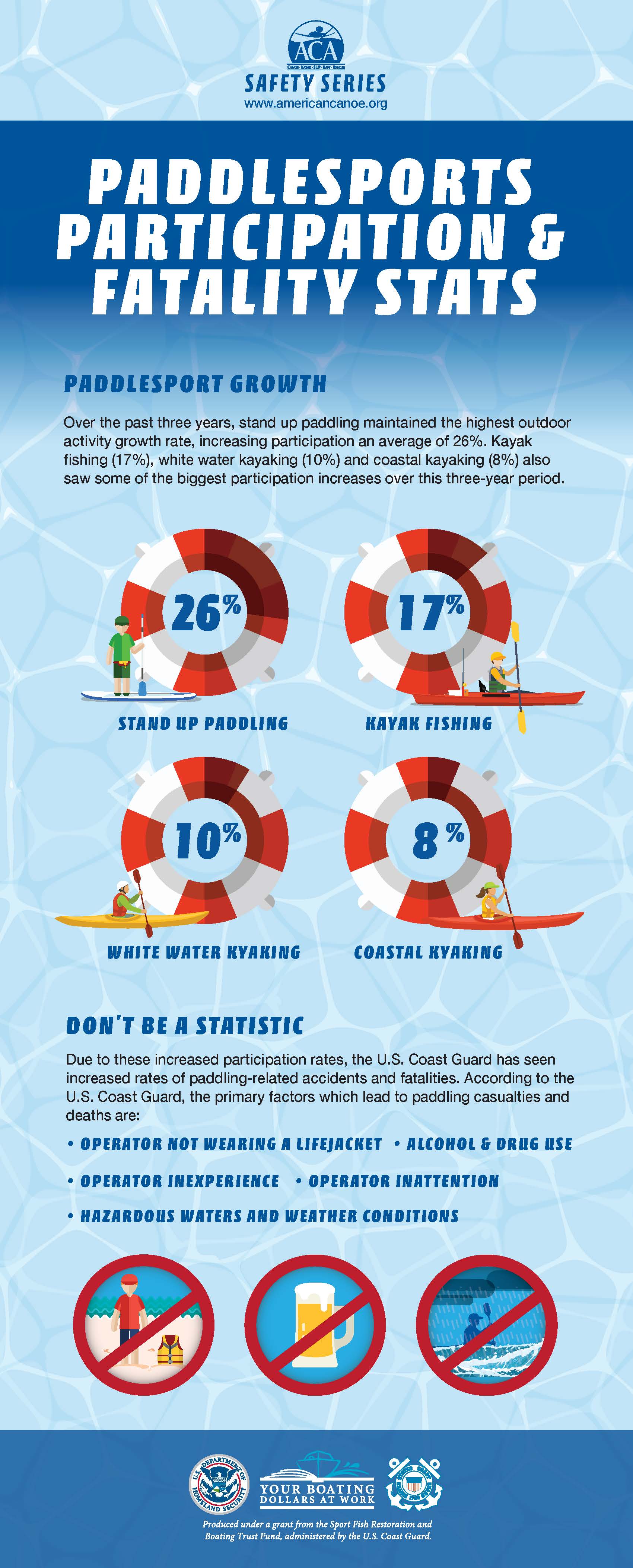
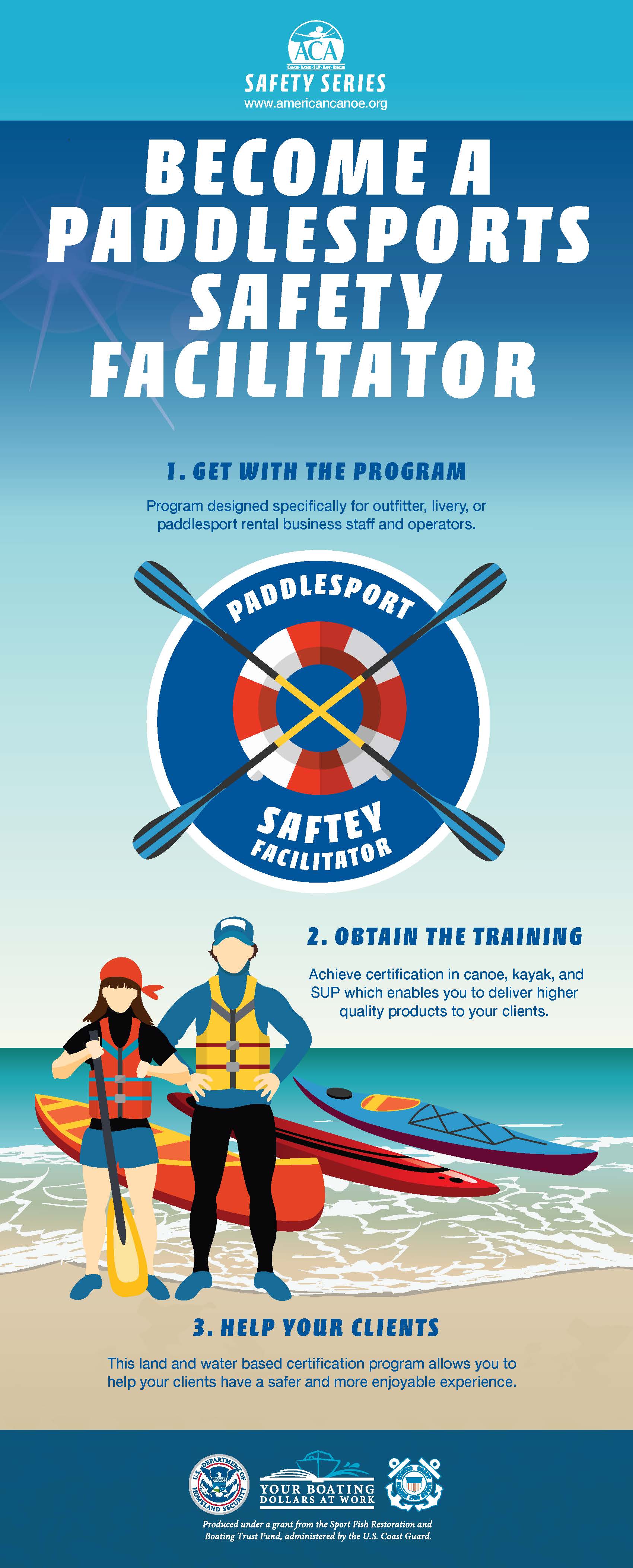
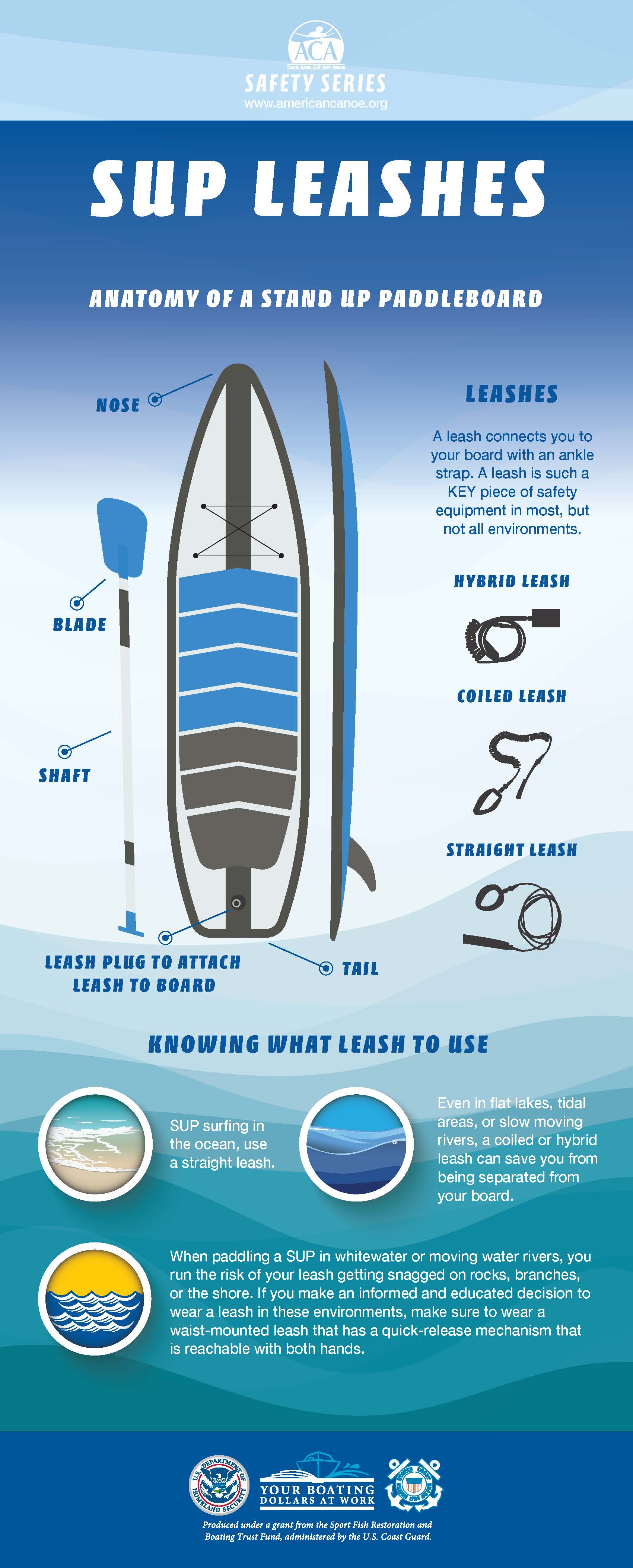
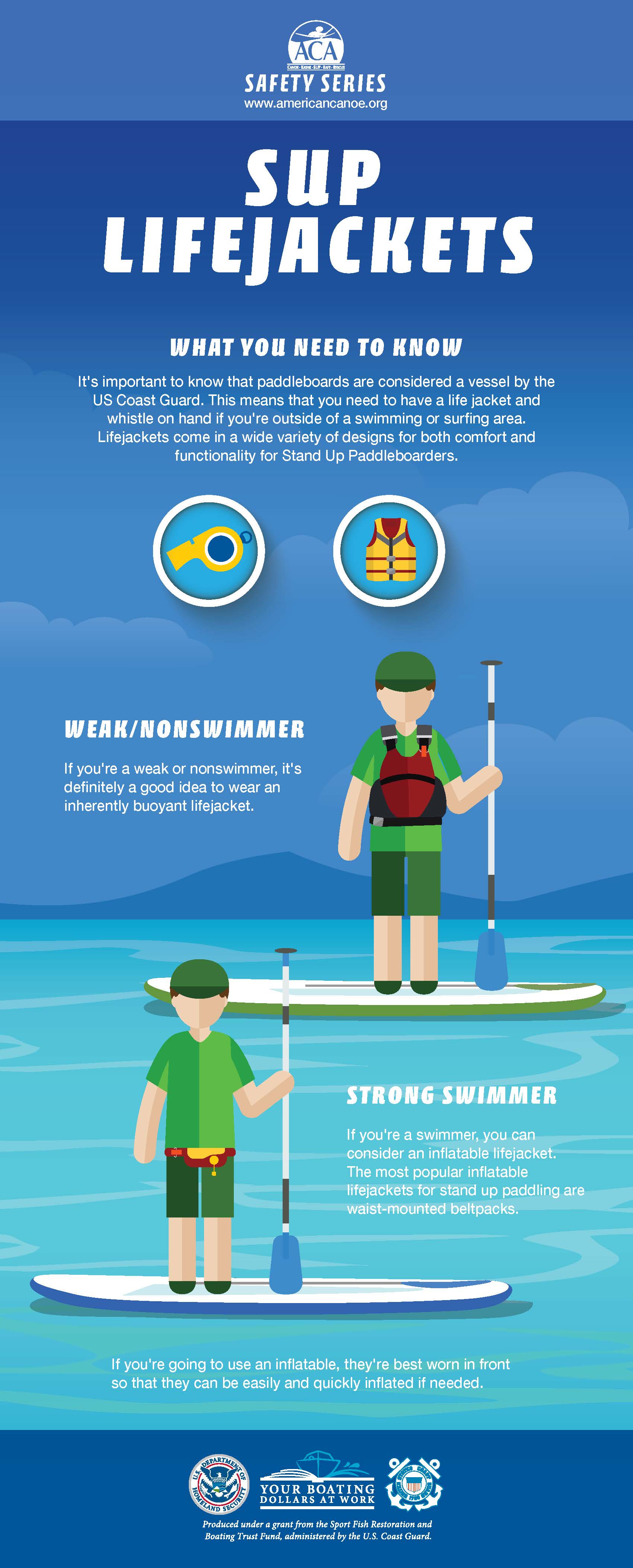
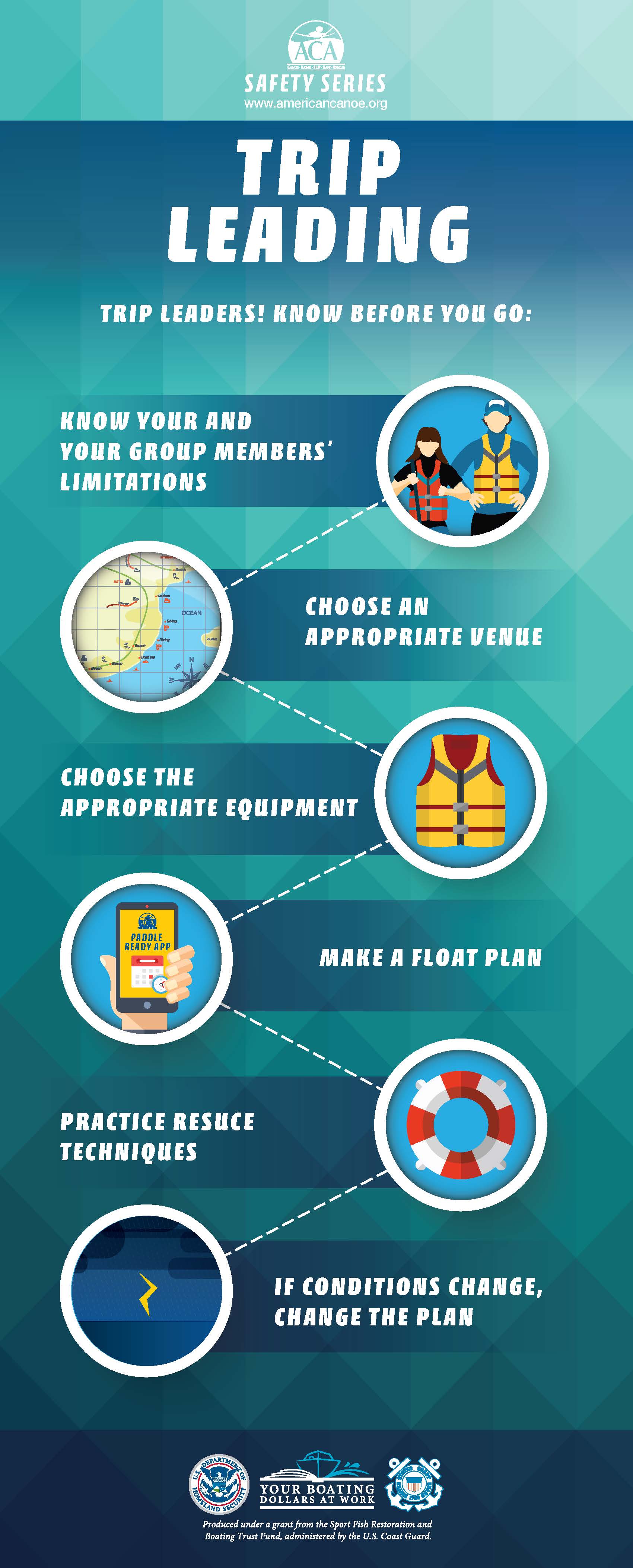
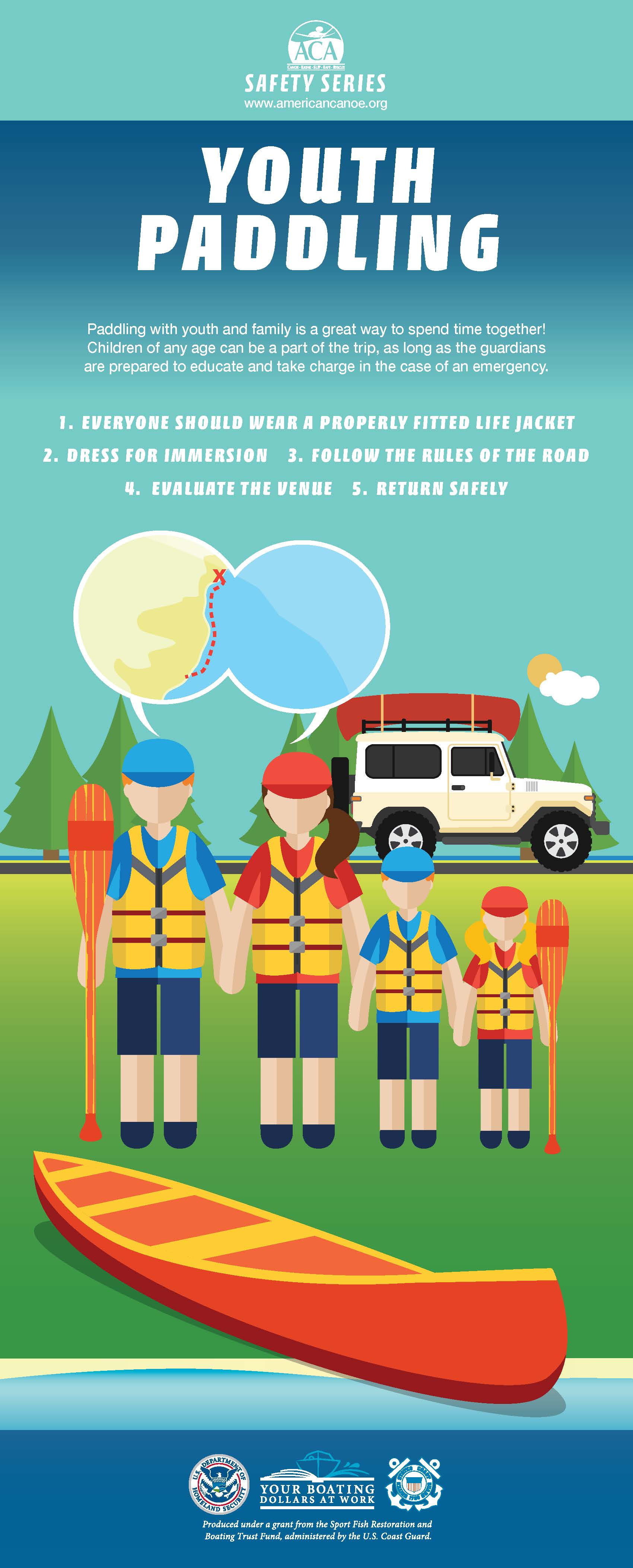
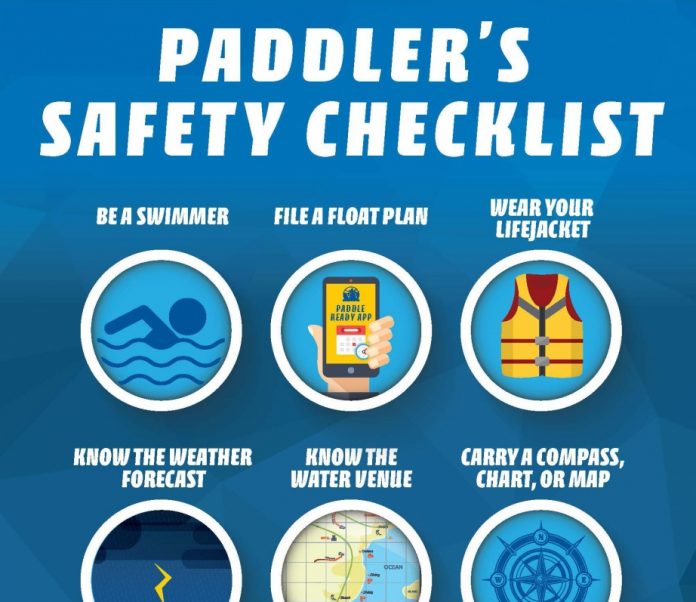
Use these infographics to share tips on paddling safely. From kayak fishing, to canoe tripping, to standup paddleboarding, we can all do our part to promote safety on the water.
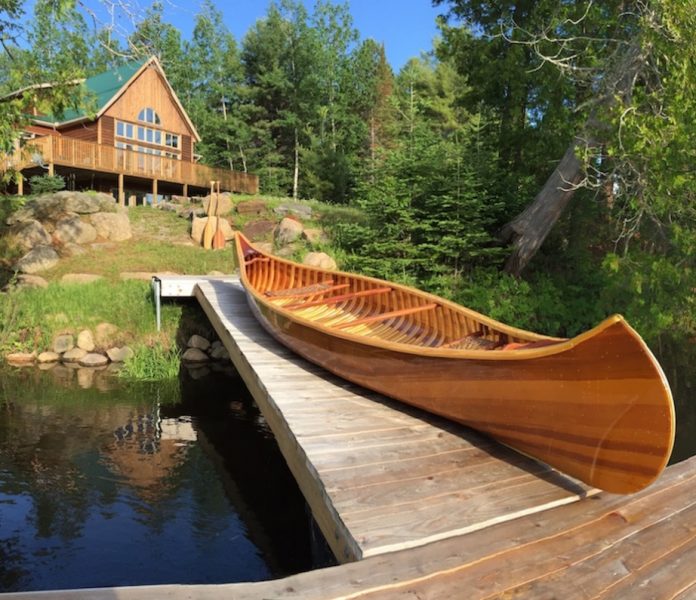
Rapid Media is the world’s leading paddlesports media company. We produce Adventure Kayak, Rapid and Canoeroots, which are now united inside Paddling Magazine. Paddling Magazine includes our annual Paddling Buyer’s Guide and the new annual Paddling Trip Guide. We also produce Kayak Angler, the world’s leading kayak fishing magazine brand. Rapid also produces the Reel Paddling Film Festival and World Tour. Over the last 20 years we’ve worked hard to become North America’s paddlesports authority.
WEB EDITOR/ASSISTANT EDITOR
Responsibilities include planning, coordinating, writing and editing, and ensuring deadlines are met and content moves smoothly to publication. The goal is to provide exceptional, engaging and informative stories that paddlers want to read.
Expect to work in a variety of platforms, including writing for web and print, as well as shooting some photography and video, and engaging on and growing our social media.
You should have an understanding of paddling—including whitewater, canoeing, kayak touring, kayak fishing or standup paddleboarding—and the paddling industry. Our readers are paddling enthusiasts.
The ideal candidate is in-house, full-time and year-round.
Qualifications
Additional Information
We are located in Palmer Rapids, which is a small community with a big heart and quite a bit going on throughout the year. Our office is on the river-right bank of the Madawaska River, five minutes downstream from class II-III+ Palmer Rapids, less than an hour from the mighty Ottawa River, and right in the middle between Algonquin Park and Calabogie Peaks ski resort. We paddle, ride bikes and ski regularly and go swimming from the dock at lunchtime.
The position is currently based out of our office in Palmer Rapids. Alternative longer-term (think a couple years of in-house work first) arrangements may be made after you become familiar with our business. We are only two hours to Ottawa, and three hours to Toronto.
Our team consists of a publisher, three editors, film festival tour coordinator, director of sales, advertising and sponsorship coordinator, designer and production coordinator, marketing coordinator, digital project manager, circulation manager and account manager. Most of us wear flip-flops and have never once sat at our desks wearing a tie.
HOW TO APPLY
Sound like the perfect combination of work and play? Send your CV to publisher@rapidmedia.com. Please include a link to your portfolio. Please also provide a boat or board review that could appear in one of our magazines.
Thanks to all applicants. Only those selected for interviews will be contacted.
If you think this job is awesome but not the perfect fit for you, please forward this posting along. Thanks for doing so. Feel free to visit our website and see everything we do: www.rapidmedia.com
CONTACT
Scott MacGregor, Founder and Publisher
Rapid Media
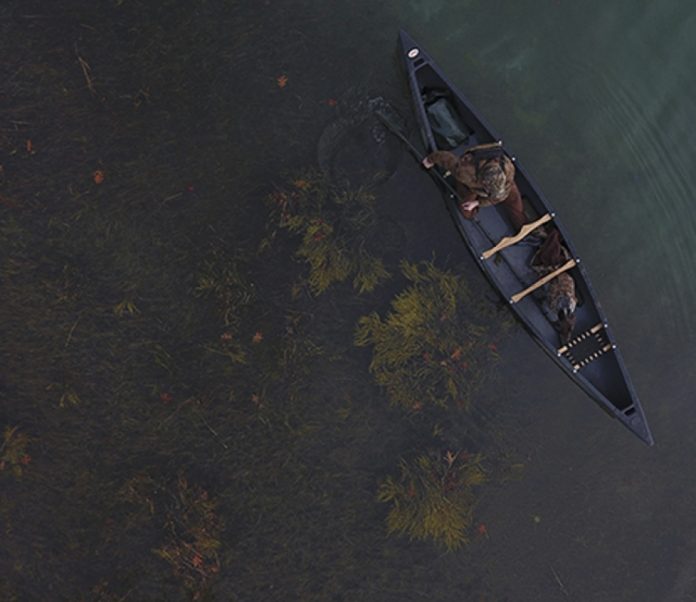
A sales manager, an engineer, an accountant, a ski coach, a pastor and a biologist paddle their canoes in the dark. It sounds like the start of a bad joke, but it’s actually just a scene from a recent hunting trip with Old Town.
In December of 2016, ten Maine sportsmen embarked on a multi-day duck hunting trip in Old Town canoes and kayaks covering Maine’s two distinct, and very different, regions. Day one took place on an interior lake in Penobscot County with the group looking for Mallards, Black Ducks, and divers. The second day brought the group to the rocky islands of Casco Bay, where Eiders, Scoters, Goldeneyes and Longtail ducks like to feed on oysters.
Conversations among Maine sportsmen are usually dominated by moose, deer, pike, salmon, and other popular game – but there is one Maine tradition that tends to fly under the radar in Vacationland: waterfowl hunting.
“The action of waterfowl hunting is so much better than any other type of hunting I’ve ever experienced,” said Sean Molloy, pastor and avid hunter. “To have birds come in and decoy around you – it’s thrilling and exciting, and a lot of fun.”
With help from Avian X, Zink Calls, Yamaha Motors, Jetboil, Filson and Goal Zero, the guys loaded up their Old Town boats and hit the water as Maine sportsmen have been doing for generations.
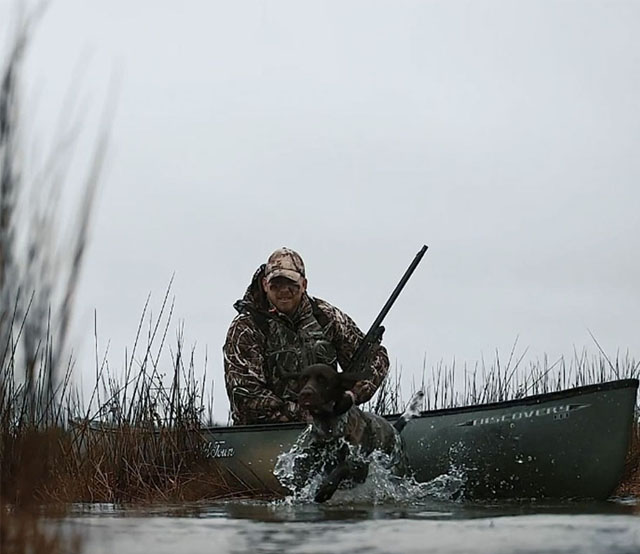
Old Town canoes are stable enough for you and your retriever.
Using a variety of boat types, the group was able to haul all ten hunters, decoys, a photographer and all of his camera gear, and various supplies for everyone. The Discovery 169, Discovery 133 and Discovery Sport 15 (outfitted with a Yamaha F4 outboard) did the heavy lifting, transporting camera gear, decoys and anchor systems, and a German Shorthair Pointer named Echo, with ease.
Growing up, Maine Master Guide Jeremy hatch always used an Old Town Canoe, a tradition he is proud to keep alive today. He was quick to realize the benefits of hunting from an Old Town.
“When it comes to loading two dozen decoys, dogs, you can really load up and put in a lot of materials,” he said about the Discovery 169. “When you get into high water it can really give you a safer platform to hunt out of. I know these boats are being designed and built by folks that are using them for the same reasons I am, and it shows in the final products.”
The Predator kayaks, designed specifically with waterfowlers in mind, provided an all-in-one hunting platform. The hunters were able to transport blind bags and shotguns on the deck and fill the click seal bow hatch with decoys, food, water, and blind-building materials.
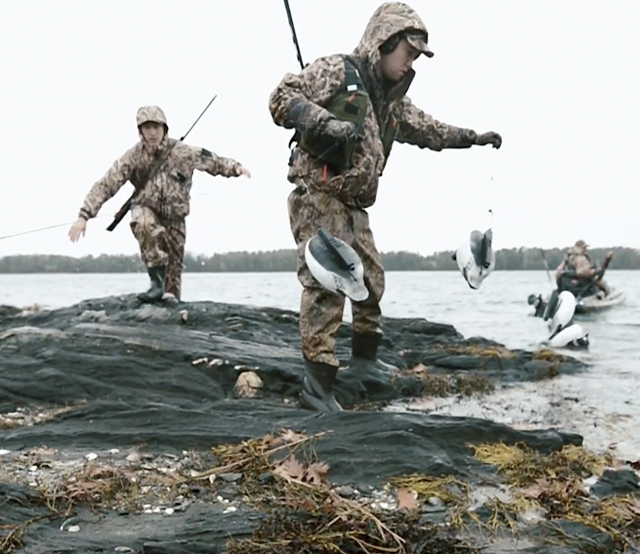
Old Town boats can get you to locations that no other boat can. Photo by Old Town.
Scott Marquis, a longtime Maine waterfowler, claims that the Predator PDL changed the way he approached duck hunting.
“Hunting out of a kayak certainly helps my access. There’s plenty of room to fit all of my decoys, my gear, my cases of shells. I’m able to get to parts where people with motor boats aren’t able to get to. Setting longlines in the dark is no easy feat, but with the PDL I was able to get our spread set up in a matter of minutes.”
Once the decoys and gear were ready to go, it was time to get into position and wait for the ducks to fly. By backing the kayaks into tall reeds and grass, adjusting the Element Seating System, and throwing some grass and mud over their legs, the hunters virtually disappeared into their surroundings. And when it came time to retrieve a fallen duck, the Predator made it quick and easy.
Duck hunting requires a lot of gear – a typical spread can contain several dozen decoys, blind building material, and ample ammunition for a full day of shooting, which creates a roadblock for many potential hunters. How are you supposed to get all of that gear to a remote location on the water? Walking longer than a couple hundred yards loaded up with gear is exhausting and time consuming. Larger boats offer the capacity to transport everything, but accessing marshy and muddy locations can be nearly impossible, and concealing your boat from curious birds can be tricky and expensive.
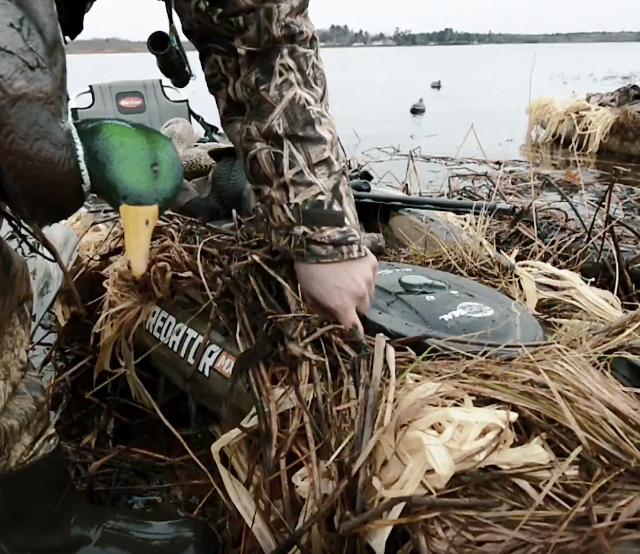
The Old Town Predator is perfect for waterfowl hunting. Photo by Old Town.
“There are places I hunt that I just can’t get to by walking or by having a big boat,” claimed Molloy. “The kayak gives me the ability to easily get to where the birds are.”
Old Town canoes and kayaks, designed specifically with sportsmen in mind, make it easier to transport gear, access rugged and remote locations, and give hunters a safe platform for hunting in nearly any conditions.
When the group returned to the boat launch on the afternoon of day two, the results were pretty clear. Mallards, Eiders, Longtail, and a Goldeneye all served as a testament to not only the bounty of Maine’s beautiful waterways, but the versatility of the Old Town canoes and kayaks that make them more accessible.
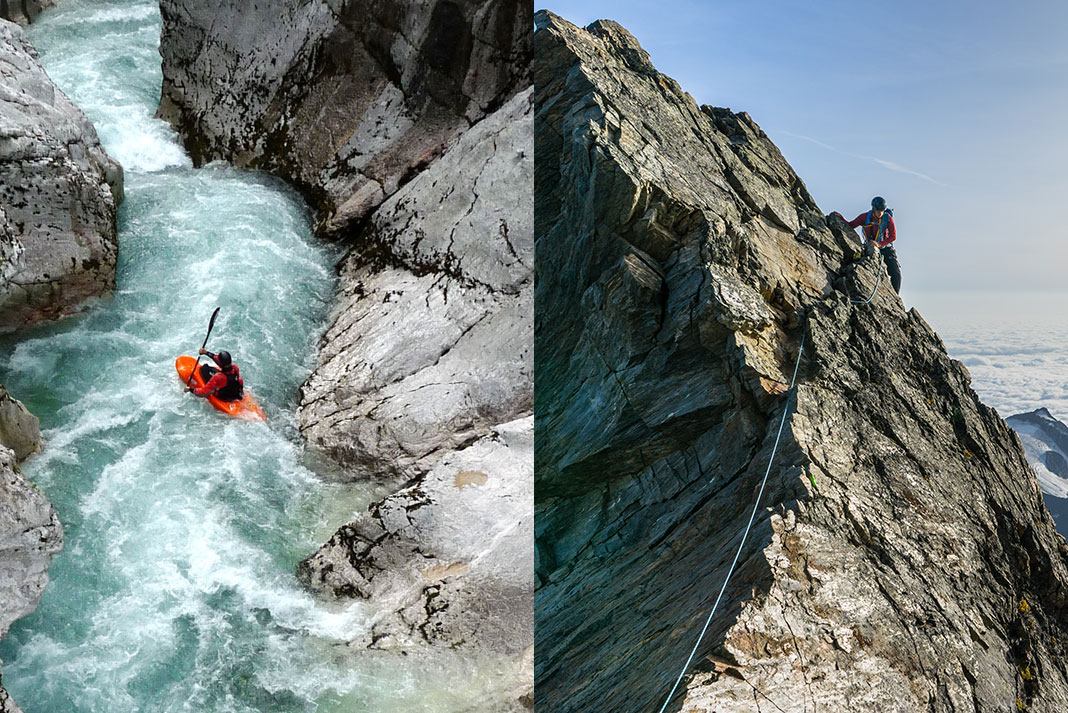
I got really frustrated the day I heard about Colin O’Brady. The guy obliterated the seemingly impossible Explorers Grand Slam World Record. The Explorers Grand Slam is the name given to a challenge so obscure that I never even knew it had a name: climbing the highest mountain on each of the seven continents and trekking to both poles. In 2016 O’Grady became the youngest and fastest ever to complete this ludicrous endeavor, all with the goal of raising a million bucks for his own charity. I mean, how utterly annoying can you get!
Or take the so-called Iron Cowboy, James Lawrence, who in 2015 completed the seemingly impossible goal of doing 50 Ironman-distance triathlons in 50 states in 50 consecutive days. Lawrence had already set two world records for the most triathlons completed in a year, but apparently this wasn’t challenging enough.
What’s wrong with this? Well, on the face of it, nothing. How can you fault these guys? They overcame detractors and incredible adversity to accomplish something nobody else has ever dreamed possible, and they did it all for a good cause (both, weirdly, to combat obesity).
I’m not saying these guys shouldn’t do these things, although I do question the extent to which raising money for charity automatically gives an otherwise absurd act a gloss of irreproachability. When I read Lawrence’s story, the next news item was about a guy who climbed Kilimanjaro carrying a bathtub to raise money for children in the Amazon. But on some deeper level, in that inner voice that I don’t share with others for fear of being shunned, I just hate hearing about people who do incredible things.
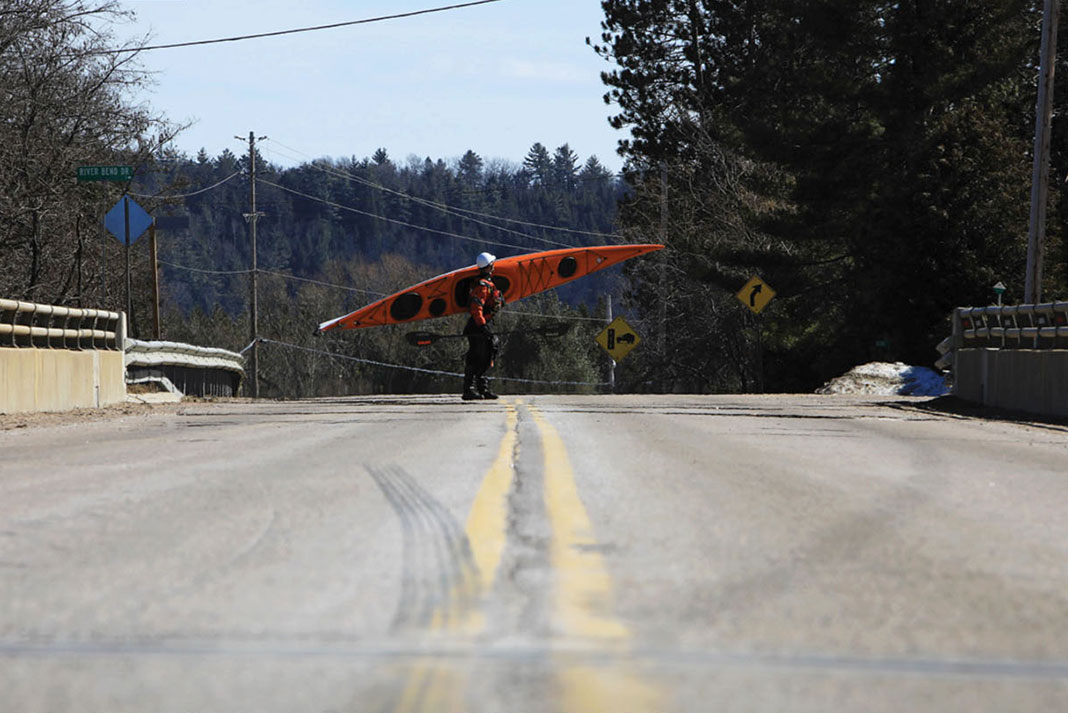
It’s hard to explain why I feel this way. Partly it just makes me feel like my own life sucks. I mean talk about adventure inflation: what these guys did totally ups the ante for any feeling of outdoor accomplishment. If you ever thought you’d done something great—or at least had a decent excuse not to—forget about it!
I’ve tried doing the impossible, and I wasn’t impressed with the result. I tried to climb one of the Seven Summits once—the easiest one. It was really cold, scary and it gave me a headache! I never made it to the top, but I used to think I was pretty cool for trying. Not anymore! Colin O’Grady climbed all seven, and then went to both poles in 139 days—all after surviving a horrible burn accident and being told by doctors that he might never walk again.
I also did one Ironman triathlon once. I trained for a whole year and it exhausted me and threatened to destroy my marriage, but I felt like I’d accomplished something big. Not anymore! James Lawrence banged off 50 Ironman races, while toting his five young children and his cheerful, supportive spouse in an RV. Why? “To accomplish the impossible.”
Screw the impossible. We need these people to stop cheapening the impossible by accomplishing it so much. From as far back as Jesus with his loaves and fishes, we’ve got plenty of evidence that miracles happen. World records fall daily. It’s old news. Besides, just because something’s impossible doesn’t make it worth doing. There are loads of totally possible things that don’t get done nearly enough.
I know my life doesn’t really suck. I have a decent thing going: a good job, a healthy family. By various global measures, I’m somewhere near the top 1 percent. I should be satisfied. But it’s very hard to feel satisfied with swashbucklers like O’Brady and Lawrence swaggering around the planet ballyhooing about how much more extraordinary we can all be. The purpose of O’Brady’s exploits, according to the podcast where I heard about him, is to “help you question your own internal limiters and confront you with the very real truth that we are all capable of so much more than we allow ourselves to believe.”
“Screw the impossible. We need these people to stop cheapening the impossible by accomplishing it so often. From as far back as Jesus with his loaves and fish, we’ve got plenty of evidence that miracles happen.”
No thanks. I have the opposite problem. I know I am capable of a lot more than I’m currently doing, but I don’t want to blow up my life to accomplish the impossible. I’m plenty busy working on being grateful for what I already have. That’s part of why I kayak. It’s not just a hobby but more akin to something approaching a serious spiritual practice. Paddling connects me to the present moment and helps me overcome my dangerous tendency towards pessimism. It helps me want to get out of bed in the morning, to not discount my own humble life as worthless because it’s not superlative and glitteringly amazing in the way the rampant media makes it seem like everybody’s ought to be.
In other words, kayaking—and outdoor adventure in general—for me is not a means to prove that I can do the impossible; it’s a way of remembering that the possible is good enough. When I’m out kayaking, I’m persistently happy with the world as it is. I become a morning person, always the first one to jump in the lake buck naked and greet the day with a barbaric yawp. Being alive, being outdoors, on any kind of expedition, is an amazing gift.
The true heroes are the ones who celebrate the outdoors in ordinary, mundane ways purely for the love of it; the ones with duct-taped gear that they paid for themselves; the ones who do it when no one is watching.
Hearing about these great conquistadors of the useless, with their underlying message of doing everything farther, faster, longer, and better has the opposite effect. It takes me out of the here and now into a dream world of wanting more, into a gnawing midlife frustration with what I haven’t been able to accomplish. The fact that they’re using my favorite medium of adventure to such cross-purposes, in some ubermensch-manifestation of western individualism, galls me. It’s worse than a distraction from the values these activities really have to teach us; it feels like blasphemy.
There’s also plain old jealousy at play. Because I love the outdoors so much, I have a hard time with privileged members of the leisure class seeking adulation for something that I’d kill to be doing myself. They want to go on an expedition and get paid and praised for it? Adventuring is something the rest of us pay to do on our vacations. It’s inherently fun and rewarding and not truly difficult in the way that commuting two hours to a full-time desk job is difficult or feeding a family on minimum wage is difficult—the sorts of soul-crushing grinds that are not only hard in and of themselves, but also garner no accolades.
If you want to go drag a claw foot tub to the summit of Kilimanjaro then you should damn well do it and shut up about it. And I’ll donate to charities for their own sake. Meanwhile, somebody should donate money in honor of all of us who can’t go on an amazing expedition because we’re too busy living our lives.
Tim Shuff is staying put for now. He hopes the views expressed in this article will not prevent you from supporting him on his next expedition.
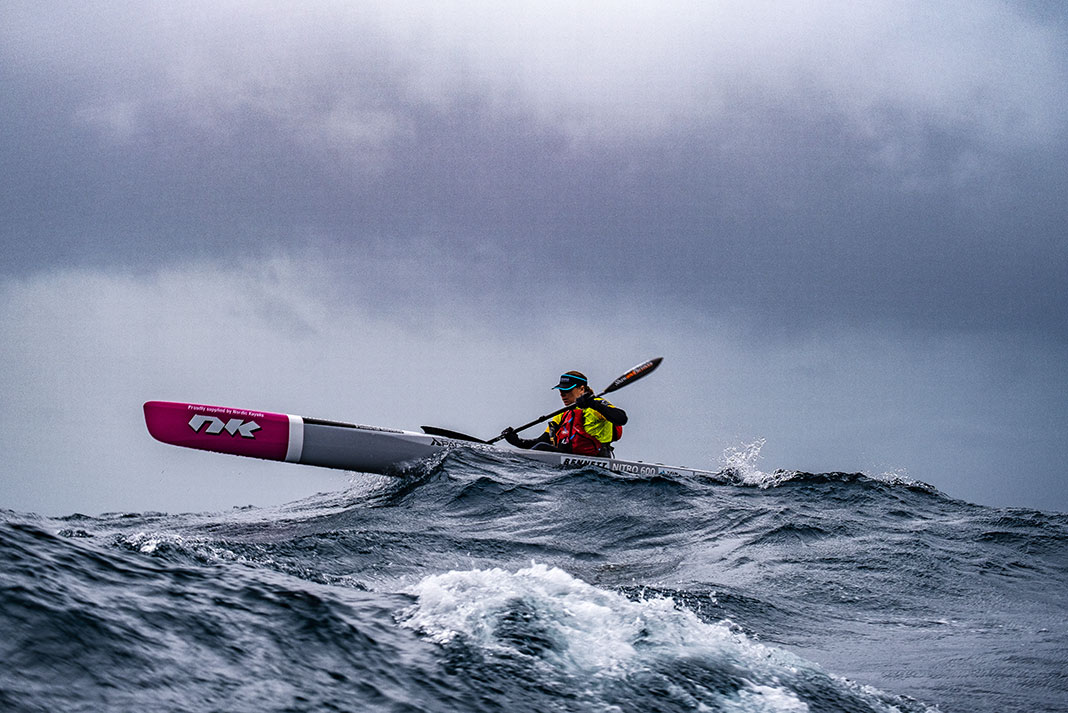
These swashbucklers make breaking world records seem as easy as crossing the street. | Feature photo: Gabriel Rivett-Carnac
Ferrying is a way to cross a river with current. It is an important skill to learn because it gives you the ability to move from eddy to eddy without moving too far downstream. This makes moving downstream safely a lot easier.
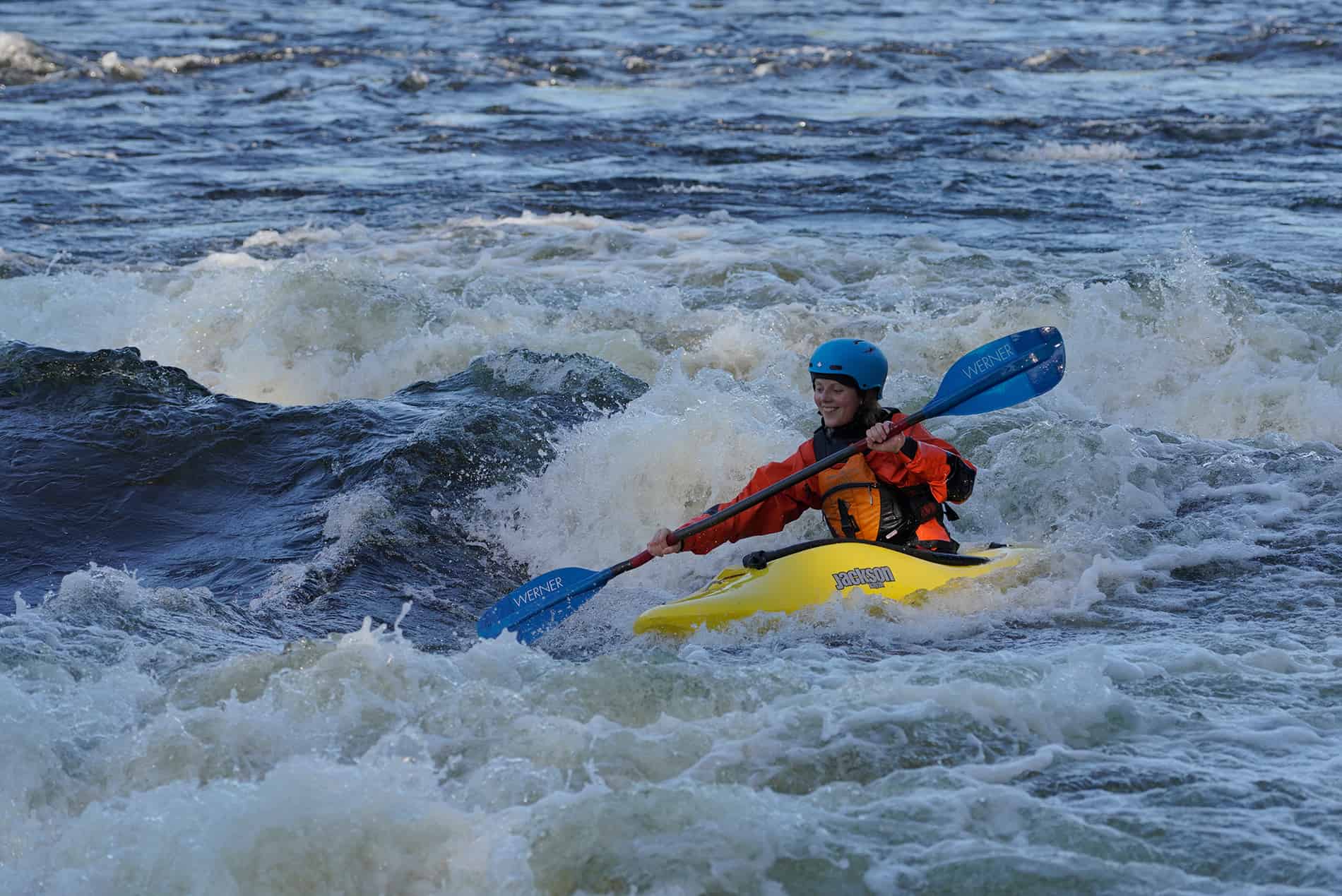
First, you need to look where you want to go. You need an exact spot that you are paddling toward.
Next, you need to choose your boat angle for crossing the eddyline. Factors like water-speed and the distance between two eddys will play a role in this decision. You also need to decide what speed you will use when approaching the eddy.
Once you get into the current, it is all about paddling. Smooth, strong strokes are your friend. The ferry isn’t over until you have reached the eddy on the other side.
You must consider the speed of the water and the power of the eddyline. These are the two main factors, they influence your boat angle and the edge as you enter the eddy.
Watch the video below for more in-depth directions on how to ferry in current here.
For more top picks and expert reviews, check out Paddling Magazine’s guide to the best whitewater kayaks here.
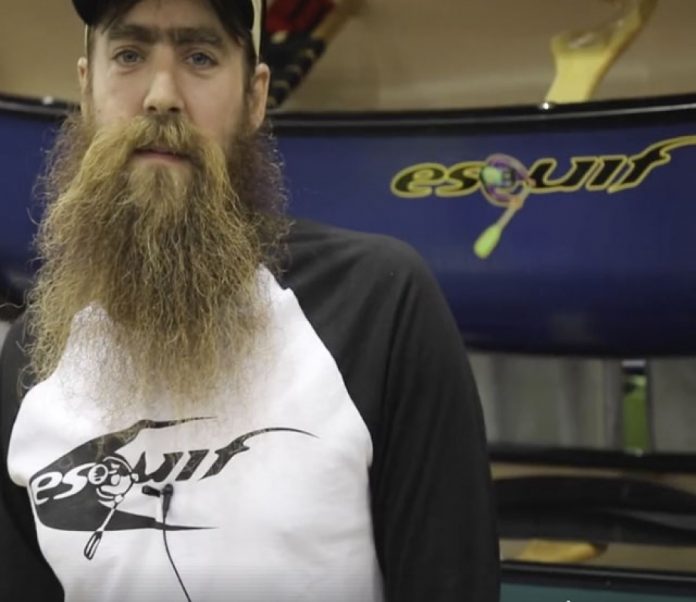
Esquif canoes were one of the first brands to use rotomolded polyethylene in canoes. And as time has gone on, the rotomolded canoes have gotten older.
Esquif showed off two whitewater canoes with rotomolded hulls. The first is a lite version at 52-pouns and the second is a super-lite version at 43-pounds. Both canoes have a foam bulkhead for more buoyancy.
Grab some whitewater and you are ready to boof.
For a closer look, check out the video below:
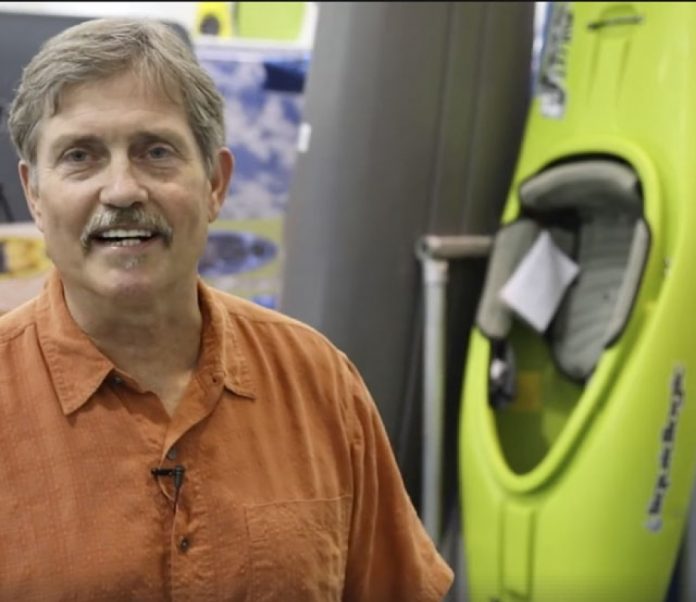
Hurricane kayaks are introducing a new boat to their ABS-thermafoamed plastic boat line, the Santee 110 Sport. At 33-pounds and 11-foot long, the Santee 110 sport is the perfect kayak for a solo paddle or a long trip with friends.
The seat of the kayak is an aluminum frame seat that is easily removed for loading. The best part about the seat is that you can use it as a camp chair after a long day of paddling. The hinged hatch in the back is great for storing your camping gear and the adjustable foot-pegs will help you stay comfortable all day long.
For more information, check out the video below:
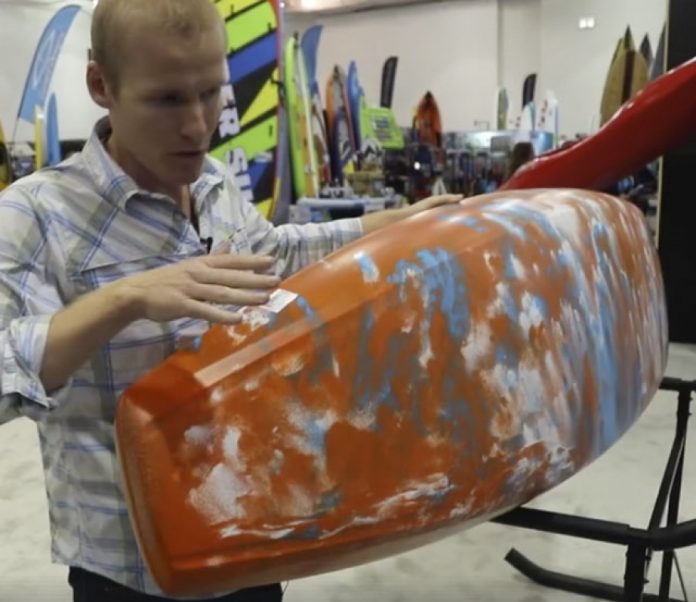
After spending a few years as an under-the-radar passion project, Dagger Kayaks has revealed the Phantom. The Phantom is about nine-feet long and is a perfect creek boat.
The boat has a ton of bow volume and rocker, to ride up and over anything you can throw at it. It also has a flat hull.
Never compromising on safety, the Phantom has rotomolded outfitting, a step-out pillar and an adjustable bulkhead on the front.
The boat also has five true grab handles, for pin extraction points and places for swimmers to grab in the event of a rescue.
For more information, check out the video below:
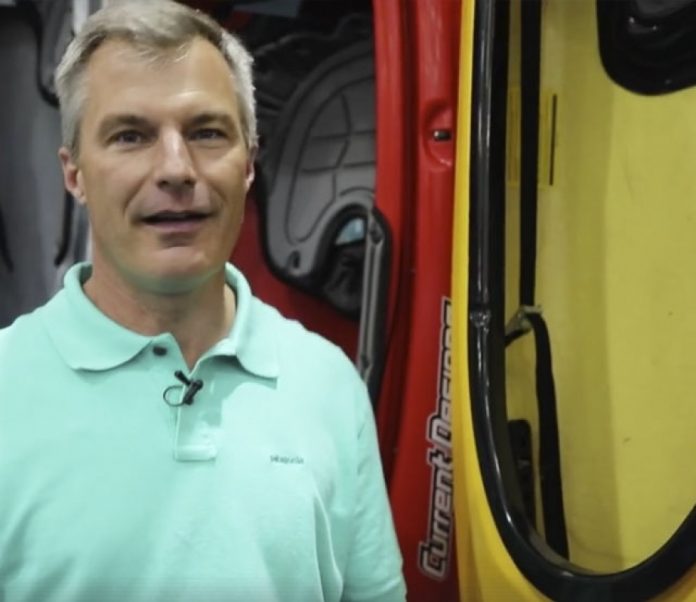
The Current Designs Serene is a recreational kayak for all types of paddlers. At only 31-pounds, you can throw this kayak over your shoulder and get to the water with ease.
The kayak is outfitted with a comfortable seat, foot braces and a really large, open cockpit. And it ships this fall, just in time for the holidays.
For more information, check out the video below:
Whitewater can seem chaotic and hard to understand when you first tackle it. But with a little practice, reading whitewater will become second nature.
The video below introduces 5 things you need to look for when learning to read whitewater.
Current is where water is flowing downstream. It usually creates a downstream V. Current will always flow in a straight line until it hits an obstacle. It will always be the strongest on the outside of a turn.
Eddys form on the downstream side of obstacles. This is where water can be shielded from the force of the main current, but they are moving water. The flow of the water will be toward the object that created it. Eddys can be broken down into three zones.
In the middle of an eddy is the standing part. This is where the water is the calmest. You can stay in this area with only a few paddle strokes.
The second zone is the draining part of the eddy. This is the downstream end of the eddy where the water is going back into the current. Here, you need to paddle in order to stay in the eddy.
The third zone is the filling part. Here, the current is flowing back toward the obstacle that created it. This part will pull you back into the obstacle or back into the main current.
The eddyline is the swirly water where the current and eddys meet. The are narrowest at the upstream point where they begin and widest at the downstream part where the eddy ends.
The waves are most often formed by current slamming into and slowing down by downstream water. They can come in many shapes, and a lot of waves will also mimic holes.
Holes are formed when water flows over a ledge or rock. The water is forced downwards and the water on the surface of the obstacle downstream is forced to flow back upstream into the whole. This creates a strong recirculating current.
For more detailed information, watch the video above.

Inspiring paddlesports participation through quality coverage of the people, places, adventures, boats and gear, trends and events that make paddling something you’ll do for the rest of your life.




© 2026 RAPID MEDIA
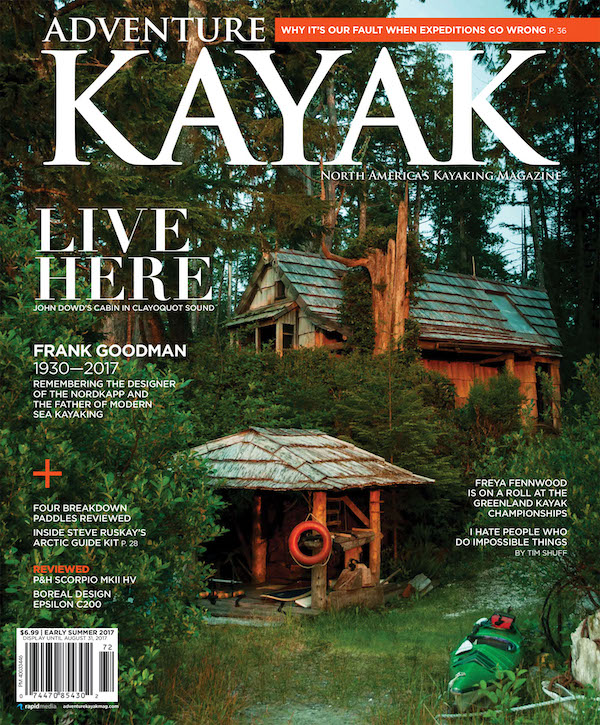 This article was first published in the Early Summer 2017 issue of Adventure Kayak Magazine.