Home Blog Page 231

10 Ways to Beat the Winter Blues

Photo: Jamie McCaffrey/Creative Commons

1MAINTAIN YOUR GEAR

With winter storms howling outside, now is the time to do those big and little repairs you’ve been putting off. Fix dings from last summer’s rocky landings, re-waterproof your tent, replace broken buckles on packs, take apart and clean camping stoves. Regular maintenance will extend the lifespan of your gear and, most importantly, make it more reliable when it counts.

2

PLAN UPCOMING TRIPS

Take advantage of the winter downtime to research and plan upcoming trips. Whether you’re still in the dreaming stage or ready to book your float plane drop-off, thoughtful preparation will make or break a trip. For inspiration and numerous useful paddling reports, check out Canadian Canoe Routes at www.myccr.com.

3

READ

Curl up in front of the fireplace with a steaming mug and delve into the pantheon of paddling books. Choose from epic adventures like Don Starkell’s Paddle to the Amazon to more recent works such as Jennifer Kingsley’s reflective Paddlenorth: Adventure, Resilience, and Renewal in the Arctic Wild or Roy MacGregor’s unique history Canoe Country: The Making of Canada.

4

MOVIE NIGHT

Take advantage of the short days and long nights with a paddling movie marathon. Whether you choose to go with a tried and true classic like Path of The Paddle or a more recent favourite like Finding Farley, paddling films will get you excited for adventures on the water. Discover many more at www.reelpaddlingfilmfestival.com.

5

TEST NEW MENU ITEMS

Tired of eating the old meals on camping trips? Winter can be a great time to test and refine new recipes, and if you take the time to dehydrate chilli, sauces and veggies, you’ll have even more of a head start on creating spectacular meals on your next trip.

6

SORT PHOTOS AND LOGS FROM LAST SEASON’S TRIPS

Unless you are a remarkably organized individual, chances are that your photos from last season(s) would benefit from some radical intervention. Mercilessly delete any mediocre, blurry or repetitive images until you have your album whittled down to a concise collection of shots you can be proud to show off (your friends will be grateful too!).

7

GET FIT

Stay in paddling shape by getting out on your cross-country skis, taking a yoga class and swimming laps at your local pool. Your body will thank you when you get back on the water for your first springtime sprint.

8

TAKE A COURSE

Brush up your toolkit of wilderness skills (or try something completely new) by signing up for a wilderness first aid course or life-saving certification. Photography, bird-watching, astronomy and painting all add a new element to tripping, while taking a boat building or paddle making course will leave you with a stunning work of art you can take on future adventures.

9

HANG OUT

Spend time with your paddling friends and plan future trips while telling tall tales. “Really, the bear was THIS big!”

10

TRAVEL

If all else fails to beat the winter blues, travel to a warm sunny place where you can spend quality time on the water.
Screen_Shot_2016-03-23_at_2.38.21_PM.pngThis article first appeared in the February issue of Paddling Magazine. To read the entire issue, click here.
Lightweight Touring Kayak Review: Delta Kayaks 12S

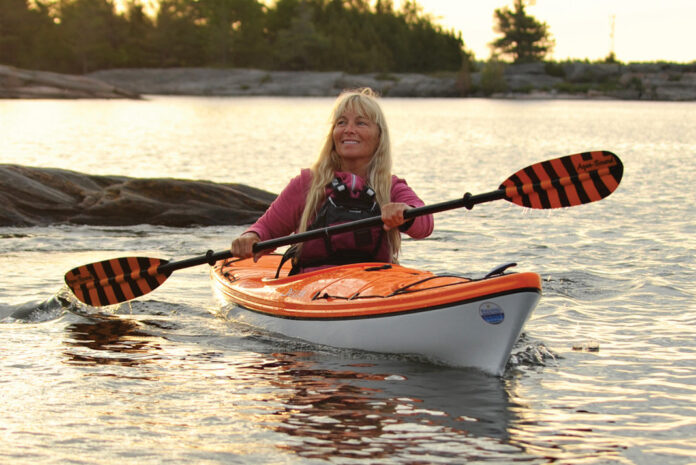
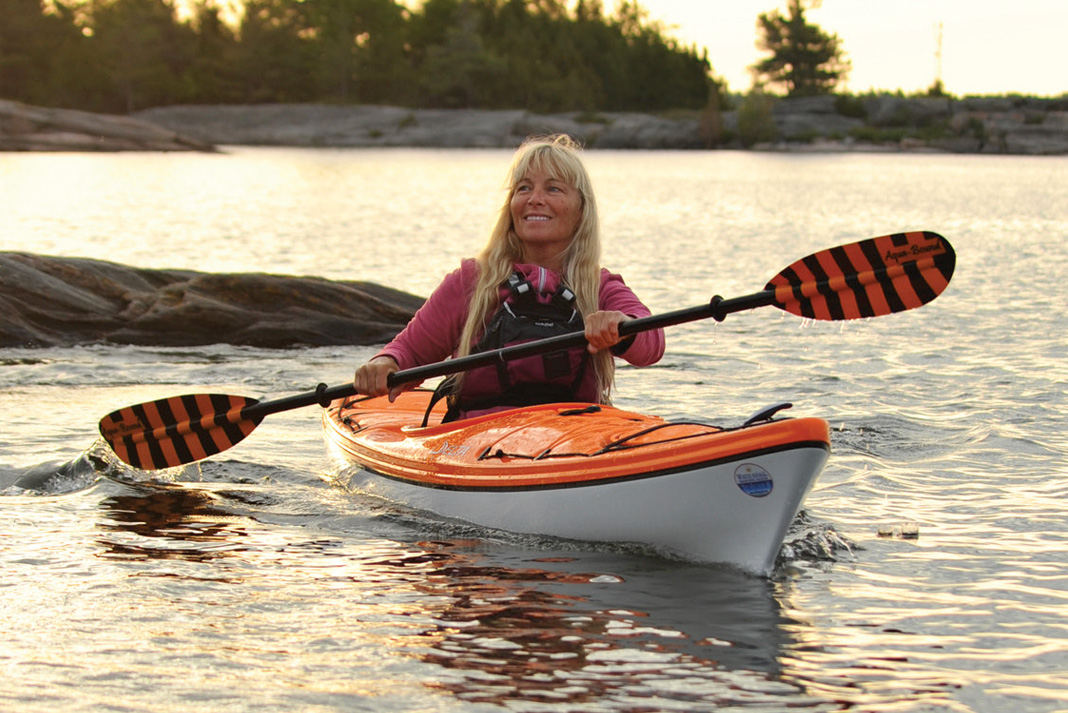
Delta Kayaks 12S. | Photo: Virginia Marshall

This article was part of a feature testing five compact touring kayaks while on a trip in Georgian Bay’s 30,000 Islands. The other boats in this roundup include the Stellar Kayaks S14-LV, the Current Designs Ignite, the Swift Saranac 14 and the Hurricane Kayaks Sojourn 135. Read the review of the Delta Kayak 12s below.

[ Paddling Buyer’s Guide: View all touring kayaks under 45 lbs ]

Delta Kayaks 12s review

Stable and well behaved, the 12S embodies Delta’s West Coast touring design ethos—beginner-friendly, efficient and capable of hauling all your gear—scaled down in a compact package.

The multi-chine, V-shaped hull and full, flared bow confidently handle bumpy conditions, while offering satisfying—if not speedy—cruising capabilities on calmer waters.

At 12 feet long, it’s the shortest boat we tested—yet it has an enormous appetite for gear. The hatches swallow nearly 160 liters (33 liters more than the 16-foot Ignite) and are accessed by the largest hatch openings in our line-up.

Delta Kayaks 12S Specs
Length: 12′
Width: 24″
Weight: 38 lbs
Price: $1,425

www.deltakayaks.com

The gasketed, press-fit hatch covers are bone-dry and by far our favorite to open and close—no straps, clasps, stubborn rubber or neoprene to wrestle with. The 12S is also the only kayak in our group with a day hatch in the front deck—perfect for keeping small essentials dry and within easy reach.

Delta Kayaks are industry leaders in thermoforming crisp lines and exquisite detail from sheets of ABS plastic. From its integrated outfitting adjustments to its gleaming deck and color-matching hatch covers, our demo is flawless inside and out.

Delta Kayaks 12S | Photo: Virginia Marshall

“It fits everyone well,” said one tester, noting the perfect placement and positive grip of the 12S’ padded thigh braces. The 24-inch width cradles a fore- and aft-adjustable seat and low-profile backrest that’s supportive without getting in the way—making the Delta our runner-up roller behind the slender Stellar S14-LV.

Attractive, comfortable and well appointed, the 12S is also the lease expensive boat in our fleet, offering exceptional value for discerning paddlers on a budget.


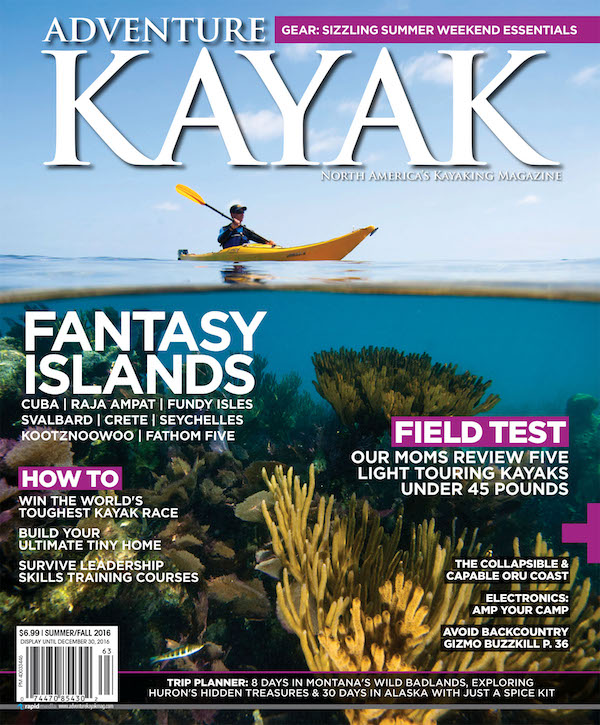
This article originally appeared in the Adventure Kayak
Summer/Fall 2016 issue.
Subscribe to Paddling Magazine and get 25 years of digital magazine archives including our legacy titles: Rapid, Adventure Kayak and Canoeroots.

Master The Basics: 6 Most Important Canoeing Skills And Techniques

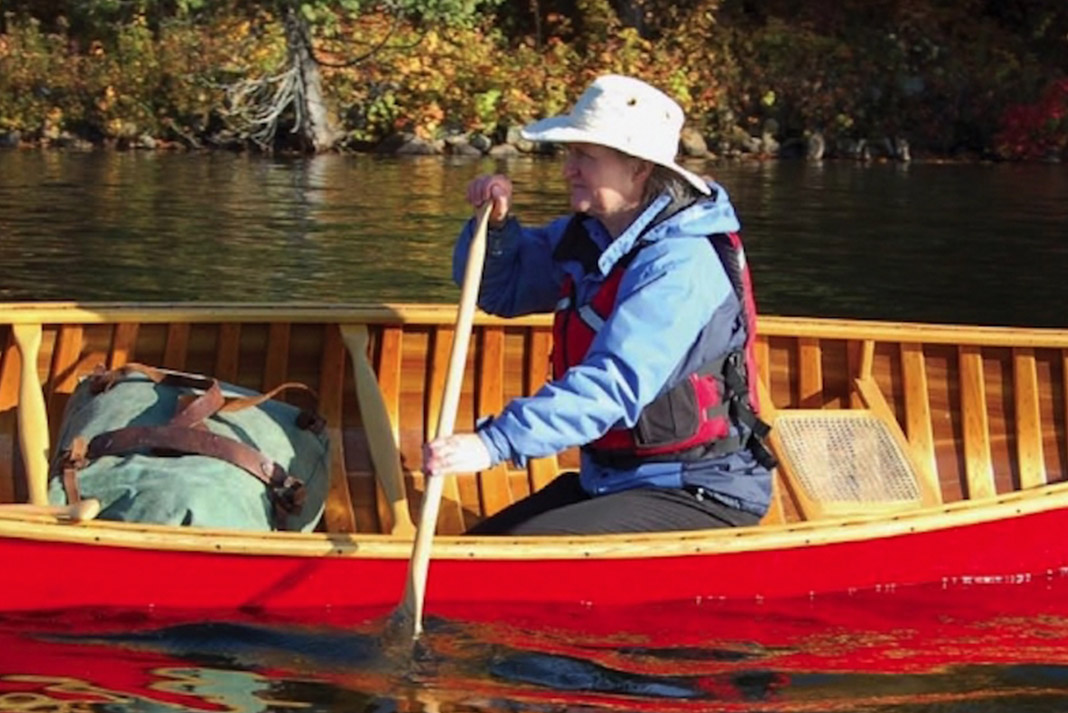
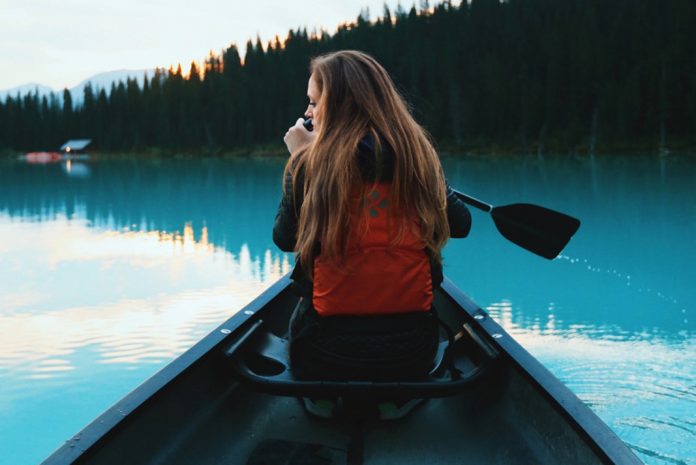
A woman in the bow of a canoe on a blue lake
Master the basics, and who knows where canoeing will take you.

Learning how to canoe is an exciting journey that can open up vast areas of wilderness for a lifetime of adventures. But when you’re just beginning, the number of canoeing skills and techniques you need to learn can seem equally vast and challenging.

What is a bow-rudder? Why are soloists kneeling backwards in a tandem canoe? Make your learning process simple by beginning with these six important canoeing skills and techniques before you move onto more advanced strokes and water conditions. Happy paddling!


Most Important Skills and Techniques for Canoeing

1 Learn the J-stroke

When it comes to basic canoeing techniques, the J-stroke is the skill that will immediately make you feel more adept on the water. Mastering this key stroke will allow you to stop switching sides and artfully steer the canoe exactly where you want to go.

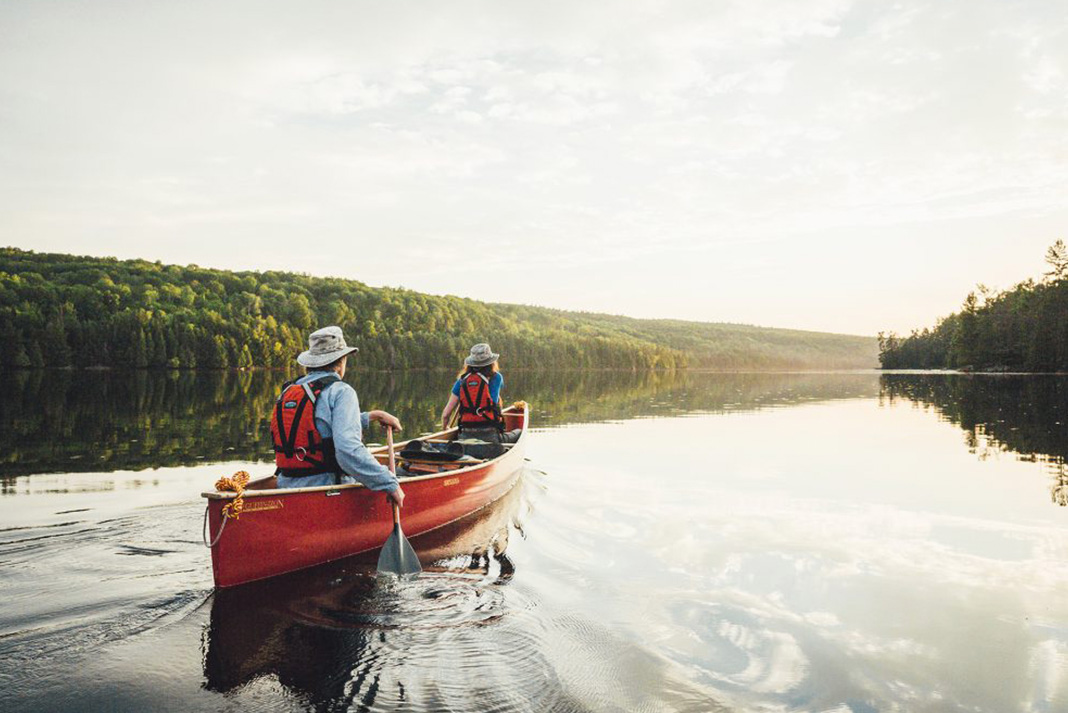
Two people paddling canoe across calm lake
Stop switching sides as you paddle with the artful canoeing J-stroke. | Photo: Courtesy of Ontario Tourism

Use the J-stroke in the stern of a tandem canoe, or as an essential steering stroke while solo paddling. Learn this highly useful canoeing stroke from our article and instructional video on How To Do The J-Stroke.

[ Paddling Buyer’s Guide: View all tandem canoes ]

2 Develop a great forward stroke

It may seem simple, but pulling off a perfect forward stroke takes practice. You want to make sure the paddle blade is positioned in such a way that you pull water efficiently and use your core muscles through the stroke for maximum power and to reduce arm fatigue.

Woman paddling a canoe solo
Becky Mason demonstrates the forward stroke in a canoe. | Photo: Becky Mason

Becky Mason presents step-by-step instructions to help you master the forward stroke, one of the most important strokes in a flatwater canoeist’s repertoire. Check out her article on the Traditional Forward Canoe Stroke.


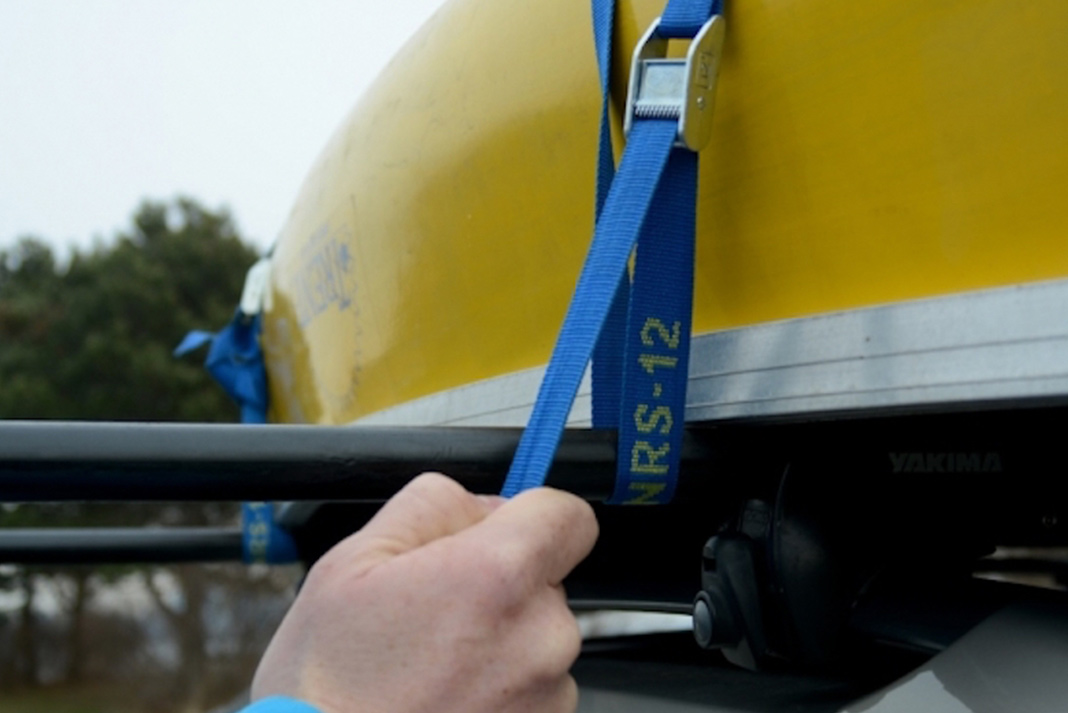
3 Properly tie your canoe to the car

It’s not an on-the-water skill, but properly lashing your canoe to the roof of your car will get you there. Most people aren’t lucky enough to live right at their favourite paddling destinations, which means transportation is part of their canoeing adventures.

Hand tightening cam strap on canoe on roof rack.
Master this skill to keep you and others safe on the road. | Photo: Paddling Magazine Staff

Use a safe and effective method to transport your boat and you can spend less time fiddling with straps and focus on developing your paddling skills. We have the goods on How To Tie A Canoe To Your Vehicle with or without a car rack, including instructional videos.

[ Paddling Buyer’s Guide: View all canoe transport, storage & launching accessories ]

4 Master a canoe rescue technique

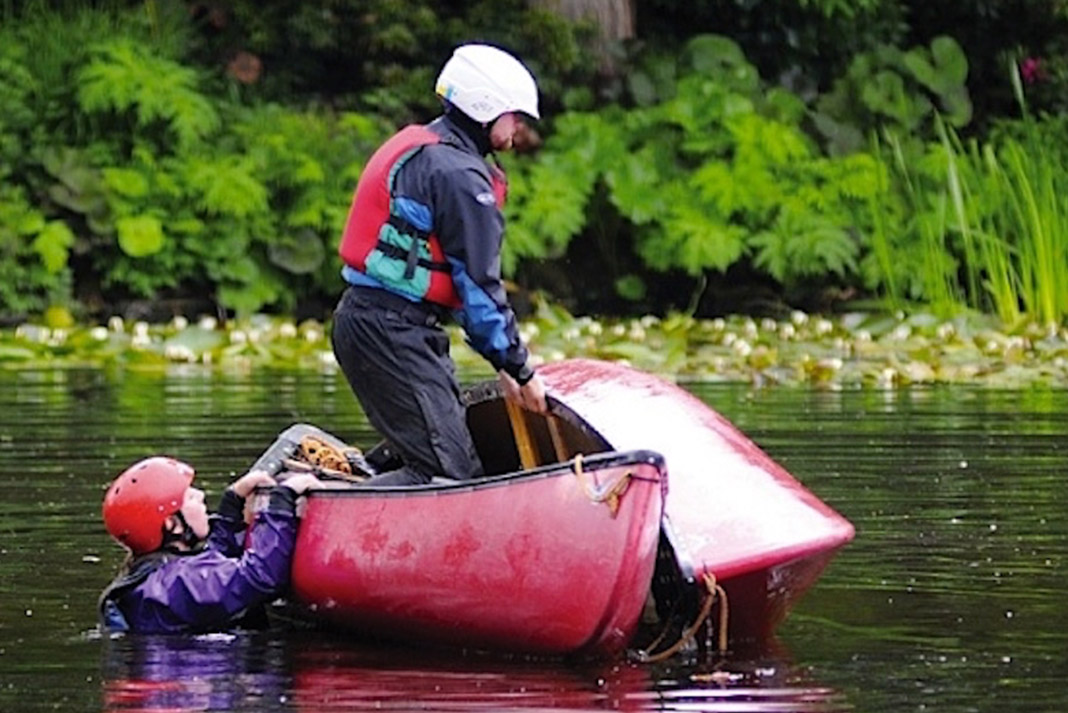
Flips happen. But once you learn and practice proper canoe rescue techniques they go from a catastrophic event to a formulaic fix.

One person standing in canoe lifting a swamped canoe, another person holding the gunwales of the stable canoe.
Two canoeists work together to empty a flipped, red canoe in a marshy bay. | Photo: Leo Hoare

There are many different ways to execute a canoe rescue, but the parallel—or curl—rescue is one of the fastest, simplest techniques. To learn more, follow our instructions on the Parallel Canoe Rescue Technique.

[ Paddling Trip Guide: View all canoe instruction and skills clinics ]

5 Learn the canoe low brace

If you end up in wavy and choppy waters, the low brace is a great skill that can help you maintain confidence and prevent a capsize.

Man performing low bace in canoe
The low brace is an essential canoeing skill for choppy water. | Photo: Paul Villecourt

The low brace uses your paddle blade to create pressure against the water. Learn How To Do A Low Brace In A Canoe to steady your boat like a longtime paddler and avoid taking an unplanned swim.


6 Choose the perfect canoe paddle

Like many things in life, choosing the right tool for the right job will make it much easier to improve. Just because it has a shaft, grip and blade doesn’t mean a canoe paddle is the right size, shape or angle for you.

Canoe paddles lined up
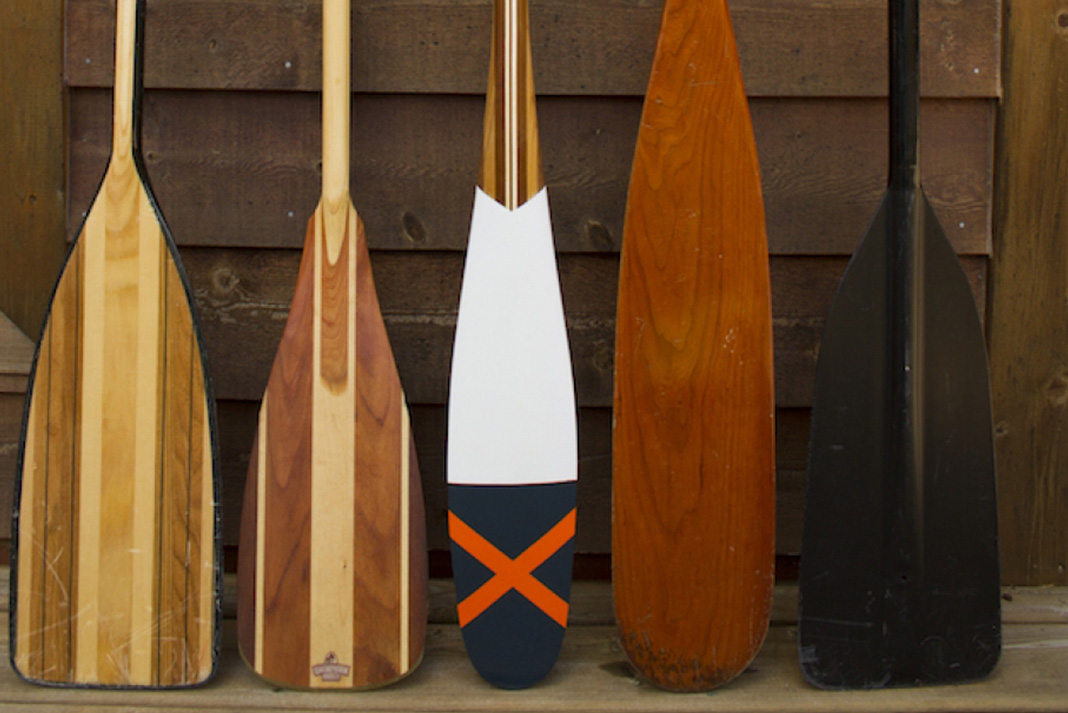
Paddles of different shapes and styles, which one is for you? | Photo: Hannah Griffin

Paddles are designed for different styles and conditions of canoeing, and selecting an inappropriate one can make learning to canoe frustrating and slow. Pick the proper tool for you with our guide on How To Choose The Right Canoe Paddle.

[ Paddling Buyer’s Guide: View all canoe paddles ]


9 Most Important Skills For Whitewater Paddlers

Person in whitewater kayak
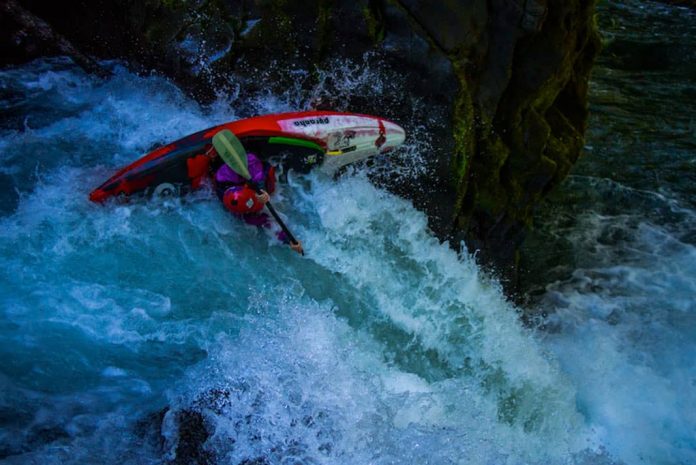
Practice makes perfect. | Photo: Pyranha

You can never stop developing your skills in whitewater paddling. That’s one of the reasons whitewater is so addictive. Changing seasons, varying water levels and different styles of paddling require many different skill sets.

Over the years at Paddling Magazine we have brought you everything from beginner basic skills like rolling to more advanced techniques including boofing and nailing big drops. We’ve compiled our list of the most crucial skills for whitewater paddlers. How many have you mastered?

Instructor helps someone roll their kayak.

1. How to roll your whitewater kayak

Learning how to confidently roll your whitewater kayak transforms your experience running rivers. It means that a flip doesn’t automatically mean a long swim and a multi-person process to locate your gear downstream. Different paddlers abide by different advice, but we think ours is pretty great.

Someone adjusting straps around kayak on roof of car.

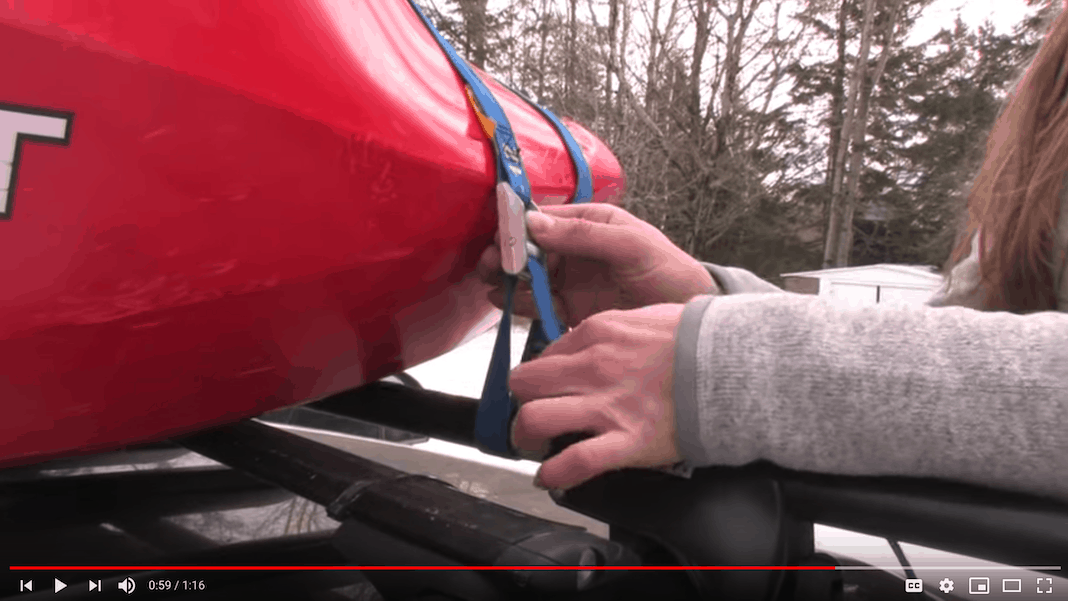
2. How to tie your kayak to your car roof

It may not be a water skill, but knowing how to tie down your kayak to the roof of your car is super essential. It means your boat makes it to the river intact, and also keeps you and other drivers on the road safe. If you’ve never had a mishap while driving with a boat on your roof, count yourself lucky and learn the best technique to keep yourself accident free.

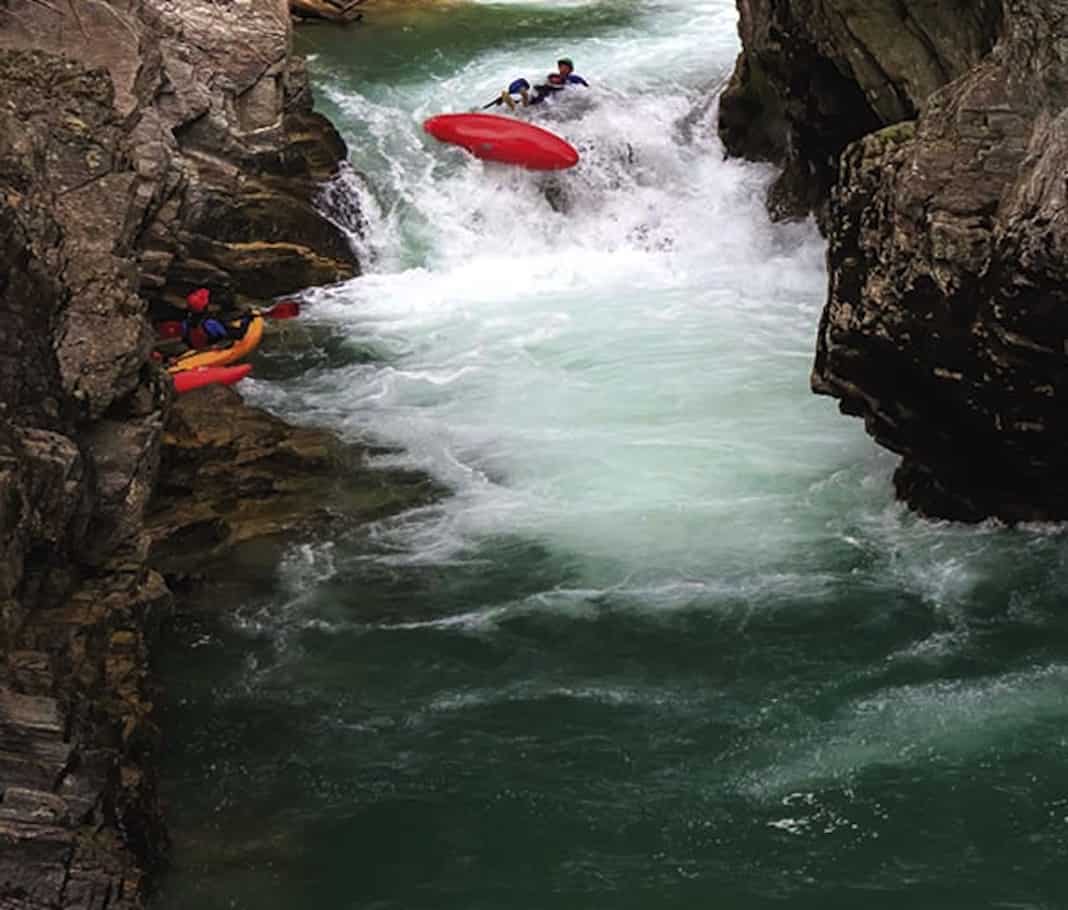
Person in kayak flipping upside down on rapid.

3. How to properly swim in whitewater

Once you swim, how you handle yourself in the water can mean the difference between potential injury and arriving shaken but safe on shore. There is more to proper whitewater swimming technique than just letting yourself be swept downstream.

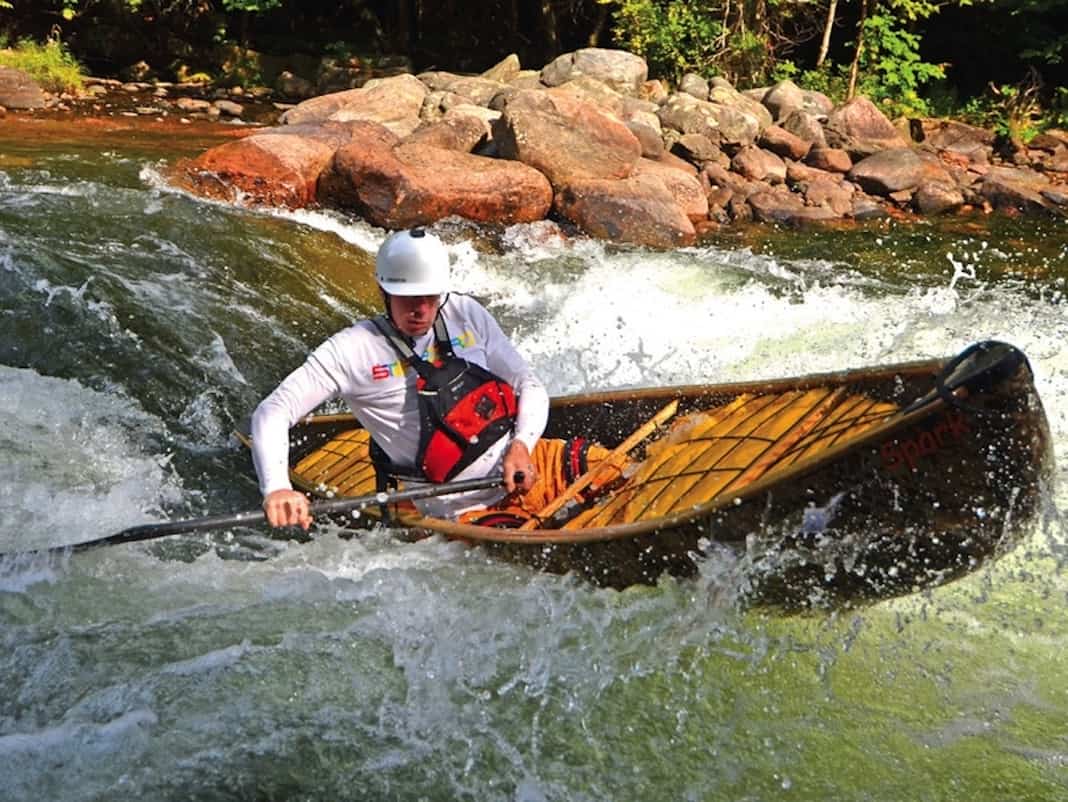
Man performing brace in canoe.

4. How to low brace

A rock solid low brace is a valuable tool. In big whitewater it allows you to prevent rolling by using the surface of the water against your paddle and can also prevent shoulder injuries if done correctly. If you want to stay dry and expend less energy in whitewater, master the low brace.

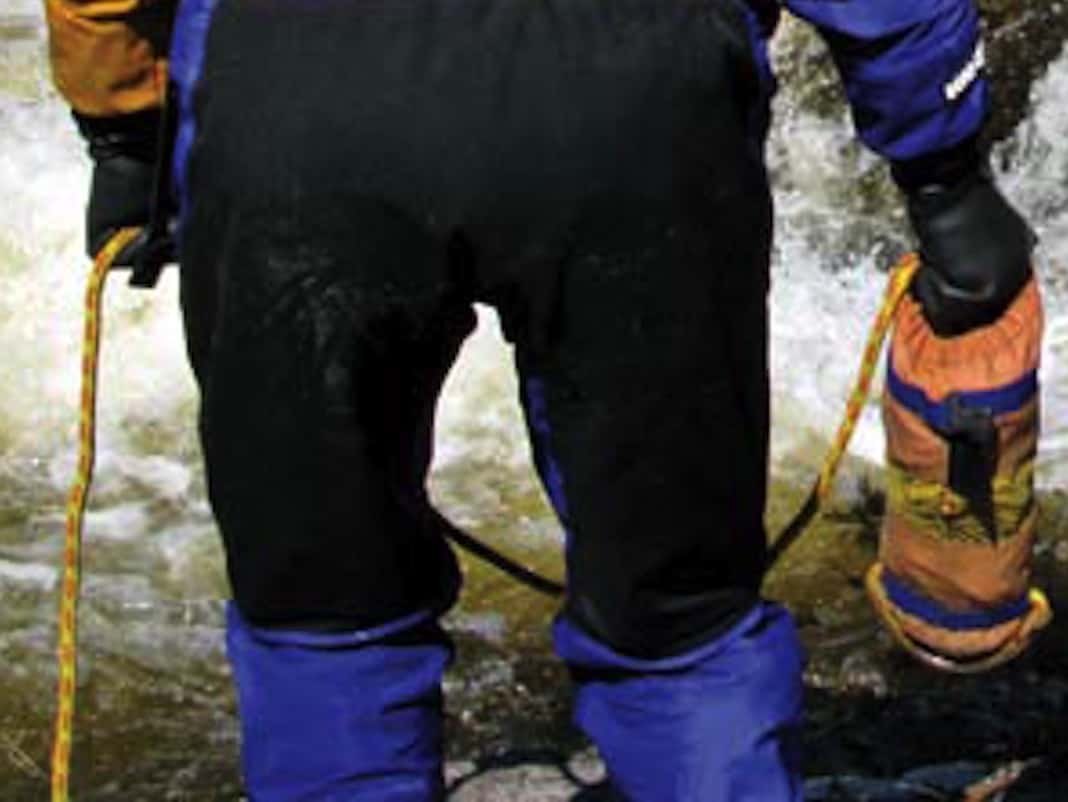
Person standing beside river holding throw bag.

5. How to throw a throw bag properly

A proper throw bag toss can keep a stressful situation from turning into a whitewater disaster. In some situations you are only going to have enough time to take a single shot at a toss. Make sure your throw bag toss is strong and that you are someone your buddies can count on when it matters. Dial your throw bag technique.

[ Paddling Buyer’s Guide: View all safety and rescue gear ]

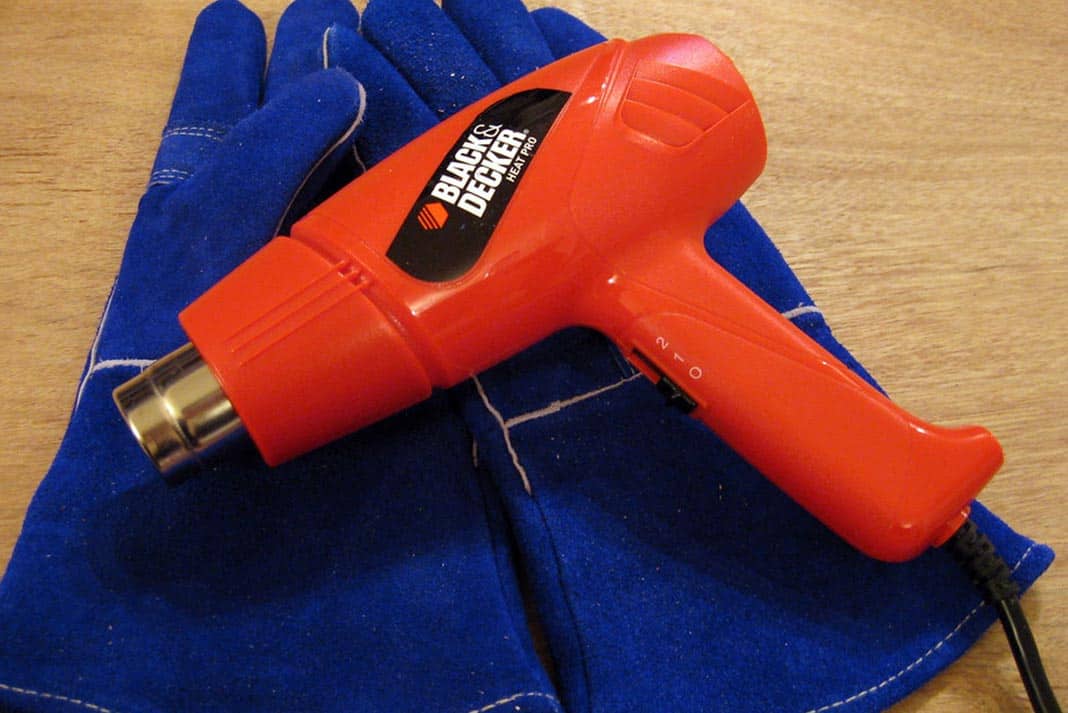
Heat gun laying on gloves

6. How to fix a cracked kayak

Dang! You boofed onto something that wasn’t water or dragged your kayak on a surface you shouldn’t have. Now you’re taking on water a rate your sponge can’t keep up with. Take a day off from kayaking and learn how to repair your cracked kayak yourself and without spending a lot of money.

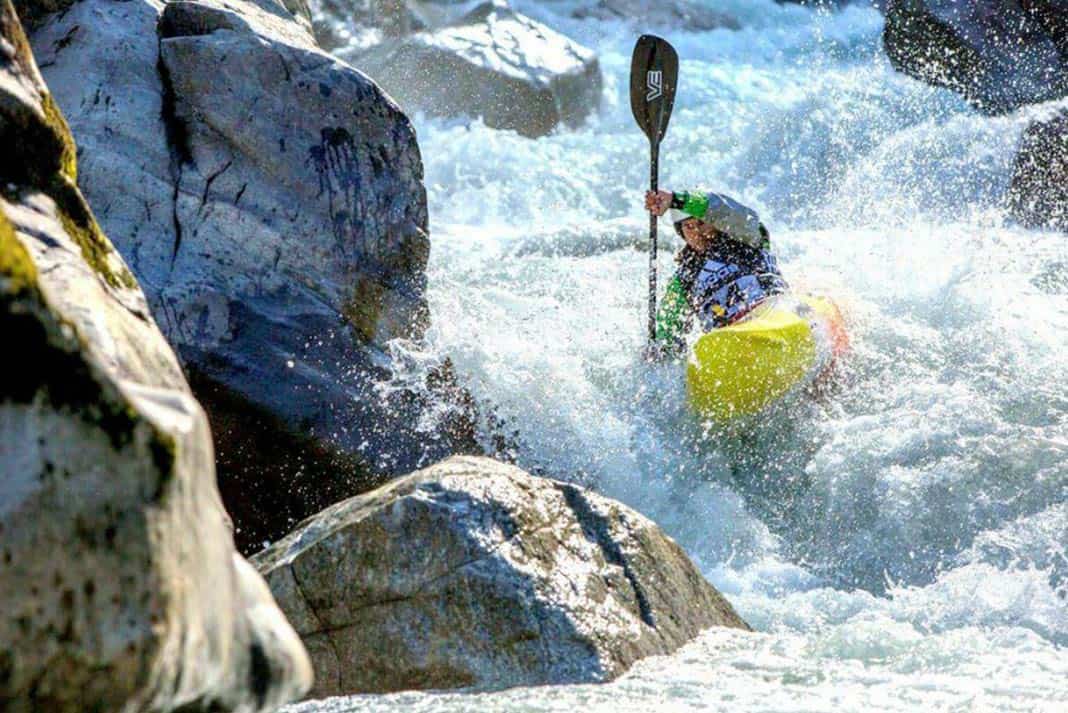
Man kayaking down river

7. How to escape a hydraulic

Getting stuck in a hydraulic can be a scary feeling, especially the first time. Being recycled and held while the rest of the river rushes past you can cause you to panic. Learn how to properly escape a hole and next time it happens to you, you will be better equipped to stay calm and extract yourself.

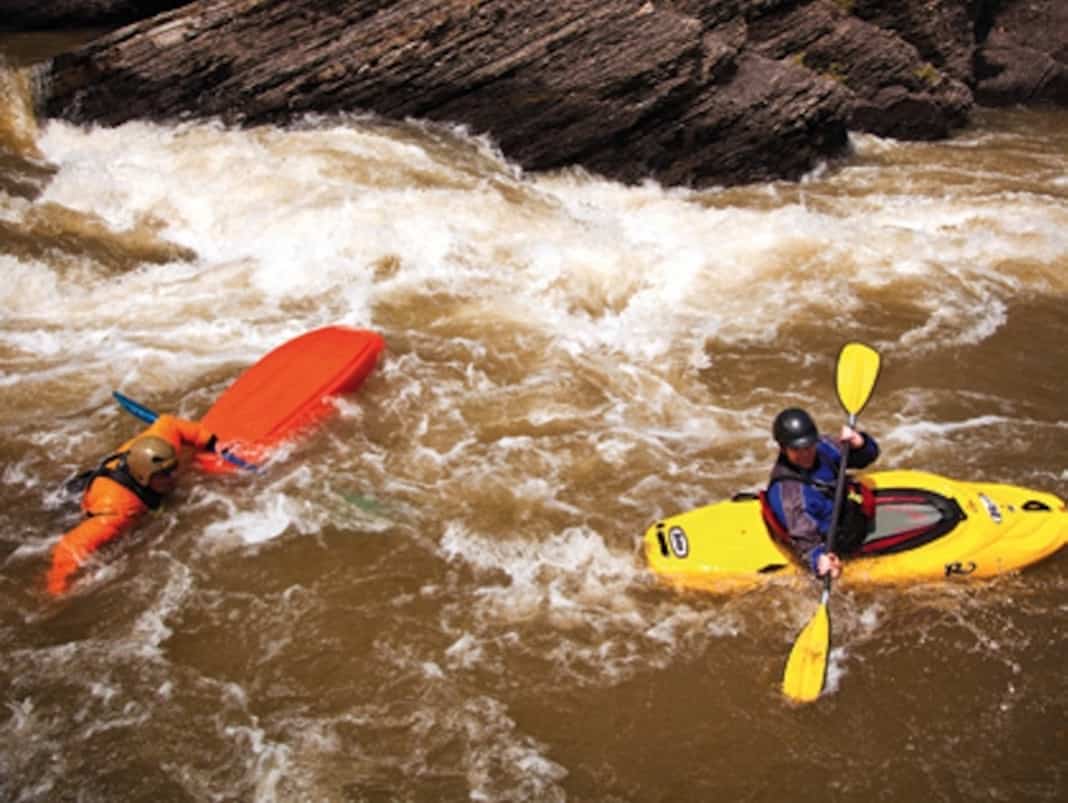
Two kayaks, one turned upside down with kayaker floating alongside.

8. How to recover a kayak

When someone in your crew swims, it’s important to be able to help them quickly gather their kayak and gear. Runaway boats quickly retrieved mean less time walking for the kayak’s owner and less effort used by the rescuer. Learn how to recover a kayak the best way.

 [ Paddling Trip Guide: View all whitewater paddling skill courses ]

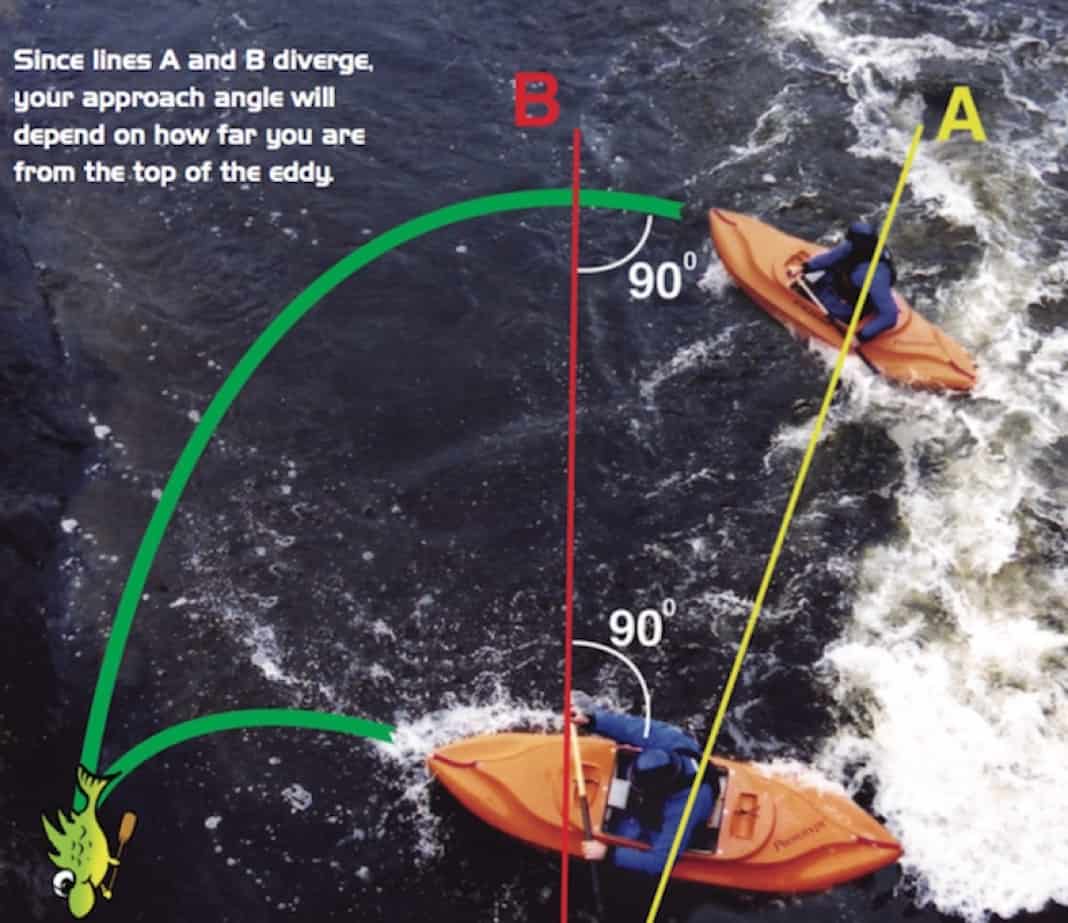
Diagram depicting how to cross an eddy in a kayak.

9. How to cross an eddy line

Choosing the best angle is key to successfully crossing an eddy line. If you are too wide or too short, the effectiveness of your movement can be compromised. This will be different for each eddy you encounter, so learn how to cross any eddy line efficiently.

7 Best Camping Hacks-According To Pinterest

Tent under the milky way | Photo: Flickr user Michael Matti http://bit.ly/1mYtFtc

While not everything the Internet brings us is great, it is an amazing resource for new ideas and innovations. Although chatting to other paddlers and campers is a tried-and-true way to learn about new backcountry methods, there is also a great deal of information online you can utilize. We scoured Pinterest for the coolest and most creative camping hacks. These easy fixes and tweaks can make your time in the backcountry more delicious, easy and fun.

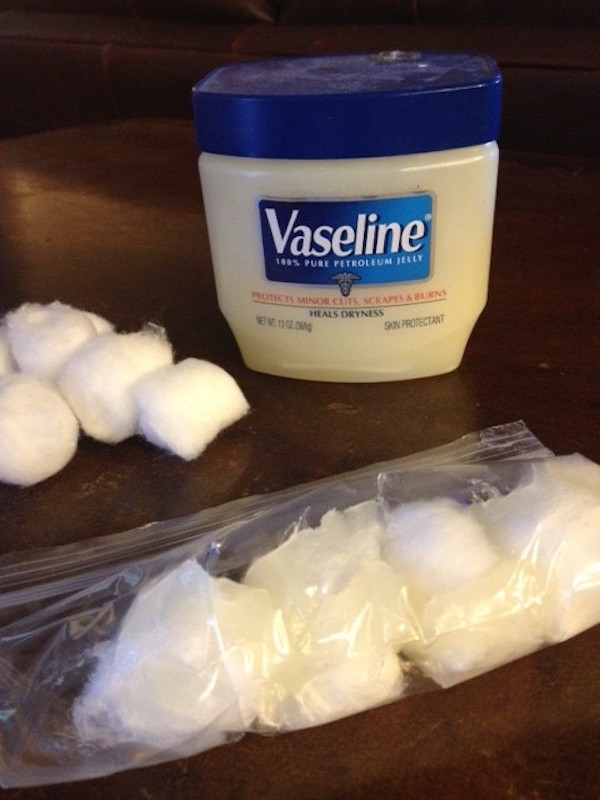
1. Cotton balls and Vaseline as a firestarter

diy cotton balls

Cotton balls soaked in Vaseline are a great, lightweight and inexpensive firestarter. You can prepare a large batch beforehand and store them in small ziplock bags or a tin, and take a few with you when you go into the backcountry. Light a few and make sure you have a lot of kindling and small, dry pieces of wood on hand to get a strong blaze going.

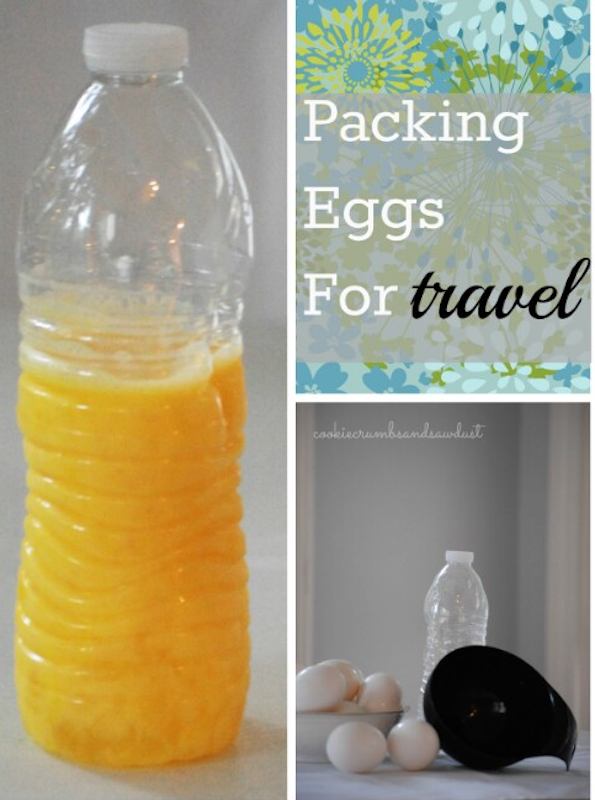
2. Egg storage in a water bottle

eggs

Eggs and bacon enjoyed in a wilderness paradise can’t be beaten. Carrying a carton of eggs on a two-kilometer portage, however, is a recipe for a serious mess. Crack your eggs into a water bottle and you can have them travel safely and securely with you on your adventure. Make sure to eat them within the first day or two.

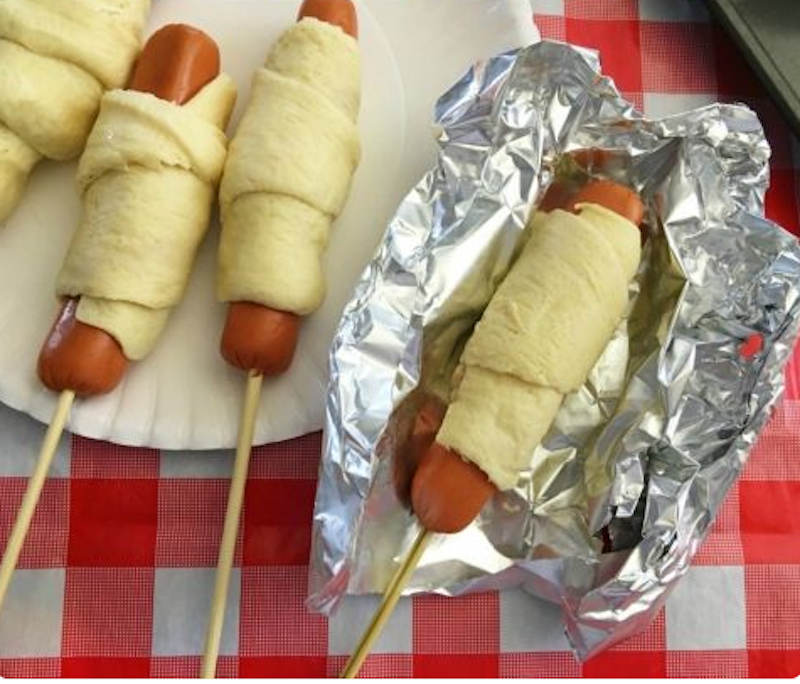
3. Hot dogs wrapped with frozen dough to create pigs in a blanket

hot dogs

You can make campfire hot dogs a bit fancier and more decadent with this awesome and easy camping hack.

Bring crescent roll dough, hot dogs and aluminum foil in your camping kit. Wrap the hot dogs in the dough, wrap loosely in foil and roast over the fire. Enjoy!

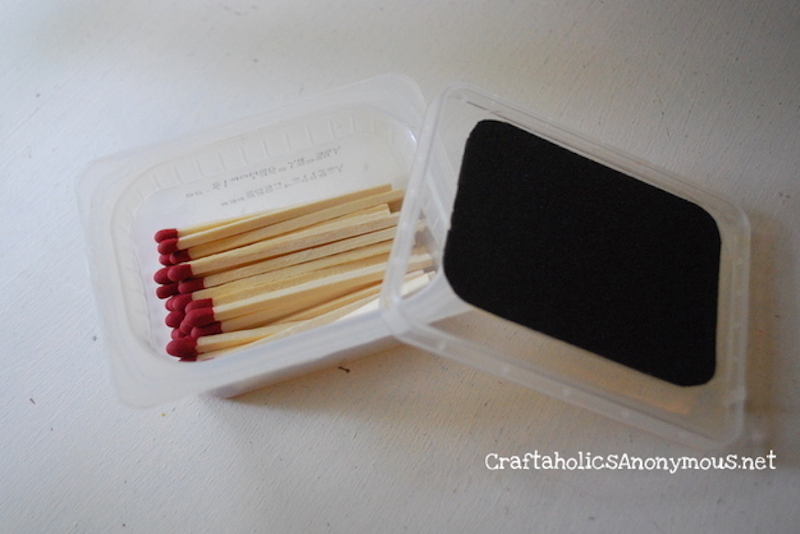
4. Sandpaper glued to the inside of your waterproof match case

sandpaper matches

Glueing sandpaper inside your waterproof match case means you will always have a means of striking a match, regardless of the weather. We think it’s a great idea to have one match case with sandpaper glued into it stashed for emergencies with the tips of the matches dipped in wax to ensure they won’t get wet. You can keep another set close at hand.

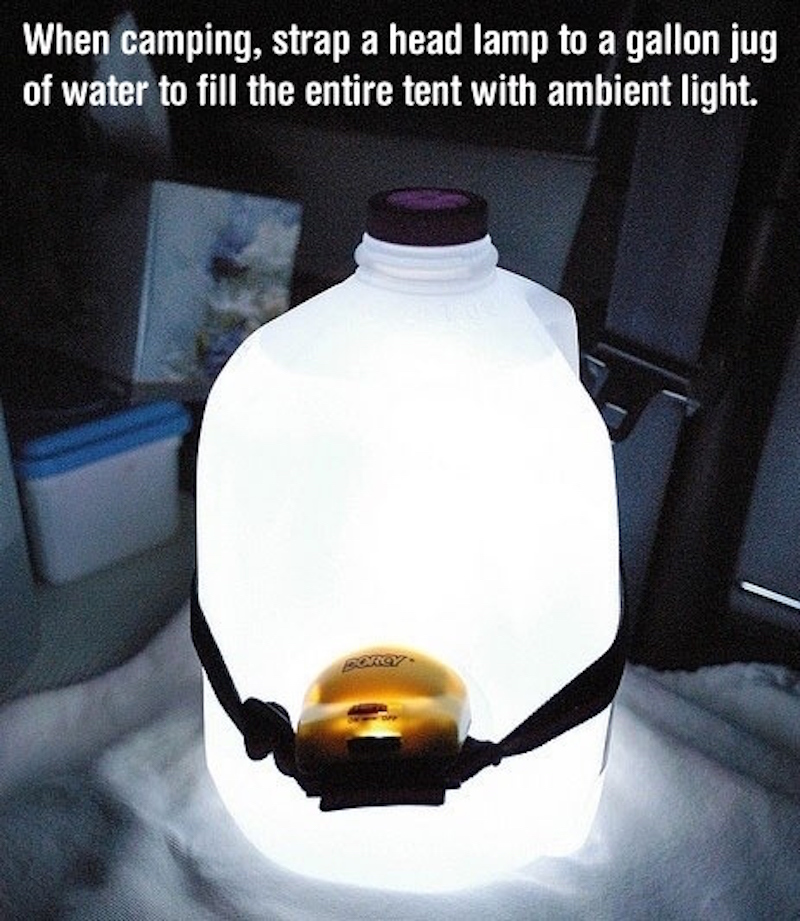
5. A DIY lantern using a headlamp on a water bottle

headlamp water bottle

If you are reading at night in the tent or playing cards with your camping buddies, this is a great way to create a nice soft glow.

Wrap your headlamp around a water bottle of any size so that your headlamp points inwards and illuminates the water. You can hang smaller water bottles from the roof of your rent to give the light lots of reach.

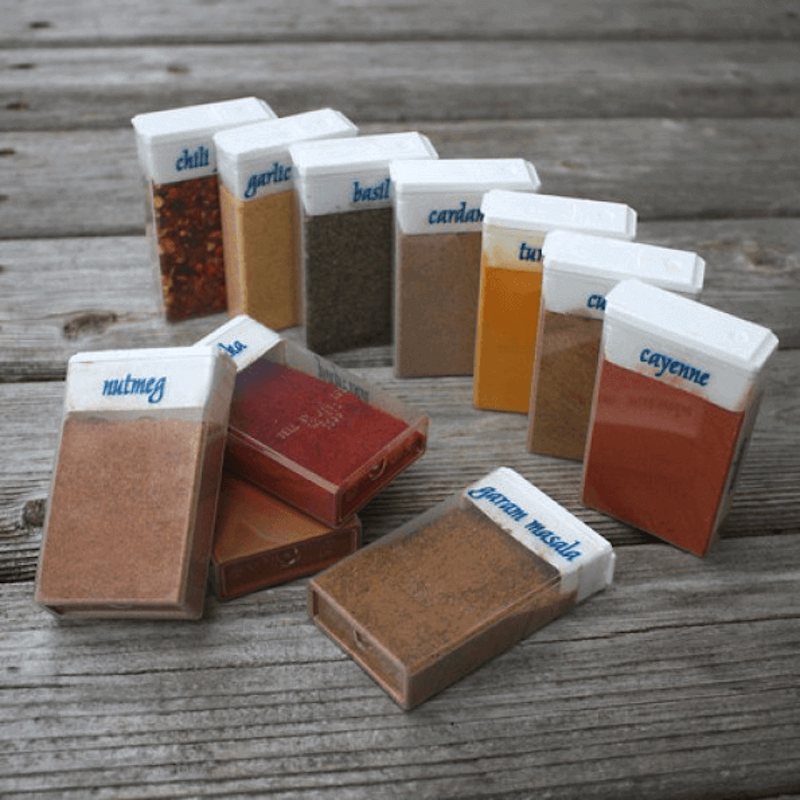
6. Tic Tac containers as perfect spice kits

tic tac storage

The spice kit is a key part of a wilderness trip. Burnt mac and cheese can be remedied with a healthy dose of garlic powder, while bland rice and beans become more palatable with salt, pepper and cayenne. Make accessing spices easy and clean by using a collection of Tic Tac boxes. They snap closed easily and are the perfect size.

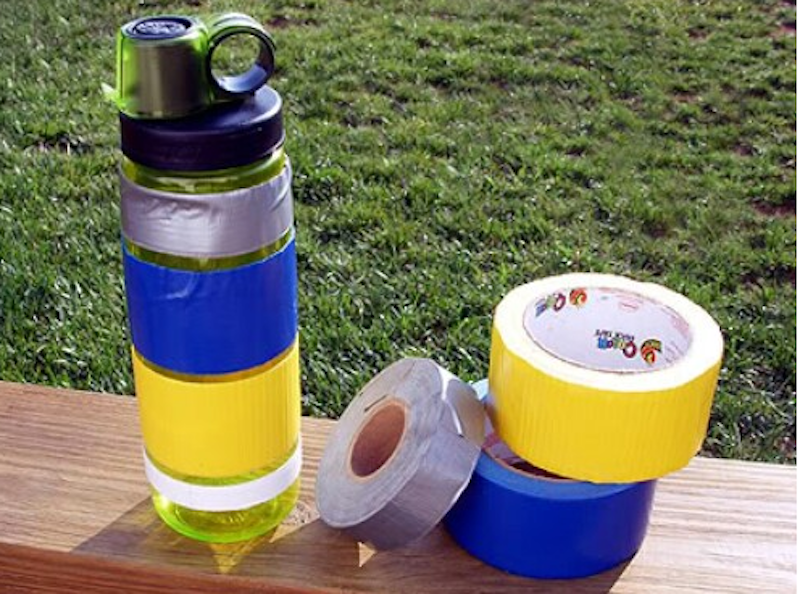
7. Water bottle as a place to stash duct tape for emergencies

water bottle tape

Duct tape is a key item to have in the backcountry. It can used for everything from patching holes in your down coat to holding your tent together. Wrapping it multiple times around your water bottle gives you plenty to work with without bringing the entire roll.

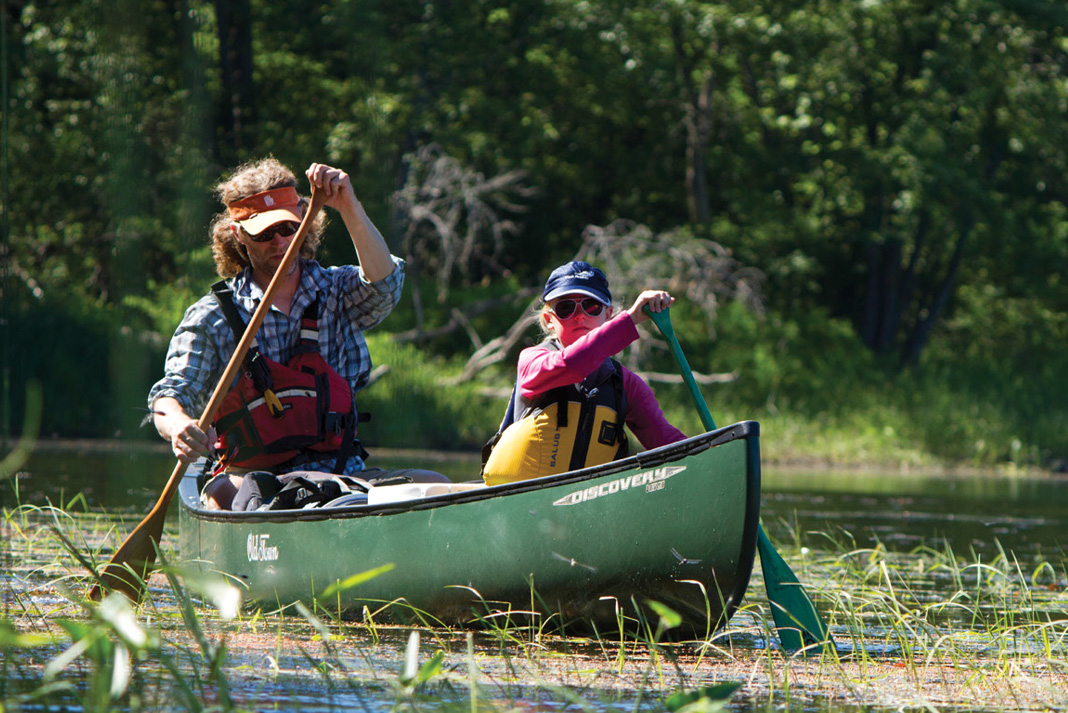
Boat Review: Old Town Canoes Discovery 169

Family paddling is full of fun fun fun! | Photo: Hannah Griffin

Nestled amongst the carbon fiber hulls, sleek silhouettes and gorgeous cherry wood trims in the garage, Old Town’s Discovery 169 canoe stands alone. It’s a little thicker around the middle, a bit more chunky in its trim. Certainly, at 91 pounds, it’s one of the “bigger-boned” tandems we’ve ever tested.

Some might be tempted to pass over this husky polyethylene tripper in favor of a slimmer and sexier option—but we wouldn’t. The venerable Discovery 169 is perfect for your next family expedition. Here’s why.

Old Town Canoe Discovery 169 Canoe Specs
Length: 16 ft 9 in
Width: 37 in
Depth: 15 in
Weight: 91 lbs
Capacity: 1,400 lbs
Material: Three-Layer Polyethylene
Price: $1,099
oldtowncanoe.com

A stable tandem canoe by Old Town Canoe

Renowned for the last three decades for its versatility and durability, the Discovery 169 is favored by Scout camps, outfitters, trippers and recreational paddlers who want to paddle far, bring lots of gear and forget about babying their precious boats.

You might already know how this boat handles because it seems like everyone has paddled the Disco at least once. If so, it’s just as you remember: agile, stable and easy to handle.

Its stable shallow-arch hull and 37-inch beam ensure the family hound and kids can throw themselves side-to-side wildly with barely a wobble. And measuring just under 17 feet, it maintains good hull speed once you get it going and the bow slices nicely through the water with an efficient glide. Thanks to the moderate rocker, it’s easily maneuverable.

The Discovery 169 recreational canoe has loads of carrying capacity

If you need carrying capacity, the Disco has it in spades. This recreational canoe will be perfect for all your camping gear. Rated to carry a max of 1,400 pounds, we don’t think we could ever carry enough gear and passengers to sink it. Best yet, the flat and fat plastic gunwales might be the best we’ve ever perched on for an epic bob-off. The kids will love it.

The Discovery series debuted in 1984, but its origins are traced back a further six years to when Old Town Canoes created the Old Town Tripper in Royalex in 1978—at the time a state-of-the-art canoe.

No worries about running up on shore or bumping rocks downriver—the Discovery can take a beating.

Following the famous stunt in which Old Town Canoes threw a Royalex Tripper off their factory rooftop to prove the new boat was nearly unbreakable, the team designed a new even heavier-duty material in three-layer polyethylene.

“They took the Tripper design, and basically made the same hull in three-layer polyethylene and called it the Discovery, says Old Town rep Scott Phillips of the Discovery’s origin story. While accessories and seating arrangements have been updated and the series is now offered in five different sized models, the hull itself hasn’t changed much, he adds.

Family paddling is full of fun fun fun! | Photo: Hannah Griffin

Old Town Canoe’s heavy but durable 17-foot canoe

That tough-as-nails three-layer construction is a sandwich comprised of closed cell foam surrounded by layers of high-density linear polyethylene. No worries about running up on shore or bumping rocks downriver—the Discovery can take a beating.

In fact, we see many from the ‘80s still on the water today. By now, many paddlers have long since altered the model name on the bow, scratching off letters until it simply reads, Disco ‘69. “The jury is still out on how long these boats will last—they just keep going,” says Phillips.

With the loss of Royalex from the canoe market, Phillips adds there’s been renewed interest in the Discovery and its three-layer poly lay-up

“It’s the next best thing,” he argues. “The only thing Royalex hulls had over the three-layer poly was lighter weight. The Discovery is more durable, its abrasion resistance is better and it’s even less expensive.”

I wouldn’t be the first to volunteer to solo carry this heifer—especially without a dished yoke. We might opt for another canoe for a portage-heavy route. However, on any other type of trip the Discovery’s carrying capacity and easy handling have won us over. With the Disco ‘69, there’s simply more to love.


Kayaking India’s Gnarly Whitewater

Maybe your international paddling trip wish list is full of destinations like New Zealand, Austria and northern Canada. All noble pursuits, but we think you should also throw India on that To Paddle list. If you need some convincing, watch this great new edit from Daniel Egger shot in Meghalaya, India. Our favorite scene is the throwing of the kayak, paddle and paddler into the bubbling whitewater below that begins the edit.

Kevin Callan Reveals His All-Time Favorite Canoe Route

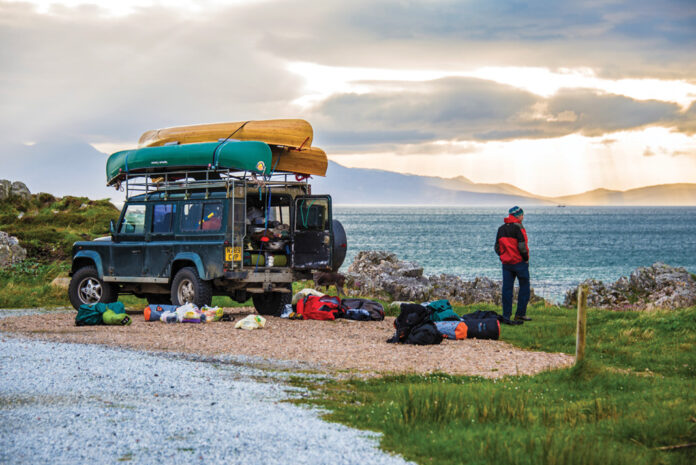
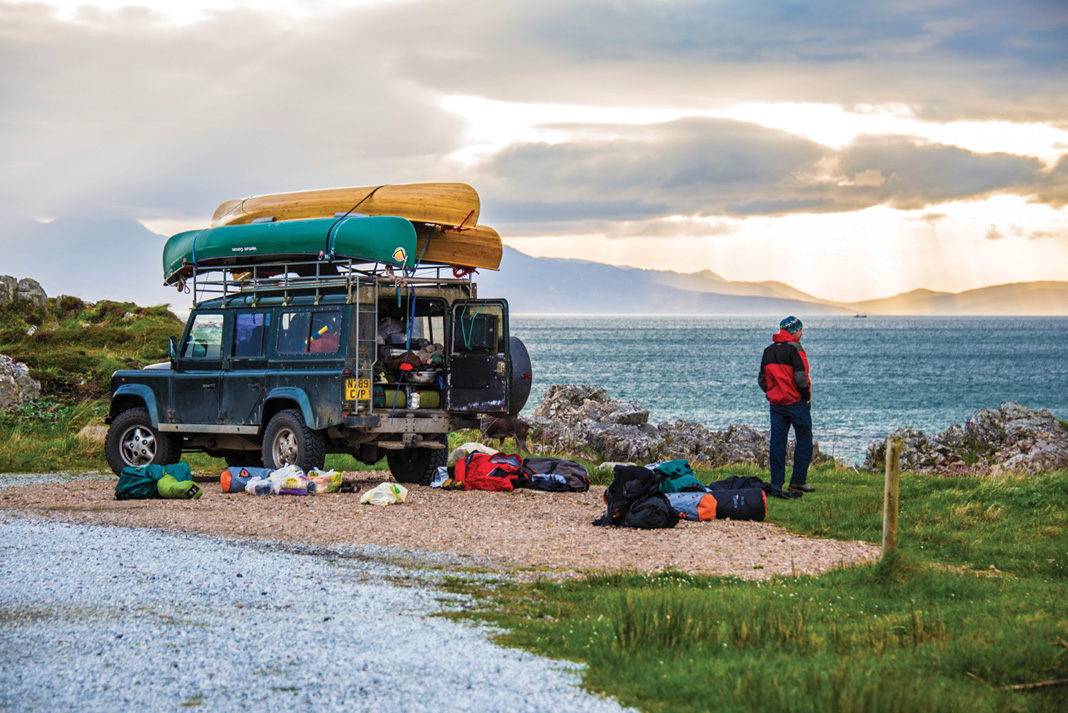
Jeep loaded with boats and gear spread out behind with man standing looking out at water
The best canoe route is yours to discover. | Feature photo: Paul Villecourt

I have spent a good portion of my life telling paddlers where to go. So, you might think that after producing almost a dozen guidebooks, countless articles and oodles of videos I’d be able to answer the most common question I am asked: What’s your favorite canoe route?

Kevin Callan reveals his all-time favorite canoe route

The answer isn’t as easy as you might think. In my futile attempts I blurt out what’s most familiar to me—Algonquin. Then I reconsider, remembering how scenic Killarney is, and change my answer. Then I remind myself how busy both parks can be and turn to some less traveled wilderness areas: Quetico, Woodland Caribou and Wabakimi. From there I ramble off some lost routes only the die-hards have heard of, such as Kirkpatrick, Chiniguichi, Tatachikapika. But why stick close to home? The list soon includes western rivers—the Milk or Bowron Lakes chain. Then to the east—Kejimkujik National Park.

[ Find what could become your favorite canoe route in the Paddling Trip Guide ]

Before long, I’m mentioning trips to the Scottish Highlands and the Florida Everglades, and the person who asked the question has long since regretted asking it.

It’s like asking a world traveler to choose a favorite destination. I’ve been so many places, and have fond memories on each and every trip. Each route is special—some are more scenic, others are more remote. Some offer something totally unique, like spectacular hiking or amazing fishing, incredible wildlife watching or breathtaking campsites, out-of-this-world remoteness or—I could go on.

Yours to discover. | Photo: Paul Villecourt
The best canoe route is yours to discover. | Feature photo: Paul Villecourt

Truth is, there’s a simple answer. It’s the answer I gave recently while presenting on Ontario’s top canoe routes at the Mid-West Spring Expo in Minneapolis. A paddler sat in the front row wearing the standard Tilley hat, poised with pen and paper, looking far too hungry to let someone else plan his adventure. He piped up with that all-too-common question. “So, Kevin, which one is your favorite canoe route?”

Perhaps inspired by the question-asker’s Tilley hat that didn’t bare a single stain or squashed mosquito, I concluded that rhyming off a litany of pre-loved routes was the wrong approach for this guy.

“It’s the next one I’m going on,” I told him, elusive and sly. “I leave in a week and I’m hoping for good fishing, great scenery and picture-perfect campsites. And after that, my favorite will be the next one.”

Imagining what’s over the next horizon

While I hoped this answer would inspire the man in the audience to paddle out and discover his own routes—maybe even get his Tilley hat dirty while he’s out there searching for the Holy Grail—it’s also the truth.

As comforting as it is to know what lies ahead, canoeing the familiar doesn’t offer the same feeling of adventure that paddling the unknown does. I’ve J-stroked my way through hundreds of gorgeous routes. Exploring a new place isn’t about getting another notch on my paddle shaft, it’s about expanding my horizons. It’s why I started paddling in the first place. Unfolding a new map, scouting rapids, locating portages, searching for feasible campsites, dreaming of great grandeur around the next bend in the river—that’s at the heart of canoe tripping.

The same impulse that fueled explorers and voyageurs to set out across the unknown, venturing to the edge of the map and filling in a little detail along the way is what fuels me. Traveling a new route brings out the voyageur in me. Yes, many would argue that a canoe guide author like myself most likely has already paddled some of the most wonderful routes in the world, but I argue that I’ll always be searching for the best one and the next one.

While he hasn’t identified the ultimate route, Kevin Callan has discovered the best fishing hole in the world—and he’s not telling.

Cover of Canoeroots Magazine Summer/Fall 2016 issueThis article was first published in the Summer/Fall 2016 issue of Canoeroots Magazine. Subscribe to Paddling Magazine’s print and digital editions, or browse the archives.


The best canoe route is yours to discover. | Feature photo: Paul Villecourt


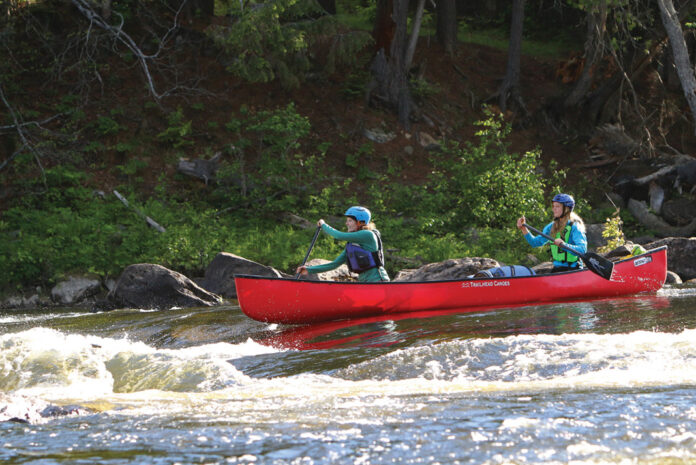
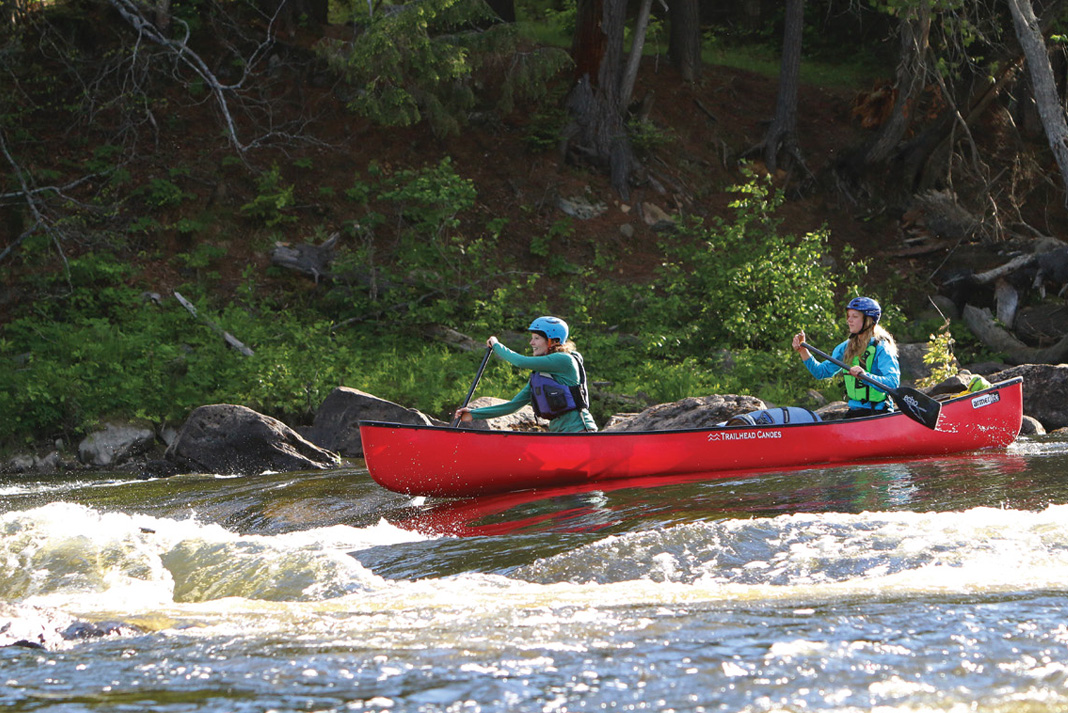
Boat Review: Trailhead Canoe Regen 17

TRAILHEAD CANOE REGEN 17 | Photo: Dean Campbell

Trailhead has a long history of providing the ideal canoe for northern river expeditions. Since 1976, the Ottawa-based retail shop has produced their own canoes, used by tour operators on classic expeditions like the Nahanni, Wind and Coppermine rivers.

Trailhead Canoe Regen 17
LENGTH: 17’
WIDTH: 36”
DEPTH: 14”
WEIGHT: 69 lbs.
MATERIAL: Armerlite
CAPACITY: 1,200 lbs
PRICE: $2,899
LEARN MORE:
trailheadpaddleshack.com

Trailhead released new designs in April 2016 with new designs, debuting new-to-North-America hull material Armerlite. This durable thermal composite has been used in Europe for a decade in canoes as well as rec and whitewater kayaks.

So, what is Armerlite? It’s composed of interwoven glass fiber and polypropylene plastic. The material is layered in a canoe mold, vacuum bagged and cooked in a large oven where the polypropylene and fiber melt together to create a solid bond. The result feels strong and durable. After our testing we have to agree with Trailhead’s claim that Armerlite is an ideal material for wilderness tripping and river running.

To put the material through its paces we chose a handful of shallow and rocky runs for our brand new and fully outfitted 17-foot Regen. The runs were shallow enough that we spent a fair bit of time bumping along, and even had to jump out to line the boat where we ran aground along sections of particularly skinny water.

The hull held up to our abuse. Subtle surface scratches could be found, but few. Our confidence buoyed, we paddled more aggressively on our second outing.

The only time our testers were concerned was while broaching rocks. From the stern, I could see the the hull flex inward. Given the accompanying crackling sound, several times I thought rocks were going to puncture the hull but we always slid over and away. Still, I expected to find real damage. Flipping the boat over on shore, I was astonished— nothing. No marks at all.

Impressive, indeed.

I followed up post-testing with Trailhead Canoe co-owner, Jason Yarrington. “Armerlite will scratch, but the canoe has lots of flex and abrasion resistance because of the polypropylene,” he explains.

TRAILHEAD CANOE REGEN 17 | Photo: Dean Campbell

Considering Trailhead’s history of providing boats to camps and outfitters, durability is of the utmost importance. “With Armerlite, I’m happy to be selling to that demographic,” adds Yarrington.

Like moths to a flame, the new material caused quite a stir when we found ourselves running the same river as a local paddling club. At the take-out fellow canoeists asked me the question everyone asks nowadays: “What happens when it wraps?”

“We had a rental customer wrap one already this year,” says Yarrington. “The bottom of the hull was intact, but the sides did fold and crack. They had a small amount of leaking but were able to finish the trip.”

Offered in 15-, 16- and 17-foot models, the hull of Trailhead’s new Regen series is based on their traditional Prospector design, however its bow and stern take a more modern shape and don’t feature re-curved stems. Our 17-foot tester features just over two inches of rocker, offering a compromise between good tracking on flats and in-current maneuverability.

Named after the German word for rain, Regen, Germany, is also where the hulls are manufactured. After receiving the raw hulls, Trailhead Canoe adds the trim and outfitting. Ours came river-ready with thigh straps and air bags.

Given the 1,200-pound capacity rating on the Regen 17, it’s become a top contender around the Canoeroots office for multi-week expeditions by staff over the summer.


This article originally appeared in the Canoeroots
Summer/Fall 2016 issue.
Subscribe to Paddling Magazine and get 25 years of digital magazine archives including our legacy titles: Rapid, Adventure Kayak and Canoeroots.

All The Gear You Need in a 44-Pound Kit

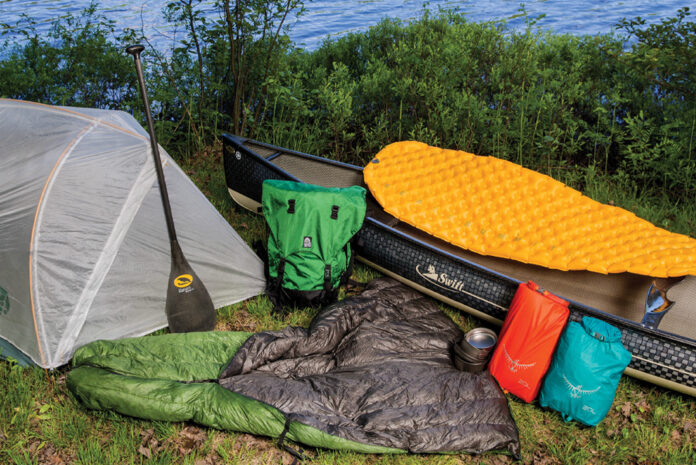
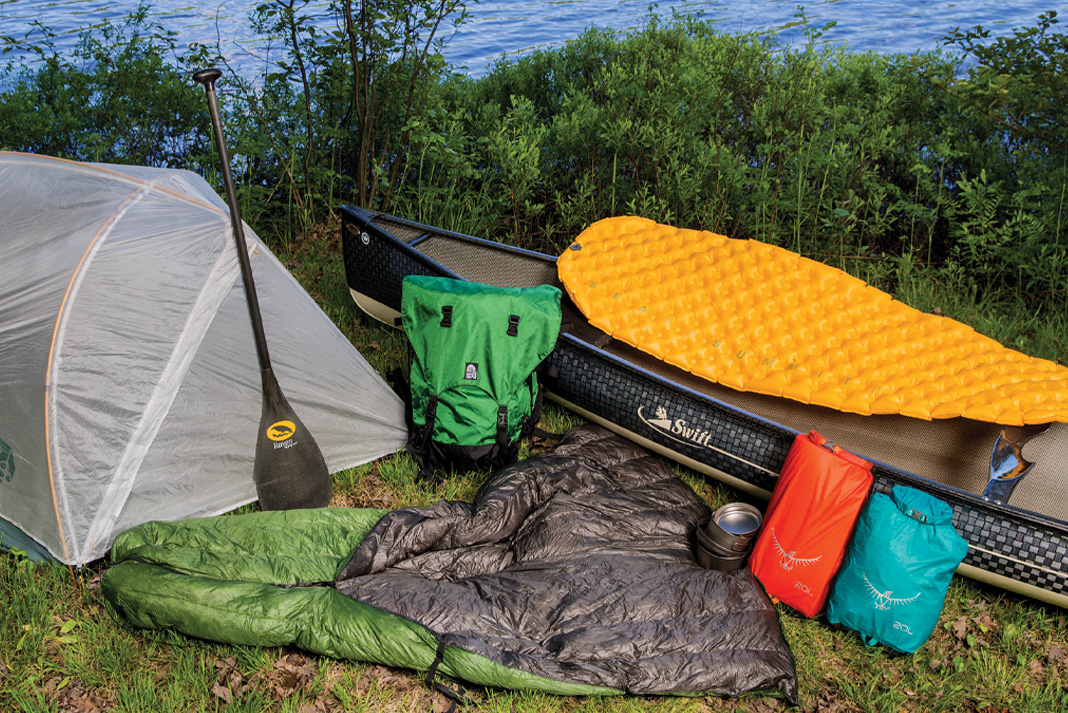
SUB-44-POUND CAMP KIT THANKS TO THIS FEATHERWEIGHT GEAR

Canoe

Your canoe is undoubtedly your heaviest piece of gear and offers the biggest opportunity for weight savings. Carbon and aramid models now boast weights in the mid-30s, and new composite technology is allowing for integrated gunwales—reducing the weight of aluminum and wood trimmed composite canoes even further. Yes, it costs more—but we expect you’ll find these beauties worth the price a mile into your first expletive-free portage.

Paddle

You’ll want a carbon fiber blade to match your high-tech boat. Carbon paddles are ultra stiff, ultralight and perfect for lakewater trips. Our Pick: Grey Owl’s lovely Raven with a 12-degree bend will be the envy of your trip mates. We’ve paddled for hours (and hours!) with this blade, and actually sort of forgot that a canoeist’s arms can ever even get tired. 12 oz | $230 | www.greyowlpaddles.com

Tent

For seriously lightweight tents, take a page out of the handbook of backpackers and sacrifice a bit of interior space for weight savings. Treated right, ultralight tents can last for years. Our Pick: A serious contender for the title of lightest freestanding tent ever, Mountain Hardwear’s new Ghost UL2 has to be hefted to be believed. At 2.2 pounds it offers solid protection for half the weight of an average two-person backpacking tent. Pair this tissue thin material with a footprint for sure. 2.2 lbs | $449 | www.mountainhardwear.com

Sleeping bag

Sleeping bag selection is a fine balance between warmth, weight and compactability. Down fill offers the best option for weight and space savings for those willing to be extra careful about wet conditions. Our Pick: Rated to 20°F, Enlightened Equipment’s Revelation Quilt is fantastically light at just 20.3 ounces. This toasty open-backed design easily pairs with most pads and converts into a quilt. Temperature rating, length, width and insulation are all customizable from this small Minnesota-based manufacturer. 20.3 oz $250 | www.enlightenedequipment.com

Canoe pack

No matter what canoe pack you opt for, you’ll want one that has an anatomically designed harness system, as well as a padded hip belt that hugs and puts the weight of your load close to your back. Our Pick: Traditional canvas packs can get heavy when they’re wet. We love Granite Gear’s Quetico Canoe pack, made of a tough, water resistant Cordura. Side lift handles and haul loop make lifting the pack out of the canoe easy and its suspension system is ultra comfy. 3.5 lbs | $219 | www.granitegear.com

SUB-44-POUND CAMP KIT THANKS TO THIS FEATHERWEIGHT GEAR

Dry sacks

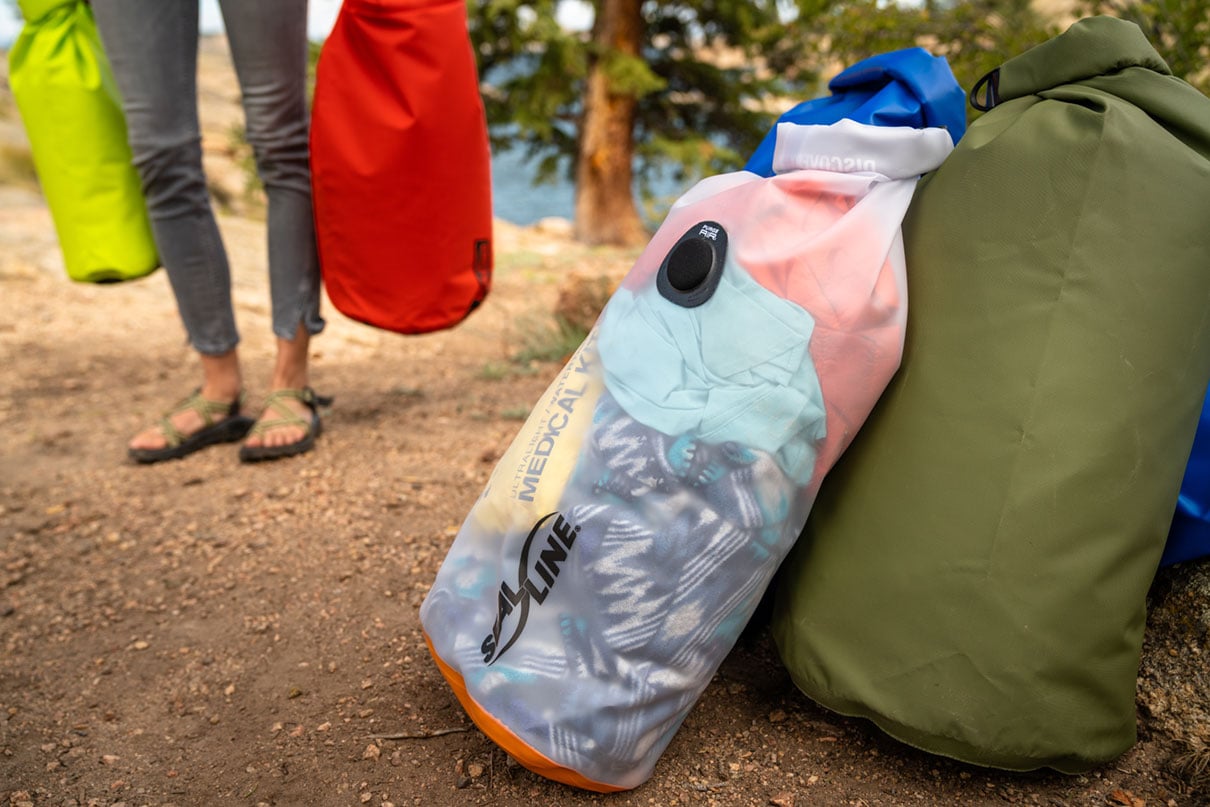
Pair your canoe pack with dry bags to keep your gear waterproofed. Our Pick: Osprey’s Ultralight Dry Sacks have squared off bottoms for better space-savings and ease of packing. 2 oz | $22 www.ospreypacks.com

Sleeping pads

Lightweight doesn’t have to mean “barely there.” Both air and foam sleeping pads can be light and comfortable, but inflatable pads are usually far more compact to stow. Our Pick: Sea to Summit’s Ultralight sleeping mat is one of the lightest and most compact we’ve ever seen. Packing up to the size of a tallboy beer can, its R-value of 1.7 doesn’t offer much warmth, but for summer its cushy AirSprung cell construction is wickedly satisfying. 13.9 oz | $99.95 www.seatosummit.com

Cookset

A minimalist doesn’t need a fancy cookset. For ultralight adventures, leave the Dutch oven at home and opt for versatile ‘wares that you’ll scarcely know are in your canoe pack. Our Pick: Snow Peak Titanium Multi Compact Cookset includes two pots and two pans, maximizing capacity while minimizing weight and remaining nearly indestructible. 0.7 lbs | $95.95 | www.snowpeak.com


This article originally appeared in the Canoeroots
Summer/Fall 2016 issue.

Subscribe to Paddling Magazine and get 25 years of digital magazine archives including our legacy titles: Rapid, Adventure Kayak and Canoeroots.