Not sure where you should go on your next canoe trip? Let us help! Take our detailed quiz and figure out which amazing canoeing destination is right for your 2017 paddling adventure.
Not sure where you should go on your next canoe trip? Let us help! Take our detailed quiz and figure out which amazing canoeing destination is right for your 2017 paddling adventure.
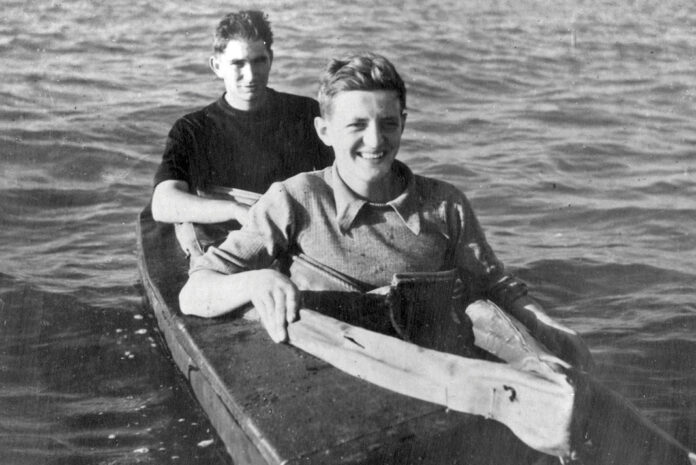
In a 17th-century fortress high in the Pyrenees Mountains near the Spanish border is a sea kayak. It’s a beat-up folding model from the 1930s, and rests on a stand in the Room of Honour at France’s National Commando Training Centre, where the country’s special forces learn the ropes. The battered wood-and-canvas boat offers a window into the little-known military use of kayaks.
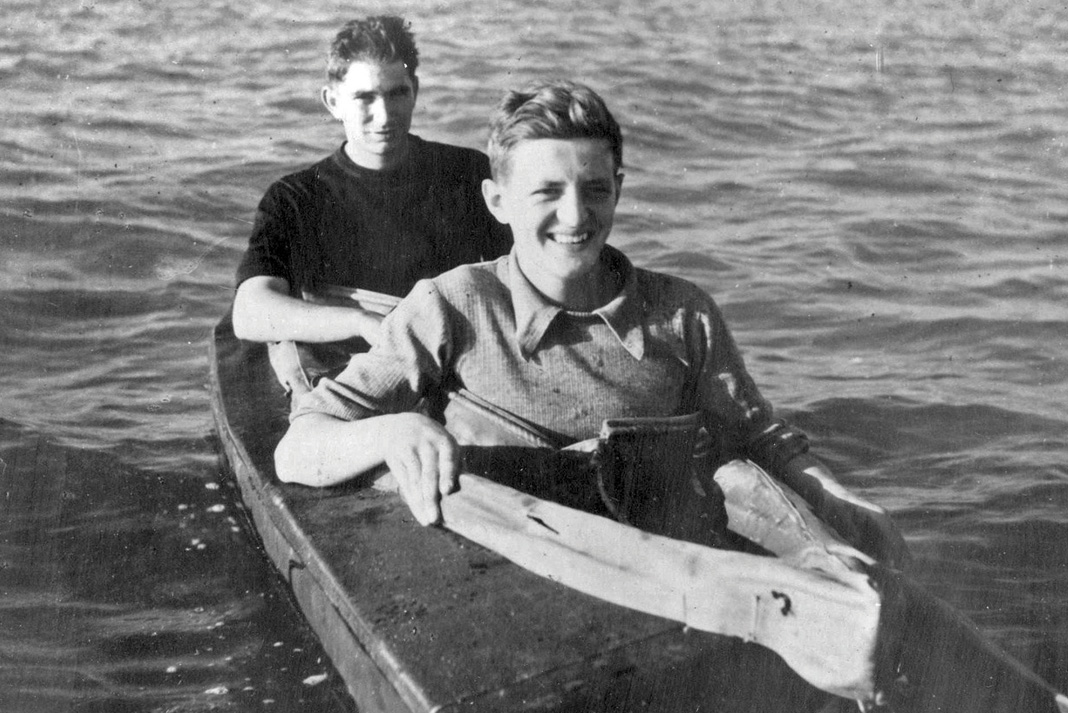
In 1943, two young Frenchmen named Michel Brousse and Georges Schlumberger headed south from Paris. In the midst of the Nazi occupation, they left their reasonably secure existence as university students to make their way to Algeria and join the French Resistance. Schlumberger had trained on the Creuse River four years earlier with French adventurers Genevieve and Bernard de Colmont and Antoine de Seynes. He knew of the trio’s 1938 descent of the Colorado and Green rivers—a pioneering journey documented by Ian McCluskey in the 2015 film, Voyagers Without Trace—and asked de Seynes to borrow the 17-foot kayak he’d paddled through the whitewater canyons.
Brousse and Schlumberger managed to sneak the kayak to France’s southern coast. From there they paddled at night and ate raw fish to avoid campfires and evade detection until they reached Spain. After a run-in with Spanish authorities that ended in their arrest and the kayak’s confiscation, the pair eventually made their way to North Africa to join the Resistance. Schlumberger died fighting in the Battle of Vosges in 1944; Brousse survived the war and returned to Spain in 1948 to reclaim the kayak that had helped them join the fight.
To this day, trainees in the French Commandos eat a dinner of raw sardines and then reenact Brousse and Schlumberger’s 115-mile night paddle from Canet-en-Roussillon to Mataró, Spain.
The Frenchmen weren’t the only ones to recognize the wartime potential of kayaks’ stealth and silence. On the night of December 7, 1942, the British submarine H.M.S. Tuna surfaced 10 nautical miles off the French Atlantic coast. Five tandem kayaks slipped into the water. Their mission: blow up German supply ships in Bordeaux harbor, several days’ paddle into occupied France.
Strong crosswinds, tidal currents and five-foot seas made for a treacherous crossing, capsizing one of the kayaks and blowing another off-course. A third kayak became separated from the others later in the night. The remaining marines worked their way 60 miles up the Garonne River, paddling at night and hiding during the day. On the fifth night, they reached Bordeaux and attached limpet mines to six German ships, then set out on foot to escape to Spain. Only two men survived. Six were captured and executed by the Germans, and the capsized duo succumbed to hypothermia.
Churchill believed Operation Frankton shortened the war by six months. The Combined Operations commander hailed the raid as the most “courageous and imaginative” operation carried out by the Royal Marines. Folding kayaks are still used today by British and French Special Forces.
The stories of Brousse and Schlumberger and Operation Frankton remind us that we’re fortunate to paddle for pleasure. We have the luxury of slipping stealthily across the water because we enjoy spotting wildlife, not because we have to sneak past patrol ships in the dead of night.
As Captain Quevarrec of the French Commandos says of the war-torn kayak in the Room of Honour, “The pen allows the philosopher to deliver his thoughts, the sword allows the samurai to protect the emperor, the kayak allows adventurers to go somewhere.” Where we go, and why, will vary.
Neil Schulman celebrates kayaking’s diverse heritage in Reflections.
Brousse and Schlumberger in 1943. The pair used a kayak to sneak out of occupied France and join the Resistance in North Africa. | Feature photo: Courtesy Voyagers Without Trace
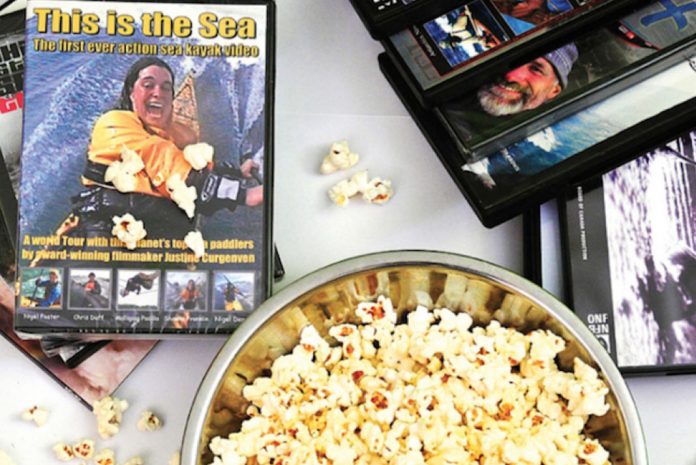
For many paddlers, the bitter cold and frozen waters of winter herald the end of the boating season. But don’t swap that paddle for a shovel just yet—instead, invite your friends over, pass the popcorn and queue up our list of the best kayak films. Think of it as a celebration, and a visual motivation until the warmer months return.
“In the end, you want to inspire people,” says Paddle to Seattle filmmaker Josh Thomas. “That’s the goal of our films, to give people hope.” Thomas is speaking to the environmental message that runs through many of his projects, but these films are just as effective at keeping the paddling passion ablaze through long winter nights.
The heart-wrenching story of Australian adventurer Andrew McAuley’s Tasman Sea crossing, which tragically ended when he disappeared just a day from completing his journey, was our no-contest pick for Best Documentary Film at the 2011 Paddling Film Festival (PFF).
55 minutes, 2008 | National Geographic
A charming story of friendship, discovery and humor in the face of adversity, Paddle to Seattle claimed Best Sea Kayaking Film at PFF 2010. There are none of the post-trip voiceovers so common to this genre—you feel like you are truly along for the ride: cold neck rain, musky whale breath, close calls with bull kelp lassoes, and everything else the fellas run into. Filmmakers J.J. Kelley and Josh Thomas are natural storytellers—their wit and wonderful on-screen rapport make Paddle unlike any other sea kayaking film then or since.
85 minutes, 2009 | Vimeo
Struggling with the recent paddling death of his friend, Zac Crouse finds healing through kayaking, cycling and strumming a banjo from Ottawa to Halifax. The soundtrack to this 2014 PFF Best Sea Kayaking Film winner features Crouse’s own spirited folk music.
61 minutes, 2013 | Vimeo
Justine Curgenven reinvented the sea kayak film by mounting cameras on boats and turning her lens on rough water playgrounds and the paddlers who ply them. This is the Sea blew the sport’s conservative image out of the water and cemented sea kayaking in the adventure realm. If you’ve never seen these feature-length films, pick up the box set. A quintessential series for sea kayaking junkies—enough said.
2004–2013 | CackleTV
The first sea kayaking DVD from acclaimed director Bryan Smith scooped awards (including Best Sea Kayaking Film at PFF) for its luscious cinematography and inspiring storytelling, and raised the bar for all paddling films to follow.
60 minutes, 2007 | Reel Water Productions
Combining clear, real-water skills demonstrations with scenic voyages along spectacular coastlines, including his native Isle of Skye, Scottish coach Gordon Brown and filmmaker Simon Willis cover skills from basic to advanced in this award-winning instructional series.
2010–2013 | Sea Kayak with Gordon Brown
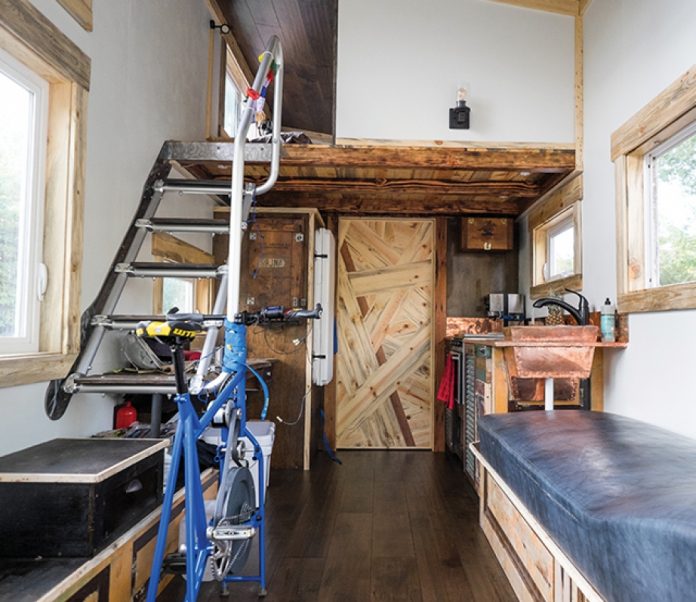
When you’re used to fitting everything you need into two kayak hatches and living out of a tent for months at a time, 280 square feet of walls-and-windows comfort seems positively luxurious. Radical downsizing may be one of the founding tenets of the tiny house movement, but adventurers Erik Boomer and Sarah McNair-Landry are no strangers to doing more with less. They sketched the floor plan for their diminutive dream home while on a four-month dogsledding expedition around Baffin Island. Last winter, the couple began construction of a cozy home-on-wheels that’s as mobile as their lives: touring the Pacific Northwest one month, parked in an idyllic clearing by the river the next. “It’s our way of living where we want to play,” says McNair-Landry.
The DIYers welcomed the guidance of fellow paddler and master tiny house builder Rob Sickler, who appeared with Boomer in the acclaimed film, Wildwater. Creating an adventure-ready abode is “kinda like making a fort when you’re a kid,” says McNair-Landry, “but way sweeter.”
After purchasing an eight-by-20-foot trailer, Boomer and McNair-Landry raised the shell in snowy McCall, Idaho, and then towed their home to Sickler’s Hot Rod Housing workshop in Leadville, Colorado, to complete the interior finishes. Five months and $25,000 later, they were ready to roll. The price for a mortgage-free home is a lot of hard work, says McNair-Landry. “Just like an expedition, we had difficult moments and we had to remind each other to keep moving forward one step at a time.”
Tiny homes are all about sustainable architecture. Repurposing and upcycling old materials are key to keeping the environmental footprint and building costs to a minimum. Boomer and McNair-Landry’s home is clad in reclaimed corrugated metal panels and barn board. “In 1833, it was on a barn in Illinois,” says Boomer, “now it’s on an adventure across the Northwest.”
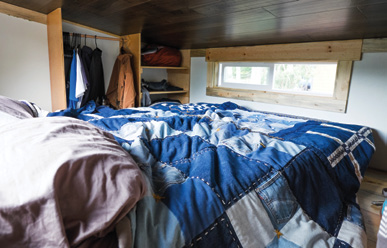
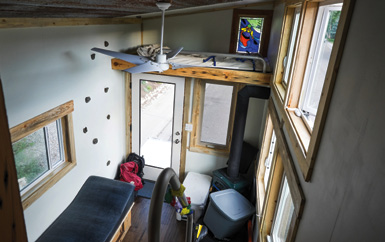
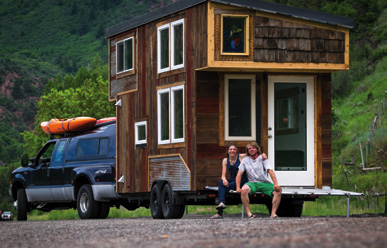
Every square inch of a tiny home counts, so everything from the stud walls to the sinks—and especially built-in storage—is designed with form and function in mind. This mobile adventure rig has loads of clever features including antique ammo box cupboards, sailboat-style sliding kitchen cabinets, and an eye-catching pocket door made from beetle kill pine. “A composting toilet, hot shower, good kitchen, dedicated bedroom and office space were all important features that make this house extremely livable,” says McNair-Landry. “Vaulted ceilings in the living room and huge windows keep our tiny house feeling big and open.”
It’s easy to live large in a small space. An espresso maker and scaled-down propane oven and stovetop mean cappuccinos and cinnamon rolls are still on the menu. The coolest feature in the kitchen is the custom, hammered copper countertop and sink handcrafted by Rob Sickler.
If it works on the water, why not in the home? “Repurposing materials is Rob’s forte,” says Boomer; the master builder had no trouble designing a stairway to the snug sleeping loft using aluminum tubing from Idaho-based whitewater raft frame fabricator, NRS. Ditto the rig’s lightweight, fold-down rear deck.
The tiny home’s fridge is a Yeti Cooler installed vertically in the wall. “We cannibalized a propane refrigeration unit from an old RV and put it in the cooler,” explains Boomer.
A compact propane stove and spray foam insulation in the walls, ceiling and floor make this a tiny home for any weather. “If it’s paddling season, we will be near an awesome river, and if it’s ski season we want to be near the skiing,” says McNair-Landry. A 40-gallon water tank and solar panels for generating power keep the rig self-contained.
Climbing holds provide space saving—and ultra-cool—access to the spare bunk nestled in the rear of the home. Just lay off the liquids before bed.
 This article originally appeared in the Adventure Kayak Summer/Fall 2016 issue.
Subscribe to Paddling Magazine and get 25 years of digital magazine archives including our legacy titles: Rapid, Adventure Kayak and Canoeroots.
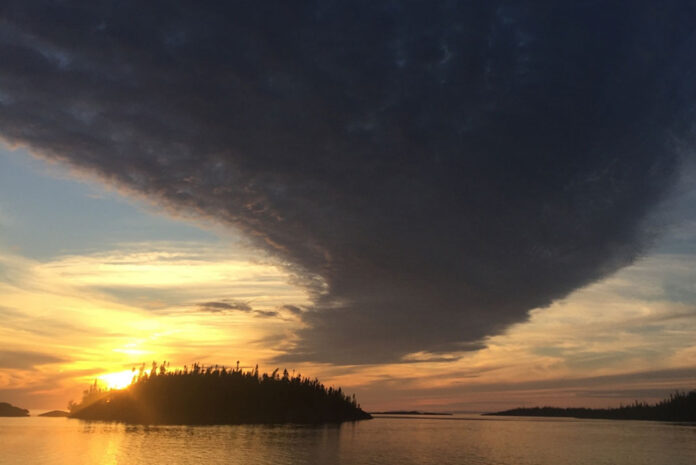
My parents had me in one form of a boat or another since I was about six weeks old and I never left. I was 11 when I first pondered circumnavigating Lake Superior by sea kayak. Two family friends had completed a historically cold lap of the Lake. For the past 25 years the trip has lived in my head. I left from Red Cliff, Wisconsin on June 20th headed west towards Duluth, and returned 53 day later after covering roughly 1,300 miles. I was my own traveling companion throughout the trip but met great new friends and travel partners along the way.
By nature I am a list-maker and if you saw my 16-tab Google planning sheet entitled “Ben’s Trip Brain” you’d laugh. So 16 spreadsheet tabs later, I offer you my five essentials to circumnavigating Lake Superior.
The injury I most worried about was over-usage. I chose the Werner Cyprus bent shaft paddle. I’m right handed but played around with left-hand control and varying degrees of feather. I only almost flipped 8.5 times while figuring it out.
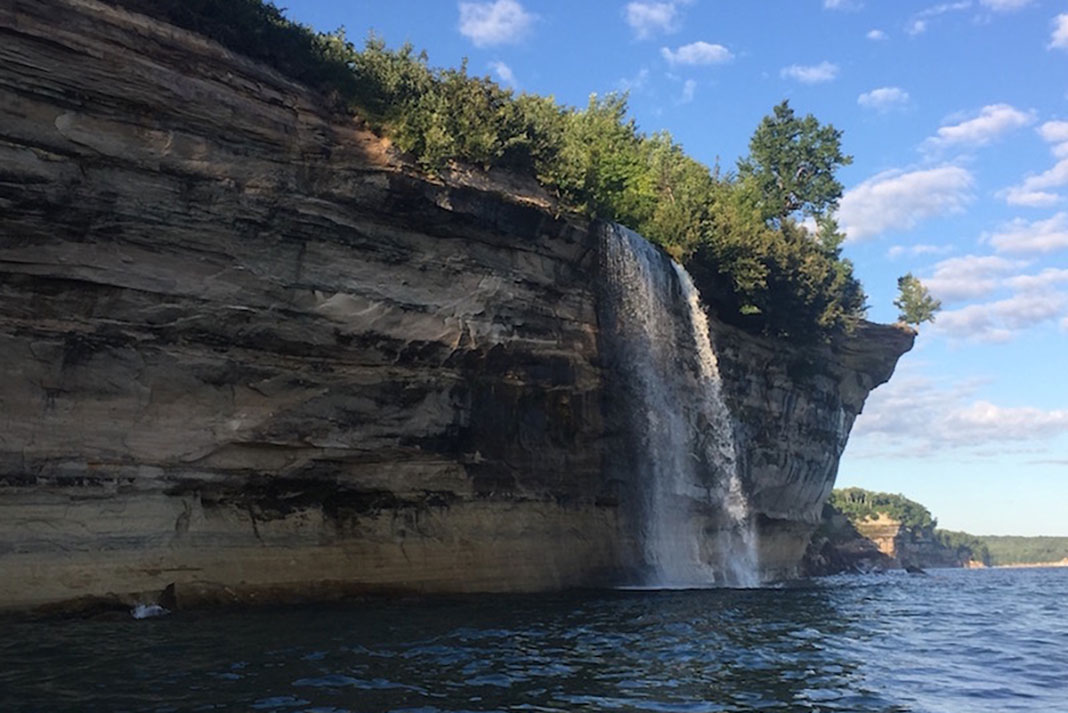
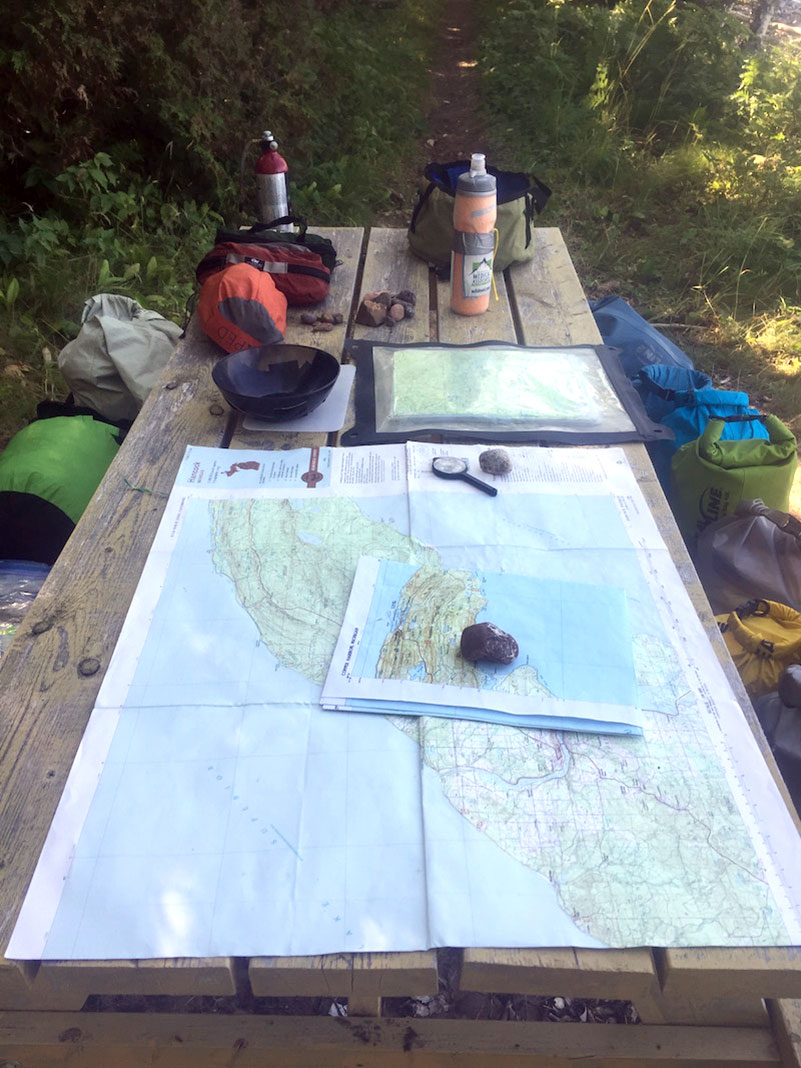
I did all of my navigation by map and compass. One piece of tech I did bring along was a SPOT device as an additional safety precaution. A feature I grew to love was the nightly blurb I would send out to a short list of friends and family with my GPS coordinates. It was a one-way street so no one could contact me but they could get a glimpse of where I was and that I was off the water safely. It turned out to be a fulfilling way to keep contact that protected my wish for being unconnected and others’ wishes to follow along with my trip.
You plan and prepare to the best of your ability so things run smoothly. However, I like to leave lots unplanned, especially routes. One has to be open to the serendipity of passing up a freshly groomed lawn as a campsite and instead sharing the overgrown bush of an abandoned marina with two other kayakers you’d never met who also happened to be circumnavigating the Lake. Also, if someone in a powerboat offers to catch you fresh lake trout, fries it for you, and makes you a margarita—do that too.
Wind. Weather. Waves. Water covered. What’s next? Whatever else. These words were what started my daily reflection each night. I charted my progress, listened to the weather radio, planned the next day and jotted down highlights and expectations—a must for any journey.
Friends willing to scour the depths of Google Earth and Weather App Land to imagine your life that day, one friend willing to cross the Atlantic and meet you in Sault St. Marie for six days of paddling companionship, family willing to drive hours on end to cook you a meal, deliver a re-supply, or swap out a boat because you snapped your skeg, and countless others to help create the right chemistry for you to even imagine the trip.
With this trip I expected and sought a mental and physical challenge. Over the course of 53 days you experience all that the Lake can offer. Day 28 while paddling through Lake Superior Provincial Park was that day—a heavy headwind, strong seas, cold air, intermittent rain, lunch with a local guide, a mother and two bear cubs, the peaks of my paddling skill, the depths of my exhaustion, hot tea under a tarp while listening to the rain, chatting with a few overland hikers, creamy polenta, 6Ws, read, rest, repeat.
A sunset shot of Pukaskwa on Lake Superior. | Feature photo: Ben Herman
Whitewater paddling is one of the most exciting and fun activities you can do, in our completely unbiased opinion. Close calls, bad swims and river mishaps can take the enjoyment out of whitewater faster than a runaway kayak on a steep creek. To maximize good times on the river and mitigate the consequences of things not going to plan, it’s imperative to take a river rescue course and ensure you feel comfortable in the areas you paddle. Over the years at Rapid, we’ve compiled an extensive collection of key whitewater skills we think everyone should know.
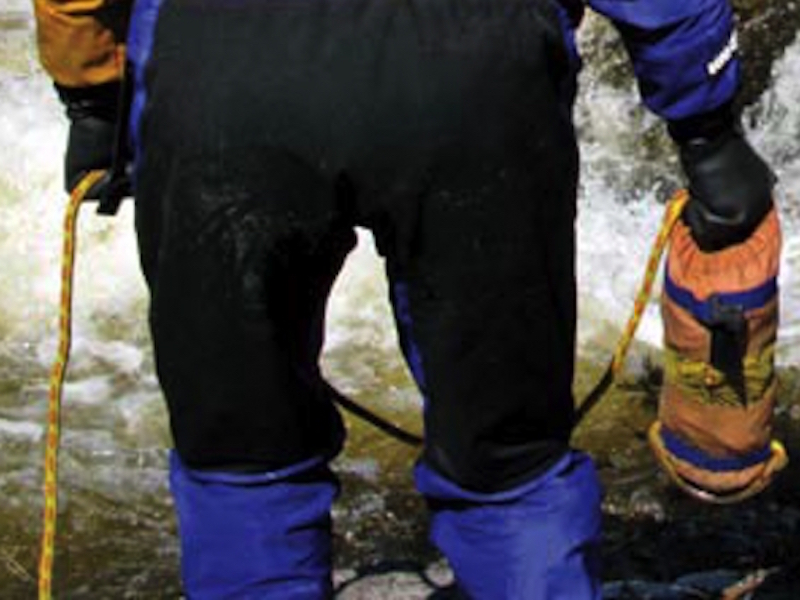
This is a skill you want to have worked on before it matters. Don’t be caught making ineffective throws on the river bank to a panicked friend—practice your toss each time you hang the bag up to dry. See how here.
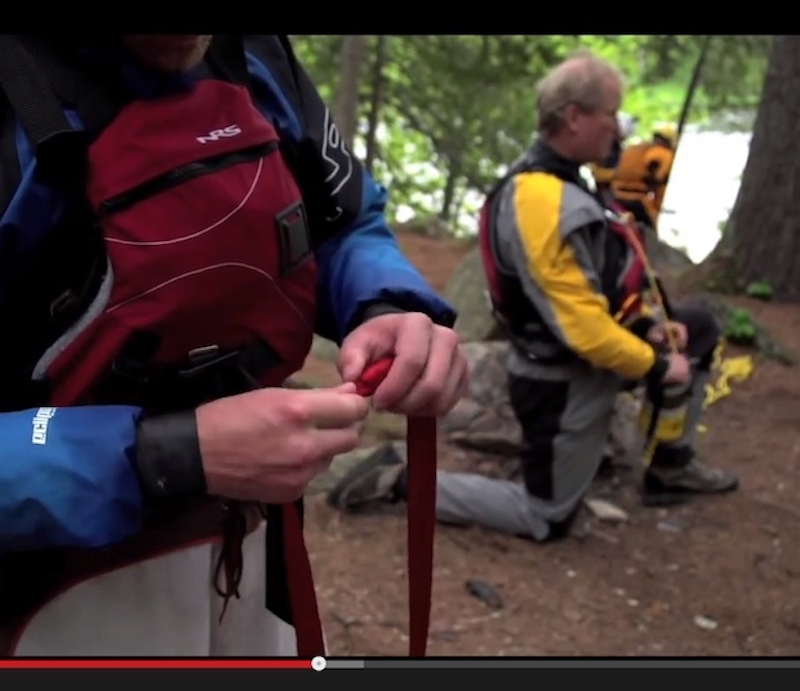
A flip line, or guide belt, made with a length of webbing and a locking carabiner, has many different uses for kayakers, rafters and canoeist. In addition to helping flip an overturned raft, you can use it to make a rescue anchor, boat tether and rescue harness. Watch how to make one here.
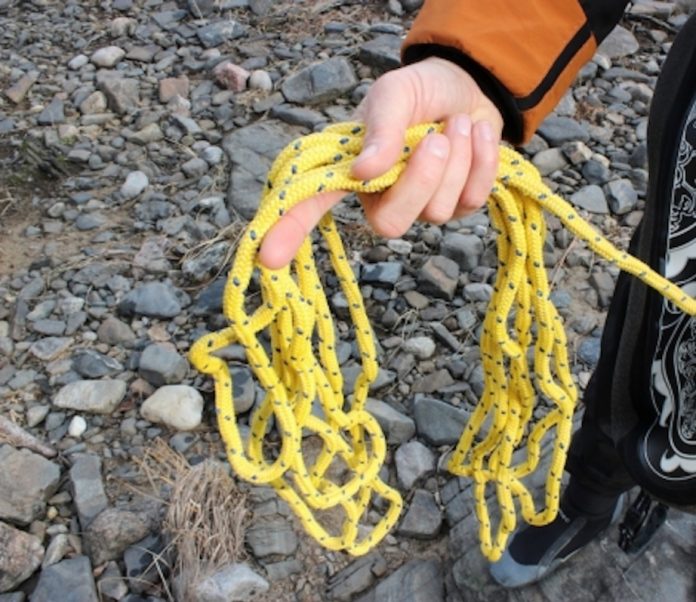
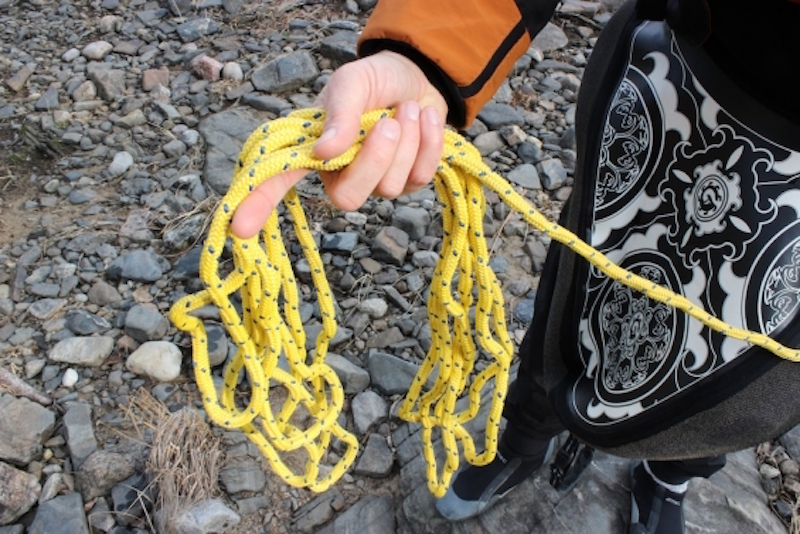
Ideally, your throw bag hits its target the first time. Even so, there are situations when throwing a coiled rope is called for, like multiple swimmers or a failed first attempt. Learn how to do a coil rescue here.
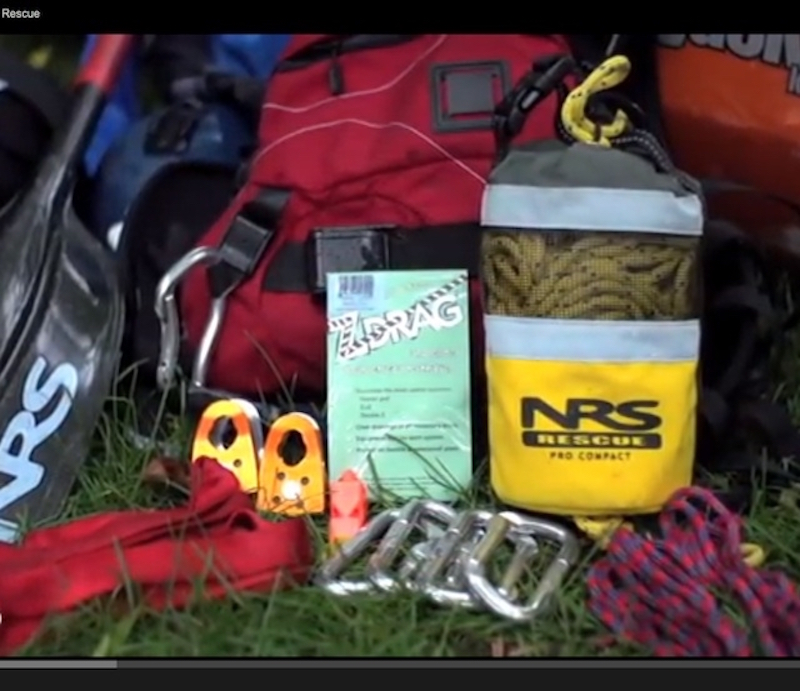
A PFD is key for your own personal safety, but it also a piece of gear that can be equipped with essential safety gear. Find out what you need and how to set it up here.
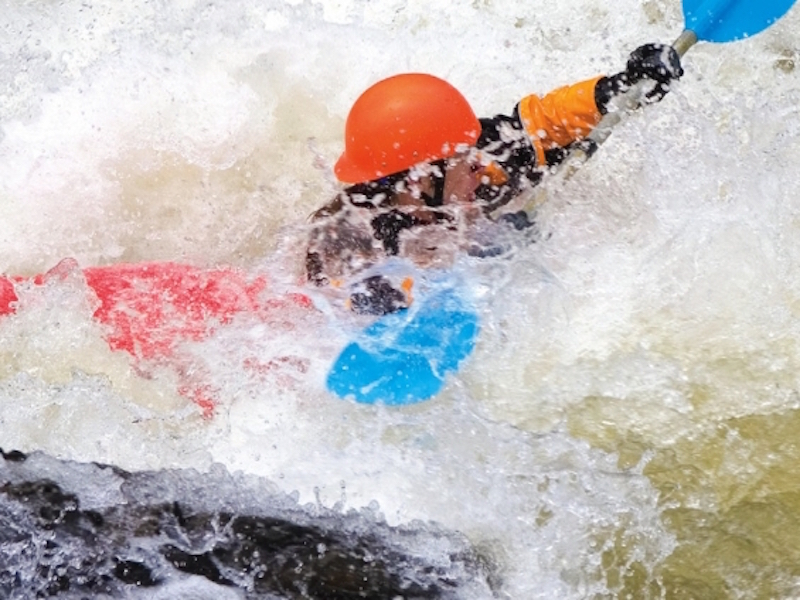
Getting caught in a hole is terrifying, especially if it’s the first time. Learn how to get out as fast as possible here.
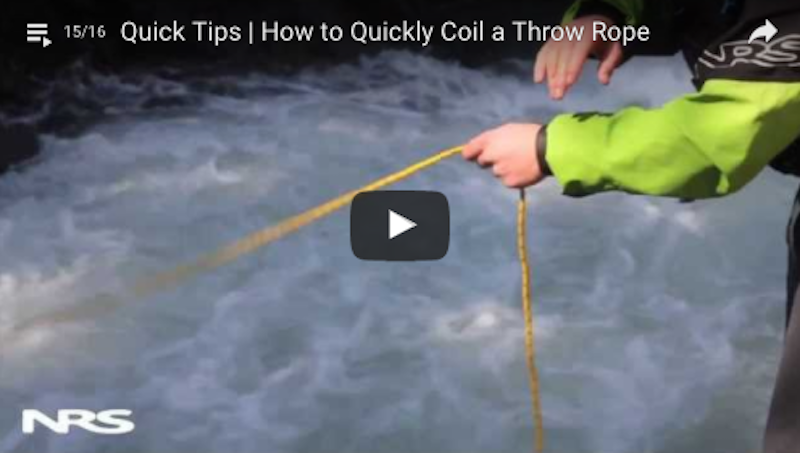
Sometimes your first throw doesn’t go as planned, and you need to coil your rope as fast as possible. In rescue situations, each second is valuable. Learn how to coil your rope ASAP here.
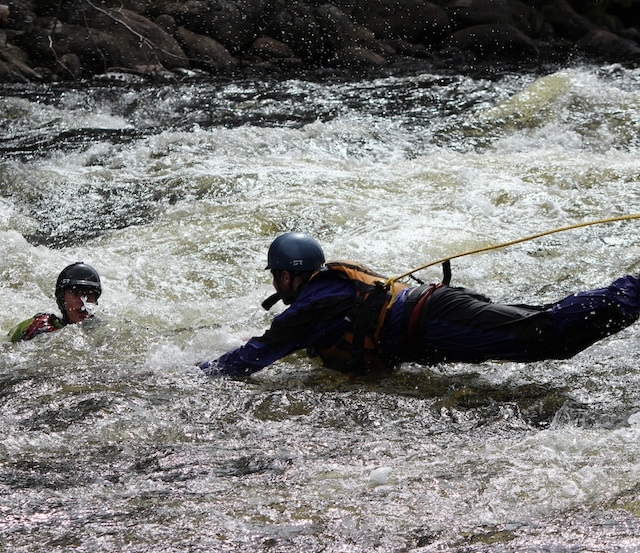
When you see a boat-less body swirling down a river, it may not look like there is much technique involved, but controlled body position and motion can have a serious effect on how you fare in the big water. Learn how to swim properly in whitewater here.
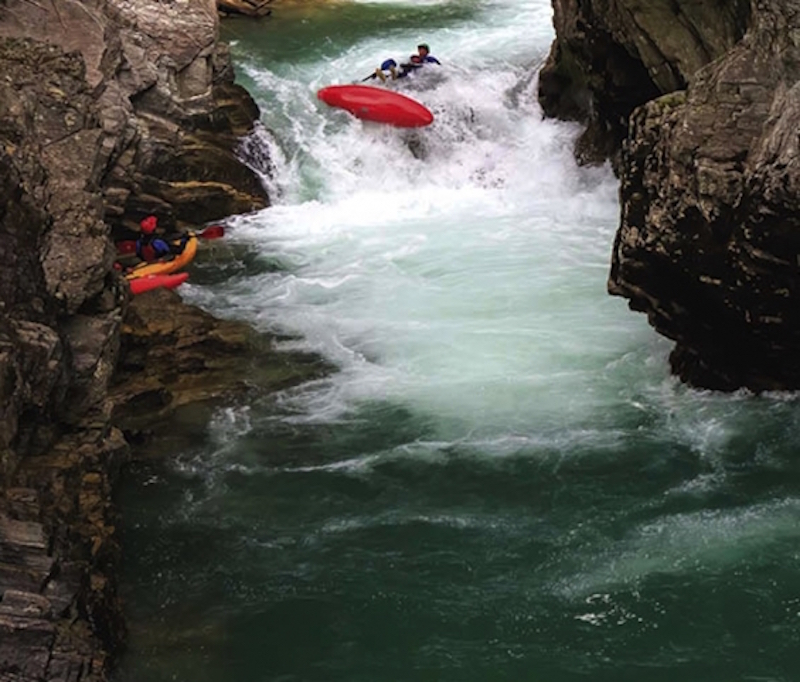
Check in with yourself before each season and evaluate which rescue skills you need to work on or refresh. Being aware of your blind spots or weaker skills will help you focus on what to improve and aid you in making decisions. Learn more improving your skills here.
With winter storms howling outside, now is the time to do those big and little repairs you’ve been putting off. Fix dings from last summer’s rocky landings, re-waterproof your tent, replace broken buckles on packs, take apart and clean camping stoves. Regular maintenance will extend the lifespan of your gear and, most importantly, make it more reliable when it counts.
Take advantage of the winter downtime to research and plan upcoming trips. Whether you’re still in the dreaming stage or ready to book your float plane drop-off, thoughtful preparation will make or break a trip. For inspiration and numerous useful paddling reports, check out Canadian Canoe Routes at www.myccr.com.
Curl up in front of the fireplace with a steaming mug and delve into the pantheon of paddling books. Choose from epic adventures like Don Starkell’s Paddle to the Amazon to more recent works such as Jennifer Kingsley’s reflective Paddlenorth: Adventure, Resilience, and Renewal in the Arctic Wild or Roy MacGregor’s unique history Canoe Country: The Making of Canada.
Take advantage of the short days and long nights with a paddling movie marathon. Whether you choose to go with a tried and true classic like Path of The Paddle or a more recent favourite like Finding Farley, paddling films will get you excited for adventures on the water. Discover many more at www.reelpaddlingfilmfestival.com.
Tired of eating the old meals on camping trips? Winter can be a great time to test and refine new recipes, and if you take the time to dehydrate chilli, sauces and veggies, you’ll have even more of a head start on creating spectacular meals on your next trip.
Unless you are a remarkably organized individual, chances are that your photos from last season(s) would benefit from some radical intervention. Mercilessly delete any mediocre, blurry or repetitive images until you have your album whittled down to a concise collection of shots you can be proud to show off (your friends will be grateful too!).
Stay in paddling shape by getting out on your cross-country skis, taking a yoga class and swimming laps at your local pool. Your body will thank you when you get back on the water for your first springtime sprint.
Brush up your toolkit of wilderness skills (or try something completely new) by signing up for a wilderness first aid course or life-saving certification. Photography, bird-watching, astronomy and painting all add a new element to tripping, while taking a boat building or paddle making course will leave you with a stunning work of art you can take on future adventures.
Spend time with your paddling friends and plan future trips while telling tall tales. “Really, the bear was THIS big!”
If all else fails to beat the winter blues, travel to a warm sunny place where you can spend quality time on the water.
 This article first appeared in the February issue of Paddling Magazine. To read the entire issue, click here.
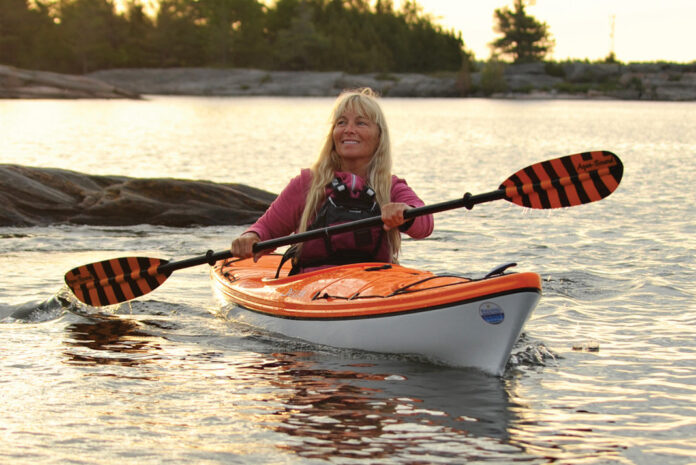
This article was part of a feature testing five compact touring kayaks while on a trip in Georgian Bay’s 30,000 Islands. The other boats in this roundup include the Stellar Kayaks S14-LV, the Current Designs Ignite, the Swift Saranac 14 and the Hurricane Kayaks Sojourn 135. Read the review of the Delta Kayak 12s below.
Stable and well behaved, the 12S embodies Delta’s West Coast touring design ethos—beginner-friendly, efficient and capable of hauling all your gear—scaled down in a compact package.
The multi-chine, V-shaped hull and full, flared bow confidently handle bumpy conditions, while offering satisfying—if not speedy—cruising capabilities on calmer waters.
At 12 feet long, it’s the shortest boat we tested—yet it has an enormous appetite for gear. The hatches swallow nearly 160 liters (33 liters more than the 16-foot Ignite) and are accessed by the largest hatch openings in our line-up.
Delta Kayaks 12S Specs
Length: 12′
Width: 24″
Weight: 38 lbs
Price: $1,425
The gasketed, press-fit hatch covers are bone-dry and by far our favorite to open and close—no straps, clasps, stubborn rubber or neoprene to wrestle with. The 12S is also the only kayak in our group with a day hatch in the front deck—perfect for keeping small essentials dry and within easy reach.
Delta Kayaks are industry leaders in thermoforming crisp lines and exquisite detail from sheets of ABS plastic. From its integrated outfitting adjustments to its gleaming deck and color-matching hatch covers, our demo is flawless inside and out.
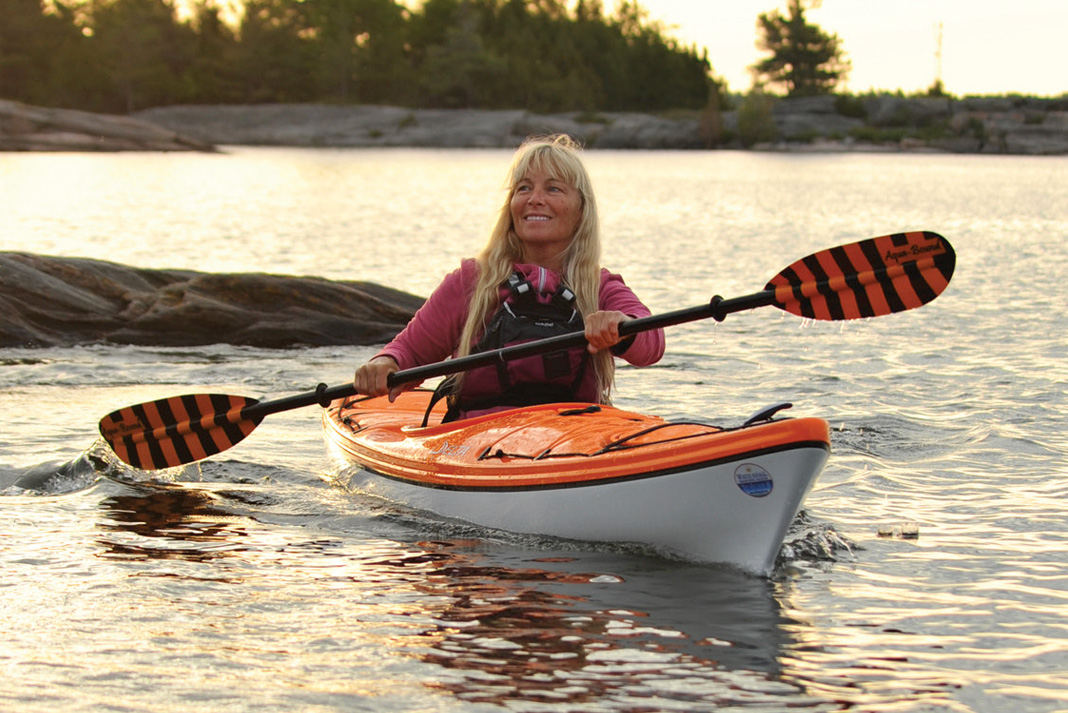
“It fits everyone well,” said one tester, noting the perfect placement and positive grip of the 12S’ padded thigh braces. The 24-inch width cradles a fore- and aft-adjustable seat and low-profile backrest that’s supportive without getting in the way—making the Delta our runner-up roller behind the slender Stellar S14-LV.
Attractive, comfortable and well appointed, the 12S is also the lease expensive boat in our fleet, offering exceptional value for discerning paddlers on a budget.
This article originally appeared in the Adventure Kayak Summer/Fall 2016 issue.
Subscribe to Paddling Magazine and get 25 years of digital magazine archives including our legacy titles: Rapid, Adventure Kayak and Canoeroots.
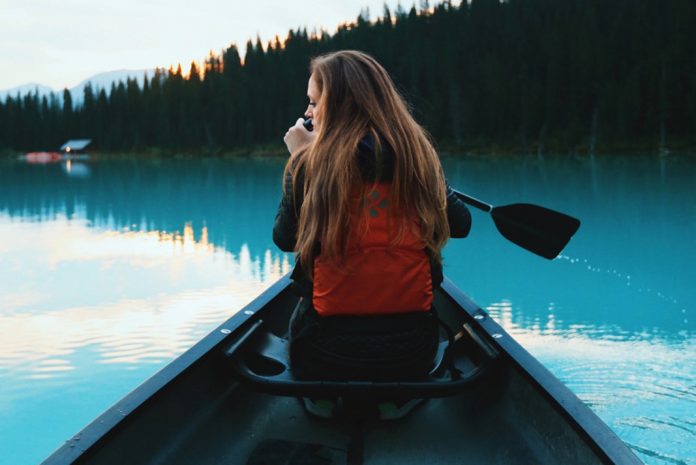
Learning how to canoe is an exciting journey that can open up vast areas of wilderness for a lifetime of adventures. But when you’re just beginning, the number of canoeing skills and techniques you need to learn can seem equally vast and challenging.
What is a bow-rudder? Why are soloists kneeling backwards in a tandem canoe? Make your learning process simple by beginning with these six important canoeing skills and techniques before you move onto more advanced strokes and water conditions. Happy paddling!
When it comes to basic canoeing techniques, the J-stroke is the skill that will immediately make you feel more adept on the water. Mastering this key stroke will allow you to stop switching sides and artfully steer the canoe exactly where you want to go.
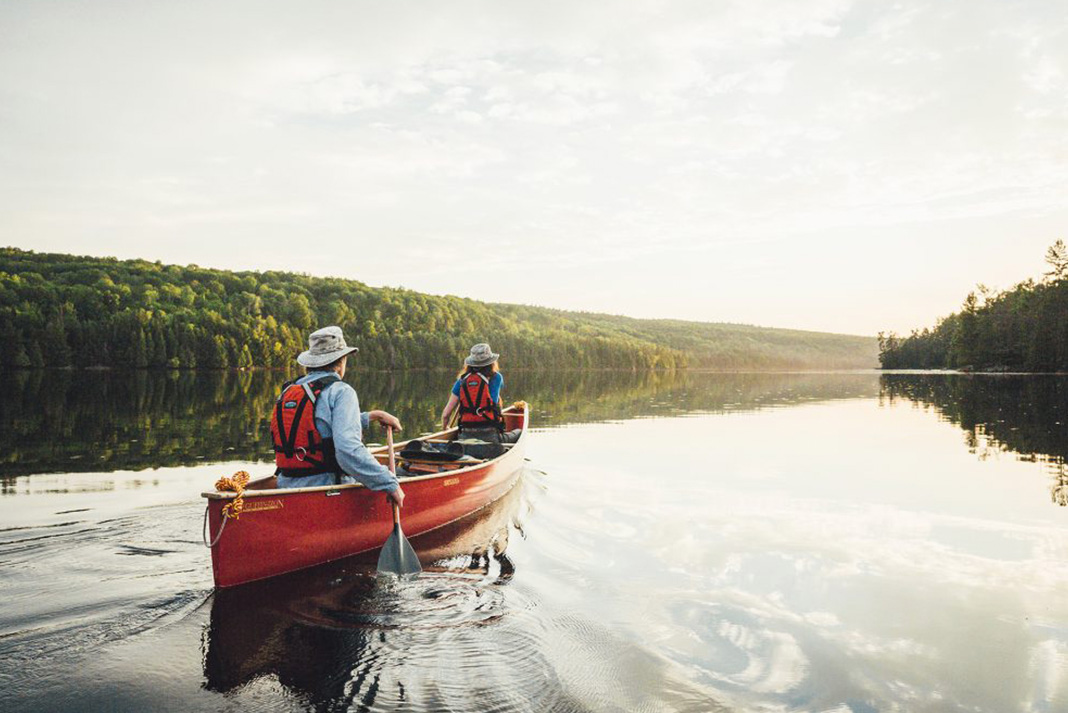
Use the J-stroke in the stern of a tandem canoe, or as an essential steering stroke while solo paddling. Learn this highly useful canoeing stroke from our article and instructional video on How To Do The J-Stroke.
It may seem simple, but pulling off a perfect forward stroke takes practice. You want to make sure the paddle blade is positioned in such a way that you pull water efficiently and use your core muscles through the stroke for maximum power and to reduce arm fatigue.
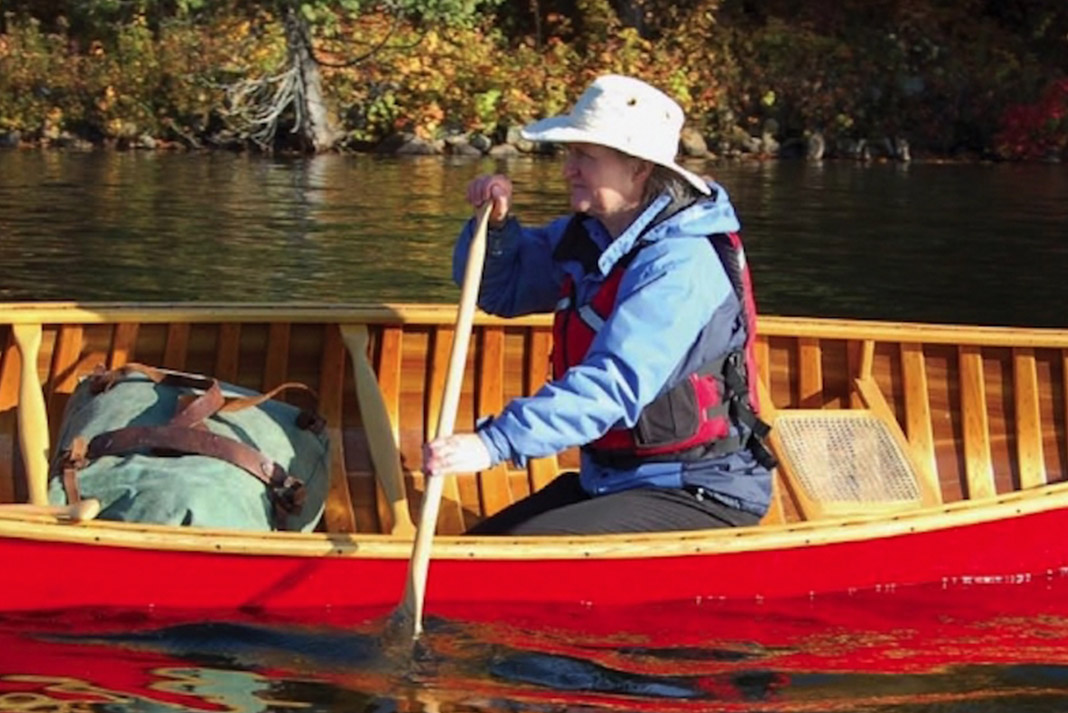
Becky Mason presents step-by-step instructions to help you master the forward stroke, one of the most important strokes in a flatwater canoeist’s repertoire. Check out her article on the Traditional Forward Canoe Stroke.
It’s not an on-the-water skill, but properly lashing your canoe to the roof of your car will get you there. Most people aren’t lucky enough to live right at their favourite paddling destinations, which means transportation is part of their canoeing adventures.
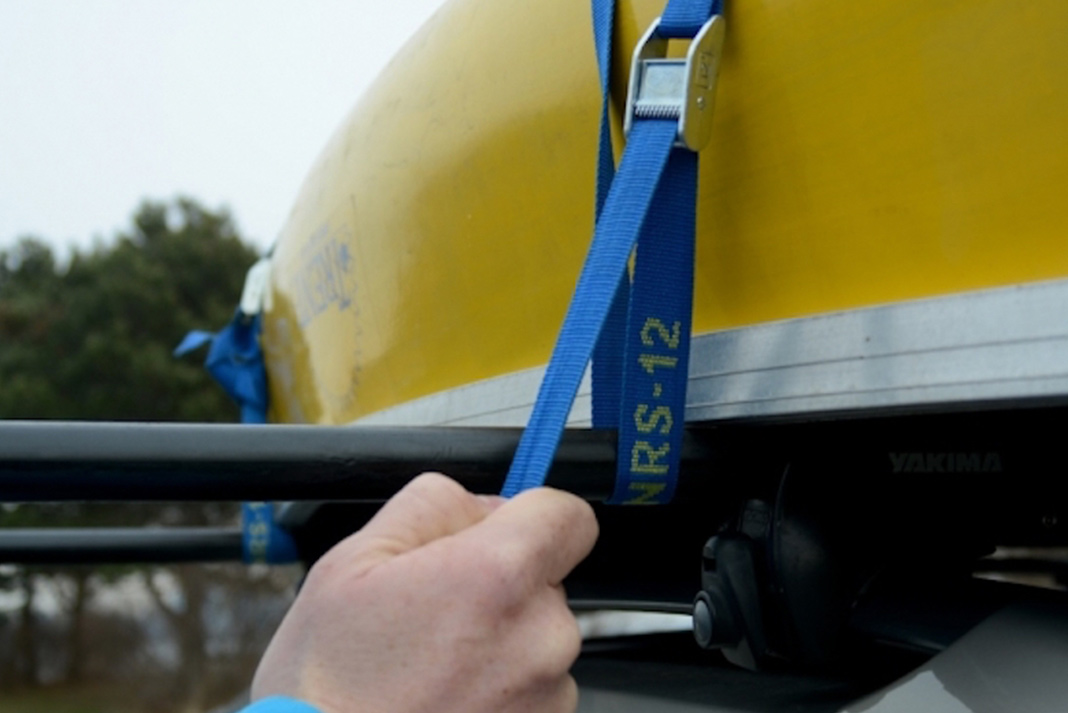
Use a safe and effective method to transport your boat and you can spend less time fiddling with straps and focus on developing your paddling skills. We have the goods on How To Tie A Canoe To Your Vehicle with or without a car rack, including instructional videos.
Flips happen. But once you learn and practice proper canoe rescue techniques they go from a catastrophic event to a formulaic fix.
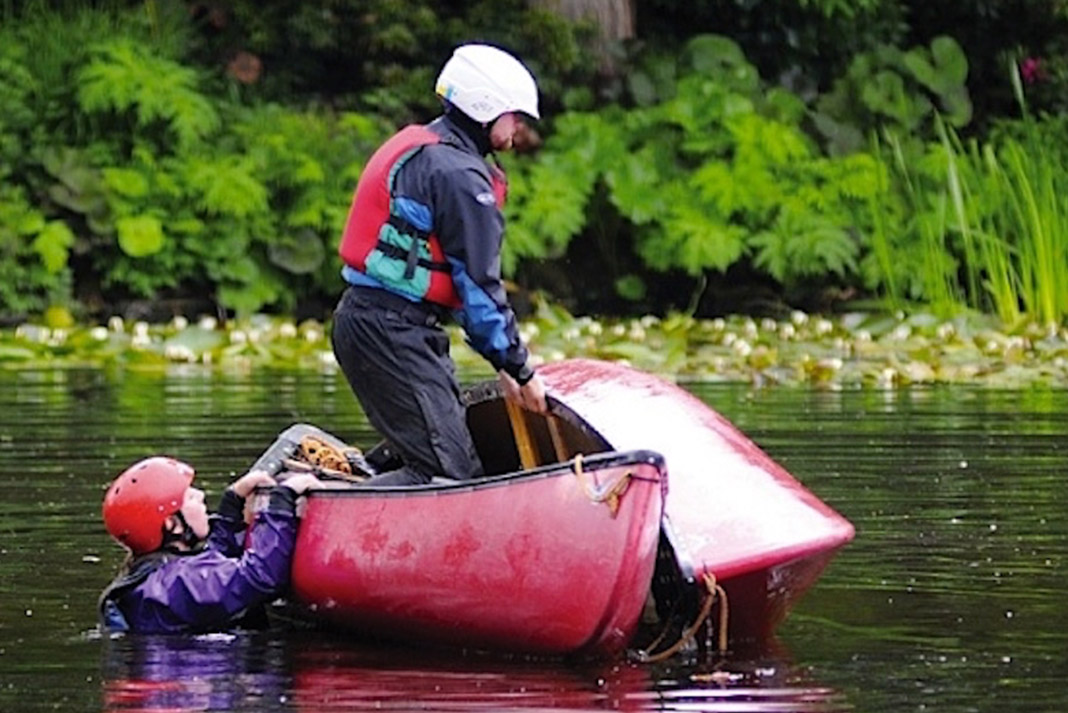
There are many different ways to execute a canoe rescue, but the parallel—or curl—rescue is one of the fastest, simplest techniques. To learn more, follow our instructions on the Parallel Canoe Rescue Technique.
If you end up in wavy and choppy waters, the low brace is a great skill that can help you maintain confidence and prevent a capsize.
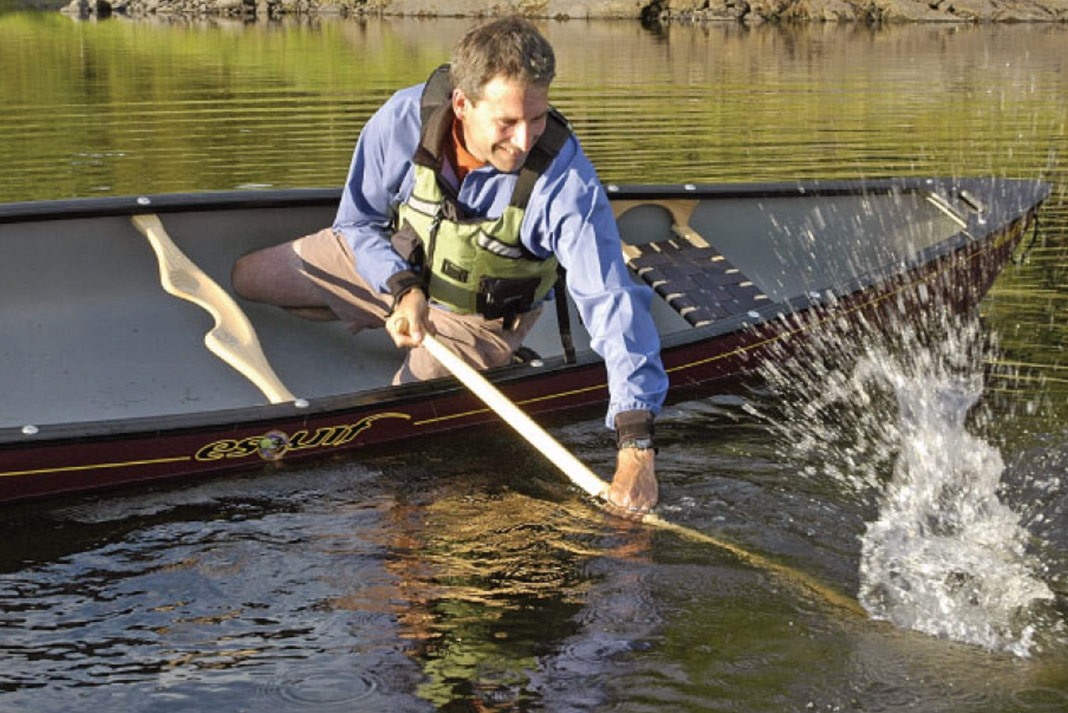
The low brace uses your paddle blade to create pressure against the water. Learn How To Do A Low Brace In A Canoe to steady your boat like a longtime paddler and avoid taking an unplanned swim.
Like many things in life, choosing the right tool for the right job will make it much easier to improve. Just because it has a shaft, grip and blade doesn’t mean a canoe paddle is the right size, shape or angle for you.
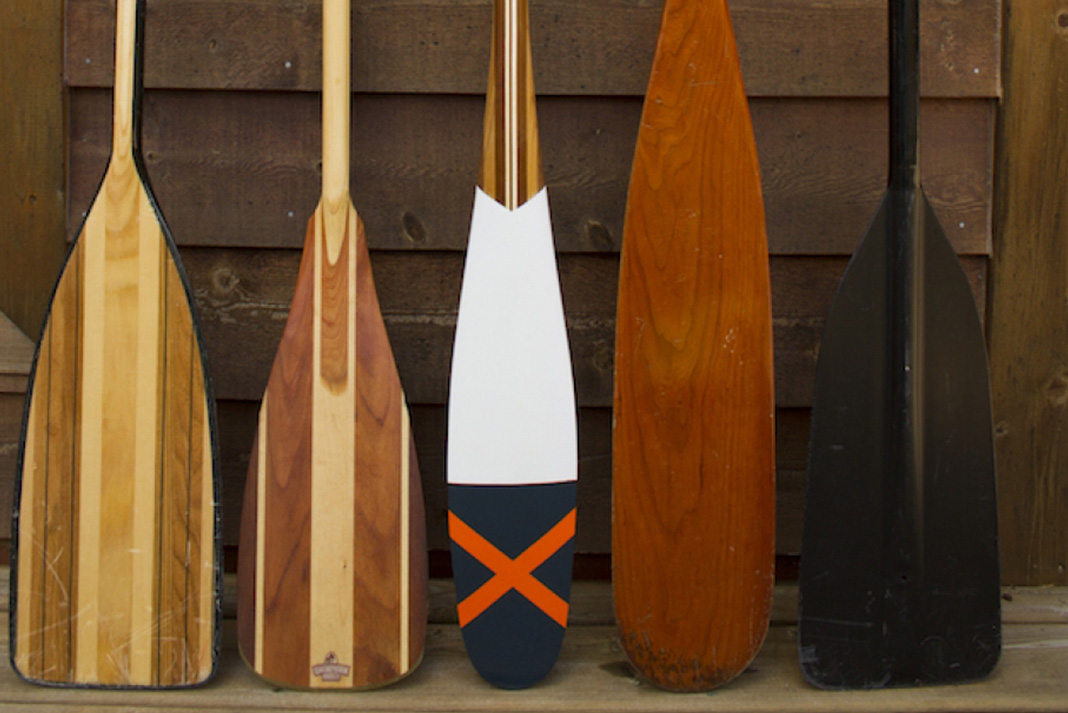
Paddles are designed for different styles and conditions of canoeing, and selecting an inappropriate one can make learning to canoe frustrating and slow. Pick the proper tool for you with our guide on How To Choose The Right Canoe Paddle.
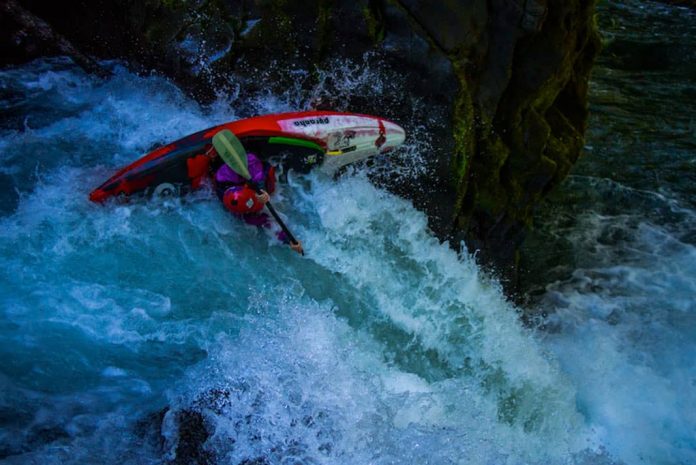
You can never stop developing your skills in whitewater paddling. That’s one of the reasons whitewater is so addictive. Changing seasons, varying water levels and different styles of paddling require many different skill sets.
Over the years at Paddling Magazine we have brought you everything from beginner basic skills like rolling to more advanced techniques including boofing and nailing big drops. We’ve compiled our list of the most crucial skills for whitewater paddlers. How many have you mastered?
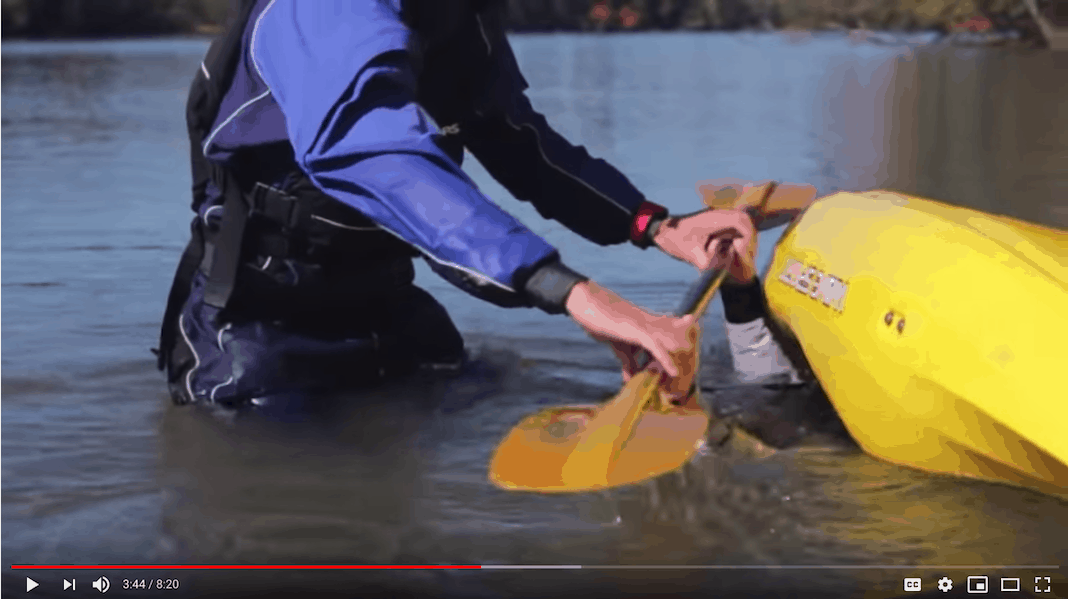
Learning how to confidently roll your whitewater kayak transforms your experience running rivers. It means that a flip doesn’t automatically mean a long swim and a multi-person process to locate your gear downstream. Different paddlers abide by different advice, but we think ours is pretty great.
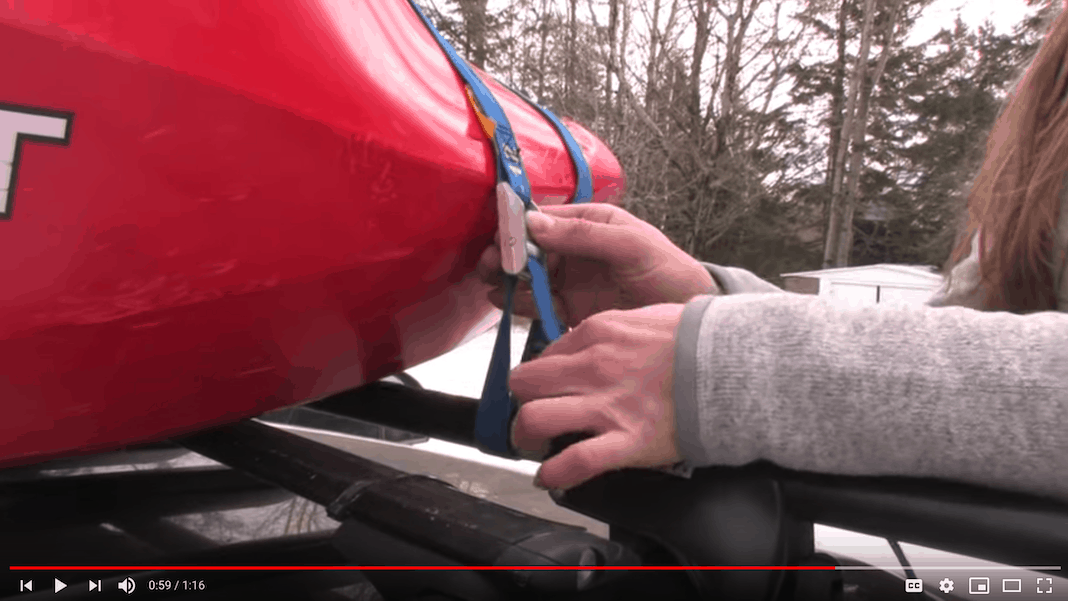
It may not be a water skill, but knowing how to tie down your kayak to the roof of your car is super essential. It means your boat makes it to the river intact, and also keeps you and other drivers on the road safe. If you’ve never had a mishap while driving with a boat on your roof, count yourself lucky and learn the best technique to keep yourself accident free.
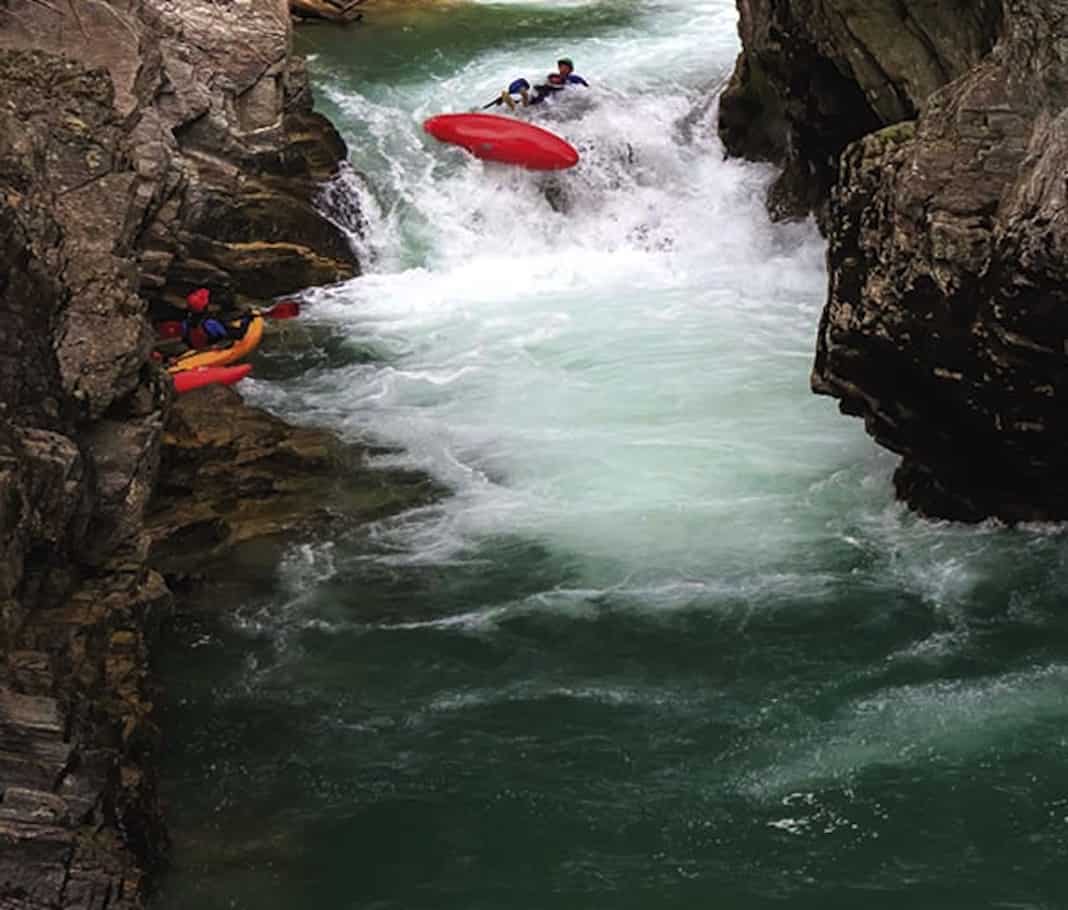
Once you swim, how you handle yourself in the water can mean the difference between potential injury and arriving shaken but safe on shore. There is more to proper whitewater swimming technique than just letting yourself be swept downstream.
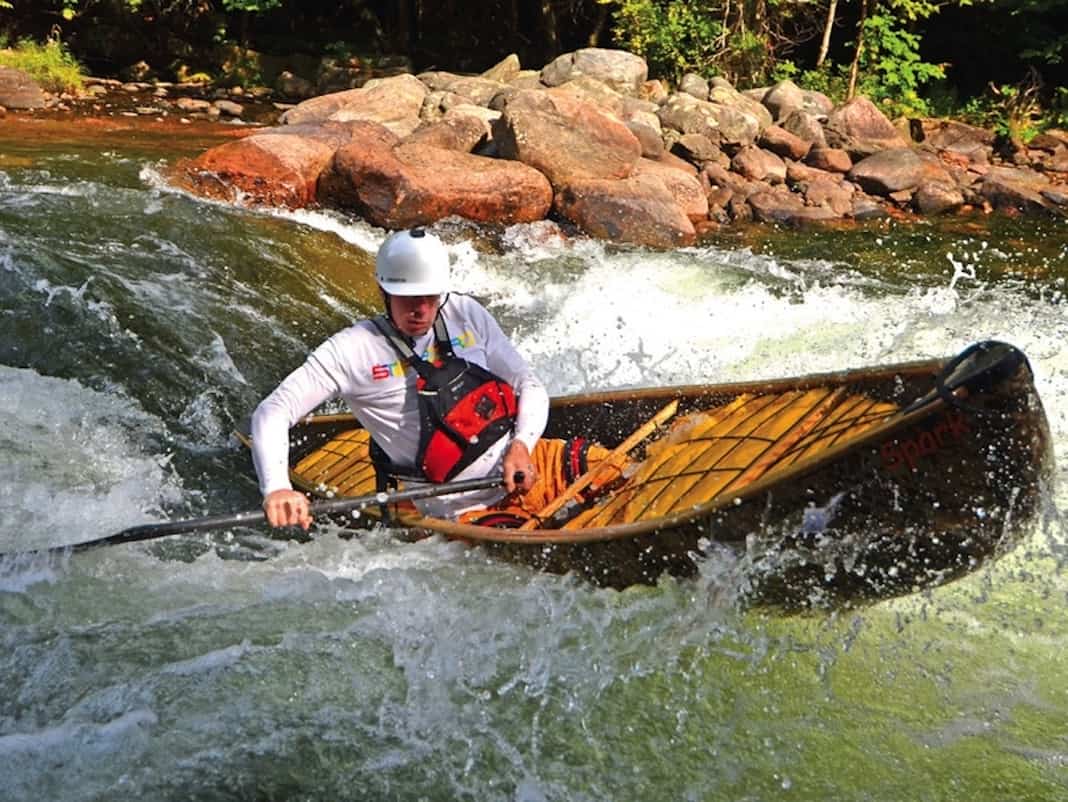
A rock solid low brace is a valuable tool. In big whitewater it allows you to prevent rolling by using the surface of the water against your paddle and can also prevent shoulder injuries if done correctly. If you want to stay dry and expend less energy in whitewater, master the low brace.
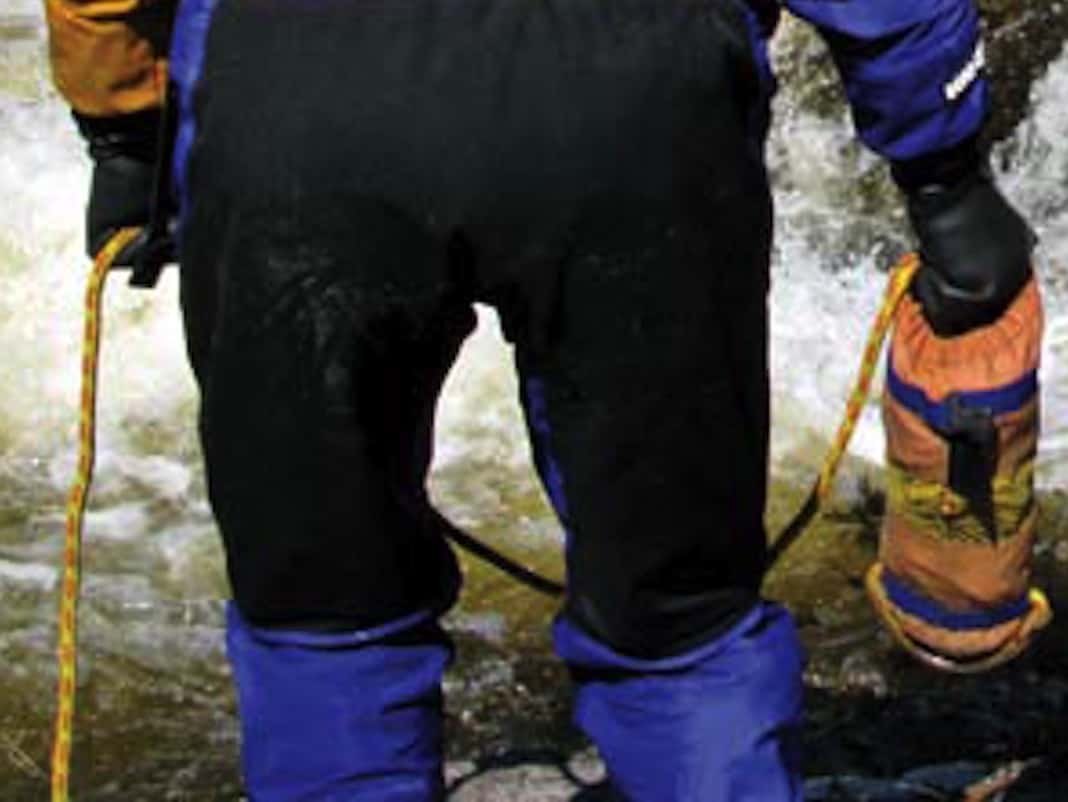
A proper throw bag toss can keep a stressful situation from turning into a whitewater disaster. In some situations you are only going to have enough time to take a single shot at a toss. Make sure your throw bag toss is strong and that you are someone your buddies can count on when it matters. Dial your throw bag technique.
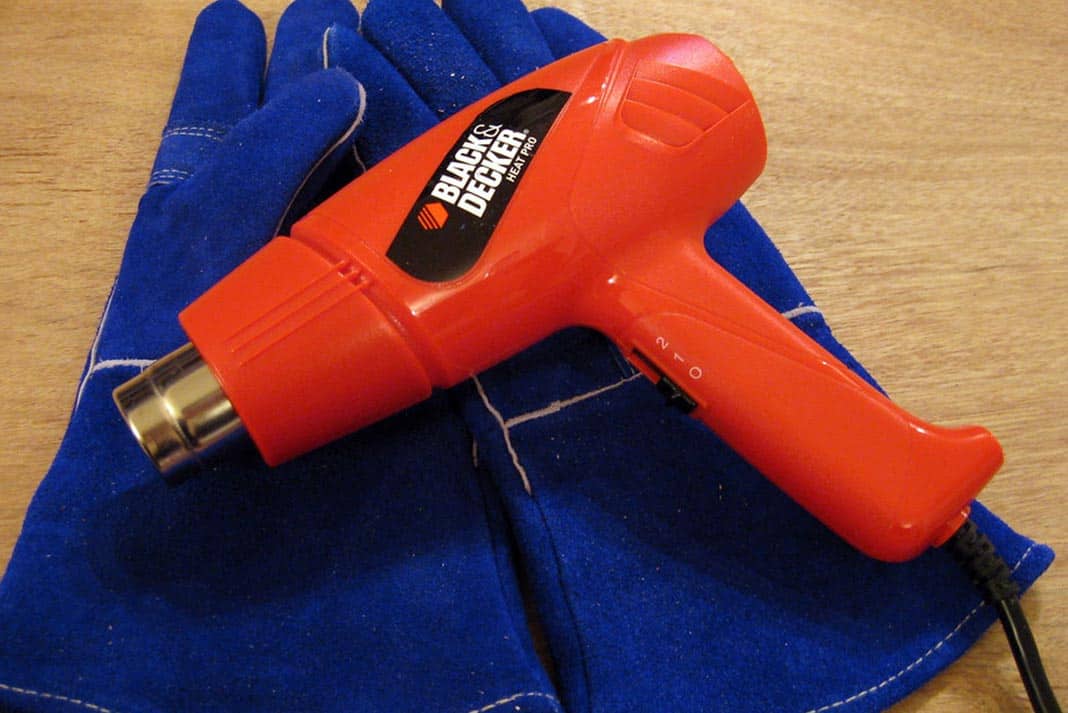
Dang! You boofed onto something that wasn’t water or dragged your kayak on a surface you shouldn’t have. Now you’re taking on water a rate your sponge can’t keep up with. Take a day off from kayaking and learn how to repair your cracked kayak yourself and without spending a lot of money.
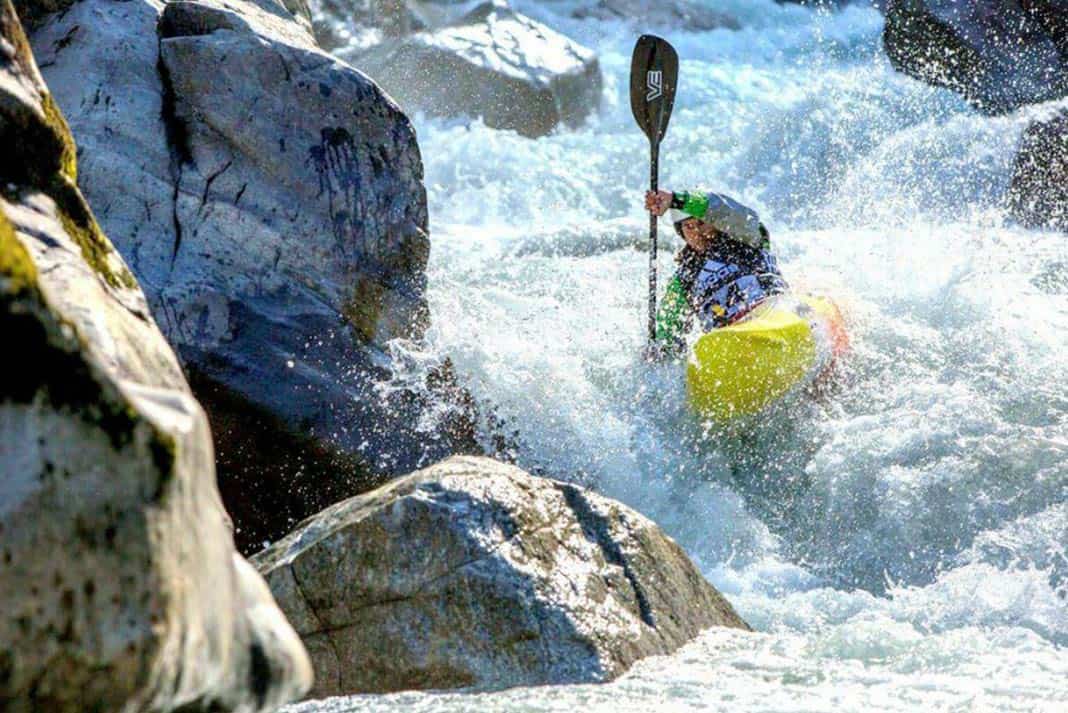
Getting stuck in a hydraulic can be a scary feeling, especially the first time. Being recycled and held while the rest of the river rushes past you can cause you to panic. Learn how to properly escape a hole and next time it happens to you, you will be better equipped to stay calm and extract yourself.
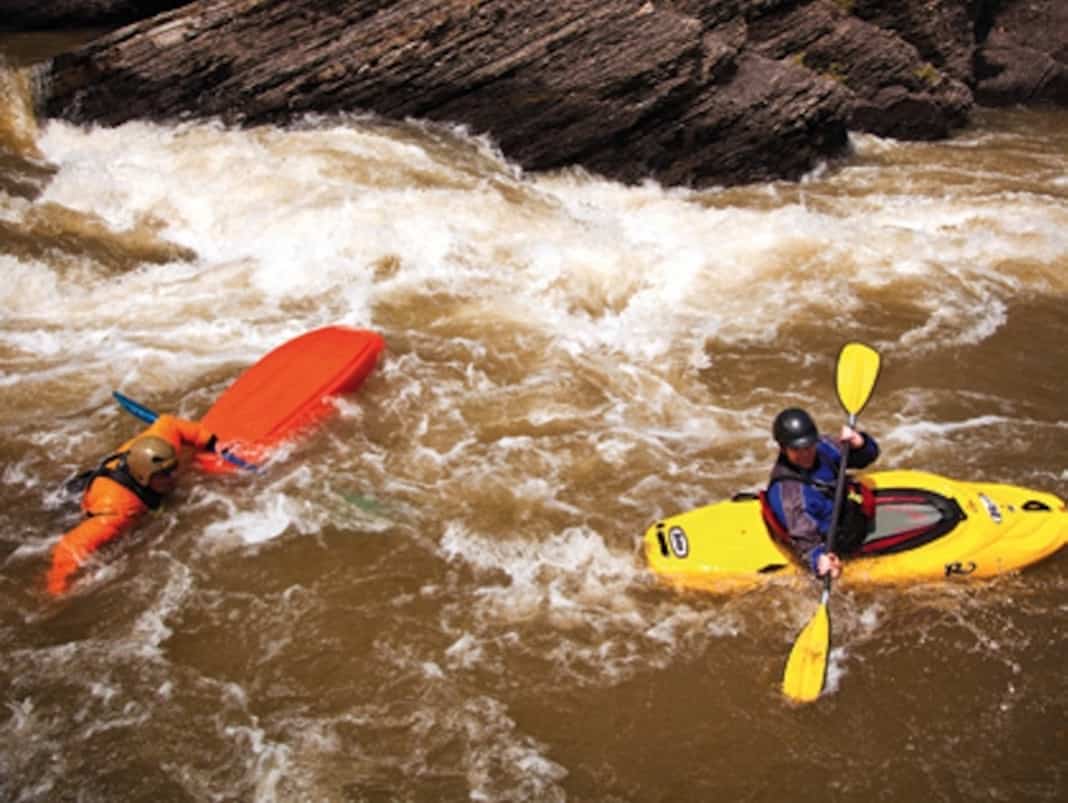
When someone in your crew swims, it’s important to be able to help them quickly gather their kayak and gear. Runaway boats quickly retrieved mean less time walking for the kayak’s owner and less effort used by the rescuer. Learn how to recover a kayak the best way.
[ Paddling Trip Guide: View all whitewater paddling skill courses ]
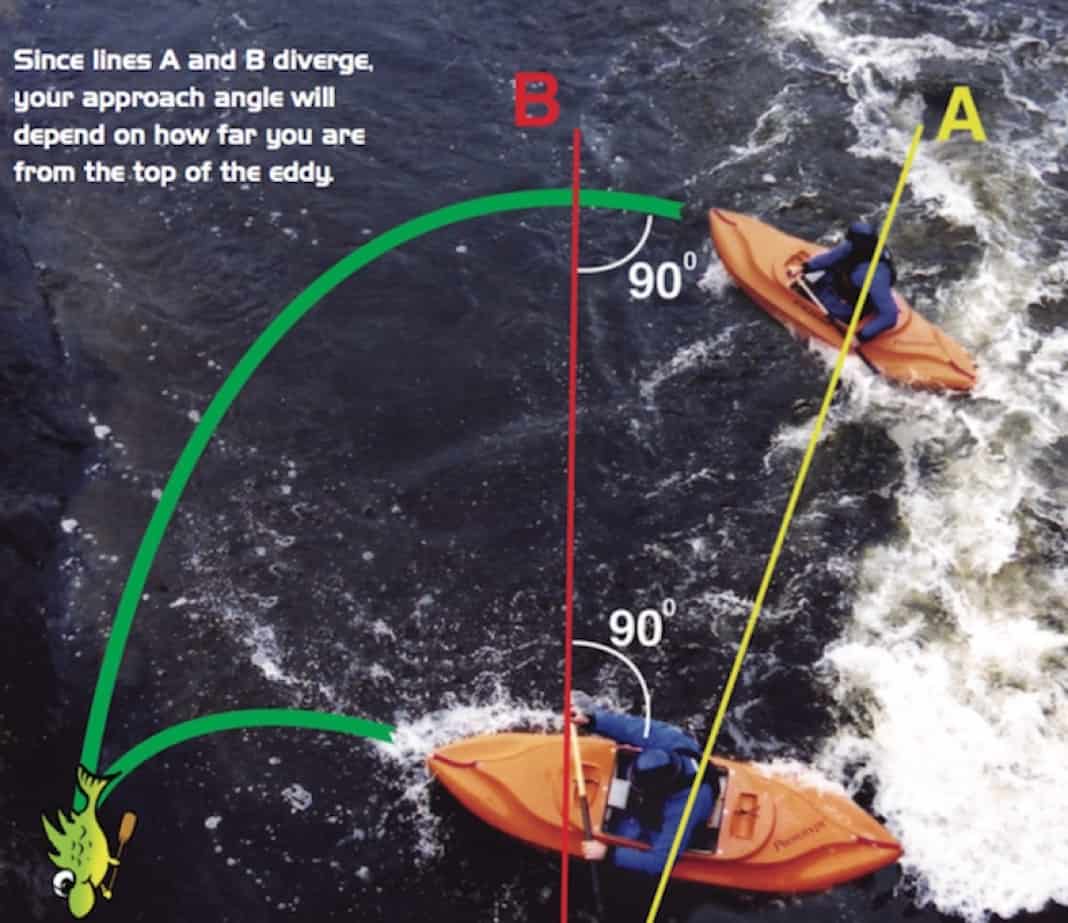
Choosing the best angle is key to successfully crossing an eddy line. If you are too wide or too short, the effectiveness of your movement can be compromised. This will be different for each eddy you encounter, so learn how to cross any eddy line efficiently.

Inspiring paddlesports participation through quality coverage of the people, places, adventures, boats and gear, trends and events that make paddling something you’ll do for the rest of your life.




© 2026 RAPID MEDIA