Home Blog Page 234

Top 11 Canoe Trip Faux Pas

Photo by Quentin Groome

1. Never doing dishes at the campsite

Picture yourself lounging around the fire after a day slogging through portages and battling clouds of mosquitos. You’ve just finished a dinner of rich, bubbling macaroni and cheese. The dishes are scattered around the camp kitchen. The last thing you want to do is kneel on the ground scrubbing now-solidified cheddar cheese off of plastic camp bowls. But you should do it. Why? Because it’s an undesirable chore on canoe trips, but if everyone takes the initiative at some point the job will always get done. And after? You can lounge by the fire without a care in the world (until breakfast dishes).

2. Taking up the entire portage put-in

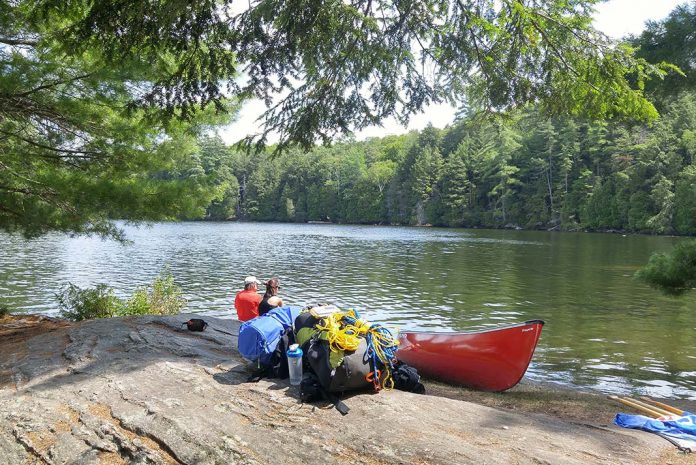
It’s quite special to be on a canoe trip and not see any other paddlers for days at a time. In some more popular wilderness canoeing destinations however, you will encounter others on lakes and portages. Be respectful by placing all your gear and canoes in one organized area at portage put-ins and making sure to leave plenty of room for other groups. It’s not fun to reach the end of a grueling hike with a canoe and find there is nowhere to place it down.
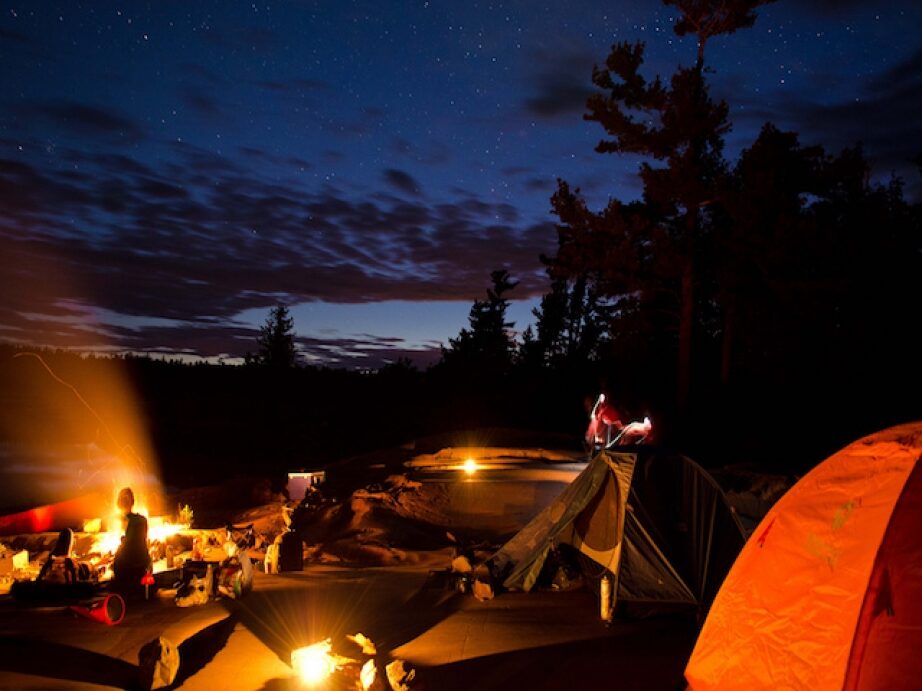
Photo: Flickr user DeaShoot
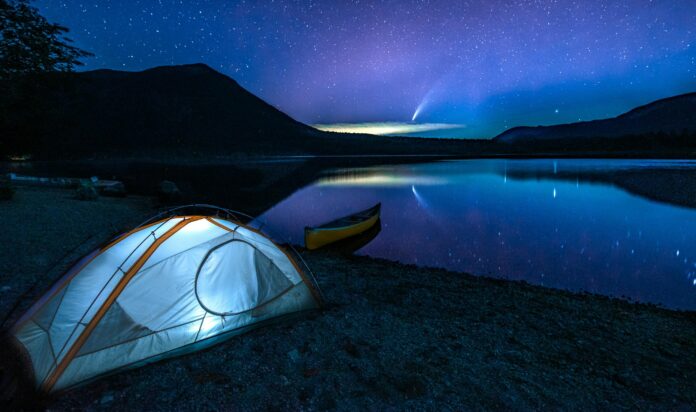
A tent during the night in Killarney. | Photo: Flickr user DeaShoot

3. Leaving the campsite a mess before bed

Having a clean and organized campsite is essential for group safety. If there is food and cooking supplies all over, you are inviting wildlife that may eat your food or potentially cause you or themselves harm. In the case of an emergency, it is important to know where all your equipment and critical supplies are. Before bed make sure everything is well organized and put away.

Photo by Catherine Sheila from Pexels

4. Littering in the wilderness

Leaving garbage or food scraps behind on your canoe trips is a sign of not respecting the natural environment that affords us amazing canoeing experiences. It is also unfair to other canoe trippers who arrive at a campsite or a portage and find it strewn with garbage. It is such an easy thing to avoid doing, and there is no excuse for leaving litter behind. Always pack extra bags for garbage and if you do burn food waste, make sure it is completely gone before putting out your fire.

5. Heading into the backcountry unprepared

A major faux pas is going on wilderness canoe trips without adequate preparation and forethought. This may come from inexperience, but the learning curve can be steep if you fail to pack essential items. Make sure you have a route, maps, a first aid kit, fire starter and water treatment. Do extensive research on the route you are doing, make note of potential evacuation points and don’t plan trips that exceed your skill level. Also make sure you aren’t the only one prepared—having a solid team is key to a great canoe trip.

6. Doing dishes in the lake

Washing camp dishes directly in the lake is a faux pas because it means you are unnecessarily affecting the aquatic environment. Remnants of your backcountry lasagna don’t need to be deposited on the shore of the lake. Use a clean bowl or pot to place water in dirty ones, wash your dishes away from the water source and dump dirty water several hundred meters into the woods.

Photo by Laurin Berli from Pexels

7. Improperly putting out a fire

You can compromise the safety of you, your group and a whole ecosystem by failing to adequately put out your campfire. Use as many buckets of water as necessary and pour not only on the fire itself, but the hot rocks of the fire pit. A good rule of thumb is to only stop extinguishing the fire when you are comfortable placing your hand directly on the fire pit.
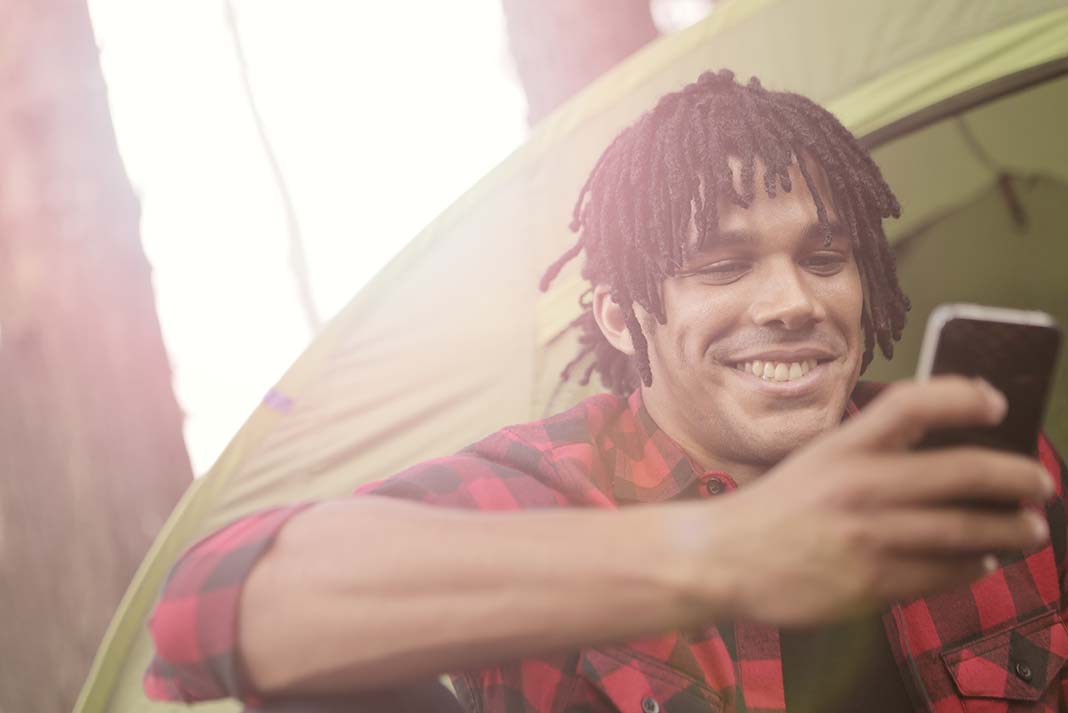
Photo by Andrea Piacquadio from Pexels

8. Being plugged in on your canoe trip

Resist the urge to Snapchat your longest portage ever or Instagram every beautiful tree you paddle past. Canoe trips are about reconnecting with nature and enjoying the great outdoors. Having your cell phone attached to your hand at all times keeps you from living in the moment, and your trip mates probably won’t enjoy constant vibrations and notification tones coming from your tent.

9. Throwing a backcountry rager

Being out on a backcountry canoe trip is an awesome time to rewind. Enjoying a few nice beers by the fire? Even better. On the other hand, having a rowdy all-night party in the woods can make you an extremely unpopular wilderness neighbor. Remember that sounds carries excellently over water, so you could be keeping the family across the lake up until 4 a.m. with your rendition of “Sweet Home Alabama.” Keep the noise in check and respect others enjoying their canoe trips.

10. Improper bathroom protocol

Many new canoe trippers or campers are unsure of the right way to go to the bathroom in the backcountry. It’s better to ask and do it properly than leave a campsite worse off than you found it. If your campsite has a thunderbox or a privy, make sure to use it. If not, use a trowel to dig a hole, do your business in there, cover it up and put a stick in the dirt above it to warn others not to dig there. Bring a garbage bag to pack out toilet paper.

11. Negativity

There are some moments on canoe trips that totally suck, like dropping your pita pizza topping-side-down in the dirt. Or losing a shoe in the mud and never finding it. Or having your tent zipper get stuck at the top during peak black fly season. While these moments try us, battling negativity and seeing the humor in situations instead of complaining will help you bond with your group and have the best experience possible.


Feature Photo by Quentin Groome
Training Future Paddlesports Leaders

TEACHING TO THE TEST. | PHOTO: VIRGINIA MARSHALL

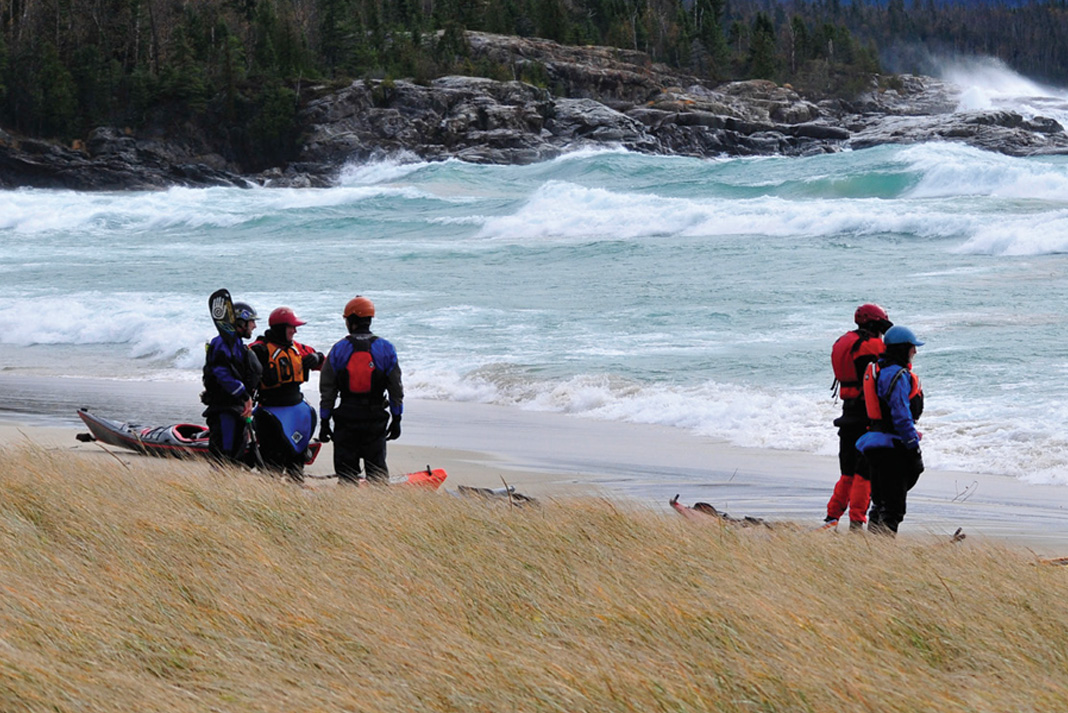
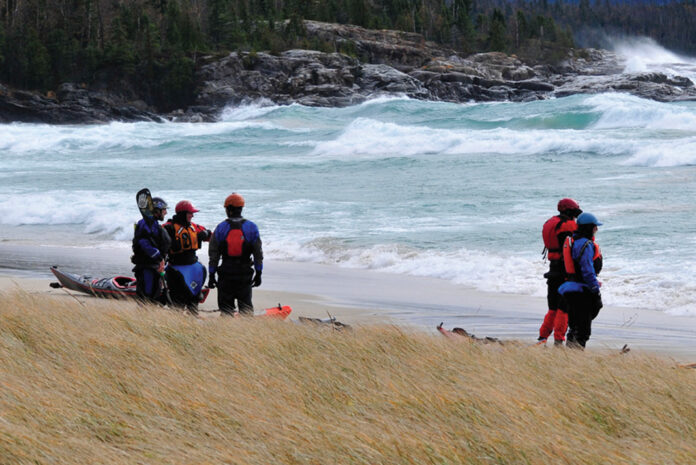
Another huge wave rolled into the boomer-riddled amphitheater. I knew beyond doubt that the worst decision I had made that day was to follow instructions. I had led my peers on a route that went against my better judgment and every gut instinct I had; a decision I now realized could end very badly indeed.

we could see was her boat pitching near vertical and airborne as she paddled like mad to get over the steep, foaming peak. For a moment, I was convinced that she must have capsized on the far side, but as the wave rolled past I could see that she had made it through upright. Cold relief ran through me, but I felt culpable, having muddled through the scenario in a state somewhere between paralysis and total incompetence.

This was the scene on my Level 3 Guide exam with the Sea Kayak Guides Alliance of BC (SKGABC) last spring. Leading up to that moment I had crossed threshold after threshold, inevitably lingering far too long in sea states that were way beyond any commercial trip I would ever guide. Perhaps the first threshold had been getting out of my tent that morning, after a sleepless night and stress-riddled nightmares.

Age and experience have made me a more grounded and capable guide and instructor, yet they have perhaps had an inverse affect on my ability to manage contrived exam-based stressors. As a result, I walked away from those three days without my Level 3 ticket, but equipped with a greater insight into the exam process and a lingering question: what exactly are we testing for in such scenarios?

TEACHING TO THE TEST. | PHOTO: VIRGINIA MARSHALL

The SKGABC guide exam is structured to focus heavily on incident response and crisis management, and to see that candidates are put through their paces in simulated shit-hitting-the-fan moments. Quite rightly, it is testing for the worst-case scenario in dynamic ocean environments. As a rule during an exam scenario, anything that could go wrong does: tucked skirt loops, open hatches, acute illness mid-surf launch, sea sickness, behavioral issues, random capsizes and even stolen safety equipment all in a single

one- or two-hour scenario in rough seas are de rigeur. Knowledge of the weather, tides and currents and a plethora of other technical information are also scrutinized.

To be sure, these are all valid and critical components of being a good guide and instructor. Yet I still feel that such tests are missing the boat.

At the higher levels of certification, the SKGABC runs exams, not courses. Poker-faced examiners aspire to give candidates no clue as to their success or failure in a specific task, question or scenario. Learning on the two- and three-day exams is seen as incidental rather than intentional. If something is handled well during a scenario, or if something is handled very poorly, there is no process to draw out what that was or what can be learned from it—not just by the candidate in question, but also by the others taking the exam. In particular, attentiveness to the factors that could have prevented the issue in the first place are much less recognized or rewarded on the score sheet than incident response.

Absent from the rubric is the host of more complex and nuanced skills needed in outdoor leadership. Questions of complex decision making around route choices—to go or not go, group ability, individual client considerations and how they affect the group, effective communication (including listening and being attentive to the social dynamic)—are noted in the manuals but not prioritized in exams and courses, despite being leading causes of outdoor incidents.

“Rather than push aspiring leaders to perform in overly challenging scenarios, we should prioritize good judgment.”

This is the crux of the matter, and is meted out in the study of risk management in the outdoors. Even in situations where there is some powerful and seemingly unpredictable act of nature—such as avalanches, rogue waves or amplified sea states—events are usually precipitated by a series of missteps in judgment and decision making. The pressure to get to a certain destination is one of the main culprits, as is the desire to avoid conflict with a client or co-leader.

Paddlesports leadership has become increasingly institutionalized by organizations that act as gatekeepers to professional certification and, in some cases, licensing to work in specific areas. This is not a bad thing. The need for standards in guide and instructor competency is a real one, and individuals within these organizations work hard to constantly review curriculum and outcomes. Earlier this year, the SKGABC launched its own program review by surveying members and working towards revising exam materials and processes.

How do we do a better job? We design training and assessment programs to develop higher-level consciousness as well as competence. Rather than pushing aspiring leaders to perform in overly challenging scenarios—and sometimes even penalizing more conservative decisions—we should be prioritizing good judgment and pro-active risk management. This is a much more complex and subtle skill set, rooted in an ability to read people and conditions, along with a self-awareness that prevents us from being pressured into bad situations.

Such a shift, while more difficult to assess, would decrease the odds of the shit hitting the fan in the first place.

Fiona Hough has worked as paddlesports guide, instructor and trainer for more than 25 years. Recently, she was the keynote speaker at the inaugural International Sea Kayaking Educators Conference.


This article originally appeared in the Adventure Kayak
Summer/Fall 2016 issue.
Subscribe to Paddling Magazine and get 25 years of digital magazine archives including our legacy titles: Rapid, Adventure Kayak and Canoeroots.

Skills: How To Cook Epic Backcountry Lasagna

Photo: Colin Field
Backcountry lasagna cooked in a dutch oven.

Just because you’re camping doesn’t mean you have to suffer; you don’t have to eat Kraft Dinner, canned tuna and powdered milk for days on end. Outfitters know this. And they cook to impress. Black Feather’s mid-trip lasagna is a meal to absolutely die for. Here’s how they do it.

What You’ll Need:

  • Dutch Oven
  • Tinfoil
  • Briquettes

Ingredients:

  • No-boil noodles
  • Ricotta
  • Cottage Cheese
  • Mozarella
  • Cheddar
  • Parmesan
  • Onion
  • Garlic
  • Carrots
  • Celery
  • Peppers
  • Broccoli
  • Can stewed tomatoes
  • Can tomato paste
  • Basil
  • Oregano
Lasagna cooks in a dutch oven at a canoe campsite. • Photo: Colin Field

Backcountry Lasagna Instructions: 

First off, you need to pack a Dutch oven along. Sure they’re heavy, but worth every ounce. Along with the Dutch oven, pack along about 20 charcoal briquettes. Yeah, those things you pile in a Weber barbecue. You’ll heat those up on a fire-heated grill while you get everything else prepped.

While your briquettes are heating up, start working on the sauce. Basically, you’re making amazing spaghetti sauce. All the usual stuff should go in here; onion, garlic, carrots, celery, peppers, tomato paste, mushrooms, basil, oregano, meat. If you are on a long trip, you can dehydrate a bunch of this prior to your trip.

Lasagna cooks in a dutch oven at a canoe campsite.
Lasagna cooks in a dutch oven at a canoe campsite. • Photo: Colin Field

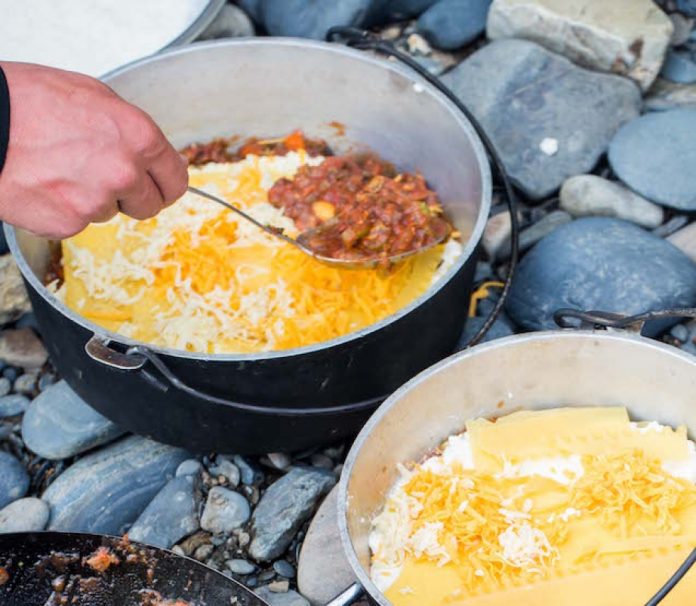
For the sauce, it’s good to go more watery than not. Because you’re using no-boil noodles, you need this moisture to hydrate the noodles. Once the sauce is ready, start arranging in your Dutch oven.

Start with a layer of sauce, then it’s up to you; layer some cottage cheese, some noodles, some more sauce, some more noodles. The main rule is you want sauce on the bottom and the top. The layers in between don’t really matter. And of course on the very, very top, put some cheese for the melty, gooey good top layer. Put the dutch oven lid on.

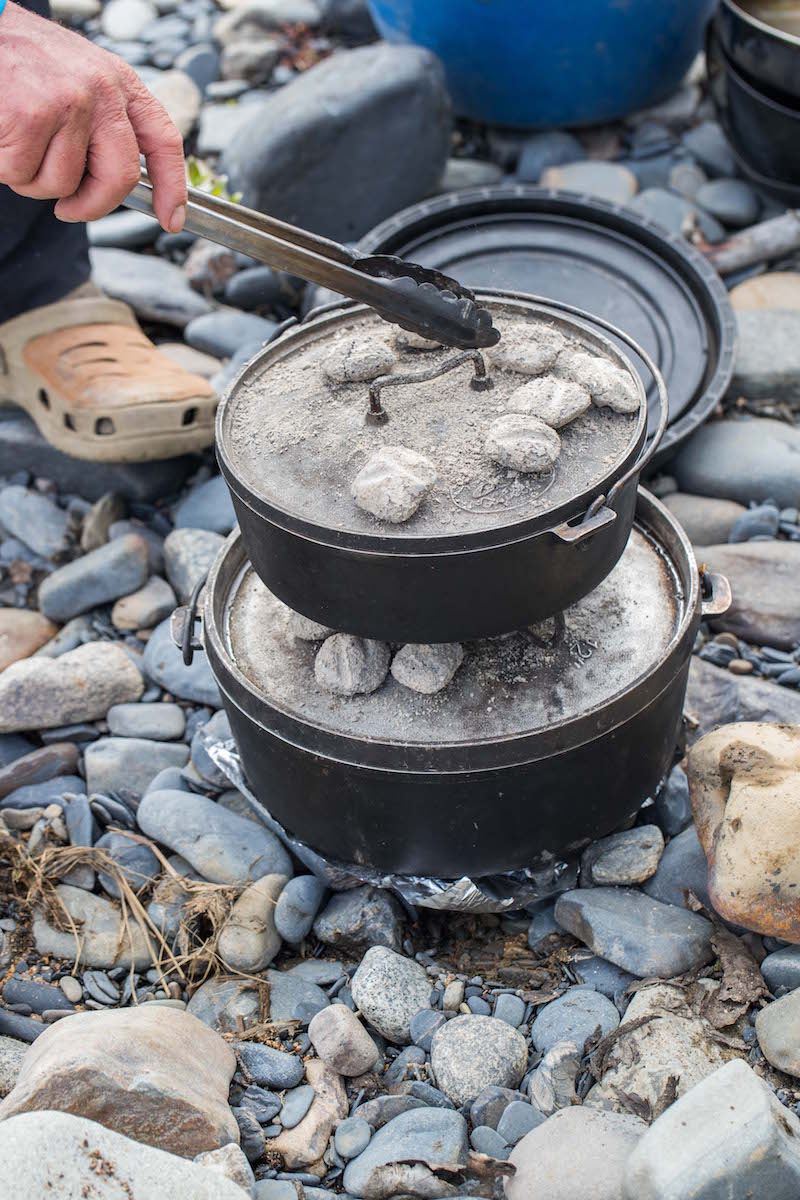
Now your lasagna is ready to bake. Place some tinfoil on a flat, non-flammable surface. Depending on the size of your Dutch oven, place about nine briquettes on the tin foil (tongs will help with this maneuver), then place your Dutch oven directly on top of this. Put seven or so briquettes on top of the Dutch oven lid, then wrap the whole thing in tinfoil.

In about 45 minutes to one hour, you’ll have a perfectly cooked lasagna. Bon appetit!


12 Canoeing Tattoos That Perfectly Illustrate A Love For Paddling

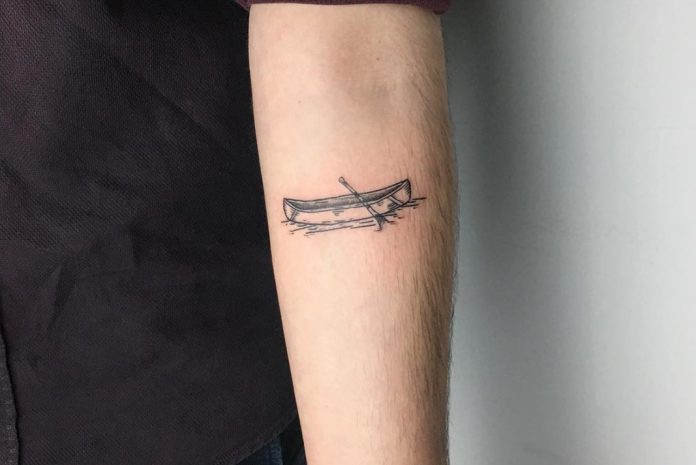
Tattoo of canoe and paddle on inside of forearm
Looking for inspiration? | Photo by: @ezgitekcam

Getting a tattoo to celebrate your romantic relationship can be a risky move. Couples break up, feelings change and the giant cherry-colored heart on your bicep may illustrate more emotion than you carry for the name the tattoo bears.

Canoe tattoos, however, are different. If you are going to forever brand a relationship on your body, the one you have with canoeing is a fairly safe bet. How often do you hear of someone having a falling out with canoeing, or developing trust issues with their canoe, or even—God forbid— catching their canoe using Tinder? Not often.

Here are 12 canoe tattoo ideas we think are pretty awesome, and stand a good chance of avoiding being transformed into a kayak in 15 years.

[ Plan your next canoe trip with the Paddling Trip Guide ]

1. The stereotypical outdoorsman


View this post on Instagram


A post shared by (@amanda_allison_tattoos) on

Tattoo by: @amanda_allison_tattoos

2. The call of the wild


View this post on Instagram


A post shared by •ZERS•tatoo‍☠️ (@zers_tatoo) on

Tattoo by: @zers_tatoo

3. Paradise found


View this post on Instagram


A post shared by @dale_tattooing on

Tattoo by: @dale_tattooing

4. Still waters run deep


View this post on Instagram


A post shared by Tony Turrini (@handsometonyturrini) on

Tattoo by: @handsometonyturrini

5. Just the essentials


View this post on Instagram


A post shared by Ash Timlin (@ashtimlin) on

Tattoo by: @ashtimlin

6. No one will ever ask you, “What’s on your mind?” again


View this post on Instagram


A post shared by Ash Timlin (@ashtimlin) on

Tattoo by: @ashtimlin

7. Duck, duck, canoe?


View this post on Instagram


A post shared by Jessie McNally (@jessiemcnallyart) on

Tattoo by: @jessicamcnallyart

8. Endless wilderness


View this post on Instagram


A post shared by Tesia Rhind Tattoos (@tesiacoil_tattoos) on

Tattoo by: @tesiacoil_tattoos

9. Paddle your own canoe


View this post on Instagram


A post shared by Tattoo Abyss (@tattooabyss) on

Tattoo by: @tattooabyss

10. The portager


View this post on Instagram


A post shared by AndreaLynBurg (@burg_tattoos) on

Tattoo by: @burg_tattoos

11. The minimalist canoe


View this post on Instagram


A post shared by Ezgi Tekçam (@ezgitekcam) on

Tattoo by: @ezgitekcam

12. The early riser


View this post on Instagram


A post shared by @luckyllamatattoo on

Tattoo by: @luckyllamatattoo

12 Kayaking Tattoos That’ll Make You Want To Get Inked Too

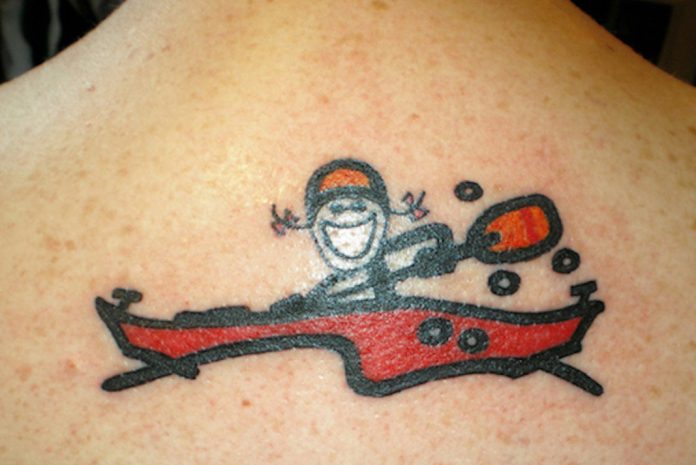
Cartoon girl paddling a kayak
How to take your relationship with kayaking to the next level? Get a tattoo.

Obsessed with kayaking? We are too. Tell-tale signs of being kayak-crazy include making kayaking your main conversation topic, obsessing over the minutiae of new gear and considering kayaking skills a crucial quality in a potential romantic partner.

Some paddlers take it a step further and forever cement their love of two-bladed fun on their bodies. See below for the wild, ridiculous and beautiful ways kayakers illustrate what paddling means to them. Will you be getting inked with any of these kayak tattoos?

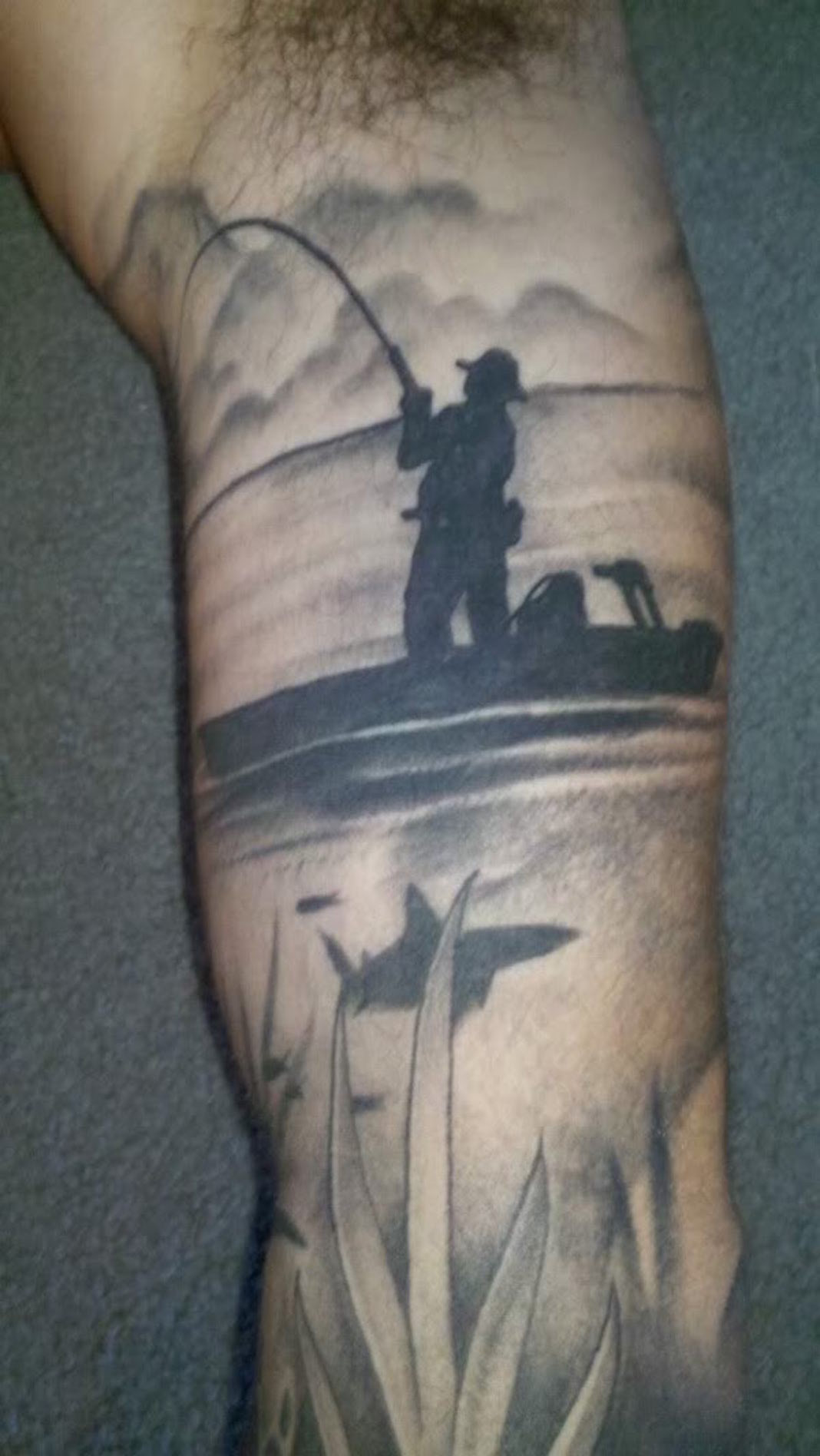
 The silhouetted angler

Tattoo of man standing on fishing kayak holding a rod

No one will ever ask you, “So what are you doing this weekend?” again.

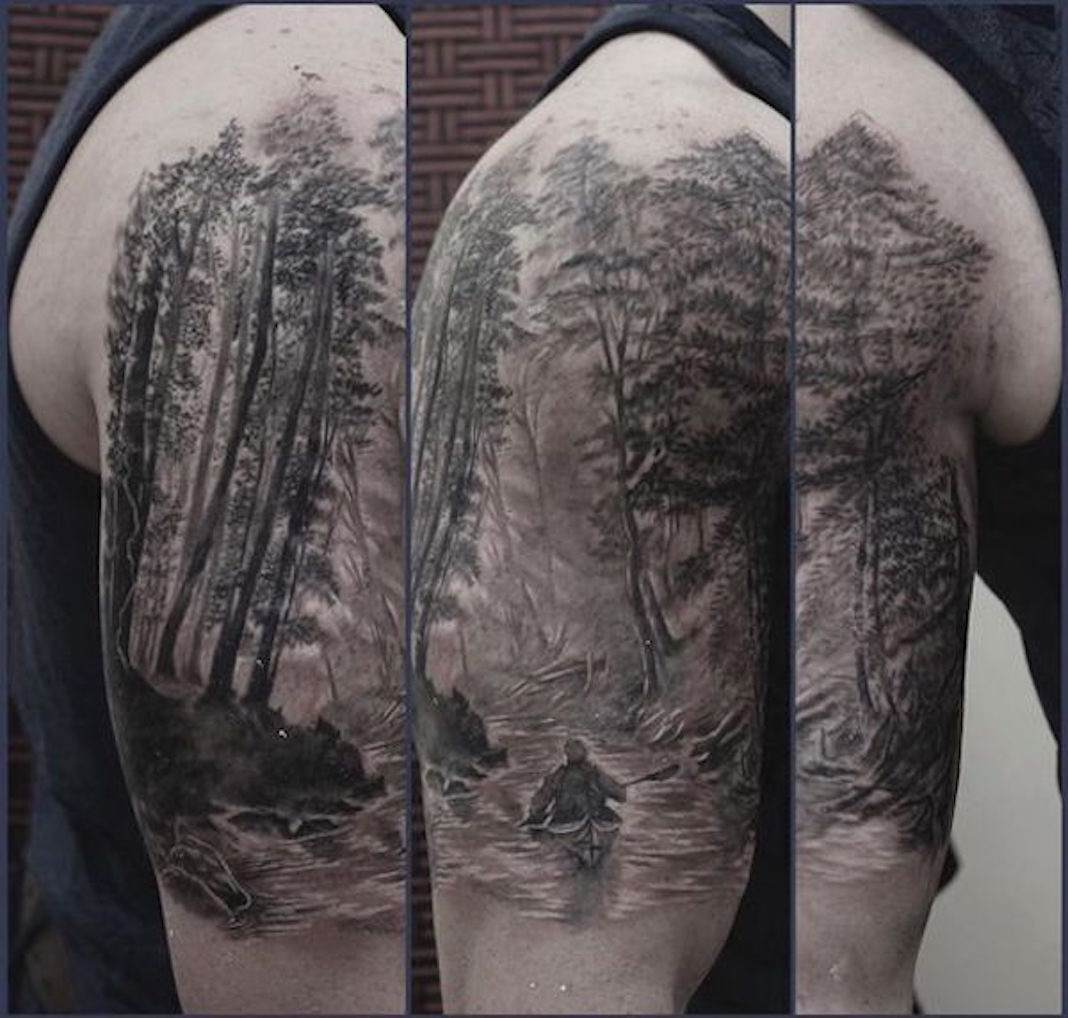
The backcountry kayaker

Someone's arm tattooed with scene of kayaker going down narrow river

Sometimes you just need to bring a piece of the wilderness home with you.

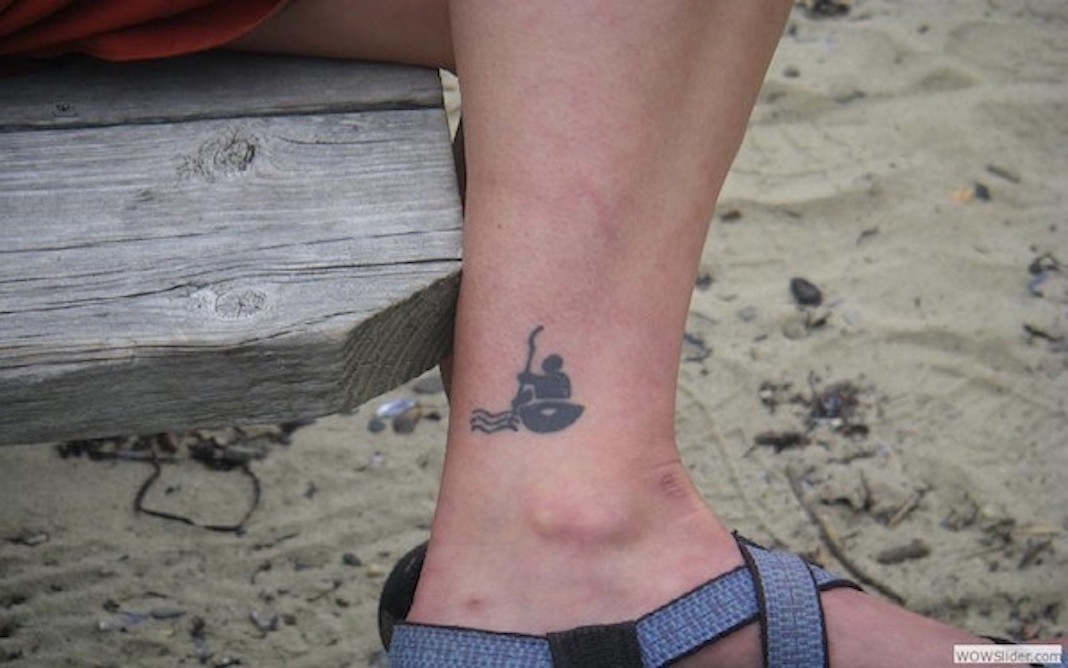
The low-key kayaker

Ankle tattoo of person kayaking

When you’re not quite ready for the sleeve.

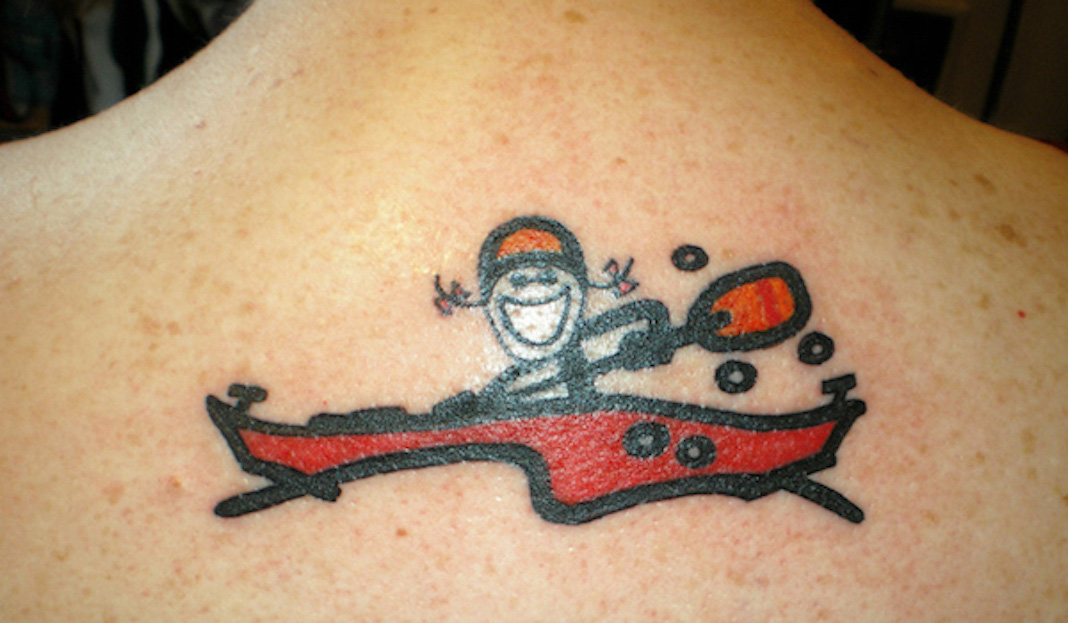
The just-wants-to-have-fun paddler

Cartoon kayaker

Can you identify someone’s outlook on life from their tattoo?

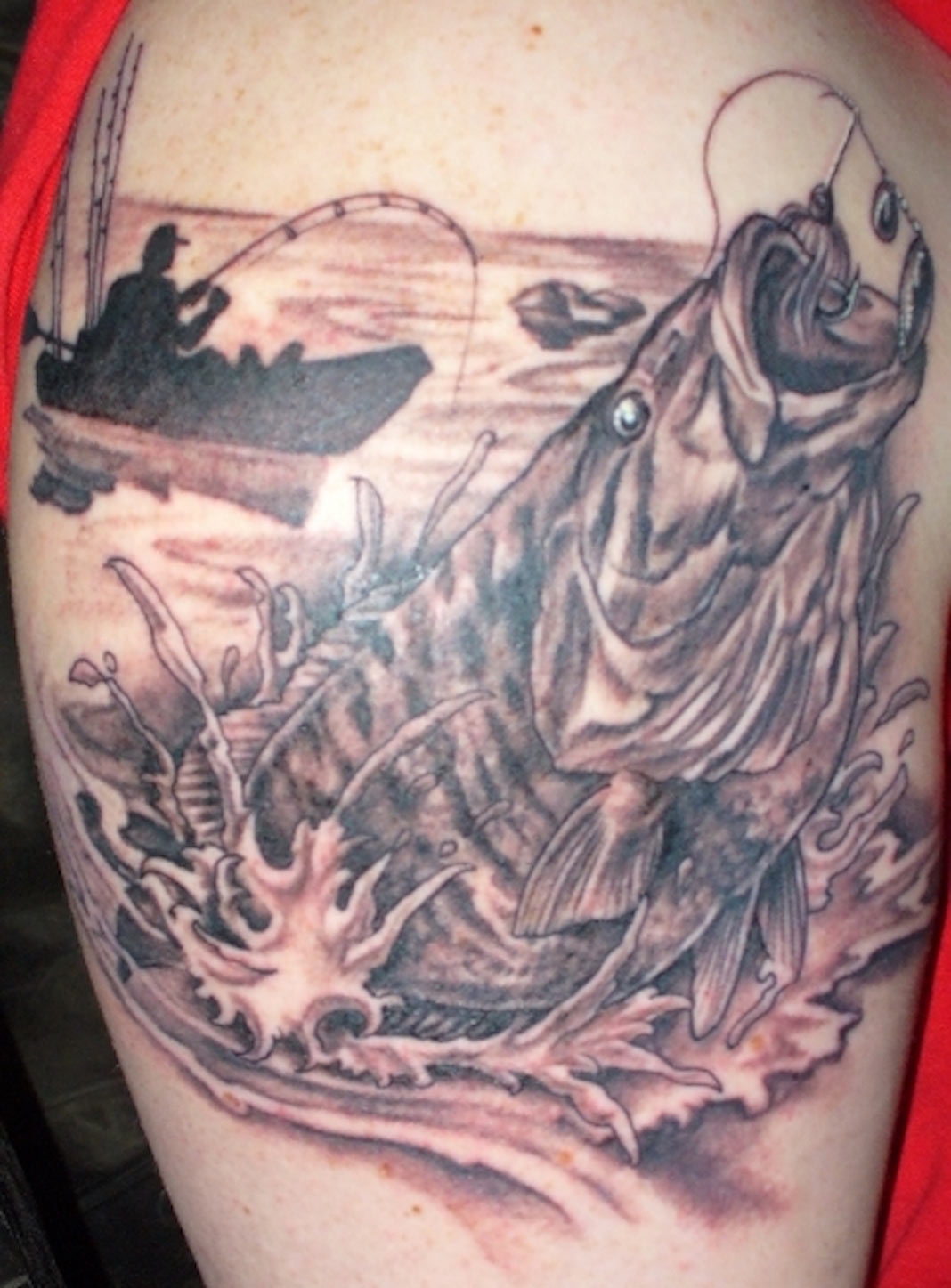
The kayak angler’s dream catch

Person sitting in fishing kayak with hooked fish in foreground

Why bother relaying the story of your latest catch when you can just show someone this tattoo?

The kayaker with the overactive imagination

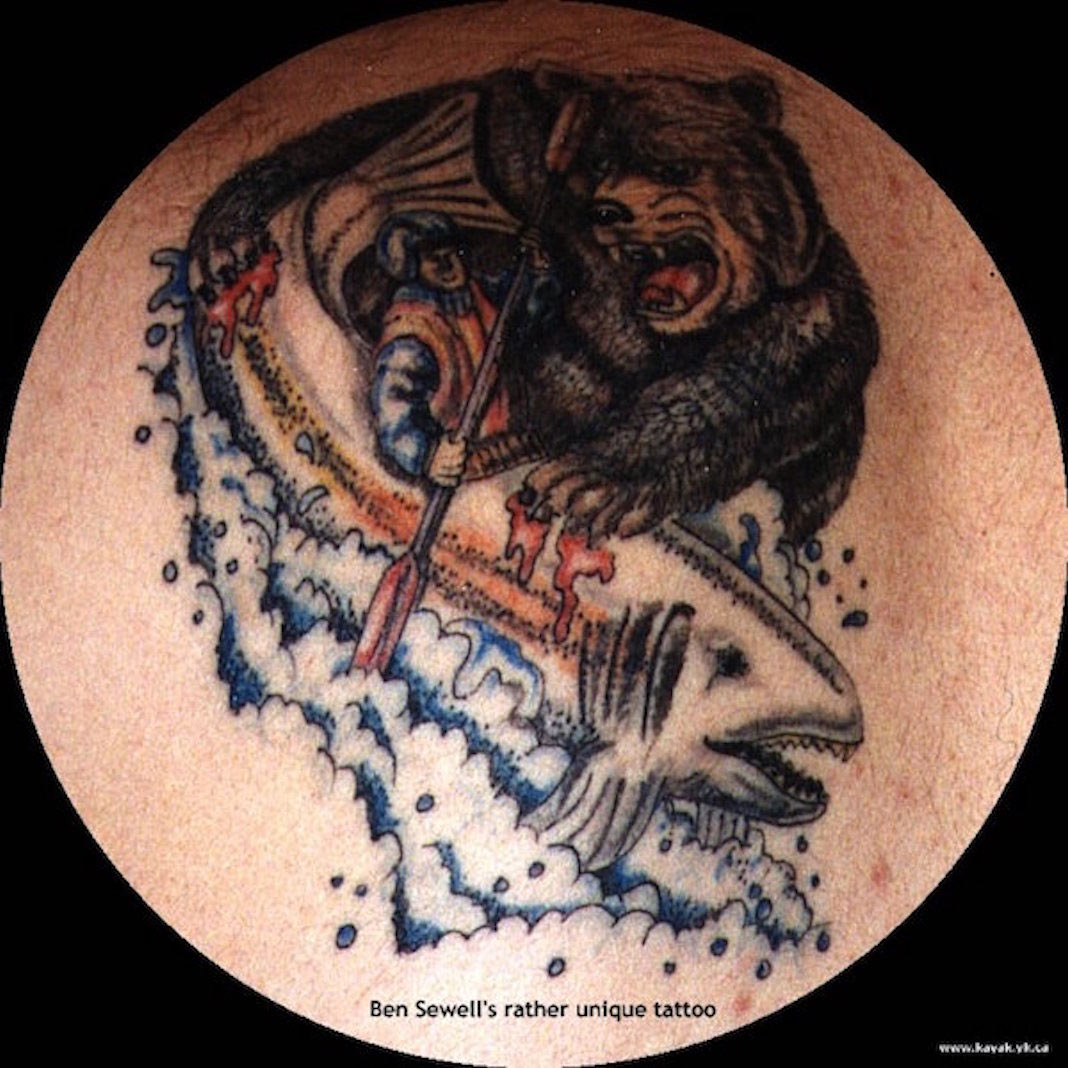
Person kayaking in a salmon while being attacked by grizzly bear

Lesson learned from this tattoo? Never kayak a salmon near a grizzly bear.

The triumphant tourer

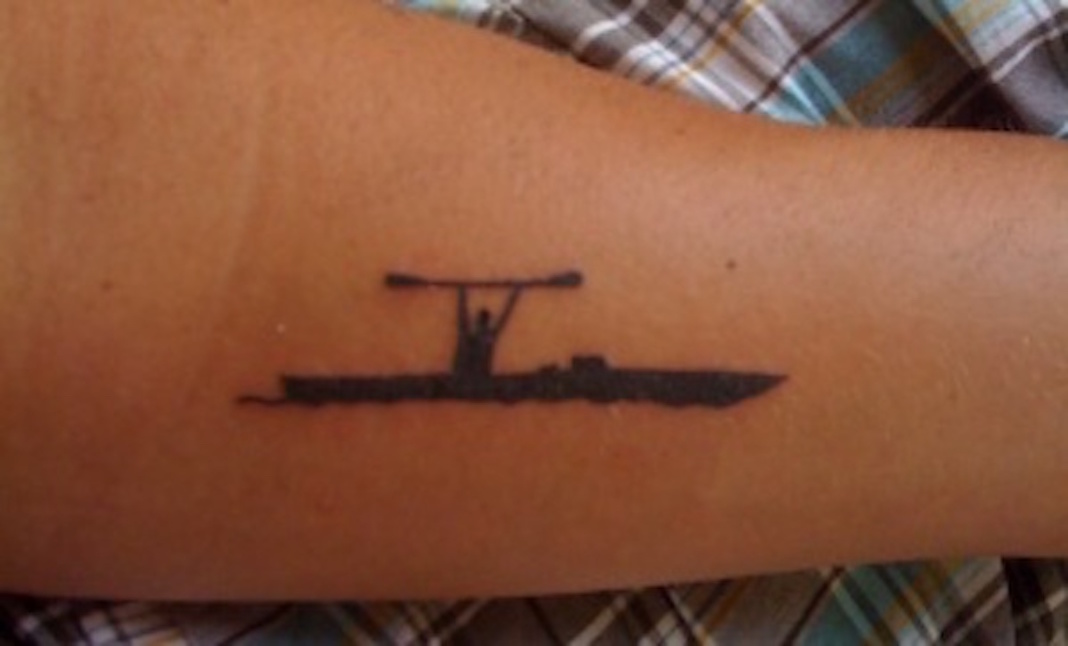
Person in kayak holding paddle above their head

It’s not about being the fastest or the most skilled—the most important thing is getting out there.

[ Paddling Buyer’s Guide: View all touring kayaks here ]

The classic whitewater enthusiast

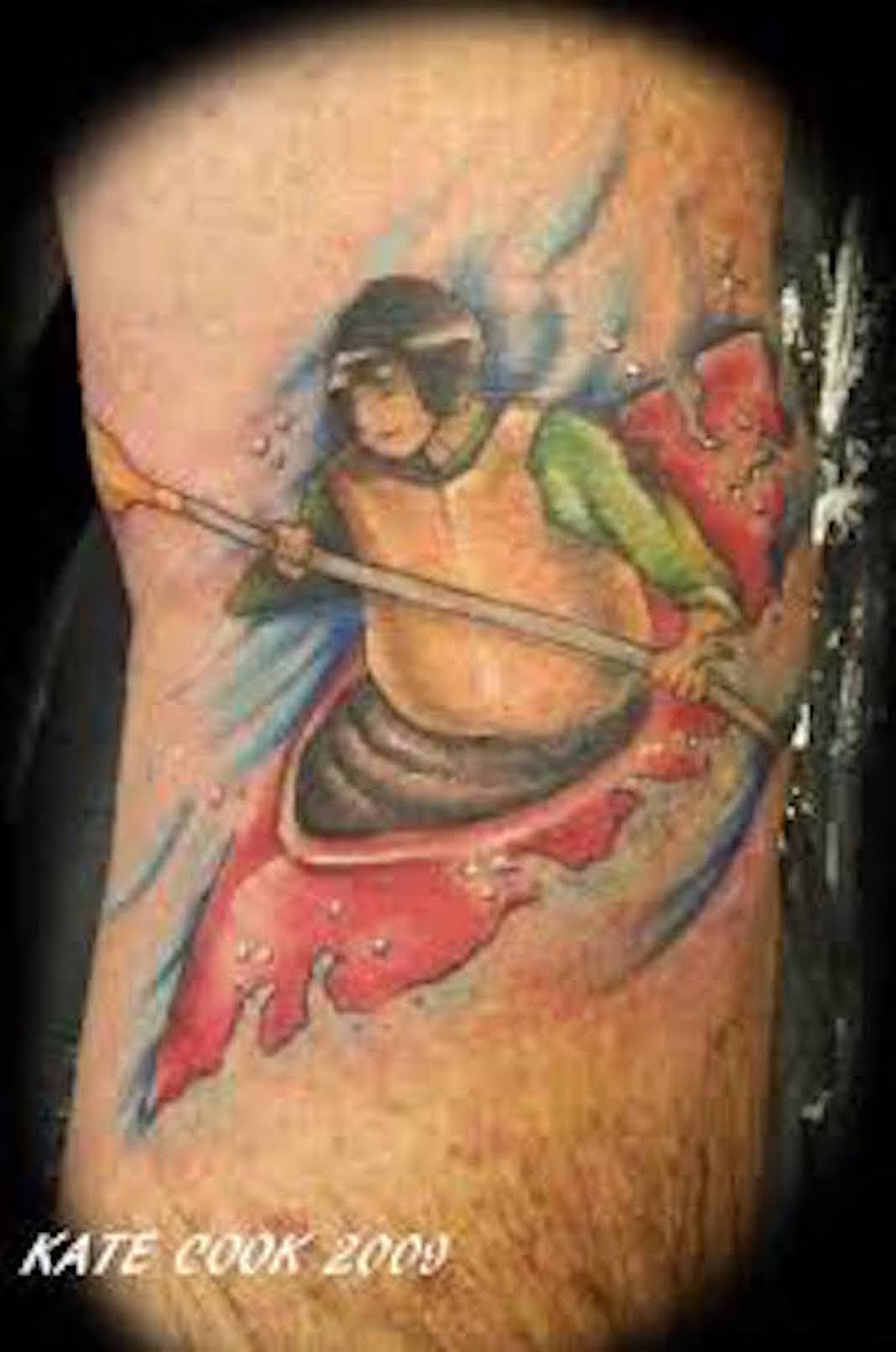
Person paddling kayak with a smile

Good form + wearing a helmet and PFD = Paddling Magazine approved.

The tackle lover

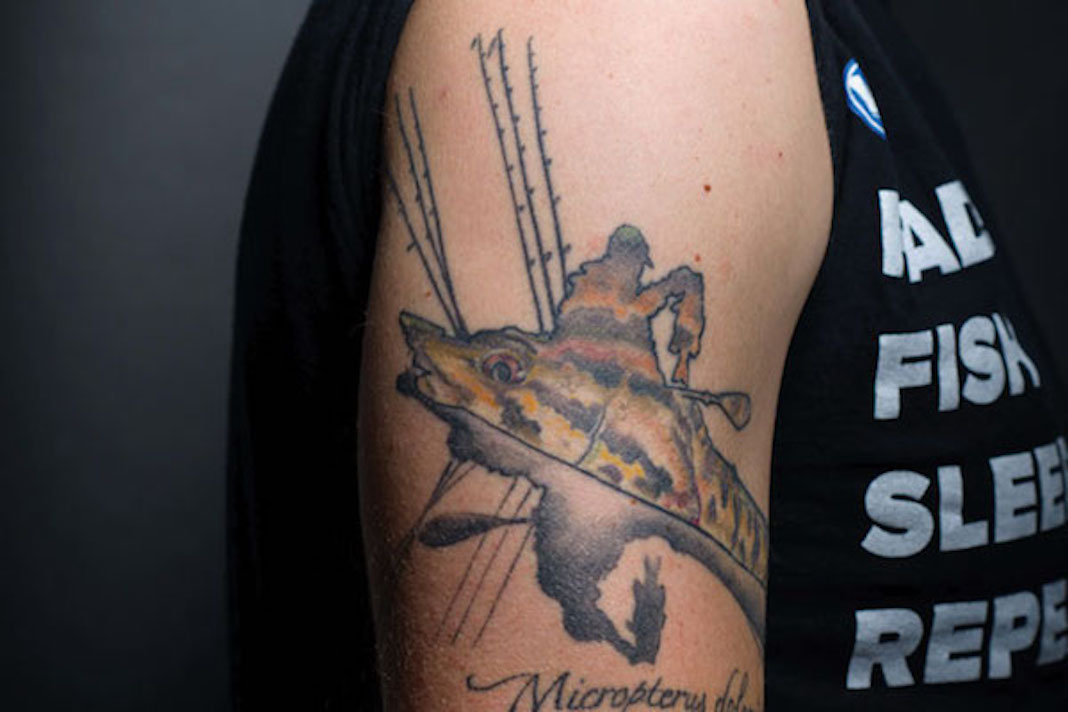
Person sitting in a fishing lure kayak, holding a fish

Kayaking on a fish is a popular motif in the kayak tattoo world.

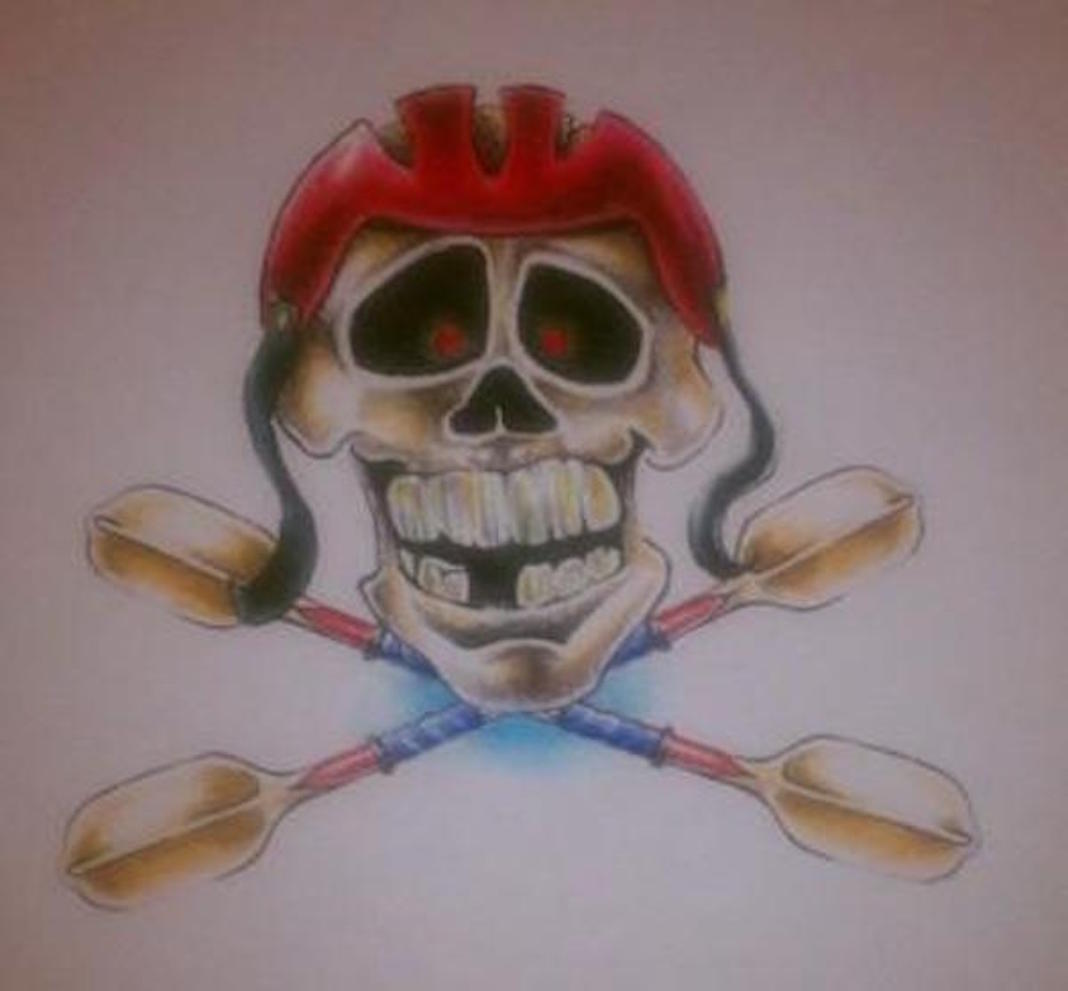
The hardcore kayaker

Skull wearing a helmet with paddles crossed below

Just in case you thought kayakers were too wholesome.

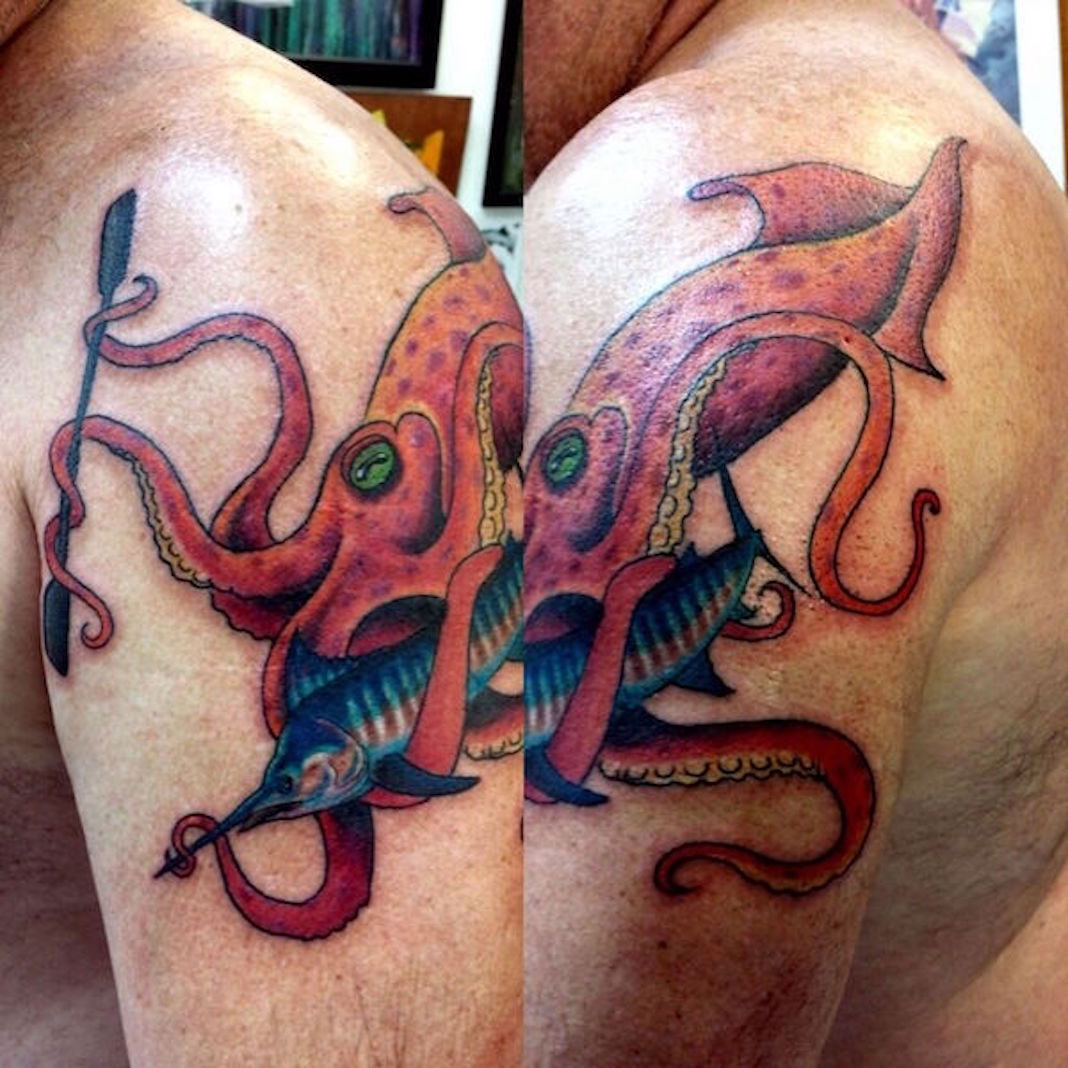
The sea kayaker’s nightmare

Giant squid holding a sword fish and a paddle

We don’t know what’s going on here, but our best wishes go to the owner of the paddle.

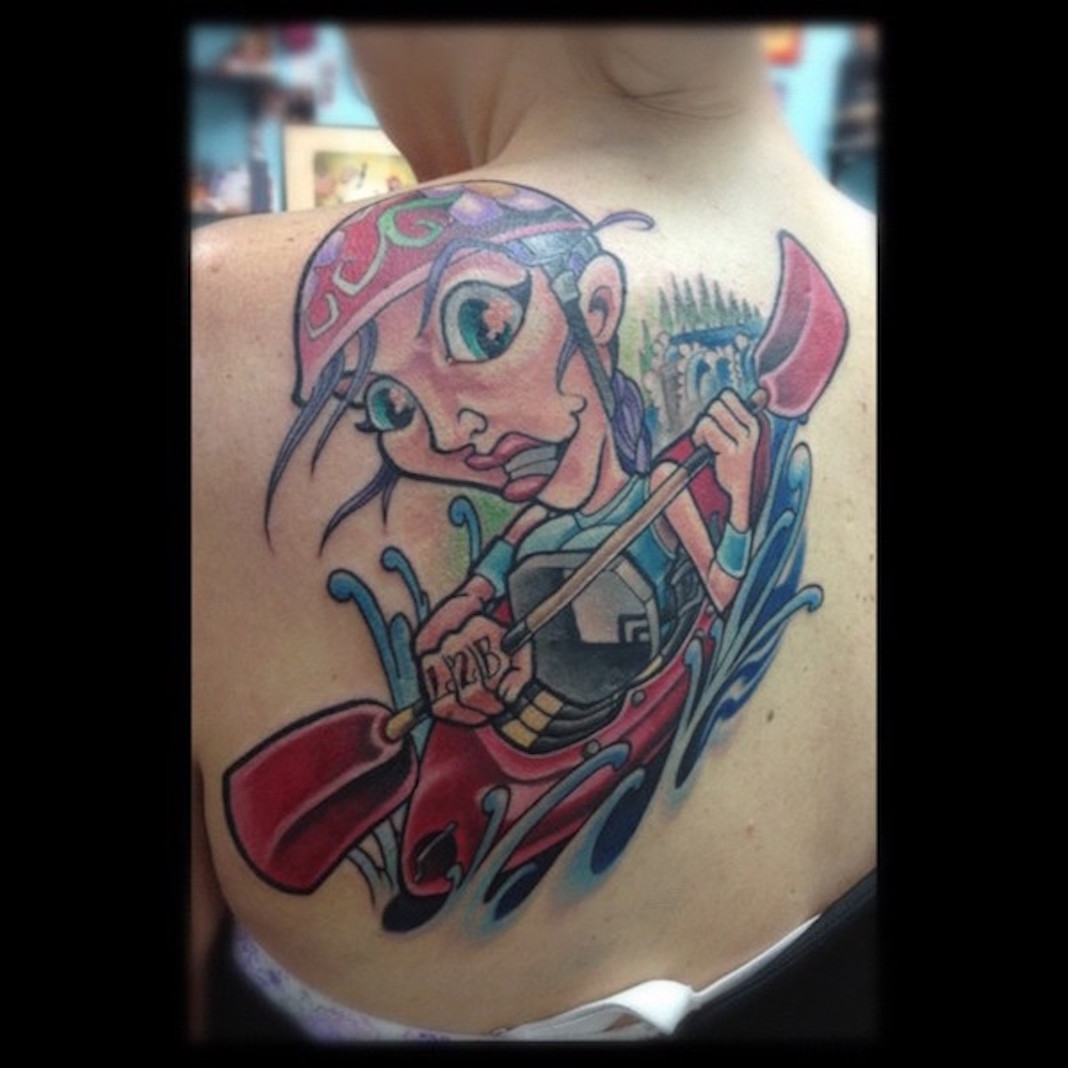
The paddler you definitely want to be friends with

Woman wearing helmet and paddling a kayak

Wearing her love for whitewater proudly.

How To Fall In Love With Portaging

Photo: Flickr user Oakley Originals
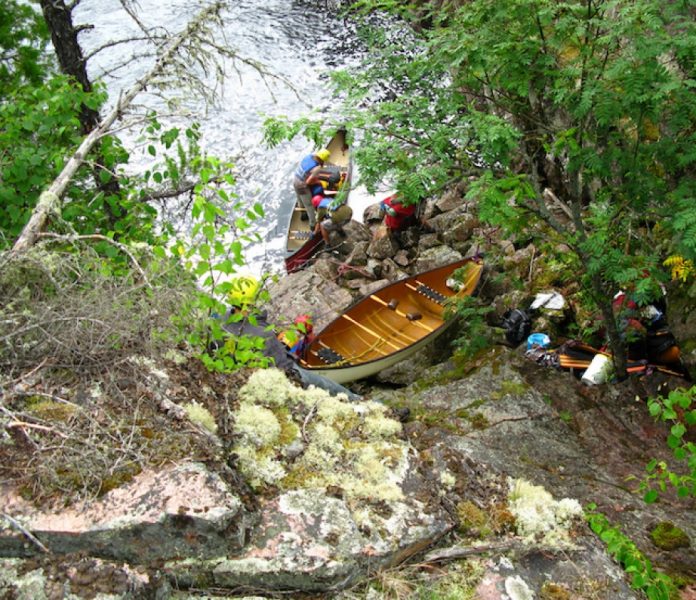
Canoe trippers on a rocky portage.

Once upon a time a group of fifteen-year-old girls set out on a fifteen-day canoe trip. They were accompanied by their two trip leaders through the lakes of Temagami, Ontario. The first seven days of the trip were spent dreading the upcoming Diamond Lake portage, a four-kilometer path affectionately nicknamed the Diamond Lake Death March.

The put-in of the portage was a thick swamp. The group was warned about it, but nevertheless spent close to an hour trying to move gear and extract people from its depths before the real fun began. The portage took hours, but relentless determination and Snickers bars doled out in the middle of the shadowy excuse for a trail helped them reach the end. For many of the girls, the Diamond Lake Death March was the most mentally and physically exhausting challenge they had ever completed.

Those 15-year-olds are now 21-year-olds, and some still think of it as a formative experience. Unfortunately, not everyone has a four-kilometer slog and six years of perspective to allow them to think fondly of portaging. If you have an upcoming portaging trip and need to learn to love hiking with a canoe—and fast—follow our expert tips and techniques.

Invest in carabineers

Avoid going crazy on portages by tying down anything loose. Scattered and unsecured items compromise efficiency on portages and can even add an extra trip back to the take-out. Buy extra carabineers and clip them to your pack to easily attach water bottles, sweaters and dry bags.

Get the right canoe yoke for you

How the canoe yoke fits your shoulders and neck will play a big part in portage comfort. Many people prefer a nice scooped yoke, but some swear by a flat one. Find one that works for you, and undertake a DIY yoke replacement if your current one is painful or uncomfortable.

Put canoes in the water first

Portages are hard work. Make them a bit easier by putting canoes in the water first at the put-in so they are ready to be loaded with gear. Bringing gear first and then piling it at the take-out to be placed in canoes after wastes time and energy. If you are carrying both packs and a canoe, wade into the water (if conditions are safe), flip the canoe onto the water’s surface and then place packs inside.

Take breaks on the portage trail

For your enjoyment and safety on portages, give yourself breaks. Just like any other strenuous activity, you are most productive if you schedule time to recharge. Keep your water and snacks accessible and stop for a breather or two on the trail. Hauling a food barrel and canoe on a seldom-maintained trail is a lot more bearable if you know each step is bringing you closer to a Reese’s Peanut Butter Cup. Trying to get your kids to love portaging too? Double up on those snacks.

Invest in an ultra-light canoe

This author used to be skeptical as to how much better light tripping canoes could really be. Then a portage-heavy trip in Algonquin Park with a carbon H20 Prospector changed her mind. When you seem to walk as much as you paddle on a trip, every pound of weight on your shoulders counts. Hoisting a super light canoe is a treat and will make future trips considerably more pleasant.

Buy or use neck cushioning

After a few portages, your neck can become sore and raw from the yoke rubbing against skin. You can bring a small dish towel or t-shirt to wrap around the yoke, or even purchase a yoke pad to increase comfort.

Research your canoe trip route

Understand as much as you can about your canoe trip route before you go. Knowing how long your portages are and any critical details—like washouts, swamps and challenging take-outs—will make portages less work since you know what to expect. If you are prepared, you can better plan each day’s route and avoid too many surprises.

Use the paddle and pack trick

Every canoe tripper has found themselves fumbling along a portage trail with an armful of paddles sticking out in every direction. Doubling back an extra 700 meters for a single discarded paddle isn’t ideal. If you can carry a pack on your back and front, place paddles in the snug spot between your body and the front pack. This will keep them from moving around and keeps your hands more free.

5 Traits You Want In A Canoe Trip Partner

Two people sitting on the shore with canoe and packs pulled up beside.
You're going to be spending a lot of time together... | Photo by: Marissa Evans

The people you set out with on backcountry canoe trips can have a major influence on the journey’s outcome. We rounded up five traits that are key in canoe trip partners to make sure you have the best trips ever.

1. An ability to laugh during torrential downpours

When it’s been raining for 48 hours, your shoes contain enough water to boil a pot of tea and even your granola bars are wet, there isn’t anything to do but laugh. Being in the backcountry with people who choose laughter over grumpiness is imperative to enjoying your trips. If you and your paddling partners can find the humor in waking up in a small puddle inside your tent, nothing is going to hold you back.

[ Paddling Trip Guide: Find your next canoe trip adventure ]

2. A skilled throw bag toss

While a sunny personality and sense of humor are indispensable qualities in any kind of adventuring partner, hard skills are crucial too. Having a canoe trip partner who you can trust to effectively toss a throw bag to you in a tricky situation is important, in addition to other first aid and rescue skills. And it’s not a one-way street; make sure you can return the favor.

3. The knowledge that chocolate is important

It is a well-known fact that on tough canoe tripping days, chocolate solves all problems. A paddling partner who whips out a jumbo-sized Snickers bar halfway through a sweltering 2-km portage with more swamp than trail will seal their fate as a forever friend. A bonus? A canoe tripping partner who knows you hate almonds but love dried fruit in your chocolate and buys accordingly.

4. The capacity to be the energetic one—sometimes

On canoe trips, the small group size means the energy and emotions of team members can be infectious. While it is great to try to always be energetic and positive, there exists an unwritten rule that sometimes one person needs to take charge while the other steps back. A friend who accepts this and once in a while lets you catch 10 more minutes of rest snuggled inside the tent while they start the fire and fill the French press is the kind of paddling partner you want to keep around. Value that friend and do the same for them on days they need a bit more support.

5. A skilled understanding of campsite etiquette

Having good campsite etiquette is like being a good roommate, except significantly more important because of the consequences messiness or forgetfulness can have. You want a canoe tripping partner who puts the toilet paper away, closes the tent zipper, treats critical gear with care and fills up your water bottle when they fill their own—and puts in water treatment too.


You’re going to be spending a lot of time together… | Photo by: Marissa Evans

Struggle Paddling With Your Romantic Partner? You’re Not Alone.

Photo: Flickr User Nikolaj J. Rasmussen
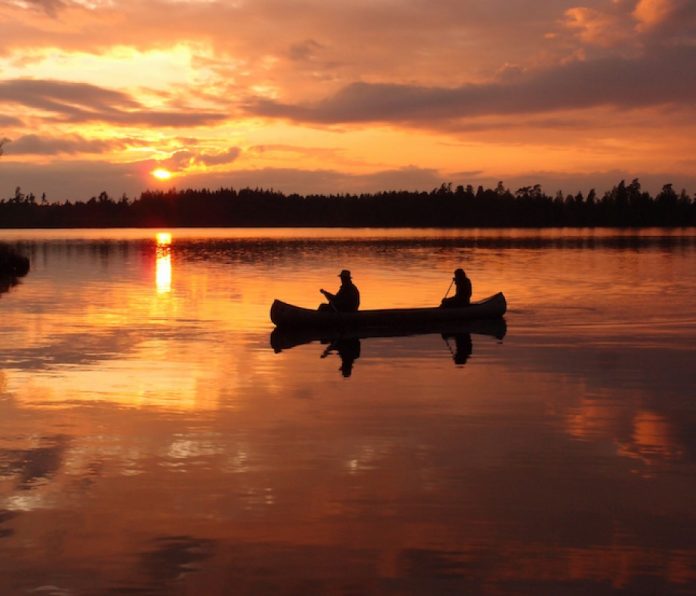
Two canoeists on a lake during sunset

Paddling with your significant other should be fun. For many couples, it is. But some romantic partners find once seated in canoes or kayaks, communication crumbles and time is spent arguing instead of deciding what eddy to catch or where to grab post-paddling beers. This is especially true when one partner is more skilled and teaches the other. Why is the dynamic between two people in a relationship who paddle together different—and sometimes worse— than between two friends?

Luke Rookus, a 24-year-old Michigan resident, has been a canoeist for years and began dating a woman a year ago with little outdoor experience. “There’s obviously challenges with that,” he says of the disparity in their outdoor skills and the teaching process. “There can be tension and frustration that can happen if you don’t exercise patience as a teacher and as a student.” Rookus has found that having another person explain things to his partner can sometimes be more helpful than him trying to explain it. “They might not have the same patience with you not being a perfect teacher,” he says.

Stephanie Bangarth is also the more experienced paddler in her relationship. She has been kayaking since she was five-years-old and decided it would be fun to get her husband involved in the sport she is so passionate about, especially since they live near the water. She says they both felt frustrated during the teaching process. “The frustration is just having two polar opposite experiences while kayaking,” she says. Bangarth and her husband did however recently go on a backcountry trip—her husband’s first—and he said he would definitely do it again. “The rule is to pack my patience, and he does the same.”

READ MORE: Why one couple is living in the Boundary Waters Canoe Area Wilderness for 365 days 

According to Dr. Monica O’Neal, a Boston-based psychologist and relationship expert, when one partner is teaching the other something new, the issue of power dynamics comes into play. O’Neal explains that people in relationships have a certain amount of vulnerability as well as an acceptance of each other’s vulnerability. When you have to put your trust in someone in a situation where they have the power and mastery as the teacher, “it upsets the balance.” O’Neal says learning something like paddling from an instructor is different because you don’t know them well and don’t have any other vulnerabilities with them the way you do with a romantic partner.

Couples also don’t always learn and master new skills in parallel, which can make progressing or paddling together more challenging. Jason Tomkins of Arizona took his wife on moving water her first time kayaking. She struggled with technique and was very nervous, and overall didn’t come away with a positive experience. “She was very traumatized by that,” says Tomkins, acknowledging that he probably shouldn’t have taken his wife in rapids so soon. “She knows how much I love it and is all about me doing it,” he says, but he has difficulty convincing her to go with him now.

Despite the tensions that paddling couples can face, for most the experience of doing the activity you love together is worth it. Rookus says spending so much time outdoors with his girlfriend over the last year has been incredibly rewarding. “It’s a really special thing.”

Paddleboarding Artist Uses Baffin Island Sea Ice As Canvas

New short film What If You Fly from Camp4Collective in association with The North Face follows an artist’s exploration of Inuit culture through a unique creative process.

Hawaiian artist Sean Yoro travels to Baffin Island, Nunavut, to create a portrait of a local Inuit woman using sea ice as his canvas. While the floaty drone footage and novelty of a detailed painting on ice are captivating, the focus on Inuit stories and people as told by themselves is the real emotional pull of What If You Fly. 


Hobie Mirage Eclipse SUP Board (Video)

Incorporated in the Mirage Eclipse SUP board is Hobie’s MirageDrive pedal system. Originally designed as an ode to Hobie anglers, they have been slowly expanding it into all their products. With the drive centered above the paddler’s weight, the movement is more efficient and it tracks straight as a result of the stair-stepper motion. The fins are now reversible and are not only more durable than rotor technology for paddle boats but create more forward momentum.