Home Blog Page 234

Guiding Principles

Guiding Principles | Photo: Scott MacGregor

I wouldn’t normally run this photograph. Why not? Let me count the reasons. For starters, my chicken line perimeter rope is too slack. It should be tighter to the raft so that you couldn’t get an arm or leg hung up in it. With all the hubbub about UV radiation these days, the kids shouldn’t have so much skin exposed, or any at all perhaps. And Kate is a mess. I mean look at her. A flare orange rain jacket, lilac PFD and ladybug red and white polka-dot helmet. Call the fashion police. Red alert.

But that’s not what first jumped out at you, is it? No. You were about to fire up your laptop and write a nasty letter to the editor shaming me for running a photo of children in a boat—a whitewater raft no less—not wearing their life jackets. How dare I.

Looking through the eyepiece of my Canon I noticed it too. I almost shouted over to them. But I didn’t.

Instead, I evaluated the situation. I assessed the likelihood of them falling from the boat. I quickly tallied the possible consequences and role-played my immediate actions in the unlikely event my son wobbled from a sitting position to the left or right by four feet, let go of his oars, wasn’t able to grab any of the surrounding equipment, and fell over the 22-inch tubes from the 80-degree air temperature into water he had been swimming in an hour before.

Yes, I did have this conversation with myself. I decided to let it slide. I would have ruined a brief magical moment. Pass judgment as you see fit.

Someday Doug, Kate or any of these friends may be on a Skype call with a raft guide manager. Maybe they will have applied to guide for the season down the Middle Fork of the Salmon River or Nepal’s Sun Kosi River. The manager will run through his list of obligatory human resource questions establishing attitude and character before he gets to asking about their river experience. For example, “So Doug, been guiding long?”

“Yes, sir, 10 years. Rowed my first boat when I was 11,” will be a likely reply.

If the manager doesn’t believe him, Doug can show him this photo or the freckles on his back to prove it.

This photo is real. Real friends. Real adventure.

Guiding Principles | Photo: Scott MacGregor

What you can’t hear in this photograph is the teasing, banter, knock-knock jokes and bits of useless trivia gleaned from National Geographic fun fact books and the Discovery Channel.

This, my friends, is what raft guides are made of. The only thing left is learning to play “Brown Eyed Girl” on the ukulele.

Yes, I could have shouted over to them, ruining the moment by nagging the boys to put on their PFDs. Instead I half pressed the shutter button to focus on what is truly important and then clicked a few frames.

One day, when I’m tempted to nag him about getting a real job, Doug can hold up this photo to remind me of two very important things: We as parents are responsible for planting the seeds for our children’s futures, and a bad day on the river is always better than a good day in the office.

Scott MacGregor is the founder and publisher of Canoeroots. If it makes you feel better, the boys put their PFDs back on soon after this photo was taken. They did so without being reminded. 


This article originally appeared in the Canoeroots
Summer/Fall 2016 issue.

Subscribe to Paddling Magazine and get 25 years of digital magazine archives including our legacy titles: Rapid, Adventure Kayak and Canoeroots.

Lightweight Touring Kayak Review: Swift Saranac 14

SWIFT CANOE & KAYAK Saranac 14 | Photo: Virginia Marshall

This article was part of a feature testing five compact touring kayaks while on a trip in Georgian Bay’s 30,000 Islands. The other boats in this roundup include the Stellar Kayaks S14-LV, the Current Designs Ignite, the Hurricane Sojourn 135 and the Delta Kayaks 12S. Read the review of the Swift Saranac 14 below.

[ Paddling Buyer’s Guide: View all touring kayaks under 45 lbs ]

“This seat is amazing!” exclaimed our more hedonistic (and—ahem—mature) testers, after settling into the Saranac 14’s luxuriantly cushy cockpit. Swift listened to their customers and concluded that most want to be very, very comfortable. It would seem they even borrowed the lumbar pillow out of your granddaddy’s Buick and trimmed it to fit the Saranac’s throne.

“We also offer a lower seat back,” says Swift Canoe & Kayak general manager Carmen Baum, “but nearly everyone asks for the high-back.”

Swift Saranac 14 Specs
Length: 14′
Width: 23.5″
Weight: 36 lbs.
Material: Kevlar Fusion
Price: $3,295

www.swiftcanoe.com

The Saranac’s 23.5-inch width is reassuring for novice paddlers, however overall stability takes a hit from the higher center of gravity created by the extra-thick seat support (no one complained about the lack of leg cramps, though).

This 14-footer’s long waterline privileges cruising efficiency over maneuverability—the Saranac tracks well even without dropping the skeg.

Swift is known for building ultralight boats. The Kevlar laminate Saranac 14 was the lightest kayak we tested, shaving a pound off the waistline of the runner-up Stellar S14-LV.

SWIFT CANOE & KAYAK
Saranac 14 | Photo: Virginia Marshall

Add the “thigh wings” that wrap the cockpit coaming in quilted comfort, and the Saranac 14 was the first boat our testers volunteered to carry. (Okay, we made this last part up, but only because our moms are always offering to help carry outrageous things).

Light on the shoulder often means heavy on the wallet, and the Saranac is no exception. At a few bills over $3,000, it’s the most expensive boat in our fleet.


This article originally appeared in the Adventure Kayak
Summer/Fall 2016 issue.
Subscribe to Paddling Magazine and get 25 years of digital magazine archives including our legacy titles: Rapid, Adventure Kayak and Canoeroots.

Technology Is Making The Wilderness Less Wild

people stand around a campfire in the wilderness while using their cell phones
Calls of the wild. | Feature photo: Virginia Marshall

I stood at the display counter of my outdoor retailer looking at the array of satellite communication devices: a SPOT Messenger; a DeLorme inReach that promised 100-percent global coverage to send and receive text messages (“stay safe and connected anywhere in the world”); a personal locator beacon (PLB) that could summon a full-cavalry rescue at the flip of a switch.

Pocket-sized peace of mind for the price of a good restaurant meal? How could I resist?

Technology is making the wilderness less wild

Years ago the thought of carrying such a thing barely crossed my mind. Satellite phones and PLBs were expensive and rare. Going on a wilderness trip meant, by definition, being completely out of touch, disconnecting from civilization to connect with something greater, with essential truths. To discover, as Thoreau expressed in Walden: “a hard bottom and rocks in place, which we can call reality.”

Things generally worked out. A broken leg on a canoe portage was splinted and rushed into town by a couple of fast paddlers; a case of suspected appendicitis ended in a helicopter evacuation after we found a remote outpost with a telephone. Calling home at trip’s end involved an inevitable rush of missed news, both good and bad.

But now that we can carry civilization in our pockets, as we gain the ability to make a phone call in the wild, do we lose the ability to hear the call of the wild itself?

What if rescue wasn’t on the way?

Back in the 1980s, academics and avid outdoorsmen Leo McAvoy and Daniel Dustin saw this trend and asked whether we should establish “no-rescue wilderness” zones, where if you ran into trouble, nobody would come to help you. As they argued in a 1984 Backpacker magazine article, echoing Thoreau, you would have the “freedom to be totally self-sufficient…. No-rescue wilderness would be full of the stuff of life itself—minus the illusions.”

people stand around a campfire in the wilderness while using their cell phones
Calls of the wild. | Feature photo: Virginia Marshall

No-rescue wilderness never moved beyond a thought experiment, but it does highlight how frail the concept of wilderness truly is, where the very possibility of calling for help can be enough to alter the experience. The fact that we can still experience “wilderness” in an era of global climate change and ubiquitous satellite coverage—where there are no more untrammelled places or blank spots on the map—is because wilderness is not really a place at all, but a state of mind.

The deleterious effect of communications technology on this wilderness state of mind is well documented. As Alex Hutchinson writes in The Walrus magazine about finding Internet access while backpacking in Nepal, “I checked my email simply because I could, and found a nasty message from an editor about a project I had been working on for months—and then spent the next week composing biting replies in my head as I hiked through stunning mountain passes.”

I had a similar experience when I filed a series of newspaper stories from a kayak expedition. Every couple of weeks I had to camp on the edge of a town and spend a day or two in an Internet cafe gathering my expansive thoughts and feelings into a two-dimensional, 1000-word narrative. During these deadline days I’d be surrounded by the same beautiful ocean and forest, but the pressure of the work completely ruined the experience for however long it took to file the story and resume the journey.

Studying solitude—with some strings attached

As part of his psychology PhD on the effects of deep solitude, educator and researcher Robert Kull secluded himself on a remote island off the coast of Chile for a full year. For safety, he brought along a satellite phone, and since he had to bring solar panels and batteries to keep the phone charged, he also brought various other gadgets, including a laptop.

“At the beginning of each month I send a check-in email and wait for replies,” he writes in his book Solitude. “As my attention focuses on connecting with people who are somewhere else, I tend to feel tight and withdrawn from my immediate environment…not only do I become perceptually cut off from my surroundings, I also feel less spiritually and emotionally connected with the people I’m contacting. It’s as though I lose awareness of our underlying unity when I focus my attention on linking electronically.”

Technology’s promise of “staying connected” was causing him to feel more disconnected. When he wasn’t checking email, however, Kull found, “my mind settled and opened to perceive a mysterious Presence that I could experience but not define. I, and all else, belong to and am that Presence. In the silence of solitude I remembered that the world is and always has been Sacred.”

Like Kull, I have learned over time that I have to settle into the outdoor experience before I can arrive at anything like spiritual awareness—a process that can be quite lonely and uncomfortable. On my first solo trip, at age 17, I never broke through. I set up my tent on the first evening, scarfed a box of mac n’ cheese, then looked at my Casio and realized I could paddle back to the car before nightfall. I drove home and joined my sister watching The Arsenio Hall Show. It took me years before I could face that empty and alone feeling long enough to experience anything except the craving to leave.

The comedian Louis C.K. has a similar rationale for not buying his kids cell phones. “You need to build an ability to just be yourself and not be doing something,” he said in an interview with Conan O’Brien. If you always reach for the distraction of the phone, “You never feel completely sad or completely happy.”

The phone or satellite messenger is like a little shield against the existential angst that we need to face to be fully human. It’s a microcosm of civilization that we carry in our pockets that can all too easily break the wilderness spell.

person uses a cell phone to take a photo of a beach campfire in the wilderness
Wilderness is not really a place at all, but a state of mind. | Photo: Big Dodzy/Unsplash

But it’s false to think that we need to go completely rescue-free or technology-free to have an authentic experience. That would be like saying to truly experience driving, you have to take off your seat belt. The key is to exercise etiquette and self-restraint, the outdoor equivalent of turning off the phone and being fully present when you’re out for dinner with a good friend.

What should you pack on your next wilderness trip?

Last summer, as I contemplated a longer wilderness trip with my young children, the ascending curve of parental responsibility intersected with the declining price curve of satellite technology. I was tempted by the two-way texting capabilities of the DeLorme inReach. Then I remembered Kull’s experience with email, and Hutchinson’s, who concluded, “In one sense, the problem was not the technology, but my own lack of self-control in using it.”

I didn’t want to feel obliged to keep anyone back home in the loop with ongoing text messages. I chose the PLB instead—the device of last resort.

On our trip the PLB stayed double-bagged in the bottom of a pack. The sacredness of the wilderness experience remained intact until the last night, when I turned on my iPhone to snap a family photo and was jolted by the pinging sound of an incoming text message. Our final campsite was within range of a cell tower. Suddenly the wilderness felt a lot less wild.

In case you decide to bring your phone, be sure to pack it in a waterproof pouch.

Waterlines columnist Tim Shuff is a firefighter, freelance writer and former editor of Adventure Kayak who now keeps his phone in airplane mode when camping.

This article originally appeared in the Summer/Fall 2016 issue of Adventure Kayak Magazine. Subscribe to Paddling Magazine and get 25 years of digital magazine archives including our legacy titles: Rapid, Adventure Kayak and Canoeroots.


Calls of the wild. | Feature photo: Virginia Marshall


9 Best S’Mores Recipes According To Pinterest

Photo by Andrea Davis from Pexels

S’mores are the classic backcountry treat. From the simple graham cracker, marshmallow and chocolate combination to scrumptious substitutions like Oreos and fancy dark chocolate, there are endless ways to enjoy this camping dessert. If you aren’t camping and still want to indulge, here are our top five s’mores-inspired recipes from Pinterest to satisfy your sweet tooth.


1 S’mores Dip

Cleverly Simple

Avoid the mess and enjoy that campfire taste straight from the oven with this delicious recipe for s’mores dip from Lynette Rice. Total time from prep to completion is only 11 minutes, and the recipe yields six servings.

“This dessert recipe could not be easier! Make oven-baked s’mores dip in your favorite baking dish using fluffy marshmallows and melted chocolate, dipped with crispy graham crackers. No campfire required!”

Ingredients:
  • milk chocolate bars
  • large marshmallows
  • graham crackers

View the S’mores Dip recipe on Pinterest or access it directly at Cleverly Simple.


2 S’mores Campfire Cones

Eating on a Dime

“Whether you are camping, grilling, or just wanting a treat, you can make these yummy s’mores campfire cones. Get the fun of s’mores in a cone!”

Ingredients:

  • 12 Sugar or Waffle Cones
  • 1 bag Mini Marshmallows
  • 12 oz Chocolate Chips

View the S’mores Campfire Cones recipe on Pinterest or access it directly at Eating on a Dime.


3 Toasted S’more Chocolate Chip Cookies

Sally’s Baking Addiction

“If you’ve ever tried my chewy chocolate chip cookies recipe, you know how good they are—chewy, soft-baked, and studded with chocolate chips. They’re a reader favorite and pure cookie gold. These toasted s’more chocolate chip cookies begin with that same recipe—to which we add extra chocolate, graham cracker pieces, and little marshmallows.”

Ingredients:
  • 2 and 1/4 cups (281g) all-purpose flour
  • 1 teaspoon baking soda
  • 1 and 1/2 teaspoons cornstarch
  • 1/2 teaspoon salt
  • 3/4 cup (170g) unsalted butter, melted
  • 3/4 cup (135g) light brown sugar, loosely packed
  • 1/2 cup (100g) granulated sugar
  • 1 large egg + 1 egg yolk, at room temperature
  • 2 teaspoons pure vanilla extract
  • 1 cup (180g) semi-sweet chocolate chips

Topping

  • 3 ounces semi-sweet chocolate, chopped (or more chocolate chips)
  • 2 full sheet graham crackers, broken into pieces
  • 1/2 cup miniature marshmallows

View the Toasted S’more Chocolate Chip Cookies recipe on Pinterest or access it directly at Sally’s Baking Addiction.


4 S’mores Brownie Pizza

Betty Crocker

“If you are a s’mores fan, you will love these gooey brownies that have a crunchy graham cracker crust.” Recipe makes 16 servings.

Ingredients:

  • 1/3 cup butter, melted
  • 1 1/2 cups graham cracker crumbs (24 squares)
  • 3 tablespoons sugar
  • 1 box (1 lb 2.3 oz) Betty Crocker™ fudge brownie mix
  • Water, vegetable oil and eggs called for on brownie mix box
  • 2 1/2 cups miniature marshmallows
  • 4 whole graham crackers, broken into small pieces
  • 1/2 cup Hershey’sMini Kisses™ milk chocolate
  • 2 Hershey’smilk chocolate bars (1.55 oz each), unwrapped, separated into sections

View the S’mores Brownie Pizza recipe on Pinterest or access it directly at Betty Crocker.


5 S’mores Cupcakes

Garnish and Glaze

“Gosh s’mores are delicious. They are one of my favorite things about the summer. I have so many good memories roasting (and burning) marshmallows with family and friends on warm summer nights.”

“When you don’t have a fire pit or a grill but are in dire need of marshmallow, chocolate, and graham cracker, then you’ve gotta make S’mores Cupcakes!”

“I came up with these easy to throw together s’mores cupcakes that don’t require too much skill or special equipment… And they are AMAZING!!!”

Ingredients:

  • 1 1/3 cup all-purpose flour
  • 3/4 cup finely crushed graham cracker crumbs
  • 2 teaspoons cinnamon
  • 1 teaspoon baking powder
  • 1/2 teaspoons baking soda
  • 1/2 teaspoon salt
  • 1/2 cup melted butter
  • 1/2 cup granulated sugar
  • 1/3 cup brown sugar
  • 1 cup buttermilk
  • 2 eggs
  • 1 teaspoon vanilla
  • 1/2 cup butter
  • 1 7 ounce jar marshmallow fluff
  • 1 cup powdered sugar
  • 3/4 cup milk chocolate chips
  • 4 1/2 tablespoons heavy whipping cream
  • 1 graham cracker, crushed.

View the S’mores Cupcakes recipe on Pinterest or access it directly at Garnish and Glaze.

[ Paddling Buyer’s Guide: See all camp kitchen accessories ]

6 S’more Brownie Batter Bars

Tastes of Lizzy T

“Every year during the summer my family and I will all go on a week long vacation by the beach. One of our favorite things to do (besides relax on the sand or in the cabin) is cook s’mores over the firepit. We have tried alot of things on our s’mores. One of my favorites is cookie dough! We have also tried Starburst and Twinkies over the fire. When it comes to baking, anything is possible!”

“We’ve figured out that just about any chocolate candy bar you can think of will taste good on a s’more. Reese’s, Snickers, and Kit Kat’s, you name it. But to me, the best way to eat marshmallow, chocolate, and graham cracker by far is to put it in a pan and eat it in little (or big) squares.”

Ingredients:

  • 1 box Betty Crocker Dark Chocolate brownie mix 13×9 family size
  • 4 ounces cream cheese softened
  • 6 tablespoons butter melted
  • 6 cups Golden Graham cereal
  • 40 large marshmallows
  • 3 tablespoons butter
  • 1 1/2 cups mini marshmallows
  • 2 Hershey bars broken into pieces

View the S’more Brownie Batter Bars recipe on Pinterest or access it directly at Tastes of Lizzy T.


7 S’more Banana Boats

This Big Adventure

“Banana Boats are a delicious and fun campfire treat! Made with bananas, chocolate and marshmallows.”

Ingredients:

  • Bananas.
  • Chocolate.
  • Marshmallows.

View the S’more Banana Boats recipe on Pinterest or access it directly at This Big Adventure.


8 Grilled S’mores Nachos

Let’s Camp S’more™

“Do you love s’mores? Make S’mores Nachos on the grill or over the campfire. This s’more casserole is the perfect camping dessert recipe!”

Ingredients:

  • graham crackers
  • mini marshmallows
  • regular marshmallows
  • chocolate chips

View the Grilled S’mores Nachos recipe on Pinterest or access it directly at Let’s Camp S’more™.


9Frozen S’mores

It’s Always Autumn

“Layers of chocolate pudding and marshmallow creme are sandwiched between graham crackers in these frozen s’mores! Click through for the easy recipe. #smores”

Ingredients:

  • 1 box instant chocolate pudding 6 serving size
  • 2.5 cups cold milk
  • 16 graham crackers
  • 7 oz marshmallow creme
  • 4 oz cream cheese softened
  • 8 oz frozen whipped topping thawed

View the Frozen S’mores recipe on Pinterest or access it directly at It’s Always Autumn.


Satisfy your sweet tooth with these great s’mores-inspired recipes from Pinterest. | Feature image: Andrea Davis from Pexels

9 Tips On How To Canoe With Your Dog

A man canoeing with his dog. | Photo: Flickr user Jason Nemec

Bringing your dog on a canoe trip is awesome for so many reasons. Like seeing all the seemingly minor details that are infinitely exciting for a dog, like lily pads and frogs. Or having an unconditionally loving ball of fur to snuggle with inside the tent when temperatures dip. Or always having someone to finish the last of the chili or Shepard’s pie.

Some dogs will take naturally to riding in a canoe and living in the backcountry for a few days, but the vast majority of dogs need some help along the way. Read on to find out how to turn your dog into a great paddling buddy.

A man canoeing with his dog. | Photo: Flickr user Jason Nemec

1 Make sure your dog has decent recall

Recall is the ability to have your dog return to you on command. It can be a difficult thing to teach, and for many puppies and younger dogs it is an ongoing process. Recall is important in the backcountry because it means that if you encounter wildlife or your dog picks up a scent, they will return to you before the situation escalates. This can help minimize harm to you, your dog and other wildlife.

If your dog doesn’t have great recall, it doesn’t mean they can’t go canoeing. You will just need to be more aware of what they are doing. On portages they will need to be on a leash, and at the campsite it is a good idea to have them on a long rope so they can roam the immediate area but not take off. In the canoe it is a good idea to have your dog sit in front of you with a grab loop on their PFD within reach so if it looks like they are going to jump into the water, you can react quickly.

2

Start on land

Throwing your dog into a canoe on a big lake for their first outing is likely to cause some canine jitters. Get your dog comfortable with a canoe by leaving it on the lawn for them to check out. Eventually you can place some toys or treats inside so they can practice getting in and out. Sit in the canoe with them. After they are calm exploring the canoe, go for a few short paddles very close to shore. Keep progressing the duration and distance from shore and gauge how your dog is doing in the canoe.

3

Make your dog comfortable in a canoe

If your dog hasn’t spent any time in a canoe before, it can be an uncomfortable environment for them. The slippery canoe floor and feeling of the boat moving can unnerve them. Place a dog bed, mat, piece of plywood or block in the canoe for them to sit or lie on. This will keep them dry and give their paws some extra grip. Dogs really like being able to look over the gunwales of the canoe to keep an eye on what’s going on, so if you have a small dog, make this platform the appropriate height.

[ Plan your next canoe tripping adventure with the Paddling Trip Guide ]
KONG - Classic Dog Toy, Durable Natural Rubber- Fun to Chew, Chase and FetchKong
Classic KONG
$15
kongcompany.com

4

Bring creature comforts

Pack a few of your dog’s favorite toys to keep them busy and distracted in the canoe. They may be too stimulated by the new environment to use them, but its always better to have these things on hand. A few balls or a cong you can fill with peanut butter is a good idea for the campsite.

BUY ON AMAZON

5

Pack out poop

If you want your dog to not only be happy on canoe trips but also welcome, practice the same good owner etiquette in the backcountry you do at home. When your dog goes to the washroom, be prepared with bags and pack them all out with you.

Outward Hound Dog Life Jacket

PUP SAVER BY OUTWARD HOUND
$39.99 +
outwardhound.com

6

Wear a PFD

It’s a great idea to keep your dog safe with a PFD. Even if your dog is a natural swimmer, situations can arise on canoeing trips that can seriously compromise their endurance, like big whitewater or cold temperatures. Just like your own PFD, make sure the one you put your dog in fits properly and that they don’t slip out once in the water. We like PFDs that have handles on the dog’s back in case you need to get a hold of them quickly.

BUY ON AMAZON

7

Take walks to burn off energy

Giving your dog ample time to walk will likely make them calmer and more relaxed in the canoe. At the s art of the day go for a long walk, and take advantage of portages to let them run around. If there are not any portages on your paddling trip, stop at beaches or open areas for 15 minutes of exercise.

Kurgo Collapsible Travel Dog Bowl, Pet Food & Hiking Water Bowl, Food Grade Silic1 Bowl for Dogs, Travel Accessories for Pets, BPA Free, Carabiner, Collaps a Bowl, Mash n’ Stash, Zippy BowlOLLAPS-A-BOWL BY KURGO
$10
kurgo.com

8

Stay hydrated and well-fed

Bring collapsible bowls and make sure your dog has lots of food and water while you are in the canoe. You can also keep treats or dehydrated sweet potatoes in your pocket to dole out as needed. The Kurgo Collaps-a-Bowl collapses to barely an inch-thick disc when not in use. It springs back into a voluminous shape with enough kibble room to satiate even the biggest mutt.

BUY ON AMAZON

9

Make it a positive experience

Every owner knows that negative experiences stay in dog’s memories. If you love canoeing and want your dog to do it with you, it’s important that the experience is positive. Start small, pay attention to how your dog is doing and prioritize their needs to make canoeing an activity you can keep doing together.

8 Healthy Snacks For Paddling Trips

Photo by RODNAE Productions

Whether you’ll be kayaking or canoeing, crushing kilometres on portage trails or making miles on the river, backcountry camping trips burn major calories. Staying properly fuelled is necessary to keep you moving, and, perhaps more importantly, to keep “hanger” at bay (therefore allowing you to maintain a good relationship with your tripping partner).

Everyone has their guilty pleasure backcountry snacks, whether it be gummy bears or chocolate bars. But these healthy camping snacks will ensure you get the nutrients you need in addition to the calories.

Photo by Dayvison de Oliveira Silva from Pexels

1. Energy balls

All kinds of healthy and delicious ingredients can be incorporated into these delicious bundles. Most contain nut butters, nuts, dried fruit and some kind of sweetener. Energy balls are great for paddling trips because they can pack a lot of calories, protein and fibre into a small package. You can throw a dozen into a small container and break them out on portages or for a quick floating snack.

Paddling Magazine’s energy ball recipe

Ingredients:

  • 1 cup oatmeal
  • 3/4 cup peanut or almond butter
  • 1/2 cup honey or maple syrup
  • 1/3 cup hemp hearts
  • 1 tsp vanilla
  • 1/2 cup chocolate chips
  • 1 tsp salt
  • 1/2 cup soaked dates

Instructions:

  1. Place all ingredients in a food processor.
  2. Pulse for about 10 seconds, until ingredients are mixed together but not too fine.
  3. Remove from food processor and form mixture into small balls.
  4. Place on a plate in the fridge for one to two hours.
Trail mix with nuts and chocolate
Snack on the go or take a break, but either way stay fuelled!

2. Ultimate trail mix

Trail mix is the classic backcountry trip snack. Make it your own and ensure you will eat it by skipping the prepackaged variety and adding in healthy and scrumptious ingredients. Our favourite additions?

Ingredients:

  • Brazil nuts
  • Yogurt-covered raisins
  • A dark chocolate bar cut into pieces
  • Skor bar chunks
  • Slices of dried mango
  • Roasted almonds
  • Dried apples
  • Peanut-butter M&Ms
  • Cashews
  • Peanuts
  • Chocolate-covered goji berries
[ Paddling Buyer’s Guide: View all camp kitchen accessories ]
Photo by Keegan Evans from Pexels

3. Homemade beef jerky

Beef jerky is a satisfying and high-protein snack perfect for paddling trips. Most beef jerky you find in stores, however, is full of sodium, chemicals and unhealthy additives. Make a healthier and more delicious version at home in large batches and grab some each time you go on a backcountry adventure.

Ingredients:

  • 2 kg 5lb grass-fed beef brisket (or other lean cut such as top round, flank or sirloin)

Marinade:

  • 1 cup sweet apple cider, or unsweetened apple juice
  • 1/2 cup balsamic vinegar
  • 2 tbsp fish sauce
  • 1/4 cup Dijon mustard
  • 1/4 cup unpasteurized honey
  • 2 tbsp liquid smoke
  • 2 tbsp freshly cracked black pepper
  • 2 tbsp smoked paprika
  • 3 tbsp garlic powder
  • 1 tbsp onion powder
  • 1 tbsp Himalayan salt
  • 3 tbsp sesame oil
  • 2 tbsp crushed chili pepper
  • 2 dried chipotle peppers, chopped
  • 1/4 tsp ground clove

We like The Healthy Foodie’s recipe, which calls for lots of spices, a lean cut of meat and a few other pantry staples.

Photo by Alesia Kozik

4. Salt and vinegar roasted chickpeas

Chickpeas are a nutritional powerhouse. They contain 15 grams of protein, 45 grams of carbohydrates and 12 grams of dietary fibre per serving, allowing you to stay satisfied and fuelled on your paddling trips. Roasting them with salt and vinegar infuses them with lots of flavour.

We like the Oh She Glows easy salt and vinegar roasted chickpea recipe; the simple preparation and four-ingredient list means you can whip up a tray or two the night before your trip as you pack.

Ingredients:

  • 1.5-2 cups cooked chickpeas (one 15-oz can), drained and rinsed*
  • 2.5-4 cups white vinegar
  • 1/2-1 tsp fine grain sea salt, to taste
  • 2 tsp extra virgin olive oil

Directions:

1. Line a baking sheet with tin foil or parchment paper.

2. Add chickpeas into pot and cover with vinegar. Add a dash of sea salt. Open a window and turn on range hood fan to air out the soon-to-be potent vinegar smell. <– you were warned!

3. Bring to a boil and then remove from heat. Let sit in pot for 15-20 minutes, uncovered.

4. Preheat oven to 400F. Carefully drain chickpeas in a strainer and discard vinegar. Place chickpeas on lined baking sheet and drizzle with olive oil and sea salt. Massage with fingers until fully coated.

5. Roast for 25-35 minutes, stirring once half way through. Keep a careful eye on them after 20 minutes of cooking to ensure they don’t burn. Enjoy as a high protein snack or as a side to a lunch or dinner. Cool on pan for 5 minutes. They will crisp up as they cool.

[ Paddling Buyer’s Guide: View all camp kitchen and cooking accessories ]
Photo by RODNAE Productions

5. Backcountry smorgasbord

For something in between a snack and a meal, the backcountry smorgasbord is king. Buy your favourite cheese, crackers, olives, cold cuts, raw veggies, hummus or other dips and assemble on a plate or cutting board during a break from paddling.

To make this a quicker snack, pre-cut items as necessary and store near the top of your food hatch or pack.

Ingredients:

  • Cheese
  • Crackers
  • Olives
  • Cold cuts
  • Raw veggies
  • Hummus

Our favourite combination? smoked gouda, turkey, Wheat Thins, black olives, sliced red peppers and baba ghanoush.

6. Dehydrated yogurt

Plain Greek yogurt is a high-protein snack that will keep you full for hours. To dehydrate Greek yogurt, spread a thin and even layer over parchment paper laid on a cookie sheet. You want the yogurt in a thick enough layer that you can’t see parchment paper. Dehydrate at 135 degrees for approximately seven hours.

When the yogurt is done it should peel off the parchment paper easily. Pack it in a plastic bag in pieces. Once you are on your paddling trip, add water to the dehydrated yogurt in a bowl and mix. Keeping adding water gradually as needed. Top with nuts, hemp hearts and honey.

7. Ants on a log

This classic kids’ snack is perfect for a day on the water. Pre-cut three stalks of celery into two-inch pieces. Spread all-natural peanut butter in the hollow space and top with raisins. If you want to get really wild, opt for dried cranberries.

Ingredients:

  • Celery
  • Peanut butter
  • Raisins or dried cranberries

8. Rice cakes with peanut butter and banana

This delicious snack gives you carbohydrates, protein and fibre. Swap the peanut butter for almond or another nut butter if preferred. Make sure to have a knife handy to chop the banana. Tip: Pack the rice crackers in something solid to prevent crumbling.

Ingredients:

  • Rice cakes
  • Peanut butter
  • Banana

Living Off the Land on an Alaskan Kayaking Adventure

NATURAL SELECTION. | PHOTO: FREDRIK NORRSELL

Something within me craves the wild exuberance of summer in Prince William Sound. August is a riot of life.

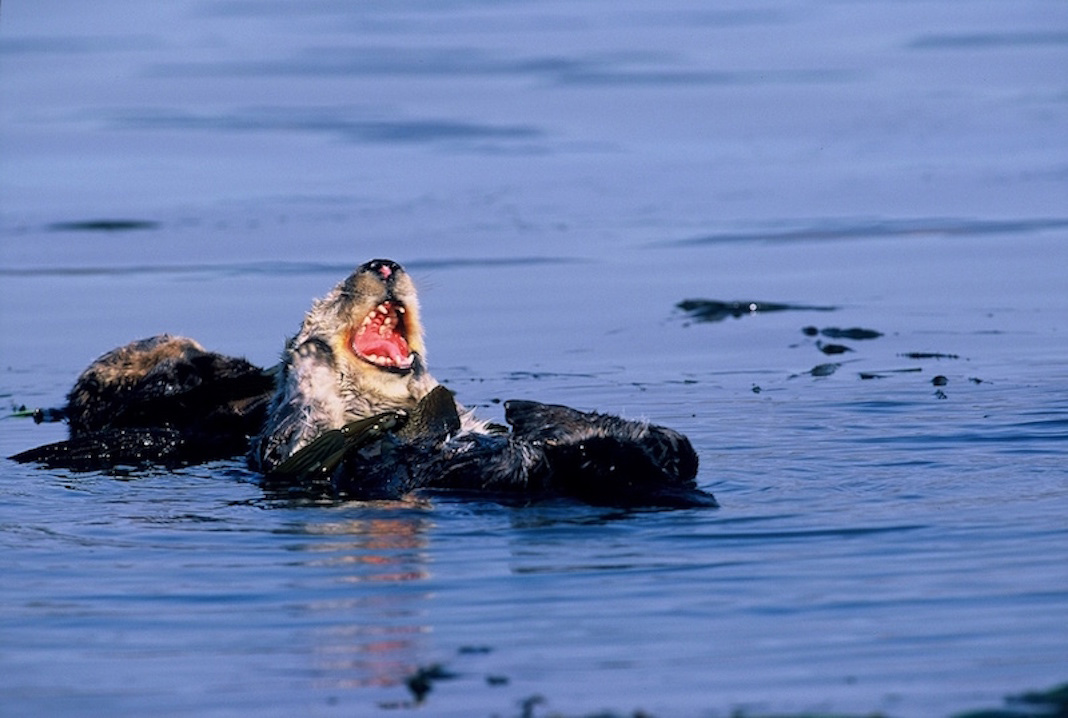
Humpback whales dive and dine within meters of our camp. A raft of sea otters floats by, pups peaking out from their mothers’ arms. Blueberries hang so heavy that branches droop and seem to sigh with relief at being picked. My husband, Fredrik, and I decided to enjoy the abundance of August in the most visceral way possible—sea kayaking in the Sound for a month, living off the land.

With the variety of lightweight, compact and easy to prepare camping foods available, why would a person choose to paddle around eating weeds? At times I ask myself the same. Wilderness time is so precious in our busy lives. Wouldn’t an evening hike be more exciting than sitting under a tarp picking through mounds of beach greens?

Searching for food makes me notice things in greater detail. Does that mushroom have true gills or flat-topped, diverging ridges? Gulls sitting on the water in a perfect line could mark an upwelling current and good fishing.

There’s also a strong sense of tradition. Most of the world’s early explorers relied on food from the land. Not only did Lewis and Clark balance hunting and gathering with making forward progress, they also had to preserve the food they found for lean days ahead. In Prince William Sound, we knew we needed to try smoking salmon, a time-honored method of preserving food.

After the excitement of landing a muscular silver salmon from a kayak comes the tedious process of cleaning, filleting and cutting the Coho into one-inch strips and placing them in brine. The mass of slippery, briny fish in our pot reminds me of a scene I witnessed just a few days earlier. At the mouth of a small creek at low tide, salmon piled three deep fought to get up a stream that was nearly dry. Like the throng of living fish waiting for the tide to change, our strips sit in the salty brine for up to six hours.

NATURAL SELECTION. | PHOTO: FREDRIK NORRSELL

Our smoker, a simple tripod of sticks wrapped in a tarp, looks like a miniature teepee on the beach. A rack tied high in the structure holds the precious fish strips. Only the scale of our operation and the absence of kids and grandparents separate our scene from summer fish camps all over rural Alaska. Like them, we settle in, watch the tides change, tend the fire and busy ourselves with the multitude of other camp chores that subsistence living involves.

I relish the sweet illusion that by gathering my own food, this kind of life could go on forever. But summer will end. The colors will change. The bounty will disappear.

Still, bearing witness to this profusion of life, setting itself up to return next year, fills me with optimism. By eating wild foods, we are intimately linked to the world around us in a fundamental way. And, as Fredrik says, “There is something deep inside of us that longs to gather food.” NANCY PFEIFFER


This article originally appeared in the Adventure Kayak
Summer/Fall 2016 issue.
Subscribe to Paddling Magazine and get 25 years of digital magazine archives including our legacy titles: Rapid, Adventure Kayak and Canoeroots.

Ear Bone Spurs: The Cold Water Kayaker’s Nightmare

Photo: Flickr User Jeff Moore
A whitewater kayaker in a red kayak drops down a small waterfall

Kayaking is full of great moments. Nailing your first roll. Landing a boof off of a drop. Watching the sun set at a favorite rapid. There can also be painful episodes like swimming through shallow water over sandpaper-like rock or smacking yourself in the face with your paddle shaft.

One painful kayaking affliction you may be less aware of is exostosis. Also known as surfer’s ear, exostosis is the abnormal growth of bone within the earl canal. That’s right. A brand new bone. In your ear. It is most commonly caused by frequent exposure to cold wind and water. Kayakers who paddle in cold temperatures year after year can be at risk of developing this condition, especially if they don’t use earplugs.

Why does the bone form? Essentially the cold water and wind cause the body to grow bone to surround the ear and protect it from the harsh environmental conditions. If left untreated, water, earwax and other particles can get stuck in the ear and cause consistent ear infections, or even deafness. Think about the last time you went kayaking. How often did your ears get wet? For most paddlers, especially those surfing waves and running big water, water is constantly entering the ears.

Pretty terrifying. But it gets worse. Once your body has decided to grow new bone to protect the ear from your winter kayaking activities, it is irreversible and you will need surgery. There are two different ways to surgically treat exostosis. One is to make a small cut behind the ear and surgically removing the bone. The other is drilling inside the ear canal.

If you want to avoid your cold water kayaking habit leading to these unfortunate options, protect your ear canal by wearing earplugs and neoprene hoods. The good news? Exostosis usually occurs after prolonged exposure to cold water, so if you have been paddling winters for a year or two, it’s likely you don’t have new bone growth. Take precautions and protect your ears. With all the kayaking factors that are out of your control—strainers, sticky hydraulics and flippy boil seams—this is one you can be proactive about.

7 Most Important Skills For Sea Kayakers

sea kayaking on the ocean to practice important safety skills
The world is your oyster with these key skills for safe sea kayaking. | Feature photo: Watcherfox/Adobe Stock

In recent years, adventurous paddlers and expeditioners have shown that you can go just about anywhere there’s water in a sea kayak. From Antarctica to the Grand Canyon and beyond, with the right training and preparation the world is your oyster. We present seven of the most important skills to master in order to stay safe, comfortable and on course while sea kayaking.

[ Browse the widest selection of boats and gear in the Paddling Buyer’s Guide ]


Most Important Skills for Sea Kayaking

1 Learn how to make a bilge pump

Having a way to empty your flooded cockpit is essential when you’re far from home. Some sea kayakers use foot-operated bilge pumps, while others use electric.

diy kayak bilge pump
Build your own bilge pump. | Photo: Doug Alderson

You can build your own battery-operated kayak bilge pump using about $100 worth of parts available at your local electronics or marine supply store. For more, follow our easy instructions to Build Your Own Battery-Operated Kayak Bilge Pump.


2 Stay visible on the water

Whatever the conditions, it is crucial to stay visible on the water. Sea kayaks are small compared to the various other crafts on the water, and for your safety and the safety of others.

arctic paddler wears high-visibility apparel while sea kayaking, an important safety skill
Bright paddling clothes are extra important on a dark, rainy day. | Photo: Ryan Bonneau

The high-visibility mindset is an essential skill, from picking the right clothing and paddle color to choosing the accessories that make you more visible—especially in foggy or hazy conditions. Read on to learn What You Should Wear To Be Seen On The Water.

[ Paddling Buyer’s Guide: See all apparel ]

3 Scout ocean surf in your kayak

If you choose to paddle in exposed coastal areas, you’ll have little choice but to launch or land your kayak in a surf zone. Breaking surf represents one of the greatest challenges to any paddler.

sea kayaker launches in ocean surf
Learn to assess beaches to determine where to land. | Photo: Paul Villecourt

It’s vitally important to choose the right beach for prevailing conditions because surf is an incredibly dynamic and powerful environment that offers both amazing play possibilities and potentially devastating beat-downs. Watch and learn How To Scout Surf In Your Kayak.


 4 Construct a tow line

A kayak tow line is a vital tool to have in your rescue kit. It can make rescues easier, less complicated and faster.

man holds a sea kayak contact tow line in his workshop
Leon Sommé shows how to build a sea kayak contact tow line. | Image: Adventure Kayak/YouTube

Leon Sommé of Body Boat Blade International shows you how to make your own in our video on How To Build A Sea Kayak Contact Tow Line.


5 Try the sea kayak scramble self-rescue

Knowing how to rescue yourself after a swim in the water is an important skill. This is especially true if you kayak alone or will be going on open-water trips or undertaking big crossings.

man demonstrates the sea kayaking scramble self-rescue, an important safety skill
James Roberts of the Ontario Sea Kayak Centre demonstrates a sea kayak scramble self-rescue. | Image: Adventure Kayak/YouTube

The pros at the Ontario Sea Kayak Centre demonstrate how to Master The Sea Kayak Scramble Self-Rescue.


6 Understand marine VHF radio use

If you are spending extended periods of time on the water in your sea kayak, you should know the fundamentals of communication by marine VHF radio.

person demonstrates the use of a marine VHF radio
Every open water paddler should carry and know how to use a marine VHF radio. | Image: Adventure Kayak/YouTube

These radios are key for emergencies or to communicate with other watercraft, especially on large, open bodies of water. Brush up on your communication skills with our Marine VHF Radio Essentials.


7 Re-enter and roll your kayak

Ever taken an unplanned swim on your sea kayaking trips? If you’ve exited your kayak, the re-enter and roll is the fastest self rescue, increasing your confidence and safety on the water.

woman demonstrates a sea kayaking re-entry and roll, an important safety skill
Follow these step-by-step tips that make performing a re-enter and roll in your kayak simple and straightforward. | Image: Adventure Kayak/YouTube

Learn how to rescue yourself with step-by-step tips from experts at the Ontario Sea Kayak Centre. It’s simple and straightforward with our video on How To Re-Enter And Roll Your Kayak.

The world is your oyster with these key skills for safe sea kayaking. | Feature photo: Watcherfox/Adobe Stock


Top 11 Canoe Trip Faux Pas

Photo by Quentin Groome

1. Never doing dishes at the campsite

Picture yourself lounging around the fire after a day slogging through portages and battling clouds of mosquitos. You’ve just finished a dinner of rich, bubbling macaroni and cheese. The dishes are scattered around the camp kitchen. The last thing you want to do is kneel on the ground scrubbing now-solidified cheddar cheese off of plastic camp bowls. But you should do it. Why? Because it’s an undesirable chore on canoe trips, but if everyone takes the initiative at some point the job will always get done. And after? You can lounge by the fire without a care in the world (until breakfast dishes).

2. Taking up the entire portage put-in

It’s quite special to be on a canoe trip and not see any other paddlers for days at a time. In some more popular wilderness canoeing destinations however, you will encounter others on lakes and portages. Be respectful by placing all your gear and canoes in one organized area at portage put-ins and making sure to leave plenty of room for other groups. It’s not fun to reach the end of a grueling hike with a canoe and find there is nowhere to place it down.

Photo: Flickr user DeaShoot
A tent during the night in Killarney. | Photo: Flickr user DeaShoot

3. Leaving the campsite a mess before bed

Having a clean and organized campsite is essential for group safety. If there is food and cooking supplies all over, you are inviting wildlife that may eat your food or potentially cause you or themselves harm. In the case of an emergency, it is important to know where all your equipment and critical supplies are. Before bed make sure everything is well organized and put away.

Photo by Catherine Sheila from Pexels

4. Littering in the wilderness

Leaving garbage or food scraps behind on your canoe trips is a sign of not respecting the natural environment that affords us amazing canoeing experiences. It is also unfair to other canoe trippers who arrive at a campsite or a portage and find it strewn with garbage. It is such an easy thing to avoid doing, and there is no excuse for leaving litter behind. Always pack extra bags for garbage and if you do burn food waste, make sure it is completely gone before putting out your fire.

5. Heading into the backcountry unprepared

A major faux pas is going on wilderness canoe trips without adequate preparation and forethought. This may come from inexperience, but the learning curve can be steep if you fail to pack essential items. Make sure you have a route, maps, a first aid kit, fire starter and water treatment. Do extensive research on the route you are doing, make note of potential evacuation points and don’t plan trips that exceed your skill level. Also make sure you aren’t the only one prepared—having a solid team is key to a great canoe trip.

6. Doing dishes in the lake

Washing camp dishes directly in the lake is a faux pas because it means you are unnecessarily affecting the aquatic environment. Remnants of your backcountry lasagna don’t need to be deposited on the shore of the lake. Use a clean bowl or pot to place water in dirty ones, wash your dishes away from the water source and dump dirty water several hundred meters into the woods.

Photo by Laurin Berli from Pexels

7. Improperly putting out a fire

You can compromise the safety of you, your group and a whole ecosystem by failing to adequately put out your campfire. Use as many buckets of water as necessary and pour not only on the fire itself, but the hot rocks of the fire pit. A good rule of thumb is to only stop extinguishing the fire when you are comfortable placing your hand directly on the fire pit.

Photo by Andrea Piacquadio from Pexels

8. Being plugged in on your canoe trip

Resist the urge to Snapchat your longest portage ever or Instagram every beautiful tree you paddle past. Canoe trips are about reconnecting with nature and enjoying the great outdoors. Having your cell phone attached to your hand at all times keeps you from living in the moment, and your trip mates probably won’t enjoy constant vibrations and notification tones coming from your tent.

9. Throwing a backcountry rager

Being out on a backcountry canoe trip is an awesome time to rewind. Enjoying a few nice beers by the fire? Even better. On the other hand, having a rowdy all-night party in the woods can make you an extremely unpopular wilderness neighbor. Remember that sounds carries excellently over water, so you could be keeping the family across the lake up until 4 a.m. with your rendition of “Sweet Home Alabama.” Keep the noise in check and respect others enjoying their canoe trips.

10. Improper bathroom protocol

Many new canoe trippers or campers are unsure of the right way to go to the bathroom in the backcountry. It’s better to ask and do it properly than leave a campsite worse off than you found it. If your campsite has a thunderbox or a privy, make sure to use it. If not, use a trowel to dig a hole, do your business in there, cover it up and put a stick in the dirt above it to warn others not to dig there. Bring a garbage bag to pack out toilet paper.

11. Negativity

There are some moments on canoe trips that totally suck, like dropping your pita pizza topping-side-down in the dirt. Or losing a shoe in the mud and never finding it. Or having your tent zipper get stuck at the top during peak black fly season. While these moments try us, battling negativity and seeing the humor in situations instead of complaining will help you bond with your group and have the best experience possible.


Feature Photo by Quentin Groome