Home Blog Page 250

Video: Packing For Your River Trip Made Easy

Photo: Screen Capture
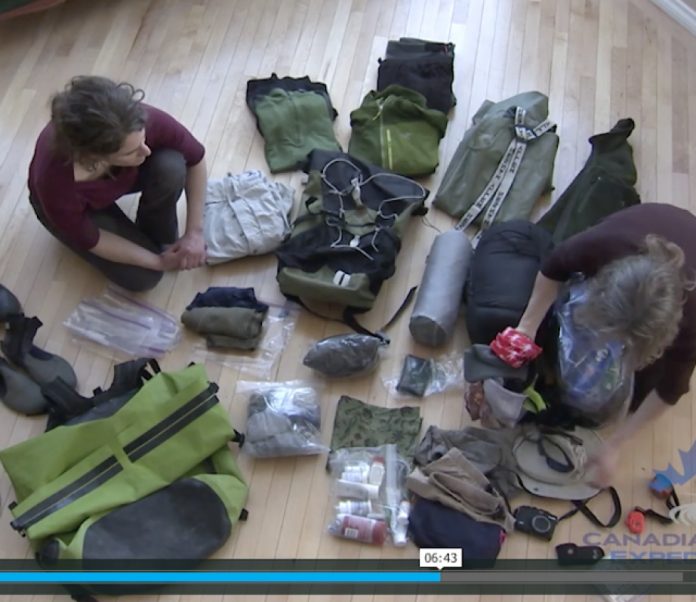
Screenshot of Nahanni River Adventures Staff packing personal gear for a river canoe trip.

Keeping track of and packing all the necessary gear for a northern river adventure can be tricky. That’s why Canadian River Adventures and Nahanni River Adventures send this helpful video check list to their clients pre-trip, so they’re sure to bring all the essentials that will keep them safe and comfortable on trip. If you’re planning your own northern river adventure you’ll find this packing list helpful. You might also be surprised by some of the items that make it on the list and the rationale behind them (really, rubber boots?).


“People report that the video makes preparation easier and they are better prepared for the weather and have a more enjoyable experience,” says the video creator, Neil Hartling. “When it is summer and 35 degrees Celcius down south, it helps to see the video to understand why a pair of fleece pants/tights and a puffy jacket are must-brings, and also why sun protection and shorts are a must in the land-of-the-midnight-sun. And, yes, you could be wearing both in the same day.”

What does good rain gear look like? What do you mean by rubber boots? How will it all fit in that river bag? Let the pros show you how to pack.

Packing for your river trip made easy from Neil Hartling on Vimeo.

Video: 25 Years in Algonquin Park

Photo: courtesy David Hartman
[iframe src=”https://player.vimeo.com/video/155899582″ width=”500″ height=”281″ frameborder=”0″ webkitallowfullscreen mozallowfullscreen allowfullscreen ]

Celebrating 25 years of guiding Algonquin Park adventures – Voyageur Quest from David Hartman on Vimeo.

A look at the Voyageur Quest team who are celebrating 25 year anniversary operating Algonquin park guided canoe and lodge adventures at Algonquin’s north west corner. Visit them at voyageurquest.com.

Video: Canoeist’s Checklist – The 7 Essentials Every Boat Needs

Discover the 7 items every canoe needs to head out onto the water for a day trip. Chad Casey at the Lodge at Pine Cove (frenchriver.com) in French River, Ontario shows you what to bring.

Keeper of the Flame: Optimism for Future Wilderness Enthusaists

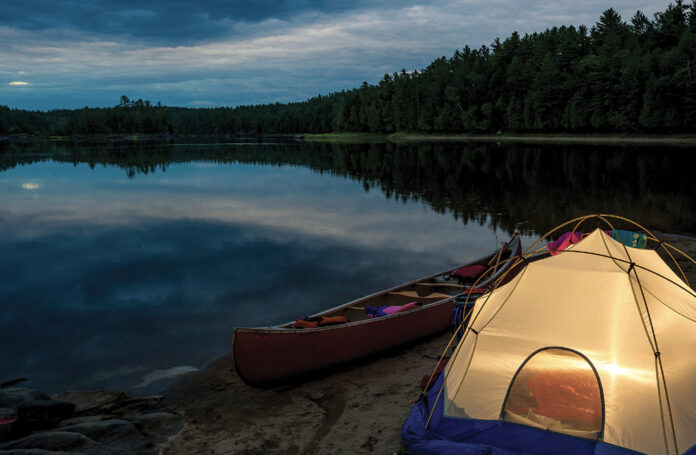
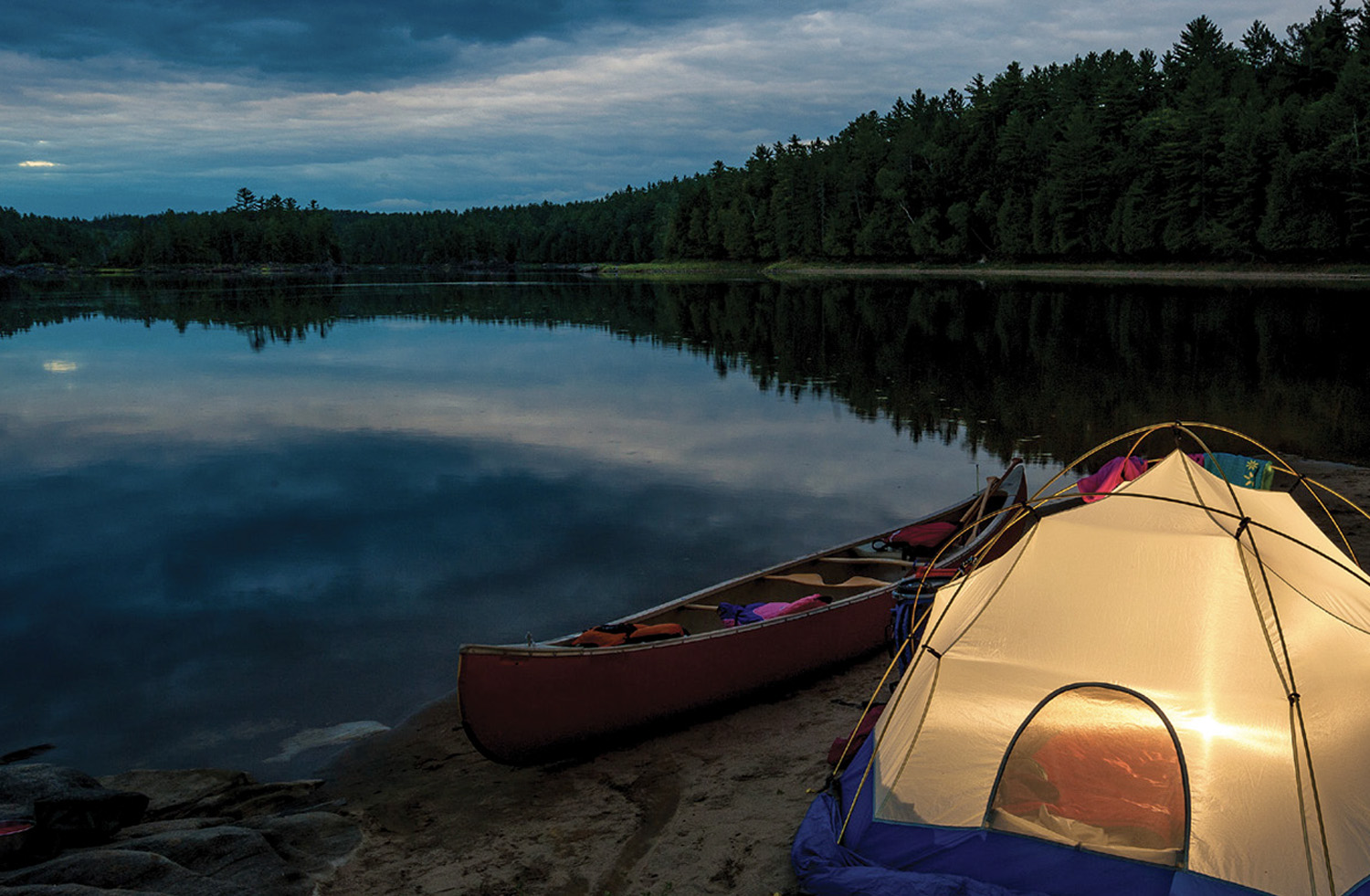
TENT VACATION). | PHOTO: ROBERT FAUBERT

I’m a worrier. I know this because my 11-year-old daughter tells me so.

It might be some type of genetic disposition I’ve been cursed with. Or it may be I just have a lot to worry about.

I worry about our natural wilderness. With urban sprawl, deforestation and climate change threatening, I worry whether the next generation will have any wilderness left. Even more worrying is whether people will still want to travel in these remote and magical locations.

Increasingly, people canoe and camp for shorter periods of time, in areas closer to urban centers. They post to Instagram from the portage trail, fundamentally altering the wilderness experience. Those campers will never even know the truly remote and magical experiences they’re missing out on. Without the opportunity to connect to these wild areas, who will grow to love them and fight for them when the time comes?

In 1949 Alfred Leopold wrote, “The richest values of wilderness lay not in the days of Daniel Boone, nor even in the present, but rather in the future.”

It’s a great line, but more and more often, it seems the people who do spend time in the wilderness are trying to “survive” out there, rather than be part of it. Television’s so-called reality shows far outnumber true tales on the joys of wilderness travel. Bear Grylls’ sensationalistic Man vs. Wild has even been trumped by the lunacy that is Naked and Afraid—almost four million weekly viewers and counting.

Are we stepping backwards into a Lewis and Clarke era? Why are we attempting to conquer nature rather than connect with it?

When my daughter tells me I’m a worrier, I worry that she may be right.

Luckily, she says I have another character trait: I’m an optimist. She says I have to be for her sake. To give up on the future of wilderness protection means I’m giving up on her.

TENT VACATION). | PHOTO: ROBERT FAUBERT

My daughter is certainly not giving up. She’s grown to love the woods even more than I do. And that love has inspired a passionate desire to protect her playground. On a canoe trip last summer she memorized a quote by Chief Seattle, the 19th century advocate for wilderness protection and Native rights, as well as the namesake for the U.S. city.

In camp in the evening she recited his words to me: “We are part of the earth, and it is part of us. The flowers are our sisters, the deer, the horse, the great eagle, these are our brothers. The rocky crests, the juices of the meadow, the body heat of the pony and the man, we all belong to the same family. The shiny waters that move through the streams and rivers, is not just water, but the blood of our ancestors.”

Someday the blood in the shining water flowing through the streams and rivers will be mine. I have to believe that my grandchildren will paddle these waters and will fight to protect them.

Kevin Callan is an author of 15 canoe camping books and guides. Butt End is his regular column in Canoeroots magazine. 


BG_2016_0.jpgThis article originally appeared in the 2016 Paddling Buyer’s Guide issue.

Subscribe to Paddling Magazine and get 25 years of digital magazine archives including our legacy titles: Rapid, Adventure Kayak and Canoeroots.

SUP Safety: Vests, Belts, or Leashes

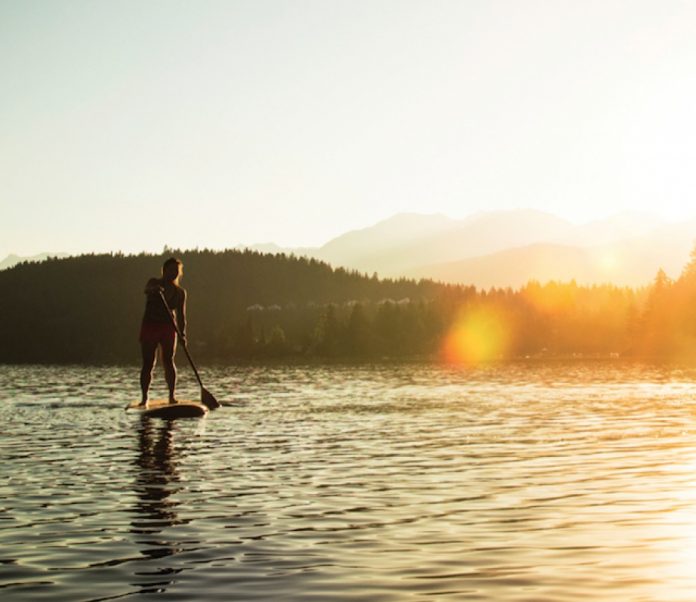
Photo: iStockphoto.com/visualcommunications
SUP Safety: Vests, Belts, or Leashes

On August 21, 2015, 29-year-old paddleboard racer Andres Pombo drowned while training for the Columbia Gorge Paddle Challenge. According to local news services, Pombo went out to paddle the course a day before the race, fell in the river and drowned. His body was found six days later. He reportedly was not wearing a leash or PFD.

The death of an experienced paddler so close to a high-profile race has re-ignited debate about the need for more awareness and use of safety gear on paddleboards, as well as debate about which equipment is best.

A day before Pombo’s body was recovered, Warren Currie, owner of Easy Rider board shop in Edmonton, Alberta, and Dave Kalama of paddle manufacturer Quickblade, penned an open letter to the paddleboard community demanding manufacturers, retailers and pro paddlers promote safety equipment in stores, online and in advertising.

“The bicycle and wakeboard industries both went through similar circumstances with helmet use,” says Currie. “In both cases it took a high-profile tragedy for their respective industries to band together and implement campaigns for helmet use. Now you can’t see an image put out by either industry without a helmet in use.”

Lifejackets: It’s the law

According to Transport Canada and U.S. Coast Guard regulations, a PFD must be carried on your paddleboard at all times except in a surf zone or designated swimming or bathing area. However, it only takes a glance at the svelte silhouettes on local waterways to confirm that PFD use on paddleboards is low. A 2012 American Canoe Association (ACA) survey of members found that only 25 percent always wear a PFD when paddleboarding, a number that is estimated to be lower in the general—and sometimes less safety conscious—public.

Perhaps this is not surprising, considering that paddleboarding advertising images often feature safety-essential-free paddlers whose beautiful beach bodies would be marred by cumbersome safety equipment—bulky foam flotation isn’t exactly sexy.

“It’s really cool that so many people are excited about paddleboarding, but some have jumped into it half-cocked and aren’t aware of the dangers,” says Wade Blackwood, executive director of the ACA, America’s largest educational organization for paddlesports.

“It has been hard to combat the no-PFD look of the traditional surfing community, and hard to say to paddlers that it doesn’t matter what you look like, you have to wear it. That’s why inflatable belt packs have been so great,” adds Blackwood.

Chair of Paddle Canada’s SUP program, Tony Palmer, agrees. “The waist worn inflatables are great, they are low profile, they don’t get in the way in the surf zone or on a hot day—all excuses evaporate with it. They don’t even wreck your tan line,” he says.

Palmer believes that if industry pros were seen wearing visible safety equipment others would pick up on it. “If the big shots—the people winning the races, the people on the magazines, with their own blogs and thousands of followers on Twitter—if those people started wearing PFDs it would trickle down,” adds Palmer.

Leash versus life jacket

Whether PFDs are even the best piece of safety gear for paddleboarders is hotly debated in the community. While neither Canada nor the U.S. require leashes by law, some industry professionals believe it’s the safest option.

“If you are wearing a leash, you are attached to a PFD and you are in the safest position possible,” says Dave Meyler, CEO of Boga Paddleboards based in San Clemente, California. “If you are separated from the board you’re in bad shape, even if you are an experienced paddler. If you are even just one mile off the coast, that is a long way to come in. If you are in waves and wind, it’s hard to swim.” He adds that an exception to his leash-wearing rule is in whitewater.

Easy Rider’s Currie agrees, adding that regulations requiring paddlers to have a PFD on board without the requirement to wear it creates a false sense of security. Many paddlers remember the tragic story in 2013 of a 42-year-old man who drowned in Lake Tahoe with both a leash and PFD attched to his board, but not his body.

“The leash is by far the best option for a person’s safety on a SUP,” argues Currie. “It tethers you to an unsinkable object. If you do wear a lifejacket and no leash, and become separated from your board, you are then immersed in the water, which will likely lead to hypothermia.”

In 2012, Transport Canada stated that it “supports leash use, but not as an alternative to a lifejacket or personal flotation device.”

“At the ACA we advocate that you need a PFD out there, outside of the surf zone,” says Blackwood. “You’re that much safer.”

Following Pombo’s death on the Hood River, the Stand Up Paddle Industry Association (SUPIA), a trade rep organization, released a statement further committing itself to safety of its participants and businesses, and advising the paddleboard community to expect new safety precedents to be rolled out in the next six months.

For Blackwood and the ACA, more public education, discussion and promotion of safety equipment from all sectors of the industry is a good thing. “There are inherent dangers on the water and it takes just seconds for things to go wrong,” he says. “The overall debate reminds me of driving school— wear a seatbelt, don’t be dumb. It’s the same. Using a PFD and leash [where appropriate] can help prevent tragedies.”

Nicola Johnston Beaudoin is a freelancer writer and owner of Sea To Sky, a SUP, yoga and fitness company based in Vancouver, British Columbia.

BG_2016_0.jpgThis article first appeared in the 2016 Paddling Buyer’s Guide. For more great content, subscribe to Canoeroots, Adventure Kayak, or Rapid. You can visit the Paddling Buyer’s Guide online here.

Around South America with Freya Hoffmeister

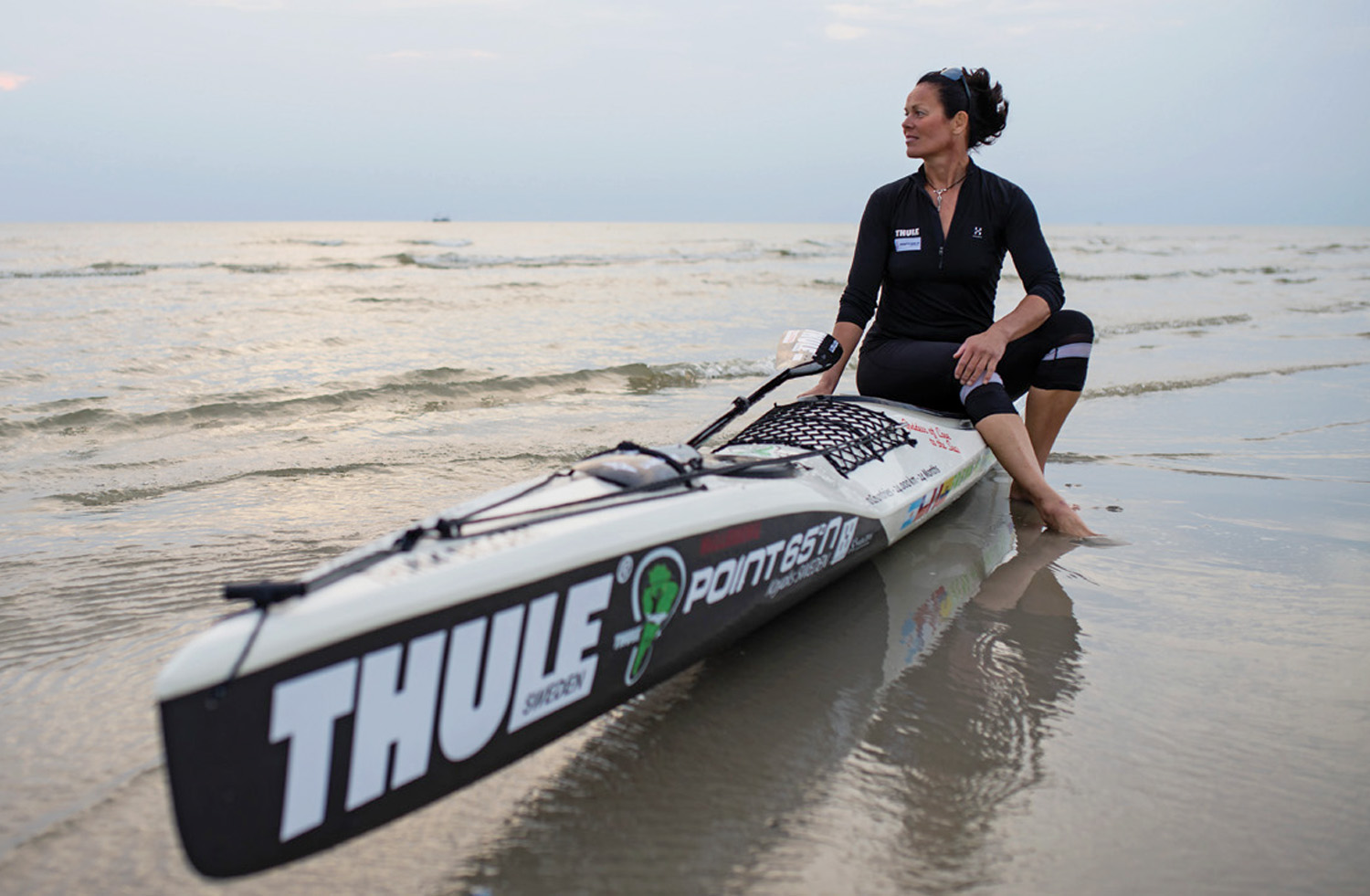
AT PLAY AMONG MERE MORTALS. | PHOTO- MICHAEL NEUMANN

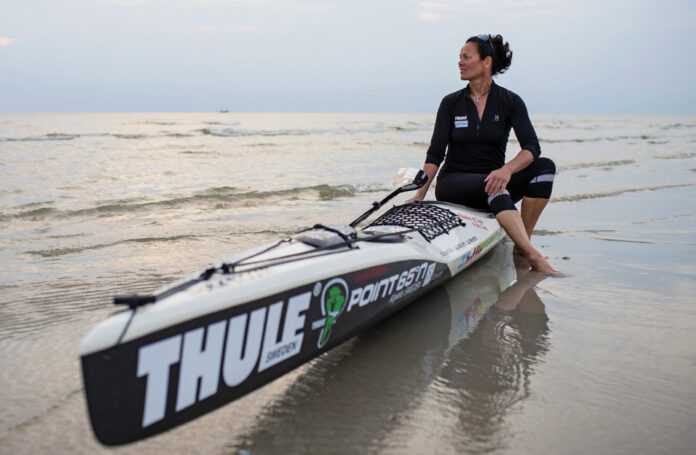
Few could argue Freya Hoffmeister is the most accomplished sea kayaker that has ever lived—or likely ever will. The 51-year-old sportswoman and entrepreneur’s life is a catalog of the extraordinary. She spent her early years as a competitive gymnast, bodybuilder, beauty pageant contestant and skydiver (1,500 jumps, including one over the North Pole). Since lasering her formidable energies onto sea kayaking as a “less dangerous” sport to pursue during pregnancy in the mid-‘90s, she has overrun the sport like her namesake—a Norse goddess at play in the land of mere mortals. Her record-smashing expeditions—mostly solo and unsupported—have taken place around treacherous and spectacular countries and continents, and she’s logged more expedition miles than any paddler in history. In May she returned from a nearly four-year, 27,000-kilometer, near-fatal circumnavigation of South America.

Who will ever repeat your circumnavigation?

I don’t think anybody will. I can’t advise anybody to do that because it’s simply too dangerous. Not only because of the dangerous water, but also from the human side—I encountered many criminals. But, I had an advantage as a woman. Many people did not believe a woman could do an intrepid trip like this, and I got a lot of respect that way.

What happened on Brazil’s Pororoca Tidal Bore?

This was my scariest moment, and it happened because I was stupid. I didn’t get enough information about the conditions. I was paddling through the night and became stuck in the mud at low tide. I thought I would just wait for the tide coming in, but it came in rough. Within 15 minutes it had side-surfed me for eight kilometers. I was afraid for my life that night.

When else did you have a close call?

I got trapped by high winds and had an emergency crash landing on an island near Cape Horn. That night the wind was 120 knots. In my tent, I was reinforcing the corners of the tent with my arms and legs like a beetle on its back. Two kayakers were attempting to circumnavigate that area on the same date with the same wind conditions I had. One of the men drowned.

AT PLAY AMONG MERE MORTALS. | PHOTO- MICHAEL NEUMANN

Where would you go back to paddle in South America?

I would return to the south because of the animals— penguins, whales and seals. Northern South America was dead in the hot water, and the Caribbean Sea was great but it wasn’t that exciting to paddle without seeing seals or dolphins or sharks. Argentina and Chile were much more interesting—and also very beautiful.

Why didn’t you learn Spanish?

It was my decision not to learn Spanish and it worked okay for me. I was not able to always get the information from local fishermen who could have told me about dangers ahead. But that also gave me peace at night. Everyone always says there is danger ahead. And I like my peace and my privacy after 10 hours of paddling.


BG_2016_0.jpgThis article originally appeared in the 2016 Paddling Buyer’s Guide issue.

Subscribe to Paddling Magazine and get 25 years of digital magazine archives including our legacy titles: Rapid, Adventure Kayak and Canoeroots.

Top 3 Defining Characteristics Of Whitewater Kayaks Explained

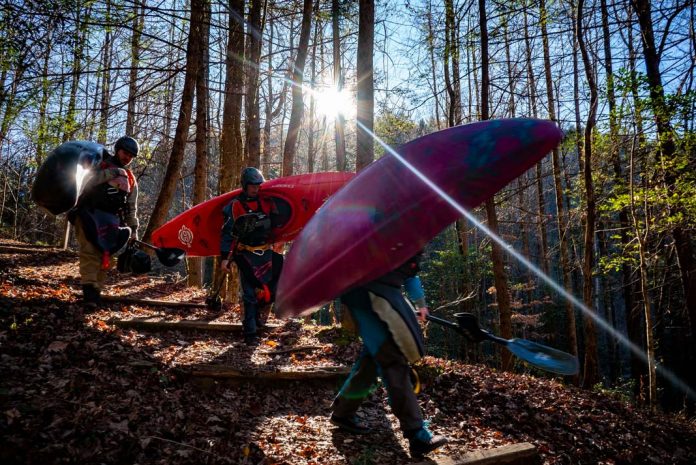
Three people carrying whitewater kayaks through the woods
Carry on. | Photo: courtesy of Dagger

Ever lifted a tag on a whitewater kayak and wish you had a translator to interpret the jargon? Designer for Dagger Kayaks, Mark “Snowy” Robertson, knows his way around a boat—in production, on the water and in retail situations. He has been designing kayaks for almost 15 years and he’s keen to help you decipher the key design features of whitewater kayaks.

Here Robertson translates the top three defining design characteristics into tangible explanations to help you predict how that in-store beauty will perform on the water.


The kayak hull: decoded

“The hull of a boat is the most defining feature of a kayak, and the first you should look at,” says Robertson, because each hull shape will feel distinctly different on the water.

There are three distinct types of hulls in whitewater kayaks: planing hull, displacement hull and semi-displacement hull.

Planing hulls

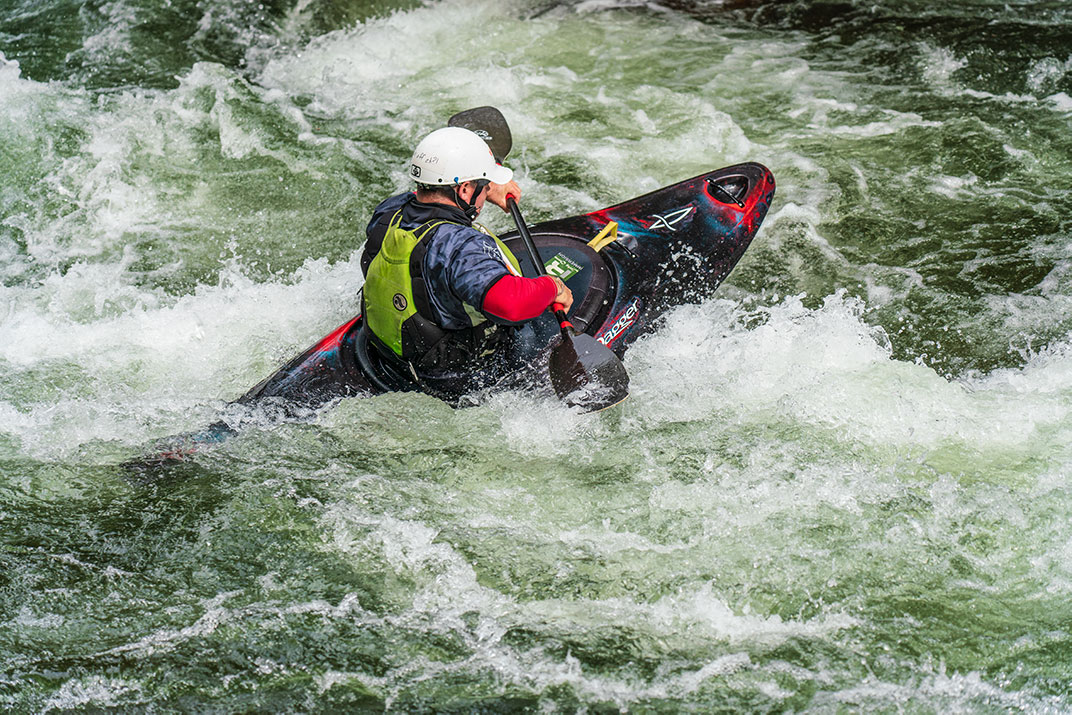
Planing hulls have a flat surface on the bottom of the boat, commonly seen on playboats. The flat bottom of a planing hull will plow through the water at low speeds, but at higher speeds—such as when shooting down the face of a wave—it’ll skim on the surface and allow for spin.

Displacement hulls

Displacement hulls are rounded, like the bottom of a banana, and push the water aside as they travel through it. You’ll see this design on most creek boats. The continuous curve of a displacement hull allows the paddler to track and edge easier, but its primary stability might feel lacking in comparison to a planing hull.

Semi-displacement hulls

The semi-displacement hull, a more recent design, is a combination of the two, with a slightly flat hull transitioning into a curve. Semi-displacement hulls are a compromise of sorts, offering some of the stability of a planing hull and a portion of the tracking of a displacement hull.
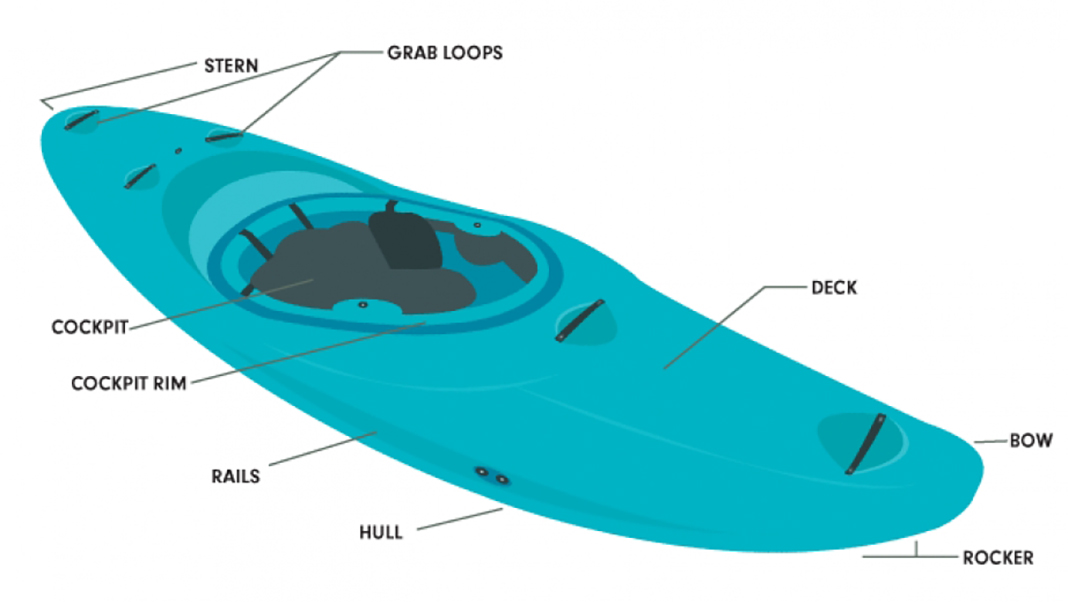
Blue kayak with different parts of it labelled


The kayak rocker: decoded

Rocker is the curvature of a boat from bow to stern—just look at the side profile of your kayak. The angle and amount of rocker affects the speed and maneuverability of your kayak in whitewater.

“Continuous rocker generally has front-to-back continuous curvature,” says Robertson. “Kick rocker has a sudden and more obvious transition that you see in playboats, aimed to give more of a pop and release on a wave.”

Generally, less rocker means more boat in the water and a longer waterline, equating to better tracking and more speed. Boats with less rocker are designed for more technical paddling, like steep creeks, says Robertson.

More rocker means less plastic touching the water, which makes the kayak more maneuverable, and more capable of riding up and over river obstacles.


The kayak rails: decoded

The rail of a whitewater kayak is the point where the hull meets the sidewall and is marked by a protruding edge that runs the length of the boat. Some paddlers will use the term edge interchangeably with rail.

“To separate the terms, I would say that an edge could be used to describe a defining location or hard point within a rail,” says Robertson. “A rail can be softer and more rounded, but an edge would be a hard transition surface within that rail.”

What’s important for a prospective buyer is this: Rails give you control in the water and allow you to carve, but catching an edge can also cause you to flip—instantly. The more aggressive your rails are, the more aggressively you can carve, and the more likely you are to end up underwater if you tilt the wrong way.

BG_2016_0.jpgThis article originally appeared in the 2016 Paddling Buyer’s Guide issue. Subscribe to Paddling Magazine and get 25 years of digital magazine archives including our legacy titles: Rapid, Adventure Kayak and Canoeroots.

 

Video: 80-Year-Old Paddles The Mississippi River Source To Sea

Adventureitus Productions film crew followed Dale Sanders, the oldest man to ever thru-paddle the entire length of the Mississippi River. He turned 80 on the adventure summer of 2015. Dale Sanders was also raising money to bring awareness to Type II Juvenile Diabetes. Over $24,000 were brought in for research.

The film’s planned release is in 2016, and you can follow them on Facebook.

Video: Top Tips for Sea Kayak Rolling

Master your sea kayak roll with advice from Dympna Hayes and James Roberts of the Ontario Sea Kayak Centre in Parry Sound, Ontario (ontarioseakayakcentre.com).

Follow their easy progression and nail this recovery technique.

CCC_PartnerBadge_Web.png

The Ontario Sea Kayak Centre is based in Perry Sound, Ontario and provide beginner to advanced sea kayak instruction.

Watch THE CANOE an award-winning film that tells the story of Canada’s connection to water and how paddling in Ontario is enriching the lives of those who paddle there. #PaddleON.

Browning Wall, Vancouver Island

Photo: Browning Wall, Vancouver Island | Photo: Neil Schulman

According to Jacques Cousteau, it was the best marine life he ever saw in cold water.

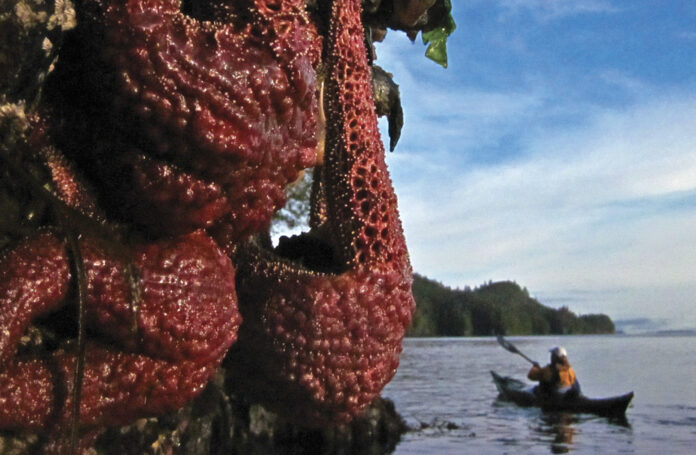
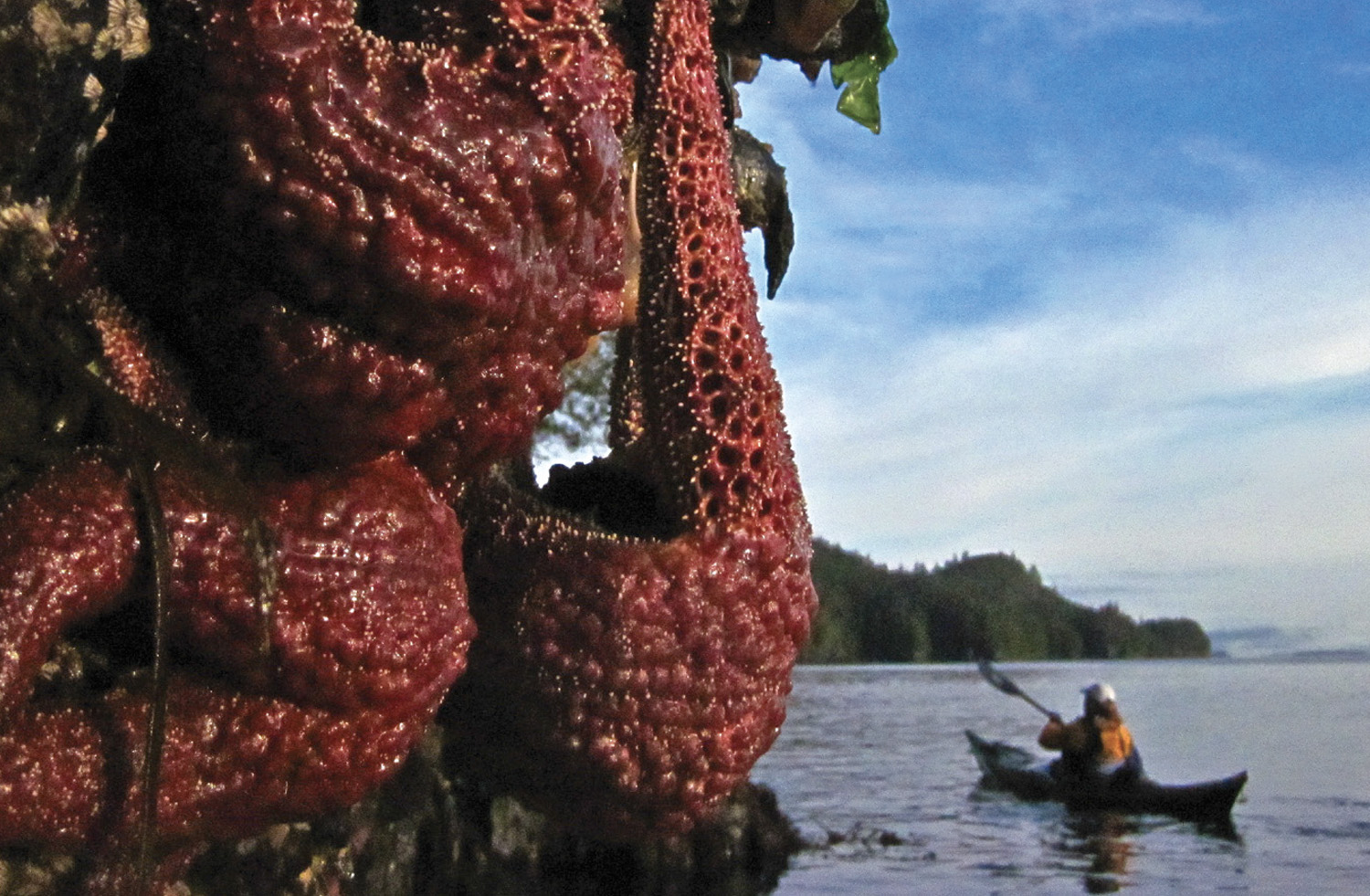
“It” is the Browning Wall at the north end of Vancouver Island: a cliff-lined passage where complex currents whiz between remote Nigei and Balaklava islands, bringing a rich conveyer belt of nutrients to the intertidal life that clings to the rock walls. The sea stars and anemones are the size of dinner plates, not to mention oversized sea cucumbers, fiery-tipped sea slugs, spiny red urchins and scores of other creatures creating a vibrant living tapestry.

Photo: Browning Wall, Vancouver Island | Photo: Neil Schulman

ALONG THE WALL WHEN THE SUN ROSE

I asked some friends to join me for a paddle to the wall at low tide. It was an easy sell, until they realized that low tide was at 6 a.m. Following a complex round of negotiations, promises to have coffee ready, pre-packing and setting alarms, we were along the wall when the sun rose. It was everything Cousteau had promised.

With the lustrous, low-angle morning light over my shoulder, I wedged my boat into a crevice next to three enormous sea stars, and waited for my friend Karen to paddle past. Setting my zoom lens to its widest angle, 35mm, created a strong sense of perspective. I kept the focus on the intricate texture of the cranberry-red sea stars in the foreground. Cousteau was right; in many years of mucking around in the rocky intertidal, I’ve never seen marine life like the Browning Wall.


BG_2016_0.jpgThis article originally appeared in the 2016 Paddling Buyer’s Guide issue.

Subscribe to Paddling Magazine and get 25 years of digital magazine archives including our legacy titles: Rapid, Adventure Kayak and Canoeroots.