Home Blog Page 267

The Pro Guide To Kicking Ass On The River

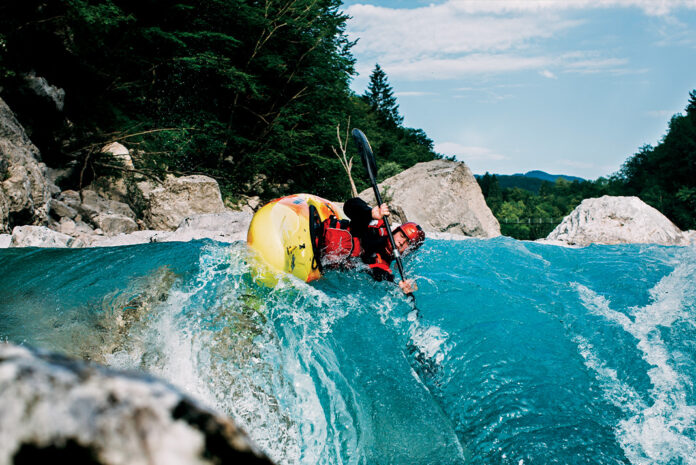
whitewater kayaker tilts sideways above a steep rapid in vibrant blue water
Accumulating experience points. | Feature photo: Anze Osterman

Looking to level up your whitewater skills? We asked for tips from some of the biggest names in the game. From maintaining fitness to finding new waves and staying ahead of the pack, try these pro techniques to go from an also-ran to truly kicking ass on the river.
The pro guide to kicking ass on the river
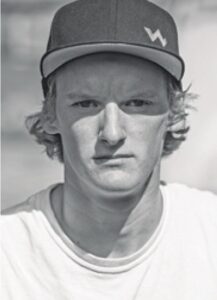
1 Link freestyle tricks

Devyn Scott, big wave legend in the making

I always decide what combo I’m going to throw before I throw it to ensure I have proper body position for each trick. Throw at the top of the wave to get the most amplitude out of the first trick and enough upstream momentum to stick the second move.

2 Paddle ‘til you’re really old

Heather Herbeck, paddle fitness guru

Maintain your ability to move through full range of motion by rolling out tight muscles with a foam roller after a workout or paddling session. I roll out the length of my back three to five times, as well as my hamstrings, glutes, quadriceps and IT band (the outside of the leg). The whole session takes five to 10 minutes and helps prevent injury and boost muscle performance.

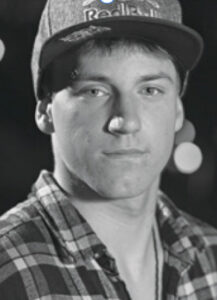
3 Cross train

Dane Jackson, reigning freestyle champ

Activities other than kayaking help me stay in shape for paddling. I pick activities I enjoy and can do year-round so I want to do them often. You don’t have to run or bike 10 miles to get a good work-out; integrate 10-minute bursts of activity into your workday. I love anything that gets me outside—I go for quick runs and play speed rounds of disc golf throughout the day.
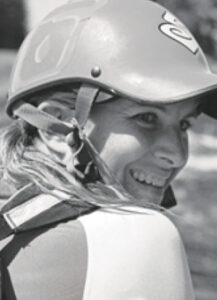
4 Travel with your kayak

Lu Urwin, globetrotting whitewater nomad

The days of claiming your kayak as a surfboard or surf ski are over. Baggage rules differ between airlines, so I research weight allowances every time I travel. I’m always at the airport early for my check-in and most importantly, super nice, patient and friendly to the people helping me, for as long as possible. When all else fails, I’ve found bursting into tears usually gets ‘em.

5 Master the read and run

Chris Gragtmans, expert river runner

I constantly scan to find eddies because it’s important to have bail-out options, even on an easy river. Pay attention to the river’s geology as well as the water—does it look like it’s gorging up ahead? Dropping faster? Is there a lot of fallen wood on the banks? If something doesn’t feel right above a rapid, I trust my instincts and get out to scout.
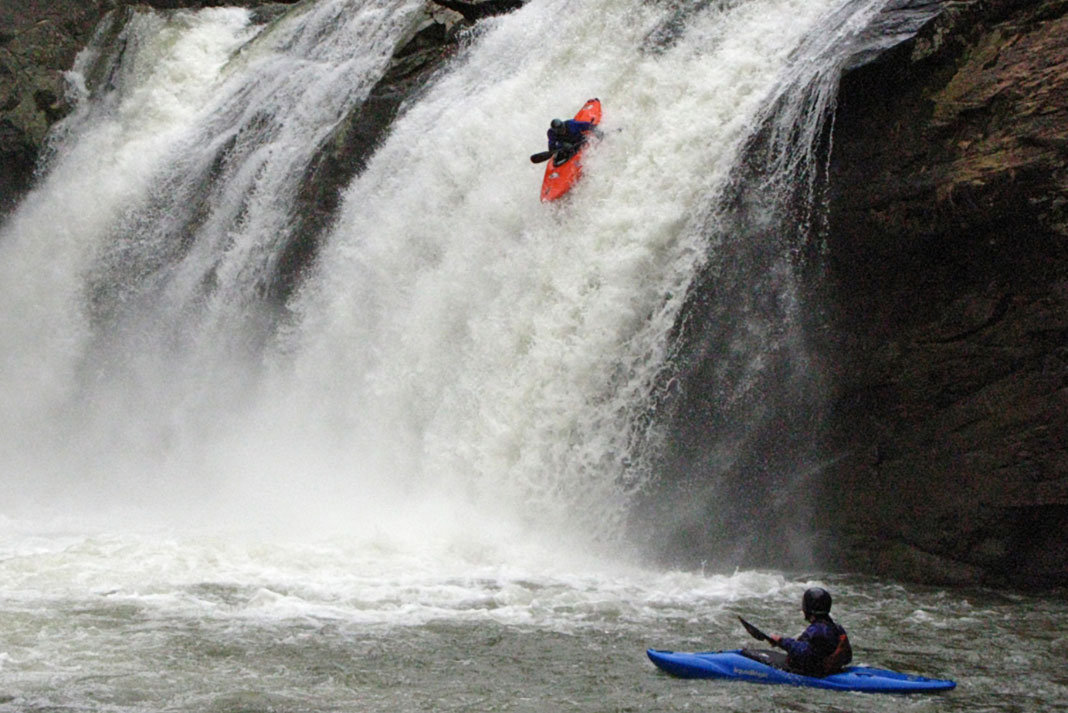
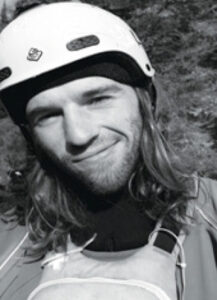
6 Find new waves

Louis-Phillippe Rivest, big wave hunter of the Great White North

Aerial images and satellite maps are great scouting tools. I use Google Earth to survey unexplored areas for free and from the comfort of my home. I zoom in and out to preview potentially dangerous features up- or downstream of a play spot. I also contact friends in the area to scope out locations and levels before making the trek with boats.

7 Make all the gates

Nouria Newman, slalom slayer

Before dropping into a slalom course, I sit in my boat above the rapid, close my eyes and try to mentally visualize the whole run. I picture it as if I’m watching a GoPro video of myself running the gates and imagine the specific strokes I’ll need for certain turns and boofs.
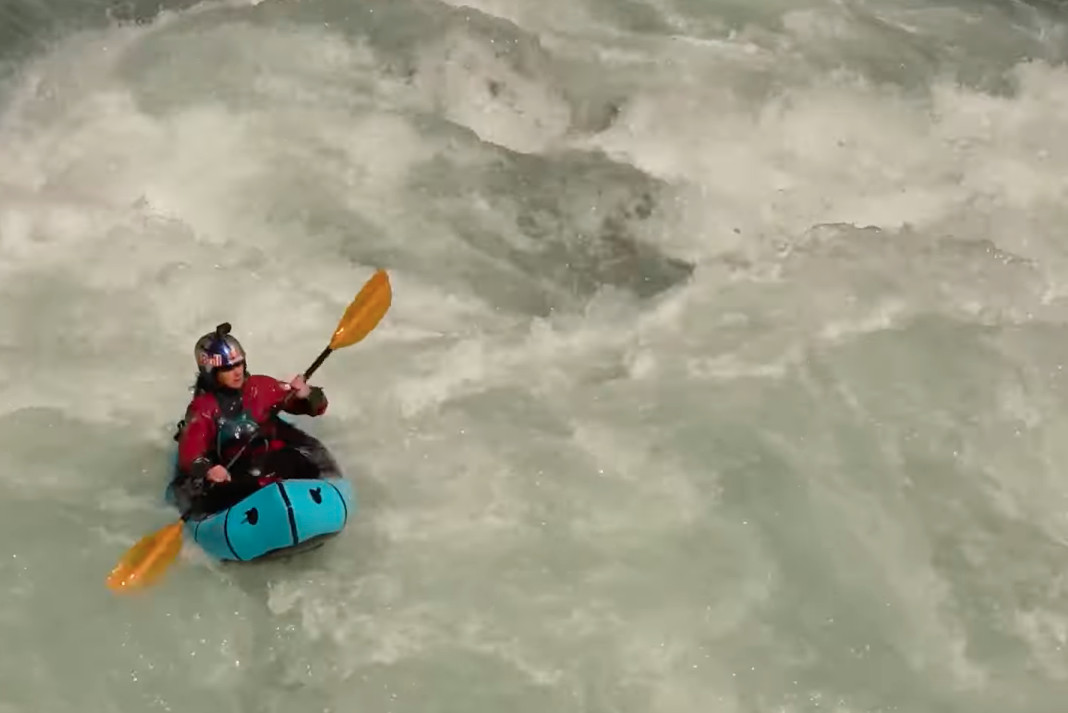

8 Style the slide

Adriene  Levknecht, downriver speed demon

When dropping into a slide, make sure to have your shoulders square to the direction you want to go and lean slightly forward. This forward stance puts you in a more aggressive paddling position, keeps you stable and protects your back on hard impacts. Looking where you want to go, no matter what goes wrong, will help get you there.
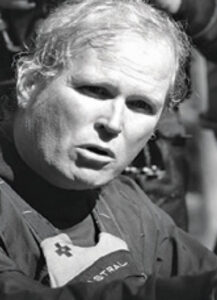
9 Bombproof your OC1 roll

Jim Coffey, international river guide

Try to get back up every time you go over, even if you don’t have a reliable roll yet, and practice rolling in the eddy anytime you empty your boat—these mini attempts only take a minute and build up until you finally have a solid roll. When practicing in an eddy, tip over towards your off-side to learn how to set up for a roll like you’ll need to in current.
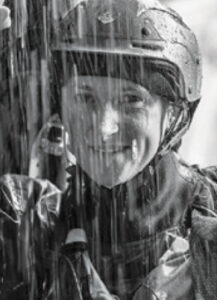
10 Dominate extreme races

Louise Jull, steep creek queen

I practice going as fast as I can by racing down the Kaituna River, my home run. It builds muscle endurance and trains my brain to react quickly. When I’m out for a relaxed lap with friends, we turn the last section into a friendly race, pushing ourselves to the end.
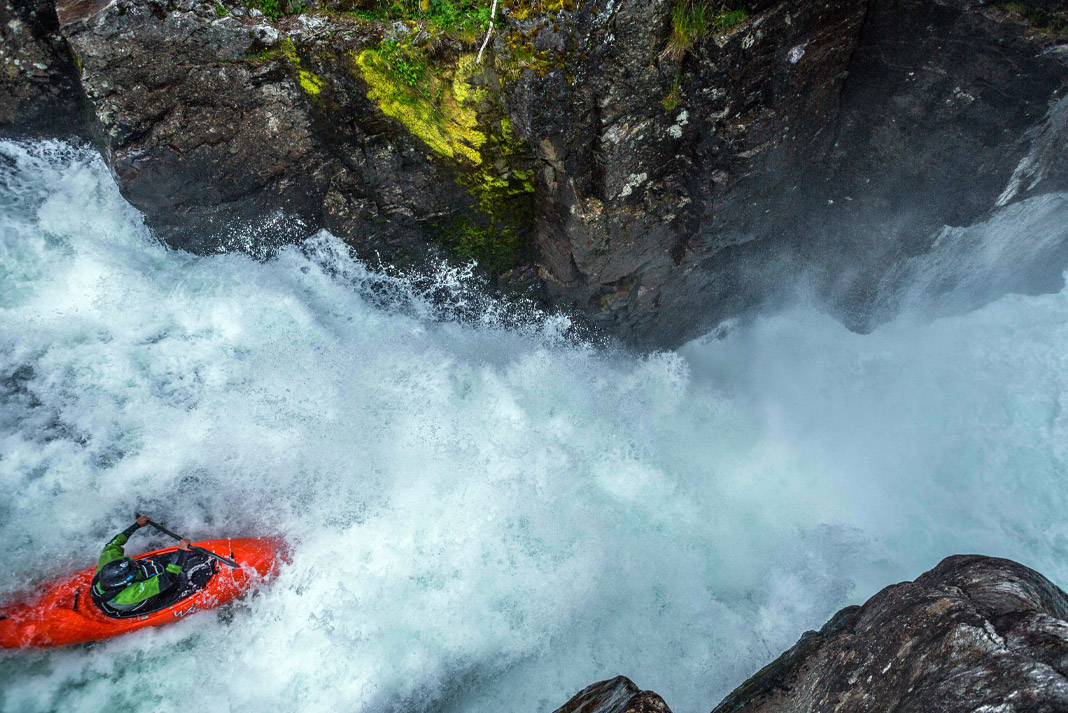
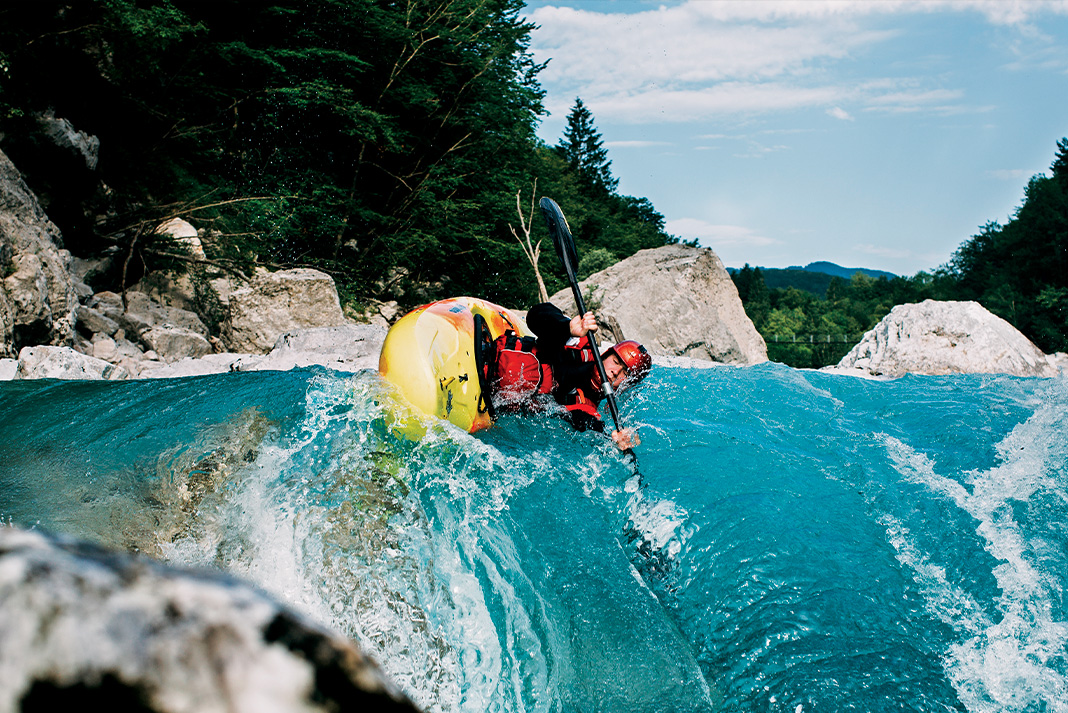
Accumulating experience points. | Feature photo: Anze Osterman
Cover of 2015 Paddling Buyer's GuideThis article was first published in the 2015 Paddling Buyer’s Guide. Subscribe to Paddling Magazine’s print and digital editions, or browse the archives.


Accumulating experience points. | Feature photo: Anze Osterman
 

VIDEO: Klepper Folding Kayak—How it’s Made

From Discovery Channel’s documentary series, How It’s Made, this five-minute video goes behind the scenes of how Klepper folding kayaks are manufactured by hand in Germany from laminated ash, birch and marine fabrics.


Stanley’s Vacuum Coffee System

Photo: Dawn Mossop
Stanley’s Vacuum Coffee System

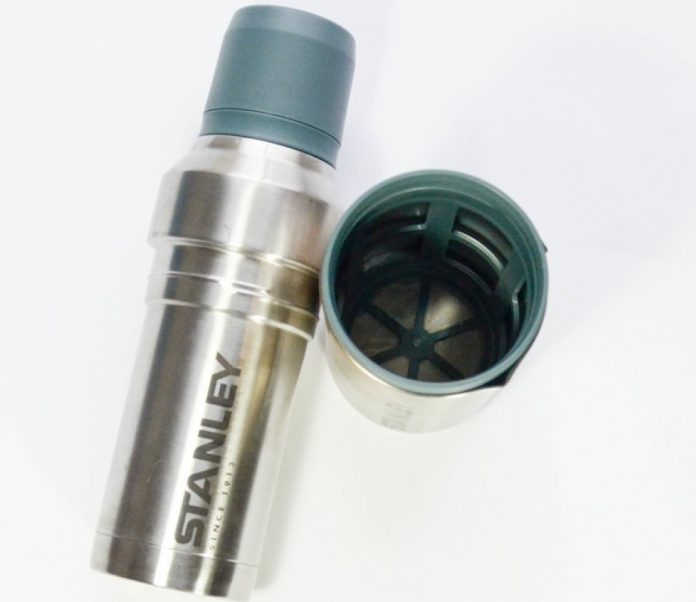
Warm up from the inside out with a hot brew from Stanley’s Vacuum Coffee System. The bottle keeps my coffee hot for 24 hours and an integrated pot and press allow for riverside brewing. All the pieces, including two cups and a container for coffee grounds, nest into a compact unit.

$50-$60 | www.stanley-pmi.com

RPv17 rgb

This gear review first appeared in the Spring 2015 issue of Rapid magazine.


Video: Shoot, Line, Wade or Portage?

Video: Shoot, Line, Wade or Portage?
[iframe width=”560″ height=”315″ src=”https://www.youtube.com/embed/Buqa7ESMB5k” frameborder=”0″ allowfullscreen ]

Adventurer Jim Baird shares his tips for running wilderness rivers in this skills video shot on a solo trip on the Kesgami River in Northeastern Ontario. 

Should you shoot, line, wade or portage the next rapid? Jim offers advice on risk managment and desicion making. 

With an insatiable love for the natural world Jim Baird spends his time in wild places all seasons of the year. He has paddled wilderness rivers in Ontario, Alaska, Quebec, Labrador, Northwest Territories and British Columbia. Discover more of his adventures at www.theadventurer.ca

Why You Should Always Carry A Rope And Knife On The Water

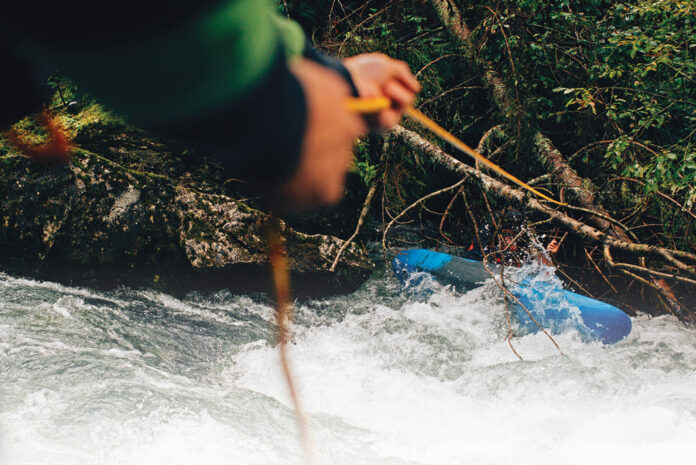
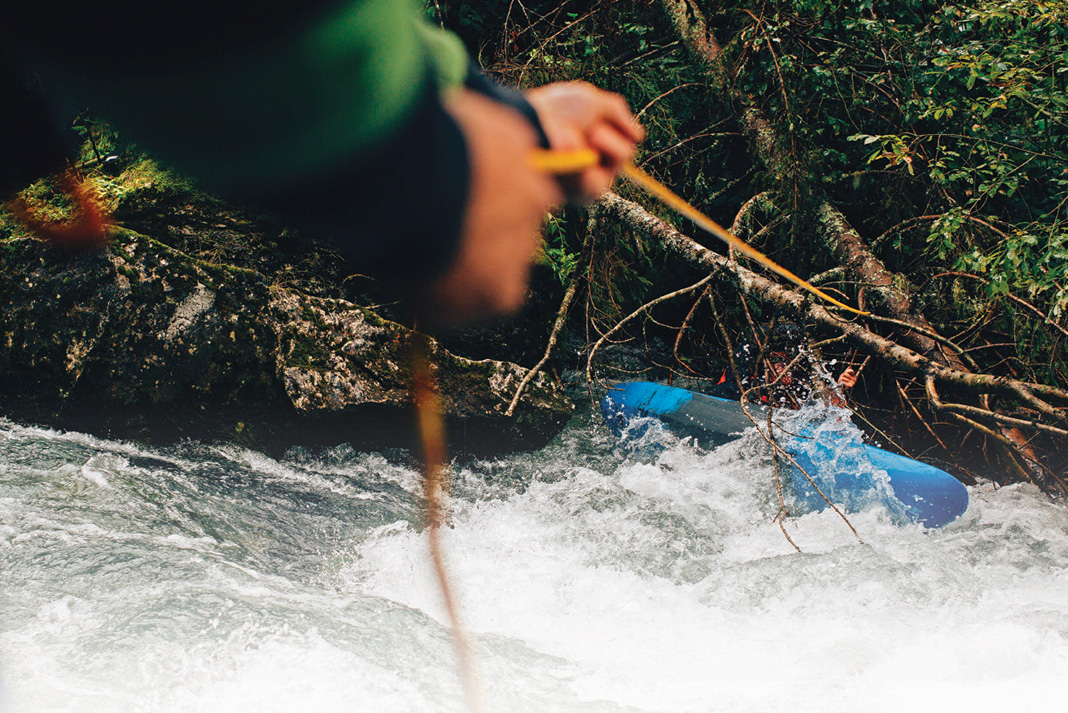
person uses a rope and knife to rescue a whitewater kayaker who is trapped
Throwing him a peanut butter sandwich is not an option. | Feature photo: Anze Osterman

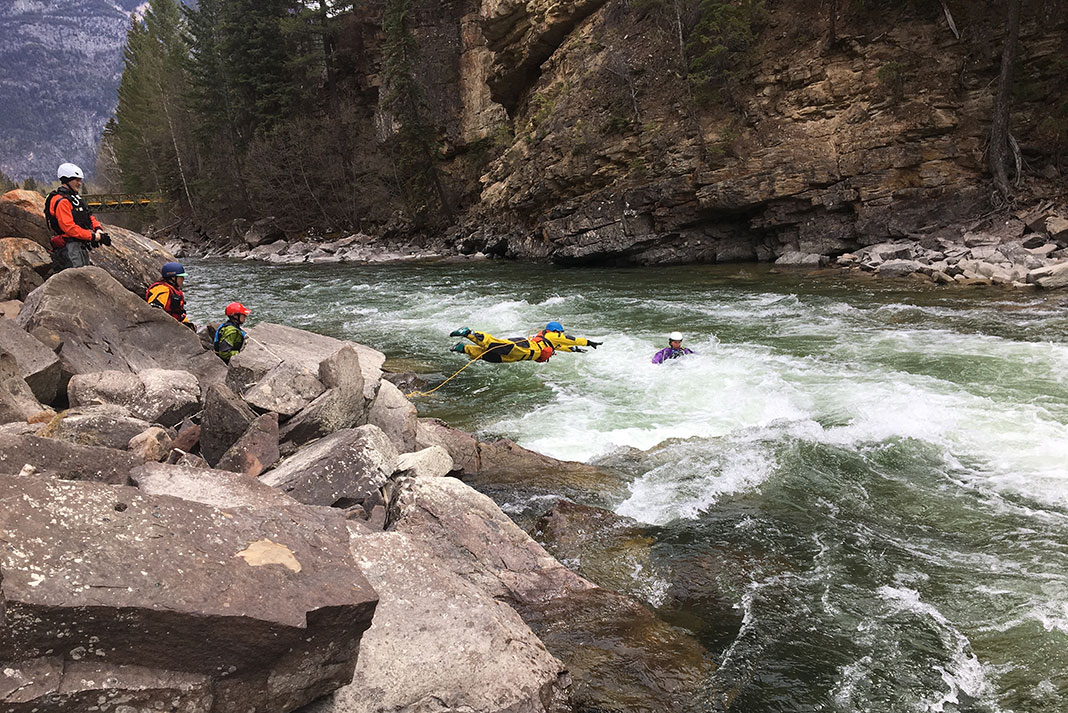
There is a recurring tailgate debate that flares up in the whitewater world questioning one of our long-standing rules: if you carry a rope, carry a knife.

Why you should always carry a rope and knife on the water

When Mike Reisman died on the Ocoee River in 1997, some started questioning this logic. Reisman flipped, and possibly due to a blow to the head, was rendered unconscious, or at least helpless in rescuing himself. His paddling partners had difficulty rolling him up, and his pull-tab was tucked under so they couldn’t pop his skirt. One of his rescuers knifed the skirt to free him, inadvertently slicing Reisman’s leg and possibly severing his femoral artery. It was reported that Reisman died due to the loss of blood.

Rescue gear such as throw ropes and knives, argue the skeptics, can do more harm than good in untrained hands. It’s an appealing argument, but it’s hollow. Exactly what kind of training is required in knife use? Occurrences of injury by river knife are rare; most of the times our knives draw blood is when they are employed to shave outfitting foam or spread peanut butter.

Throwing him a peanut butter sandwich is not an option. | Feature photo: Anze Osterman

Reisman’s would-be rescuer was actually a doctor, defying the skeptics’ logic of “wrong or untrained hands.” At issue here is the judgement of would-be rescuers, not the tools they carry in their boats.

A river rescue case study

Consider this: Ottawa River, late ‘90s, freestyle heyday. Right side Horseshoe Hole, a national team paddler flat pins his Wave Sport X to the bottom the river. He swims free but the boat stays put, just visible below the surface in the trough of the hole—a very strange scenario.

There were about two dozen people there that evening, all either elite paddlers or professional raft guides out to play. Not one throw rope was present. We looked at each other sheepishly, unable to do anything but shrug our shoulders in disbelief. It was painfully obvious what the repercussions would have been if the paddler had been in his boat rather than standing safely on shore.

To suggest that certain paddlers should not carry a rope or a knife is misdirected—no tools meant we had no options.

To urge caution and second thought in stressful and confusing situations, I wholeheartedly support. A rope and a knife provide the basic staples required to improvise a rescue and are not inherently harmful. Prudent judgement must employ them properly, and this judgement is hard earned. If you have never encountered a desperate situation on a river, it is hard to predict how you will react. The reaction of an experienced rescuer will change depending on whose life is at stake. Having tools at least ups the odds that someone will carefully consider how to use them.

Ropes and knives are different than pulleys, prusiks, paddle hooks and other technical rescue gear. These other gadgets are only useful with specific training and regular refresher courses. In a stressful situation there is too little time, let alone cognitive capacity, to add complexity to an already complex situation.

Always follow the “tool rule”

I stand behind our long-standing rules: If you bring a boat, bring a rope. If you carry a rope, carry a knife. At the very least, these rules reinforce the moral obligation we have to our fellow paddlers. At best, we have options to consider when things get weird. If not ourselves, perhaps someone else will know what to do with them when it really matters.

Jeff Jackson is the co-author of Managing Risk: Systems Planning for Outdoor Adventure Programs. Alchemy appears in each issue of Rapid magazine.

Cover of 2015 Paddling Buyer's GuideThis article was first published in the 2015 Paddling Buyer’s Guide. Subscribe to Paddling Magazine’s print and digital editions, or browse the archives.


Throwing him a peanut butter sandwich is not an option. | Feature photo: Anze Osterman
 

How To Prepare The Perfect Camp Pancakes

Make light and fluffy pancakes in your camp griddle with this easy recipe. | Feature photo: Colin Ericcson

On your next camping trip, banish the box and make your own pancakes from scratch by mixing the dry ingredients at home. Prep prior to your trip and you’ll be ready to just add water and heat up the frying pan at camp. Add your own dried fruit and berries and this classic camping pancake recipe is even tastier.

[ Paddling Buyer’s Guide: See all camp kitchen accessories ]

Perfect Camp Pancake Recipe

Prep at Home

  • ½ cup all-purpose flour
  • 1 tbsp powdered eggs
  • 1 tbsp instant skim milk powder
  • 2 tsp granulated sugar
  • 1/2 tsp baking powder
  • Pinch salt
  • 2 tbsp dried blueberries, chopped

In a sealable plastic bag, combine flour, eggs, milk powder, sugar, baking powder and salt. Place blueberries in a separate bag. Seal both bags and store at room temperature for up to one month.

Make light and fluffy pancakes in your camping skillet with this easy recipe. | Feature photo: Colin Ericcson

To Serve

  • ½ cup water
  • Vegetable oil

In a bowl, combine blueberries and water. Let stand for 15 minutes or until blueberries are softened. Stir in 1 tsp oil. Shake flour mixture in bag to mix and pour into blueberry mixture. Stir just until evenly moistened.

Heat a skillet over medium heat until warmed. Add a thin layer of oil. Pour in about 1/4 cup batter per pancake. Cook for two to three minutes or until bubbles break on the surface but don’t fill in and bottom is golden. Turn and cook for about two minutes or until golden brown. Repeat with remaining batter, adding oil to the pan and adjusting heat as necessary.

Makes about four pancakes.

Variation on the Camp Pancake Recipe

Campers carrying fresh eggs can omit the powdered eggs when prepping at home and decrease the water to 6 tbsp when cooking in camp. Instead, whisk in one fresh egg with the oil.

Courtesy of The Complete Trail Food Cookbook by Jennifer MacKenzie, Jay Nutt and Don Mercer © 2010 www.robertrose.ca


Screen Shot 2015 03 18 at 10.45.19 AMThis article first appeared in the Spring 2015 issue of Canoeroots and Family Camping magazine.
Subscribe to Paddling Magazine and get 25 years of digital magazine archives including our legacy titles: Rapid, Adventure Kayak and Canoeroots.

Video: Master the Bow Rudder for Fast and Precise Turns

Brian Pettinger from White Squall Paddling Centre shares his tips and techniques for making smooth and quick turns using this simple, stationary kayak stroke. Turning with a bow rudder is especially effective at speed, when you need to change course to avoid a collision. It can also be used to make subtle direction changes under motion. Try it now!

Stay tuned for more great paddling skill videos, including canoeing, kayaking and whitewater techniques, brought to you in partnership with Rapid Media and Ontario Tourism. 


5 Tips To Stay Dry On Your Next Canoe Trip

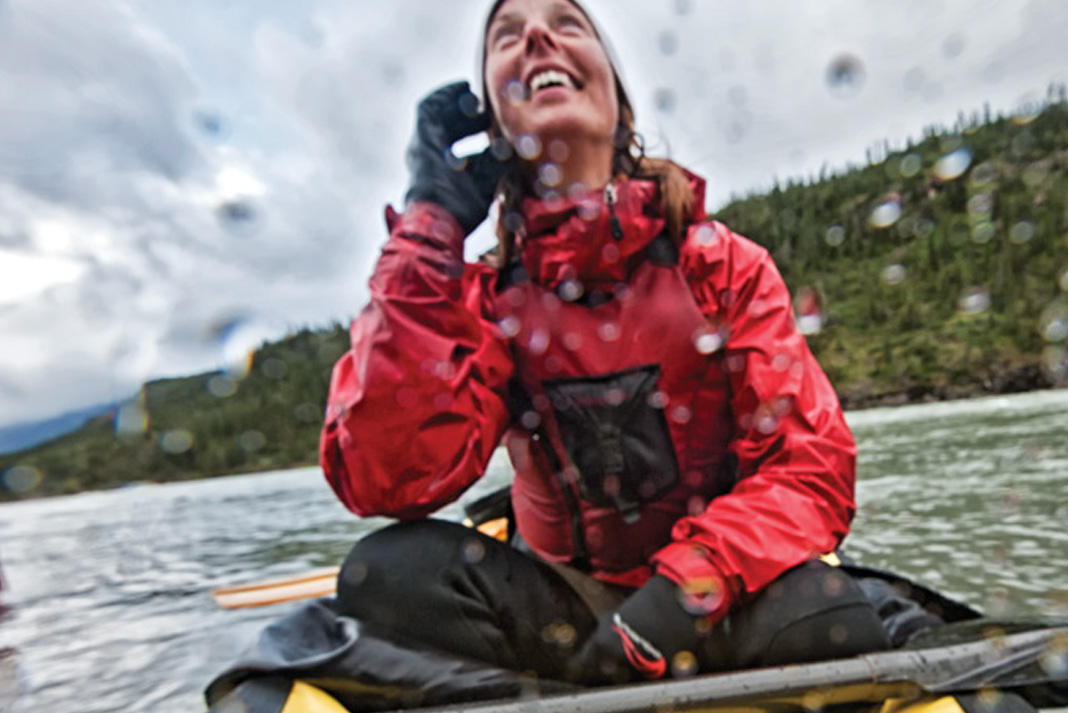
woman looks up at the sky during a rainy canoe trip
Don’t despair! Some of the most memorable trips take place in wet and stormy conditions. | Feature photo: Peter Mather

When a day of sloshing through thigh deep mud on portages ends miserably in a soggy sleeping bag we try to tell ourselves that a little bit of suffering builds character. Forget that. These expert-approved tricks will keep you happy even during days of nonstop rain.

5 tips to stay dry on your next canoe trip

1 Embrace the experience

Don’t stay home because the forecast calls for torrential downpours. Some of the most memorable trips take place in wet, stormy and crazy (read: unforgettable) conditions. Here’s the truth: If you camp in the rain, there are times you will be wet. Accept it. You are entirely capable of dealing with a bit of dampness.

Don’t despair! Some of the most memorable trips take place in wet and stormy conditions. | Feature photo: Peter Mather

2 Suit up

Don’t be a sourpuss and confine yourself to the shelter of a dreary tent. Get out there. A good rain jacket, rain pants and waterproofed hat with a brim will slow the rain’s clammy creep. Some trippers swear by ponchos—they’re less optimal in windy conditions—while others have favour Gore-Tex or no name rain gear. Whatever your choice, test it before it counts.

3 The golden rule

Always keep one dry, warm set of clothes for sleeping in. Life is pretty grand if you can look forward to curling up into your dry and warm gear at night. It usually means getting back into wet, muddy gear the next morning. Admittedly, this is not fun. But follow this golden rule, and you can be warm, safe, dry and happy every night on your route.

4 Engineering

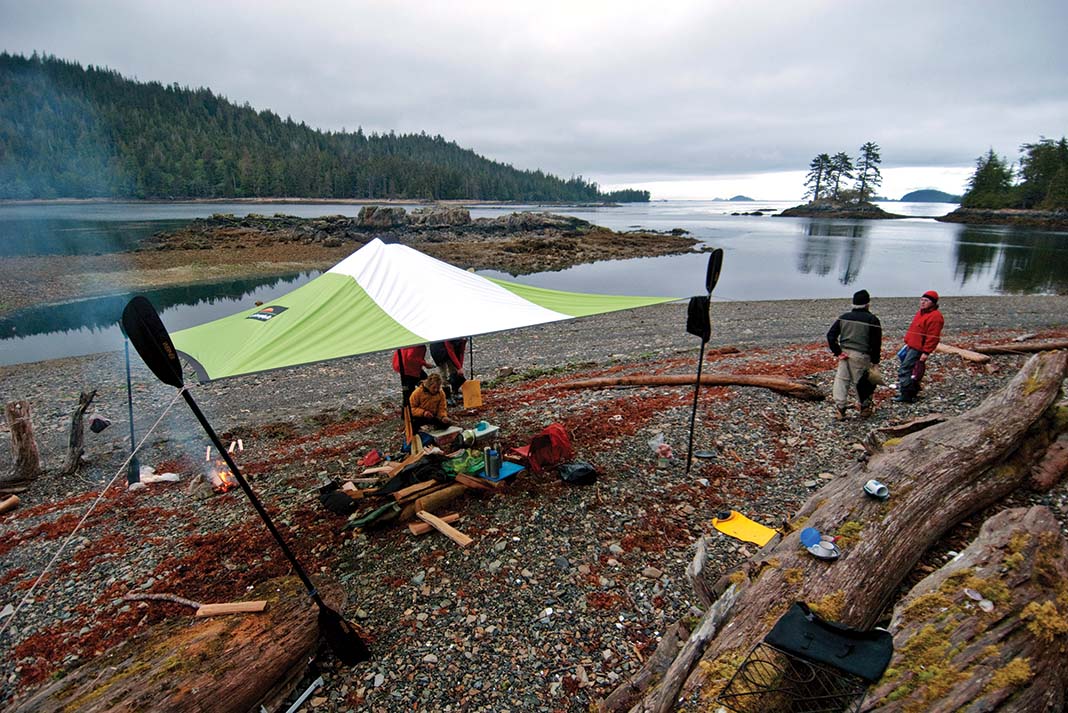
Clever engineering in camp can mean the difference between a dreamy tarp Taj Mahal and a soggy trench warfare re-enactment. Practice your tarpology skills until you can set up taut tarps in all conditions with ingenuity and speed using trees, paddles, canoes, carefully applied trucker’s hitches and sleek taut-line hitches.

5 Home sweet home

Take the time to peg out your tent carefully and tighten tarp guy lines—water will run smoothly off a well-constructed shelter. Don’t dig a trench around your tent like some Hardy Boys scout; rather choose your tent site wisely. That nice soft mossy patch might look more tempting than an elevated granite slab, but where will the rain pool during a downpour? Not under your tent if you plan ahead.

Cover of the the Spring 2015 issue of Canoeroots magazineThis article was first published in the Spring 2015 issue of Canoeroots Magazine. Subscribe to Paddling Magazine’s print and digital editions, or browse the archives.


Don’t despair! Some of the most memorable trips take place in wet and stormy conditions. | Feature photo: Peter Mather


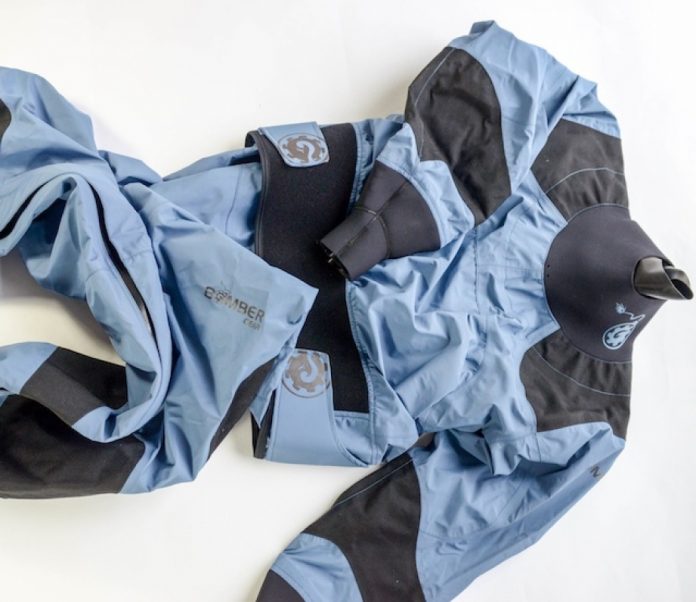
Bomber Gear’s Palguin Dry Suit

Photo: Dawn Mossop
Bomber Gear’s Palguin Dry Suit

Seal yourself into Bomber Gear’s new Palguin Dry Suit to fend off the chill that comes with being wet. The NeoShell fabric feels noticeably softer and lighter than most dry wear, and it keeps me comfortable and moving freely even with multiple layers underneath. With this new suit, Bomber Gear introduces NeoShell to the watersports world—the fabric’s waterproof breathability has been proven through use in rain and ski wear.

The unique entry system—up one leg and down the other—makes it easy to pull on and off, reduces the bulk of excess fabric and zippers around the torso and doubles as a relief zip for men and women.

$999.99 | www.bombergear.com

RPv17 rgb


This gear review first appeared in the Spring 2015 issue of Rapid magazine.


Video: Master the Contact Tow for Faster Rescues

Photo: Screen Capture
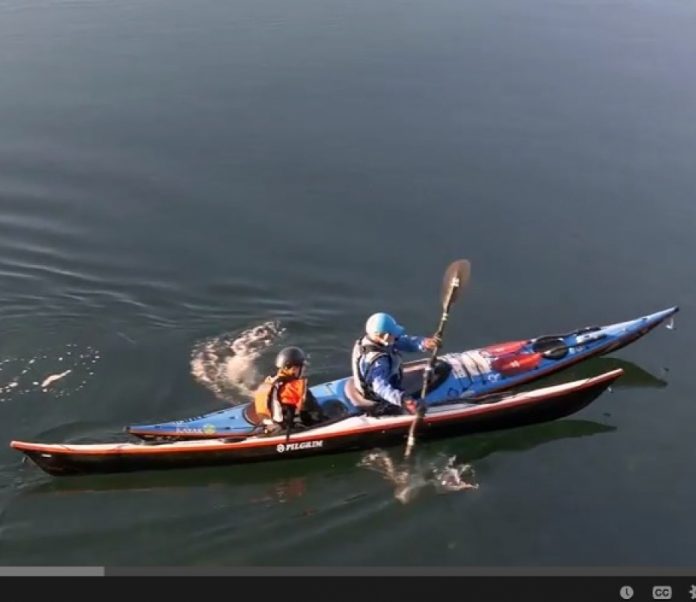
Leon Somme of Body Boat Blade demonstrates a contact tow in sea kayaks.
[iframe width=”560″ height=”315″ src=”https://www.youtube.com/embed/otEmFcTTrIU” frameborder=”0″ allowfullscreen ]

The Contact Tow is an easy and fast way to move a paddler a short distance. In this episode, presented by Adventure Kayak magazine, Shawna Franklin and Leon Sommé of Body Boat Blade demonstrate the tow with and without a Contact Towline.

The kayak-to-kayak method—no ropes necessary—is the simplest way for the tower to push or pull a paddler to safety, positioning the kayaks side-by-side and making sure the boats are offset to allow for easy paddling.

Adding the Contact Towline allows the tower to ensure that the kayak being towed stays close by, and also helps prevent re-capsizing during the tow.

Watch it, then try it!

Stay tuned for more skills videos with Body Boat Blade International in this series, presented by Adventure Kayak, and watch more techniques on our YouTube channel.