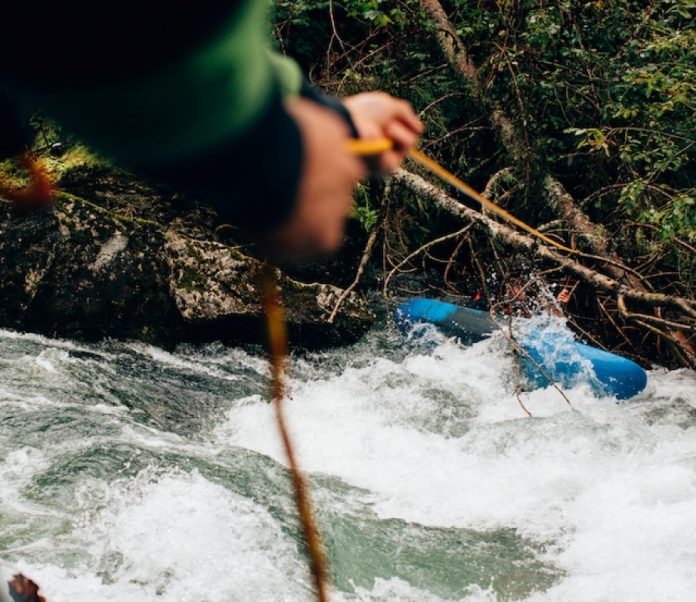
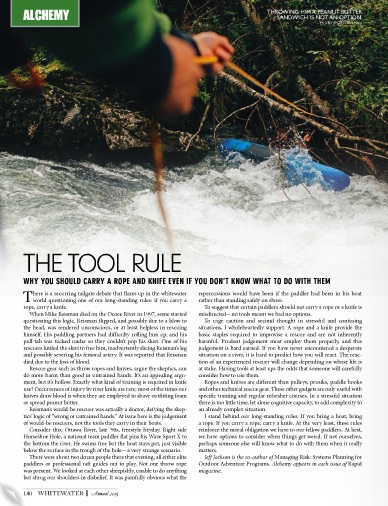
There is a recurring tailgate debate that flairs up in the whitewater world questioning one of our long standing rules: if you carry a rope, carry a knife.
When Mike Reisman died on the Ocoee River in 1997, some started questioning this logic. Reisman flipped, and possibly due to a blow to the head, was rendered unconscious, or at least helpless in rescuing himself. His paddling partners had difficulty rolling him up, and his pull-tab was tucked under so they couldn’t pop his skirt. One of his rescuers knifed the skirt to free him, inadvertently slicing Reisman’s leg and possibly severing his femoral artery. It was reported that Reisman died due to the loss of blood.
Rescue gear such as throw ropes and knives, argue the skeptics, can do more harm than good when in the wrong or untrained hands. It’s an appealing argument, but it’s hollow. Exactly what kind of training is required in knife use? Occurrences of injury by river knife are rare, and most of the times they have drawn blood is when they were employed to shave outfitting foam or spread peanut butter.
That Reisman’s would-be rescuer was actually a doctor defies the skeptic’s logic of “wrong or untrained hands.” At issue here is the judgement of would-be rescuers, not the tools they carry in their boats…Click here to continue reading in the free desktop edition of Rapid Media’s 2015 Paddling Buyer’s Guide.
This article originally appeared in the 2015 Paddling Buyer’s Guide. Read the entire issue on your desktop, Apple or Android device.
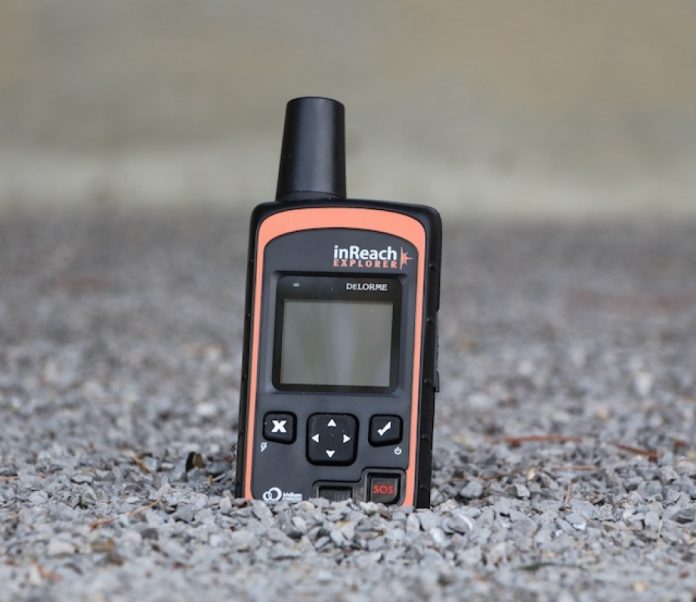
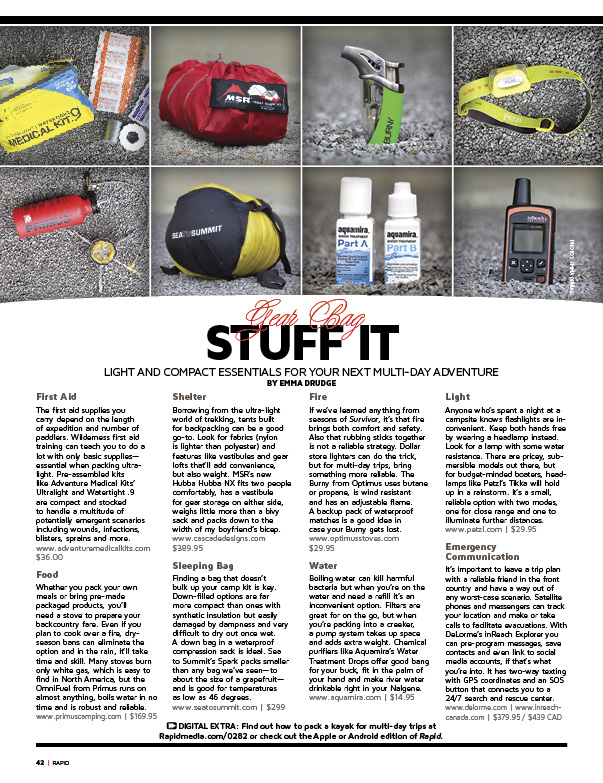
It’s important to leave a trip plan with a reliable friend in the front country and have a way out of any worst-case scenario. Satellite phones and messengers can track your location and make or take calls to facilitate evacuations. With DeLorme’s inReach Explorer you can pre-program messages, save contacts and even link to social media accounts, if that’s what you’re into. It has two-way texting with GPS coordinates and an SOS button that connects you to a 24/7 search and rescue center.
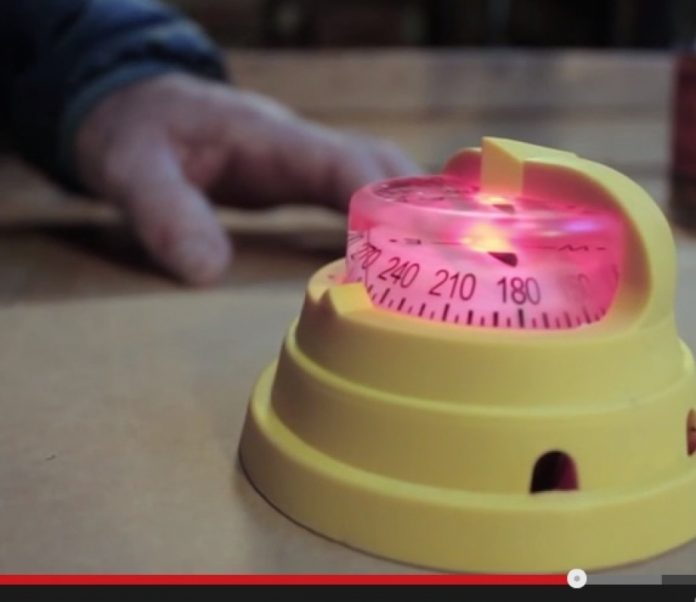
Paddling at night is a lot of fun and a good way to build your kayak navigation skills. Unfortunately, there are not a lot of good compass options for night navigation. In this short how-to video presented by Adventure Kayak magazine, Leon Sommé of Body Boat Blade International shows us a quick and easy modification for a lit compass that is easy, waterproof and portable. The red light also preserves night vision—this DIY deck mounted kayak compass setup even helped Leon through his BCU 5 star award!
Stay tuned for more skills videos with Body Boat Blade International in this series, presented by Adventure Kayak, and watch more techniques on our YouTube channel.
Light-years from the hard lunchroom seat pans and meager foam back nubbins of classic sea kayaks, today’s plush seat systems bring the comfort of the couch to the cockpit. With manufacturers striving to get more butts in boats, it is no surprise that kayak seats are a focal point for eye-catching—and posterior-pleasing—innovation. Necky Kayaks and sister brand Old Town now sport the stylish and high-tech ACS2 Seat System. The fully adjustable seat is designed to curve ergonomically from the bottom pad into the backrest to relieve back fatigue. Swedish brand Point 65’s AIR Seat features an inflatable cushion to quickly customize fit. And pedal drive pioneer Hobie Kayak created a buzz at this year’s Outdoor Retailer summer market tradeshow with their new Vantage Seat, a high-back, fully breathable, mesh chair with nearly as many positions as a Zero Gravity Lounger.
This article originally appeared in the 2015 Paddling Buyer’s Guide.
Anyone who’s spent a night at a campsite knows flashlights are inconvenient. Keep both hands free by wearing a headlamp instead. Look for a lamp with some water resistance. There are pricey, submersible models out there, but for budget-minded boaters, headlamps like Petzl’s Tikka will hold up in a rainstorm. It’s a small, reliable option with two modes, one for close range and one to illuminate further distances.
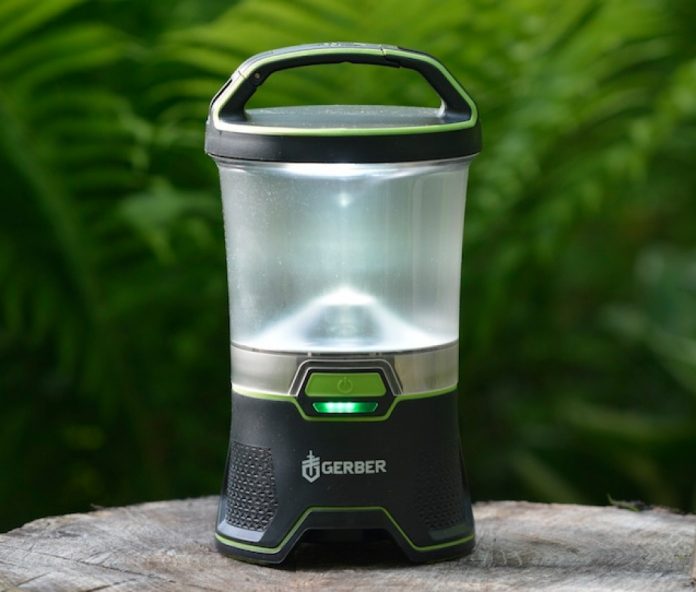
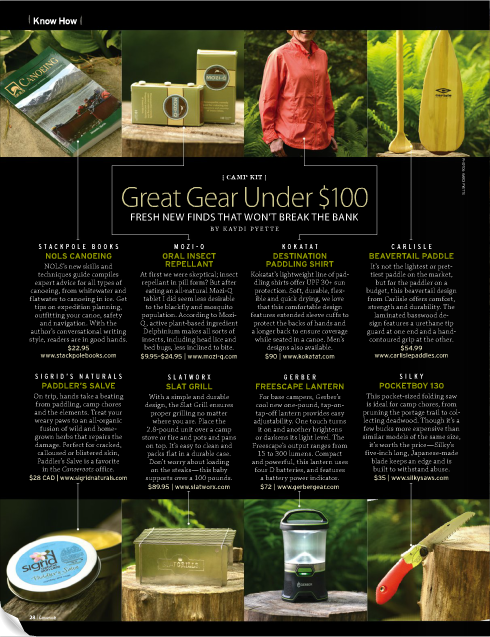
For base campers, Gerber’s cool new one-pound, tap-on-tap-off lantern provides easy adjustability. One touch turns it on and another brightens or darkens its light level. The Freescape’s output ranges from 15 to 300 lumens. Compact and powerful, this lantern uses four D batteries, and features a battery power indicator.
This article originally appeared in the Late Summer/Fall issue of Canoeroots and Family Camping. Read the entire issue on your desktop,Apple or Android device.
Stef McArdle from Madawaska Kanu Centre shares her top tips for turning your kayak with a sweep stroke.
Stay tuned for more great paddling skill videos, including canoeing, kayaking and whitewater techniques, brought to you in partnership with Rapid Media and Ontario Tourism.
DO WHAT YOU LOVE,
AND DO IT OFTEN. |
PHOTO: VINCE PAQUOT
Less is more. Witness the glut of fuel-efficient ultra-compacts, the small home movement and the profusion of five-minute workouts. Kayak manufacturers have embraced this philosophy with a growing sector: light touring.
What is light touring, anyway? On the facing page you’ll find an ad from Delta Kayaks for their new 12-footer with this summary: “Light touring kayaks are a great choice for the recreational or transitional paddler looking for better performance in a smaller lightweight design.”
While light touring designs can certainly be that next step up, they also appeal to those looking to scale down. Our backcountry adventures are becoming fewer and getting shorter. According to a recent participation study from the Outdoor Industry Association, 86 percent of camping trips last four nights or less, with the majority of campers getting away for just one or two nights. Traffic, overtime, school and organized activities crowd our hectic schedules, making long expeditions—and long kayaks—impractical.
Since mini touring kayaks first started to emerge a decade ago, their sales have rapidly outpaced those of 17-foot sea kayaks. More and better designs have followed. Delta now has twice as many light touring models as they do those in the classic 16- to 18-foot range. And they’re not alone. Walk into any kayak shop and you’ll notice these shrinking waterlines.
The basic principle behind light touring kayaks is this: Less boat equals more paddling.
It’s not as contrary as it sounds. Consider light foods. The invariable truth about light food, as most of us know, is that often you just enjoy more of it, more often. Light beer, light crackers, light cheesecake – “I’ll have another, thanks…it’s light.”
Boat manufacturers are betting the same is true of touring light. While light foods shave kilocalories, light touring designs cut kilograms. Lighter, shorter boats are easier to get from garage or basement to roof rack and from rack to water, so you’re more inclined to get out after work or at lunch, even if its just for an hour.
Lighter, shorter boats are easier to get from garage or basement to roof rack and from rack to water, so you’re more inclined to get out after work or at lunch, even if its just for an hour.
If light touring kayaks reduce the reasons why you don’t paddle more often, there’s another niche of boats that are even more manageable – portable, inflatable, or folding boats.
DO WHAT YOU LOVE, AND DO IT OFTEN. | PHOTO: VINCE PAQUOT
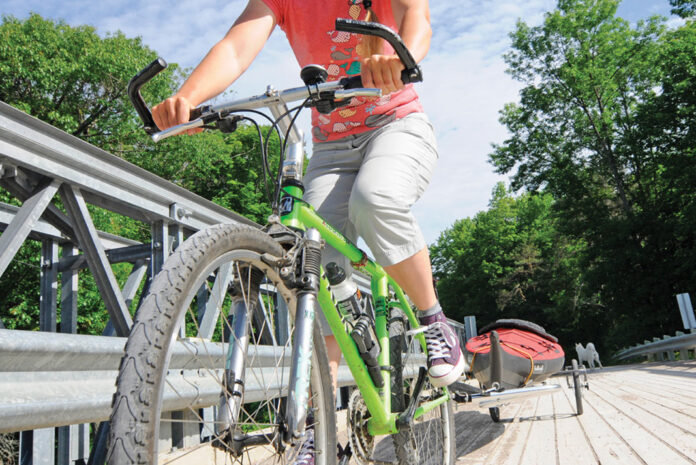
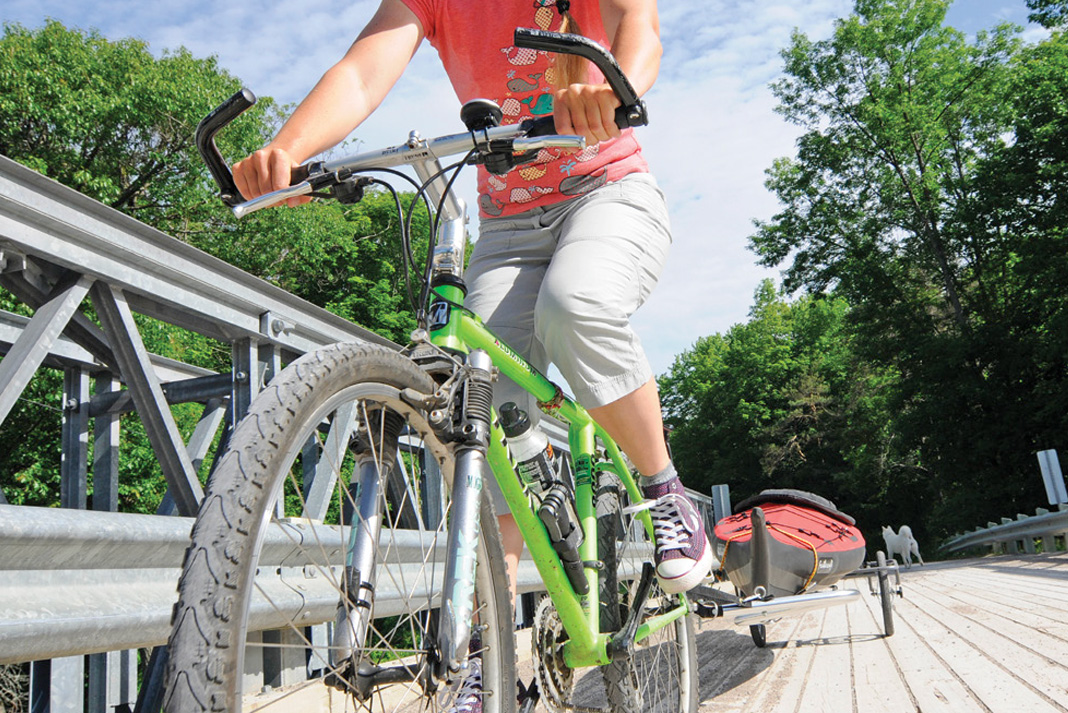
Transporting a folding or inflatable boat is as easy as pulling the duffel from your closet and tossing it in your trunk, or onto a bike trailer, bus or subway. At the launch, set-up time can be as little as five minutes. Just grab and go – no car-topping, no storage headaches, no excuses.
For the 82 percent of North Americans living in urban environments, a portage kayak’s compact size and light weight make it the ultimate Tuesday night boat – a boat that’s easy to enjoy wherever it’s convenient and whenever there’s an hour or two to escape.
Light touring, inflatable and folding kayaks are also more affordable. You can buy two of these boat for the price of one expedition kayak. One less excuse – now you have someone to go paddling with.
Adventure Kayak editor Virginia Marshall is looking forward to spending more weekdays on the water.
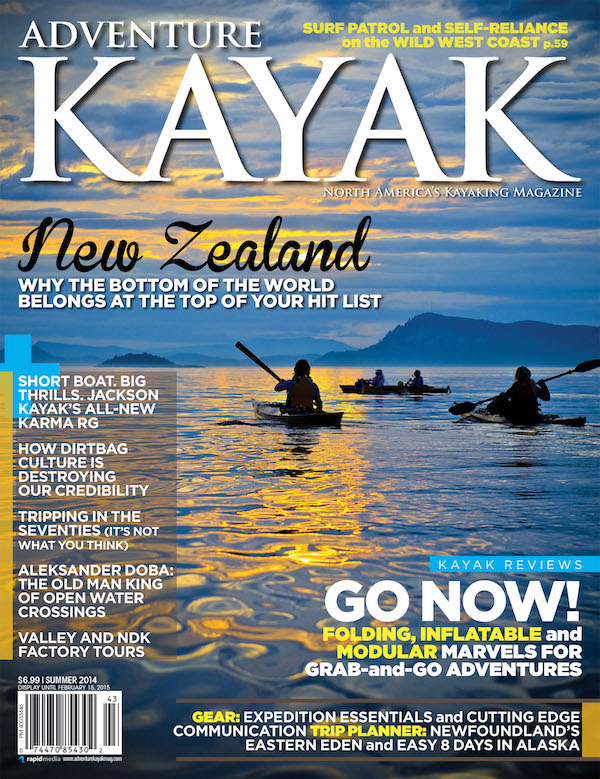
This article first appeared in the Summer 2014 issue of Adventure Kayak Magazine. Subscribe to Paddling Magazine and get 25 years of digital magazine archives including our legacy titles: Rapid, Adventure Kayak and Canoeroots.
Watch Kiwi kayaker Tara Mulvany’s inspiring video of her paddle around New Zealand’s South Island, in winter. Mulvany is the first woman to paddle around all of NZ, and she accomplished this epic achievement largely solo. Read more about Tara and her journey in the Spring 2015 issue of Adventure Kayak magazine.
Humble Trips, Grand Adventure | Photo: Virginia Marshall
Five splintery rungs ascending higgledy-piggledy into a low cloister of fragrant cedar boughs. It was my beanstalk, my yellow brick road, my Argo.
In fact, it was my childhood tree fort, constructed haphazardly in the woods just beyond the backyards of my neighbors. No matter that the barking of suburban dogs penetrated its airy deck. To my fertile imagination, it might as well have been the Hounds of the Baskervilles. It wasn’t the remoteness or grandiosity of the roost that mattered—it had neither. Looking back, it may have been the tree fort’s very accessibility that made it such a cherished escape.
More and more, the idea of humble trips, grand adventure is defining many people’s paddling experience. Peruse the stories on the following pages and you’ll notice this recurring theme. In his column, Waterlines, Tim Shuff writes of the transformative and unexpectedly enchanting experience of kayaking a local urban river. Frequent Rock the Boat columnist Neil Schulman urges paddlers to embrace accessible mini-adventures and stop measuring their achievements on the unrealistic yardstick of well-marketed, international mega-expeditions. Our obsession with the latter, writes Schulman, “robs more realistic trips of their own considerable grandeur.”
Wild Image Project adventurer Daniel Fox collects photos and videos from wild places to share with and inspire the many people who are increasingly disconnected from the natural world. His Minute to Nature video series encourages viewer to tune out distractions and engage with nature in a meditative way, if only for 60 seconds – an achievable sabbatical for anyone, you’d hope.
The featured image in Fathom depicts photographer Bryan Hansel’s favourite campsite, “just a long afternoon adventure from my home port.” Hansel ups the adventure ante not by cleaning out his savings account and shipping off to Fiji for a month, but by paddling solo and returning to familiar places with a different perspective.
Humble Trips, Grand Adventure | Photo: Virginia Marshall
Reading these stories, talking to other paddlers and reviewing the comments on Adventure Kayak’s social media pages is a reminder of the diversity of our readers and, by extension, kayakers the world over. For a huge number of folks, any boat that floats and makes kayaking accessible is sufficient. For others, like Facebook fan Dennis Mike, a kayak should be nothing less than a gleaming pinnacle of naval engineering: “Spend at least $4,000,” he advises, “otherwise you’ll feel like a putz.”
A determined few dream and paddle truly extraordinary adventures. Far more find joy and contentment on quiet local waterways. Having graduated from free forts to tents – and to the apiary that is adult responsibility – I’m often forced to acknowledge that some of my paddling ambitions are, well, ambitious. While they simmer on the someday burner, the waters beyond the backyards of my neighbours beckon.
This article first appeared in the 2015 Paddling Buyer’s Guide. Subscribe to Paddling Magazine and get 25 years of digital magazine archives including our legacy titles: Rapid, Adventure Kayak and Canoeroots.


 This article originally appeared in the 2015 Paddling Buyer’s Guide.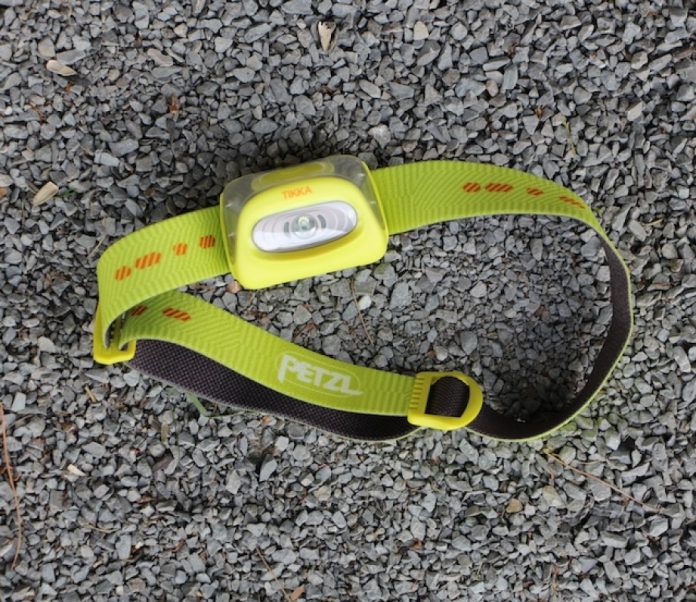

 This article first appeared in the 2015 Paddling Buyer’s Guide.



