Home Blog Page 275

Four Kayakers Take on Papua New Guinea’s Deadly Jungle Rivers

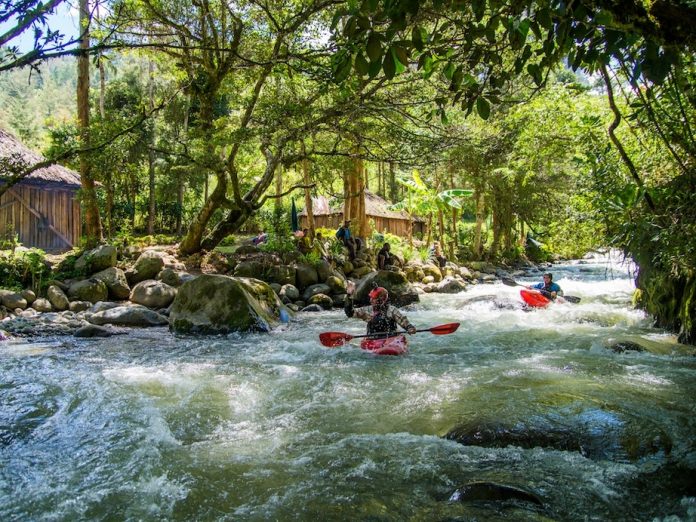
Photo: Ari Walker
Last Frontier

Sorcery, sacred canyons, first descents and redemption runs. Four kayakers take on Papua New Guinea’s deadly jungle rivers in this feature, first published in Rapid magazine. 

Bounding over rock and moss, ducking beneath low hanging branches, children ran along the riverbank. “White man! White man!” they yelled, pointing at the kayakers as they ran along side them, trying to keep up.

Paddling into the tiny village of Gembogl Station was like entering an arena filled with bewildered spectators. Everyone, from those in the huts and schools high on the steep hillsides, to those along the riverbank, turned to look.

“It was the most people I’d ever paddled in front of,” says Barny Young.

Hamming it up for the unexpected audience, Jordy Searle eyed the town’s log bridge hanging mere feet above the fast-flowing river and, reaching it, rolled to slide his kayak under. Young followed suit. “It was ridiculous. It felt like thousands of people screaming and cheering,” Searle says. “I think they were just stoked to see us survive.”

As the first whitewater paddlers in remote Papua New Guinea (PNG), the entire expedition was a spectacle. With 4,500-meter tall peaks and exceptional rainfall, Papua New Guinea has enough gradient and water to keep a skirt on any kayaker. On an island off the north coast of Australia, PNG is a country untouched by tourists. With a reputation for virgin jungle, deadly wildlife and modern-day cannibalism, it’s a destination for only the heartiest of paddlers.

The first time Barny Young and Jordy Searle took on the wild rivers of PNG was in May 2011, six years after they met on the west coast of New Zealand through a mutual love of paddling and partying. Together they hatched a plan to paddle the unknown rivers of PNG, a country untouched by rafters and kayakers.

PHOTO: BARNY YOUNG

Together, with a third team member, Shannon Mast, the group successfully paddled eight rivers in 2011, notching seven first descents, including the Bosu, Koningi and Mai rivers.

After almost a month of successful paddling—overlooking a few bouts of food poisoning—what ended the 2011 trip was a nasty swim. On the Chimbu River, the last of the expedition, Young got caught in a big hydraulic.

“It was one of the scariest swims I’ve ever had,” says Young of the 30-second beatdown. Knowing the river disappeared underground just downstream, he saved himself by grabbing onto a protruding rock on shore. Young had only a few scratches and bruises to show for his misadventure, but his boat was gone, sucked into the undercut he’d narrowly avoided.

After waiting fruitlessly for hours for the boat to be flushed out of the underground cavern, the group found a coffee trail and walked out to the nearest village. They asked that if the boat resurfaced they be contacted and they would pay a reward of 100 kina (equivalent to about $40 USD, or approximately 10 times what the average local worker makes in a day).

A few days later, they received a call that the boat had been found and some kids were running 10 kilometers to town to meet the kayakers and return it and collect their reward.

“It turns out, they’d been swimming under the rock with ropes attached to them to get the boat out,” says Searle. “A lot could have gone very wrong with that.”

For anyone looking for an easy vacation, PNG is not the first choice. It occupies the eastern half of the island of New Guinea, the world’s largest and highest tropical island. Though it’s a basin for bio-diversity, PNG is generally regarded as a high-risk destination for tourists and has been the subject of unsavory press about sorcery killings, cannibalism and high crime rates.

In just 100 years, the people of PNG have fast-forwarded from stone to steel to silicone—it’s a country where many people who have cell phones still cook over fires.

“We wanted to go because no one had been there,” says Searle, adding that the country’s mountainous topography and wet climate promised a great kayaking destination. “At the same time, there’s a huge cultural hurdle to get over. There’s no tourism, no precedent, no system—that’s part of the adventure.”

PNG’s rivers aren’t the toughest on earth, but Young says they have “some of the best whitewater in the world,”—and he’d know. A jet-setting kayaker, he paddled the Stikine four times over the summer of 2013 and is one of the few to paddle all 13 classic High-Sierra runs. “It’s the full-on nature of the country that has stopped people from going,” he says. The difficulty of logistics, combined with the cultural experience and lack of river beta makes PNG rivers undoubtedly epic—a paddling destination like no other.

Rivers are the lifeblood for the remote communities, who use the water for drinking, cooking and cleaning. Even in remote jungle, the group drew crowds to the riverbank everywhere they went.

“People genuinely thought we were going to die,” says Searle. “It was always a good indication that we were coming up to a big rapid when locals started yelling and waving their arms from the riverbank.”

PHOTO: MATT COLES

Searle and Young had been warned that PNG was not a place where they could walk around freely. Acquaintances, who flew helicopters for the mining industry, the biggest industry in the country, said that they were picked up at the airport by guards and stayed in barbwire-enclosed compounds they didn’t leave on foot.

At a take-out along the Mai River, a local kid explained that several weeks prior the bodies of two women who had been drowned for practicing witchcraft had washed into that very eddy.

According to the United Nations, sorcery-related killings in PNG have been on the rise. The grisly murders gained worldwide attention last year when a 20-year-old mother was burned alive in front of hundreds of onlookers.

“A lot of bad stuff does happen in PNG,” admits Searle. “But I have this idea that people are inherently good and you just have to find that common ground.”

By randomly messaging people in PNG on Facebook prior to their first trip, Searle and Young were able to hook up with some well-connected locals who set them up with reliable drivers and safe accommodation once in-country.

The 2023 return trip to PNG had one specific goal: The Chimbu. “It was unfinished business,” says Young. “The Chimbu was the river that beat us and that’s why we were so keen to get back.”

Its class V waters are in the heart of the country’s rugged highland region where the river carves its way from the base of Mount Wilhelm (4,500 meters) through 100-meter deep gorges to the mighty Wahgi River below. Getting there meant two days of bouncing around in the back of a pickup.

The aim of the trip was to travel a rough dirt road that paralleled the river to its highest navigable source, then negotiate the challenging rapids and canyons of the Chimbu to the town of Kundiawa, 50 kilometers distant.

PHOTO: ARI WALKER

Aided by a Sport New Zealand grant, awarded to Kiwis pushing the boundaries of sport, and with the contacts garnered from the first trip, Young and Searle were also accompanied by two new Kiwi trip mates, Ari Walker and Matt Coles.

On a hot and humid April morning, the group put in a kilometer below the source lake of the Chimbu. It took them most of the day to get to Gembogl Station four kilometers away, paddling burly waves and perfecting their limbo technique under low-hanging bamboo branches. It was there they were greeted by the highland’s version of a stadium audience.

They spent the night in the Gembogl Station Resource Centre for Orphans, a home for children whose parents had died of HIV/AIDS. The next morning the group followed the sound of singing to the local elementary school. After the song finished, the teacher translated as hundreds of kids and adults gathered around in the steamy morning air to listen to the paddlers’ stories.

“We told them how lucky they were to live in such a pristine environment and why it’s important to take care of it for future generations.”

“We told them how lucky they were to live in such a pristine environment and why it’s important to take care of it for future generations,” says Young. As for the 100-child game of Duck, Duck, Goose that came next, “that’s just Barny, random shit turns up,” says Searle, laughing.

The group approached the crux of their route two days later. Home to a series of increasingly difficult rapids, Sikewage Gorge was the site of Young’s trip-ending swim in 2011.

It’s a sacred site to locals, and it’s easy to see why. Cascading water, class V rapids and mist reflecting in beams of light give the gorge a surreal and mystical feel. They spent the day battling its monster holes and ferocious waves, dwarfed by the 100-meter rock walls on either side.

Nearing the final destination of Kundiawa, the gorge receded and the river slowed. Two young boys came to the river’s edge, running to keep pace with the kayaks. Young and Searle knew they’d succeeded when they reached a crowded riverbank. The people began to cheer, stunned to see the group emerge from the walls of the dark Chimbu canyon—a first descent through the last frontier of Papua New Guinea.

For more whitewater adventures, check out the group’s blog at www.gradientandwater.blogspot.com
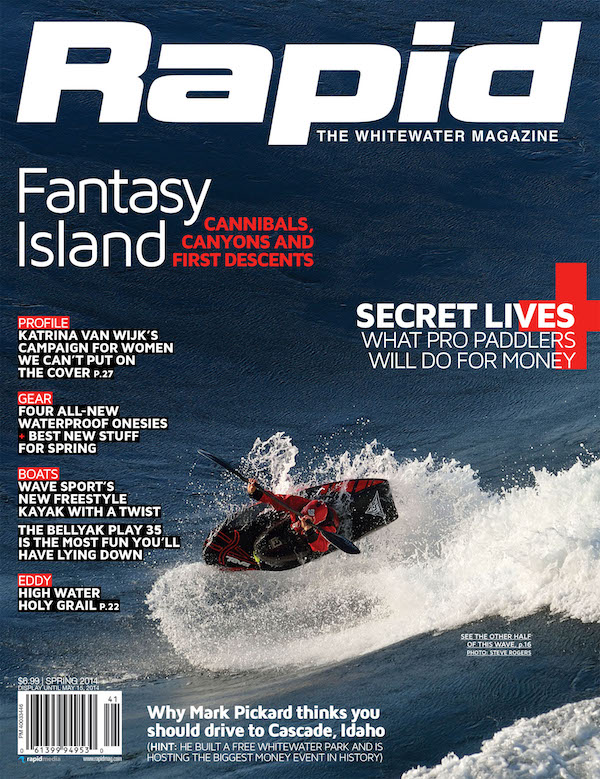

This article was first published in the Spring 2014 issue of Rapid Magazine. Subscribe to Paddling Magazine’s print and digital editions, or browse the archives.
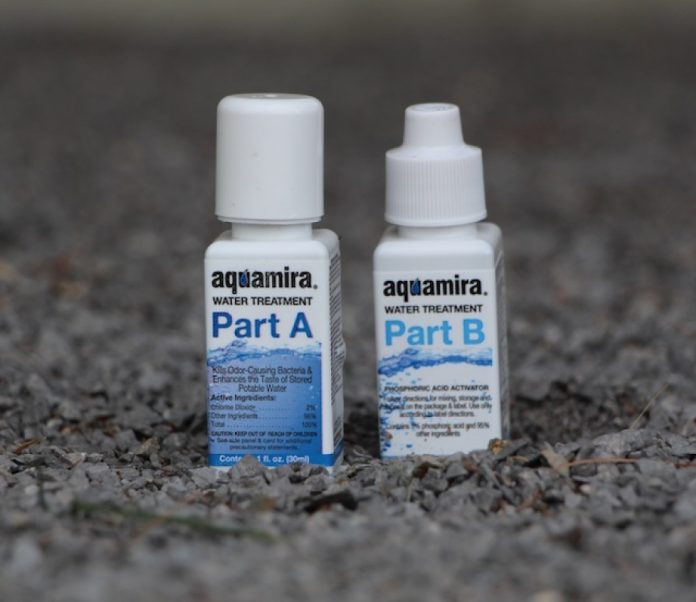
Aquamira Water Treatment Drops

Photo: Emma Drudge
Aquamira Water Treatment Drops

Boiling water can kill harmful bacteria but when you’re on the water and need a refill it’s an inconvenient option. Filters are great for on the go, but when you’re packing into a creeker, a pump system takes up space and adds extra weight. Chemical purifiers like Aquamira’s Water Treatment Drops offer good bang for your buck. They fit in the palm of your hand and make river water drinkable right in your Nalgene.

www.aquamira.com | $14.95

RPv16i3-42

This article originally appeared in Rapid, Early Summer 2014.


Gear: New Canoe Camping Book

Gear: New Canoe Camping Book

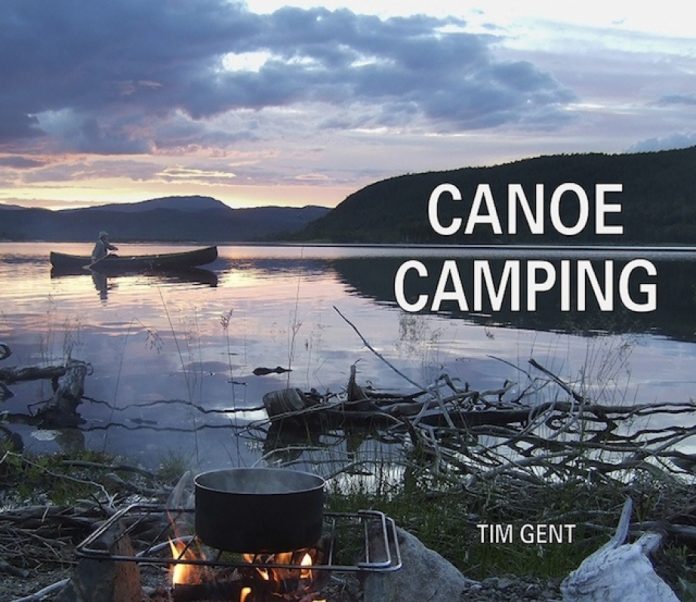
Get through the cold winter with the help of Tim Gent’s new book, Canoe Camping, in which he shares his enthusiasm for and experience of travelling and camping from a canoe from a uniquely British and European perspective. “No grizzlies, but plenty of Scottish midges and Swedish mosquitos,” he jokes. 

Click here to view beautiful sample pages then purchase a copy through Amazon.com or the publisher

He covers planning a journey, selecting the right canoe and equipment for the journey you are planning and how to pack your canoe. All the traditional skills of campcraft such as fire lighting, cooking on an open fire, campsite selection and many more are explored, as are the more modern lightweight options. 

About the Author: 

Tim has enjoyed an outdoor life since childhood.  Farming, forestry conservation and archaeology have provided a working environment in the field, and contributed to an understanding of the land. While paddling and camping from Arctic Scandinavia to the Mediterranean coast, he has absorbed more, and hopes he is still learning.  

Writing about fishing, hillwalking, canoeing and camping, Tim had the first of many magazine articles published in 1990.  He is a regular contributor to Bushcraft and Survival Skills, and often writes for The Great Outdoors.

Catch up with him on Facebook here

Skill: Go Ultra-Light On Your Next Canoe Trip

Photo: Frank Wolf
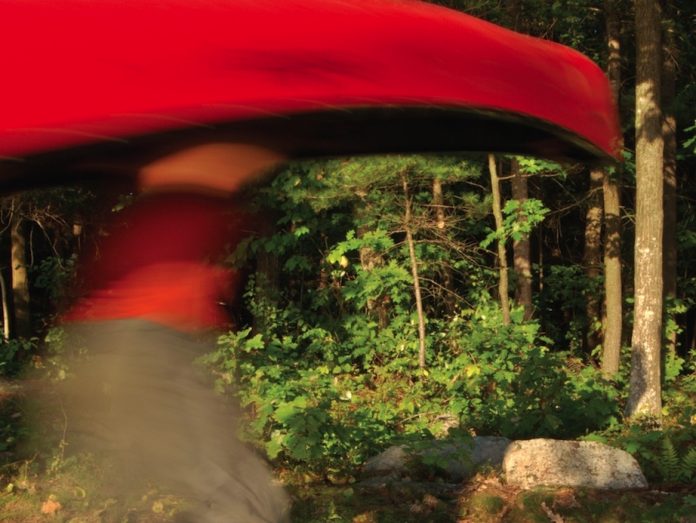
A person carries a red canoe on a portage between bodies of water.

 Going ultralight on your next canoe trip doesn’t have to break the bank and it will definitely save your back. Is that two-kilometer portage into you favourite lake tougher every year? Do you struggle to pack up your mess and break camp by the crack of noon? The affliction is common, and the solution simple: lighten your load. Dump the stuff you don’t need and find the lightest reliable gear.

The first myth that needs to be dispelled is that going light means shivering on a bed of rocks with a few spork fulls of cold granola in your belly while insects strip your sunburned flesh to the bone. With the light, tough gear available today—and with some disciplined packing—you can carry less and have an easier time going further and faster, without sacrificing your comfort or safety.

When I’m solo tripping, my homemade wood strip canoe, food and gear (including bear bangers, flares, throw rope and a water filter) weigh less than 50 pounds together. Impossible you say? Here’s how:


Minimize

Leave non-essentials at home. Ask yourself, “Could I die if I don’t take this?” If the answer is no, try going without it. You probably won’t miss 
it, but you might wind up with a pack many pounds lighter. Of course, if your thing is photography, take the monster zoom lens, if you like to read, take War and Peace (softcover). But when it comes to things you took last trip and didn’t use, be ruthless.


Upgrade

Once you’ve pared your pack down to essentials you’ll have an easier time affording an equipment upgrade. When replacing gear, seek out the lightest, highest-quality gear you can afford and start with the heaviest items: tent, pack, grill or stove, sleeping bag and mat.


Throw off your yoke

You can carry a 45-pound canoe forever, but a 65-pounder gets heavy after a few hundred meters. Ultra-light composite boats (carbon or Kevlar) are expensive, but if used with respect, your grandchildren will someday find them as easy to carry as you do. A weight savings of 20 pounds in the hull is as good as in the pack.


Leave the water at home

Your food pack shouldn’t weigh
 more than your canoe. You can
get an ample daily ration of 3,000 nutritious calories from 800 grams 
if it is dehydrated. Buy a dehydrator, make your own or use a convection oven and see how easy it is to remove water that is quickly replaced at your campsite.


Fatten up

Fats contain more than twice the calories per gram as carbohydrates or proteins. Think of bacon as a critical weight saver.


Super size

Do you ever finish a trip with your food pack still half full? Go ahead and factor in some insurance supplies, but don’t overestimate your appetite. Measure or weigh your food so you learn what you really eat and pack accordingly. Just 125 grams of pasta per person is plenty for a main course. You won’t have to eat your boots.


Simplify

Put your wannigan in the living room and stick a coffee table book on it. You can eat very well with a few simple kitchen implements. Use a roll-up cutting board for prep and leave the plates at home (using a bowl for pancakes just makes it easier to pool more syrup).


Find the breaking point

Saws and hatchets excel at drawing sweat and blood from your body, but aren’t necessary for collecting the size of firewood that is best for cooking.


Roll out the barrel

For food storage, use a liner that keeps water out and odours in. I’ve had success (no bears or mice) with vinyl roll-top bags and the Ursack, a Kevlar bag with an odour-resistant liner. Add a few meters of (light) rope to hang your food from a tree overnight and you can defend yourself from the biggest heavyweight bully of canoe tripping: the food barrel.


Eliminate redundancy

Make a list of the gear you take on a trip and then take a step back and check for redundant items. Do you really need a rain hat and a sun hat? Jackknife and multi-tool? Headlamp and flashlight? Grill and stove?


Paddle

A paddle that will be lifted thousands of times each day is an important place to save weight. Just remember,
 a broken paddle is worse than a heavy paddle—make sure it’s strong.


Pick your battles

If you trip with caffeine devotees, stop short of jettisoning their brewing device; there are some battles you will lose, even when you win.


This article first appeared in the 2009 Late Summer issue of Canoeroots and Family Camping magazine. Read the issue in our free iPad/iPhone/iPod Touch App or Android App or read it online here.


Folding Kayak Review: Feathercraft Kurrent

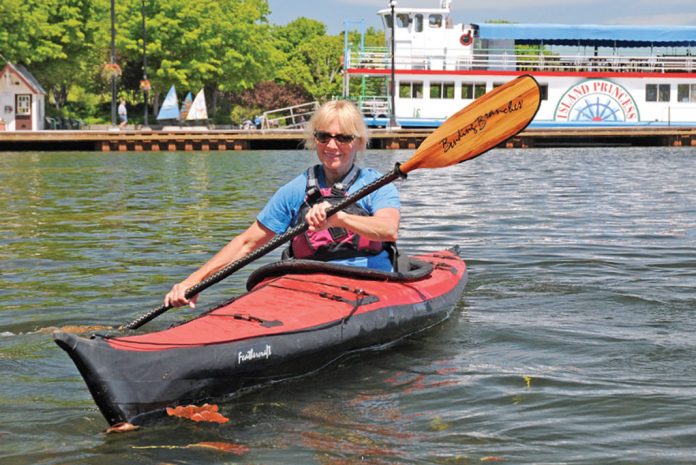
Woman paddling red folding touring kayak
Experience's Feathercraft's trademark durability and quality. | Photo: Virginia Marshall

Founded on Vancouver’s Granville Island in the late 70s, Feathercraft builds foldable kayaks with many features of narrow-beamed composite kayaks. The Kurrent is the company’s newest and lightest folding single. With its fine, upswept bow and low cockpit and decks, it has a lively performance fit and feel.

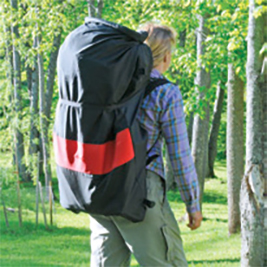
The Kurrent’s aluminum/magnesium alloy frame assembles inside the skin, cleverly using two pieces of the deck frame as levers to tension the hull. Four plastic, donut-shaped crossribs add rigidity and allow a limited amount of gear to be fed into the bow and stern for storage. Disassembled, it fits in an oversized backpack for easy carrying.

Feathercraft Kurrent Specs
Length: 13’
Width: 25”
Material: Urethane skin/aluminum alloy frame
Weight: 31 pounds
Price: $2,720 US / $2,970 CAD

feathercraft.com

Feathercraft uses a durable welded urethane for the deck and hull.

The absence of stitched seams or zippers means the skin is completely waterproof and sleek enough to pass for a hard-shell from a distance.

Strips over the keel and chines reinforce the hull along these higher wear areas.

The lightweight Kurrent accelerates swiftly and cruises about average for a 13-footer. Its shallow V hull offers an ideal blend of initial and secondary stability.

Engaging the hard chines yields snappy turns on an outside edge. Held level it tracks well, without the optional rudder or strap-on skeg.

Feathercraft’s cockpit outfitting provides one of the most comfortable and dialed rides going. The floating foot bar feels secure and is easily adjusted. Suspended hammock-like from the frame, the seat has inflatable bottom and lumbar pads, and the backrest is supportive without hindering layback maneuvers.

Woman wearing black and red duffel bag
Photo: Virginia Marshall

Rolling and edging the Kurrent is a breeze thanks to the cockpit bracing bars—removable, curved poles that provide snug knee and thigh support within the otherwise roomy cockpit.

Standard with every Feathercraft is a nylon spray deck and sea sock, which limits flooding to the cockpit area if you do take a swim. Feathercraft’s reputation for quality and durability is evident in their boats. The Kurrent is a lightweight, user-friendly kayak that rewards peripatetic paddlers of all stripes.

Ideal for: Day and overnight trips on all waters; hike- or fly-in destinations; smaller paddlers.

Assembly Time: 20–30 minutes

Primus OmniFuel Stove

Photo: Emma Drudge
Primus OmniFuel Stove

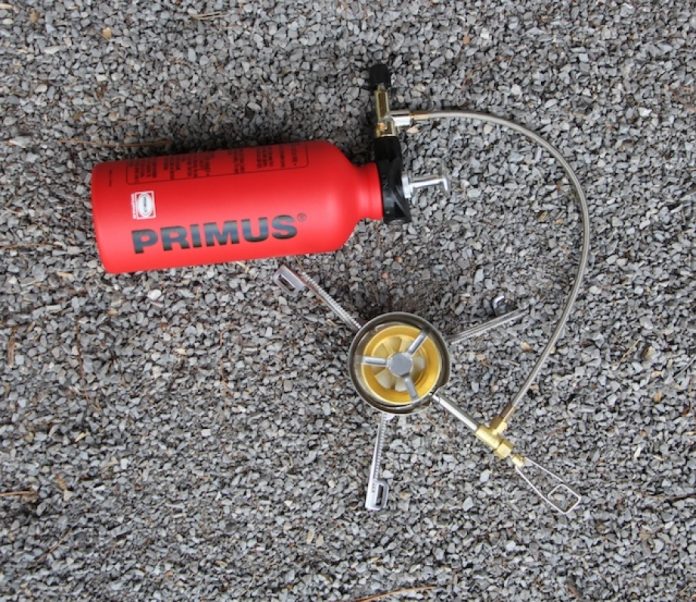
Whether you pack your own meals or bring premade packaged products, you’ll need a stove to prepare your backcountry fare. Even if you plan to cook over a fire, dry-season bans can eliminate the option and in the rain, it’ll take time and skill. Many stoves burn only white gas, which is easy to find in North America, but the OmniFuel from Primus runs on almost anything, boils water in no time and is robust and reliable.

www.primuscamping.com | $169.95

Click here for more expedition essentials in the free online edition of Rapid, Summer/Fall 2014.


RPv16i3-42

This article originally appeared in Rapid, Early Summer 2014. Read the entire issue on your desktopApple or Android device.  


Video: How To Set Up A Tarp

https://youtube.com/watch?v=tF9qoDF_2N0%3Flist%3DUUGqjPJcUWDPm9NPA439SW6g

Gord Baker from Algonquin Outfitters shares his top tips for setting up a bombproof tarp shelter on your next canoe camping trip that will protect you from the elements. Watch it now!


Stay tuned for more great paddling skill videos, including canoeing, kayaking and whitewater techniques, brought to you in partnership with Rapid Media and Ontario Tourism. 


Composite Creations Splash Canoe Review

Photo: Colin Moneypenny
Composite Creations Splash Canoe Review | Photo: Colin Moneypenny

Aliesha Greve remembers climbing in and out of all kinds of canoes when she was little, and standing around to have her measurements taken for her dad’s latest project.

Composite Creations Splash
LENGTH: 7’11”
WIDTH: 23.5”
WEIGHT: 36 LBS
PADDLER WEIGHT RANGE: 60–100 LBS
$1,700
www.compositecreations.ca

She was seven years old and her father, Al, an engineer and avid paddler, spent hours in the garage sanding a foam block into what he hoped would be the perfect kid-sized canoe design.

The idea came about one night when Al Greve, Paul Mason, Andy Phillips and a handful of their life-long paddling friends, were sitting around a campfire.

Ever thought of making a kid canoe?” someone asked Phillips, the owner of canoe manufacturer Composite Creations.

A conversation ensued about whether or not it was worth the investment: would people buy boats their kids would grow out of?

The evening ended without coming to any conclusions, but five months later, Al arrived at Phillips’ workshop door with a sanded down chunk of foam that would turn into a mold for the Splash, a seven-foot, 11- inch long, 36-pound solo canoe.

When the final design was ready, eight-year-old Aliesha and her little sister Emily were among the first pint-sized paddlers to take it for a spin.

Al’s work was not for waste. After seeing kid kayakers out with their parents he wanted an OC equivalent, and today, his proud-dad praise is well warranted. At 11, Emily was featured on the cover of American Whitewater Journal running 15- foot Baby Falls on the Tellico River in Tennessee. Aliesha, who went on to win two junior national championships in women’s C-1, is now 20 and teaching paddling courses at the Madawaska Kanu Centre (MKC) which hosts a “Splash Canoe Week” just for kids.

“I learned pretty much everything I know in the Splash,” says Aliesha. “I learned the essence of canoeing at a young age.”

Phillips designs each Splash specifically for the family ordering i t. H e’s m ade o ne w ith flames and a few in a “gummi worm pattern”—a combo of bright colors dreamed up by a 10-year-old customer.

“They’re temper tantrum proof,” says Phillips of the composite hull material, which he also uses to make auto and aviation products. “A kid could throw it off a cliff and it wouldn’t hurt it.”

Its built-in tanks eliminate the need for float bags, and are custom-fitted for each baby boater, who can weigh up to 100 pounds. The Splash’s modified rocker makes it easy to manage—a bulbous front end facilitates gentle surfing and avoids uncontrolled enders on a pushier wave. It’s stable and forgiving thanks to a rounded hull.

Photo: Colin Moneypenny
Composite Creations Splash Canoe Review | Photo: Colin Moneypenny

It might be the mom and pop shop feel of the Ontario-based canoe company, or the fact that the boats are custom-built, but talking to Splash owners made one thing very clear: Composite Creations doesn’t just have customers, it has a community of clients who are keen to get their kids paddling. It’s the same reason Phillips sells the Splash at cost—“it’s about getting the next generation into the sport,” he says, not about making a profit.

The Shawanda family has three kids, now aged 12, 15 and 16, and their father Maheengun can’t say enough about what the Splash has done for his family.

When he took an interest in canoeing himself, he picked up a Splash so the kids could learn alongside him. Six years later, his family still paddles together at every opportunity and road trips to whitewater festivals every year. When his kids outgrew the Splash, Shawanda passed it on to a new owner who he hopes will have the same experience.

“It transformed everything,” says Shawanda. “We were learning together.” EMMA DRUDGE


This article on introducing friends to whitewater was published in the Summer/Fall 2014 issue of Rapid magazine.This article first appeared in the Summer/Fall 2014 issue of Rapid Magazine. Subscribe to Paddling Magazine’s print and digital editions, or browse the archives.
Lessons in Humility

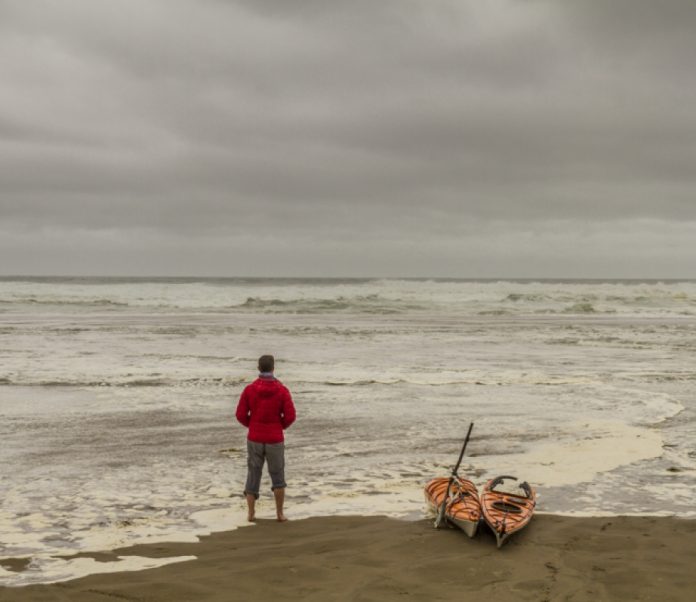
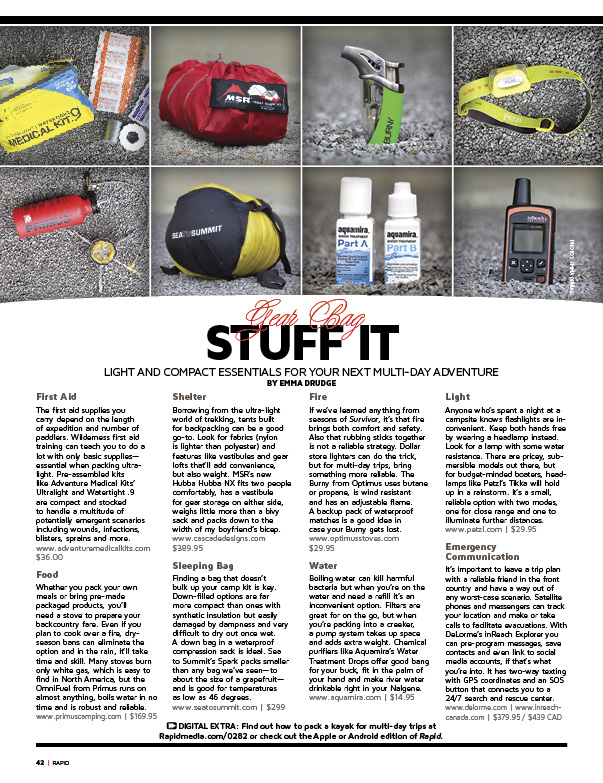
“The kayak snapped in half like a dry twig.” Photo: Daniel Fox
Lessons in Humility

A conversation with Daniel Fox of the Wild Image Project about his spectacular crash landing and plans for next year.


For Daniel Fox, like the poets and philosophers he quotes on his Wild Image Project Pinterest page, journeying into the wilderness forges connections, shapes character and brings life into sharper focus. The same elements that inspire Fox make the Quebec native’s photographs and Minute of Nature video series compelling viewing for armchair adventurers. “I try to bring a certain sense of humility to human’s relationship with nature, and I think that’s something that’s been lost and people are struggling to find that balance,” he says.

Earlier this year, Fox launched his most ambitious expedition to date, a 1,000-mile paddle from Victoria, British Columbia, to San Francisco, raising funds to send underprivileged youths on a NOLS Alaska sea kayaking course. After 30 days successfully navigating the Washington coast, Fox found himself soaked, shivering and trapped after dark beyond the breakers just south of the Columbia River. Three months after washing ashore on an Oregon beach, Fox shares the details of that harrowing night. —Virginia Marshall


The Oregon coast has many long stretches with nowhere to land. Once you start paddling, you just have to keep going.

If I had to do it again, I would postpone my departure from Astoria. I knew before setting out that the paddling conditions were not the best.

It started as a beautiful evening; the plankton bloom was going crazy. But at my scheduled safe takeout at Indian Bay, the swell was wrapping around and hitting the beach with full force. The bioluminescence lit up the breakers in the night. Even though it was totally dark, I thought I’d be able to manage.

Just as I go for it, I hear this massive roar behind me. That’s the most frightening thing. It sounded like a monster rising above me.

It totally took me by surprise. I capsized, my paddle broke in two. I rolled up with half the paddle, got knocked over again. Between waves, I managed to self-rescue and grab my spare paddle.

The capsize hit me harder than I had anticipated. I was wearing a drysuit; I thought I could spend the night on the ocean. Thirty minutes later, the wind started to blow hard and I began to shiver. That changed everything.

Being so close to civilization was a bizarre experience. I could see the houses just 200 meters away, but between us were these huge waves.

The water was just a silhouette. I watched the breakers, then picked my time and went for it.

The second wave fell on top of me—that’s when the kayak broke in two.

My biggest worry was that I was floating right in the middle of these two heavy, gear-filled pieces of kayak. If the pieces collided, they would crush me. The skirt was attached to the broken cockpit coaming—I had to play with it for a while to remove it.

Worst-case scenario, I knew I could swim to shore. Because the wind and the current were not pushing me offshore, I never thought about calling for rescue.

I held onto the kayak and waited to get pushed to shore. After 15 minutes, I felt the sand under my feet. I pulled out my sleeping bag and fell asleep on the sand. 

It was a really humbling experience. It was a beautiful day and then everything turned upside down. That’s nature, that’s life. You have to be grateful for what you have. I still have my life, my legs. It reinforced everything I believe in.

I’m going back next summer to finish the trip to San Francisco.

If I had succeeded in one shot, it would have been too easy. I think we lose sight of that. It’s the Pacific coast, it’s supposed to be hard.

PM Jan15 cover

This article first appeared in the December/January 2015 issue of Paddling Magazine.


Sweet Protection Supernova Dry Top

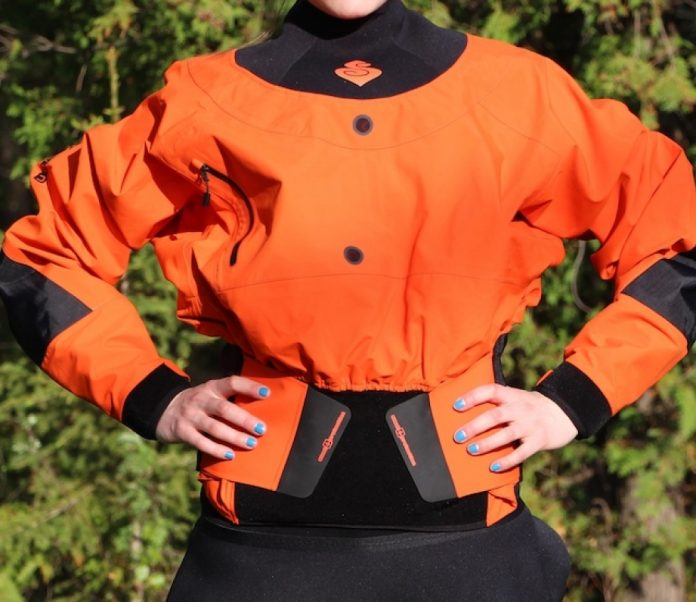
Photo: Greg Okimi
Sweet Protection Supernova Dry Top

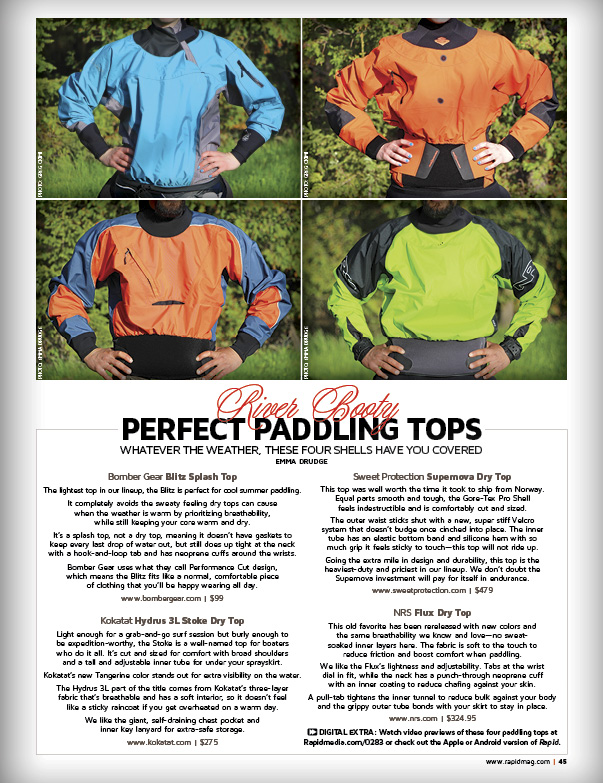
Equal parts smooth and tough, the Gore-Tex Pro Shell Supernova Dry Top feels indestructible and is comfortably cut and sized.

The outer waist sticks shut with a new, super stiff Velcro system that doesn’t budge once cinched into place. The inner tube has an elastic bottom band and silicone hem with so much grip it feels sticky to touch—this top will not ride up.

Going the extra mile in design and durability, this top is the heaviest-duty and priciest in our lineup. We don’t doubt the Supernova investment will pay for itself in endurance.

www.sweetprotection.com | $479

Click here for more dry top reviews in the free online edition of Rapid, Summer/Fall 2014.


RPv16i3-45

This article originally appeared in Rapid, Early Summer 2014. Read the entire issue on your desktopApple or Android device.