Home Blog Page 314

The Best Gear Ever

The Best Gear Ever

This feature article originally appeared in Canoeroots and Family Camping magazine.

To overcome and work with the challenges that traveling by canoe presents, we’ve had to be ingenious, innovative, resourceful. Not just in creating new tools but in borrowing and plagiarizing from unlikely areas: medicine, the military, the space program, telecommunications, electronics, aviation and other better funded enterprises. Along the way, we’ve developed an appreciation for what works— from durable designs to clever chemistry. Occasionally, we’ve even stopped to thank the rainy heavens for a versatile polymer.

THE EXPERTS

Cliff Jacobson

HOME WATERS: RIVER FALLS, WISCONSIN

A highly respected outdoors author, ACA Hall of Famer and long-time wilderness guide, Jacobson is the most published canoeing and camping writer of this century, with book sales approaching one million copies. His manual Expedition Canoeing, first published in 1984, is the authoritative resource for wilderness canoe expeditions.

Kevin Callan

HOME WATERS: KAWARTHA HIGHLANDS, ONTARIO

Along with authoring 13 canoeing and camping guides, including the best selling The Happy Camper, Callan has been a key speaker at all the major canoe events across North America for over 25 years. Discussions on camping gear comprise no less than 45 pages in his recent book, Wilderness Pleasures: A Practical Guide to Camping Bliss.

THE BEST GEAR
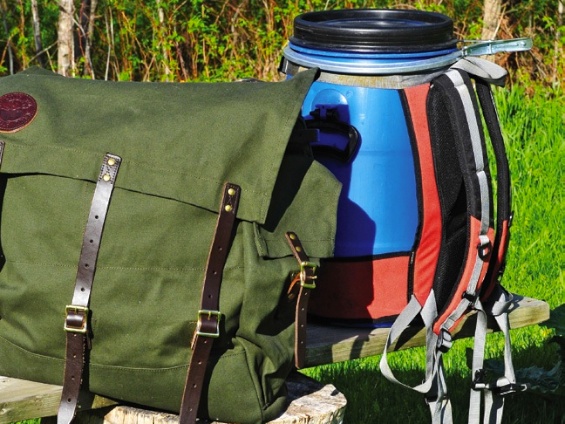
Duluth Pack and Canoe Barrel

Duluth Pack

Patented in 1882 by French-Canadian leather worker Camille Poirier, the Duluth Pack, as it would come to be known, combined strength, endurance and elegance in a soft, appealing package that was easy to construct and repair. Poirier’s revolutionary addition of a sternum strap and still-novel shoulder straps to the traditional tump sack made this the great-granddaddy of all modern backpacks.

Picture a canvas pillowcase with leather shoulder straps, brass buckles and a long closing flap. Add a tumpline and you have a Duluth pack. Unlike modern packs that must be laid flat in a canoe—their mouths in contact with bilge water—Duluth packs sit upright, out of the wet. They are as comfortable to carry as any modern pack if you use the tumpline, and are also less expensive—important to the canoeist who may need several packs for a long trip. Space counts on a canoe trip; an empty Duluth pack can be folded and stored inside another pack. —CJ

Canoe Barrels

The plastic olive barrel is today’s waterproof version of a traditional wooden wanigan. In the mid-1980s, a few canoeists began picking them up at yard sales or delicatessens after realizing that the watertight containers were perfect for keeping gear dry. Now you can buy 30- and 60-liter barrels at any outdoor store.

Just like using a traditional wanigan, however, it’s a love-hate relationship. The barrel has all the advantages of the conventional wooden box—the lid even seconds as a cut- ting board—but in no way is it comfortable to carry. At least it doesn’t rely exclusively on a tumpline; the barrel also comes with shoulder straps or can be slipped inside an old canvas pack. I strongly recommend paying the extra cost for a high-quality barrel harness, like Ostrom Packs’ Voyager model, and getting a barrel with handles for hauling in and out of the canoe. —KC
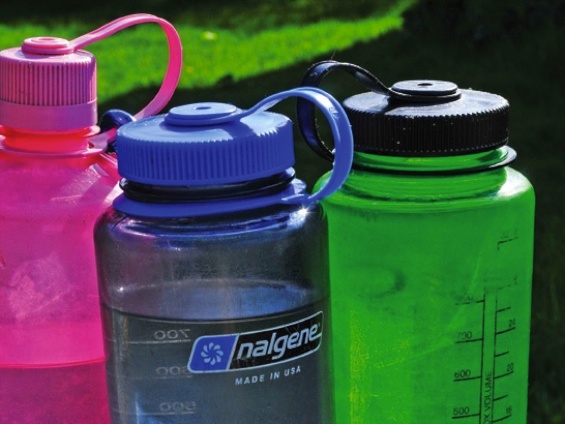
Nalgene Bottle

Nalgene Bottles

I discovered Nalgene bottles in the mid 1960s while teaching high school science in Indiana. Most of the chemicals we purchased came in them. When the bottles were empty, I scrubbed them out and zealously saved them for canoeing. They were the most air- and watertight bottles available at the time, and their thick plastic walls made them virtually indestructible. What really made them special was the thread design of the cap, which absolutely, positively, never leaked.

When Nalgene discovered that campers hoarded used bottles—in the ‘70s, the Rochester, New York-based company’s president noticed his son’s Boy Scout troop using them for everything from water bottles to dry match storage—they began producing them for the outdoors market. Colors, varied shapes and improved materials followed. Today, there are lots of competitive containers that work well for canoe tripping, but in my opinion, Nalgene are still the best. —CJ
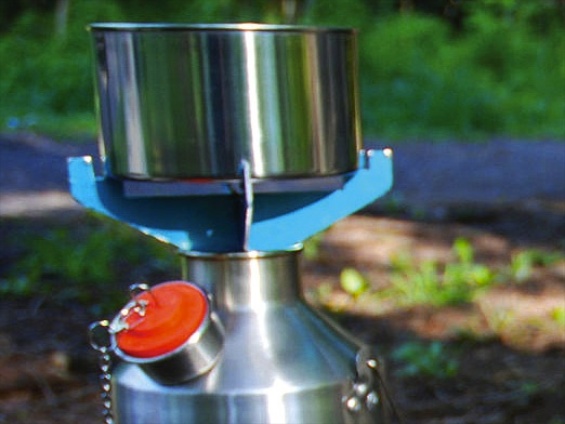
Kelly Kettle

Kelly Kettle

After a bit of tinkering in his shed one winter, Patrick Kelly, a late 19th-century farmer in the County Mayo, Ireland, created a quicker way to boil up water for tea while out fishing along the shore of Lough Conn. By the 1970s, there were so many visiting anglers from the U.K. and Germany wanting to use a Kelly Kettle that Patrick’s grandson, Padraic, began manufacturing them to sell. Today, the Kelly family has taken the Kelly Kettle from a small cottage industry to commercial sales around the globe.

My introduction to the Kelly Kettle came during a family canoe trip in northern Scot- land. I knew nothing about it, but by the end of the trip, admiration replaced my skepticism. I’ve scarcely tripped without it since.

Basically a stick stove, the kettle’s ingenious double wall chimney design is what sets it apart. Simply light sticks and other combustible material in the base plate and watch the flames draw upward through the fire chamber like a chimney draft. A water jacket around the chimney rapidly boils the water even in the worst wet and windy conditions. —KC
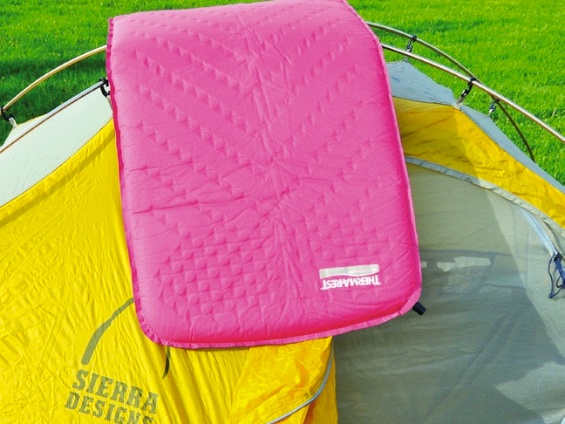
Tent and mattress

Sil-nylon Tents and Tarps

Silicone-coated fabrics are much lighter and stronger than those treated with polyurethane. Rainwater beads rather than pools, and the surface dries almost instantly. A sil-nylon tent will consume less pack space than an identical one treated with polyurethane.

Silicone-treated nylon was developed in the early 1990s as a high performance parachute fabric. The strength and impermeability sought by the jumpers makes it a dream material for tents and tarps, but because it doesn’t meet North American fire-retardant standards, it’s used sparingly on U.S. and Canadian tents. Sil-nylon may be used for exterior tent flies but not for inner canopies where people reside.

An approved fire-retardant, polyurethane-coated nylon tent won’t burn but it will melt, dripping hot liquid nylon onto your skin and resulting in burns that may be worse than those from an open flame. All the best European tents are built from sil-nylon, making the fire-retardant laws seem like a ploy to keep ultralight foreign tents out of North America! —CJ

Therm-a-Rest

Comfort has always been at the forefront of camp inventions, and few comforts rank as highly as a good night’s sleep. So it seems odd that it took so long to progress from sleeping on tree boughs to resting atop insulated air mattresses.

The story goes that in the early 1970s, John Burroughs and Lim Lea, two recently unemployed Boeing engineers and enthusiastic hikers from Seattle, focused their skills on creating a better sleeping pad. Existing air mattresses lacked insulation and cumbersome closed-cell foamies didn’t offer much padding from the hard ground. Their invention, the Therma-a-Rest, revolutionized how we sleep on trip.

Inspired by a simple kneeling pad available for use in the garden, Burroughs and Lea experimented with building prototypes from open-cell foam with a perforated polyurethane cover. They used a secondhand sandwich grill to fuse two layers together, creating a self-inflating pad. —KC
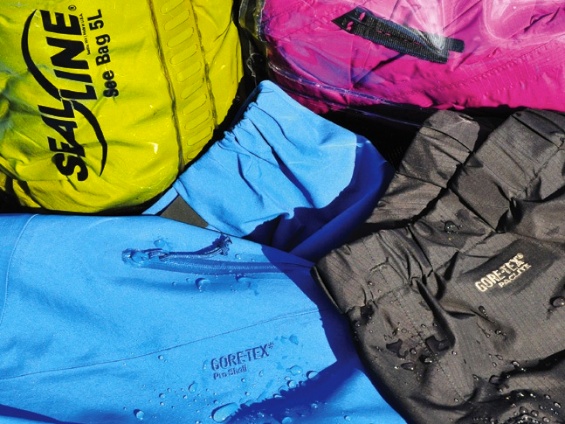
Goretex and Polyurethane

Gore-Tex

Conventional rain gear is waterproof but not breathable—sweat may make you wetter than rain! GORE-TEX fabric is both breathable and waterproof and therefore much more comfortable to wear. First appearing in a 1976 rainwear collection, the fabric is just one of more than 2,000 patented uses—from electronics to medical implants—for the polymer invented in 1969 and coined GORE-TEX. Most of today’s best garments, hats and boots feature GORE-TEX in their construction.

Early GORE-TEX garments leaked when they became soiled, but this problem has long been solved. Today, the major shortcoming is inadequate ventilation—the tiny micro-pores just can’t eliminate perspiration as quickly as uncoated nylon. For this rea- son, many paddlers rely on a porous nylon shell for wind and a GORE-TEX parka for rain. Jackets that have fully waterproof zippers are best. —CJ

Polyurethane

Heavy-duty plastic garbage bags don’t cut it when it comes to keeping the contents of my pack dry. Once I started packing along a few personal electronic devices, I couldn’t live with the anxiety level. So I switched to color-coded and variously sized SealLine dry bags and never worried again.

Dry bags aren’t a new innovation. Wax-impregnated canvas is an old trick developed by sailors in the mid-19th century. But the material became rigid in cold temperatures and melted like the shoes of the wicked witch in The Wizard of Oz when the mercury climbed.

PVC (polyvinyl chloride) first appeared in the 1920s and was labeled the miracle material—used for household piping and imbedded in fabric to create a tough, flexible waterproof cloth. The downside: PVC manufacturing produces toxic byproducts and off-gassing from the material contributes to ozone damage.

Transparent polyurethane and durable PU-coated nylon bags are the latest in- novation in waterproof packing. PU bags are lighter, more environmentally friendly, roll tightly closed in all temperatures and, best of all, are worry-free dry. —KC
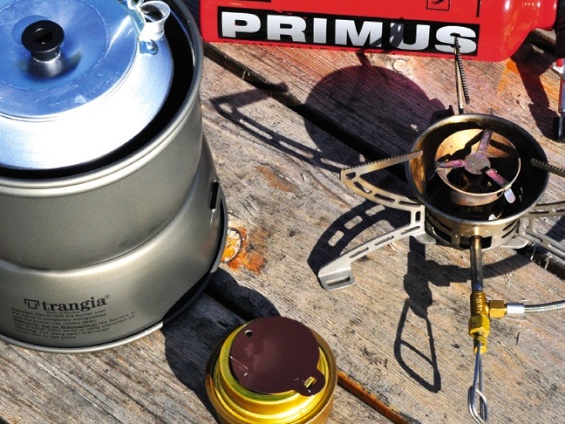
Primus and Trangia stoves

Primus Gas Stoves

The Primus stove was invented in 1892 by Swedish machinist Frans Lindqvist. Inspired by the handheld blowtorches used in the engine factory where he worked, Lindqvist’s stove was basically an upturned torch with a brass plate that evenly distributed the flame. His invention quickly earned a reputation for reliability and durability. It was used by Roald Amundsen, Admiral Byrd, George Mallory, Tenzing Norgay and virtu- ally every other 19th and early 20th century explorer.

Primus stoves have been in continuous production for more than a century and in my opinion they are still the best. They feature all-metal stainless steel, brass and alu- minum construction—there are no plastic parts to burn or break. Field maintenance is simple. For example, the aluminum pump consists of just two parts—the shaft and easily replaced pressure cup. These days, I rely mostly on a hot-burning Primus Omnifuel stove. But for solo trips, I often use my ancient (circa 1952) M71 Primus, which still runs flawlessly. —CJ

Trangia Stove

Canadian and American campers are fixated on petroleum-based stoves. The majority of us use either pressurized white gas or butane/propane stoves. I’m no exception, I love my MSR Dragonfly. But look on YouTube or beyond our borders and you’ll discover that everywhere else in the world, alcohol stoves rule.

Convinced that a spirit stove would be superior to existing solid fuel stoves, Swedish designer John E. Jonsson developed the first Trangia prototype in 1951. Today, the aluminum and brass stoves are top sellers across Europe.

A Trangia stove has many advantages. First, it’s extremely compact and lightweight. It fits in the palm of your hand and comes with its own nesting cook set. Alcohol stoves are also very simple; there’s nothing much to them so nothing much can go wrong. Best of all, the silent flame makes for an unbelievably quiet camp kitchen.

Get used to the Trangia’s quirks—longer boiling time than a pressurized fuel stove, difficult to see flame and harder to find fuel—and you just may find yourself converted. —KC
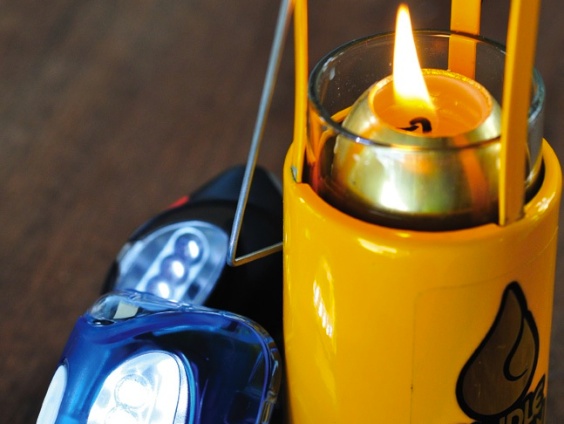
Headlamp and Candle Lantern

Candle Lantern

Hang a candle lantern in your tent on a cold, dreary night and watch the flickering shadows dance across the walls. The tiny flame warms your tent by about 10 degrees— enough to kill the chill. If you have keen eyes, it also provides light enough to read a book.

The Stonebridge folding candle lantern, patented in 1900 and used by American servicemen during the First World War, was the first folding lantern that could be easily packed and safely used inside a tent. Originally built from brass with mica windows, it folded flat to just half an inch thick for storage. But it had some faults: the mica windows were fragile and the base leaked wax.

The tubular candle lantern, which appeared in the 1950s, was more rugged and compact; it had sliding glass windows and didn’t leak. Like most modern paddlers, I rely largely on an LED headlamp for illumination. But for warmth and ambience, my candle lantern rules the night. —CJ

Headlamp

Compact, portable headlamps have literally changed the way we see the world. Thomas Edison developed the first headlamp for miners; the 1914 model came with a reflector, incandescent lamp and belt-mounted, wet-cell storage battery. The battery lasted only 12 hours—or one shift down in the mine—and put out two to five lumens of light.

Headlamps for recreational use developed through the sport of spelunking. Cave ex- plorer Fernand Petzl began experimenting with a fine-tuned mountaineering headlamp in 1973. Thanks to the development by Japanese researchers of bright white LEDs (light-emitting diodes) in the early ‘90s, modern headlamps are lighter, use far less battery power and push out an insane amount of light—90 lumens is typical—for their size.

Petzl remains in the lead for improving headlamp design. Recently, the company introduced a rechargeable, programmable battery pack for their Tikka 2 series. By plug- ging your headlamp into your computer via USB, you can program the battery to save juice or max it out and never stagger in the dark again. —KC


TECHNICAL TIMELINE

1789

The first multi-sheet topographic map series of an entire country, the Carte géométrique

36 de la France, is completed

1865

One of the earliest known prototype sleeping bags is used by English mountaineer Edward Whymper for the first ascent of the Matterhorn

1890s 

Vacuum flask invented by Scottish chemist, James Dewar, is the earliest predecessor to the modern insulated mug

1898

Strike-anywhere match

1905 

Sierra Cup

1914

Coleman 300 candlepower gas lantern is a staple in rural American homes and on WWI frontlines

1930s

Orienteering fad sweeps Sweden, Silva handheld compass debuts

1935 

Nylon

1942

Coleman produces the first multi-fuel pocket stove at the request of the U.S. Army. Along with the Jeep, it is one of the two most important pieces of noncombat equipment in the war effort

1945

Teflon non-stick coating

1947

Butane pocket lighter

1950

Double-burner Coleman stove becomes a staple among car-camping Americans

1959

Bill Moss licenses the Pop Tent—one of the very first dome tents made with bent poles—to Thermos. The two-man version weighs over 11 pounds.

1970s

Cordura, a canvas-like nylon, is all the rage thanks to Jansport’s trendy college daypacks

1975

The North Face introduces the world’s first geodesic dome backpacking tent

1979

Polar Fleece

1983

Leatherman launches first multi-tool, the PST (Pocket Survival Tool)

1989

The Original Bug Shirt Company begins prototype testing

1993

The Global Positioning System (GPS)—sponsored by the U.S. Department of Defense— becomes operational

1994

New Zealand-based Icebreaker produces the first commercially available me- rino wool thermal underwear

1998

Iridium launches the world’s first handheld satellite phone

2008

SPOT satellite messenger


This article originally appeared in Canoeroots & Family Camping, Fall 2012. Download our freeiPad/iPhone/iPod Touch App or Android App or read it here.
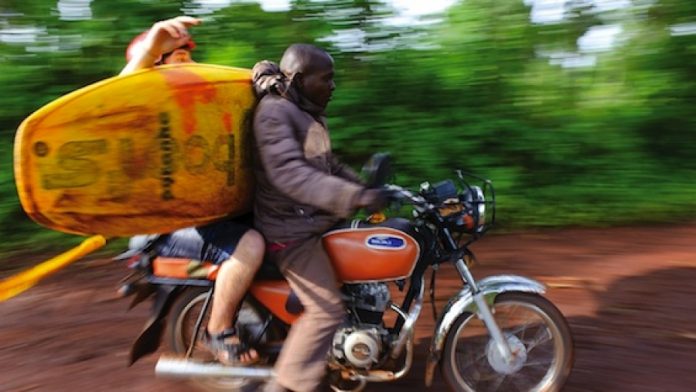
Nile Shuttle Rig

Photo: Maxi Kneiwasser

Car manufacturers would have you believe that without their latest adventure machine, you simply won’t get to the scenic locales showcased in advertisements. Every real paddler knows that some rigs are better than others, but the best are the ones that get you to the water. Here, Callum rides to the Nile, in Uganda. 

Building the Ultimate Canyon Rig

We enlist the help of long time Raft Guide and regular contributor to Rapid, Jeff Jackson, to put together the ultimate whitewater raft for multi-day canyon river trips.

Picture Perfect

Picture Perfect

When your photo gear costs more than your shuttle rig, whitewater photography can become risky. Here are four great options for taking great photos on the river while staying dry. 


PANASONIC

DMC-TS4

Because a Pelicase won’t fit in the chest pocket of your PFD. Waterproof, shockproof, dustproof and freezeproof, this little point-and-shoot is a rugged alternative to a bulkier set-up. 12.1 megapixels and the ability to take full 1,080p HD video, a wide angle lens and extensive manual options mean it’s more than enough camera for most recreational photographers.

High Sign: Built-in GPS tagging stores each photo’s location in the file info.

Low Sign: It’s power hungry— carry spare batteries.

www.panasonic.com $400


GERBER

STEADY MULTI-TOOL

The foldout feet of Gerber’s new Steady add a whole new dimension to the term multi-tool. It’s tricky to keep a smartphone still enough to get razor sharp images, but the suction cup mount on this pocket-sized knife-cum-tripod allows you to steady your phone before shooting. The standard screw mount also works with compact digital cameras up to 12 ounces.

High Sign: More reasons to go Steady include two knives, pliers, screwdrivers, a bottle opener, wire cutters…

Low Sign: The suction cup doesn’t stick to textured surfaces so most smart-phone cases have to come off.

www.gerbergear.com $64


JOBY

GORILLAPOD

More flexible than an 11-year-old Russian gymnast, this tripod has two-dozen leg joints that contort for a stable shot, no matter the terrain. We had the SLR-Zoom version wrapped around tree branches, rocks, paddle shafts and thwarts, and the rubberized rings and foot grips kept our camera and heavy zoom set-up rock solid. High Sign: The SLR-Zoom model we tested was an easy-to-stow 9.5 inches tall. Low Sign: The ballhead lock doesn’t allow

for panning when shooting video. www.joby. com. $80 (SLR-Zoom and Ballhead Combo)


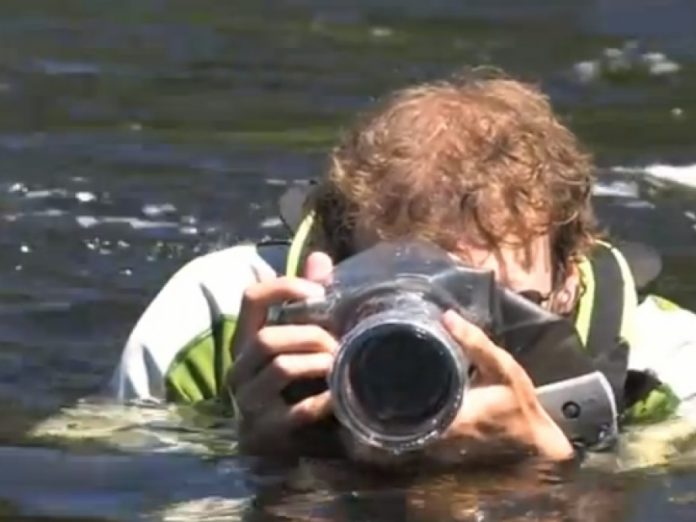
AQUAPAC

SLR CAMERA CASE

Essentially a drybag for your camera, Aquapac’s SLR Camera Case lets you shoot on or in the water worry-free. Operate your camera through the supple material

of the case while capturing crystal clear images through the acrylic lens.

High Sign: We had fun getting shots from in the river and other taboo perspectives.

Low Sign: Depending on the layout of your SLR, adjusting some functions through the case is fiddly.

www.aquapac.net $140


River Alchemy: The Culture of Whitewater

Photo: Ben Marr

River Alchemy by Jeff Jackson is a column that appears reguarily in Rapid magazine.

When I first noticed paddlers on my home river wearing basketball jerseys under their PFDs, I didn’t put much thought into it. After all, old jerseys sell at Value Village for $3, dry quickly and, being sleeveless, let you show off your guns. When this spring I saw paddlers wearing basketball jerseys under their PFDs but overtop of their dry tops, it occurred to me something else was at play.

We are a peculiar bunch, whitewater paddlers. All paddlers, really. Recently, I was invited to an instructor training day preceding the impressively huge MEC Paddlefest; present were sea kayak, canoe, SUP and whitewater instructors. The sea kayakers wore dry suits and were slathered in sunscreen, the canoeists wore Tilley hats and quick-dry long pants, the SUP instructors reluctantly wore PFDs as they would rather go without, and the whitewater representatives wore helmets—all this despite spending the day sheltered in the Toronto Harbourfront. While as a group we all had much in common (which was the point of the day), what separated us was culture.

Culture is the shared assumptions and values of a group, which get reflected in consistent behaviors. There is something called social identification theory, which proposes that when people choose to join a group, they also take on that culture. What’s more, when individuals really buy in, they take on that culture as part of their identity, and use it to define who they are. This explains why cowboys or biker gangs walk, talk and dress as they do, why triathletes shave their legs, and why someone may be compelled to wear a basketball jersey over his dry top.

There was a time in our short whitewater history when we spoke of New School and Old School, but we don’t anymore. The term was attached to the explosion in freestyle boat designs in the late ‘90s and a new way of paddling that was emerging. The last part of that sentence may irk some: a new way of paddling. While putting the paddle in at the toes and pulling it out at the hips has always moved the boat forward, what did change through that time were the assumptions and values surrounding paddling—a new culture was emerging. For lack of a better term, people called it new or New School, as in not what you old longboat farts are doing.

Social identification theory predicts this, as groups and individuals define themselves primarily by what they are not, especially in the early days of a culture when it is not necessarily clear exactly what they are. But we don’t talk about New and Old School anymore because the new culture became the primary culture of kayaking. It is not new anymore, it just is. It carried forward the original cultural traits from the earlier generation of paddling and added the new elements evolved from playboating.

Culture emerges from shared experience, and over the last decade and a half (up until the last three years, I would argue) we all more or less shared the same paddling experience: evolving boat designs focused on playboating, park and play became river play. But over the last handful of years that shared experience has started to splinter. As the top of the sport has pushed be- yond what the average recreational paddler can do (or even relate to), theirs becomes a different experience than the big wave/waterfall group. Recreational river play is based around different assumptions and values than those being adopted by this elite, and so a separate culture emerges once again.

Back to the basketball jersey: except to a select few, it seems ridiculous. What it does do is declare identification with a group—in this case the basketball jersey happens to represent the big wave gang. Fair enough. Like cowboy boots, a leather biker vest, shaved legs or a Teva tan, this is just the symbol of a culture. These symbols represent our identities, and while it is merely a basketball jersey, I’m not going to criticize someone for defining himor herself as a paddler.

– Jeff Jackson is a professor of Outdoor Adventure at Algonquin College in the Ottawa Valley, and is the co-author of Managing Risk: Systems Planning for Outdoor Adventure Programs, published by Direct Bearing Inc.

This article originally appeared in Rapid, Fall 2012. Download our free iPad/iPhone/iPod Touch App or Android App or read it here.

Solo Reflections

Canoeist Becky Mason and musician Ian Tamblyn unite to combine their artistic talents in this remarkable convergence of video, audio and paddling talents. Alone in her red cedar-canvas canoe Becky takes you for a wild ride above and below the crystal clear water of Lac Vert, Quebec. With Tamblyn’s original score as the backdrop and using some astonishing underwater camera angles Mason gracefully links a myriad of strokes and manoevres together into what can only be described as a canoeist’s visual and musical feast.

Director and Producer: Becky Mason and Reid McLachlan
Website: www.redcanoes.ca

The film has been featured as part of the 2012 Reel Paddling Film Fest. For details on the 2013 season, visit http://www.reelpaddlingfilmfestival.com/


Conservation Heroes

Photo: Gary and Joanie McGuffin

They’re not scientists, lawyers or full-time conservationists, yet these three paddlers have charted courses through wilderness protection, tumped long portages through dam relicensing, and urged the public to dip their paddles in the turbulent, challenging waters of environmental protection.


Kate Ross

PORTLAND, OREGON

After working as a kayak guide and instructor, Ross volunteered to help organize the Clackamas River Cleanup. The cleanup grew and she became a founding board member of We Love Clean Rivers, which helps others orchestrate river health events. She eventually parlayed this experience into a job, going from paddling instructor to the Outreach Coordinator for Willamette Riverkeeper. At WRK she gets people on the river and advocates for the river’s health. She won the Outdoor Industry Women’s Coalition First Ascent Award in 2011 as an emerging conservation leader.

Words of Wisdom “Make the river accessible. Traveling on the river is much more intimate than standing next to it, and people become exponentially more

committed to protecting rivers once they float them. We provide boats, organize shuttles and make it easy for people to experience the river.”

Jay Morrison

OTTAWA, ONTARIO

Morrison retired from the Canadian government at 57 and spent two years paddling across Canada. In 2003, looking for something to get involved in, he joined the board of the Canadian Parks & Wilderness Society, where he chairs the volunteer-driven campaign to protect the Dumoine River. He spends untold hours doing the non-glamorous work of river conservation: meeting with first nations, user groups and agencies, and testifying at hearings. The Dumoine has received interim protection, and he thinks they’re on the verge of a permanent win. Wondering whether his young daughter will have clean air, water and wild places after he’s gone keeps him motivated.

Words of Wisdom “Believe it or not, conservation is actually easy. Don’t be intimidated. Environmental groups need skills of all kinds and you probably have valuable skills you’ve developed elsewhere. Join a group, get involved and you’ll learn how to do it from professionals.”

Charlie Vincent

SALT LAKE CITY, UTAH

An engineer by training, Vincent led river trips with the University of Utah. Talking about the Green and Colorado rivers forced him to hone his knowledge of ecology and environmental impacts. He volunteered with American Whitewater in one of the most notoriously byzantine environmental processes: representing them in Federal Energy Regulatory Commission dam relicensing processes. His background as an engineer was a good match for the FERC process, and despite the multi-year relicensing process, they were able to secure flows for improved habitat and river recreation.

Words of Wisdom “It’s surprising how much impact you can have on the process. Maybe not at the first or second meeting, but it happens if you carve out the space and stick with it. If I’d known how long it would take, I might have been scared off, but I’m glad I wasn’t.”

Neil Schulman is a paddler, writer and co- founder of the Confluence Environmental Center, which develops future environmental leaders.

Almanac of Change

Photo: Wisconsin Department of Natural Resources

Aldo Leopold was a man who wore many hats: writer, philosopher, forester, professor, wildlife manager. And canoeist.

Born in Iowa in 1887, and a graduate of Yale’s School of Forestry, Leopold spent his early professional days in the American Southwest. But he is best remembered for his later years in central Wisconsin, the scene of his classic literary work, A Sand County Almanac.

Sand County is a month-to-month collection of outdoor observations and essays about wilderness, wildlife and the American land ethic. After its publication in 1948— ironically the same year Leopold died of a heart attack while fighting a brush fire on a neighbor’s farm—the book developed a life of its own. It captured an immediate and devoted readership and thrust Leopold into the same company as Thoreau and John Muir—men whose writings have had profound impact on the meaning of nature to humankind and the value of wilderness to our survival.

To Leopold, wilderness encompassed many things, tangible and otherwise, but more than anything else it was a place “big enough to absorb a two weeks’ pack trip, and

kept devoid of roads, artificial trails, cottag- es or other works of man.”

In Sand County, Leopold lamented the fact that self-propelled backcountry travel was rapidly disappearing from the American scene. He wrote: “Your Hudson Bay Indian now has a put-in, and your mountaineer a Ford.” He implored those interested in opening up every last vestige of the country to motorized traffic to pause and reflect. “Mechanized recreation already has seized nine-tenths of the woods and mountains; a decent respect for minorities should dedicate the other tenth to wilderness.”

When Leopold wanted to escape “from too much modernity,” he would seek relaxation on one of Wisconsin’s few remaining undeveloped rivers.

One of his favorites was a 50-mile stretch of the Flambeau within the 90,000-acre Flambeau River State Forest. His impressions then are hauntingly similar to those that paddlers experience today on many of America’s “wild” rivers.

“When I finally launched my own canoe in this legendary stream,” he wrote, “I found it up to expectations as a river, but as a wilderness it was on its last legs.”

Leopold was gravely concerned that civilization’s voracious appetite for wild land would ultimately threaten not only the Flambeau, but all areas that had yet to see a bulldozer, dam or timberjack.

Despite its shortcomings, he heaped praise on the Flambeau: “…at early dawn one can still hear it singing in the wilderness.”

It’s up to all of us to keep that song alive for future generations. Otherwise, as Leopold mused in closing his chapter on the Flambeau: “Perhaps our grandsons, having never seen a wild river, will never miss the chance to set a canoe in singing waters.”

Larry Rice has canoe-camped on the Flambeau and is glad to report that its tree-lined shores, abundant wildlife and nice stretches of whitewater still make it one of the most beautiful paddles anywhere.

All Who Wander Are Not Lost

Photo: David Lee

This essay originally appeared in Canoeroots and Family Camping magazine.

What am I supposed to be looking for out here in this canoe? I’m suspicious of how easy it is to zone out, rarely thinking about anything more profound than what’s for dinner.

It’s certainly not because I have all the answers to life’s more difficult quandaries. Can time spent in the Boundary Waters, Adirondacks or Algonquin really provide answers to my questions about life back home? Can hours spent on a webbed seat, kneeling, bug-bitten and sun-baked, really change my outlook on work? My relationships? My path in life? These things creep into my head when I’m out for a paddle.

Most of the time, however, I don’t think about them at all. Instead, I’m focused on the heat, the location of the next portage marker, the bugs, my aching shoulders or, most often, my next meal. My brain is just as scattered here as it is when I’m hours—or days—away, at my desk, behind the wheel of my car or lying awake at night. The meaning of life flits through my mind, then quickly gets pushed aside by the need to hit the shore for a pit stop.

I’ve spent entire Saturday afternoons contemplating the placement of a barrel and portage pack in my canoe, optimizing balance, tilt and access. Then, when I’m back at the car, tying down the boat, I become addled with guilt over not taking advantage of my surroundings to meditate on life.

Isn’t it enough to pick a route, enjoy a different place and relax with a paddle in my hands? Should I be trying to find myself? Is that really what I’m supposed to be doing out here?

So, I force the questions. I try more demanding routes to push myself, hoping to prove what I’m capable of. I slow down, be more mindful and write it all down in my Moleskine.

People are always talking about finding themselves while paddling. Bloggers broadcast mysterious deep sentiments revealed by cedar and canvas. Sales pitches promise journeys of self-discovery. People recently returned from trips glow with an aura that suggests a life-changing event.

This trip, these adventures, this paddle—they’re supposed to mean something. And maybe they do. But when I look back, I’ve never really been able to recognize a life-defining passage while it’s happening. It’s in sharing stories around the campfire circle on future trips, or in flipping back through old journals years later that I gain the perspective that I want so badly to find right away.

I snap myself out of it and focus. How much deep thought and soul-searching is enough to figure it all out? Do I really need to try so hard? I’m not sure. But I know I’m hungry. And, for now, that’ll have to be enough.


This article originally appeared in Canoeroots & Family Camping, Fall 2012. Download our freeiPad/iPhone/iPod Touch App or Android App or read it here.
10 Downtown Day Trips For Kayakers

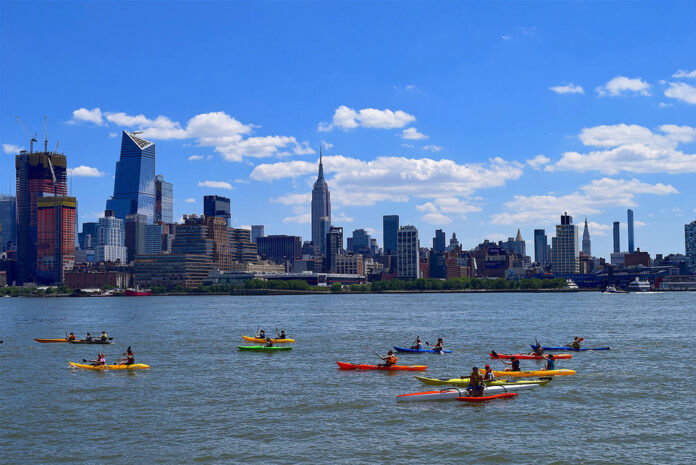
kayakers in New York City
Feature photo: Robert Jones/Pixabay

Want a great kayak adventure but can’t afford any more days off work? We dish out the goods on ten kayak trips within city limits, from Halifax to Houston and San Francisco to Toronto.

10 downtown day trips for kayakers

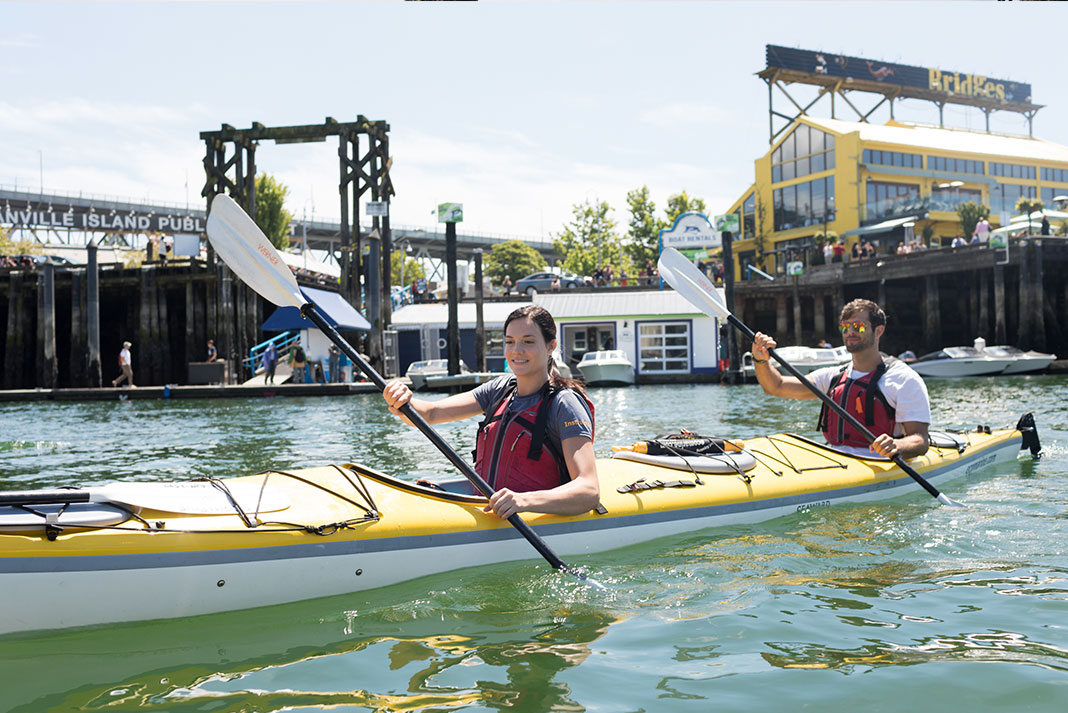
1 Vancouver

Consistently ranked as one of the most liveable cities in the world, Vancouver’s oceanside location and outdoor culture make this an ideal place to explore by kayak.

Paddle past the giant cedars and temperate rainforest of Stanley Park, glide below the sweeping expanse of the Lion’s Gate Bridge (and play in the tidal race if your timing and skills are right) or head up the sheltered waters of False Creek—all framed by the beautiful Coastal Mountains.

2 Seattle

With its busy seaport, lively indie music scene and successful high-tech economy, Seattle is an intriguing city to explore from the water and beyond.

Freshwater Lake Union in the middle of Seattle has sheltered paddling conditions and a close-up view of the skyline. For a more exposed saltwater adventure and encounters with seals, whales and sea lions, the waters of Puget Sound are a paddler’s dream.

kayakers in New York City
Feature photo: Robert Jones/Pixabay

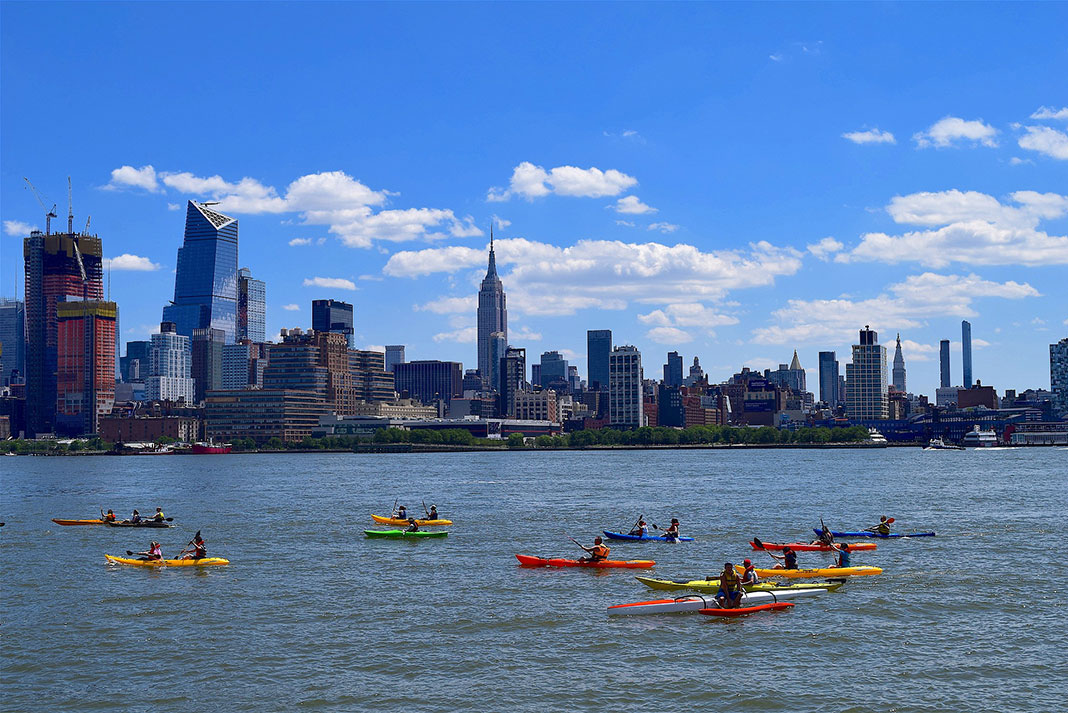
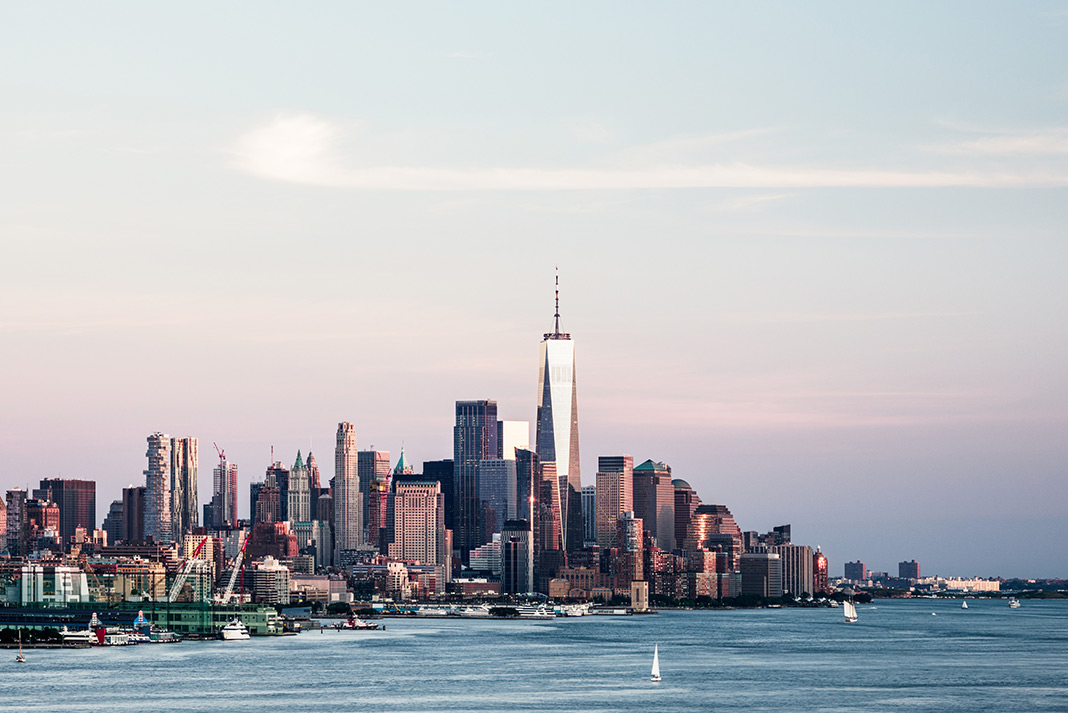
3 New York City

Overwhelmed by crowds and concrete? Escape to the Hudson River to experience the grandeur of New York City from a more peaceful perspective.

Ambitious kayakers can circumnavigate the entire island of Manhattan in eight hours—be sure to plan for currents and tides. For a more leisurely trip, paddle to the Statue of Liberty, visit Chelsea Piers or venture on a night time paddle to see the city lights.

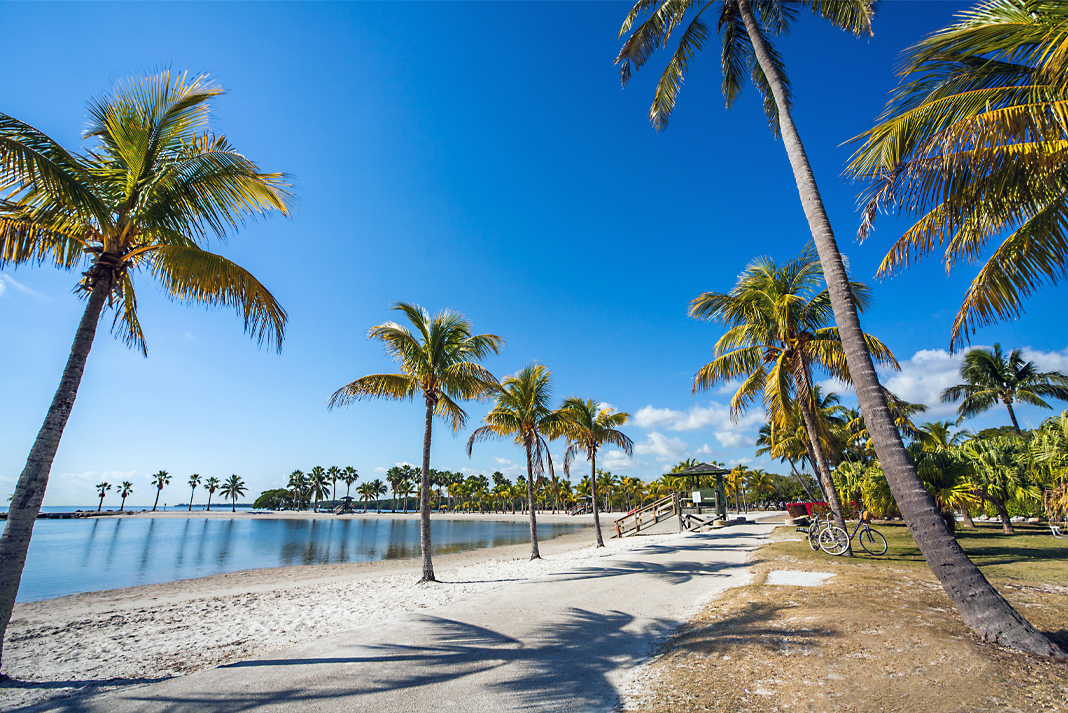
4 Miami

Vamos a la playa! Kayak past the sun-drenched beaches of Miami to experience the buzzing beach culture and ocean side skyline.

Kayaking the sheltered canals and harbors will let you marvel at Miami’s super yachts and tropical vegetation, while paddling on the Atlantic side offers rolling surf and possible encounters with manatees, dolphins and stingrays.

golden gate bridge in san francisco
Photo: Ragnar Vorel/Unsplash

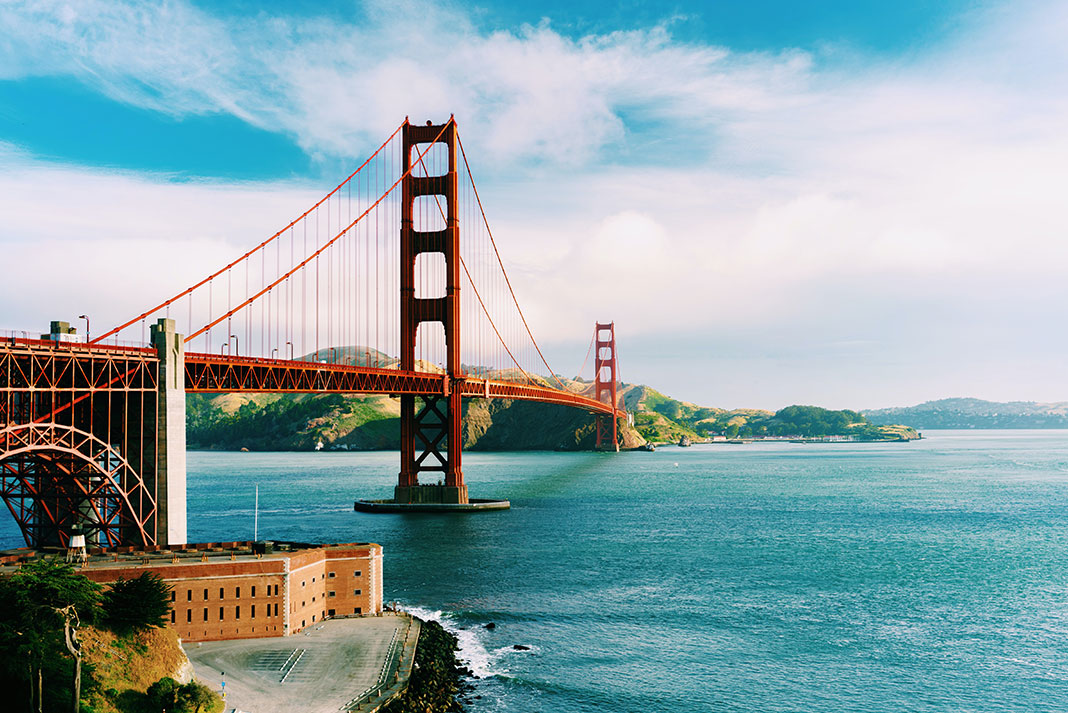
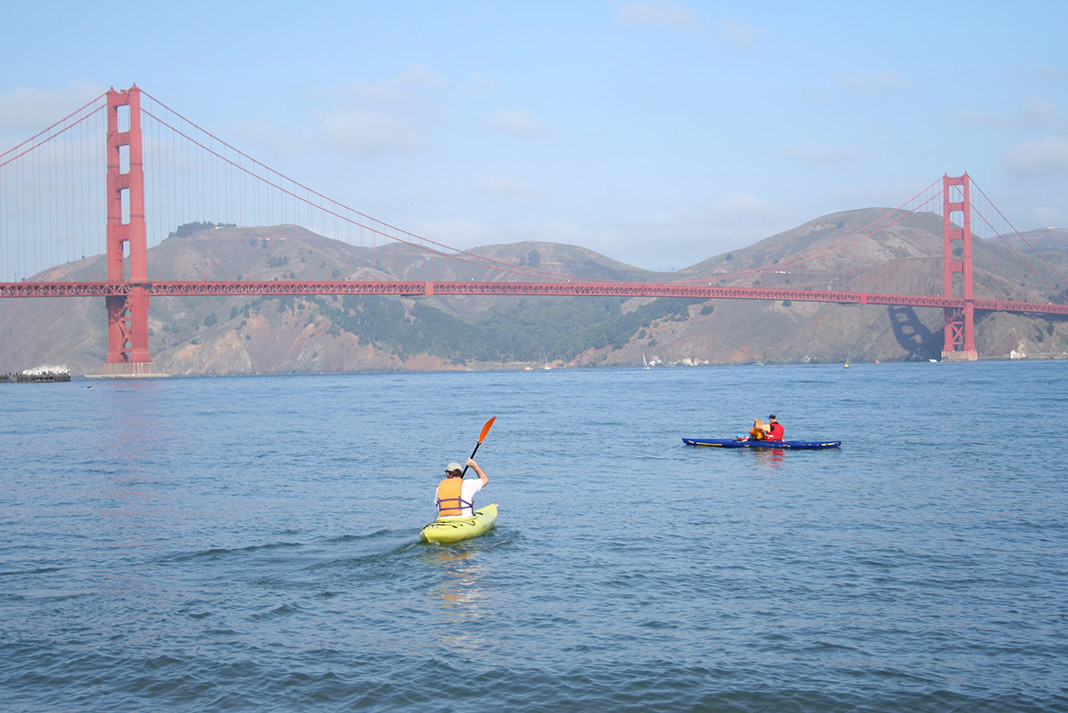
5 San Francisco

From the iconic Golden Gate Bridge to the infamous island of Alcatraz, the San Francisco Bay area has a wealth of prime destinations to explore by water.

Beginners can easily enjoy panoramic views of the Bay from close to shore while more experienced paddlers can tackle the powerful surf, tide races and rock gardens that make this coast famous.

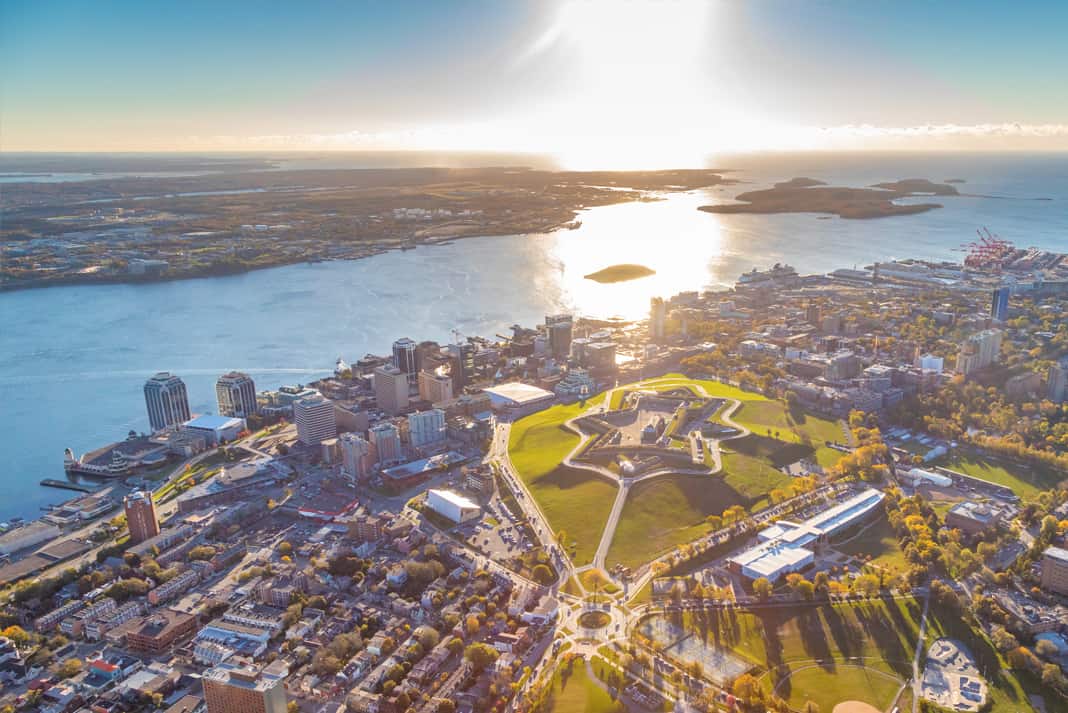
6 Halifax

Looking for lighthouses, rocky shores and colorful fishing villages? The paddling paradise of St. Margaret’s Bay offers an archetypal East Coast experience just a 30-minute drive from downtown Halifax.

While popular Peggy’s Cove can be overrun with tourists, exploring the surrounding area by kayak will give you easy access to undisturbed beaches, birding and whale watching.

kayaker in Montreal
Photo: Miguel Ausejo/Unsplash

7 Montreal

Located on an island guarding the St. Lawrence Seaway, Montreal’s vibrant culture, lively nightlife and Old World atmosphere make this city an eternally popular destination among travelers.

From the calm waters of the Lachine Canal, you can paddle past historic buildings and stop at the Atwater Market to browse the distracting array of delicious wares. If you’re looking for an adrenaline rush, join local river surfers on the powerful standing wave by Habitat 67.

kayakers in Chicago
Photo: Antonio Janeski/Unsplash

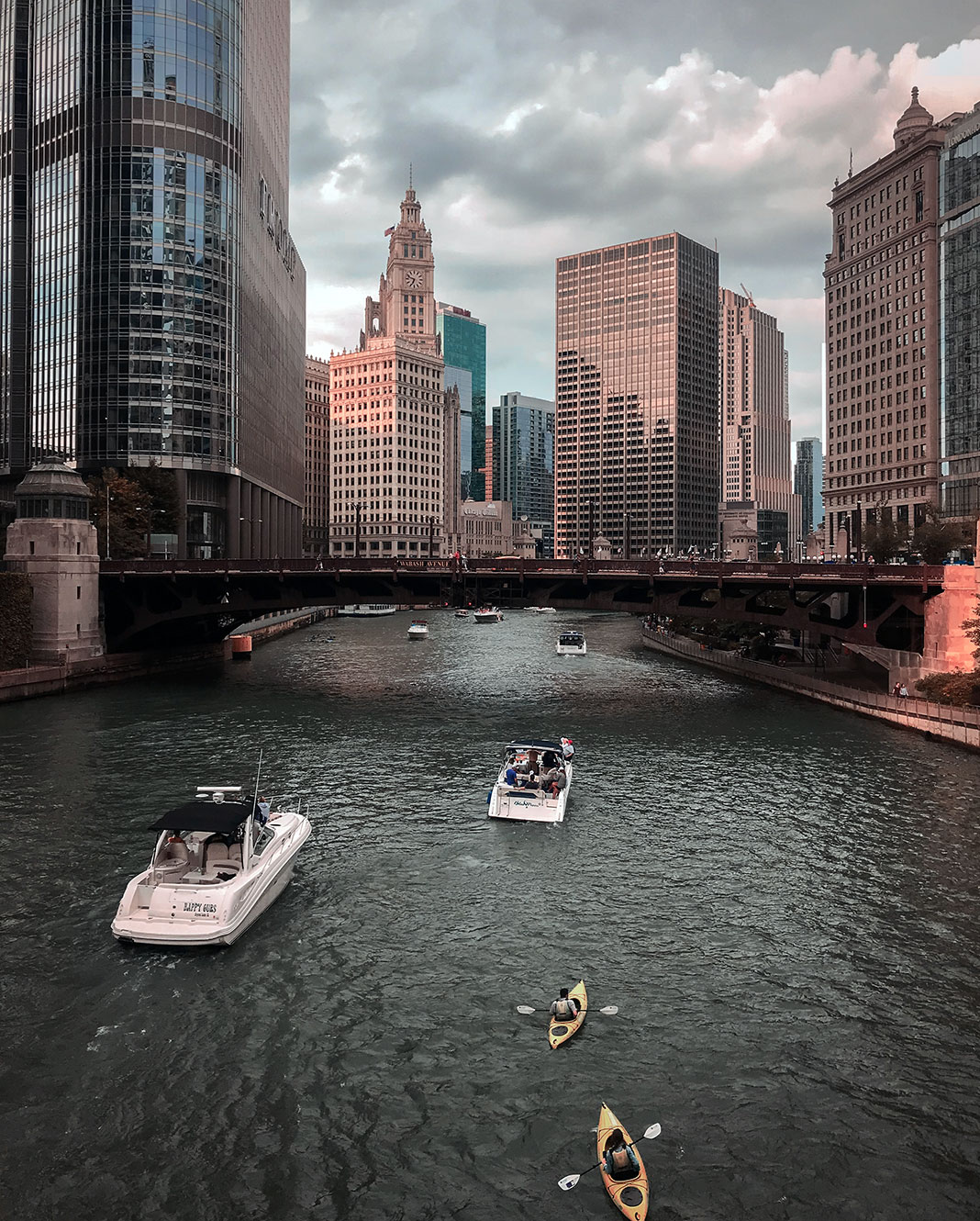
8 Chicago

Kayaking beneath Chicago’s towering skyline gives you a unique perspective of the city’s world renowned architecture and will help you build up an appetite for the Windy City’s famous deep-dish pizza.

For a close-up view of the city, follow the canals and branches of the Chicago River, most notably the downtown Chicago Loop. Head out onto Lake Michigan for more exposed conditions and sweeping views of the cityscape.

9 Houston

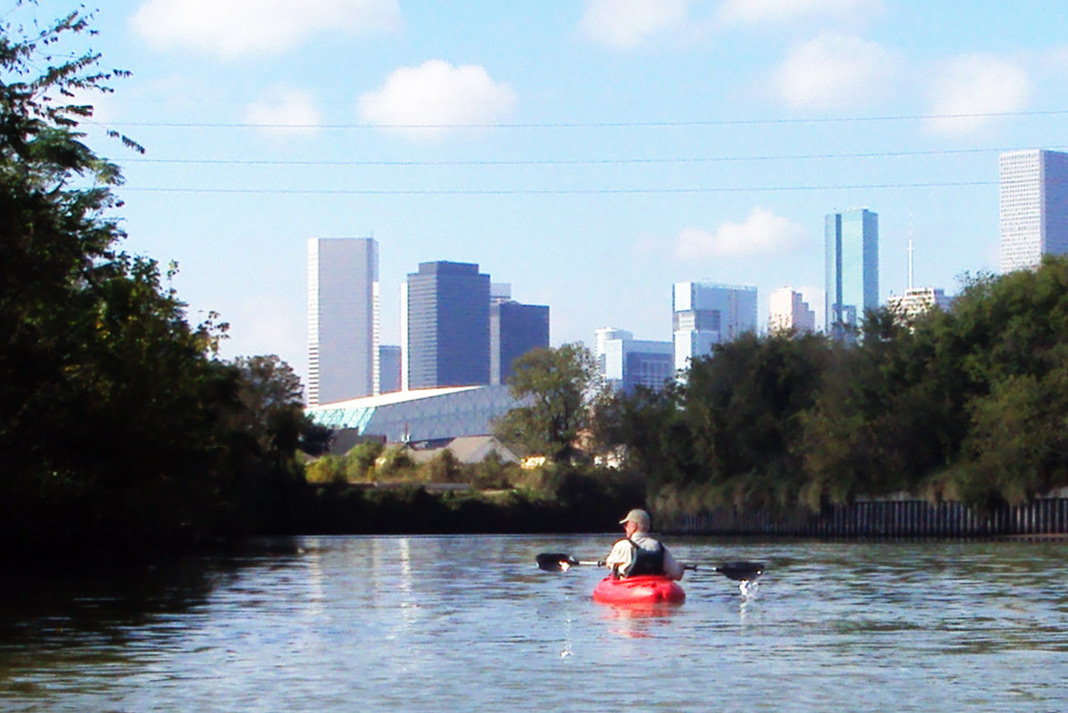
Despite being the fourth largest urban center in the U.S., Houston’s elaborate network of rivers, lakes and bayous make this city popular among paddlers.

Paddling along Buffalo Bayou will bring you straight to the heart of the city, while dozens of other bayous or lakes such as 1,200-acre Sheldon Reservoir offer great bird watching and alligator spotting opportunities.

kayaker in Toronto
Photo: Dmitry Rozhkov/Wikimedia Commons

10 Toronto

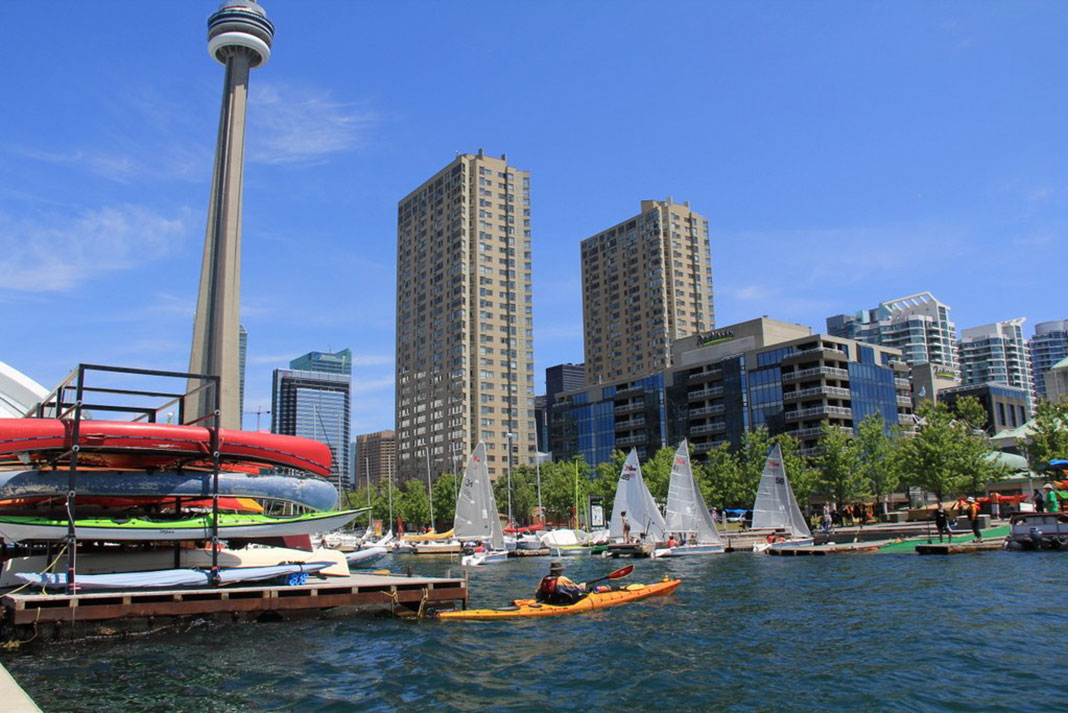
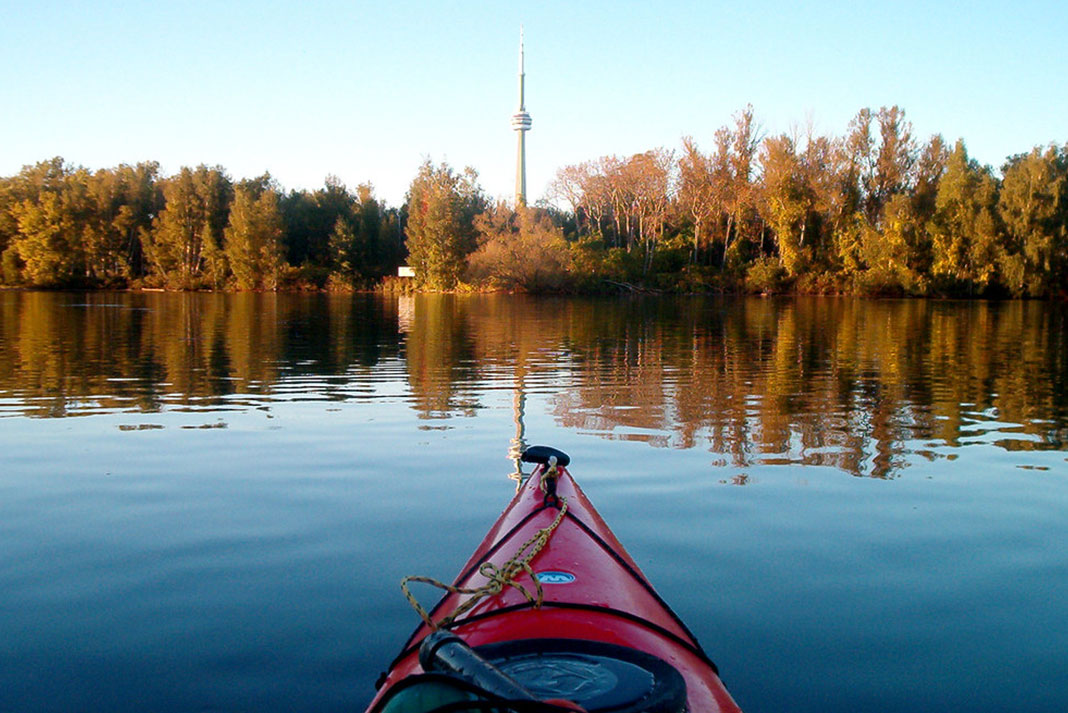
Skip the long terrestrial line-ups for the CN Tower—a paddle along the Toronto waterfront will give you an incomparable view of this tallest freestanding structure in the Western Hemisphere.

The Toronto Islands offer numerous sheltered channels to explore by kayak, while Lake Ontario has fun surf when the wind cooperates. Beyond diverse paddling opportunities, the Toronto Islands also have an amusement park, cafes, outdoor art displays and beaches.

Cover of Summer/Fall 2012 issue of Adventure Kayak MagazineThis article was first published in the Summer/Fall 2012 issue of Adventure Kayak Magazine. Subscribe to Paddling Magazine’s print and digital editions, or browse the archives.


Feature photo: Robert Jones/Pixabay