Home Blog Page 336

Why I Migrate: Reflections Of A Baja Kayak Guide

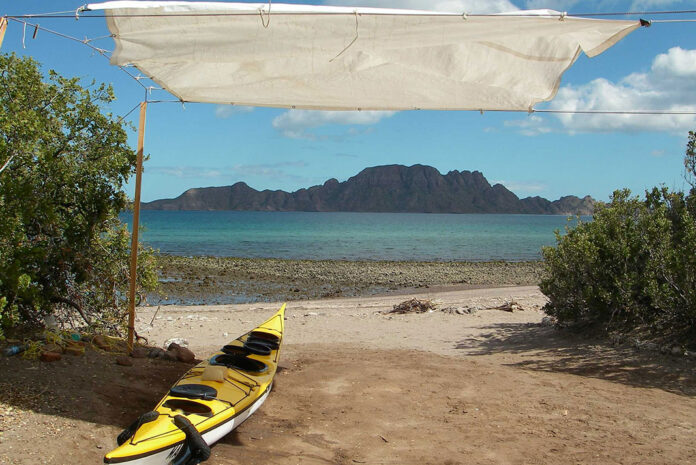
a yellow sea kayak sits on the sand under a tarp rigged for shade with the water and rocky hills of Baja Mexico behind it
For this kayak guide and business owner, Baja Mexico sings with a siren’s call. | Feature photo: Ginni Callahan

“We are the memory of the road we’re on.”

—Aaron English

October, 2009: Ol’ Blue, my trusty pickup truck, turns 200,000 miles on a California highway and breaks down at the oceanfront Aliso Creek rest area 45 miles north of San Diego. The unexpected stop is still a long way from my winter home base in Loreto, Baja California Sur, Mexico, but luckily not too far from a friendly kayak shop.

I spend a week sleeping on the floor at the kayak shop, Aqua Adventures, playing in the sea and importing kayaks to Mexico. Importing the kayaks takes longer than the truck takes to repair, so the truck doesn’t cost time, just $530. Some people pay a lot more than that for an adventure!
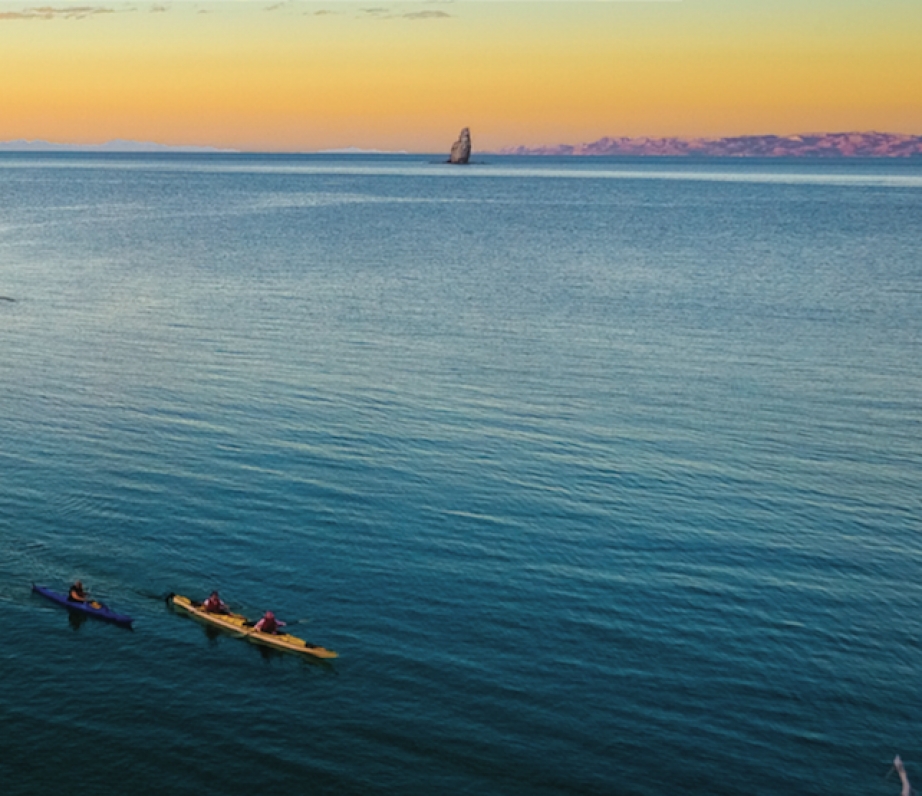
Reflections of a Baja Mexico kayak guide

A week later, with kayaks imported and Ol’ Blue back to life, I set off under a crescent moon and Venus in the dawning sky. I cross the border at Tecate preoccupied with worries—about the truck, my progress, my safety on the road—then stop to remind myself that worrying doesn’t help anything. Enjoy the ride. Take what comes. It will be okay.

So I do. I enjoy the music, the passing hills and weird familiar plants—cirio, agave, cholla, cardon cacti. I savor the delicious solitude of driving alone in my truck with thoughts, memories, feelings all my own.
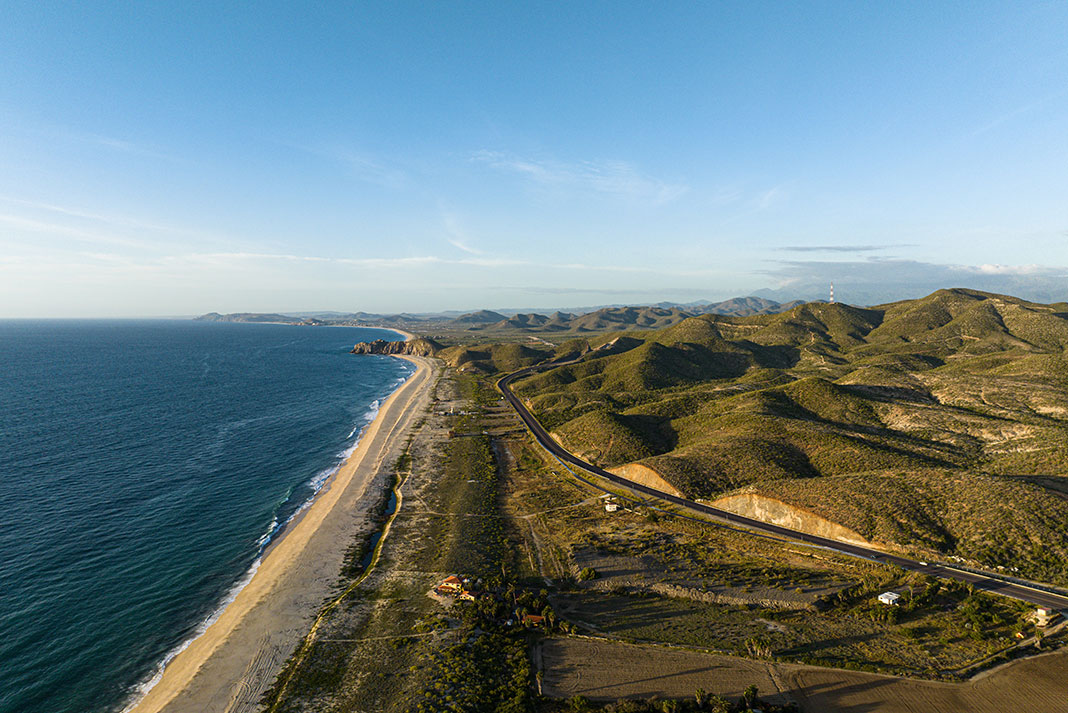
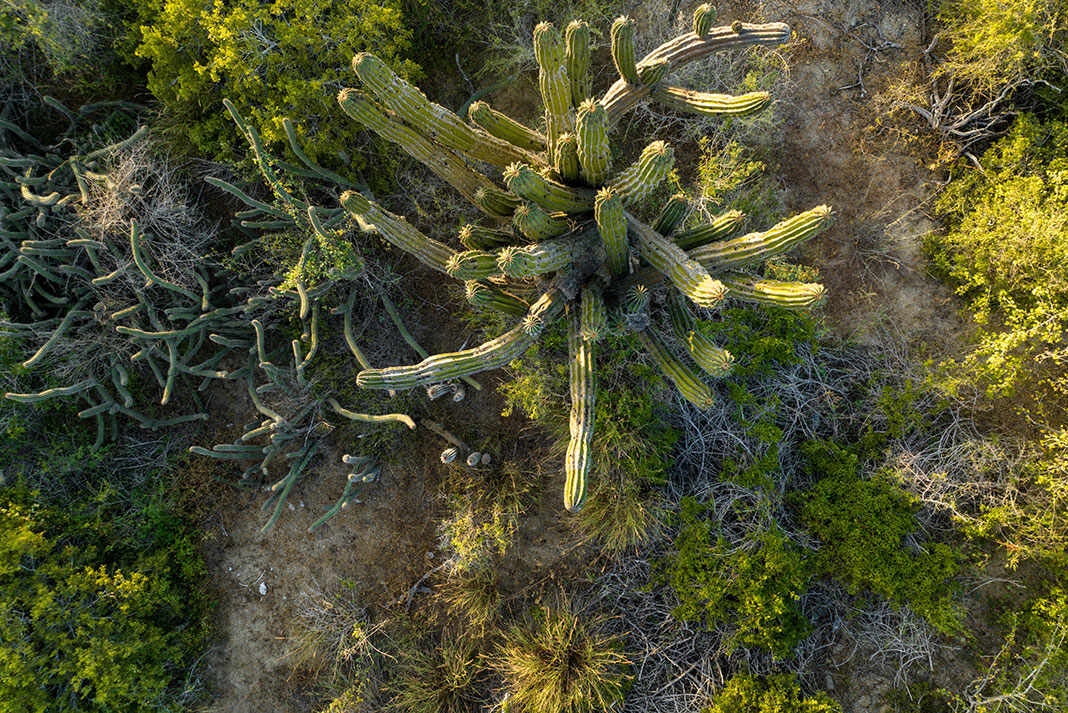
The warm glow of evening paints itself on the curious boulders of the Cataviña landscape. The shadow of my truck with its kayak top hat and trailer passes through boulders and cacti like a ghost.

After paying the rancher at Rancho Santa Inez, I set out my sleeping bag under a spectacular ceiling of stars. Not just individual stars, but the swath of The Milky Way, clear as a trail in the wilderness. A trail with distinct puddles of galactic light to skip through.

I am sleeping between a trailer full of kayaks and a mesquite tree, to a chorus of crickets, the flatulence of distant truck brakes and the sound of some large ungulate chewing and digesting indiscreetly in the nearby shrubbery.

Lights come on in the house of the ranching family who runs the campground. It’s time to move again. I hold the naked morning to me for one last snuggle, then get up to pack my sleeping bag.

Life on the road to Baja

The landscape from San Ignacio down is incredibly green after the rains last month. I crest a rise in the road to catch a glimpse of a hand walking across the pavement. No, too hairy. A tarantula, silhouetted for a moment against the sky, legs outstretched in an inspired gallop. How did it just miss the 18-wheeler coming the other direction? I straddle it with my tires and send it a wish to miss the others behind me.
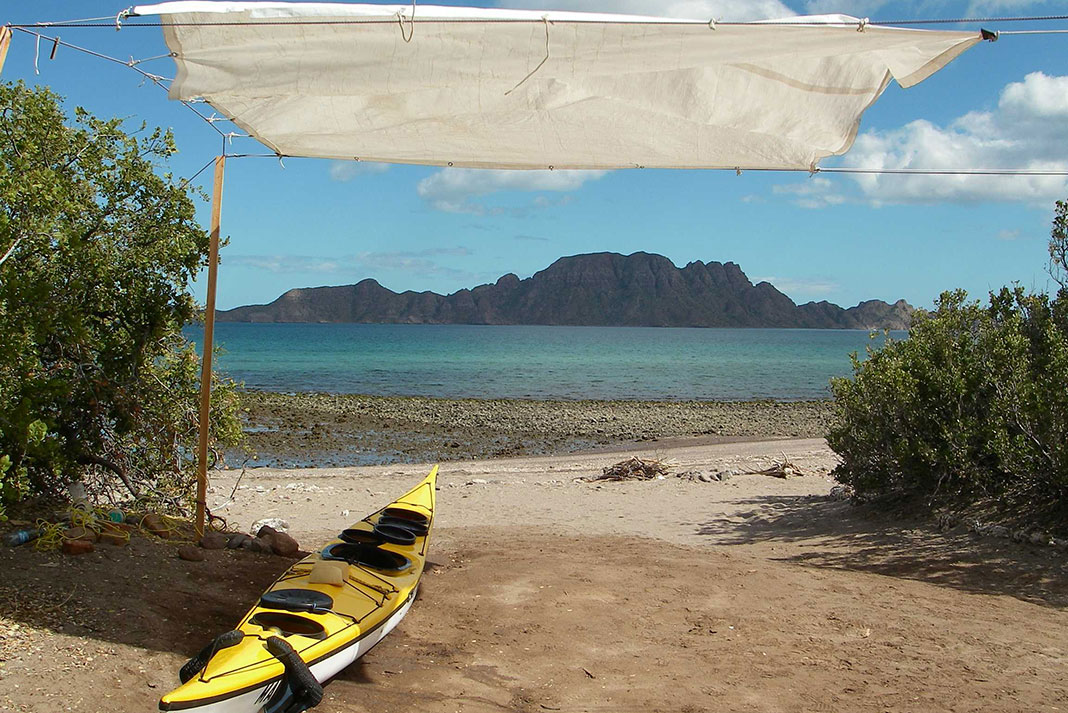
a yellow sea kayak sits on the sand under a tarp rigged for shade with the water and rocky hills of Baja Mexico behind it
For this kayak guide and business owner, Baja Mexico sings with a siren’s call. | Feature photo: Ginni Callahan

Tarantulas migrate. Follow some irrepressible calling to move in a direction despite perils. Do they ever weigh the relative merits of just staying home this year? Or is it no longer home if you belong in another place at that time? Does some inner voice just say Move, and it does? Can the chunky arachnid hear the soundtrack of freedom as it struts through an ever-changing landscape? Does its heart sing as it passes a familiar landmark? Should we consider it lucky, brave or ignorant as it sets out on its journey?

I confess that I’ve been unable to hold down an indoor job for an entire year ever in my life. Boiled down to basics, I breathe, I paddle, I go to Mexico. It started with an innocent little invitation: “Get a sea kayak, learn to paddle it, and drive me to Baja. Then you can tag along for a few trips.” I did this as an ignorant adventurer, as a guide and now as a business owner. It’s been 13 years and the rhythm has become my life.
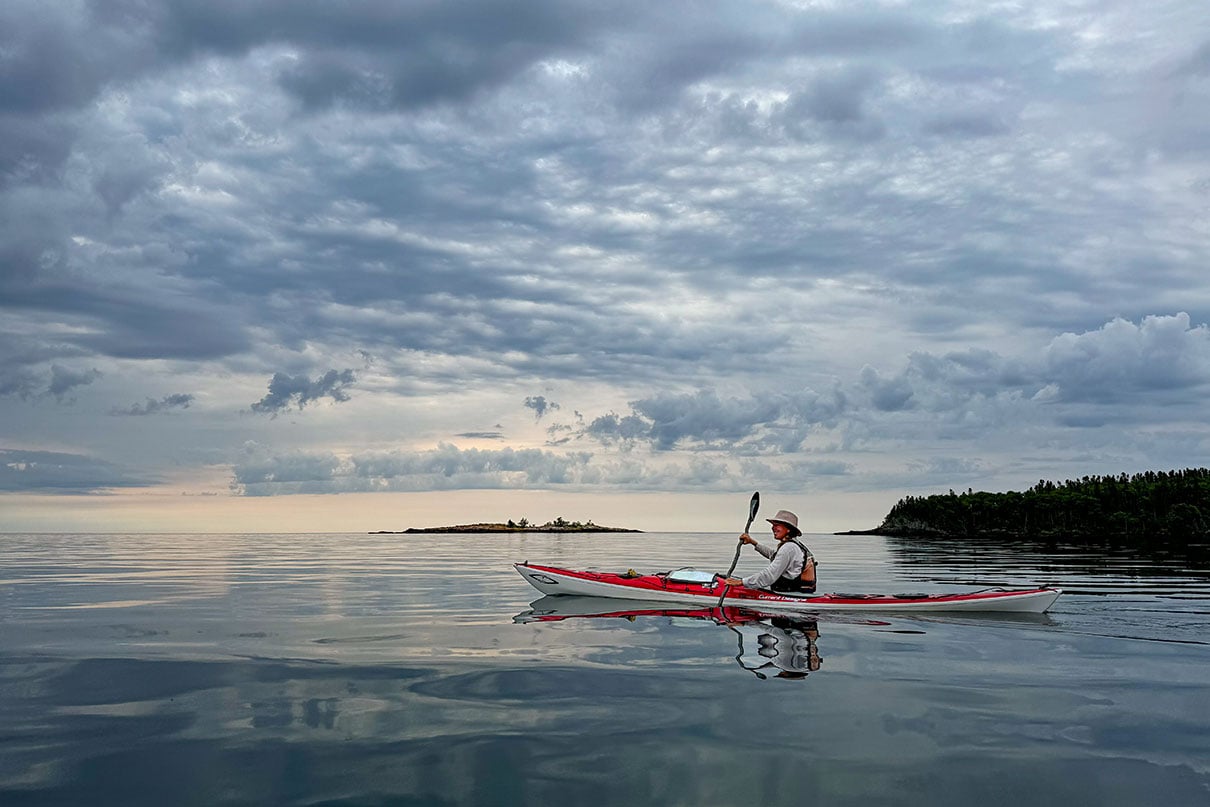
What do we migrate for?
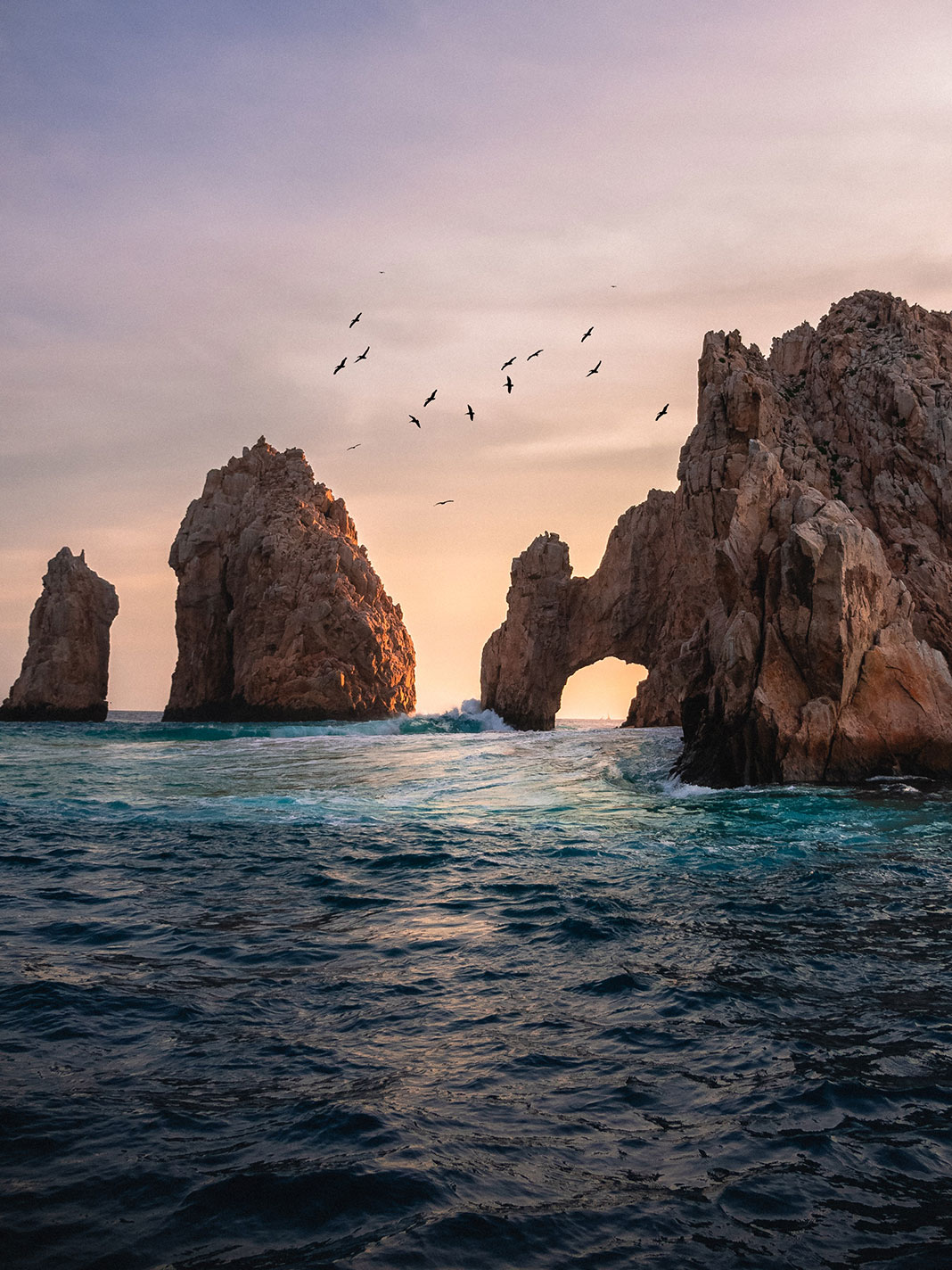
Birds wheel over the rocks and ocean at Cabo San Lucas in Baja Mexico at dusk
Seabirds wheel over the rocks and water at Cabo San Lucas. | Photo: Christopher Kuzman/Unsplash

I’ll speculate that part of the reason we “civilized” humans go into wilderness or the sea is to remind ourselves that we are not ultimately in control. Perspective. Humility. Some might call it adventure.

I migrate for work. I can make a better winter living as a guide/coach in Baja than I can in Washington. I migrate for sun. Solar heating. I migrate for Baja. Its landscape, starscape, seas; its people; the energy of the place. I migrate back north in the spring for trees, the garden, the community of farmers, paddlers and friends, and summer work. But do I follow a voice any different from that spider, or a gray whale, or an elegant tern?

Migration. That pull to move some place different, yet familiar. To leave security for a time and accept the vulnerability of travel.

Migration unleashes my mind and heart from the daily duties of running a kayak company, a farm and a symposium. Those are creative, too, but in a more structured way. My only mandate now is to go south. Be open to the journey. Open the senses. Open the heart. Breathe.

Some people take vacations. I migrate.
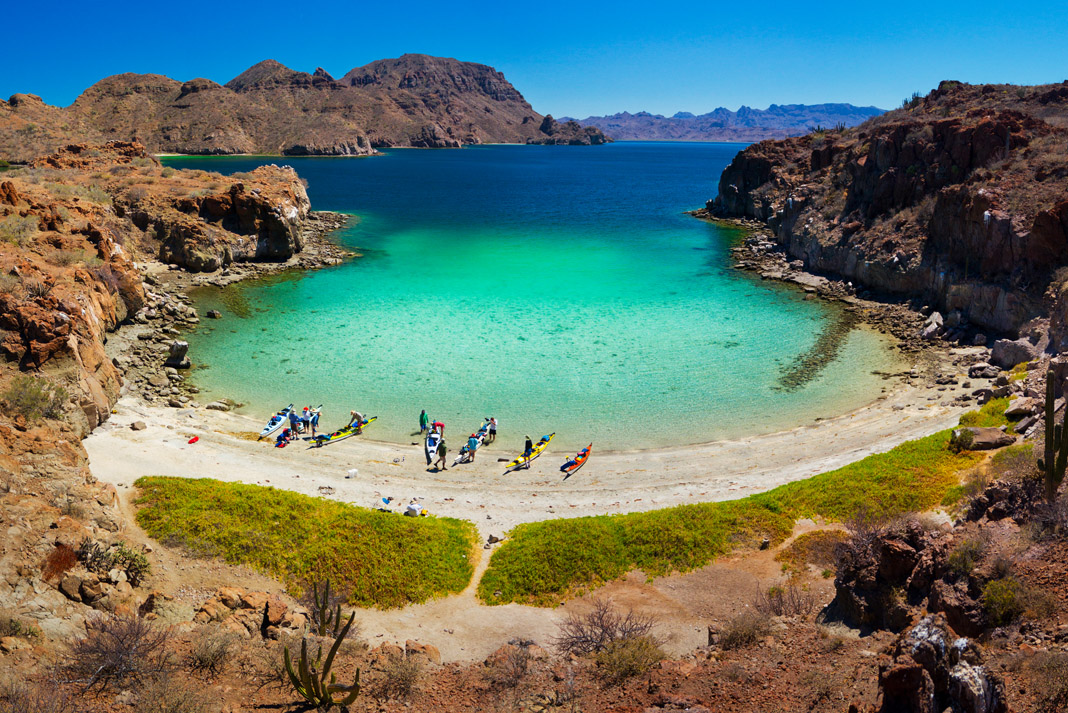
Ginni Callahan is a sea kayak guide on the Sea of Cortez, Mexico, in winter and on the Columbia river and Oregon coast in the summer. She owns Columbia River Kayaking and Sea Kayak Baja Mexico.
AKv10i1-DE_1.jpgThis article originally appeared in the Spring 2010 issue of Adventure Kayak. Subscribe to Paddling Magazine and get 25 years of digital magazine archives including our legacy titles: Rapid, Adventure Kayak and Canoeroots.


For this kayak guide and business owner, Baja Mexico sings with a siren’s call. | Feature photo: Ginni Callahan
 

Rock the Boat: Signs Your Guide Has Gone Off the Deep End

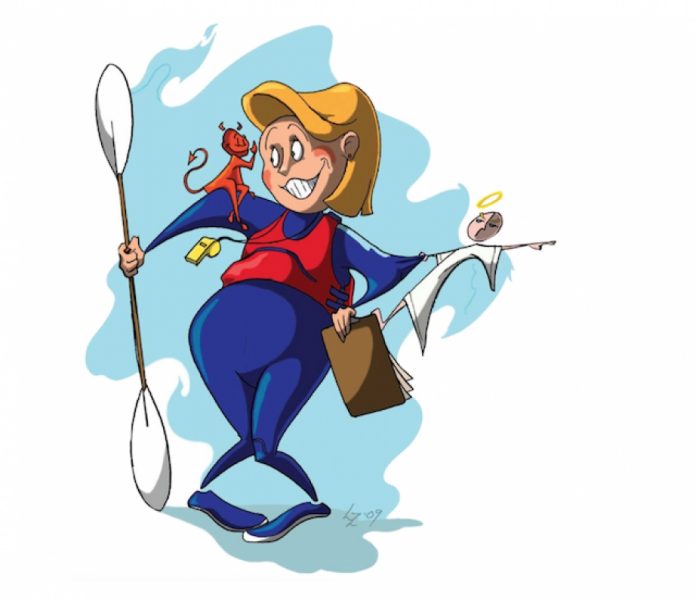
Illustration: Lorenzo Del Bianco
Rock the Boat: Signs Your Guide Has Gone Off the Deep End

Lapses in judgement. We all have them. Even guides.

Most of us have encountered the arrogant guide. Barking orders, muttering insults under his breath and strutting around like a marionette pulled by a manic puppeteer.

With clipped words and patronizing voice he badgers the clients, “This is how we do it. Not like that, like this. Look at mine—right… yours—wrong.” This to a gaggle of surgeons and military personnel, as if holding a paddle correctly is the most life and death challenge they will ever face. As if this morning kayak trip is a grave endeavour on par with perform- ing triple bypass surgery or launching a clandestine raid into enemy territory.

Instead of a relaxing holiday from their over-worked, over-stressed lives the dumbstruck clients are treated to a militaristic drill of every minutia involved in the great pursuit of sea kayaking. The tour is nearly over by the time the group dips their first paddle strokes into the placid waters.

But can you blame us guides? We have some of the coolest, most envied jobs on the planet. It’s no surprise that our heads may swell just a little atop our block-letter-printed “GUIDE” spraydecks. Our judgement about who the clients are, why they’re here and what they want may be off ever so slightly.

Certainly we’ve all witnessed the reckless guide—even the most levelheaded of us may have been one on occasion. Throwing gainers off waterfalls five days into a 14-day wilderness trip. Stepping on the gas pedal in a rapidly ending passing lane while towing a trailer full of boats on the shuttle home. Showing off our très cool to a group of middle-aged clients as if mistaking them for a pack of our Jackass-watching, lewd joke-cracking friends. 

Temptation. That’s what does guides in. The temptation of being adventure-seeking individuals plying our livelihoods in a massive natural playground. The temptation of being able to gratify ourselves whenever we please.

Every day we drink from a potent elixir of wil- derness and passion. It’s hard not to have a few too many now and then.

When too many temptations conspire against us, we may become the worst of all offenders—the oblivious guide. Staying out in the waves well past the white-knuckle comfort zone of our clients, waiting for that one last surf. Meeting up with a few other guides on a remote beach and hanging out until 2 a.m. making blue angels around a blazing campfire while our paying customers lie awake (think- ing what, I wonder?) in their nearby tents. Trying to get up the sprayskirt of the cute assistant guide as the group waits, cold and hungry, for their promised afternoon tea.

At its best, guiding is like being in a state of constant arousal but never letting yourself go all the way. Next time I’m out watching a fellow guide succumb to temptation and a lapse of judgement, I’ll do the considerate and understanding thing. I’ll go over and tell him (or her) to zip up. 

Virginia Marshall has worked as a sea kayaking guide in Canada and new Zealand. She has never made blue angels on trip. 

AKv10i1-DE_1.jpgThis article first appeared in the Spring 2010 issue of Adventure Kayak Magazine. For more great content, subscribe to Adventure Kayak’s print and digital editions here.
Want Fries With That?

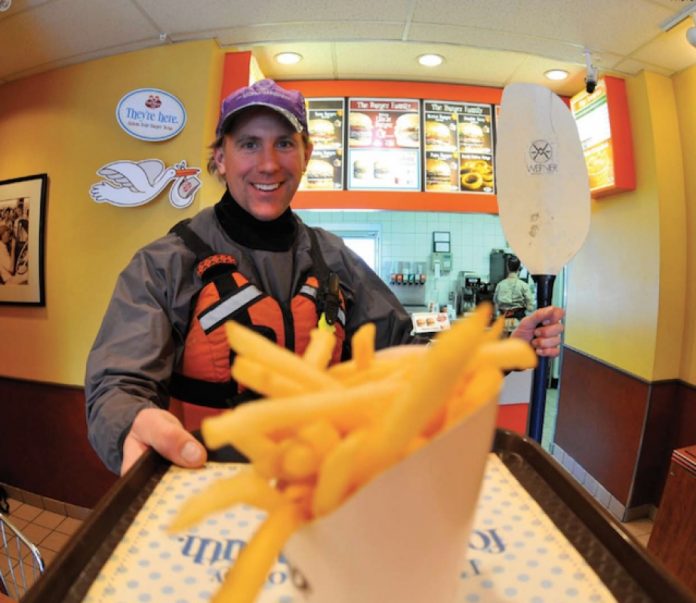
Photo: Dave Quinn
Want Fries With That?

As last summer’s eco-tour bookings declined alongside the economic slowdown, paddling guides across the country traded in their paddles, pancake flippers and natural history guidebooks for hammers, chainsaws and computers in an effort to put food on the table.

Although day tours did not decline appreciably, big-ticket, multi-day expedition bookings were down significantly across the board, with some large companies’ bookings down as much as 50 per cent from recent years.

This decline left many guides out of work and has forced them to take extreme measures: many of them had to find real jobs. This hardship had a significant impact on the lifestyles of these notoriously peripatetic individuals.

“I have been working for BC Ferries and for the Coast Guard,” said one displaced sea kayak guide.

“This keeps me on the water at least. But I miss the spontaneity and wilderness aspects of sea kayak guiding. On the other hand, I actually sleep in my own bed, see my family on a regular basis and have some money in the bank now.”

Other guides found themselves work in the construction trade, while some turned to other outside work as educators or forestry workers—but even those industries felt the pressure of the so-called recession.

Some guides, temporarily forced from the last wild reaches of the coastal world, resorted to the depths of homebound depravity, taking up computer-based work such as, well, writing. 


Patches of Heaven on Homewaters

Photo: flickr.com/image-catalog
Patches of Heaven on Homewaters

The old barnstorming pilots of the 1920s called it “the patch.” Cruising sailors call it their home waters. We kayakers have patches too. Often it’s an overlooked section of water, a creek, river, lake or bay that is only a short drive away and provides an opportunity for the little-recognized joy of the impulse paddle.

The pages of glossy travel magazines, heavy with all-inclusive resort advertising, lure and distract us with stories of far off lands and challenging paddling. Yet for most of us there is an adventure just around the corner.

I am one of the lucky ones. My waters are across the street. A tough couple days at work or too much time spent working on the joys of home ownership and I can have a hull in the water in 10 minutes. My impulse spot is our neighbourhood lake, 55 acres small.

In my ancient Aquaterra touring boat and my wife Charity’s pretty new Dagger, or our Old Town canoe with Iggy the adventure dog aboard, it takes us an hour to paddle and coast along the meandering shoreline.

Every time we slide a hull in the water we’re in for something different. We check on Carlos, the cormorant that winters on the lake and stands on the dam’s spillway ruffling his wings in the afternoon breeze. In the summer we count turtles and watch the little blue herons that sit on empty docks and scan the tannin- stained water for their dinner. Petite finches flit overhead, executing ragged aileron rolls and bouncing across the surface like skipping stones. There are neighborhood legends of ‘gators in the lake. Rumour has it they creep in from the Escambia River, but after three years we haven’t been lucky enough to see one, though I guess luck depends on your point of view.

Charles Mackay wrote in The Dionysia that “Water is the mother of the vine, The nurse and fountain of fecundity, The adorner and refresher of the world.” It doesn’t matter what your boat is—canoe, kayak or inflatable duckie—there is probably some water near you. Everyone, at one time or another, needs a little refreshing. And who doesn’t want more fecundity in their lives? I’m sure I need more of it.

Adventure doesn’t have to be big, and it doesn’t have to be distant. A true boater never forgets the patch, and the joy of the impulse paddle. When you get right down to it, Water Rat in The Wind in the Willows was right— there really isn’t anything “half so much worth doing as simply messing about in boats.”

BJ Armstrong is a U.S. Navy Search and Rescue pilot, a long-time kayaker and sailor, and a novice fly-fisherman from Norfolk, Virginia. 

AKv10i1-DE_1.jpgThis article first appeared in the Spring 2010 issue of Adventure Kayak Magazine. For more great content, subscribe to Adventure Kayak’s print and digital editions here.
Editorial: 10 Years of Million-Dollar Views

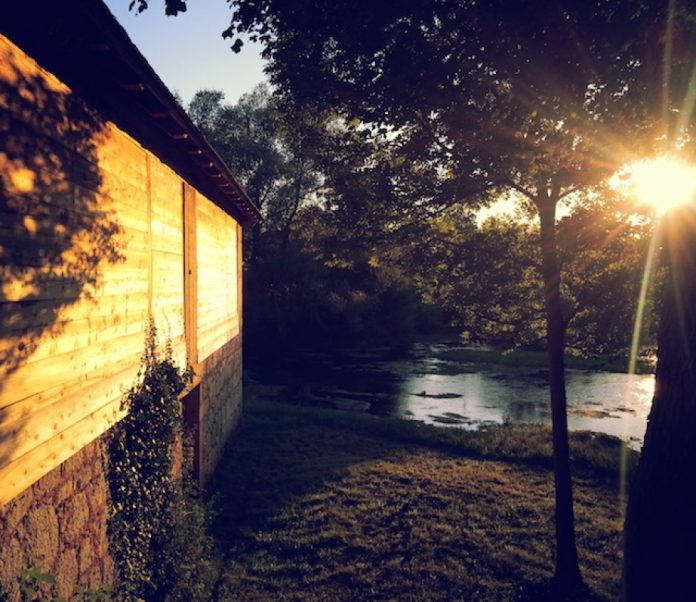
Photo: John Dowd
Editorial: 10 Years of Million-Dollar Views

You never know where life’s going to lead you. If you’d asked me 10 years ago where I’d be living now, I’d have said in a mountain wilderness or on the water.

I grew up in the heart of Toronto, a three-minute walk from Canada’s busiest intersection, the Trans-Canada Highway and the longest street in the world. I spent my first 30 years trying to get away from the concrete. I never would have moved back to my hometown if it weren’t for the woman I love.

Now Tory and I own a house downtown with eight kayaks in the backyard, street parking, a hound dog and a nine-month-old baby girl. I bike to work at a loft office with an art gallery and a Starbucks next door.

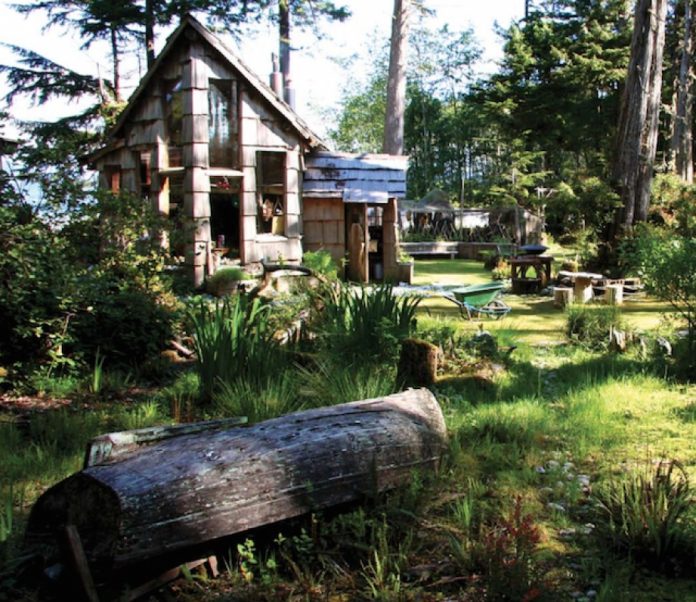
For our article about kayakers’ waterfront dream homes, I couldn’t think of any place more inspiring than John and Bea Dowd’s on a remote beach in Clayoquot Sound. Two summers ago, when Tory was two months pregnant, I had the ill-fated idea that this would be a good time to introduce her to open-ocean kayaking. I found myself huddled on a windswept beach in a rainstorm with one wet and nauseous wife.

I’d known the Dowds were in Clayquot Sound somewhere and had a standing invitation from John to stop in, but when I’d called their cell phone from Tofino I got voicemail. So it was unlikely that of all the beaches, we would have found theirs. But we did. The energetic figure happening along with a fishing rod the very moment we landed was the Father of Sea kayaking himself, and very soon Tory was warming up with a cup of tea by the woodstove and I was moving our gear into the guest cabin just as the rain started coming down hard.

That was the end of our travels. We spent three days enjoying the Dowds’ hospitality, their rainforest produce and fresh-caught salmon, while each dawn and dusk I would borrow one of John’s fishing rods and wade with him into the surf to try and stock the larder. Thank you, John and Bea.

When I asked John to write us something for this article, I promised he didn’t have to divulge exactly where he lives and crossed my fingers that he’d say yes.“I’ll check with Bea,” replied John, and fortunately, she agreed to share the story of their little piece of heaven with the world, along with the eight other extraordinary people profiled in the article.

Too often consumer magazines flaunt the aspirational trappings of wealth and fame, like homes with million-dollar views or $300,000 Breguet Tourbillon watches. I don’t want to fall into that trap. This article shows that you can live the dream without a lot of money, because most of the people profiled have downsized or opted out in some way, sought locations or lifestyles off the trodden path. This is something I try to do even living in the city—like Colin Beavan in the book No Impact Man—turning down the thermostat and downsizing my life so I spend less time earning money and have more time for the truly finer things, like paddling.

This is our 10th anniversary issue and I’ve been at the editor’s desk for eight of those years. If there’s any theme that’s kept me inspired for all these years, it’s this dream of the kayak-inspired lifestyle.

You never know where life will lead you, but with a kayak you can always make your home on the water, with a tent in the hatch ready to pitch in the most beautiful places on earth.

Here’s to 10 years of kayak dreams and unlimited million-dollar views, and to all the people who have built a life around kayaking, wherever their homes may be.  

AKv10i1-DE_1.jpgThis article first appeared in the Spring 2010 issue of Adventure Kayak Magazine. For more great content, subscribe to Adventure Kayak’s print and digital editions here.
Touring Kayak Review: Necky Looksha Elite

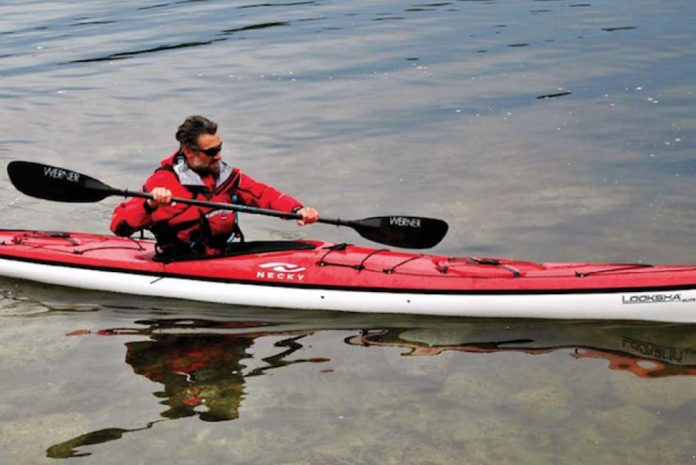
Man paddling red sea kayak.
The Looksha Elite is ready to cruise. | Photo: Rochelle Relyea

For Necky, the new Looksha Elite represents a return to its roots. Not another British-style kayak or “poke around the bay” rec boat, this is a true North American–style touring kayak, complete with a rudder instead of a skeg.

The Elite has a distinct Swede form, meaning its widest point is aft of the seat. While this creates a lot of volume for storage, racing kayaks also favor the shape for a number of other reasons: better stability; longer, more slender hull entry for increased speed and efficiency; narrower foredeck for a closer, more vertical stroke; tighter turns because the greater curve to the stern lifts more of the stern keel free of the water when edging; and less tendency to “pound” when paddling into oncoming waves and chop due to the finer bow entry and stern-biased volume distribution.

Necky Looksha Elite Specs
Length: 17′ 6″
Width: 22″
Cockpit:2″ x 16″
Weight:7 lbs fiberglass; 49 lbs  carbon
MSRP: $2,999 USD fiberglass; $3,999 USD carbon

necky.com

The Elite is built in Thailand, and while not particularly light (ours was 57 pounds), the build quality is excellent. A honeycomb foam core is used for stiffness, and everything is very nicely put together, with no leaks, rough edges, or imperfections. Hatches remained bone-dry after extensive rough-water play and rolling.

The fit accommodates a wide range of sizes. There’s lots of foot and legroom, but smaller paddlers won’t feel dwarfed. Optimal paddler weight is about 170 to 220 pounds, but at 150 pounds I thoroughly enjoyed it.

The seat is comfy and the back-band adjusts easily to provide solid support. The thigh hooks and the underside of the deck create a nice knee pocket for a very positive grip with the legs.

Initial stability is very comfortable and there is a ton of secondary.

Because the rocker is very pronounced, the Elite has very light tracking and benefits from being paddled actively, or else paddled with the rudder, which uses a SmartTrack pedal system. The downside is that with the rudder up, the Elite has a definite tendency to wander and blow around. The upside is outrageous manoeuvrability! Edging away from a turn will have you immediately carving a hairpin.

It’s a hoot in rock gardens and tight channels, and due to its speed is very quick to accelerate onto waves and swell, while the pronounced rocker makes the boat a blast to carve around on a wave. The clipper bow does a great job of staying on the surface even on steep waves.

[ Paddling Buyer’s Guide: View all touring kayaks ]

If you can’t imagine ever using a rudder, then this is not the boat for you. However, if you like efficient touring, carrying big loads, and accelerating down waves in a following sea along an open coast, then you will love the Elite.

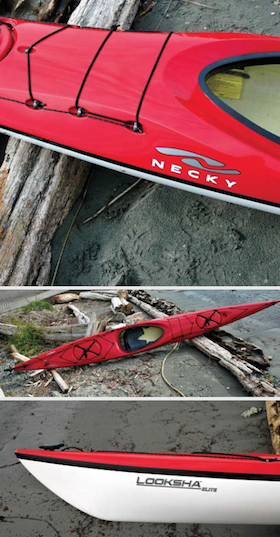
Three photos of different parts of a red sea kayak
Photos: Alex Matthews

Cut it out! (top)

Cutaways in the front deck allow for a closer, more vertical paddle position for an efficient catch at the start of each stroke. Large oval hatches (rigid shells over neoprene gaskets) provide easy access to storage.

Sweet Swede form (middle)

The Swede-form shape and “humped” stern deck create awesome cargo capacity in excess of 200 liters.

Bow up (bottom)

The Elite has a clipper bow (more vertical rather than long and overhanging) which extends the waterline for increased efficiency and provides more volume for better rough-water performance.

This article originally appeared in Adventure Kayak‘s Spring 2010 issue. Subscribe to Paddling Magazine’s print and digital editions here, or browse the archives here.

6 Straightforward Steps To Complete The Kayak T-Rescue

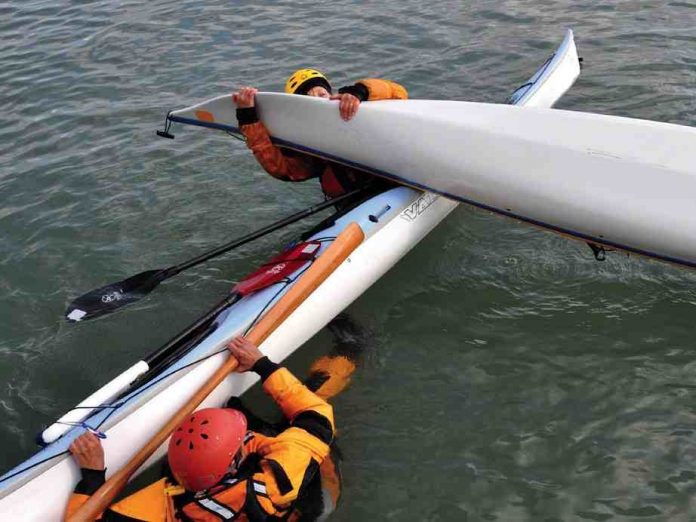
Photo: Sharon and Alec Bloyd-Peshkin
Performing a T Rescue. | Feature photo: Sharon and Alec Bloyd-Peshkin

The T-rescue is the workhorse assisted rescue for sea kayakers. Done properly, it enables you to quickly get a capsized paddler back into a dry boat in any conditions.

In recent years, old techniques have been replaced, such as having the swimmer hold and push down onto the stern of their kayak. Some have been added, such as the heel-hook reentry. Others are specific to sea conditions and paddler skill. But despite the variations, there are a few keys to efficient, effective T-rescues in every situation.


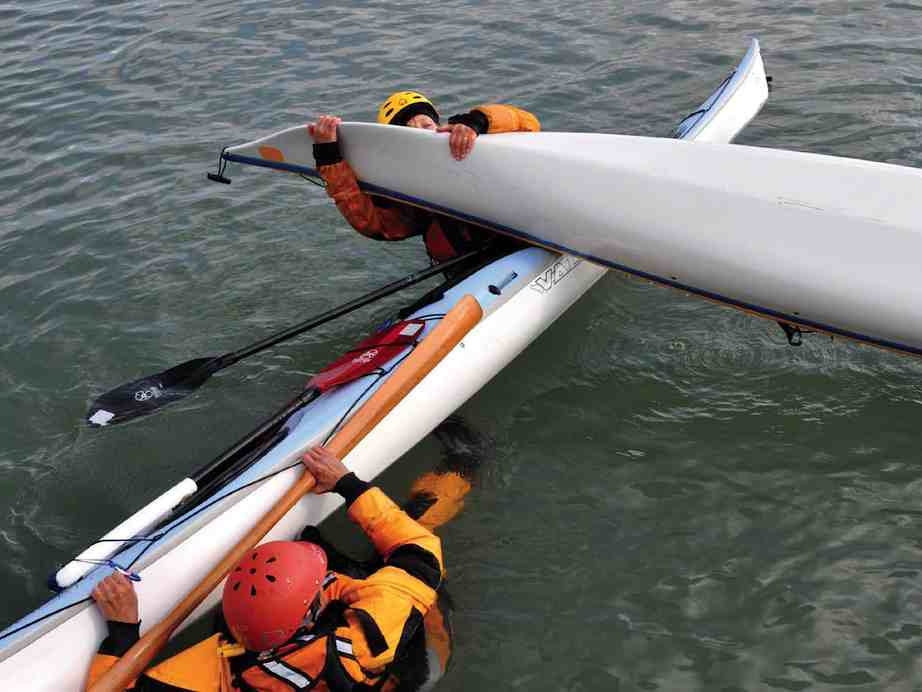
Photo: Sharon and Alec Bloyd-Peshkin
Performing a T-rescue. | Feature photo: Sharon and Alec Bloyd-Peshkin

Step-by-step T-rescue kayak technique

1 Don’t rush in

Take a moment to communicate and ensure she isn’t too panicky to cooperate. Remind her to hold onto her boat and paddle.

2 Flip the boat

Ask her to flip her boat, if possible, and slide to the bow. Then paddle up to her bow.

3 Transfer the capsized paddler

Have the capsized paddler transfer to your boat, preferably close to your cockpit unless conditions dictate otherwise. Don’t let her swim; remind her to hold onto the deck lines of both boats while making the transfer. Then swing her boat into the T position (bow facing your cockpit) by leaning on her boat and spinning it.

4 Slide the boat up on your spray deck

Bring the bow a foot or two past the far side of your boat so that the cockpit will clear the water when you flip it. Tip her boat toward you to begin emptying the cockpit, then flip it all the way upside-down. Instead of lifting the boat, grip it and edge your own boat away. You’ll be completely stable because her boat will act as a huge pontoon, and you’ll avoid straining your shoulders. Stay in this position until the cockpit is empty and you’ve flipped the boat right-side-up again. Slide the boat back into the water.

[ Paddling Buyer’s Guide: View all safety & rescue accessories ]

5 Position the boat for reentry

Maneuver the capsized boat until the stern is pointing toward your bow. Using the deck lines, slide the boat along to make it easy for the swimmer to transfer from your boat to hers without letting go of the deck lines. Then push the boat toward her as she walks her hands along the deck lines and arrives at the cockpit.

6 Capsized paddler reenters boat

How the swimmer re-enters is up to individual preference and conditions. Some people prefer a scramble re-entry, while others prefer a crab or heel-hook. Regardless, remind her to stretch out so that her center of gravity remains low. To secure her boat, grab the deck lines in front of her cockpit, wrap your body over her deck and hold tightly. If you hold the coaming, your fingers may get kicked or pinched, and you’ll have to transfer your hands to the deck lines so she can secure her spray skirt, providing a moment of instability. Remain in this position until her spray deck is on, she’s holding her paddle and she says she’s ready. Then slide gently away.

The main points here are ensuring that both people keep hold of the boats at all times, sliding boats instead of moving the swimmer, edging instead of lifting the capsized boat, and stabilizing the emptied boat by draping your body instead of using upper-body strength. These approaches facilitate a faster and safer rescue by enabling you to get into position quickly and use technique instead of strength.

Practice often in many conditions, with different swimmers and rescuers, and using various re-entry techniques. That way, you’ll have experience to draw upon when you really need to use the T-rescue.

Sharon and Alec Bloyd-Peshkin (www.bloyd-peshkin.blogspot.com) are ACA Level 4 sea kayak instructors and BCU Level 1 coaches at Geneva Kayak Center in Chicago.

This article was first published in the Spring 2010 issue of Adventure Kayak Magazine. Subscribe to Paddling Magazine’s print and digital editions, or browse the archives.


Performing a T-rescue. | Feature photo: Sharon and Alec Bloyd-Peshkin


Dagger Kayak’s Axiom: Whitewater Kayak Review

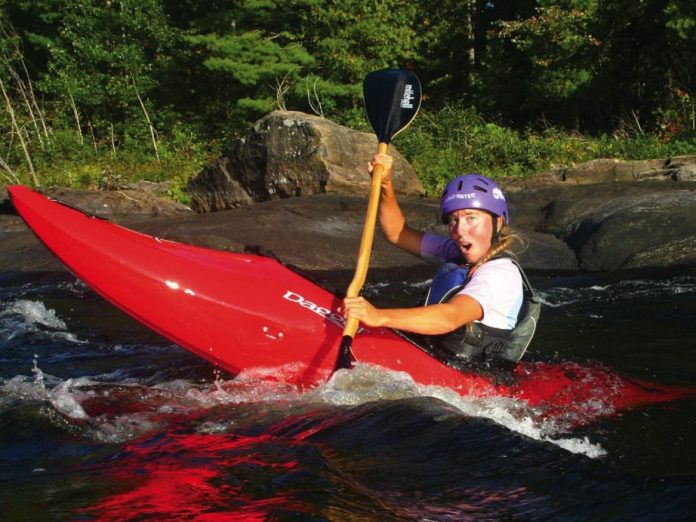
Virginia Marshall playing in whitewater rapids in the Dagger Axiom kayakPhoto: Stephanie Park
The Dagger Axiom kayak is much more fun when you're smiling. | Photo Stephanie Park

Paddling Media (Rapid included) often can’t resist referencing and drawing parallels—sometimes rather tenuously—to a watershed design like the Dagger RPM. In the case of the new Axiom, however, the line is clear.

Dagger Axiom Specs 6.9 / 8.0 / 8.5 / 9.0
Length: 6ft 9in / 8ft / 8ft 6in / 9ft
Width: 22.5in / 24.5in / 25.5in / 28in
Volume: 39 / 51 / 63 / 78 U.S. GAL
Weight: 25 / 34.5 / 42 / 45 LBS
Paddler: 65–120 / 90–150 / 130–210 / 180–265 LBS
MSRP: $795 US/CDN for 6.9, all other sizes $995 US/CDN
dagger.com

After more than 13 years, Dagger designers wanted to revive the classic river cruising style embodied by that now legendary boat with something equally popular, but unmistakably modern. Borrowing the RPM’s best traits and incorporating them into a modern planing hull package, Dagger designer Mark “Snowy” Robertson says he has created a “river cruiser” that sits between the river running Mamba series and the Agent playboat in the Dagger line-up.

The result is a boat that paddles like a river runner with the fat trimmed off and surfs like a playboat with nitrous in the trunk. The Axiom’s bow takes design cues from the Mamba and carries enough volume for a dry and roomy ride, but it’s noticeably slimmer than most river runners.

The greatest volume loss is in the stern, where the low profile permits easy back deck moves but is more susceptible to the vagaries of river currents than your average river runner.

The tapered stern also lends the Axiom much of its play potential, willingly slicing into eddylines, pour-overs and even green water for effortless stern squirts. Of the boat’s playability, Robertson says his focus was “on surfing and wave moves over more vertical end moves in holes.”

To this end, the long, fast planing hull and continuous rocker profile (which should look very familiar to RPM fans) make it easy to catch and surf even slow, shallow waves. You may find yourself, as we did, running entire rapids backwards just to catch a front surf on every riffle. Add in full-length rails that carve eagerly even when modest edging is applied, and the Axiom is ridiculously fun to surf. Working a wave in this boat is akin to shredding a super-cruisy blue run at your local ski hill—every bit as easy and no less enjoyable.

We did notice the considerable length the Axiom has over other river playboats—the medium-sized 8.5 is eight feet, six inches—makes flat spins and any moves in the wave pocket more of a challenge.

It’s just a fair bit more boat to swing around. Downriver, Dagger Kayak’s Axiom’s hull speed and carving capabilities make for very crisp eddy-hopping. Robertson says that it “paddles well in bigger water situations where turning from the stern and rapid acceleration around holes and surface features is important.” Combined with superior tracking and forgiving edges, the Axiom is a solid choice for extreme racers.

So who is Dagger targeting with this new river cruiser? While Robertson insists that he did not set out with the design intent of replacing the RPM, he concedes that it is RPM paddlers—past and current—that he hopes to attract with the Axiom. Robertson says, “We foresee a slightly older generation of paddler than the usual youth-oriented playboat market.”

With four sizes to suit both parents and children, Dagger is also hoping the Axiom gets more families on the water together.

The word Axiom describes a universal principle or self-evident truth. Fitting, since this new boat draws heavily on the best designs that have preceded it, and the Axiom’s roots are in an undisputed classic in the lineage of whitewater kayaks.

The Dagger Axiom kayak is much more fun when you’re smiling. Feature Photo: Stephanie Park

National Do-Something Day

Photo: Bev McMullen
National Do-Something Day

A year before our first child was born we broke ground building our dream home. I was hell bent and determined to have the house finished before we moved in. I swore I wouldn’t be that guy with Tyvek siding and plywood floors. I’d have doors on my cupboards. There’d be trim on my windows. Every nail driven was one nail closer to sitting in our screened-in porch enjoying late sunset dinners. 

Today, four years after moving in, we have open studded ceilings, closet doors without knobs and there is a gap between the ceramic tile in the kitchen and the red pine flooring in the dining room. Yes, Cheerios, marbles and dead flies collect there. 

It would take me only a few hours to finish this job. A trip to Home Depot to buy the trim and a couple hours measuring, cutting, gluing and nailing everything into place. But it’s not going to happen. Today is June 26 and it’s National Canoe Day. We’re going to join paddlers from coast to coast to coast in canoe-related activities in waters of our own choosing. We’re spending our National Canoe Day paddling to a place my son calls Bunny Island.

Last week, June 13 to 21 was Bike Week in the United Kingdom. My daughter Kate just turned three years old and with her chocolate cupcakes came her first two-wheeler. As a former colony with the Queen still on our money, it seems the only right thing to do is ride our bicycles. 

National Fishing Week kicks off July 4. As the publisher of Kayak Angler, one of Canoeroots’ sister publications, it would be irresponsible for a guy like me to not take my kids fishing, besides “recreational fishing is a heritage activity that provides an opportunity for people of all ages and from all walks of life and cultural backgrounds to get outdoors and enjoy both the excitement and serenity of fishing.” Sold. Who should argue with the Canadian National Sportfishing Foundation and deprive their kids of true cultural experiences and their heritage.

In the United States they have National Camping Month and to celebrate we’ve lined up two family canoe camping trips down the Petawawa and Dumoine Rivers. At this rate, I can’t see me getting at the Cheerio gutter until early fall or maybe even winter—but then there’s National Jump in the Leaves Month and the entire alpine ski season to look forward to. 

The Outdoor Industry Association’s 2008 Outdoor Recreation Participation Report suggests that from 2006 to 2007, there was a 12 per cent decrease of participation in outdoor activities among American children ages 6 to 17 years of age. The same is probably true in Canada. 

When it comes to home renovations Bob the Builder says, “Can we fix it? Yes we can!” But first let’s tackle the more important project of reversing a potentially deadly trend and get kids outside. “Can we fix it? Yes we can!” Sometimes all it takes to get a job done is writing it on the calendar.

This article was originally published in the 2009 Summer/Fall issue fo CanoerootsThis article first appeared in the Summer/Fall 2009 issue of Canoeroots Magazine.

 

Paddle to the Amazon Again

Photo: Don Starkell
Paddle to the Amazon Again

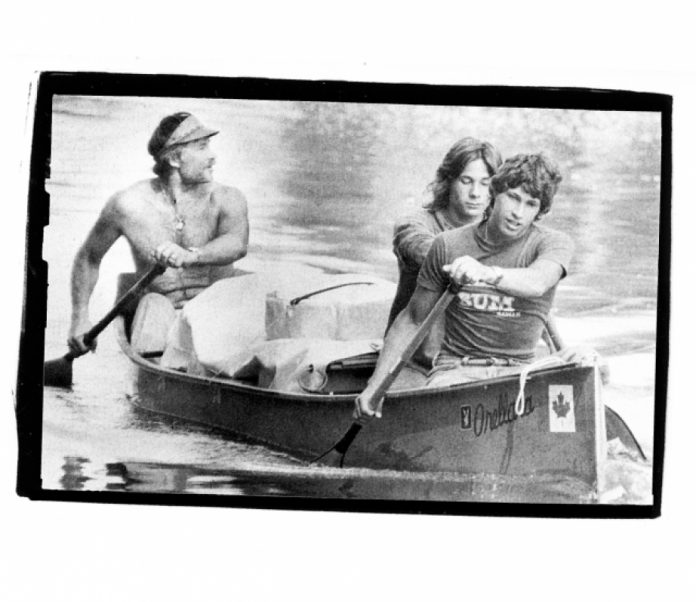
In 1980, Don Starkell and his son Dana embarked on what became the longest—and in another sense the largest—canoeing adventure ever. The two started from home in Winnipeg and finished in Belem, Brazil, a world-record-setting 19,603 kilometres later. 

Don’s book about the journey, Paddle to the Amazon, became an instant classic in paddling circles thanks to its tales of pirate attacks, near starvation, accusations of espionage and threats of execution.

Despite this, Starkell has remained largely out of the pantheon of better-known adventurers like Steve Fossett, Sir Edmund Hilary and Colin Angus.

Starkell might soon be getting more widespread credit, thanks to filmmaker Chris Forde and his soon-to-be-released documentary. Forde is hoping Starkell’s book publisher will let him borrow the same title for the film.

Forde interviewed the main cast of characters including Starkell’s other son Jeff, who abandoned the trip halfway through. The film, however, is more than a regurgitation of the book. 

As it turns out, when the project began the Starkells were re-tracing a section of the original trip. This excursion became the backbone of Forde’s documentary. 

“It gives the viewer the feeling that they’re going to go all the way down the Mississippi with them.” Forde explains.

In addition to this more recent footage, the film captures the dangers of the original route through some of the most politically unstable countries in the world. A particularly chilling moment occurs when Starkell talks about the dangers he expected to face on the trip.

“I had a list of things I thought would be hardest to endure,” says Starkell. “First off, I said weather, insects and water supplies. But as I got further in the trip—and it didn’t take very long—man went right to the top.” Starkell claims to have been shot at 14 times and at one point he and Dana were dragged into the jungle and almost killed.

Forde wanted to reveal the real motives behind this “family trip” that took 10 years to plan and two years to execute, but he had to question Starkell repeatedly.

“He offered all sorts of reasons why he did the trip: he got divorced, he wanted to do something with his kids and he wanted to inspire his kids,” Forde explains. “I sensed he would get close to the real reason and then veer off.”

“Finally, on the last day on the Mississippi, he told me. He wanted to test his limits. He wanted to know how far he could go before he actually died. This is what the trip was ultimately about to Don.”

Similarly, when Forde is asked about why he undertook the documentary he gives a reasonable answer about increasing awareness.

“This story should be a part of our culture, everybody should know about this. We have Terry Fox. Starkell should be right up there,” argues Forde.

When asked again however, he digs deeper. 

“I wanted to meet Don. I think more than anything I wanted to meet my hero.” 

This article was originally published in the 2009 Summer/Fall issue of CanoerootsThis article first appeared in the Summer/Fall 2009 issue of Canoeroots Magazine.