Four-time Freestyle World Champion kayaker Dane Jackson is no stranger to making 100-foot descents off the most iconic waterfalls around the globe. Jackson is best known for his humble yet aggressive approach to adventure with only a paddle and his signature pink kayak.
His expeditions to Chile, Pakistan, Africa, and most recently, Mexico have showcased vivid geography and unmatched athleticism on what can be done in a kayak. The three-time Grand Prix Champion’s knack for progression runs through him, just as it does the water around him.
Feature Image: David Sodomka courtesy of Honest Interactions PR
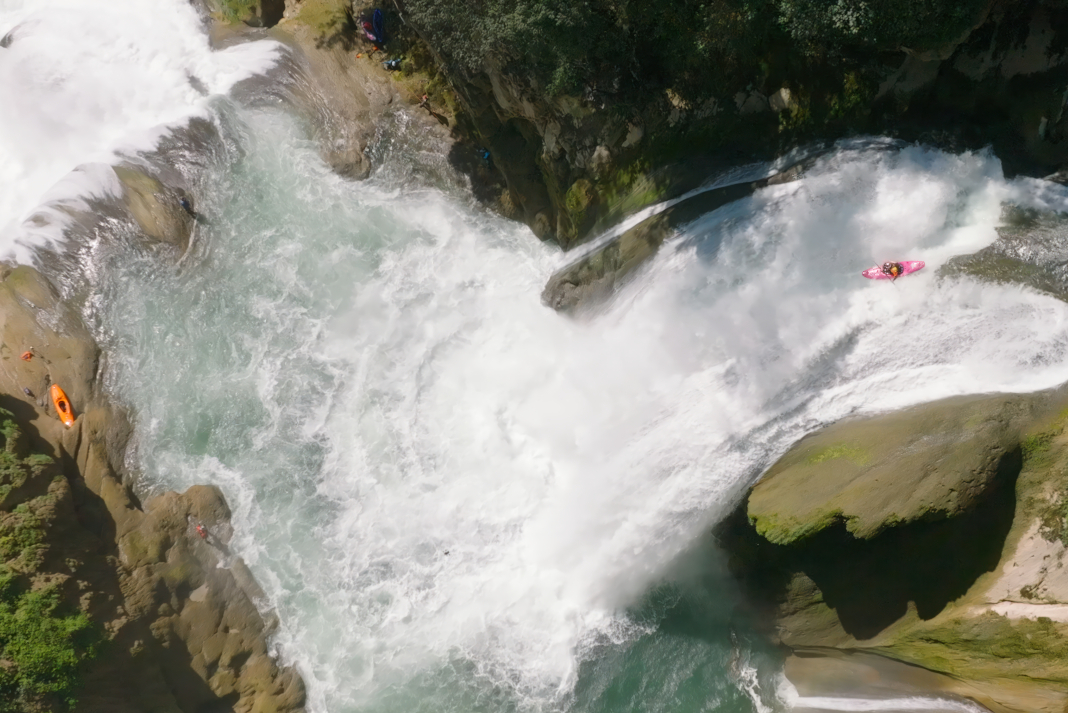
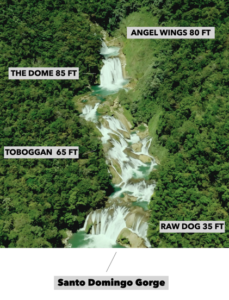
In Jackson’s latest feat, he explores the Santo Domingo Gorge in the remote wilds of Chiapas, Mexico. The four-part gorge drops a mind-bending 300 feet in less than .2 miles. It is the steepest rideable waterfall on the planet. The Santo Domingo Gorge is as remote as it is wild. Its aquamarine-blue waters have carved deep river gorges through travertine stone.
“Having seen this place in photos and video for over 14 years, it was a section always in the back of my mind,” said Jackson. “Coming up on 10 years since the last crew was able to make it happen, we knew it was finally time.”
Image: Courtesy Honest Interactions PR
Much of the Santo Domingo River is inaccessible except by kayak, leaving few rescue options and taking the risk factor to the next level. The Santo Domingo Gorge has four powerful waterfalls: Angel Wings, The Dome, Toboggan, and Raw Dog. The flourishing falls are just as threatening as they are strikingly scenic. The steep 300-foot descent required a hand-selected safety team to mitigate the risk of the vertical drops and unpresented water levels. One error at the top would present a potential worse case scenario.
Despite the risk, the team comprised of Israel “River” Maderos (Mexico), Bren Orton (United Kingdom), Adrian Mattern (Germany), David Sodomka (Czech Republic) and Issac Martinez (Mexico) built a calculated plan through a series of scouts, emergency procedures and strategic positioning along the drop. The nearest hospital was nearly two hours away by car on battered backroads. That’s after extracting an injured kayaker out of the deep gorge, which would take countless hours.
“I have been to so many incredible places all over the world, but the Santo Domingo Gorge is truly a one-of-a-kind sequence of waterfalls,” said Jackson after his successful descent. “It is one of those places you can’t believe when you see it. You can look up at that majestic sequence of waterfalls and know you can run the entire thing; there is nowhere and nothing like it.”
Content was produced by SanDisk ambassador, Lucas Gilman. Much like Jackson’s descent, there is no second chance or take-two to capture a feat as monumental as this. The stunning photography and videography were taken on a Nikon Z9 8.3K 60 + 4K120 FPS RAW, DJI Mavic 3 5.1K + 4K 120FPS, Panasonic Lumix GH6 5.7K 60 + 4K 120FPS in addition to several GoPro Hero setups.
With no intent of slowing down, Jackson continues to outdo himself as this generation’s top freestyle and expedition kayaker.
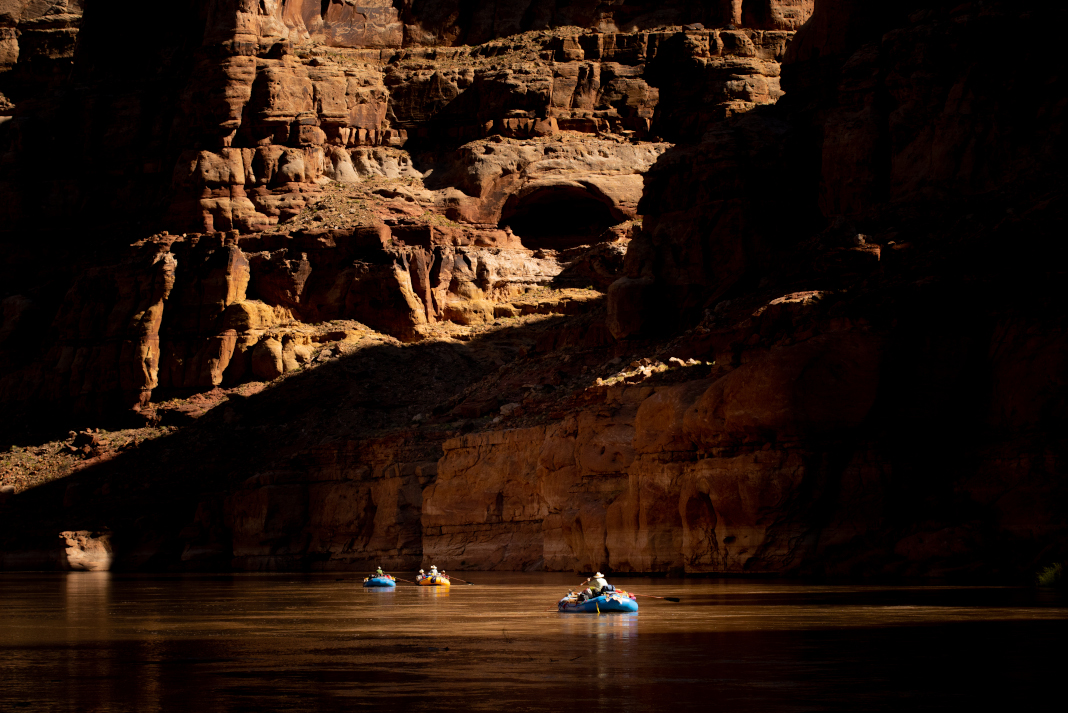
On May 24, 1869, John Wesley Powell and his men stood on the banks of Expedition Island in Green River, Wyoming. They watched as their sleek wooden boats bobbed with the ebb and flow of the Green River as they came to terms with what lay ahead. They were about to embark on a harrowing journey into the last unmapped region of the United States —the deep canyons and airy basins of the Green and Colorado rivers.
For millennia, the hydrologically connected waterways provided the natural plumbing network that drained the Colorado River basin, a conveyor belt of nutrients and sediment that provided the foundation for diverse ecosystems, vibrant riparian corridors, and interconnected lands with staggering biodiversity. For 100 days, and 1,000 miles, the expedition fought for survival in order to survey the drainage.
Feature Image: Ben Kraushaar
Has the Colorado River run out of time?
One hundred and fifty years after Powell’s expedition, our society is barreling toward a new unknown. Powell’s expedition catalyzed a young America to push west. Despite Powell’s warning about the resource limitations, the Colorado River basin was fragmented, dammed, diverted and manipulated. Over 100 dams severed the basin. Water once confined to watershed boundaries was diverted through a spiderweb of tunnels, canals and aqueducts.
Today, 40 million people rely on its water, while the dams within the basin generate 7,178 megawatts of electricity to meet the insatiable power needs of a growing Western U.S. We find ourselves with a river system that has lost all sense of equilibrium. Yet, our dependence on it has never been higher.
Despite the Colorado River’s immense importance, its future is in peril. The basin is over-allocated, and the most recent studies suggest human-induced rapid environmental change (HIRC) could reduce the flow of the river by as much as 30 percent by 2050. On top of this, the area is currently experiencing the worst drought in recorded history. Supply and demand imbalances, climate change, inequity, aging infrastructure, and aridification all threaten a sustainable future in the American West.
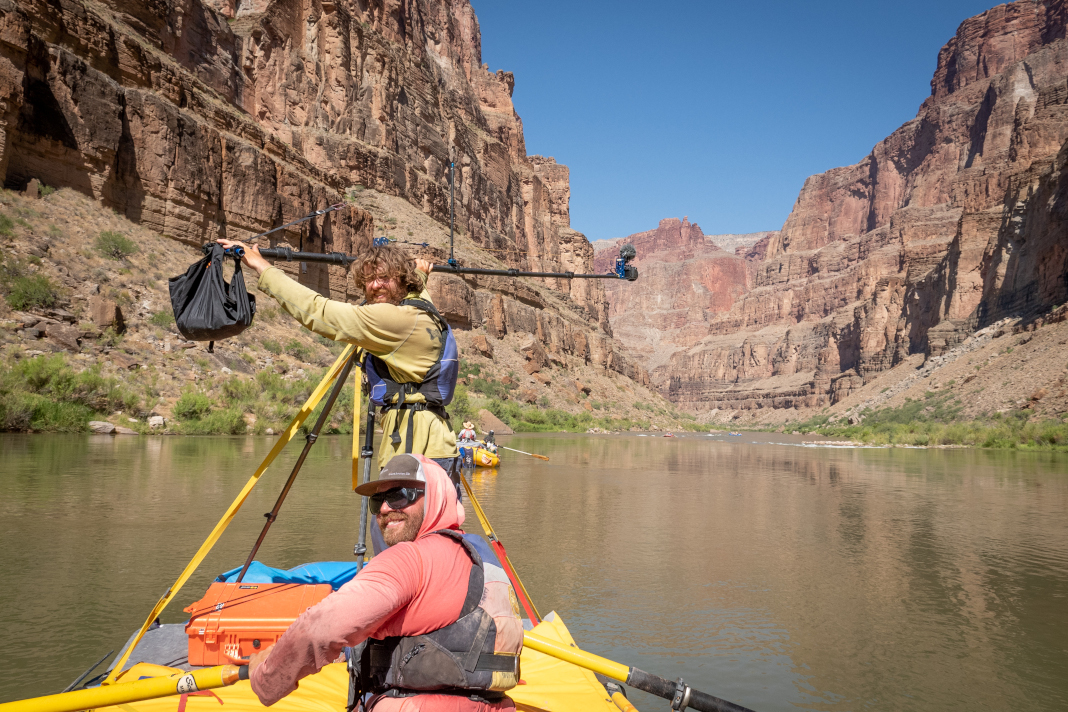
Directors Ben Kraushaar on the crane and Cody Perry at the oars. Image: A River out of Time
Retracing the past to see the future
Wanting to witness the state of the Colorado basin firsthand, I joined a once-in-a-lifetime opportunity to re-create Powell’s expedition in modern times, the Powell 150. The 150-year anniversary of Powell’s expedition provided the perfect framework to reexamine Powell’s legacy and our modern society’s complex relationship with the Colorado basin.
We launched our expedition from the same banks Powell did in Green River, Wyoming. Over 71 days, our crew of scientists, artists, filmmakers and tribal members traversed 1,000 miles down the basin in Powell’s footsteps. Much has changed since his inaugural passage. We towed our boats across reservoirs and shuttled around dams. Still, we were enveloped by the true beauty and transformative power of dynamic riverscapes.
Along the way, we encountered the manifestations of our societal needs, spoke with water managers and tribal members, and did our best to provide an objective assessment based on our conversations and firsthand experiences.
Image: A River out of Time
[ Prep for a voyage of your own down the Colorado River ]
The result of our work is the feature film, A River Out of Time, directed by myself and Cody Perry. The film is a journey to provide the viewer with unique insight into the entirety of the basin. It opens diverse commentary from historically marginalized communities, lays out hard truths and showcases the natural wonders still to be found in the river basin Powell launched into over a century ago. Our hope with A River Out of Time is to share a modern assessment of not just where the Colorado River stands, but the course it is heading.
A Southern California kayaker was in for a surprise when he went to get his boat ready for a spring paddle, only to hear the sound of a rattlesnake. Fortunately, RBI Snake Wrangler stopped by to confirm visually. The professional also safely removed the snake from the kayak, as seen in this video.
How To Help Avoid Finding A Rattlesnake In Your Kayak
Snakes climbing in kayaks are no rare encounter. The cool, dark spaces inside a cockpit or under a cover are ideal for the reptiles to spend time out of a warm sun. It’s a bonus for them if your boat happens to be around gardens and homes. These are where insects or small rodents regularly congregate.
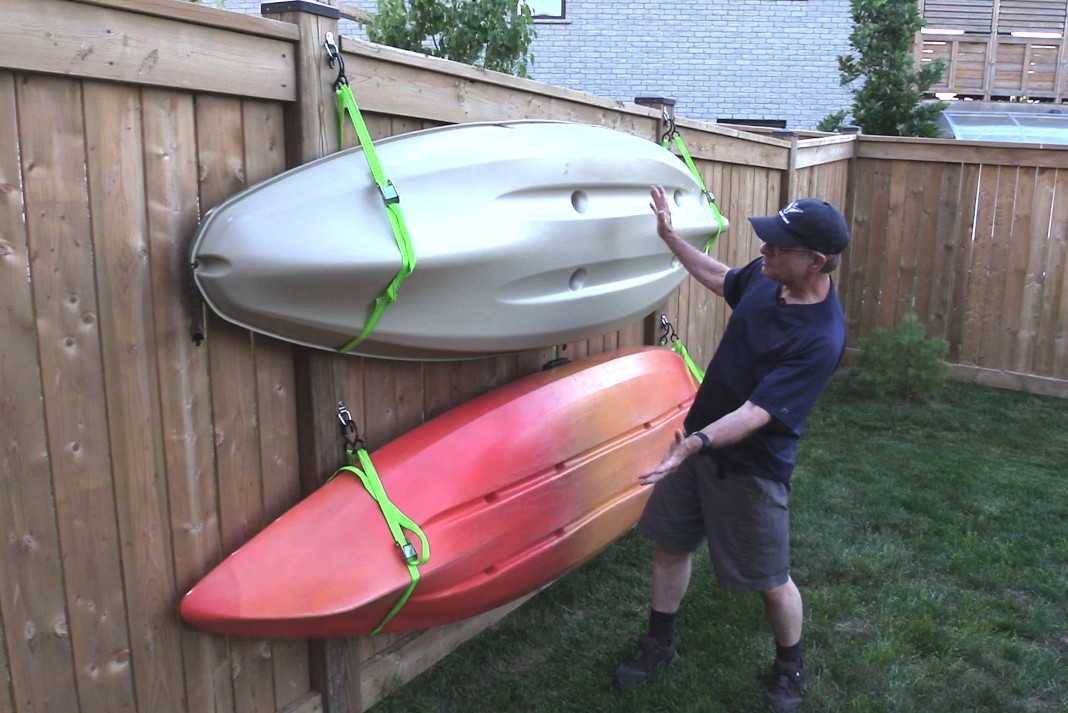
It’s helpful to store your kayak off the ground when possible. For those with a closed-deck kayak, a cockpit cover is an excellent step to keep snakes, spiders, and other animals from nesting inside.
Cautiously inspect your craft if you last used it a while ago. Especially if you live in an area with venomous animals, like rattlesnakes, and your kayak has been stored outdoors. Inspecting a sit-on-top is pretty straightforward, but a closed-deck boat will require more finesse.
Having experienced snakes in boats ourselves, here are a few quick tips. First, rattle your boat, as the paddler from the video had likely done. Carefully look for evidence of presence. Fill your boat with water from a garden hose. Then put it out to drain in an open sunny space. This helps create circumstances no longer conducive as a hiding space. If a potentially dangerous animal reveals itself at any point in the process, step away to let it escape on its own. And go ahead a give the wildlife experts a call.
Denver, CO:The Big Gear Show announced today two new partnerships for its upcoming June 2023 show in Denver at the Colorado Convention Center: Adaptive Adventures and Founded Outdoors. Both organizations support The Big Gear Show’s vision of showcasing Diversity, Equity, and Inclusivity in action within the industry, offering retailers, media, and consumers an opportunity to experience a truly inclusive outdoor industry show.
As the single largest nonprofit recipient of the U.S. Department of Veterans Affairs Adaptive Sports grants, Adaptive Adventures provides progressive outdoor sports opportunities to improve the quality of life for children, adults, and veterans with physical disabilities and their families. They will showcase their wide variety of adaptive gear at The Big Gear Show, providing people of all abilities the opportunity to learn and experience what is possible in adaptive outdoor recreation.
Adaptive Adventures Executive Director Chelsea Elder notes, “The Big Gear Show is the perfect venue to engage and educate the entire outdoor industry on a very active and able group of outdoor recreation enthusiasts, providing it with the necessary insights to grow the industry through greater accessibility and inclusion.”
Launched in 2021, Founded Outdoors supports emerging businesses nationwide through community, programming, and connections, with the goal of increasing access in the outdoor industry as well as in outdoor places. Their community includes over 400 outdoor entrepreneurs at different stages across product categories and is supported with ongoing knowledge-sharing, peer support, resource databases, and topical workshops and events.
“Entrepreneurs need specific skill sets, industry knowledge, and professional connections to drive business growth, and in-person events like the Big Gear Show provide important opportunities for beginning to build those strategic relationships,” said Katie Doherty, head of Partnerships with Founded Outdoors.
The Big Gear Show brings a whole new organization and platform to life for the greater outdoor recreation industries. Introducing a unique B2B2C format, the event provides two dedicated business-to-business days, followed by two days of consumer attendance, broadening the value of the event for all participants. Co-located with (e)revolution, the first e-bike-focused show in North America, The Big Gear Show attendees can also learn about the growing electric bicycle market by attending two events in one location. Additionally, a professionally designed interactive demonstration area enhances the show experience.
“Adaptive Adventures and Founded Outdoors participation in The Big Gear Show is the beginning of several inclusivity programs we are developing with future announcements coming to include REI Path Ahead Ventures, In Solidarity Project, and the Moosejaw Accelerator program,” said Kenji Haroutunian, show director for The Big Gear Show. “Instead of merely discussing Diversity, Equity, and Inclusion at industry events, attendees will see it in action,” added Haroutunian, who has dedicated his work over decades to driving inclusion in the industry.
The Big Gear Show takes place June 8-11, 2023, at the Colorado Convention Center in Denver, Colorado. Exhibit space is still available, and trade show badge registration is open. Consumer ticket sales begin in April 2023.
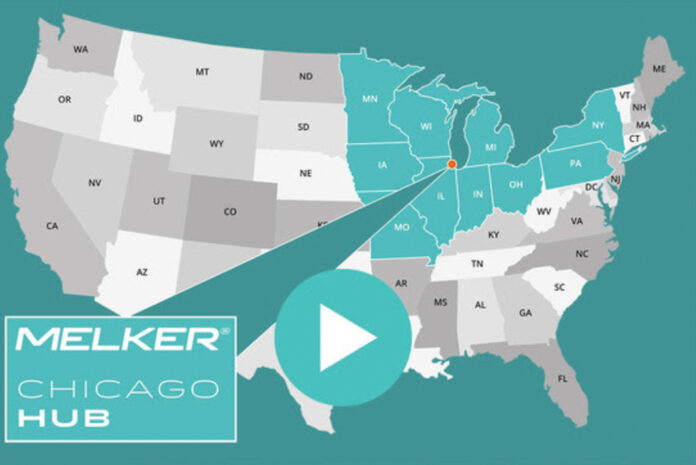
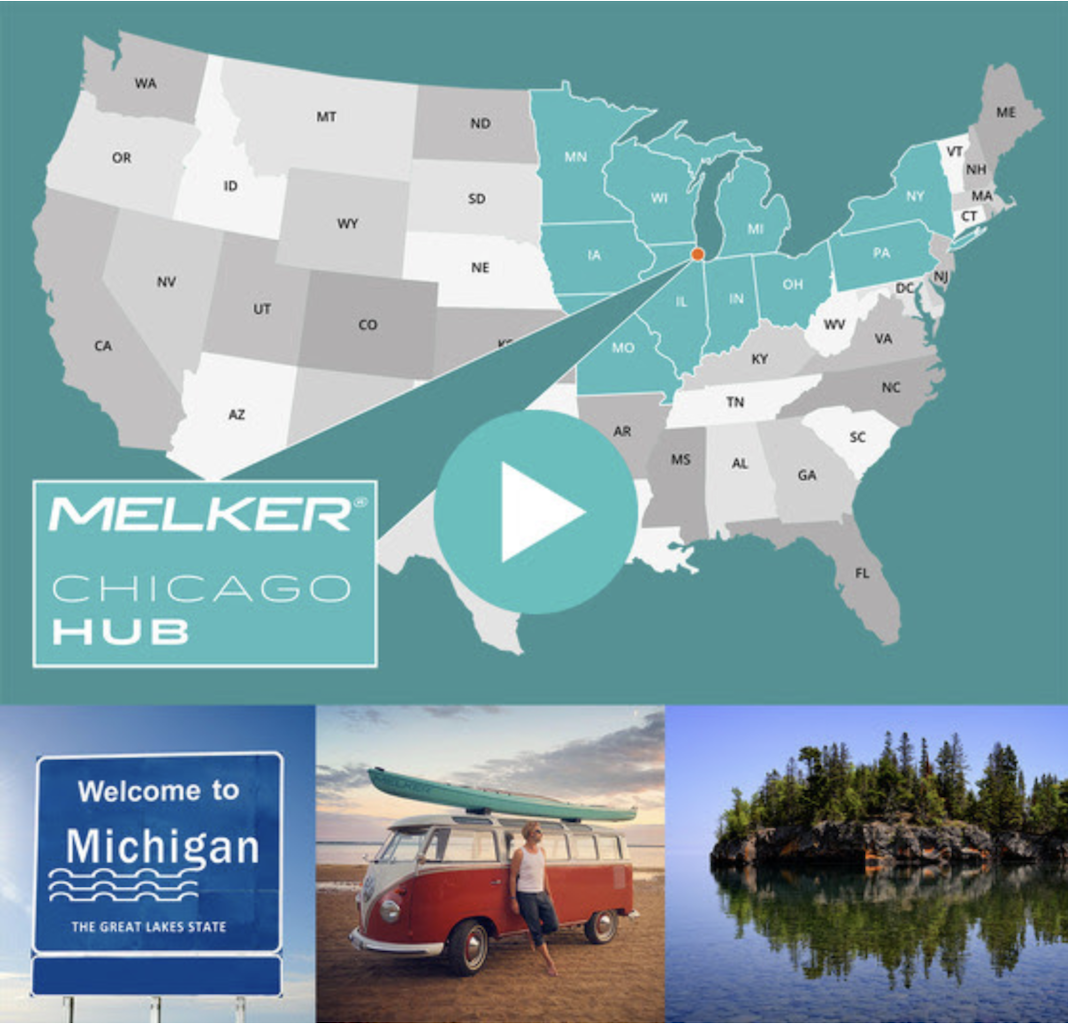
Solna, Sweden, March 31, 2023 – Melker of Sweden has announced they are establishing a distribution hub in Chicago to expand access to their kayaks in the Great Lakes and Midwest region of the United States.
The next container of kayaks will arrive in the coming days and an additional 40-foot container is already being packed. Melker will continue to regularly ship 40-foot containers to Chicago to ensure there is sufficient stock year-round.
They are currently offering any dealers they visit on their U.S. road trip a special kickstarting campaign, where kayaks can be purchased at a reduced price if one of each model and size is purchased.
Kayaks can be picked up at no additional cost at the Melker of Sweden warehouse in Lake Bluff, Illinois. Delivery can also be arranged along the company’s cost-effective monthly delivery routes.
Melker of Sweden was founded in 2015 in Hammarö, Sweden by local serial entrepreneur and designer, Pelle Stafshede, with the bold ambition to completely change the game in the outdoor hardware industry.
Our mission is to find out how we can serially produce top quality kayaks as sustainably as possible. In our journey we have tried everything from bamboo to used coffee bean bags. Right now, we believe flax fiber is the best alternative when it comes to quality and sustainability.
Flax fibers are locally grown in Europe and allow our kayaks to achieve the highest possible mechanical properties while significantly reducing their CO2 footprint.
Melker currently offers four sea kayak models: Rödlöga (LV and HV), Ulvön (LV and HV), Väderö and Örskär. A completely bio-based and circular kayak will be commercially available in mid-2023 with two shorter kayak models becoming available in 2024.
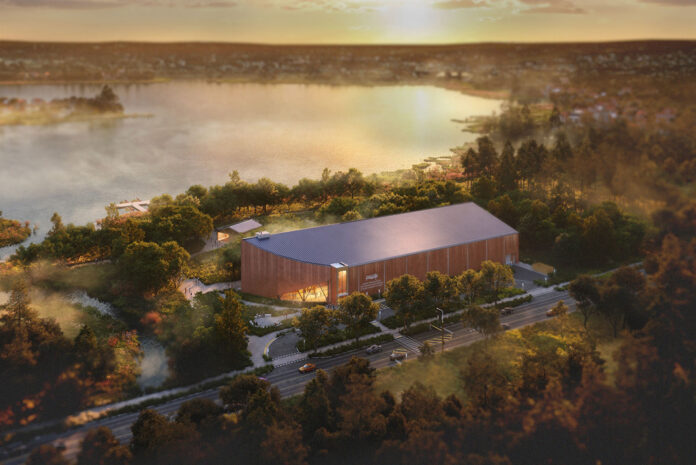
The future home of The Canadian Canoe Museum, set to open later this summer or early fall, will invite visitors to walk in the front door of the Museum and paddle out the back with an array of outdoor programming on its new Lakefront Campus. Render by Lett Architects Inc, courtesy of The Canadian Canoe Museum.
PETERBOROUGH, Thursday, March, 30 2023 – The Canadian Canoe Museum (CCM) is thrilled to announce a transformative gift of $1,775,000 to create a vibrant, community-oriented waterfront campus along the shores of the Museum’s future home at 2077 Ashburnham Drive. The Lakefront Campus and Gathering Circle, made possible by the philanthropic efforts of former CFL player and businessman Stuart (Stu) Lang and his wife, Kim, will offer visitors the chance to learn and build connections with the land, water, and community through immersive, authentic outdoor experiences that will create a new generation of paddlers.
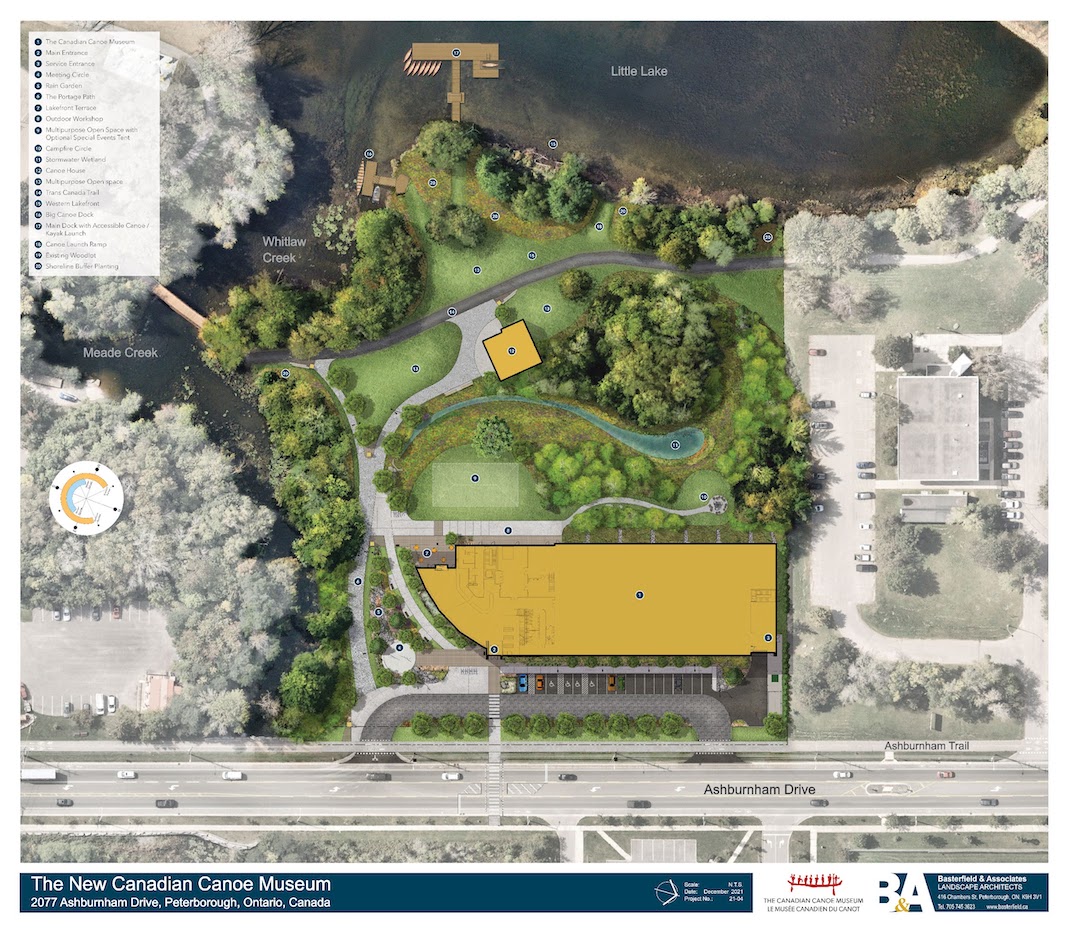
The CCM’s future home features a beautiful 5.3-acre Lakefront Campus that will extend and enhance the museum experience, offering visitors a variety of outdoor activities both on and off the water. The 1,200 feet of shoreline, docks, boardwalk, restored and naturalized spaces, and wetland will act as a multi-purpose outdoor classroom for learners of all ages and be an active community space.
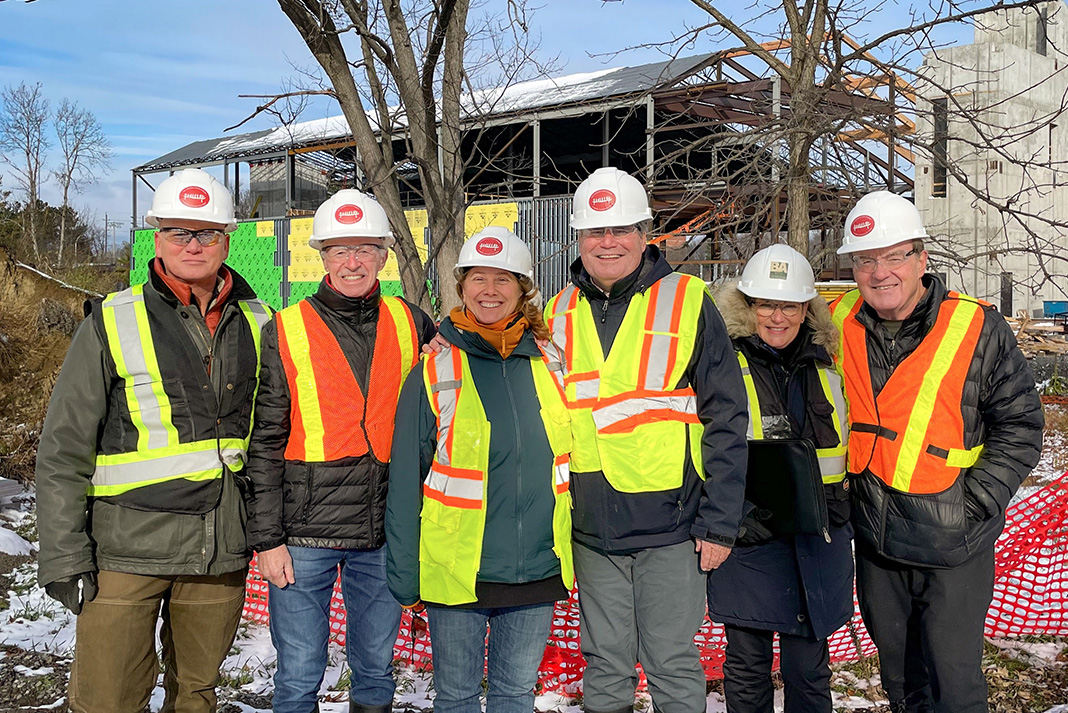
Jeremy Ward (curator), Rodger Wright (fundraising cabinet volunteer), Carolyn Hyslop (executive director), Stu Lang (donor), Helen Batten (landscape architect, Basterfield & Associates Ltd.) and David Hadden (fundraising cabinet volunteer) during a visit to the CCM’s future home under construction at 2077 Ashburnham Drive (Peterborough, ON). | Photo: Courtesy of The Canadian Canoe Museum
“We are incredibly grateful and fortunate for the passion, vision, and generosity of the Langs. Stu has taken great pride in helping craft an active waterfront that can complement the Museum, with many of the ideas for the Lakefront Campus coming from Stu himself. This gift, confirmed in the fall of 2022, has grown to the transformative gift it is today because of the Langs’ commitment to excellence and elevating the CCM to a national level,” shares Carolyn Hyslop, executive director.
A conceptual illustration of the Lakefront Campus and Gathering Circle. The new 65,000 square-foot museum and 5.3-acre Lakefront Campus on the Trent-Severn Waterway will not only care for the watercraft and chronicle their history, but it will also enable visitors to experience the magic of the canoe and the outdoors firsthand. The Lakefront Campus will feature a Gathering Circle, an accessible boardwalk to the Trans Canada Trail and waterfront, a Canoe House, a dock for voyageur canoe tours, a large dock for teaching and canoe and kayak rentals, an accessible canoe and kayak launch, and a walk-in canoe launch. | Illustration by Basterfield & Associates Ltd., courtesy of The Canadian Canoe Museum
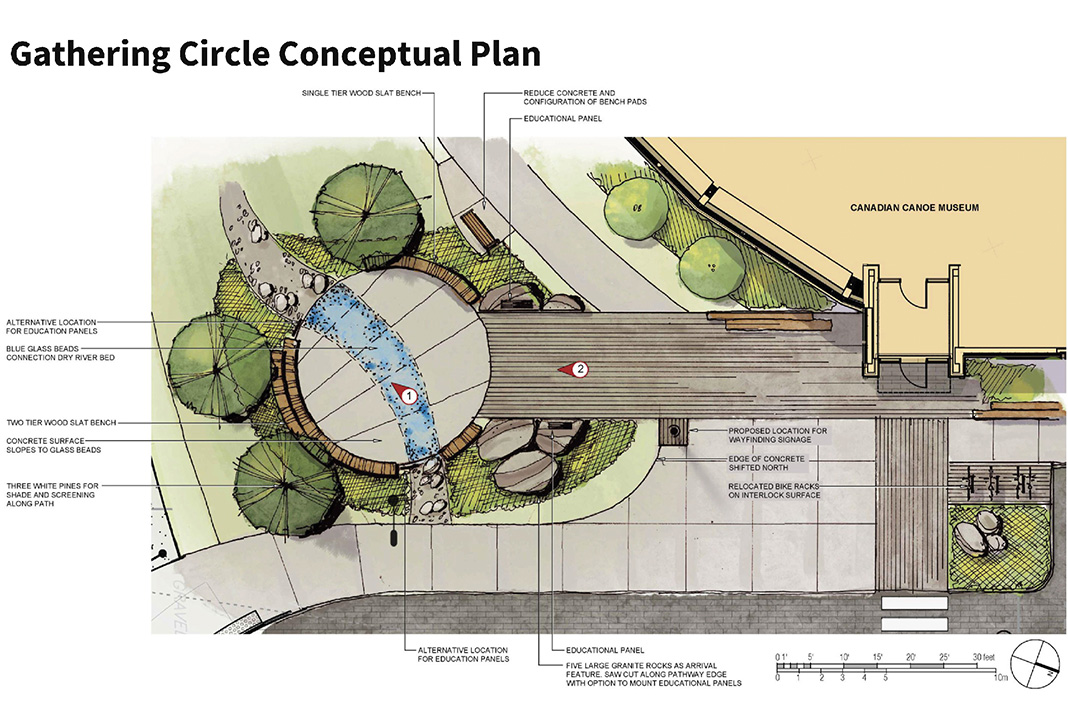
A Gathering Circle outside the Museum’s main entrance will greet visitors arriving by car, bus, bicycle, or on foot. Inspired by Canadian canoe routes and the water’s impact on the landscape, the Gathering Circle will feature natural elements, emphasizing the relationship between land and water. A water infiltration garden, wood slat benches, and a small amphitheatre surrounded by large granite boulders and white pine trees will offer visitors a space for reflection and education before or after their adventures.
The redevelopment of the waterfront will also include an accessible, year-round boardwalk connecting the CCM to the Trans Canada Trail and the shoreline. There will be many opportunities to get out on the water with a walk-in canoe launch, two expansive seasonal canoe docks, and an adaptive canoe and kayak launch station. The docks and Canoe House will allow the CCM to host voyageur canoe tours, adult and youth paddling programs, certification courses, regattas, and canoe and kayak rentals for the public.
The Gathering Circle outside the main entrance will provide a welcoming space for individuals and school or tour groups before or after their visit and a space for rest and reflection for Trans Canada Trail users. Wood slat benches, built-in speakers, and a small amphitheatre built into the surrounding granite stones will enable it to host special events. | Illustration by Basterfield & Associates Ltd., courtesy of The Canadian Canoe Museum
The Lakefront Campus is an entirely new offering for the CCM, one where visitors can take their newly acquired skills and understandings outside and put them into practice immediately, creating a fully integrated visitor experience. Visitors can go from learning about the canoe to stepping out of the Museum and, within only a minute’s walk, enjoy paddling around Little Lake.
“The Lakefront Campus will make our museum come alive! Participants in a paddle carving or canoe restoration workshop will experience the excitement of testing their freshly honed skills on the water. School children and campers will get their hands dirty while exploring the biodiversity of the wetland or learning to build a campfire. Seating and signage throughout the site will encourage visitors and trail users to take in the expansive views of Little Lake before or after visiting the galleries. And the docks, canoe racks and a connection to the Trans Canada Trail will encourage community connectivity and active, accessible transportation,” describes Hyslop.
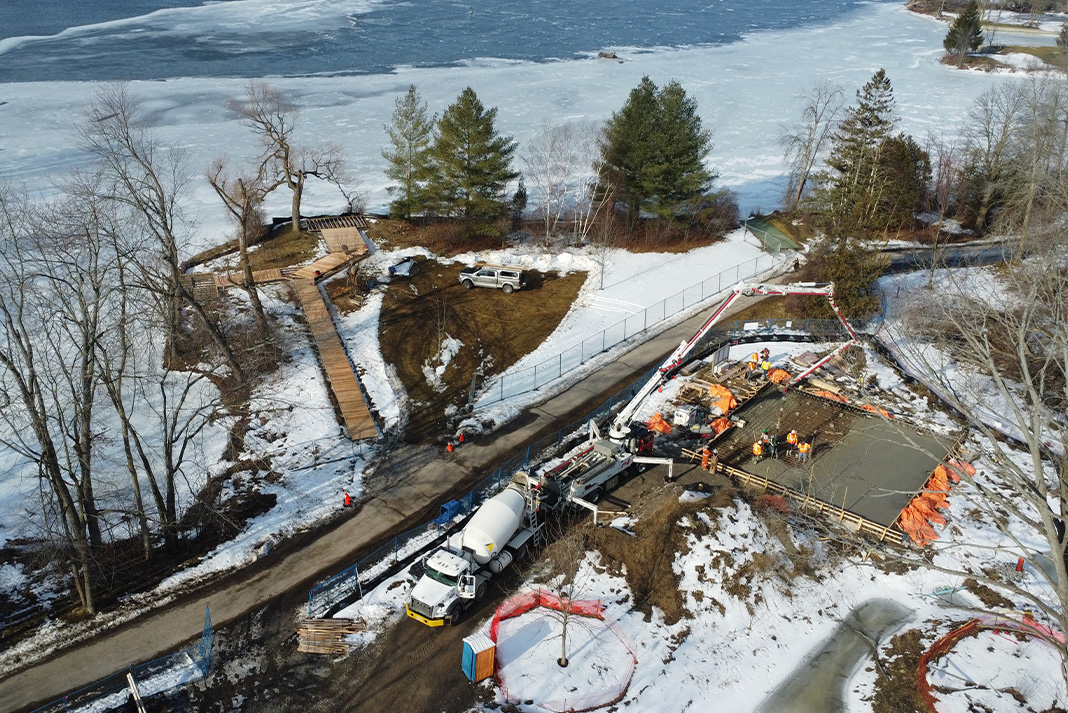
An aerial view of the Lakefront Campus, taken on February 13, 2023, depicting construction on the boardwalk and Canoe House. | Photo: Courtesy of The Canadian Canoe Museum
Stu and Kim Lang are highly respected members of the Guelph community, contributing to the Ontario Veterinary College (OVC), the Guelph Humane Society, and Guelph General Hospital. They are well-known champions of Queen’s University, their alma mater, and the University of Guelph, where the Lang School of Business and Economics is named after Stu’s father. Stu had a successful eight-year professional football career with the Edmonton Elks in the Canadian Football League (CFL), winning five Grey Cups. He later joined the family business, CCL Industries, and worked there for 25 years before becoming a director of the company.
Stu and Kim also have a passion for camping and canoe tripping, having attended The Taylor Statten Camps in Algonquin Park. At these camps, they both developed a lifelong passion and interest in canoeing, the outdoors, and educating youth about Canadian history.
“The Canadian Canoe Museum’s world-class collection deserves an outstanding home. A fully realized Lakefront Campus and Gathering Circle are essential. They will showcase the canoe’s incredible history and cultural significance and connect people to the land and water in a way that only hands-on experiences can. The new museum will be a place where people can come together, learn by doing, and be inspired by the stories and traditions of the canoe. It’s an investment in our past, present, and future, and we are proud to be a part of it,” says Stu Lang.
The future home of The Canadian Canoe Museum, set to open later this summer or early fall, will invite visitors to walk in the front door of the Museum and paddle out the back with an array of outdoor programming on its new Lakefront Campus. | Render by Lett Architects Inc, courtesy of The Canadian Canoe Museum
“We are so grateful to Stu and Kim Lang for their transformational donation that has led to the creation of the Lakefront Campus and Gathering Circle. The CCM and community will feel the impact of this donation for years to come,” concludes Hyslop. The Langs join a generous group of donors and funders across the country contributing to the Inspiring Canada by Canoe campaign, which has raised 95% of the $40-million cost for the project.
The new museum is made possible, in part, by the CCM’s lead donor and government partners, including the Government of Canada through the Department of Canadian Heritage and the Federal Economic Development Agency for Southern Ontario (FedDev Ontario), the Weston Family Foundation, the City of Peterborough, Peterborough County, and the Province of Ontario. The new museum and waterfront campus are under construction, with an anticipated grand opening in late summer or early fall. For more information or to sign-up for updates, visit the CCM’s website: canoemuseum.ca.
ABOUT THE CANADIAN CANOE MUSEUM
Located on the Traditional Territory of the Williams Treaties First Nations in Peterborough, Ontario, The Canadian Canoe Museum stewards the world’s largest collection of canoes, kayaks and paddled watercraft. More than 600 in number, the watercraft and their stories have a pivotal role to play in understanding our past—and our collective future.
As part of the Museum’s responsibility for this cultural asset of national significance (Senate of Canada, 2013), it is building a new 65,000-square-foot home that aspires to be as innovative as the canoe itself. A purpose-built facility on the water, with an array of indoor and outdoor spaces, will allow the Museum to deliver on its mission in ways that, right now, it can only imagine. It will inspire visitors to learn about Canada’s collective history and reinforce our connections to land, water and one another—all through the unique lens of the iconic canoe.
Stuart (Stu) and Kim Lang are highly esteemed members of the Guelph community and well-known champions of both Queen’s University (their alma mater; Stu, Sc’74 and Kim, Artsci’75) and the University of Guelph. Stu is also a graduate (’70) and supporter of Upper Canada College.
Stu’s professional football career spanned eight years in the Canadian Football League (CFL). He played for the Edmonton Eskimos (now the Edmonton Elks) and contributed to five Grey Cup victories. Later, he would go on to be the head coach of the University of Guelph’s football team from 2009 to 2015.
Following his football career, Stu joined the family business CCL Industries Inc., founded by his father, Gordon Lang, and was the president of CCL Label International before his retirement in 2006. He currently sits on the board of directors.
Kim Lang was formerly the artistic director of the Eden Mills Writers’ Festival and currently sits on the Ontario Veterinary College’s (OVC) Pet Trust board of directors.
The Langs’ philanthropic efforts have been widespread. They have donated more than $70 million to Queen’s University and the University of Guelph, supporting student-athletes and the general student populations. The University of Guelph’s S. Lang School of Business and Economics was named after Stu’s father following a $21-million gift, the largest ever in the school’s history. They have also contributed to the Ontario Veterinary College (OVC), the Guelph Humane Society, and Guelph General Hospital.
Together they established the Angel Gabriel Foundation, a registered charity, and have donated millions of dollars to numerous causes related to athletics, academics, and animal welfare.
Stu and Kim also have a passion for camping and canoe tripping, having both attended The Taylor Statten Camps in Algonquin Park (with Stu attending Camp Ahmek and Kim attending Camp Wapomeo). They also support Campfire Circle, which offers overnight camp and in-city programs, including canoeing, as part of its programming.
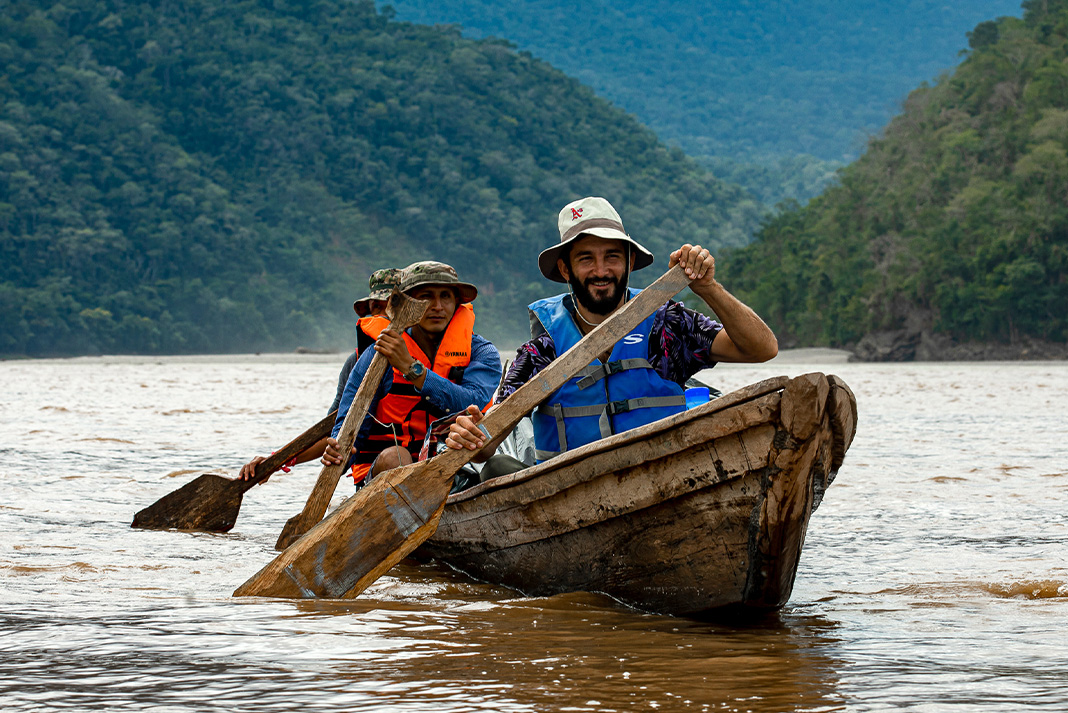
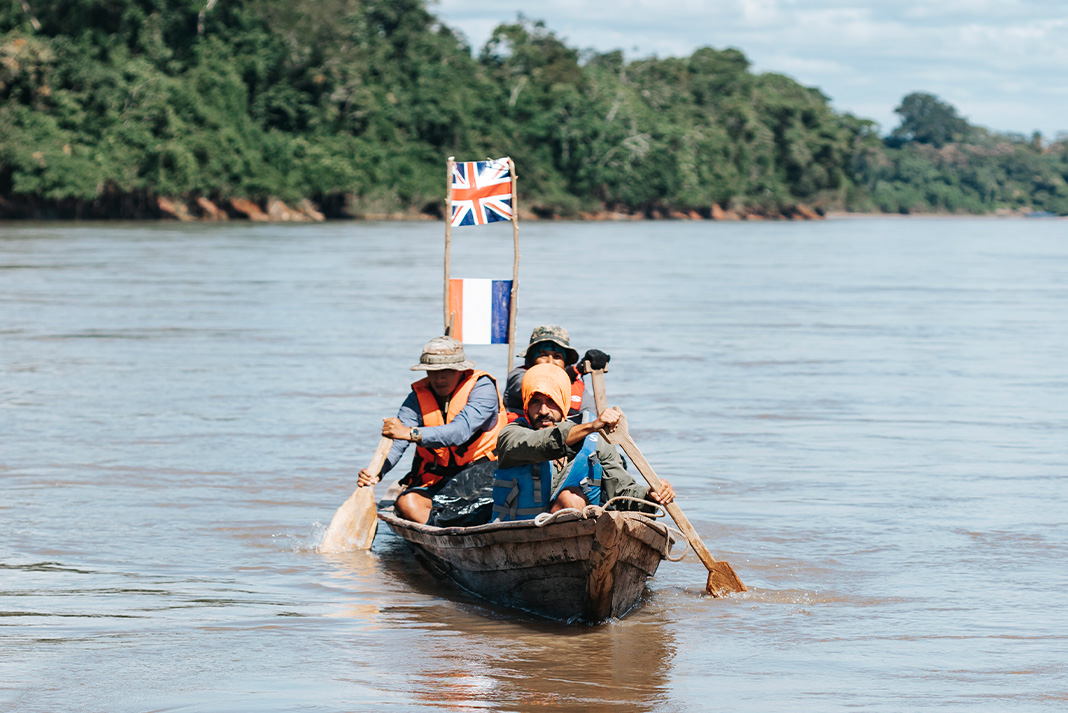
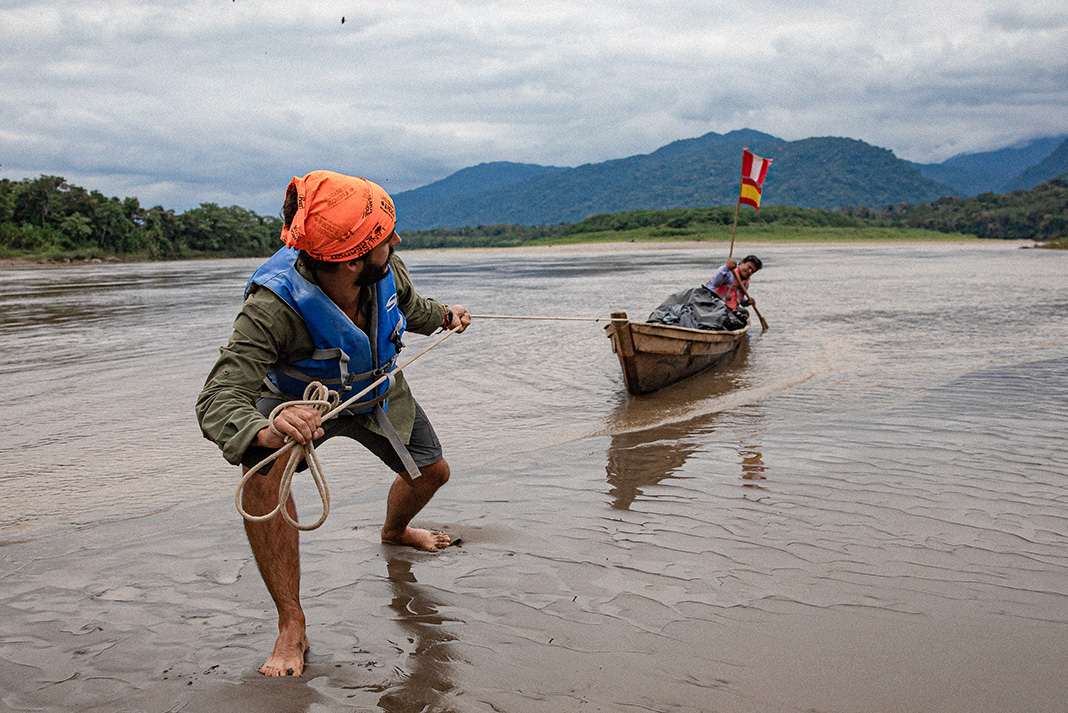
SATIPO, Peru, January 28, 2023 – Amazon Canoe Challenge, a unique event that combines the thrill of adventure with a meaningful impact, announced the debut of its first edition, a canoe race through the Amazon that prioritizes community impact and sustainable tourism. The challenge, set to take place on June 11–19, 2023, will see participants racing along the Ene and Tambo rivers of the Amazon in traditional canoes, while also raising funds and awareness for the Ashaninka indigenous communities who call the region home.
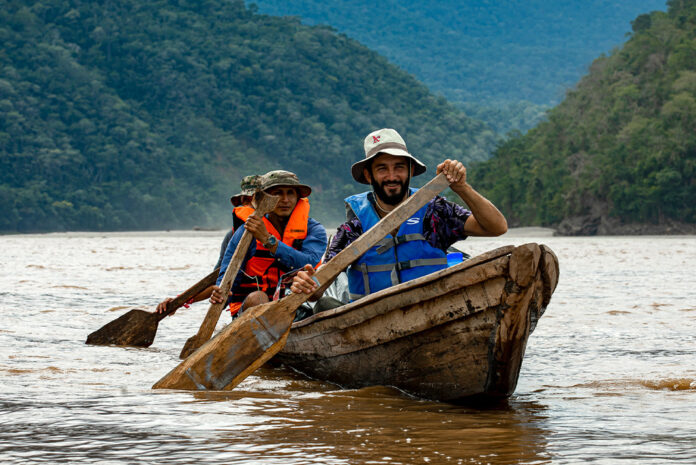
The race is the first event of its kind in the region. Participants will not only be able to experience the thrill of navigating the Amazon but also have the opportunity to learn about and support the Ashaninka communities that host teams along the river course. Each event supports the communities of the Ene and Tambo rivers through donations (financial and equipment), workshops and training, and the provision of local goods and services from the Ashaninka.
Photo: Courtesy Amazon Canoe Challenge
“The Amazon Canoe Challenge is a unique opportunity for adventure-seekers to experience the beauty of the Amazon while also giving back to the communities who call it home,” said Carlos Heine, race director of the Amazon Canoe Challenge. “We are thrilled to launch this event and extremely proud of the partnership we have developed with the communities to make it a reality. We hope to continue to be able to do our small part in protecting this incredible part of the Amazon.”
“The Amazon Canoe Challenge is a unique opportunity for adventure-seekers to experience the beauty of the Amazon while also giving back to the communities who call it home.”
Photo: Courtesy Amazon Canoe Challenge
The Ashaninka communities are excited to be a part of this event.
“This sounds like a great pioneering enterprise and we feel honored to host it on our land. We would have never thought that the gringos would like our traditional Pitotsi canoes,” laughs Ashaninka C.A.R.T community leader, Fabian. “We can’t wait to show our territories and customs to the visitors.
“Having people from so far away come to visit our land, share our customs and traditions is an honor and it makes us proud. We are referred to as the guardians of the forest many times but what we also want is educational and economic development for our brothers and sisters. Sustainable tourism is a great way for us to help achieve our goals, which helps us better protect our land.”
The community is deeply involved in the challenge, with an Ashaninka team set to race against the international participants along the route, as well as making up over half of the event crew.
Photo: Courtesy Amazon Canoe Challenge
In addition to promoting sustainable tourism, the Amazon Canoe Challenge also aims to break the myths surrounding the Ashaninka indigenous communities and bring international visibility to the issues of illegal deforestation, land grabbing and invasions for coca cultivation, and abuse of communities.
“The Amazon Canoe Challenge is a fantastic alternative for the Ashaninka people, who are well-versed in this traditional method of river transportation. It not only preserves their customs, but also promotes ecological sustainability,” said local guide, Shirley Izurieta. “Once you go from being unknown to known, they will give you everything. In fact, Ashaninka culture is a communal culture where everything is shared and selfishness is considered a crime.”
The Amazon Canoe Challenge is not only an adventure but also an opportunity to make a positive impact on the communities who call the Amazon rain forest home. For more information on the challenge and how to participate, visit amazoncanoechallenge.com or contact contact@amazoncanoechallenge.com.
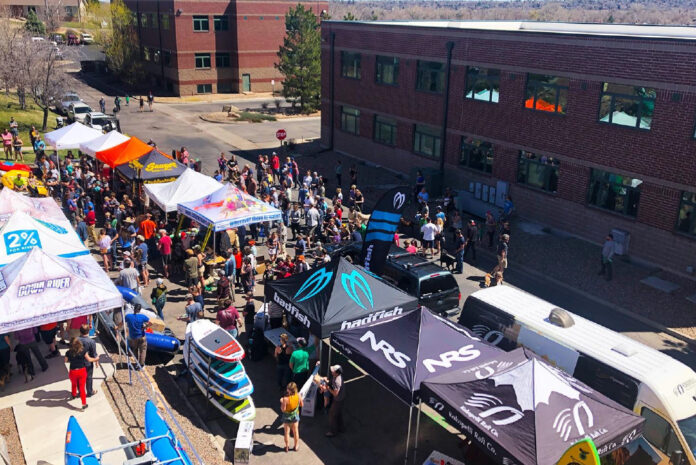
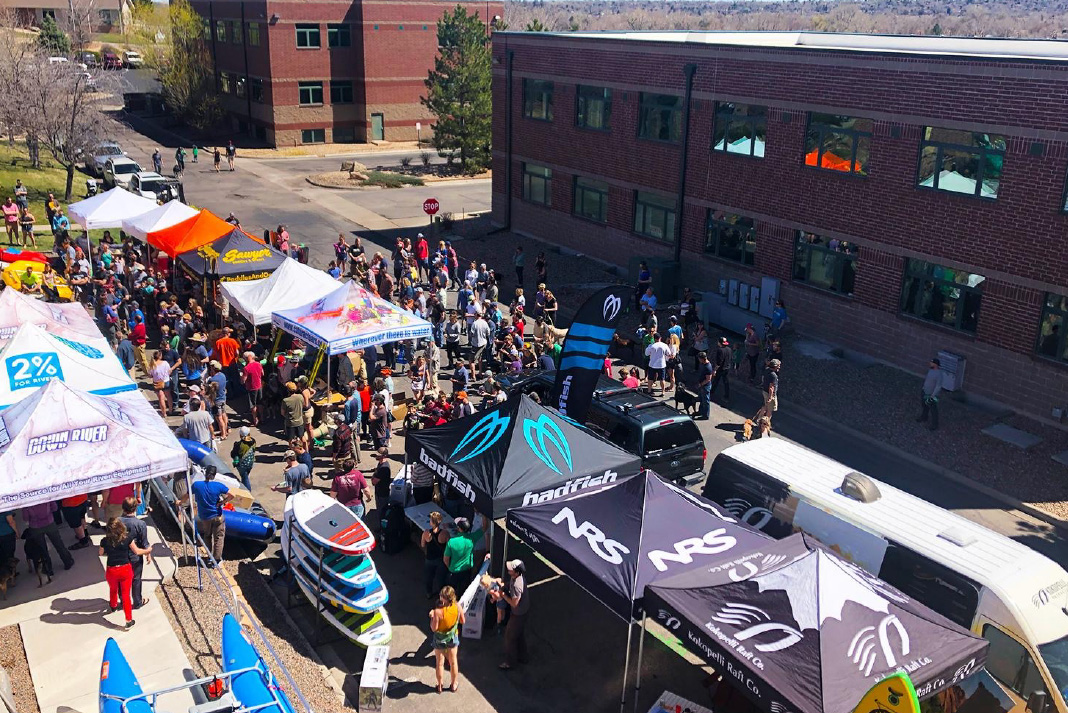
March 8, 2023 – Denver, CO – Down River Equipment has announced plans for Raftopia 2023, which will return as an in-person event this spring. Raftopia is the largest western rafting sale and gathering of the river community. It historically marks the beginning of the rafting season in Colorado.
Raftopia will begin on Monday, March 27 with a weeklong sale, followed by a two-day outdoor exhibition and used gear sale that brings rafters, manufacturers and nonprofit organizations together. All of which culminates with a giveaway of over $30,000 in prizes on Saturday, April 1.
Customers will shop for the best deals of the year, check out brand-new products, and explore Down River’s Used Gear Showcase. There will be opportunities to meet with dozens of paddlesport industry leaders.
In-person and online customers will have a chance to win a over $30,000 in giveaway prizes including raft packages from partners like AIRE, NRS, and Badfish, a raft trailer from SportTrail, and many others. Down River will start the giveaway reveal on March 20.
On Friday and Saturday, customers are invited to shop one of the biggest used rafting gear collections of the year. The assortment of used river gear will range from entire raft packages to accessories.
Sam Carter, host of The River Radius Podcast, will be this year’s emcee and is collaborating with Down River on interviews for select exhibitors.
Additional information, including the event schedule is below. You can also learn more at downriverequip.com.
EVENT SCHEDULE
Monday-Thursday (3/27-31):
9 a.m. – 6 p.m.
Raftopia Sale Starts!
Shop Raftopia Sale & Earn Giveaway Entries
Friday (3/31):
9 a.m. – 6 p.m.
Shop Raftopia Sale & Earn Giveaway Entries
Meet & Greet Industry Manufacturers (starts at 1 p.m.)
Used Gear Sale (starts at 1 p.m.)
Saturday (4/1):
10 a.m. – 5 p.m.:
Shop Raftopia Sale & Earn Giveaway Entries
Used Gear Sale
Giveaway Announcements Start (starts at 3 p.m.)
Finale Giveaway Announced (4 p.m.)
Canadian paddlesport company, Great Escape Kayaks, has been appointed exclusive partner for KAYAKOMAT by Point 65 Sweden, a hugely successful Swedish SaaS concept in the sharing economy with more than 100 outlets in Sweden and other countries.
“Being located in Alberta, we were happy to establish the very first Canadian KAYAKOMATs here in the province,” says Tim Rosadiuk, co-owner and president of Great Escape Kayaks.
Mr. Rosadiuk continues, “We will set up about 20 KAYAKOMATs in Canada this spring, with a roll out plan of several dozen KAYAKOMATs per year thereafter. Two entrepreneurial-spirited young women were our first Canadian operators and they had a blast operating their KAYAKOMATs.”
Photo: Courtesy of KAYAKOMAT
The KAYAKOMAT concept offers several advantages over traditional manned rental operations:
Overhead costs are lower because the operator doesn’t need an employee physically present. They only need to be available by phone, text or email to help with any issues that may arise.
Kayak and SUP rentals can be offered in locations that would not otherwise be economically feasible, multiplying paddling opportunities for users.
Availability, high-quality equipment and an impeccable safety record makes paddling accessible to many more paddlers. Note the following comment: “We live in a condo so don’t have the space to be able to own our own kayak. Your rental system makes it easy to go kayaking every weekend and the rates are affordable.” —AD Edmonton, Alberta
Easy and safe accessibility to outdoor activities make parks, campgrounds, and beaches more attractive to locals and tourists alike. Note what one municipality observed, “Having KAYAKOMAT kayaks at our municipal campgrounds enhanced our visitors’ experience with an easy online process. We are definitely having KAYAKOMAT in our campgrounds next year.”
The company behind KAYAKOMAT is Point 65 Sweden, Scandinavia’s leading paddlesports brand with over 15 years’ experience operating kayak and SUP rental stations throughout Sweden. Richard Ohman, founder and owner, says, “We saw an opportunity to innovate the rental process and created KAYAKOMAT, an automated self-service concept which is a huge success.”
Mr. Ohman continues, “We are rapidly expanding with hundreds of self-service outlets in Sweden and internationally. KAYAKOMAT is the world’s largest paddlesports rental company. We are very excited to bring KAYAKAOMAT to Canada through our long-time local distribution partner, Great Escape Kayaks.”
Photo: Courtesy KAYAKOMAT
How It Works
KAYAKOMAT has a central online booking system (kayakomat.com) with integrated smart locks and a specially developed covered stand—the KAYAKOMAT. The kiosk has a very small footprint (about eight feet by 12 feet) and virtually no negative environmental impact. It requires no electrical, water or even internet connections, just a relatively flat patch of ground. The worldwide booking site gives each location amazing online visibility.
When customers book their kayak rental, they automatically receive a code that unlocks the kayak and all necessary safety equipment. A KAYAKOMAT can thus be run as a partially unmanned part-time activity. The operator only needs to visit the kiosk periodically depending on usage to make sure the equipment is clean and fully functional.
KAYAKOMAT by Point 65 Sweden is now looking for interested municipalities and private landowners that would like to offer residents and visitors the opportunity of a safe and healthy outdoor activity with close to zero impact on the environment. KAYAKOMAT is also looking for individuals and companies to operate their local KAYAKOMATs on a franchise basis. For more information, please contact kayakomat@greatescapekayaks.com.
For more than 25 years, Esquif has been known for their prowess at building canoes for running rivers and touring lakes. With the goal of making a lighter, more maneuverable, and more transportable boat accessible to families and adventurous pairs, Esquif unveiled their Scout tandem canoe at Canoecopia 2023.
“We’ve had a lot of success with our Adirondack model,” shares David Hadden of Esquif Canoes. “And everyone said, ‘Hey can you do a boat like that but in a tandem model?’ What that means is people really seem to like the boat because it’s very predictable and very easy to paddle.”
The Esquif Scout. Image: Esquif
Introducing The Esquif Scout
The Adirondack is a lightweight and versatile solo canoe. It has been Esquif’s bestselling design and was the winner of the “Best Canoe” category in the 2022 Paddling Magazine Industry Awards. A tough act for Esquif to follow.
To meet the challenge posed by their audience, Esquif brought to form the Scout. Made of Esquif’s T-Formex plastic, the Scout is 14 feet, six inches long, 39 inches wide and weighs just 59 pounds. The Scout is a manageable, shorter tandem intended to be predictable and easy to both paddle and get on and off the car.
Although the Scout is shorter than other tandem models in the Esquif lineup, its width and 13-inch depth achieve enough roominess to accommodate the needs of sportsmen and families—providing plenty of volume for whatever paddlers might want to bring along, from fishing tackle to their furry friend.
Transportability Meets Design
Don’t mistake transportability and ease of paddling for sacrifices in other design aspects, though. On the contrary, Esquif had to be deliberate in their design to achieve the performance they sought in a boat the size of the Scout.
“You’ll see the ends of the boat are still fairly sharp, so it’s going to track nicely in the water. It’s not going to plow through the water like your average 39-inch-wide boat,” Hadden explains as he walks us through the design of the Esquif Scout.
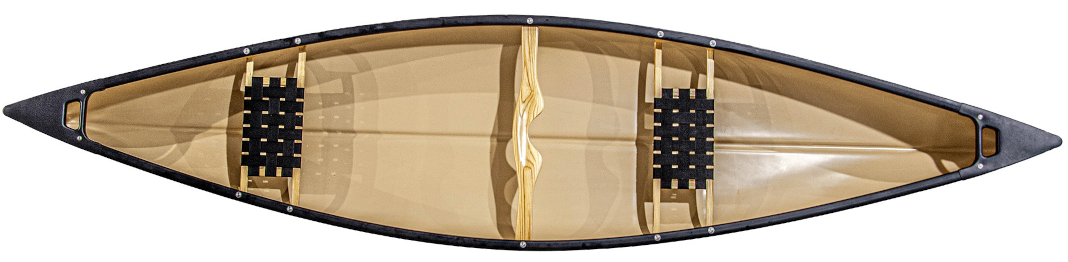
The Esquif Scout interior. Image: Esquif
“There is an inch and a half of rocker in the boat, so the boat will turn, and it can be used on a river and have some nice maneuverability,” Hadden adds. “But you’ll see it has a small keel, and the keel combined with the hull design is going to allow it to track straight. It tracks nicely for a shorter boat.”
The blend of rocker for rivers and keel for flatwater tracking gives the Scout the versatility to make it an all-in-one canoe fitting a compact design.
Family-Friendly and Built Tough
How does Esquif build a durable, reasonably lightweight canoe like the Scout while keeping it at a manageable cost?
The Scout is constructed of Esquif’s T-Formex, an ABS-based laminate the company markets as indestructible. The material took Esquif seven years of on-the-job development following the canonized end of beloved Royalex plastic. Royalex was an industry standard laminate that had been used in canoes since the 60s. It was prized especially among the whitewater and recreational crowds for its ability to take a beating and hold shape.
In 2014, the company producing Royalex material closed its doors. Esquif was a heavy proponent of Royalex. At the time, 90 percent of their lineup used the material. Esquif was forced to briefly cease production while they sought a formidable alternative. Some canoe brands began making rotomolded polyethylene boats. Esquif took a shot at their laminate answer and resumed production in 2015 using T-Formex.
Esquif has been building their canoes with T-Formex ever since, continuing to do so with the Scout. Using a lighter layup of T-Formex, Esquif can produce boats like the Scout and Adirondack, which maintain the durability and shape the material is known for at a lower weight.
To round out the design, the interior of the Scout features webbed seats and a sculpted yoke for comfortable portaging. The gunwales are vinyl with the option of upgrading to wood.
The Esquif Scout is available for orders now and will start to ship on April 1, 2023.
Esquif Scout Specifications
Length: 14’6” / 442 cm
Width: 39” / 99 cm
Depth: 13” / 33 cm
Weight: 59 lbs / 26.76 kg
Capacity: 850 lbs / 385.55 kg
MSRP: $2,229 CAD