Home Blog Page 117

21 Paddlesports Industry Leaders On What Matters Most Right Now

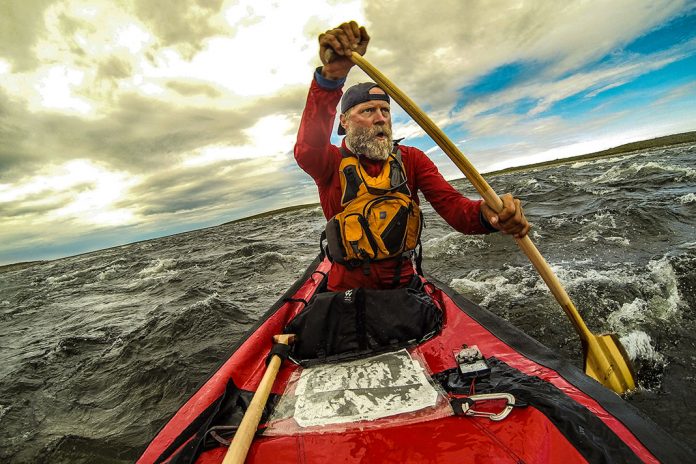
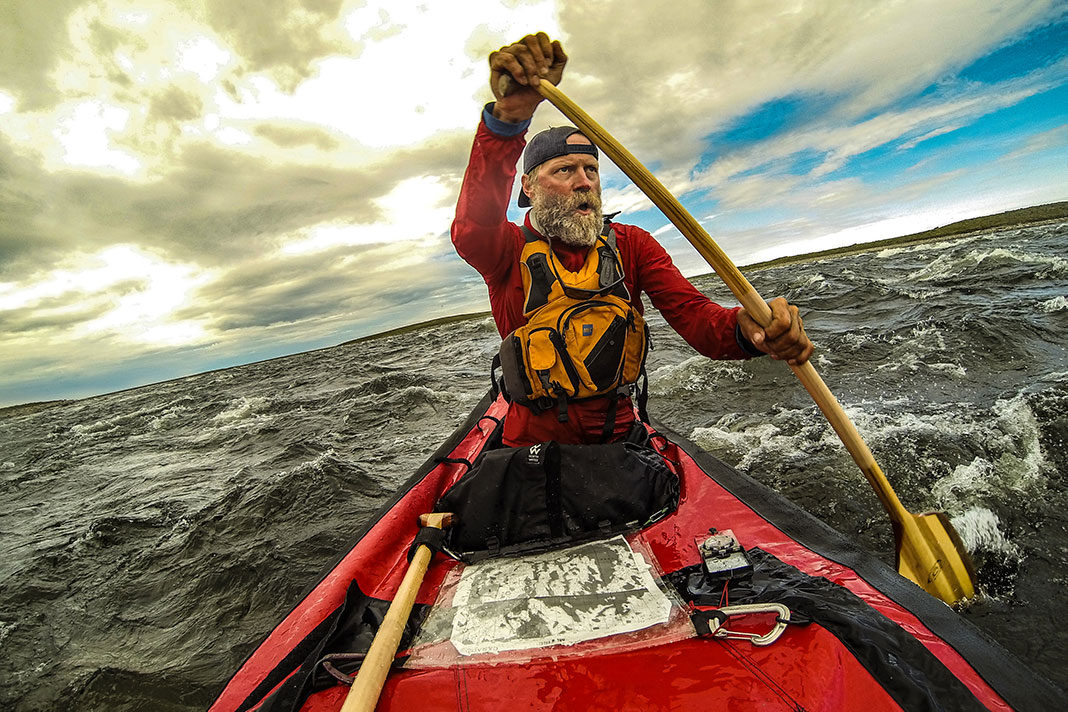
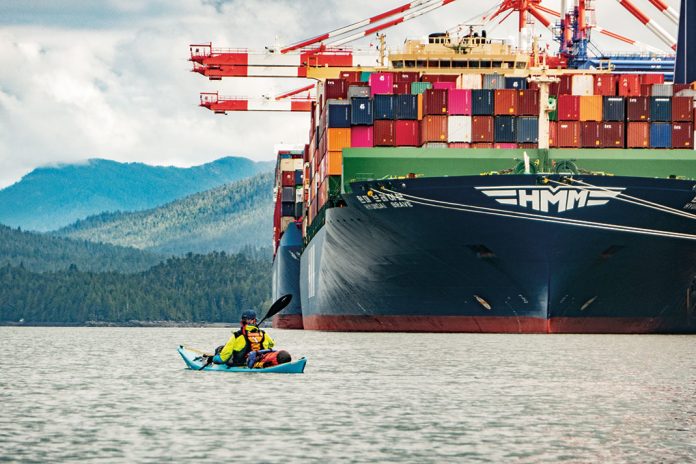
Supply chain disruptions left few businesses untouched during the 2020 and 2021 seasons. | Photo: Frank Wolf 

The Effect of Covid on Paddlesports

With nobody being able to get inventory, the model of selling a million items and making a dollar apiece is a losing model right now. So the one good thing is that it’s really evened the playing field to where prices haven’t been a huge issue. —Brian DeFouw, Confluence Ski and Paddle, Denver, Colorado

Dale Williams, Sea Kayak USAI’m reminded of the old adage, it’s easier to keep a customer than it is to make a customer. Right now we have this tremendous opportunity to make more customers. They’re coming to us. —Dale Williams, Sea Kayak USA

Our store is 10,000 square feet and we didn’t have one boat on the shelf. We didn’t have one paddle. We didn’t have one PFD. Everything was gone. —Kelly McDowell, The Complete Paddler, Toronto, Ontario

Our hope is the influx of Covid-related new paddlers breeds a future generation of enthusiasts. While we hear of many companies pulling back their programming and marketing efforts because there’s little current need for promotion, we feel like this is the time to keep our foot on the gas. —Tom Stewart, General Manager, Aquabatics Edmonton, Edmonton, Alberta

Jeff Turner, KokatatOver the last pandemic year, we have seen tremendous new interest in our sport. Our focus in the industry should be on how we retain this growth through the next year and beyond. We should work together to convince these new paddlers of the ease of access to the water and the lifetime of enjoyment that can be had through this human-powered sport. —Jeff Turner, Kokatat, Arcata, California

The customer buying process has changed in ways that will certainly outlive the pandemic.The digital experience is more important now than ever before. Brands and dealers must work together to make sure customers have a content-rich, authentic and community-informed brand experience on their digital device, even after the world has fully reopened. —Scott Holley, President, Eddyline Kayaks, Burlington, Washington
Brian Henry, Ocean River Sports AdventuresWe are truly excited to see such an increase in people wanting to learn, to appreciate our natural world and being forced to slow down a bit. I feel it has been good for our souls to get back to basics, and paddling is a basic thing. —Brian Henry, Ocean River Sports Adventures, Victoria, British Columbia

What’s in the box?

The consumer who walks into the big box and says, “Hey, there’s a $179 kayak. I’m already here buying a jockstrap and a basketball, so why not?” Those are the people who end up saying they hate kayaking, because they tried it once and it was terrible. —Dave Lindo, OKC Kayak, Oklahoma City
Tim Niemier, the Origami Paddler“If people vote, they’ve been voting low cost. I’ve always said there’s 10 times more beginners with not very much money than the 10 percent that have a lot of money.” —Tim Niemier, designer of the Origami Paddler

“The most expensive boat is the $300 boat you paddle once. Because it’s not how much the boat costs, it’s dollars per paddle. So the better the boat—the more comfortable and lighter and suited to what you want to do—the cheaper the boat is going to be over time.”—Darren Bush, Rutabaga Paddlesports, Madison, Wisconsin

Selling through big box is a double-edged sword. Getting in front of the customer is good, though I’d suggest the race to the bottom with pricing is the long-term problem. —Morgan Goldie, North Water, Vancouver, British Columbia


Retail versus online

We price-match the online retailers and it’s still not enough. We’re the same price or cheaper, we have a longer warranty and we gave you all this great service. But at the end of the day, people still feel like they’ve won somehow by not buying at the brick and mortar. —Dave Lindo, OKC Kayak, Oklahoma City


On trade shows
Brian DeFouw, Confluence Ski and Paddle

Trade shows have traditionally been about the manufactures communicating and working with retailers. They are now a sold-out joke focusing on anything and everything except that relationship. —Brian DeFouw, Confluence Kayak and Ski, Denver, Colorado

We should have a code of ethics around booth size and cost. The idea that we go to these trade shows and build McMansions—I mean, we’re talking about spending a quarter million dollars on a booth—is absolutely pointless. I cannot think of a stupider thing for the outdoor industry to do. —John Weld, Immersion Research, Confluence, Pennsylvania
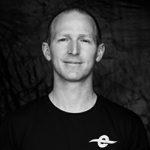
Scott Holley, Eddyline KayaksThe need for in-person human connection has never been greater than it is now. Not only have we been starved of that connection, we’ve experienced the shared trauma of the past year in isolation (pandemic, political divides, confronting staggering inequalities and inequities). I’m very much looking forward to seeing our friends in the industry and our dealers and celebrating our survival.—Scott Holley, President, Eddyline Kayaks, Burlington, Wash.

The pandemic has made me think every other year is a good balance between in-person trade shows and online interaction and in person interaction. The savings of time and money are too important to ignore with online interactions as a viable option. —Morten Fogh, Owner, Fogh Marine, Toronto, Ontario
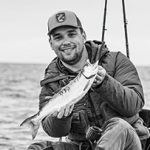
Alex Sherbinow, Johnson Outdoors WatercraftThe advancement of digital tools and virtual events has provided some welcome relief from excessive travel and allowed for continuous connection. That said, the benefit of people
together at shows, on the water, and otherwise can’t be forgotten. I am very excited to connect with people and share an experience in person again.—Alex Sherbinow, Marketing Manager, Johnson Outdoors Watercraft, Old Town, Maine

We’ve found good old-fashioned phone calls to potential partners to be just as effective as trade shows. Granted, there is something to be said for in-person relationship building, as well as the ability to show and tell new products, but is it worth the price of exhibiting at a show? I’m not so sure. —Meg McCall, Founder & CEO, Angle Oar, San Luis Obispo, California

In the past, trade shows were the place to be in order to generate brand awareness and meet and greet retailers and media. Now, with direct to consumer digital marketing, most of the awareness and consumer activation can be done much quicker and easier online, meeting the consumer where they live. I think the key moving forward is understanding the value-add of a physical show and how to digitize the event to leverage it with the consumer. —Corey Cooper, CEO, BOTE, Destin, Florida

Covid and the future

Dale Williams, Sea Kayak USAMy hope is the reason for this increase in demand is that more people are going outdoors, and this means we’re competing with other industries, not just each other. We’re actually taking some of the money that might be going into electronics or expensive vacations. —Dale Williams, Sea Kayak USA

I’m looking at the Covid boom in the most optimistic way. I remember an America when I was growing up in the ‘70s and ‘80s, that as a country had a very different relation with the outdoors. People just did stuff outdoors on weekends—canoeing, hiking, backpacking. We’re thinking again about outdoor recreation as a part of our culture, which is something I thought was gone forever, but maybe not.—John Weld, Immersion Research, Confluence, Pennsylvania


The biggest change in the specialty retail game?
Simon Coward, Aquabatics, Calgary and Edmonton, Alberta

Coming up with ways to compete with larger retailers online. This has been an eight-plus year project, and using a content marketing strategy we are really starting to compete with larger retailers that have much bigger marketing budgets. —Simon Coward, Aquabatics Calgary, Calgary, Alberta

Lack of business-wide innovation by legacy brands on sales channel and product approach. This has opened the door for disruptor and
challenger brands who can ride coattails on product design, source cheap manufacturing, and focus all efforts on performance marketing
to convert direct to consumer. The industry should embrace it and change. Evolve or die.—Corey Cooper, CEO, BOTE, Destin, Florida

One innovative way your business adjusted to Covid inventory shortages?

In 2020, we repurposed our large rental fleet to be a pre-buy loaner program. It allowed us to presell boats that were not going to be available until late season, and get consumers a boat to use for the season. This closed a lot of boat sales for us and has become a rewarding talking point for customers who benefited from this flexibility. —Simon Coward, Aquabatics Calgary, Calgary, Alberta

We raised prices slightly and stopped all discounts until I can get product. —Rick Pasturczak, Alpine Accessories, Lake in the Hills, Illinois


Pro deals, good or evil?

As long as pro deals are kept strictly for industry staff and ambassadors they work great. The problem comes when they are made available to people on the fringes who are not actively involved in growing paddlesports or selling products. This devalues pro deal programs and undercuts retail store revenues. The perfect pro deal program would look similar to what many brands have now, just on a shorter leash. —Simon Coward, Aquabatics Calgary, Calgary, Alberta

Darren Bush, Rutabaga PaddlesportsIn paddlesports it’s a moot point because they haven’t done pro deals in a year. You’re not going to get a discount on a boat they can’t make enough of. —Darren Bush, Rutabaga Paddlesports, Madison, Wisconsin

Bad. Everyone knows if you are a real pro you have connections for deals. Pro deals are for fake pros and posers and do not benefit a manufacturer or retailer. —Brian DeFouw, Confluence Kayak and Ski, Denver, Colorado
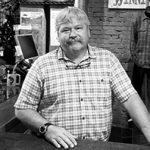
Todd Frank, The Trail Head and Trail Head River SportsEvery pro-purchase program out there is a profit center for that business. They’re selling that product for more than they’re selling to me for. —Todd Frank, The Trail Head and Trail Head River Sports, Missoula, Montana

Wild Cards
Tom Stewart, Aquabatics EdmontonWith overseas shipping and even domestic costs and capacity reaching unprecedented levels, now may be the time for a more localized approach to paddlesports manufacturing and distribution. —Tom Stewart, General Manager, Aquabatics Edmonton, Edmonton, Alberta

How do we help new kayak owners to understand weather and kayak safety? For example, many people associate flatwater with safe conditions and waves with dangerous conditions, but flatwater can be very dangerous with a strong offshore breeze. —Morten Fogh, Owner, Fogh Marine, Toronto, Ontario
Corey Cooper, BOTEI have seen a real paradigm shift in a positive way that has been driven by brands moving direct to consumers. Brands who focus on direct-to-consumer can spend more money on digital marketing because they can convert directly on a transaction. The old thought process was that this cannibalizes brick and mortar retail sales, but we have seen the inverse. The more we can spend on brand awareness and convert directly, the more this benefits our specialty retailer game because consumers still want to see and touch things… the rising tide lifts all ships.—Corey Cooper, CEO, BOTE, Destin, Florida

As a specialty retailer, my joke with vendors is “I’m the low-volume, high-maintenance guy that you have to deal with.” But what I bring to the table is authenticity. People come into our store to see what good products look like. —Todd Frank, The Trail Head and Trail Head River Sports, Missoula, Montana

Kelly McDowell, The Complete PaddlerYou have to be smart, you have to bring passion and you have to take risks. That’s why it’s so tough to make it as an independent retailer in any sports specialty, whether it’s bikes or climbing or paddlesports. It’s a tough business. —Kelly McDowell, The Complete Paddler, Toronto, Ontario

The next game-changing innovation in paddlesports is _______?

Scott Holley, Eddyline KayaksThe best moments in paddlesports are the moments where your tools dissolve into an absence of awareness and you are present with the water below and the sky above. The best innovations in paddlesports are the ones making the instruments of paddling unnoticeable. —Scott Holley, President, Eddyline Kayaks, Burlington, Washington

Local resources for the family day trip. —Amy Isaikina, Harvest Foodworks, Frankville, Ontario

Shipping boats on time? —Brian DeFouw, Confluence Ski and Paddle, Denver, Colorado
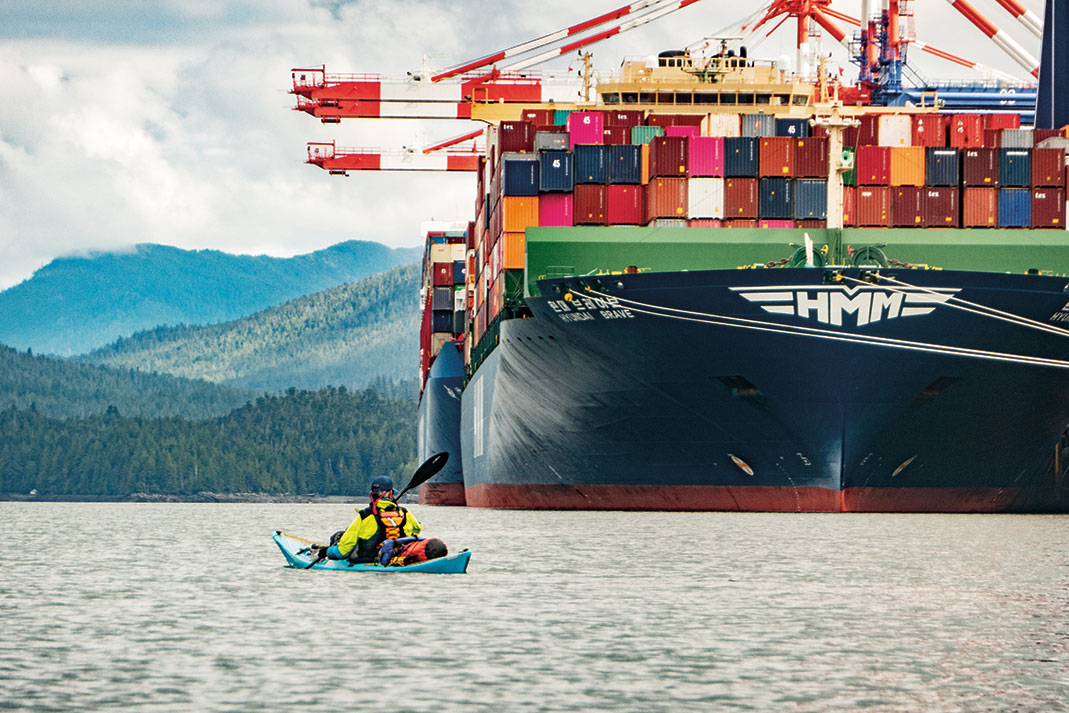
Supply chain disruptions left few businesses untouched during the 2020 and 2021 seasons. Paddlesports industry experts weigh in. | Photo: Frank Wolf 
Supply chain disruptions left few businesses untouched during the 2020 and 2021 seasons. | Photo: Frank Wolf

What is the biggest challenge facing your business today?

Shipping costs, especially globally. —Meg McCall, Founder & CEO, Angle Oar, San Luis Obispo, California

Has it been harder to get and keep staff in the Covid era?

We outsource most services and operate online only. The future is now. —Julian Kidd, Owner, Green Water Sports, Miami, Florida


Has consolidation caused paddlesports to lose its soul?

Meg McCall, Angle OarWith recent acquisitions and mergers I worry about there becoming a monopoly in kayak manufacturing and, to a lesser degree, paddle manufacturing. —Meg McCall, Founder & CEO, Angle Oar, San Luis Obispo, California

We’ve seen private equity come in and decimate
a brand, all in the name of dollar signs, but we’ve also seen the opposite—brands are rejuvenated and their spirit and passion continues on. If the right brands are consolidated by the right buyers, we expect the sport to benefit as a whole. —Julian Kidd, Owner, Green Water Sports, Miami, Florida


One thing you learned about retail at the start of your career that holds true today.

Amy Isaikina, Harvest FoodworksGetting information or gear from someone with knowledge gives you the best advantage when making a purchase or plan. —Amy Isaikina, Harvest Foodworks, Frankville, Ontario

Retailers are at the heart of the success for any brand.There’s a lot that can be communicated digitally, but the personal service and expertise of a local shop employee is invaluable. —Alex Sherbinow, Marketing Manager, Johnson Outdoors Watercraft, Old Town, Maine


. . . and one piece of industry wisdom that no longer holds true?

Corey Cooper, BOTEFor our business, it’s the idea of “pre-booking” next year’s season. We’ve scaled our business in the direct to consumer channel and focused the lens on product and marketing to be driven by our customer data. We now use a predictive direct-to-consumer sales model to forecast next year’s numbers. —Corey Cooper, CEO, BOTE, Destin, Florida
Paddling Business 2021 CoverThis article was first published in the 2022 issue of Paddling Business. Inside you’ll find the year’s hottest gear for canoeing, kayaking, whitewater and paddleboarding. Plus: Industry leaders on surviving COVID, the dirty little secret of pro deals, brand consolidation and more. READ IT NOW »


Supply chain disruptions left few businesses untouched during the 2020 and 2021 seasons. | Photo: Frank Wolf
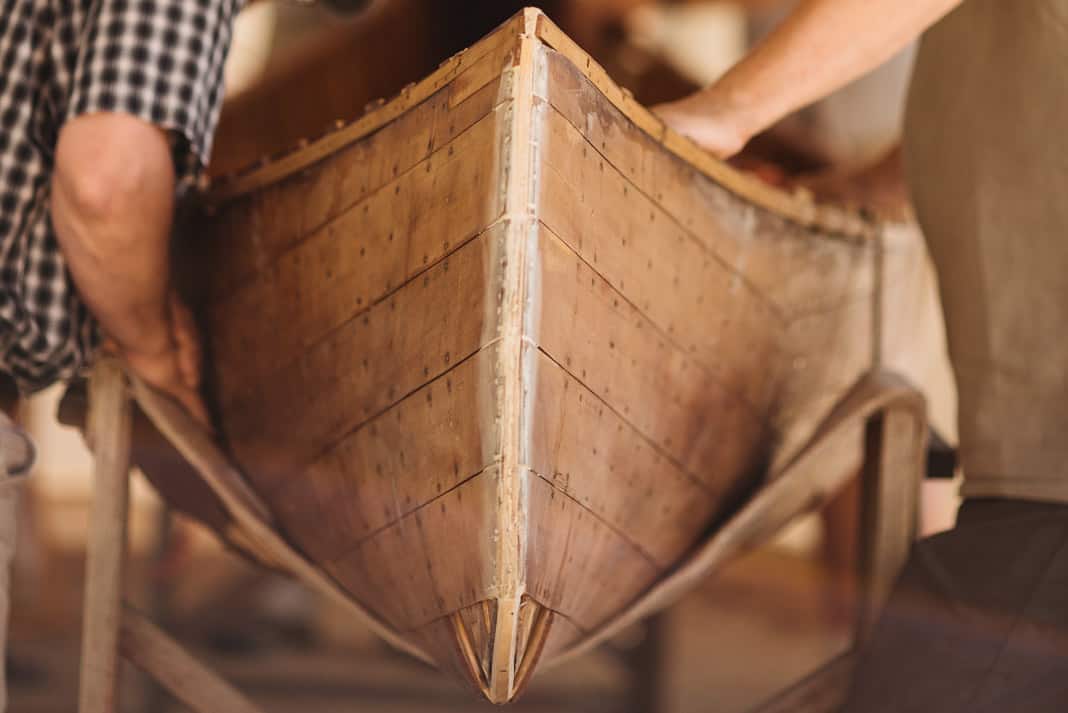
 

This Man Turned Three Pianos Into A Canoe (Video)

Piano technician George Klassen found himself with spare time on his hands during the early stages of the pandemic. Inspired by images of hand-built cedar strip canoes he saw on Facebook marketplace, he decided to use his two months off work to try and build his own canoe—with a twist.

The Ultimate Breakdown: Which Canoe Material Is Best?

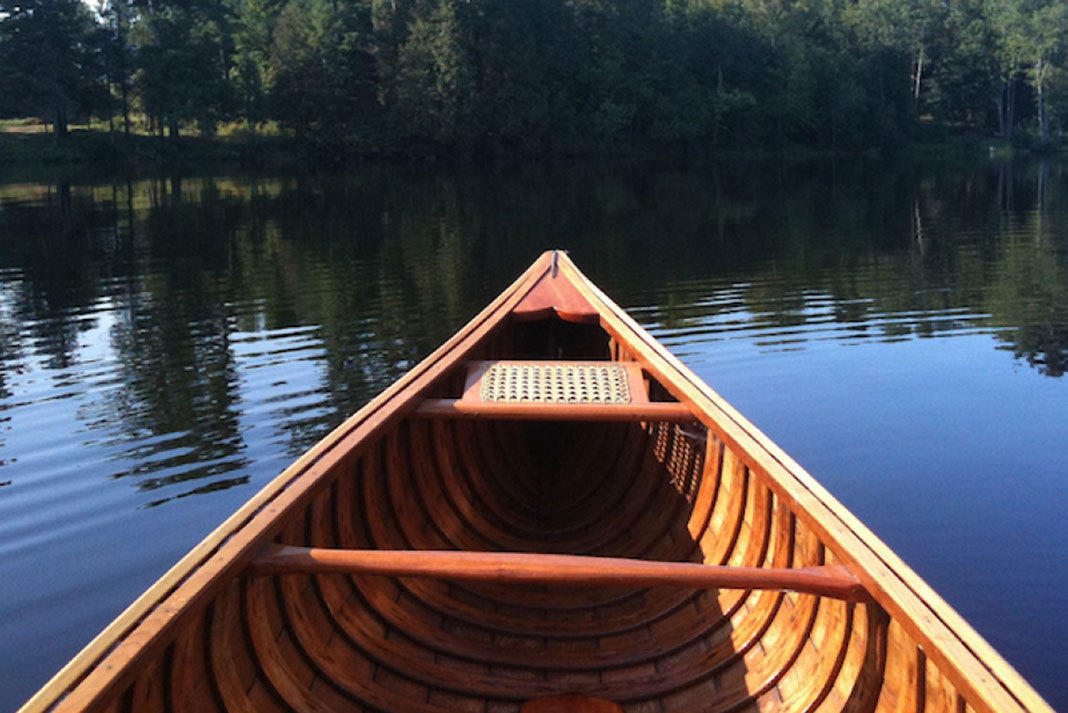
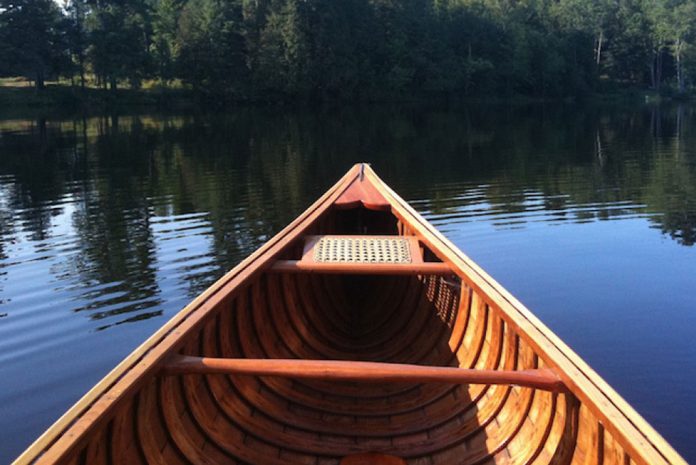
the bow of a wooden canoe on a lake
The choice of canoe material will determine your paddling destinations and dreams. | Photo: flickr.com/MathewIngram

The material a canoe is made of affects performance, durability, weight, aesthetics, and price. Choosing a canoe is a matter of weighing the pros and cons. When considering price, think long-term investment. The canoe you buy today will last many decades.

The question of what is the best canoe material comes down to what you are going to use the canoe for, how much maintenance you want to invest in, where you’ll be storing your canoe and how much you want to spend, among other considerations. Find out more about the different canoe material types below, and weigh the advantages and disadvantages of each for yourself.

Canoe material comparison

Wood

Though the history of wooden canoes dates back centuries, they’re hardly a thing of the past. Even with space-age materials available today, you can’t beat the feel and aesthetics of wood on water.

Most cedar strip and wood and canvas canoes today are handmade by DIYers. The rest are custom-made by woodworkers, and their high price reflects it. Yet, with indoor storage and a small amount of yearly maintenance, your canoe will be a legacy for your grandkids to enjoy.

the bow of a wooden canoe on a lake
Wooden canoes are universally aesthetically pleasing. | Photo: flickr.com/MathewIngram

Pros: The aesthetics, quiet paddling and luxurious feel. With just a few woodworking tools, $1,000-worth of materials and a hell of a lot of patience, you can build your own piece of history.

Cons: If you don’t build your own, it’ll cost you—a lot. Regular TLC and weight are potential deterrents.

Best Use: Voyageurs, family and cottage and anyone mad for trad.

Composites

Manufacturers have long favored the mainstays of the composite scene—fiberglass, aramid (Kevlar and Twaron, etc.) and carbon—in their quest to bring the triumvirate of canoe virtues to paddlers: durable, lightweight and inexpensive.

It used to be that you could have two of those characteristics, but not all three. That has begun to change as manufacturers experiment with a variety of new fabrics and resins. The composite canoe category includes the widest range of specs, from $999 cheapskates to $3,500 featherweights. Some manufacturers are now offering composites as river runners and wilderness tripping alternatives to Royalex.

Kevlar canoe sitting in the water near shore
Souris River Quetico 17 canoe in Kevlar. | Photo: Kaydi Pyette

Pros: Exceptional strength to weight ratios. Performance-oriented shapes. Low maintenance.

Cons: Labor-intensive processes and premium materials simply cost more. Generally, lighter means less durable.

Best For: Lakewater trippers, racers and magazine editors who don’t want to lift heavy things.

Aluminum

The popularity of recreational canoeing is credited by many historians to the mass-produced aluminum Grumman canoe of the ‘70s, which took paddling out of the domain of the handy and wealthy, putting it into the hands of the people.

Noble history aside, manufacturing options have come a long way since riveting sheets of aluminum together. Still today, some outfitters, camps and duck hunters prefer its durability.

Pros: Lasts forever. Relatively inexpensive.

Cons: Heavy, cold and noisy. Aesthetically as pleasing as a B52 bomber.

Best For: Burt Reynolds and Ned Beatty.

See the best aluminum canoes on the market.

Plastic

Many less expensive canoes are made by heating and spinning plastic pellets inside a mold inside a giant oven. Historically, this construction method didn’t allow for sharp and narrow entry lines of more performance-oriented designs.

However, it’s an inexpensive process creating durable canoes. Expect your plastic canoe to be dragged to the shore and then slide over rocks without complaint.

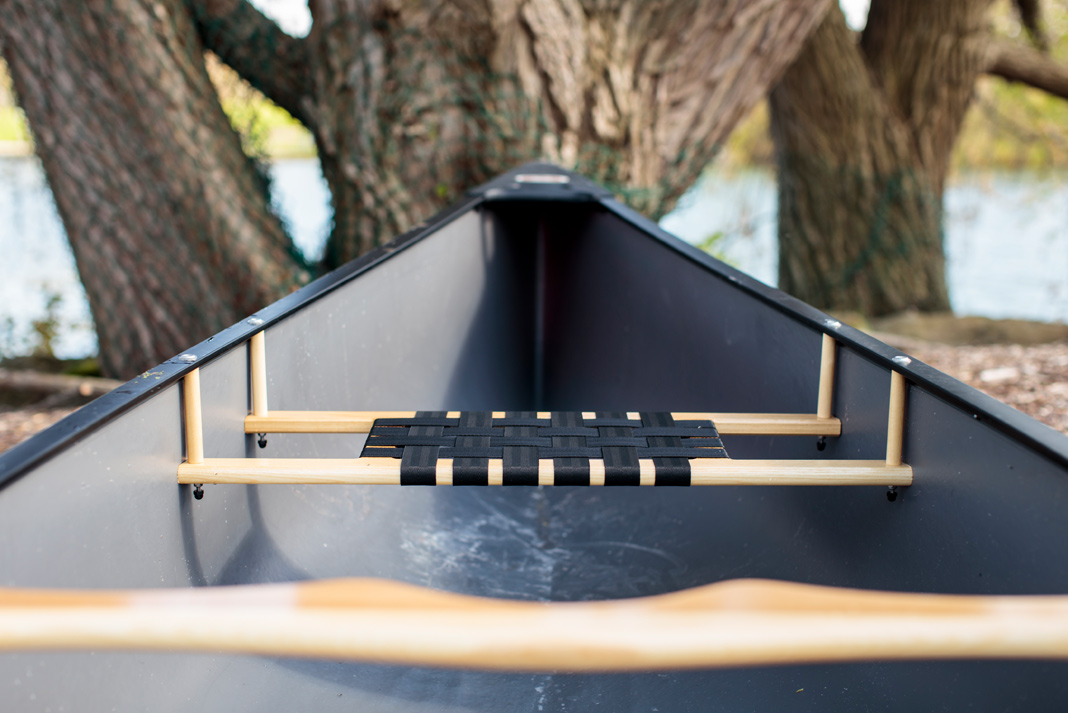
Photo of the bow of a plastic canoe on land.
The Old Town Penobscot 164 canoe in polyethylene. | Photo: Joel Clifton

Pros: Inexpensive. Colorful. Virtually no maintenance required.

Cons: Susceptible to sun damage. Lack of rigidity can lead to poor performance over time. Heavy.

Best For: Recreational paddlers and rambunctious kids. Perfect for a cottage.

Softshell

Travel canoes are made of durable and flexible reinforced fabrics like PVC, polyester and nylon. Some require setting up an internal structure, giving form to the fabric, while others are completely inflatable. Many will pleasantly surprise you with their durability, performance and price. Some models are rated for class IV whitewater.

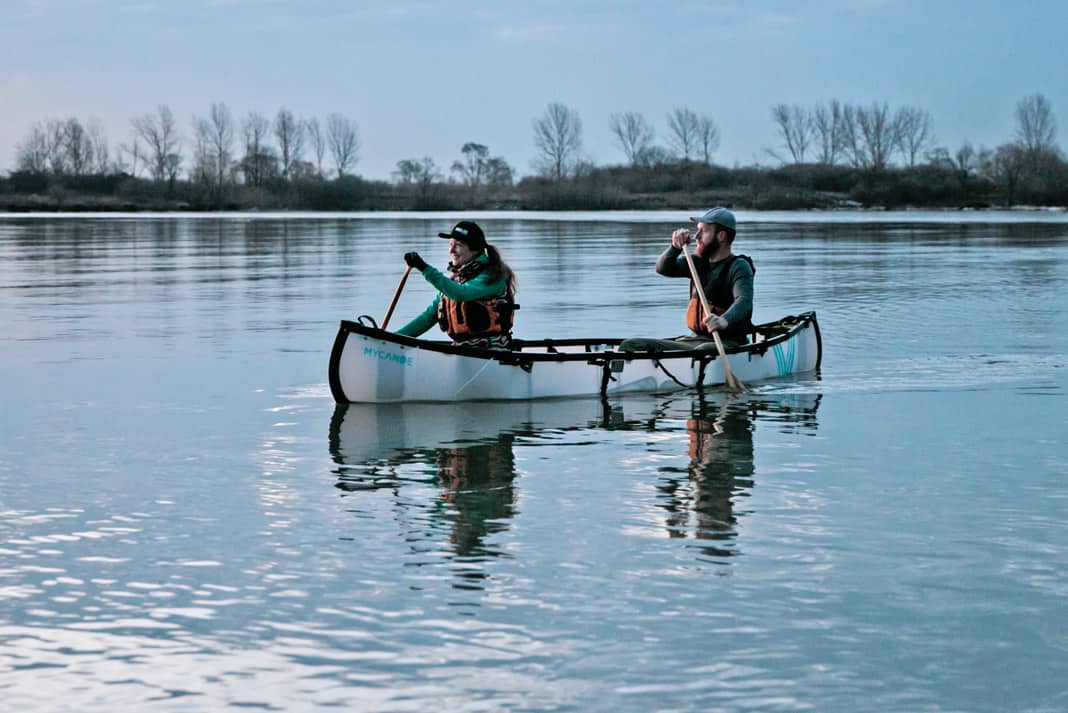
Kaydi Pyette and Geoff Whitlock paddling MyCanoe's folding Plus Model Canoe
MyCanoe Plus recreational folding canoe. | Photo: Joel Clifton

Pros: Fit your canoe in your closet and trunk, or check it on your charter flight. Often lightweight.

Cons: Some assembly required.

Best For: Remote expeditions and city slickers strapped for space.

See the best inflatable canoes on the market.


The choice of canoe material will determine your paddling destinations and dreams. | Feature Photo: flickr.com/MathewIngram


Q&A With Legendary Expedition Canoeist Mike Ranta

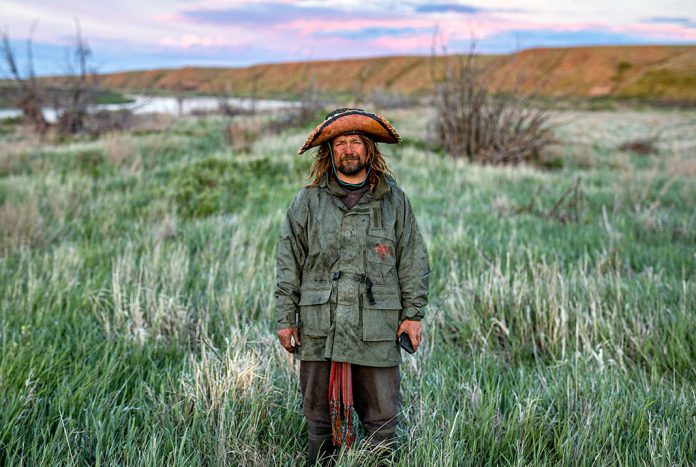
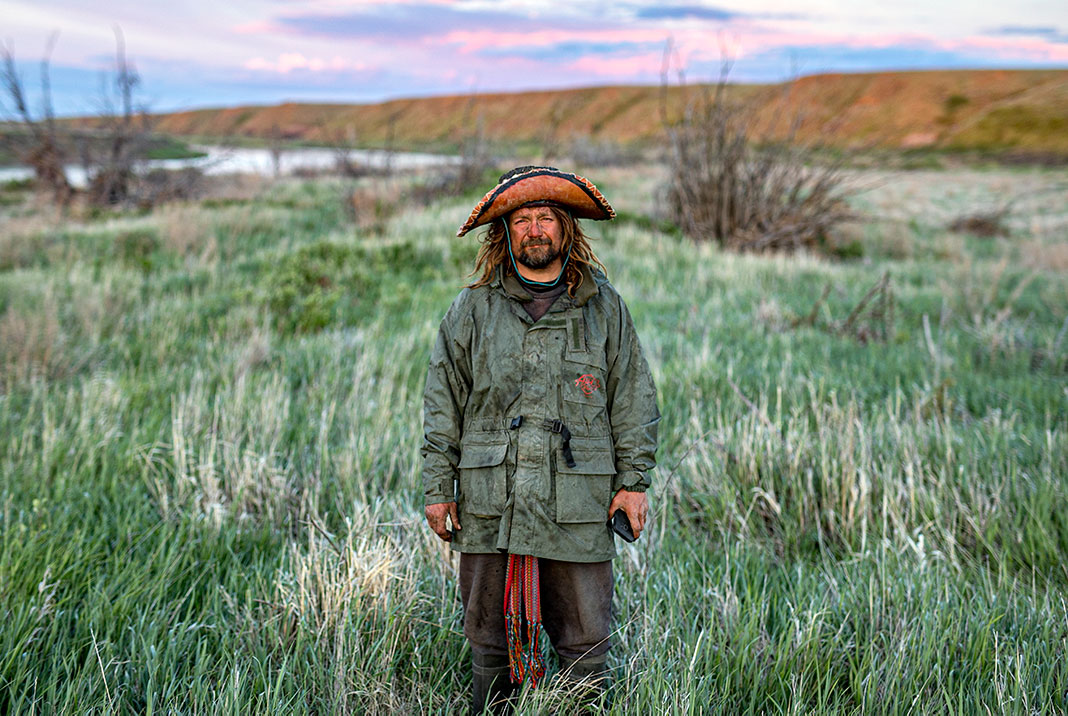
Man wearing large-brimmed hat, dirty coat standing in field with river in background.
Modern day voyageur.| Photo: David Jackson
Read more profiles
Paul Caffyn
Nouria Newman
Frank Wolf
Jon Turk
Cliff Jacobson
Justine Curgenven
Amy & Dave Freeman
Ben Stookesberry

After decades of exploring, where do the boldest sea kayakers, whitewater boaters and canoe trippers fantasize about paddling? That’s the question that inspired Paddling Magazine to query some of our long-time contributors and favorite nomadic aquaphiles to ask after their dream destinations, most challenging expeditions and what a life of exploration really means anyways.

In this series of profiles, these exceptional water-wanderers share their top trips, best advice and biggest blunders. And whether their ambitious journeys were taken in the name of discovery, education, environment or glory, these legends affirm what we already know: There’s far more to explore by paddle than anyone could fit in a lifetime—but don’t let that stop you from trying.

[ Plan your next adventure with the Paddling Trip Guide ]

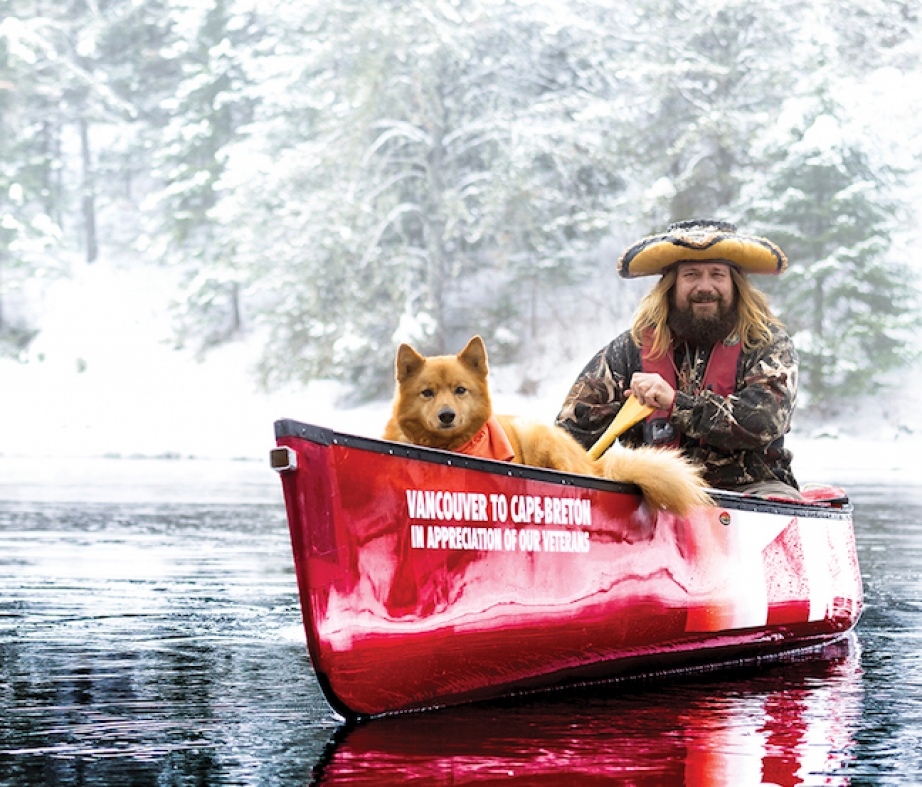
Three-time cross-Canada paddler Mike Ranta is usually spotted under the broad brim of his trademark birchbark hat with canine friend Spitzii by his side. His 5,000-mile continent-crossing trips raised funds for youth, veterans and first responders, highlighting the country’s interconnectedness and canoe heritage along the way.

Location: Killarney, Ontario
Occupation: Paddle maker
Latest Project: At press time, Ranta was putting the finishing touches on the world’s biggest canoe paddle. Named the Big Dipper, the 110-foot-long, 15-foot-tall paddle will reside on the shores of Georgian Bay in Killarney, Ontario.
Man wearing large-brimmed hat, dirty coat standing in field with river in background.
Modern day voyageur.| Photo: David Jackson

Q & A with Mike Ranta

1 The one place I dream of returning to is…

Lake Superior. This location captivates the soul. Its vastness is humbling, and you get a true sense of well-being.

2One place I dream of paddling but haven’t yet is…

Great Bear Lake in the Northwest Territories. I’d love to circumnavigate it. I love the isolation.

3One thing I can’t live without is…

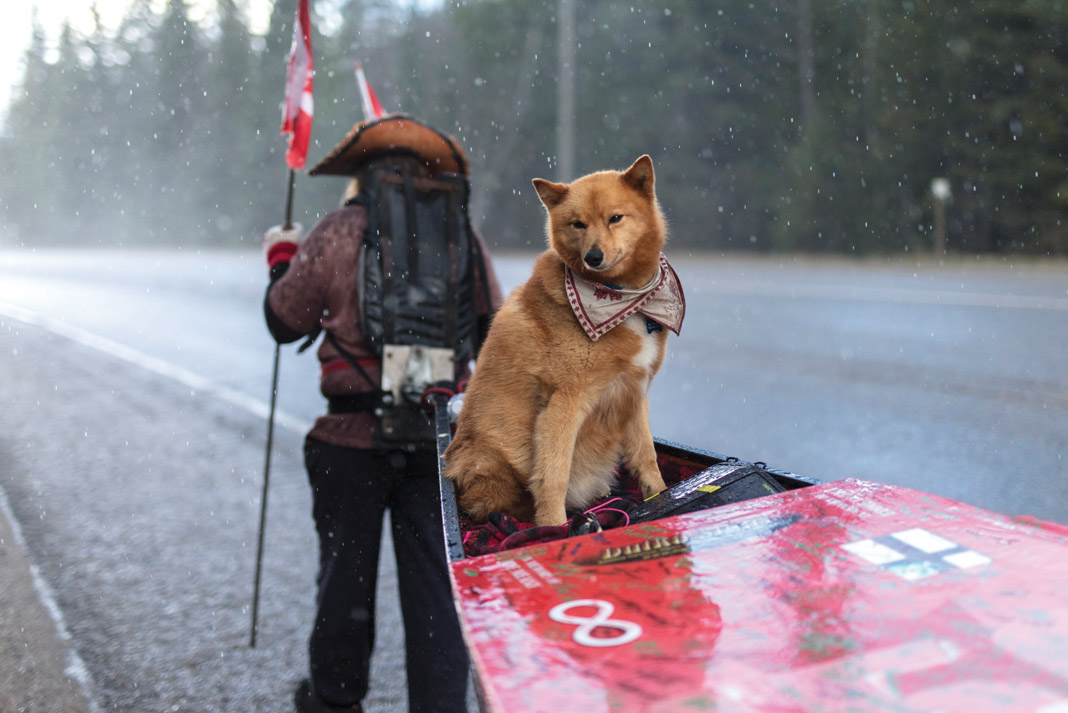
my best friend, campsite soldier and bear scarer—my pup Spitzii!

Dog sitting in canoe as man pulls it down a road as snow falls.
Mike and his trusty companion Spitzii. | Photo: David Jackson

4My biggest pet peeve is…

Spitzii farting in the tent.

5The greatest advice I ever got was…

“stay in control cause if you ain’t in control, you’re in trouble,” and that was from an old friend, Bobby Davidson.

6The canoe I paddle now is…

a Swift 17-foot Prospector.

7The best paddling companions are…

dogs and that’s true when they’re sleeping.

8The hardest part about making your dream trip happen is…

mustering up the courage to take the first steps. The second hardest thing is to stop making more trips—I haven’t figured that out.

After quitting his job in the oil industry and selling everything he owned in 2011, Ranta paddled 130 days from Rocky Mountain House, Alberta, to Montreal, Quebec, retracing the route of the 1967 Voyageur Canoe Pageant. Three years later, Ranta and Spitzii departed from Vancouver and paddled for 214 days intending to break the world record for the longest single-season solo canoe trip. They made it as far as Tatamagouche, Nova Scotia, just 93 miles short of the goal. The following year, in 2015, Ranta and Spitzii once again departed from Vancouver and 200 days later made it to Dominion Beach, Cape Breton, claiming the record. Two years later, to celebrate the 150th anniversary of the Canadian confederation, Ranta attempted to do it again (read here: Mike Ranta’s Third Cross-Canada Trip).

Man paddling a canoe with dog in bow, snow on trees in background.
Mike Ranta on a winter training paddle. | Photo: Alan Poelman

9My best advice to young paddlers is…

enjoy the small things.

10Happiness is…

solitude. Sitting with my bare feet in the water and listening to the symphony of nature.

11My most challenging trip was…

paddling from Killarney, Ontario, to James Bay and back. It taught me patience and how to travel up wild rivers.

12What scares me most while tripping is…

weather. Big storms and wild winds are our biggest dangers.

13My favorite camp meal is…

fish and beans. Spitzii’s too!

14The true gift of big trips is…

the people you meet along the way.

Paddling Magazine Issue 63 | 2021 Paddling Trip Guide Cover

This article was first published in Paddling Magazine Issue 64. Subscribe to Paddling Magazine’s print and digital editions here, or download the Paddling Magazine app and browse the digital archives here.


Modern day voyageur.| Photo: David Jackson

How To Not Hate Camping On Sand

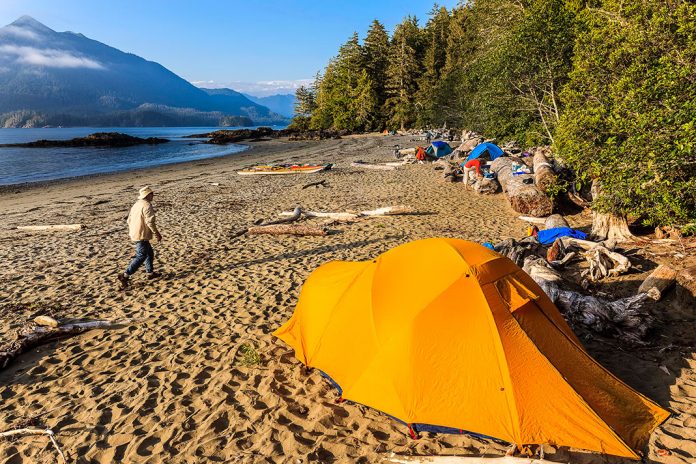
Tents set up on a beach with sea kayaks pulled up on shore, and ocean and mountain in background.
“I hate sand. It’s coarse and rough and irritating, and it gets everywhere.” —Anakin Skywalker, and 50 percent of sea kayakers everywhere. | Photo: Ron Watts

I hand Maria a sandwich. Gazing at fog-shrouded islands and emerald-green peaks, she munches away.

“Less sand next time,” she says as if sand is a condiment I’ve added, like Dijon mustard. We’re on day seven of an outer coast trip camping on wide beaches with afternoon northwesterlies. Sand is seasoning everything.

Paddlers have a complicated relationship with sand. It finds its way into sleeping bags, sandwiches, eyes, camera housings and places best not mentioned in the pages of this family magazine.

Some hate sand with the fervor of holy warriors, while others manage it like an engineering puzzle. And still others see a gritty heaven. More than rudders versus skegs, a sea kayaker’s relationship with sand reveals all you need to know about their paddling personality.

One friend of mine stayed meticulously sand-free for two solid weeks of beach camping. He carefully double-bagged his drybags inside zipped Ikea bags, armored himself with pants and shoes on the beach, and always entered his tent on the leeward side. When we cleaned out our hatches at the end of the trip, his were still sparkling clean. The rest of us needed a Shop-Vac.

Die-hard sand avoiders will do anything to evade camping on the beach, even if it means humping their gear over giant logs and thrashing through dense coastal thickets to some tiny, not-really-flat spot in the forest. One new couple I paddled with got in a shouting match over the choice between flat sand or lumpy forest ground. They didn’t last long.

Another friend reliably reverts to childhood when we land. After stripping off PFD, sprayskirt and helmet, shoes inevitably follow. Then there will be a strange sand jig followed by the sand Olympics, with long jumping, dune rolling and feet burying.

Tents set up on a beach with sea kayaks pulled up on shore, and ocean and mountain in background.
“I hate sand. It’s coarse and rough and irritating, and it gets everywhere.” —Anakin Skywalker, and 50 percent of sea kayakers everywhere. | Photo: Ron Watts

Numerous are the fairweather sand lovers—those who favor the wide open beaches on calm dry days but pivot to grumbling as soon as the wind blows it around or when it gets damp and sticks to their gear. Then you can expect they’ll want to move camp to some gravelly inlet where we’d have to wear shoes in camp.

And don’t forget the sand nerds. In the tropics, one friend made certain I knew that majestic white sand was so soft and fine because it was coral nibbled, digested and pooped out the exhaust pipe of a parrotfish. Others peered at the grains to source their geologic content or—I’m guilty of this one—made everyone guess where the next night’s high tide will be.

I’m firmly in the sand lover category, though less competitive about it than my sand Olympics friend. I love barefoot wandering, easy flops onto a soft surface, and that each morning, tracks will tell me which critters checked out my tent. The drysuit neck gasket rash and sand taking up residence in my kit is a price I’m willing to pay.

As much as I love beaches, there’s another reason for my laissez-faire attitude. Sand always wins. On one photography trip in an exquisite set of dunes, I set up my tent to have a clean spot to manage camera gear. Within an hour, there was an entire dune ecosystem inside the tent, which ended up back in the bag. And sooner or later on every trip, something will slip off a beach log into the sand and get either coated or lost. I just hope it will be a tent stake or a fork instead of my last contact lens. But the beach giveth, as well as taketh away. I’ve found multi-tools, books, food and even coffee on the lam from its previous owner.

I love barefoot wandering, easy flops onto a soft surface, and that each morning, tracks will tell me which critters checked out my tent.

To ease the post-trip transition from sand creature to civilized human, as soon as I get home, I subject everything to a multi-tub waterboarding routine before hanging it up to dry. The first tub usually has enough sand to sell for construction fill. But when I unfold my tarp again this season, you know what I’ll find anyway.

[ Paddling Trip Guide: View all paddling trips in the Pacific Northwest ]

Sand is part of what I love most about sea kayaking. The rugged beauty of the West Coast, with its massive sea arches, caves, crinkly headlands and secret coves, is only possible because the sea is relentless enough to pulverize rocks into those tiny bits that get in my everything.

There are no rock gardens without surf, and surf and sand are inseparable. Although I suppose you could try introducing some parrotfish to eat the rocks and poop them out, if that’s your sort of thing.

Paddling Magazine Issue 63 | 2021 Paddling Trip Guide Cover

This article was first published in Paddling Magazine Issue 64. Subscribe to Paddling Magazine’s print and digital editions here, or download the Paddling Magazine app and browse the digital archives here.


Neil Schulman removes sand from his kayaking gear, cameras and computer keyboard in Portland, Oregon.

“I hate sand. It’s coarse and rough and irritating, and it gets everywhere.” —Anakin Skywalker, and 50 percent of sea kayakers everywhere. | Feature photo: Ron Watts

7 Camping Food Hacks For Overnight Trips (Video)

Whether we’re loading up a cooler or cramming supplies into a dry bag that’s one size too small—we seasoned campers have come to realize that the more space we have to fill, the more non-necessities we will inevitably pack.

These seven creative camping food hacks will help trim down your cooking prep time and your bag size—without sacrificing flavor or substance. Check them out.

Q&A With Expedition Canoeist Frank Wolf

Man with beard paddling a canoe on choppy waters
Frank Wolf in his happy place. Photo courtesy of: Frank Wolf
Read more profiles
Paul Caffyn
Nouria Newman
Amy & Dave Freeman
Jon Turk
Cliff Jacobson
Justine Curgenven
Mike Ranta
Ben Stookesberry

After decades of exploring, where do the boldest sea kayakers, whitewater boaters and canoe trippers fantasize about paddling? That’s the question that inspired Paddling Magazine to query some of our long-time contributors and favorite nomadic aquaphiles to ask after their dream destinations, most challenging expeditions and what a life of exploration really means anyways.

In this series of profiles, these exceptional water-wanderers share their top trips, best advice and biggest blunders. And whether their ambitious journeys were taken in the name of discovery, education, environment or glory, these legends affirm what we already know: There’s far more to explore by paddle than anyone could fit in a lifetime—but don’t let that stop you from trying.

[ Plan your next adventure with the Paddling Trip Guide ]

Adventurer Frank Wolf is known for his award-winning films documenting wilderness expeditions in northern Canada. His first major expedition was canoeing across Canada in a single season, and he’s set out on big, demanding trips somewhere in the world almost every year in the two decades since. Whether pedaling 1,250 miles from Dawson to Nome on the frozen Yukon River, paddling 1,250 miles of the British Columbia coast or rowing 1,180 miles along the Northwest Passage, Wolf never stops pushing.

Location: North Vancouver, British Columbia
Occupation: Writer and presenter
Latest Project: Kayaking around Canada’s Vancouver Island


Man with beard paddling a canoe on choppy waters
Frank Wolf in his happy place. | Photo courtesy of: Frank Wolf

Q & A with Frank Wolf

1 One destination I dream of returning to is…

the 1,750-kilometer line from Yellowknife, Northwest Territories, to the source of the Back River and down to the ocean. This location still captivates me because of the incredible wildlife, like caribou, musk ox, grizzly and wolf. It’s a fabulous mix of tripping, from whitewater to big lakes to grinding portages.

2My biggest pet peeve is…

 whiners.

3One thing I can’t live without is…

cayenne pepper.

4The greatest advice I ever got was…

“nothing worthwhile is easy,” and that was from my dad.

5The canoe I’m paddling most right now is…

an Esquif Prospecteur 17.

6The best paddling companions are…

joyful.

7My biggest blunder was…

almost drowning on the Babine River during a cross-Canada attempt 23 years ago and I learned I wasn’t invincible.

8The hardest part about making that dream trip happen is…

inertia.

9Happiness is…

being in the midst of an adventure, when past and future are irrelevant and there is only now.

10My most challenging expedition was…

canoeing across Canada and it taught me I love paddling through new landscapes for weeks and months at a time.

In 1995, Wolf and his paddling partner became the first modern paddlers to canoe across Canada in a single season. They started in Saint John, New Brunswick on the Atlantic coast and paddled to Vancouver, traveling against the prevailing winds. The duo paddled 12 to 14 hours a day, every day, until they got to the Pacific Ocean 171 days and 5,000 miles later.

11What scares me most is…

emotional vulnerability.

12My favorite camp meal is…

grilled grayling with cayenne pepper.

13

The true gift of big trips is…

 being fully and truly engaged in the moment at all times and stepping into a new dimension of consciousness.

14

My best advice for young paddlers is…

keep paddling and you’ll stay young forever.

Paddling Magazine Issue 63 | 2021 Paddling Trip Guide Cover

This article was first published in Paddling Magazine Issue 64. Subscribe to Paddling Magazine’s print and digital editions here, or download the Paddling Magazine app and browse the digital archives here.


Frank Wolf in his happy place. | Photo courtesy of: Frank Wolf

The Wing Group Opens New Global Business Development & Product Headquarters in the UK

The Wing Group Opens New Global Business Development & Product Headquarters in the UK

The Wing Group encompasses the brands; Wing, Henshaw Inflatables, Patten, Fabtek and Mustang Survival, all of which have built deep, trusted relationships with marine and aviation consumers over a collective span of nearly 75-years. Built on a rich and authentic heritage in delivering survival equipment to people in the harshest operating environments in the world, the group’s brands have earned loyalty and recognition for designing and manufacturing innovative and high-quality product solutions. Wing has already established a strong North American market share and is now expanding into the European market with its highly innovative product portfolio.

The company is growing rapidly and is pleased to announce the opening of the Wing Group Global Business Development & Product Team Office.  The new Global Team will be led by Nigel Parkes, Managing Director Europe, a stalwart authority, and presence in the marine industry with decades of experience leading teams designing, developing, and going to market with advanced safety and lifesaving equipment.

Commenting on the new team and headquarters at Throope Down in Salisbury, UK, Andrew Branagh, CEO of the Wing Group said, “Our company is obsessed with customer intimacy as we profoundly believe it is the key to unlocking truly innovative solutions and product greatness. As we build global marketplace presence, we knew it was imperative to assemble talented teams in the same region and time zone as our strategic partners so that we can serve them better every day.”

Matthew Bridge Commercial Sales Director leads a team of Global Sales Managers with deep professional experience across the spectrum of tactical operations, commercial & leisure marine, and aerospace & defence. In addition, a high caliber product design & development team has been established to rapidly prototype for military and industrial partners, and to blend the unique insights and requirements of the UK and European markets into the company’s existing product portfolio.

Nigel Parkes said, “The Wing Group companies have well established market presence with their product lines in the Americas. Working closely with our Wincanton-based Henshaw Inflatables business, our Throope Down Business Development & Product Team will access and collaborate with the incredible talent of the Mustang Survival Waterlife Studio and the unparalleled engineering force at Wing Inflatables and Patten to deliver immense value for our partners and customers like no other brand in the market.”

The Wing Group will be exhibiting at the METSTRADE Show, Amsterdam, November 16-18th.

The Wing Group Opens New Global Business Development & Product Headquarters in the UK

About The Wing Group

The Wing Group is the world leader in inflatable boats, life rafts, flotation, dry suits and other tactical and survival solutions for recreational, commercial and military customers.

Built on 200 years of combined experience, The Wing Group and its companies have developed an unparalleled reputation for highly technical, high quality customer solutions – whether it’s a private yacht deploying an expeditionary craft, a fighter jet pilot requiring an aviation life raft, a rescue swimmer requiring protection in arctic conditions or a special forces unit depending on high-performing combat rubber raiding craft.

The Wing Group

The Wing Group

The Wing Group delivers confidence to the world’s most demanding marine and aviation users through innovative and high-quality technical solutions – on, over and under the water.

Wing Inflatables

First in the field of innovative polyurethane design for tubes, inflatable boats and sponsons. Wing’s combatant crafts are used throughout the world by the U.S. Army, the U.S. Navy SEALs and tactical and military professionals who demand only the best.

Henshaw Inflatables

The leading manufacturer of Hypalon-constructed inflatable tubes and collars to RIB builders in the UK and throughout the world. Superyacht customers and militaries alike put their trust in Henshaw products.

Mustang Survival

Pioneer in the design and manufacture of lifesaving solutions since 1967. Mustang Survival is committed to the protection and enhancement of those who push themselves to extremes, whether for work, duty, or to escape the daily grind.

The Patten Company

Patten is proud to have provided life rafts on the NASA’s legacy Mercury and Apollo missions as well as today’s NASA Orion and SpaceX manned space missions.

FabTek

Custom designer and manufacturer of doors, windows, and hatches for the leading recreational, commercial and military.

For media enquiries, please contact Jamie Moran at MindWorks Marketing:

winggroup@mindworks.co.uk

+44 (0)1243 388940

Father-Daughter Team Reclaim World Record On Mississippi River Speed Descent

Canoe on lake silhouetted at sunset
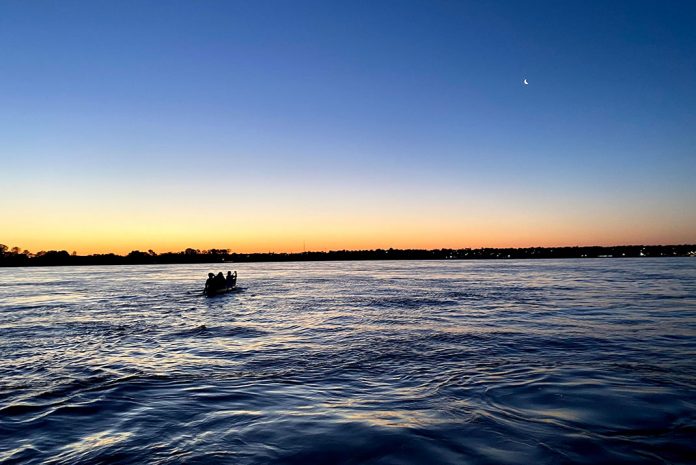
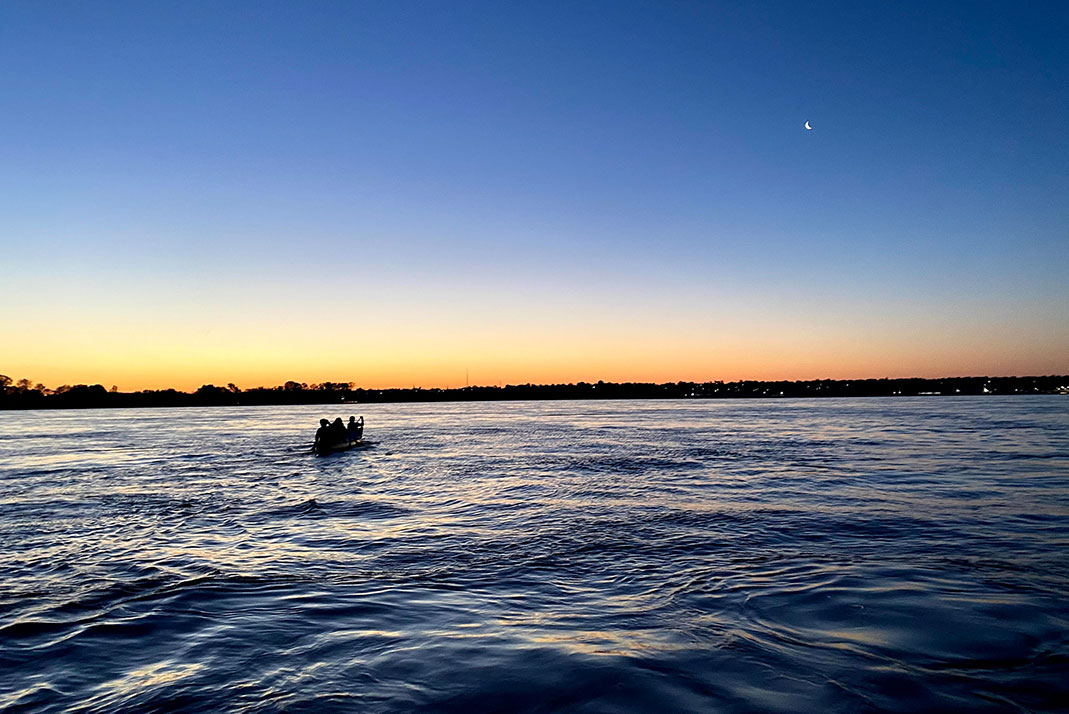
To set a new world record, the team paddled day and night in nine-hour shifts, taking turns to sleep in the canoe for three hours at a time. | Photo: Courtesy MMZero

On April 22, four paddlers launched a 20-foot canoe in northern Minnesota’s Lake Itasca with an unfathomable goal: To paddle more than five miles per hour, 24 hours a day for nearly 18 days. That’s the pace they’d need to set a new speed record for paddling the Mississippi River on a 2,350-mile journey to the Gulf of Mexico.

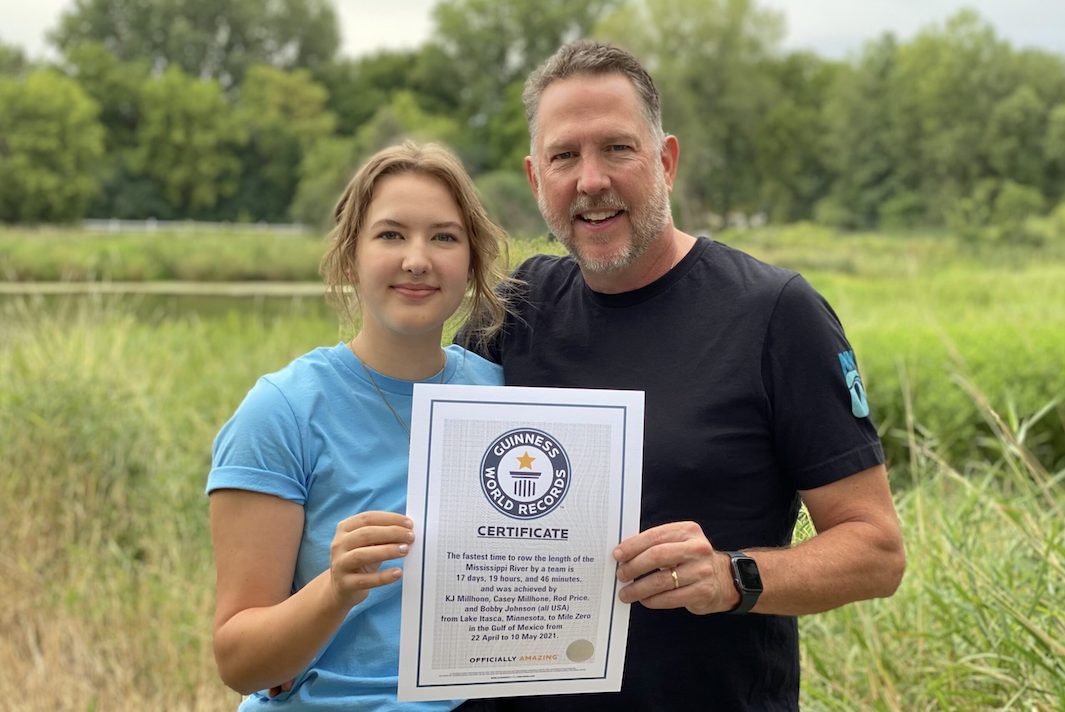
KJ Millhone had done it before. In 1980, at age 22, KJ canoed the length of the Mississippi in 35 days with his friend Steve Eckelkamp, establishing a Guinness World Record. The record was trimmed to 23 days by legendary long-distance canoeists Verlen Kruger and Valerie Fons in 1984. Finally, Bob Bradford and Clark Eid completed an 18-day Mississippi speed run in 2003. KJ’s dreams of reclaiming the speed record with Eckelkamp were dashed when his best friend died in 2017. Then, his 20-year-old daughter, Casey, suggested they try it together.

Three men and one woman stand arm in arm on beach in front of a canoe
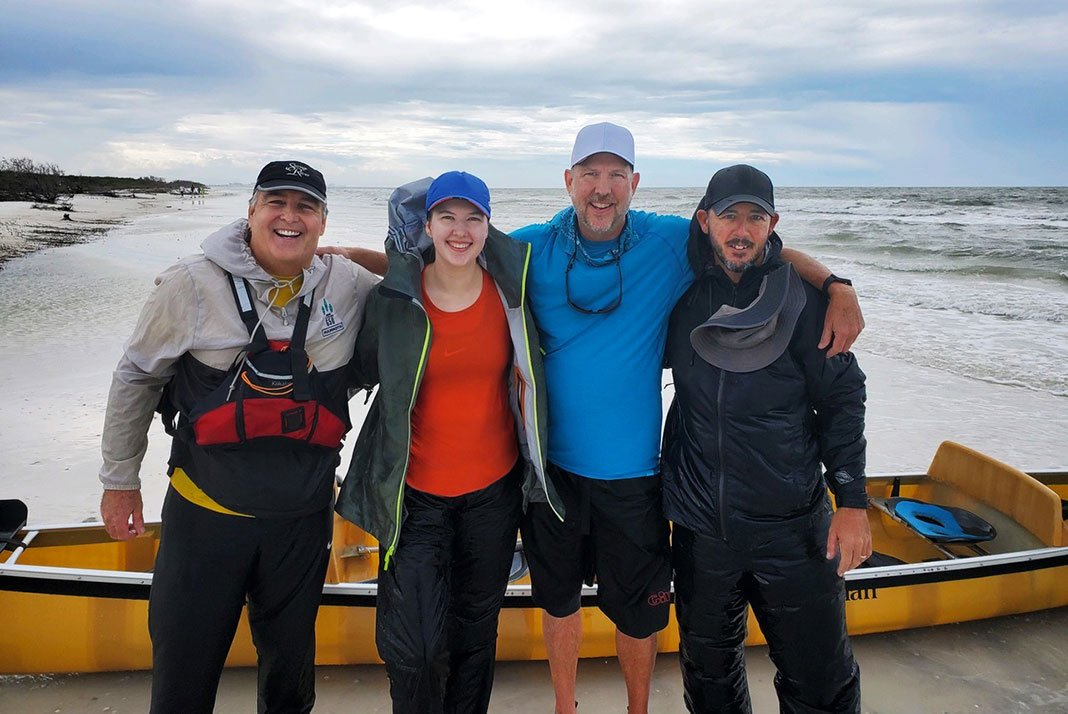
MMZero team members Rod Price, Casey Millhone, KJ Millhone and Bobby Johnson. | Photo courtesy of: MMZero

“The trip with Steve changed the trajectory of my life,” says KJ. “When Casey said she wanted to do it, I thought the best gift I could give her was the opportunity for this experience to broaden her world as it did mine.”

The Millhones recruited long-distance canoe racers Bobby Johnson, 42, and Rod Price, 60, to join their team. Departure was timed to reap the greatest benefit of high water. “You simply couldn’t do this on calm water,” notes KJ. Of course, a shoulder season expedition also meant tornados, lightning and temperatures ranging from sub-freezing to scorching. “I think we got more than a fair shake from Mother Nature,” KJ adds.

A big part of the MMZero expedition was to raise funds to support the Mississippi River Network, an environmental coalition. The tiny creek draining Lake Itasca becomes a broad, muscled river within 600 miles as Northwoods wilderness transitions into the bluffs of the Midwestern plains. Countless river towns attest to the Mississippi’s role in shaping the United States’ heartland.

Canoe on lake silhouetted at sunset
To set a new world record, the team paddled day and night in nine-hour shifts, taking turns to sleep in the canoe for three hours at a time. | Photo courtesy of: MMZero

KJ imagined floating with Huck Finn and Tom Sawyer as the river wanders through Arkansas and Mississippi; he watched the millions of birds that use the waterway as a migration corridor pass overhead. From Baton Rouge to the Mississippi Delta, the paddlers encountered ocean-going freighters, tugboats and barges plying the river’s powerful muddy water. “You experience two centuries of history,” says KJ. “It’s timeless, priceless and preciously American.”

The team attempted to enjoy the scenery while maintaining a breakneck pace. To ensure the team could obtain the record, they paddled their Wenonah Minnesota IV day and night in nine-hour shifts, taking it in turns to sleep in the canoe for three hours at a time.

Price recalls sheer exhaustion, sleep deprivation, hallucinations, hypothermia and extreme weather. “When the conditions cause you to lose time,” he says, “you realize there’s no wiggle room at all. But on the other hand, one good night can completely turn things around.”

“Riding the Mississippi River is like Mount Everest for paddlers.”

“Riding the Mississippi River is like Mount Everest for paddlers,” Price says. “More than 4,000 people have climbed Everest, but I can guarantee far fewer than 4,000 people have paddled the whole Mississippi. It’s a phenomenal task.”

Casey and KJ Millhone pose with their Guiness World Records certificate. | Photo: Courtesy Team MMZero

Casey says the team’s 24-hour paddling schedule put the river in a new perspective. “Your awareness of sounds and the environment is so different at night,” she says. “Although that’s scary in some ways, it was also exciting to be on the water and experience the river at all times of day.”

[ Plan your next adventure with the Paddling Trip Guide ]

Meanwhile, KJ reflected how this expedition differed from his previous one. “We were just two 20-something guys paddling down the river,” he says. “But now, with all the logistics we needed to keep in mind, it felt a lot closer to trying to make the first trip to the moon.”The journey was also an opportunity for him to witness the changes four decades have brought to the Mississippi River. “It seemed healthier, more vibrant and wilder than it did in 1980,” KJ notes.

Paddling Magazine Issue 63 | 2021 Paddling Trip Guide Cover

This article was first published in Paddling Magazine Issue 64. Subscribe to Paddling Magazine’s print and digital editions here, or download the Paddling Magazine app and browse the digital archives here.


To set a new world record, the team paddled day and night in nine-hour shifts, taking turns to sleep in the canoe for three hours at a time. | Feature photo courtesy of: MMZero

Q&A With Expedition Kayaker Nouria Newman

Woman wearing PFD, helmet, sprayskirt and drysuit. She is holding a kayak paddle in one hand, and a whitewater kayak in the other. She is standing in front of a waterfall.
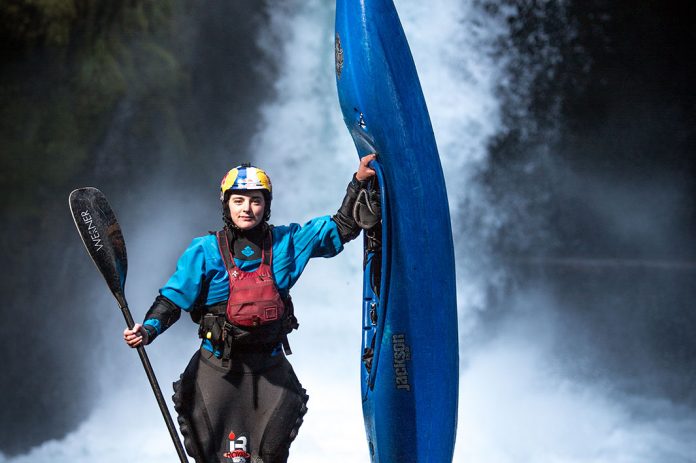
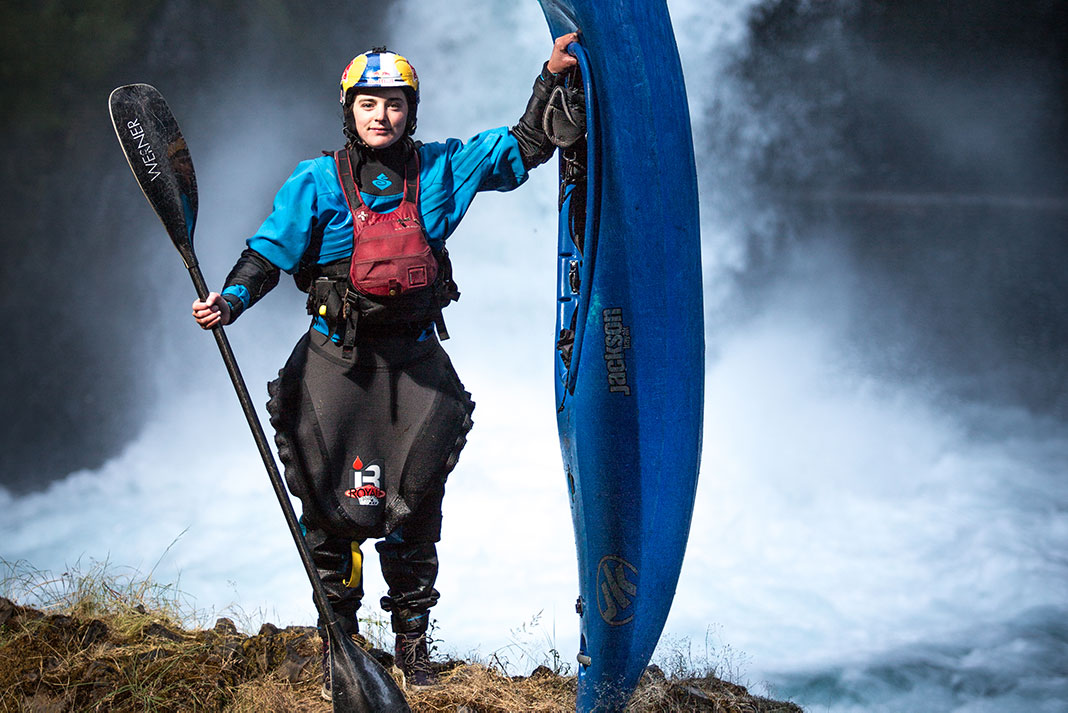
Nouria Newman, ready for adventure. | Photo: Erik Boomer
Read more profiles
Paul Caffyn
Amy & Dave Freeman
Frank Wolf
Jon Turk
Cliff Jacobson
Justine Curgenven
Mike Ranta
Ben Stookesberry

After decades of exploring, where do the boldest sea kayakers, whitewater boaters and canoe trippers fantasize about paddling? That’s the question that inspired Paddling Magazine to query some of our long-time contributors and favorite nomadic aquaphiles to ask after their dream destinations, most challenging expeditions and what a life of exploration really means anyways.

In this series of profiles, these exceptional water-wanderers share their top trips, best advice and biggest blunders. And whether their ambitious journeys were taken in the name of discovery, education, environment or glory, these legends affirm what we already know: There’s far more to explore by paddle than anyone could fit in a lifetime—but don’t let that stop you from trying.

[ Plan your next adventure with the Paddling Trip Guide ]

Nouria Newman has been pushing the boundaries of whitewater for a decade. The ex-slalom boater has claimed first descents, dominated competitions and paddled some of the world’s most challenging whitewater, including the Stikine’s Site Zed. Earlier this year, Newman snagged the first descent of Pucuno Falls in Ecuador and became the first woman to run a 100-foot waterfall.

Location: Tignes, France
Occupation: Professional kayaker
Next project: An expedition in Ecuador, “but these days, nothing is sure.”


Woman wearing PFD, helmet, sprayskirt and drysuit. She is holding a kayak paddle in one hand, and a whitewater kayak in the other. She is standing in front of a waterfall.
Nouria Newman, ready for adventure. | Photo: Erik Boomer

Q & A with Nouria Newman

1 One river I dream of returning to is…

the Tsangpo in Tibet, or the Stikine.

“This location still captivates me because I have so many good memories from that river,” says Newman. “I will never forget the feeling when I first entered the canyon. A sense of pure freedom, fear mixed with excitement. It was just beautifully overwhelming, and at this point, there was no turning back. That’s what I wanted to do with my life.”

2 One place I dream of paddling is…

Pakistan. I want to paddle there because if this place is known to have the most beautiful mountains in the world, it must have the most beautiful rivers too.

3 My biggest pet peeve is…

lack of critical thinking and Internet trolls.

4 One thing I can’t live without is…

the important people.

5 The greatest advice I ever got was…

never to forget to have fun and that was from a friend who knew me better than I knew myself.

6 The kayaks I’m paddling most right now are…

the Waka Stout and Goat.

7 My biggest blunder was…

I don’t even know where to start. My friends created a dedicated scoring system to keep track.

8 I learned…

I have to focus more and sometimes take the time to slow down.

9 The hardest part about making that dream trip happen is…

permission, budget and dam removal.

10 My best advice for young paddlers is…

do it because it’s fun and because you love it.

11 Happiness is…

the most important thing.

12 My most challenging expedition was…

high water Rio Tunuyan in Chile or the Patagonia tour and it taught me that sometimes you just have to put your head down and keep going.

Newman teamed up with Ben Stookesberry and Erik Boomer to tackle nine rivers in Patagonia. The team achieved four first descents and the second human-powered descent of the Pasqua, one of Patagonia’s largest rivers (you can read about it here). To access the Pasqua, they had to bushwhack for 54 miles.

13 What scares me most is…

losing someone I love—and siphons.

14 My favorite camp meals are…

Jo’s sausage croissant and Chomps’ pepper with cheese and egg.

15 The true gift of big trips is…

the good things that come unexpectedly from the hard times and the people you meet and become friends with.

16 One thing I will never do again is…

swim through a siphon.

Paddling Magazine Issue 63 | 2021 Paddling Trip Guide Cover

This article was first published in Paddling Magazine Issue 64. Subscribe to Paddling Magazine’s print and digital editions here, or download the Paddling Magazine app and browse the digital archives here.


Nouria Newman, ready for adventure. | Photo: Erik Boomer