The International Rafting Federation (IRF) recognises the need to make raft racing available to as wide a number of people as possible. As such, the IRF is delighted to announce that after many months of intensive work, it has fulfilled its commitment to launch a comprehensive, safe and internationally supported Para Rafting program.
A Para Rafting Committee was appointed in October 2020 to direct and approve the process of finalising the Rules, Codes and Classification Systems for Para Rafting. The committee consists of a wide range of extremely well-qualified participants who through personal experience are well acquainted with the unique challenges faced by the adaptive rafting community including former Para-Olympians, global para sports policy writers and para rafters.
The comprehensive policies and procedures are now available to guide member nations and organisations in setting up and running Para Rafting events. In addition, these documents will guide them and their athletes through the necessary classification procedures. We encourage members to start running local events, when pandemic restrictions allow, so as to get Para Rafting well and truly off to a flying start.
The aim of the IRF’s Para Rafting is in two streams. The first is aimed at general competitions, to include as wide diversity of abilities as possible (Stream 1). The second is aimed at World and Continental Championships, and to work towards one day being included in the Paralympics (Stream 2). As a new para sport all IRF Para Rafting rules, policies and procedures are open to evolution, review and change at any point in time.
Being a team sport also sets rafting apart from many other para sports. Therefore, the IRF is using a functional classification system more common in para team sports (like wheelchair rugby) where greater participation of competitors can be encouraged by providing opportunities for teams with different abilities to compete against each other in a reasonably fair way.
The IRF recognises that every impairment is different and will affect the individual to a greater or lesser extent. For example, someone who has lost three limbs will be fundamentally disadvantaged compared to someone who has a visual impairment. The mix of impairments potentially within one team could be significantly different to that of another team and to race such teams against each other could be inherently unfair.
Our classifications therefore assess the impact of a range of impairment on an individual’s functional abilities to participate in the sport of rafting. A point system focused on the competitor’s functional abilities is enforced to ensure fair competition.
The IRF had hoped to run the first Para Rafting World Rafting Championships this year, however, the uncertainty that Covid-19 is still inflicting on the world has led us to postpone this project to 2022.
Thanks must go to Jezza Williams of the Para Rafting Committee for the enormous amount of extra time he put into assisting us in realising this project. We look forward to one day seeing him compete in Para Rafting.
The International Rafting Federation (IRF) is recognised as the official world governing body for rafting. Every year, the IRF organises the World Rafting Championship (WRC), a top tier competition between the most recognised and celebrated rafting athletes in the world who gather together to represent their respective nations. The IRF also organises or oversees a tremendous variety of continental, regional and local rafting competitions and championships. IRF competitions closely follow the Olympic model and IOC recommendations, while remaining true to the traditions and history of rafting that has made it so popular.
The IRF is about bringing the world of rafting together so we can all benefit from our interaction. This interaction may involve anything from competing at the world championship level to being part of a local grassroots event in your hometown. Or it could be that once-in-a-lifetime experience of going on a commercial raft trip locally or around the world, whether it be for 1 hour or 16 days.
The IRF is in the forefront of raft safety worldwide. Recognised as the world body which oversees the certification and training of professional river rafting guides. The IRF works closely with national organisations and government bodies by offering the only rafting guide certification program accepted worldwide.
The IRF is deeply committed to protecting the rivers of our planet from senseless destruction, and to preserve them for future generations. The IRF are one of the original signatories to the United Nations Framework Convention on Climate Change (UNFCCC) Sports for Climate Change programme. We recognise that mankind are not the owners of our planet, but instead are its caretakers and stewards.
Raft racing takes place over several days and at the continental and world levels and is held in four disciplines:
Sprint: fastest from top to bottom
Head-to-Head: teams battle it out 1:1 over the sprint course but this time with buoy navigation mandatory – full contact is permitted in a knockout competition where the winner is decided not necessarily on who is fastest but who plays their tactics the best
Slalom: very similar to canoe/kayak slalom with the best of two runs counting but more complex with a larger craft and more heads to pass through the gates in the correct direction
Downriver (Endurance): a gruelling test of working together as a team – race rules dictate this should be more than 20 minutes but less than 60 minutes
Burnaby, BC – Mustang Survival, the Canadian brand known for innovative solutions for the most demanding marine environments, announces today the launch of its first-ever women’s-specific apparel collection. Inspired by athletes like sailor Emily Nagel — bold women passionate about their pursuits on the water, and making a name for themselves among their male team and community members — Mustang’s new line was developed by women, for women.
“Women can be reluctant to pick up a sport because there isn’t anything for them to wear, or that’s not oversized, and overly bulky. Nothing says ‘you don’t belong here’ like a whole section of men’s clothing options,” said Vanessa Fors, Mustang Survival product line manager, recreation. “My hope is that more brands see the awesome potential in women and girls, and the importance of their inclusion in sport to build confidence and community.”
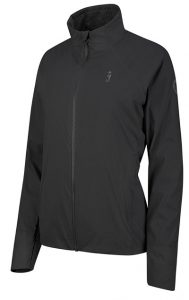
The collection features marine staples including a waterproof jacket and pant, dry suit and crew jacket, all engineered specifically for a woman’s body and biology.
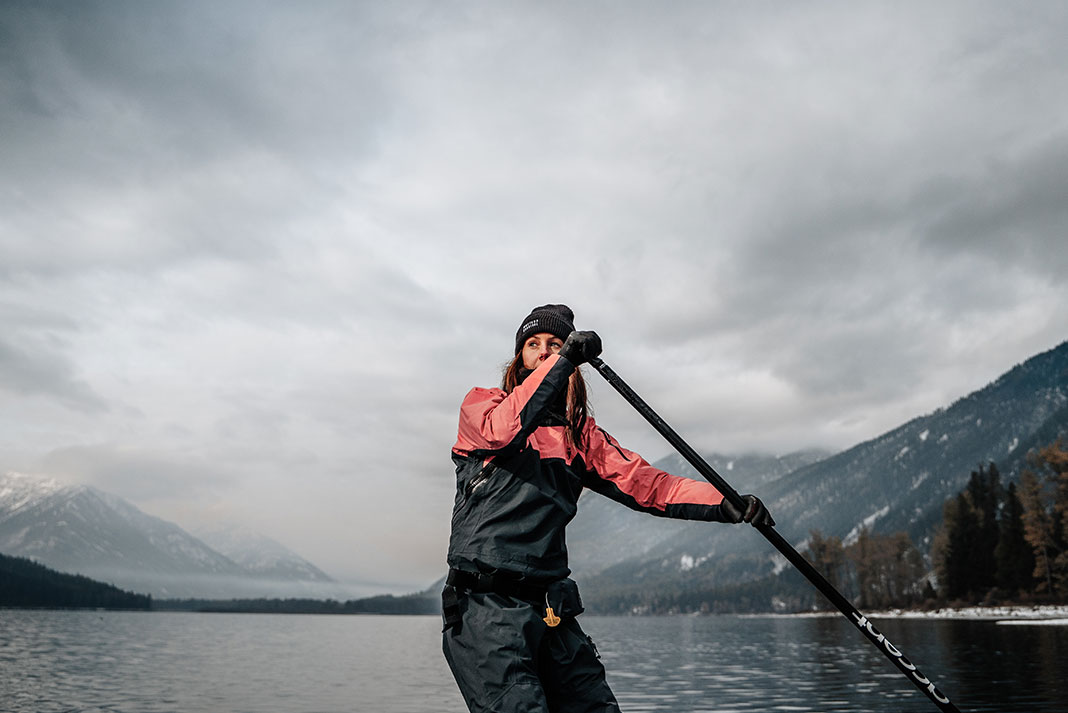
Helix Drysuit | Photo Courtesy: Mustang Survival
Callan Jacket and Pants combo
The Waterproof Callan Jacket and Pants combo is an all-season staple featuring Mustang’s signature MarineSpec™ MP — a lightweight waterproof stretch fabric with breathability — and transitions seamlessly throughout multi-weather days, and layers with ease from season to season. Mechanical stretch allows for unencumbered mobility and agility, while a contoured cut and articulation at the elbow offer bulk-free mobility. Available in Admiral Gray/Coral and Mid Gray/Ocean Blue, the jacket retails for $299, and the pants for $239.
Helix Dry Suit
The Helix Dry Suit provides freedom and mobility in all the places needed for a paddler, with features that are engineered specifically for a women’s body and biology. The Closed Comfort System™ Exoskin collar offers quick venting or watertight closure, all done with one hand, and removable contoured kneepads and adjustable straps at knees and ankles allow paddlers to customize support and fit. Available in Coral/Admiral Gray and Ocean Blue/Mid Gray, the Helix Dry Suit with Closed Comfort System™ retails for $1099, and the Helix Dry Suit with latex seals retails for $999.
Women’s Torrens Crew Jacket
The Women’s Torrens Crew Jacket is designed to function as the most versatile piece of the new collection. Made using Polartec® Alpha®-insulation, the jacket helps the body thermo-regulate utilizing insulation, breathability and quick-drying properties. Contour-cut with a stretch-woven outer shell and finished with DWR (durable water repellant), the jacket is quick-drying meaning no chills from a wet midlayer. Available in Black and Mid Gray, the Torrens retails for $239.
“My hope is that more brands see the awesome potential in women and girls, and the importance of their inclusion in sport to build confidence and community.”
The new collection aims to provide women in marine sport, adventure and professions with gear that works better, fits better and performs better thanks to an ergonomic fit. “Women belong in fishing, women belong in paddling and thanks to the herculean efforts of Olympic committees, World Sailing and other organizations, women are finding their place in sailing,” said Fors. “The launch of this collection is our way of ensuring that well-fitting apparel is not another barrier to entry.”
The women’s line will be available March 17 online as well as at select retailers. For more information, visit mustangsurvival.com and on social media at @mustangsurvival.
Helix Drysuit | Photo Courtesy: Mustang Survival
About Mustang Survival
Established in 1967 by Irv Davies, the inventor of the world’s first Floater™ Coat, Mustang Survival has been designing and manufacturing lifesaving solutions for more than 50 years. Through constant innovation and inspired technical solutions, Mustang Survival strives to bolster performance, encourage exploration and inspire adventure in the marine environment. We are committed to the protection and enhancement of those who push themselves to extremes whether for work, duty, or to escape the daily grind. Headquartered in Burnaby, BC, Canada, Mustang Survival has more than 250 associates across the US and Canada. For more information, please visit mustangsurvival.com.
Mustang Survival. Saving lives since 1967.
For further information, please contact: Rachel Popp rachel@bfcollective.co
919-637-8966
When you think of all the places you might stumble upon a contentedly napping cat, the deck of a floating kayak isn’t high on the list. Nonetheless, this adventurous cat named Gary is more than happy to go kayaking with his owner through all sorts of scenic locales. On land and on water Gary takes new experiences in stride, and he does so while wearing outfits that would put many human adventurers to shame. Those goggles!
All on board for kitty kayaking
At Paddling Magazine we have previously extolled the virtues of bringing your four-legged friend along on a paddling trip. We weren’t writing with cats specifically in mind, but adventurous felines like Gary—while the exception—are definitely not unheard of. The trusty ship’s cat is a long-held tradition, hunting vermin and providing companionship to sailors at sea. Cats have even served in the ocean depths aboard Russian submarines. Compared to those demanding circumstances kayaking with your cat should be a breeze, right?
In reality, not all kitties are cut out for adventure. It’s important to go slow when introducing your pet to any new experience. Pay close attention to their cues and follow their lead when it comes to comfort level. If your cat is inclined to explore, natural curiosity will take care of the rest.
Safety first for adventurous pets
Most importantly, always look after your pet’s safety with a leash, harness and the proper rescue equipment (like the pet PFD modelled so fetchingly by Gary). With patience and training you might be surprised what your own cat is capable of. As Marina Ventures says in the comments, “We too take our cat adventuring! It’s a beautiful thing!”
[ Plan your next paddling adventure with the Paddling Trip Guide ]
No luck kayaking with your cat? If your pet is more of a homebody, live vicariously with more fun footage from Gary The Cat’s Instagram, @greatgramsofgary.
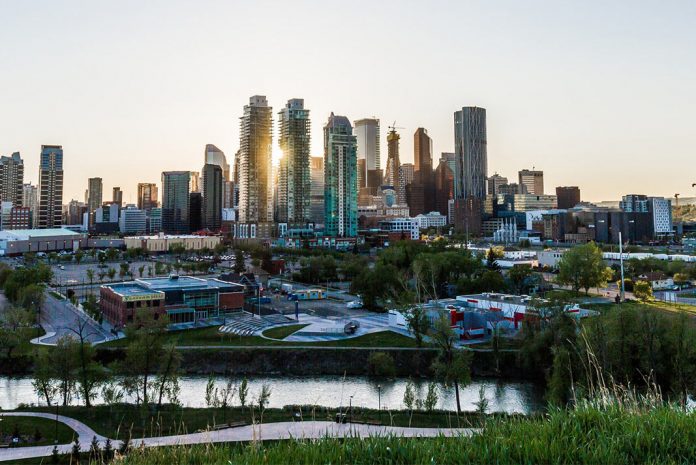
Set against the backdrop of the not-so-distant Rocky Mountains, home to the confluence of the Elbow and Bow rivers, and surrounded by pockets of woods and sprawling farmland, it isn’t hard to see why Calgary is a hub for outdoor adventure.
Offerings include an impressive network of trails for hiking and biking inside and just outside the city limits, ample opportunities for flatwater and whitewater paddling, and plenty of quiet corners in which to pitch a tent for an escape into nature, to name a few. Beginner and experienced outdoor adventurers alike will appreciate the range of experiences on offer, and proximity to places like Canmore and Banff where the scenery and opportunities for exploration get even wilder.
There’s something about mountains that just inspire adventure.
Basing your stay in Calgary itself will give you access to all the amenities you could want at a range of price points. It’s also easy to travel to, thanks to its bustling international airport. You may not want to book a return ticket, though. It’ll take you a while to experience all the area has to offer, and you wouldn’t want to limit yourself.
Here’s what you need to know to soak up all things outdoor adventure in Calgary.
Things to do in Calgary
Hiking trails near Calgary
With easy access to provincial parks, natural areas and substantial city parks, there are plenty of trails to satisfy any hiking enthusiast within the city limits. However, there are also many trails within a short drive from Calgary, as you venture closer to the Rockies. Find the top hiking trails in and near Calgary below.
Fish Creek Provincial Park
For those hoping to get a glimpse of some wildlife, consider exploring the more than 100 km of trails within Fish Creek Provincial Park. Located at the south end of the city, next to the banks of Fish Creek as it flows into the Bow River, the park contains a mixture of paved paths, wooden boardwalks and dirt single-track.
There are plenty of route options to choose from, allowing hikers to get out for as long or as short of a hike as they want. Fall is a particularly popular time to visit, as the autumn foliage is known to be stunning in the park. Keep an eye out for cyclists who also share many of the park’s trails.
Glenbow Ranch Provincial Park
Just west of Calgary and not quite past Cochrane you’ll find Glenbow Ranch Provincial Park and its 25 km of hiking trails. Here you’ll be treated to even better views of the Rocky Mountains, be able to walk along the Bow River and take in a classic Alberta scene: cattle grazing in the grasslands. The park is a working ranch, and visitors are asked to keep back from cattle fence lines to let the animals eat undisturbed.
The Canadian Pacific Railway also runs through the park, making for another picturesque sight as the train winds its way along the river, through the foothills and toward the Rockies. Be sure to only cross the tracks at designated areas, however.
Bow Valley Provincial Park
One of the most scenic hiking options near Calgary is the Grotto Creek Canyon trail in Bow Valley Provincial Park. This out-and-back trail located just outside of Canmore will take you through a canyon and along a stream, culminating at a beautiful waterfall. You’ll be surrounded by mountain peaks on this hike and you may even glimpse pictographs on the canyon walls.
Calgary bike paths
Fish Creek Provincial Park
Fish Creek Provincial Park isn’t just known for its hiking trails—its extensive single-track network is also well-loved. Wind along Fish Creek (and sometimes across it on picturesque bridges), through trees, and along hill ridges. You’ll feel like you’re in the wilderness, despite being within the city limits.
Fall is a particular lovely time to explore Fish Creek Provincial Park.
Bow River bike trails
A great network of bike paths run the length of the Bow River as it flows through the city. On many sections, there are paths along both banks, but occasionally you’ll need to cross over the river in order to stay on the trail. The north end of the bike path begins at Stoney Trail NW, but you can park at the lot at the dead end of 51 Ave NW and hop on the Bowmont Park Trail from there. This will keep you on the east side of the river, eventually turning into the Edworthy to Bowmont Trail at 32 Street NW. As this section of trail turns into the Bowmont to Inglewood Trail, you have the option to cross over the river to the Fort Calgary to Edworthy Park Trail.
These trails continue in tandem on either sides of the river, changing names several more times, before ending on the east side of the river at Cranston Ave SE. Find a place to hop on, or ride the full length to get a sense for the many picturesque neighborhoods in Calgary and the beauty of the Bow River.
Nose Hill Park
No trip to Calgary is complete without a visit to Nose Hill Natural Environmental Park, an 11 km sq greenspace in the northwest part of the city. The park contains one of the most significant examples of the Rough Fescue grassland ecosystem left on the Canadian prairies. It also contains important archaeologic sites in the form of stone circles known as “tipi rings.”
Nose Hill Park has an extensive bike trail system, containing paved, gravel and dirt trails suitable for a range of skill levels. Stick to flat, paved paths if you prefer or venture onto the downhill mountain biking trails.
Paddling in Calgary
Places to paddle
With a reservoir, two rivers and a lake all within or just outside city limits, Calgary is a popular paddling destination. Take a canoe, kayak or paddleboard out on any of these bodies of water for a self-guided adventure. To learn more, read our Guide To Kayaking In Calgary. If a family-friendly float or whitewater rafting trip interests you, you’ll find both on offer here as well. Find out more in our Guide To Rafting In Calgary.
For an overview of some of the best places to kayak, canoe and SUP in the Calgary area, read on.
Glenmore Reservoir
Located on the Elbow River in the central-west part of Calgary, the Glenmore Reservoir offers calm paddling and fishing opportunities for anyone who doesn’t want to wander too far from the city. Put in at the Calgary Canoe Club or at the Heritage Park boat launch. SUPs and inflatable kayaks (or any kind of inflatables) are not permitted on the reservoir.
The picturesque Bow River runs right through Calgary. | Photo: Tourism Calgary // Tom Day
Bow River
Regardless of whether you want to go for an easy (but fast-paced) float or have a whitewater experience to write home about, you’ll find both on the Bow River. In calmer sections, the Bow is deep and faster-moving, leaving you with very little paddling to do, if you so choose. Harvie Passage, alternately, offers class II and class III/IV sections.
Be sure to check flow rates before you go. Find information about designated put-in and take-out locations here.
Elbow River
Appropriately called the lazy river of the Calgary area, the Elbow River makes for a leisurely and relaxing float by kayak, canoe or SUP. You’ll likely find yourself floating alongside rafts and inner tubes, as this is a popular route for such watercraft in the summer months.
Check the links above for flow rates and river access locations.
Chestermere Lake
Located just east of Calgary, Chestermere Lake provides the perfect opportunity to enjoy some flatwater paddling. At 4.8 km long, there’s plenty to explore by canoe, kayak or SUP. Launch from any of the lake’s three beaches: Cove Park Beach, Anniversary Park Beach and Sunset Park Beach.
Be aware that powerboats are also permitted on the lake.
[ Paddling Trip Guide: View all paddling adventures in Alberta ]
Rentals
No need bring your own kayak, canoe or SUP when visiting the Calgary area. There are many small businesses that are prepared to accommodate outdoor enthusiasts looking to get out on the city’s waterways.
Aquabatics
Aquabatics‘ Calgary location offers kayak and SUP rentals, in addition to a range of accessories such as drysuits and booties. They also have a wide retail selection of paddling gear, run instructional courses, and are a reliable resource for information about paddling in the area.
Sports Rent offers inflatable paddleboards, recreational sit-inside kayaks and three-seat canoes. They also rent out four-, six-, eight- and 10-person rafts, bikes, camping gear and more.
The Paddle Station makes it easy to paddle the Bow River. They rent singe and tandem sit-on-top kayaks, inflatable paddleboards, and small, medium, large and round rafts. Reserve your watercraft online, and simply meet them at the put-in at Shouldice Park. From there, you’ll paddle two to three hours down the Bow River, ending at St Patrick’s Island.
Rocky Mountain Paddling Center
Rocky Mountain Paddling Centre has been providing lessons and guiding in the Calgary area for more than 20 years. They also rent solo and tandem canoes, whitewater and sit-on-top kayaks, inflatable paddleboards, and four-, six-, eight- and 10-person rafts. Additionally, you can rent equipment such as canoe trailers, sprayskirts, booties, and drybags. Book your gear online and pick up from their location on the Bow River.
Address: 1975 26 Street SE, Calgary Phone: (403) 202-8490
Places to stay in Calgary
Whether you want to camp, glamp or stick to a good ole hotel room that’s close to the action, Calgary offers a number of options for outdoor enthusiasts. Visit Calgary knowing there are endless accommodations to choose from.
Calgary hotels
Stoney Nakoda Resort & Casino
Located west of Calgary and minutes from the Rockies, the Stoney Nakoda Resort & Casino has long been a prime place for outdoors people to base their adventurous stay in the Calgary area. From the hotel you’ll have easy access to Banff, Canmore, the Bow River and all the aforementioned activities on offer in Calgary.
Stay right on the edge of adventure at the Stoney Nakoda Resort & Casino.
Rockyview Hotel
The Rockyview Hotel is located just a short drive northwest of Calgary in the town of Cochrane and offers a fun experience in and of itself. The outside of the building is sure to catch your eye, looking just like a saloon/hotel from the Wild West. Each guest room is completely unique, many containing furnishings like four-poster beds, antique vanities, and gilded mirrors, all coming together to provide a Western feel with a clean, modern flair. The experience continues at the on-site bar & grill, which offers line dancing, pool tables and dart boards.
Sheraton Suites Calgary Eau Claire
For a more typical hotel experience right in the heart of Calgary, book a stay at the Sheraton Suites. You’ll be able to walk right out of the hotel lobby and onto the Bow River Pathway, which leads across the Bow River and onto Prince’s Island Park. Rooms are modern and spacious, the grounds well-manicured, and the views over the city expansive.
Cabin rentals near Calgary
If you want to experience the best of both worlds, staying close to the action in Calgary and the rugged Rocky Mountain scenery, a cabin rental is the way to go. Here are some of the top cabins and cottages outdoor enthusiasts will love.
Juniper Hotel
Nestled just north of the town of Banff at the base of Mount Norquay, Juniper Hotels offers incredibly charming Woodland Cabins. Cabins feature a master bedroom with a queen bed, loft with two double beds, fully equipped kitchen, living area with fireplace and full-wall windows, and bathroom. The surrounding mountains, fresh air and culture of adventure engendered by your fellow guests make it impossible to not get outside and make the most of each day you spend here.
Park Gate Chalets
Located between Banff and Canmore, across the highway from the Bow River, and with Bald Eagle Peak as a backdrop, Park Gate Chalets offer rustic log cabin stays with all the comforts of home. Book a one-bedroom, two-bedroom or studio cabin with your choice of full kitchen or kitchenette. Hop on the Rocky Mountain Legacy Trail across the Trans-Canada Hwy for a bike ride or walk. Access the nearby Meander, Cougar Creek and Grotto Mountain trails. And just generally marvel at your surrounds.
Bragg Creek Cabin
Head west of Calgary for a truly rustic cabin experience. This cozy Airbnb is heated by woodstove, surrounded by trees and offers basic amenities such as a mini fridge, coffee maker and toaster oven. You’ll have access to a washroom and shower at the main house, a hot tub, and an outdoor firepit. It’s located minutes from the West Bragg Creek Day Use Area, where you can hike and bike to your heart’s content. You’ll also have quick access to the Elbow River.
The perfect way to end a day full of adventuring. | Photo: Travel Alberta
Camping in Calgary
Camping in the Calgary area is a more budget-friendly accommodation option that also allows you to be immersed in nature. Choose from car campgrounds and backcountry sites that can be reached by paddle or foot. Sometimes camping is just about finding a place to rest your head for the night while you set out on nearby adventures during the day, while other times camping is the adventure itself. Find the camping experience that suits you in our Guide To Camping In Calgary.
Calgary weather
Being located east of the Rocky Mountain range, Calgary has very unique weather. The winters are cold, with average snowfalls for the year amounting to 130 cm. Periods of cold will be broken up by the occasional chinook, making for 15-degree Celcius days in the middle of winter and slushy conditions.
The summers have little humidity, with warm, pleasant weather spanning early June to the middle of September. Many people describe the weather in Calgary as temperamental, in particular in the shoulder seasons when temperatures, snowfall and rain can fluctuate greatly.
For warm-weather outdoor adventures, it’s best to visit in July or August.
Calgary wildlife
Calgary and the province of Alberta are home to a long list of amazing wildlife. Common sightings include the likes of beaver, deer, bighorn sheep, marmot and elk. While less likely, it’s not uncommon for visitors and locals to see grizzly bear, black bear, porcupine, mountain goats and moose. Other wildlife that’s certainly around but seldom seen include lynx, cougar and wolf.
Be sure to keep your distance and appreciate these animals from afar.
In 2018, Dane Jackson put out a video of him surfing behind a two wake boats. That worked pretty well, and when things work pretty well you know it’s time to ramp things up. A lot. This time, Dane enlisted the help of two 90-foot-long yachts. Unsurprisingly, these boats have quite the wake on them that, when combined, form a wave that’s perfect for someone like Dane to surf.
The video takes place at South Beach in Miami. They do a trial run the day before to test out how close together the yachts need to be, and how fast they need to go to create the ideal wave. It seems like it’s going to work and they can tell that, as Dane puts it, “it’s going to be hella fun.”
The next day they head out for real. Dane gets in his kayak and is towed on the back of a jet ski, driven by pro wakeboarder Bob Soven, into position between the yachts. On deck, Parks Bonifay, another pro wakeboarder, is watching to make sure everything goes smoothly.
Dane slides his kayak off the back of the jet ski and is quickly picked up by the wake, successfully surfing behind the yachts. Then, of course, he pulls off a series of impressive freestyle tricks.
[ Paddling Buyer’s Guide: View all whitewater boats and accessories ]
From there it’s all fun as you get to watch a few rounds of Dane playing behind the massive boats and in the towering wake. All in all, this setup worked out pretty well… you know what that means. Any ideas for how Dane can take this even bigger next time?
Discover the best sea kayak destinations on Vancouver Island. | Photo courtesy of: Destination BC // Boomer Jerritt
Vancouver Island is a world-class kayak touring destination, with options available to satisfy every type of paddler. The island is located off the coast of British Columbia, with easy ferry access from Vancouver and Washington state—but it feels like a world apart. Kayaking excursions on Vancouver Island include encounters with whales, sea lions, seals and bears; exploring coastlines with stunning wilderness beaches; threading through picturesque islands with near-Mediterranean climates; and jaw-dropping views of snow-capped mountains. You could spend a lifetime paddling here.
Our ultimate guide to the best kayaking on Vancouver Island includes something for everyone, ranging from beginner-friendly day trips on sheltered water and luxe overnight guided glamping trips, to expeditions in some of the most challenging coastal environments on the planet. You’ll also discover great kayak fishing, amazing kayak camping and so much more. Read on to discover the best sea kayaking on Vancouver Island.
From Victoria to Tofino, to the Gulf Islands and more, here’s our list of the best kayak tours on Vancouver Island.
Kayaking in Victoria
Victoria is located on the doorstep of the scenic Gulf Islands, one of the best places to kayak on Vancouver Island. You’ll find day trips and multi-day tours, with stunning seascapes and a pleasant climate. Here’s a sample of kayak trips.
Oak Bay Shoreline Tour
Local outfitter Ocean River Sports offers a variety of kayak day tours in the Victoria area. The half-day Oak Bay Shoreline Tour combines sheltered water with abundant marine life (including harbour seals and otters) and outstanding views of the Gulf Islands and Mount Baker, as you discover the waterfront of British Columbia’s capital city. Suitable for beginners and families; all equipment is provided. Ocean River Sports also provides sea kayak rentals for Victoria and the Gulf Island kayak tours, with several locations.
From its base in the heart of the Gulf Islands, Salt Spring Adventures offers all-inclusive kayak tours in southern Vancouver Island. Sign up for the four-, five- or six-day Gulf Islands Explorer tour, which takes in the best of the Gulf Islands National Park, including Prevost Island, before venturing to Wallace, Valdes, Thetis islands and more. You’ll receive instruction on how to predict tidal currents and experience a diverse range of marine life—everything from sea stars to sea lions. The company also offers rental kayaks and route information for DIY adventures.
Kayaking in Tofino
Located in the heart of the wild Pacific Ocean coast, the town of Tofino is the starting point for some of the best kayaking on Vancouver Island. We’ve created a standalone list of the best kayaking in Tofino, but here are a few examples of day trips to whet your appetite for this great kayak destination.
Meares Island Day Trip
This all-inclusive, beginner-friendly, four-hour Tofino kayak tour includes encounters with marine life and a hike through the towering old-growth cedar forest of Meares Island. Local guides will share their knowledge of the area and provide an immersive experience in one of Canada’s wildest destinations. Tofino Kayaking also provides rentals, route planning and accommodations for paddlers.
Venture into the Pacific Ocean waters off of Tofino with Paddle West Kayaking to explore the islands and inlets of Clayoquot Sound on a six-hour, all-inclusive day tour. Depending on conditions, you’ll visit the immense sand beaches of Vargas Island or trace the intimate, rainforest-clad waters of Lemmens Inlet, with spectacular views of the mountains. Suitable for all levels of paddlers, this is a Vancouver Island kayak tour you’ll never forget.
On this unique guided Tofino kayak tour you’ll travel aboard a mothership to the tidal beaches of Clayoquot Sound. Then you’ll launch in kayaks with a naturalist guide to observe black bears feeding along the shoreline. The half-day tour will leave you mesmerized with the wild nature of Vancouver Island.
For intermediate paddlers looking to challenge themselves on the open coast there’s no better Vancouver Island destination than kayaking the Broken Group Islands. Here’s an overview of kayak touring options.
Five Days in the Broken Group
Experience a stunning collection of wilderness islands with rich cultural heritage and amazing marine life on this five-day guided kayak tour. You’ll enjoy experienced guides and great backcountry meals on this tour, which includes a water taxi to start and finish. You may encounter a wide range of wildlife, including gray whales, sea lions and over 200 species of shorebirds. Book now for this popular Vancouver Island kayak tour.
Experienced paddlers can access the Broken Group archipelago from the Toquaht Bay launch (via Port Alberni, Highway 4 and a Forest Service road, about 12 km east of the junction of the roads to Tofino and Ucluelet). Check the marine weather in advance before attempting the 8 km crossing of the Loudoun Channel to Hand Island, where you’ll find the first of eight campsites in the Broken Group. Relatively short crossings and spectacular sand and shell beach campsites make the Broken Group a fantastic location for base camping. Freshwater is sporadic, so bring your own water. Backcountry camping permits are required.
Johnstone Strait
The islands and channels at the northeastern tip of Vancouver Island are amongst the best places in the world to encounter orca whales. The community of Telegraph Cove, located 345 km north of Nanaimo, is the starting point for do-it-yourself trippers. Wilderness kayak trips ranging from three to 14 days are possible from this launch site.
Because of strong currents and open water, novice and intermediate kayakers are advised to sign up for a guided Johnstone Strait kayak tour, like the Johnstone Strait Ultimate—a four-day glamping kayak trip with the experts at Spirit of the West Adventures. This all-inclusive adventure starts with a water taxi up the Inside Passage from the company’s base on Quadra Island. The company’s base camp is in the heart of whale territory, and features luxe canvas tents and a hot tub by the ocean’s edge. Book your trip online.
This large island between central Vancouver Island and the mainland British Columbia coast features great sea kayaking in the heart of the Discovery Islands. Your starting point is Heriot Bay, a short ferry ride from the Vancouver Island city of Campbell River. Paddling here is best suited for intermediate and advanced kayakers who have experience in tidal currents; many of the narrow channels are subject to extreme flows.
If you’re looking for a guided trip, check out Wild Coast Adventures’ six-day Discovery Islands Expedition, which departs from the company’s base on Quadra Island near the BC Ferry terminal. You can reserve a spot online for this great Vancouver Island kayak trip.
For a base camp experience, check out the Discovery Islands Lodge on Quadra Island. The company provides waterfront B&B accommodations, guided single and multi-day trips and kayak rentals.
Kayaking Pacific Rim National Park
Pacific Rim National Park is an excellent spot to kayak on Vancouver Island. The park encompasses the Broken Group Islands in Barkley Sound (see above for route information), as well as a 40-km stretch of open coast between Tofino and Ucluelet. Expect plenty of surf along the open coast, particularly south of Tofino—a definite attraction for advanced surf kayakers. Similar conditions exist south of Barkley Sound, along a rugged coastline paralleling the West Coast Trail backpacking route.
Kayak Clayoquot Sound
Clayoquot Sound is located midway along the west coast of Vancouver Island, accessible via the town of Tofino. With countless islands, spectacular sand beaches, marine wildlife and some of the tallest trees in British Columbia, it’s one of the best spots to kayak on Vancouver Island. Read more about this amazing paddling destination in our Kayak Tofino article.
Beaches and Rainforests: The Best of Clayoquot Sound
This three-day Vancouver Island kayak tour, organized and guided by the experts at Hello Nature, explores magical Clayoquot Sound. You’ll encounter towering Sitka spruce forests and some of the finest beaches on the West Coast, while enjoying expert leadership from trained naturalist sea kayak guides. Meals and kayak rentals are included; the tour starts and ends in the town of Tofino. Book your trip online.
Another great Vancouver Island kayak route heads north from Tofino, through the islands of Clayoquot Sound to Hot Springs Cove. There are several variants to this trip, depending on your skill and experience in paddling the open coast. Expert paddlers will revel in testing their skills on the coast of Flores Island, which features tidal currents and exposure to large swells; intermediates can follow the more sheltered channels on the inside of the island. Regardless, your reward is a soak in a natural hot spring. Plan on a seven-day tour.
Kayaking Around Vancouver Island
Kayaking around Vancouver Island is a dream trip for many sea kayakers, who are captivated by the idea of a single expedition to experience all of the best spots on Vancouver Island. The feat has been accomplished by numerous expert, long-distance sea kayakers—typically in journeys spanning a month or more. However, a small cadre of speed freaks have attempted to set records for completing the 1,200-km trip as fast as possible. Currently, the mark is held by Victoria native Russell Henry, who made the trip in just under 13 days in 2014.
Kayaking from Vancouver to Vancouver Island is a challenge to be attempted by only the most experienced paddlers. The crossing measures about 35 km and is influenced by tidal currents and huge exposure to strong winds, with the potential for large waves and confused seas. Plenty of boat traffic, ranging from ferries to pleasure craft and container ships, further increases the level of difficulty. A better option for most paddlers is to take the ferry to Vancouver Island; several options depart Metro Vancouver from Horseshoe Bay and Tsawwassen.
Kayak Wildlife Viewing on Vancouver Island
Best Kayaking Tours to Paddle with Orcas and Whales
The chance to paddle with the leviathans of the sea—including Orcas, humpback-, gray and other types of whales—is one of the greatest sea kayaking highlights of Vancouver Island. Especially around the island’s northeastern tip, in the Johnstone Strait near Telegraph Cove, you’ll discover excellent opportunities for close encounters on the water with these marine mammals. Signing up for a guided trip is a great way to learn more about the coastal ecosystem—just be sure to go with a reputable outfitter with leaders accredited by the Sea Kayak Guides’ Alliance of BC and a solid record of following the rules for paddling in a sensitive environment.
Whales and Wilderness Glamping
Spirit of the West Adventures blends amazing whale-watching with luxurious camping on their four-day guided sea kayak tour in Blackfish Sound. You’ll base camp on Swanson Island, paddling by day and returning to 10-by-12-foot canvas tents, complete with hot showers and a wood-fired hot tub, in the evenings. The area is home to remarkable biodiversity, including humpback and Orca whales. Reserve your trip online.
This guided six-day kayak tour with Sea to Sky Expeditions explores the Johnstone Strait, one of the best places in the world to encounter Orca whales. Tours are scheduled for the prime times to see pods of whales, which gather to rub on gravel beaches and hunt for fish in open waters. Depending on weather conditions, you will travel each day, enjoying gourmet wilderness cuisine and camping on remote islands. Call 1-800-990-8735 to book your trip.
Besides marine life, northern Vancouver Island is a great destination to kayak and see bears. Wild Coast Adventures offers a guided seven-day whales and bears kayak tour in Johnstone Strait, featuring amazing wildlife viewing and base-camp glamping in comfortable canvas tents—with a hot tub and sauna. In September you have a chance of seeing black bears and grizzlies; you’ll target the best kayak bear-viewing locations on Vancouver Island with local Indigenous people. Book your trip online.
You need not be a diehard kayak angler to reap the rewards of kayak fishing on Vancouver Island. Most of the routes described will yield bountiful catches of rockfish and lingcod, as well as halibut and a variety of salmon. If you wish to fish, be sure to purchase a recreational license from Fisheries and Oceans Canada and review specific regulations and closures in the area you are visiting.
Looking for a guided kayak fishing trip on Vancouver Island? Sign up for West Coast Expeditions’ Sea Kayak Fishing Tour in Kyuquot Sound, on the northwest coast of Vancouver Island. This five-day, base-camp wilderness trip is perfect for aspiring kayak anglers with expert guidance and instruction—focusing on feisty Chinook salmon.
Discover the best sea kayak destinations on Vancouver Island. | Photo courtesy of: Destination BC // Boomer Jerritt
One of the endless surf beaches near Tofino, B.C. | Photo courtesy of: Destination BC // Ben Giesbrecht
It’s no surprise an island surrounded by the Pacific Ocean would boast some of Canada’s best beaches. Vancouver Island features swaths of ocean-edge sand like nowhere else, ranging from pristine wilderness beaches you can have all to yourself to sandy playgrounds within easy access from urban areas like Victoria and popular tourist destinations like Tofino.
Many Vancouver Island beaches are particularly attractive to paddlers seeking to play in the surf on an SUP or set out on a calm-water sea kayak cruise. You’ll also find great places to bring the family, walk the dog or—if you sense the urge—get nude. Our list includes something for everyone, in all corners of Vancouver Island. So pack your beach towel, swim suit and maybe even your paddling gear: Get out and explore Vancouver Island’s best beaches.
Long Beach is located on Vancouver Island’s west coast, about a 20-km drive south of Tofino. This paradise lives up to its name, with the distinction of being the longest beach in Pacific Rim National Park, stretching for 16 glorious, surf-swept kilometres. This beach is best for walkers, sunbathers and—famously—surfers. Day use fees apply to beachgoers. Swimming here can be dangerous; you’ll find maps of hazards and the safest places to surf and swim on Parks Canada’s website. The Green Point campground on Highway 4, adjacent to Long Beach, features 94 drive-in and 20 walk-in campsites, as well as one oTENTik cabin. Reservations are recommended.
Long Beach sits alongside several other beautiful beaches near Tofino. Chesterman Beach is the closest to town, with the Wickaninnish Inn located at the north end. Chesterman is popular for beachcombing (look for sea stars and anemones in tidal pools) and a great place to learn to surf. Cox Bay, accessed via Maltby Road, is a fun spot to watch expert surfers and look for sea stars in the sand. Mackenzie Beach (located off the Pacific Rim Highway on Hellesen Road) features sheltered water, making it best for kayakers and standup paddleboarders, as well as families looking for a quiet sandy beach on Vancouver Island.
China Beach
This sandy Vancouver Island beach is located on the Juan de Fuca Channel, off of Highway 14, about a 90-minute drive west of Victoria. The trail to the beach from the parking area passes through a mature forest of Douglas fir, Sitka spruce and western red cedar. The beach itself will take your breath away, with fine white sand and incredible views—as well as a waterfall at the western end. Dogs are permitted and a Juan de Fuca Provincial Park campground features 78 drive-in sites. Book your campsite online.
Mystic Beach is adjacent to China Beach, along the 47-km Juan de Fuca backpacking trail. It’s a wild beach, replete with driftwood and surf. This is a great location to view marine mammals, including gray whales in the spring and harbor seals, California sea lions and Stellar’s sea lions. Backcountry camping is allowed on the beach, with permits available online from Juan de Fuca Provincial Park.
Located at the western end of the Juan de Fuca backpacking trail, Botanical Beach is noted for its rich array of colorful intertidal life (look for red, purple and orange starfish, as well as sea urchins, sea cucumbers and periwinkles). Explore the pools at low tide for best viewing and do not touch marine life. Camping is prohibited on this Vancouver Island beach.
[ Plan your next B.C. paddling adventure with the Paddling Trip Guide ]
Sombrio is a boulder beach with three designated wilderness campsites (book online) in Juan de Fuca Provincial Park. Day users will find a trail to Sombrio Beach from a parking area off of Highway 14. Come here to watch expert surfers riding some of Vancouver Island’s best waves; it’s also a great place to take a day hike on the Juan de Fuca backpacking trail.
Miracle Beach
This family-friendly Vancouver Island beach is located between Courtenay and Campbell River. The water here is safe for swimming and it’s a great place to launch a kayak or SUP, just be mindful of tidal currents when paddling. Miracle Beach Provincial Park provides drive-in camping and several walk- or cycle-in sites for greater privacy. Reservations can be made online.
Dolphin Beach, a rocky beach in Nanoose Bay near Parksville on Vancouver Island’s southeastern shore, is great for scuba divers and paddlers looking to share the water with an abundance of marine life that gathers at the sharp offshore drop-off. Access this great Vancouver Island beach via the Qualicum National Wildlife Area and Tyee Crescent. Parksville Beach, one of the best sandy beaches on Vancouver Island, is located about a half-hour drive from Nanaimo, is the site of an annual sandcastle building competition. Qualicum Beach is located 15 minutes north of Parksville on Highway 19, the oceanfront centerpiece of a popular tourist destination noted for its amazing views and mild climate. It’s a great spot to take a day paddle in a sea kayak or launch your paddleboard.
There are countless wilderness beaches, particularly on the west coast of Vancouver Island, where you may want to get naked. But if you’re looking for a formal nude beach on Vancouver Island you’ll have to ride a couple of ferries to mystical Hornby Island.
Little Tribune Bay
This secluded sand beach on Hornby Island, two ferry rides from the Vancouver Island community of Buckley Bay, has the nickname “Little Hawaii”. It’s worth making the trip—especially if you’re looking for a secret nude beach. Located in the sheltered waters of the Inside Passage, you can anticipate lots of sun and excellent swimming in some of the warmest saltwater in British Columbia. Tribune Bay Provincial Park boasts another great Hornby Island beach that’s better suited to families.
With ample wilderness, there’s no shortage of public land and protected areas for wild beach camping on Vancouver Island. Here are three examples. Discover much more listed in Best Camping on Vancouver Island.
Pachena Bay
Visit this beach on Vancouver Island’s West Coast Trail, famous for its stunning old-growth rainforest and spectacular waterfall, cascading right into the ocean. Best of all, you can spend the night at the Pachena Bay Campground, located five km from the town of Bamfield. The campground features full-service RV sites as well as tent camping sites, along with canvas tents suitable for glamping. Many campsites are located near the beach. You can also rent SUPs.
Hesquiat Peninsula
Located in secluded Nootka Sound well north of Tofino, remote Hesquiat Peninsula Provincial Park is a great destination for sea kayakers and hikers. Aside from a stunning seascape of sand and cobblestone beaches you’ll encounter old-growth Sitka spruce forest and remarkable terrestrial and marine biodiversity.
This beach campground is situated on Barkley Sound, about 45 minutes from Ucluelet, on Toquaht Bay Road (it’s also accessible from the east side of Vancouver Island via Port Alberni and Highway 4). Secret Beach Campground features 67 spacious drive-in campsites and a kayak launch for exploring the Broken Group islands of Pacific Rim National Park.
One of the endless surf beaches near Tofino, B.C. | Photo courtesy of: Destination BC // Ben Giesbrecht
Come to Vancouver Island for the paddling and so much more. | Photo courtesy of: Tourism Vancouver Island // Ben Giesbrecht
Vancouver Island is a mecca for outdoor adventure, and most local attractions have something to do with outdoor fun. Island scenery ranges from coastal headlands and amazing beaches to wild, snowcapped mountains and cascading rivers. Nature is always nearby and Vancouver Island is defined by world-class hiking, cycling, camping, surfing and—of course, since the island is surrounded by the Pacific Ocean—amazing sea kayaking.
To experience all the best Vancouver Island travel you first have to get here, which is easy—by way of regular flights to Victoria International Airport (YYJ) or taking one of the regular BC Ferries departures from Vancouver’s Horseshoe Bay or Tsawassen. Here’s our ultimate guide to what to do on Vancouver Island once you arrive. Better book an extra week of vacation.
If your vision of paradise looks like a wild, surf-swept beach and an open horizon, you’d better plan to visit Vancouver Island. For paddlers, so many great Vancouver Island beaches means amazing campsites and scenic shorelines, with the possibility of rough-water kayaking and standup paddleboarding in surf. Great beaches can be found on all corners of Vancouver Island, especially around the provincial capital of Victoria and the funky surf towns of Tofino and Ucluelet. Check out Vancouver Island’s 15 Best Beaches for a comprehensive rundown.
Paddling is one of your best bets when visiting Vancouver Island. You’ll find a wide range of Vancouver Island paddling routes for kayaks, canoes and paddleboards. Check out our full list of the best places to kayak on Vancouver Island, or the brief overview that follows.
Known as the Johnstone Strait, the waters around the northern island town of Telegraph Cove are a world-renowned destination for kayak whale-watching. Paddling here in the summer months gives you the chance to see orca, humpback, gray and other types of whales. Our Ultimate Guide to the Best Kayaking on Vancouver Island provides several trip options for all levels of paddlers. Sign up for a guided trip to learn more about the coastal ecosystem—just be sure to book with a reputable outfitter, such as one accredited by the Sea Kayak Guides’ Alliance of BC, and make sure you follow all the rules of paddling in a sensitive environment.
Tofino is the starting point for some of the best kayaking on Vancouver Island. The town is situated on the west coast of the island, about a three-hour drive from Nanaimo. Beginners and families can launch from town and explore sheltered waters with professional naturalist guides, learning more about the unique marine and rainforest ecology. Multi-day trips explore the open waters of Clayoquot Sound—go self-guided or get the expertise and all-inclusive comfort of a guided tour. Tofino is also the starting point for more advanced kayak expeditions, as well as a great place to kayak surf some of B.C.’s best waves. Check out our guide to kayaking Tofino for expert advice on this great place to paddle.
The capital of British Columbia features outstanding options for kayaking and paddleboarding, offering both day trips and overnight tours. You’ll enjoy a blend of urban waterfront paddling and the accessible wilderness of the bucolic Gulf Islands. Kayaking around Victoria is also a great way to encounter marine mammals like orca whales and sea lions. Get more information in our ultimate guide to Victoria.
The Broken Group Islands of Pacific Rim are located on Vancouver Island’s west coast, in Barkley Sound. Sea kayakers will find excellent open-coast paddling in an area with lots of sheltered landings and great campsites. Our ultimate guide to kayaking Vancouver Island provides several tour options for the Broken Group Islands.
Canoeing Campbell River
The Sayward Forest Canoe Route is located less than an hour from the city of Campbell River, a few hours north of Victoria on Vancouver Island’s east side. This is the best Vancouver Island canoe route—a 50-km, 3- to 4-day circuit that takes canoeists through spectacular mountain scenery with wilderness campsites along the way.
Ocean Canoeing
Indigenous people have long used large dugout canoes to navigate the waters of Vancouver Island. You can too—by signing up for a traditional big-canoe tour with Tashii Paddle School (250-725-2169), which offers Tofino canoe tours. Their beautiful, 22-foot cedar dugout canoe was crafted by a master carver, and the company is owned and operated by members of a local First Nation. Meanwhile, the Canuck Canoe Company (250-266-8727) provides guided coastal canoe tours of scenic Ucluelet Inlet.
Vancouver Island Kayak Rentals
You will find sea kayak and SUP rentals in all the popular paddling destinations on Vancouver Island, including Victoria and Tofino. Comox Valley Kayaks & Canoes provides kayak rentals on Vancouver Island’s east coast as well as canoes for paddlers setting out on the Sayward Forest Canoe Route. Check out our guide to Tofino adventures for local companies offering SUP rentals and tours.
There are countless great hikes on Vancouver Island. Here are three waterfront trails that paddlers are sure to enjoy.
Meares Island Big Tree Trail
Located to the northeast of Tofino, hiking on Meares Island brings you up close and personal with veritable West Coast giants: the old-growth cedars that make Clayoquot Sound famous. The 3-km trail follows a rainforest boardwalk that winds its way through 1,500-year-old trees. Take a water taxi or sign up for a guided half-day kayak tour to access Meares Island.
Portland (Princess Margaret) Island is a great overnight stop for kayakers in Gulf Islands National Park. While you’re there, take the time to hike the 6.5-km trail around the island, taking in outstanding ocean views and traversing several beaches.
Hot Springs Cove Hike
Take a 20-minute seaplane flight or a 1.5-hour boat excursion (or paddle there by kayak—if you’re truly adventurous and skilled) to follow the enchanting, 1.5-km-long boardwalk trail to Tofino’s natural hot springs. Don’t forget your bathing suit!
Cycling is a popular activity on Vancouver Island, with some of the best bike routes in Canada located here. In fact, the city of Victoria is widely celebrated as Canada’s best biking city. If you want to take a break from the water there’s much more to explore on two wheels.
Galloping Goose Trail Victoria
This 60-km path for walking, hiking and cycling connects North Saanich and Swartz Bay to Victoria and Sooke, following parts of an old railway. Highlights from this scenic part of Canada’s Great Trail include the Selkirk Trestle, the Todd Trestle and Thetis Lake Regional Park.
Cycling in Tofino is a family-friendly activity, with scenic cycling opportunities in the Long Beach Unit of Pacific Rim National Park. The sweeping beaches, with dozens of kilometers of hard-packed sand, are perhaps the most unique cycling Vancouver Island has to offer.
Get a taste for the slower pace of life on B.C.’s Gulf Island by cycling Saturna Island, which is accessible via ferry from Swartz Bay (just north of Victoria). You’ll find quiet roads and a pleasant near-Mediterranean climate, as well as backcountry campsites at Narvaez Bay.
Surfing on Vancouver Island
Vancouver Island is the epicenter of Canada’s surf scene. Here are three great places to surf on Vancouver Island.
Tofino
Tofino is Canada’s surf capital, and certainly offers the best Vancouver Island surfing. Here you’ll find great waves and surfing conditions from beginner to pro. You can surf in Tofino year round, with the winter best for big waves and the summer providing mellow breaks for beginners. Discover the best breaks, surf schools and Vancouver Island surfboard rentals in our ultimate guide to Tofino.
The Jordan River is a lesser-known surfing spot on Vancouver Island, located less than a two-hour drive from Victoria. The community features a great oceanfront campground and options for more advanced surfers.
Cape Scott
Nestled at the northern tip of Vancouver Island, Cape Scott Provincial Park is a great destination for the most adventurous, self-supported surfers who are willing to make the long trek north of Campbell River and combine wilderness camping with chasing (and discovering) big waves.
Places to Stay on Vancouver Island
From camping to glamping and luxury resorts, you’ll find Vancouver Island accommodations to suit every desire.
Cabin rentals on Vancouver Island
Why not book a waterfront cabin for your Vancouver Island vacation? There are plenty of options to choose from, from oceanfront homes suitable for large families to romantic getaways for couples and more. We’ve narrowed the best waterfront options for paddlers in our 25 Most Stunning Cottage and Cabin Rentals on Vancouver Island.
Vancouver Island boasts a remarkable array of camping options, from oceanfront sites on some of Canada’s best beaches to secluded spots in the mountains. Vancouver Island also has great wilderness camping and fantastic campsites for paddlers. Get the complete low-down from our Ultimate Guide To The Best Camping On Vancouver Island.
Vancouver Island is a classic vanlife or RV road trip destination, with great itineraries to match any objective. From backroads tours to wilderness campsites and even more urban adventures, get behind the wheel to explore British Columbia’s rich culture.
Justgo Campervan Rentals
Based in Nanaimo, Justgo rents classic VW camper vans and four-wheel-drive Jeeps with rooftop tents. What’s more, the company’s experts will share their insider knowledge of Vancouver Island’s best campsites and travel itineraries. Book your van online.
Cool Camper
Cool Camper (250-216-9523) rents camper vans and small RVs with unlimited mileage packages from its base in Sidney, perfect for Vancouver Island road trips. Each rental comes complete with kitchen supplies, a propane stove, bedsheets and more, with packages available for couples and families.
Vancouver Island RV Rentals
Looking for a bigger camping rig? Vancouver Island RV Rentals (Saanichton, 250-857-6153) offers family-sized Coleman Dutchman trailers for your Vancouver Island camping adventure.
Vancouver Island Hotels
We’ve pared down a few paddler-friendly options from the many hotels located around Vancouver Island. Take a look to find the right fit for you.
Paddlers Inn
Tofino’s original hotel, the Paddlers Inn is a quaint place that’s dedicated to paddlers. You’ll find B&B-style accommodations adjacent to the town’s only paddling shop and a unique bookstore and cafe. Inquire online.
Spinnakers offers eat, drink and stay packages in Victoria with accommodations available in several guesthouses. As Canada’s oldest brewpub, Spinnakers makes fantastic beers to accompany your stay in Victoria garden suites or a heritage house.
Looking for upscale? The Wickaninnish Inn is one of the best hotels in Tofino, with waterfront property that’s perfect for launching your sea kayak or standup paddleboard. You’ll find great meals and some of the most spectacular scenery in all of Canada outside your door, as well as fine dining and luxury suites. Make your reservation online.
Vancouver Island is a diverse landscape, ranging from beaches and rocky shores to alpine areas. This landscape diversity is what makes the island such a great destination for adventurers. For biking, check out the Capital Regional District map for Victoria and the Gulf Islands, detailing the many Vancouver Island cycling routes. Parks Canada offers several maps featuring the spectacular beaches, kayak destinations and the famous West Coast backpacking trail in Pacific Rim National Park. BC Parks offers a planning map for Strathcona Provincial Park, a great destination for canoeing and backpacking and accessible via Campbell River. The Great Trail also provides a virtual map of Vancouver Island trails. Finally, Drive BC maintains a real time digital map of Vancouver Island, including road conditions and closures.
Vancouver Island weather varies depending on the influence of mountains and the Pacific Ocean. Victoria, B.C., located on the southeastern tip of Vancouver Island, has one of the most pleasant climates in Canada, with mild year-round temperatures and minimal humidity. Many communities on the east coast of Vancouver Island share this moderate climate, including Nanaimo and Campbell River. Meanwhile, towns on the island’s west coast like Tofino and Ucluelet experience wonderful dry summer weather and wet, windy winters. The mountainous interior of the island, particularly around Strathcona Provincial Park, experiences “real” winters with a lot of snowfall. Check out Environment Canada, Windy or The Weather Network for up-to-date Vancouver Island weather forecasts.
Vancouver Island wildlife includes amazing marine mammals like orca, humpback and grey whales, seals and sea lions. On land you may see cougars and black bears, wolves and eagles. These animals are generally harmless as long as you do not disturb them—or lure them with food and other strong odors. Fisheries and Oceans Canada offers a helpful infographic to illustrate how to avoid disturbing whales. Meanwhile, Parks Canada provides guidelines for avoiding adverse encounters with wolves, bears and cougars on Vancouver Island. Ultimately, outdoor adventurers must recognize that in hiking, paddling and camping they are visiting the home of these wild animals. It’s your responsibility to tread softly.
Come to Vancouver Island for the paddling and so much more. | Photo courtesy of: Tourism Vancouver Island // Ben Giesbrecht
Kenora outfitters have all you need for a great Lake of the Woods paddling adventure. | Photo courtesy of: Destination Ontario
Need a canoe for your Lake of the Woods canoe trip? Or maybe you want to try standup paddleboarding on your camping trip in northwestern Ontario. Whether you’re looking for a Lake of the Woods canoe rental, kayak rental or SUP rental, there’s an outfitter that can help you out.
We’ve compiled the best Lake of the Woods outfitters to make your dream trip a reality.
Kenora outfitters have all you need for a great Lake of the Woods paddling adventure. | Photo courtesy of: Ontario Tourism
The Hardwear Company
This Kenora outfitter rents lightweight canoes, touring kayaks and SUPs by the day so you can explore the area’s lakes and rivers with comfort and ease. They also sell a wide range of canoes, kayaks, SUPs and paddling accessories, in addition to cycling and other outdoor gear. Stop by the downtown store before your Lake of the Woods paddling adventure to pick up last-minute gear and get insider knowledge for the area.
Standup paddleboard enthusiasts will want to check out the Beau Lake 11.5-foot Lake of the Woods edition SUP the store sells, a true Canadian original with a walnut and maple topsheet reminiscent of a vintage powerboat. The Hardwear Company will arrange free delivery of this special edition SUP in addition to the Beau Lake 116 Malibu SUP within 250 km of Kenora.
Location: 106 Main St South, Kenora, ON Phone: (807) 468-1226
Kenora-based Green Adventures offers Lake of the Woods canoe, kayak and SUP rentals as well as guided trips in northwestern Ontario’s Sunset Country. They’re your go-to Lake of the Woods outfitter, offering high-quality rental equipment and trip planning services, including Lake of the Woods maps.
Lake of the Woods wilderness tours with Green Adventures include all the gear you need, as well as the leadership of an experienced guide. Destinations include Ena Lake canoe trips and sea kayak tours in Kenora and to the spectacular Sable Islands on Lake of the Woods. Canoe, kayak and standup paddleboard lessons are also available.
Location: 806 River Dr, Kenora, ON Phone: (807) 407-8683
Get on the water with Kenora SUP rentals from Boardanyone. Rent a standup paddleboard and explore Lake of the Woods. Boardanyone offers friendly, expert service and retail sales of Tahoe, KM Hawaii and Surftech SUPs, as well as paddling accessories. Delivery of rental SUPs is available to popular Lake of the Woods paddling destinations, including Rushing River Provincial Park and Blue Lake Provincial Park.
Location: 325 Second St South, Kenora, ON Phone: (807) 468-3211
[ Paddling Trip Guide: View all canoe, kayak and SUP adventures in northwestern Ontario ]
Tall Pines Marina
Rent a standup paddleboard from Tall Pines Marina and set out, paddling to Lake of the Woods’ famous islands. Tall Pines offers full-day, weekend and weeklong SUP rentals near Kenora on Cameron Bay. The marina features a pro shop with snacks, paddling accessories and Lake of the Woods gifts.
Location: 832 Lakeview Dr, Kenora, ON Phone: (807) 468-5253
Need a rental canoe to set off on the Blue Lake canoe route? Canoe rentals (and kayak rentals, if you so choose) and route information are available from your starting point, Blue Lake Provincial Park, north of Vermilion Bay on Highway 647.
Location: Hwy 647, Vermilion Bay, ON Phone: (807) 227-2601
Book one-of-a-kind accommodations in Minaki, north of Kenora, and get access to canoes, SUPs and kayaks to explore the Winnipeg River and a myriad of other smaller bodies of water. Minaki Yurt Adventures has hosted guests in its unique and cozy, all-season yurts since 1992. Couples, small group and large group accommodations are available.
Location: 1 Trailhead Rd, Minaki, ON Phone: (807) 466-1191
With locations in Winnipeg and Thunder Bay, Wilderness Supply is a good option for renting high-quality canoes, kayaks and SUPs for a Lake of the Woods padding adventure if your vehicle is equipped to transport boats. The Winnipeg store is a great location to learn more about paddling routes in the Lake of the Woods area, and both outlets offer a wide variety of paddling gear and camping accessories, perfect for gearing up before setting out on a trip.
Location: 50 Isobel St, Winnipeg, MB // 244 Pearl St, Thunder Bay, ON Phone: (204) 783-9555 (Winnipeg) // (807) 684-9555 (Thunder Bay)
Caliper Lake Provincial Park is one of the best places to camp in Lake of the Woods—not only for its quiet campground but also because the park offers canoe and kayak rentals for visitors. Rent a canoe or kayak and explore the quiet waters of Caliper Lake, birdwatching or fishing for northern pike, walleye or smallmouth bass. This is a great destination for a family canoe trip on Lake of the Woods.
Location: Hwy 71, Nester Falls, ON Phone: (807) 484-2181
Ontario Parks offers longer term canoe rentals (minimum three days) for paddlers wishing to explore the backcountry canoe routes of Rushing River and Eagle-Dogtooth provincial parks. Pack your gear, pick up your rental canoe at the Rushing River Provincial Park gatehouse and set off on a great Lake of the Woods canoe trip.
The park can also help arrange day-use canoe rentals from nearby Rushing River General Store (delivery is available).
Location: Hwy 71, Kenora, ON Phone: (807) 548-4351
Redden’s Camp offers camping and cabin rentals on their property on the shores of Longbow Lake, just east of Kenora. Guests are able to rent kayaks and paddleboards on-site in two-hour increments to explore the lake, which connects with Lake of the Woods. The staff at Redden’s are very knowledgeable, and will be able to answer all your questions about adventuring and paddling in the area.
Location: 4423 ON-17, Longbow Lake, ON
Phone: (807) 548-4066
Disappear into the backcountry on any one of these incredible canoe routes. | Photo courtesy of: Destination Ontario
One glimpse at a map of the watery landscape of Lake of the Woods, a sprawling lake with countless islands and inlets in northwestern Ontario’s Sunset Country, reveals a canoe tripping paradise. The best Lake of the Woods canoe routes offer something for everyone: travel on small, intimate waterways or explore the island-pocked, sprawling namesake.
Look forward to discovering pristine waters, polished Canadian Shield campsites, boreal forest seclusion and outstanding fishing for walleye, northern pike and muskellunge. The area is bisected by the Path of the Paddle section of Canada’s Great Trail, which provides excellent options for paddling trips of various lengths.
Choose a canoe route based on your experience and expectations. Lake of the Woods itself is large and can be subject to high winds—a worthwhile challenge for experienced paddlers with seaworthy canoes. Look to smaller bodies of water, such as Dogtooth, Blue or Stewart lakes, for less exposure to wind and waves. Of course, smaller lakes and waterways may require more portaging, so be sure to factor in this aspect to your Lake of the Woods area canoe trip plan. Looking for something a little less adventurous? Check out our recommendations for Paddler-Friendly Cottage Rentals and Campgrounds.
You’ll find family canoe trips, expeditions and everything in between on our list of the best Lake of the Woods canoe routes. Additional outdoor adventure resources are available from the Lake of the Woods Discovery Centre in Kenora, ON.
Launch from Rushing River Provincial Park and choose your own canoeing adventure on Dogtooth Lake, a scenic body of water with many islands and peninsulas (once on the lake, you’ll technically be entering into Eagle-Dogtooth Provincial Park). The park is located 25 km south of Kenora on Highway 71. This is a great destination for a family canoe trip in Lake of the Woods; campsites are abundant, often with sandy shorelines and excellent swimming.
Sticking close to the western shore and seeking shelter from Big Island, located immediately offshore from the launch at Rushing River, provides good protection from prevailing winds. Camping is free within Eagle-Dogtooth Provincial Park as it is a non-operating park, but you will need to purchase a permit to launch and park your vehicle at Rushing River Provincial Park.
This out-and-back, 26-km route has a little bit of everything for canoeists with moderate skills. You’ll feel a sense of seclusion when you complete the 150-meter portage into Vermilion Lake, which features tall granite cliffs and island campsites. Be sure to paddle all the way to the northwest corner of Vermilion Lake where another portage and hiking trail provides a scenic glimpse of the waterfalls cascading from Big Sand Lake.
You may want to plan an extra day to make a base camp and spend more time exploring Vermilion Lake. Take a guided Lake of the Woods canoe trip with Green Adventures. There is free parking at the boat launch on Ena Lake and there’s no fee to camp.
This one-way, 40-km route heading north from Keewatin, just west of Kenora, on the Winnipeg River has no portages. The journey along an ancient Indigenous and fur trade canoe route is perfect for novice to intermediate paddlers, including a mix of downstream travel with gentle current and mid-sized lakes, linking to the town of Minaki.
You’ll find plenty of campsites along the way and good fishing. There’s some powerboat traffic along this route; avoid long weekends and mid-summer to skip the crowds.
[ Paddling Trip Guide: View all canoe adventures in northwestern Ontario ]
Stewart Lake Loop | 3 Days
Located east of Kenora, just off the Trans-Canada Highway, this moderately difficult three-day canoe route starts and ends on Lower Stewart Lake, and traverses five portages through a series of lakes. You’ll find rockbound shores and great camping as you explore the Experimental Lakes Area—the site of renowned scientific research that has revealed great insights in freshwater ecology.
Portages are well-marked and quite short. Camping is free for Canadians on this Crown Land canoe route; non-Canadian residents require a Crown Land camping permit.
This 41-km section of The Great Trail is best for sea kayakers or canoeists with experience traveling on exposed water. You’ll also need solid navigational skills to find your way through the islands and peninsulas of Lake of the Woods. Keep a close eye on the weather and travel cautiously, building time for wind delays into your itinerary.
With plenty of open water and no portages, this is a great destination for a sea kayak trip in the Lake of the Woods area. You’ll find a public launch on Kakagi Lake (also known as Crow Lake) off Highway 71, south of Kenora. Head north from here, exploring countless islands and scenic rock bluffs. You’ll find some of the finest backcountry campsites in Lake of the Woods’ Sunset Country on Kakagi Lake.
From the lake’s northernmost arm it’s possible to extend your journey by portaging into Cedartree Lake and beyond (see Cameron Lake Loop, below). Kakagi Lake is a large body of water so mind the weather carefully and build time for wind delays into your itinerary.
Take a guided Lake of the Woods kayak trip with Green Adventures to the seldom-visited Sable Islands, located two hours from Kenora. This trip is designed for sea kayakers with some experience who are prepared to take on the big water of Lake of the Woods. The reward is a fully guided wilderness camping experience in a white-sand paradise that will make you believe you’re in the Caribbean.
Expect great swimming and fantastic beachcombing. At the right time of year, the Sable Islands boast some of the best birdwatching opportunities in northwestern Ontario, with 256 species identified in the area.
Rushing River Provincial Park is your gateway to a wide variety of canoe routes in the Lake of the Woods area. Access the park from Highway 71 and set off on a five-portage, 32-km backcountry canoe trip. Head east from the campground and follow a river system to Kilvert Lake.Then, you’ll portage to Swamp Lake over an easy 100-meter trail and make a long 2,200-meter carry to White Lake, where you’ll find a sawmill ghost town at a sand beach.
Two more short portages bring you to Little Dogtooth Lake, which features two campsites—and an easy connection back to your starting point on Dogtooth Lake.
This one-way canoe route traverses secluded lakes and provides excellent fishing for walleye and northern pike. Launch on Stewart Lake, just south of the Trans-Canada Highway, west of Dryden. Paddle through narrows to Lower Stewart Lake and portage into Geesay and Manomin lakes.
The route then heads east to Winnage Lake, with outstanding sand beach camping. Eagle Lake is the largest en route, featuring many promontories and excellent campsites on granite bedrock. Finally, you’ll arrive at the community of Vermilion Bay, on the Trans-Canada Highway.
If you have more time and the ambition to tackle six portages, this is a great way to add distance and diversity to a Lake of the Woods canoe trip starting at Kakagi (Crow) Lake. Your journey starts and ends at the public launch off of Highway 71, just south of Sioux Narrows Provincial Park. Paddle 11 km north on Kakagi Lake and make the short portage to Cedartree Lake.
From here, the route goes north to where the lake narrows into the Cedartree River. Follow this to a short portage into a small lake and another short portage back into the continuation of the Cedartree River, which flows into Flint Lake. At the south end of Flint, there’s another portage to Stephen Lake—the site of Indigenous pictographs and a good campsite. There’s one more portage to Cameron Lake, where the route turns west and requires a long, flat 2,500-m portage back to Kakagi.
This variation of the Stewart Lake route (described above) adds a bit more distance, tracing a 90-km section of The Great Trail. Start at Rushing River Provincial Park and head east through Dogtooth and Kilvert lakes, before joining the Stewart Lake route at Manomin Lake. Winnage Lake has a distinct wilderness feel and requires careful navigation—pay close attention to your map to make sense of the many bays, islands and peninsulas.
Make the portage around Buzzard Falls to Eagle Lake and paddle east across big water to Vermilion Bay.
Find out more.
Dogtooth Loop | 5 Days
This five-day trip starts and ends at Rushing River Provincial Park, making it easy to plan. The route itself is rated novice to intermediate—perfect for canoe trippers looking to develop their paddling, portaging and backcountry camping skills in a wilderness environment. Highlights include clear water on Dogtooth and Kilvert lakes, outstanding fishing on Gale Lake, and great campsites.
You may want to add a day or two to linger a second night at picturesque campsites. The scenery is spectacular in Eagle-Dogtooth Provincial Park, with tall granite cliffs on Hawk Lake. Be prepared for seven portages along the way, with the longest measuring a difficult 1,300 meters.
This loop canoe route in the Lake of the Woods area starts and ends at Blue Lake Provincial Park, located off of Highway 647, north of Vermilion Bay and east of Kenora. With 17 portages, this is a great weeklong canoe trip for intermediate paddlers, spanning 97 km total. All of the portages are under 500 meters, stringing together a series of bodies of water including Gordon, Daniels and Canyon lakes, among many others.
Once upon a time, this network of waterways was part of a fur trade route to the Hudson Bay Company post on Eagle Lake. You may also see vestiges of an abandoned mica mine on Cobble Lake. Today, the area is secluded and renowned for crystal-clear water and excellent fishing for walleye and northern pike. You will need a permit to launch and park a vehicle at Blue Lake Provincial Park.
This adventurous seven- to 10-day loop trip provides experienced paddlers with an intimate glimpse of the lakes and waterways east of Lake of the Woods, including portions of The Great Trail. Be sure to build time into your schedule to accommodate weather delays and be prepared to paddle on big water.
Rushing River Provincial Park (located on Highway 71) provides a convenient place to start your trip. Head east through Kilvert, Gale and Ethelma lakes, then circle south through Highwind and Hillock lakes. Portage into the expansive Northwest Bay of Dryberry Lake and navigate this convoluted body of water southwest to Berry Lake and the Berry River, which drains into Lake of the Woods’ Lobstick Bay.
Head northwest from here, tracing narrows through elongated peninsulas in the undeveloped Lake of the Woods Conservation Reserve. Finally you’ll wrap around the Eastern Peninsula, aiming for Bigstone Bay and the mouth of the Rushing River, to complete your loop. You’ll need a permit to launch and park a vehicle at Rushing River Provincial Park.
[ Further reading: Best Canoe Rentals & Outfitters Near Lake Of The Woods ]
Lake of the Woods map
Contact Green Adventures in Kenora for Lake of the Woods canoe route maps, including detailed topographic maps for inland canoe routes and charts for exploring the big water of Lake of the Woods. Local guides at Green Adventures can help you customize your canoe route map with campsites, portages and scenic attractions.
The Path of the Paddle Association produces a canoe trip planning map for The Great Trail, which stretches through northwestern Ontario’s Sunset Country from Vermilion Bay to Rushing River Provincial Park to Lake of the Woods to Kenora and to Minaki before crossing the Manitoba border. It’s your best resource for planning an epic long-distance canoe expedition or exploring the scenic highlights of the Path of the Paddle water trail. Interactive digital maps are also available.
Disappear into the backcountry on any one of these incredible canoe routes. | Photo courtesy of: Destination Ontario


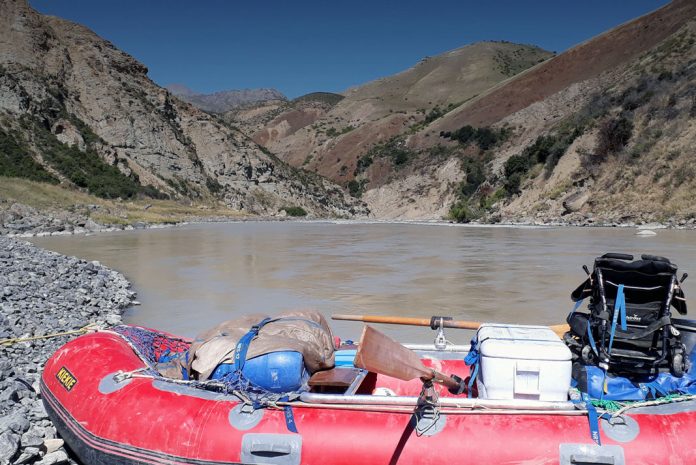
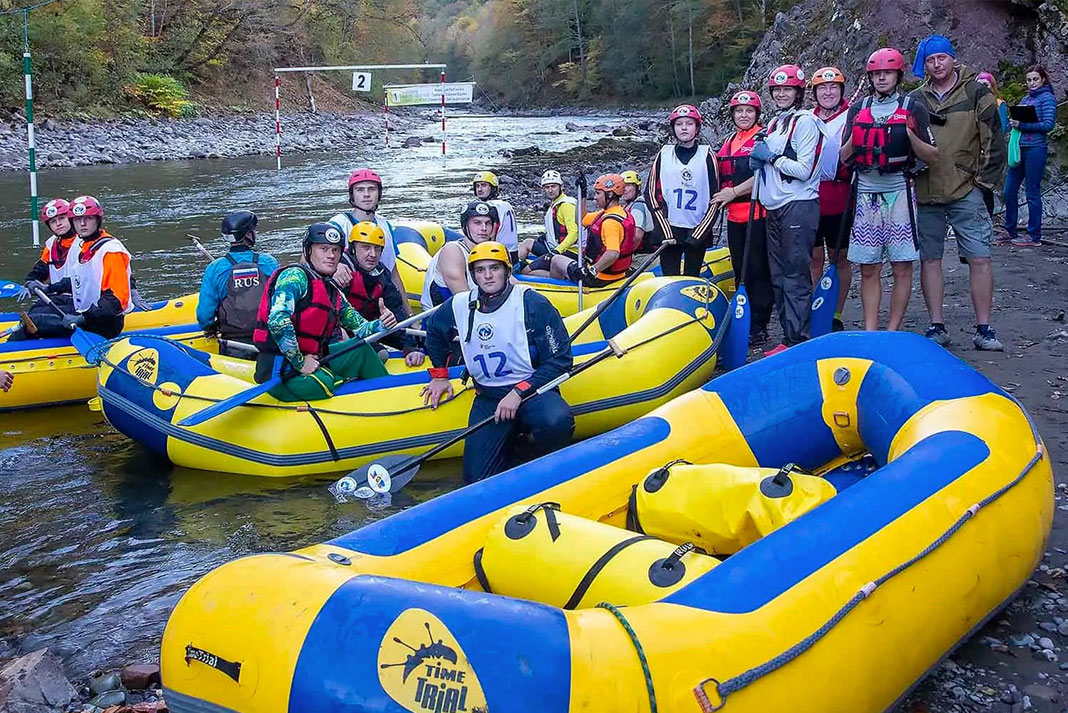
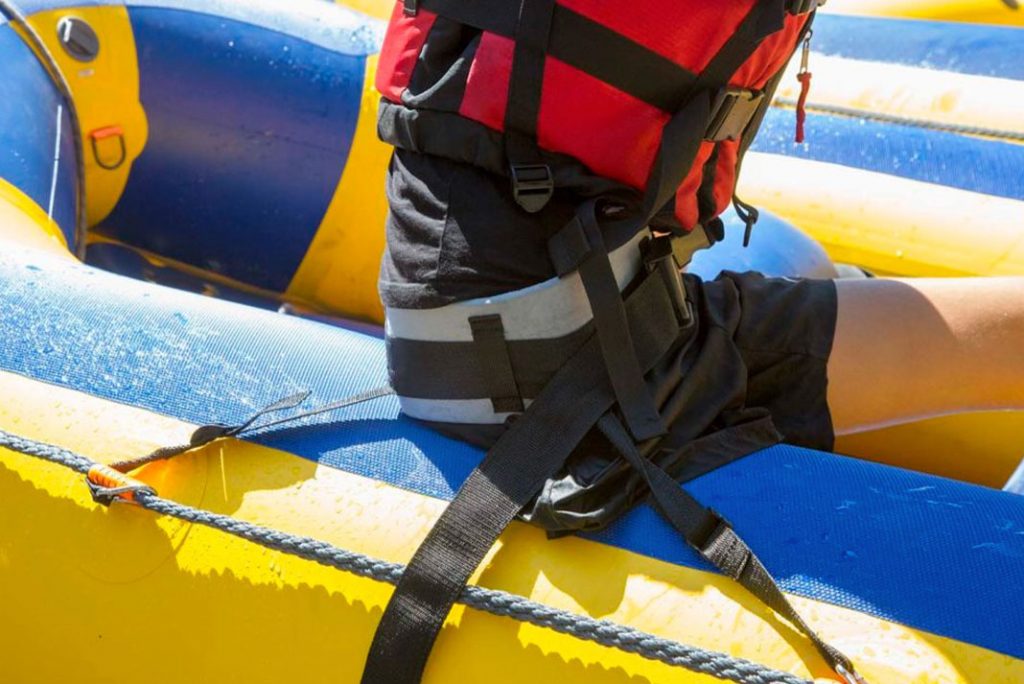
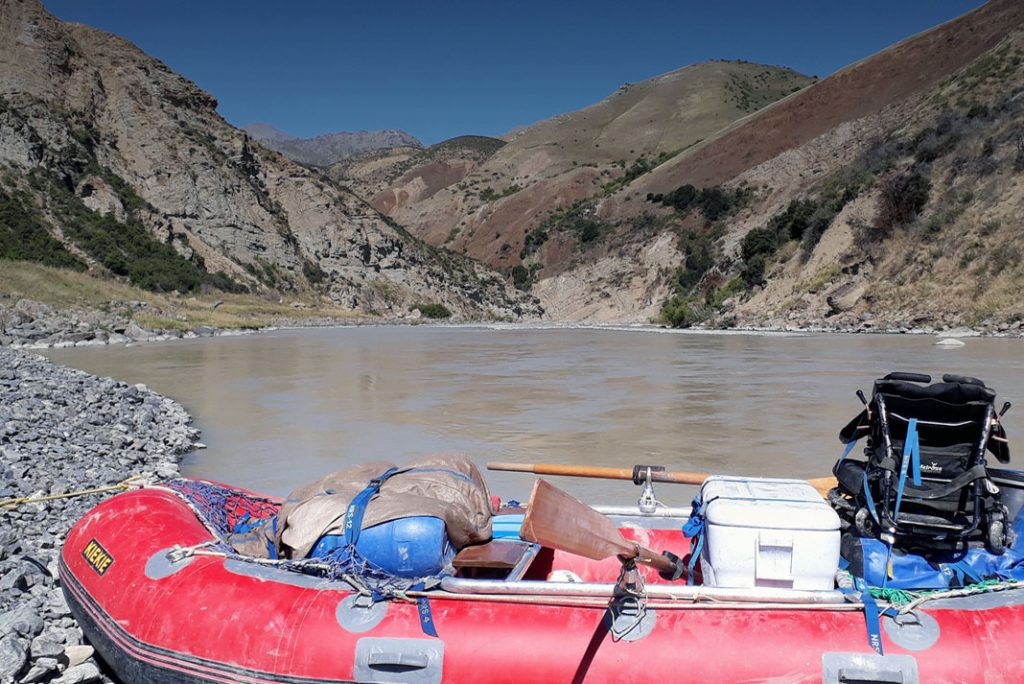
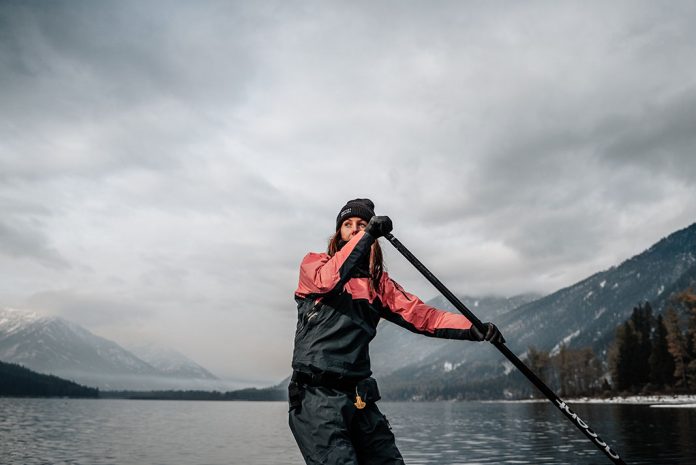
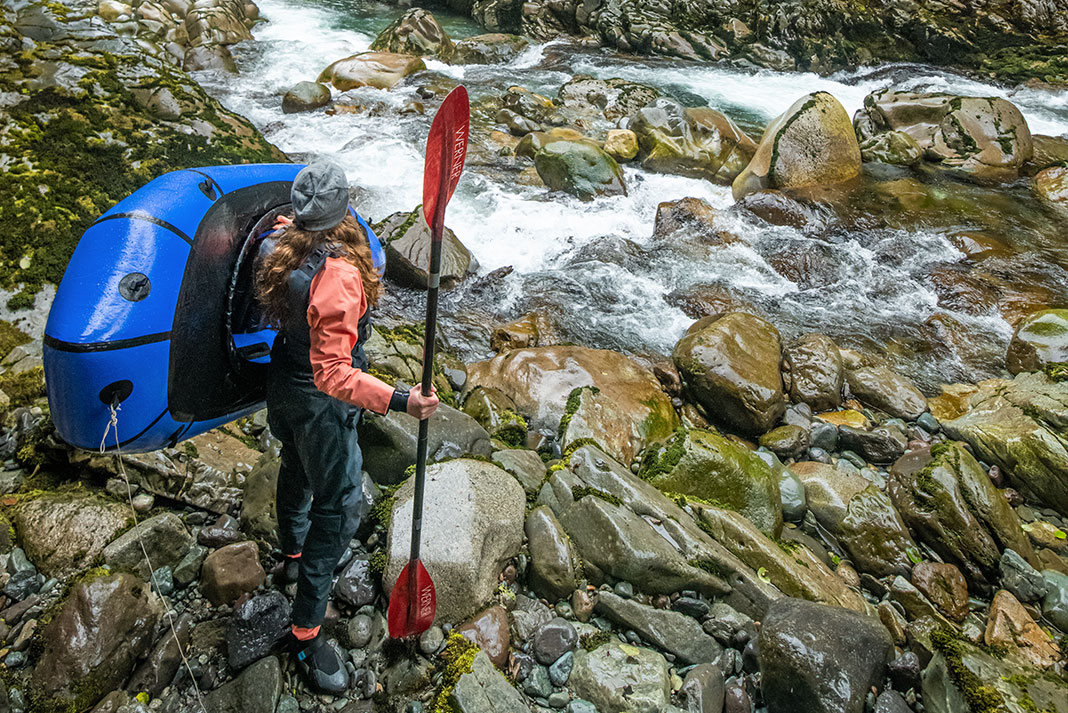
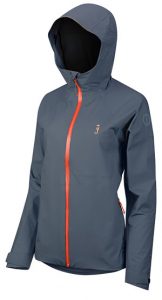
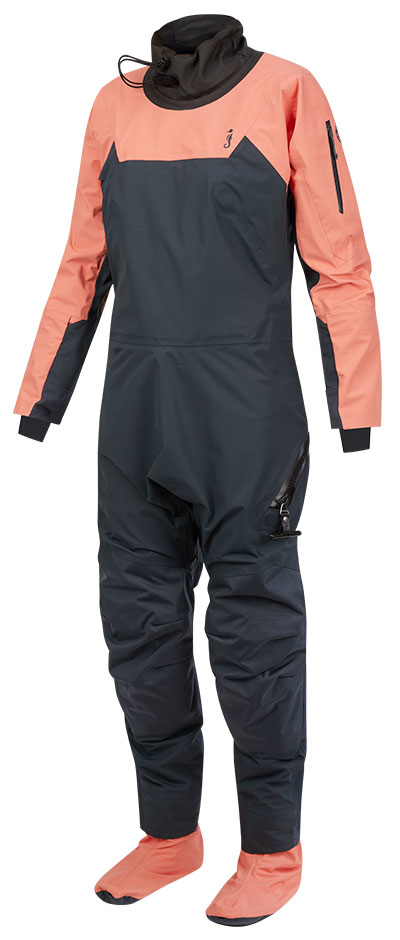 Helix Dry Suit