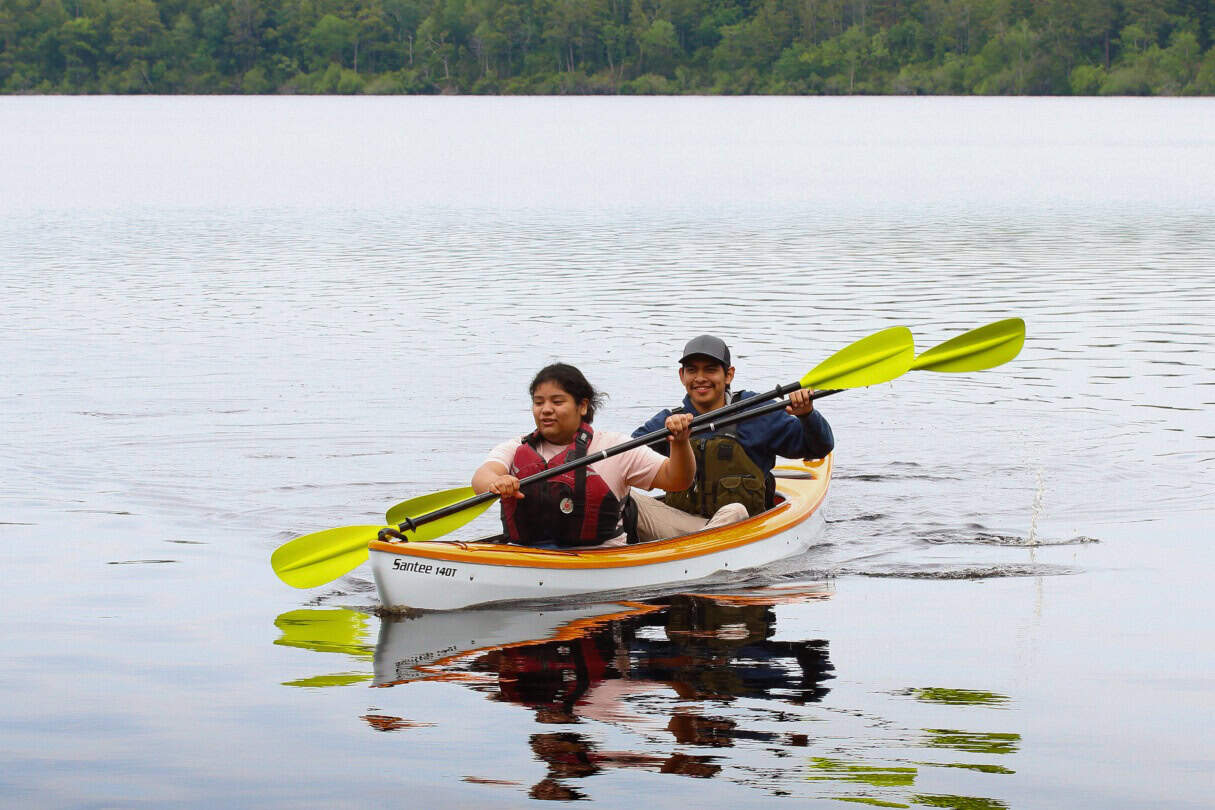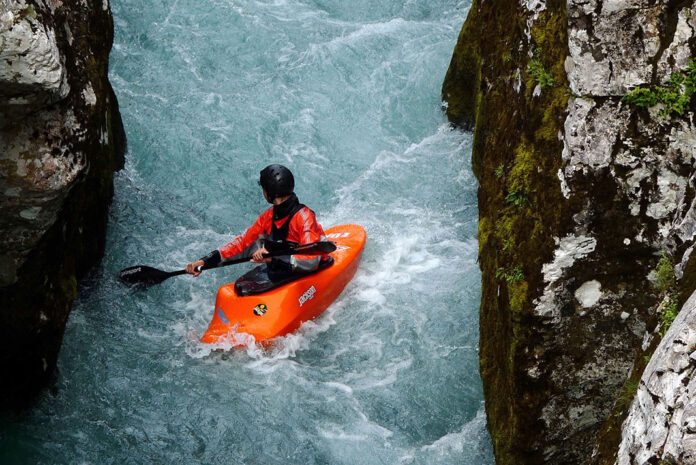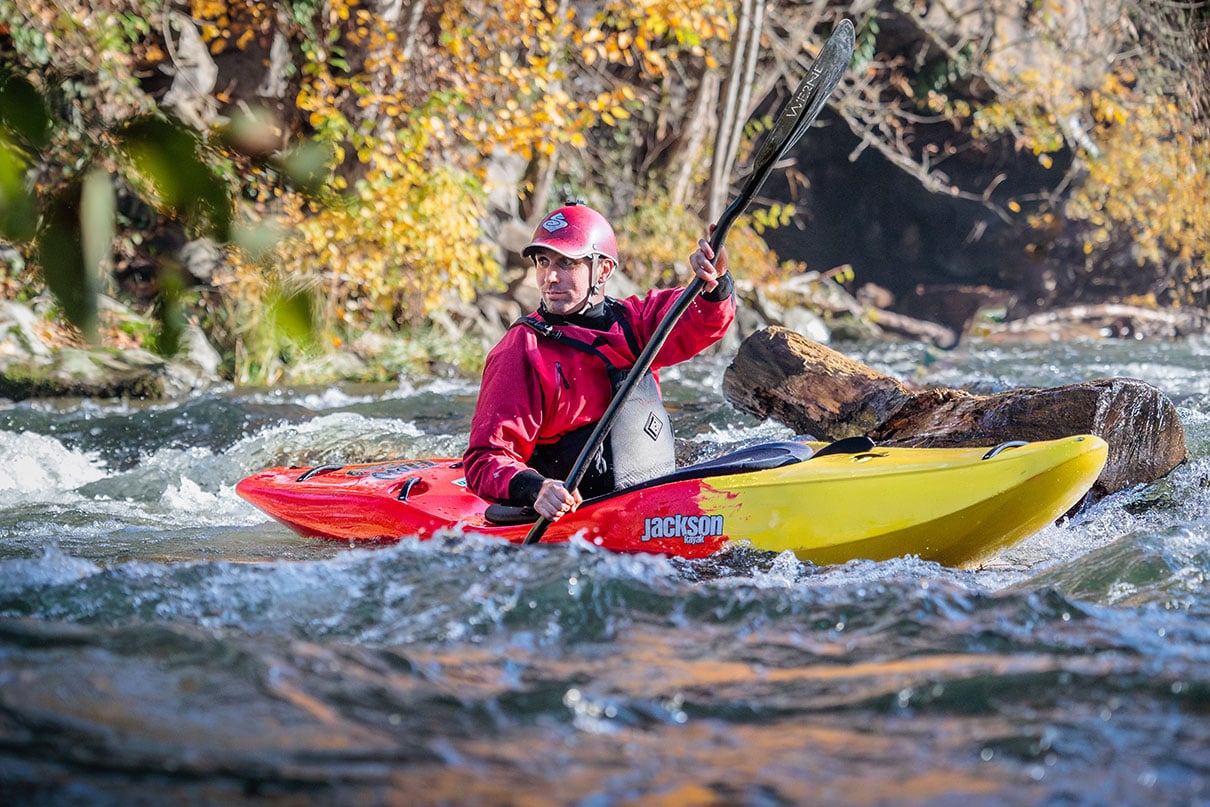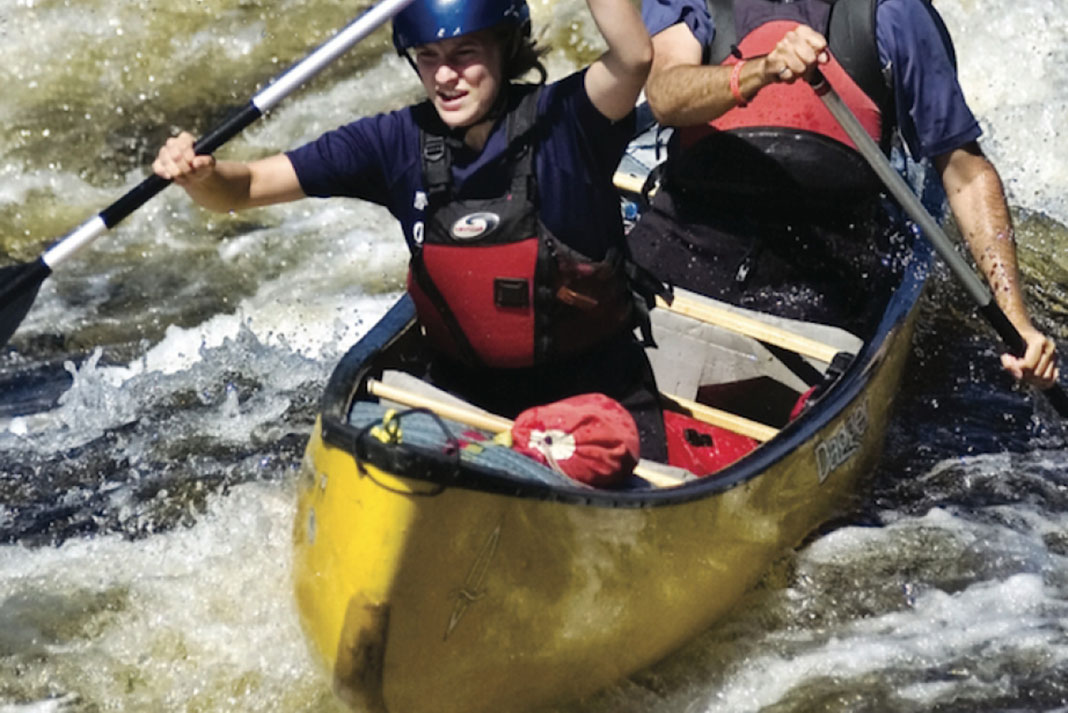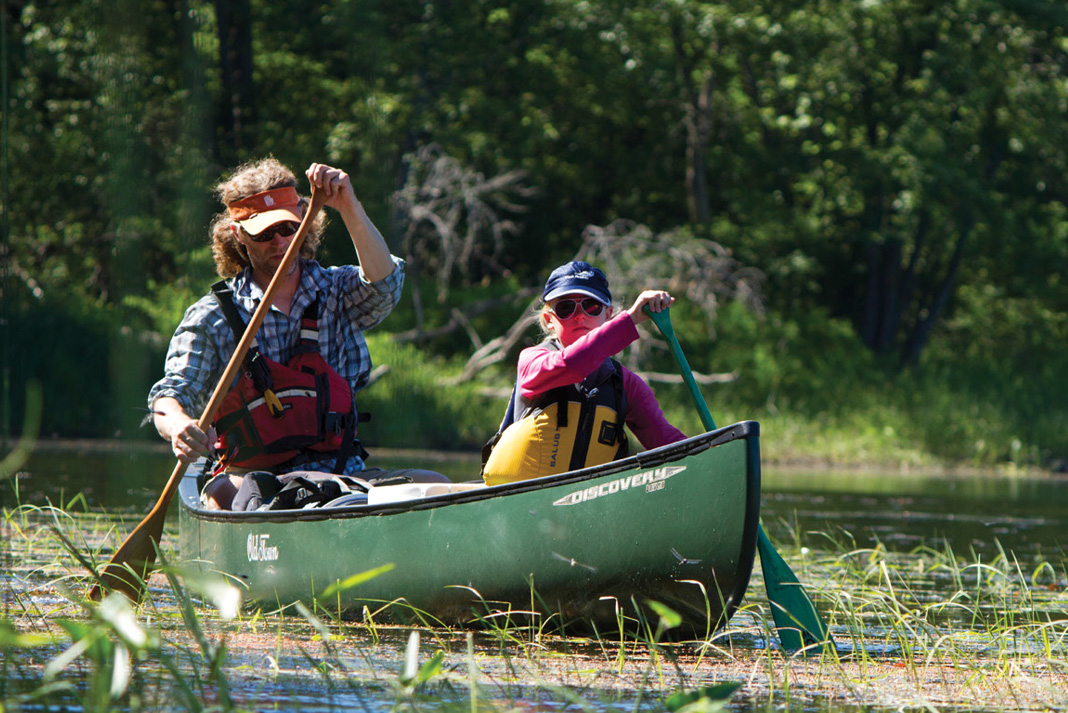
Elements Adventure Company guide and instructor Emily Cole doing what the Ocoee does best—precision paddling. | Feature photo: Scott MacGregor
Today is February 2nd. Actually. I’m basically Bill, a bitter weatherman forced to cover the same breaking news in Punxsutawney, Pennsylvania, again and again, except instead of reporting on a rodent seeing its shadow, I’m writing 1,000 words about the new Esquif Ocoee.
My clever introduction won’t make any sense if you didn’t know February 2nd is Groundhog Day and you don’t remember the plot of the ‘90s fantasy comedy film Groundhog Day (that’s a shame, it’s really funny) and like Punxsutawney Phil you’ve been living in a hole and didn’t know the Ocoee has been a new solo canoe six times before—originally by Dagger for the 1993 World Rodeo Championships, Bell Canoe, Nova Craft Canoe, then in composite by Northstar Canoes, Empty Canoes and Echo Paddles.
As soon as Esquif Canoes founder and head designer Jacques Chassé began making T-Formex, I began badgering him to produce an Ocoee. People will buy it, I’d goad him. It will be a wild commercial success, I’d argue. It was a bold request. I was asking a guy who has partnered with the who’s who of whitewater solo canoeing to create a catalog of original, very niche designs to copy one.
He was always politely non-committal, but promised I’d have the first one he made.
When the plastics giant PolyOne stopped pressing sheets of Royalex back in 2014, I bought a spare Nova Craft Ocoee hull and stored it in my neighbor’s barn rafters. I wasn’t the only one stashing Ocoees. When Chassé finally decided it was time, he found an original Dagger Ocoee still in the original plastic wrap. Michael Lewis—yeah, the guy Ain’t Louie Fest is named after—knew a guy in Tennessee.
Elements Adventure Company guide and instructor Emily Cole doing what the Ocoee does best—precision paddling. | Feature photo: Scott MacGregor
“At first, I thought I’d revise and try to make it better,” admits Chassé. “Why would I try to change a mystical, iconic boat? Why would I change what so many people believe to be the best one? So, I decided to stick to the original.”
After Esquif ambassador Eli Helbert secured the blessing of Frankie Hubbard’s family—the original designer of the Ocoee—John Duncan’s OG Ocoee hull was on a truck to the Esquif factory to create a new mold.
“When you make a mold over an existing shell, there is some shrinkage,” says Chassé. “We compensated for this to ensure it was as close to Hubbard’s original as possible.”
I didn’t get the first Esquif Ocoee. The first one debuted at the Paddlesports Trade Coalition Colab 2024 industry gathering in Oklahoma City in September. My tester arrived soon afterward, halfway through the 4 Rivers In 4 Days program I jumped on with Elements Adventure Company—a perfect chance to pass the new boat around between instructors and students on British Columbia’s Clearwater River. The owner of Elements, Charles Ruechel, had his own original Dagger Ocoee in the trailer for head-to-head comparison.
Thirty years ago, when Dagger released the Ocoee, they said it was “A super-short, flat-bottomed, hard-chined boat, specifically for the highly-skilled paddler.”
The world was simpler then. Apparently, hyphens were all the rage, as were larger, softer and rounder-bottom solo canoes like Dagger’s Genesis, Impulse and Rival. Mad River Canoe had the Outrage.
No, wait. Charles Ruechel, owner of Elements, doing what the Ocoee does best—surfing. | Photo: Scott MacGregor
Same as it ever was. Esquif’s Ocoee comes true to Frankie Hubbard’s original design. | Photo: Scott MacGregor
At 11’2”, the Ocoee isn’t short anymore. In fact, it’s now one of the longer and faster solo whitewater canoes in production.
The Ocoee is still popular for open canoe slalom and is as likely to win medals as the Esquif Spark, depending on the course. The speed of the Ocoee combined with the hard chines produces an unmatched magical feeling when carving in and out of eddies and across currents. Okay, there is one feeling as magical and that’s carving into an eddy way too small for an 11-foot boat and dropping the outside edge to pivot and stick it. If you know, you know. And that’s why Chassé re-released the Ocoee.
“The L’Edge is our best-selling whitewater boat and has inspired other designs making it easier to paddle harder rivers,” says Chassé. “But we know there are many people aspiring for pleasure by performing their best precise, technical moves, not necessarily running the hardest stuff. The Ocoee is known for that.”
Available in ash (shown) or vinyl trim, and with either a pedestal saddle and thigh straps (shown) or a bulkhead setup. Modify to taste. | Photo: Scott MacGregor
The reason Dagger said the Ocoee was specifically for highly-skilled paddlers is because of the flat bottom and hard chine combo. To beginner canoeists and those coming over from more initially stable solo or tandem canoes, it feels tippy. Sort of. The Ocoee wants to fall from one side to the other. It settles there nicely if you let it, but this takes some time in the saddle to get used to.
It’s charming Chassé didn’t fiddle with the Ocoee and produced the original Hubbard design. Admirable. And ironic.
Why ironic? Because the Ocoee is probably the most easily modified, and most modifiable, whitewater boat of all time. It’s like the Honda Civic for solo-canoe-tuner nerds.
Widen the thwarts for more initial stability or big water. Narrow thwarts to sharpen chines for more precise carving and pivots. Change thwart positions for a faster asymmetrical shape. Reduce sheer to make it easier to roll and sneak under gates. Or do a combo of all three. Hell, Uwe Fischer won the ‘95 World Rodeo Championships in an Ocoee with a foot cut out of the middle.
One thing you shouldn’t mess with is the saddle position.
In a rush to get my tester on a truck and headed west, it came equipped with Esquif’s pedestal saddle glued too far forward. The OG Dagger we had with us had the saddle two inches too far back. Neither felt quite right to this Goldilocks.
It wasn’t until we got a tape measure and made a call to Brian Shields that we figured it out. Shields was the guy installing all Mike Yee Outfitting from 1998 to 2016. He’s outfitted truckloads of Ocoees over the years. The rise of the saddle should be 75 inches back from the bow, so roughly seven inches back of center. Which makes sense, putting your torso at the center point as it should be. Yes, it makes a difference.
Three decades ago, the Ocoee set the standard for surfing and technical paddling. Esquif has a full catalog of racier slalom canoes, shorter polyethylene creeking canoes, and slicier freestyle canoes. However, if I was trapped in Punxsutawney, Pennsylvania, where I had to wake up every day and go paddling in just one boat for the next 30 years, you know what I’d choose. And it’d be red with ash trim, like every Ocoee I’ve always had.
Stellar’s three-piece modular S14 doesn’t scrimp on performance for portability. | Feature photo: Kaydi Pyette
Every kayak has an origin story. In the best designs, that raison d’être is described in every detail, from the hull shape and material choice to the placement of hatches and deck fittings. So it is with Stellar’s light touring flagship, the S14.
Drawing on Stellar’s expertise in crafting ultralight surf skis and Olympic rowing shells, the S14 reshaped paddlers’ perceptions of 14-foot kayaks. It broke the stable-yet-sluggish mold and offered day- and weekend trippers something else entirely—a sleek and stylish pocket rocket with all the performance and safety features of a full-size sea kayak finessed into a compact package. And thanks to Stellar’s advanced composite construction, it did so while trimming up to 30 percent off the weight of its lightest rivals.
Released in 2024, a three-piece sectional version of the second-generation (G2) S14 promises light touring paddlers even greater versatility. Traditionally, sectional kayaks have served two purposes. First, they offered a solution for elite expedition paddlers traveling to demanding, hard-to-reach locations (think Siberia’s Kamchatka Peninsula or South America’s Tierra del Fuego). More recently, modular kayaks have sought to simplify storage and transportation for condo dwellers, van-lifers and anyone who aspires to actually use their garage for parking vehicles. And while the burgeoning travel and portable kayaks market means there are more sectional options than ever before, I’m excited to see Stellar’s take on take-apart boats.
Stellar’s three-piece modular S14 doesn’t scrimp on performance for portability. | Feature photo: Kaydi Pyette
Here’s the thing about sectional kayaks, their design assumes an inherent compromise: weight versus rigidity. A sectional kayak has not one, but two bulkheads wherever the pieces join. This ensures the structural integrity of both the individual sections and the fully assembled kayak. The hardware joining the sections is another key consideration. I’ve paddled modular kayaks that snapped together in a flash but sagged at the seams under load. I’ve also tested sectionals that felt fine in the water but required such surgical precision to assemble, the less dextrous among us are tempted to give up in frustration.
For the modular S14, Stellar used lightweight yet durable carbon bulkheads to minimize weight without jeopardizing strength. Straightforward, watertight thumb screw assembly is aided by generously sized hatch openings to facilitate access. With six screws to secure from the stern hatch and six more from the front hatch, I’m fiddling and twiddling for less than five minutes before my teal-and-yellow tester is ready to paddle. The best part? There’s no hull flexion and the seams are all but invisible—you’d never guess this was a sectional kayak until you peeked inside the hatches.
At only four pounds heavier than the standard, the modular version boasts nearly identical paddling characteristics. On the water, I really can’t tell the difference. Just like the original, the shallow-V hull is optimized for speed and quick acceleration with a narrow, knife-like bow and minimal rocker to maximize waterline. Soft chines reduce drag and have a smooth, continuous feel, making it easy to initiate gentle edged turns. Cutaways on the front deck enable an efficient catch and forward stroke. Even chopped into three pieces and screwed back together, the S14 is unquestionably among the fastest 14-foot kayaks on the water, cruising at a steady four or five knots and easily keeping pace with longer touring kayaks.
Fast and light doesn’t mean experts only. Stellar kept the widest part of the hull behind the cockpit for added volume and stability without compromising paddling efficiency. The cockpit is comfortably appointed for all-day tours and there’s ample space in the two watertight hatches for packing camping essentials. An integrated adjustable skeg ensures user-friendly tracking in all conditions (although the slider control placement on the stern deck takes some getting used to). There are even pre-installed fittings for an optional Smart Track rudder, should you prefer.
Good things come in threes. Each of the sub-six-foot sections weighs from nine to 19 pounds. Optional padded carrying bags for each section ease transport over longer distances. | Photo: Geoff Whitlock
Stellar offers the S14 sectional in two composite lay-ups. The fiberglass and foam core Advantage construction provides the best price-to-weight ratio for most paddlers. Choose the more expensive Multi-Sport layup if you’re looking for an ultra-stiff carbon-Kevlar hull. | Photo: Geoff Whitlock
Tupperware-style bow and stern hatches keep your gear dry and are easy to put on and take off. The fiberglass deck pod is a convenient spot for sunscreen, phone and a snack. | Photo: Geoff Whitlock
“C’mon, what’s the catch?” I can hear you asking. Stellar’s sectional S14 kayak is priced $1,300 higher than the standard version, but for many paddlers the convenience is sure to offset the cost.
For those who enjoy paddling solo as well as with a friend, partner or family member, there’s another upside to Stellar’s modular engineering. Released alongside the three-piece S14, Stellar’s new ST19 Mod seamlessly integrates an additional piece—a second cockpit—for a sectional kayak that transforms from solo to tandem paddling in just a couple of minutes. Now, that’s a neat trick.
The original Stellar S14’s versatile combo of speed, light weight, premium materials and performance handling put it top-of-class among 14-foot light touring kayaks. Now, the S14 G2 Mod is poised to do the same for portable kayaks.
This article was published in Issue 73 of Paddling Magazine. Subscribe to Paddling Magazine’s print and digital editions, or browse the archives.
Stellar’s three-piece modular S14 doesn’t scrimp on performance for portability. | Feature photo: Kaydi Pyette
The 2025 International Canoe Federation Canoe Freestyle World Championships concluded in Plattling, Germany in June 2025, and Sam Wilson of the United Kingdom took home the gold in the Men’s Kayak Squirt Championship. The win followed a close race with Alex Edwards, also from the United Kingdom, and Wilson needed a perfect ride to secure the gold medal.
In addition to securing the gold, Wilson also set a world record with a score of 3,246.67 in kayak squirt; this was the highest score ever recorded according to BBC News.
19-second mystery move yields new world record in kayak squirt
Kayak squirt is a discipline within whitewater kayaking that involves using a tight-fitting kayak with neutral buoyancy designed to neither sink nor float in order to perform tricks and maneuvers while partially or completely submerged. Paramount among these tricks is the mystery move, which involves sinking beneath the surface of the water completely and riding underwater currents.
For Wilson, the mystery move played a key role in his victory.
Sam Wilson is lifted above the river by friends and family after setting a new world record in kayak squirt. Image: Planet Canoe | YouTube
“He needs to get all the way down – and he’s gone! He needs to stay down,” said commentators at the 2025 International Canoe Federation Canoe Freestyle World Championships as Wilson disappeared beneath the surface of the river. “Oh this is incredible. This actually is incredible. Oh, it is not over yet folks.”
Wilson’s routine concluded with a nineteen second mystery move and commentators remarking on what an incredible show Wilson had put on, despite most of that show happening beneath the surface.
BBC News also reported that kayak squirt is being considered for future Olympic games.
Sam Wilson emerges from a 19 second mystery move and sets a new world record in kayak squirt. Feature Image: Planet Canoe | YouTube
Revelstoke is known for its big mountain adventures—steep ski lines, bike trails and alpine hikes—but long before resort maps and trail networks, the Columbia River and surrounding waterways were what shaped the valley. The Sinixt, Secwépemc, Ktunaxa and Syilx peoples depended on Revelstoke’s rivers and lakes for food, transport and cultural connection. Over time, the Columbia became a vital route for fur traders, steamboats, forestry and hydropower.
Although the town has grown and changed significantly over the years (including the notable completion of the Columbia River dam in 1984), water remains a core part of the town’s identity. In the heat and hustle of the summer months, Revelstoke’s waterways offer quiet exploration, powerful currents and the opportunity to view the landscape through a different lens.
If you’re visiting the area and looking for a true connection to Revelstoke and its roots, make sure to try one or more of these local paddling adventures.
The paddling adventure possibilities are endless on Lake Revelstoke. | Photo: Mitch Winton/Kootenay Rockies Tourism
1 Flatwater Escape: Lake Revelstoke
Lake Revelstoke, upstream of the dam, is a great place to embrace the sun and ditch downtown crowds on a hot summer day. This stretch of reservoir is surrounded by dense forest and relatively untouched terrain, which makes it one of the better spots in the region for wildlife viewing. Osprey, bald eagles and loons are commonly spotted, and there’s always the chance of seeing a black bear, a moose or even a grizzly along the shoreline.
There’s no single place you have to start from. The lake has a number of access points, including BC Recreation Sites like Carnes Creek, Wadey and Martha Creek, as well as informal pullouts along the highway. It all depends how far you want to drive and how quiet you want things to be.
Martha Creek Provincial Park is a local favorite. Located just 20 minutes north of town, it features a beach launch, ample parking and unobstructed panoramic views of the Selkirk Mountains. This location along Lake Revelstoke is well suited for recreational canoeists, kayakers and standup paddleboarders looking for easy access to the water and beginner-friendly paddling.
Another convenient option is the Five-Mile Boat Launch, about nine kilometers from town. It has a paved ramp and generous parking, and allows quick access to the shoreline with minimal effort—just note there are no services here, such as bathrooms or trash cans. If you paddle north from the boat launch, you’ll find plenty of quiet pockets and coves to explore.
Float through town on the Illecillewaet River. | Photo: Samuel Laberge Comeau/Downstream Adventure
Rentals: You can rent paddleboards and canoes right from Great Canadian Tours‘ private dock on Lake Revelstoke. Revy SUP Rentals offers paddleboard and kayak rentals and will deliver for a fee to Martha Creek or the Five-Mile Creek Boat Launch. Natural Escapes Kayaking offers kayak, canoe and SUP rentals and will deliver to Five-Mile Recreation Site for a fee.
Tours and Lessons:Natural Escapes Kayaking runs guided kayak outings and will show you a few of the lesser-known spots along the lake. Downstream Adventure offers guided paddleboard excursions as well as flatwater lessons.
2 Gentle Whitewater Excursion: The Town Section of the Illecillewaet River
The town section of the Illecillewaet River is a Revelstoke classic. Running roughly four kilometers through town, this stretch offers class I to II+ whitewater and is ideal for paddlers with some experience on moving water. It’s a favorite among locals for after-work laps and, with the growth of river-focused businesses and the popularity of events like Revy Paddle Fest (where it serves as the class II racecourse), it’s quickly becoming a go-to for visiting paddlers as well.
You can expect mellow waves, fun river features and great views of Mount Begbie as you float glacier-fed waters through town. Suitable crafts include whitewater kayaks, packrafts, durable canoes and river-ready SUPs. Just be realistic about your skill level—paddlers should be able to read water, recognize hazards, and know how to scout or portage. If you’re unsure, go with someone with safety skills and good local knowledge.
Put-in: Powerhouse Road, Revelstoke Industrial Park (park here, walk to here)
Take-out:Roadside pullout just before the Illecillewaet Bridge on Fourth Street, near Southside Market grocery store
Tours and Lessons:Downstream Adventure provides private river SUP coaching, intro to moving water experiences and tours. You can also connect with the Revelstoke Paddlesport Association for courses, events and meetups.
Load your canoe and head down the Columbia for an easy overnight adventure. | Photo: Laura Szanto
3 Day Float with Optional Overnight: The Columbia River
If you’re short on time but big on views, this classic Revelstoke float–with an optional overnight to lengthen the trip—is a must. The Columbia River winds right through town, offering a relaxed paddle with mountain views, easy access points and a surprising sense of escape.
The most popular section starts at the Big Eddy Bridge, where a rocky beach on the west shore makes for an easy launch. From here, you’ll drift past the CP Rail bridge and the Trans-Canada Highway, getting a unique look at town from water level. The current is mellow but steady, ideal for SUPs, kayaks and canoes.
The Centennial Park Boat Launch is a convenient take-out for a short day trip. There’s plenty of parking where you can drop your vehicle beforehand, but watch for swirling eddies near the cement ramp and occasional submerged debris when you’re getting off the river.
If you choose to continue on, past here, the river opens up into a wide, slow-moving stretch with views of Mount Macpherson to the west and Revelstoke Mountain Resort across the water. About eight kilometers from town, pull off river-right for a short hike to Begbie Falls, a local favorite and a great lunch stop. You can wrap up your day here by paddling across to river-left to Eight-Mile Flats, a sandy pullout. You’ll need to have dropped a vehicle here beforehand: take the turnoff here, which will get you down to the river and you can take your pick of places to park.
For those still not ready to quit, you can push on to Blanket Creek Provincial Park, where you can either have dropped a vehicle ahead of time or camp for the night. Whichever you choose, be sure to check out beautiful Sutherland Falls within the campground.
If you choose to camp and make this a multiday adventure, on day two you can continue down the Columbia. This section opens up into lake-like waters, so be aware that you may end up battling winds. As such, this section is best for more experienced paddlers who are confident in a variety of weather conditions.
This route ends at Arrow Lakes Picnic Area at Shelter Bay, where a ferry goes back and forth delivering folks across the river.
Rentals: Revy SUP Rentals offers paddleboard and kayak rentals. Natural Escapes Kayaking offers canoe, kayak and SUP rentals. You’ll need to transport boats and boards yourself or contact both companies for custom delivery options.
Getting wet is the whole point. | Photo: Apex Rafting
4 High-Adrenaline Adventure: Rafting on the Illecillewaet River
If things are feeling a little dry or smoky outside (as can be the case in late summer in the B.C. interior), whitewater rafting is an excellent way to cool off and keep the stoke high. Apex Rafting in Revelstoke typically runs trips on the Illecillewaet River from Albert Canyon to Greely Road just east of town. This stretch delivers bouncy class III rapids, impressive canyon walls and old-growth forest lining the riverbanks. It’s exciting but still approachable, making it a great choice for first-timers or seasoned adrenaline seekers.
Tours: Book a guided rafting trip with Apex Rafting, the longest-running operator in the area. They’ll get you geared up, briefed and safely soaked.
Whether competing or spectating, Revy Paddle Fest is a good time for all. | Photo: Dan Stewart
5 Community Vibes & River Skills: Revy Paddle Fest
If you’re seeking a laid-back weekend of paddling (and partying) where all you have to do is show up, Revy Paddle Fest might be your paddling activity of choice. Every year in late summer, Revelstoke’s official river celebration rolls around. The festival is hosted by a local nonprofit, the Revelstoke Paddlesport Association, and is part clinic, part social, part competition—and wholly community-focused. For those new to paddling, the festival is a perfect way to tap into Revelstoke’s paddling scene and get inspired.
The weekend has whitewater and flatwater races for every skill level, skills workshops and social floats. Everyone’s welcome, from paddleboarders to kayakers, packrafters, canoeists and all the in-betweens.
Spectators have plenty to enjoy, too. You can catch the action along the river, snap photos and cheer on the paddlers. A crowd favorite is the advanced class IV event on the “White Mile” slalom course of the Illecillewaet River. It’s a high-energy spot to take in the festival vibe. Just be sure to pack sunscreen, water, snacks and bug spray.
This year’s event: August 15–17, 2025
Adventure fuel
Whether you want to pick up breakfast to eat on the way to the launch, bring a premade lunch with you on the water or refuel after your adventure, following are great eats in Revelstoke:
Sling it, roll it, hoist it. | Feature photo: Owen Roth
When folks think about transporting a paddleboard for their first time SUPing, they often picture a car and roof racks. But not everyone considers the next step: how to get the board from the vehicle to the lake. Sure, paddleboards are elegant on the water, but their length, and sometimes their weight, can make them a bulky burden to haul from the parking lot to the shore. Here are seven tried-and-true strategies we use to make the carry a little easier.
The way your SUP was meant to be carried. Most boards are designed with a central carry handle. It’s hands-down the easiest way to haul your board over short distances. Stand alongside the center of the board, put it on its edge so the deck padding is facing away from you, grab the handle like a suitcase and let the board rest under your arm. In windy conditions, it’s better to carry on the downwind side and use your other hand for support.
Sling it, roll it, hoist it. | Feature photo: Owen Roth
2 Up on top of your head
As surfers do, this method is great for medium distances. It can also be more comfortable for smaller paddlers or anyone with a heavier board. If hoisting your board by the handle isn’t sustainable, try carrying it on your head. Squat by the tail of your board with the fin facing up, then walk your hands up the rails and lift the board upright as you stand. Then center your head under the board and rise to a standing position with its weight resting on top of your head.
3 Server style
An alternative to the above: carry the board like a waiter balancing a tray palm-up, with the board resting on your shoulder. From the position above, shift the board onto one shoulder. One hand stabilizes the bottom rail while the other reaches up and over to keep it steady. This method can be more comfortable for some, but it is tough in the wind.
Pelican Universal SUP Carrying Strap
4 Double carry
Portage your board with a friend. One paddler takes the noses, and the other takes the tails. It’s a balanced and low-effort method for long walks down the beach.
5 Straps
A carry strap slings over your shoulder, freeing up your hands to carry other gear and saving you a second trip from the car. It’s also more comfortable for carrying your board than some of the methods above. There are plenty of inexpensive options online, or you can DIY with nylon webbing. Most straps clip to D-rings positioned near the board’s center or use oversized loops—one for the nose, one for the tail.
6 Carry bag
Whether your board is inflatable or rigid, there’s a carry bag to match. Inflatable paddleboards are often sold as part of a package that includes a bag. These bags might be designed to sling over one shoulder, roll like a suitcase, wear like a backpack or all three. What is the simplest way to carry an inflatable over long distances? Deflate it and pack it up. Duh. But if you’re hiking to a remote lake, many SUP backpacks won’t cut it. They’re intentionally roomy to make packing up easy, but that extra space makes for a floppy load on a long and rugged trail. For treks to distant lakes, use a backpack with a hip belt, and cinch your board into a tight, compact bundle.
Suspenz Stand Up Paddle Board Transport Cart
7 On wheels
For longer hauls, wheels are the best option. Carts let you steer with one hand while they do the lifting. Some carry your board rail up—great for maneuvering tight spaces like crowded boardwalks—others keep it flat. For traveling on sand, look for chunky balloon-style wheels to stay on top of the soft stuff.
This article was published in Issue 74 of Paddling Magazine. Subscribe to Paddling Magazine’s print and digital editions, or browse the archives.
Sling it, roll it, hoist it. | Feature photo: Owen Roth
how-Rig it and rip. | Feature photo: Hap Wilsonto-rig-canoe-sail-0-hap-wilson
Every year, I see a proliferation of makeshift boats, sails aloft, plodding down big lakes and rivers. Canoe sailing is a great adventure and a wonderful way to make headway and combine a rest day in one shot. But it can be a dangerous undertaking if not done right—never underestimate the vagaries of wind, weather, distance or tide.
Rig it and rip. | Feature photo: Hap Wilson
How to rig a canoe sail and harness the wind
There are as many ways to rig canoes for sailing as there are sailing rigs, but it doesn’t have to be scientific or complicated. Many paddlers simply tie off a jacket or small tarp to paddles and hand-hold a quick sail until their arms give out.
The typical, quick, field-assembled catamaran that can be easily and swiftly cruised down a lake can be completely rigged and ready to shove off in less than an hour.
1
You will need enough wood for cross-supports, masts and the gaff pole. I often carry trimmed spruce poles for the mast and gaff pole because it isn’t recommended that paddlers start cutting down trees to build sailboats. In some areas, there’s likely a lot of available deadwood that can be used for cross-supports.
2
Catamaran two or more canoes together with cross-supports, keeping two feet between canoes.
3
Rig a single mast on an inverted V. Make sure the mast is tied off securely.
Tie a tent fly or a kitchen tarp to the gaff pole and lash it to the top of the mast. The loose bottom corners of any sail piece can be tied off to the running lines and adjusted to trim the sail and prevent luffing (flapping).
5
A wide-blade paddle or traditional steering board can be used as a rudder, usually dipped and held from the starboard side of the two boats. Spray decks can be fastened down to keep the wash out, or just have bailers handy.
This article was first published in Issue 73 of Paddling Magazine. Subscribe to Paddling Magazine’s print and digital editions, or browse the archives.
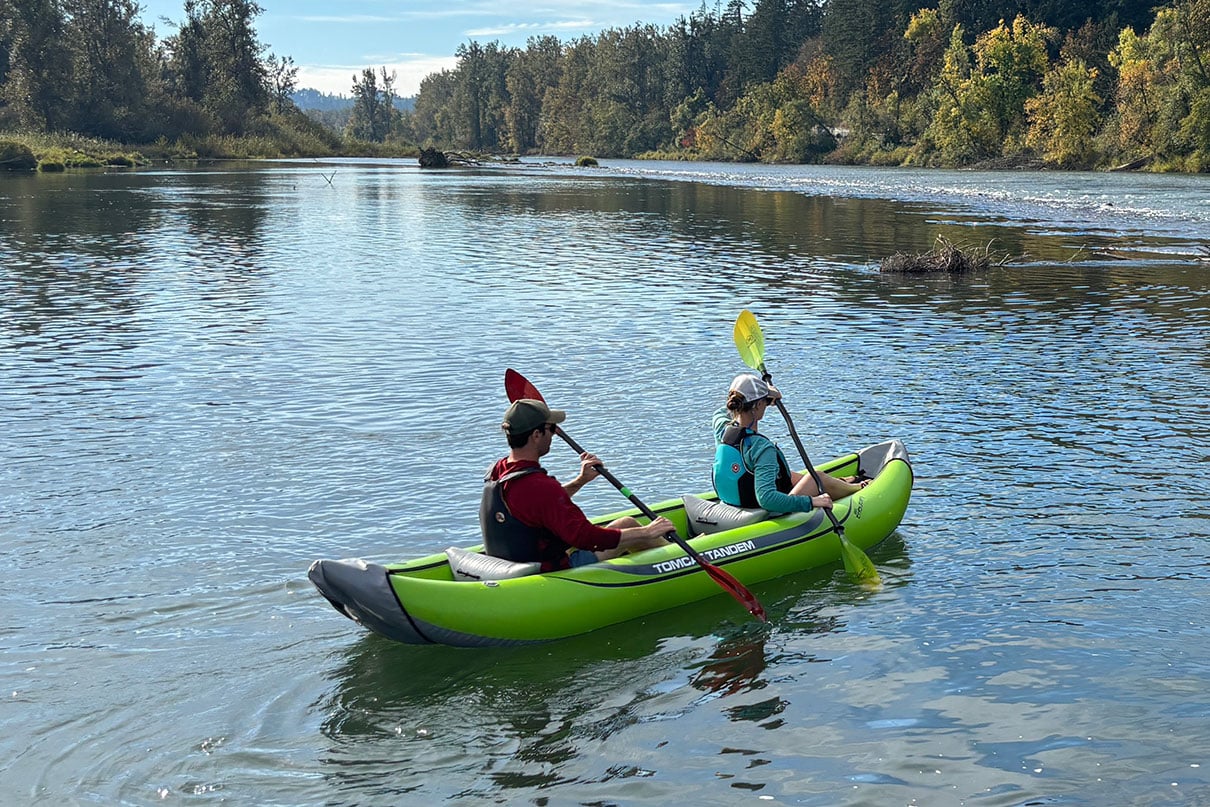
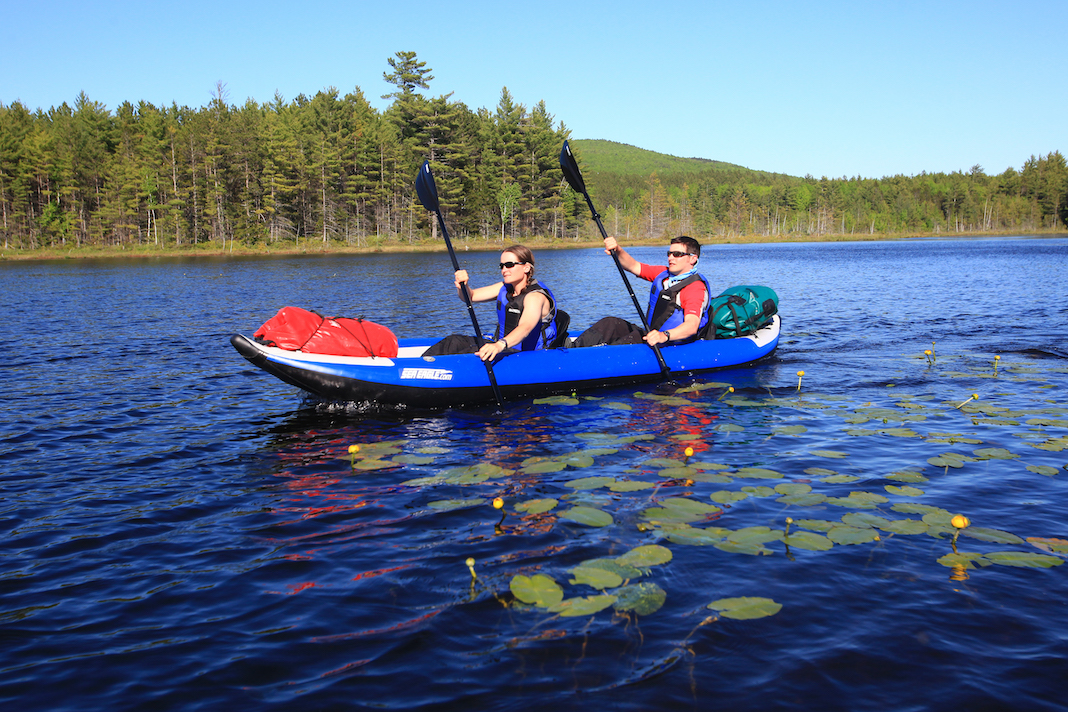
Trying to find storage for a full-size touring or recreational kayak can be a real barrier to owning your own boat. Add to this the challenge of transporting these heavy, awkward-shaped recreational vessels. Enter the foldable kayak.
A fold up kayak provides paddlers with a packable paddling craft that can be stored in an oversized backpack, thrown in the trunk of a car or carried on a train. The practicality and versatility of foldable kayaks means these portable boats are a rising trend with modern kayakers, but they’re not a new idea. Some of the first kayaks mass-produced for consumers in the early 1900s were, believe it or not, folding kayaks.
The materials and structure used for folding kayaks make them well suited for touring and recreational paddling on lakes, bays and unconstricted rivers. Whereas paddlers seeking a packable boat for whitewater will find inflatable kayaks and packrafts suited for pinballing down technical rivers. That doesn’t mean the foldables of today aren’t up for a challenge. In fact, these innovative transformer-esque marvels have crossed oceans, and they are ready for whatever weekend plans you can conjure.
Wear A Life Jacket
Everyone, even strong swimmers, needs to wear a life jacket at all times when on the water. It is extremely difficult to put a life jacket on once you fall into the water. Even a light wind can blow any paddlecraft away from you, faster than you can swim.
Always wear a USCG-approved Level 70 or Type III life jacket designed for paddling.
When I first came across the Oru Inlet, I thought it was a clever little invention that captured a certain need, but I couldn’t have imagined a few years back that these origami-inspired boats would become as popular as they have on waterways around the country. It makes sense though. Take all the elements that have made recreational kayaks the largest gateway into the sport, and package it into a kayak that is half the weight and folds away into a luggage-bag size you could slide under a bed. The Inlet is the answer for a portable, lightweight, beginner kayak well-suited for flatwater paddling.
The Inlet sets up in less than 10 minutes. The strap system is simple, yet does a fantastic job of holding the structure of the kayak folded into shape. It is zippier on the water than one would expect for a 10-foot kayak. And it is wide and feels relatively stable.
I would recommend getting the float bags Oru has available as an accessory. These are inflated and fit into the ends of the boat to provide buoyancy and limit the amount of water that can enter the kayak should you capsize. It’s also worth noting this boat is best suited for calmer waters, and I would consider another option if you plan to paddle in areas with breaking waves, strong current, or whitewater.
Reasons to buy
The 20-pound, 10-foot-long kayak packs into itself to the size of luggage
Intuitive to set up within minutes
Stable and zippy, considering how light it is
Recreational kayak-type shape popular for calmer waters
Lower price than many other foldable kayaks
Consider another if
You plan to paddle advanced waterways with turbulent or swift currents
Comfortable outfitting is a high priority
Bottom line
For less than $1,000 USD, the Oru Inlet is the most portable match to popular, beginner recreational kayaks.
Most durable folding kayak
Klepper Aerius 545 Expedition
Contributor Tim Shuff testing the Klepper. | Image: Colin Field
The Klepper Aerius 545 has changed little over 70 years of existence. You heard that right. The Klepper brand dates back to 1907, long before the recent trend in folding kayaks, and is one of the original commercially produced kayaks. The key to the longevity of both the model and the company? Ingenious engineering and durability. The Aerius 545 may require more practice time to set up than some of the more recent folding innovations, but the canvas skin and wooden frame have also crossed oceans, descended the biggest rivers in the world, and handled arctic expeditions.
The Aerius can not only handle the rigors of an expedition, but, according to contributor Tim Shuff who tested and reviewed the Aerius 545, it is “infinitely more repairable and long-lasting than almost any other type of watercraft.” Shuff notes that Klepper supplies replacement parts for every component, even for its discontinued models. Good to know when it’s time to replace the rubberized-cotton outerskins known to last 30 years or more.
Reasons to buy
Durable wooden frame and canvas skin
Repairable with parts readily available from 118-year-old brand
Ample storage space
Capable of paddling any open waterway
Consider another if
You need a simple to set up kayak for easy excursions
Weight savings and compact storage are key reasons for choosing a foldable
Cost is a factor
Bottom line
If you are into folding kayaks for the long haul, the Klepper could be the first and last kayak you’ll ever need to buy.
Highest performance foldable kayak
TRAK 2.0
Canadian Olympic paddler Haley Daniels and brother Hayden paddling TRAK kayaks. | Image: Cody Shimizu/TRAK
It’s easy equate the concept of a foldable kayak with serving a utilitarian purpose to get on the water, and that someone would get a plastic or composite boat if their aim were performance. TRAK has disrupted this notion however with their 2.0 which sets out to be a generally good touring kayak that also happens to be one of the most portable in existence, and houses a unique ability to transform shape in order to meet the conditions.
The TRAK is constructed of 7000-series aircraft-grade aluminum poles and carbon fiber ribs for the frame, and a nylon-weave, military-grade polyurethane for the skin. It packs down into a travel bag that is a similar size of one for a standup paddleboard. But what is really cosmic is the 2.0’s ability to adjust its rocker (the curve of the hull from bow to stern) depending on whether you are covering distances of flatwater or handling rough conditions. TRAK accomplishes this with the use of interior hydraulics to lift or lower the bow and stern to change the hull’s curvature.
TRAK also offers numerous accessories devoted to the adventure seeking the kayak affords with spray skirts, float bags, and even a sea sock which inserts into the kayak to serve the purpose a sealed bulkhead would. Contributor Tim Shuff first tested the 2.0 when it came on the scene around six years ago, and the company has continued to make upgrades to its components every year since.
Reasons to buy
High performance touring kayak capable of transforming into multiple rocker profiles
Lighterweight and more compact than a rigid hardshell kayak
Brand accessories support capability of the boat
Consider another if
You are a beginner paddler and/or plan to paddle calmer stretches of water
Cost is a factor
Bottom line
The TRAK 2.0 is folding kayak designed to enjoy touring and push your boundaries.
Best nesting plastic kayak
Pakayak Bluefin
Stainless steel latches and silicone gaskets ensure a watertight seal between sections. Vertical assembly minimizes exposure to sand and other debris. | Photos: Virginia Marshall
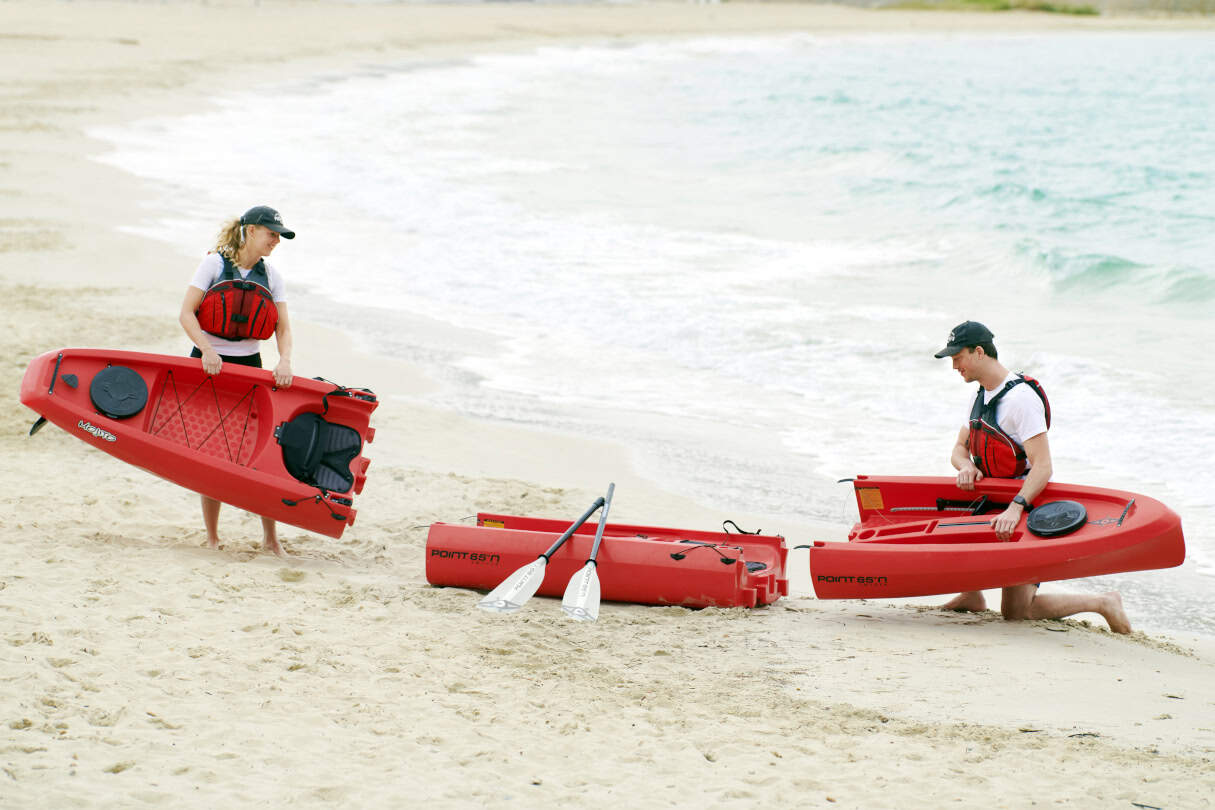
You don’t have to sacrifice the characteristics of a hardshell, plastic kayak with the solution concocted by Pakayak. The brand has created a 14-foot plastic kayak that stacks into itself in segments similar to the concept of a nesting doll. When it comes to assembly, it is a modular kayak of sorts, where each independent section clasps and seal to one another with a clamp and gasket system.
What the Bluefin’s nesting system means is that a paddler can have a portable, stowable kayak that has the tough, rigid shape polyethylene provides, but also the additional benefits a plastic kayak allows. There are rubber deck hatches, sealed bulkheads, and a kayak seat and footpegs closer to the setup you would find in a hardshell.
Our editor-at-large Virginia Marshall tested the Pakayak and found it intuitive to assemble, which is not often the case the first time looking over the formless shape of a folding kayak skin. She also felt the Bluefin performed just as you would expect a 14-foot touring kayak to with a few small quirks, most notable among them the boat’s narrower back half in order to nest provides less stability than expected.
Reasons to buy
Hardshell polyethylene kayak just like a “single-piece” boat
Sealed bulkheads and hatches
Closer to traditional outfitting
Lower cost than some of the other high-performance foldable models
Consider another if
You are looking for a low-weight or low-profile foldable
You are a beginner paddler prioritizing stability
Bottom line
Having the tried-and-true characteristics of a hardshell kayak no longer take a stowable off the table with the Bluefin.
Stay Clear Of All Other Vessels
Know the “Rules of the Road” Navigation Rules that govern all boat traffic and stay out of the way of all other vessels.
Never assume that power boaters can see you. Avoid high-traffic areas whenever possible. Proceed with caution when you can’t avoid paddling near boats. Dress for visibility.
Foldable kayak buying advice
Folding kayaks are available in a variety of shapes, sizes and styles to suit a wide range of uses, from casual recreational paddling to weeklong expeditions and more. These designs continue to evolve, with updated materials and simplified assembly. Folding kayak construction can vary widely, including polyurethane skin-on-frame, and origami-style corrugated plastic. Inflatables are also often referred to as folding boats, but I would put these their own category.
Classic “skin-on-frame” kayaks
The classic folding kayak design uses what’s called “skin-on-frame” construction. All modern kayaks are informed by millennia-old designs, traditionally built by the Inuit and Aleut people for hunting and transportation. But folding skin-on-frame kayaks are the closest to early kayaks in terms of construction. Where Indigenous peoples once used seal skin stretched tightly over a driftwood and whalebone frame, today’s skin-on-frame folding kayaks use wood or aluminum frames with a “skin” of synthetic materials or cotton canvas.
There’s a reason skin-on-frame kayaks have been trusted for thousands of years. This type of construction is lightweight, durable and results in an agile, high-performing kayak. The downside to skin-on-frame folding kayaks is that they take longer to set up and take apart than some other folding styles, and are priced at the mid to high end for folding kayaks.
Origami-inspired kayaks are another type of folding kayak which has become popular in recent years. These clever kayaks are constructed of flexible, impact-resistant corrugated polypropylene (think of those plastic crates at the post office). They are essentially one sheet of plastic that folds into a portable box shape for storage or transport, and transforms into a kayak in just a few simple steps.
Origami folding kayaks are available in both touring and recreational designs. They are lightweight and—above all—quick and easy to assemble or pack up. Like a skin-on-frame folding kayak, an origami folding kayak is nimble and fun to paddle for both beginners and experts. Their cost is mid range, starting at around a thousand dollars for a recreational or light touring design.
Nesting kayaks
Another portable kayak option, although not technically a folding kayak, are nesting kayaks. These are hard plastic kayaks that look and paddle just like a rigid kayak when assembled, but take apart in segments that stack within one another for storage (think of a Russian matryoshka doll).
The main advantage of a nesting kayak is that it feels just like a hardshell kayak in terms of fit and performance. Nesting kayaks also usually have storage hatches and bulkheads (interior walls within the hull that ensure flotation should the kayak swamp or overturn), which are typically lacking in other types of portable kayaks. Although nesting kayaks are intuitive to assemble, the downside is that they are heavy (as much or more than the weight of a hard plastic kayak) and not as compact to carry or store as a true folding kayak.
Looking for something else
Finally, if you’re looking at folding kayaks, an inflatable kayak is another consideration. Industry jargon aside, an inflatable kayak also rolls or folds up, making it every bit as easy to transport and store for paddlers seeking portability. Inflatable kayaks are made of flexible, durable plastics such as PVC, with better quality inflatables using drop stitch construction to create a more rigid and efficient hull shape. We haven’t included Inflatables in this buying advice article, and instead focused on what is often intended by the term foldable kayak, and if you are looking for one read our guide to the best inflatable kayaks.
Practice the set up
No matter what type of fold-up kayak you bring home, here is the ultimate post-purchase advice: practice assembling your kayak before your first outing. Putting together a folding kayak the first time brings back memories of erecting Ikea furniture. Manufacturers often advertise set up time in 10–20 minutes, but this is usually after you’ve had some practice. Easy-to-follow video instructions are often available through the brand’s website or on YouTube.
Know The Local Hazards
Check navigation charts before you launch.
Check with those who have local knowledge of man-made and natural hazards, e.g. low-head dams; sweepers, strainers and undercuts; tides and currents; and rocks and shoals.
My first experience with a folding kayak was in the waters around New York City. I figured what better way to test the portability of a boat than taking it around the largest city in the U.S. I used the same metric with multiple designs, taking into account these portable boats are meant to make paddling achievable without lugging around a massive kayak on the roof of a car. For this guide we also incorporated the insights of our contributors, who have tested and reviewed many of the most well known models, and placed their experiences alongside every other kayak they have tested, foldable or not.
US Coast Guard reports increase in SUP deaths. | Photo: shutterstock.com
The U.S. Coast Guard recently released the 2024 Recreational Boating Statistics, and while overall boating deaths are at a 50-year all-time low, paddlesports are seeing an alarming trend. Paddlesports continued to account for approximately one in every three boating fatalities in the United States last year. In particular, standup paddleboarding saw a 164 percent increase in fatalities, from 11 fatalities in 2023 to 29 fatalities in 2024.
Coast Guard reports increase in paddleboarding fatalities
Paddlesports overall saw 165 fatalities in 2024, down from 183 fatalities in 2023. Drowning accounted for three-quarters of all 556 recreational boating fatalities last year, and of those victims, 87 percent were not wearing life jackets. Alcohol use was the leading known contributing factor in fatal boating accidents.
Overall, the type of body of water where the most recreational boating fatalities occurred was on lakes, including ponds, reservoirs, dams and gravel pits. The greatest percentage of reported incidents (2,398 incidents and 282 fatalities) occurred when the water was calm. Calm water for the purposes of this study was defined as less than six-inch waves. Similarly, most incidents and fatalities occurred when wind was light and visibility was good.
While standup paddleboarding saw a 164 percent increase in fatalities from 2023 to 2024, kayaking saw more individual fatalities than standup paddleboarding, with 89 fatalities (down from 95 in 2023). In general, paddlesports fatalities remained high, accounting for 30 percent of known vessel type fatalities, although down from 33 percent in 2023.
Overall, participation in paddleboarding continues to be on the rise, with standup paddleboarding participation increasing at a rate of 26 percent over the past three years, according to a report by the American Canoe Association.
An errant hydraulic grabbed the stern of my kayak, stood me into a tail stand, and then pulled me down, down, down. The boat twisted and then: Scratch. Bang. Clunk. Stop. With the boat wedged, the current slammed me forward, smashing my face against the front deck. I pushed against the deck to stretch out straight to escape the cockpit. But the current held me with a heavy hand. Blood streamed out of my nose and swirled away in the darkness.
I was midway down the Dean River, a class IV–V river run through the remote and roadless Coast Range of British Columbia. This rapid had been no more or less difficult than a host of others. Ride the wall on river right, cross left above the snaggle-tooth rock, and drop into the quiet pool below. But as I cut left, I initiated the move with a standard paddle stroke—not a determined, urgent stroke, as if I hadn’t anticipated danger. And now I was in a death trap, jammed into an underwater cave.
I needed to push myself off the front deck. Placing both hands firmly, even with my shoulders, I pushed. Push at 100 percent, 110 percent, 200 percent. Whatever it takes.
Jon Turk’s life lessons for digging deep
I escaped the underwater cave. And the moment, horrible as it was, has become my guardian angel because I finally understood what I should have learned decades earlier. There is a huge difference between visualizing an outcome and communicating the necessary urgency directly to muscle fibers.
A dozen years later, I’m running a big rapid on the upper Indus. There is no well-planned line; I’m simply reacting to the waves and holes in front of me and struggling to stay upright. Then, hidden behind a standing wave, is the mother of all holes, yawning, mouth agape, smiling, beckoning. I flashed on my one weak paddle stroke on the Dean. Forget you are on the biggest volume river you’ve ever been on in your life, I told myself. Just reach deep inside and communicate directly with every neuron and every muscle fiber in your arms and back. Lean forward, engage your core. One simple command: Pull. Pull now. At 200 percent. Whatever it takes.
I pulled so hard I ripped open my abdominal muscles, busting a hernia. But I avoided the hole.
Mind over muscle. | Feature photo: John Webster
Back home in the U.S., I had free time as I was rehabbing from surgery and realized I needed to better understand the relationship between brain commands and muscle function.
In any sport, there are three distinct commands for muscles. The first and easiest is activation: perform the task, like a paddle stroke. Activation is simple because the nerve pathways are well established. However, muscles naturally conserve energy, so they respond with minimal effort—you can’t paddle at turbo speed all the time.
The second, more challenging command is recruitment, which refers to how much strength one needs to apply during activation. Are you coasting with a lazy stroke or going all-in?
Each muscle contains many fibers activated by neurons. A motor unit includes one neuron and all the fibers it stimulates. A casual paddle stroke on a calm river might only activate a small portion of your fibers, making it feel like you’re doing the job, but not fully engaging. To fully recruit, your brain must command all motor units and fibers to engage, requiring complete focus and commitment. On the Dean, my half-hearted stroke taught me visualizing the goal isn’t enough—concentration on recruitment is crucial.
The third and hardest command is power—transitioning muscles rapidly from partial to full strength. Think of a high jumper whose gold medal depends on one explosive leap. Or the moment a hidden monster hole appears. You need to go from 90 to 200 percent instantly. This quick power-up demands exceptional focus because the body resists unnecessary energy expenditure unless absolutely required.
Harnessing the mind-body connection
In all my younger years of paddling, I never thought about the brain’s communication with muscle fibers. I would have been a better athlete if I had. Lately, I have been finding increased performance, as well as deep joy and satisfaction from an intimate dialogue directly with the inner functioning of my body.
I wake up and greet my body, “Good morning, neurons. Good morning, muscle fibers. We have a job to do today. And I mean we, together, as a team.” I flex specific muscles quickly, slowly, halfway and all the way. “Good morning, mitochondria. Let’s process some oxygen. We’ll need that today.”
Okay. “Let’s go paddling.”
As American alpine race champion Mikaela Shiffrin once explained before a race, it is imperative to “prime your neuromuscular system.” Notice that she didn’t say “prime your muscles.” Muscles don’t do their job without the brain.
When we train for paddling or any other sport, strengthening our muscles is vital but only part of the engagement.
“Good morning, neurons. Good morning, muscle fibers. We have a job to do today. And I mean we, together, as a team. Good morning, mitochondria. Let’s process some oxygen. We’ll need that today.”
Plyometrics is a training regimen aimed at increasing rapid muscle activation—power. If you put a barbell on your shoulders and do slow steady squats, that is weight training. Jumping is a plyometric exercise that trains the same quadriceps muscles to activate rapidly. The same concept applies to paddling. Attach your paddle to a wall with resistance bands. If you use a lot of resistance and “paddle” slowly, that is weight training. Now reduce the resistance and accelerate your stroke cadence as rapidly as possible. Train your muscles to power up right now.
Once you develop strength and plyometric power, you still need to train for concentration, balance, and coordination under stress. When I attended an exercise ball class, our instructor would work us to near exhaustion for roughly 50 minutes. Then, when we were tired, sweaty, and not thinking clearly, he required us to think, balance, and be coordinated, all while powering up quickly. We’d gather in a circle, kneel on our exercise balls, and play catch with a five-pound medicine ball. The game was to throw the ball so hard that you would knock the person you were throwing to off his or her ball.
Throwing is rapid, explosive muscle activation. Catching while balancing on your knees on a ball is balance and coordination. Doing all this when you’re tired is training for real-life adventure.
You can mimic this exercise in an infinite number of ways. Run, jump, hop, or skip until you are tired and sweaty. Then kneel or stand on an exercise ball and do straight arm lifts with light dumbbells. An easier version: stand on one leg, touch your toe with your opposite hand, and reverse. Anything to train yourself to focus, balance, and perform when stressed.
At 79, I’m older now, and older people lose fast-twitch muscle activation. I spend a lot of time on my mountain bike. If I pedal uphill at 80 percent recruitment, I am slow to power up to 100 percent to pop over a sequence of rocks or a tricky hairpin corner. But I don’t want to enter the sequence too fast, so I apply the brakes lightly. Yes, crazy as it sounds, I brake while going uphill. This forces me to hit 100 percent a second or two before I need to. Then, I release the brake and engage the technical obstacle under full power.
I share this last trick as a reminder that your approach to performance will be highly personal and sport-specific. Regardless of how you do it, when you enter a big rapid or a tricky surf landing, you need to pick a line through the mayhem, of course. But you also need to dig deep, which is more than a mantra. It requires training to actively involve your entire neuromuscular system. You train so that, when it counts, you can go all in. Whatever it takes.
Jon Turk has paddled around Cape Horn, across the North Pacific, and circumnavigated Ellesmere Island. Nowadays, he splits his time between summers in Oregon and winters living out of his van in Arizona, mountain biking every day.
This article was published in Issue 73 of Paddling Magazine. Subscribe to Paddling Magazine’s print and digital editions, or browse the archives.
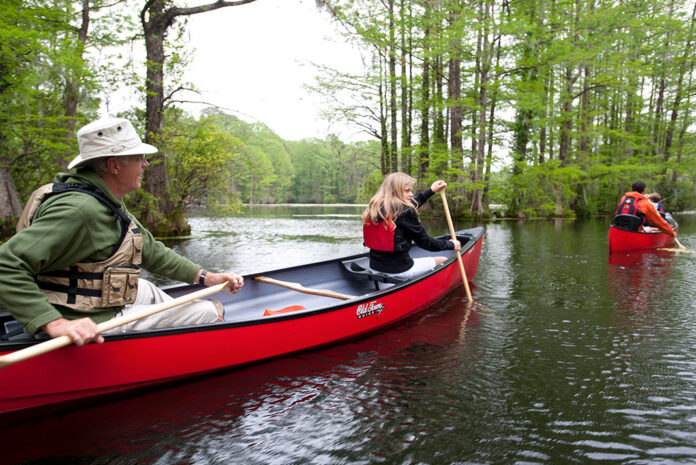
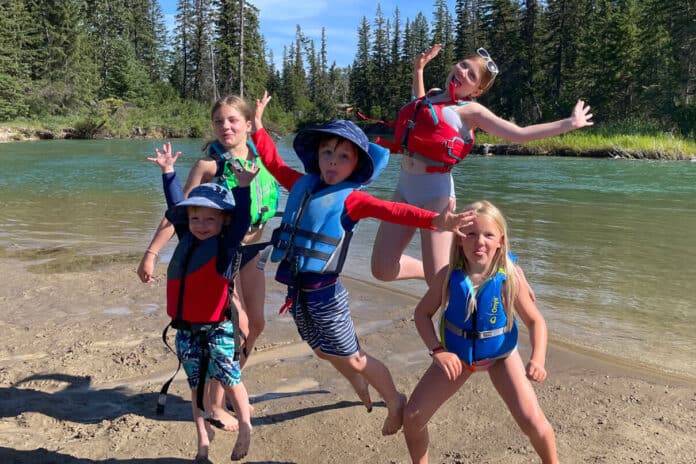
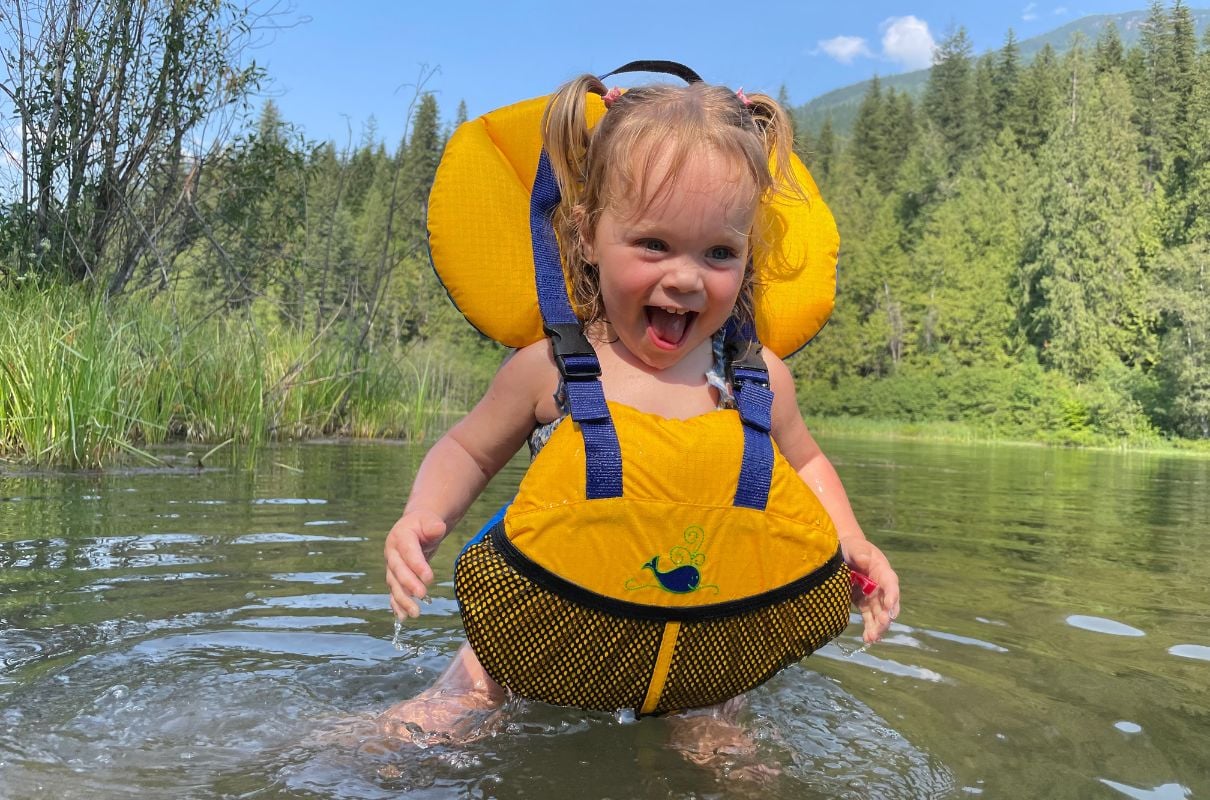
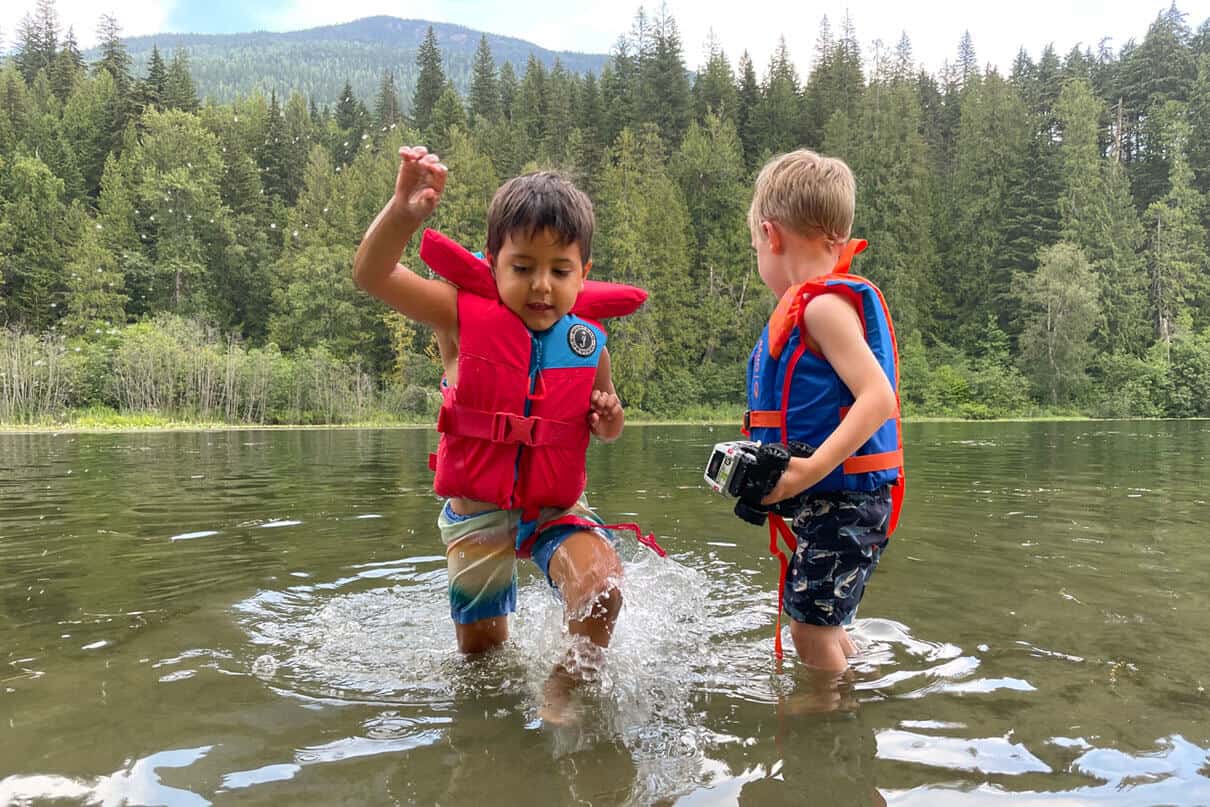
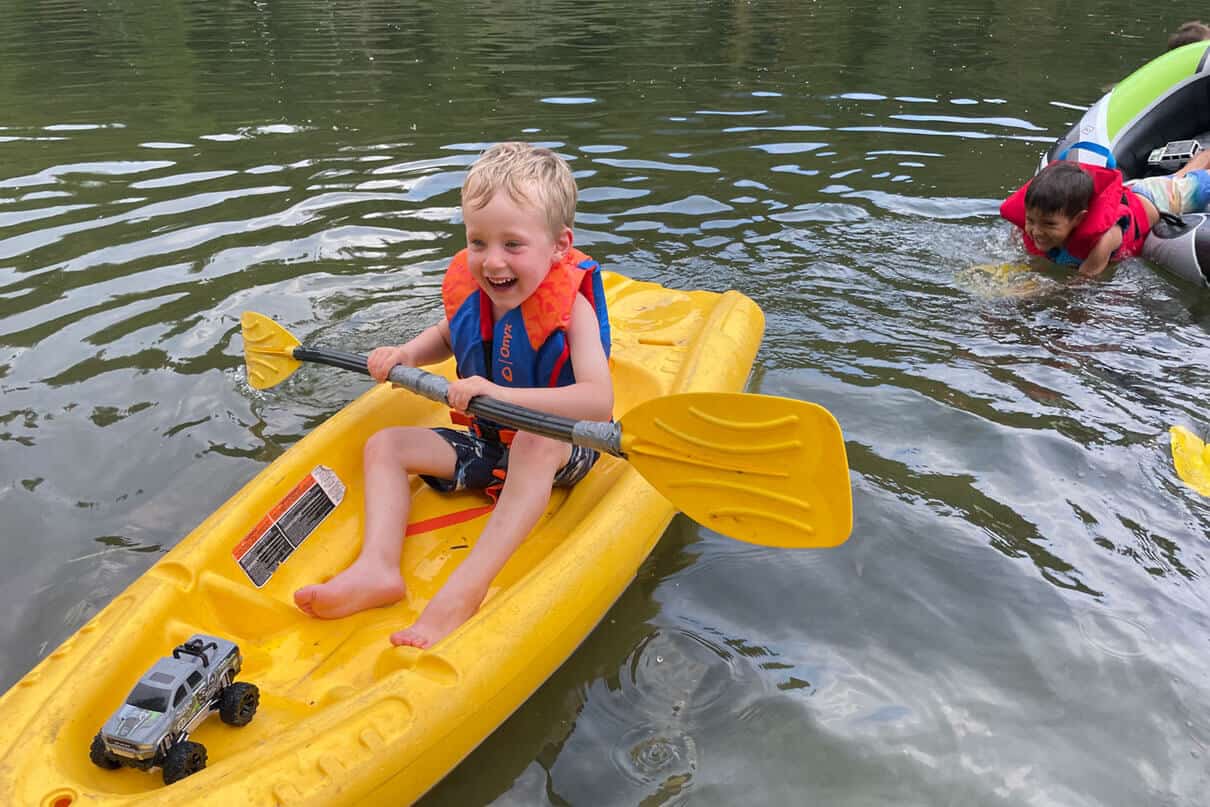
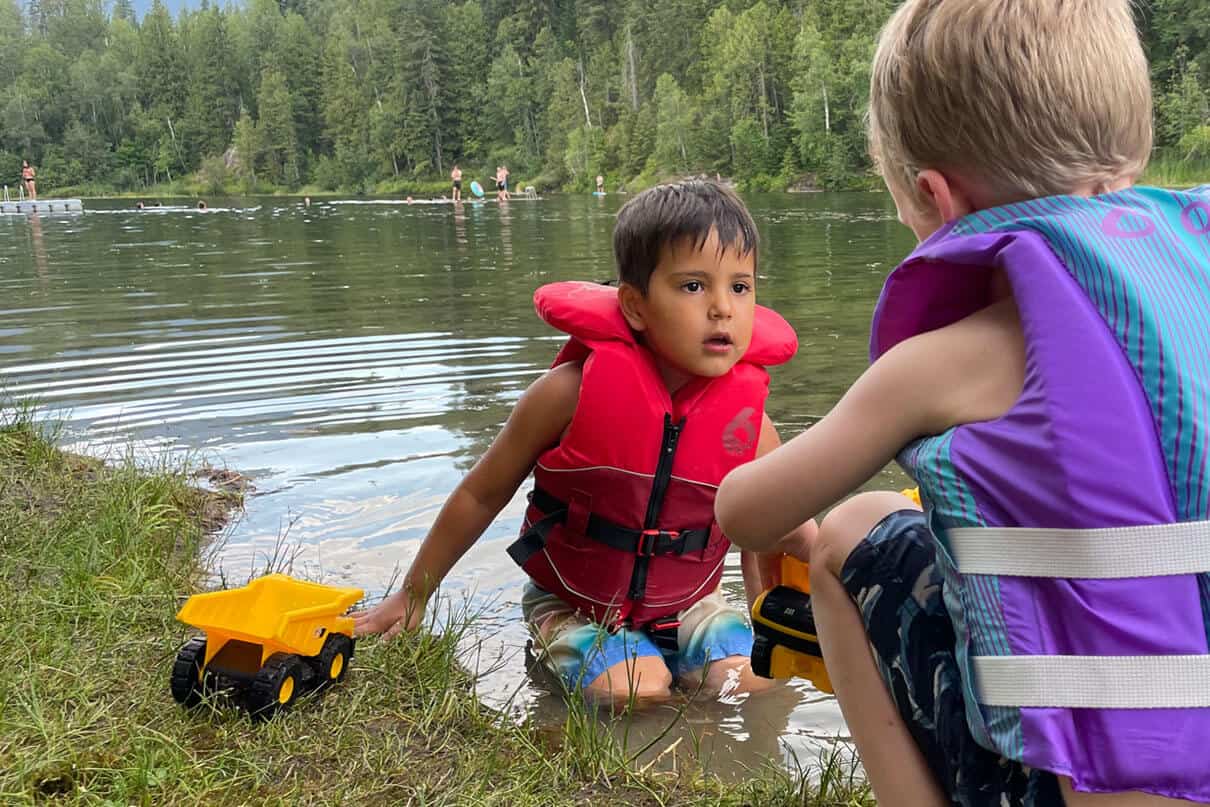
Paddling Magazine is inviting the next generation of adventurers to grab a paddle, hit the water and tell their stories. The newly launched Paddling Kids Story Contest is open to paddlers aged 3–17 and aims to celebrate getting outside and exploring from a canoe, kayak, raft or paddleboard.
“Sharing your love of paddlesports is no small task. Especially when you are sharing it with kids,” says Paddling Magazine’s Brenna Kelly, a veteran paddling instructor and mom of two, who dreamed up the contest. “There is a lot to consider and plan for, but the simplest adventures are sometimes the most rewarding.”
Whether it’s a first canoe trip, a SUP session with friends or a kayak adventure they’ll never forget, Paddling Magazine is looking for real stories from paddling kids who made the most of their summer.
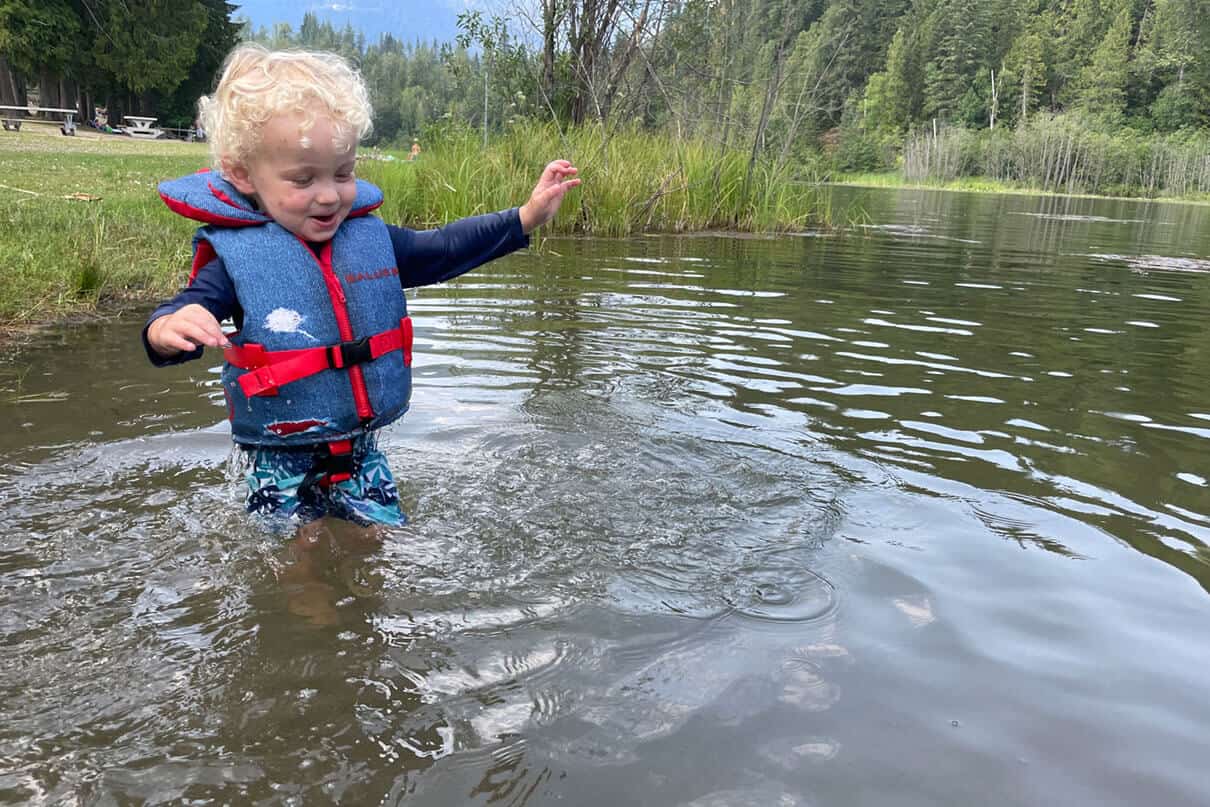
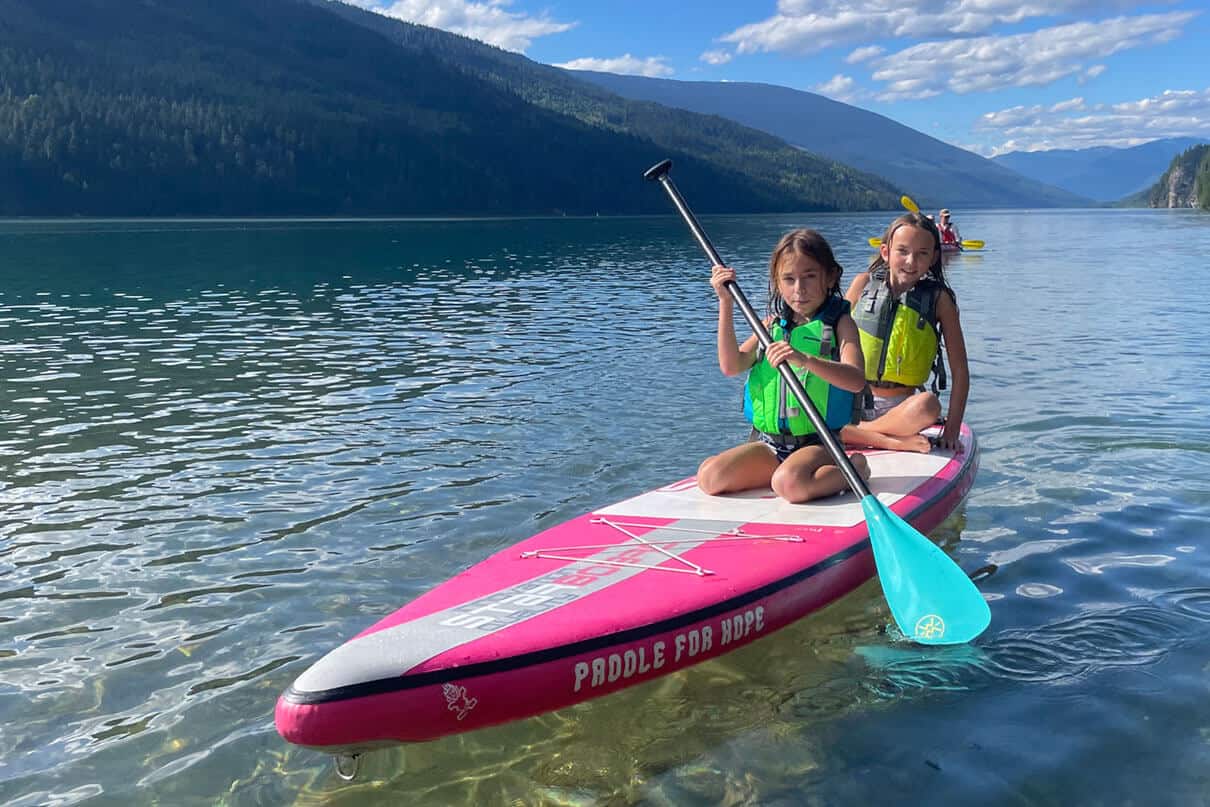
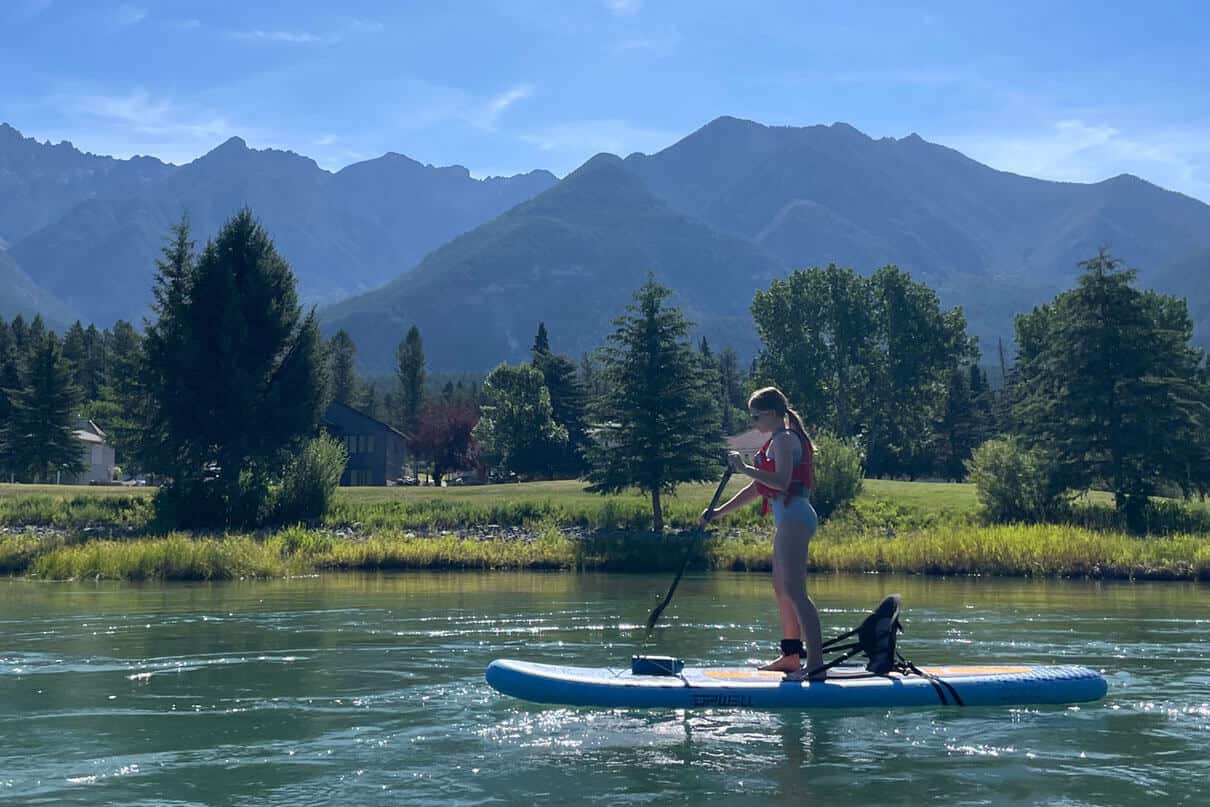
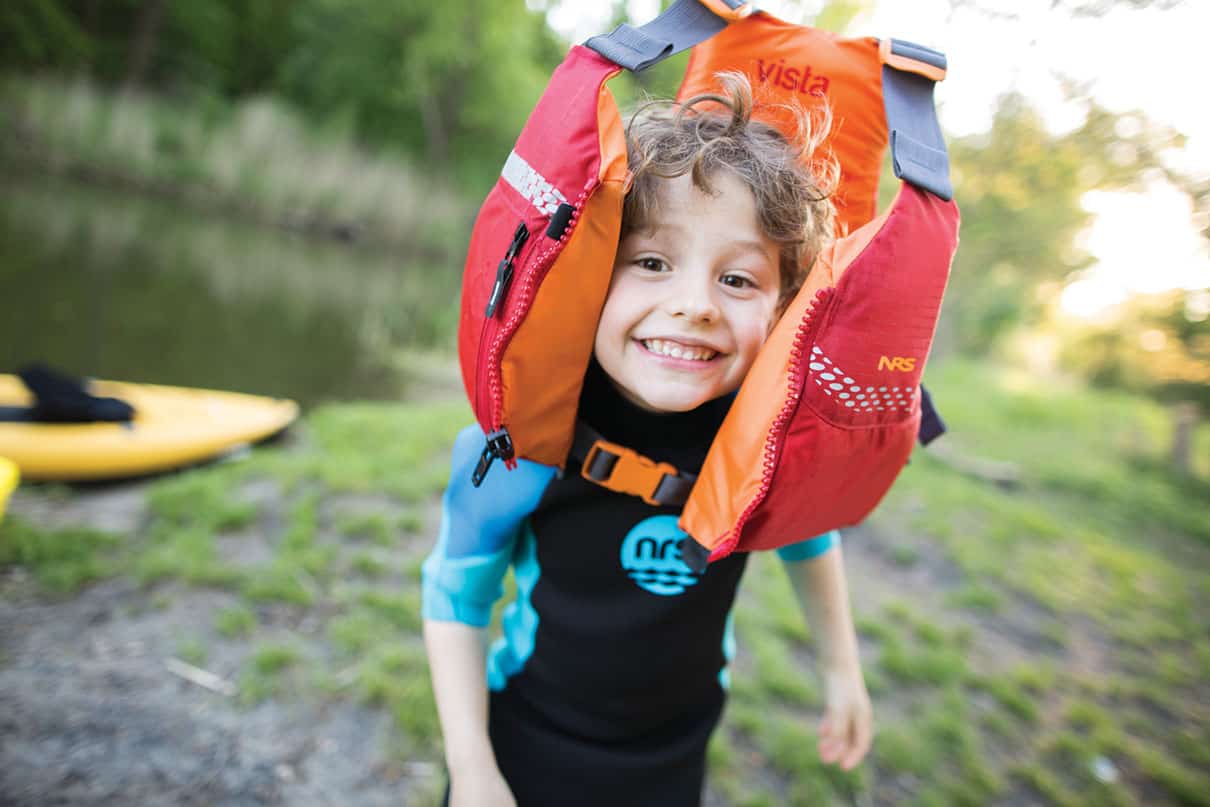
Spend your summer having fun on the water, and then tell us all about it in September. Photo: Brenna Kelly
“I really want to help our community share our passion for paddlesports because it has shaped us into what I consider to be pretty cool humans,” says Kelly. “One way Paddling Magazine is going to do this is by running a story contest for kids. It is our excuse to interrupt your social scrolling with a reminder to stop what you are doing and go on a paddling adventure with your kids, your friends’ kids or your grandkids!”
Here’s how it works:
Go paddling.
Go paddling again.
Pick your most memorable paddling moment from the summer.
Tell us all about it—and don’t forget the photos.
Kids can submit their work in either text or audio format, accompanied by photos. The contest opens September 1, 2025, and entries must be received by midnight on Tuesday, September 30, 2025.
“In the fall, you can sit around the campfire or dinner table talking about some of the best paddling adventures of the summer,” says Kelly. “I am sure there will be lots of laughs. Any child between ages 3–17 can then submit their favourite memory from their paddling tales for a chance to win prizes and a chance to have their story shared in Paddling Magazine to inspire others.”
Winners will receive cool prizes and the grand prize winner will have their story featured in the Spring 2026 issue of Paddling Magazine.
“I remember my early days as a whitewater paddler and guide watching the Jackson family progress on the Ottawa River where I worked,” says Kelly. “Over time, Emily became my friend, and of course, I thought to call her up to help us put this contest on. Her and the Jackson team were stoked on the idea and jumped in with two feet. As we release the prize pack details, you may not be surprised to see some Jackson and Werner gifts!”