Home Blog Page 182

How Paddlesports Businesses Can Help Save The World

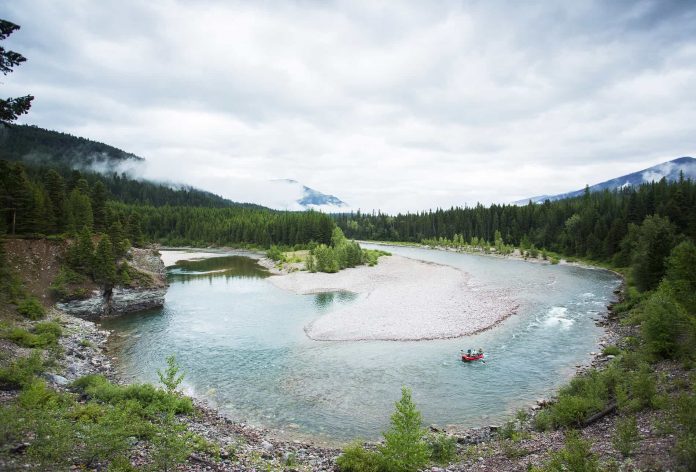
The Wild and Scenic Rivers Act celebrated its 50th anniversary in 2018.| Photo: Justin Bailie

Back in 2015, Forest Woodward released a film called The Important Places about floating the Grand Canyon with his father Doug. The title, The Important Places, came from a poem Doug wrote a few days after Forrest was born. It speaks of “The cave behind the waterfall / The arms of the oak that hold you high / The stars so near on a desert ledge” and urges Forest never to lose the path leading back to those important places.

The film was beautifully shot and edited, won the Paddling Film Festival best documentary film award, and at the Outdoor Retailer trade show the river equipment company NRS played it on a loop. For the legions of displaced river rats working the fluorescent-lit catacombs of the Salt Palace, the film served as a reminder of why they started working for outdoor-related businesses in the first place. And when photographer Will Stauffer-Norris asked some of them to write the name of their important place on a dry-erase board and pose for photos, the response was overwhelming.

“People really opened up their hearts,” says Amy Kober, national communications director for  American Rivers, which co-sponsored the film with NRS and Chaco. “We were blown away by the stories people shared about the rivers and places they love.”

The modest event showed off the power of personal stories and the ability of brands like NRS to engage large audiences. As the convention hall emptied, Kober and Mark Deming, NRS marketing director, gathered with a handful of colleagues, discussing how to harness this energy toward a bigger issue. This conversation became the seed of the 5,000 Miles of Wild campaign to raise awareness of the Wild and Scenic Rivers Act ahead of its 50th anniversary in 2018.

The three-year campaign collected personal river stories from more than 5,000 people and forged a powerful alliance between river advocacy organizations American Rivers and American Whitewater and industry partners including NRS and OARS. Ultimately, this coalition played a substantial role in the passage of the biggest land use bill in a generation and the Wild and Scenic designation of 676 miles of river. But that’s getting ahead of the story.

When they wear a logo, they want to be sure what it says about them is in-line with how they view themselves

Deming says NRS has always played an active role in conservation, but in the past this meant giving money to organizations like American Rivers and American Whitewater. More recently the company has embraced a more hands-on approach. “We’re really looking to not just kick in money but also contribute our creativity and audience,” Deming says.

That’s been a trend throughout the outdoor industry, as companies recognize the value of publicly advocating for conservation causes. “Millennials are now the largest consumer demographic block in the marketplace, and these consumers really like brands who share their values,” Deming says. “When they wear a logo, they want to be sure what it says about them is in-line with how they view themselves. I’m not saying we’re only doing this because it’s good business, but the data doesn’t lie. It is good for business.”

Stewardship is woven into the company culture at companies such as NRS. George Wendt, the late founder of OARS, became a powerful advocate for wild rivers after witnessing the loss of Glen Canyon and the Stanislaus River to dams.

“It really galvanized his interest in bringing people to see these places to create a deeper appreciation for them,” says Steve Markle, OARS vice president of sales and marketing.

The 5,000 Miles of Wild campaign fit naturally with this philosophy, and OARS spread the word to customers through its network of professional river guides, every one of whom is an influencer with a captive audience. NRS leaned on its talented in-house media team and social media presence to tell compelling river stories and share them with the river running community. Chaco, Keen and Yeti also backed the campaign.

Deming’s role initially was to engage NRS customers in river conservation efforts, but somewhere along the way he ended up lobbying congress.

In September 2018, the Senate allowed the Land and Water Conservation Fund (LWCF) to lapse, despite strong support for the program in both parties. The fund uses revenue from offshore oil and gas leases to support public land protection and infrastructure, and at last count has $22 billion set aside for everything from habitat restoration to boat ramps and municipal parks. At the same time, more than 150 land-use bills were piling up in various congressional dead ends. The midterm elections were over and the powerhouse lobbyists—those working on behalf of pharmaceuticals, insurance and big energy interests—had mostly gone home. Members of Congress were eager to leave too, but the budget impasse over President Trump’s border wall kept them in town. This gave conservation lobbyists and their outdoor industry partners a rare opening.

“We try to do everything we can to be ready for the windows of opportunity when they emerge,” explains American Whitewater Stewardship Director Thomas O’Keefe. He and other conservation lobbyists were already working overtime to save the LWCF. Soon they added the orphaned land-use bills to the conversation, and suddenly the Lands Bill became a thing.

“We just went into offices and acted like this was going to happen,” O’Keefe says. “And when you get enough people saying that, it begins to take on its own momentum. It’s kind of like the Jedi mind trick.”

Outdoor brands played a key role, with Deming among dozens of industry leaders who joined the lobbying effort. Their involvement opened doors in key offices and committees.

“For better or worse, our political system tends to be geared toward jobs and the economy, and companies that are generating economic activity get listened to when they have something to say,” Deming says.

As the land use bill gained momentum, American Rivers, American Whitewater and their paddling industry partners focused on the inclusion of new Wild and Scenic Rivers in the legislation. Thanks in large part to their efforts, the bill added 676 miles to the National Wild and Scenic Rivers System, forever protecting them from new dams and other harmful development.

The protected stretches include 256 miles of the Rogue River and its tributaries in Oregon, 63 miles of the Green River in Utah, desert streams in California and several rivers in New England. The protections are just one part of the sweeping land use bill, which included 170 provisions and the permanent funding of the LWCF. It passed with veto-proof majorities in the House and Senate and was signed into law March 12.

The law will likely buoy the bottom line of outdoor businesses from coast to coast, including NRS, OARS and other brands involved in the campaign. That’s a good feeling, Deming says, but his greatest satisfaction comes from knowing he played a role in protecting the important places.

The Wild and Scenic Rivers Act celebrated its 50th anniversary in 2018.| Photo: Justin Bailie
 

How Paddlesports Retailers Can Help Keep Paddlers Safer

The Water Sports Foundation, a U.S. Coast Guard non-profit boating safety grant recipient, just released a new video featuring Paddling Business publisher Scott MacGregor. Recorded with a local retail shop background, MacGregor presents the Coast Guard’s message encouraging retailers to be vigilant about safety subjects when communicating with paddlers.

Safety is your responsibility as a paddlesports professional

In 2021, 190 people died while paddling and most of these incidents were preventable. Basic paddler education remains as the most important subject, but also life jacket usage and knowing your limits and the limits of your vessel remain as critically important elements to a safe paddling excursion.

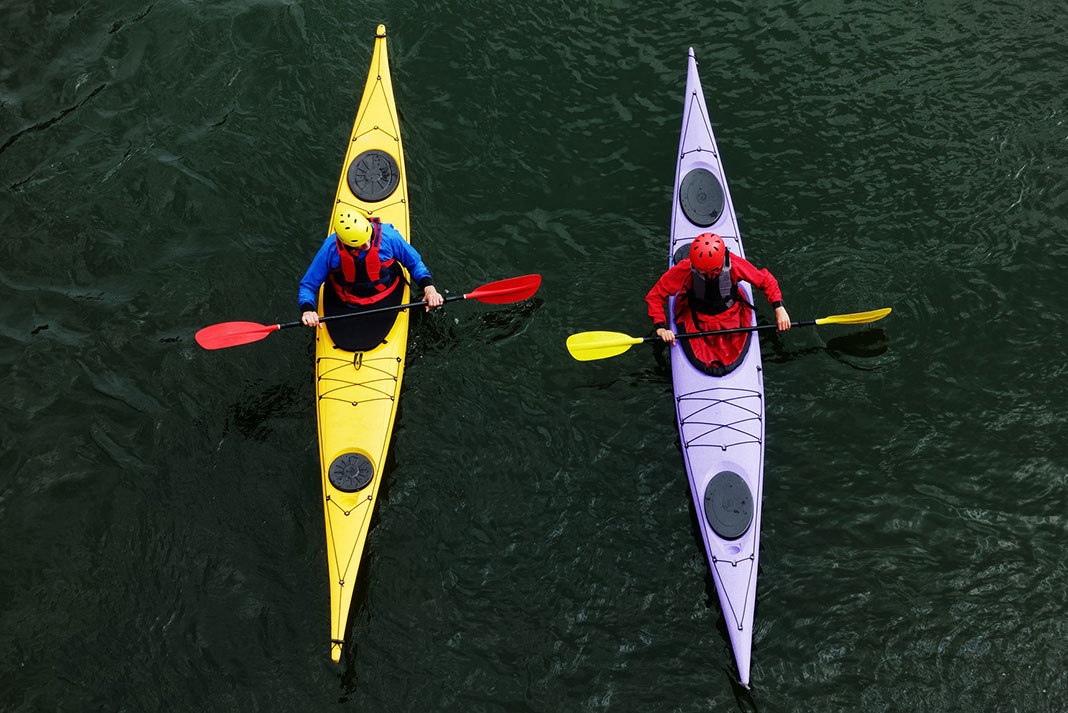
overhead view of one sea kayaker instructing another kayaker in paddlesports safety
Your responsibility as a paddlesports professional: keeping paddlers safe by encouraging them to get the proper safety training. | Photo: Andrew Martin/Pixabay

Jim Emmons, Nonprofit Grant Director for the Water Sports Foundation said, “Too many paddlers are senselessly dying while enjoying this great past time. Retailers are trusted sources and as such, they can have a huge impact on the paddling public’s attitudes towards paddling safety.

Our goal is to educate retailers—selling kayaks and canoes—to become more vigilant about sharing basic safety recommendations with their customers. We are encouraging all retailers to include a safety discussion during every consumer engagement.”

Engaging retailers in paddlesports safety

The Water Sports Foundation, a non-profit grant recipient since 2011, has been creating and delivering consumer paddle safety messages for five years. The most recent U.S. Coast Guard grant awards include funding for a project called Retailer Targeted Paddling Safety Awareness.

This project intends to make retailers more aware of basic safety such as taking a paddler education course, increasing life jacket wear, understanding the dangers of cold water immersion, knowing your limits, being aware of changing weather conditions, filing a float plan, and avoiding impairment while paddling.


TRAK Kayaks’ #BlueFriday

TRAK Kayaks' BlueFriday event encourage paddlers to get on the water.

Avoid the screen time, lineups and frenzied shopping of Black Friday by spending the day on the water instead.

That’s what folding kayak manufacturer TRAK Kayaks is encouraging everyone to do as part of a November initiative turning Black Friday into #BlueFriday by connecting customers with the water.

“On this Black Friday we invite you to turn black to blue. Stop the madness, break free and enjoy being on, in or near water,” says TRAK Kayaks founder Nolin Veillard.

[See TRAK Kayaks in the online Paddling Buyer’s Guide.]

TRAK Kayaks will be closing their online store on Friday, November 29th, and giving their global team and paddlers the day to go out and enjoy nature on or near their local waterways. The company hopes this will kickstart a year of focus and action to make a difference in each individual’s mental health and to encourage protection and conservation of the waterways we share, it said in a statement.

Black Friday is one of the most popular shopping days of the year in North America. Last year American shoppers spent $6.22 billion in online sales in a 24-hour period, according to Adobe Analytics, which tracks transactions for 80 of the top 100 online retailers in the U.S.

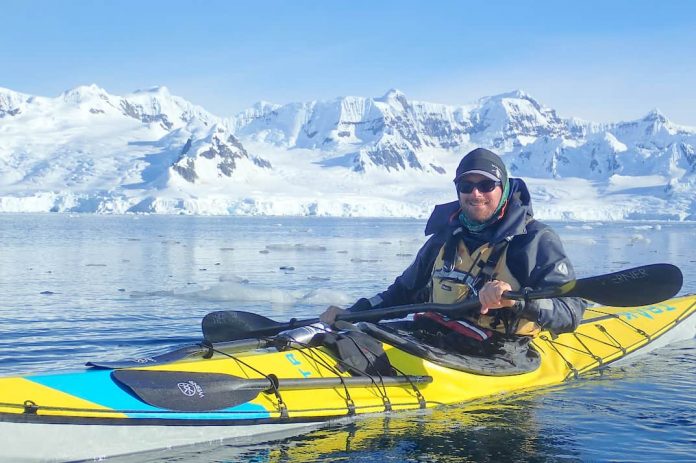
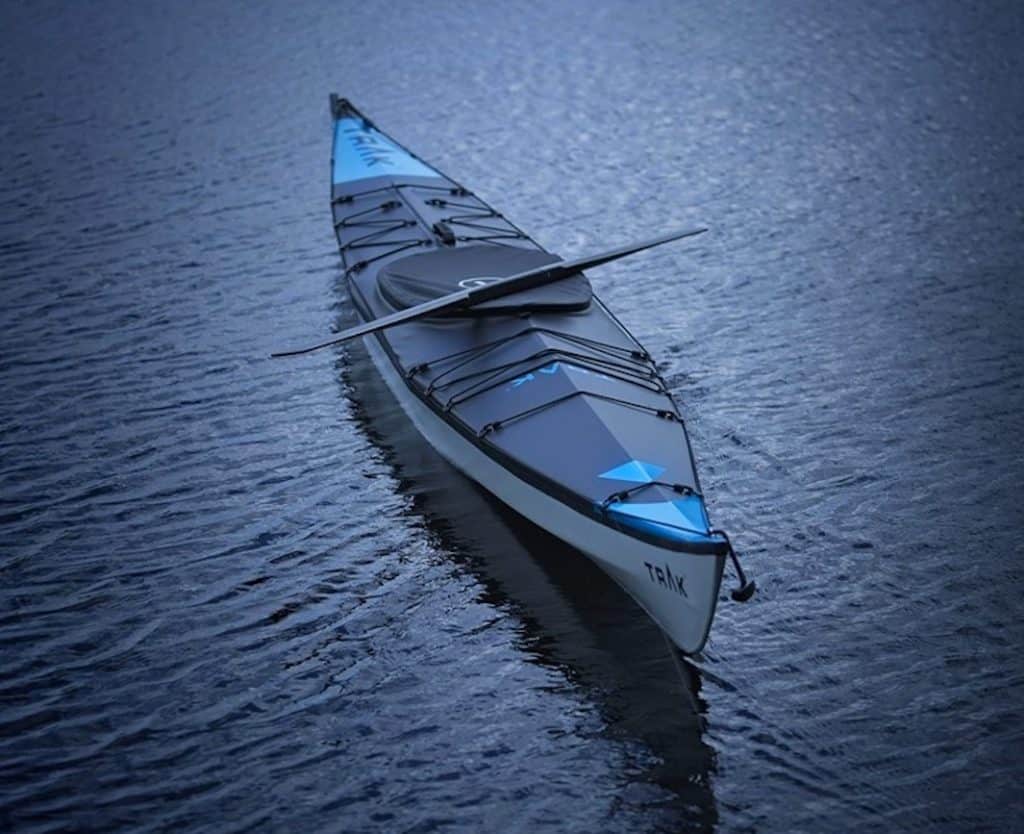
TRAK Kayaks’ Black-Blue model is the signature color of their TRAK 2.0 2020 collection. Photo: Courtesy TRAK Kayaks

“We are taking a stand against mass consumerism, which has led to overuse of plastic, which ends up in our oceans and landfills,” adds Veillard. “This mass clutter also affects our mental state. We believe we need to return to our roots, and that reconnecting with water is a conduit to vitality. On #BlueFriday, we encourage people to spend time around water. Go for a paddle, walk along a beach or a river, have a bath, or just find a place to swim or soak in nature.”

TRAK Kayaks manufacturers the TRAK 2.0, a versatile, durable, 16-foot portable touring kayak that goes from bag to boat in just 10 minutes. Made of durable military-grade polyurethane, it can be carried on planes, trains and automobiles in one compact travel bag.

On top of improving one’s own wellness, management at TRAK Kayaks believes #BlueFriday will help keep people connected to water, with the hopes they become waterkeepers—people who will care for and be stewards of waterways.

TRAK isn’t the only outdoor adventure focused company hoping to use this busy shopping day to inspire change. Since 2015, REI’s #OptOutside campaign has closed brick-and-motar stores and online stores each Black Friday. Instead, the company pays their 12,000+ employees to spend the day outside. More than 1.4 million people and 170 organizations chose to #OptOutside in 2018.

This year’s Black Friday falls on November 29—choose #BlueFriday instead.

19 Deadly Sins A Canoe Tripper Should Avoid

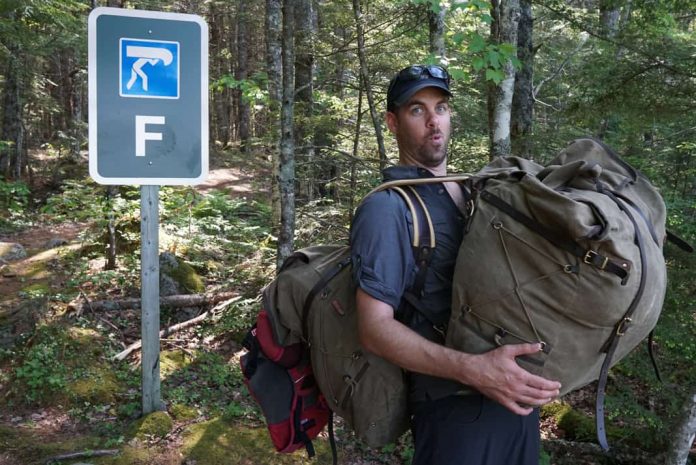
F is for falling. | Photo: Kevin Callan

I’m not a perfect canoe tripper. I’ve sat on my life jacket at the campsite, used my bailer bucket as a pee bottle, stuck the blade of my paddle in the sand, and pitched my tent under a gnarly dead tree.

I’ve mocked someone else’s gear, giggled at skinny dippers, and—some might say this is worst of all—for many years, I paddled with the goon stroke rather than a proper J.

Gasp.

These weren’t immoral acts. They were errors in judgment and holes in knowledge, and I’ve learned from my bad behavior.

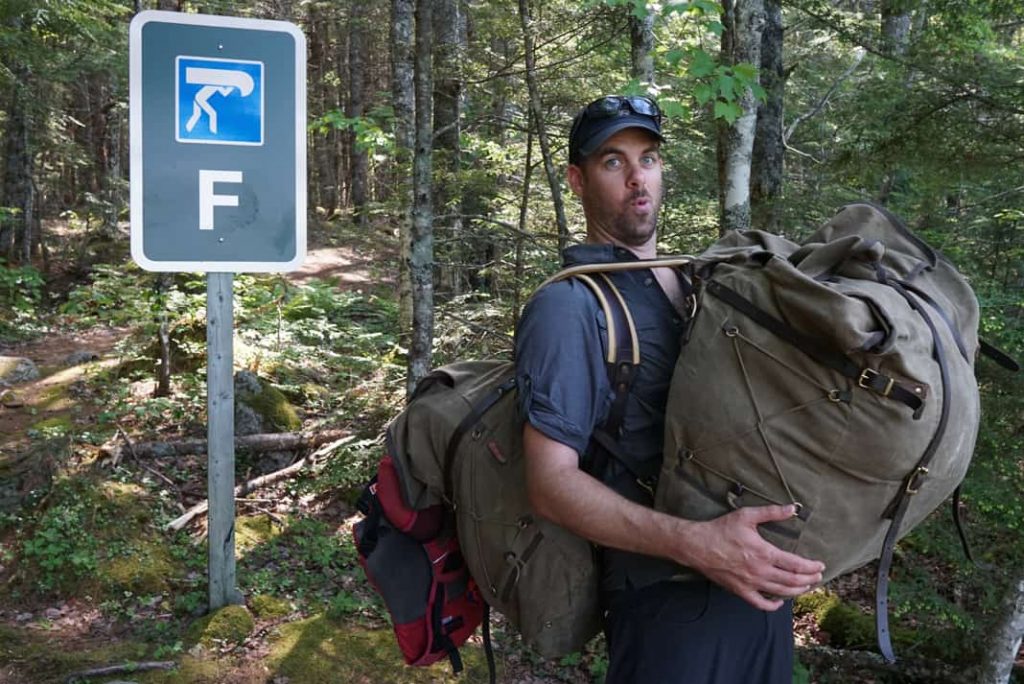
However, not all of my errors have been so harmless. I learned the hard way strapping an extra pack on my chest to finish a portage faster is a good way to trip and fall, then spend days hobbling around on a sprained ankle.

Sitting in the stern seat while solo paddling never did get me anywhere fast. And grabbing the gunwale mid-rapid is poor form worthy of good-natured ribbing. Not tying my boat down at night on a wilderness expedition is perhaps my most egregious sin of them all.

So, no, I’m not a saint. I’ve caused grief to some of my paddling partners too, leading to more solo trips penciled into my agenda than planned. I’ve been advised adjusting the seating arrangement in the canoe without giving fair warning to my partner is rude.

Being a chatty Cathy from morning to night is problematic for many—as is singing the same song, like a jukebox on repeat. Bringing my smelly socks and boots into the tent is allegedly unforgivable. And high-grading the gorp, well, that’s probably one of the most gluttonous acts of which I’m guilty.

F is for falling. | Photo: Kevin Callan

The majority of the time my moral compass has kept the devil from my door, and I’ve become a better paddler due to being called out on my misdeeds—most canoeists can relate. However, there are a few paddlers on the water performing acts of wickedness which define some of the wilderness traveler’s deadliest sins.

[ See the largest selection of boats and gear in the Paddling Buyer’s Guide ]

The first is being too prideful to wear a PFD—the grim reaper doesn’t care if you think you look cooler without it. The second is impatience—patience is a virtue, as is traveling as slowly as the slowest member in your group.

Not being considerate of other trippers can bring out the devil in anyone. Blocking the put-in or take-out with a canoe and gear—or not giving the person carrying the canoe the right of way—are just two examples of bad etiquette that get my wrath.

Leaving a trace is always a capital offense, so camp on durable surfaces and dispose of waste properly. It’s villainous not to dig a proper cat hole or to deposit toilet paper for everyone else to be nauseated at the sight of.

Interfering with wildlife—even for an amazing Instagram shot—is wrong. Avoid attracting animals in camp by hanging your food, don’t wash dishes in the lake, or leave trash in the fire pit. And speaking of fire—a hatchet can be the devil’s sword. Minimize a campfire’s impact by keeping it small, and never cut green wood.

[ Plan your next paddling adventure with the Paddling Trip Guide ]

Perhaps the worst sin, at least in my good book, is not appreciating being out there. If you spend more time complaining about the bugs and bad weather than you do being thankful for reconnecting with the wilderness, well, I pray for your soul.

Kevin Callan is the author of 17 wilderness camping and canoeing book, including The Happy Camper series. The wilderness is his church.

F is for falling. | Featured Photo: Kevin Callan


Inflatable Kayak Review: Sea Eagle Razorlite 393rl

Sea Eagle Razorlite 393rl

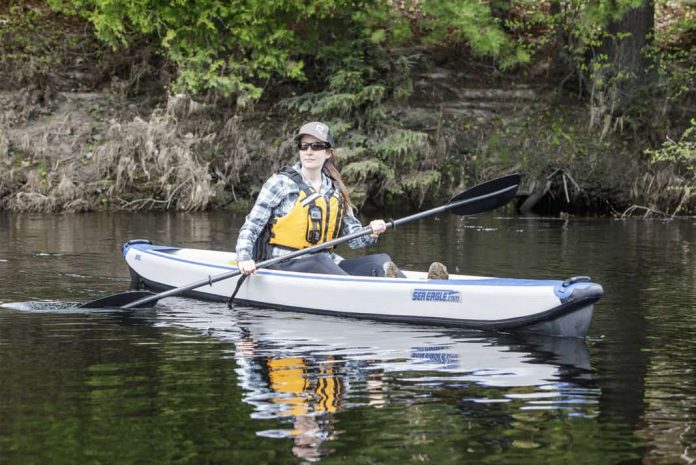
Speed and inflatable aren’t mutually exclusive terms with Sea Eagle’s Razorlite series. Debuted in 2016, the Razorlites are the world’s first all drop stitch inflatable kayak series. With this innovation, Sea Eagle promises improved rigidity, speed and overall performance.

We tested the almost 11-foot solo 393rl, but Sea Eagle also makes the 473rl in the Razorlite series, which is 15.5 feet long and designed for tandem paddling.

Sea Eagle Razorlite 393rl
Assembly Time 7 minutes
Paddlers 
Length 
12 ft 10 in
Width 28
 in
Material
PVC/Polyester
Weight 
35 lbs
Price
$949 USD

seaeagle.com
[ Paddling Buyer’s Guide: Check out all inflatable tandem kayaks here ]

Either way, set up is simple. Once unrolled, the three air chambers of the 393rl pump up in minutes. Once inflated, the open deck, thin sidewalls and flat bottom of the 393rl is reminiscent of a canoe, like Sea Eagle’s Travel Canoe. That’s because the 393rl’s all-drop-stitch construction uses hundreds of thousands of tiny threads inside the three inflation chambers to give the high-pressure hull a sleek shape and narrow side walls. The drop-stitch construction also allows the 393rl to be inflated to 10 psi—double the inflation rating of most inflatables. Rock solid.

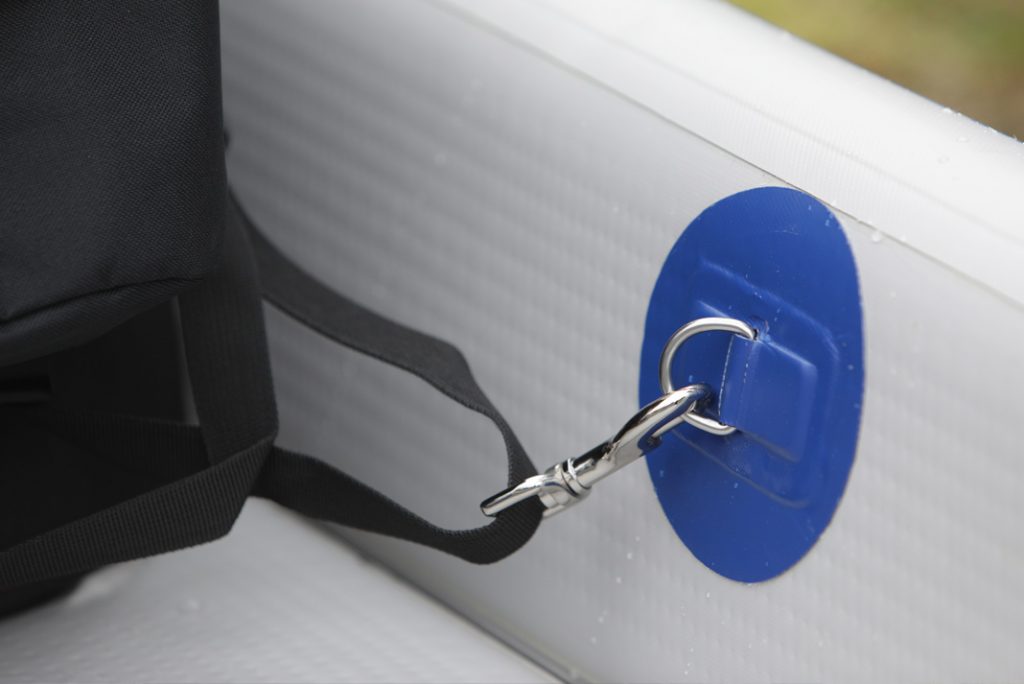
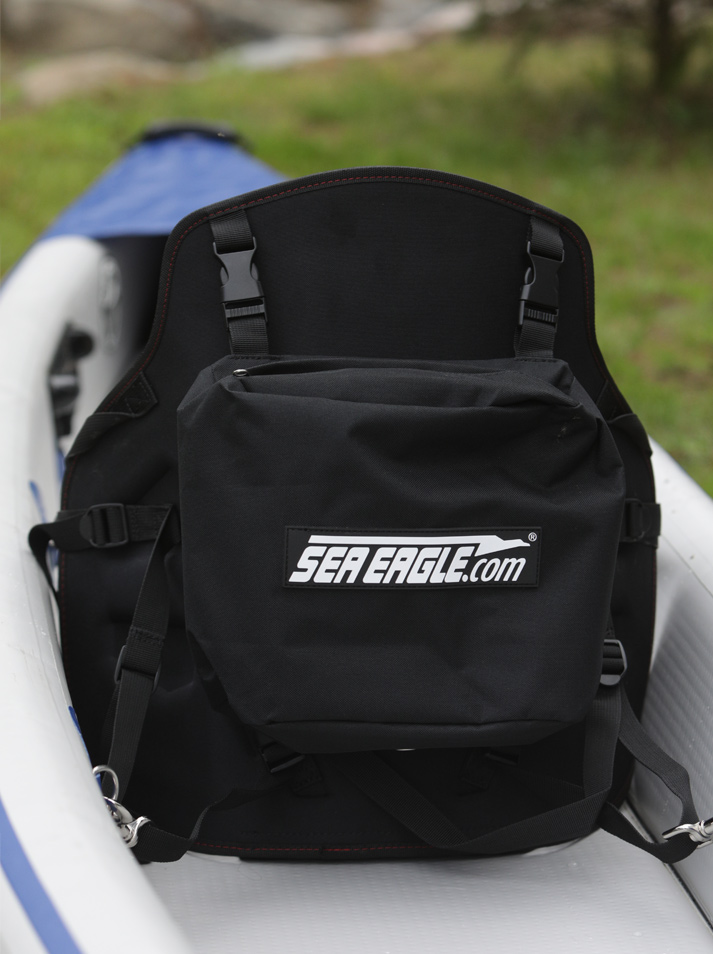
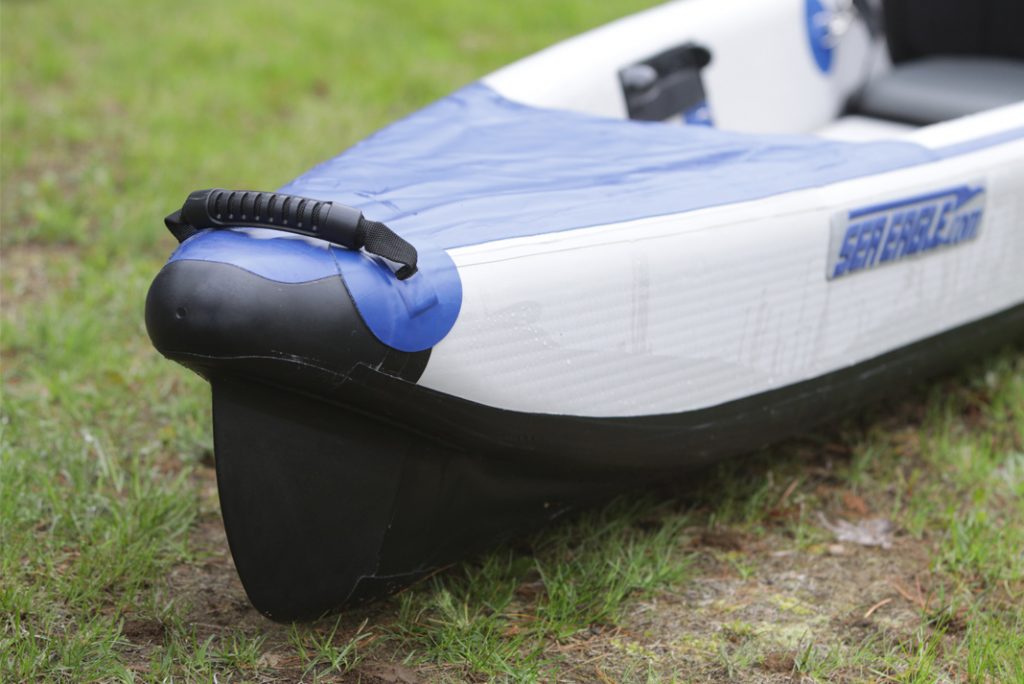
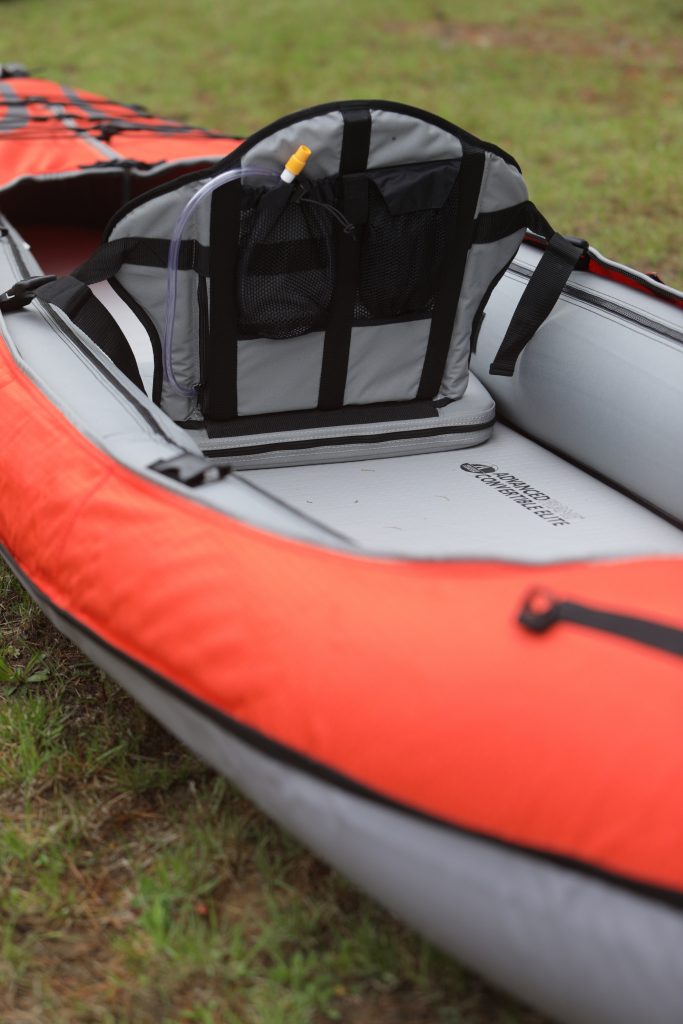
To outfit the kayak, simply clip in the high back seat and insert the footrests and you’re on your way. Our loaner arrived with a nifty seat bag for storing on-water essentials. It’s thanks to the near rock-solid rigidity that the 393rl feels like a hardshell recreational kayak on the water. Both bow and stern are made of rigid plastic and tapered, increasing efficiency and ease cutting through waves. A skeg further aids tracking. Without rocker, the waterline is maximized, and at just 24 inches wide at the waterline, the Razorlite has an extra sleek profile.

Thanks to the speedy, lightweight design, the 393rl is ideal for fitness paddlers and day trippers on the move. We’re convinced a spartan paddler could squeeze in with enough gear for an overnight adventure. Certainly, it won’t be the generous 500-pound load capacity holding you back.

And when it comes time to head home, the RazorLite 393rl rolls up into a comfortable backpack-style bag measuring about 22 by 22 by 12 inches.


Inflatable Recreational Kayak Review: Innova Thaya

Innova Thaya
Innova Thaya

Arriving in a box the size of a small cooler, Innova’s Thaya is the most compact tandem kayak ever reviewed by Paddling Magazine. And at just 39 pounds, it’s lightweight enough to be considered an attractive travel kayak.

Innova Thaya
Assembly Time 5 minutes
Paddlers 1 or 2, plus a child
Length 
13 ft 5 in
Width
35 in
Material 
Nitrilon
Weight 
39 lbs
Price 
$1,199 USD
innovakayak.com

With its bright red and rubber-coated exterior, some boat snobs might be tempted to pass the Thaya by, but dig in and you’ll find a lightweight, compact, tough and dependable little cruiser for the recreational market. The Thaya is responsive and maneuverable on the water and suitable for paddling lakes and rivers up to class II.

[ View all inflatable recreational kayaks in the Paddling Buyer’s Guide ]

The Thaya is the newest offering from Innova and debuted to the North American market in May 2019. This hotly anticipated design won the Product of the Year award at Germany’s PaddleExpo trade show. Part of the buzz around the Thaya is its updated material technology, which pairs a durable rubber-coated polyester fabric called Nitrilon with drop stitch technology for the first time, creating a better performing boat in a more eco-friendly material.

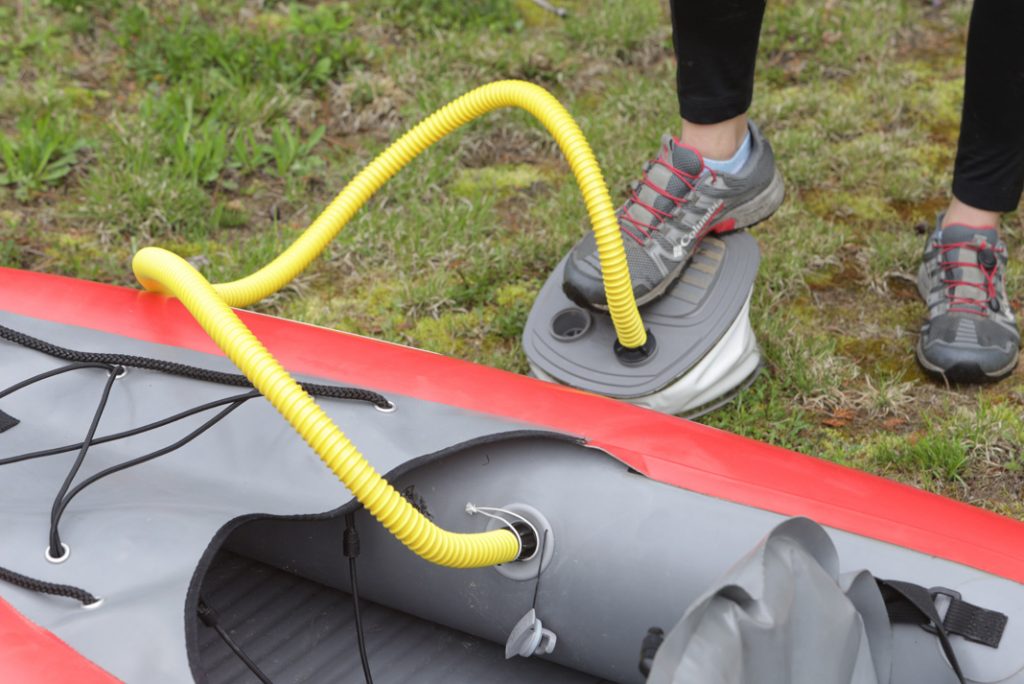
The set-up of the Thaya is easy and intuitive; pump up the three inflation chambers—one along each gunwale and a third in the floor—and then configure your seats.

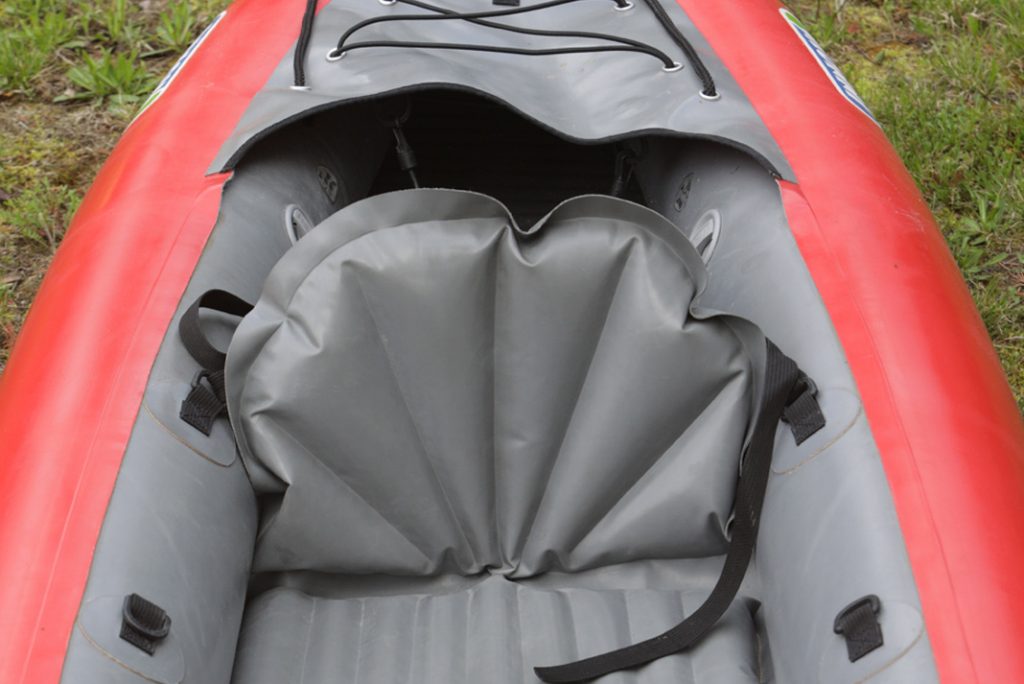
Customize the rigging to paddle the Thaya either solo or tandem. The two included inflatable seats and foot braces inflate via twist-lock valves and are simple to strap into place. A third seat can be purchased separately, though a third passenger would have to be a child or a pet, and this configuration would be cozy.

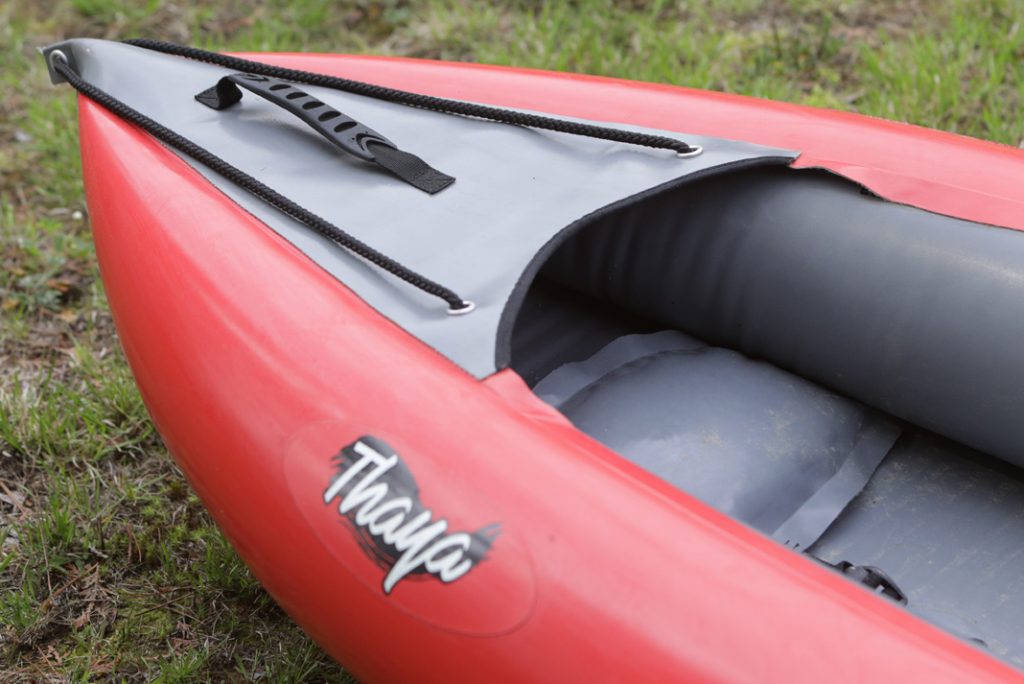
The eight D-rings spaced along the gunwales are used to attach seats, but you can also use them to secure gear. There is also a bungee on the stern for securing gear.

It’s the perfect setup for packing a picnic and exploring sheltered waters. The Thaya is a roomy ride with a capacity of more than 500 pounds—so don’t skimp on the snacks.

[ Plan your next paddling adventure with the Paddling Trip Guide ]

Molded rubber carrying handles, a removable tracking fin, an 80-liter backpack for storage and a repair kit round out the outfitting. Innova’s handy foot pump ($29) accompanied our test model.

Inflatable Kayak Review: Advanced Elements AdvancedFrame Convertible Elite

PHOTO: Michael Hewis

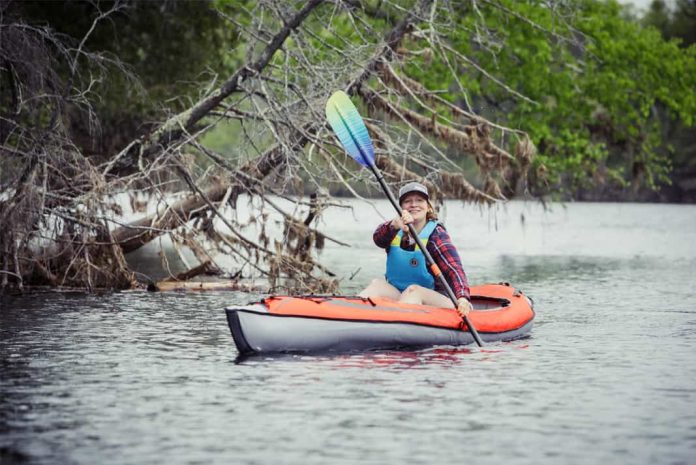
Perfect for lakes, class I to II rapids and coastal areas, Advanced Elements’ AdvancedFrame Convertible Elite kayak is perfect for paddling off into the sunset. Paddle it solo or tandem, and when paddled solo there’s heaps of storage space for camping and fishing gear. 

Advanced Elements AdvancedFrame Convertible Elite
Assembly Time 15 minutes
Paddlers 1-2
Length 
15 ft 
Width 
32 in
Material 
Multiple
Weight
52 lbs
Price 
$999.99 USD
advancedelements.com

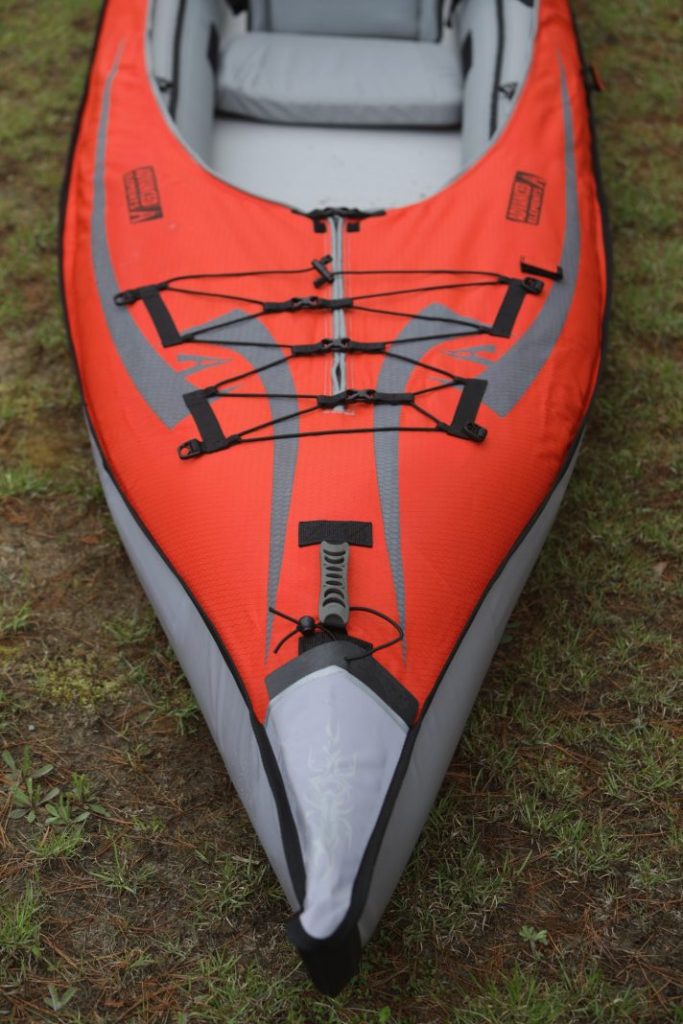
Unique among the boats Paddling Magazine tested is the “AdvancedFrame” element which refers to U-shaped aluminum ribs. These ribs are preassembled in the bow and stern to define the kayak’s ends and improve tracking—the bow cuts through the water, while the stern acts as a skeg.

Our tester is the Elite model of the AdvancedFrame Convertible Kayak—unpack, inflate, install seats and get on the water in under 15 minutes. The Elite builds on the success of Advanced Elements’ original Convertible Kayak by adding high-end seats and a drop stitch floor. This floor upgrade adds extra rigidity—the original model inflated to just 1 psi and the Elite version pumps to between 3 and 6 psi.

Once inflated, paddlers will notice its long waterline and chines, which help enhance speed, tracking and edging ability. These features make the AdvancedFrame Convertible Elite efficient and ideally suited for day trips and touring in friendly conditions. There’s ample storage for camping gear in the kayak, and also bungees on the bow for storing a drybag with on-water essentials.

The versatile AdvancedFrame Convertible Elite can be set up for solo or tandem paddling, and there’s an optional inflatable thwart for paddling tandem. Either way, the padded seats are comfy, supportive, easily adjusted, and come with seatback pockets.

Advanced Elements also boasts a plethora of add-on accessories, including a compact carrying cart, foot pegs, sprayskirts and sails, just to name a few. The aftermarket selection of goodies offers great flexibility to purchase only accessories you’d use and none of the ones you wouldn’t.

One of the accessories we’d most like to try is the solo or tandem spraydeck that can be purchased separately and used to create a closed deck kayak. The deck zips on in just seconds and improves the seaworthiness of the design for ocean, river or big lake travel. Additional bells and whistles coming standard are molded rubber handles, bungee deck lacing, D-rings, repair kit and a tracking fin.

The AdvancedFrame Convertible Elite has multiple layers—its inflatable PVC tubes are contained in a rip-stop polyester with a PVC laminate on the deck, and a three-layer PVC tarpaulin fabric as the hull. Due to this heavy-duty fabric, the AdvancedFrame Convertible Elite took longer to dry than some of the other boats before it could be packed away. To assure it was entirely dry, we removed the floor and outer shell. The AdvancedFrame Convertible Elite comes with its own backpack-style duffle bag.


How two brothers paddled from Alaska to Mexico by hand

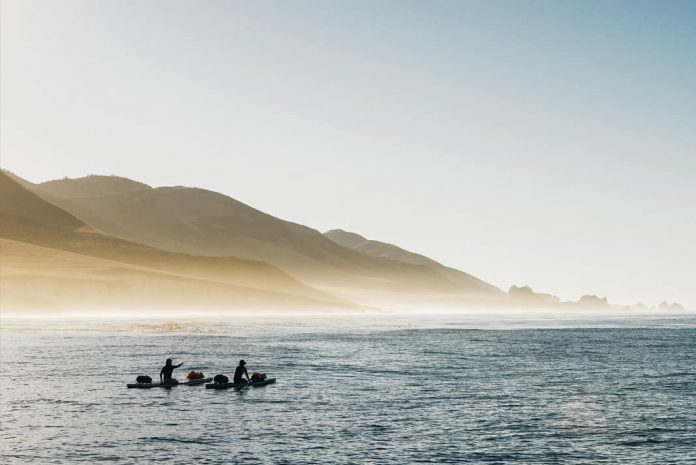
How The Higginbotham brothers paddled the West Coast by hand, 20 miles a day. | Photo: Courtesy Ryan and Casey Higginbotham

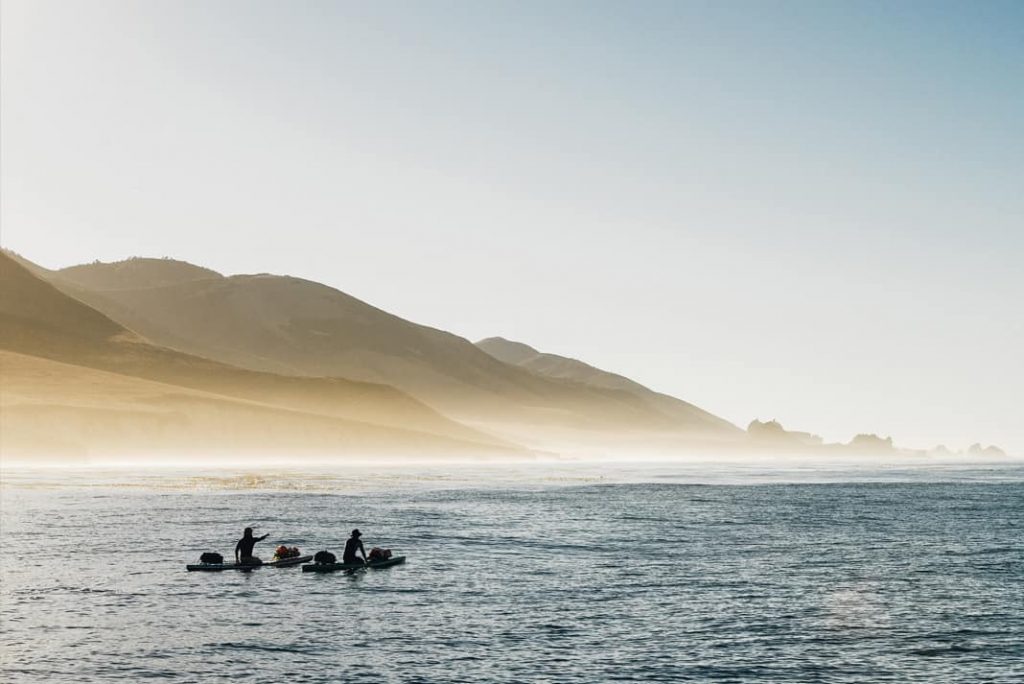
In 2016, twins Ryan and Casey Higginbotham hand paddled their boards 2,200 miles from Ketchikan, Alaska to the U.S.-Mexican border over 208 days. It was their first expedition, and they did it unassisted and with little sponsorship.

The duo describe it as, “the highest of highs, and the lowest of lows.” When they reached the Mexican border, the brothers decided they weren’t truly done.

Late last fall they set out for round two—a second unsponsored, prone paddling expedition. This time, 1,100 miles south from the U.S.-Mexican border to the shores of Cabo San Lucas, Baja California Sur.

Like many audacious ideas, the plan to hand paddle from Alaska to Mexico brewed over beers. The brothers were 22, out of college and looking for a way to push themselves physically and mentally.

“I didn’t have a clue what we were getting into,” says Ryan. Growing up on the shores of southern California, the twins worked as lifeguards and surfed their whole lives. “Prone paddling is what we know and what we love doing, there was no other way to do this trip,” says Casey. “It’s better this way; you’re more connected to the water.”

It wasn’t from a lack of trying that first expedition launched without sponsors. The brothers reached out to more than 30 companies without response. The only person willing to give the brothers a shot was Joe Bark from Bark Boards. “He was the only guy to give us a call back and say, ‘Let’s go for it,’” the Higginbotham brothers say. After receiving their boards, the brothers set about selling everything they owned to fund the rest of the expedition.

We learned how to be uncomfortable every single day

The Higginbotham brothers knew tracing the West Coast by hand was going to be tough, but they were unprepared for just how tough. “We learned how to be uncomfortable every single day,” says Casey. From rotator cuff problems, lower back pain, compressed spines, not getting enough protein and nutrients and hypothermia, Ryan and Casey went through it all.

“We get so used to living in our comfort zones and come to a place where we think we know everything,” says Casey. “We are numbed by social media and easy access to the Internet. We had to learn everything on the go—how to camp, how to be in uncomfortable spots. You grow a lot from a situation pushing your limits.”

[ Paddling Buyer’s Guide: See the largest selection of boats and gear ]

Though they started the first expedition with little, they weren’t in it alone. The had the support from family and friends, and kind-hearted locals helped fill their bellies and offered lifts into town for resupplies.

How The Higginbotham brothers paddled the West Coast by hand, 20 miles a day. | Photo: Courtesy Ryan and Casey Higginbotham

During the two years after the first expedition, the brothers worked odd jobs to make money to fund the next one. Even after the accomplishments of the first trip, it was still difficult to secure sponsorships, so they did without.

The brothers were more prepared for the second trip—they’d refined their launching and landing techniques, their equipment and were more mentally prepared for the journey. In Baja, gone were the heavy wetsuits, gloves and booties they’d needed to fend off hypothermia along the British Columbia coast. However, in Baja potable water was a scarce resource.

The brothers buried six caches of dehydrated meals and energy bars along the coast in advance of the trip, but making meals was a time-consuming progress. It took eight gallons of salt water to create one gallon of freshwater using a portable desalination unit. Tiny fishing villages along the coast were a lifeline, with residents generously offering water and sometimes even fresh fish.

Now back home in California, the brothers are discussing the next adventure: “Something longer and more devastating,” they tease. They’re also working with a filmmaker to make a documentary about their prone expeditions.

“I wouldn’t call it enjoyable,” says Ryan, “but it was fulfilling.”


Trips: Kayak In Seattle, Washington

Seattle is nicknamed “The Emerald City” because of its year round greenery | Photo: Visit Seattle. Alabastro Photography

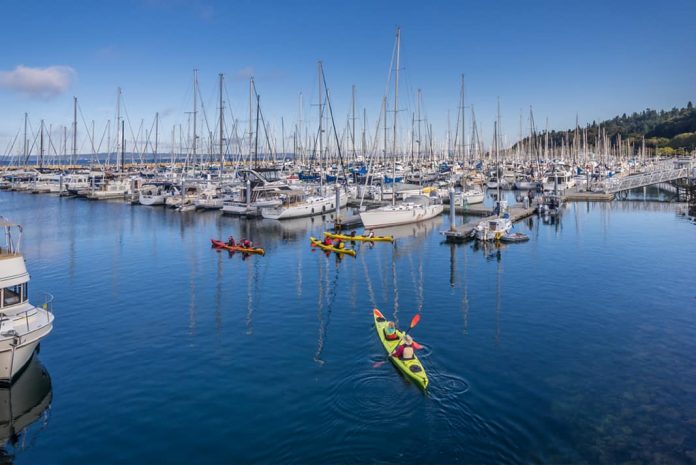
Seattle is synonymous with Puget Sound, a labyrinthine reach of the Salish Sea that defines the city’s geography and history. You could spend a lifetime exploring the arms, inlets, canals and islands of this vast estuary, viewing whales and floating over bioluminescence. Add to this Seattle and the Sound’s role as southern anchor of the Inside Passage coastal route to Alaska, and it’s little wonder the region lures paddlers from around the world.

[ Plan your next paddling adventure with the Paddling Trip Guide ]

Overlooked by many outsiders, however, is the city’s wealth of freshwater paddling possibilities. The largest of these, Lake Washington, borders Seattle to the east and offers an escape from the urban bustle with striking views of Unite the singular, icy hulk of Mount Rainier. Linking the lake to Puget Sound is the busy Lake Washington Ship Canal. Filled with freshwater thanks to the Ballard Locks, the canal makes a wide elbow at the foot of Capitol Hill, forming Union Lake. Kayak, paddleboard and canoe outfitters cluster here, launching tours into both lakes.

Where to Go

Seattle is nicknamed “The Emerald City” because of its year-round greenery | Photo: Visit Seattle. Alabastro Photography

If You Want to go guided

Alki Kayak Tours (www.kayakalki.com) boasts postcard views of the Seattle skyline right from their lovely pebble beach. Two-hour and half-day ecotours visit the Alki Lighthouse and search for harbor seals, sea lions and bald eagles in the environs of Elliot Bay and the Duwamish River mouth.

For an overnight camping adventure, join them for a Puget Sound crossing to Blake Island State Park, where miles of beach and trails through madrona forest invite exploration.

If you Want to paddle and dine

Borrow a boat or board (or launch your own) from the kayak-filled docks at Agua Verde Paddle Club & Café (www.aguaverde.com/ ) on the Ship Canal’s Portage Bay. Tour Seattle’s vibrant houseboat community, drift through serene Washington Park Arboretum, and catch sweeping skyline views from Gasworks Park. When you return, grab a seat at the café’s waterfront deck and savor tasty Mexican cuisine and margaritas served up with a healthy portion of funky, lakeside ambiance.

If you Want to paddle into the sunset

With the sun flaming orange and pink atop the snowcapped peaks of the Olympic Mountains, sunsets on Puget Sound are divine.

Shilshole Bay is a fine spot for sunset paddles, or take a tour in Elliot Bay and gaze back at the Seattle skyline with its glass skyscrapers and the Space Needle reflecting gold against the mauve ridges of the Cascades.

Seattle is nicknamed “The Emerald City” because of its year-round greenery | Photo: Visit Seattle. Alabastro Photography


4 of the greatest river running essential no one talks about

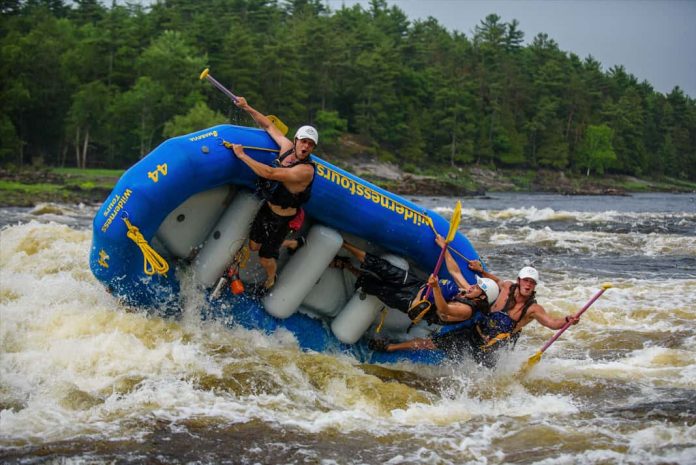
The best memories come from bad ideas done with good friends. | Photo: Robert Faubert

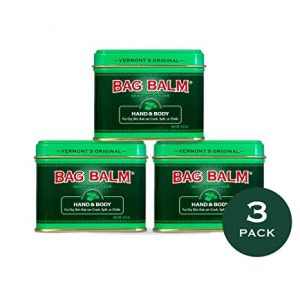
I couldn’t even begin to guess who figured this out first. I grew up on a farm, and it never occurred to me while milking cows and baling hay. Nor as a rookie raft guide doing day trips did it ever get mentioned. But after I talked my way into a multi-day guide job on Utah’s Canyonlands’ rivers it was—I was told in no uncertain terms—absolutely essential every night I slather my feet and hands in cow’s udder salve. Bag Balm to be exact.

Yeah, right, I thought. A joke on the new guy.

No joke. That’s what you do, and it works.

This is how it goes with the essentials. Sometimes we figure these things out for ourselves, but with river guiding’s ingrained mentor model, these things are often passed on from senior guides to the new ones.

The greatest river running essential no one  talks about

1 Bag Balm

A trip to Intermountain Farm Supply—then the only place to get Bag Balm, though the word has now gotten out and now you can find it more easily—for a one-pound tin of medicated cream meant for cows’ udders. It has some magical qualities to deal with hands blistered from the oars and feet cracked from the endless wet-dry cycle. It is essential for river guides. A tin rode in the bottom of my drybag for many years.

BUY ON AMAZON

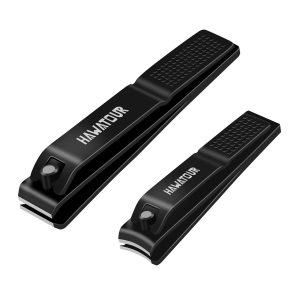
2 Nail clippers

I didn’t think much about my fingernails until I became a guide. And then it became crucial they were as short as possible at all times. Guides carry nail clippers in their life vest pocket.

BUY ON AMAZON

[ Paddling Buyer’s Guide: See the largest selection of boats and gear ]

Most rowing guides hold the oars thumb on end, rather than wrapped under. This means thumbs almost touch as they pass by each other a thousand times a day. Any nail showing means a bloody gouge on the opposing thumb if a stroke gets duffed. Likewise, long toenails get unceremoniously ripped off under cross tubes or when stepped on by clients. Best avoided.

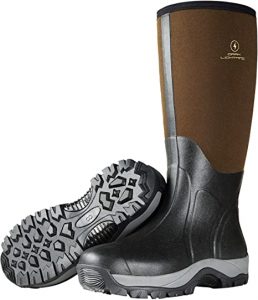
3 Rubber boots

Before my first rip as a northern canoe guide in the Yukon, my trip leader took me to Canadian Tire in Whitehorse to buy a pair. Growing up on a farm, I wore rubber boots sometimes, but for canoe guides, they are essential.

BUY ON AMAZON

[ Plan your next paddling adventure with the Paddling Trip Guide ]

That same trip leader directed me not to buy just any rubber boot, but the one with a liner, so it can be pulled out to dry at night, and a nylon cuff. She went on to show me how to replace the cuff lace with bungee and a cord-lock, making them pretty much soaker proof. Essential.

4 Channel lock pliers

I could also tell you about channel lock pliers, a frame wrench, or butane lighters—all also essential. But for me, it’s not so much about the essentials themselves. Many have their own personally approved packing list, or you can Google a generic list at a moment’s notice.

BUY ON AMAZON

The real story is the people who introduced them to me. It’s the guide-vine passing on this knowledge and the mentor relationships found in every guide team. Sometimes these essentials are passed on with genuine caring, other times with impatience and an undertone of “How can you not know this?”

I remember these mentors, and owe them all a nod every time I have a frame wrench at my fingertips when an oar stand slips; every time I replace the laces in a new pair of rubber boots (or step in over the tops and get away scot-free!); and every night as I massage cow udder salve into my feet.

I appreciate those who have come before me and took the time to pass on the little pieces of their hard-earned expertise—perhaps passed down to them by their mentors. Another essential.

Tools in my pocket and pieces of gear come and go, but a mentor’s impact is everlasting.

Jeff Jackson is a risk management professor at Algonquin College, on the banks of the Ottawa River.

The best memories come from bad ideas done with good friends. | Photo: Robert Faubert