Home Blog Page 195

A Lesson to Live By

Sean Danielson is a lucky man.

After nearly three hours in the frigid waters of Chesapeake Bay, the kayak fisherman was hypothermic and barely conscious. The sun had just set, and if Lana Lohe hadn’t put her camera down at that instant and caught the unusual streak of green in the corner of her eye, then Sean Danielson would certainly have died that April evening. The mere fact that Lohe and her husband Robert passed that spot at that moment, after 18 days sailing from the Bahamas, was an extraordinary coincidence. A miracle, some would say. After all, theirs was the only boat Danielson had seen all day.

Sean Danielson is indeed a lucky man, but there’s a lot more to the story of his capsize and rescue than luck, or the everyday heroism of those who pulled him from the freezing bay waters. And, like many things in life, it began with a little fatherly advice.

Danielson grew up fishing with his dad, and when he moved home to Connecticut to help after his father broke a hip a few years ago, they picked right up where they’d left off. Often, they fished from kayaks, and on those hot summer days when Danielson would slip off his life jacket and set it behind his seat, his father would gently chide him.

[ Paddling Buyer’s Guide: See All SUP Leashes & Safety and Rescue Gear ]

“I mean, we were 100 yards from shore, and the lake was like glass,” Danielson says. “But he always said, ‘Sean, that kayak isn’t very buoyant. You know you should keep wearing that life jacket.’”

The lesson stuck, and when Danielson moved to Maryland and began fishing the sometimes-turbulent waters of Chesapeake Bay, he never failed to wear his lifejacket. As the striped bass season neared in the spring of 2018, he became obsessed with catching the hard-fighting trophy fish from his kayak. The books he read and the old-timers he talked to all had the same advice: Fish the drop-off, where the depth goes from about 10 feet to 40 feet or more. That’s where the stripers are.

He bought a depth finder, and one Saturday that April he paddled out into the bay for what seemed like miles. By the time he got back to the dock his girlfriend had already gone home—she thought he’d decided to paddle all the way across the bay. In fact, he hadn’t gone far enough. He didn’t find the depth line.

That Wednesday he tried again, starting at about 3 o’clock in the afternoon and paddling due east into the bay. This time he didn’t tell anyone where he was going. Dressed in jeans and a long-sleeved shirt under his lifejacket, he was comfortable enough in the 55-degree weather. The water temperature however was just 47 degrees. Danielson, who had done almost all of his kayaking on protected lakes, took a few minutes to find his paddling rhythm in the choppy bay. “It was awkward at first, but I learned to just relax, keep my center of gravity low and just kind of go with it,” he says.

He was about two miles out when the wave caught him. “I didn’t see it,” he says. “There was no warning, just a big wave that came from the side and rolled me over. It just happened instantly, and all of a sudden I was in the water.”
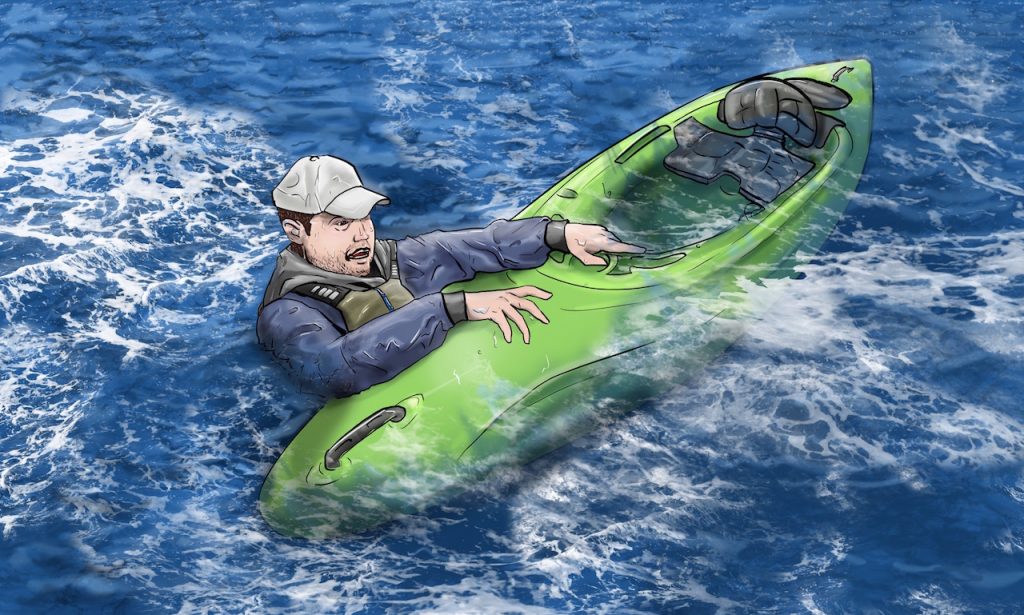
Danielson Illustration - Flipped into water

From that instant, the clock was counting down.

Thanks to his lifejacket he wasn’t at immediate risk of drowning, which is the leading cause of kayaking deaths. But the next most common cause of kayaking deaths is hypothermia. In 47-degree water, a healthy man of Danielson’s size can expect to survive anywhere from one to three hours. It’s an inexact science, but there was no uncertainty about the setting sun. It would slip below the horizon in less than three hours, taking all realistic hope of rescue with it.

Danielson took stock of his situation.

“I remember specifically telling myself to stay calm. I told myself, ‘It’s OK. Flip the kayak over and get back in.’” But when he righted the kayak, I was completely full of water. He was paddling an Old Town Vapor 10, a 10-foot sit-inside kayak that retails for a few hundred dollars. A reasonably athletic kayaker can scramble aboard a sit-on-top kayak after a capsize, and with practice it’s possible to remount a sit-inside kayak if it’s equipped with bulkheads dividing the hull into separate watertight compartments. The task is almost impossible in a kayak like Danielson’s, a sit-inside with no bulkheads.
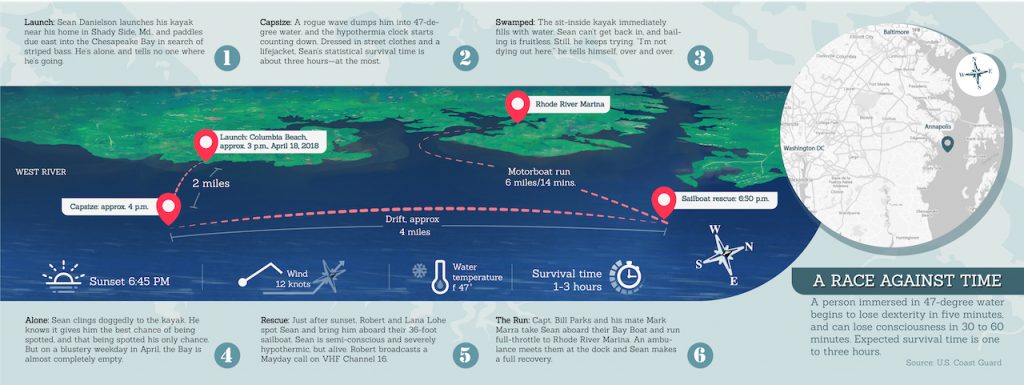
Danielson Map Graphic

“I flipped it over and it was so full of water it just flipped over again. I kept flipping it over again and again and again. I’d turn it over, and it would be sitting below the surface,” he says. “I started to realize this wasn’t going to work.”

He scanned the horizon for boats, but saw none. Nobody knew he was out there.

He thought about leaving the kayak and swimming for shore, but he decided that staying with the kayak gave him the best chance of being seen, and being seen was his best chance of survival. Realistically, it was his only chance.

“In the beginning, I told myself I am not going to die in the Chesapeake Bay. It’s just not gonna happen,” he says. For more than two hours, as the sun tracked toward the horizon, he kept trying to right the kayak. He tried straddling the upside-down hull, but couldn’t keep his balance. He found a cup floating in the water and tried to bail, but it was no use.

“I flipped it over and it was so full of water it just flipped over again. I kept flipping it over again and again and again. I’d turn it over, and it would be sitting below the surface,” he says. “I started to realize this wasn’t going to work.”

The bay was completely empty, except for the container ships ghosting down the shipping channel. They were as far from Danielson as the shore—about two miles—but still he waved and wailed on the orange plastic whistle clipped to his lifejacket.

“As time went on I was getting colder,” he says. “I was getting tired, but I was not going to stop flipping that kayak. I said, ‘I’m not going to die not trying.’”

“As time went on I was getting colder,” he says. “I was getting tired, but I was not going to stop flipping that kayak. I said, ‘I’m not going to die not trying.’”

That same evening Lana and Robert Lohe were motoring north in their Catalina 36 Our Diamond. They’d spent the previous six months living aboard the 36-foot sailboat in the Bahamas. Now, after 18 days travelling up the Intracoastal Waterway they were barely an hour from their Annapolis home.

[ Paddling Buyer’s Guide: See All SUP Leashes & Safety and Rescue Gear ]

“We were reflecting on what a wonderful trip we’d had, and I was taking pictures of the sun setting—it was a beautiful sunset—and just when I was getting ready to set the camera down I saw something,” Lana Lohe says.  She thought it looked like a piece of carpet; to Robert it looked like a patch of seaweed. But when she looked again with the binoculars she saw an arm moving.

“I told Robert, ‘I think there’s somebody in the water. Oh my gosh there’s somebody in the water. Turn! Let’s go!’” she recalls. Now they could hear Danielson’s whistle, and see that the splash of color wasn’t carpet or seaweed. It was an overturned kayak.
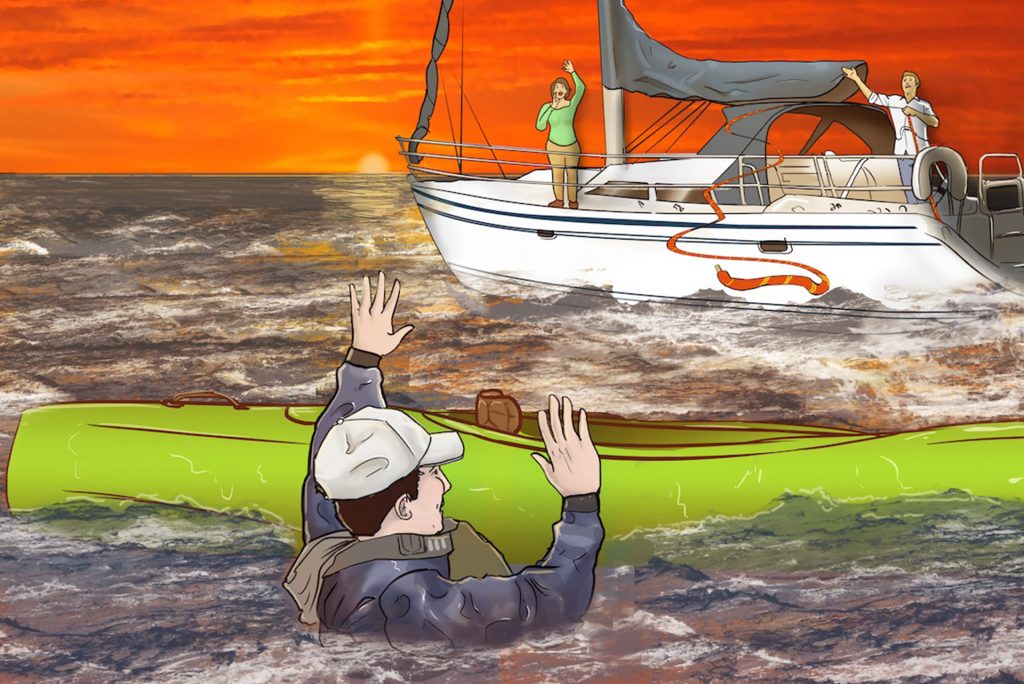
A Lesson To Live By

The couple immediately went into rescue mode. Our Diamond was motoring, but even with no sails to douse, it took a few passes to get a line to Danielson, and then for Robert to grasp his hand and help him to the swim ladder on the vessel’s stern. Next he made a radio call on VHF Channel 16: “Mayday! Mayday! Mayday! This is sailing vessel Our Diamond. . . .”

The Coast Guard responded instantly, and as Robert reported his location and the nature of the emergency he looked over his shoulder and saw that Danielson was still in the water clinging to the ladder. He was too cold to move. Robert set the radio down for a moment, grabbed Danielson under the armpits and heaved him aboard. Lana bundled him in a fleece blanket. He was safe for the moment, but still dangerously hypothermic. He needed to get to a hospital, and fast.

The moment Capt. Bill Walls heard the Mayday call, he pointed his 29-foot bay boat at the only sailboat in sight. As he closed the three-quarter-mile distance to Our Diamond, he hailed Robert on the VHF, asking if he could render any assistance.

Robert said yes. Our Diamond makes about 8 knots flat-out. Walls’ motorboat is nearly four times that fast, and time was of the essence. They decided to transfer Danielson to the faster boat, a feat that required no small measure of strength and seamanship.

They brought the boats together stern-to-stern, and with Lana handling the lines the three men—Walls, his mate Mark Marra and Robert Lohe—passed the semiconscious Danielson into the motorboat.

“I normally don’t run a boat that hard on the first trip of the year but I had her wide open, because I knew he needed help and he needed help quickly,” Walls says. Danielson was “reddish purple” and falling in and out of consciousness. Marra got him out of his wet clothes and into a dry sweatshirt, then kept him talking. Whenever Danielson started to drift off, Marra would slap his cheeks, his shoulders, his legs. He kept up a running banter, even cracking jokes.

“We asked him what he was doing out here, and he said ‘fishing,’” Walls says. “So we asked him if he caught anything.”

As they raced for shore, Walls and Robert Lohe worked the VHF. When Walls roared in to Rhode River Marina it was already full dark, and the lot was full of flashing lights. Danielson was admitted to the hospital with a core body temperature of 80 degrees, and over the coming days he made a full recovery. He even bought a new sit-on-top fishing kayak to target largemouth bass on inland waters.

So yes, Sean Danielson is indeed a lucky man.

If you’ve been reading closely, you may be keeping a mental checklist of the cardinal safety rules Danielson ignored or perhaps didn’t even know. He wasn’t dressed for cold-water immersion. He paddled alone, and didn’t tell anyone where he was going. He lacked experience on open water and his kayak, to put it charitably, was little better than a pool toy.

But here’s the thing: Most kayakers have made those same choices. Many kayakers have made them recently, and often. So though Sean Danielson is a lucky man, he is not an unusual one. Any one of us could find ourselves in his place, or that of the people who saved his life. If we do, we can only hope we respond with Danielson’s determination, or the selflessness of his rescuers. Walls says anyone would have done the same in his shoes. “It’s the golden rule. You treat people how you want to be treated, and you help them in times of need.”

In the end, that’s why Danielson agreed to sit down in front of a camera and recount his ordeal. To pay it forward. Because for all the things he got wrong, the one he got right—wearing his lifejacket—provides a lesson all of us can live by.
YETI Unveils New Rambler 24 oz Mug and new Color Collections

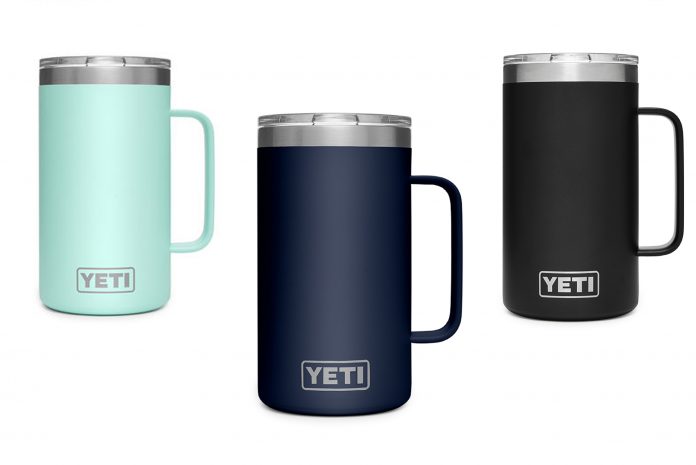
YETI 24oz Rambler

YETI Holdings, Inc., a leading premium outdoor brand, announces a new addition to its tried-and-true stainless steel Rambler Drinkware line—the Rambler 24oz Mug. In addition, the company also reveals three new color collections, Reef Blue, Sand, and Canyon Red.

“We are committed to expanding our product lines while continuing to lead with innovation, durability, and creativity,” says YETI CEO, Matt Reintjes.

“From having a cold one with friends, to remote adventures, we aim to elevate experiences in the wild.”

Designed with cold beer in mind, the Rambler 24oz Mug is for those who have superior taste, and require an unbreakable vessel for every occasion. Featuring elements that YETI fans have come to know and love, the dishwasher safe Rambler 24oz Mug is constructed with traditional Rambler 18/8 kitchen-grade stainless steel, double-wall vacuum insulation, and the brand’s ultra-strong QuadgripTM Handle built for celebratory cheers.

The Rambler 24oz Mug will be available for $29.99 on yeti.com and at official YETI retail partners this Spring in four color options: Stainless, Black, Seafoam and Navy.

The introduction of Reef Blue, Sand, and Canyon Red continue YETI’s tribute to outdoor pursuits with color inspired by true events.

Inspired by the vibrant, tropical waters surrounding the Florida Keys—serving as the gateway to everything from sailfish to grouper—YETI’s new Reef Blue color is symbolic of year-round opportunities that anglers, divers, and recreationalists alike find in the shallow waters.

The new Sand color collection is influenced by the bedrock color of remote adventures, ranging from overlanding through the dunes of Baja, scouting the next best spot for roosterfish, or paddling out when the swell is pumping.

To find Canyon Red, YETI went west, to the rugged, high-elevation terrain of sculpted sandstone. These grand mesas and spire summits of the American Southwest hide in plain sight a wilderness that has for centuries been sacred land and has more recently cultivated a climbing community. The Canyon Red collection is inspired by this natural phenomenon and those who set out to explore it.

YETI products available in Reef Blue include: Camino Carryall 35, Roadie 20, Tundra 35, Tundra 45, Tundra Haul, Rambler 10oz Wine Tumbler, Rambler 20oz Tumbler, Rambler 30oz Tumbler, Rambler 14oz Mug, Rambler 18oz Bottle, and Rambler 36oz Bottle.

YETI products available in Sand include: Camino Carryall 35, Rambler 10oz Wine Tumbler, Rambler Lowball, Rambler 16oz Stackable Pint, Rambler 20oz Tumbler, Rambler 30oz Tumbler, Rambler 26oz Bottle, and Rambler 36oz Bottle

YETI products available in Canyon Red include: Rambler 10oz Wine Tumbler, Rambler Colster, Rambler 20oz Tumbler, Rambler 30oz Tumbler, and Rambler 36oz Bottle

For more information regarding YETI’s new Spring 2019 products, please visit yeti.com.

About YETI Holdings, Inc.

YETI is a designer, marketer, retailer, and distributor of a variety of innovative, branded, premium products to a wide-ranging customer base. Our brand promise is to ensure each YETI product delivers exceptional performance and durability in any environment, whether in the remote wilderness, at the beach, or anywhere else life takes you. We bring our products to market through a diverse and powerful omni-channel strategy, comprised of our select group of national and independent retail partners and our DTC channel. By consistently delivering high-performing products, we have built a following of engaged brand loyalists throughout the United States, Canada, Australia, and elsewhere, ranging from serious outdoor enthusiasts to individuals who simply value products of uncompromising quality and design. Our relationship with customers continues to thrive and deepen as a result of our innovative new product introductions, expansion and enhancement of existing product families, and multifaceted branding activities.

Wilderness Systems Pro Team to Compete in Kayak Bass National Championship Challenge Cup

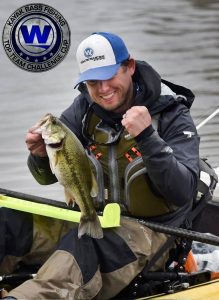
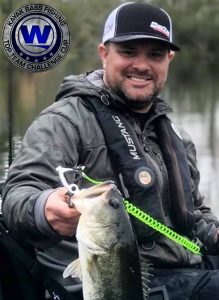
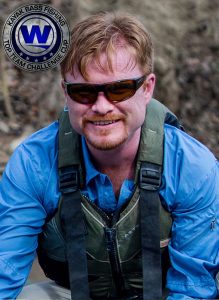
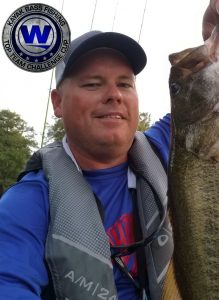
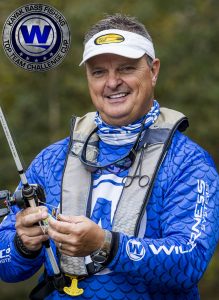
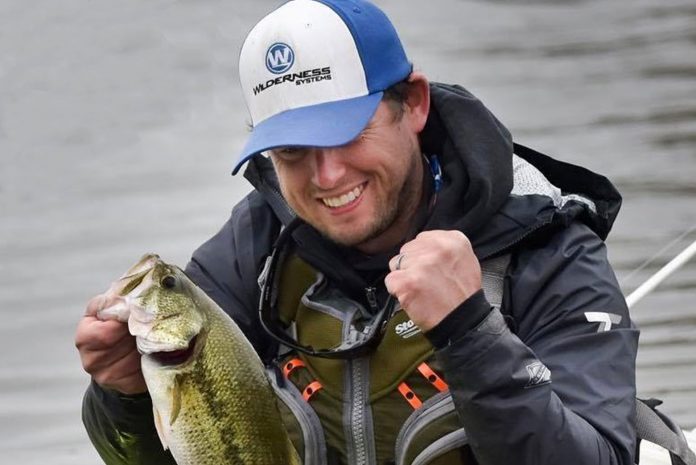
Premium kayak brand Wilderness Systems’ professional team will be going up against the best in the nation in the Kayak Bass Fishing National Championship. Highly decorated fishermen Craig Dye, Tim Perkins, Dwayne Taff, Cory Dreyer and Lance Coley will all be heading down to Louisville on the weekend of March 28th to compete in this prestigious event.

The Kayak Bass Fishing National Championship has been the pinnacle of kayak bass fishing competition in the United States since its introduction, but this year the team seeks to solidify its position on top of the rankings.

Wilderness Systems Dakota-Wildy

The Wilderness Systems team has chosen their boats for competition, and for Dye, Taff, Perkins, and Dreyer that is the A.T.A.K 120 and 140 with the Wildy Torqeedo Throttle Mount and Foot Control Kit. This setup provides a wide range of motion with hands free maneuvering.

Lance Coley captains a Commander 120 which is also Perkin’s second kayak. The team keeps their boats stocked with the gear and tools that give them the highest chances of success on the water. Gear is important while on the water, with limited room onboard, everything a competitor takes must be essential.

The Wildy team’s must-haves include the latest accessories from Wilderness Systems like the Kayak Krate for storage, a water tight Xpel Dry Bag, with Mesh Storage Sleeves and Tackle Box to keep their gear organized and easily accessible.

Wilderness Systems is also proud to announce that Dye has been chosen to represent the United States in the 2019 Pan-American Kayak Bass Championship.

Taking place in Cookeville, TN on April 26-27, 2019, teams from across the globe will gather to compete in this first ever Confederation Internationale de Peche Sportive sanctioned, two-day event.

Dye, alongside the rest of the picks for Team USA, boasts an impressive list of championship titles that speak to their expertise on the water, providing a clear justification for President of USA Bass, Tony Forte’s selection.

“It is an honor to be chosen as a representative for the United states for this inaugural international event”, said Dye. “There has never been an international kayak bass fishing tournament of this size and I and the rest of Team USA are excited to put our best foot forward and show the rest of the world what we have got.”

The Pan-American Kayak Bass Championship is the premier kayak fishing tournament in the world. It’s high- caliber competitors have never before been pitted against one another on this level of the sport.

This event will give the world a closer look into competitive kayak angling as a sport on the heels of the 2020 Olympics, where other like-minded outdoor sports will make their inaugural appearance.

Wilderness Systems’ full lineup of team athletes is available online at wildernesssystems.com. For more information, visit wildernesssystems.com. Follow the brand on Instagram at @wildyfishing and Facebook at @WildernessSystemsKayakFishing.

@wildyfishing #wildyfishing

About Wilderness Systems

Innovative award-winning designs, premium outfitting, and uncompromising attention to detail have made Wilderness Systems an industry leader since 1986. Today the brand continues to push the limits of technology, performance, comfort, responsiveness, and aesthetics.

Taking that same drive into the angling market with high-quality fishing kayaks and angling accessories. Wilderness Systems now offers the ultimate on-the-water experience from expedition touring paddlers to passionate anglers and recreational boaters.

Explore Wilderness Systems, part of the Confluence Outdoor family of Made in the USA brands, at WildernessSystems.com and join the Wildy Community.

Dangerously Close Call With SUP Caught In Wind Storm

Karen Langer had a close call while paddleboarding in Christchurch, New Zealand. In the video you see her paddling up to the beach in Cass Bay, and the moment after she gets off the board, the wind picks the board right off the water sending it right over her head nearly hitting her.

[ See the largest selection of boats and gear in the Paddling Buyer’s Guide ]

This is one of those fluke moments that are difficult to prepare for. Having a leash attached may have helped but with such strong winds it also could have still caused her harm.

It is important to keep an eye on weather forecasts before you go paddling. If there is any chance that the weather could take a turn for the worse, it is a good idea to remain close to shore or stay off the water altogether.

Kokopelli Showcases Recon Packraft, Animas River Bag And Delta Inflatable Dry Bag

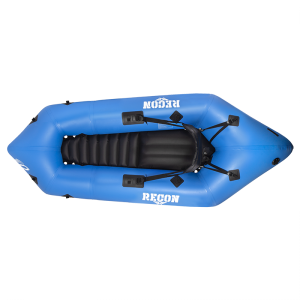
Kelley Smith with Kokopelli Packraft takes us through the new Recon Packraft targeted at avid whitewater paddlers. The Recon differentiates itself from the rest of the Kokopelli lineup with a reinforced PVC construction making it ultra durable and slightly heavier than other models that are five to 10 pounds. The Kokopelli Recon comes in at 18.5 pounds and is meant for road-to-river day trips and whitewater laps after work.

Kokopelli Recon Packraft
Kokopelli Recon Packraft | Photo: Courtesy Kokopelli Packraft

Similar to the Nirvana series, this is a self-bailing packraft with holes in the floor and a nine inch inflatable floor and seat combo, keeping you elevated above the water line. Thigh-strap attachment points allow added control for ultimate whitewater performance.

View Kokopelli Recon

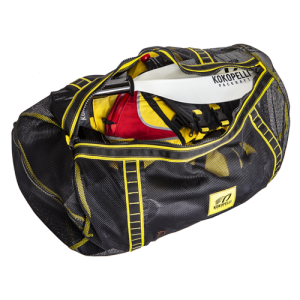
Kokopelli Animas River Bag
Kokopelli Animas River Bag | Photo: Courtesy Kokopelli Packraft

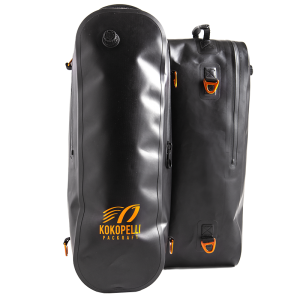
Also new to the Kokopelli lineup is their Animas River Bag, a mesh duffle bag with multiple attachment points and their Delta Inflatable Dry Bags. Stuff your gear into the Delta Dry Bags, inflate and keep your gear buoyant on the river. The Animas River Bag will fit two of the Delta Dry Bags.

Kokopelli Delta Inflatable Dry Bags
Kokopelli Delta Inflatable Dry Bags | Photo: Courtesy Kokopelli Packraft

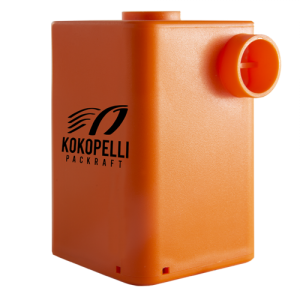
Finally, they also introduced their Feather Pump which is a USB rechargeable pump that only weighs six ounces and will inflate your raft in 60 seconds. They mention on the website that the Feather Pump has a 60-minute battery life which works out to 50 inflations and deflations.

Kokopelli Feather Pump
Kokopelli Feather Pump | Photo: Courtesy Kokopelli Packraft

Visit Kokopelli Packraft

Video: Canoeist Stars In Beer Ad

Cross-Canada canoeist Mike Ranta can now add beer star to his resume. Ranta recently made a surprise appearance paddling a voyageur canoe in a commercial for Manitoulin Brewing Company’s new Killarney Cream Ale.

Manitoulin Brewing Company made the first delivery of Killarney Cream Ale via a 30-foot cedar-strip voyageur canoe. A small group departed from the brewery in Little Current on Manitoulin Island and paddled 25 miles of Lake Huron’s Georgian Bay to the quaint town of Killarney.

Photo essay from Mike Ranta’s third cross-Canada voyage 

“This epic voyage transcended the odds. We succeeded in paddling through high winds, three-foot waves, rain, snow, and thankfully a little sun,” the company posted to its Facebook page after the frigid November journey.

The publicity stunt inspired a new canoe and kayak race called the Current To Killarney. It follows the same route and debuted on July 6, 2019.

Borderlands

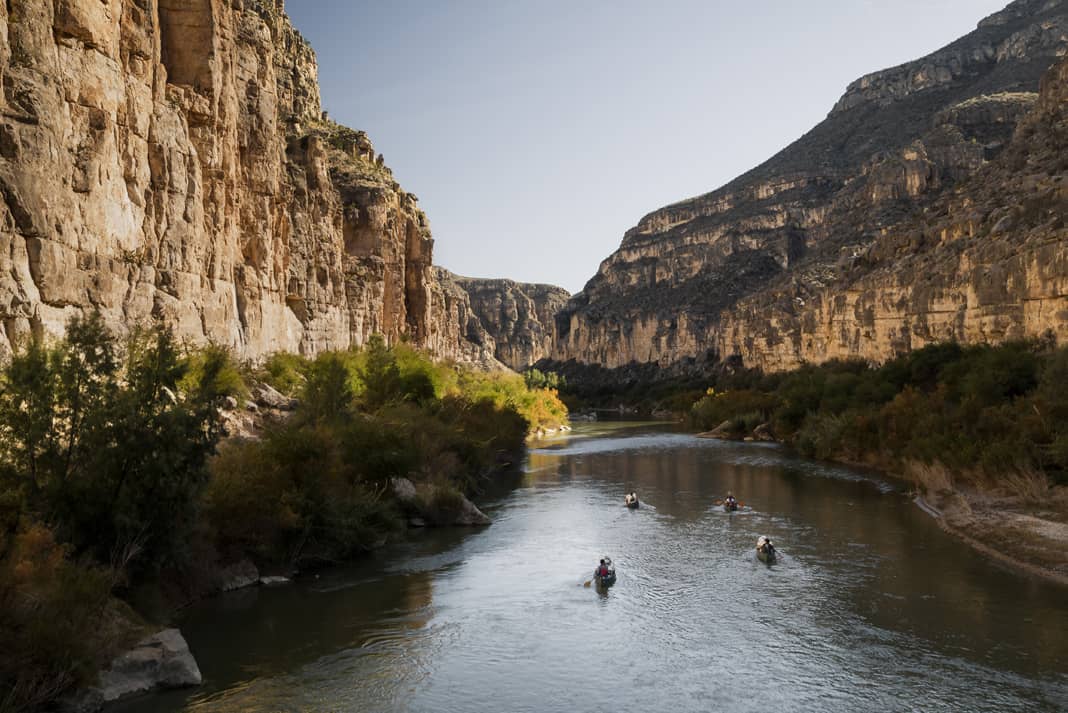
After completing a 62-day, 1,200-mile traverse of the contentious United States-Mexico border, Ben Masters came to a simple conclusion: “I don’t see how you could build a border wall more difficult to cross than this landscape,” says the Austin, Texas-based filmmaker.

The natural canyon walls of the Rio Grande were formed by tectonics and erosion, free of charge. | Photo: Courtesy The River and The Wall

Masters made the journey in the winter of 2018 with National Geographic wildlife photographer Filipe DeAndrade, Rio Grande River guide Austin Alverado, ornithologist Heather MacKay and parks and wildlife activist Jay Kleberg. The team traced the length of the Rio Grande from El Paso to the Gulf of Mexico, mountain biking muddy terrain, testing the limits of Masters’ trail horses on mountains of loose rock, and surviving numerous close calls while paddling overloaded canoes in the whitewater canyons of Big Bend National Park. Masters describes the expedition as a fact-finding mission “to explore how a 30-foot wall built on the U.S. side of the river would impact wildlife dispersals, water access, private property rights, immigration, public lands, and border culture.”

The resulting cinematic documentary, The River and The Wall, premiered at the 2019 South by Southwest Film Festival in March. “For hundreds of miles, the Rio Grande and the border is flanked by massive canyons and gnarly mountains,” says Masters. “Constructing a man-made wall anywhere close to the river in many of these stretches is not physically feasible.” 

Large swathes of the rugged borderlands are devoid of human life and provide habitat for some of the greatest biological diversity on the continent, including wolves, black bears and hundreds of bird species, all of which travel freely between the U.S. and Mexico. The borderlands also contain some of the last remaining public lands in Texas. Masters presents the scenic, incredibly biodiverse Big Bend as an ideal candidate for a binational peace park—initially envisioned by former U.S. president Franklin Roosevelt—similar to existing protected areas along the Canada-U.S. border, to preserve the unique landforms and wildlife that do not recognize political boundaries.

Masters includes interviews with Texas Congressmen representing both sides of the political aisle; both Republican Will Hurd and Democrat Beto O’Rourke describe integrative solutions to immigration and border security rather than constructing a monumental wall. Near the Gulf of Mexico, where the Rio Grande supports some of the continent’s most fertile agricultural lands, Masters speaks with multi-generational farmers who recoil at the prospect of a federal “land grab.” Since the wall would be constructed on American soil, it would effectively relinquish a corridor of land to Mexico.

Washington is already extending the existing 700 miles of border fence. Masters says his team was among the last people to experience parts of the Rio Grande where new barriers are currently under construction. “When we filmed the documentary, we often thought ‘I wonder if this will be the last image of this place before a wall is built?’” he says. “Hopefully, people in the future will be able to look at our images and see how incredible the Rio Grande and the landscapes she carved were before a wall was constructed.”

“I wish people would go down to the border and see it for themselves,” adds Masters. “It’s an amazing place with beautiful landscapes, beautiful wildlife, and rich culture. The border I see in the media isn’t the border we witnessed on our journey or the border I know. You should go there.”

The River and the Wall from Gravitas Ventures on Vimeo.


The natural canyon walls of the Rio Grande were formed by tectonics and erosion, free of charge. Photo: Courtesy The River and The Wall


Umingmaq Paddle Touring Center Showcases Greenland Style Gram Kajak Paddles

Matt Magolan with Umingmaq Paddle Touring Center in central Wisconsin takes us through the Gram Kajak paddles. These are a Greenland style of paddle made by Lars Gram in Denmark. A avid kayaker himself, Gram found he was finding ordinary paddles to cause back problems and sore joints and set out on a mission to create what he believed to be the perfect kayak paddle. Paddles from Gram Kajak are targeted at those who want to paddle without any sound and with as little fatigue as possible.

These paddles are made in both composite and wood layups and are designed to be a two piece paddle. A cool feature of these paddles is the hexagonal ferrule that takes strain off the button holding the ferrule in place. Umingmaq is the only US dealer of these paddles.

Umingmaq is also a dealer for Tiderace Sea Kayaks, Venture Sea Kayaks, Scott Canoes, Bluewater Canoes, Impex Kayaks and a variety of other paddling accessories brands.

Roll Back: How To Regain Your Forgotten Whitewater Skills

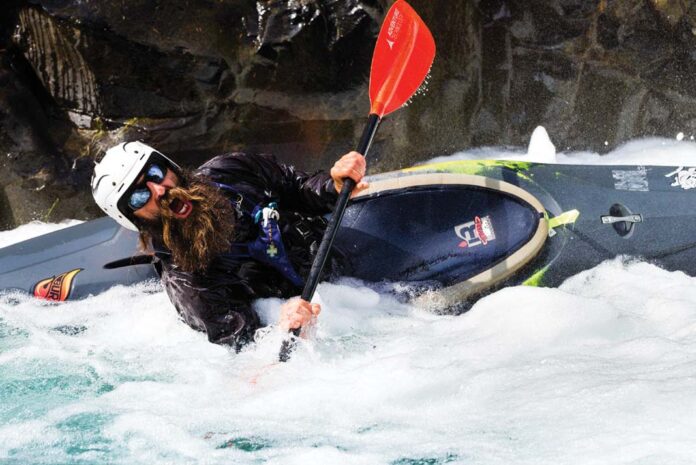
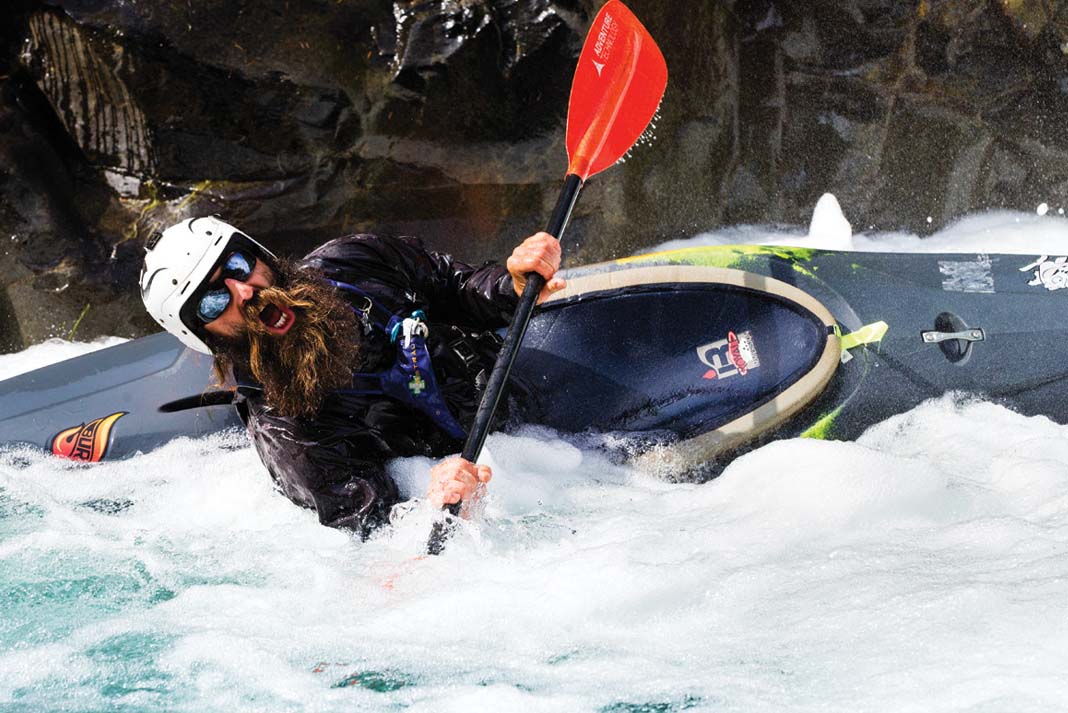
whitewater kayaker with beard opens his mouth as he leans hard through whitewater

A friend recently called me frustrated and wondering what was wrong with his paddling. In the past, he had kayaked class IV to V rivers, but demands from his business had cut his time on the river to nothing for the last four years. Determined to pick up the sport again, he found a couple partners, and launched onto a solid class IV run on which he used to feel comfortable. It was a nightmare. He used the wrong strokes, caught edges and flipped. He thrashed until out of breath then swam. Frustrated, he felt he’d lost every skill he ever had. He’s a smart, self-made business success, and accustomed to learning easily. However, whitewater had been difficult for him and the skills he had to regain symbolized a slow, hard-won struggle. Failure hit him hard. “Will I ever be able to paddle again?” he asked me.

Roll back: How to regain your forgotten whitewater skills

Whitewater kayaking can present surprises where suddenly all your hard work and practice seem to vanish. Your bomber roll doesn’t work. Fun and confidence quickly become frustration and even fear.

This is a common experience and happens to excellent athletes and intelligent people. The good news is that it is relatively easily dealt with once you understand the dynamic nature of how your skills are learned and retained.

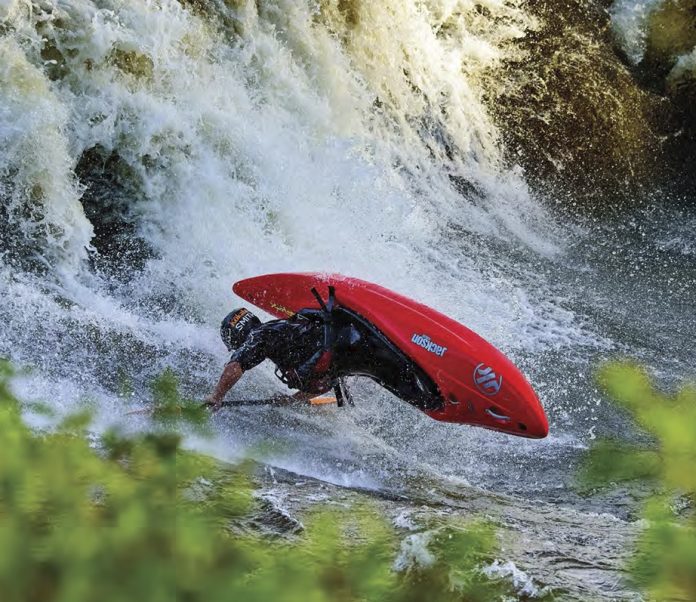
Fragmentation can occur for all kinds of skills, like shaving. Paddler: Trevor Sheehan | Feature photo: Tyler Roemer

My friend’s struggle illustrates what few people understand: the fragmentation of already learned skills. This is distinct from “forgetting.” Fragmentation refers to the breakdown of our skill into the subparts we originally practiced while building technique. The skill literally falls apart. This can happen from over-practice, insufficient rest or a paddling hiatus.

Jumping into a situation that is too difficult—like my friend’s class IV run—is the worst thing you can do. The overall skill is already fragmented into sub-skills, so the difficulty forces mistakes and you cannot resurrect the moves you need in the moment. Every mistake generates a cascade of errors and in the worst case, a total break down of technique.

Practice puts the pieces back together

Fragmentation of learned skills can be reversed by reinstating the original practice schedule. This creates a process called consolidation, the opposite of fragmentation. One can reverse fragmentation in some simple skills, after periods of one month to as long as 15 years, in one practice and rest cycle. Research has shown that after 28 years of not doing the simple skill, people regained 100 percent of their prior performance levels with just two practice and rest cycles. Anything you practiced is fully retained regardless of time elapsed, but you have to reinstate the practice schedule to see it.

Of course, whitewater kayaking is not a simple skill. Consolidation and fragmentation take longer due to its complexity, but the principles are the same. For easy whitewater skills, performance can be regained in a few outings, while many outings or even a season are required for higher level skills on difficult whitewater.

Fragmentation that occurs with non-use degrades skill. This is not “forgetting.” Coming back to the sport after a lapse, you need to reinstate your technique, reflexes, and judgment by doing a graded sequence of runs, carefully practicing all the basics. Learning is not static; it is always changing.

Getting on a roll again

In particular, the roll requires the coordination of at least three dissimilar, difficult to time and coordinated sub-skills (paddle slash/sweep, rolling hips and knee engagement), done in an awkward, upside-down position. Rolling is uniquely prone to fragmentation, and so it is typically the first skill that disappears.

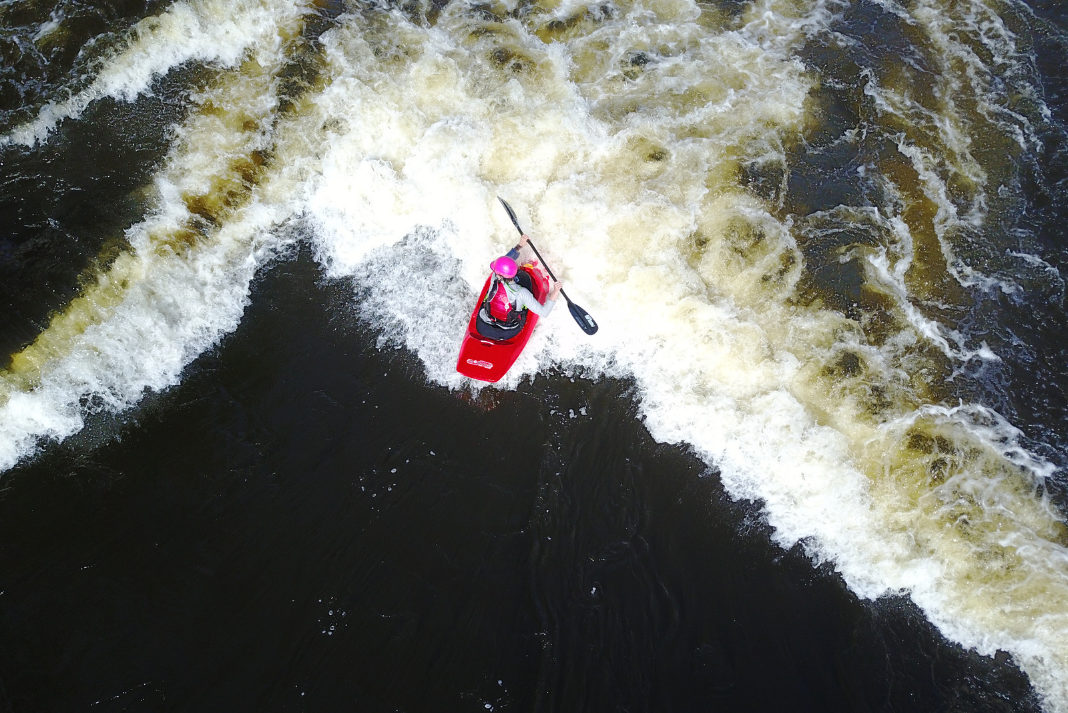
whitewater kayaker surfs wave

However, your skills are never lost, they are just abiding, waiting for you to reinstate them. Each spring, take care to reverse any fragmentation that occurs by non-use. Or if you come back after a decade, don’t despair, because all of it will return. Be especially careful to reinstate your roll. It is the key to safety and fun. The roll allows you to make mistakes and get flushed, but pop back up to try again.

No other adventure sport comes so loaded with learning as our game of flow with the rivers of the world. Your learning is as dynamic as the river, which is precisely why we can leave the solid world behind and find such joy adapting to the new fluid one.

Doug Ammons is a world-class kayaker, PhD in psychology, author and speaker. He is known for making the first solo descent of the Grand Canyon of the Stikine.

cover of Rapid Magazine, Spring 2017 issueThis article was first published in the Spring 2017 issue of Rapid Magazine. Subscribe to Paddling Magazine’s print and digital editions, or browse the archives.

Fragmentation can occur for all kinds of skills, like shaving. Paddler: Trevor Sheehan | Feature photo: Tyler Roemer


What Was The Trick You Were Most Proud Of Learning ?

Photo by: Daniel Stewart
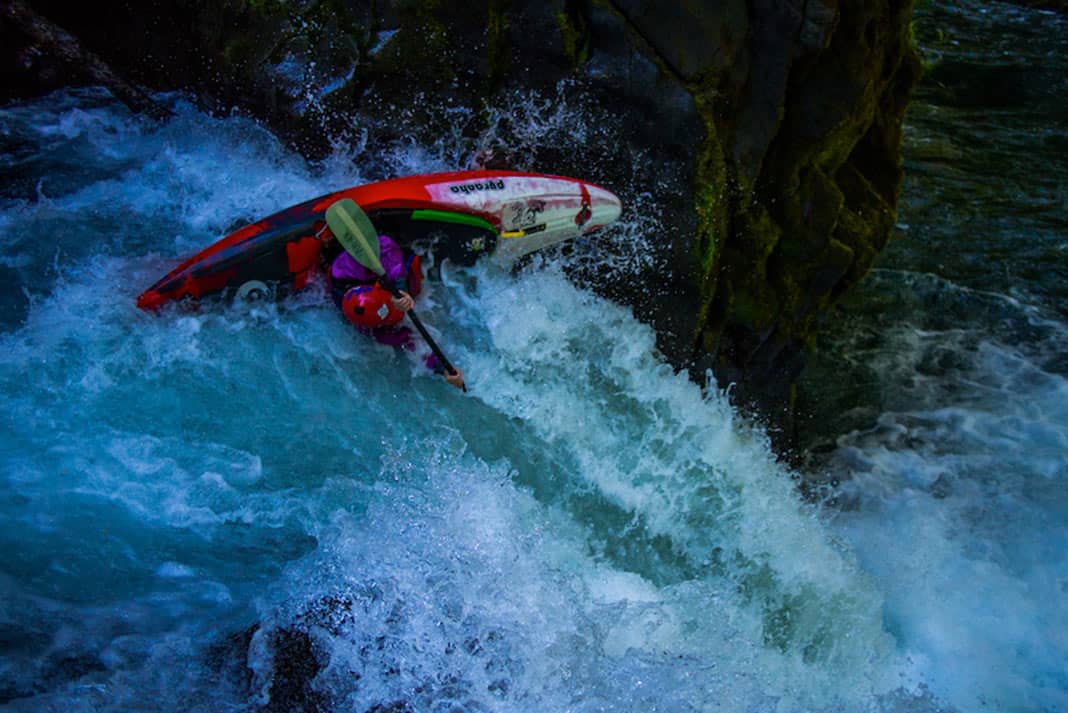
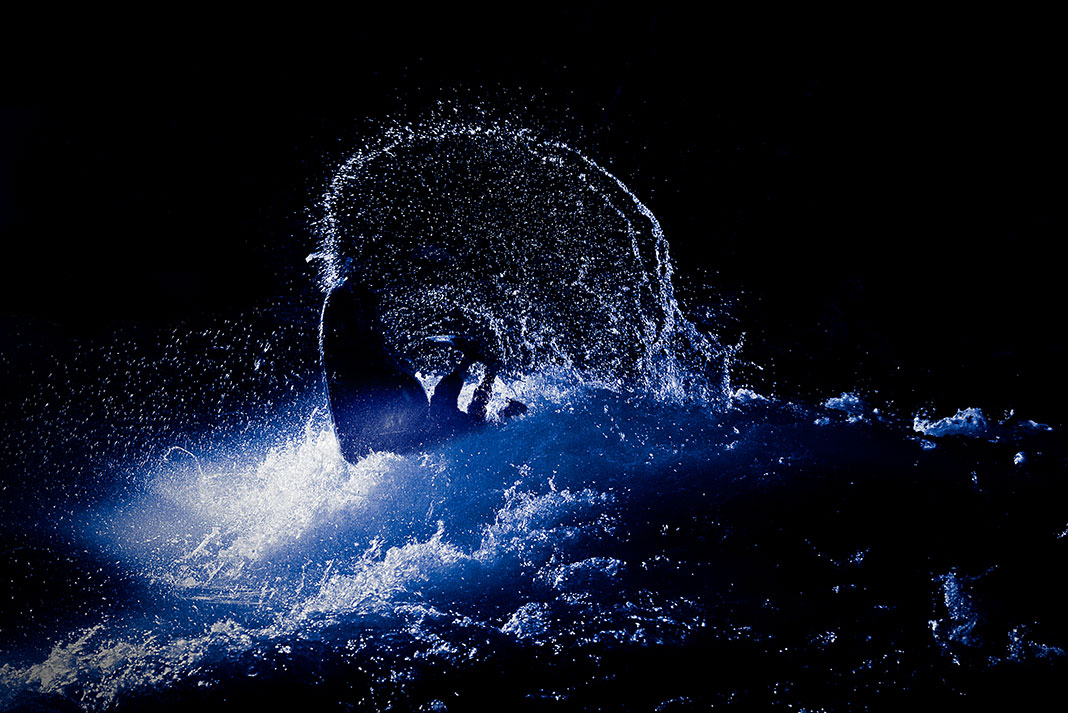
A person flipping in a whitewater kayak.

I learned to handroll in 1973 or 1974. At that point, at least around the Chattooga, it was a rare enough stunt my friends would often gather other people around and have me roll, and sometimes bet a beer over whether or not I could do it. —Joe Pulliam

I did my first blunt on Garburator in 2005. I was so excited, I talked about it for years. —Adriene Levknecht

The front loop. I spent months working on it in inlet gate at Nottingham. Trying to be superman and jump for the sky or a basketball being dunked through a hoop upstream of the hole. When it finally began to work it was the best feeling ever. —Claire O’Hara

Thirteen years old on the Ottawa River, with some guidance from Nick Troutman, landing straight airscrews for the first time. —Dane Jackson

Tailies. The first time I managed to get my kayak vertical. I couldn’t get enough of them. —Bren Orton

Putting on my spray skirt. —Tyler Bradt

When I was seven and did my first freestyle competition ever, I made a trick and I called it the Tricky Horse. I remember running up to Emily Jackson, who was the head judge for the cadet competition, bubbling with excitement to tell her to keep an eye out for it and find out how many points it would be worth. —Sage Donnelly

I was really stoked when I learned how to air loop my Disco around 2001 or 2002. The Disco was way ahead of its time and most pro kayakers couldn’t loop their slicey boats. —Chris Gratmans

All of them, but it started with the stoke when I learned to spin. I still get fired up any time I learn a new trick, or even just do a hard one. —Nick Troutman

Probably the first time I did a legit roll in whitewater. I was eight or nine and it was just before a slalom competition so there was a lot of people around. I was very proud because no one knew I could roll and they were all expecting me to swim. —Nouria Newman

The third end. When you are learning to cartwheel, the third end is the hardest to gain. It means you have done more than just used the momentum of the initiation to gain a stern end, you have balance and used technique to get the third. I’ll never forget my first third end. It was in a small hole on the Madawaska River, while my dad and his friend watched as they ate lunch. My dad yelled, while holding up three fingers, “That’s three, that’s three!” —Ben Marr

Good old-fashioned ender. I’d seen my childhood hero, Jerome Truran, doing them and I really wanted to do it. I was about 13 or 14 at the time and was in a Dancer. I did the first one just messing about at this rapid up the road from my house in Durban, South Africa. I was beside myself with happiness. —Corran Addison

Backsurfing my Perception Dancer was one of my prouder moments. —Erik Boomer