Home Blog Page 2

Trail Salads Are The Best Tripping Lunch You Don’t Know About

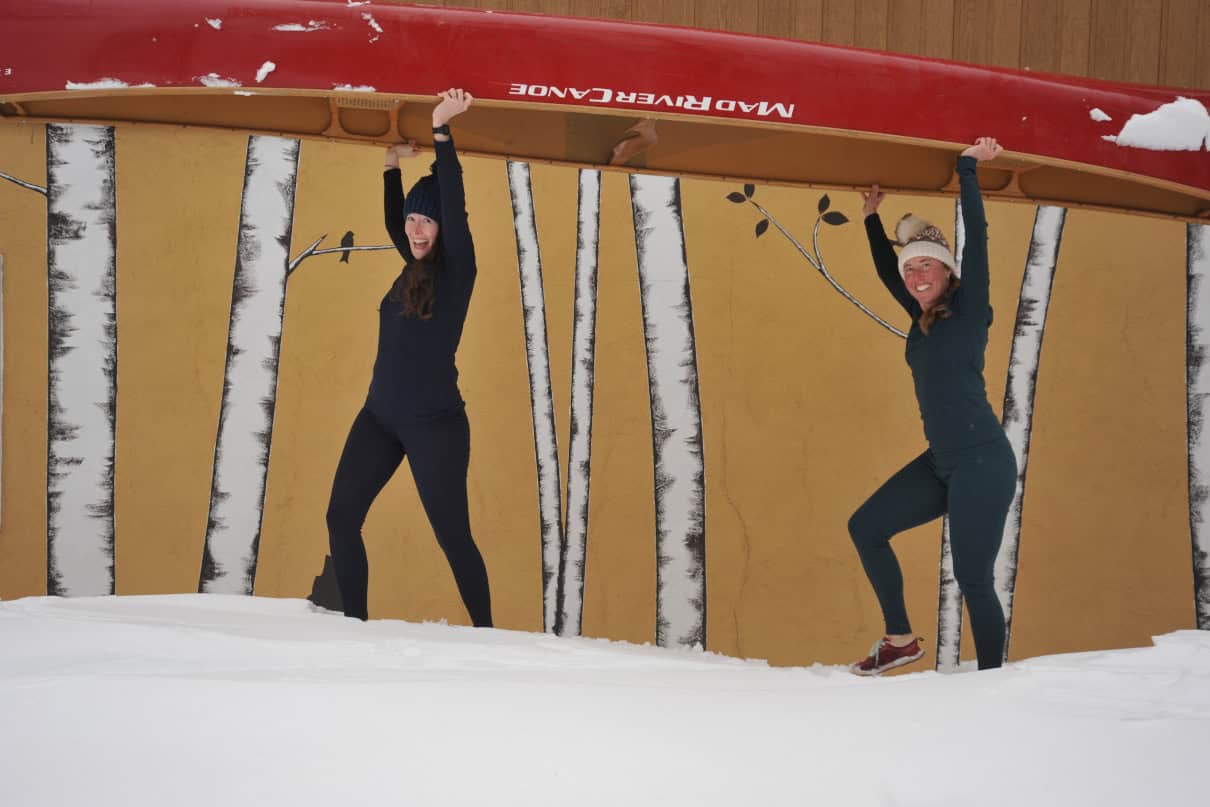
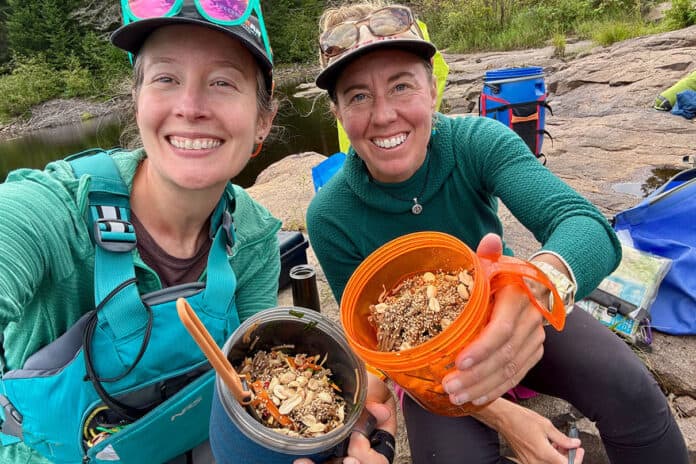
Paddling Magazine editor-in-chief Kaydi Pyette and columnist Virginia Marshall pose at a canoe campsite with their trail salads
Eat fresh on Day 30. | Feature photo: Kaydi Pyette

For many backcountry paddlers, lunch is little more than fast fuel. Midday meals provide vital calories between breakfast and dinner, but they’re rarely the culinary highlight of the day. Another salami-and-cheese wrap, anyone?

Lunch planning can be especially challenging on longer adventures or portage-intensive trips where minimizing weight and bulk is imperative. The quest for a lightweight, satisfying and easy-to-prepare tripping lunch led me to a surprising (and surprisingly tasty) discovery—the trail salad.

Trail salads are the best tripping lunch you don’t know about

If the thought of salad as a hearty paddling meal has you reaching for a pack of Slim Jims, think again. Combining generous portions of your favorite grains or pasta with calorie-dense crowd-pleasers like peanut butter and coconut milk, these trail salads hit well above their weight. Toss in an endlessly customizable selection of dried fruits, dehydrated veggies and seasonings, and you have the makings of gustatory gold.
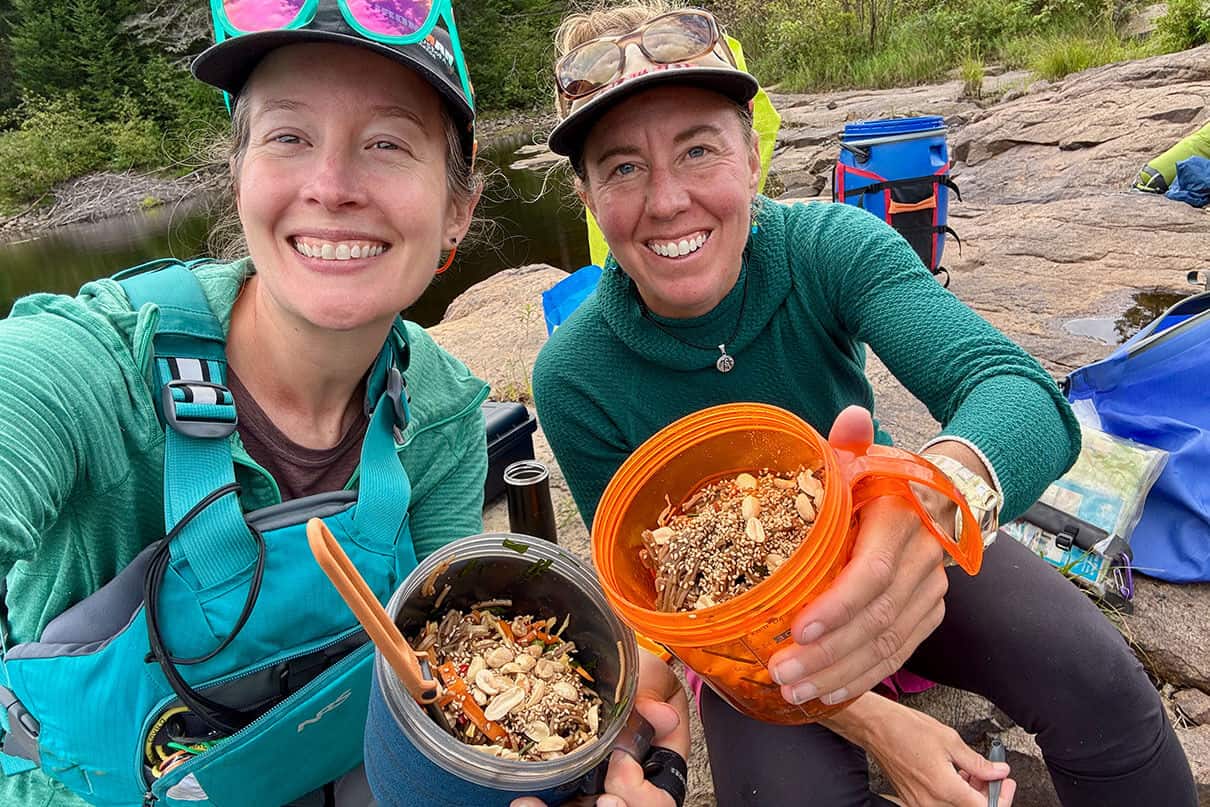
Paddling Magazine editor-in-chief Kaydi Pyette and columnist Virginia Marshall pose at a canoe campsite with their trail salads
Eat fresh on Day 30. | Feature photo: Kaydi Pyette

Because you can use just about any combination of grains, vegetables, fruit, seeds, nuts and flavors, trail salads let you build a deliciously varied lunchtime menu for longer trips. Even better, they require near-zero prep in the field, so they’re perfect when you’re hungry, pressed for time or hunkering down in bad weather.

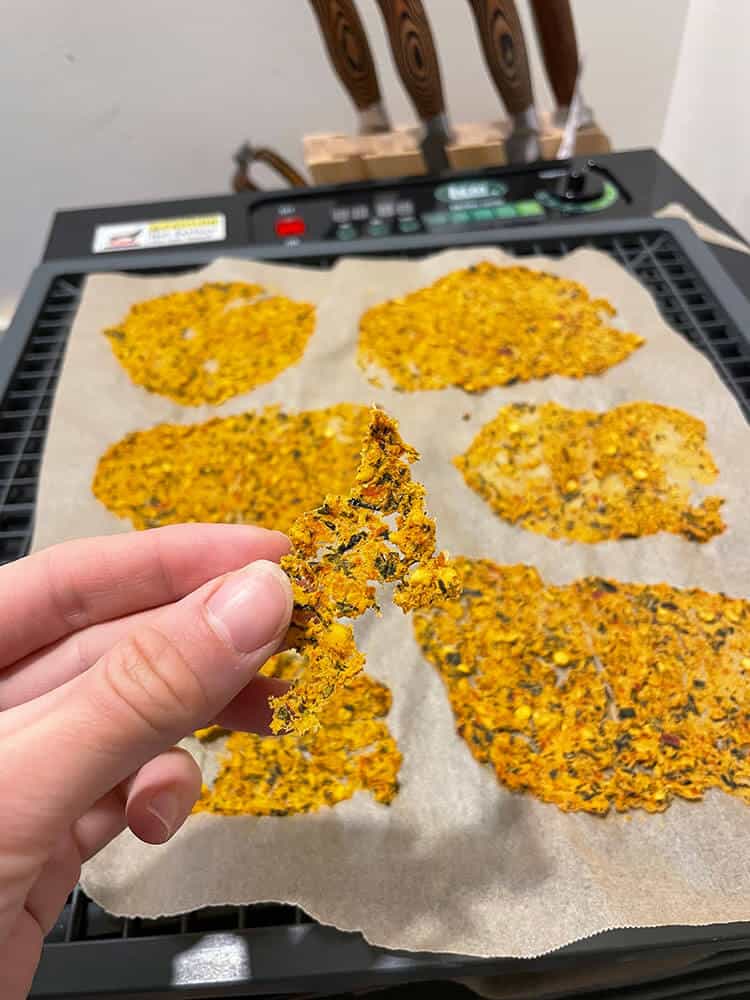
The secret to mouthwatering, fresh salad when you are days, or even weeks, away from your crisper is dehydration. A compact and inexpensive home dehydrator is the most convenient option for avid campers, but you can also dehydrate in your oven at low heat. Dehydration removes all the moisture from foods, drastically reducing their size and weight, and allowing them to travel shelf-stable in a kayak hatch or canoe pack for weeks without spoiling.

Before your trip

Cook the rice, orzo, farro, quinoa, bulgur or other grains as directed, then spread them thinly on trays or baking sheets to dehydrate. Veggies dehydrate best when finely diced or thinly sliced. Cook or blanch starchy or hard vegetables, such as potatoes, beans and carrots, before dehydrating. Use frozen or canned veggies for hassle-free dehydration straight out of the freezer or can.

Chickpeas, broccoli, peppers, onion, cabbage, kale, peas, corn, carrots, bamboo shoots, sweet potatoes, beans, tomatoes, zucchini, celery and beets are all tasty, nutritious additions to dehydrated salads. Try store-bought dried berries, cherries, apricots, coconut, dates, raisins, apples, mangoes and more in your recipe for a deliciously fruity twist.
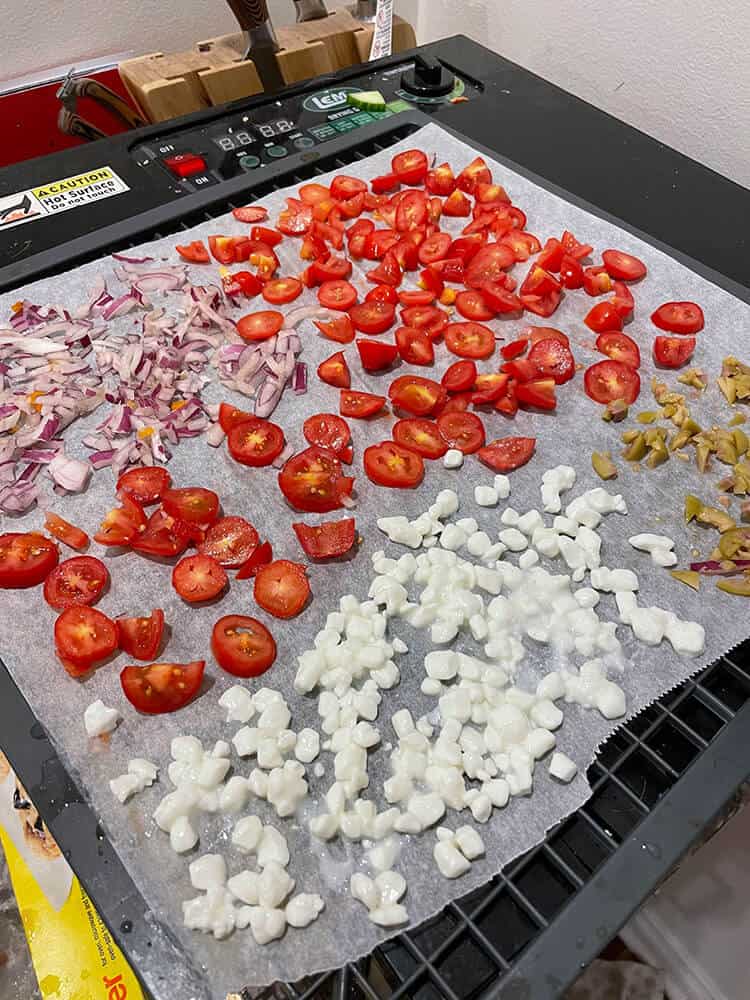
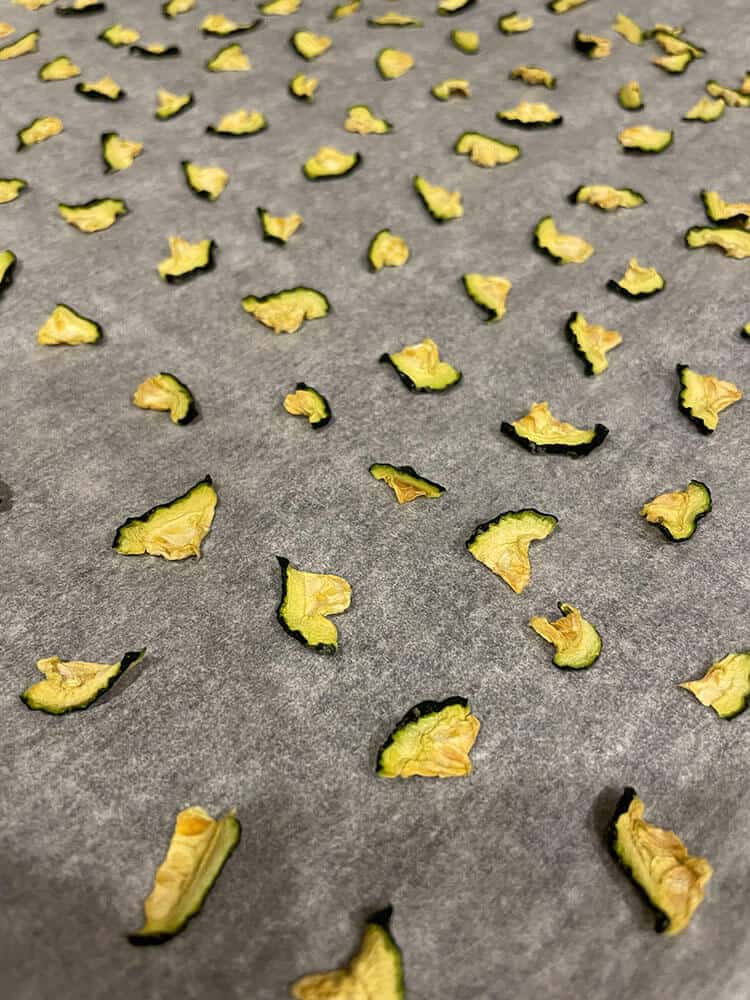
Combine dry ingredients in portion-sized Ziploc bags for foolproof rehydration on trip. Cover with filtered water (cold is fine) at breakfast or the night before to enjoy ready-to-eat salad at lunch. I like my GSI Fairshare mug for easy measuring and rehydrate-and-eat convenience, but any leakproof three- to four-cup container will work.

From Asian-inspired noodle bowls to Mediterranean and tropical flavors, midday trail salad is my go-to backcountry lunch. On your next paddling trip with friends or family, serve something unexpected and watch the carnivores convert.

Szechuan Peanut Salad Recipe

Ingredients

  • 1 cup soy sauce
  • 1 tsp. Szechuan chili oil
  • 2 tsp. Dijon mustard
  • 1 lbs somen noodles
  • 6 green onions, thinly sliced
  • 1 red pepper, julienned
  • 1 green pepper, julienned
  • 2 carrots, thinly sliced and blanched
  • 1 can (8 oz) sliced bamboo shoots
  • 1 can (15 oz) mini corn, thinly sliced
  • 1 cup small frozen peas
  • 1 tbsp. dried cilantro
  • 2 tbsp. toasted sesame seeds
  • 1 cup roasted peanuts
  • Natural peanut butter, to taste (optional)

Prepare at home

  • Whisk together soy sauce, chili oil and mustard in a large bowl.
  • Cook the Japanese noodles in boiling water until al dente. Drain and toss cooked noodles in the soy sauce mix, coating thoroughly.
  • Spread a thin layer of noodles on dehydrator trays or baking sheets. Dehydrate until noodles are dry and snap easily.
  • Dehydrate the peppers, carrot, bamboo shoots, corn and peas. Since different vegetables will dry at different rates (125°F for about six hours is a good starting point), I recommend dehydrating on separate trays.
  • Break dry noodles into shorter lengths and combine with dehydrated veggies, cilantro and seeds. Divide the mixture into six equal portions. 

On trip

  • To rehydrate, add ¾ cup of water to each serving the night before. At lunchtime, garnish with peanuts. For an extra peanut punch, stir a generous spoonful of peanut butter into each serving. 

This recipe makes six servings.
Cover of Issue 75 of Paddling MagazineThis article was published in Issue 75 of Paddling Magazine. Subscribe to Paddling Magazine’s print and digital editions, or browse the archives.

Eat fresh on Day 30. | Feature photo: Kaydi Pyette
 

New Oregon Program To Save Lives Hinges On One Simple Concept

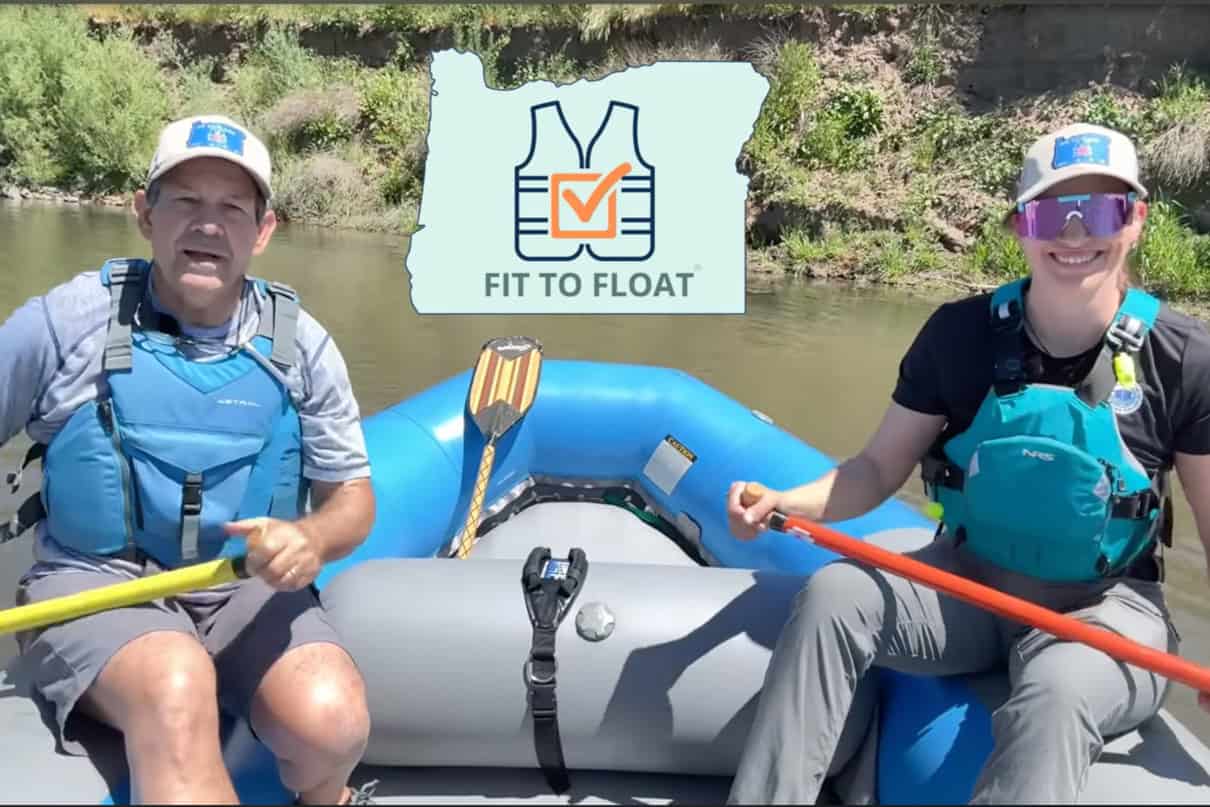
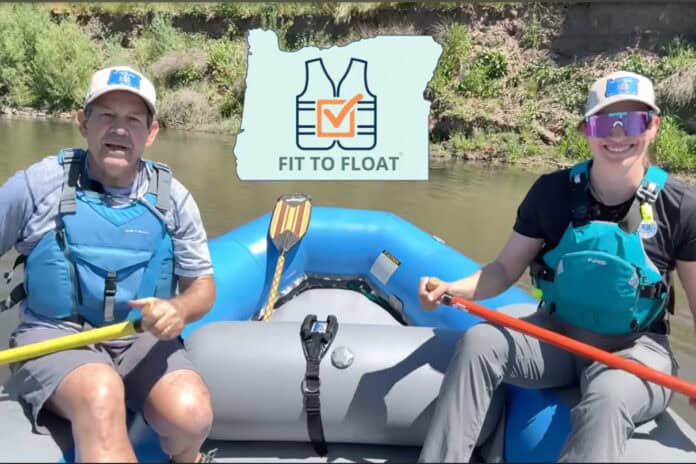
image of two paddlers in a raft on an oregon river with the fit to float logo overlaid on top of hte image
Meet Fit to Float, the new Oregon program designed to help new paddlers find the perfect PFD for them. Feature Image: Sawyer Paddles & Oars | YouTube

A new program is bringing an often overlooked safety concept to the forefront of Oregon lakes and rivers. On May 15, 2026, the Fit to Float life jacket fitting event will take place at multiple paddlesports retailers and outfitters from Portland to Medford. Part of National Safe Boating Week, the event is focused on educating new paddlers on proper life jacket fit and the importance of wearing a properly fitted personal floatation device (PFD) and will run from three to six in the afternoon.

Oregon paddlesports at the helm of new Fit to Float safety initiative

The Fit to Float program began with a discussion between the Oregon State Marine Board and Zac Kauffman from Sawyer Paddles & Oars about a push for broader life jacket education, a conversation that took place on the Sawyer Paddles & Oars on-water podcast. When Kauffman later met with American Canoe Association (ACA) representatives, the idea materialized into the dream of a statewide life jacket fitting day.

Together with support of the Oregon State Marine Board, the ACA and the US Coast Guard Auxiliary, Sawyer Paddles & Oars has created a replicable model of a statewide Fit to Float life jacket fitting and awareness day. Any prospective paddler or family of paddlers can show up at a participating location, try on a variety of life jackets and learn about proper fit and the importance of life jackets when paddling. The event is for all, but particularly created with families in mind to help parents find a life jacket that their children can wear both comfortably and safely.

“The whole concept is if the kids have a life jacket that fits and fits well, they’ll want to wear it,” shared Kauffman.

image of two paddlers in a raft on an oregon river with the fit to float logo overlaid on top of hte image
Meet Fit to Float, the new Oregon program designed to help new paddlers find the perfect PFD for them. Feature Image: Sawyer Paddles & Oars | YouTube

Fitting life jackets for kids can be an extra challenge for parents as children are constantly growing. It might seem economical for parents to size up, but in a life jacket this comes with high risk and high stakes as a life jacket that doesn’t fit properly can slide off a child’s body.

In Oregon, it’s required by law that children 12 and under wear a life jacket on all underway boats including paddle craft. Kauffman explained that culturally, kids stop wearing a life jacket after that age as a badge of honor. Part of the goal of the program is to meet some of these kids and instill a more positive association with life jackets so they continue to wear them beyond what is required by law.

A well-fitted life jacket serves as the first step towards becoming an avid paddler

While for many avid paddlers life jacket and PFD use is standard, many newer or recreational paddlers may elect not to use them. According to the ACA, 88% percent of fatal canoeing accidents, 60% of kayak fatalities, and 93% of SUP fatalities involve people who weren’t wearing a lifejacket.

“I would say getting a life jacket on and getting a life jacket that fits is the first step as an avid paddler and river enthusiast,” said Kauffman. “If you have a PFD that fits, it’s more likely to stay on you. It should feel like it’s part of your body.”

For padders who have not yet tested their life jacket or been professionally fitted, Kauffman had two key recommendations.

“On a nice hot day, just put your life jacket on and roll out of your boat, float around, see how it floats you,” said Kauffman.

Using a life jacket in the water will give a paddler a solid understanding of how the life jacket will function in an actual capsize scenario and a gauge of how tight a life jacket should be fastened to be effective in the water.

Kauffman also recommended paddlers visit an in-person store that sells life jackets, whether that store is a specialty retailer able to give personalized advice or a big box store. From here, paddlers can try on multiple life jackets, adjust the fit and ask for help if needed.

“If you’re curious, if there’s an outfitter in your area, go on a river trip,” added Kauffman. “That professional guide might be 19, but I guarantee you they don’t want you coming out of your life jacket.”

For seasoned paddlers, Kauffman had some advice as well.

“Help someone new get that life jacket fitting and get them on the water so that they can find the rivers, lakes and oceans like the rest of us,” shared Kauffman. “The rivers are magical places and a lot of us have known it all our lives.”

What’s In Editor Maddy Marquardt’s Sea Kayak Day Trip Guiding Kit

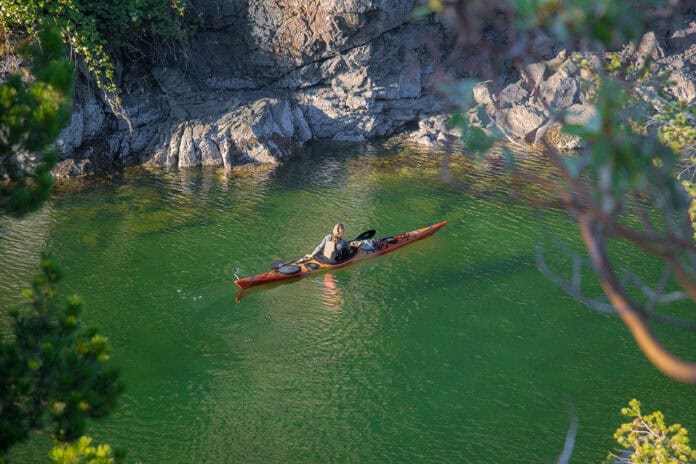
Paddling Magazine Editor Maddy Marquardt in her sea kayak on a trip with vivid green water, rocks and surrounding foliage in the foreground
Tools of the trade. | Feature photo: Courtesy Maddy Marquardt

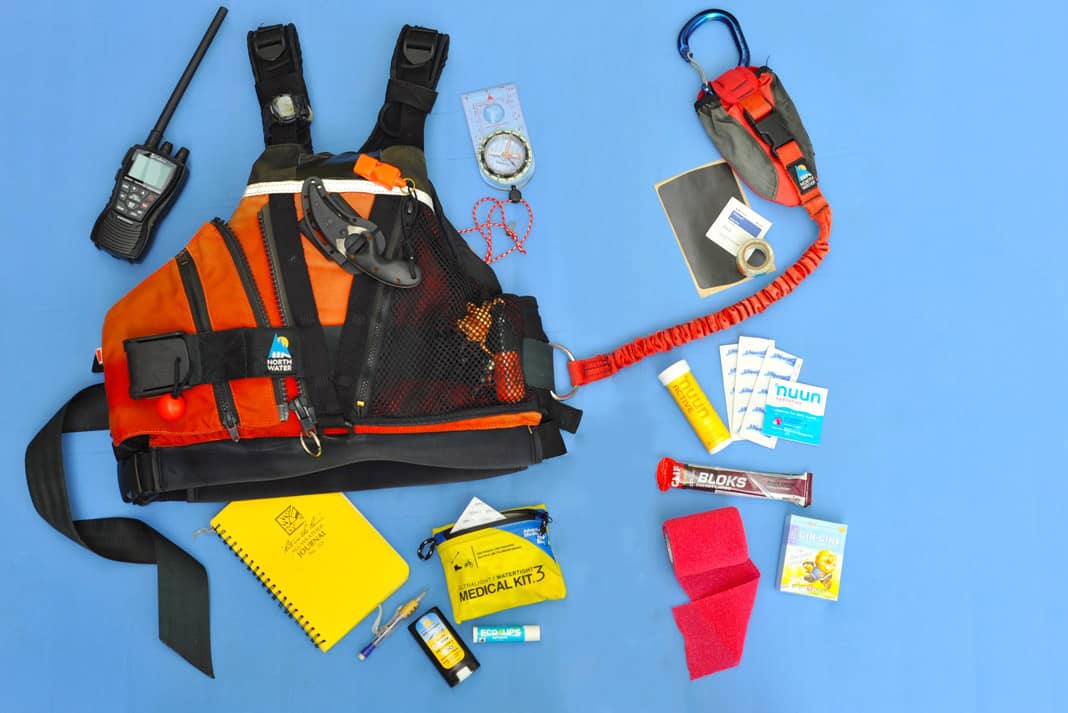
When you’re out on the water with beginner paddlers every day all summer, you’re likely to run into challenging conditions and unusual scenarios. While in calm waters it might be easy to dig for your emergency gear, the conditions you’re most likely to need your backup gear in are the same conditions that might make that gear hard to reach. Here are the essentials I keep at the top of my day hatch and on me in my day trip guiding kit.

What’s in Editor Maddy Marquardt’s sea kayak day trip guiding kit

North Water Micro Tow Line
Photo: Maddy Marquardt

North Water Micro Tow Line

MSRP: $130 CAD

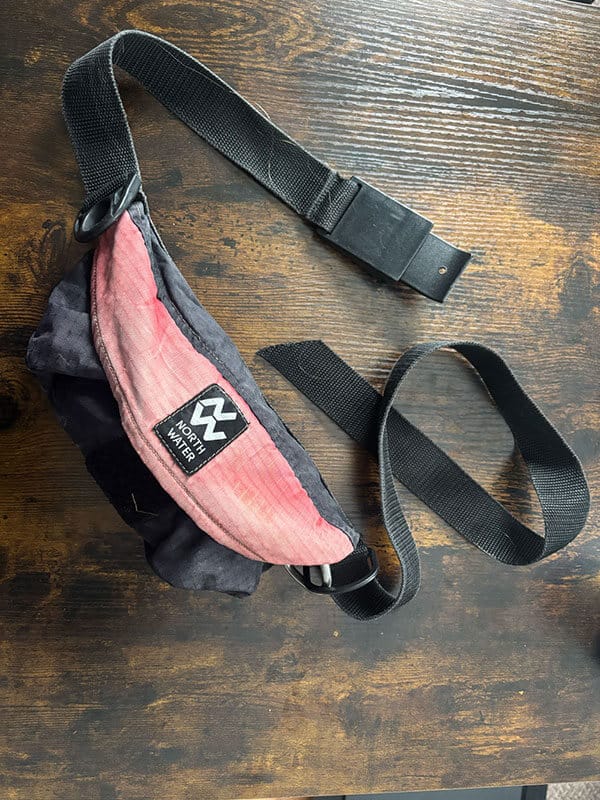
Marketed as an entry-level tow belt, the North Water Micro Tow Line packs more punch than meets the eye. Ideal for conditions I typically encounter while commercial guiding, the tow line comes with both a 17-foot and 50-foot line and is easily customizable by adding a shock absorber or floats to the ends.

Buy from:

MEC NORTH WATER

Quick-Fix Snacks & Mental Boosts
Photo: Maddy Marquardt

Quick-Fix Snacks & Mental Boosts

MSRP: $21+

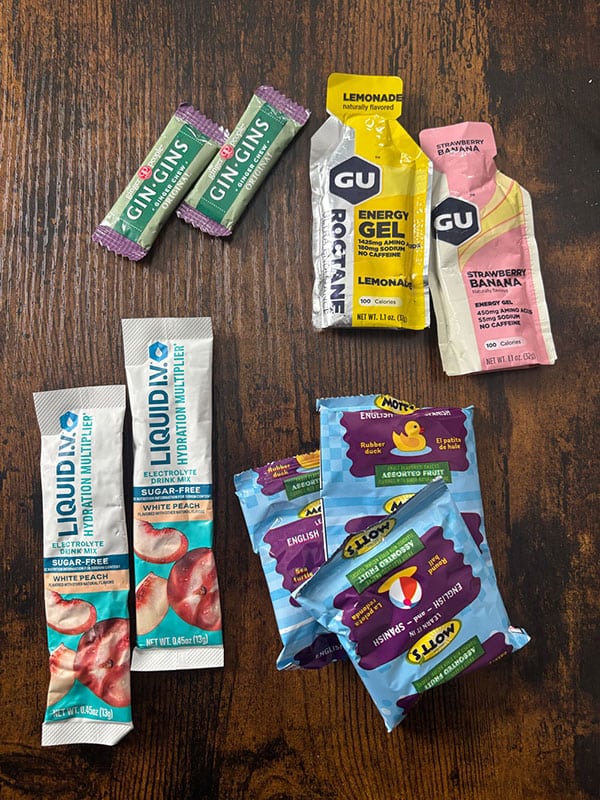
Whether hungry, dehydrated or seasick, it pays to carry a few ginger chews, small snacks and Liquid IV, even if just to give new paddlers a mental boost to help them push through challenging conditions.

Buy Liquid IV from:

DICK’S SPORTING GOODS AMAZON LIQUID IV

Buy Roctane Energy Gel from:

BACKCOUNTRY DICK’S SPORTING GOODS AMAZON GU ENERGY

VHF Radio With Tether
Photo: Maddy Marquardt

VHF Radio With Tether

MSRP: $159

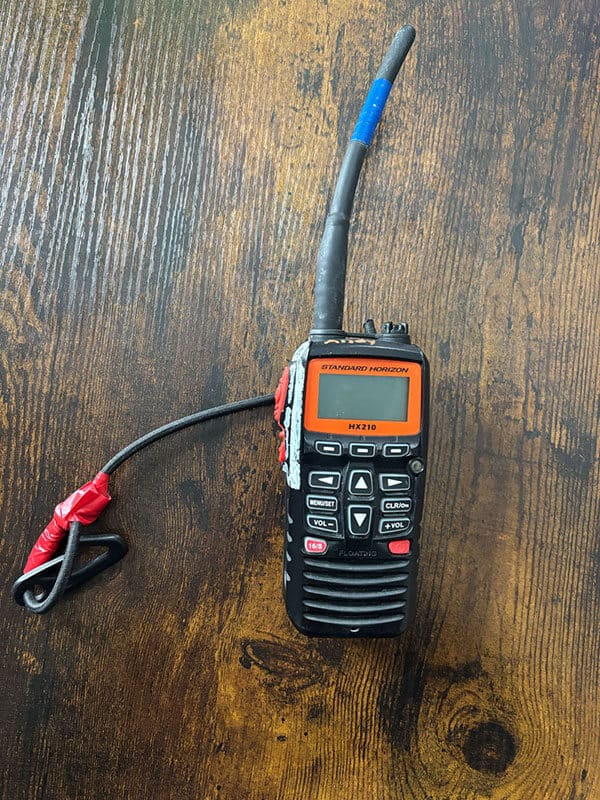
In addition to flares, a signaling mirror and other essential safety gear, a VHF radio, like Standard Horizon’s HX210, is one of the best tools to carry on the water, but it doesn’t do anyone much good buried in a hatch. Tether your VHF to your person with a bungee cord long enough to comfortably make a call.

Buy from:

AMAZON STANDARD HORIZON

Micro First-Aid Kit
Photo: Maddy Marquardt

Micro First-Aid Kit

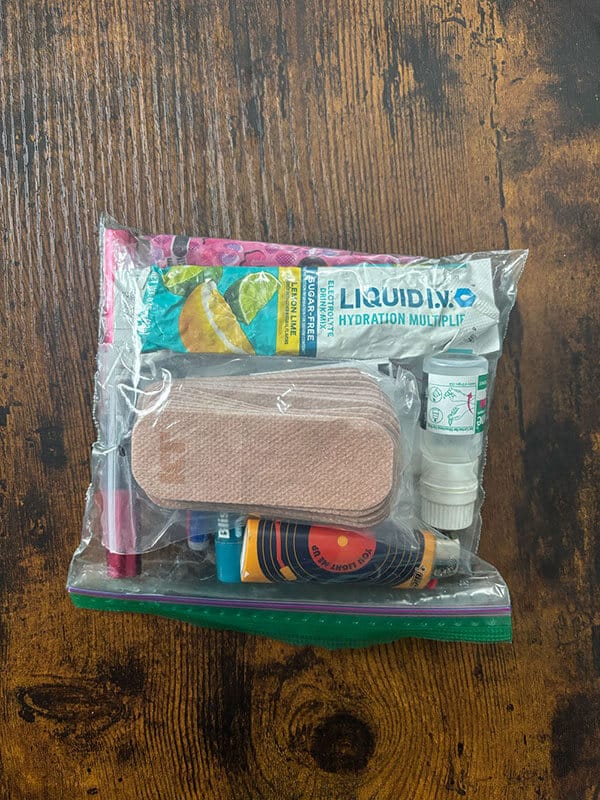
A full guide’s first-aid kit is a must-carry, but there are a few items that come up regularly on trips and are worth keeping a little closer at hand. I like to separate out key items like ibuprofen, Benadryl, blister patches and a few Band-Aids into a smaller Ziploc and stash near the top of my day hatch or in my PFD pocket.

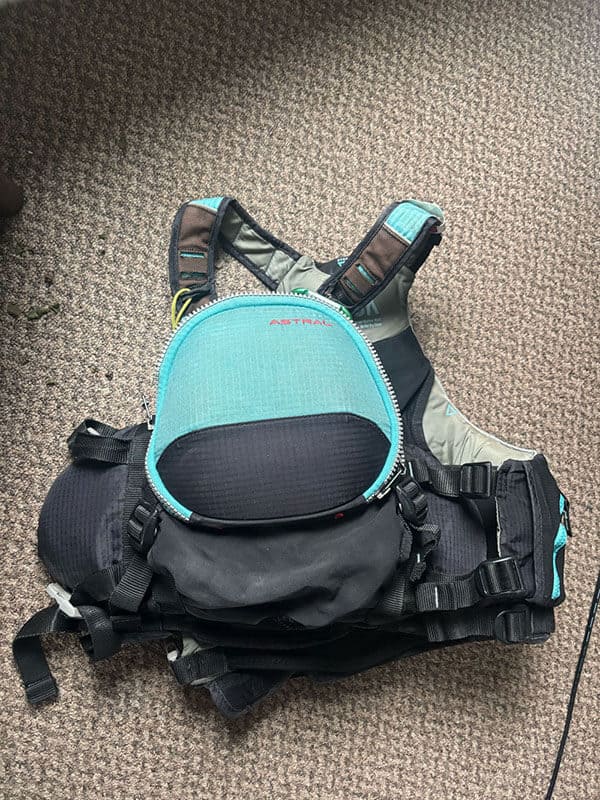
Astral Bluejacket
Photo: Maddy Marquardt

Astral Bluejacket

MSRP: $265

Now discontinued and replaced by the Astral Bowen, the Bluejacket is still my PFD of choice. It features a large clamshell pocket to store gear and is highly adjustable, with most of the flotation around the waist.

Buy Astral Bowen from:

BACKCOUNTRY AMAZON ASTRAL

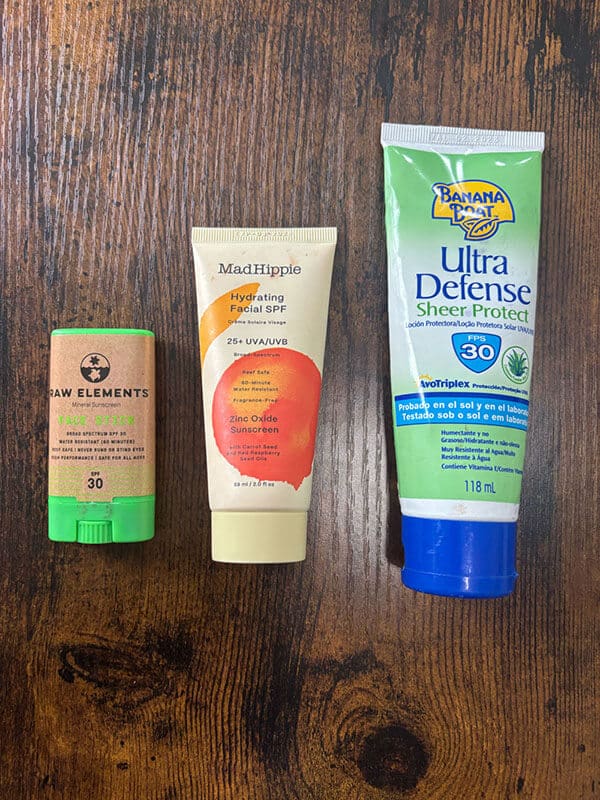
Sunscreen
Photo: Maddy Marquardt

Sunscreen

MSRP: $19

Mineral-based zinc oxide sunscreens are considered reef safe and protect my skin from both UVA and UVB rays. At the same time, carrying a few options can be helpful to meet group needs while out on the water, and sunscreen is one of the things I’m most likely to be asked for as a trip leader.

Buy from:

BACKCOUNTRY ACADEMY SPORTS AMAZON RAW ELEMENTS

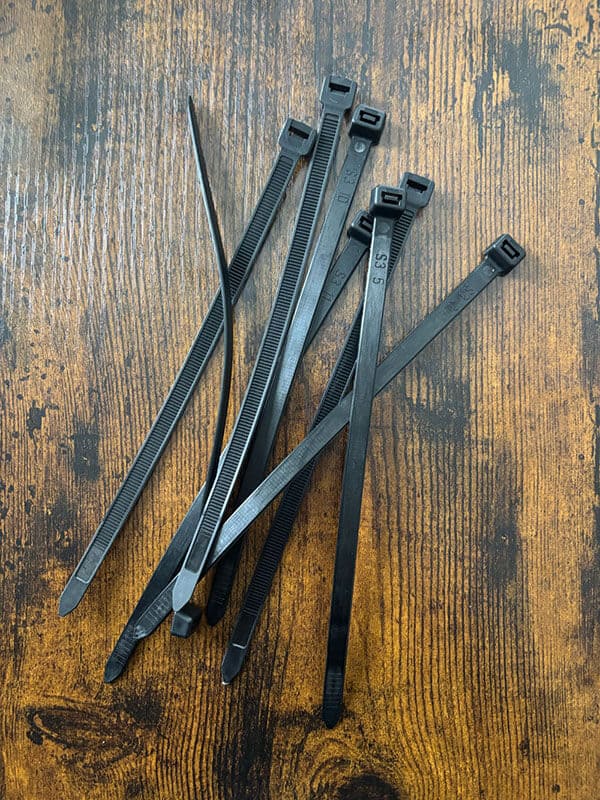
Zip Ties
Photo: Maddy Marquardt

Zip Ties

MSRP: $3 per dozen

When a rudder breaks on the water, pulling out a screwdriver in choppy waters isn’t always the best option. Enter the zip tie: a quick fix that can get my clients through the day, or even the week, until I get a chance to do a full repair.

Buy from:

DICK’S SPORTING GOODS ACADEMY SPORTS AMAZON

Emergency Layers
Photo: Maddy Marquardt

Emergency Layers

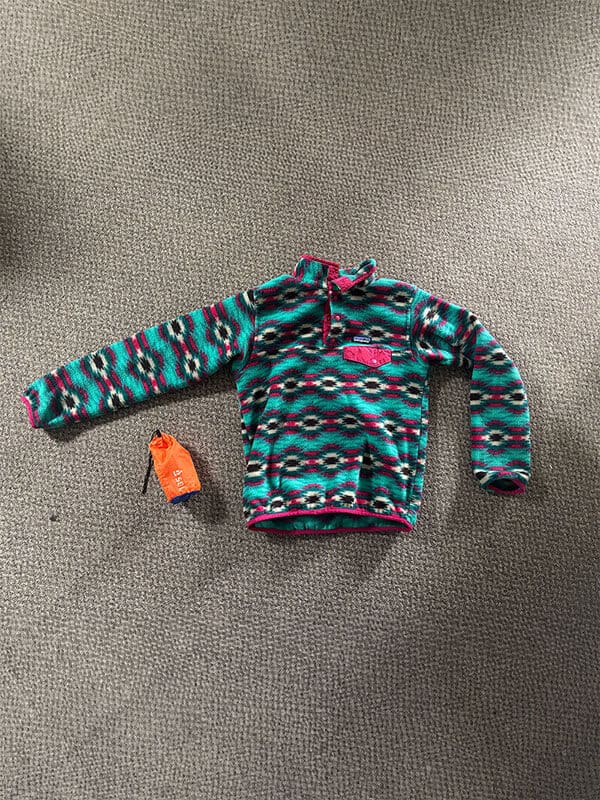
A space blanket, fleece and a stashed raincoat can go a long way if paddlers get cold. Search for layers in larger sizes to fit a variety of body types, and check the thrift store first; this way, you won’t be heartbroken if a paddler walks off with your extra layer after the trip.

Waxed Journal & Bic Pen
Photo: Maddy Marquardt

Waxed Journal & Bic Pen

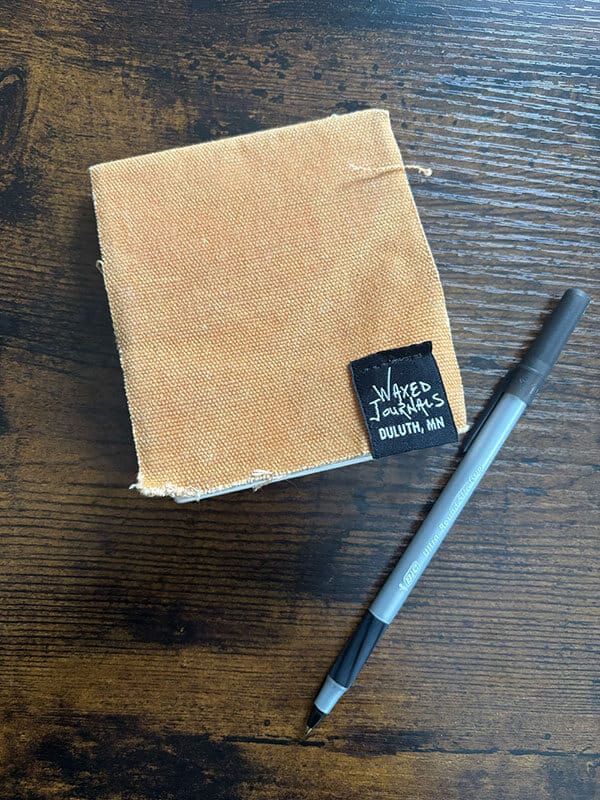
A simple waterproof notebook can help you keep notes on weather and route, or act as a cheat sheet to help you remember names. In challenging conditions, I’ve found paddlers will respond a lot faster to their names than, “hey, you!”

Buy waterproof notebooks from:

AMAZON

Cover of Issue 75 of Paddling MagazineThis article was published in Issue 75 of Paddling Magazine. Subscribe to Paddling Magazine’s print and digital editions, or browse the archives.

Tools of the trade. | Feature photo: Courtesy Maddy Marquardt


River Mamma

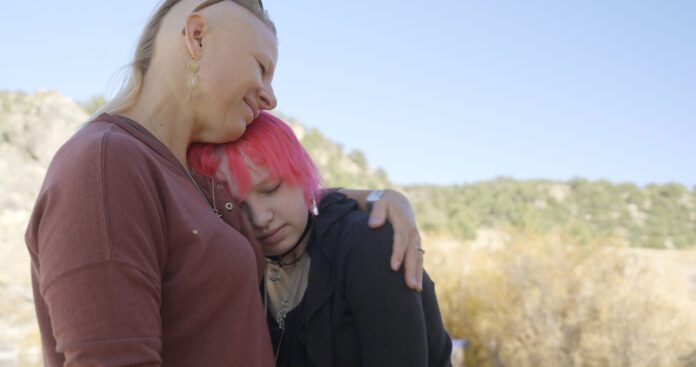
Woman hugging her teenage child
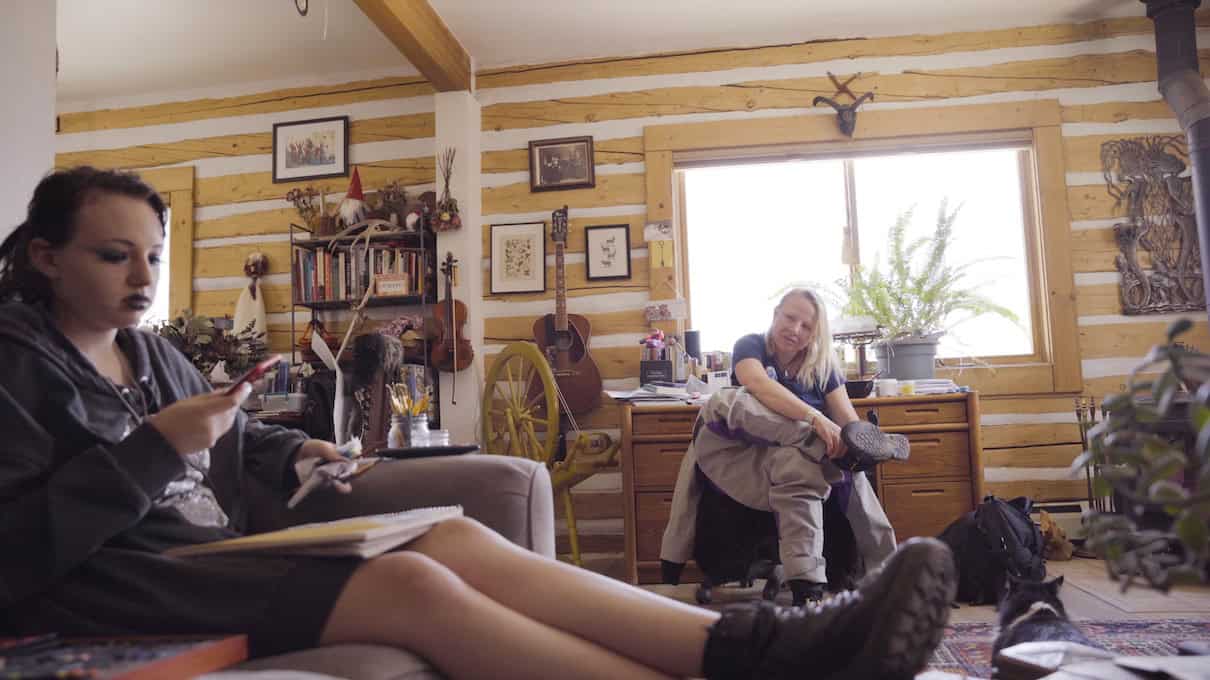
River Mamma is a tribute to motherhood, honoring the strength it takes to nurture others while staying true to your own passions. | Feature photo: Sarah Hamilton

When Elisha McArthur agreed to let filmmaker Sarah Hamilton make a short film about her life, she had no idea how far her story would reach. The next thing she knew, River Mamma was winning Best Short at the 5Point Film Festival, being declared a Finalist at the Banff Mountain Film Festival, and being screened at various other film festivals across the U.S. and internationally. Most recently, River Mamma won Best Rafting Film at the 2026 Paddling Film Festival.

Elisha notes that at the film’s world premiere at the 5Point Film Festival, she was brought onstage to answer some pretty personal questions about an already personal film.

“I was like, oh boy, what did I get myself into?” laughs Elisha. “But I’m still glad I put myself out there. Because I believe stories are important and representation matters.”

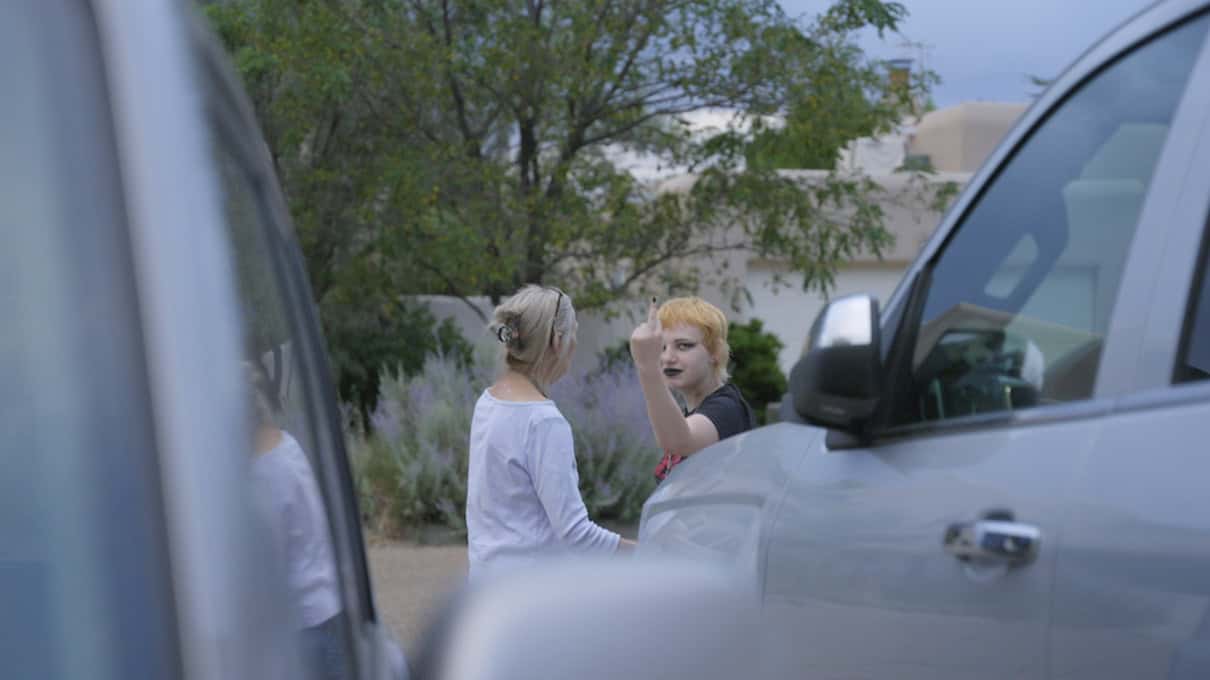
Elisha is a lifelong whitewater enthusiast, raft guide and instructor. The film explores her relationship with her teenage daughter, Charlotte, who despite growing up on the river, no longer feels passionately about paddling.

The film’s name refers to a nickname Elisha was given just after Charlotte was born. She says that as a single mom with a baby who was less than a year old, she felt pressured to get a “real job.”

“But I had this realization that if I was going to be the best mom I could be, I had to be the best me I could be,” she continues. “Which meant doing what I love and being a raft guide.”

So she returned to the river with Charlotte, prompting the guides she worked with that summer to nickname her “River Mamma.” It’s stuck ever since.

At the time, she couldn’t find any stories of other single moms who were also raft guides.

That’s why she agreed to let Sarah tell her story. Since the film’s release, she’s had many reach out letting her know her story has inspired them to follow their passions amid becoming new parents. Most recently, she had a student who was a new dad and had been raft guiding for a long time tell her her story helped him decide to continue to pursue his career after he had been thinking of walking away from the river.

“It was important to me to hear that the film is having an impact,” says Elisha. “And having a different kind of impact than I imagined.”

When it comes to the tension many parents might feel between chasing their passions and parenting, Elisha says parents need to be true to themselves.

“I see so many people have kids and put their passions on the back burner,” she continues. “That’s not healthy for anybody. It’s not good modelling for your kid, it’s not good modelling for you. If you can continue to be true to yourself then that models for your kid for them to be true to themselves.”

She says this still hasn’t been easy to navigate as Charlotte has gotten older—she’s now 18— particularly because Elisha’s career has expanded. In 2017, Elisha started Canyon River Instruction, specializing in teaching rafting and swiftwater rescue. She is also the president of the nonprofit organization Worldwide Women of Whitewater (WWoW), which supports women in the whitewater industry globally. These pursuits and others have her teaching whitewater paddling full-time, year-round in places around the world.

“I feel a lot of parent-guilt that I am investing in my career and am not around as much while Charlotte’s in her teenage years,” says Elisha. “But I also know she’s proud of me and what I’m doing in the world. So you have to weigh that. I just have to be intentional about taking time to be with her when I am here and we both have time.”

Although the pair don’t spend much time on the river together anymore, it does happen now and then. At the time of this interview, Elisha says she, along with Charlotte’s girlfriend and best friend, were able to get Charlotte out on the river for the first time in a long while.

“I have a Grand Canyon trip coming up for August 2027 and Charlotte was officially invited by the permit holder,” says Elisha of other opportunities she may have to paddle with Charlotte. “She gave a solid maybe. So, maybe.”

Elisha says Charlotte prefers the multiday trips and has a special love for the Grand Canyon, so she wouldn’t be surprised if Charlotte does decide to join.

The film discusses the fine line parents have to walk between pushing their kids to do something they know will be good for them, and letting them just be who they are. Elisha explains, “Only push when you know they’re going to have fun. Or when you know the outcome is going to be positive. Like, don’t push when you know they are going to be wet, cold, miserable and have a bad time. Pushing kids into type II fun isn’t productive.”

If you’ve identified an opportunity to push, she says it can help to be sneaky about it.

“I’ve gotten pretty good at finding the gentle ways to push so that she does actually do the thing and get the experience and have the good time,” says Elisha. For example, convincing Charlotte’s girlfriend and best friend to go boating so Charlotte would be more inclined to say yes, too.

Woman in raft in middle of rapids on river
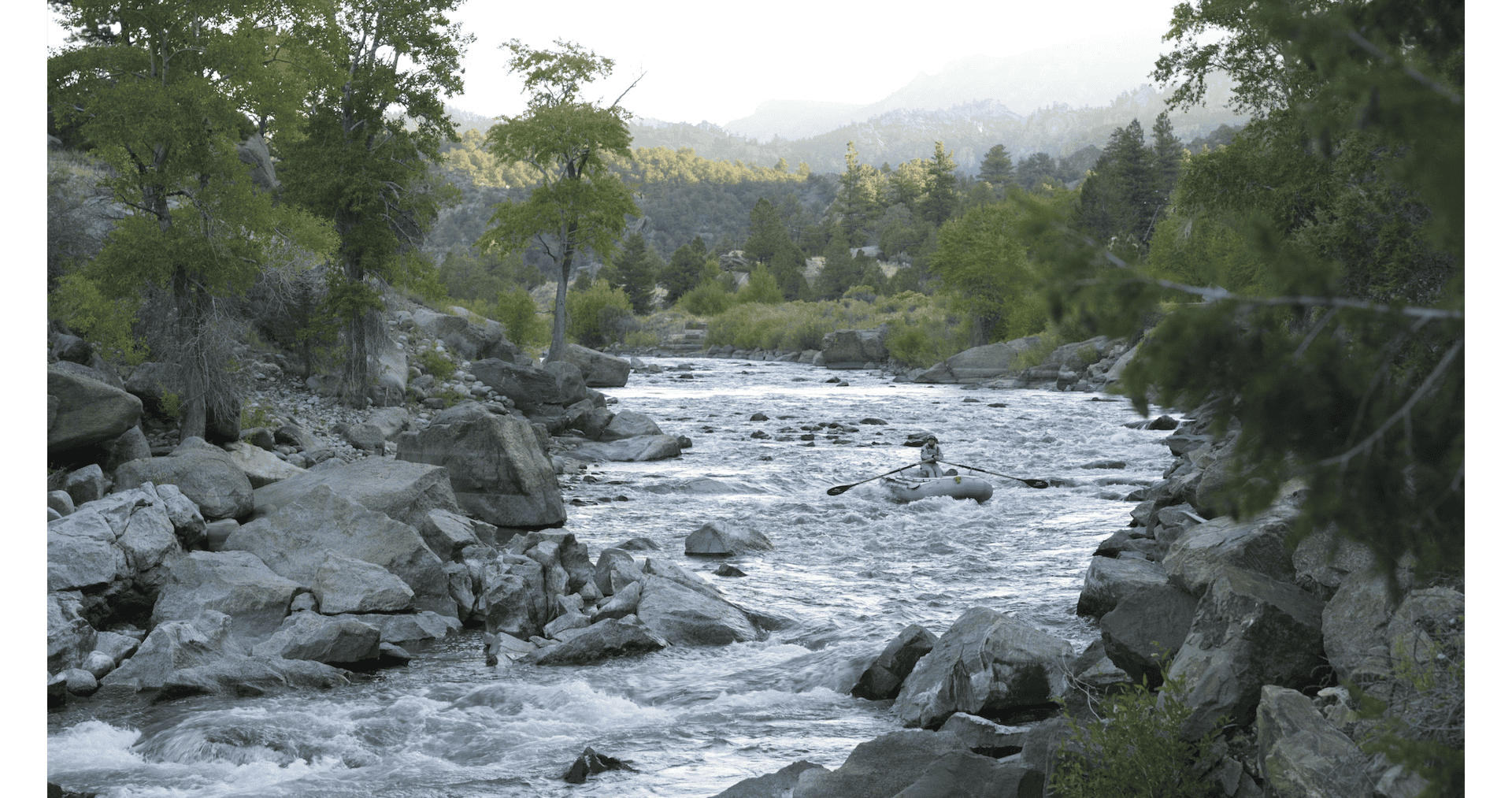
If she could, Elisha says she would float down a river forever. | Photo: Sarah Hamilton

Ultimately, though, you need to know your kid and whether pushing them will be helpful or not.

“Charlotte is one of those kids who needs a little push from time to time,” she says.

These days, Charlotte is pursuing her passion for art, is a ski instructor at the local hill in the winter, and works part-time jobs at an art collective and bookstore. She also recently approached Elisha about learning some guitar. In addition to being a whitewater instructor, Elisha is a musician and taught Charlotte some fiddle and piano when she was young.

“I was like, I think that’s really cool that you’re getting back into music. And she says, ‘Yeah… give me a couple more years and I might get back into boating,’” Elisha laughs. “I was like, hey you do you, kid. If it’s never your jam, it never has to be your jam. But she does have fun when she’s out there.”

For Charlotte’s 18th birthday in March the pair spent a week together in Iceland. Charlotte wanted to get a tattoo there from a very specific artist, so Elisha joined her for the trip.

“That was really lovely and special,” says Elisha. “And the fact that she wanted to spend her 18th birthday with her mom tells me I’m doing something right.”

You can watch River Mamma in person at a Paddling Film Festival World Tour event or watch at home with a subscription to Paddling Magazine TV.


River Mamma is a tribute to motherhood, honoring the strength it takes to nurture others while staying true to your own passions. | Feature photo: Sarah Hamilton


In Defense Of The Goon Stroke

man paddles a tripping canoe using the goon stroke
Respect the goon. | Feature photo: Aaron Black-Schmidt

In recent years,a wave of YouTube videos and articles has declared the goon stroke—or river-J—to be a poor or even so-called “wrong” stroke. Critics dismiss it with a sneer, claiming it robs the canoe of power and control, and insisting good paddlers rely solely on the J-stroke.

I see it differently.

In defense of the goon stroke

The goon stroke is a forward stroke paired with a thumbs up stern pry. Both the thumbs down J-stroke and the goon stroke are steering strokes, used to keep the boat traveling in a straight line. And both belong in every canoeist’s toolkit, whether you paddle calm lakes or dynamic rivers.

The goon stroke’s bad reputation stems largely from two misconceptions. First, many detractors only see poorly executed stern prys. When performed incorrectly, the stroke becomes a back sweep or backstroke, which is inefficient and counterproductive. But that’s user error, not a flaw in the stroke itself. Done correctly, there is minimal backward force.

Second is the myth that there is only one right stroke. In truth, the J-stroke and goon stroke each shine in different contexts. The stern pry delivers more power, stability and less wrist strain. It’s ideal for responsive whitewater canoes, controlling a heavily loaded tripping boat or battling headwinds. The J-stroke, on the other hand, excels at efficient straight-line travel.

man paddles a tripping canoe using the goon stroke
Respect the goon. | Feature photo: Aaron Black-Schmidt

In Path of the Paddle, Bill Mason famously wrote: “The thumbs-up J, or goon stroke, is really just a forward stroke with a rudder at the end. It works, but it’s clumsy and inefficient on flatwater. In rapids, the goon stroke is powerful and versatile. It can instantly become a rudder, pry, reverse sweep or low brace.”

Legendary instructor Bob Foote added his own take: “Unlike other strokes, the stern pry is either done right or dead wrong—that’s why it gets so much bad press.”

Watch how to execute the stern pry portion of the stroke below.

Doing it right: Quick, compact, powerful

When done correctly, the goon stroke is elegant and efficient. To properly execute the stern pry, here’s what you need to know.

Set up with the T-grip hand outside the gunwale, and the shaft hand on the gunwale. The power face of the blade should be flush with the hull.

The power potion of the stroke is quick and compact—a short, popping move, or as instructor Kent Ford calls it, a “microsecond burst.” Pull the T-grip into the canoe and use the gunwale as a fulcrum. The blade should travel no more than four to six inches from the hull. The result is the bow moves toward your onside. 

Two common errors ruin the stroke

First, starting too far from the hull. If the blade begins at a 45-degree angle, the force drives backward rather than sideways.

Second, carrying it too long. After four to six inches, the stroke shifts from a pry to a backstroke, killing momentum. You can quickly diagnose a good versus bad stern pry by looking at the T-grip hand. If the paddler’s T-grip hand starts inside the gunwale, the stroke is almost certainly going poorly.

A tandem canoe entering a rapid.
Finding the smooth water through a well defined rapid. | Image: Colin Field

One of the stern pry’s greatest assets is its versatility. With a small adjustment, it can flow naturally into a low brace for stability or a back sweep for added turning power. Hold it steady and it becomes a rudder, a priceless tool when surfing a wave or maintaining your line in current. It also works beautifully for those moments when your bow partner is doing the hard work and you’re supervising (just don’t tell my wife I said that).

Is the stern pry my preferred stroke for long flatwater days? No, the J-stroke still wins for efficiency and rhythm. But for beginners learning control, and for maneuvering in current, wind or waves, the stern pry is indispensable.

Jeff Oxenford is an ACA Level 4 Whitewater Canoe Instructor Trainer Educator. He has almost 40 years of experience teaching canoeing at summer camps and through canoe clubs.

Cover of Issue 75 of Paddling MagazineThis article was published in Issue 75 of Paddling Magazine. Subscribe to Paddling Magazine’s print and digital editions, or browse the archives.

Respect the goon. | Feature photo: Aaron Black-Schmidt

An Inflatable Life Jacket Could Save Your Life: Here’s How To Choose The Right One

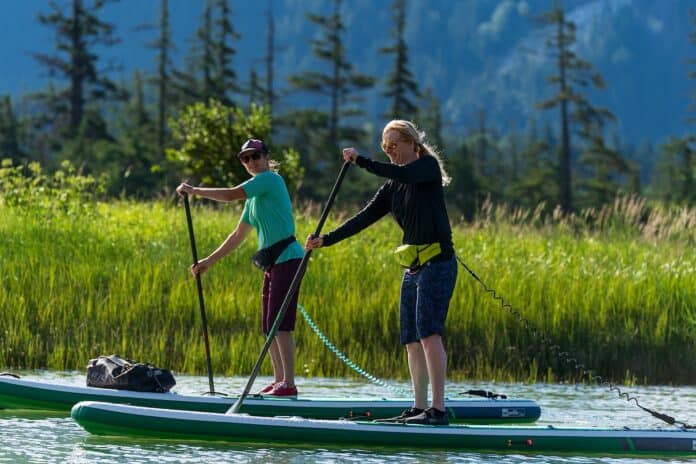
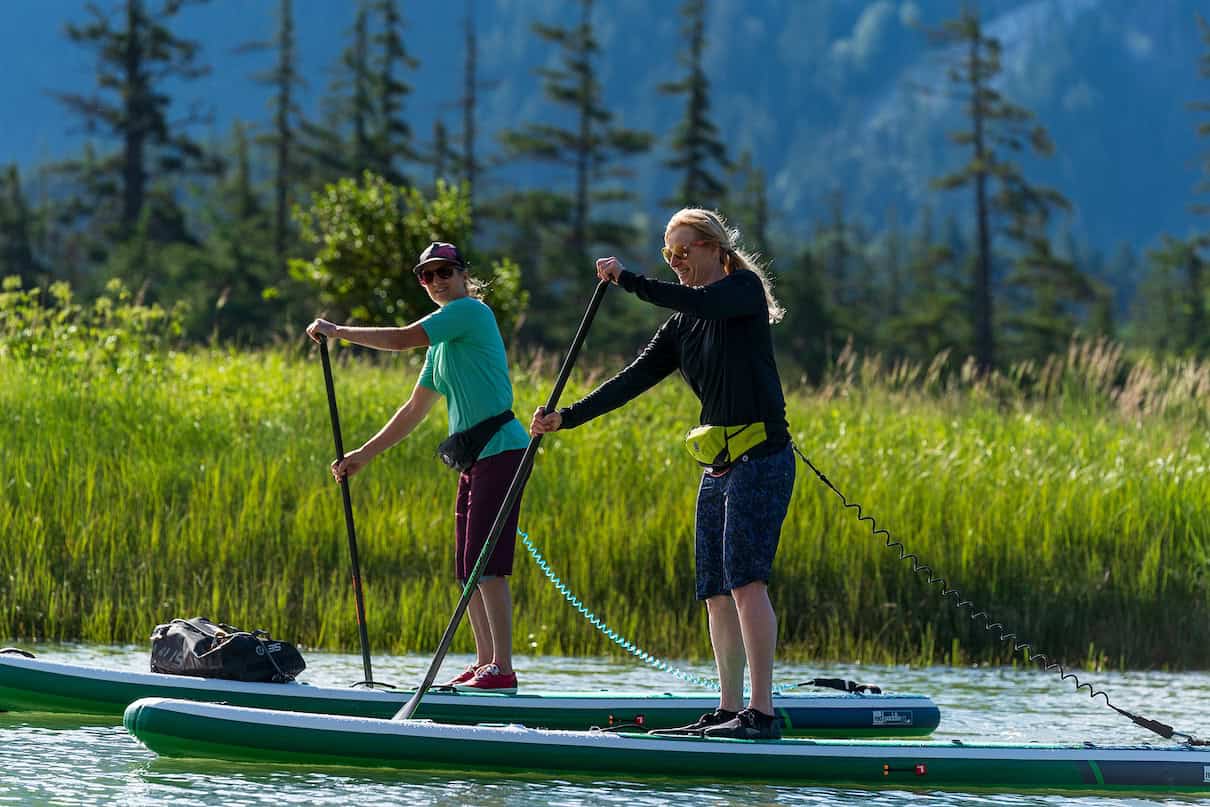
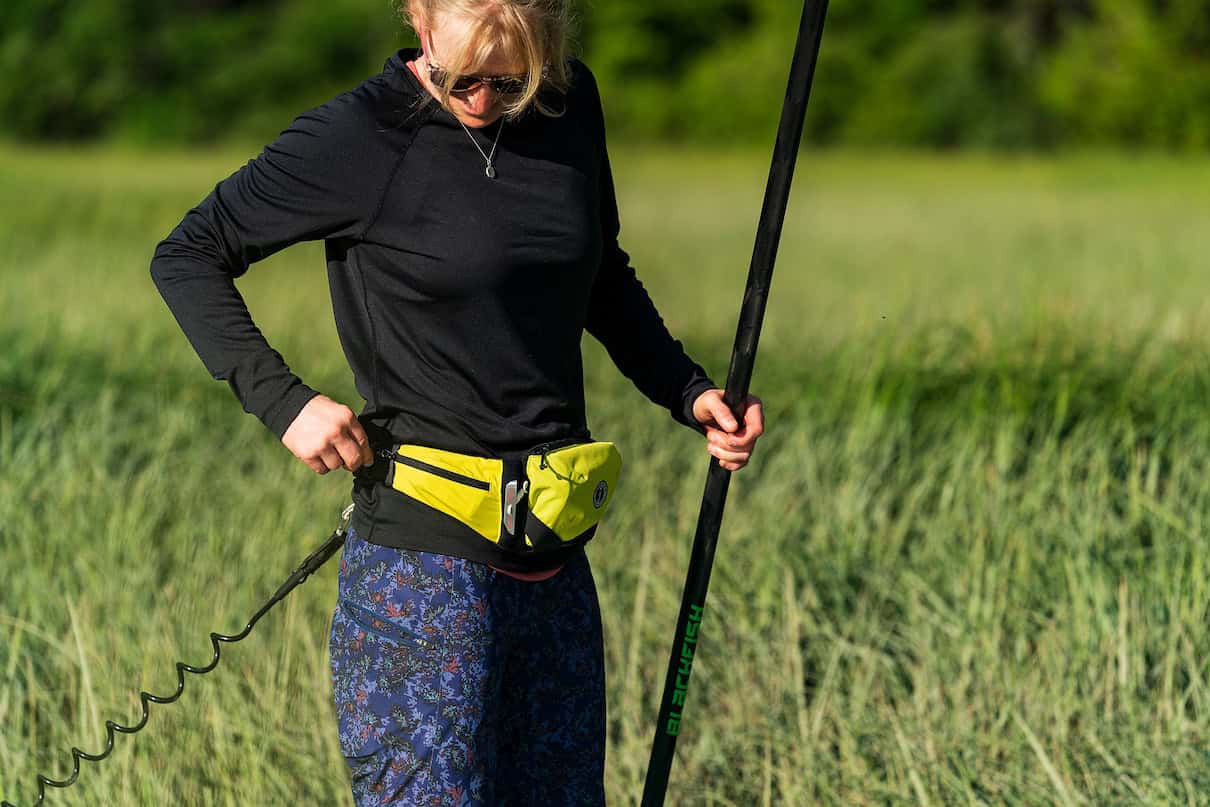
Two women on paddleboards wearing belt packs.

When I ask Lili Colby to recommend the best PFD for me, her answer of a belt pack inflatable catches me off guard. I’ve been paddling for over 30 years, in just about all disciplines—sea kayaking, canoeing, whitewater boating and a bit of standup paddleboarding. I’ve had a series of paddling-specific foam PFDs with pockets, quick-release towboats, and other bells and whistles. Over the past decade I’ve focused mostly on canoe tripping: multi-week journeys with a mix of lakes and down- and upstream travel, and many portages.

Colby is the industry and outreach representative at Mustang Survival and a longtime paddling professional. She also attends many industry events where she puts on presentations about inflatable life jacket operations and maintenance.

This article uses the terminology “PFD” and “life jacket” interchangeably. Technically, a life jacket is a type of personal flotation device (PFD) designed to provide face-up flotation for an unconscious wearer. PFD is the umbrella term for flotation aids and the type most commonly used by paddlers.

I made a confession to her: I appreciate the margin of safety my PFD affords on big water, but its bulk is an uncomfortable nuisance on hot, calm days and long portages, where it simply gets in the way. It’s a relief when Colby doesn’t pass judgment when I hesitantly tell her that on the usual flatwater day in midsummer, my PFD serves as a sunshade for the food duffel in the middle of my canoe.

“You’re not alone in doing that,” she intones. “But there’s a better solution.”

Two women on paddleboards wearing belt packs.
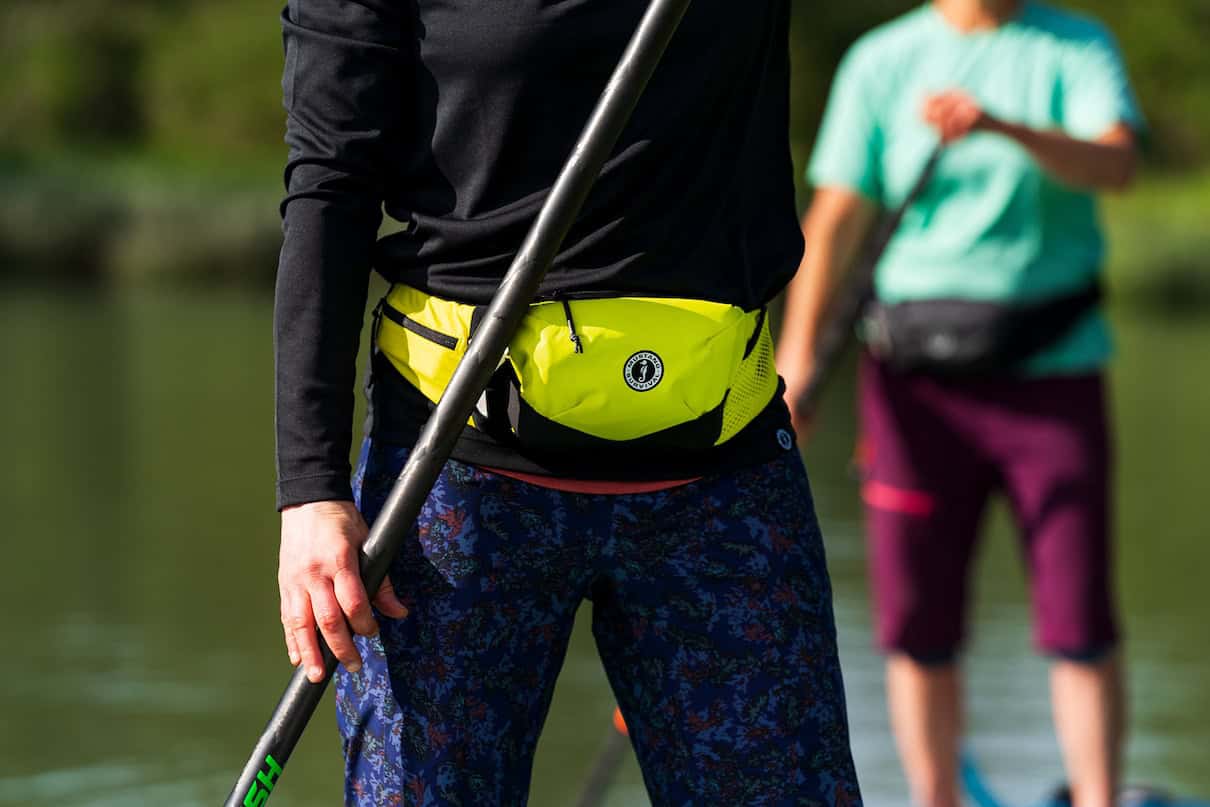
A belt pack cuts the bulk, making it a no-brainer to wear on hot days paddling flatwater. | Featured image: Chris Christie

Colby suggests the Minimalist Inflatable Belt Pack, a waist-mounted inflatable PFD that’s barely bigger than my wallet, yet complies with U.S. Coast Guard and Transport Canada regulations when used in the right context. “It’s all you need on a flatwater trip in warm weather,” she insists. “You’re legal and you’ll have plenty of flotation in the unlikely case that you swim.

The Minimalist is among nine inflatable PFDs Mustang Survival offers, including belt packs, yoke-style and hybrid foam. Once you’ve selected a style, the next big decision is whether to go with automatic or manual inflation, or a convertible that allows you to switch between the two. Here, we’ll help you know which is right for you according to your paddling habits.

Of choosing any of their inflatable offerings, Colby says, “Easy, breezy.”

I start imagining the freedom—and the points I’ll score with my partner, who is always chastising me to wear my life jacket—in shedding my hot and bulky PFD and wearing a simple inflatable belt pack. “Of course, you’ll need to wear a foam PFD if your trip has moving water,” Colby adds, “but on those days you can easily stuff the inflatable in your pack.”

The origins of inflatable PFDs

Inflatable PFDs have been around for years, yet paddlers have been slow to appreciate their benefits. In fact, the concept of air-based flotation dates back over a century, Colby says. The technology came into its own in World War II, when Allied airmen relied on yellow inflatable vests known as Mae West life preservers, a nod to a bosomy American actress and performer.

Decades later, in the 1990s, Mustang Survival was the first to manufacture a contemporary inflatable life jacket—collaborating with Billabong, a popular surfing brand, to create inflatable flotation bladders to help Hawaiian big wave surfer Shane Dorian survive epic wipeouts.

Mustang technological advancements like durable radio-frequency welded seams trickled down into Mustang’s first-generation inflatable belt pack. The U.S. Navy promptly made this model standard-issue across its fleet, speaking to the brand’s long-standing relationship with professional users, including the Canadian and U.S. Coast Guard, Navy SEALs, law enforcement and NASA.

Standup paddleboarders eventually discovered inflatable belt packs as an extra measure of safety on the water. Mustang’s stake in the recreational market expanded as more paddlers recognized the attributes of inflatable PFDs.

Man wearing red coat and life jacket in middle of lake and holding canoe paddle.
The Khimera is a foam/inflatable hybrid. | Photo: David Jackson

In particular, the innovative Khimera Dual Flotation PFD, a foam/inflatable hybrid launched in 2019, was a game-changer, for its streamlined fit and high buoyancy. As a rule, inflatables are cool, comfortable and lightweight; there’s no excuse not to wear one, no matter how hot and benign the conditions, says Colby, who is a board member of the Canadian Safe Boating Council. The key is choosing the right model for your application.

Inflatable PFD styles

Many inflatable PFDs sport a “Harmonized Level 70” label, explains Colby. This reflects a binational Canada-U.S. certification for inflatable PFDs with a minimum of 70 Newtons (about 15.7 pounds) of buoyancy. The certification stipulates that these PFDs are designed for people who weigh more than 88 pounds, are 16 years of age or older and are good swimmers. They are not meant for use in moving water or whitewater, where their straps present a risk of entanglement.

You can read more about new changes to PFD regulations in the U.S. and Canada here.

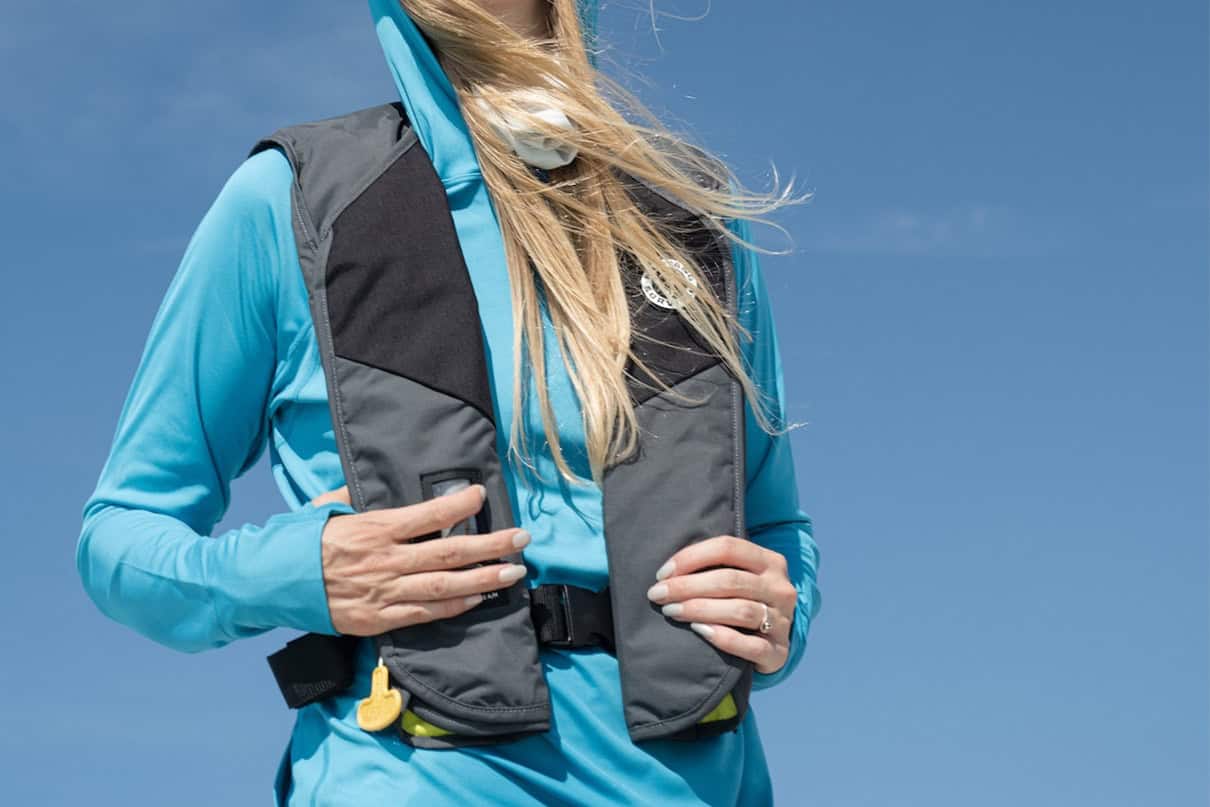
Besides the Khimera, which looks like a typical foam PFD, inflatables generally come in two styles: belt packs and yoke-style, which fit over the shoulders like a vest, such as the popular MIT inflatable range.

Manual vs automatic inflatable PFDs

Colby says there are three main parts to an inflatable PFD: the “lungs,” or air bladders; the “muscle,” or inflator; and the “brain,” which is the mechanism to activate the inflator. The “muscle” of all inflatable PFDs is a CO2 cartridge for rapid inflation, as well as a backup oral tube to inflate by mouth. In “manual” models like the MIT 70, the user is the “brain,” with the CO2 inflator activated by pull-tab. These are generally the preferred option for paddlers, Colby says.

“Automatic” models come with different types of inflators, and are all triggered to inflate when submerged in water. This makes them unsuitable for people who are paddling in scenarios where falling in the water isn’t a problem, such as when paddling close to shore or in the shallows where they can stand up safely. “You don’t want your PFD to inflate when not needed,” Colby adds.

Pull tab and toggle on inflatable PFD
The MIT 100 A/M Convertible Inflatable PFD can toggle between automatic and manual. | Photo: Mustang Survival

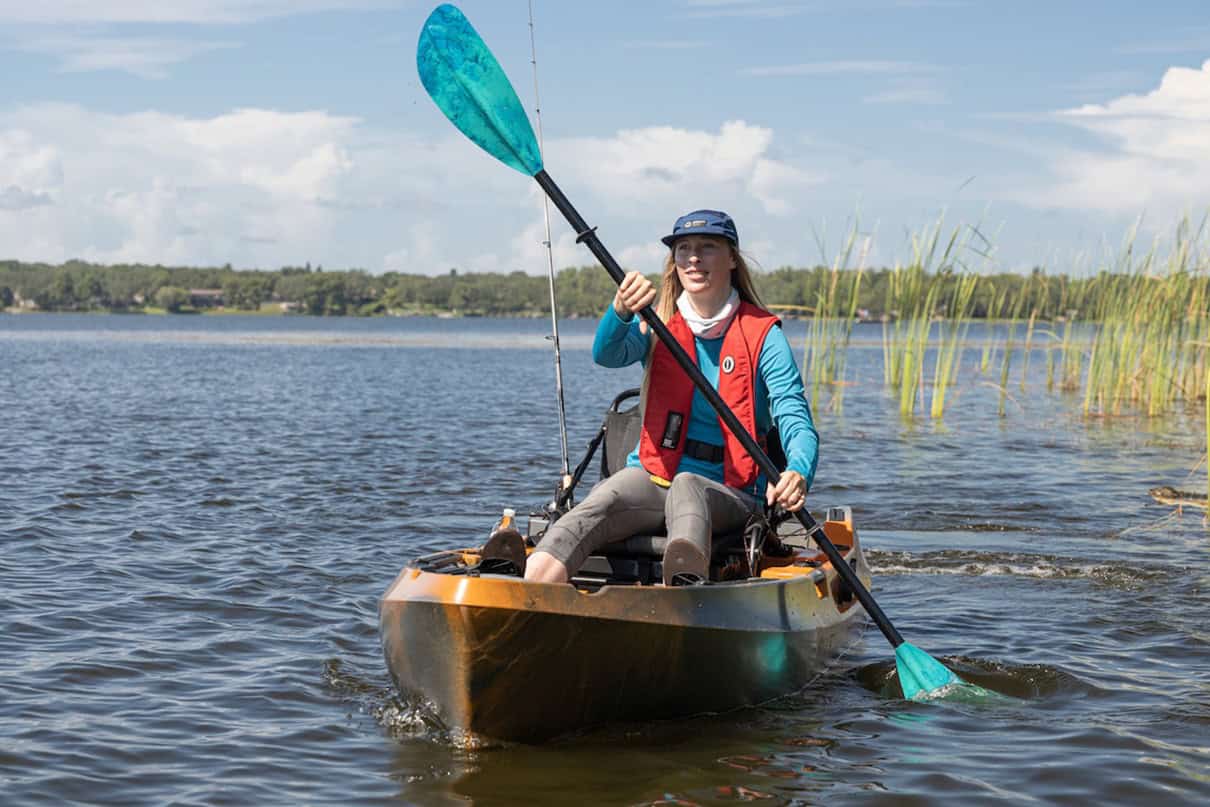
However, a PFD with an automatic inflator (such as the MIT 100 A/M Convertible Inflatable PFD, which can be set in either automatic or manual modes) could be a key safety feature for offshore kayak anglers.

“[Kayak fishing] boats are top-heavy and they are loaded with gear,” says Colby. “[Kayak anglers have] their hands full, they are often out there by themselves—and then they hook a fish of a lifetime. An automatic inflatable PFD could save their life.”

Inflatable PFD maintenance

Along with an awareness of the regulations around inflatable PFDs, users must also commit to the responsibilities of using them. “You need to make sure you are armed and ready,” Colby says. That means making sure the inflator mechanism is in good shape (components of a CO2 cartridge will corrode over time) and ensuring the air bladders do not have leaks. Colby suggests inspecting these elements at least once per year.

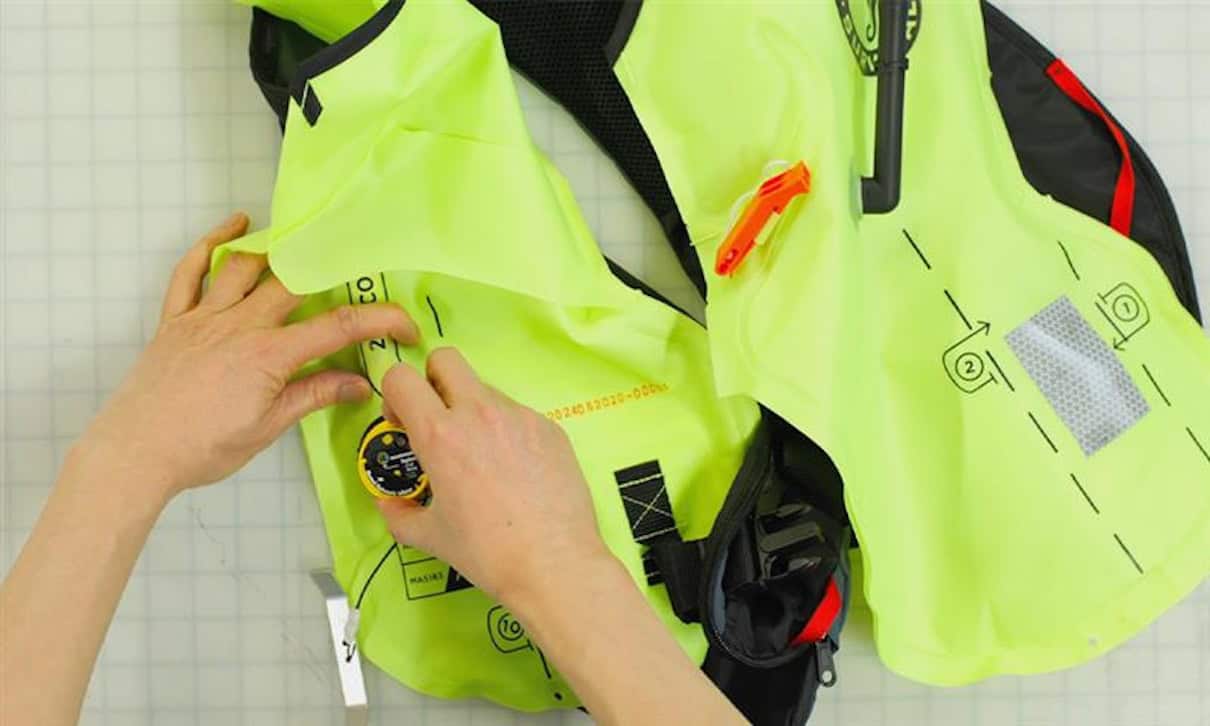
A CO2 cartridge that’s been deployed or worn out is easy to replace by purchasing the appropriate rearm kit for the model from the manufacturer, and following the instructions, for a fraction of the cost of a new PFD.

Hands working on rearming an inflatable PFD
A CO2 cartridge is easy to replace yourself if it’s been deployed or is in poor condition. | Photo: Mustang Survival

Colby’s description of inflatable PFDs could be a game-changer for me. I was lucky to get a one-on-one consultation, but Mustang’s new online PFD Finder is a good alternative.

“It takes more thought to choose an inflatable PFD, especially when you’re used to the simplicity of foam,” she says. “But it can be such a great choice because it’s just so much more comfortable, and you’re more likely to wear it.”

What’s In Editor Kaydi Pyette’s Paddle-in Shoulder Season Kit

Paddling Magazine Editor Kaydi Pyette poses with a selection of her favorite shoulder season canoe camping gear
Bring the heat. | Feature photo: Virginia Marshall

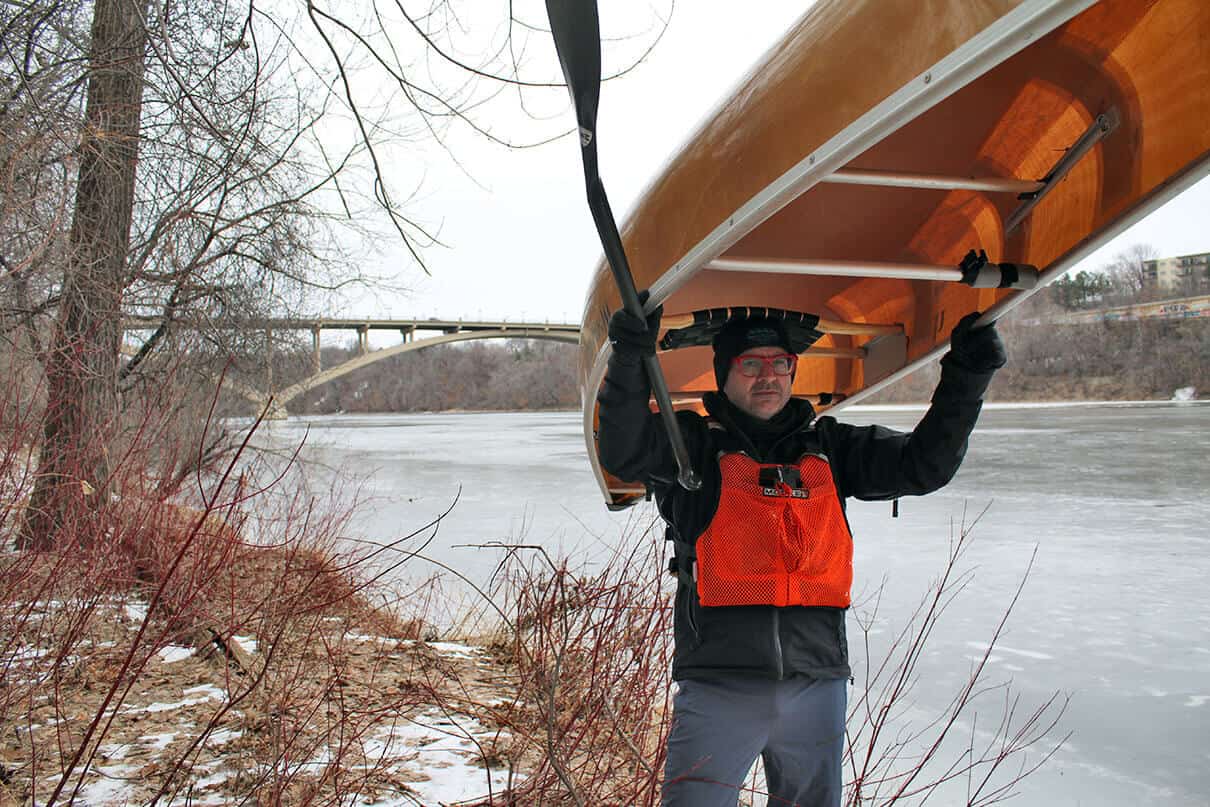
There’s a window between fall color and ice-up, and another just after thaw, that are some of my favorite times to paddle. There’s no one else around, just the challenge of seeing how far I can push the season. Here’s what makes the cut when I’m heading out during the margins of the paddling season.

What’s in Editor Kaydi Pyette’s paddle-in shoulder season kit

Paddling Magazine Editor Kaydi Pyette poses with a selection of her favorite shoulder season canoe camping gear
Bring the heat. | Feature photo: Virginia Marshall

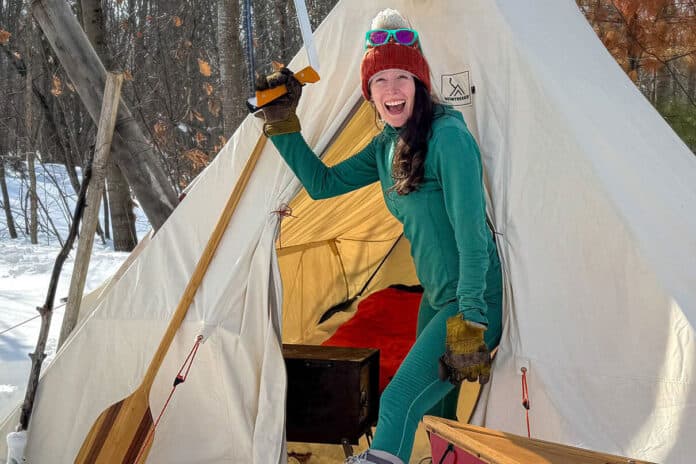
Snowtrekker Hot Tent

MSRP: $2,358

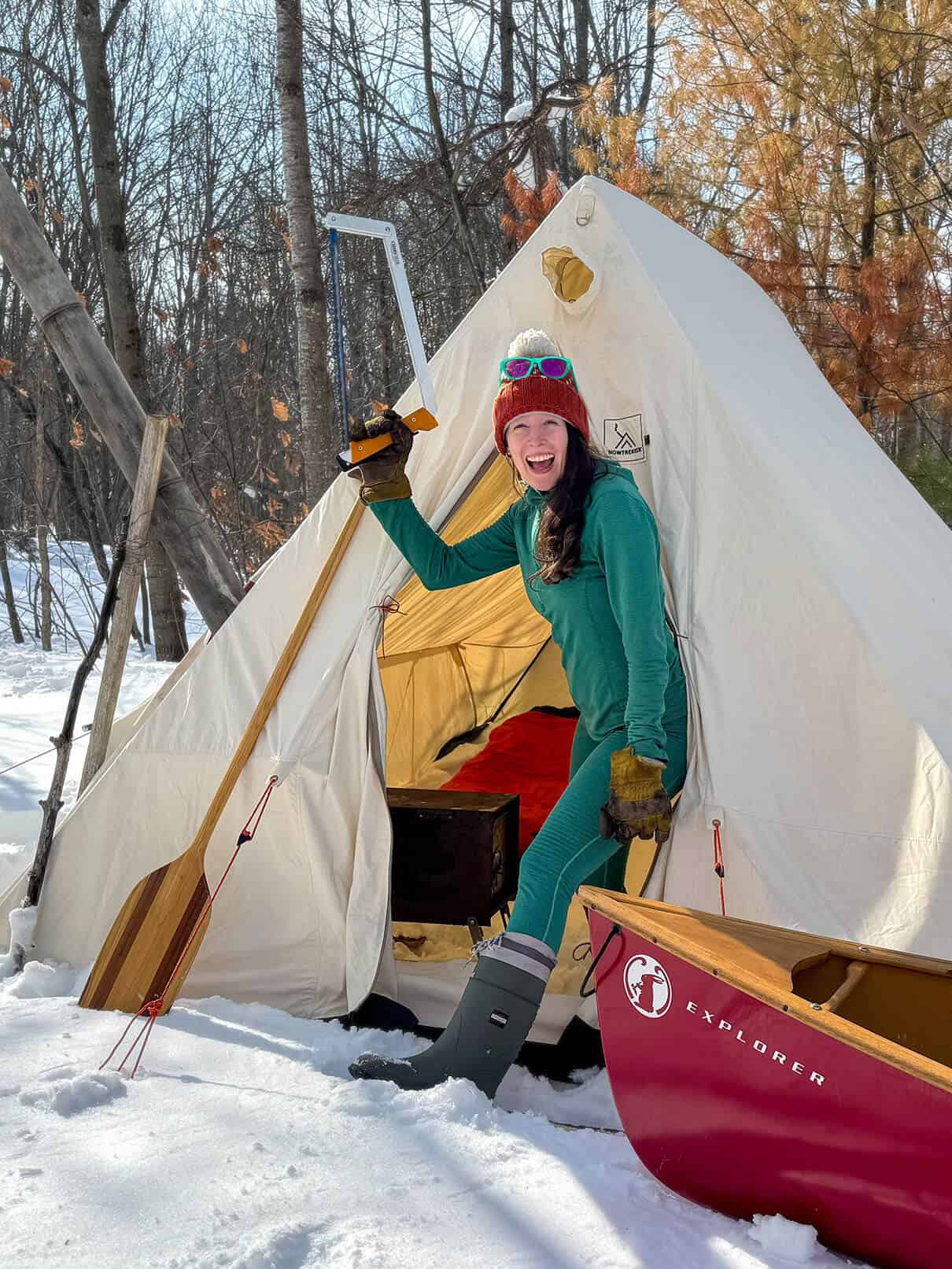
Snowtrekker’s canvas tent and wood stove system is perfect for off-season backcountry adventurers. My four-man 10×13 Crew tent plus stove packs into a 55-pound bundle. Hefty, yes, but manageable when your portages are few. And so worth the effort. The tent and stove go up in about 20 minutes. Then you light the stove, string a line for socks, and suddenly you’re down to your T-shirt while snowflakes fall outside. Off-season canoe camping has never been so cozy. For smaller groups or solo paddlers, the smallest hot-tent-and-stove combo weighs around 40 pounds.

Buy from:

SNOWTREKKER

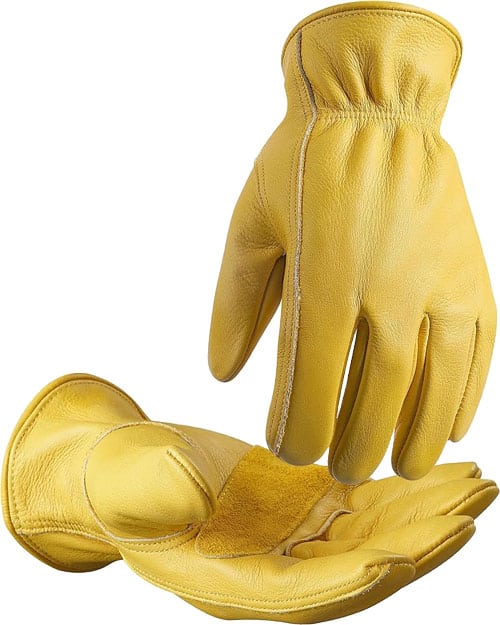
Dulphine cowhide gloves

Work Gloves

MSRP: $9

The least glamorous piece of kit, but the most unpleasant to overlook. You need a pair of work gloves to feed the stove and for the stove’s setup and teardown. Any will do, but pigskin or cowhide palms stand up to heat and sparks. Just don’t touch the white canvas with these gloves. Ask me how I know.

Buy from:

AMAZON DICK’S SPORTING GOODS BACKCOUNTRY

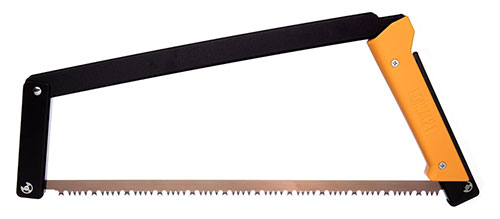
Agawa Boreal 21 folding saw

Agawa Canyon Boreal 21 Saw

MSRP: $92 CAD

You’ll also need a camp saw to buck stove wood into manageable lengths. My favorite is the sturdy and lightweight Agawa Boreal 21. It chews through deadfall with ease, and its folding frame packs flat.

Buy from:

AMAZON AGAWA

Mark's Aggressor Waterproof Boot

Mark’s Aggressor Waterproof Boots

MSRP: $78 CAD

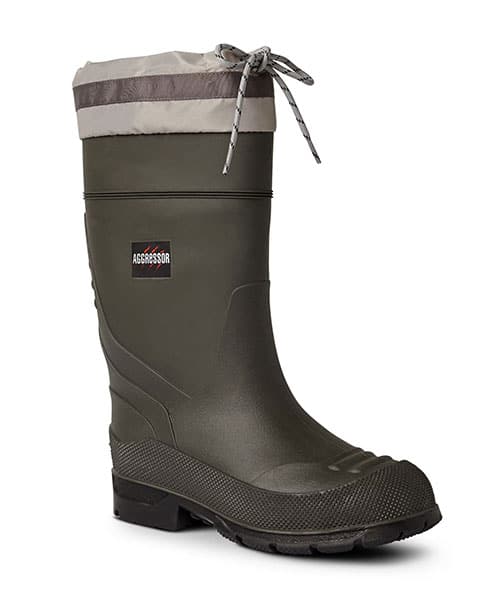
Think wellies but warmer. For the ultimate in shoulder season footwear, I go waterproof and insulated so I can step mid-shin at the put-in without worry. The Aggressors from Mark’s Work Wearhouse supply store replaced needing both water shoes and camp shoes on shoulder season trips (though I still bring a pair of hut booties for inside the tent). Removable liners dry by the stove overnight and spare you from damp boots at dawn.

Buy from:

MARK’S

Patagonia Baselayer

Patagonia Base Layer

MSRP: $109+

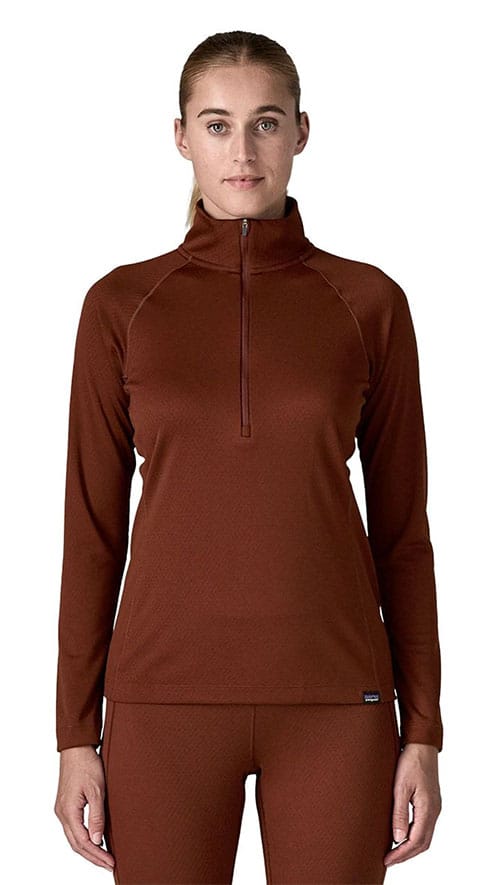
My favorite long johns ever. Over the last decade, they have accompanied me on almost every trip big and small, from paddling across Ontario to weekends in Algonquin. And this midweight merino wool base layer from Patagonia is still going strong. They don’t stink, they dry fast and they layer nicely under a drysuit—which you should absolutely be wearing when paddling on cold water.

Buy from:

BACKCOUNTRY REI PATAGONIA

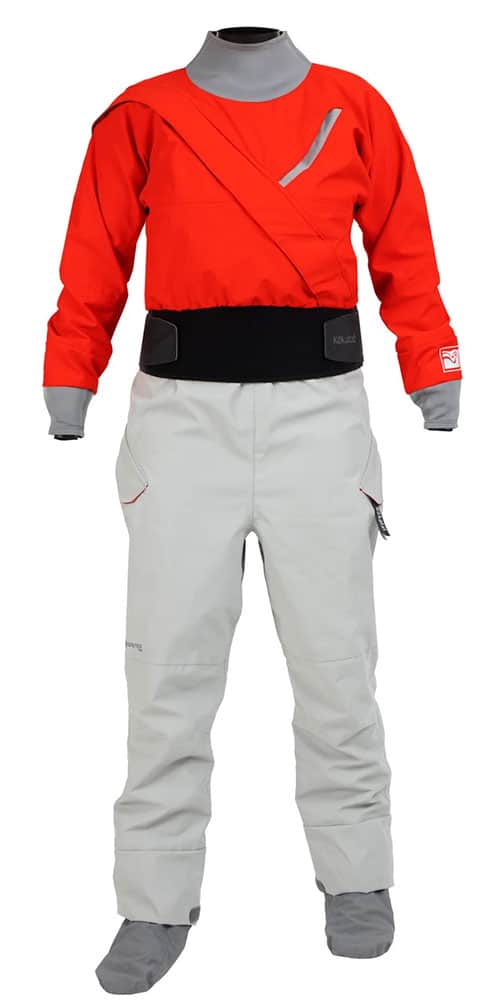
Kokatat Meridian Gore-Tex Pro Womens Drysuit

Kokatat Meridian Gore-Tex Pro

MSRP: $1,549

Cold water kills. Turn to page 87 if you need convincing. My go-to drysuit is the Kokatat Meridian. The National Center for Cold Water Safety (coldwatersafety.org) recommends dressing for immersion and wearing thermal protection when water temperatures drop below 70°F (21°C).

Buy from:

AMAZON KOKATAT

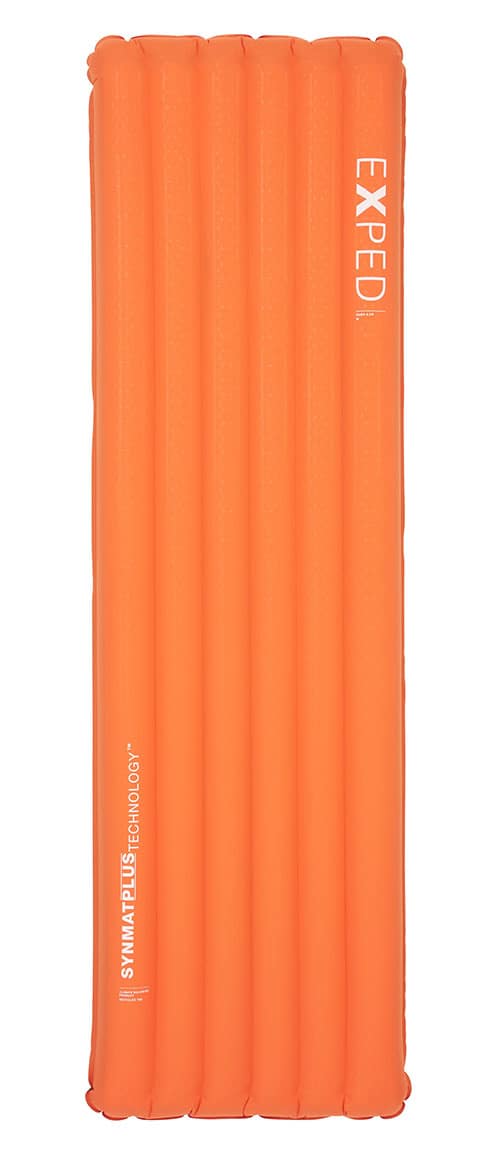
Exped Dura 6.5R

Exped Dura 6.5R

MSRP: $199.00

My favorite cold-weather pad is the compact and inflatable Exped Dura 6.5R, which delivers an R-value of 6.9 for 1.4 pounds. As for a sleeping bag, the long-discontinued synthetic MEC Habanero -12 (mec.ca) is the old warhorse that I’ve trusted to keep me warm from the Yukon to Patagonia. It’s not the lightest or most compact bag, but it lives up to its temperature rating, and I can guarantee the water will freeze up long before I do. Cold sleeper? Add a fleece liner to your bag to buy yourself another five degrees of warmth on shoulder season trips.

Buy from:

BACKCOUNTRY REI AMAZON EXPED

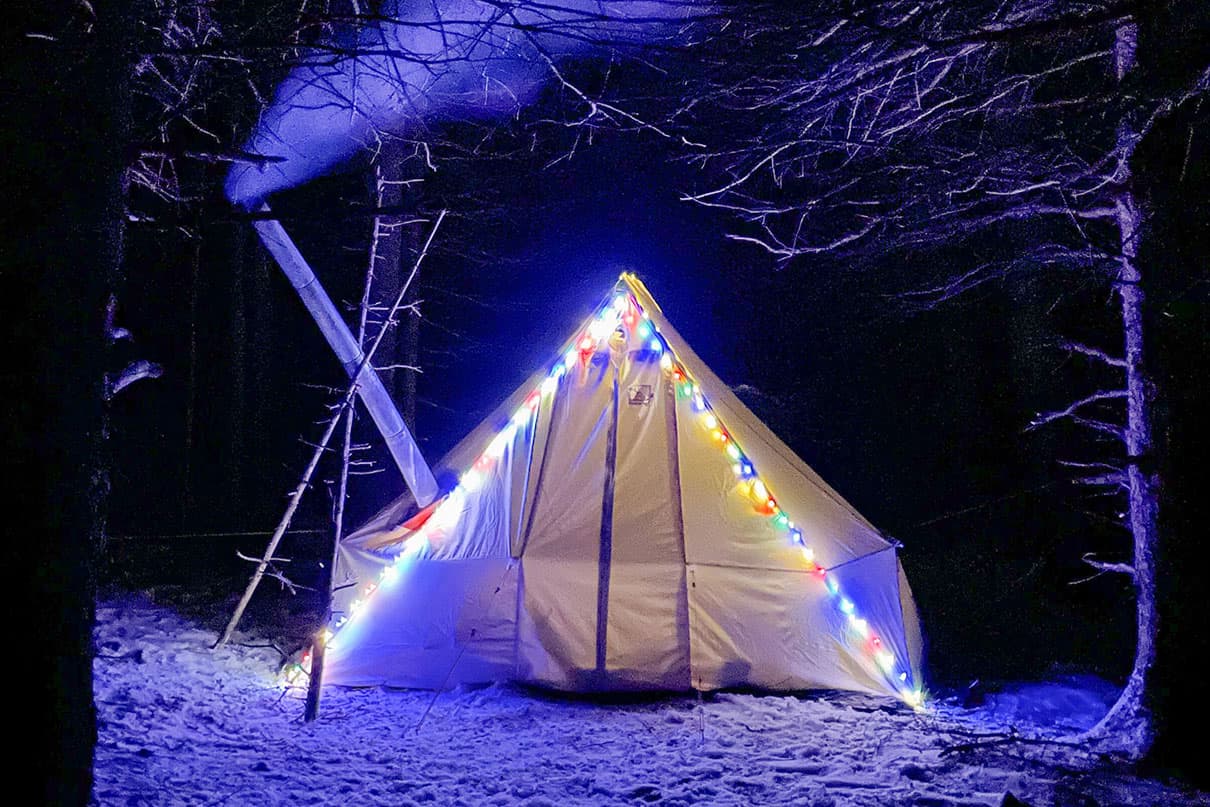
a hot tent with fairy lights along the triangular supports
Photo: Kaydi Pyette
Dollar Store Fairy Lights

If you’re hot tenting but not stringing fairy lights along the inside of your A-frame structure, you are absolutely missing out. Fairy lights provide practical lighting and a cozy interior for long, dark evenings, and they light up your tent like a lantern for photos—all for around $10.

Buy from:

AMAZON

Cover of Issue 75 of Paddling MagazineThis article was published in Issue 75 of Paddling Magazine. Subscribe to Paddling Magazine’s print and digital editions, or browse the archives.

Bring the heat. | Feature photo: Virginia Marshall


Father And Son Rescued After Kayak Overturns On Milwaukee River (Video)

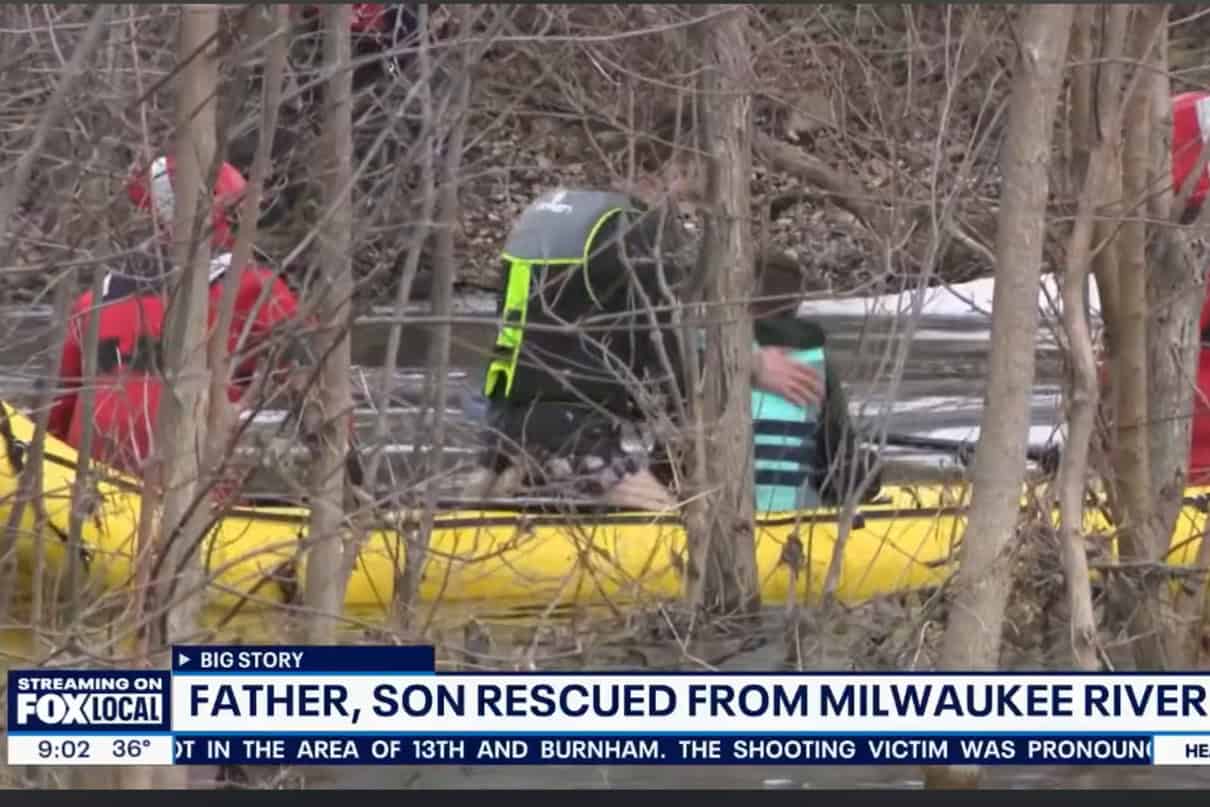
After their kayak overturned on the rain-swollen Milwaukee River, a father and son were rescued on April 19, 2026. A bystander spotted the pair in the water and made the call, triggering the rescue, and North Shore Fire and Rescue was alerted of the situation just after 3 p.m. The duo had made their way out of the current and onto a small, partially-submerged island where they held themselves while the rescue was planned.

Rescue on the Milwaukee River

In the video, first responders can be seen on a raft crossing the swift current of the river to reach the trapped pair before pulling them into the raft and ferrying them back across the river.

Neither father nor son was reported to have sustained injuries, and both can be seen wearing a lifejacket in the video.

The incident occurred near Glendale, on the Milwaukee River. While the river is generally calm in the summer months, spring rainfall increased the volume and speed of the river significantly and led to hazardous conditions.

“As soon as I saw the rafts, I knew it was a kayaking incident,” Dale Gatford, a local who regularly kayaks the area, told TMJ4 News Milwaukee. Gatford also shared that he checks the river’s conditions via its U.S. Geological Survey (USGS) gauge before paddling.

Kayakers rescued on the milwuakee river
In a daring rescue caught on camera, a father and son were rescued from the Milwaukee River after their kayak capsized. Feature Image: FOX6 News Milwaukee | YouTube

Higher flow rates, measured in cubic feet per second, indicate stronger currents and hazardous conditions on the river. Gatford told TMJ4 News Milwaukee that for him anything over 1,150 cubic feet per second is too much and the week of the accident flow rates were as high as 11,000 cubic feet per second.

Heavy rains lead to hazardous conditions

Even had the pair not capsized, exiting the river in these conditions in a kayak or as a swimmer would have seen additional hazards. With the river flooded, the water was now moving through the trees at the shoreline creating points at which the river rushes through brush and logs and a paddler could easily become pinned.

Following the incident North Shore Fire Rescue issued a warning urging people to use “extreme caution when entering the river due to unsafe, swift-moving water conditions.”

The Next Adventure

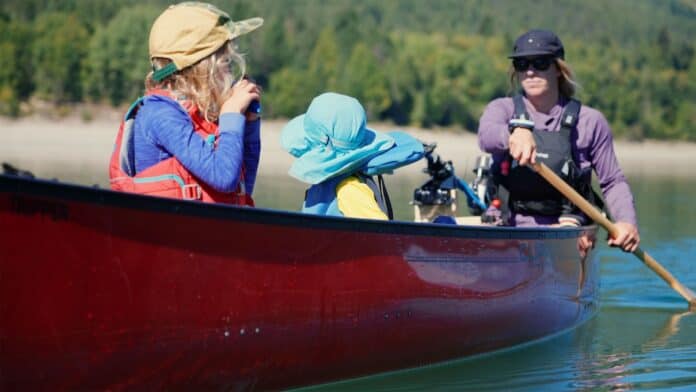
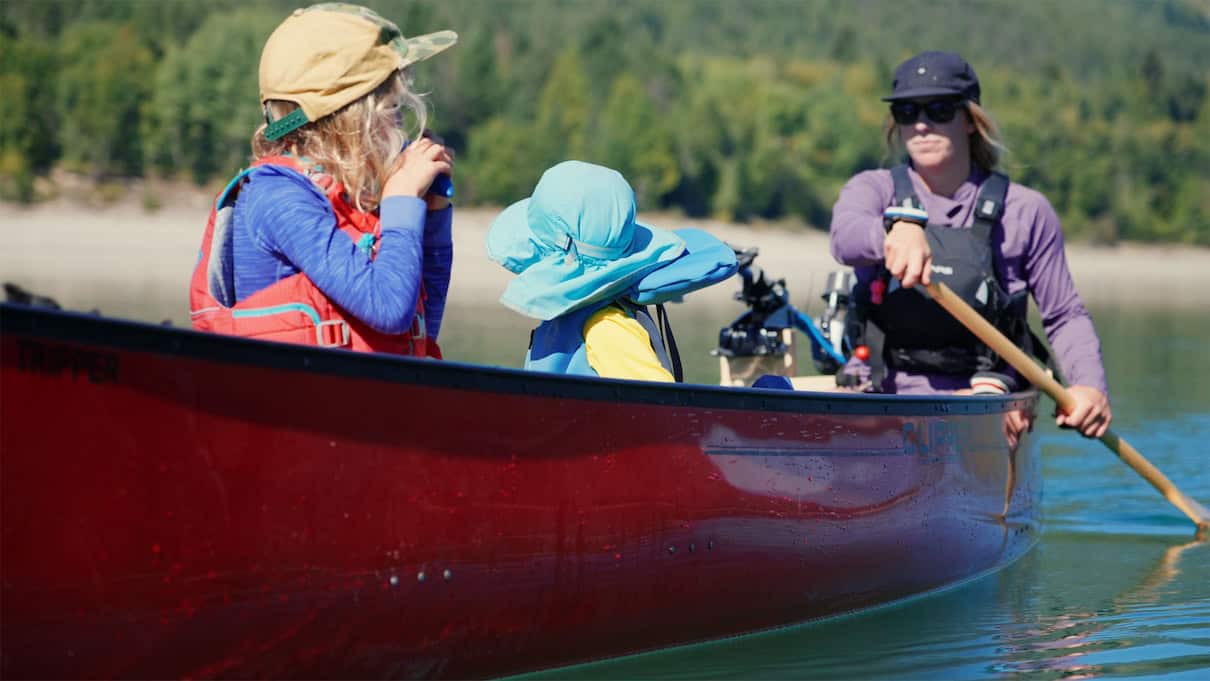
Mom and two kids paddling in red canoe

Paddling Film Festival Shortlist 2026Brenna Kelly is an accomplished paddler. She was a semi-pro creek boater and freestyle competitor and qualified for the Canadian National Freestyle Team. While she doesn’t compete anymore, as a hobby, she teaches all paddlesports and swiftwater rescue. She’s dropped waterfalls, paddled remote rivers and swam in rapids more times than she can count. But the idea of taking her two kids, ages seven and five, on an overnight canoe trip was intimidating to her.

The plan was to canoe from the mountain town of Revelstoke, where they live, down the Columbia River and camp overnight at a local campground. The next day, they’d continue down the river where it widens into a lake, and take out at the ferry landing, covering 55 kilometers over two days.

You can see the trip they took in the film, The Next Adventure, touring in this year’s Paddling Film Festival.

This trip had been on Brenna’s mind for a long time, and although it wasn’t Piper and Hudson’s first time paddling or camping, it would be their first time putting the two together and spending potentially long days on the water. And it would be Brenna’s first time taking the kids on her own.

“There are so many things safety-wise that you need to consider,” she explains, expanding on why she was intimidated by the idea. “And then on top of the safety aspects, my secondary concern was making sure the kids were actually having fun. Because if they didn’t, it could have easily been the moment they decided to hate paddlesports forever.”

No pressure.

Mom and two kids paddling in red canoe
Already dreaming of the next adventure. | Feature photo: Tyler Correll

But Brenna didn’t want her reservations about the trip to hold her back from doing it. So she started making contingency plans for everything that might go wrong, covering her bases to ensure the trip was both safe and fun for the kids.

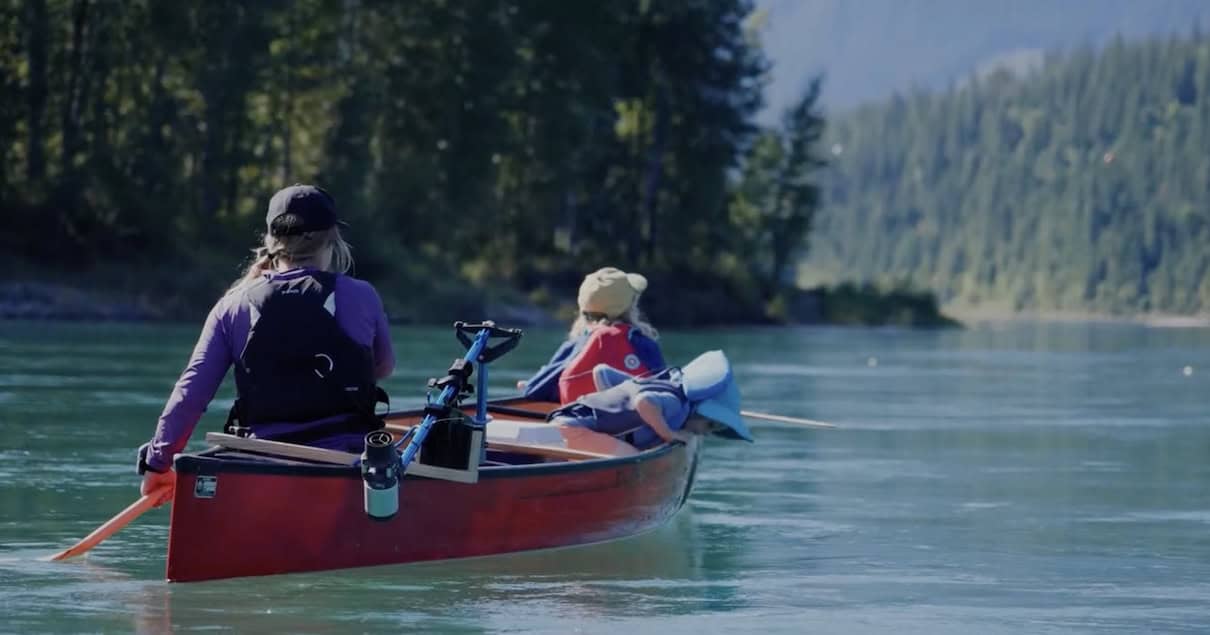
“I had considered, what if we tipped our canoe? That was a big concern.” Brenna explains that to counter this, she invited her friend Tyler along to film. She procured a sit-on-top, pedal-drive fishing kayak for him to paddle, so his hands would be free and he’d have a stable platform he could pull the kids onto if their canoe tipped.

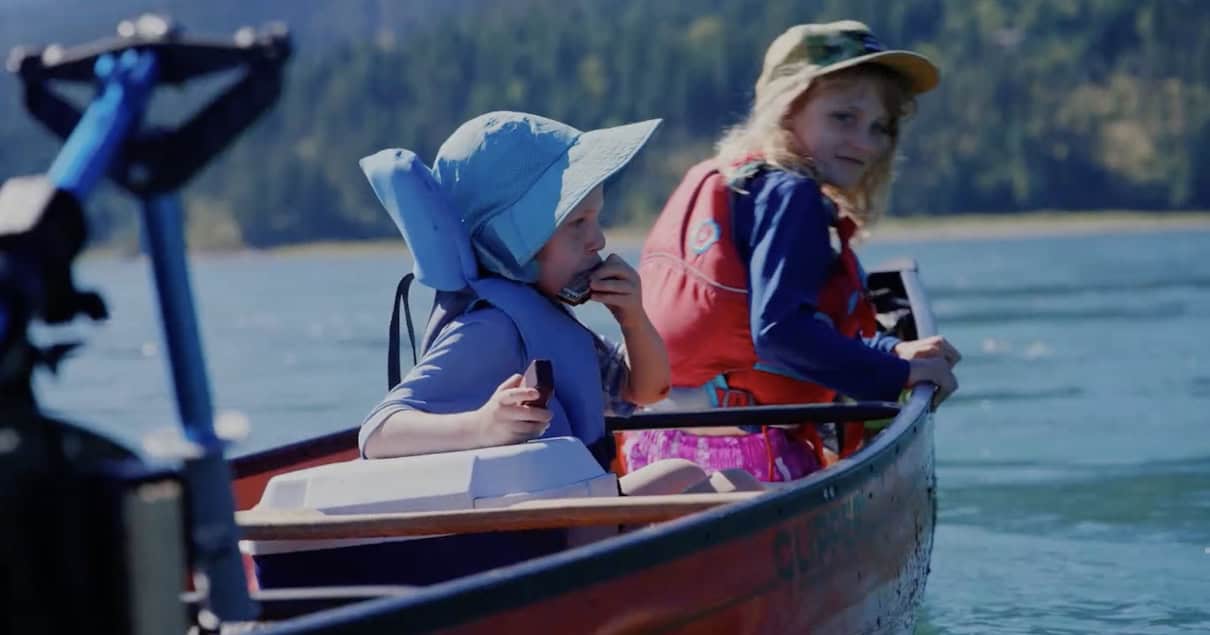
Her second concern was whether the kids would tolerate sitting in a canoe all day. To combat boredom, she brought a harmonica, an ocarina, and copious amounts of candy and snacks.

“I made sure to make stops every couple of hours at least, just to stretch our legs, run around and play, do little hikes, check out cool things,” she says. “Because it’s all about the journey, it’s not just about getting from point A to point B.”

The first day, they were only on the water for about four hours. They stopped at a campground where Brenna had already arranged for her trailer to be dropped off and where Tyler’s car was parked. All their camping gear was waiting for them, and they had an out if the weather turned on day two and they didn’t want to continue on.

“I planned it all like a diamond heist,” laughs Brenna.

Day two brought more good weather and the kids were keen to complete the trip, so they headed back out on the water. Despite the second day being similar in distance to the first, it took a lot longer than anticipated to reach their destination—around seven hours. They were paddling a stretch that was more lakelike and had no current.

Thankfully, she had another contingency plan in her back pocket: a motor.

Brenna says she has been familiar with Bixpy Motors for a long time, but thought they were initially created for fishing.

“But they weren’t,” she continues. “They were created first and foremost for people to feel confident going out on the water. So that if someone was like, ‘Oh my gosh, there’s a little bit of wind, never mind I won’t go.’ You want them to be like, ‘You know what, there’s a little bit of wind, but I’ll just put my motor in the fin box of my paddleboard and if I need to use it then I can and I’ll be able to get back to where I started.’ And same with canoes.”

The ability to drop a motor whenever she felt like she needed the extra power was the last piece of the puzzle to make her feel like this was a trip she could accomplish with the kids.

Brenna says they definitely used the motor more on the second day of the trip to help them get through the flatwater section.

She notes that there might be a bit of a stigma around using a motor to go on a canoe trip and that some hardcore paddlers might scoff at the idea.

“I don’t feel bad about using these tools at all,” she says. “If they’re the difference between me going and not going, then I’m going to use them.”

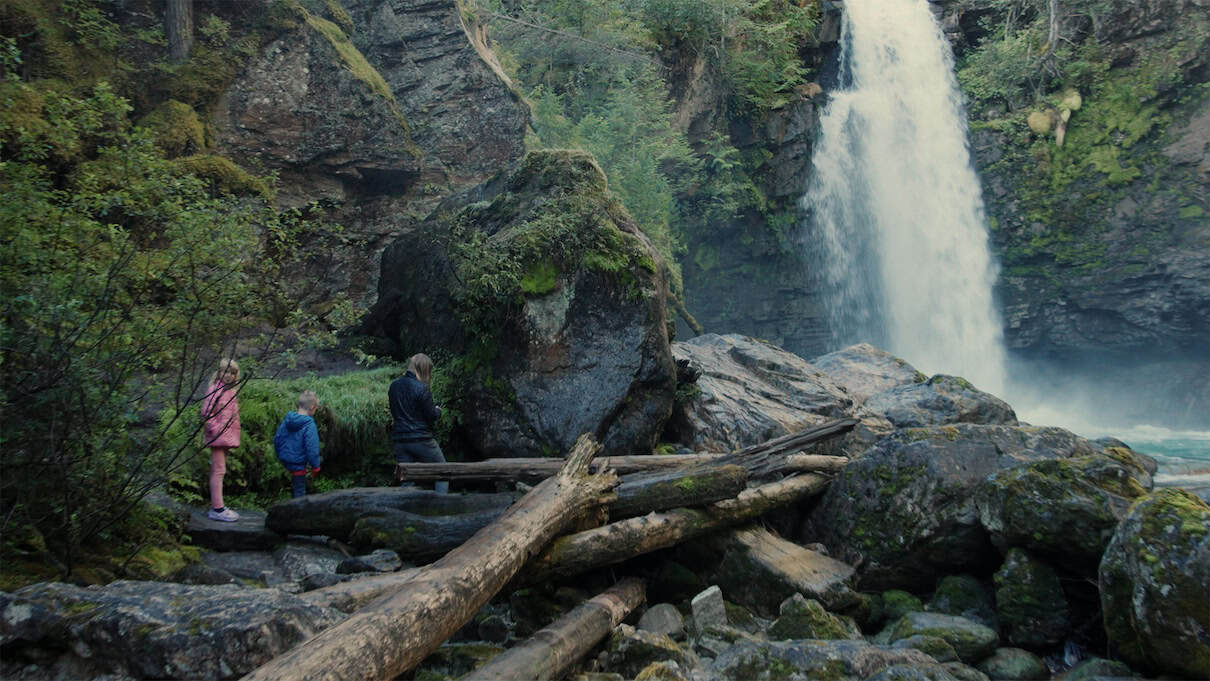
Mother and two kids stand among boulders at base of a waterfall.
Brenna made sure to build lots of stops into their journey. Exploring beautiful spots like this one helped keep the kids engaged. | Photo: Tyler Correll

At the end of the day, she says, they accomplished their goals.

“The point is the kids got to go on a trip, I got to go on a trip, and we got to paddle the overnight section I’d always wanted to do. We had fun, we stayed safe, we made it to the end.”

And the kids are already asking to go again. Next time, they’re planning to bring more friends along and Piper and Hudson have requested that instead of staying at the campground, they find a place to backcountry camp along the river.

“Now that it’s summery here in Revelstoke, they’ve already asked three or four times if we’re going to do another canoe trip this summer,” says Brenna. “I think it’s safe to say, I’ve got them hooked.”

You can watch The Next Adventure in person at a Paddling Film Festival World Tour event or watch at home with a subscription to Paddling Magazine TV.


Already dreaming of the next adventure. | Feature photo: Tyler Correll


Back To Nordkapp: Retracing The Expedition That Launched The Modern Sea Kayak

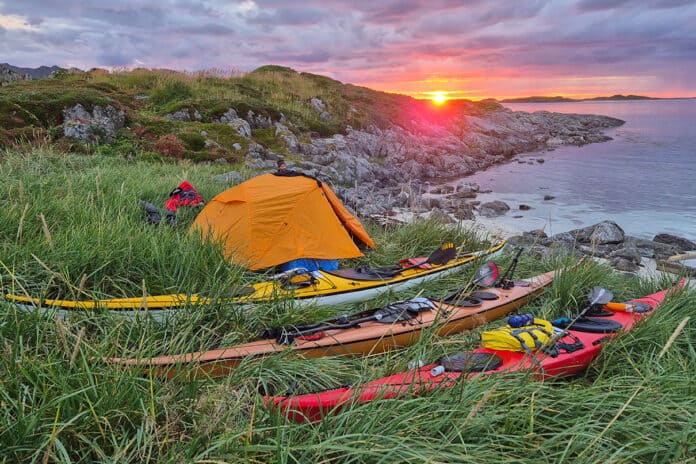
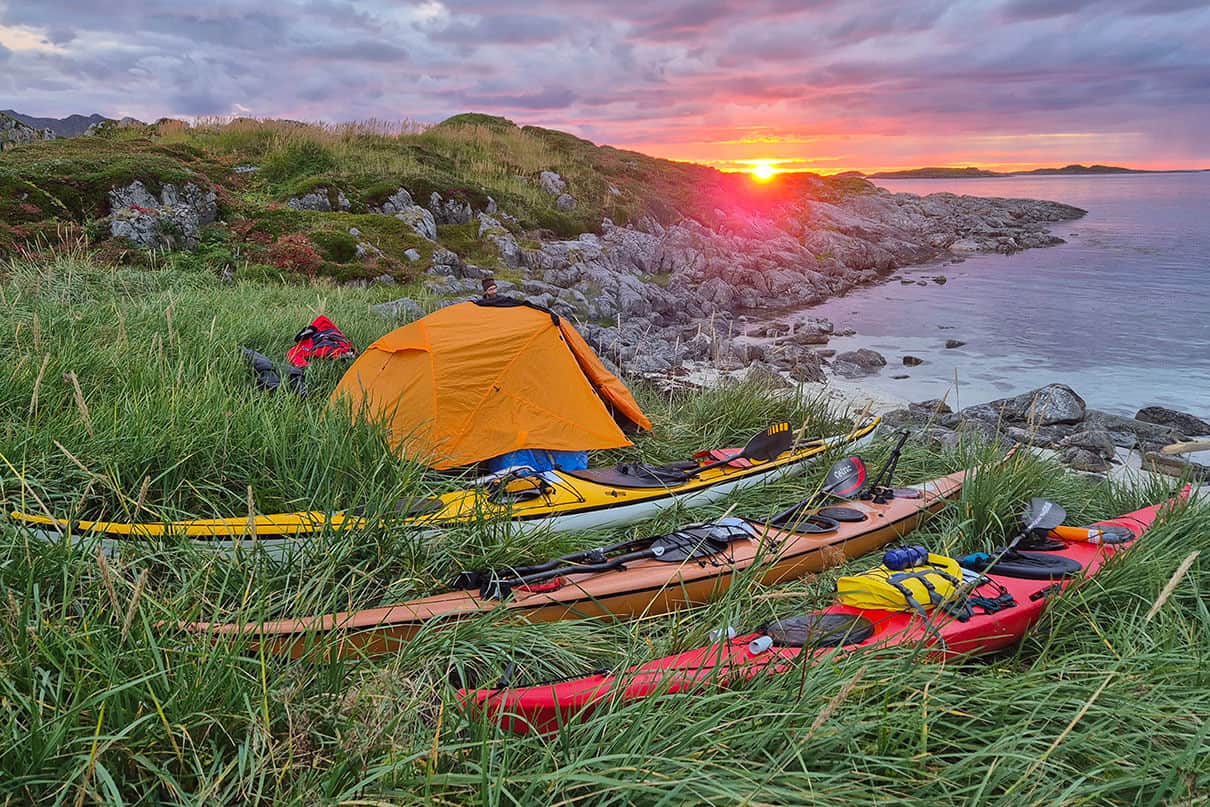
sunset view of a campsite with Nordkapp expedition kayaks during the anniversary trip
Half a century after the iconic expedition, the Nordkapp is still in its prime. | Feature photo: David Priddis

Fifty years after the original Nordkapp expedition helped define the modern sea kayak, U.K. kayak guide David Priddis and two friends traveled to Norway’s northern coast to retrace its legacy. Paddling vintage Valley Nordkapps, they journeyed 231 miles from Alta to Lakselv around the famed Nordkapp headland, camping along the way.

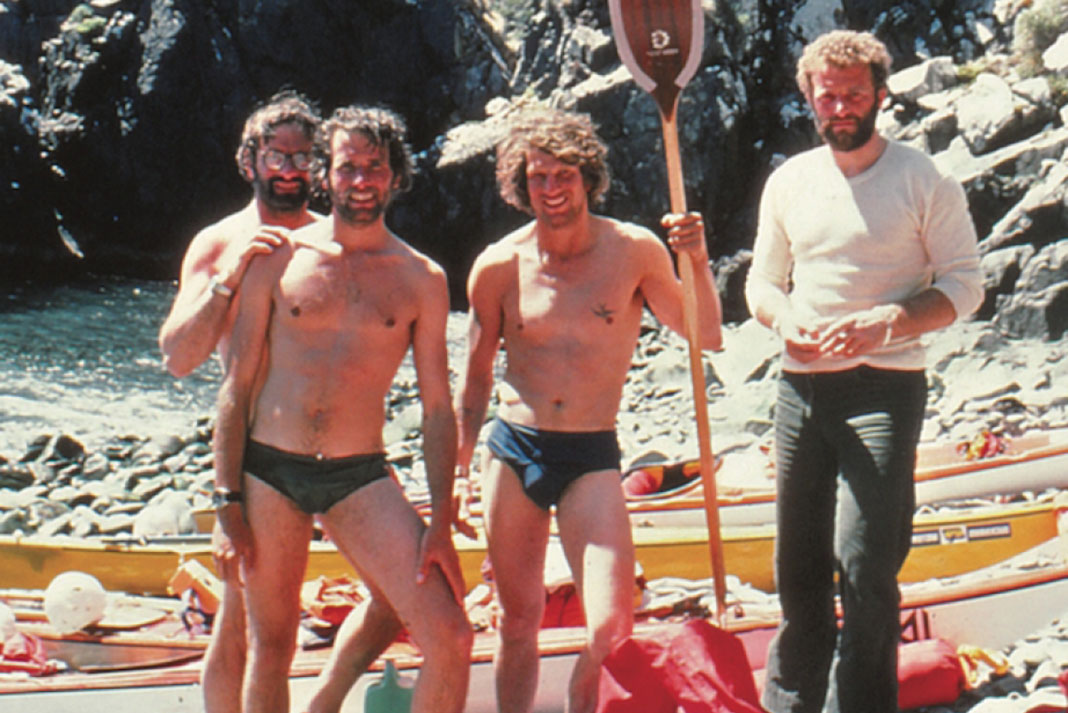
Their route traced part of the original 1975 Nordkapp expedition, when British paddlers covered 500 miles along Norway’s coast. With no suitable boats available at the time, Valley Canoe Products founder, Frank Goodman, designed a new kayak for the trip. With bulkheads, watertight hatches and a strap-on skeg added mid-expedition, the new Nordkapp became a template for modern sea kayaks.

“In their original trip report, you hear a lot of grumbles about soggy kits and bad weather,” says Priddis. “Even in drysuits, we were chilled and exhausted at times. They had it far worse.”

—As told to Kaydi Pyette
Back to Nordkapp: Retracing the expedition that launched the modern sea kayak

When did conditions get scary?

On day five, estimating Force 9 winds [47 to 54 miles per hour] is conservative. Conditions were flat-calm, then 20 minutes later, it was raging seas. Wind against tide jacked everything up, and we had a 300-foot cliff to get around. The wind was coming around the corner like small hurricanes, hitting us so hard we had to hang onto our paddles for dear life. It was like someone firing a high-pressure hose with spray belting us. It was survival paddling.

sunset view of a campsite with Nordkapp expedition kayaks during the anniversary trip
Half a century after the
iconic expedition, the
Nordkapp is still in its prime. | Feature photo: David Priddis

What did you learn?

It was humbling. We had 10 times more information than the original trip ever had—they could only stick their heads out of the tent in the morning and decide if they were going. Even with all the modern tech, it proves you can still get caught out by the weather. Luckily, we had the skills to put up with those conditions, and we can laugh about it now.

Where did your vintage Nordkapps differ?

We had three variants. My 1979 Nordkapp with an ocean cockpit, a Nordkapp Jubilee from 2000, and a rotomolded Nordkapp. The change in cockpit shape, from ocean cockpit to keyhole, was the biggest difference. The hulls had not changed much, except that mine had a fixed fin. In the extreme conditions, I did suffer with a lot of weathercocking. And I had tiny 18-centimeter round hatches on my kayak. My variant is slim and low-volume, so I could only carry about five days’ worth of food. The Jubilee took 16 days’ worth, even though we only needed 14.

Why does the Nordkapp still capture our imaginations?

A lot of the epic trips have been conducted in them. Obviously, the one we’re talking about. Another famous one is Paul Caffyn’s paddle around Australia. When I went to Ushuaia, Argentina, there was a Nordkapp in the rafters at the Maritime Museum from [circumnavigating] Cape Horn. It reached all four corners of the planet, but many people still have access to them because they’re so prolific.

Who do you hope this trip inspires—and how should they start planning?

Anyone. Once you’ve got that cool place in mind, look at the wider weather data and work out the best time of year to be there. We had two choices: either June or September. At the height of the summer, it’s a bug fest, and quality of sleep is a factor with the midnight sun. In September, it hadn’t gotten properly cold, it wasn’t bucketing rain yet either, and the bugs were gone. And we never would have seen the aurora borealis if we had gone in summer.

David Priddis is a photographer, kayak guide and coach, and the founder of Kayak Nomad (kayak-nomad.com). He’s based on the beautiful island of Jersey, Channel Islands, with the third highest tidal range in the world.

Cover of Issue 75 of Paddling MagazineThis article was published in Issue 75 of Paddling Magazine. Subscribe to Paddling Magazine‘s print and digital editions, or browse the archives.

Half a century after the iconic expedition, the Nordkapp is still in its prime. | Feature photo: David Priddis